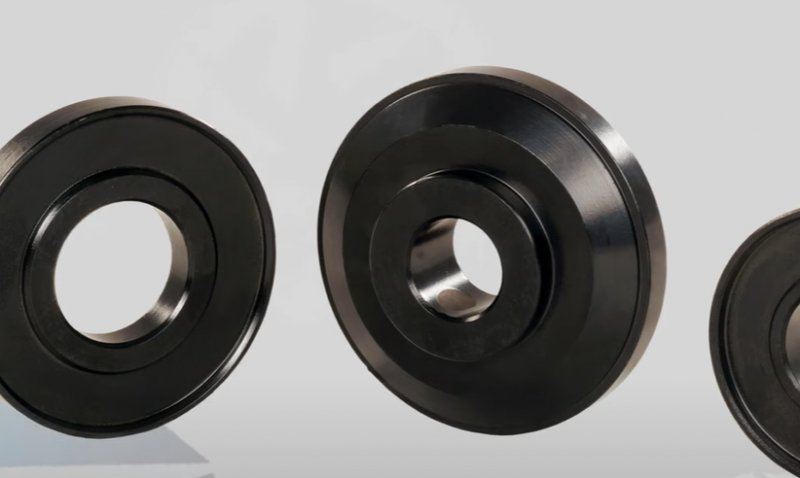
What are Thrust Ball Bearings?
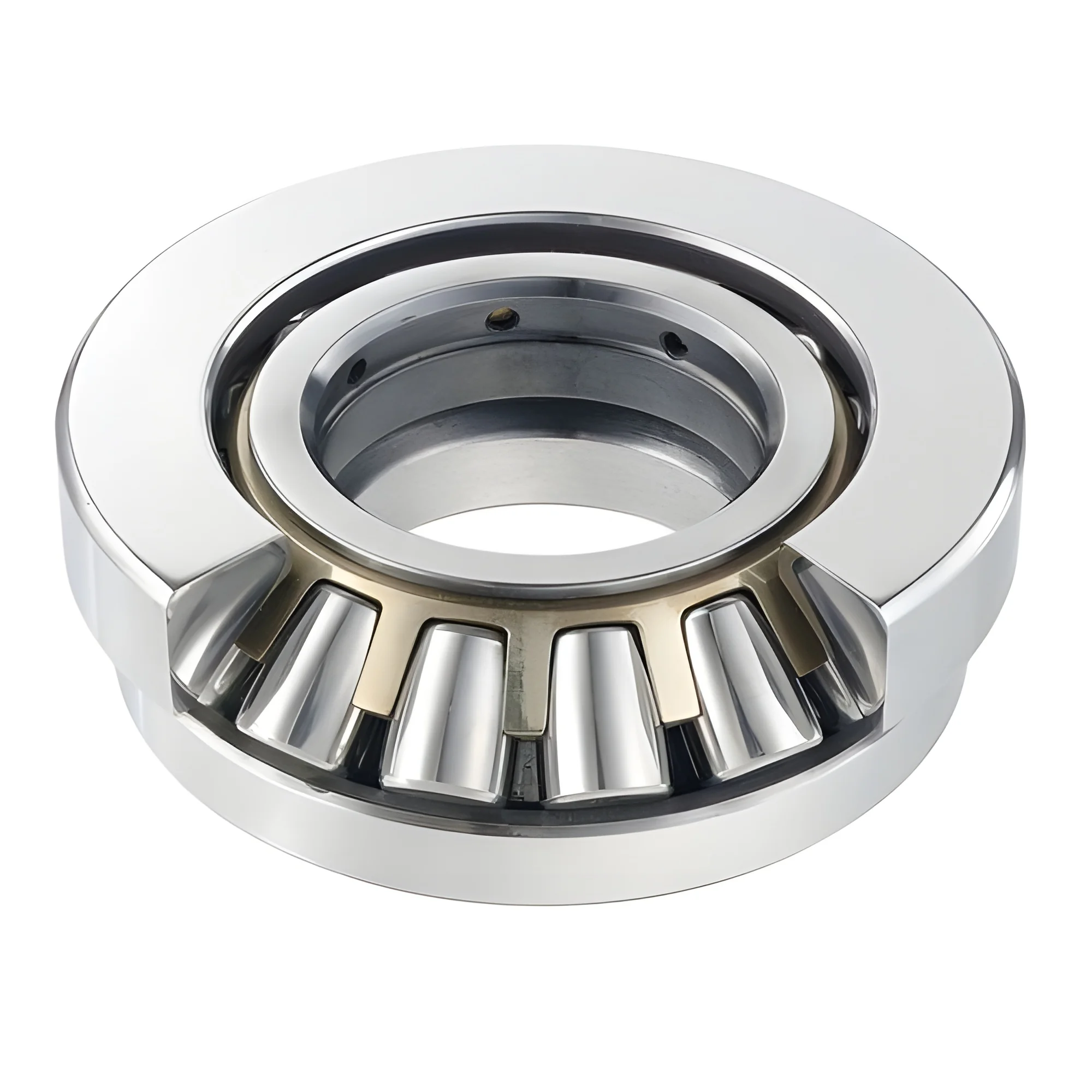
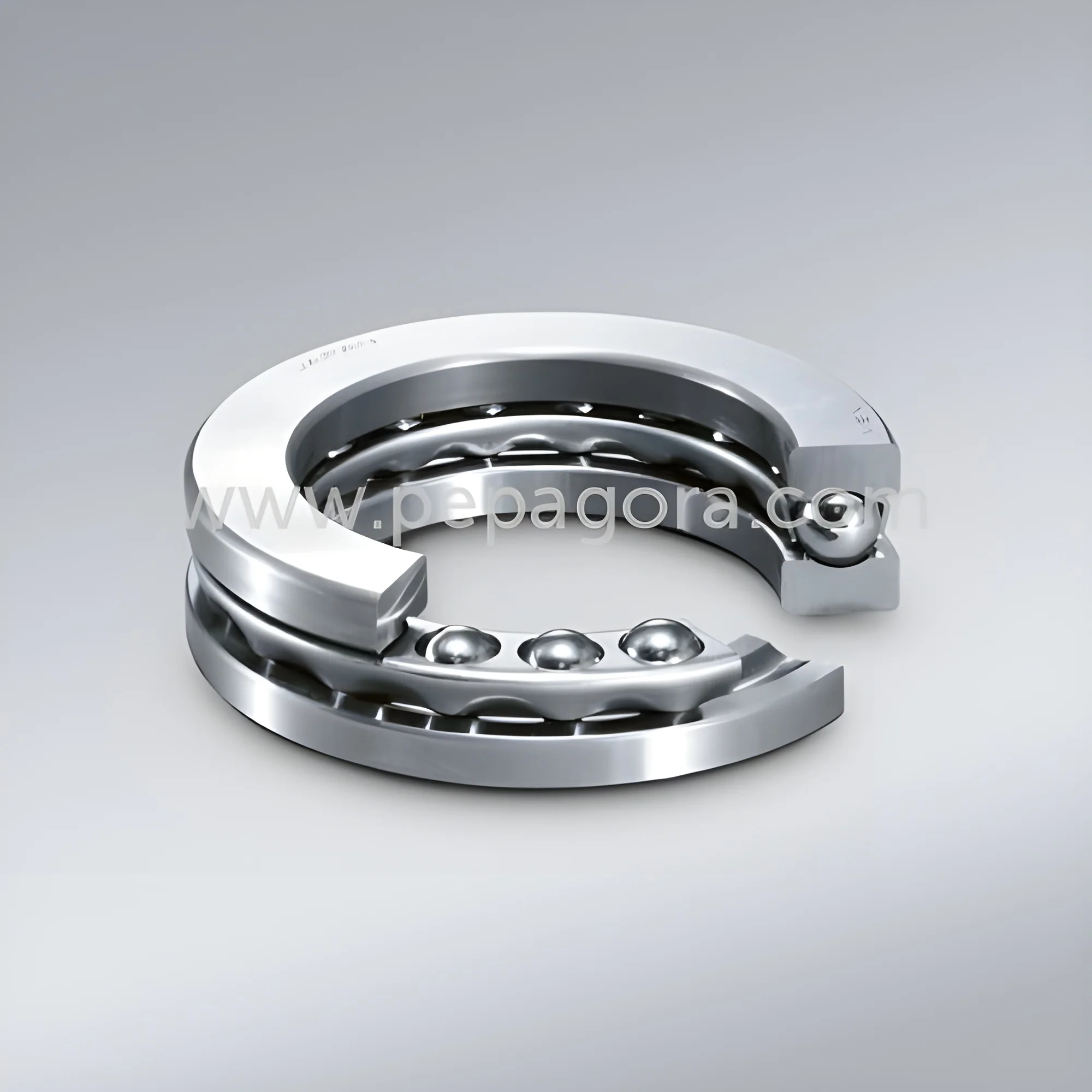
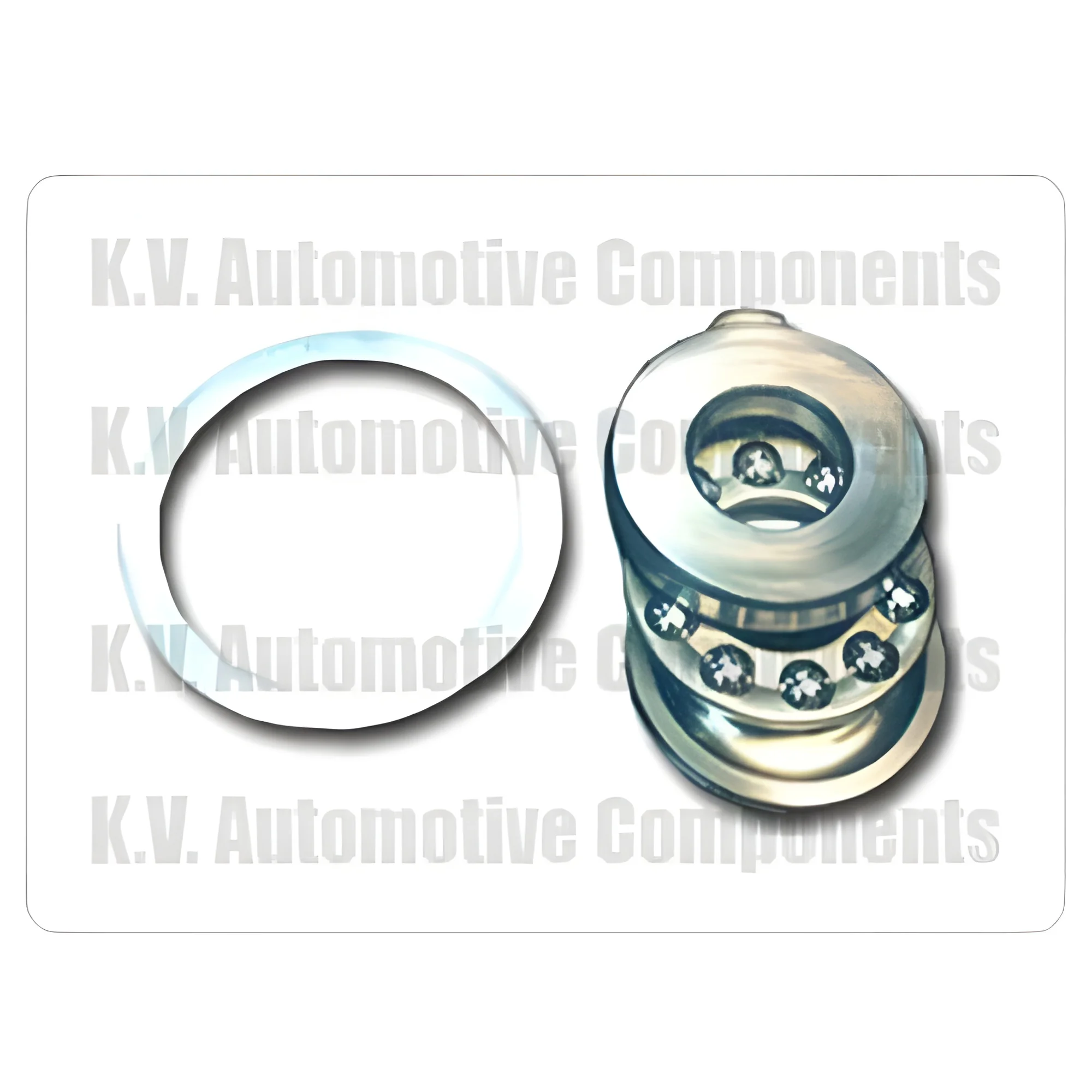
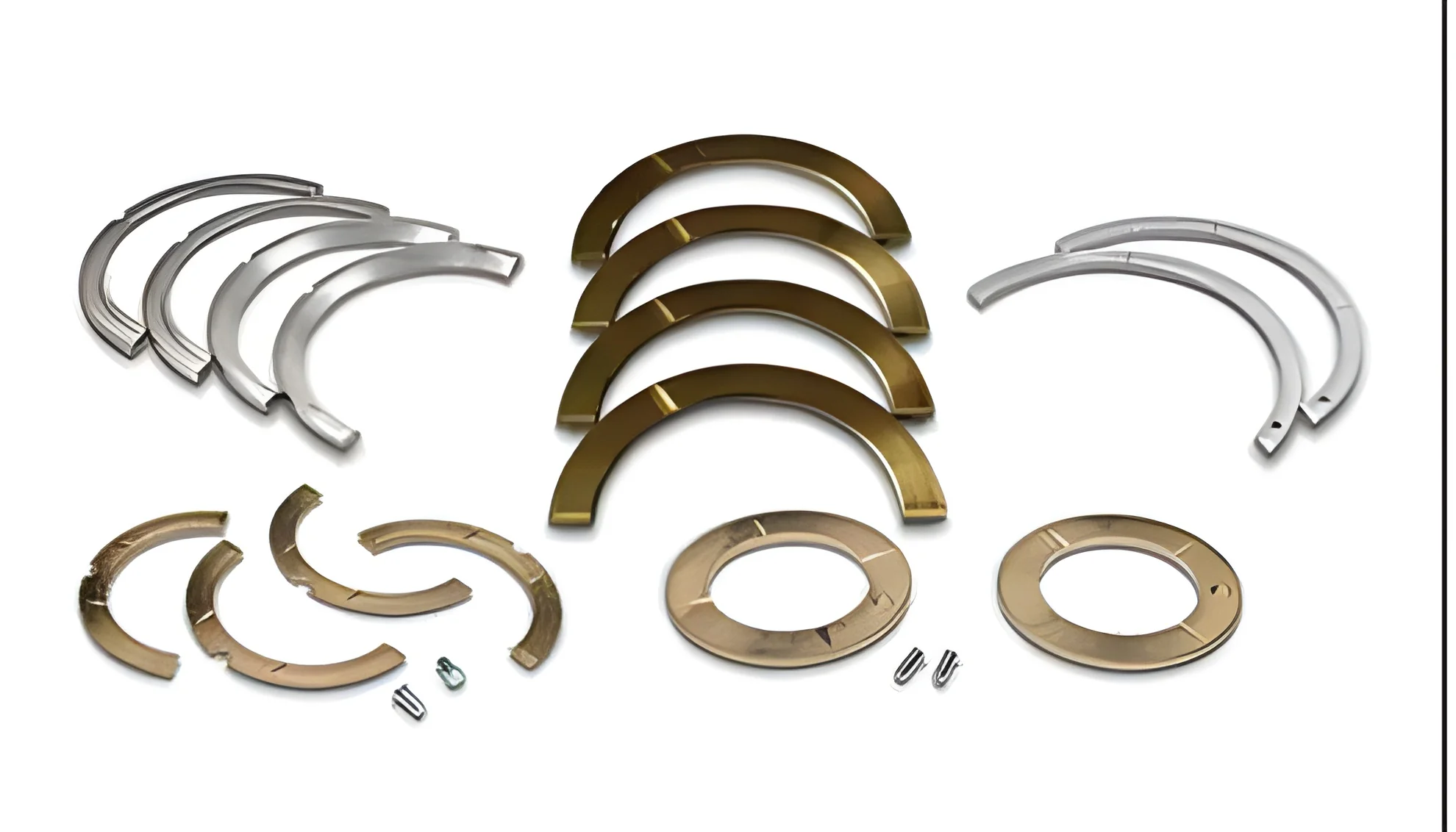
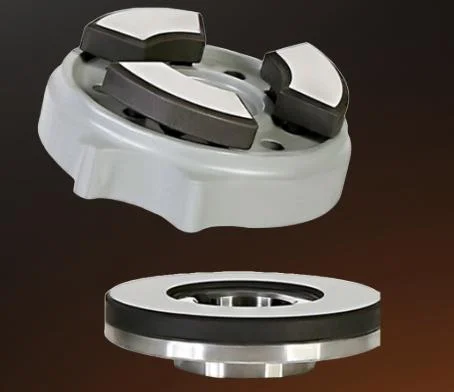
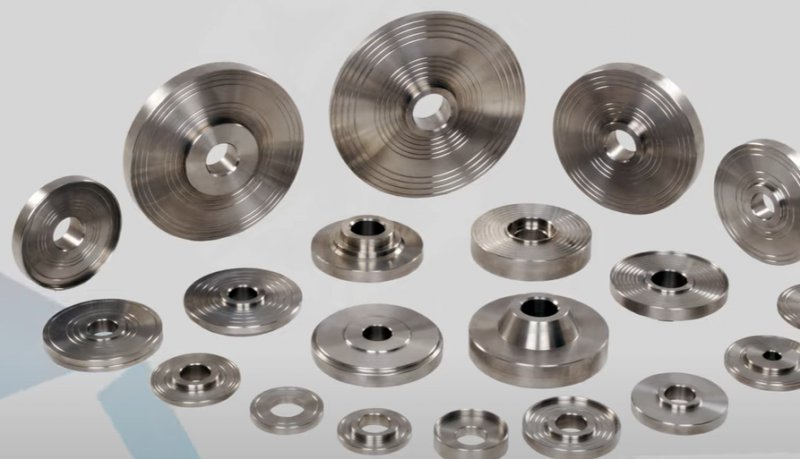
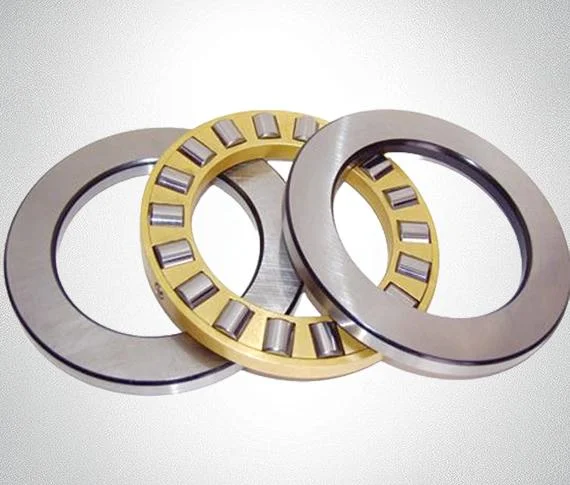
Thrust ball bearings are specialized rolling element bearings designed to support axial loads while allowing for rotational movement. They consist of two grooved rings and a set of balls that facilitate smooth movement. These components are engineered to handle high axial loads, making them particularly effective in applications where thrust forces are significant. Thrust ball bearings are distinguished from other types of bearings by their capacity to accommodate axial loads in one direction only.
These bearings find extensive utility in various industrial applications. They are commonly used in machinery such as gearboxes, automotive transmissions, and other equipment where axial load support is crucial. Thrust ball bearings are also prevalent in sectors like aerospace, marine, and manufacturing, where precision and reliability are paramount. The market for thrust ball bearings is growing, driven by the increasing demand for advanced machinery and equipment across multiple industries.
Key Features and Specifications
Thrust ball bearings are characterized by several key features that enhance their performance and reliability. Understanding these specifications is vital for selecting the appropriate bearing for specific applications.
Key specifications include:
1. Load Capacity
- Indicates the maximum axial load the bearing can sustain.
- Typically ranges from a few hundred to several thousand pounds.
2. Material Composition
- Bearings are usually made from high-carbon chromium steel, stainless steel, or ceramic materials.
- Each material offers different benefits in terms of strength, corrosion resistance, and wear.
3. Size and Dimensions
- Available in various sizes to suit different applications.
- Dimensions are specified by bore diameter, outer diameter, and thickness.
4. Speed Rating
- Refers to the maximum operating speed.
- Speed ratings can vary significantly based on the bearing design and lubrication used.
5. Lubrication Type
- Bearings can be pre-lubricated or designed for grease and oil lubrication.
- Proper lubrication is essential for optimal performance and longevity.
6. Operating Temperature Range
- Many thrust ball bearings can operate effectively within a specified temperature range.
- Specific temperature ranges are determined by the material and lubricant used.
7. Sealing Options
- Available with various sealing options to protect against contaminants.
- Common seals include rubber seals and metal shields.
8. Compliance Standards
- Many thrust ball bearings meet international quality standards such as ISO 9001 and CE certification.
- Compliance ensures reliability and performance consistency in critical applications.
In summary, the careful consideration of these features and specifications is essential when selecting thrust ball bearings for industrial applications. Their design and construction play a crucial role in ensuring efficient operation and long service life.
Common Applications and Use Cases
Thrust ball bearings are integral components in various industries and applications, providing essential support for axial loads.
1. Automotive Industry: Thrust ball bearings are used in transmissions and differential units, where they support axial loads generated by gear movements.
2. Aerospace: These bearings are utilized in aircraft engines and landing gear systems, ensuring reliable performance under high-stress conditions.
3. Marine Equipment: In ships and boats, thrust ball bearings are employed in propeller shafts and other critical applications, where they help manage axial thrust.
4. Manufacturing: Thrust bearings are essential in conveyor systems and machinery where axial load management is necessary for smooth operation.
5. Renewable Energy: In wind turbines, thrust ball bearings play a crucial role in supporting the axial loads generated by the rotor systems.
6. Heavy Machinery: Thrust ball bearings are widely used in cranes and excavators, providing stability under heavy loads.
7. Robotics: In robotic arms and automation systems, thrust ball bearings ensure precise movement and load handling.
Product Variants and Subcategories
Thrust ball bearings come in various designs and configurations to meet specific application needs. Each variant is tailored to perform optimally under different conditions.
Standard Thrust Ball Bearings: These are the most common type, featuring a basic design suitable for general applications. They provide reliable axial load support and are widely used across industries.
Thrust Ball Bearings with Seals: This variant includes integrated seals to protect against dirt and moisture. The sealing enhances durability and is ideal for applications in harsh environments.
Thrust Ball Bearings with Flanges: These bearings feature flanges that assist in alignment and provide additional support. They are beneficial in applications where precise positioning is critical.
Thrust Ball Bearings for High-Speed Applications: Designed to withstand higher speeds, these bearings use advanced materials and lubrication systems to minimize friction and heat generation.
Benefits and Advantages
Thrust ball bearings offer several advantages that make them an essential choice for various applications.
1. High Load Capacity: They are engineered to support significant axial loads, ensuring durability and performance in demanding conditions.
2. Smooth Operation: The design facilitates low friction and smooth rotation, which enhances the efficiency of machinery.
3. Versatility: Thrust ball bearings can be used in multiple applications across different industries, making them a versatile choice.
4. Easy Installation: Their design allows for straightforward installation and replacement, reducing downtime.
5. Low Maintenance: Many thrust ball bearings are designed to require minimal maintenance, contributing to lower operational costs.
6. Improved Reliability: Compliance with international standards ensures consistent quality and reliability in critical applications.
Buying Guide for B2B Buyers
When sourcing thrust ball bearings, B2B buyers should consider several critical factors to ensure they select the right products.
1. Quality Assessment: Evaluate the quality of the bearings based on manufacturer specifications and compliance with industry standards. A thorough quality check can help prevent potential failures.
2. Supplier Verification: Vet suppliers by checking their reputation, certifications, and history of delivering reliable products. A trustworthy supplier is essential for long-term partnerships.
3. Pricing and MOQ: Understand the pricing structure and minimum order quantities (MOQ) from different suppliers. This knowledge aids in budget planning and inventory management.
4. Delivery and Lead Times: Inquire about delivery schedules and lead times to ensure timely availability of products. Delays can impact production schedules.
5. Compliance Requirements: Ensure that the bearings meet all relevant regulatory and safety standards. Compliance is crucial to avoid legal issues and ensure product reliability.
Compliance and Certifications
Thrust ball bearings must adhere to several quality standards and certifications to ensure their reliability and performance in various applications.
ISO 9001 is a widely recognized standard that ensures manufacturers maintain quality management systems. Compliance with this standard indicates that the products meet international quality criteria and are produced consistently.
CE certification is crucial for products sold in Europe, demonstrating compliance with health, safety, and environmental protection standards. This certification assures buyers that the bearings meet essential regulatory requirements.
Safety and testing requirements vary by industry but typically include rigorous assessments to ensure performance under load and adverse conditions. Manufacturers should provide documentation of these tests to reassure buyers of their product's reliability.
Regional compliance considerations may also apply, depending on the geographical market. Buyers should be aware of local regulations that may affect product selection and usage in specific regions.
Why Source Thrust Ball Bearings from Pepagora?
Pepagora offers a reliable platform for sourcing thrust ball bearings, providing multiple key advantages for B2B buyers.
Verified Supplier Network: Pepagora's network includes verified suppliers who meet stringent quality standards. This verification process ensures that buyers can trust the products they purchase.
Streamlined RFQ Process: The request for quotation (RFQ) process is designed to be efficient, allowing buyers to quickly receive quotes from multiple suppliers. This system saves time and simplifies decision-making.
Trade Assurance and Support: Pepagora provides trade assurance to protect buyers against potential issues. This support includes assistance with transactions and dispute resolution, enhancing buyer confidence.
Regional Coverage: With a strong presence in India, the GCC, and Southeast Asia, Pepagora facilitates access to suppliers across diverse regions. This geographic reach allows buyers to find the best products for their specific market needs.

 IN
IN