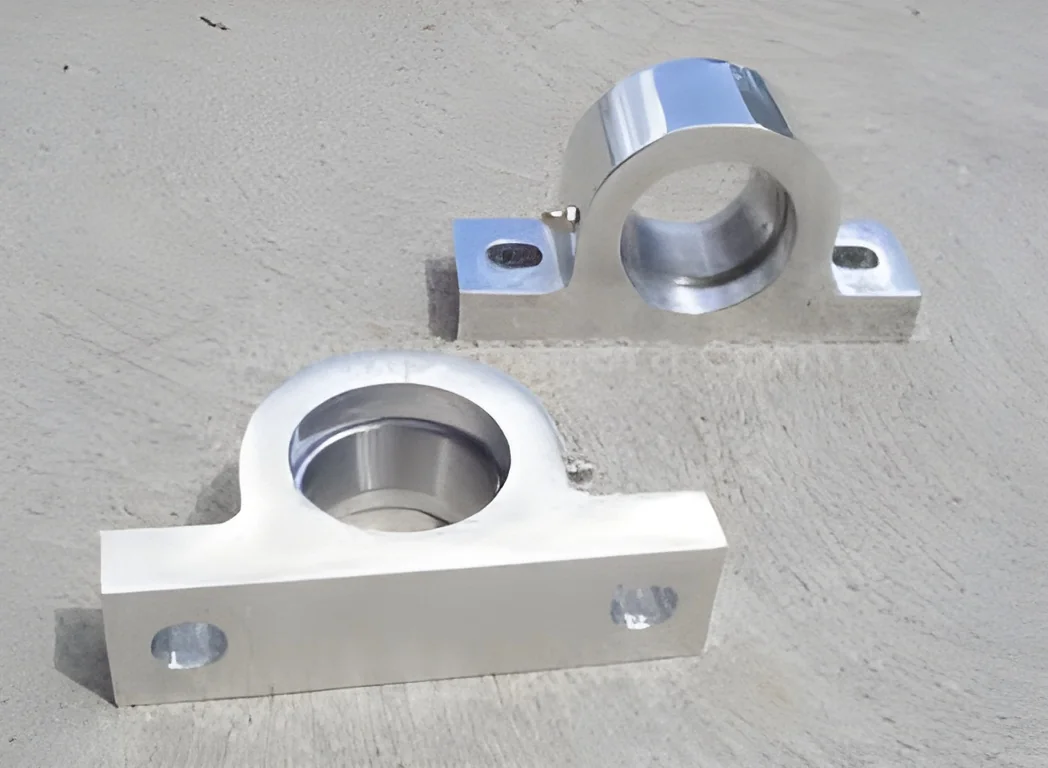
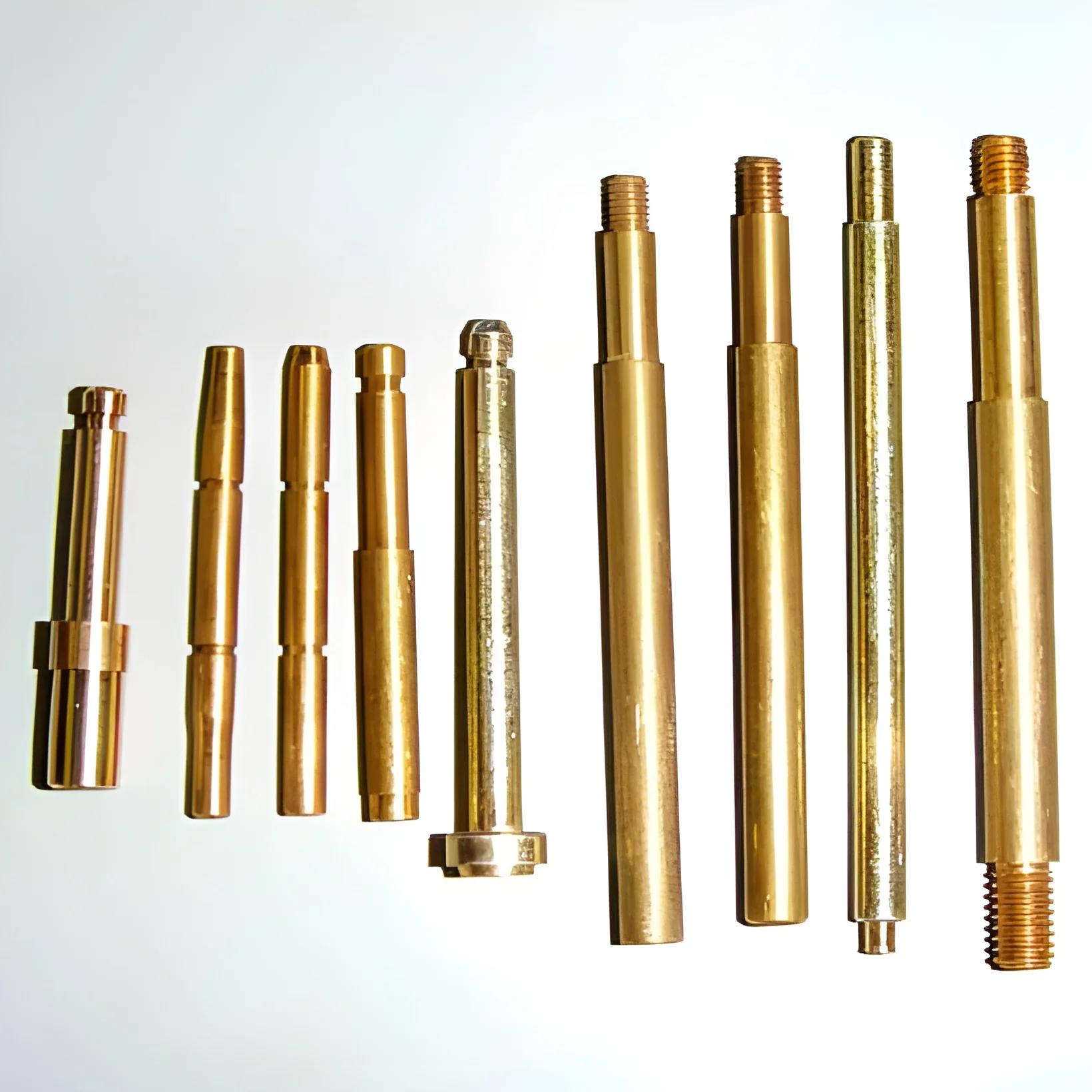
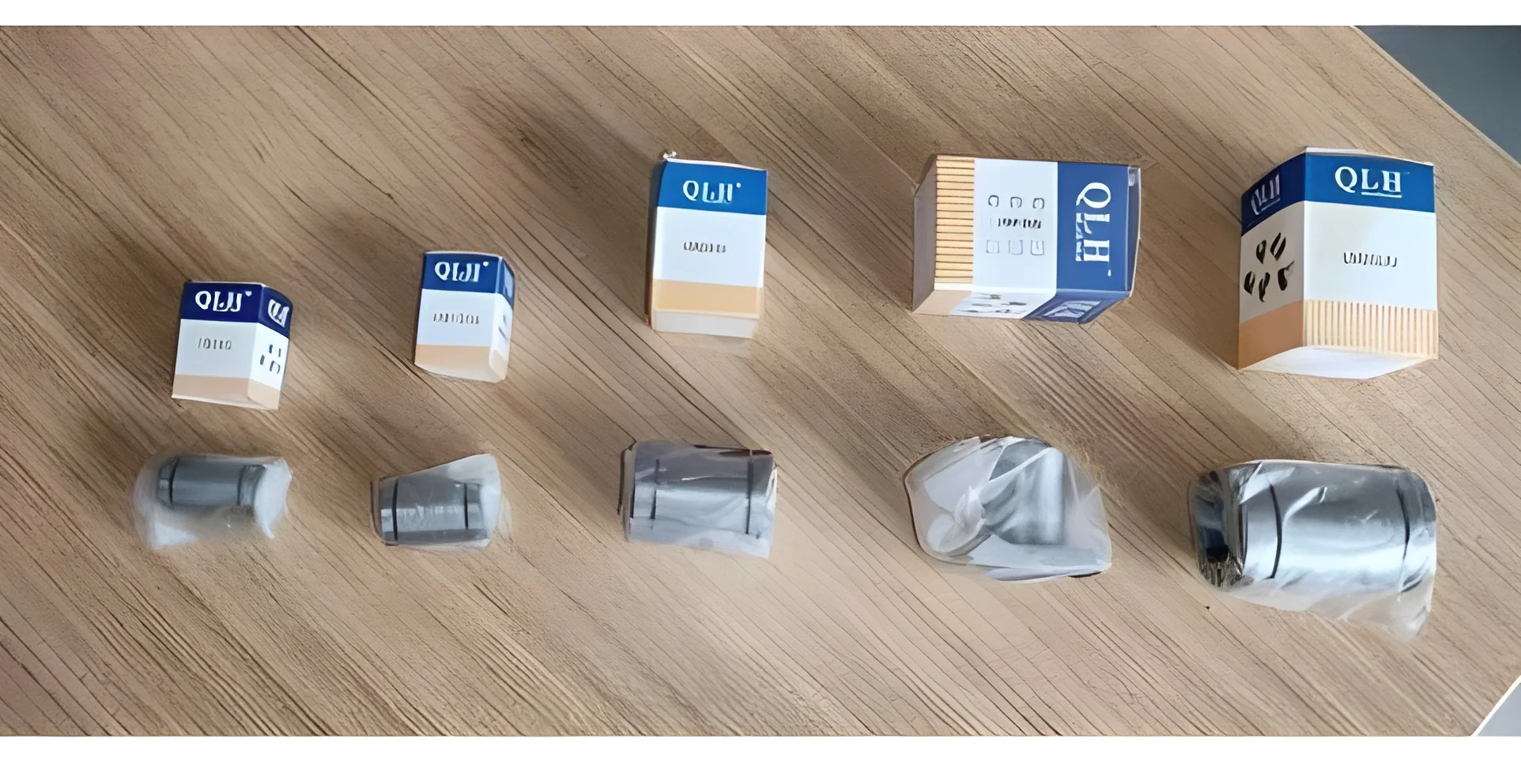
What are Spindle Bearings?
Spindle bearings are specialized components designed to support rotating shafts in machines. They provide precise alignment and reduce friction during operation, enabling smooth and efficient performance. Typically made from high-quality materials, these bearings are engineered to handle high speeds and loads while minimizing wear over time.
Spindle bearings find primary applications in various machinery, including CNC machines, lathes, and milling machines. They play a crucial role in industries such as manufacturing, automotive, and aerospace, where precision and reliability are essential. The ability of spindle bearings to maintain stability and accuracy under load makes them indispensable in high-performance environments.
In the current market, spindle bearings are increasingly relevant due to the growing demand for automation and precision engineering. As industries evolve, the need for reliable and efficient components that can withstand rigorous operational demands continues to rise. This trend supports the growth of spindle bearing suppliers and manufacturers, ensuring that businesses have access to the necessary technology for optimal performance.
Key Features and Specifications
Spindle bearings offer a range of features designed to enhance their functionality and performance in demanding environments. Understanding their specifications is crucial for selecting the right bearing for specific applications.
Key specifications include:
1. Load Capacity
- Determines the maximum load the bearing can support.
- Varies based on size and design, typically ranging from a few hundred to several thousand pounds.
2. Speed Rating
- Indicates the maximum rotational speed the bearing can handle.
- Measured in revolutions per minute (RPM), often ranging from 10,000 to over 100,000 RPM.
3. Material Composition
- Commonly made from high-carbon chrome steel, ceramic, or plastic.
- Material choice affects durability, corrosion resistance, and thermal stability.
4. Precision Grade
- Reflects the tolerance levels of the bearing.
- Available in different grades, often classified as P0, P6, P5, and P4, with P4 being the most precise.
5. Lubrication Type
- Can be oil or grease lubricated.
- Affects the operating temperature and maintenance frequency.
6. Sealing Options
- Available with various sealing configurations to protect against contaminants.
- Common types include rubber seals, metal shields, and open designs.
7. Temperature Range
- Operating temperature limits for optimal performance.
- Typically ranges from -20°C to 120°C, depending on the bearing type.
8. Compliance Standards
- Many spindle bearings meet industry standards such as CE certification.
- Ensures reliability and safety for end-user applications.
Overall, understanding these specifications helps businesses make informed decisions when selecting spindle bearings for their machinery.
Common Applications and Use Cases
Spindle bearings are versatile components used in multiple industries, showcasing their importance in various applications.
1. Manufacturing: In manufacturing, spindle bearings are used in CNC machines and lathes, supporting high-speed operations and precision machining of parts.
2. Automotive: These bearings are critical in automotive assembly lines, ensuring smooth operation of robotic arms and machine tools used for vehicle production.
3. Aerospace: In the aerospace industry, spindle bearings are utilized in aircraft engines and landing gear systems, where reliability and high performance are paramount.
4. Medical Equipment: Spindle bearings are found in medical devices, including imaging and diagnostic machines, where precision is essential for accurate results.
5. Textile Industry: Used in textile machinery, spindle bearings support the high-speed rotation of spindles, ensuring consistent production of fabrics.
6. Robotics: In robotic applications, spindle bearings facilitate the movement of joints and axes, providing the necessary support for precise motion control.
7. Renewable Energy: In wind turbines, spindle bearings support the rotor shaft, ensuring efficient energy conversion while handling extreme environmental conditions.
Product Variants and Subcategories
Spindle bearings come in various types to accommodate different operational needs and environments. Each variant offers unique features tailored for specific applications.
High-Speed Spindle Bearings
These bearings are designed for applications requiring extremely high rotational speeds. They often feature ceramic materials and specialized lubrication systems to manage heat and wear effectively.
Angular Contact Spindle Bearings
Angular contact bearings are ideal for applications where axial loads are present. They provide enhanced rigidity and precision, making them suitable for high-performance machining operations.
Deep Groove Ball Bearings
Commonly used in general applications, these bearings can accommodate both radial and axial loads. They are versatile and widely used in various machinery, providing reliable support.
Tapered Roller Bearings
These bearings are excellent for handling heavy loads and are often used in applications where alignment is critical. Their design allows for effective load distribution, making them suitable for demanding environments.
Benefits and Advantages
Spindle bearings offer numerous benefits that contribute to enhanced performance and operational efficiency.
1. Increased Precision: Spindle bearings enable precise alignment and movement, which is critical for applications that require high accuracy.
2. Enhanced Durability: With high-quality materials and design, these bearings are built to withstand extreme conditions, resulting in longer service life.
3. Reduced Friction: The design of spindle bearings minimizes friction, leading to lower energy consumption and improved efficiency during operation.
4. Versatile Applications: Spindle bearings can be used across various industries, providing solutions for diverse machinery and equipment needs.
5. Improved Load Handling: These bearings are engineered to handle both radial and axial loads, ensuring stable performance in complex applications.
6. Easy Maintenance: Many spindle bearings are designed for easy lubrication and maintenance, reducing downtime and operational costs.
Buying Guide for B2B Buyers
When sourcing spindle bearings, it is important for B2B buyers to consider several key factors to ensure they select the best product for their needs.
1. Quality Assessment: Buyers should evaluate the quality of spindle bearings by reviewing specifications and certifications. Look for reputable manufacturers that adhere to industry standards.
2. Supplier Verification: It is crucial to vet suppliers by checking their credentials, customer reviews, and industry reputation. Ensuring the supplier's reliability can prevent future issues.
3. Pricing and MOQ: Understand the pricing structure and minimum order quantities (MOQ) required by suppliers. This information helps in budgeting and inventory planning.
4. Delivery and Lead Times: Consider the logistics involved in sourcing bearings, including lead times for delivery. Timely delivery is essential for maintaining production schedules.
5. Compliance Requirements: Be aware of any regulatory and compliance standards that apply to spindle bearings in your industry. This ensures that the selected products meet legal and safety requirements.
Compliance and Certifications
Spindle bearings must meet certain compliance standards and certifications to ensure their quality and reliability.
One of the most recognized standards is ISO 9001, which outlines the criteria for a quality management system. Manufacturers adhering to this standard demonstrate their commitment to quality and continuous improvement.
Additionally, industry-specific certifications like CE mark are essential for ensuring that products meet European safety and environmental protection standards.
Spindle bearings may also be subject to various safety and testing requirements depending on their application. This includes rigorous testing for load capacity, durability, and performance under extreme conditions.
Regional compliance considerations may vary, making it important for buyers to understand the specific requirements in their geographical area. Ensuring compliance helps mitigate risks and enhances product reliability.
Why Source Spindle Bearings from Pepagora?
Pepagora offers a reliable platform for sourcing spindle bearings, providing numerous advantages for businesses.
Verified Supplier Network: Pepagora features a network of verified suppliers, ensuring that buyers can trust the quality and reliability of the products they purchase. This verification process helps in mitigating the risks associated with sourcing industrial components.
Streamlined RFQ Process: The platform allows buyers to submit requests for quotations (RFQs) easily, facilitating a smoother procurement process. This efficiency saves time and effort, enabling businesses to focus on their core operations.
Trade Assurance and Support: Pepagora provides trade assurance, protecting buyers from potential disputes and ensuring that transactions are secure. This buyer protection fosters confidence in the purchasing process.
Regional Coverage: With a strong presence in India, the GCC region, and Southeast Asia, Pepagora offers extensive geographic reach. This allows businesses to access a diverse range of suppliers and products tailored to their specific needs, enhancing operational efficiency and market competitiveness.

 IN
IN