
 IN
High-Speed Bearings
10 products available
What are High-Speed Bearings?
High-speed bearings are specialized components designed to reduce friction between moving parts in machinery while allowing for high rotational speeds. They support shafts and facilitate smooth rotation, minimizing wear and energy loss. The design of high-speed bearings incorporates advanced materials and precision manufacturing techniques to ensure durability and performance at elevated speeds.
These bearings are primarily used in applications that require rapid movement and precision, such as in motors, turbines, and industrial machinery. They find applications in sectors like aerospace, automotive, and manufacturing, where efficiency and reliability are paramount. As industries continue to evolve towards faster and more efficient operating standards, the demand for high-speed bearings is increasing, making them crucial components in modern engineering.
Key Features and Specifications
High-speed bearings are characterized by several essential features that enhance their performance. These specifications ensure they meet the rigorous demands of various applications across industries.
Key specifications include:
1. Load Capacity
- High-speed bearings are designed to withstand significant radial and axial loads.
- Load capacities can range from a few hundred to several thousand pounds depending on the size and type.
2. Speed Rating
- These bearings are engineered to operate effectively at high rotational speeds.
- Speed ratings typically exceed 10,000 RPM for many applications.
3. Material Composition
- High-speed bearings are often made from advanced materials such as ceramic or high-grade steel.
- These materials provide enhanced strength and resistance to wear.
4. Lubrication Type
- Bearings may require specific lubrication methods, such as grease or oil.
- Proper lubrication is critical for maintaining performance at high speeds.
5. Temperature Tolerance
- High-speed bearings can operate within a wide temperature range, although specific limits are not defined.
- They are often designed to perform in environments with fluctuating temperatures.
6. Noise Level
- Noise generation is minimized through precision engineering and materials.
- Low noise levels are crucial in applications where sound sensitivity is a concern.
7. Sealing Type
- Many high-speed bearings include seals to protect against contaminants.
- Sealing options can vary based on the application requirements.
In summary, these specifications ensure that high-speed bearings deliver optimal performance, reliability, and longevity in demanding applications.
Common Applications and Use Cases
High-speed bearings are integral to numerous industries and applications that demand precision and efficiency.
1. Aerospace: In aircraft engines and landing gear systems, high-speed bearings are essential for ensuring reliable operation under extreme conditions.
2. Automotive: These bearings are used in high-performance engines and transmissions where quick response times are necessary for optimal vehicle performance.
3. Manufacturing: In automated machinery and conveyor systems, high-speed bearings facilitate rapid movement and reduce downtime.
4. Robotics: High-speed bearings are critical in robotic arms and actuators, enabling precise and swift movements.
5. Medical Equipment: In devices such as MRI machines and surgical tools, high-speed bearings contribute to the accuracy and reliability required in medical applications.
6. Rail Transportation: High-speed trains utilize these bearings to achieve high speeds while maintaining stability and safety.
7. Renewable Energy: Wind turbines rely on high-speed bearings for efficient energy generation and durability in harsh environments.
Product Variants and Subcategories
High-speed bearings come in various designs to meet specific operational requirements, ensuring versatility across applications.
Angular Contact Bearings
These bearings are designed to accommodate both radial and axial loads. They are commonly used in high-speed applications such as machine spindles and gearboxes.
Deep Groove Ball Bearings
This type offers versatility and is widely utilized in electric motors and automotive applications. Their design supports high speeds and provides low friction.
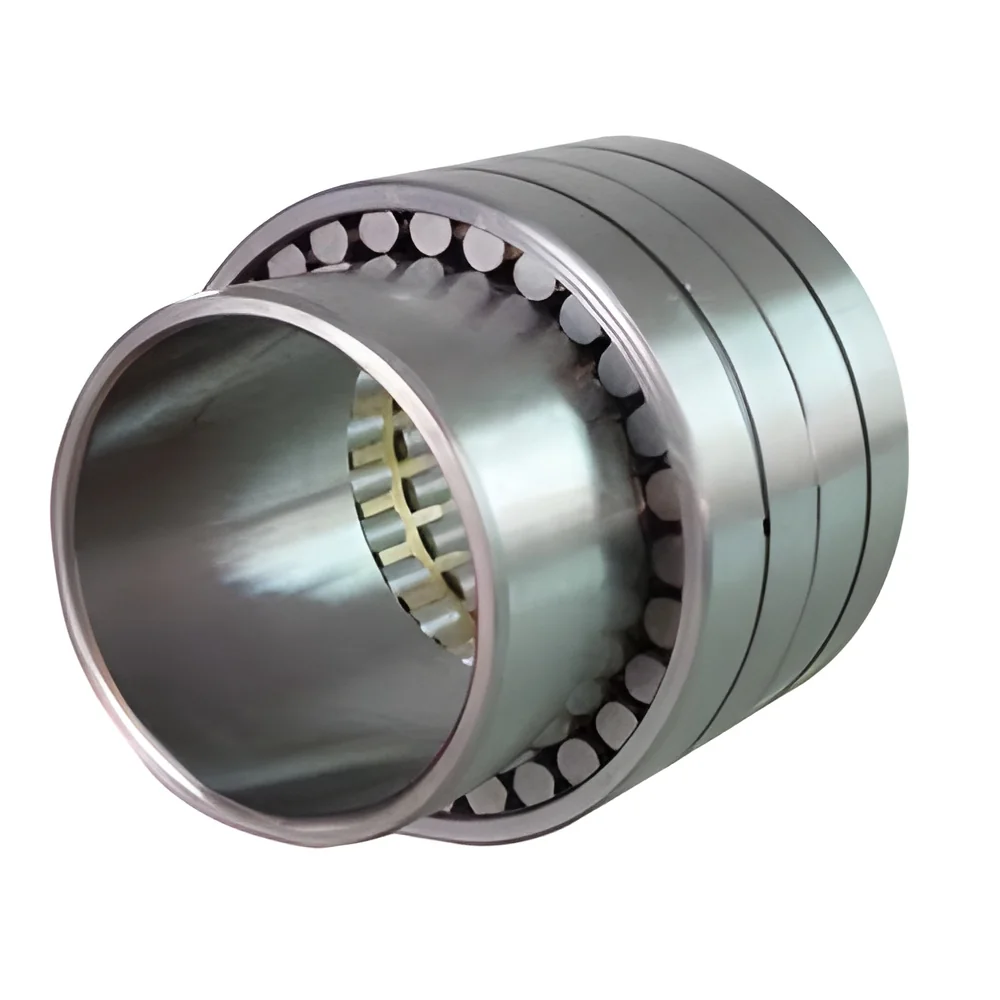
Cylindrical Roller Bearings
Ideal for heavy load applications, these bearings are used in machinery and equipment where durability and high-speed operation are required.
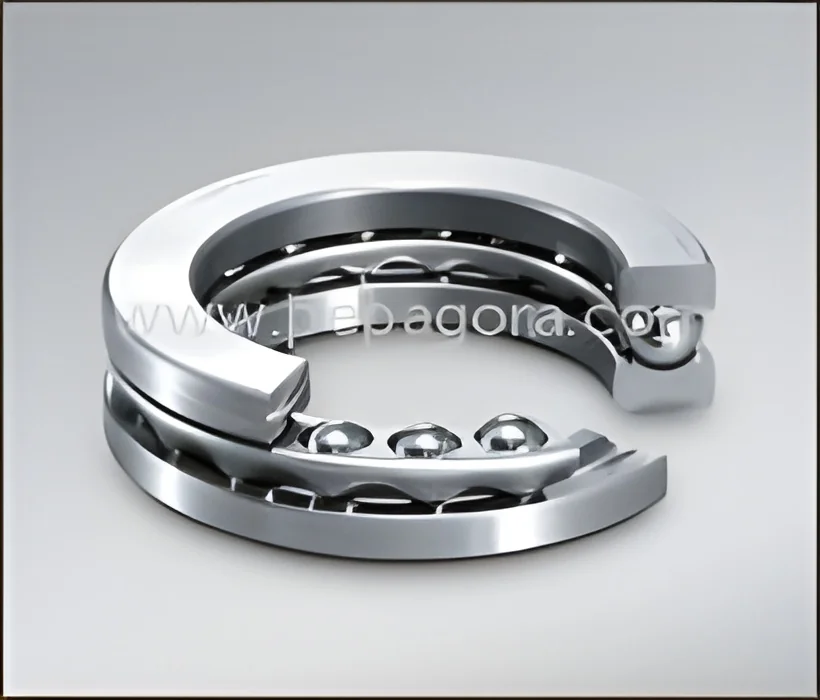
Thrust Bearings
These are designed specifically for axial loads and are used in applications like automotive transmissions to handle high-speed operations.
Benefits and Advantages
High-speed bearings provide a range of benefits that enhance operational efficiency and performance in various applications.
1. Reduced Friction: High-speed bearings minimize friction, leading to less energy loss and improved efficiency.
2. Enhanced Performance: These bearings enable machines to operate at higher speeds without compromising reliability.
3. Increased Durability: The advanced materials and manufacturing processes used in high-speed bearings contribute to longer service life.
4. Versatility: High-speed bearings can be adapted for a wide range of applications, from automotive to aerospace.
5. Improved Load Handling: These bearings are engineered to support heavy loads while maintaining performance at high speeds.
6. Lower Maintenance Needs: With their durability and reliability, high-speed bearings require less frequent maintenance, reducing downtime.
Buying Guide for B2B Buyers
When sourcing high-speed bearings, it is essential for buyers to consider several key factors to ensure optimal performance and compatibility with their applications.
1. Quality Assessment: Buyers should evaluate the quality of bearings by reviewing manufacturer standards and certification processes. Quality assurance can include testing and compliance with industry regulations.
2. Supplier Verification: It is crucial to vet suppliers to ensure they have a reliable track record. Engaging with suppliers who have established reputations can lead to better product quality and service.
3. Pricing and MOQ: Understanding the pricing structure and minimum order quantities (MOQ) is vital. Buyers should seek competitive pricing while ensuring that they meet their operational needs.
4. Delivery and Lead Times: Logistics play a significant role in the procurement process. Buyers should inquire about delivery times and ensure that suppliers can meet their timelines.
5. Compliance Requirements: Buyers must consider regulatory compliance and safety standards relevant to their industry. Ensuring that bearings meet necessary certifications is critical for operational safety.
Compliance and Certifications
High-speed bearings must adhere to various quality and safety standards to ensure their reliability and performance in demanding applications. Compliance with ISO 9001 is essential, as this standard outlines requirements for quality management systems and continuous improvement. Adherence to HACCP and GDP standards may also be relevant, particularly in industries like food processing and pharmaceuticals, where safety and quality are paramount.
Industry certifications such as CE indicate that products meet European safety, health, and environmental protection standards. This certification is critical for buyers looking to ensure that bearings are compliant with international regulations. Additionally, it is important to consider safety and testing requirements specific to each application, as these can influence the choice of bearing type.
Regional compliance considerations may vary, so buyers should be aware of regulations in their specific geographic locations. Understanding these standards can help businesses mitigate risks and ensure that they are sourcing products that meet necessary legal and operational requirements.
Why Source High-Speed Bearings from Pepagora?
Pepagora offers a reliable platform for sourcing high-speed bearings, providing several key advantages to B2B buyers.
Verified Supplier Network: Pepagora maintains a network of verified suppliers, ensuring that buyers have access to quality products. Each supplier is vetted for reliability and compliance with industry standards.
Streamlined RFQ Process: The request for quotation (RFQ) process on Pepagora is designed to be efficient, allowing buyers to obtain quotes quickly from multiple suppliers. This helps businesses make informed purchasing decisions.
Trade Assurance and Support: Buyers can benefit from trade assurance measures that protect their investments. Pepagora offers support throughout the purchasing process, ensuring that transactions are secure and satisfactory.
Regional Coverage: With a focus on regions like India, GCC, and Southeast Asia, Pepagora provides extensive geographic reach, connecting buyers with suppliers that can meet their specific needs. This regional focus enhances accessibility and convenience for businesses looking to source high-speed bearings.






Frequently Asked Questions
What are High-Speed Bearings?
High-Speed Bearings are specialized types of bearings designed to operate efficiently at high rotational speeds. They are engineered to minimize friction and wear, making them suitable for various applications such as motors, turbines, and other machinery that require high-speed operation.
What are the different types of High-Speed Bearings?
High-Speed Bearings come in various types, including ball bearings, roller bearings, and needle bearings. Each type is designed for specific applications and load requirements, with variations in size, load capacity, and design to accommodate different operational speeds.
How do I choose the right High-Speed Bearings?
Choosing the right High-Speed Bearings involves considering factors such as load capacity, speed rating, and environmental conditions. It is essential to assess the specific application requirements and consult with manufacturers or suppliers to ensure that the selected bearings meet those needs.
What are the standard specifications for High-Speed Bearings?
Standard specifications for High-Speed Bearings include dimensions, load ratings, speed limits, and material composition. It is important to refer to industry standards such as ISO or ABMA to ensure compliance with quality and performance benchmarks.
What is the price range for High-Speed Bearings?
The price range for High-Speed Bearings can vary significantly based on factors such as type, size, and manufacturer. Generally, prices can range from a few hundred to several thousand Indian Rupees, depending on the specifications and quality of the bearings.
What quality standards apply to High-Speed Bearings?
High-Speed Bearings are subject to various quality standards, including ISO 9001 and other industry-specific certifications. These standards ensure that the bearings meet performance, durability, and safety criteria required for high-speed applications.
Where can I find High-Speed Bearings suppliers in India?
You can find High-Speed Bearings suppliers in India through online B2B marketplaces like Pepagora, trade directories, and industry exhibitions. It is advisable to compare different suppliers' offerings and reviews to find reputable manufacturers.
Can High-Speed Bearings be customized?
Yes, High-Speed Bearings can often be customized to meet specific application requirements. Customization may include alterations in size, material, or design features tailored to unique operational demands.
What is the typical minimum order quantity for High-Speed Bearings?
The typical minimum order quantity (MOQ) for High-Speed Bearings can vary by manufacturer but usually ranges from 50 to 100 units. It is advisable to check with suppliers for their specific MOQ policies.
What is the typical lead time for High-Speed Bearings?
The typical lead time for High-Speed Bearings can range from a few days to several weeks, depending on factors such as availability, order size, and customization requirements. It is recommended to confirm lead times with the supplier at the time of ordering.
Why Businesses Trust Pepagora
Thousands of companies trust Pepagora to source smarter and sell faster
Expand Your Sales Globally

Source Smarter,Grow Faster
