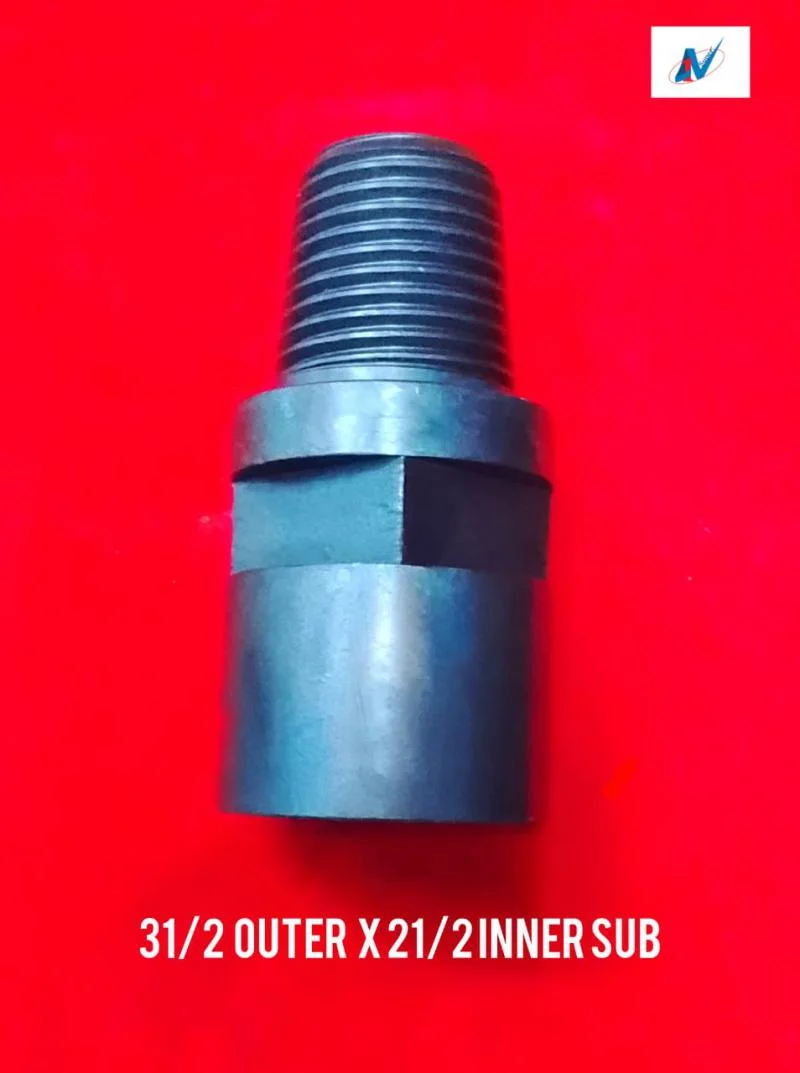
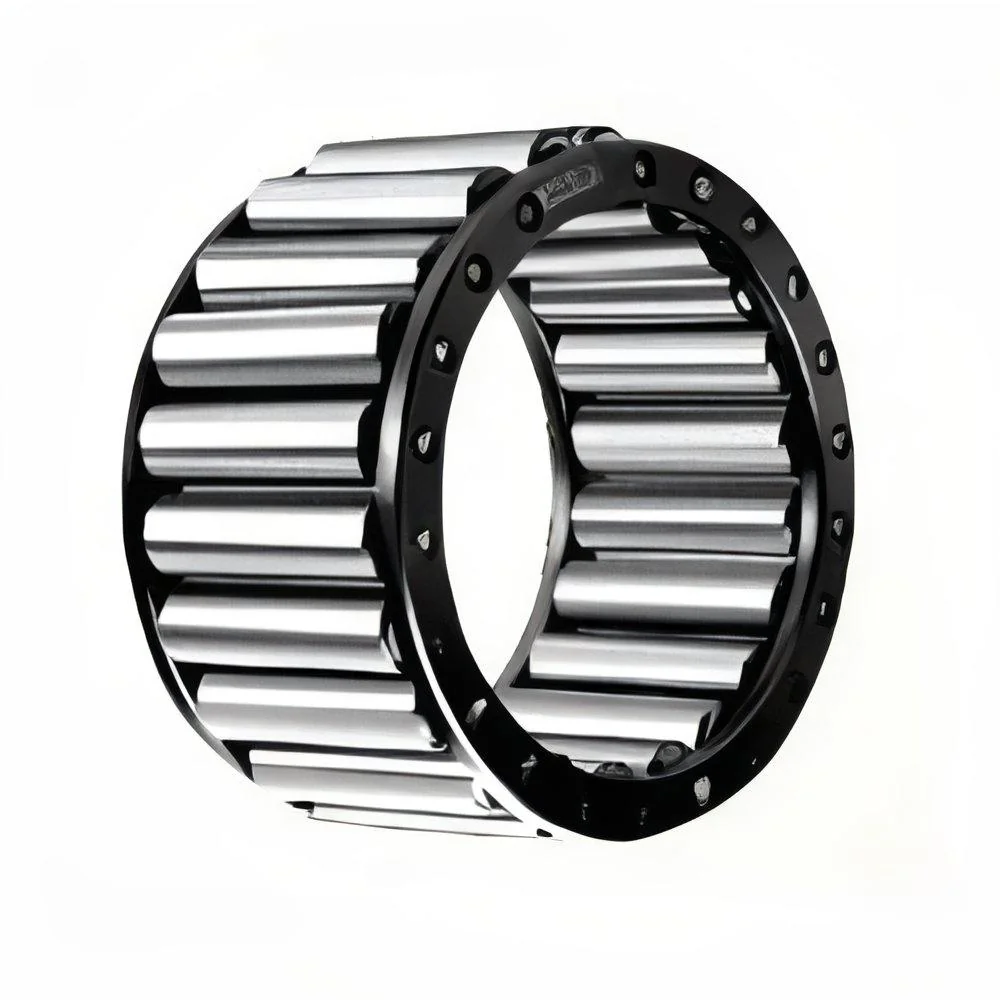
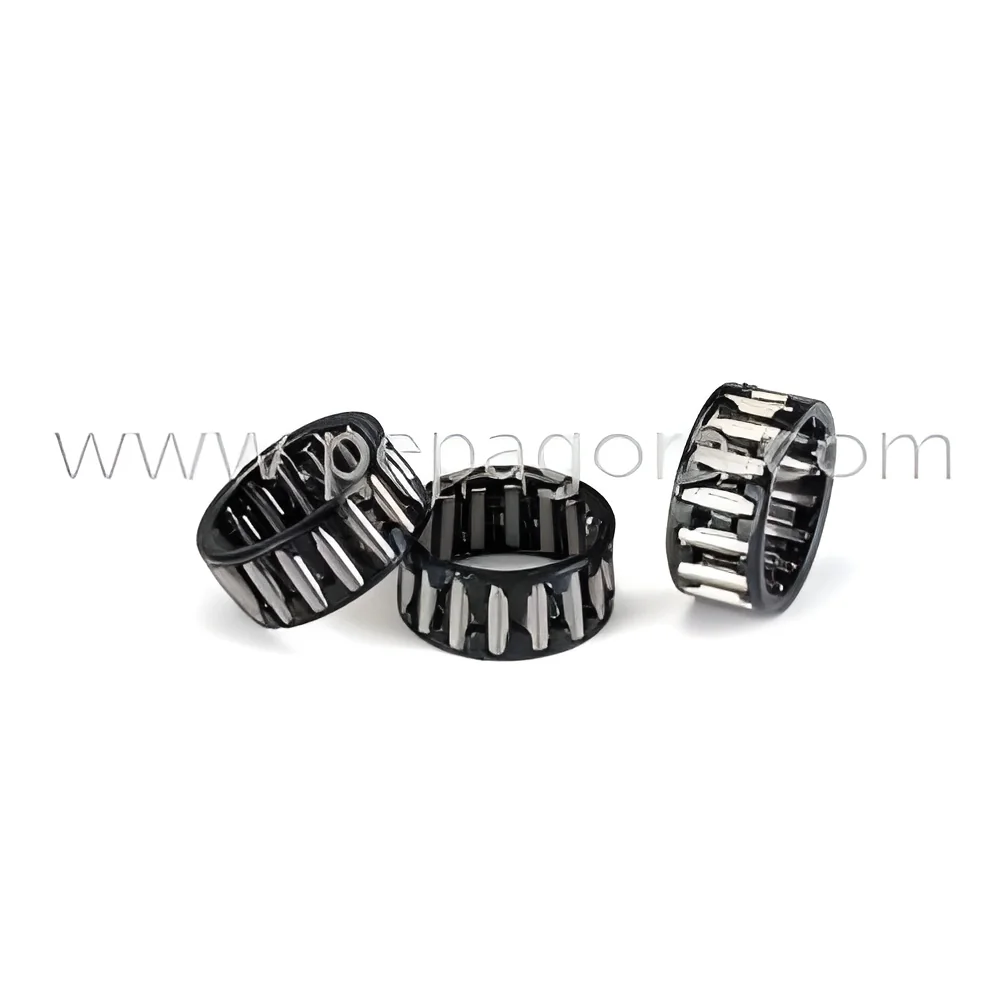
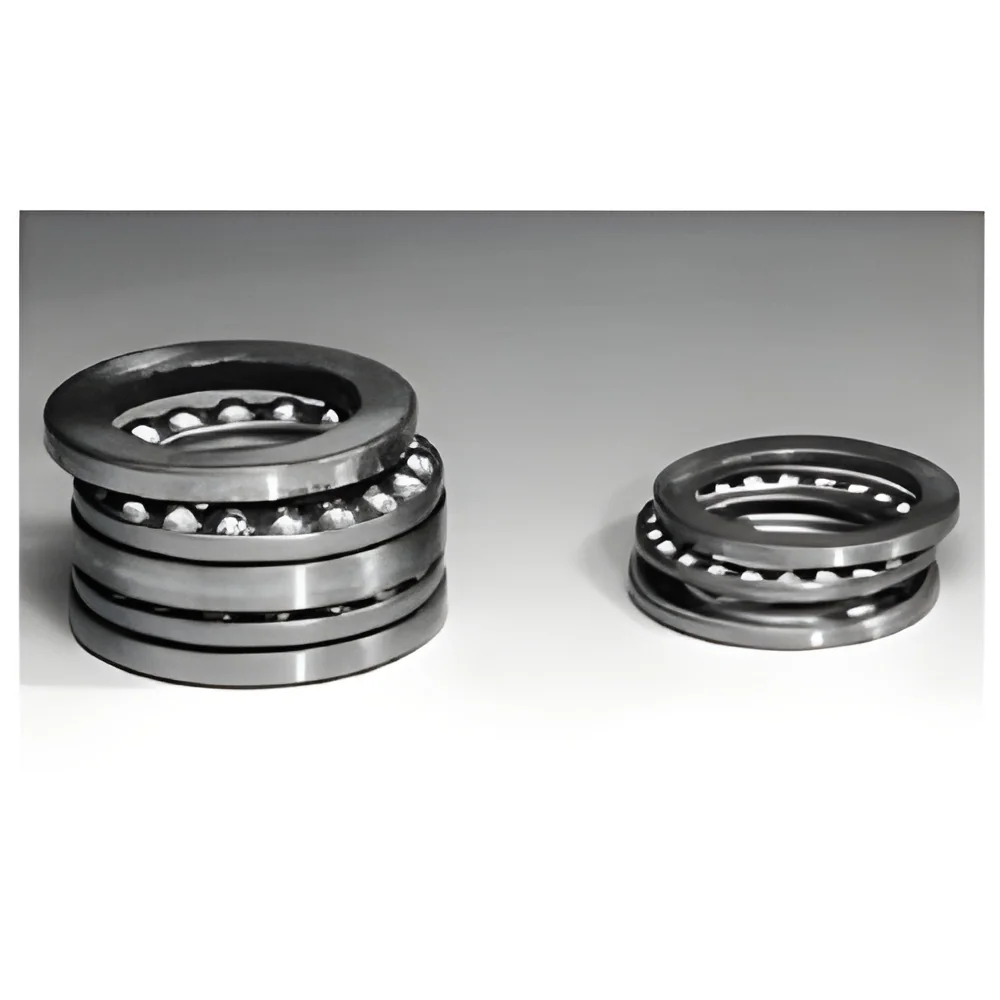
𝗪𝗵𝗮𝘁 𝗮𝗿𝗲 𝗜𝗻𝗱𝘂𝘀𝘁𝗿𝗶𝗮𝗹 𝗕𝗲𝗮𝗿𝗶𝗻𝗴𝘀 & 𝗦𝗲𝗮𝗹𝘀?
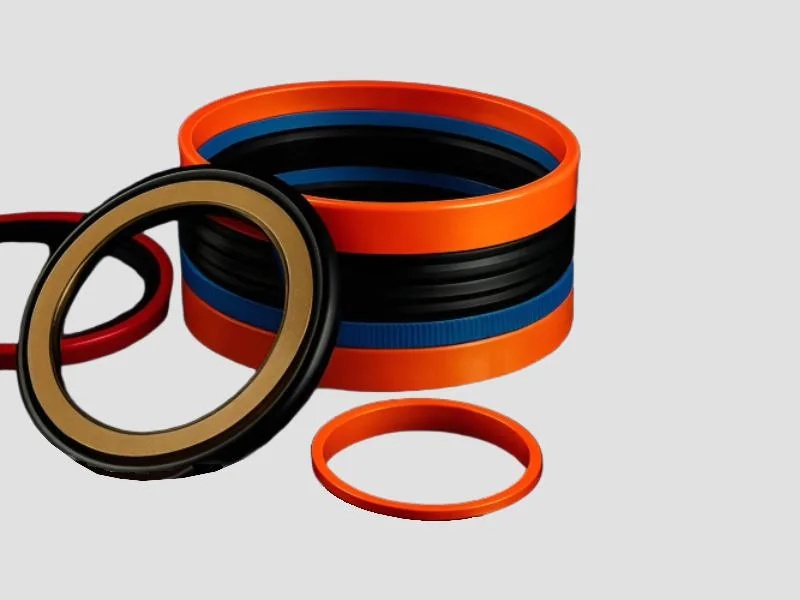
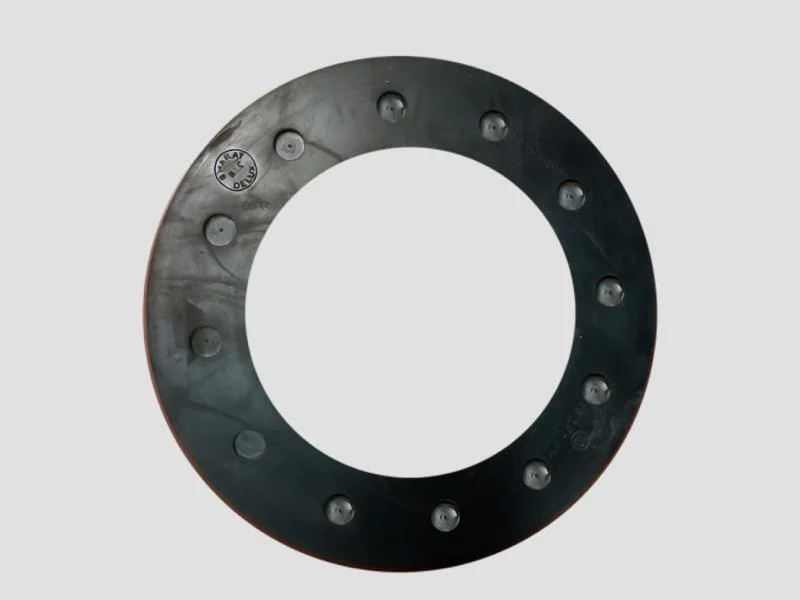
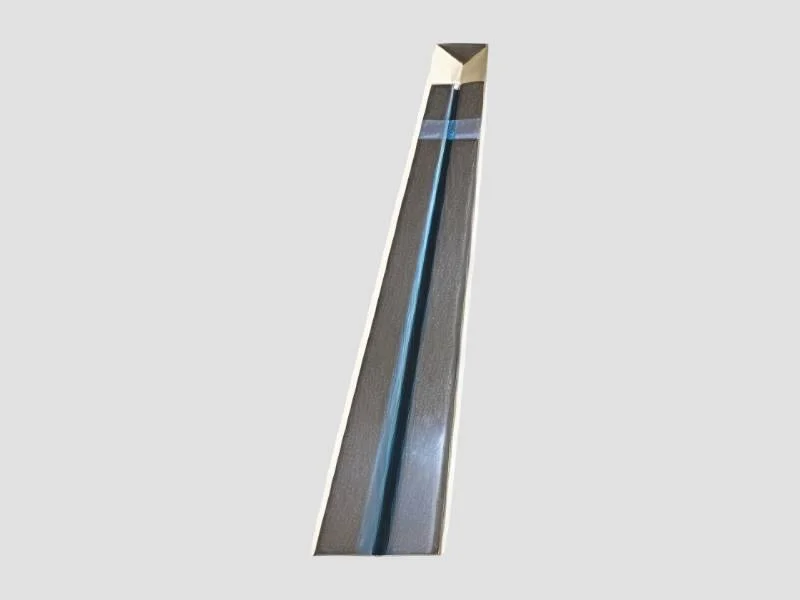
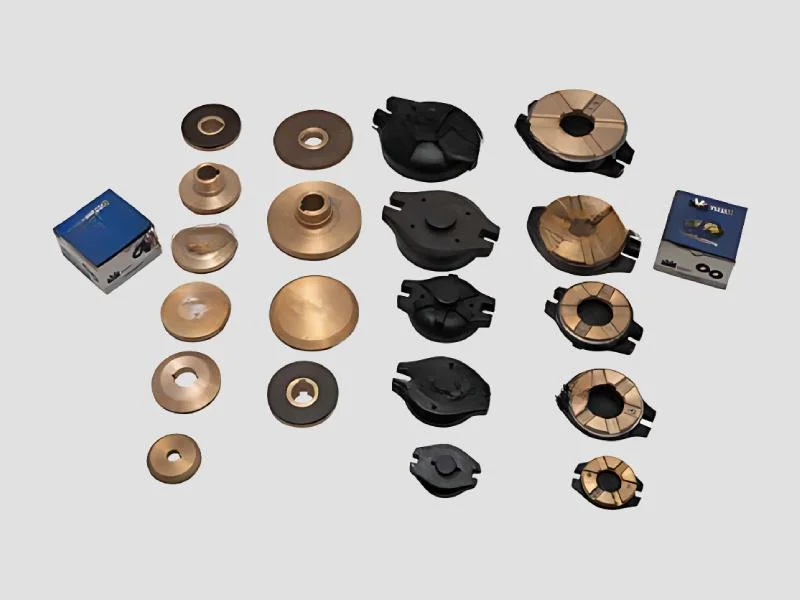
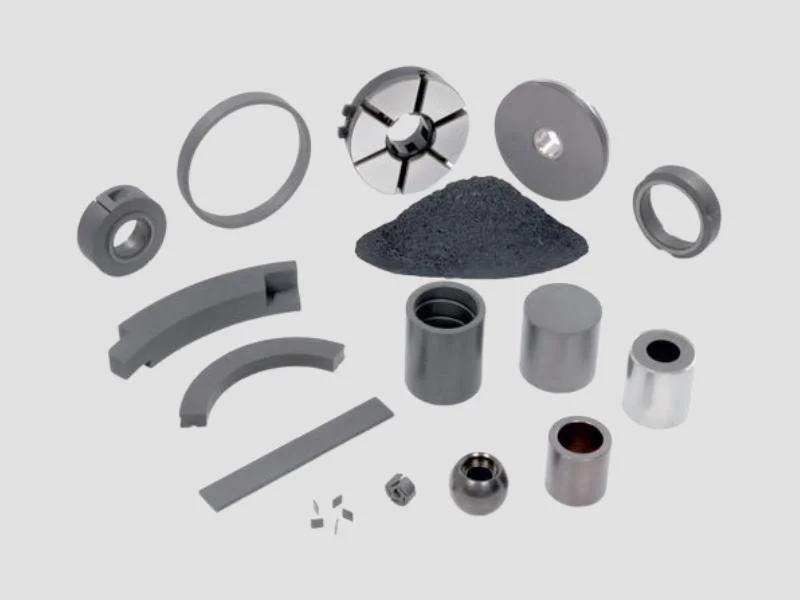
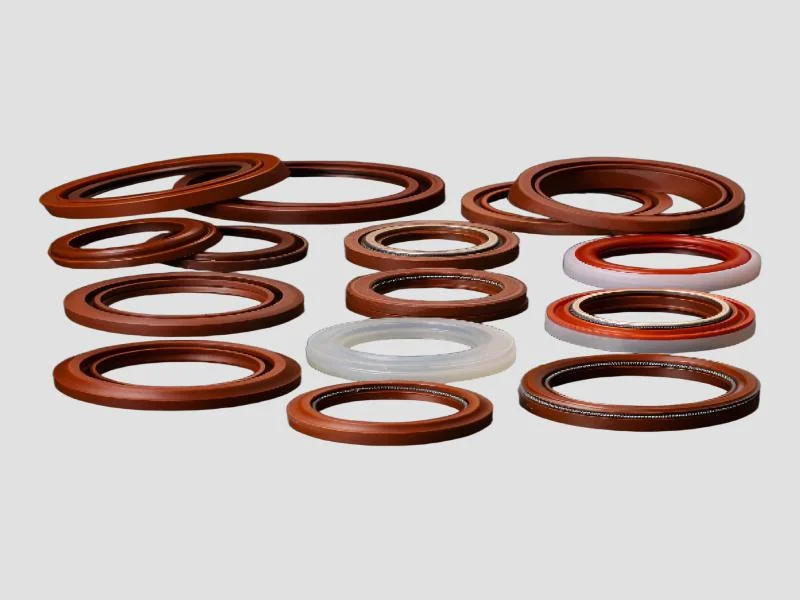
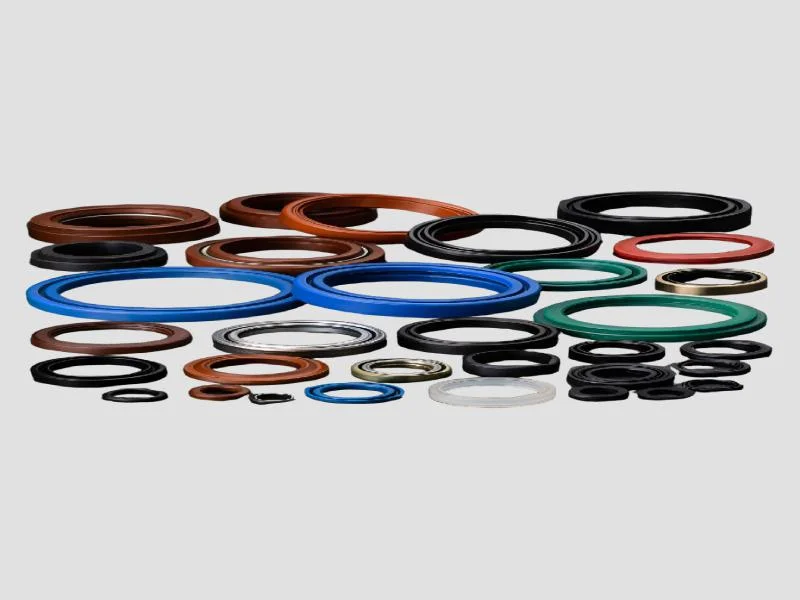
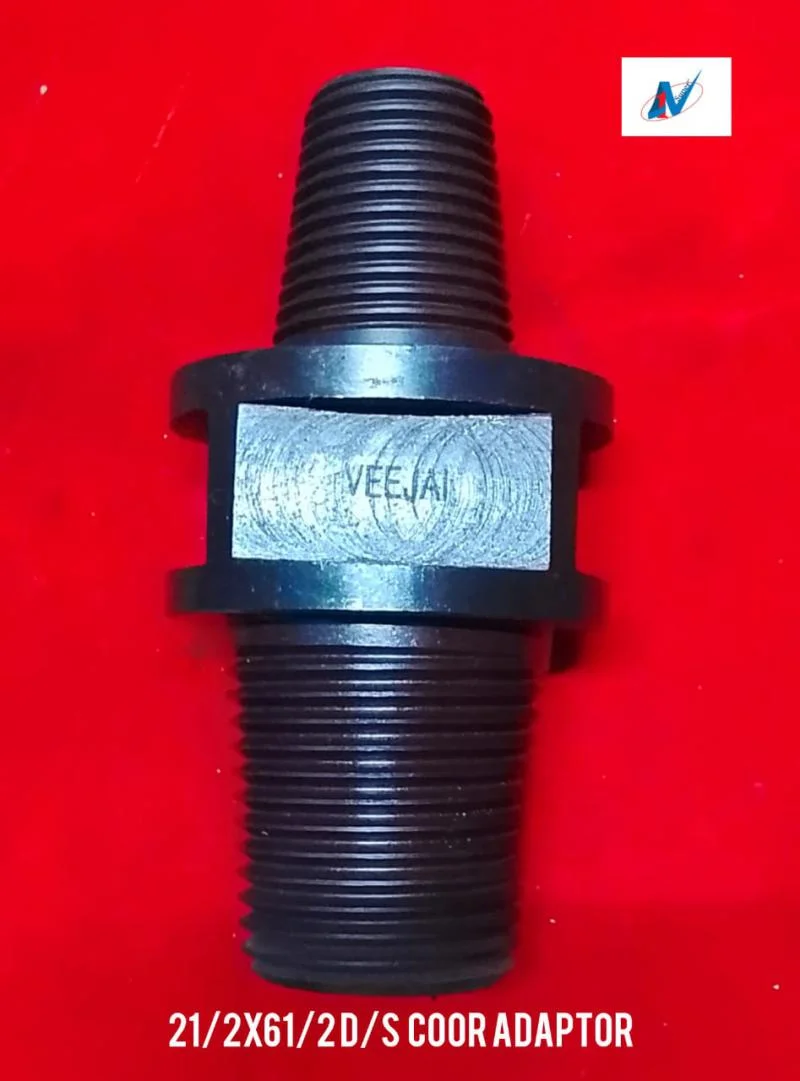
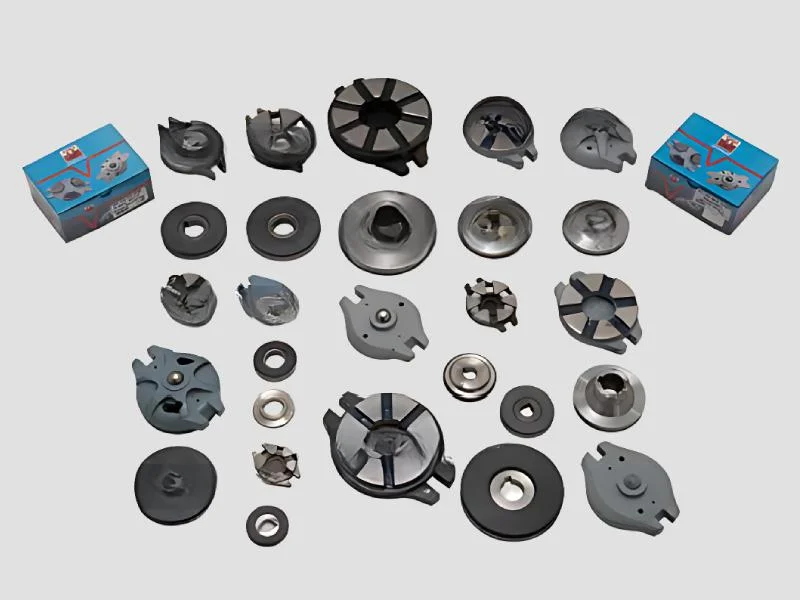
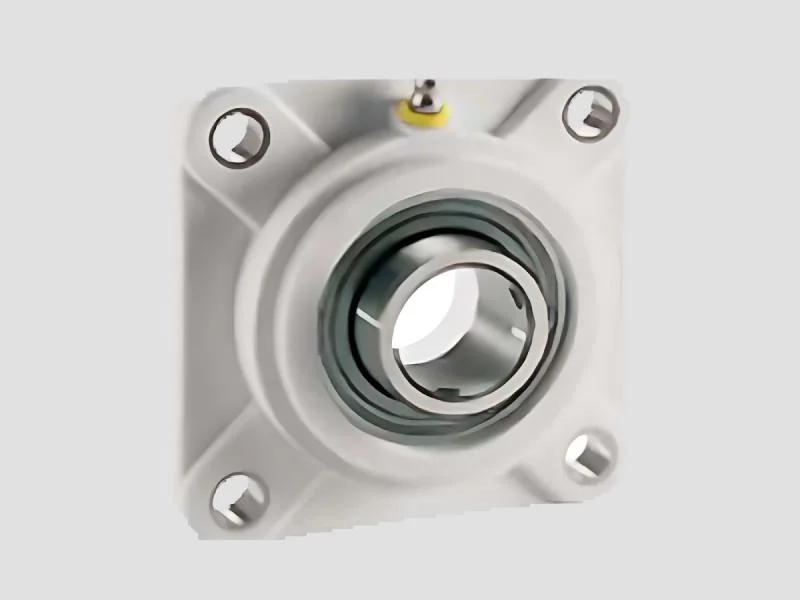
Industrial bearings and seals are essential components used in a wide range of machinery and equipment. Bearings serve as mechanical elements that facilitate smooth movement between parts by reducing friction. They support rotating shafts and help maintain alignment. Seals, on the other hand, are designed to prevent the leakage of fluids and contaminants, ensuring that the operational integrity of machinery is maintained.
These components find extensive use across various sectors, including manufacturing, automotive, aerospace, and construction. In manufacturing, bearings and seals play critical roles in conveyor systems, turbines, and pumps. In the automotive industry, they are integral to the operation of engines, transmissions, and wheel assemblies. Their reliability directly impacts operational efficiency, making them vital in machinery design and maintenance.
The industrial bearings and seals market continues to grow, driven by advancements in technology and increasing demand for high-performance components. As industries evolve, there is a greater emphasis on durability and efficiency, leading to innovations in material science and design. Manufacturers are increasingly focused on producing components that can withstand extreme conditions while providing long service life.
𝗞𝗲𝘆 𝗙𝗲𝗮𝘁𝘂𝗿𝗲𝘀 𝗮𝗻𝗱 𝗦𝗽𝗲𝗰𝗶𝗳𝗶𝗰𝗮𝘁𝗶𝗼𝗻𝘀
Industrial bearings and seals come with various features that cater to specific applications and operational demands. Understanding these features is crucial for selecting the right components for your machinery.
Key specifications include:
1. Load Capacity
- Refers to the amount of weight the bearing can support.
- Technical parameters typically range from a few hundred to several tons.
2. Speed Rating
- Indicates the maximum operational speed of the bearing.
- Measured in revolutions per minute (RPM), often exceeding thousands for high-performance applications.
3. Material Type
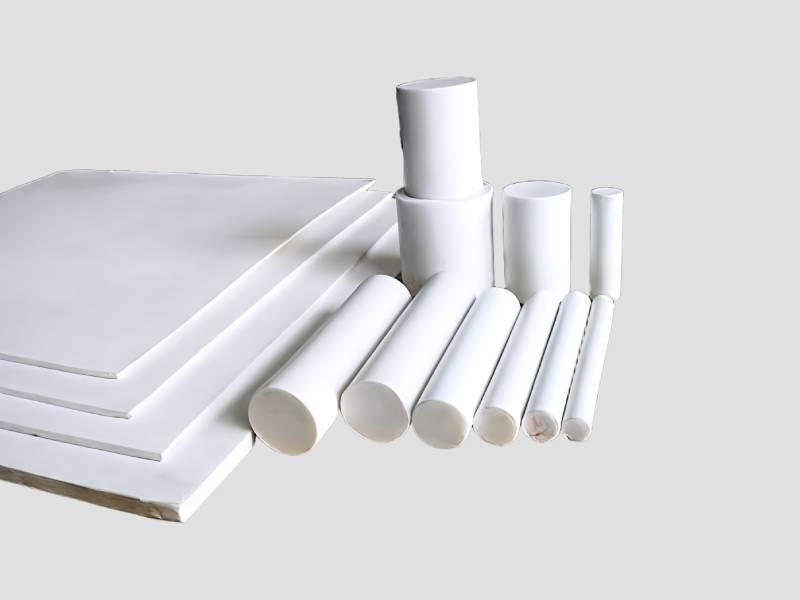
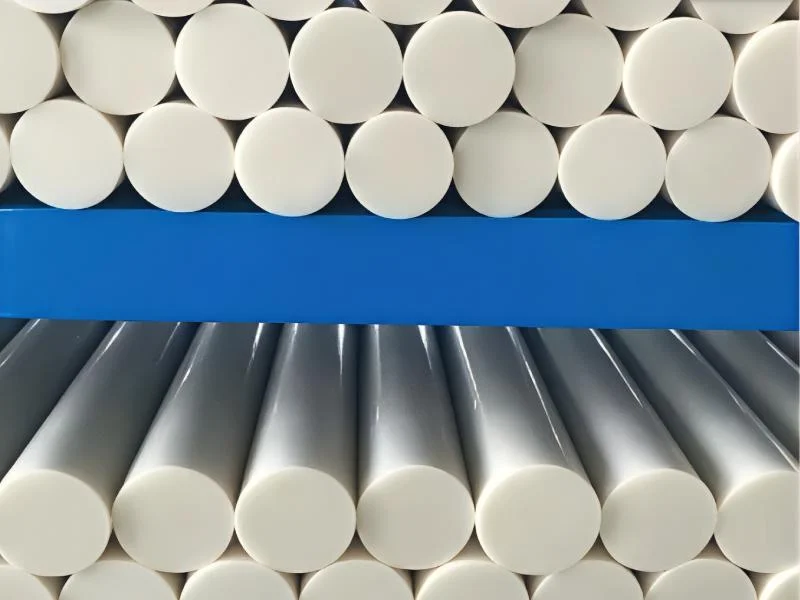
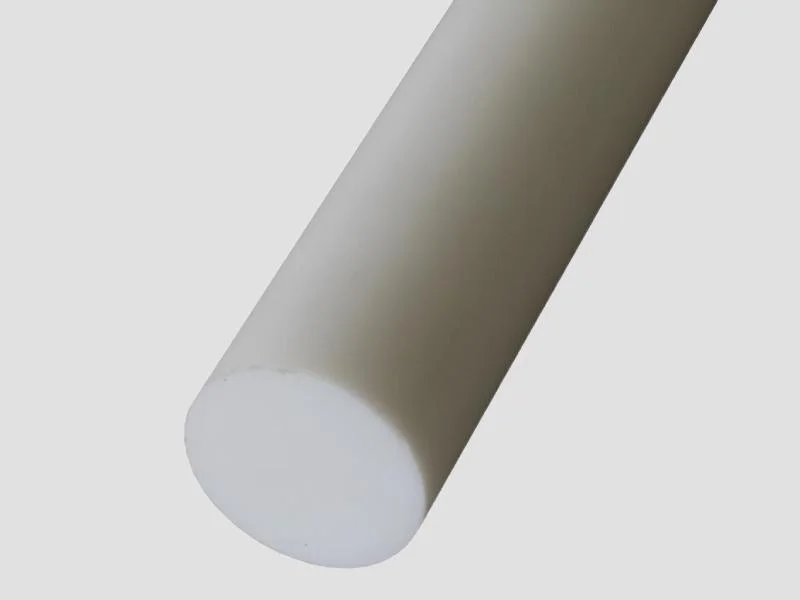
- Common materials include steel, ceramic, and plastic.
- Each material offers different benefits in terms of strength, corrosion resistance, and weight.
4. Operating Temperature Range
- Specifies the temperature limits for optimal performance.
- Typically ranges from -40°C to over 150°C depending on the application.
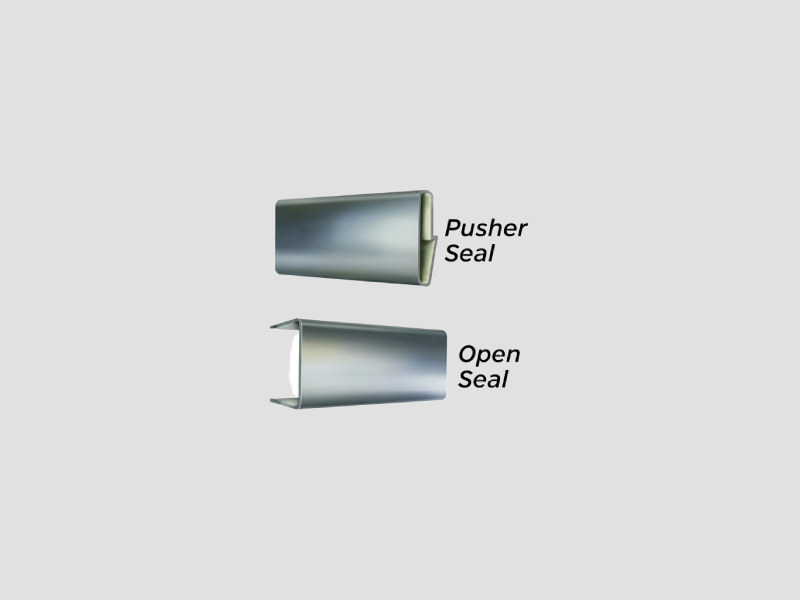
5. Seal Type
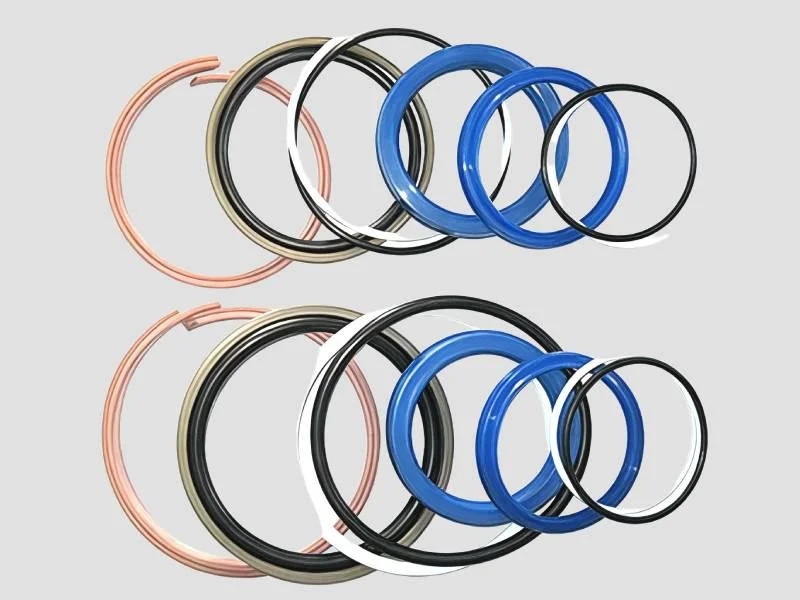
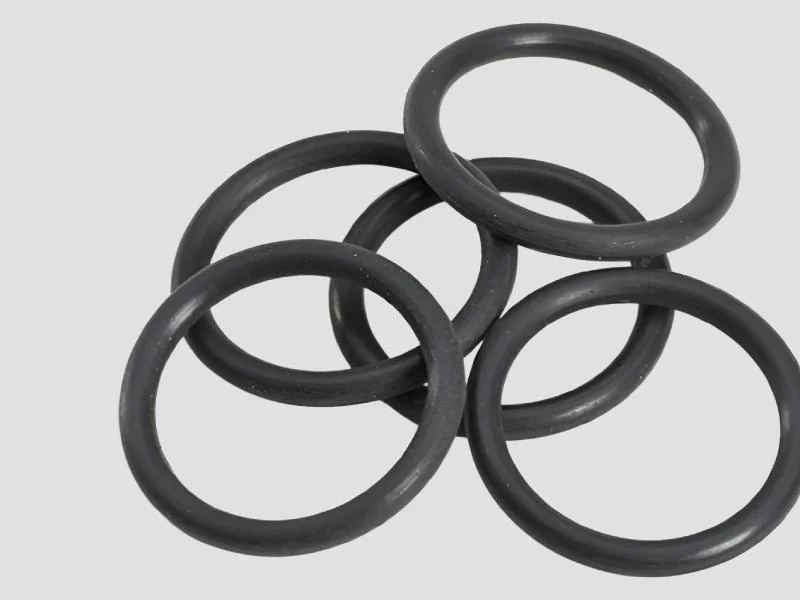
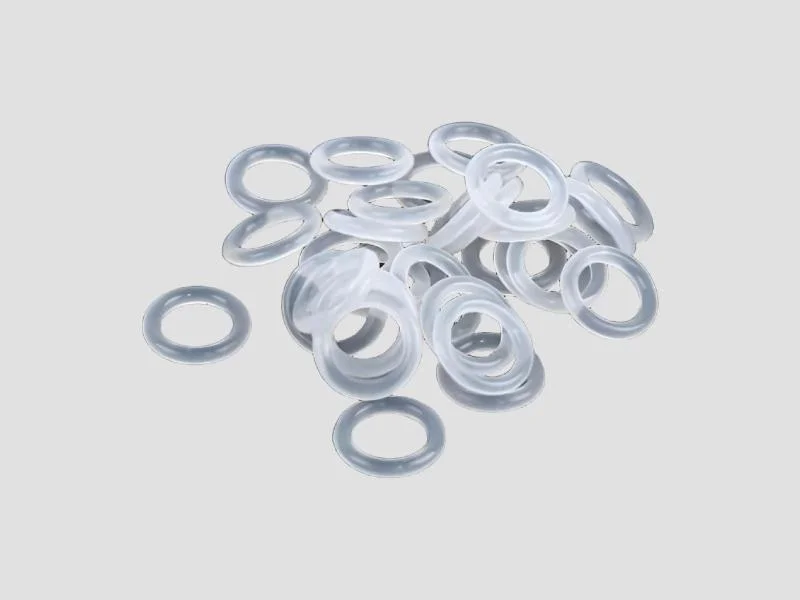
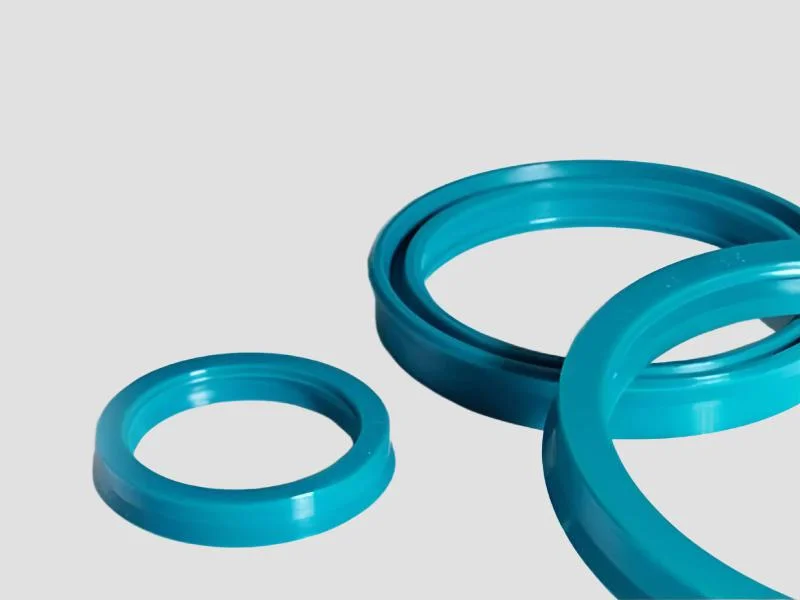
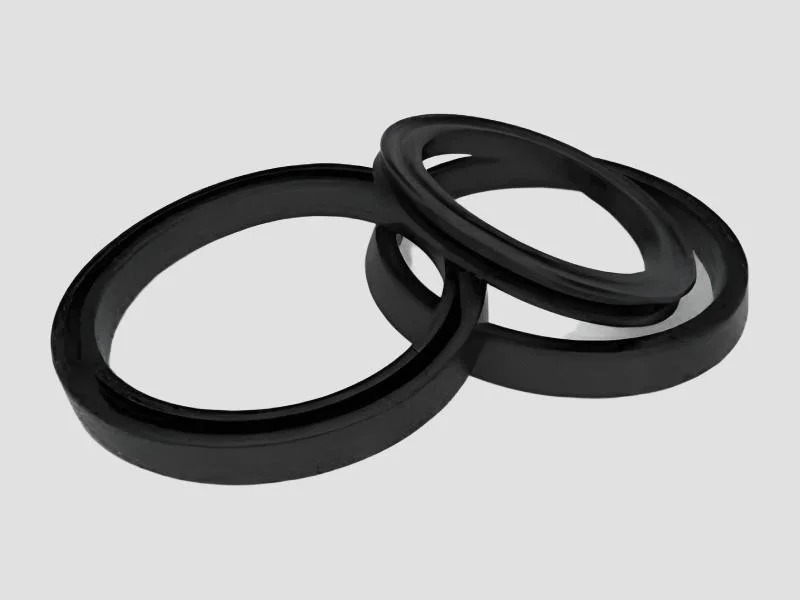
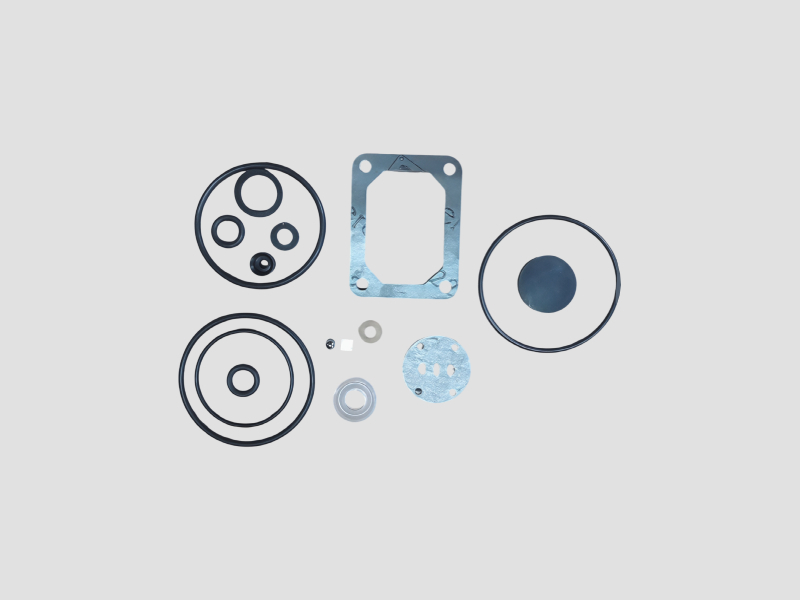
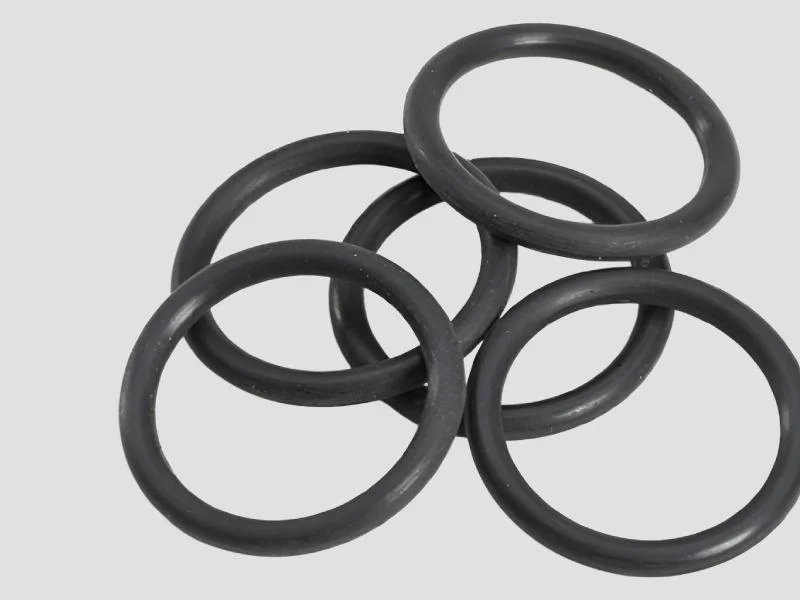
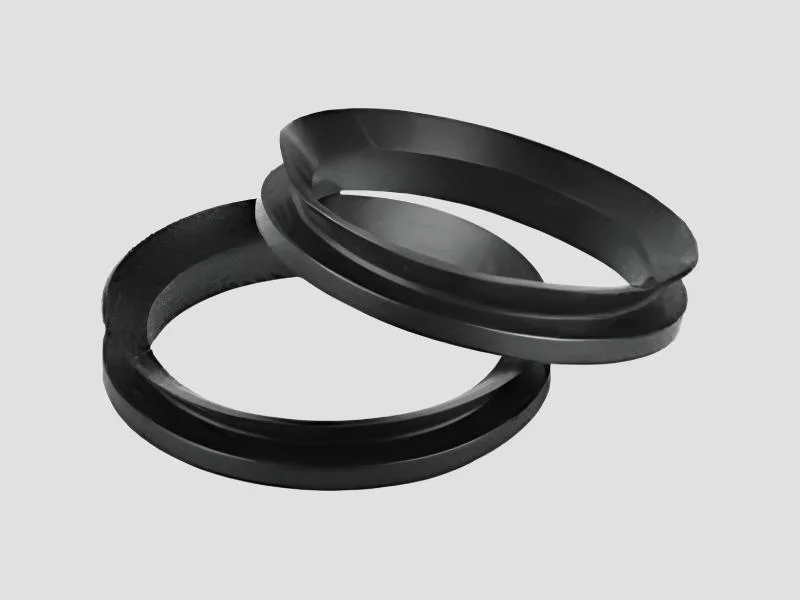
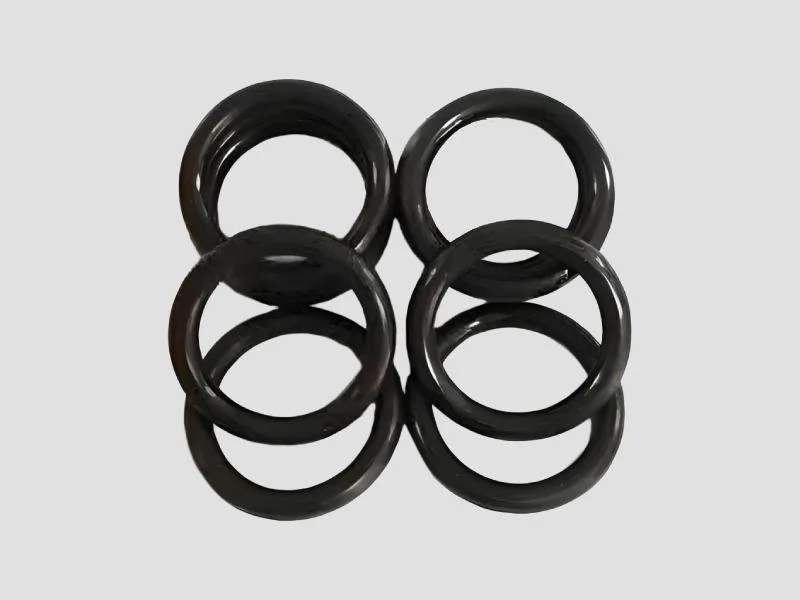
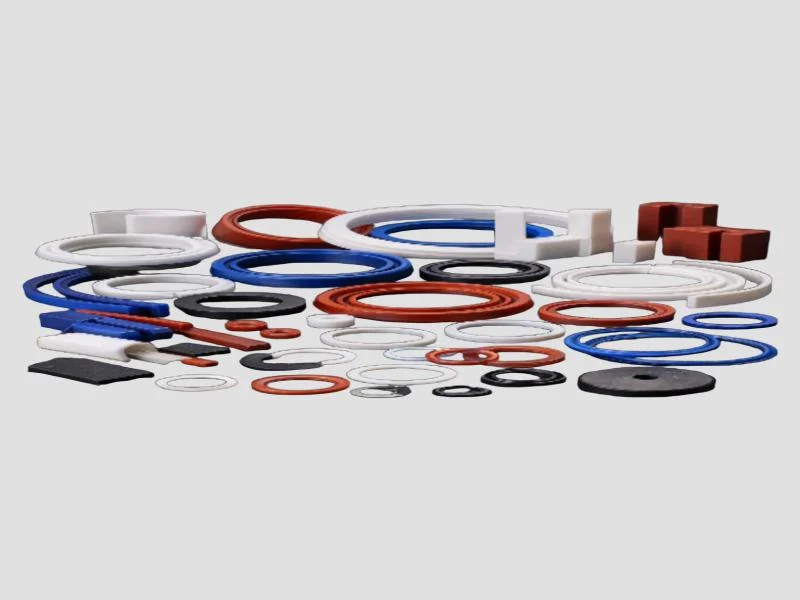
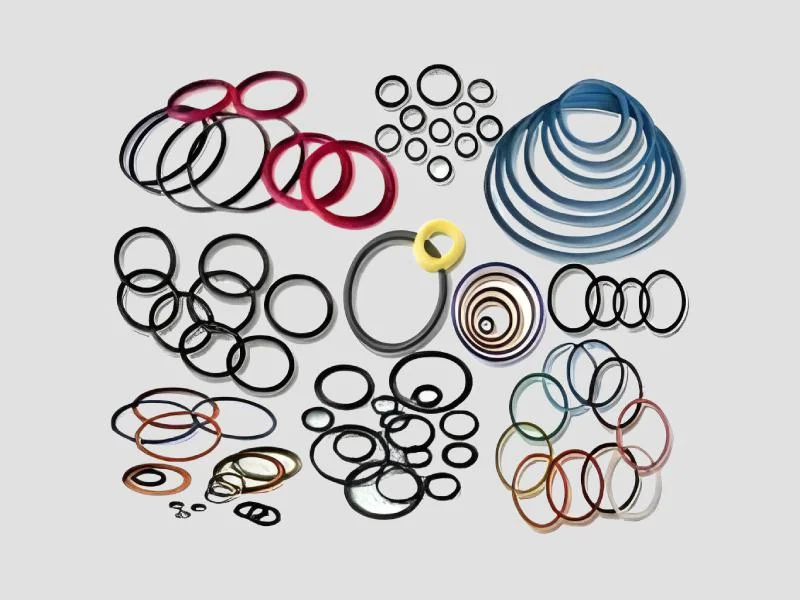
- Different seals are available such as lip seals, O-rings, and labyrinth seals.
- Each type is designed for specific environments, whether for dust, water, or oil resistance.
6. Size and Dimension
- Bearings and seals come in various sizes to fit different machinery specifications.
- Standardized dimensions are often used to ensure compatibility.
7. Lubrication Method
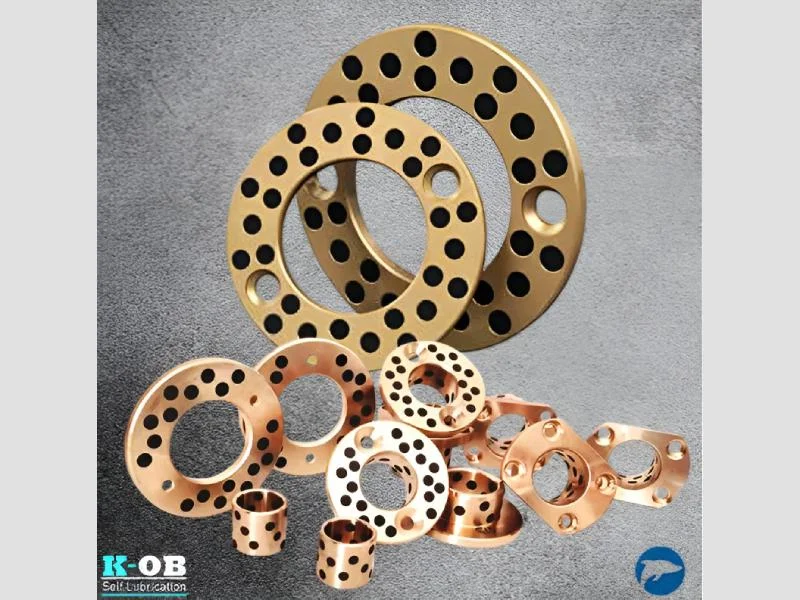
- Can be grease-filled, oil-filled, or self-lubricating.
- Proper lubrication is crucial for reducing wear and prolonging lifespan.
8. Compliance Standards
- Many bearings and seals adhere to international standards for quality and safety.
- Relevant certifications include CE and ISO standards.
Understanding these specifications can help in selecting the right industrial bearings and seals that meet specific application requirements.
𝗖𝗼𝗺𝗺𝗼𝗻 𝗔𝗽𝗽𝗹𝗶𝗰𝗮𝘁𝗶𝗼𝗻𝘀 𝗮𝗻𝗱 𝗨𝘀𝗲 𝗖𝗮𝘀𝗲𝘀
Industrial bearings and seals are utilized across a diverse range of industries, each requiring tailored solutions.
1. Automotive: Bearings are critical in engines and wheel hubs, ensuring smooth operation. Seals prevent oil leaks and contamination, contributing to vehicle longevity.
2. Manufacturing: In production lines, bearings support conveyors and machinery, while seals protect against dust and lubricants, enhancing operational reliability.
3. Aerospace: High-performance bearings are used in aircraft engines and landing gear. Seals are vital for preventing fuel leaks and ensuring safety.
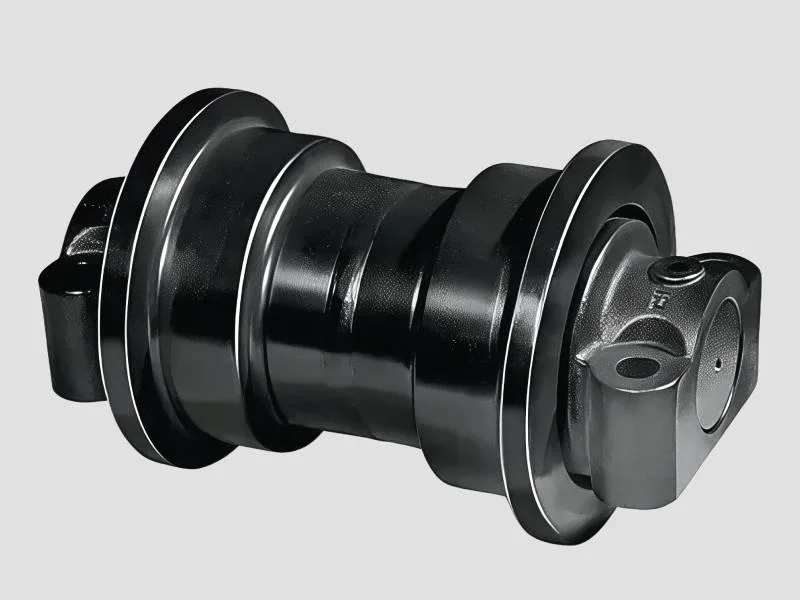
4. Construction: Heavy machinery relies on durable bearings and seals to operate efficiently in rugged environments. These components help in the operation of cranes, excavators, and bulldozers.
5. Agriculture: Bearings in tractors and harvesters ensure smooth movement under heavy loads. Seals protect sensitive components from dirt and moisture.
6. Mining: Bearings must withstand extreme conditions and heavy loads in mining equipment. Seals prevent contamination and extend service life.
7. Energy: In wind turbines and power generation equipment, bearings facilitate rotation and seals protect moving parts from environmental elements.
𝗣𝗿𝗼𝗱𝘂𝗰𝘁 𝗩𝗮𝗿𝗶𝗮𝗻𝘁𝘀 𝗮𝗻𝗱 𝗦𝘂𝗯𝗰𝗮𝘁𝗲𝗴𝗼𝗿𝗶𝗲𝘀
Industrial bearings and seals are available in various types to meet specific needs. The diversity in product offerings ensures that businesses can find suitable solutions.
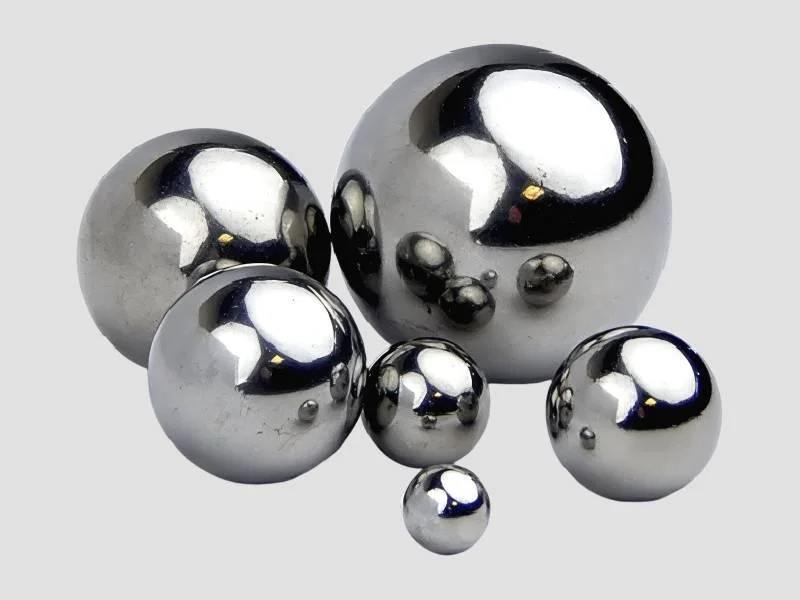
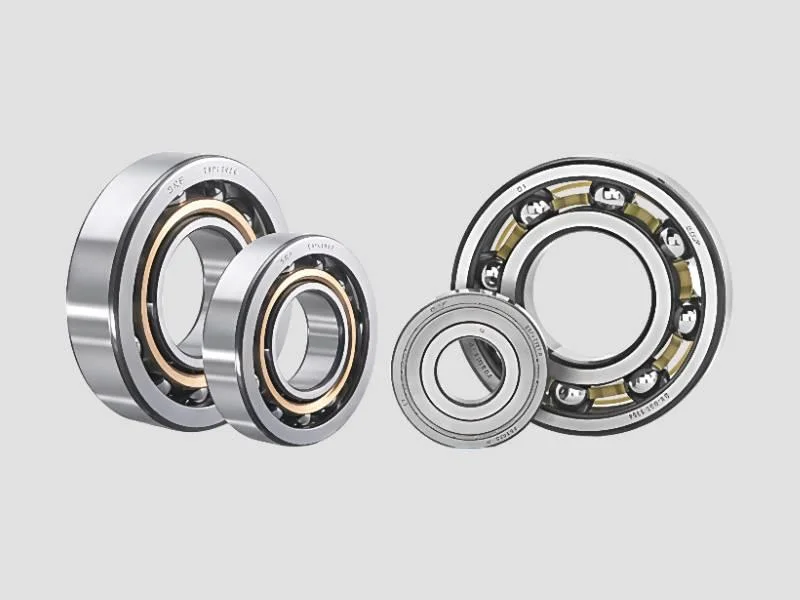
Ball Bearings: These are designed for low friction and high-speed applications. They are commonly used in electric motors, fans, and pumps.
Roller Bearings: Known for their ability to handle heavy loads, they are often used in construction and mining machinery.
Deep Groove Bearings: These are versatile and can support both radial and axial loads. They are used in applications ranging from automotive to industrial machinery.
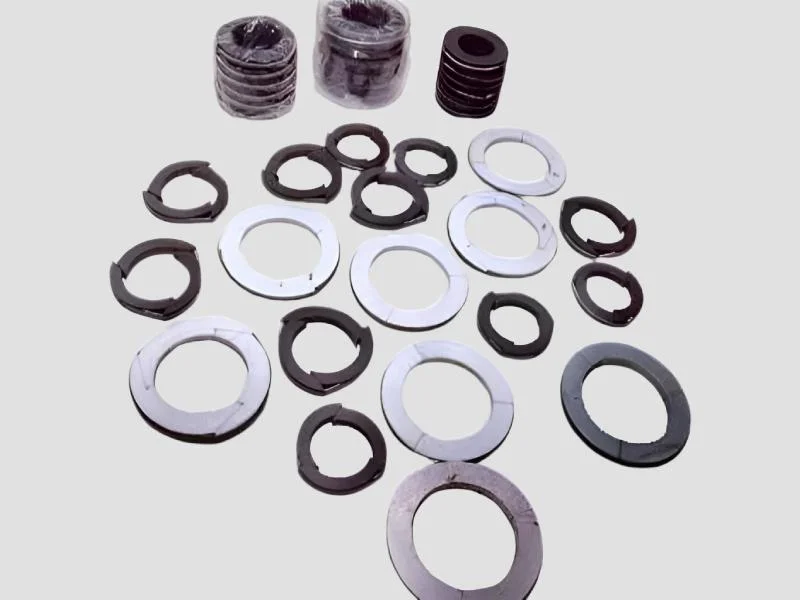
Sealed Bearings: These come with integrated seals that protect against dirt and moisture, making them ideal for harsh environments.
Thrust Bearings: Designed to accommodate axial loads, these bearings are often found in applications involving rotary shafts and gears.
𝗕𝗲𝗻𝗲𝗳𝗶𝘁𝘀 𝗮𝗻𝗱 𝗔𝗱𝘃𝗮𝗻𝘁𝗮𝗴𝗲𝘀
Choosing high-quality industrial bearings and seals offers numerous advantages that can improve operational efficiency and reduce costs.
1. Enhanced Performance: Reliable bearings and seals reduce friction and wear, leading to better overall machinery performance.
2. Longer Lifespan: Quality components can withstand harsh conditions, extending the service life of machinery significantly.
3. Reduced Downtime: Well-functioning bearings and seals minimize breakdowns, resulting in fewer interruptions in production.
4. Cost-Efficiency: Investing in durable components can lead to long-term savings by reducing maintenance and replacement costs.
5. Improved Safety: Properly functioning seals prevent leaks and contamination, contributing to a safer working environment.
6. Customization Options: Many manufacturers offer customizable solutions to meet specific operational needs and challenges.
𝗕𝘂𝘆𝗶𝗻𝗴 𝗚𝘂𝗶𝗱𝗲 𝗳𝗼𝗿 𝗕𝟮𝗕 𝗕𝘂𝘆𝗲𝗿𝘀
When sourcing industrial bearings and seals, it is essential to consider several factors to ensure the right fit for your application.
1. Quality Assessment: Evaluate the quality of materials and manufacturing processes. Look for certifications that indicate adherence to industry standards.
2. Supplier Verification: Vet potential suppliers by checking their reputation, experience, and customer reviews. A reliable supplier can provide consistent quality.
3. Pricing and MOQ: Understand the pricing structure and minimum order quantities. This can affect budgeting and inventory management.
4. Delivery and Lead Times: Inquire about logistics and delivery schedules. Timely delivery is crucial for maintaining production timelines.
5. Compliance Requirements: Ensure that the products meet necessary regulatory standards for safety and quality, particularly in specialized industries.
𝗖𝗼𝗺𝗽𝗹𝗶𝗮𝗻𝗰𝗲 𝗮𝗻𝗱 𝗖𝗲𝗿𝘁𝗶𝗳𝗶𝗰𝗮𝘁𝗶𝗼𝗻𝘀
Compliance with industry standards is critical for ensuring the safety and quality of industrial bearings and seals. Key quality standards include ISO 9001, which sets criteria for quality management systems, and HACCP, which focuses on food safety. Additionally, CE certification indicates that products meet European health, safety, and environmental protection standards.
Manufacturers must adhere to safety testing requirements to ensure their products are reliable and effective. This includes rigorous testing under various conditions to assess performance and durability.
Regional compliance considerations may vary, especially for international trade. Understanding these requirements helps businesses avoid legal complications and ensures that products meet market expectations.
𝗪𝗵𝘆 𝗦𝗼𝘂𝗿𝗰𝗲 𝗜𝗻𝗱𝘂𝘀𝘁𝗿𝗶𝗮𝗹 𝗕𝗲𝗮𝗿𝗶𝗻𝗴𝘀 & 𝗦𝗲𝗮𝗹𝘀 𝗳𝗿𝗼𝗺 𝗣𝗲𝗽𝗮𝗴𝗼𝗿𝗮?
Pepagora offers a trusted platform for sourcing industrial bearings and seals, providing several key advantages for B2B buyers.
Verified Supplier Network: Pepagora features a network of verified suppliers that ensures quality and reliability. This gives buyers confidence in their sourcing decisions.
Streamlined RFQ Process: The platform simplifies the request for quotation process, allowing buyers to receive competitive pricing and terms from multiple suppliers quickly.
Trade Assurance and Support: Buyers are protected through trade assurance features, ensuring that transactions are secure and disputes can be resolved effectively.
Regional Coverage: Pepagora has a broad geographic reach, covering markets in India, the GCC, and Southeast Asia. This allows businesses to access quality products and suppliers across diverse regions.

 IN
IN