IN
IN₹
Apparel & Fashion
Description
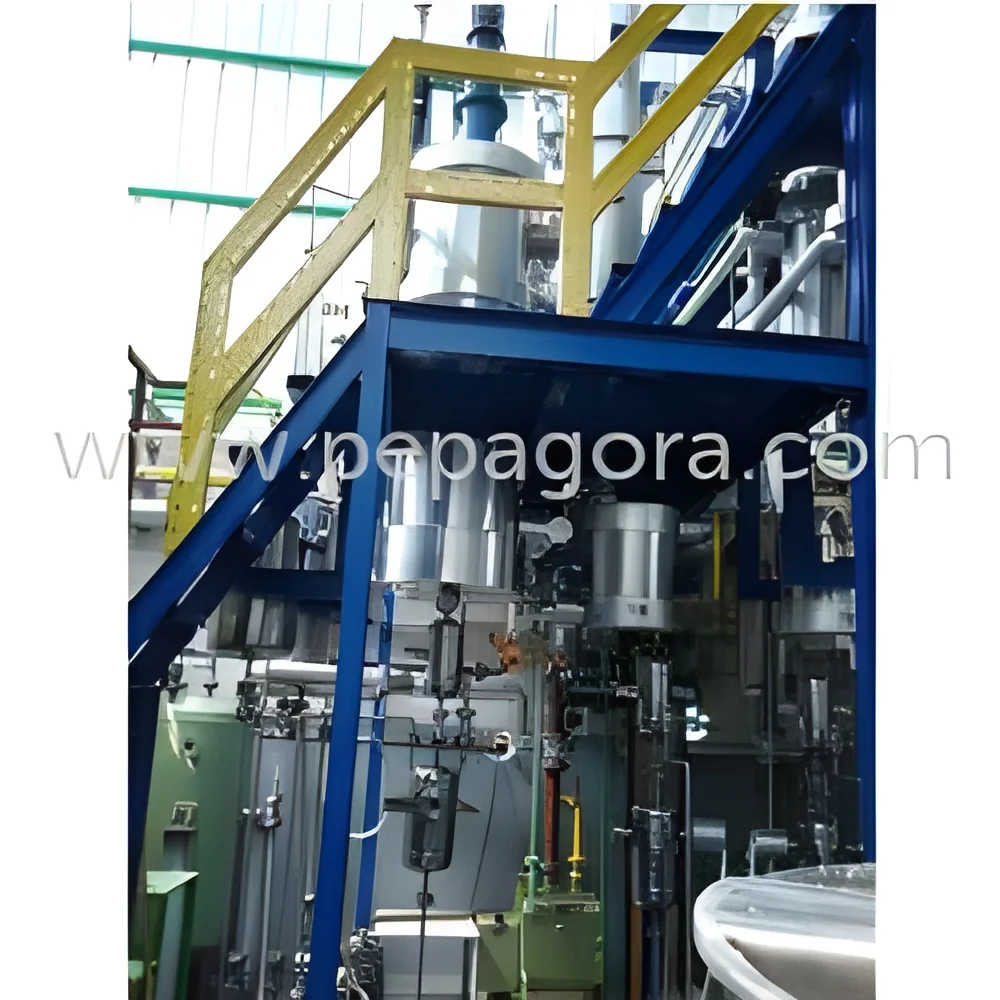
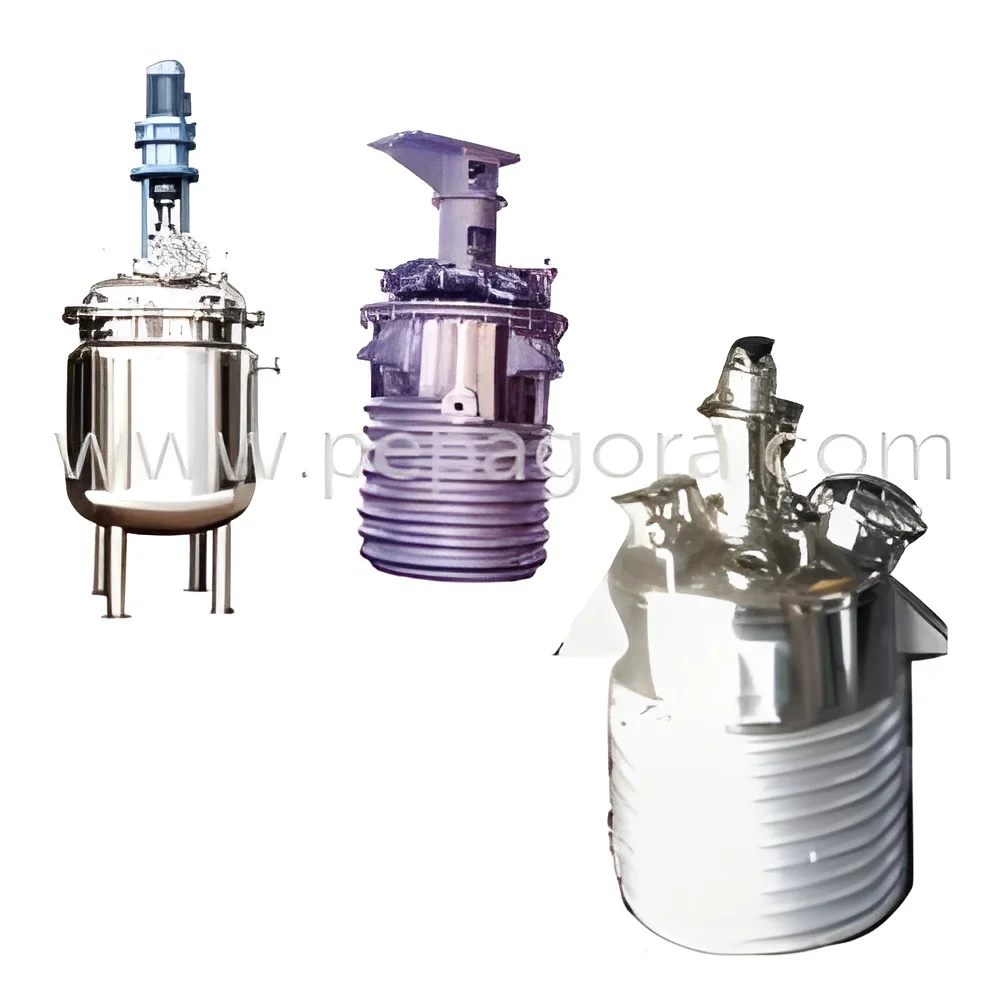
Our mechanical seal reactors represent advanced processing equipment designed for complex chemical reactions where traditional sealing methods fall short. These reactors feature specialized gland mechanical seals that provide superior leak prevention compared to conventional packing, ensuring operational safety and product purity. Available in capacities from 10 liters to 20,000 liters, they accommodate everything from pilot-scale development to full industrial production. The robust construction handles aggressive chemicals, high-pressure conditions, and extreme temperatures while maintaining perfect sealing integrity throughout prolonged operation cycles. These reactors are engineered for critical processes including esterification, nitration, alkalization, hydrolysis, and polymerization where even minor leaks can compromise entire batches.

These precision reactors serve vital roles across chemical-intensive industries including pharmaceutical manufacturing, where they produce activ...
Our mechanical seal reactors represent advanced processing equipment designed for complex chemical reactions where traditional sealing methods fall short. These reactors feature specialized gland mechanical seals that provide superior leak prevention compared to conventional packing, ensuring operational safety and product purity. Available in capacities from 10 liters to 20,000 liters, they accommodate everything from pilot-scale development to full industrial production. The robust construction handles aggressive chemicals, high-pressure conditions, and extreme temperatures while maintaining perfect sealing integrity throughout prolonged operation cycles. These reactors are engineered for critical processes including esterification, nitration, alkalization, hydrolysis, and polymerization where even minor leaks can compromise entire batches.

These precision reactors serve vital roles across chemical-intensive industries including pharmaceutical manufacturing, where they produce active pharmaceutical ingredients under strict contamination controls. The specialty chemical industry utilizes them for synthesizing complex compounds through reactions like sulphonation and oxidation. Agrochemical manufacturers rely on these reactors for producing pesticides and fertilizers through nitration and condensation processes. Polymer and resin producers employ them for controlled polymerization reactions, while fine chemical manufacturers use them for high-value compound synthesis. The food processing industry also utilizes these reactors for certain extraction and modification processes requiring sealed environments.

The business value of these mechanical seal reactors lies in their exceptional reliability and operational efficiency. They significantly reduce downtime caused by seal failures and prevent costly product losses through leak-proof performance. The reliable construction ensures consistent performance even under the most demanding chemical processing conditions, providing businesses with dependable production capabilities that support growth and quality consistency. These reactors deliver long-term cost savings through reduced maintenance needs and extended operational lifespans. The precision engineering translates to better process control, higher yield rates, and improved product quality across all applications, making them a valuable investment for any chemical processing operation.

Key Features:
- Gland mechanical seal design for absolute leak prevention
- Capacity range from 10 liters to 20,000 liters for various production scales
- Compatible with multiple heating methods for precise temperature control
- Multiple stirring options for optimal reaction mixing efficiency
- Robust construction for handling aggressive chemicals and high pressures

Benefits:
- Zero leakage ensures product purity and operational safety
- Wide capacity range supports both pilot and full-scale production
- Reduced maintenance requirements and extended equipment lifespan
- Consistent performance under demanding chemical processing conditions
- Improved process control leading to higher yields and better quality
Specifications
| Key Attributes | |
|---|---|
| Capacity | 10 Liters to 20,000 |
| Additional Information | |
|---|---|
| Country of Origin | India |
Application
Mechanical seal reactors are engineered for demanding chemical synthesis applications where leak prevention and process integrity are critical. These reactors handle aggressive chemicals, high temperatures, and precise reaction conditions with superior sealing performance compared to traditional packing methods. The gland mechanical seal design ensures zero leakage during volatile or sensitive processes, making them essential for batch production across multiple industries.
These reactors support diverse chemical transformations including esterification, nitration, alkalization, hydrolysis, and polymerization. With capacities ranging from 10 liters to 20,000 liters, they accommodate both laboratory-scale development and full-scale industrial production. The robust construction and reliable performance make them suitable for various heating and stirring requirements specific to different chemical processes and production volumes.
- Pharmaceutical intermediate synthesis requiring contamination-free environments
- Specialty chemical manufacturing for esterification and nitration processes
- Agrochemical production for pesticide and fertilizer reactions
- Polymer and resin manufacturing through controlled polymerization
- Fine chemical production for high-value compounds under precise conditions
Trade Details
| Available Stock | In Stock |
| Sample Availability | No |
Payment Terms
| Payment Terms |
|
Company Profile
Pharmac Technologies Pvt Ltd, Maharashtra
 Maharashtra, India
Maharashtra, IndiaFood & Agriculture•Manufacturer•Trading Company•Importer / Exporter
Factory Details
Factory SizeBelow 1000 sqm
Annual Production Capacity0
Industrial Mechanical Seal Reactor 10L To 20,000L For Chemical Synthesis
Industrial mechanical seal reactors for chemical synthesis processes like esterification and nitration. Available in 10L to 20,000L capacities with reliable gland sealing for leak-proof operations in pharmaceutical and chemical industries.
Min. Order Quantity: 1 unit
Shipping
Shipping fee and delivery date to be negotiated. Contact supplier now for more details.
Pharmac Technologies Pvt Ltd
 Maharashtra, India
Maharashtra, IndiaFood & AgricultureManufacturer