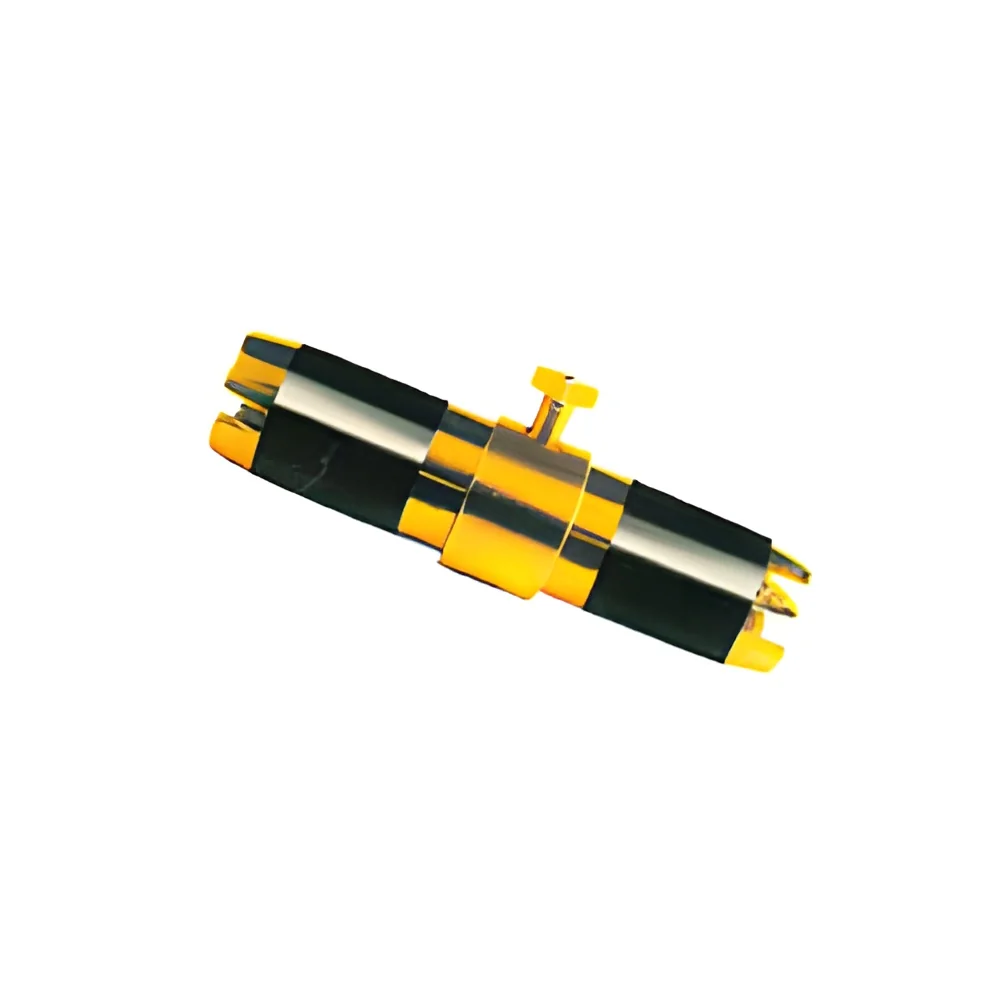
What are Insert Bearings?
Insert bearings are specialized components designed to support rotating shafts in various applications. They consist of an inner race, which is mounted on the shaft, and an outer housing that provides stability and alignment. These bearings allow for efficient rotation while minimizing friction and wear, ultimately enhancing the performance and longevity of machinery.
Insert bearings are commonly used in a wide range of business applications, including agricultural equipment, conveyor systems, industrial machinery, and automotive components. Their design makes them particularly suitable for use in environments where space is limited or where misalignment might occur. Industries such as manufacturing, logistics, and construction rely heavily on insert bearings for their reliability and ease of installation.
In the current market, insert bearings hold significant relevance due to the ongoing demand for improved efficiency and reduced maintenance costs in industrial operations. Their ability to withstand harsh conditions while providing consistent performance makes them an essential choice for many businesses looking to optimize their equipment.
Key Features and Specifications
Insert bearings offer a range of features that enhance their functionality and application. These specifications play a crucial role in selecting the right bearing for specific needs.
Key specifications include:
1. Inner Diameter
- The inner diameter specifies the shaft size the bearing can accommodate.
- Common sizes range from 12mm to 50mm.
2. Outer Diameter
- The outer diameter provides information on how the bearing will fit into the housing.
- Sizes typically range from 28mm to 90mm.
3. Width
- Width indicates the thickness of the bearing.
- Standard widths are available from 15mm to 30mm.
4. Load Rating
- Load rating defines the maximum load the bearing can handle without failure.
- Ratings vary based on application and can range from 1,500 N to over 10,000 N.
5. Material
- Insert bearings are made from various materials, including steel, stainless steel, and plastic composites.
- Material selection impacts durability and resistance to corrosion.
6. Seal Type
- Different seal types (such as rubber seals or metal shields) affect dust and moisture protection.
- Seals enhance the bearing’s lifespan in challenging environments.
7. Temperature Range
- Temperature range indicates the operational limits of the bearing.
- Typical ranges are from -20°C to +100°C.
8. Compliance Standards
- Insert bearings may comply with industry standards such as CE certification.
- Compliance indicates adherence to safety and quality benchmarks.
Insert bearings are versatile components with specifications tailored to meet diverse industrial requirements.
Common Applications and Use Cases
Insert bearings find utility in numerous sectors, owing to their adaptability and reliability.
1. Agricultural Equipment: Insert bearings are commonly used in tractors and harvesting machines, where they support rotating shafts and enhance efficiency in power transmission.
2. Manufacturing: In production lines, insert bearings are vital for machinery that requires smooth operation under heavy loads, reducing downtime and maintenance.
3. Conveyor Systems: These bearings facilitate the movement of materials on conveyor belts, ensuring smooth operation and minimizing friction.
4. Automotive: Insert bearings are utilized in various components, such as transmissions and wheel hubs, providing stability and reliability in performance.
5. HVAC Systems: In heating and cooling systems, insert bearings support fans and blowers, contributing to efficient airflow and system longevity.
6. Mining and Construction: Heavy machinery in these industries relies on insert bearings for durability and performance in harsh operating conditions.
7. Robotics: Insert bearings are integral to robotic arms, allowing for precise movements and reliability in automated tasks.
Product Variants and Subcategories
Insert bearings come in various configurations to meet specific application needs.
Standard Insert Bearings
These are the most commonly used variants and feature a standard design suitable for general applications. They are easy to install and available in various sizes.
Flanged Insert Bearings
Flanged variants include a flange that provides additional support and alignment, making them ideal for applications where space constraints exist.
Set Screw Insert Bearings
This type features set screws that secure the bearing to the shaft, ensuring stability during operation. They are particularly useful in high-vibration environments.
Take-Up Insert Bearings
Take-up variants allow for adjustment of the bearing position, accommodating shaft misalignment and ensuring optimal performance.
Benefits and Advantages
Insert bearings offer numerous advantages that contribute to their widespread adoption in industrial applications.
1. Reduced Friction: Their design minimizes friction between moving parts, leading to improved efficiency and energy savings.
2. Easy Installation: Insert bearings are typically easy to install, allowing for quick replacements and reducing downtime in operations.
3. Versatile Applications: They can be used in various industries, making them suitable for a wide range of machinery and equipment.
4. Enhanced Durability: High-quality materials and seals extend the lifespan of insert bearings, reducing the need for frequent replacements.
5. Cost-Effectiveness: Their reliability and low maintenance requirements make insert bearings a cost-effective choice for businesses.
6. Improved Performance: By optimizing rotational support, insert bearings contribute to the overall performance and reliability of machinery.
Buying Guide for B2B Buyers
When sourcing insert bearings, it is crucial to consider several factors to ensure optimal selection for your business needs.
1. Quality Assessment: Evaluate the quality of the bearings based on material, manufacturing processes, and compliance with industry standards. Look for suppliers with a proven track record.
2. Supplier Verification: Vet potential suppliers to ensure they have a reliable history of providing high-quality products. Check for certifications and customer reviews.
3. Pricing and MOQ: Understand the pricing structures and minimum order quantities (MOQ) set by suppliers. Ensure they fit within your budget and purchasing requirements.
4. Delivery and Lead Times: Consider logistics and the typical lead times for delivery. Establish expectations for when you need the bearings to avoid operational delays.
5. Compliance Requirements: Check for any regulatory compliance necessary for your industry, such as CE certifications, to ensure that the bearings meet safety and quality standards.
Compliance and Certifications
Insert bearings must adhere to various quality standards to ensure their safety and functionality in industrial applications. Key standards include ISO 9001, which emphasizes quality management systems, ensuring consistent product quality.
Industry certifications such as CE provide assurance that the bearings meet European safety, health, and environmental protection standards. This compliance is critical for businesses operating in regulated markets.
Safety and testing requirements are also vital. Bearings should undergo rigorous testing to confirm their performance under different loads and conditions. This includes assessments for durability, temperature resistance, and operational efficiency.
Regional compliance considerations may vary, so companies should be aware of local regulations that may impact their sourcing decisions. Ensuring compliance with these standards helps mitigate risks associated with product failures and enhances overall operational safety.
Why Source Insert Bearings from Pepagora?
Pepagora provides a trusted platform for sourcing insert bearings, offering several key advantages to B2B buyers.
Verified Supplier Network: Pepagora features a network of verified suppliers who have undergone thorough assessments to ensure reliability and quality. This network helps buyers identify reputable sources for their insert bearing needs.
Streamlined RFQ Process: The platform offers a streamlined Request for Quotation (RFQ) process, making it easy for buyers to connect with multiple suppliers and receive competitive quotes quickly.
Trade Assurance and Support: Buyers benefit from trade assurance that protects their investments. Pepagora offers support throughout the purchasing process, ensuring a smooth transaction and resolution of any issues.
Regional Coverage: With a strong presence in markets like India, the GCC, and Southeast Asia, Pepagora provides extensive regional coverage. This geographic reach enables buyers to source insert bearings locally while benefiting from competitive pricing and reduced shipping times.

 IN
IN