
 IN
Multi-Boring Machines
3 products available
What are Multi-Boring Machines?
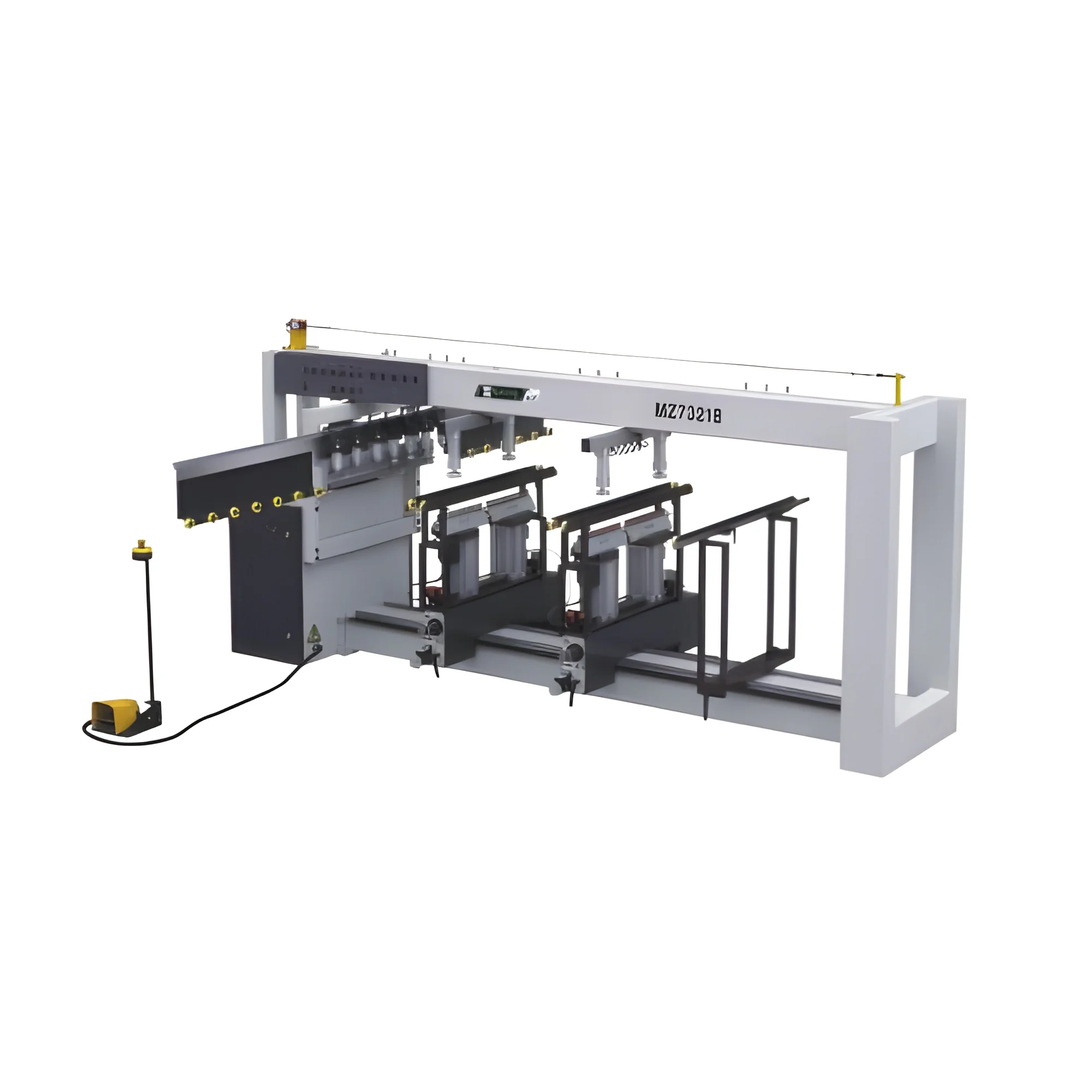
Multi-boring machines are specialized industrial tools designed for the precise drilling of multiple holes in various materials, primarily wood and composites. These machines utilize multiple spindles to simultaneously drill holes in a single pass, significantly enhancing productivity and efficiency in manufacturing processes. Multi-boring machines are equipped with advanced technology that allows for adjustments in hole diameter, depth, and spacing, making them versatile for different applications.
These machines find extensive use in industries such as furniture manufacturing, cabinetry, and construction. They are essential for operations that require high-volume production of components with consistent quality. Multi-boring machines also support the trend toward automation in manufacturing, enabling businesses to meet growing demands while maintaining high standards of accuracy and speed. As the industrial sector continues to evolve, the relevance of multi-boring machines remains strong, driven by the need for efficiency and precision in production processes.
Key Features and Specifications
Multi-boring machines come equipped with a variety of features designed to enhance their functionality and performance. These machines are engineered to handle large volumes of work while maintaining high precision. The specifications can vary based on the model and manufacturer, but certain key specifications are common across most types.
Key specifications include:
1. Number of Spindles
- Typically ranges from 3 to 12 spindles.
- Allows for simultaneous drilling of multiple holes.
2. Drilling Diameter
- Adjustable drilling diameters from 4mm to 35mm.
- Accommodates a wide range of fasteners and fittings.
3. Depth Adjustment
- Depth settings can be modified from 5mm to 60mm.
- Ensures versatility for different materials and applications.
4. Feed Speed
- Adjustable feed rates from 5 to 25 meters per minute.
- Optimizes production efficiency based on material type.
5. Control System
- Equipped with digital control panels for easy operation.
- Allows for precise adjustments and monitoring.
6. Power Consumption
- Typically ranges between 2kW to 10kW.
- Energy-efficient designs available for cost savings.
7. Weight and Dimensions
- Varies based on model, typically ranging from 200 kg to 800 kg.
- Compact designs available for space-constrained workshops.
8. Safety Features
- Includes emergency stop buttons and protective covers.
- Ensures operator safety during operation.
In summary, the specifications of multi-boring machines highlight their efficiency, versatility, and essential role in modern manufacturing processes.
Common Applications and Use Cases
Multi-boring machines are adaptable for a variety of industries and applications that require high-volume drilling of holes.
1. Furniture Manufacturing: These machines are used to drill holes for dowels, screws, and hardware in furniture components, ensuring precision and reducing assembly time.
2. Cabinetry: Multi-boring machines facilitate the production of cabinet parts by allowing for precise drilling of hinge and mounting holes, which streamlines the assembly process.
3. Construction: In building applications, these machines are used for drilling holes in wooden beams and panels, essential for structural integrity and fastening.
4. Woodworking: Carpenters and woodworkers utilize multi-boring machines for creating intricate designs and patterns with multiple holes in various wood species.
5. Panel Production: In the production of wall panels and partitions, these machines ensure uniformity in hole placement for quick and efficient installation.
6. Prefabricated Structures: Multi-boring machines are critical in the manufacturing of prefabricated homes and structures, where accurate hole placement is vital for assembly.
7. Automotive Industry: These machines are also applied in the automotive sector for drilling holes in wooden and composite components used in vehicle interiors.
Product Variants and Subcategories
Multi-boring machines come in various configurations to suit different industrial needs. These variants cater to specific applications and customer requirements.
Standard Multi-Boring Machine
This variant is designed for general-purpose use, equipped with multiple spindles for simultaneous drilling. It is ideal for furniture and cabinetry applications, offering versatility and efficiency.
High-Speed Multi-Boring Machine
Engineered for rapid production, this variant features advanced feed systems and higher spindle speeds. It is suitable for high-volume manufacturing environments where speed and precision are critical.
Compact Multi-Boring Machine
Designed for smaller workshops, this variant offers a space-saving design without compromising on performance. It is ideal for businesses with limited floor space needing efficient drilling capabilities.
Benefits and Advantages
Multi-boring machines provide numerous benefits that enhance manufacturing efficiency and product quality.
1. Increased Productivity: By drilling multiple holes at once, these machines significantly reduce the time required for operations, allowing for higher output.
2. Consistent Quality: Automated drilling processes ensure uniform hole sizes and placements, improving the overall quality of finished products.
3. Versatility: These machines can be adjusted to accommodate different materials and hole specifications, making them suitable for a wide range of applications.
4. Labor Savings: Automation reduces the need for manual labor in drilling processes, leading to lower labor costs and less human error.
5. Reduced Material Waste: Precise hole placement minimizes the likelihood of errors that can result in wasted materials.
6. Enhanced Safety: Modern multi-boring machines come equipped with safety features that protect operators during use, promoting a safer work environment.
Buying Guide for B2B Buyers
When considering the purchase of multi-boring machines, several factors should be taken into account to ensure a successful investment.
1. Quality Assessment: Evaluate the machine's build quality and durability. Look for machines that adhere to recognized industrial standards and have a reputation for reliability.
2. Supplier Verification: Research potential suppliers to ensure they are reputable and have a track record of delivering quality equipment. Check for customer reviews and testimonials.
3. Pricing and MOQ: Understand the price range for multi-boring machines and confirm the minimum order quantity. Compare prices among different suppliers to find competitive options.
4. Delivery and Lead Times: Discuss logistics with suppliers to understand delivery schedules and lead times. Ensure that the supplier can meet your production timelines.
5. Compliance Requirements: Verify that the machine complies with relevant industry standards and regulations. This may include safety certifications and quality assurance measures.
Compliance and Certifications
In the manufacturing of multi-boring machines, adherence to quality standards and certifications is crucial for ensuring product reliability and safety. Common standards include ISO 9001, which focuses on quality management systems, ensuring that manufacturers maintain high-quality production processes.
Industry certifications such as CE and UL are also important. CE certification indicates compliance with European health, safety, and environmental protection standards, while UL certification signifies that the equipment has been tested for safety and performance.
Safety and testing requirements are essential considerations for buyers. Manufacturers should provide documentation proving compliance with regional regulations, ensuring that the machines meet necessary safety standards. Buyers should also be aware of any specific compliance needs based on their location and industry sector.
Why Source Multi-Boring Machines from Pepagora?
Pepagora offers a reliable platform for sourcing multi-boring machines, providing several key advantages for B2B buyers.
Verified Supplier Network: Pepagora features a network of verified suppliers, ensuring that buyers have access to quality manufacturers. This reduces the risk of purchasing from unreliable sources and enhances buyer confidence.
Streamlined RFQ Process: The platform simplifies the request for quotation process, allowing buyers to easily compare prices and specifications from multiple suppliers. This efficiency aids in making informed purchasing decisions.
Trade Assurance and Support: Pepagora provides trade assurance, ensuring that buyers are protected throughout their purchasing journey. Customer support is available to assist with any inquiries or issues.
Regional Coverage: With a focus on markets in India, the GCC, and Southeast Asia, Pepagora provides extensive regional coverage, making it easier for businesses in these areas to find and source the right multi-boring machines for their needs.


Frequently Asked Questions
What are Multi-Boring Machines?
Multi-Boring Machines are industrial tools designed to drill multiple holes in a workpiece simultaneously. They are commonly used in woodworking and metalworking industries for increased efficiency and precision in production.
What are the different types of Multi-Boring Machines?
There are several types of Multi-Boring Machines, including vertical multi-boring machines, horizontal multi-boring machines, and CNC multi-boring machines. Each type serves specific applications and can vary in terms of size, capacity, and technology.
How do I choose the right Multi-Boring Machines?
Choosing the right Multi-Boring Machine involves assessing your production needs, including the material type, hole size, and depth. Additionally, consider factors such as machine capacity, speed, and available features to ensure it meets your operational requirements.
What are the standard specifications for Multi-Boring Machines?
Standard specifications for Multi-Boring Machines typically include drilling capacity, spindle speed, motor power, and the number of spindles. It's important to consult manufacturer guidelines for specific models to understand their capabilities.
What is the price range for Multi-Boring Machines?
The price range for Multi-Boring Machines can vary significantly based on features, specifications, and brand. Generally, prices can range from a few thousand to several lakhs of Indian Rupees.
What quality standards apply to Multi-Boring Machines?
Multi-Boring Machines should comply with industry quality standards such as ISO 9001 for quality management systems. Additionally, safety standards must be adhered to for operational safety and reliability.
Where can I find Multi-Boring Machines suppliers in India?
You can find Multi-Boring Machines suppliers in India through online B2B marketplaces like Pepagora.com, industry trade shows, and local manufacturing directories. It's advisable to verify the credibility and reviews of suppliers before making a purchase.
Can Multi-Boring Machines be customized?
Yes, many manufacturers offer customization options for Multi-Boring Machines to meet specific operational needs. Customizations can include modifications in size, drilling capacity, and additional features tailored to unique applications.
What is the typical minimum order quantity for Multi-Boring Machines?
The typical minimum order quantity (MOQ) for Multi-Boring Machines can vary by supplier and model. Generally, it can range from one unit for standard machines to larger quantities for bulk orders.
What is the typical lead time for Multi-Boring Machines?
The lead time for Multi-Boring Machines depends on factors such as the supplier, customization requirements, and shipping logistics. Generally, it can range from a few weeks to several months.
Why Businesses Trust Pepagora
Thousands of companies trust Pepagora to source smarter and sell faster
Expand Your Sales Globally

Source Smarter,Grow Faster
