
 IN
Mortising Machines
1 products available
What are Mortising Machines?
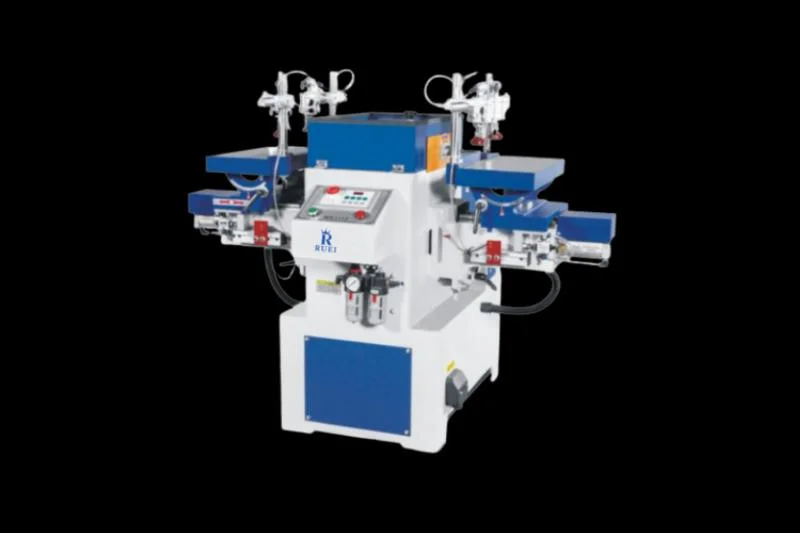
Mortising machines are specialized tools used to create square or rectangular holes, known as mortises, in wood and other materials. Unlike conventional drills, these machines are designed specifically for this purpose, allowing for greater precision and efficiency. Mortising machines can be found in various configurations, ranging from manual to automated versions, catering to different production needs.
These machines are primarily used in woodworking applications, including furniture manufacturing, cabinetry, and construction. They enable builders and craftsmen to join wood pieces securely, providing essential support for dowels, tenons, and other joint types. The use of mortising machines streamlines production processes, making them invaluable in industries that require high-quality joins and structural integrity.
In the current market, the demand for mortising machines is steady, driven by the growth of the woodworking and furniture manufacturing sectors. As businesses seek to improve their production efficiency and quality, mortising machines have become an essential investment. With advancements in technology, these machines continue to evolve, offering features that enhance usability and performance.
Key Features and Specifications
Mortising machines come equipped with a variety of features that enhance their functionality and efficiency. Understanding these specifications is crucial for selecting the right machine for specific applications.
Key specifications include:
1. Motor Power
- Typically ranges from 1 HP to 3 HP.
- Higher power allows for cutting through tougher materials.
2. Chisel Size Compatibility
- Common sizes include 1/4 inch, 1/2 inch, and 3/4 inch.
- Compatibility with various chisel sizes allows for versatility in mortising.
3. Stroke Length
- Generally ranges from 2 inches to 6 inches.
- Determines the depth of the mortise that can be achieved.
4. Table Size
- Varies from 16 inches by 12 inches to 24 inches by 18 inches.
- Larger tables provide better stability for larger workpieces.
5. Feed Rate
- Can range from 2 inches per minute to 10 inches per minute.
- A higher feed rate increases productivity in high-volume applications.
6. Weight
- Typically between 150 pounds to 400 pounds.
- Heavier machines tend to offer more stability during operation.
7. Dust Collection System
- Many models include built-in dust collection features.
- Helps maintain a clean work environment and improves visibility.
8. Safety Features
- Includes emergency stop buttons and safety guards.
- Essential for operator safety during use.
Overall, the specifications of a mortising machine can significantly impact its performance and suitability for specific tasks, making it essential for buyers to evaluate these features carefully.
Common Applications and Use Cases
Mortising machines serve various industries and applications, making them versatile tools in woodworking.
1. Furniture Manufacturing: Mortising machines are used to create strong joints in furniture pieces, ensuring durability and longevity in products such as tables and chairs.
2. Cabinetry: In cabinet shops, these machines facilitate the precise cutting of mortises for hinges and drawer slides, improving overall product quality.
3. Construction: Mortising machines are employed in the building industry for creating joints in timber frames, which is crucial for structural integrity.
4. Millwork: Custom millwork shops utilize mortising machines for producing intricate wood designs and joinery, enhancing aesthetic appeal.
5. Musical Instruments: In the crafting of wooden musical instruments, precision mortises are essential for assembly and tonal quality.
6. Boat Building: Mortising machines are used in the production of wooden boats, where strong joints are vital for safety and performance.
7. Restoration Projects: Woodworkers restoring antique furniture rely on mortising machines to accurately recreate original joinery.
Product Variants and Subcategories
Mortising machines are available in several variants, catering to different production requirements.
Floor-Standing Mortising Machines: These machines are designed for heavy-duty applications, providing stability and power for industrial use. They are ideal for high-volume production environments.
Benchtop Mortising Machines: Smaller and more portable, these machines are suitable for small workshops and craftspeople. They offer versatility and ease of use for lighter projects.
Pneumatic Mortising Machines: Utilizing compressed air, these machines offer increased speed and efficiency. They are often used in high-production settings where time is critical.
Electric Mortising Machines: These machines operate using electric motors, providing consistent power and performance. They are popular for general woodworking and cabinetry.
Benefits and Advantages
Mortising machines offer a range of benefits that contribute to improved productivity and quality in woodworking.
1. Precision Cutting: Mortising machines provide accurate and clean cuts, ensuring that joints fit together perfectly, which enhances the overall quality of the work.
2. Increased Efficiency: These machines speed up the mortising process compared to manual methods, allowing for higher output in less time.
3. Versatility: With the ability to accommodate various chisel sizes and depths, mortising machines can handle a wide range of projects.
4. Enhanced Safety: Many modern mortising machines come with safety features that protect operators from accidents during use.
5. Reduced Labor Costs: Automation and efficiency lead to lower labor costs, making it a cost-effective solution for businesses.
6. Improved Work Quality: The consistent results from mortising machines contribute to higher quality products, which can lead to greater customer satisfaction.
Buying Guide for B2B Buyers
When sourcing mortising machines, it is essential for B2B buyers to consider several factors to ensure they make an informed decision.
1. Quality Assessment: Buyers should evaluate the build quality, durability, and reliability of the machine. Reading reviews and seeking recommendations can help in this process.
2. Supplier Verification: It is crucial to vet suppliers to ensure they offer genuine products and reliable customer service. Check for certifications and previous customer feedback.
3. Pricing and MOQ: Understand the pricing structure and minimum order quantities, as these factors can impact overall project budgets.
4. Delivery and Lead Times: Consider logistics and delivery schedules to ensure that the machines arrive when needed, particularly in time-sensitive projects.
5. Compliance Requirements: Be aware of any regulatory standards or safety compliance that the machines must meet, as this can affect operational capabilities.
Compliance and Certifications
Mortising machines must adhere to various compliance standards and certifications to ensure quality and safety.
ISO 9001 is a common quality management standard that many manufacturers follow, ensuring consistent quality and reliability in production.
CE certification indicates that the machines meet European safety, health, and environmental protection requirements. This certification is essential for compliance in many international markets.
Safety and testing requirements are critical for all industrial machinery. Regular inspections and compliance with safety regulations ensure that the machines operate safely and effectively.
Regional compliance considerations may vary, so it is important for buyers to familiarize themselves with local regulations and standards that may affect the use of mortising machines.
Why Source Mortising Machines from Pepagora?
Pepagora provides a trusted platform for sourcing mortising machines, offering several key advantages for B2B buyers.
Verified Supplier Network: The platform connects buyers with verified suppliers, ensuring that they receive quality products and trustworthy service. This network helps minimize risks associated with procurement.
Streamlined RFQ Process: Pepagora offers an efficient request for quotation (RFQ) system that simplifies the process of obtaining quotes from multiple suppliers. This feature allows buyers to compare options quickly and make informed decisions.
Trade Assurance and Support: Buyers benefit from trade assurance programs that protect their investments. Pepagora offers support throughout the purchasing process, ensuring a smooth transaction.
Regional Coverage: With a focus on regions such as India, GCC, and Southeast Asia, Pepagora provides extensive geographic reach. This allows businesses to find suitable suppliers close to their operational bases, reducing shipping times and costs.



Frequently Asked Questions
What are Mortising Machines?
Mortising machines are specialized woodworking tools designed to create mortises, which are rectangular holes that fit into corresponding tenons for strong joint construction. These machines are essential in furniture making and carpentry, allowing for precise and efficient production of mortise and tenon joints.
What are the different types of Mortising Machines?
There are several types of mortising machines, including horizontal mortisers, vertical mortisers, and mortising attachments for drill presses. Each type serves specific applications, with horizontal machines often used for larger projects and vertical machines ideal for detailed work.
How do I choose the right Mortising Machines?
Choosing the right mortising machine involves considering factors such as the type of projects you undertake, the size of the workpieces, and the machine's power and speed. It's also important to evaluate the precision and ease of use, along with the availability of features that enhance functionality.
What are the standard specifications for Mortising Machines?
Standard specifications for mortising machines typically include motor power (measured in horsepower), stroke length, table size, and maximum mortise depth. Additionally, features like adjustable fences and dust collection systems can vary among different models.
What is the price range for Mortising Machines?
The price range for mortising machines can vary significantly based on the type and brand, typically ranging from INR 15,000 to INR 1,50,000 or more. Entry-level models are more affordable, while high-end machines with advanced features will be on the higher end of the spectrum.
What quality standards apply to Mortising Machines?
Mortising machines should comply with industry standards such as ISO and ANSI, which ensure safety and performance quality. Additionally, manufacturers often follow specific quality control measures to ensure durability and reliability in their machines.
Where can I find Mortising Machines suppliers in India?
You can find mortising machine suppliers in India through B2B marketplaces like Pepagora, trade shows, and industry directories. It's advisable to compare multiple suppliers to ensure you get the best quality and pricing for your needs.
Can Mortising Machines be customized?
Yes, many manufacturers offer customization options for mortising machines to meet specific project requirements. Customization may include adjustments in size, power specifications, and additional features based on customer needs.
What is the typical minimum order quantity for Mortising Machines?
The typical minimum order quantity (MOQ) for mortising machines can vary by supplier, but it often ranges from 1 to 10 units. Larger suppliers may be more flexible, allowing smaller orders depending on the model and customization.
What is the typical lead time for Mortising Machines?
The typical lead time for mortising machines varies based on the supplier and the complexity of the order, often ranging from 2 to 6 weeks. Custom orders may require additional time for manufacturing and delivery.
Why Businesses Trust Pepagora
Thousands of companies trust Pepagora to source smarter and sell faster
Expand Your Sales Globally

Source Smarter,Grow Faster
