
 IN
Mitre Joint Machines
1 products available
What are Mitre Joint Machines?
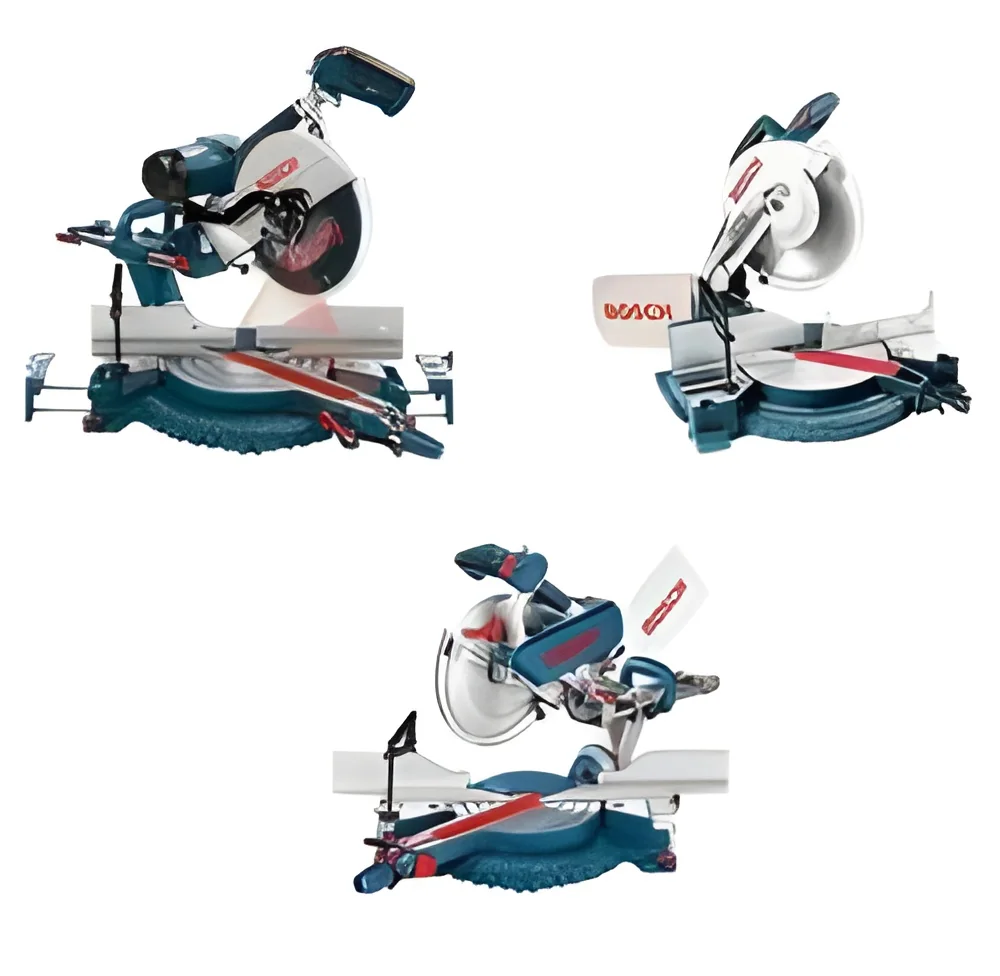
Mitre Joint Machines are specialized equipment designed for the precise creation of mitre joints in various materials, primarily in woodworking and metalworking applications. These machines facilitate the accurate cutting and joining of materials at specific angles, typically 45 degrees, to produce clean and strong joints. This capability is essential for crafting furniture, cabinetry, and other structures requiring aesthetic and structural integrity.
The primary uses of Mitre Joint Machines are seen in industries such as woodworking, metal fabrication, and construction. These machines are essential for manufacturers who require high-volume production of jointed components with consistent quality. By automating the joint-making process, businesses can enhance productivity, reduce errors, and achieve better overall results in their projects. The relevance of Mitre Joint Machines in the industrial market continues to grow as demand for precision-engineered products increases across various sectors.
Key Features and Specifications
Mitre Joint Machines come equipped with a range of features that enhance their functionality and usability. These specifications are critical for ensuring the machines meet the diverse needs of industrial applications.
Key specifications include:
1. Cutting Angle Range
- Adjustable cutting angles typically from 0 to 60 degrees.
- Allows for flexibility in joint designs.
2. Cutting Capacity
- Varies by model, accommodating materials of various thicknesses, generally up to 100 mm.
- Ensures versatility for different projects.
3. Motor Power
- Commonly ranges from 1 to 5 horsepower, depending on the machine size.
- Provides sufficient power for efficient cutting operations.
4. Dimensions
- Varies significantly, with standard models measuring approximately 1.5m x 1.0m x 1.2m.
- Space considerations for workshop installation.
5. Weight
- Typical weights range from 150 kg to 400 kg.
- Stability during operation is crucial.
6. Safety Features
- Includes emergency stop buttons and protective guards.
- Essential for operator safety.
7. Control System
- Digital or manual control options available.
- Enhances precision and ease of use.
8. Material Compatibility
- Suitable for wood, metal, and plastic materials.
- Broadens application range.
In summary, the specifications of Mitre Joint Machines are designed to provide users with a reliable and efficient tool for creating high-quality mitre joints across various materials.
Common Applications and Use Cases
Mitre Joint Machines are utilized in numerous industries requiring precise jointing solutions.
1. Woodworking: Used extensively for making furniture, doors, and frames, ensuring strong and visually appealing joints.
2. Metal Fabrication: Ideal for creating structural components, ensuring accurate fittings in assemblies.
3. Construction: Employed in building projects where precise jointing of beams and panels is necessary for structural integrity.
4. Cabinetry: Essential for producing cabinets with clean edges and seamless connections, enhancing aesthetic appeal.
5. Signage: Useful for creating signs that require precise angle cuts for effective display and durability.
6. Arts and Crafts: Employed by artisans for custom projects requiring fine craftsmanship.
7. Aerospace: Utilized in the fabrication of components where precision and reliability are critical.
Product Variants and Subcategories
Mitre Joint Machines come in various configurations to meet specific industry needs.
Standard Model
This variant provides essential cutting features for general woodworking applications. It is user-friendly and suitable for small to medium-scale operations.
Heavy-Duty Model
Designed for industrial use, this variant offers increased power and cutting capacity. It is ideal for high-volume production environments.
Portable Model
This variant is lightweight and designed for on-site work. It allows for flexibility in applications, making it convenient for contractors.
Automated Model
Equipped with advanced control systems, this model automates the cutting process, enhancing efficiency in large-scale operations.
Benefits and Advantages
Mitre Joint Machines offer numerous benefits that contribute to operational efficiency and product quality.
1. Precision Cutting: These machines ensure accurate cuts, resulting in high-quality joints that enhance product durability and aesthetics.
2. Increased Productivity: Automation and efficient cutting reduce production time, allowing businesses to meet higher demand.
3. Versatility: Mitre Joint Machines can work with various materials, making them suitable for multiple industries and applications.
4. Reduced Waste: Accurate cuts minimize material waste, which can lead to cost savings and a more sustainable operation.
5. Enhanced Safety: Built-in safety features protect operators, reducing the risk of accidents during operation.
6. Improved Quality Control: Consistent results ensure that every joint meets the required standards, enhancing overall product quality.
Buying Guide for B2B Buyers
When sourcing Mitre Joint Machines, several key factors should be considered to ensure a successful purchase.
1. Quality Assessment: Evaluate the build quality and reliability of the machines. Look for industry certifications and customer reviews to gauge performance.
2. Supplier Verification: Vet suppliers through background checks and references. Ensure they have a good reputation in the market for reliability and support.
3. Pricing and MOQ: Understand the pricing structure and minimum order quantities (MOQ). Compare quotes from multiple suppliers to ensure competitive pricing.
4. Delivery and Lead Times: Confirm delivery schedules and lead times to avoid disruptions in production. Ensure the supplier can meet your timelines.
5. Compliance Requirements: Check for compliance with relevant regulations and standards, such as safety and quality certifications. This is crucial for operational legitimacy.
Compliance and Certifications
Mitre Joint Machines must adhere to several quality standards to ensure safety and reliability. ISO 9001 is a widely recognized standard that sets criteria for quality management systems. Compliance with ISO 9001 indicates that a manufacturer consistently meets customer and regulatory requirements.
In addition to ISO standards, CE certification is essential in many markets, particularly in Europe. This certification ensures that the machines meet health, safety, and environmental protection standards.
Safety and testing requirements are paramount, especially in manufacturing settings. Machines must be designed with safety features that comply with regional regulations to protect operators and ensure safe operation.
Regional compliance considerations vary, with different standards applying in North America, Europe, and Asia. Buyers should ensure that the machines they source comply with local regulations to avoid legal issues.
Why Source Mitre Joint Machines from Pepagora?
Pepagora provides a trusted platform for sourcing Mitre Joint Machines with several key advantages.
Verified Supplier Network: Pepagora connects buyers with verified suppliers, ensuring that all listed manufacturers meet industry standards for quality and reliability. This verification process helps buyers make informed choices.
Streamlined RFQ Process: The platform simplifies the request for quotation (RFQ) process, allowing buyers to easily compare prices and specifications from multiple suppliers, saving time and effort.
Trade Assurance and Support: Pepagora offers trade assurance and buyer protection services, ensuring that transactions are secure and that buyers receive the products as promised.
Regional Coverage: With a presence in India, the GCC, and Southeast Asia, Pepagora provides extensive regional coverage, making it easier for businesses to find local suppliers and facilitate logistics for timely deliveries.
By choosing Pepagora, buyers can confidently source high-quality Mitre Joint Machines tailored to their specific needs.


 India
Frequently Asked Questions
What are Mitre Joint Machines?
Mitre Joint Machines are specialized tools designed for creating precise angled joints in wood, metal, or other materials. They are commonly used in carpentry and manufacturing to ensure accurate cuts for corners and joints, enhancing the overall quality of finished products.
What are the different types of Mitre Joint Machines?
The main types of Mitre Joint Machines include manual mitre saws, electric mitre saws, and automated mitre jointing machines. Each type varies in functionality and suitability for different scales of production, from small workshops to large industrial settings.
How do I choose the right Mitre Joint Machines?
Choosing the right Mitre Joint Machine depends on factors such as the material you will be working with, the volume of production, and the precision required for your projects. It's essential to consider the machine's features, such as cutting capacity and ease of use, to ensure it meets your specific needs.
What are the standard specifications for Mitre Joint Machines?
Standard specifications for Mitre Joint Machines typically include motor power, cutting capacity, blade size, and the range of angles they can cut. Additionally, features such as adjustable fences and laser guides may also be included to enhance precision during operation.
What is the price range for Mitre Joint Machines?
The price range for Mitre Joint Machines can vary significantly based on their type and features, typically ranging from INR 10,000 to INR 1,50,000 or more. Factors such as brand reputation and additional functionalities can also influence pricing.
What quality standards apply to Mitre Joint Machines?
Mitre Joint Machines must comply with various quality standards, including ISO certifications for manufacturing processes and safety standards. These ensure that the machines are reliable, durable, and safe for operators in industrial environments.
Where can I find Mitre Joint Machines suppliers in India?
You can find Mitre Joint Machines suppliers in India through online B2B marketplaces, trade shows, and industry directories. Websites such as Pepagora.com can connect you with reputable manufacturers and suppliers offering a range of Mitre Joint Machines.
Can Mitre Joint Machines be customized?
Yes, many manufacturers offer customization options for Mitre Joint Machines to meet specific requirements. Custom features may include specialized blade sizes, unique cutting angles, or additional safety mechanisms.
What is the typical minimum order quantity for Mitre Joint Machines?
The typical minimum order quantity (MOQ) for Mitre Joint Machines can vary by supplier but generally ranges from 1 to 10 units. It is advisable to check with individual suppliers for their specific MOQ requirements.
What is the typical lead time for Mitre Joint Machines?
The typical lead time for Mitre Joint Machines can range from 2 to 8 weeks, depending on the manufacturer's production capacity and whether the machines are customized. Factors such as shipping and logistics may also affect the overall delivery time.
Why Businesses Trust Pepagora
Thousands of companies trust Pepagora to source smarter and sell faster
Expand Your Sales Globally

Source Smarter,Grow Faster
