
 IN
Line Boring Machines
2 products available
What are Line Boring Machines?
Line boring machines are specialized tools designed for creating precise, straight holes in heavy machinery and structural components. These machines operate by rotating a boring bar equipped with cutting tools to remove material and enlarge existing holes or create new ones. Line boring is essential in maintaining the integrity of large equipment, ensuring that components align correctly and function optimally.
The primary applications of line boring machines include maintenance and repair work in industries such as construction, mining, and manufacturing. They are often used to refurbish worn-out holes in heavy equipment like excavators, bulldozers, and cranes. By accurately machining these holes, businesses can extend the lifespan of their machinery and improve operational efficiency. The relevance of line boring in industrial maintenance is underscored by the growing demand for reliable and efficient machinery in various sectors.
In the current market context, line boring machines are becoming increasingly vital as companies seek to reduce downtime and improve productivity. As industries evolve with advanced technologies, the need for precise machining tools like line boring machines continues to rise. This trend is particularly prominent in sectors that rely heavily on large machinery, emphasizing the importance of high-quality line boring solutions.
Key Features and Specifications
Line boring machines are equipped with various features designed to enhance their performance and efficiency. These machines come with several specifications that cater to different operational needs and environments.
Key specifications include:
1. Boring Diameter Range
- Capable of boring holes from small diameters up to larger sizes.
- Typical ranges may vary from 1 inch to over 20 inches.
2. Boring Length Capacity
- Designed to handle various lengths, allowing for deep boring applications.
- Standard lengths can range from 12 inches to 120 inches or more.
3. Power Source
- Available in electric, hydraulic, or pneumatic configurations to suit different working conditions.
- Power ratings typically range from 2 HP to 10 HP.
4. Feed Rate
- Offers adjustable feed rates for precision control during the boring process.
- Common feed rates range from 0.001 to 0.1 inches per revolution.
5. Table Size
- Varies to accommodate different workpieces and enhance stability.
- Standard table sizes can range from 30 inches to 60 inches in length.
6. Weight
- Machines can vary significantly in weight, affecting portability and stability.
- Typical weights range from 500 lbs to over 3000 lbs.
7. Controls
- Equipped with user-friendly digital controls for ease of operation.
- Some models feature programmable settings for repeatability.
8. Safety Features
- Incorporates safety mechanisms to protect operators.
- Common features include emergency stop buttons and protective guards.
In summary, line boring machines are characterized by their robust specifications that cater to a wide range of industrial applications, making them indispensable tools in maintenance and repair operations.
Common Applications and Use Cases
Line boring machines find their utility across various industries, thanks to their ability to restore and maintain large machinery.
1. Construction: In the construction industry, line boring machines are commonly used to repair heavy machinery like excavators and cranes, ensuring that the equipment operates efficiently and safely.
2. Mining: Mining operations utilize line boring machines to maintain and refurbish equipment such as drills and haul trucks, which often experience wear and tear due to harsh operating conditions.
3. Manufacturing: In manufacturing, line boring machines are essential for producing precise holes in large components, helping to ensure accurate assembly and functionality of machinery.
4. Marine: The marine industry uses line boring for maintaining ships and offshore equipment, allowing for the repair of critical components that require precise alignment.
5. Agriculture: In agricultural machinery maintenance, line boring machines help restore worn-out pivot points and other critical areas, extending the life of essential farming equipment.
6. Oil and Gas: In the oil and gas sector, line boring machines are used to maintain drilling rigs and related equipment, ensuring operational efficiency in extracting resources.
7. Automotive: In automotive manufacturing and repair, line boring machines assist in producing accurate engine components and maintaining heavy-duty trucks.
Product Variants and Subcategories
Line boring machines come in various configurations to meet specific operational needs.
Portable Line Boring Machines: These machines are designed for on-site repairs and are lightweight, making them easy to transport. They are ideal for maintenance tasks where equipment cannot be moved to a workshop.
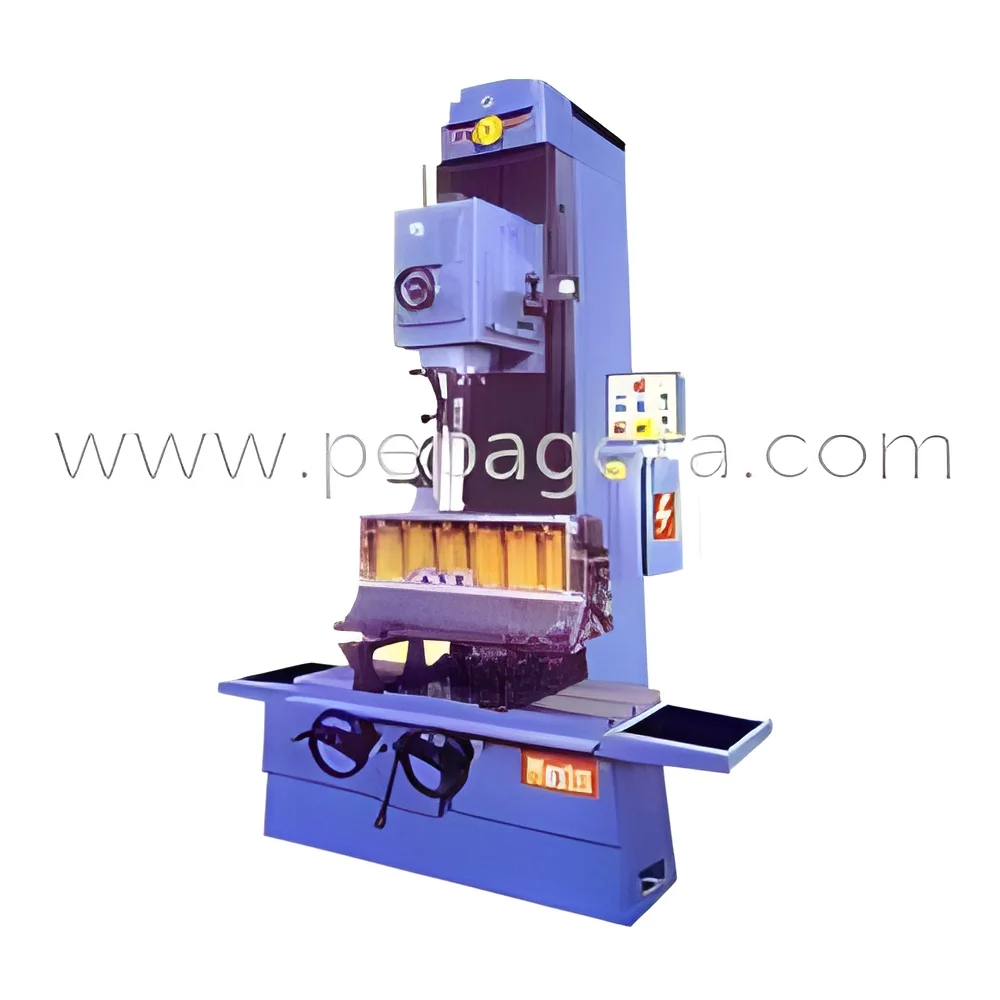
Stationary Line Boring Machines: These are larger machines meant for fixed installations in workshops. They offer greater precision and capacity for larger components, making them suitable for high-volume production environments.
CNC Line Boring Machines: These machines integrate computer numerical control technology, allowing for automated operations and enhanced precision. They are ideal for manufacturing environments where high accuracy and repeatability are critical.
Benefits and Advantages
Line boring machines offer numerous advantages that make them essential in industrial applications.
Key benefits include:
1. Precision Machining: Line boring machines provide high levels of accuracy, ensuring that holes are created to exact specifications, which is crucial for machinery performance.
2. Extended Equipment Life: By allowing for the repair of worn components, line boring machines help extend the lifespan of heavy machinery, reducing the need for costly replacements.
3. Enhanced Productivity: With the ability to conduct repairs on-site, line boring machines minimize downtime and enhance overall productivity for businesses.
4. Versatility: These machines can be used across various industries and applications, making them a versatile tool for maintenance and repair.
5. Cost-Effective Solutions: Investing in a line boring machine can lead to significant savings by reducing repair costs and extending the life of existing equipment.
6. Improved Safety: Modern line boring machines come equipped with safety features that protect operators and reduce the risk of accidents during operation.
Buying Guide for B2B Buyers
When sourcing line boring machines, it is important to consider several critical factors to ensure a suitable purchase.
1. Quality Assessment: Buyers should evaluate the machine's build quality, precision capabilities, and user reviews to ensure they are investing in a reliable product.
2. Supplier Verification: It is essential to vet suppliers for their reputation, experience in the industry, and the quality of their customer service. A verified supplier can provide assurance of product quality.
3. Pricing and MOQ: Understanding the price range and minimum order quantity (MOQ) for line boring machines will help buyers budget effectively and assess supplier competitiveness.
4. Delivery and Lead Times: Buyers should inquire about delivery times and logistics to ensure that the machine can arrive when needed, minimizing project delays.
5. Compliance Requirements: It is crucial to ensure that the selected line boring machine meets industry standards and regulations, such as safety and operational compliance, to avoid legal issues and ensure safe operation.
Compliance and Certifications
Line boring machines are subject to various quality standards and certifications that ensure their reliability and safety.
ISO 9001 is a widely recognized standard that focuses on quality management systems. Compliance with this standard indicates that manufacturers maintain high-quality production processes.
CE certification signifies that a product meets European safety, health, and environmental protection standards. This certification is crucial for machines sold in the European market.
Furthermore, safety and testing requirements must be adhered to, ensuring that line boring machines operate safely and effectively under various conditions. Buyers should also consider regional compliance regulations that may vary by country or region, impacting the suitability of the machines for specific applications.
Why Source Line Boring Machines from Pepagora?
Pepagora offers a trusted platform for sourcing line boring machines that cater to the needs of various industries with several key advantages.
Verified Supplier Network: All suppliers on Pepagora undergo a thorough vetting process, ensuring that buyers engage with reliable manufacturers who adhere to quality standards.
Streamlined RFQ Process: The platform provides an efficient request for quotation (RFQ) process, allowing buyers to easily compare offerings from multiple suppliers and find the best deals.
Trade Assurance and Support: Pepagora offers buyer protection through trade assurance, ensuring that transactions are secure and that support is available throughout the purchasing process.
Regional Coverage: With a strong presence in India, the GCC, and Southeast Asia, Pepagora facilitates access to a wide range of line boring machines while connecting buyers with local suppliers for convenience and efficiency.


Frequently Asked Questions
What are Line Boring Machines?
Line Boring Machines are specialized equipment used for machining precise holes in a straight line, typically in heavy machinery and construction applications. They are designed to restore worn-out or damaged bores and improve alignment in various components.
What are the different types of Line Boring Machines?
There are several types of Line Boring Machines, including portable line boring machines, heavy-duty line boring machines, and CNC line boring machines. Each type is suited for different applications, ranging from on-site repairs to industrial manufacturing processes.
How do I choose the right Line Boring Machines?
Choosing the right Line Boring Machine involves considering factors such as the size and type of the workpiece, the required precision, and the machine's portability. It's also important to assess the machine's features, power options, and compatibility with existing tools.
What are the standard specifications for Line Boring Machines?
Standard specifications for Line Boring Machines typically include motor power, bore diameter capacity, travel length, and feed rate. Additionally, weight and dimensions may vary depending on the machine's design and intended use.
What is the price range for Line Boring Machines?
The price range for Line Boring Machines can vary significantly based on the brand, features, and specifications. Generally, prices can start from a few thousand rupees for basic models and can go up to several lakhs for advanced or heavy-duty machines.
What quality standards apply to Line Boring Machines?
Line Boring Machines must comply with various quality standards, including ISO and ASME certifications. These standards ensure that the machines are manufactured with precision and reliability, which are essential for high-performance machining.
Where can I find Line Boring Machines suppliers in India?
You can find Line Boring Machines suppliers in India through online B2B marketplaces like Pepagora, industry trade shows, and direct manufacturer websites. It's advisable to review supplier credentials and client testimonials to ensure quality and reliability.
Can Line Boring Machines be customized?
Yes, many manufacturers offer customization options for Line Boring Machines to meet specific customer requirements. Custom features may include specialized tooling, size adjustments, or additional functionalities tailored to particular applications.
What is the typical minimum order quantity for Line Boring Machines?
The typical minimum order quantity (MOQ) for Line Boring Machines can vary by supplier, but it often starts from one unit for standard models. For custom machines or bulk orders, the MOQ may be higher depending on the manufacturer's policies.
What is the typical lead time for Line Boring Machines?
The typical lead time for Line Boring Machines can range from a few weeks to several months, depending on the machine type, customization level, and supplier. It's important to discuss lead times with the supplier at the time of ordering to ensure timely delivery.
Why Businesses Trust Pepagora
Thousands of companies trust Pepagora to source smarter and sell faster
Expand Your Sales Globally

Source Smarter,Grow Faster
