
 IN
Hydraulic Rebar Benders
1 products available
What are Hydraulic Rebar Benders?
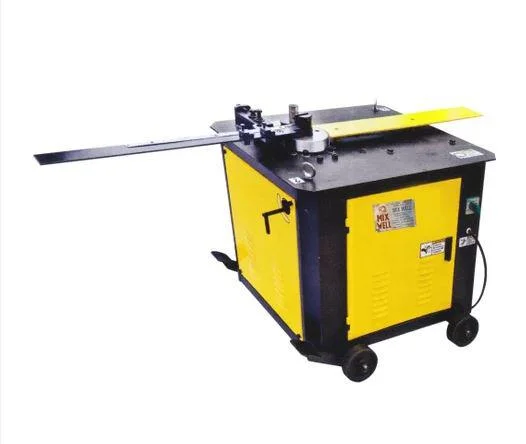
Hydraulic Rebar Benders are specialized machines designed for bending steel rebar with precision and efficiency. Utilizing hydraulic power, these machines can bend rebar at various angles, making them essential tools in construction and industrial applications. They are engineered to handle different sizes and grades of rebar, providing a reliable solution for fabricators and contractors.
These machines are primarily used in the construction industry for tasks such as reinforcing concrete structures, where accurately bent rebar is required for strength and stability. Their ability to perform repetitive bending tasks quickly and uniformly enhances productivity on job sites. Additionally, they are utilized in manufacturing environments where rebar is processed for various construction projects, including bridges, buildings, and infrastructure.
With the growing demand for construction materials and the trend toward automation in industrial processes, Hydraulic Rebar Benders are increasingly relevant in the market. As construction projects become more complex, the need for efficient and precise bending solutions continues to rise, positioning these machines as indispensable assets for businesses in the sector.
Key Features and Specifications
Hydraulic Rebar Benders come equipped with a variety of features designed to enhance performance and usability. Their specifications are tailored to meet the needs of different industrial applications, ensuring they can handle a wide range of rebar sizes and bending requirements.
Key specifications include:
1. Bending Capacity
- Typically ranges from 12 mm to 40 mm diameter rebar
- Allows for bending of various rebar types
2. Bending Angles
- Capable of bending rebar at angles ranging from 0 to 180 degrees
- Offers flexibility for different construction needs
3. Hydraulic Pressure
- Operating pressure often between 16 and 20 MPa
- Ensures efficient bending with minimal effort
4. Motor Power
- Generally ranges from 3 kW to 5 kW
- Provides sufficient power for heavy-duty applications
5. Weight
- Usually weighs between 200 kg to 500 kg
- Affects portability and stability on job sites
6. Cycle Time
- Average cycle time of 5 to 10 seconds per bend
- Contributes to overall productivity in operations
7. Control System
- Features manual or automatic control options
- Enhances ease of use and precision in bending operations
8. Safety Features
- Equipped with overload protection and emergency stop functions
- Ensures operator safety during machine operation
These specifications highlight the versatility and robustness of Hydraulic Rebar Benders, making them suitable for a variety of industrial applications.
Common Applications and Use Cases
Hydraulic Rebar Benders are utilized across multiple industries, each benefiting from their precision and efficiency.
1. Construction Industry: These machines are vital for bending rebar required in concrete reinforcement for buildings, bridges, and other structures. They ensure that rebar is shaped correctly to meet structural standards.
2. Manufacturing Sector: In manufacturing facilities, Hydraulic Rebar Benders are used to prepare rebar for various products, helping streamline production processes and improve output quality.
3. Infrastructure Projects: Large-scale infrastructure projects, such as highways and railways, often require extensive use of rebar. Hydraulic Rebar Benders facilitate the efficient shaping of rebar to meet project specifications.
4. Prefabrication Plants: In prefabrication settings, these machines assist in preparing rebar for precast concrete components, enhancing the speed and accuracy of assembly.
5. Road and Bridge Construction: Bending rebar to specific shapes is critical for the durability of roads and bridges. Hydraulic Rebar Benders ensure consistency in shape and structural integrity.
6. Commercial Building Projects: For commercial construction, these machines provide the necessary bending capabilities for high-rise buildings and complex architectural designs.
7. DIY and Small Projects: Smaller scale operations and DIY enthusiasts use these machines for custom projects, allowing for precise bends in rebar for personal use.
Product Variants and Subcategories
Hydraulic Rebar Benders come in various types designed to meet specific needs and applications. While specific subcategories are not available, the following is an overview of common variants.
Manual Hydraulic Rebar Bender
This variant is operated manually, allowing users to control the bending process. It is suitable for smaller projects and offers a cost-effective solution for businesses with limited volume requirements.
Automatic Hydraulic Rebar Bender
Engineered for high efficiency, this variant automates the bending process. It is ideal for large-scale operations, providing quick and precise bends with minimal manual intervention.
Portable Hydraulic Rebar Bender
Designed for mobility, this variant can be easily transported to various job sites. It is particularly useful for contractors who need to bend rebar on-site without the hassle of moving heavy machinery.
Electric Hydraulic Rebar Bender
Powered by electricity, this variant is suitable for indoor use and offers consistent performance without the need for fuel. It is favored in environments where noise and emissions are concerns.
Benefits and Advantages
Choosing Hydraulic Rebar Benders provides numerous advantages for businesses in the construction and manufacturing sectors.
1. Increased Efficiency: These machines significantly reduce the time required for bending rebar, enhancing overall productivity on the job site.
2. Improved Accuracy: Hydraulic Rebar Benders ensure precise angles and uniform bends, which are crucial for structural integrity in construction.
3. Versatility: Capable of handling various rebar sizes and types, these machines can adapt to different project requirements.
4. Enhanced Safety: Equipped with safety features, they minimize the risk of accidents and injuries during operation.
5. Cost-Effectiveness: By streamlining the bending process, businesses can reduce labor costs and improve resource management.
6. Easy Operation: Many models offer user-friendly controls, allowing operators to quickly learn and efficiently use the equipment.
Buying Guide for B2B Buyers
When sourcing Hydraulic Rebar Benders, several key factors should be considered to ensure the right purchase for your business needs.
1. Quality Assessment: Examine the build quality and materials used in the machine's construction. High-quality components enhance durability and performance.
2. Supplier Verification: Research potential suppliers thoroughly. Ensure they have a good reputation and can provide references or case studies from previous clients.
3. Pricing and MOQ: Understand the pricing structure and any minimum order quantities. Compare quotes from multiple suppliers to ensure competitive pricing.
4. Delivery and Lead Times: Discuss delivery options and lead times with suppliers. Delays can impact project timelines, so it's essential to have clarity on these aspects.
5. Compliance Requirements: Ensure the machines meet industry standards and regulations, such as safety certifications. This includes checking for relevant certifications like UL and CE.
Compliance and Certifications
Hydraulic Rebar Benders must adhere to various quality standards and certifications to ensure safety and reliability in operation.
ISO 9001 is a globally recognized standard for quality management systems, ensuring that products meet customer and regulatory requirements consistently. Manufacturers of Hydraulic Rebar Benders often pursue this certification to demonstrate their commitment to quality.
Industry certifications such as UL and CE signify that the equipment meets safety and performance standards applicable in various markets. These certifications provide assurance to buyers regarding the reliability and safety of the machines.
Safety and testing requirements are paramount in the manufacturing of Hydraulic Rebar Benders. Regular testing for performance and compliance with safety standards is essential for ensuring that the machines operate effectively without posing risks to operators.
Regional compliance considerations may vary based on geographic location. It's important for buyers to be aware of local regulations that may affect the purchase and use of these machines.
Why Source Hydraulic Rebar Benders from Pepagora?
Pepagora offers a trusted platform for sourcing Hydraulic Rebar Benders, providing several key advantages for businesses looking to streamline their procurement process.
Verified Supplier Network: Pepagora connects buyers with verified suppliers, ensuring that businesses can find reliable manufacturers with proven track records in the industry.
Streamlined RFQ Process: The platform simplifies the request for quotation process, allowing businesses to easily compare prices and specifications from multiple suppliers. This efficiency helps in making informed purchasing decisions.
Trade Assurance and Support: Pepagora provides trade assurance, protecting buyers from potential risks associated with transactions. Their support team is available to assist throughout the purchasing process, providing peace of mind.
Regional Coverage: With a strong presence in India, the GCC, and Southeast Asia, Pepagora facilitates connections across these markets. This broad geographic reach allows businesses to source Hydraulic Rebar Benders that meet their specific regional needs and compliance requirements.


 India
Frequently Asked Questions
What are Hydraulic Rebar Benders?
Hydraulic Rebar Benders are specialized machines designed to bend steel rebar into desired shapes and angles using hydraulic power. They are commonly used in construction and engineering projects to facilitate the reinforcement of concrete structures.
What are the different types of Hydraulic Rebar Benders?
There are several types of Hydraulic Rebar Benders, including portable models, stationary machines, and CNC-controlled benders. Each type varies in terms of capacity, bending angle, and automation features, catering to different project requirements.
How do I choose the right Hydraulic Rebar Benders?
When selecting Hydraulic Rebar Benders, consider factors such as the size and type of rebar you will be working with, the bending capacity, and whether you need portability. Also, assess the machine's features, including ease of use and maintenance requirements.
What are the standard specifications for Hydraulic Rebar Benders?
Standard specifications for Hydraulic Rebar Benders typically include bending capacity (measured in diameter of rebar), bending speed, power source, and dimensions. It's essential to refer to manufacturer specifications to ensure compatibility with your projects.
What is the price range for Hydraulic Rebar Benders?
The price range for Hydraulic Rebar Benders can vary widely, typically starting from around INR 30,000 for basic models and going up to INR 1,50,000 or more for advanced, feature-rich machines. Pricing depends on the brand, specifications, and additional features.
What quality standards apply to Hydraulic Rebar Benders?
Hydraulic Rebar Benders should comply with industry standards such as ISI (Indian Standards Institute) and ISO certifications that ensure safety, reliability, and performance. Always verify that the equipment is tested and certified by recognized standards.
Where can I find Hydraulic Rebar Benders suppliers in India?
You can find Hydraulic Rebar Benders suppliers in India through online B2B marketplaces like Pepagora, trade shows, and industrial equipment exhibitions. Additionally, local directories and industry contacts can provide leads to reputable manufacturers and suppliers.
Can Hydraulic Rebar Benders be customized?
Yes, many manufacturers offer customization options for Hydraulic Rebar Benders to meet specific project needs. Customizations may include modifications in bending capacity, dimensions, and additional features tailored to the user's requirements.
What is the typical minimum order quantity for Hydraulic Rebar Benders?
The typical minimum order quantity (MOQ) for Hydraulic Rebar Benders can vary by supplier, but it usually ranges from 1 to 5 units. It's advisable to check with the specific manufacturer or supplier for their MOQ policies.
What is the typical lead time for Hydraulic Rebar Benders?
The typical lead time for Hydraulic Rebar Benders can range from 2 to 8 weeks, depending on the supplier, customization options, and production schedules. It's essential to confirm the lead time with the supplier before placing an order.
Why Businesses Trust Pepagora
Thousands of companies trust Pepagora to source smarter and sell faster
Expand Your Sales Globally

Source Smarter,Grow Faster
