
 IN
Hydraulic Pullers
21 products available
What are Hydraulic Pullers?
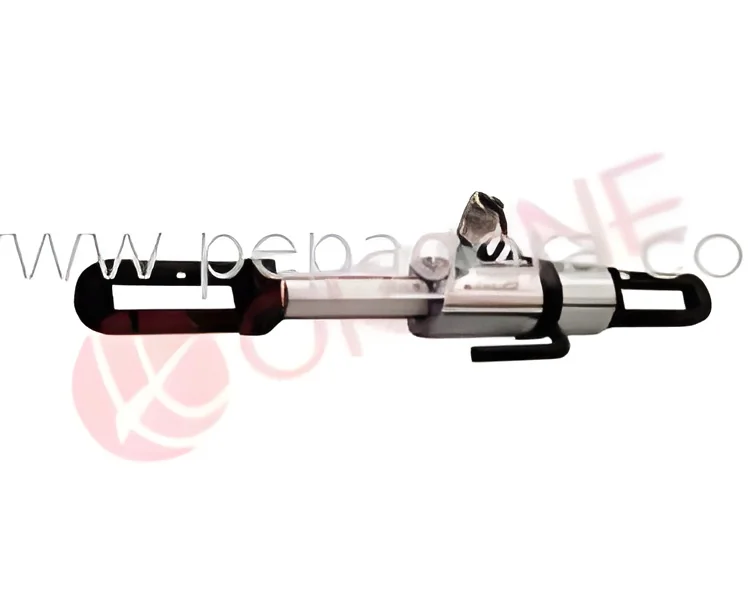
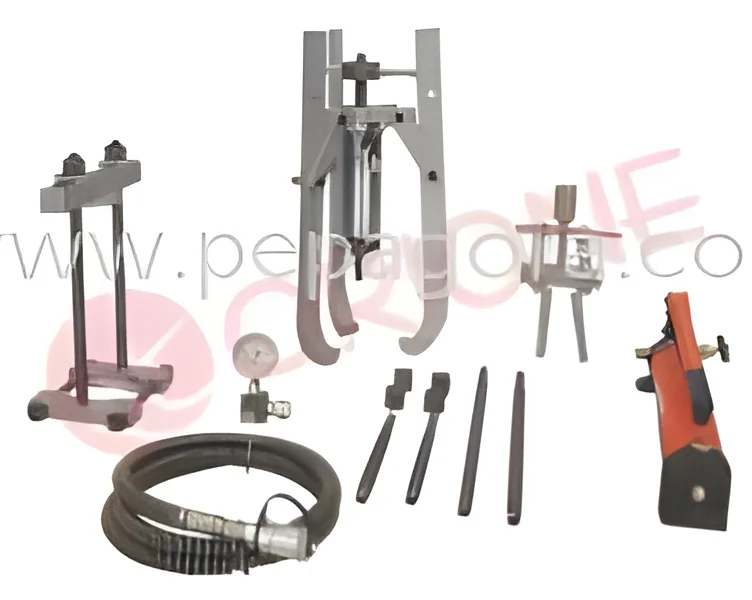
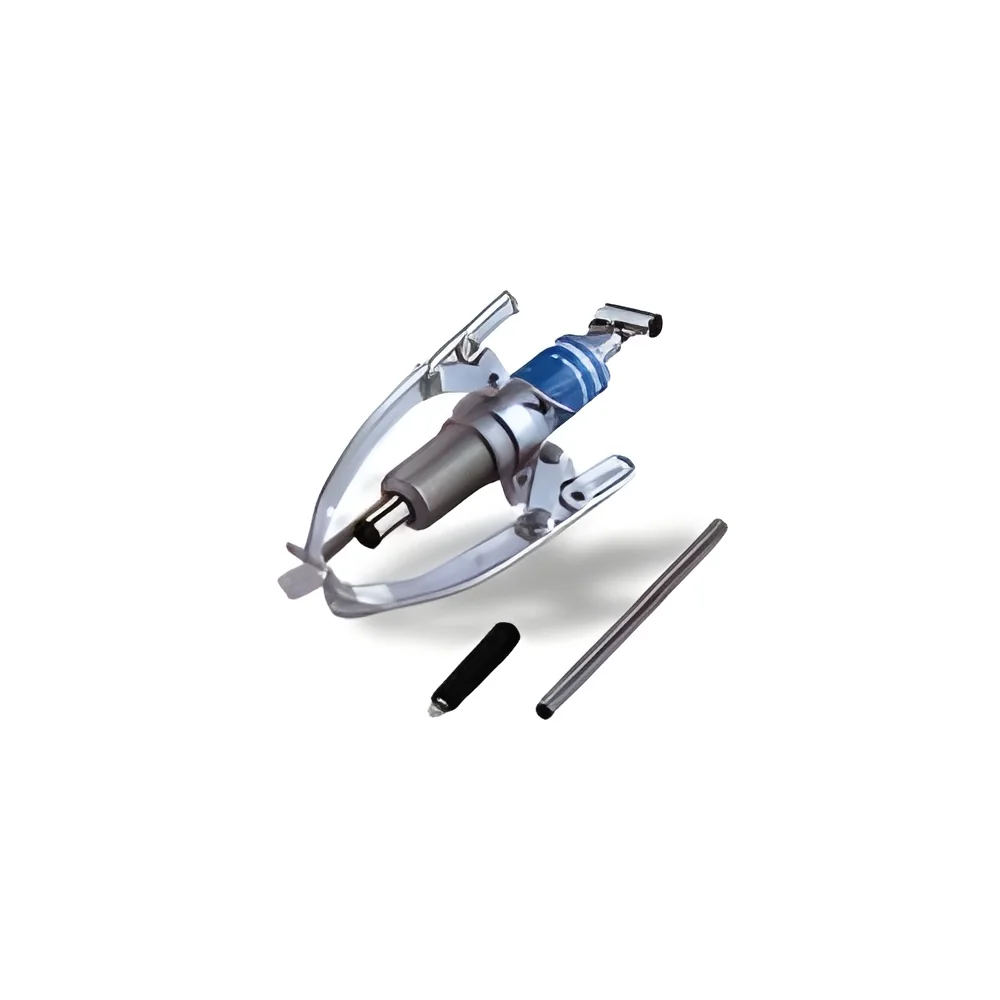
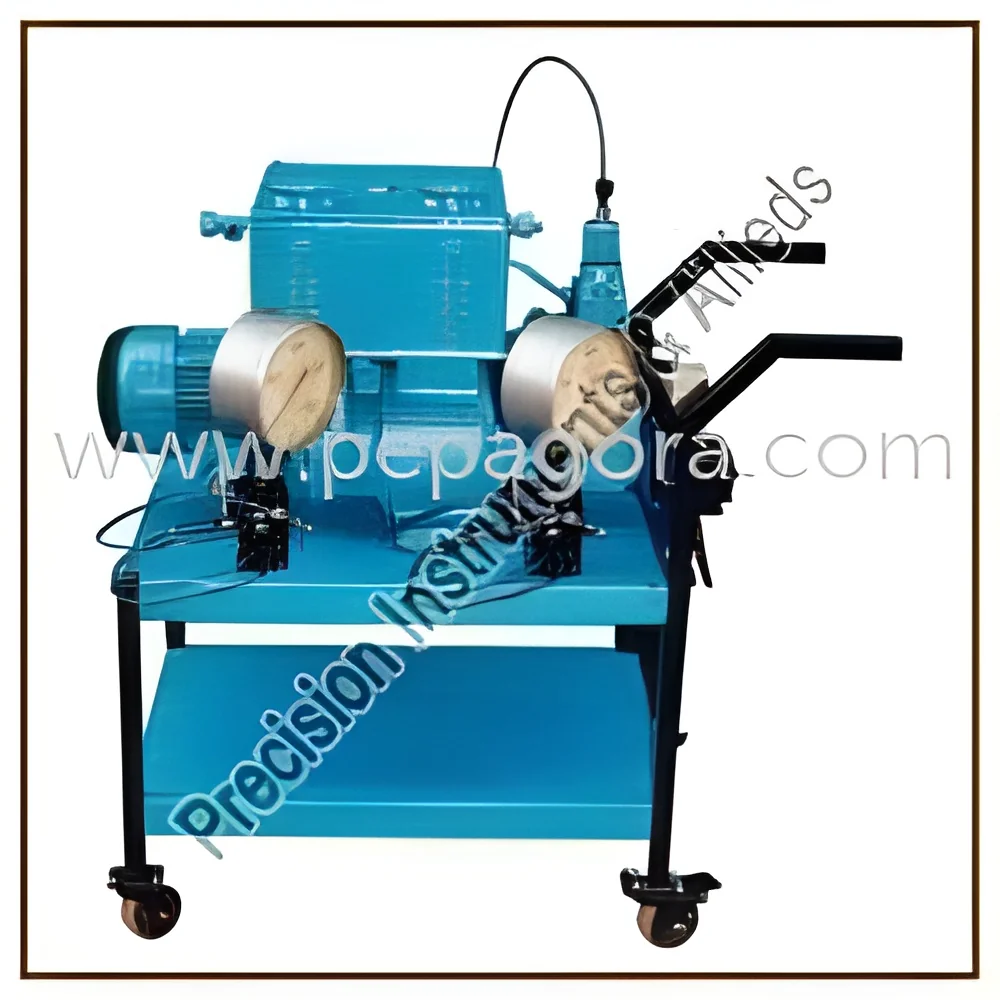
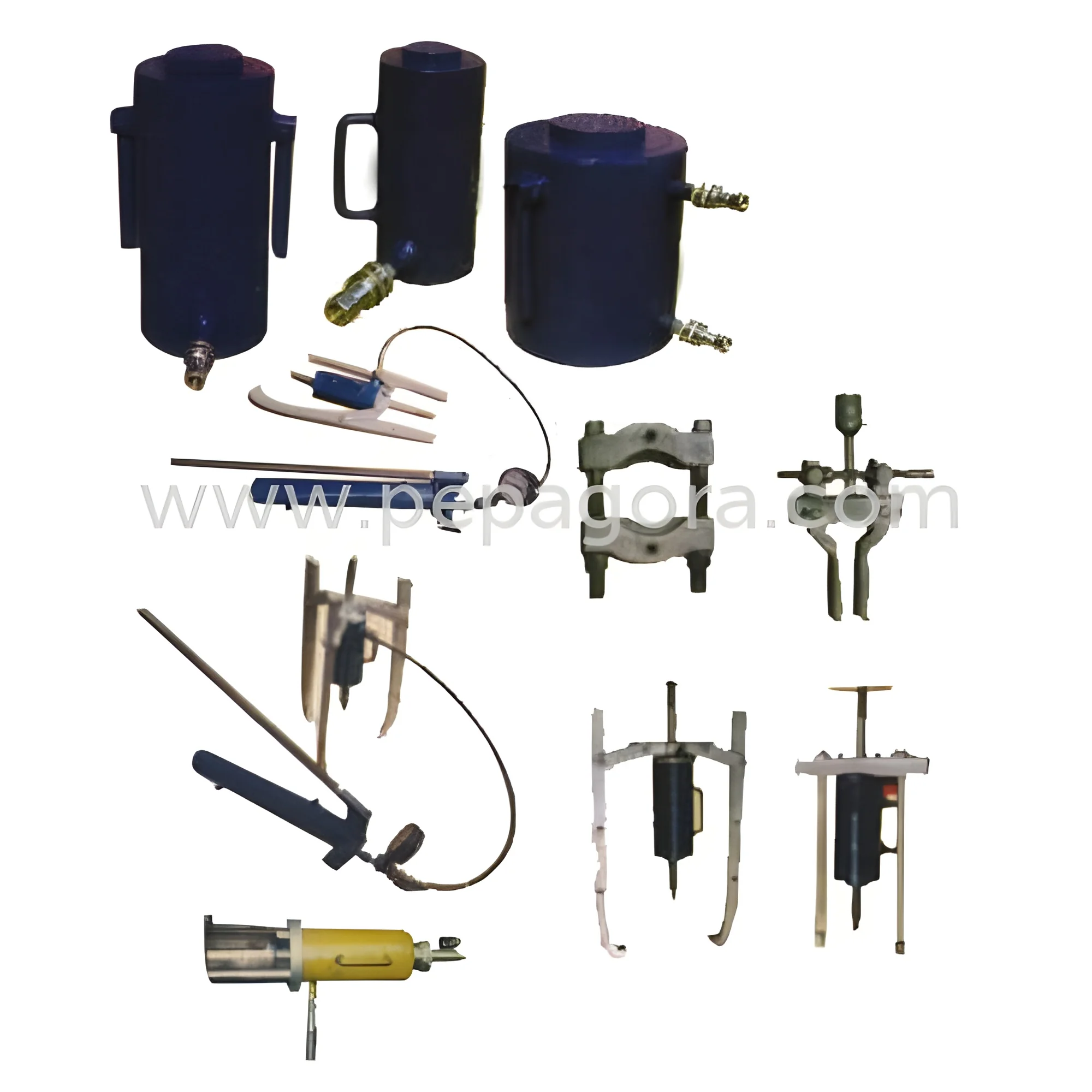
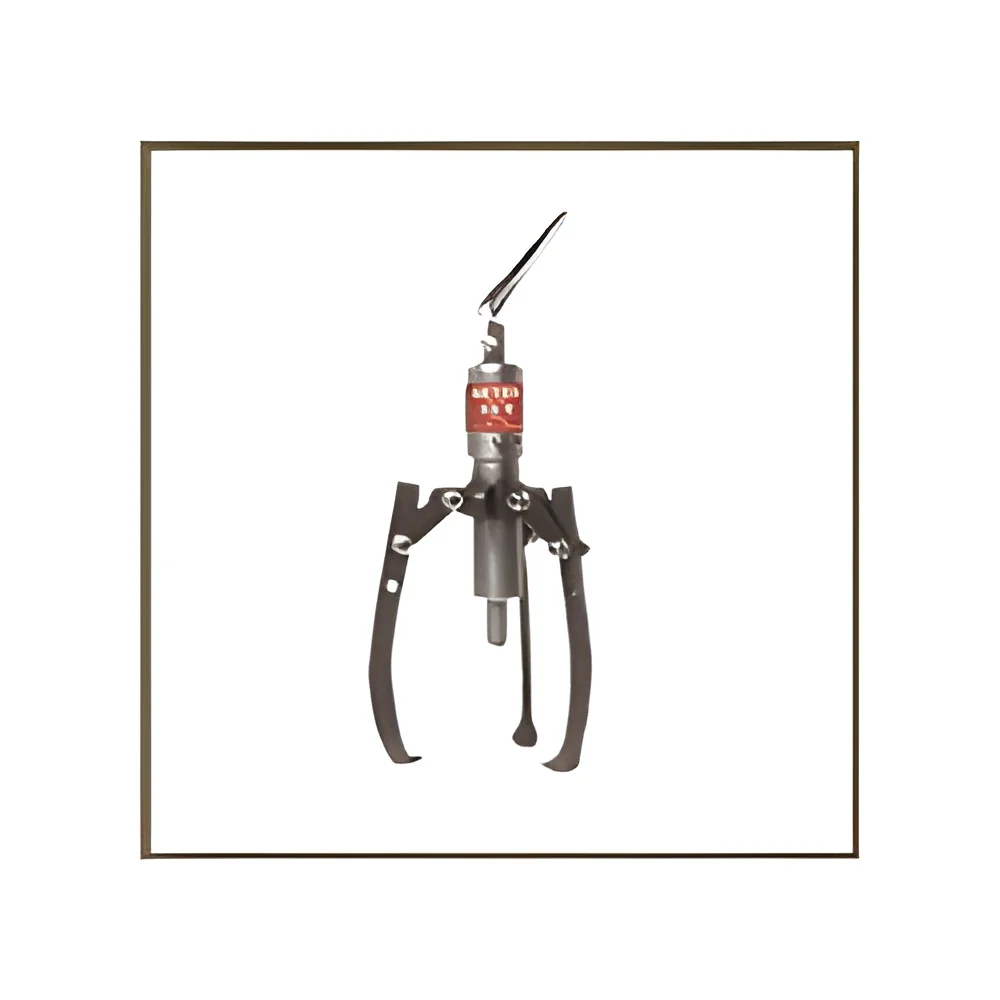
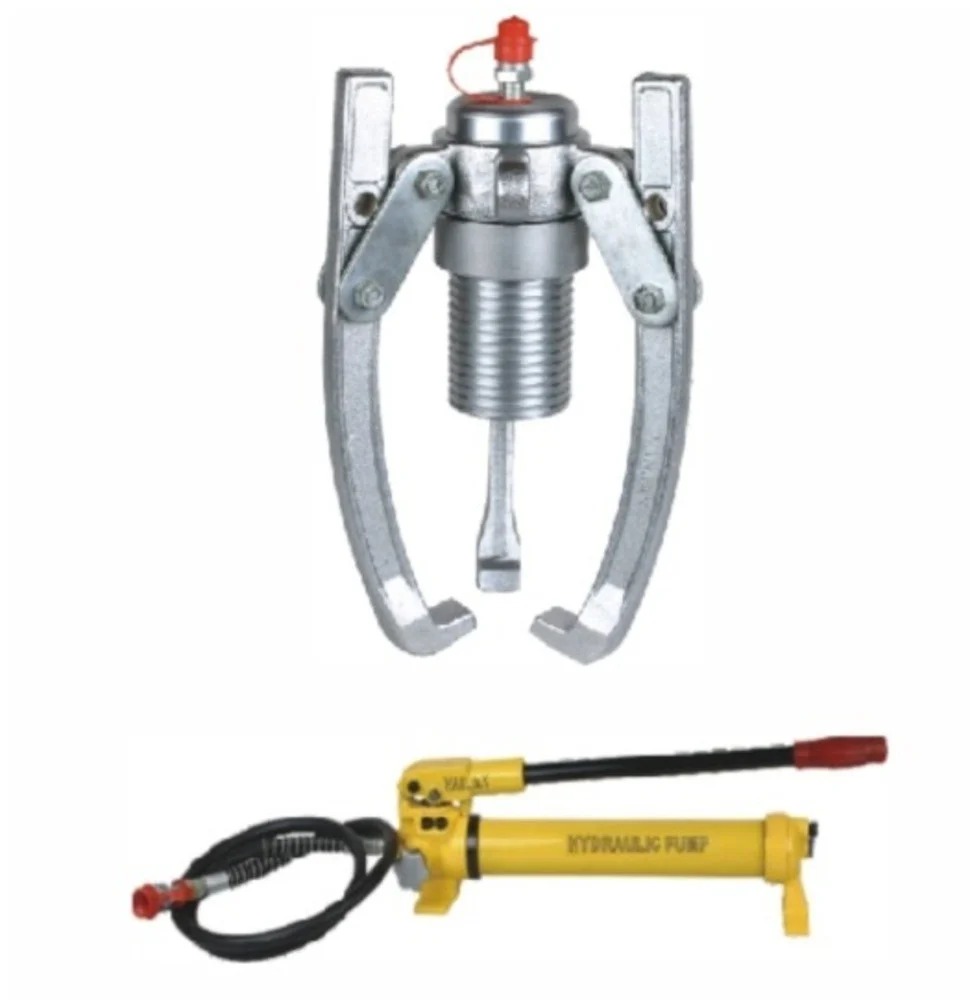
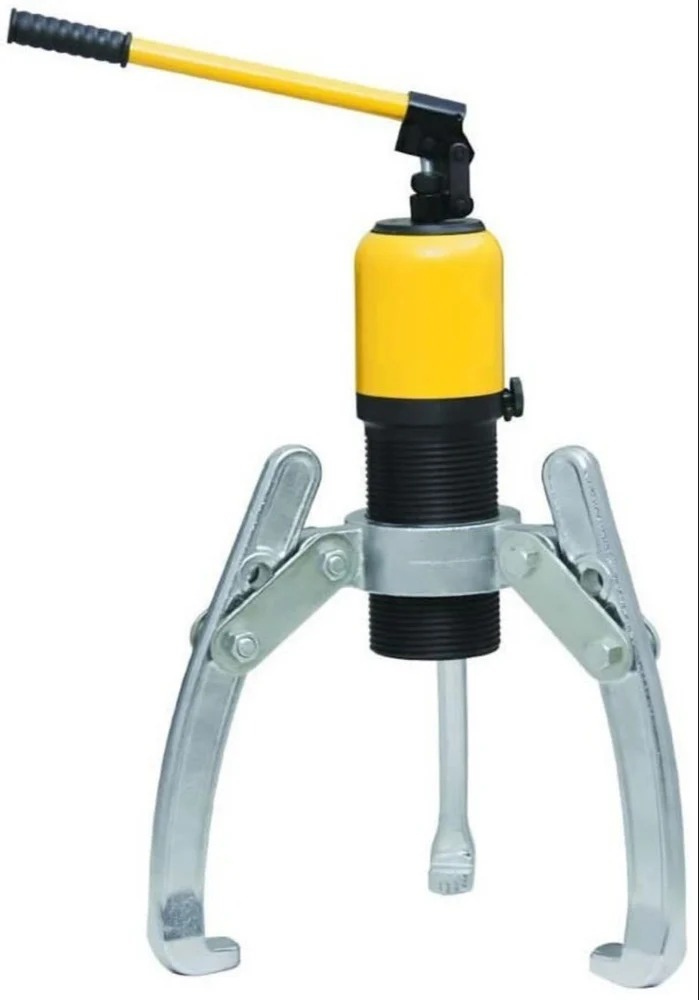
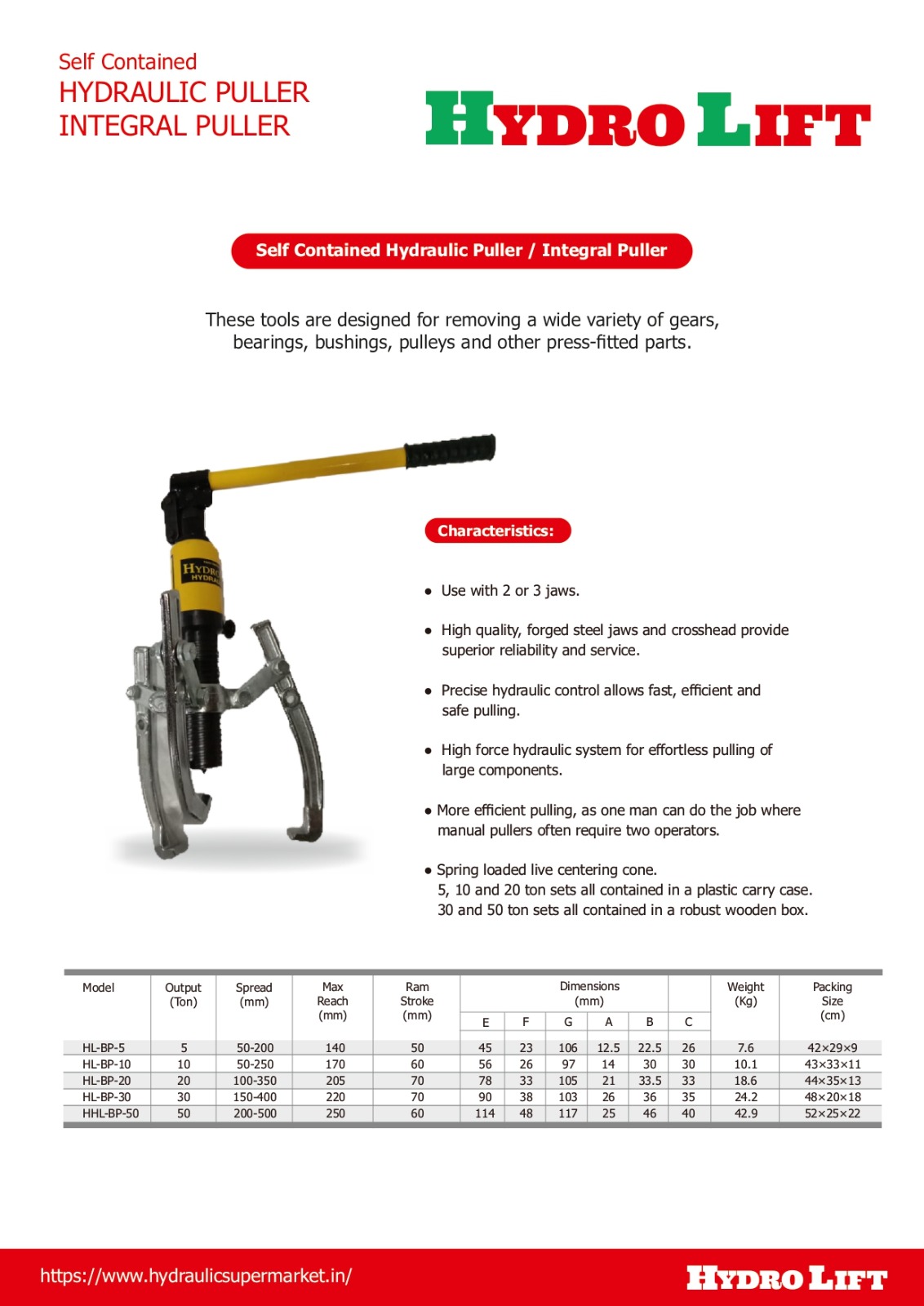
Hydraulic pullers are specialized tools designed to remove gears, bearings, and other components that are tightly fitted onto shafts. By using hydraulic pressure, these pullers provide a powerful and efficient means of dislodging parts that may otherwise be difficult to remove using manual methods. The hydraulic mechanism amplifies the force applied, allowing for the removal of even the most stubborn components without damaging the surrounding equipment.
These tools are primarily utilized in various industrial applications such as automotive repair, manufacturing, and maintenance operations. They are essential for tasks that involve the disassembly of machinery, ensuring that parts can be replaced or serviced safely and effectively. Industries including automotive, aerospace, and heavy machinery consistently rely on hydraulic pullers to maintain operational efficiency and reduce downtime.
As industries continue to evolve and machinery becomes more complex, the demand for hydraulic pullers has increased. Companies seek reliable and efficient solutions to enhance their operational capabilities. This market trend underscores the importance of hydraulic pullers in maintaining productivity and ensuring the longevity of equipment across various sectors.
Key Features and Specifications
Hydraulic pullers come with several key features that enhance their functionality and usability. Understanding these specifications is crucial for selecting the right puller for specific applications.
Key specifications include:
1. Capacity
- Refers to the maximum force that the puller can exert.
- Common ranges are from 5 tons to 50 tons.
2. Reach
- Indicates the distance from the center of the puller to the point of application.
- Typical reach ranges from 6 inches to 24 inches.
3. Type of Puller
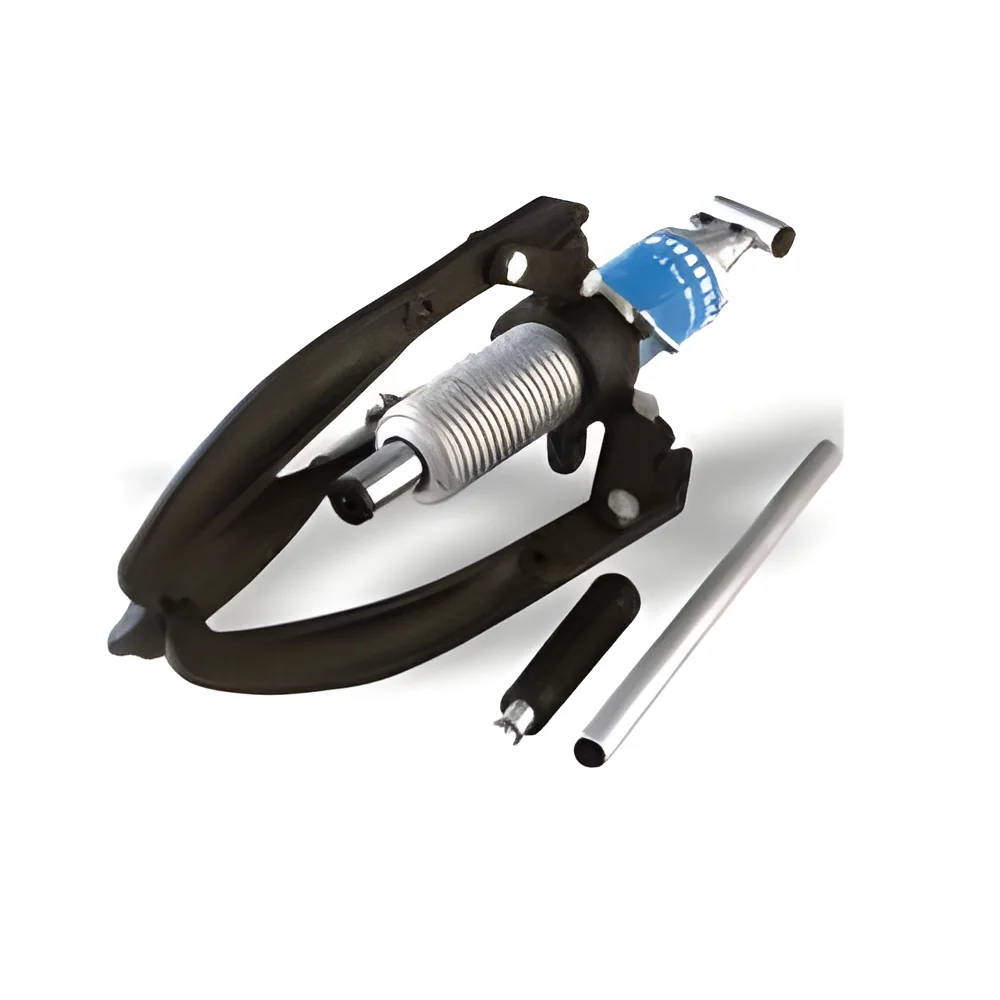
- Includes two- or three-jaw configurations for different applications.
- Three-jaw pullers provide greater stability when removing larger components.
4. Material Construction
- Most pullers are made from high-strength steel for durability.
- Some models may include additional coatings for corrosion resistance.
5. Hydraulic Pump Type
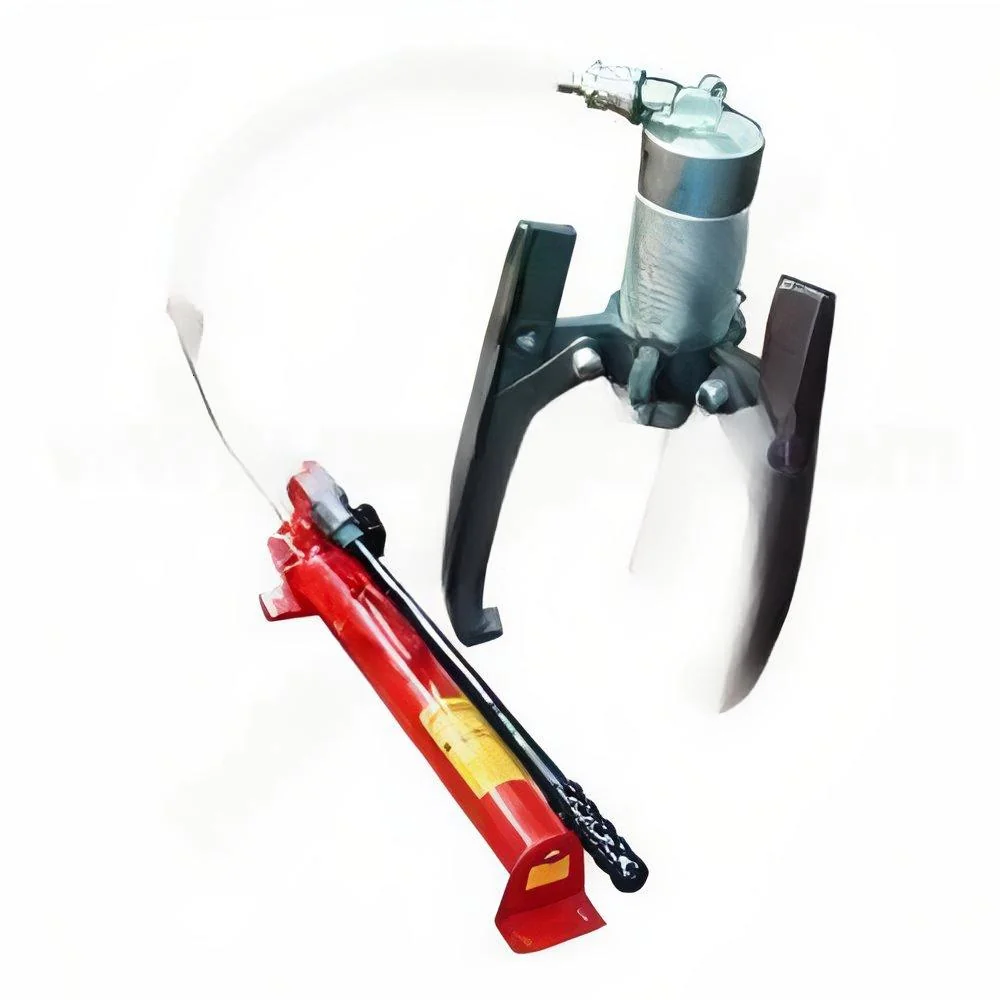
- Can be manual or powered, affecting ease of use and efficiency.
- Manual pumps require physical effort, while powered pumps enhance speed.
6. Safety Features
- Includes overload protection and safety locks to prevent accidents.
- Essential for maintaining safe operation during use.
7. Portability
- Many models are designed for easy transport and storage.
- Compact designs facilitate use in tight spaces.
8. Accessories
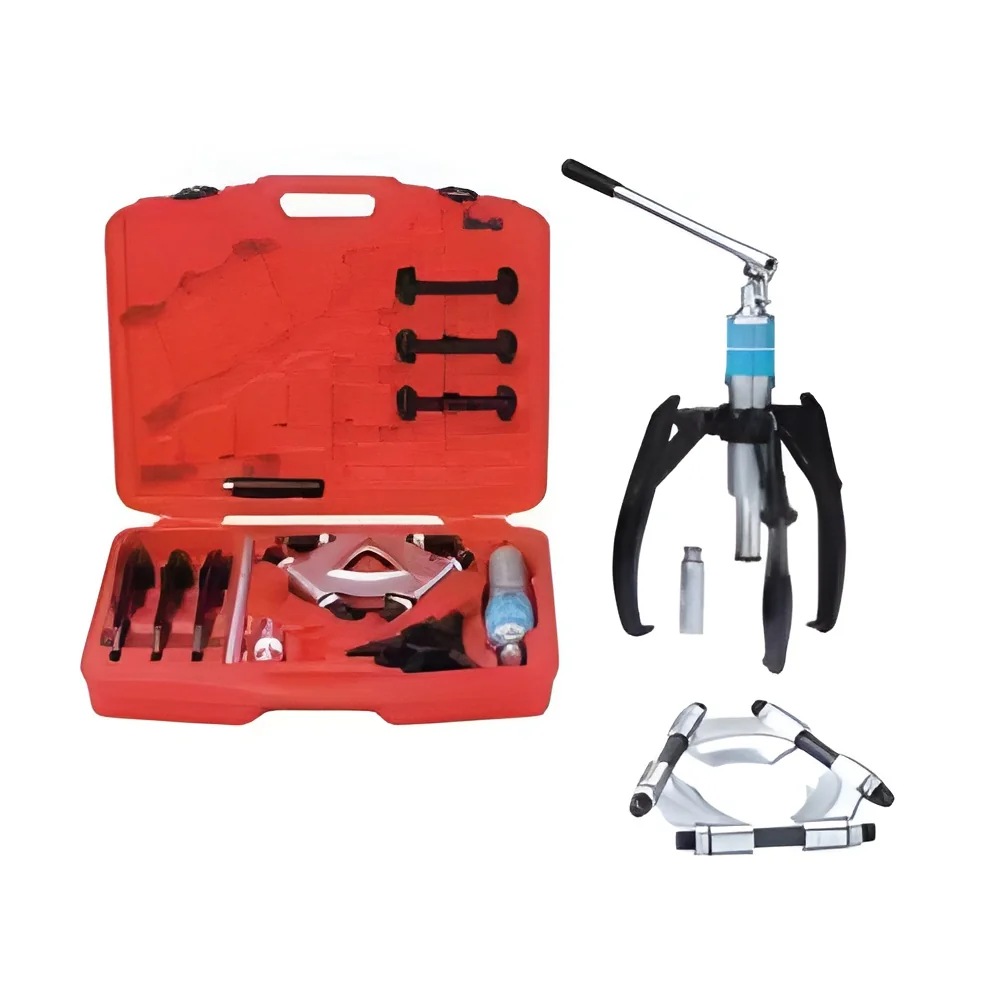
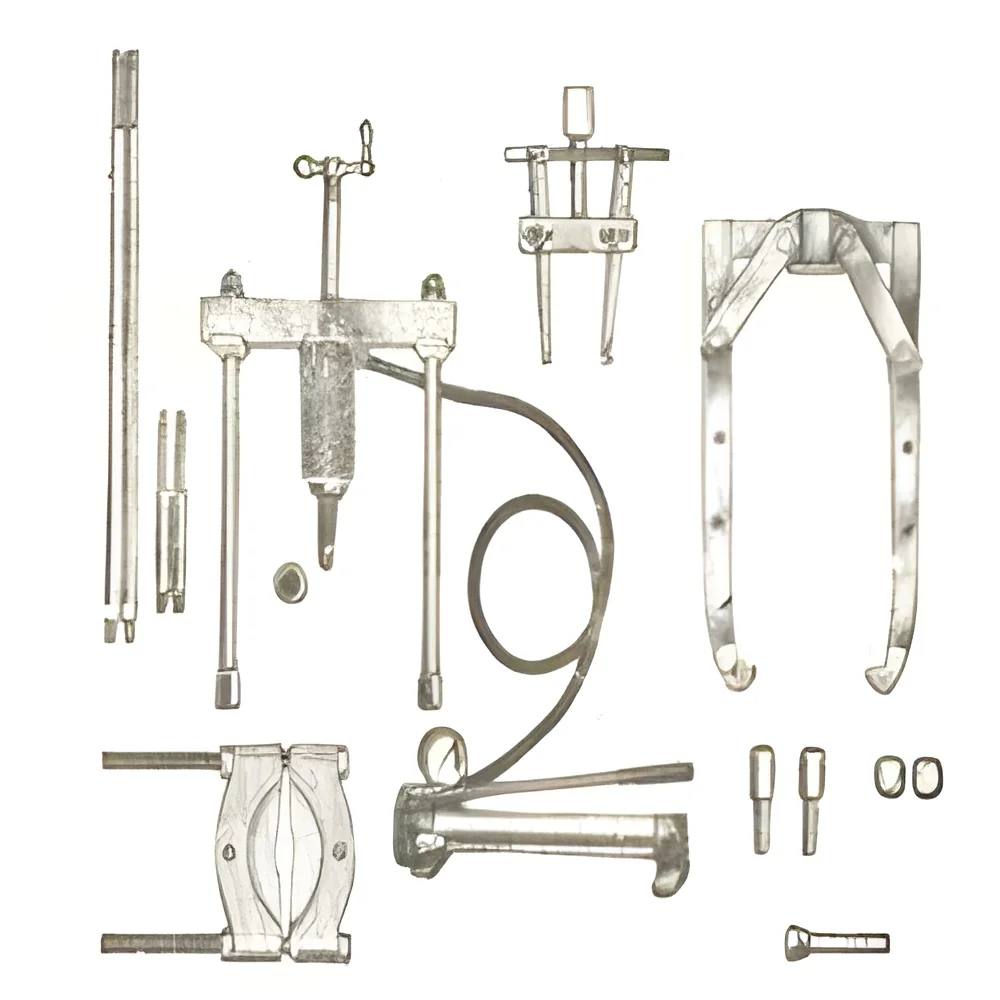
- Some pullers come with interchangeable jaws and extension arms for versatility.
- Optional kits may include additional tools for specific tasks.
In summary, hydraulic pullers offer a range of features tailored to enhance performance and safety in various industrial applications. Understanding these specifications is vital for making informed purchasing decisions.
Common Applications and Use Cases
Hydraulic pullers are versatile tools used across multiple industries to facilitate maintenance and repair tasks.
1. Automotive Industry: Hydraulic pullers are commonly used for removing gears and bearings from vehicles. They allow mechanics to perform repairs efficiently without damaging surrounding components.
2. Aerospace Industry: In aerospace maintenance, hydraulic pullers are employed to safely remove critical components from aircraft engines and systems, ensuring precision and safety.
3. Heavy Machinery: Hydraulic pullers are vital in the maintenance of heavy equipment, helping to disassemble parts during repairs and overhauls.
4. Electrical Engineering: These tools are used to remove rotors from electric motors, allowing for inspection and maintenance without causing damage.
5. Manufacturing: In manufacturing settings, hydraulic pullers assist in the assembly and disassembly of machinery, improving operational efficiency.
6. Marine Applications: Hydraulic pullers are used in shipyards to remove propellers and other components from marine vessels, ensuring reliable maintenance.
7. Construction: In construction, these tools help remove various fittings and components from machinery, aiding in repairs and adjustments.
Product Variants and Subcategories
Hydraulic pullers come in several variants, each designed for specific applications and user needs. This diversity allows businesses to select the most suitable tool for their tasks.
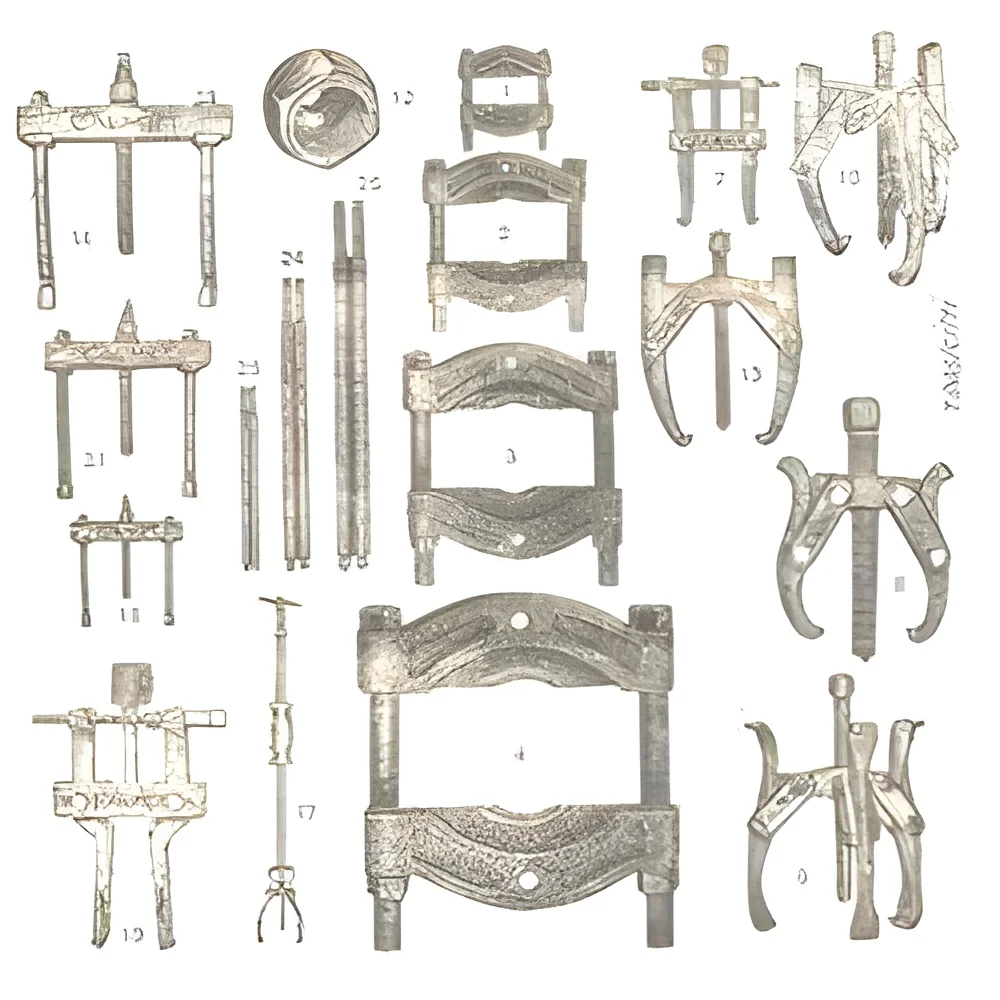
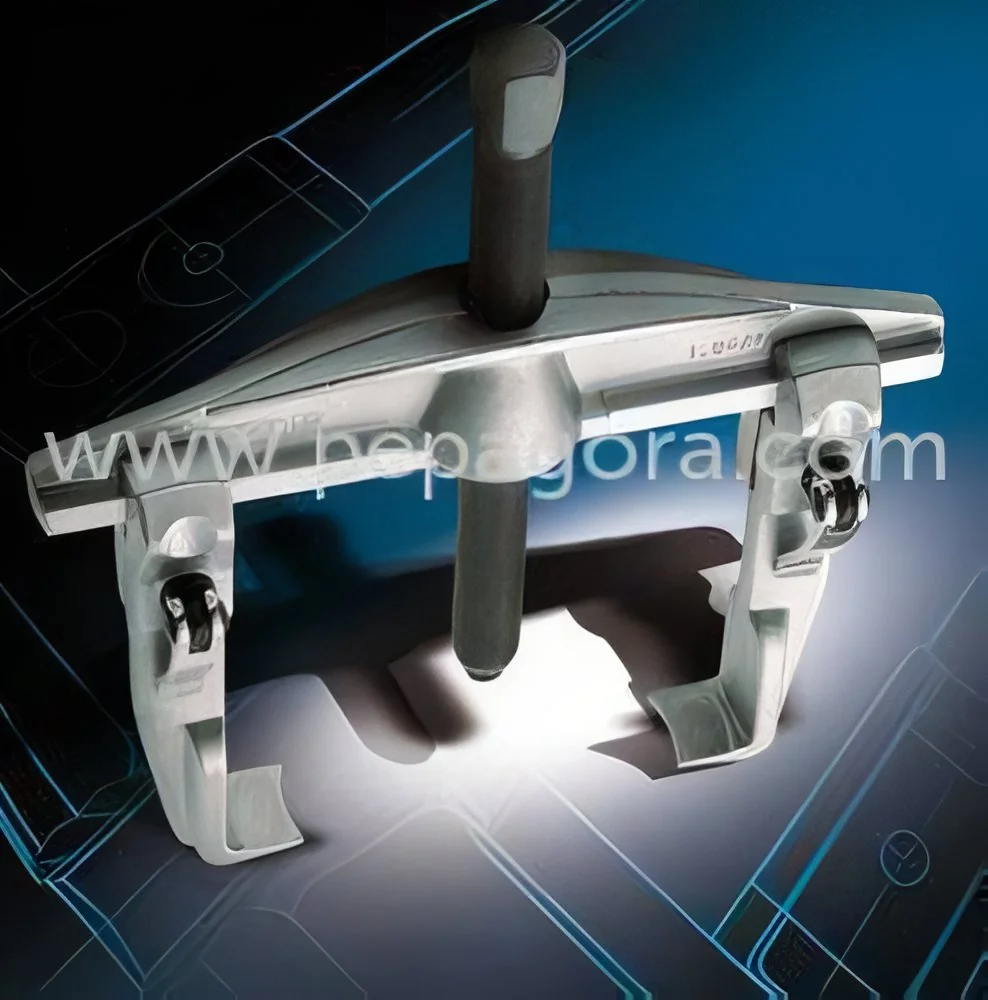
Two-Jaw Hydraulic Pullers: These pullers are ideal for removing smaller components. Their design provides sufficient stability while being compact enough for tight spaces.
Three-Jaw Hydraulic Pullers: Offering enhanced stability, three-jaw pullers are perfect for larger components. They distribute force evenly and reduce the risk of damage during removal.
Self-Centering Pullers: These pullers automatically center themselves around the component, ensuring effective removal without manual adjustments. They are particularly useful in high-precision applications.
Benefits and Advantages
Hydraulic pullers offer numerous advantages that enhance their value in industrial settings.
1. Increased Efficiency: Hydraulic pullers significantly reduce the time and effort required for component removal, improving overall productivity.
2. Reduced Risk of Damage: By applying controlled force, these tools minimize the risk of damaging the components being removed as well as the surrounding equipment.
3. Versatility: With various configurations and capacities, hydraulic pullers can handle a wide range of applications across multiple industries.
4. Enhanced Safety: Hydraulic pullers come equipped with safety features that protect operators from potential accidents during use.
5. Ease of Use: Many hydraulic pullers are designed for straightforward operation, making them accessible for users with varying skill levels.
6. Long-Term Cost Savings: Investing in hydraulic pullers can lead to reduced maintenance costs and downtime, as they help ensure efficient machinery operation.
Buying Guide for B2B Buyers
When sourcing hydraulic pullers, it is essential to consider several factors to ensure you select the right product.
1. Quality Assessment: Evaluate the materials used and the overall construction of the pullers. Look for products that meet industry standards for durability and performance.
2. Supplier Verification: Vet potential suppliers by checking their reputation, customer reviews, and certifications. Ensure they have a proven track record in delivering reliable products.
3. Pricing and MOQ: Consider the pricing structures and minimum order quantities offered by suppliers. Compare options to find the best balance between quality and cost.
4. Delivery and Lead Times: Assess the supplier's logistics capabilities, including their ability to meet delivery timelines. Timely delivery is crucial for maintaining operational schedules.
5. Compliance Requirements: Ensure that the hydraulic pullers meet relevant industry standards and regulatory requirements. Compliance with certifications such as UL and CE is essential for safety and reliability.
Compliance and Certifications
Hydraulic pullers must adhere to various quality standards and certifications to ensure they meet industry expectations. ISO 9001 is a widely recognized standard that emphasizes effective quality management systems, ensuring that products are consistently produced to meet customer requirements.
Additionally, certifications such as UL and CE indicate that the products have undergone rigorous testing and meet specific safety and performance benchmarks. These certifications are essential for buyers looking to ensure the reliability and safety of hydraulic pullers in their operations.
Safety and testing requirements are also critical in the hydraulic puller industry. Manufacturers are expected to conduct thorough testing to ascertain the durability and reliability of their products under various conditions. Compliance with regional standards is equally important, as different regions may have specific regulations governing the use of hydraulic tools.
Why Source Hydraulic Pullers from Pepagora?
Pepagora provides a trusted platform for sourcing hydraulic pullers with several key advantages that set it apart from competitors.
Verified Supplier Network: Pepagora boasts a network of verified suppliers, ensuring that buyers can connect with reputable manufacturers. This network reduces the risk of sourcing low-quality products.
Streamlined RFQ Process: The platform offers a streamlined Request for Quotation (RFQ) process, allowing buyers to easily request and compare quotes from multiple suppliers. This feature simplifies the procurement process and enhances decision-making.
Trade Assurance and Support: Pepagora offers trade assurance programs that protect buyers during transactions. This added layer of security fosters confidence when sourcing hydraulic pullers.
Regional Coverage: With a strong presence in India, the GCC, and Southeast Asia, Pepagora provides extensive regional coverage. This geographic reach facilitates access to a diverse range of hydraulic pullers tailored to meet the needs of various industries.
By choosing Pepagora, businesses can ensure they are sourcing high-quality hydraulic pullers while benefiting from a reliable and efficient procurement process.

 India

 India
 India
 India
 India
 India
 India
 India

 India
Frequently Asked Questions
What are Hydraulic Pullers?
Hydraulic pullers are mechanical devices used to remove gears, bearings, and other components from shafts or housings. They utilize hydraulic pressure to exert force, making the removal process more efficient and less labor-intensive.
What are the different types of Hydraulic Pullers?
There are several types of hydraulic pullers, including two- and three-jaw pullers, which differ in their design and application. Additionally, some hydraulic pullers are designed specifically for internal or external pulling tasks, while others may be adjustable to accommodate various sizes.
How do I choose the right Hydraulic Pullers?
When selecting hydraulic pullers, consider the size and type of the components you need to remove, as well as the available space for operation. It's also important to assess the puller's capacity, jaw design, and compatibility with hydraulic systems.
What are the standard specifications for Hydraulic Pullers?
Standard specifications for hydraulic pullers typically include the maximum pulling capacity, jaw opening range, and the hydraulic pressure ratings. Additionally, materials used in construction, such as steel grade, may also be specified to ensure durability.
What is the price range for Hydraulic Pullers?
The price of hydraulic pullers can vary widely depending on their size, type, and manufacturer, generally ranging from a few thousand to tens of thousands of Indian Rupees. Custom features or high-capacity models may command higher prices.
What quality standards apply to Hydraulic Pullers?
Hydraulic pullers should comply with industry standards such as ISO and CE certifications, which ensure safety and reliability. Additionally, manufacturers may adhere to specific quality control processes to maintain consistency in performance.
Where can I find Hydraulic Pullers suppliers in India?
You can find hydraulic pullers suppliers in India through online B2B marketplaces like Pepagora.com, industry trade shows, and local distributors. It's advisable to compare multiple suppliers to assess their product quality and customer service.
Can Hydraulic Pullers be customized?
Yes, many manufacturers offer customization options for hydraulic pullers to meet specific application requirements. Customizations may include changes in size, jaw design, or hydraulic capacity based on customer needs.
What is the typical minimum order quantity for Hydraulic Pullers?
The minimum order quantity (MOQ) for hydraulic pullers can vary by supplier and product type, but it typically ranges from one to several units for standard models. Bulk orders may qualify for discounts or more favorable terms.
What is the typical lead time for Hydraulic Pullers?
The lead time for hydraulic pullers can vary based on the manufacturer's production schedule and order complexity, typically ranging from a few days to several weeks. Custom orders may require additional time for development and testing.
Why Businesses Trust Pepagora
Thousands of companies trust Pepagora to source smarter and sell faster
Expand Your Sales Globally

Source Smarter,Grow Faster
