
 IN
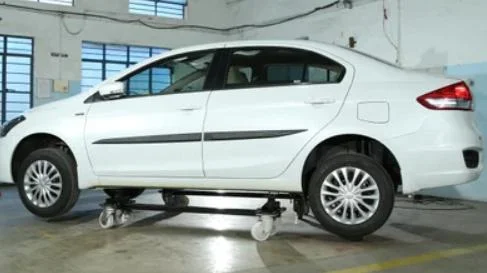
Hydraulic Jacks for Vehicles
1 products available
What are Hydraulic Jacks for Vehicles?
Hydraulic jacks for vehicles are mechanical devices that use hydraulic pressure to lift heavy loads, particularly vehicles. These jacks leverage the principles of hydraulics, where a small amount of force applied in one area can create a larger force in another. This mechanism allows for the lifting of cars, trucks, and other heavy machinery with minimal effort, making them essential tools in various automotive and industrial applications.
The primary use of hydraulic jacks is in vehicle maintenance and repair. They are commonly employed in garages and workshops to lift vehicles for tire changes, brake inspections, and other undercarriage work. Additionally, hydraulic jacks find applications in construction and manufacturing settings where heavy equipment needs to be lifted or supported. The relevance of hydraulic jacks in the automotive industry is significant, as they enhance efficiency and safety during maintenance tasks, making them a crucial part of vehicle service operations.
Key Features and Specifications
Hydraulic jacks for vehicles come with various features and specifications that cater to different lifting needs. These specifications help buyers identify the right jack for their applications, ensuring safety and performance.
Key specifications include:
1. Lifting Capacity
- The maximum weight a jack can lift, typically ranging from 1 ton to 20 tons or more.
2. Lifting Height
- The vertical distance the jack can raise, usually between 12 inches to 24 inches.
3. Construction Material
- Common materials include steel or aluminum, which provide durability and strength.
4. Weight
- The overall weight of the jack, affecting portability and ease of use.
5. Hydraulic System Type
- Options include single-acting and double-acting systems, influencing lifting speed and efficiency.
6. Safety Features
- Includes overload protection, safety valves, and locking mechanisms to ensure safe operation.
7. Warranty Period
- Typically ranges from one year to several years, indicating the manufacturer's confidence in the product.
8. Compliance Certifications
- Industry certifications such as UL and CE, ensuring the jack meets safety and quality standards.
In summary, understanding these features and specifications is crucial for selecting the appropriate hydraulic jack for vehicle applications, ensuring both safety and efficiency.
Common Applications and Use Cases
Hydraulic jacks for vehicles serve various industries, each with specific applications that leverage their lifting capabilities.
1. Automotive Repair: In garages, hydraulic jacks are essential for lifting vehicles during maintenance tasks, enabling mechanics to access undercarriage components easily.
2. Construction: Hydraulic jacks are used to lift heavy machinery and materials on construction sites, allowing for efficient assembly and maintenance.
3. Manufacturing: In factories, these jacks assist in moving heavy parts and equipment, streamlining production processes.
4. Aviation: Hydraulic jacks are used for lifting aircraft during maintenance checks, ensuring safety and accessibility to critical components.
5. Transportation: They are utilized in loading and unloading heavy goods from trucks and trailers, enhancing operational efficiency.
6. Oil and Gas: Hydraulic jacks support the maintenance of drilling rigs and other heavy equipment in challenging environments.
7. Waste Management: In waste disposal facilities, hydraulic jacks help lift and manage heavy waste containers, improving workflow.
Product Variants and Subcategories
Hydraulic jacks for vehicles come in various types to meet different operational needs, each with unique features and applications.
Floor Jacks
These are commonly used in automotive shops and garages for their low profile and ease of use. They offer a stable base and can lift vehicles quickly for maintenance tasks.
Bottle Jacks
Bottle jacks are compact and portable, making them ideal for emergency situations or limited space. They are often used for lifting vehicles when changing tires or performing roadside repairs.
Scissor Jacks
Scissor jacks are lightweight and easy to store, making them popular in vehicle emergency kits. They are designed for quick lifting and can handle moderate loads.
Benefits and Advantages
The use of hydraulic jacks for vehicles offers numerous benefits that enhance efficiency and safety.
1. Increased Lifting Power: Hydraulic jacks provide significant lifting power with minimal effort, allowing users to lift heavy vehicles easily.
2. Enhanced Safety: Equipped with safety features, hydraulic jacks help prevent accidents and ensure safe operation during lifting tasks.
3. Versatility: These jacks can be used across various industries, making them a valuable tool for multiple applications.
4. Portability: Many hydraulic jacks are designed to be lightweight and portable, facilitating easy transport to different job sites.
5. Time Efficiency: Hydraulic jacks enable faster lifting and lowering, saving time during vehicle maintenance and repair processes.
6. Durability: Built with robust materials, hydraulic jacks are designed to withstand heavy use in demanding environments.
Buying Guide for B2B Buyers
When sourcing hydraulic jacks for vehicles, buyers should consider several important factors to ensure they make informed purchasing decisions.
1. Quality Assessment: Evaluate the quality of the jacks by checking for certifications and customer reviews. High-quality jacks will have features that ensure durability and safety.
2. Supplier Verification: Vet potential suppliers by checking their reputation and history in the market. Look for established companies with a track record of reliability.
3. Pricing and MOQ: Understand the pricing structure and minimum order quantities (MOQ) to ensure that costs align with budget constraints and operational needs.
4. Delivery and Lead Times: Consider the logistics involved in purchasing, including how quickly suppliers can deliver the jacks to meet your project timelines.
5. Compliance Requirements: Ensure that the jacks meet necessary regulatory standards for safety and performance in your region.
Compliance and Certifications
Hydraulic jacks for vehicles must adhere to various compliance and certification standards to ensure safety and quality.
Relevant quality standards include ISO 9001, which specifies requirements for a quality management system. Compliance with this standard indicates that the manufacturer follows best practices in the production process.
Industry certifications such as UL and CE are crucial for hydraulic jacks. UL certification ensures that the product meets safety standards in the United States, while CE certification indicates conformity with health, safety, and environmental protection standards within the European Economic Area.
Safety and testing requirements are paramount for hydraulic jacks. Manufacturers must conduct rigorous testing to ensure that the jacks can handle the specified loads safely. Additionally, regional compliance considerations may vary, so it is essential to understand local regulations that govern the use of hydraulic lifting equipment.
Why Source Hydraulic Jacks for Vehicles from Pepagora?
Pepagora provides a trusted platform for sourcing hydraulic jacks for vehicles, offering several key advantages that cater to the needs of B2B buyers.
Verified Supplier Network: Pepagora ensures that all suppliers are thoroughly vetted, providing buyers with confidence in the quality and reliability of the products offered.
Streamlined RFQ Process: The platform features an efficient Request for Quotation (RFQ) system, allowing buyers to easily compare quotes from multiple suppliers and select the best option based on their requirements.
Trade Assurance and Support: Pepagora offers trade assurance, protecting buyers throughout the purchasing process. This support includes assistance with any disputes and ensuring that orders are fulfilled as promised.
Regional Coverage: With a broad geographic reach, Pepagora connects buyers with suppliers across India, the Gulf Cooperation Council (GCC), and Southeast Asia, enabling access to a diverse range of hydraulic jacks tailored to various market needs.



Frequently Asked Questions
What are Hydraulic Jacks for Vehicles?
Hydraulic jacks for vehicles are mechanical devices used to lift heavy loads, such as cars and trucks, using hydraulic pressure. They operate by converting manual force into hydraulic energy, allowing for efficient lifting and lowering of vehicles for maintenance or repair.
What are the different types of Hydraulic Jacks for Vehicles?
There are several types of hydraulic jacks for vehicles, including floor jacks, bottle jacks, and scissor jacks. Each type serves different lifting needs, with floor jacks being suitable for professional garages, while bottle jacks are compact and portable for emergency use.
How do I choose the right Hydraulic Jacks for Vehicles?
To choose the right hydraulic jack for your vehicle, consider the weight of the vehicle, the required lifting height, and the intended use. Additionally, evaluate the jack's construction quality and safety features to ensure it meets your needs and complies with safety standards.
What are the standard specifications for Hydraulic Jacks for Vehicles?
Standard specifications for hydraulic jacks typically include weight capacity, lifting height, and the type of hydraulic fluid used. Common weight capacities range from 1 ton to over 10 tons, while lifting heights can vary from a few inches to several feet.
What is the price range for Hydraulic Jacks for Vehicles?
The price range for hydraulic jacks for vehicles can vary significantly based on type and specifications, typically falling between INR 2,000 to INR 15,000. Higher-end models with advanced features may cost more, while basic models are generally more affordable.
What quality standards apply to Hydraulic Jacks for Vehicles?
Quality standards for hydraulic jacks often include compliance with safety regulations such as ISO and ASTM certifications. These standards ensure that the jacks are reliable, safe to use, and manufactured from durable materials.
Where can I find Hydraulic Jacks for Vehicles suppliers in India?
You can find hydraulic jacks for vehicles suppliers in India through various online B2B marketplaces, trade shows, and industry directories. Platforms like Pepagora.com offer a comprehensive list of manufacturers and suppliers for easy sourcing.
Can Hydraulic Jacks for Vehicles be customized?
Yes, many manufacturers offer customization options for hydraulic jacks to meet specific requirements. Customizations may include adjustments in weight capacity, lifting height, or additional features based on the buyer's needs.
What is the typical minimum order quantity for Hydraulic Jacks for Vehicles?
The typical minimum order quantity (MOQ) for hydraulic jacks can vary by supplier but often ranges from 10 to 50 units. It's advisable to check with individual suppliers for their specific MOQs and any potential discounts for larger orders.
What is the typical lead time for Hydraulic Jacks for Vehicles?
The typical lead time for hydraulic jacks can range from 1 to 4 weeks, depending on the supplier's inventory and production capacity. Custom orders may take longer, so it's important to confirm lead times during the ordering process.
Why Businesses Trust Pepagora
Thousands of companies trust Pepagora to source smarter and sell faster
Expand Your Sales Globally

Source Smarter,Grow Faster
