
 IN
Hydraulic Jacks (Bottle, Floor, Trolley)
22 products available
Key Features and Specifications
Hydraulic jacks are characterized by various features and specifications that determine their performance and suitability for different applications. Understanding these specifications is crucial for selecting the appropriate jack for specific tasks.
Key specifications include:
1. Load Capacity
- The maximum weight the jack can lift, typically ranging from 1 ton to over 50 tons.
2. Lifting Height
- The maximum height the jack can achieve, often varying from 10 inches to 20 inches or more.
3. Design Type
- Types include bottle jacks, floor jacks, and trolley jacks, each with unique designs suited for specific tasks.
4. Weight
- The overall weight of the jack, which can affect portability and stability, usually ranging from 5 pounds to 100 pounds.
5. Construction Material
- Common materials include steel and aluminum, affecting durability and weight.
6. Safety Features
- Features such as overload protection and safety valves to prevent accidents during operation.
7. Handle Length
- The length of the handle can influence the lever action and ease of use, typically ranging from 2 to 4 feet.
8. Pump Mechanism
- Jacks may feature either a single or dual pump mechanism, impacting the speed and efficiency of lifting.
In summary, understanding these specifications is vital for selecting the right hydraulic jack to ensure safety and efficiency in lifting tasks.
Common Applications and Use Cases
Hydraulic jacks find application across a wide range of industries, each utilizing their lifting capabilities for specific needs.
1. Automotive Industry: In auto repair shops, hydraulic jacks are essential for lifting vehicles during maintenance and repairs. They provide a stable and safe way to access the underside of cars.
2. Construction Industry: Construction sites use hydraulic jacks to lift heavy materials and equipment, enabling efficient handling and placement of components during building projects.
3. Manufacturing: In manufacturing facilities, hydraulic jacks assist in moving heavy machinery and parts, streamlining assembly and production processes.
4. Warehousing: Hydraulic jacks are used for loading and unloading heavy items in warehouses, enhancing logistic operations and safety.
5. Aerospace: In the aerospace sector, hydraulic jacks are employed to lift aircraft components during assembly and maintenance, ensuring precision and safety.
6. Marine: These jacks are utilized in shipyards to lift boats and heavy marine equipment for repairs and maintenance.
7. Mining: Hydraulic jacks play a vital role in lifting heavy machinery and equipment in mining operations, facilitating repairs and maintenance.
Product Variants and Subcategories
Hydraulic jacks come in various forms, each designed to meet specific lifting needs and environments.
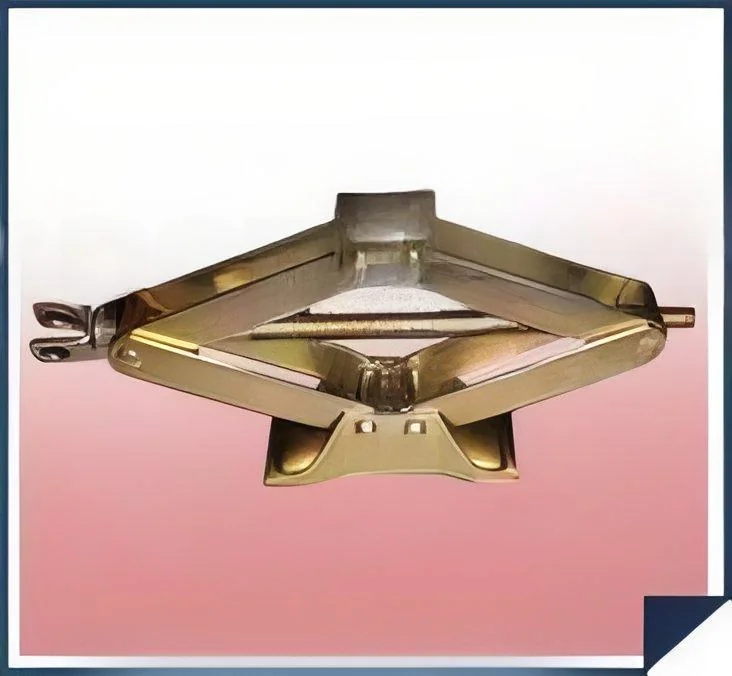
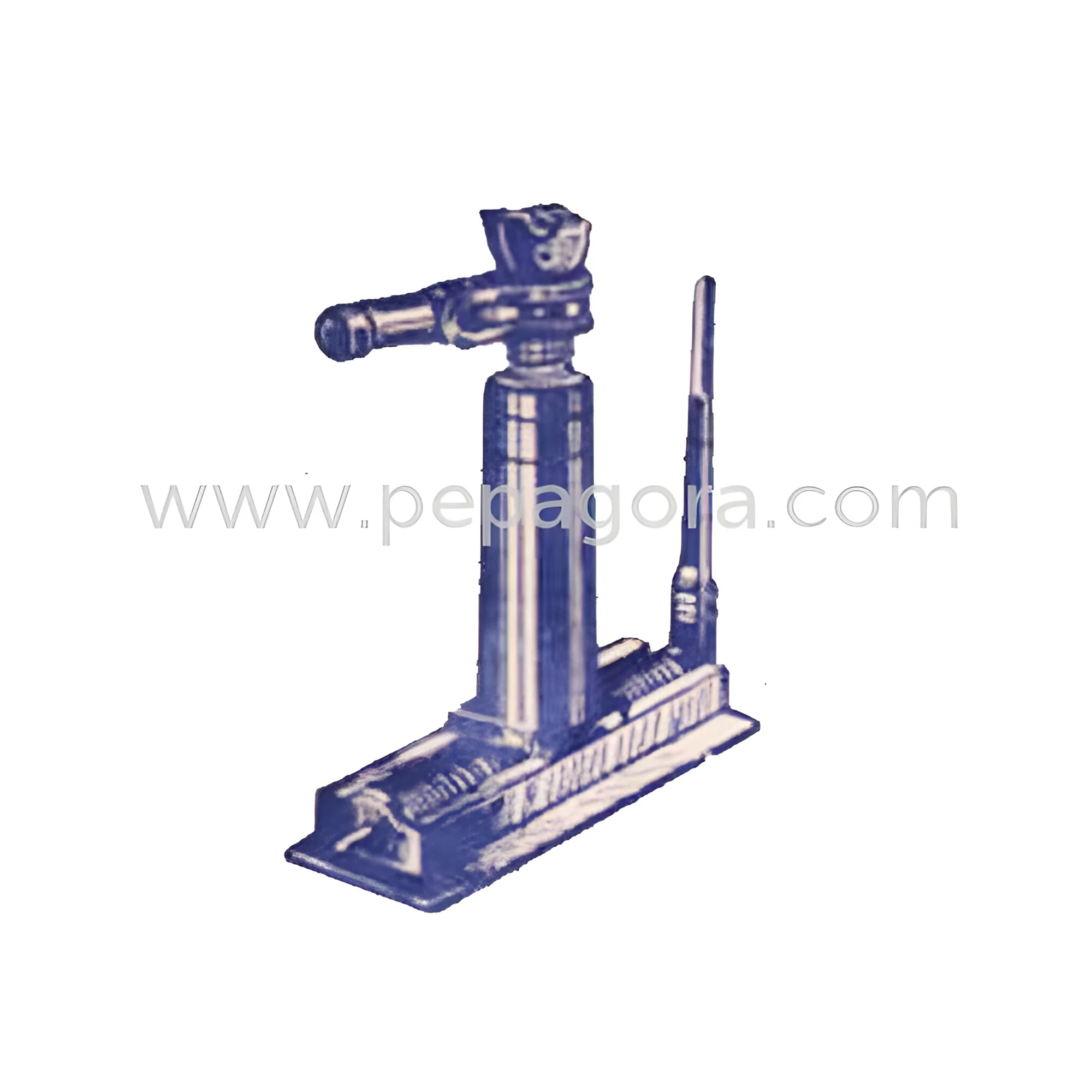
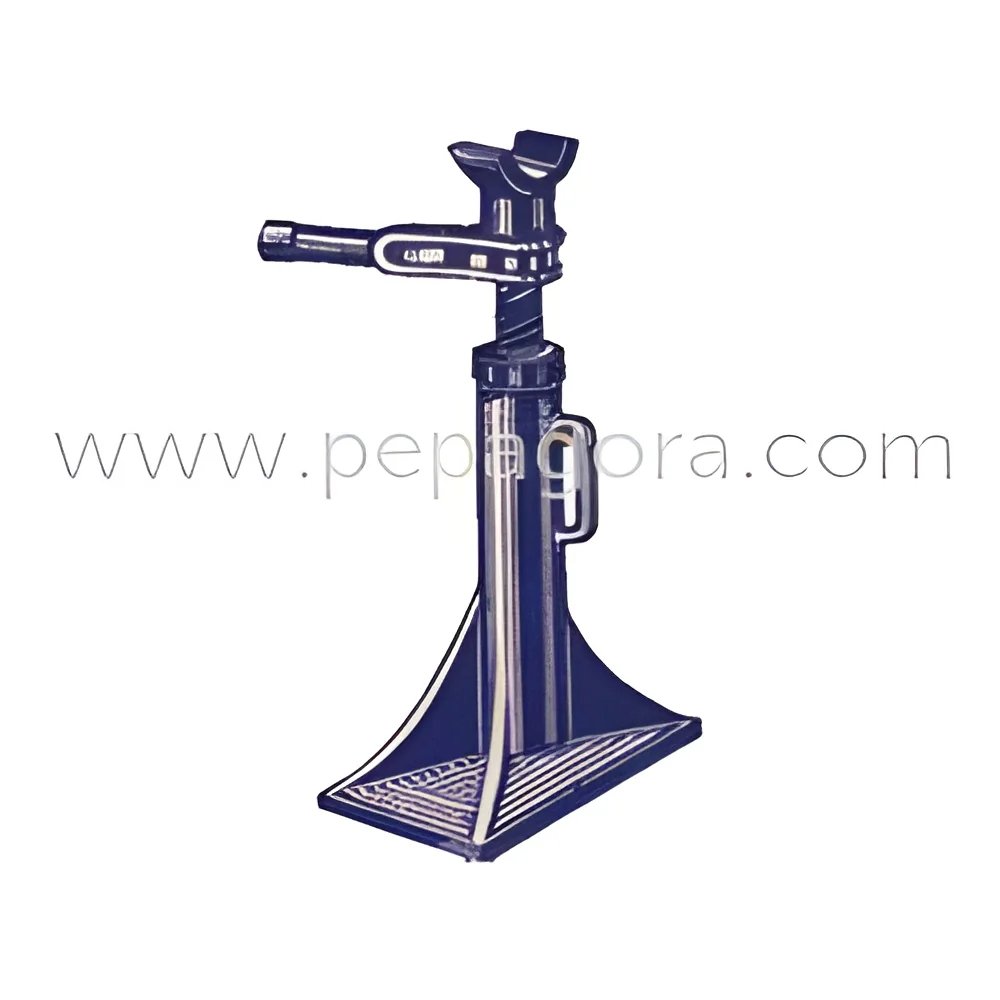
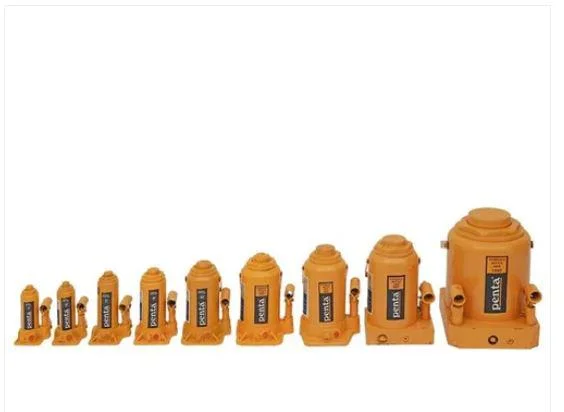
Bottle Jack: This compact and portable jack is ideal for lifting cars and trucks. Its design allows for easy storage and transportation, making it popular among auto mechanics and roadside assistance professionals.
Floor Jack: Floor jacks are designed for heavy-duty lifting, often featuring a wider base for stability. They are commonly used in automotive shops and garages for lifting vehicles quickly and safely.
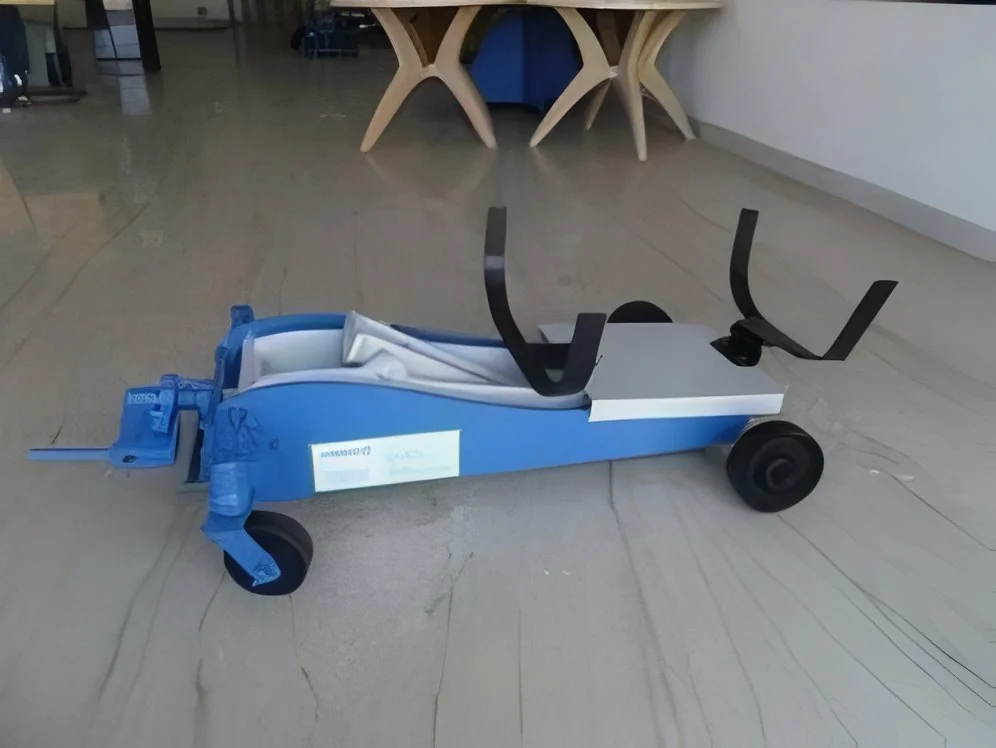
Trolley Jack: Trolley jacks are equipped with wheels, allowing for easy maneuverability. They are perfect for lifting vehicles in tight spaces and are widely used in automotive and industrial applications.
Benefits and Advantages
Hydraulic jacks offer numerous advantages that enhance their appeal for industrial use.
1. High Load Capacity: Hydraulic jacks can lift heavy loads with ease, making them suitable for various demanding applications.
2. Safety Features: Many hydraulic jacks include built-in safety mechanisms, reducing the risk of accidents during operation.
3. Versatility: Different types of hydraulic jacks are available, allowing users to choose one that best fits their specific needs.
4. Efficiency: Hydraulic jacks operate quickly, improving productivity and reducing the time required for lifting tasks.
5. Portability: Many hydraulic jacks are designed to be lightweight and portable, facilitating easy transport and use in different locations.
6. Durability: Constructed from robust materials, hydraulic jacks are built to withstand heavy use and harsh conditions.
Buying Guide for B2B Buyers
When sourcing hydraulic jacks, businesses should consider several factors to ensure they make informed purchasing decisions.
1. Quality Assessment: Evaluate the quality of materials and construction. Look for jacks that meet industry standards and have a proven track record of reliability.
2. Supplier Verification: Vet suppliers by checking their credentials, customer reviews, and past performance to ensure they provide quality products and services.
3. Pricing and MOQ: Understand the pricing structure and minimum order quantities. Compare prices from different suppliers to ensure competitive rates while considering value.
4. Delivery and Lead Times: Inquire about delivery schedules and lead times to ensure that the jacks can be obtained in a timely manner to meet operational needs.
5. Compliance Requirements: Ensure that the hydraulic jacks meet relevant safety and quality standards, as well as any regulatory requirements specific to your industry.
Compliance and Certifications
Compliance with relevant quality standards and certifications is crucial for hydraulic jacks to ensure safety and reliability. Key standards include ISO 9001, which focuses on quality management systems, ensuring that products meet customer and regulatory requirements.
Industry certifications such as UL and CE indicate that hydraulic jacks have undergone rigorous testing and meet safety standards. These certifications provide assurance to buyers regarding the product's quality and performance.
Safety and testing requirements are also critical, as hydraulic jacks must be able to operate under various load conditions without failure. Regional compliance considerations may vary, so it is essential to be aware of local regulations that govern the use of hydraulic lifting devices.
Why Source Hydraulic Jacks (Bottle, Floor, Trolley) from Pepagora?
Pepagora offers a reliable platform for sourcing hydraulic jacks, ensuring that businesses find products that meet their operational needs.
Verified Supplier Network: Pepagora connects buyers with a network of verified suppliers, ensuring the quality and reliability of hydraulic jacks. This network allows buyers to access a wide range of products with confidence.
Streamlined RFQ Process: The request for quotation (RFQ) process is designed to be straightforward, allowing businesses to quickly obtain quotes from multiple suppliers, facilitating better decision-making.
Trade Assurance and Support: Pepagora provides trade assurance and buyer support, helping to protect buyers throughout the purchasing process. This includes assistance with negotiations and resolving any potential issues.
Regional Coverage: With a focus on regions such as India, the GCC, and Southeast Asia, Pepagora ensures that businesses can find local suppliers, reducing logistics costs and enhancing service delivery.
By choosing Pepagora for hydraulic jacks, businesses can streamline their sourcing process while ensuring they obtain high-quality products from trusted suppliers.

 India
 India
 India
 India

 India
 India
 India
 India
 India
 India
 India
 India
 India
Frequently Asked Questions
What are Hydraulic Jacks (Bottle, Floor, Trolley)?
Hydraulic jacks are mechanical devices that use hydraulic force to lift heavy loads. There are three main types: bottle jacks, floor jacks, and trolley jacks, each designed for specific applications and load capacities.
What are the different types of Hydraulic Jacks (Bottle, Floor, Trolley)?
The different types of hydraulic jacks include bottle jacks, which are compact and portable; floor jacks, which are designed for stability and ease of use; and trolley jacks, which are equipped with wheels for mobility. Each type serves distinct purposes in automotive and industrial applications.
How do I choose the right Hydraulic Jacks (Bottle, Floor, Trolley)?
Choosing the right hydraulic jack depends on the load capacity, height requirements, and the intended use. Consider factors such as portability, stability, and whether you need additional features like a quick lift mechanism.
What are the standard specifications for Hydraulic Jacks (Bottle, Floor, Trolley)?
Standard specifications for hydraulic jacks include load capacity, lift height, and weight. Additionally, features like the type of hydraulic fluid used and safety mechanisms are also critical specifications to consider.
What is the price range for Hydraulic Jacks (Bottle, Floor, Trolley)?
The price range for hydraulic jacks varies based on type and capacity, typically ranging from INR 2,000 to INR 20,000. Higher-end models with advanced features may cost more.
What quality standards apply to Hydraulic Jacks (Bottle, Floor, Trolley)?
Hydraulic jacks must comply with various safety and quality standards, such as IS (Indian Standard) specifications. Quality assurance processes often include testing for load capacity, durability, and performance.
Where can I find Hydraulic Jacks (Bottle, Floor, Trolley) suppliers in India?
You can find hydraulic jack suppliers in India through online B2B marketplaces, trade shows, and industry directories. Pepagora.com is a reputable platform to connect with reliable manufacturers and suppliers.
Can Hydraulic Jacks (Bottle, Floor, Trolley) be customized?
Yes, many manufacturers offer customization options for hydraulic jacks. This can include modifications to size, load capacity, and additional features to meet specific business needs.
What is the typical minimum order quantity for Hydraulic Jacks (Bottle, Floor, Trolley)?
The typical minimum order quantity (MOQ) for hydraulic jacks can vary but generally ranges from 10 to 50 units, depending on the supplier and specific product requirements.
What is the typical lead time for Hydraulic Jacks (Bottle, Floor, Trolley)?
The typical lead time for hydraulic jacks is usually between 2 to 4 weeks, depending on the supplier's inventory and whether customization is required. It's advisable to confirm lead times with the manufacturer before placing an order.
Why Businesses Trust Pepagora
Thousands of companies trust Pepagora to source smarter and sell faster
Expand Your Sales Globally

Source Smarter,Grow Faster
