Key Features and Specifications
Grapes (Green, Black, Red) come with a variety of features and specifications that cater to different market needs. The specifications determine their quality, suitability for various applications, and compliance with industry standards.
Key specifications include:
1. Size and Weight
- Grapes typically range from 1 to 2 inches in diameter.
- Average weight can vary from 5 to 20 grams per grape.
2. Color and Appearance
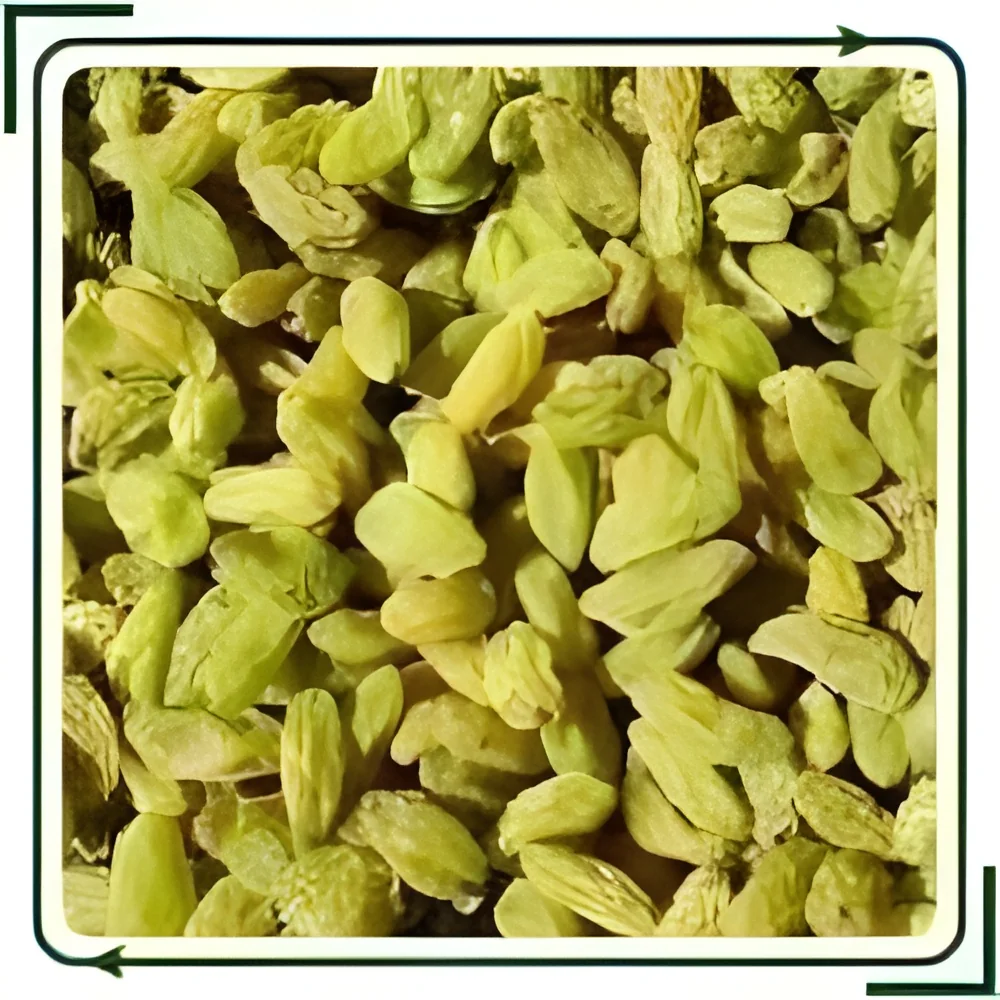
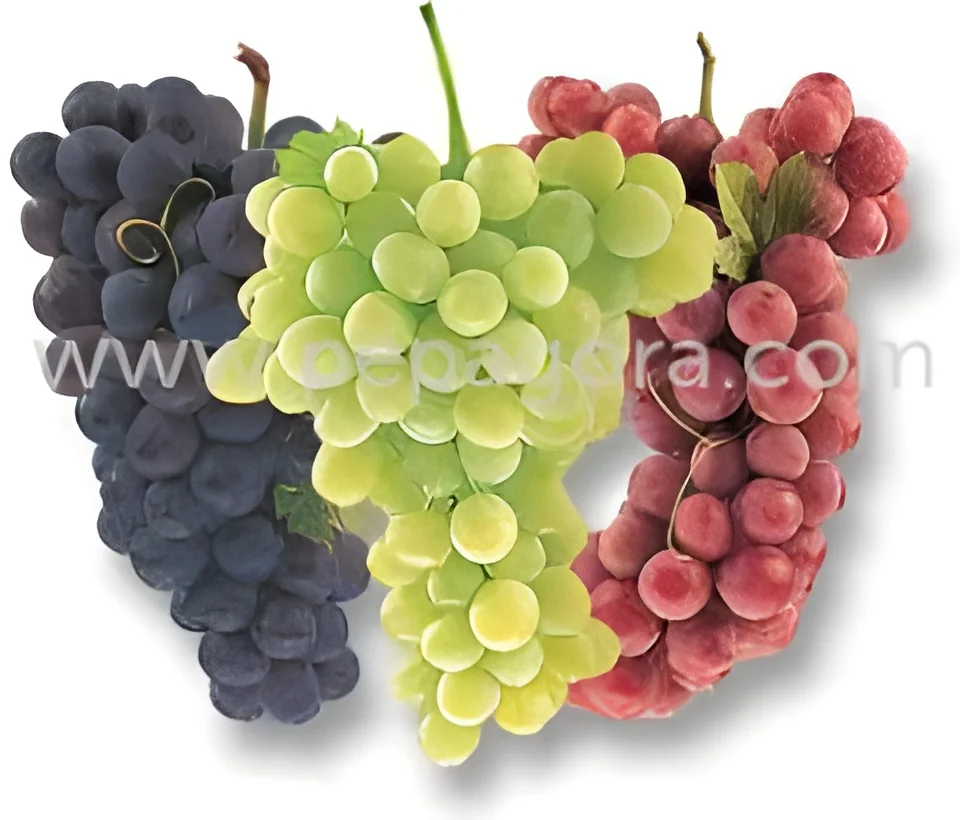
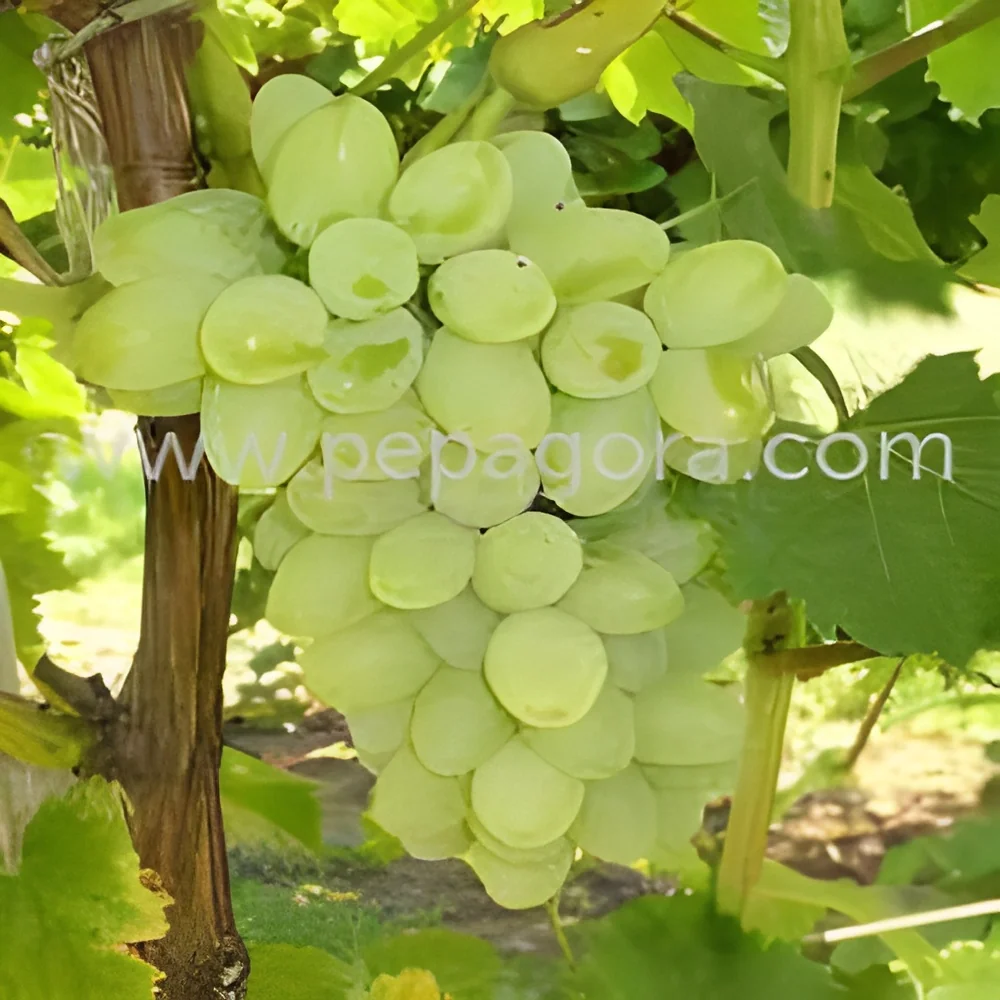
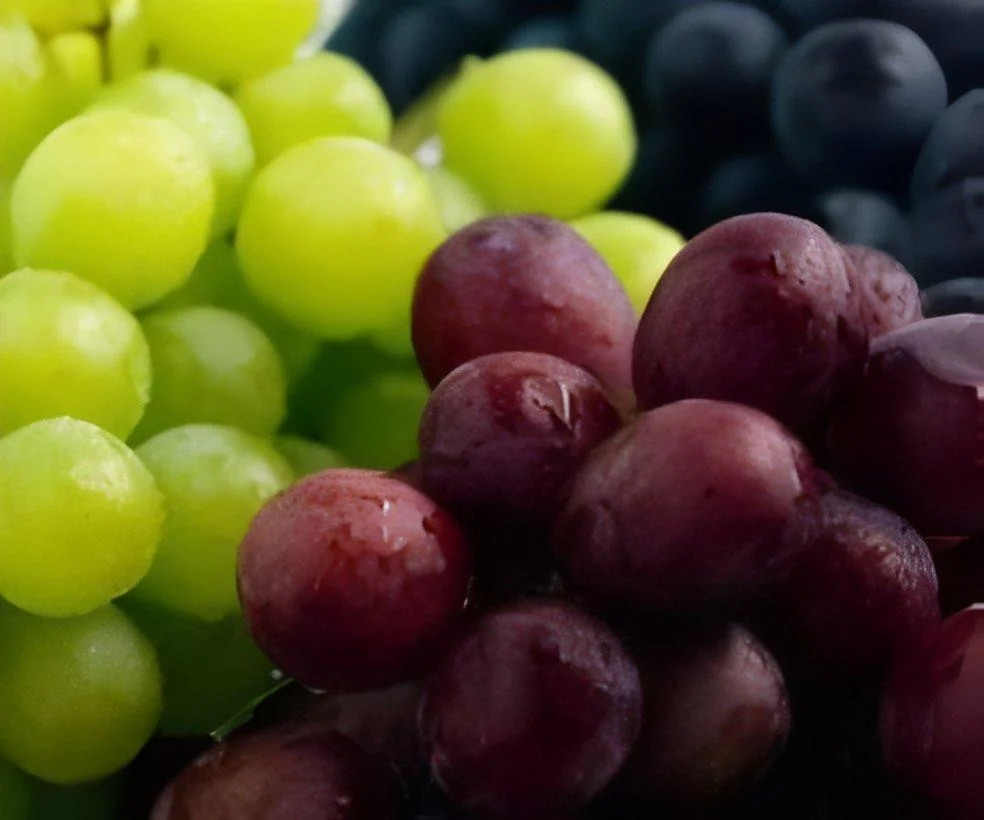
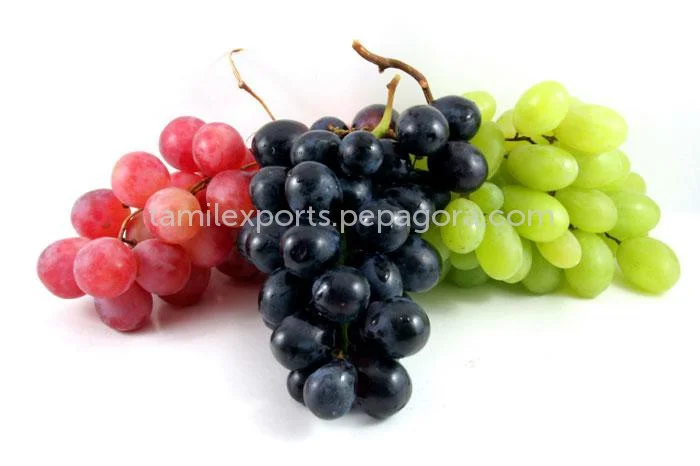
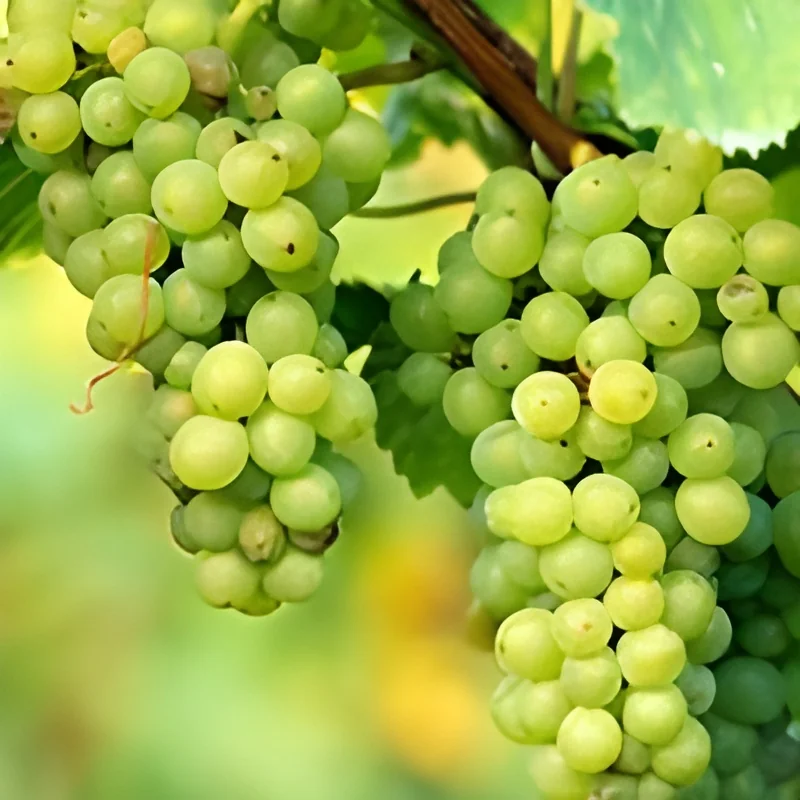
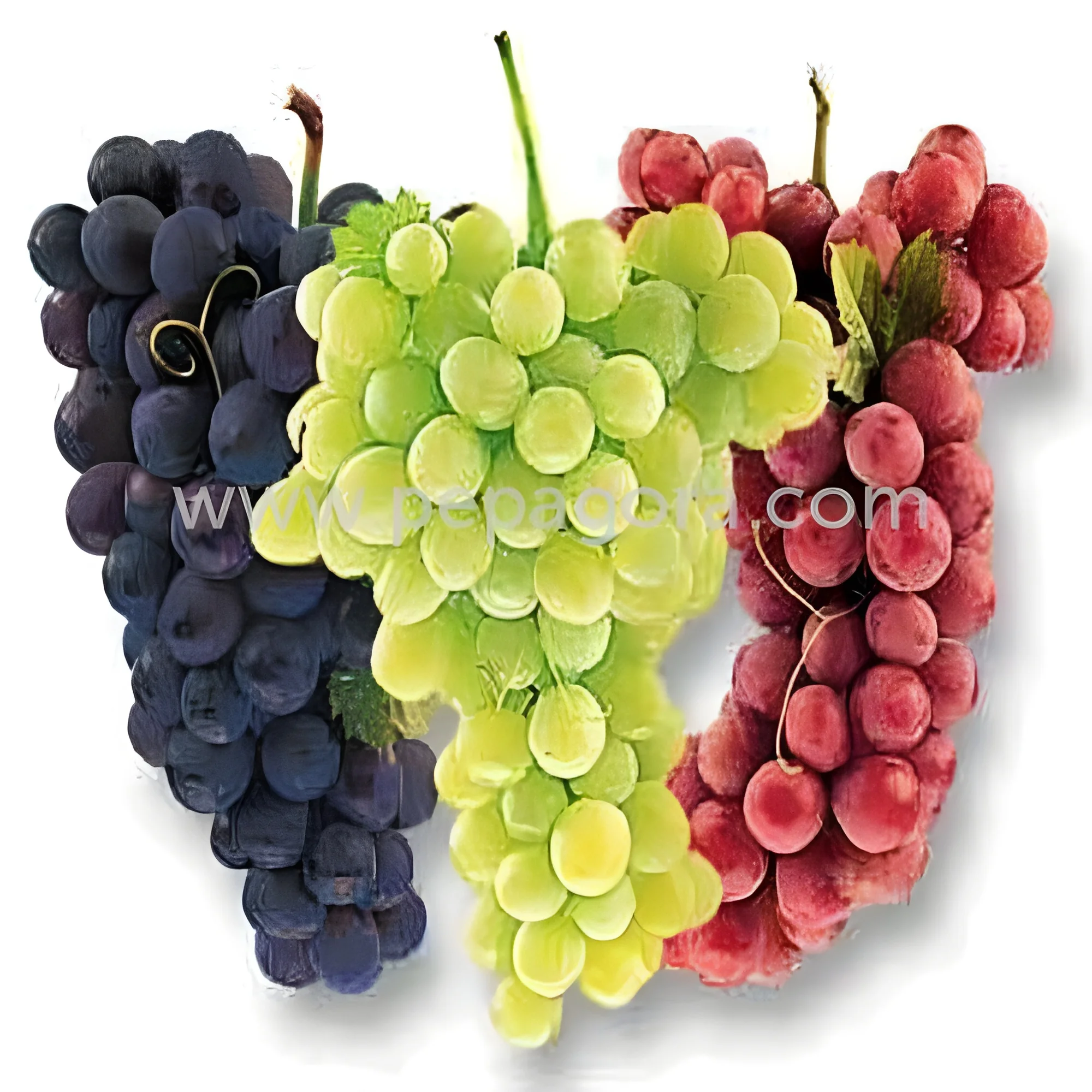
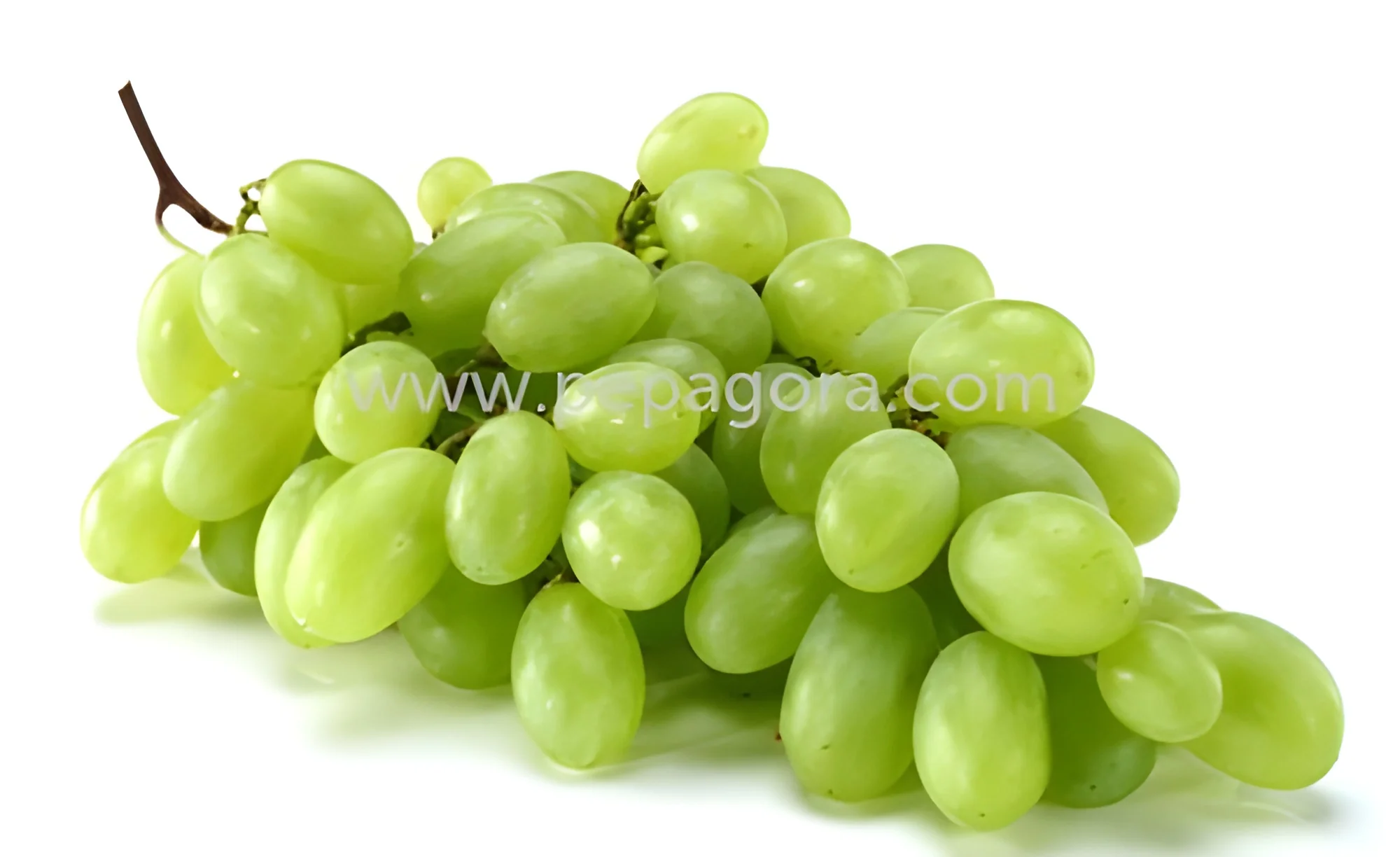
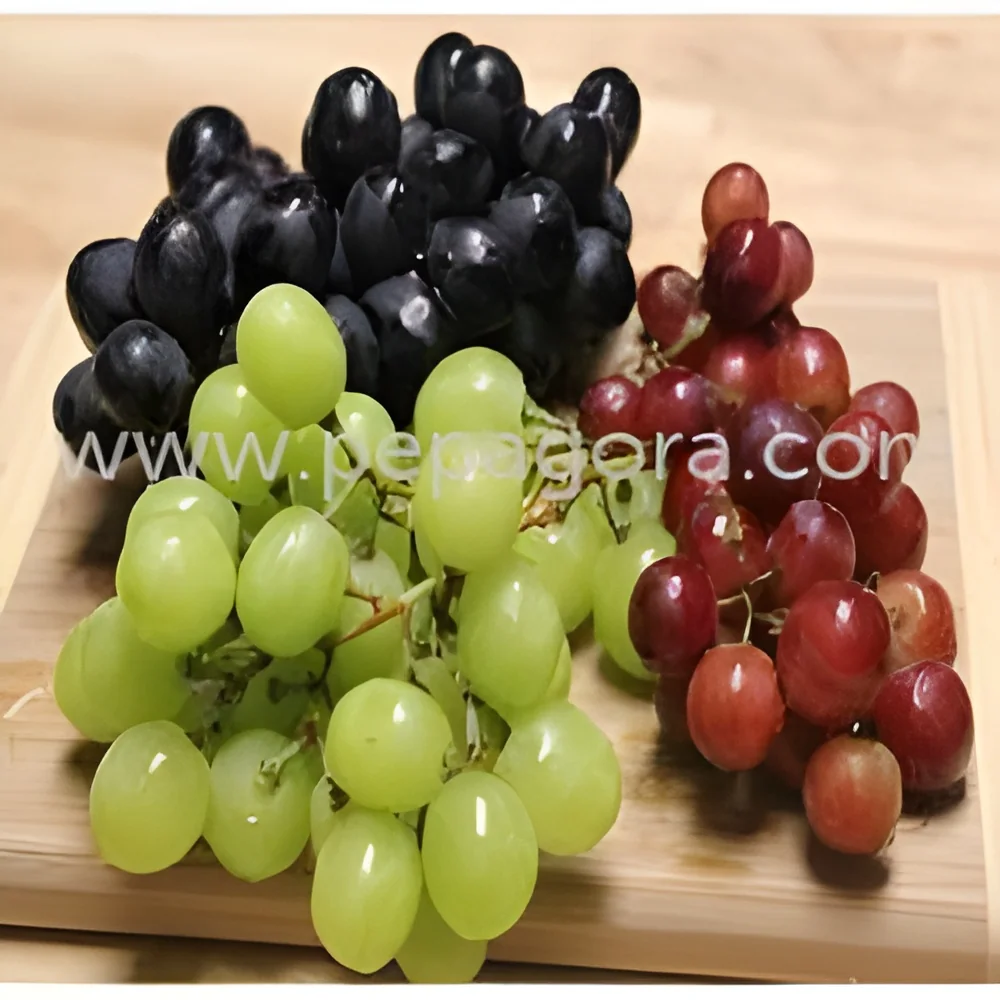
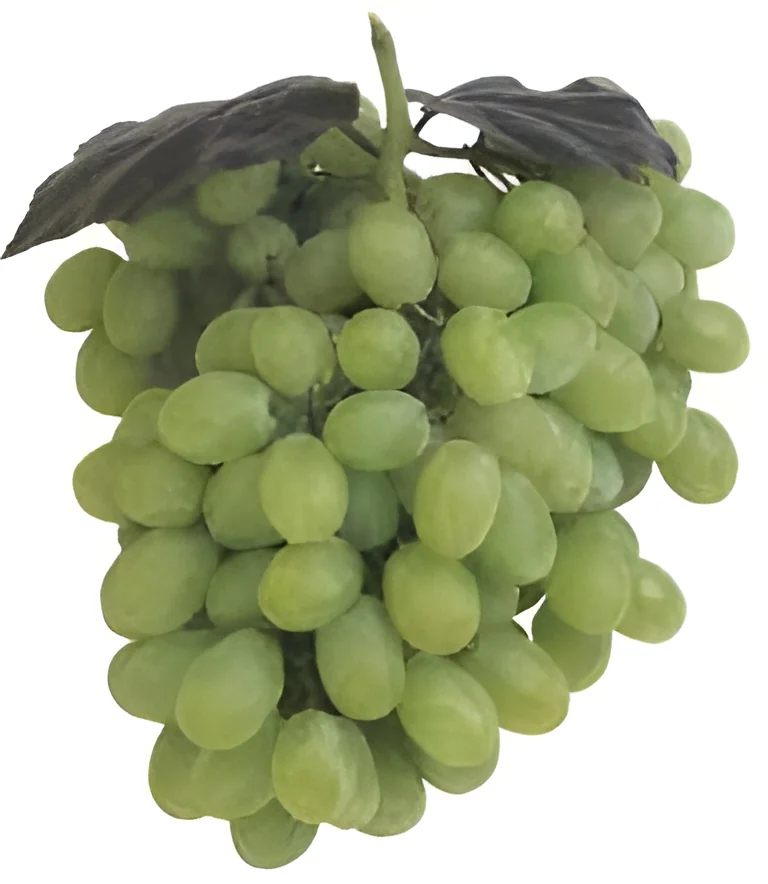
- Green grapes are usually light green to pale yellow.
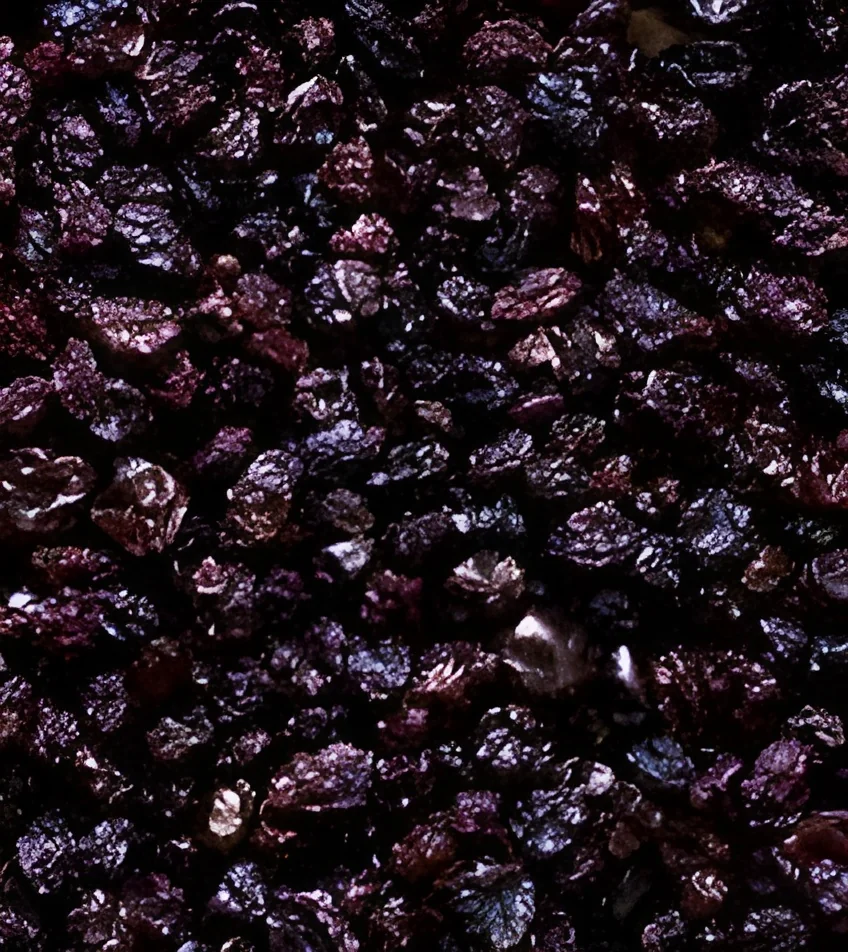
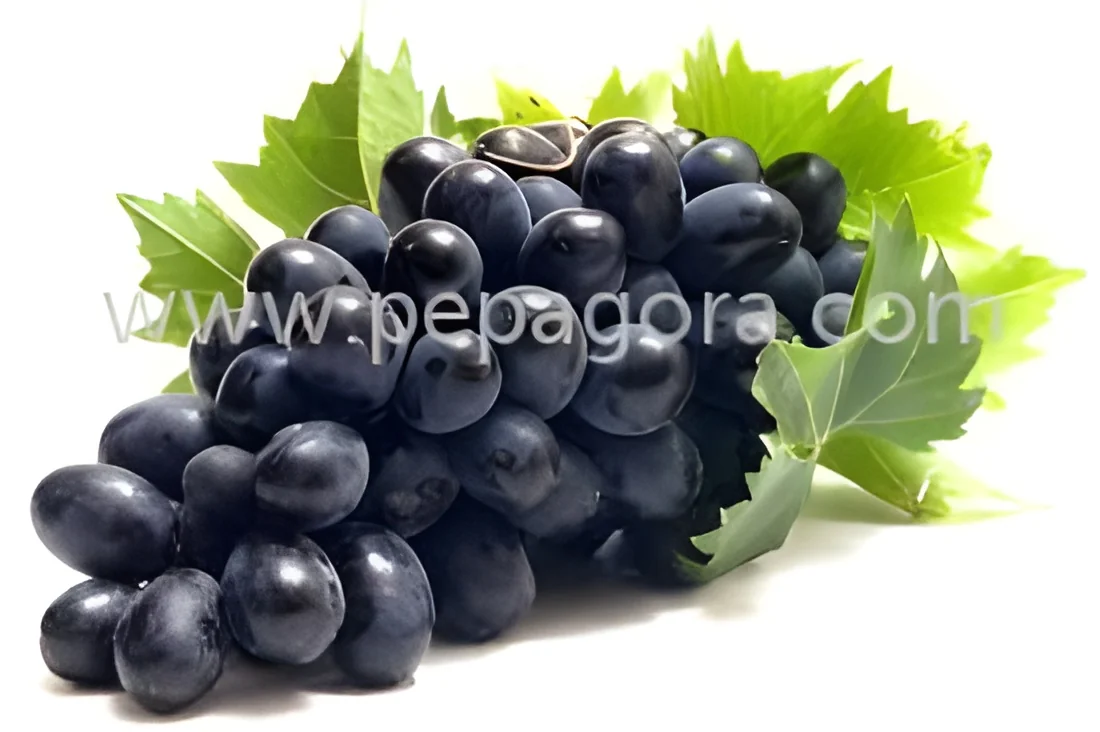
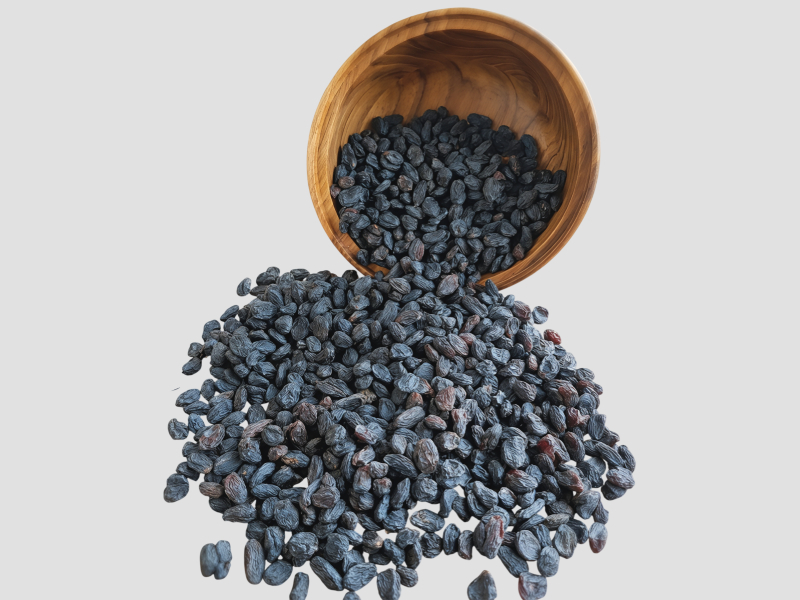
- Black grapes appear dark purple to black.
- Red grapes range from pink to deep red shades.
3. Sugar Content
- Varies between 15% to 25%, depending on ripeness and variety.
- Higher sugar content is preferred for wine production.
4. Shelf Life
- Fresh grapes can last from 5 to 14 days when stored properly.
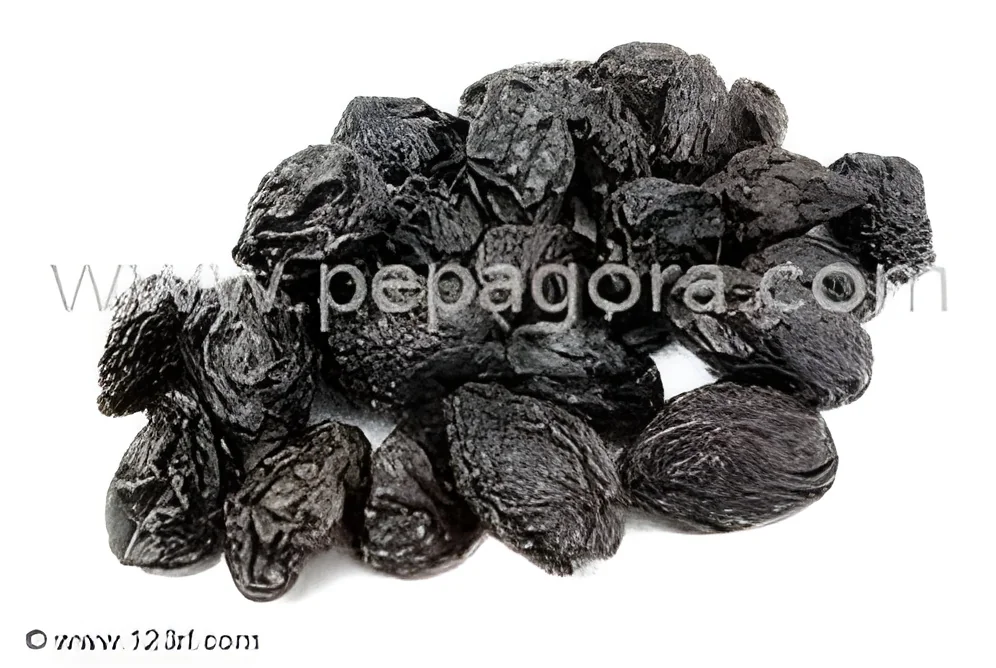
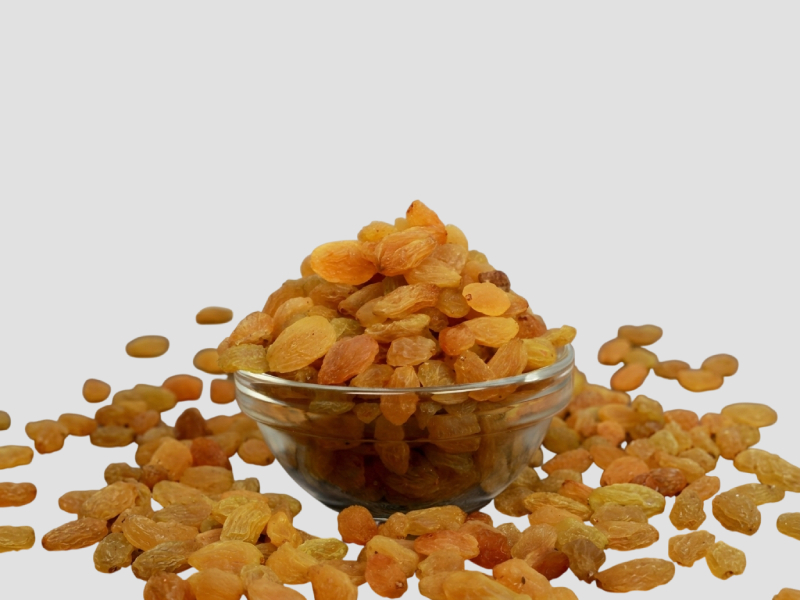
- Dried grapes (raisins) have a much longer shelf life.
5. Nutritional Value
- Rich in vitamins C and K, fiber, and antioxidants.
- Low in calories, making them a healthy snack option.
6. Packaging Options
- Grapes are commonly packaged in clamshells, bags, or bulk bins.
- Packaging must ensure freshness and prevent damage during transport.
In summary, understanding these specifications helps businesses select the right grape variety for their specific needs, ensuring quality and compliance.
Common Applications and Use Cases
Grapes (Green, Black, Red) are versatile fruits used in various industries.
1. Food and Beverage Industry: Grapes are widely consumed fresh, juiced, or dried. They are essential in wine production and are used to create various food products, including jams and jellies.
2. Nutraceuticals: Due to their high antioxidant content, grapes are utilized in dietary supplements and health products aimed at improving overall health.
3. Culinary Arts: Chefs use grapes in salads, desserts, and as garnishes, leveraging their flavor and visual appeal.
4. Hospitality Sector: Grapes are served in upscale dining and catering services, often featured in fruit platters or as part of wine pairings.
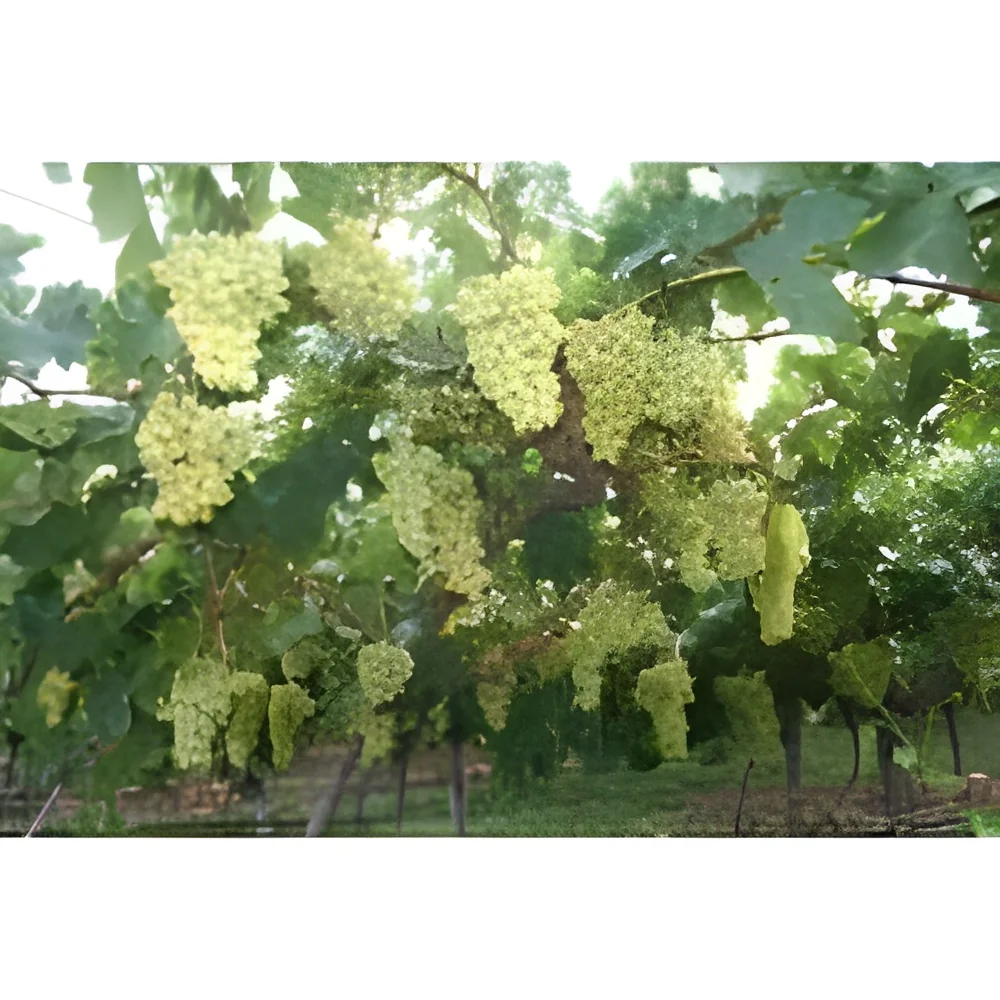
5. Agriculture: Grapes are cultivated on a large scale, making them a significant crop for farmers and agricultural businesses.
6. Retail: Grapes are popular items in grocery stores and markets, catering to consumers seeking healthy snack options.
7. Cosmetics: Some grape extracts are used in skincare products due to their moisturizing and anti-aging properties.
Product Variants and Subcategories
Grapes (Green, Black, Red) exhibit significant diversity based on variety and growing conditions. This diversity allows businesses to target specific markets and consumer preferences effectively.
Green Grapes: These grapes are typically sweet and crisp. They are popular as table grapes and are often used in salads and desserts due to their refreshing taste.
Black Grapes: Known for their deep color and rich flavor, black grapes are favored for wine production. They are also consumed fresh and used in various culinary applications.
Red Grapes: These grapes offer a balance of sweetness and tartness. They are versatile and can be used in both fresh and processed forms, making them suitable for snacks and juices.
Benefits and Advantages
Choosing to source Grapes (Green, Black, Red) provides several advantages for businesses.
1. Nutritional Benefits: Grapes are rich in vitamins, minerals, and antioxidants, making them a healthy choice for consumers.
2. Versatility: Their ability to be used in various forms, such as fresh, dried, or juiced, allows businesses to cater to diverse consumer preferences.
3. Strong Market Demand: The increasing health consciousness among consumers drives the demand for grapes, providing a steady market.
4. Wine Production Opportunities: Grapes are a key ingredient in winemaking, offering businesses the potential for high-value product development.
5. Seasonal Availability: Grapes are available in many regions seasonally, allowing for local sourcing and reduced transportation costs.
6. Sustainability: Grapes can be grown using sustainable practices, appealing to environmentally conscious consumers.
Buying Guide for B2B Buyers
When sourcing Grapes (Green, Black, Red), businesses should consider several important factors to ensure quality and compliance.
1. Quality Assessment: It is crucial to evaluate the grapes' visual appearance, firmness, and taste. Quality standards should be established based on intended use, whether for fresh consumption or processing.
2. Supplier Verification: Vetting suppliers is essential to ensure reliability. This includes checking their certifications, production practices, and reputation in the market.
3. Pricing and MOQ: Understanding the pricing structure and minimum order quantities is vital for budgeting. Price can vary based on seasonality and grape variety.
4. Delivery and Lead Times: Logistics play a significant role in sourcing. Buyers should confirm delivery schedules and lead times to minimize disruptions in supply chains.
5. Compliance Requirements: Awareness of regulatory standards, including food safety and quality certifications, is necessary to ensure that the grapes meet industry expectations.
Compliance and Certifications
Grapes (Green, Black, Red) are subject to various compliance requirements to ensure quality and safety. Relevant quality standards include ISO 9001 for quality management systems, HACCP for food safety management, and GDP for good distribution practices.
Industry certifications, such as CE, are crucial for ensuring that products meet European standards. These certifications provide assurance to buyers regarding the safety and reliability of the grapes being sourced.
Additionally, safety and testing requirements may vary by region and market. It is essential for suppliers to comply with local regulations concerning pesticide residues, food safety, and labeling.
Regional compliance considerations are also important, especially for exporters and importers. Different countries may have specific regulations that must be adhered to, affecting how grapes are cultivated, processed, and distributed.
Why Source Grapes (Green, Black, Red) from Pepagora?
Pepagora offers a trusted platform for sourcing Grapes (Green, Black, Red), providing several key advantages for B2B buyers.
Verified Supplier Network: Pepagora ensures that all suppliers in its network are thoroughly vetted for quality and reliability. This gives buyers confidence in their sourcing decisions.
Streamlined RFQ Process: The platform simplifies the request for quotation process, allowing buyers to access multiple suppliers quickly. This efficiency helps businesses find the best prices and terms for their orders.
Trade Assurance and Support: Pepagora provides trade assurance to protect buyers throughout the purchasing process. This support includes assistance with order tracking and dispute resolution.
Regional Coverage: With a strong presence in India, the GCC, and Southeast Asia, Pepagora offers extensive geographic reach. This allows businesses to tap into local markets while ensuring access to quality grapes from reliable sources.

 IN
IN


 India
India