
 IN
Gas Handling Equipment
51 products available
What are Gas Handling Equipment?
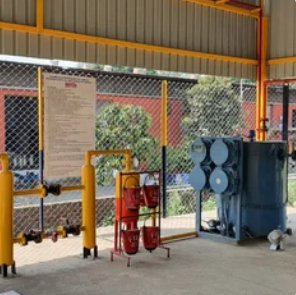
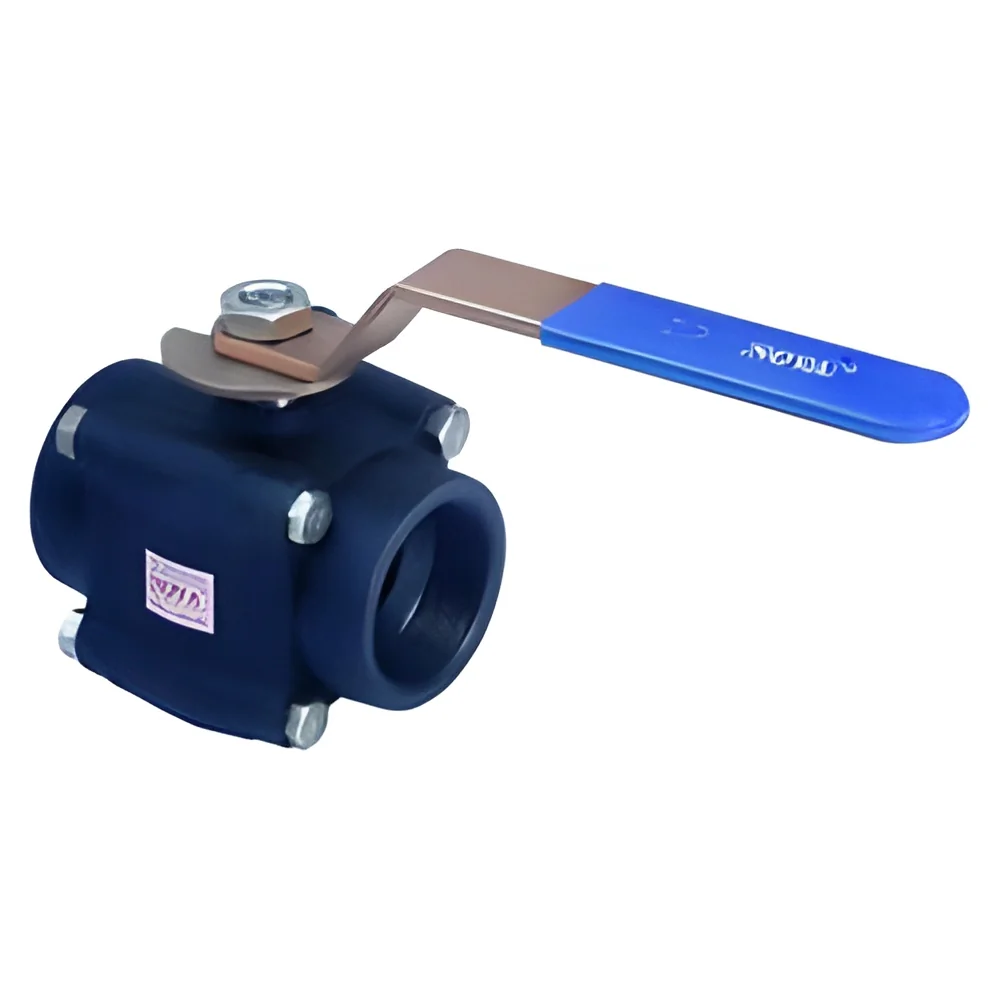
Gas handling equipment refers to the machinery and tools designed for the safe and efficient management of gases in various industrial applications. This equipment encompasses a wide range of devices, including gas compressors, regulators, valves, and storage tanks. The primary function of gas handling equipment is to control the flow, pressure, and temperature of gases during their transfer, storage, and usage in processes.
The primary uses of gas handling equipment are found in industries such as manufacturing, chemical processing, and energy. These tools are essential for transporting gases, managing gas mixtures, and ensuring that gas supplies meet the necessary specifications for various applications. Gas handling equipment plays a vital role in maintaining operational efficiency and safety standards in facilities that rely on gas as a primary resource. As industries continue to evolve and expand, the demand for reliable gas handling solutions remains crucial, making this sector highly relevant in today’s market.
Key Features and Specifications
Gas handling equipment is defined by several key features and specifications that ensure functionality and safety in operations. Understanding these specifications is crucial for businesses looking to invest in reliable equipment.
Key specifications include:
1. Pressure Range
- Equipment must handle varying pressure levels depending on application needs.
- Typical ranges vary based on equipment type and can reach up to 3000 psi.
2. Flow Rate
- Flow rate capacity is essential for determining the efficiency of gas transfer.
- Rates can vary significantly, often measured in SCFM (Standard Cubic Feet per Minute).
3. Temperature Tolerance
- High-performance models are designed to operate under various temperature conditions.
- Equipment can withstand temperatures from -40 to 150 degrees Celsius.
4. Material Composition
- Durable materials such as stainless steel or aluminum are used for longevity.
- Must be resistant to corrosion and chemical reactions with specific gases.
5. Safety Features
- Integrated safety mechanisms like pressure relief valves and automatic shut-offs are standard.
- Ensures compliance with safety regulations and protects against leaks.
6. Regulatory Compliance
- Equipment is designed to meet industry standards and safety regulations.
- Common certifications include CE marking and adherence to ISO standards.
7. Monitoring Capabilities
- Some models include built-in monitoring systems for real-time data tracking.
- Helps optimize performance and identify potential issues early.
8. Portability
- Certain gas handling equipment is designed for easy transport and mobility.
- Ideal for applications requiring on-site gas management.
In summary, understanding key features and specifications is vital for selecting the appropriate gas handling equipment that meets operational needs and safety standards.
Common Applications and Use Cases
Gas handling equipment is employed across various industries, each with specific applications that highlight the equipment's versatility.
1. Chemical Manufacturing: Gas handling equipment is used to transport and store gases like hydrogen and nitrogen, integral to chemical reactions and processes.
2. Oil and Gas: Equipment manages the flow of natural gas and other hydrocarbons during extraction, refining, and distribution.
3. Food and Beverage: Gases such as carbon dioxide are handled for carbonating beverages and maintaining product freshness in packaging.
4. Pharmaceuticals: Strict gas handling standards are crucial in the production of medical gases and maintaining sterile environments.
5. Energy Production: Gas handling equipment is essential in power plants for managing natural gas and biogas in energy generation.
6. Metallurgy: Equipment is used to manage gases in processes like welding and metal treatment, enhancing operational efficiency.
7. HVAC Systems: Gas handling equipment plays a role in the distribution of gases used for heating, cooling, and ventilation in buildings.
Product Variants and Subcategories
Gas handling equipment comes in various forms, each designed for specific functions and applications. This diversity allows businesses to select equipment that best fits their operational requirements.
Gas Compressors: These devices increase the pressure of gases and are pivotal in applications such as natural gas processing and refrigeration.
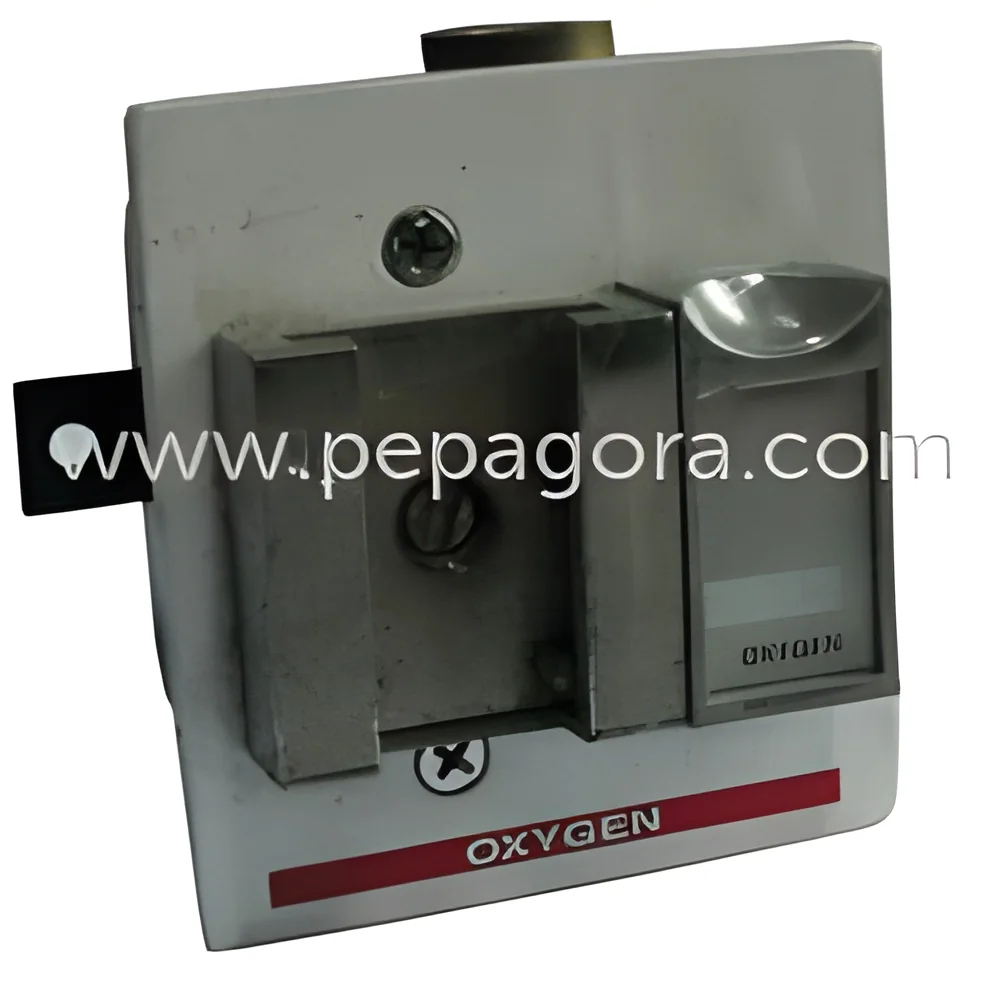
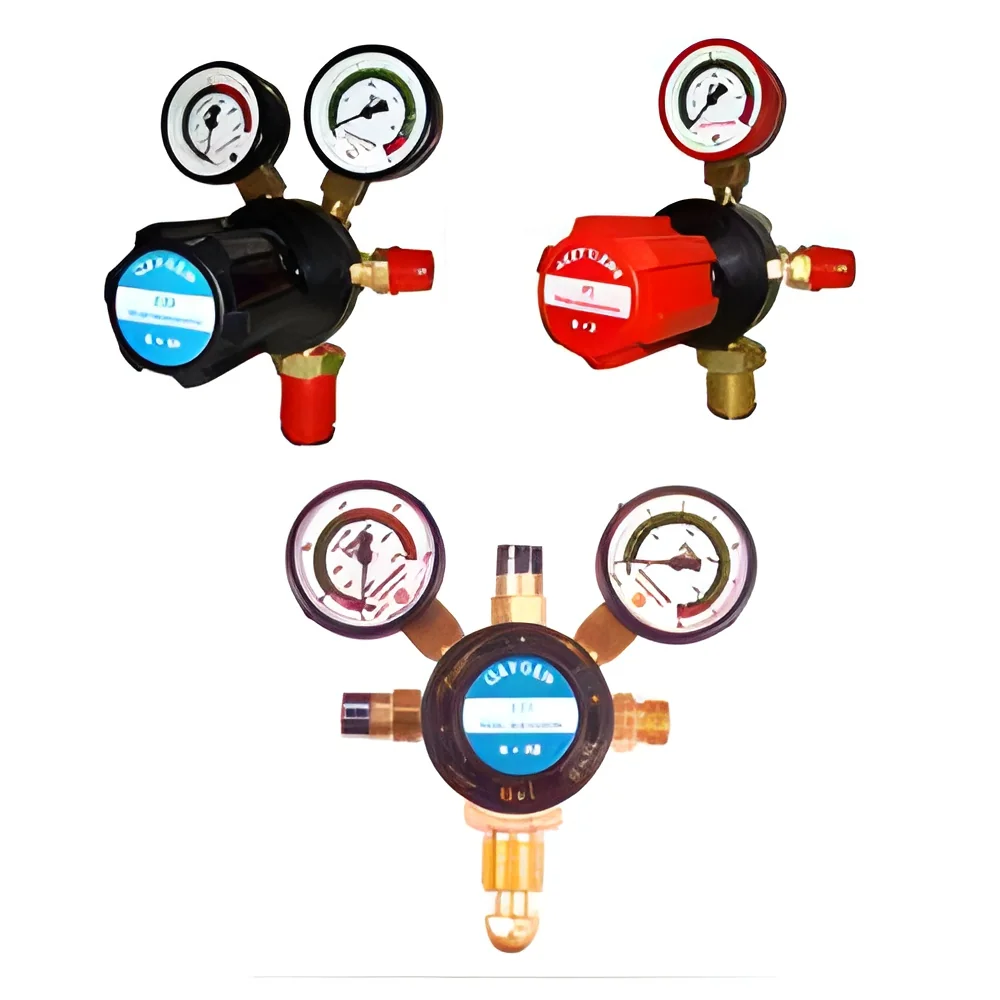
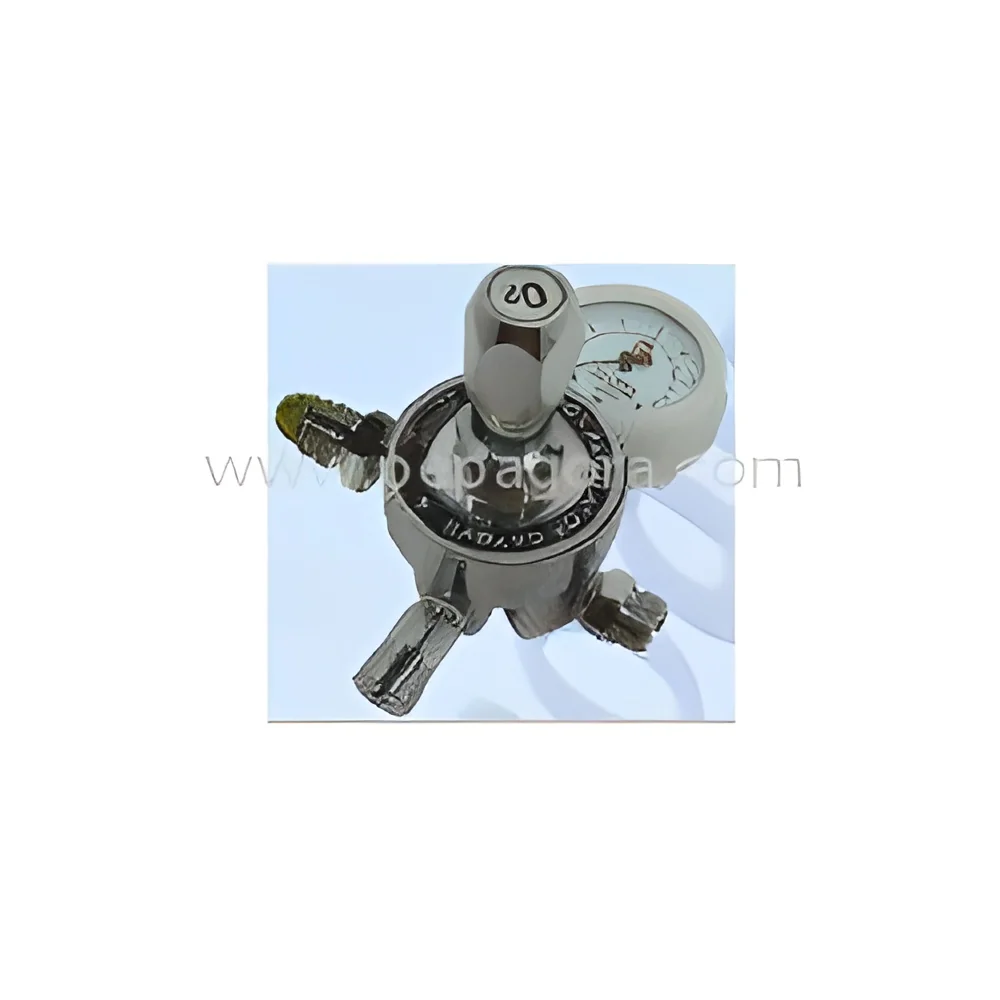
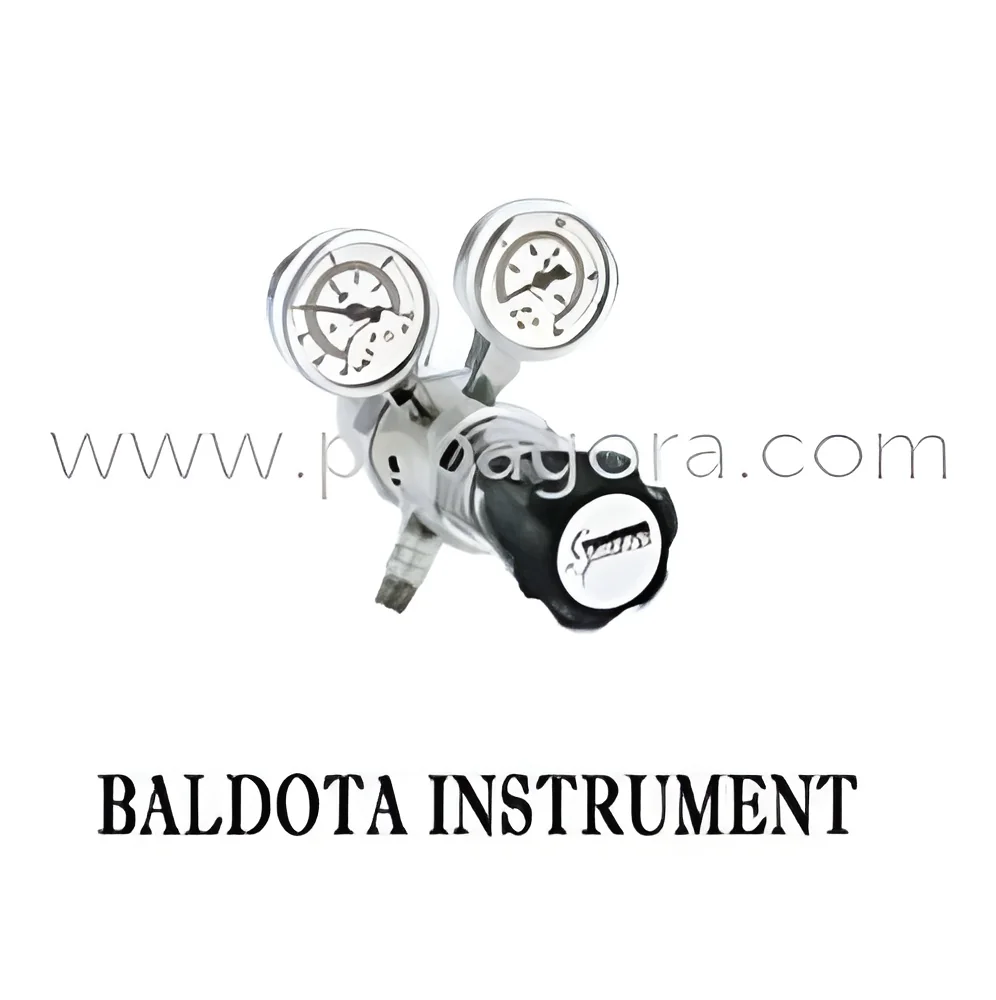
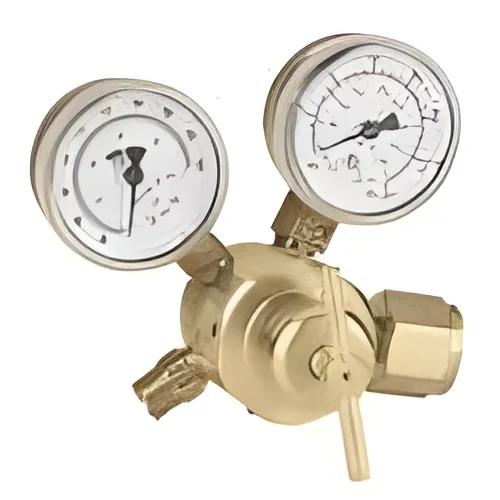
Gas Regulators: Regulators control gas pressure and flow, ensuring safe delivery to end-use points, commonly used in welding and heating applications.
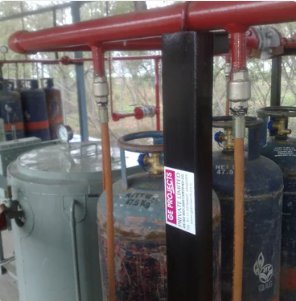
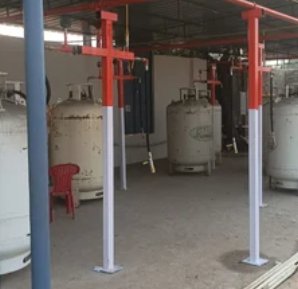
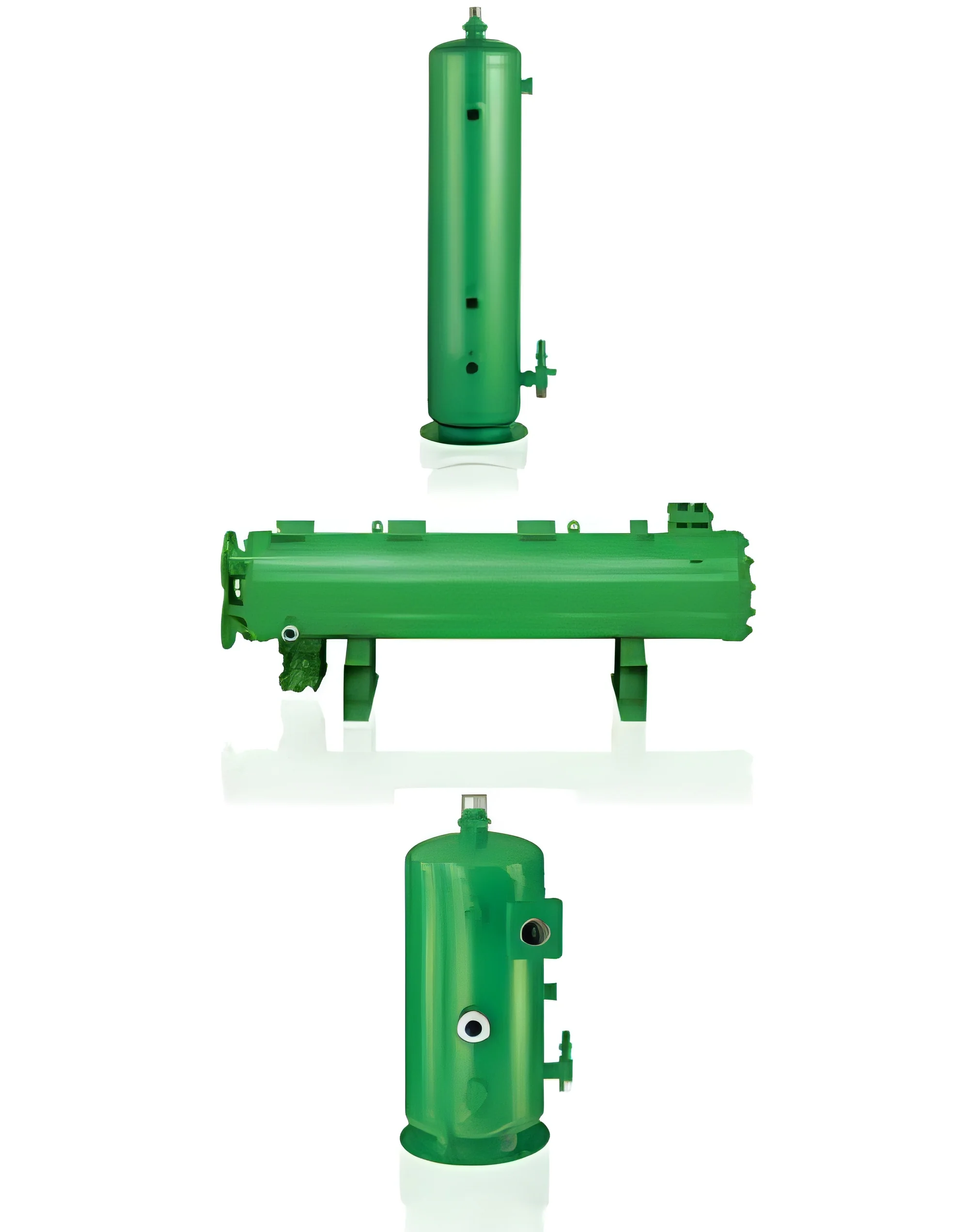
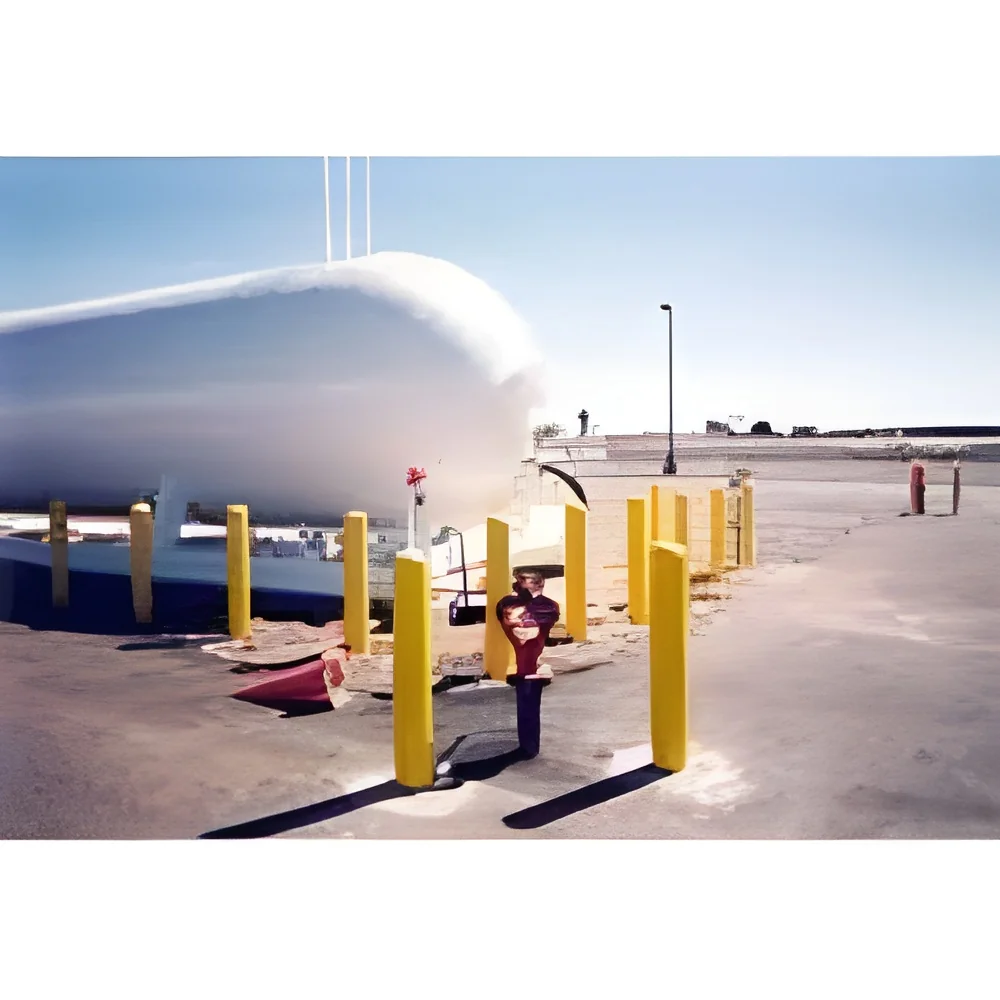
Gas Storage Tanks: These tanks store gases safely and are essential for both bulk storage and transportation of gases in various industries.
Gas Monitoring Systems: These systems provide real-time data on gas levels and pressure, crucial for maintaining safety and operational efficiency.
Benefits and Advantages
Investing in high-quality gas handling equipment provides numerous advantages that enhance operational efficiency and safety.
1. Enhanced Safety: Robust safety features minimize the risk of leaks and accidents, ensuring a safer working environment.
2. Increased Efficiency: Reliable gas handling solutions improve flow rates and pressure management, leading to optimized operations.
3. Compliance Assurance: Equipment that meets industry standards helps businesses maintain regulatory compliance and avoid penalties.
4. Cost-Effectiveness: High-quality equipment reduces the risk of breakdowns and maintenance costs, providing long-term savings.
5. Versatility: The ability to handle various gases makes this equipment applicable across multiple sectors, increasing its utility.
6. Improved Monitoring: Advanced systems enable real-time monitoring, allowing for timely adjustments and preventing potential issues.
Buying Guide for B2B Buyers
When sourcing gas handling equipment, several factors should be considered to ensure a successful purchase.
1. Quality Assessment: Evaluate the quality of the equipment based on material composition, performance ratings, and manufacturer reputation. Look for certifications that indicate compliance with industry standards.
2. Supplier Verification: Vet potential suppliers thoroughly. Check their track record, customer reviews, and the range of products offered to ensure reliability.
3. Pricing and MOQ: Understand the pricing structure and minimum order quantities (MOQ) required by the supplier. Compare prices across different suppliers to ensure competitive rates.
4. Delivery and Lead Times: Assess the logistics of delivery, including lead times and shipping options. Ensure that the supplier can meet your timeline needs.
5. Compliance Requirements: Know the regulatory requirements for gas handling equipment in your industry. Ensure that the equipment meets all necessary compliance standards to avoid legal issues.
Compliance and Certifications
Compliance and certifications play a crucial role in the gas handling equipment industry, ensuring safety and quality. Key quality standards such as ISO 9001 ensure that manufacturers adhere to rigorous quality management systems. Compliance with HACCP and GDP standards is vital in industries like food and pharmaceuticals, where gas quality directly affects product integrity.
In addition to quality standards, industry certifications such as CE marking demonstrate that the equipment meets European safety, health, and environmental protection requirements. Safety and testing requirements are critical, particularly for equipment that operates under high pressure or involves hazardous gases.
Regional compliance considerations also vary. Different countries may have specific regulations governing the use of gas handling equipment. It is essential for buyers to understand these regional nuances to ensure that their equipment complies with local laws.
Why Source Gas Handling Equipment from Pepagora?
Pepagora provides a trusted platform for sourcing gas handling equipment with several key advantages that benefit B2B buyers.
Verified Supplier Network: Pepagora connects buyers with a network of verified suppliers, ensuring that all listed manufacturers meet stringent quality and safety standards. This verification process helps reduce the risk of purchasing subpar equipment.
Streamlined RFQ Process: The request for quotation (RFQ) process is simplified through Pepagora's platform, allowing buyers to easily compare offers from multiple suppliers. This efficiency saves time and helps buyers find the best deals.
Trade Assurance and Support: Buyers can feel secure with Pepagora's trade assurance, which offers protection against non-compliance and delivery issues. Dedicated support teams are available to assist buyers throughout the procurement process.
Regional Coverage: Pepagora has a broad geographic reach, serving markets in India, the GCC, and Southeast Asia. This extensive coverage ensures that buyers can access a diverse range of gas handling equipment tailored to their specific regional needs.




 India

 India

 India
 India
 India

 India
 India
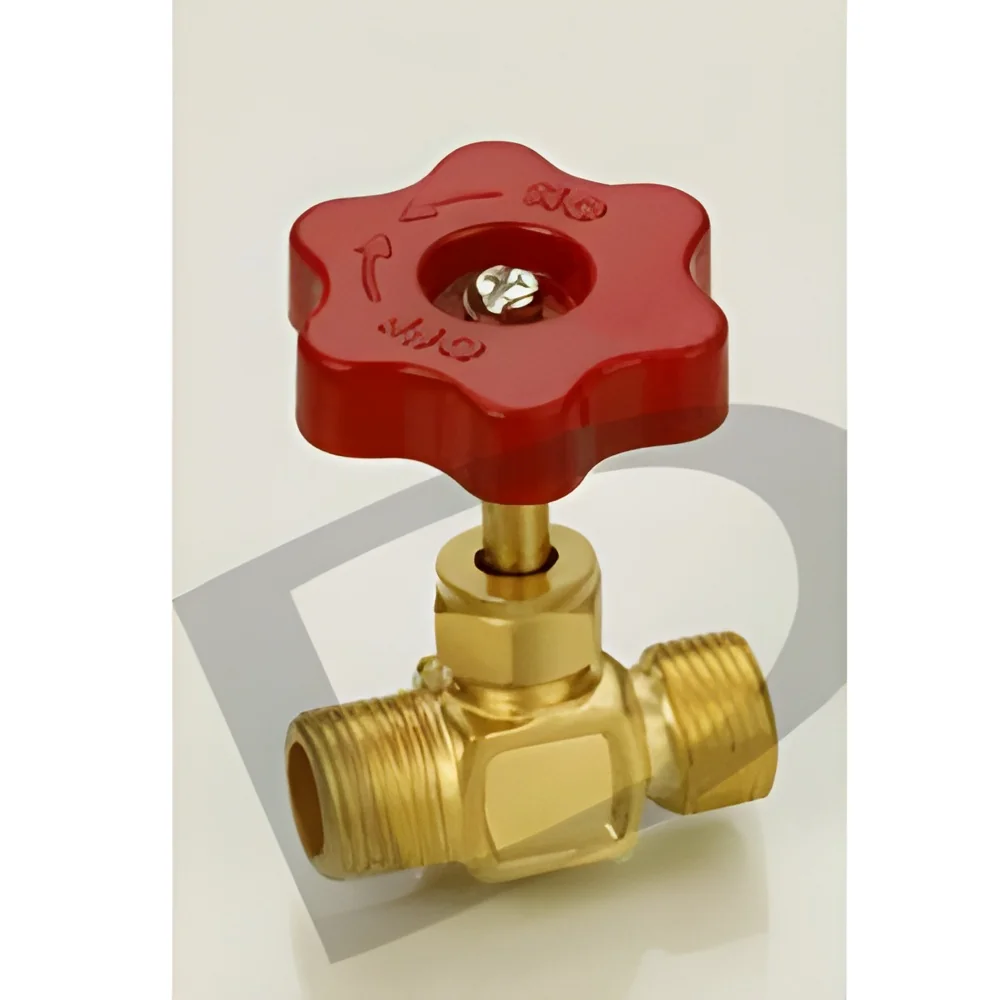
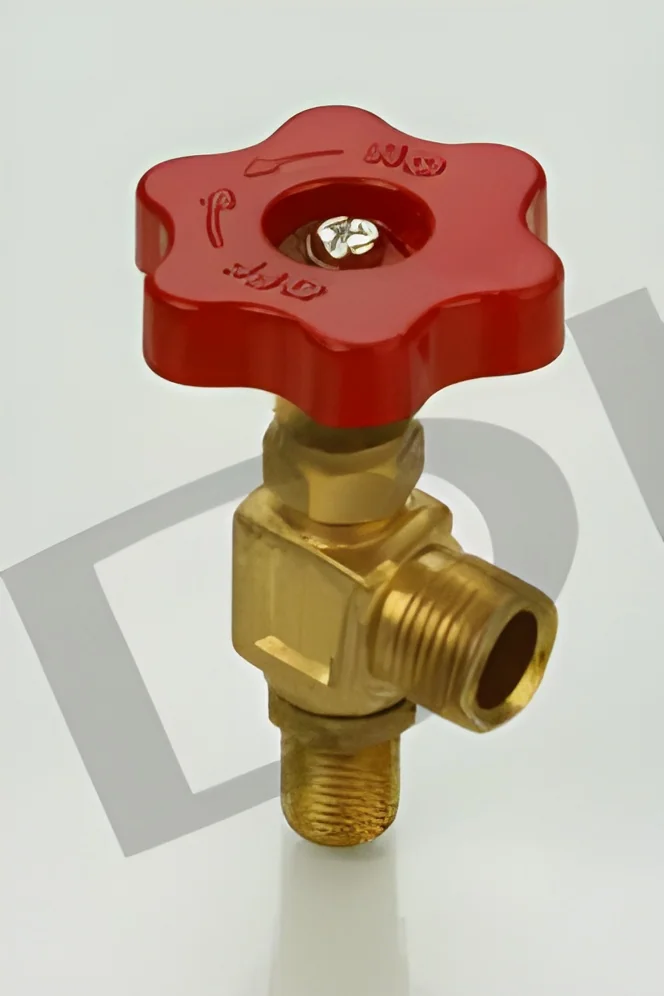 India
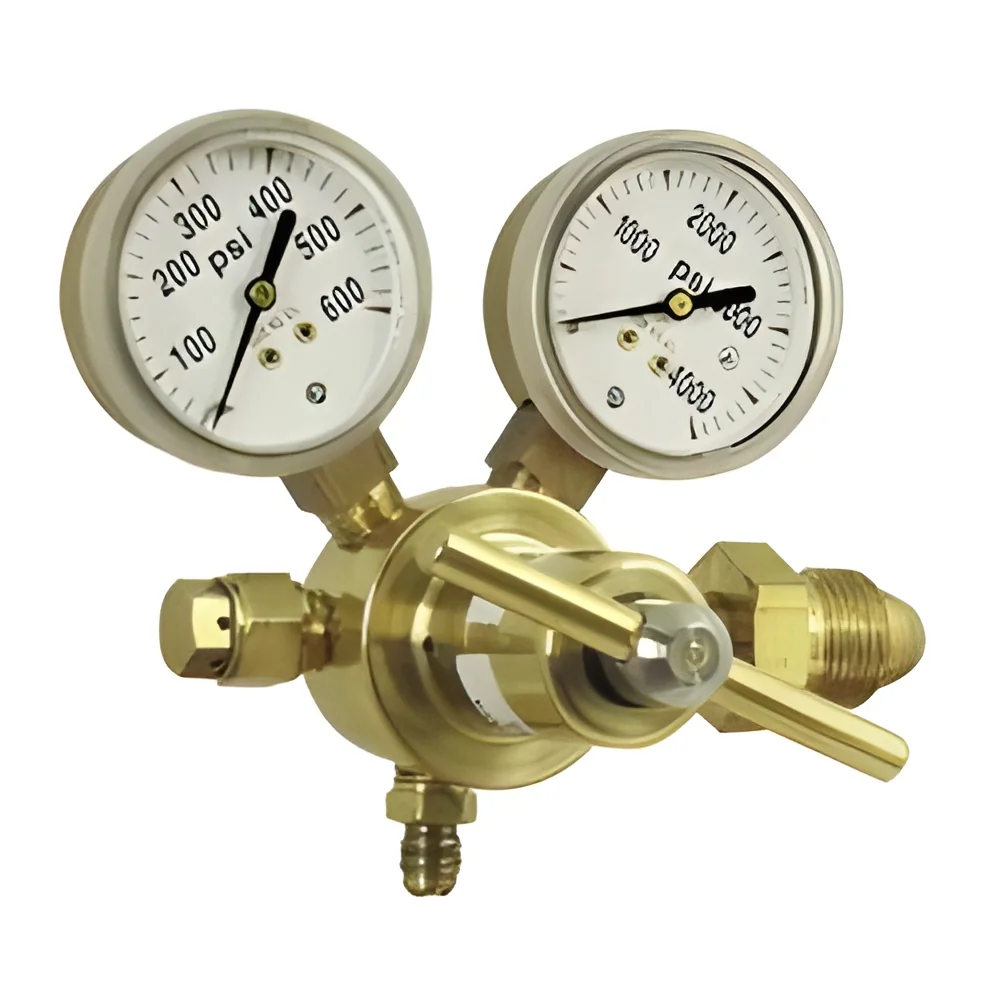
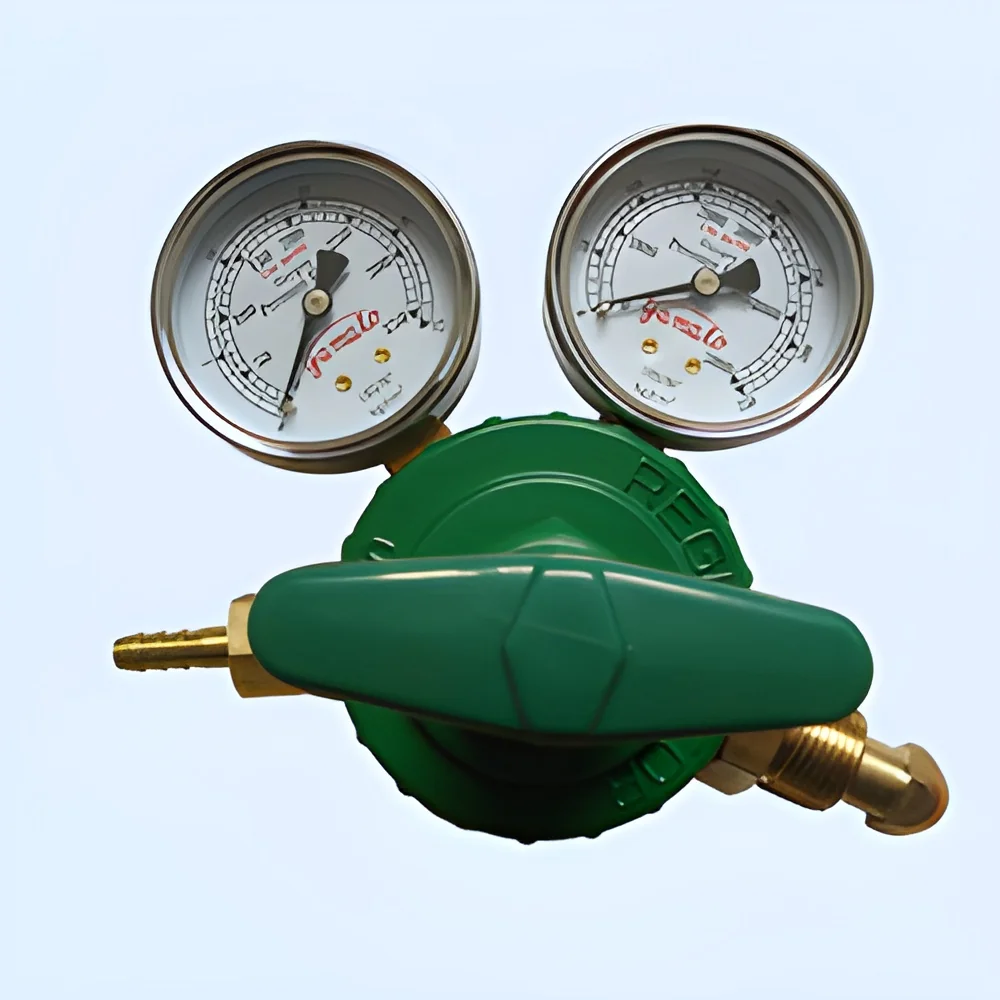 India

 India

 India
 India
 India
 India

 India
 India


 India
 India
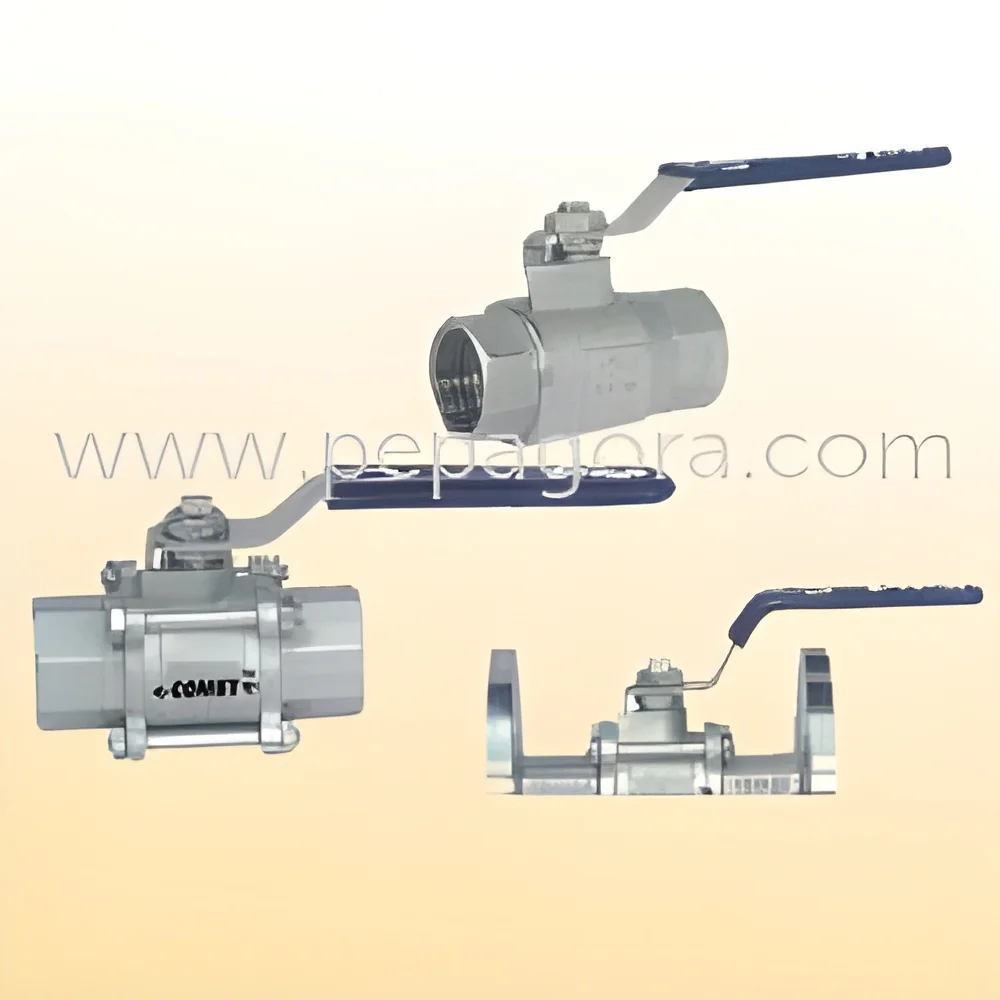 India
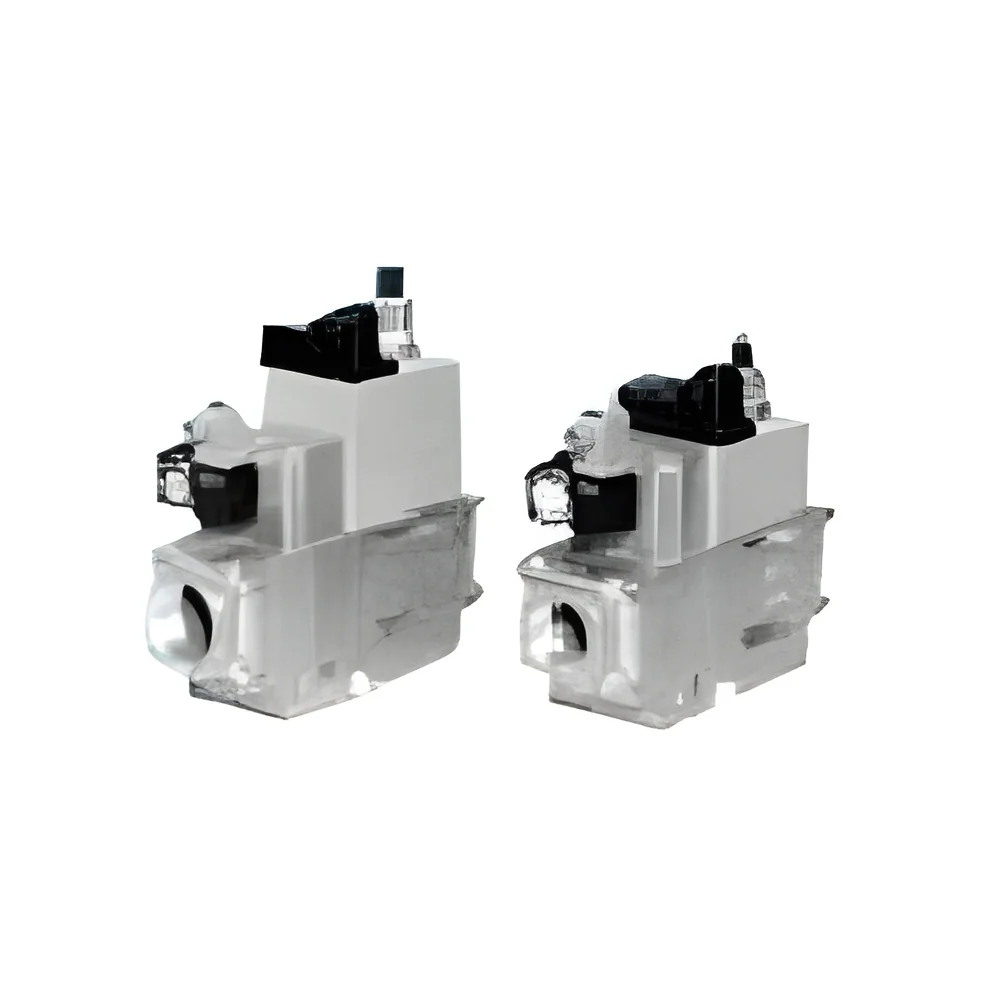 India
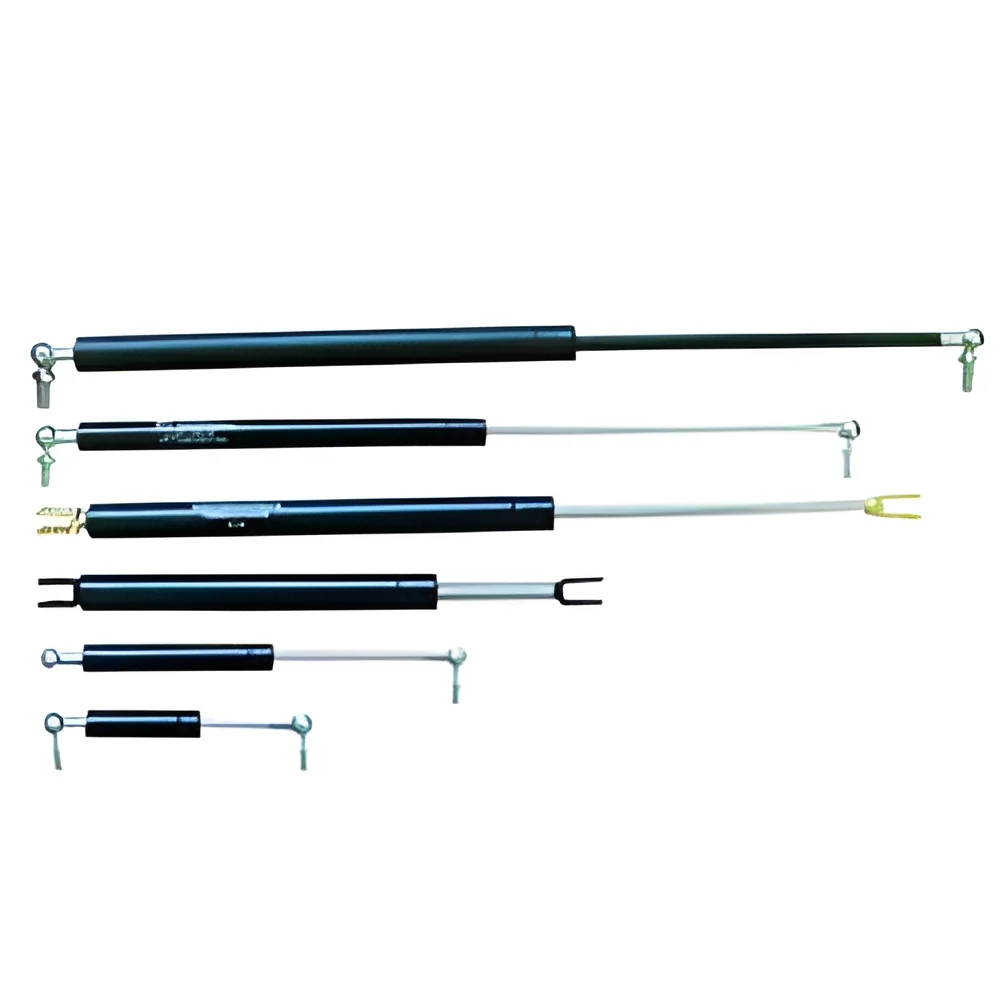 India
 India
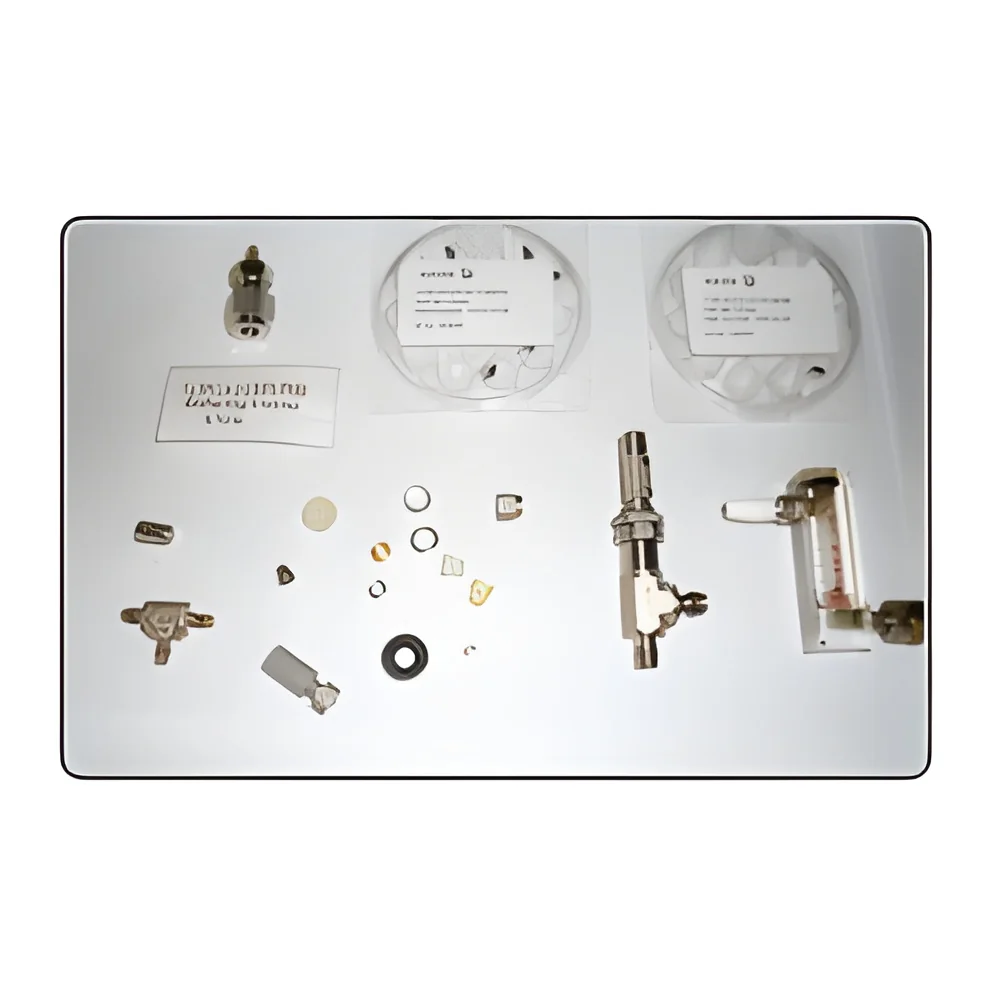
 India
 India
 India
 India
 India

 India
 India
Frequently Asked Questions
What are Gas Handling Equipment?
Gas Handling Equipment refers to tools and systems designed for the safe storage, transfer, and management of gases in various industrial applications. This equipment is crucial for ensuring the safety and efficiency of gas-related processes in sectors such as manufacturing, healthcare, and energy.
What are the different types of Gas Handling Equipment?
The different types of Gas Handling Equipment include gas cylinders, pressure regulators, gas manifolds, flow meters, and gas detection systems. Each type serves a specific function, such as controlling gas pressure, measuring flow rates, or ensuring safe gas handling.
How do I choose the right Gas Handling Equipment?
To choose the right Gas Handling Equipment, consider factors such as the type of gas you will be handling, the required pressure and flow rates, and the specific application needs. It's also important to review the equipment's compatibility with your existing systems and any relevant safety standards.
What are the standard specifications for Gas Handling Equipment?
Standard specifications for Gas Handling Equipment typically include pressure ratings, material compatibility, flow rate capacities, and safety features. Compliance with industry standards such as ISO or ASME is also essential to ensure reliability and safety.
What is the price range for Gas Handling Equipment?
The price range for Gas Handling Equipment can vary widely depending on the type, specifications, and manufacturer. Generally, prices can start from a few thousand rupees for basic components to several lakhs for advanced systems and integrated solutions.
What quality standards apply to Gas Handling Equipment?
Gas Handling Equipment is subject to various quality standards, including ISO 9001 for quality management and specific industry-related standards such as ASME and NFPA for safety. Ensuring compliance with these standards is critical for operational safety and reliability.
Where can I find Gas Handling Equipment suppliers in India?
You can find Gas Handling Equipment suppliers in India through online B2B marketplaces like Pepagora.com, industry trade shows, and networking with industry professionals. Researching supplier reviews and requesting quotes can also help in identifying reliable manufacturers.
Can Gas Handling Equipment be customized?
Yes, many manufacturers offer customization options for Gas Handling Equipment to meet specific operational requirements. Customization can include modifications in size, materials, or additional features based on the unique needs of the application.
What is the typical minimum order quantity for Gas Handling Equipment?
The typical minimum order quantity (MOQ) for Gas Handling Equipment varies by manufacturer and type of equipment. Generally, MOQs can range from one unit for specialized items to several units for standard products.
What is the typical lead time for Gas Handling Equipment?
The typical lead time for Gas Handling Equipment can range from a few weeks to several months, depending on the complexity of the order and the manufacturer's production capacity. It's advisable to confirm lead times with the supplier when placing an order.
Why Businesses Trust Pepagora
Thousands of companies trust Pepagora to source smarter and sell faster
Expand Your Sales Globally

Source Smarter,Grow Faster
