
 IN
Direct Dyes
19 products available
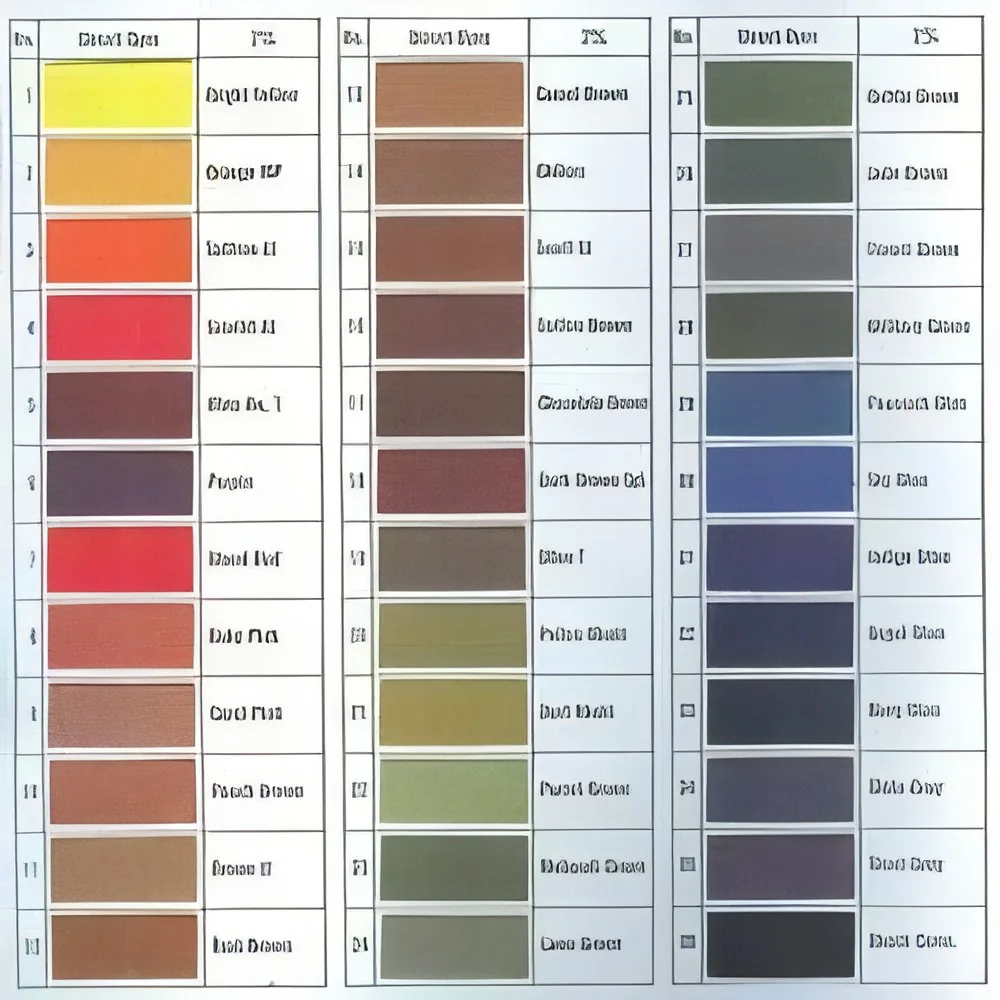
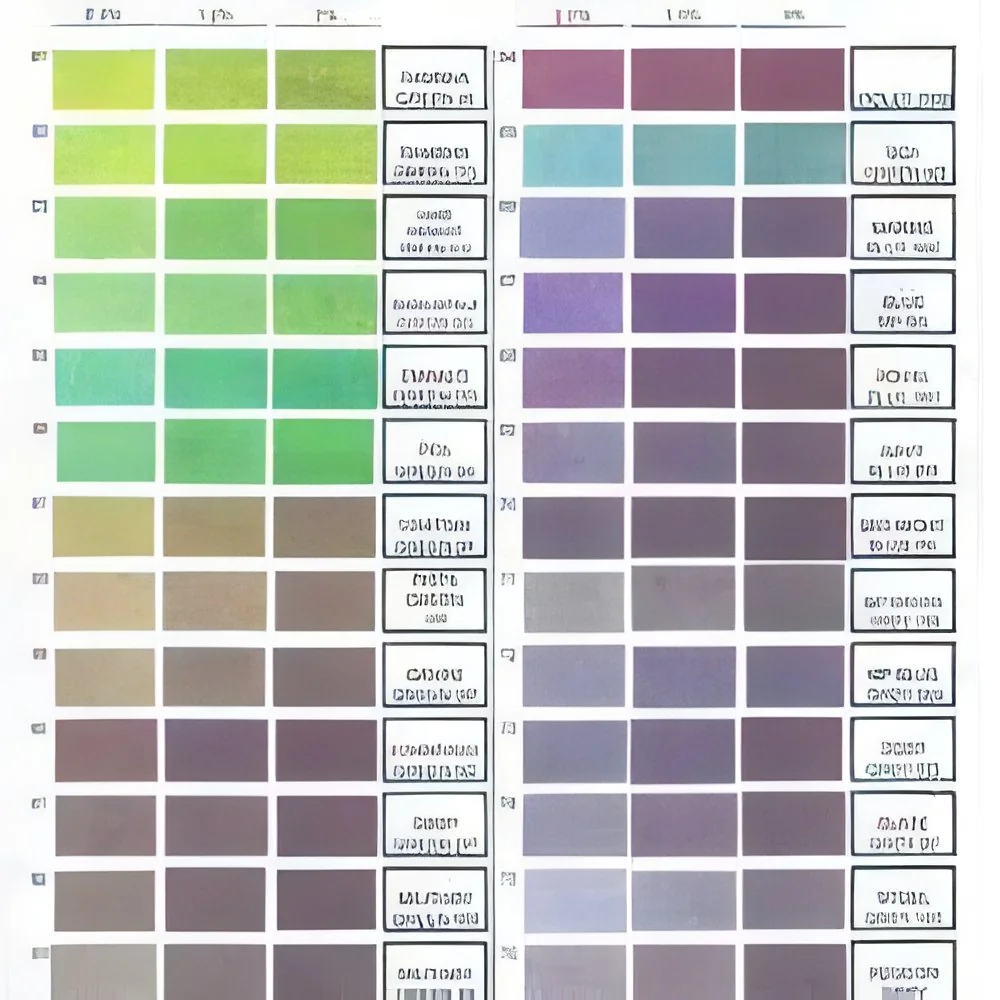
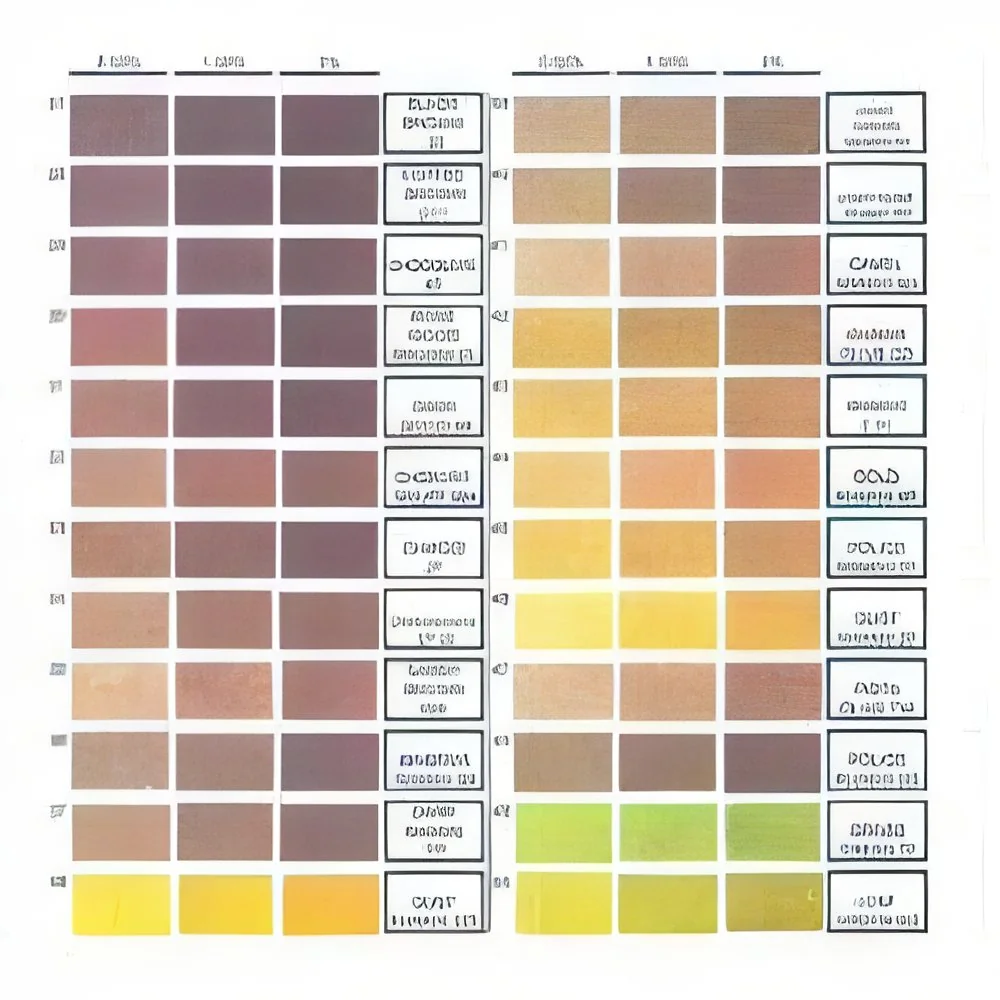
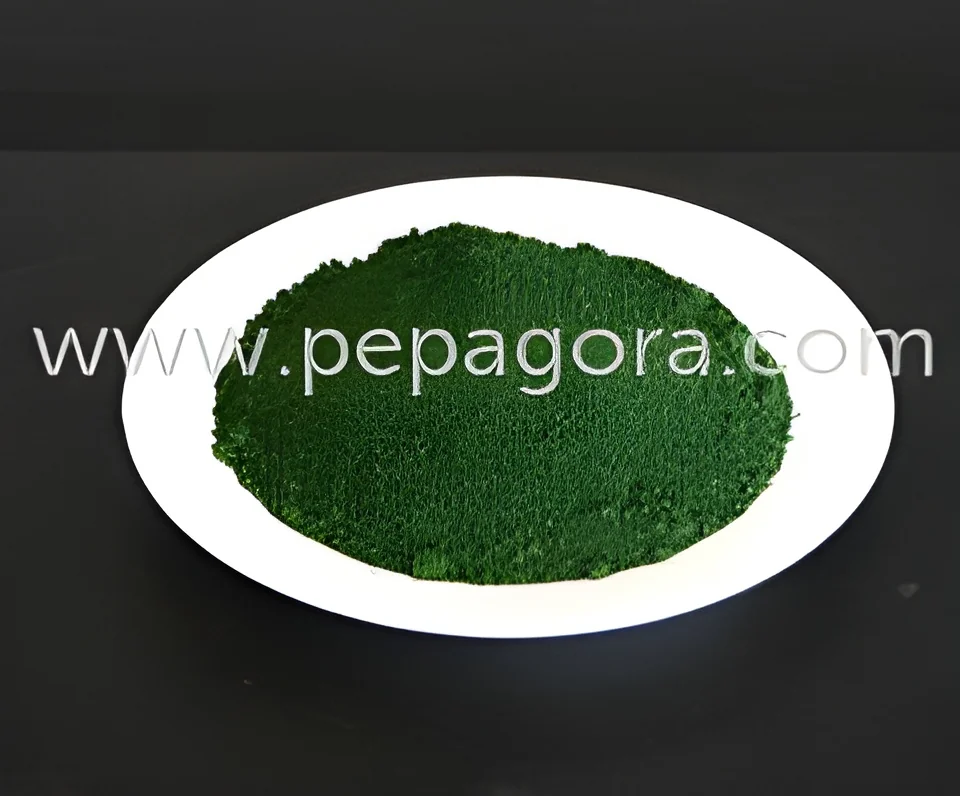
What are Direct Dyes?
Direct dyes are a class of coloring agents used primarily in the textile industry. These dyes can bond directly to the fabric without the need for a mordant, which makes them user-friendly and efficient for dyeing processes. They are water-soluble and suitable for a variety of fibers, particularly cotton, making them a popular choice among manufacturers who require vibrant and long-lasting colors.
In business applications, direct dyes are extensively used in the production of textiles, paper, and various other materials. Their ease of application and versatility allows manufacturers to create a wide spectrum of colors, enhancing the aesthetic appeal of their products. The demand for direct dyes is significant in the fashion, home textiles, and industrial sectors, where color consistency and durability are essential.
The market for direct dyes is influenced by several factors, including the growing textile industry and the increasing need for eco-friendly dyeing processes. As businesses seek to reduce their environmental impact, the development of sustainable direct dyes has gained traction, further solidifying their relevance in today's industrial landscape.
Key Features and Specifications
Direct dyes come with a range of features that cater to diverse industrial needs. Understanding these specifications is crucial for selecting the right dye for specific applications.
Key specifications include:
1. Color Range
- Direct dyes are available in a wide spectrum of colors.
- The color fastness can vary based on the dye type and application method.
2. Solubility
- Highly soluble in water, facilitating easy application.
- Different solubility levels may be available depending on the dye formulation.
3. Application Method
- Can be applied using various methods such as padding, exhaust, or continuous dyeing.
- Compatibility with different fabric types plays a role in method selection.
4. Light Fastness
- Varies by dye type, indicating how well the color resists fading under light exposure.
- Ratings are typically provided to guide users on durability.
5. Dyeing Temperature
- Specific temperature ranges may be recommended for optimal dye uptake.
- Higher temperatures can improve the dye's affinity for the fabric.
6. Environmental Impact
- Some direct dyes are designed to be more environmentally friendly.
- Compliance with eco-labeling requirements can be a consideration.
7. Shelf Life
- Generally stable, but specific storage conditions may apply.
- Recommendations for shelf life may vary by manufacturer.
8. Regulatory Compliance
- Many direct dyes must meet international safety and environmental standards.
- Certifications can vary by region and application.
In summary, understanding the features and specifications of direct dyes is essential for businesses looking to enhance their product offerings while ensuring compliance with industry standards.
Common Applications and Use Cases
Direct dyes have a broad range of applications across various industries.
1. Textile Industry: Direct dyes are widely used for dyeing cotton fabrics, garments, and home textiles. Their vibrant colors and ease of application make them ideal for fashion apparel.
2. Paper Industry: These dyes are utilized in paper production to achieve bright and consistent colors, enhancing the visual appeal of printed materials.
3. Leather Industry: Some direct dyes are suitable for leather, providing rich colors and durability in leather goods.
4. Food Industry: Certain direct dyes are approved for use in food products, providing color to enhance presentation, subject to regulatory compliance.
5. Cosmetics: Direct dyes are sometimes used in cosmetic formulations, including hair dyes, to achieve specific shades and effects.
6. Non-Woven Fabrics: Manufacturers of non-woven textiles use direct dyes to add color to products such as wipes and filters.
7. Plastics: These dyes can also be applied in plastic production, offering vibrant hues for consumer goods.
Product Variants and Subcategories
Direct dyes come in various formulations to meet specific industry needs. While subcategories are not broadly defined, several key variants are noteworthy.
Basic Direct Dyes
This variant is commonly used for cotton fabrics. They provide a wide range of colors and are known for their ease of use in standard dyeing processes.
Reactive Direct Dyes
These dyes form a covalent bond with the fabric, offering enhanced wash fastness and durability. They are preferred for applications requiring high-performance dyeing.
Acid Direct Dyes
Used primarily for protein fibers like wool and silk, these dyes exhibit vibrant colors and excellent lightfastness. They are ideal for high-end textile applications.
Benefits and Advantages
Direct dyes offer numerous advantages for businesses seeking efficient dyeing solutions.
Key benefits include:
1. Ease of Use: Direct dyes can be applied without the need for additional chemicals, simplifying the dyeing process.
2. Versatility: They can be used on a variety of fabrics, making them suitable for multiple applications across different industries.
3. Vibrant Colors: Direct dyes provide bright and vivid colors, enhancing the aesthetic appeal of finished products.
4. Cost-Effectiveness: Their straightforward application method can reduce labor costs and overall production time.
5. Environmental Compliance: Many direct dyes are formulated to comply with environmental regulations, appealing to eco-conscious businesses.
6. Consistency: Direct dyes offer reliable color consistency, essential for maintaining brand integrity in textile production.
Buying Guide for B2B Buyers
When sourcing direct dyes, several factors should be considered to ensure quality and suitability for specific applications.
1. Quality Assessment: Evaluate the dye's performance characteristics, including color fastness and solubility. Request sample batches for testing before making large orders.
2. Supplier Verification: It is essential to vet suppliers to ensure they have a proven track record. Check for certifications and customer reviews to gauge reliability.
3. Pricing and MOQ: Understand the pricing structure and minimum order quantities required by suppliers. This helps in budgeting and planning inventory levels.
4. Delivery and Lead Times: Assess delivery schedules and lead times to ensure that production timelines are met. Consider suppliers who can offer just-in-time delivery options.
5. Compliance Requirements: Verify that the dyes meet industry regulations and safety standards relevant to your market. Regional compliance can impact sourcing decisions.
Compliance and Certifications
Direct dyes must adhere to various quality standards and certifications, ensuring safety and efficacy in their applications. Notable standards include ISO 9001, which outlines quality management systems, and CE marking, indicating compliance with European safety requirements.
Industry certifications are critical for businesses looking to meet regulatory demands. Compliance with HACCP (Hazard Analysis Critical Control Point) is essential in food-related applications, while good distribution practices (GDP) are necessary for logistics.
Testing requirements often involve assessing the dyes for harmful substances, ensuring they meet safety standards before reaching end-users. Additionally, regional compliance considerations may vary based on local regulations, necessitating awareness of different market requirements.
Why Source Direct Dyes from Pepagora?
Pepagora offers a trusted platform for sourcing direct dyes, providing significant advantages to businesses in need of quality dyeing solutions.
Verified Supplier Network: Pepagora partners with a network of verified suppliers, ensuring that buyers have access to reputable sources of direct dyes. This enhances trust and reliability in the sourcing process.
Streamlined RFQ Process: The request for quotation process on Pepagora is designed to be efficient, allowing buyers to easily obtain competitive pricing and product information from multiple suppliers.
Trade Assurance and Support: Pepagora provides trade assurance measures to protect buyers during transactions. This includes support for dispute resolution and quality assurance, ensuring that businesses receive the products they expect.
Regional Coverage: With a strong presence in India, the GCC, and Southeast Asia, Pepagora facilitates access to a broad range of direct dyes suitable for various industrial applications, making it easier for businesses to find the right products for their specific needs.

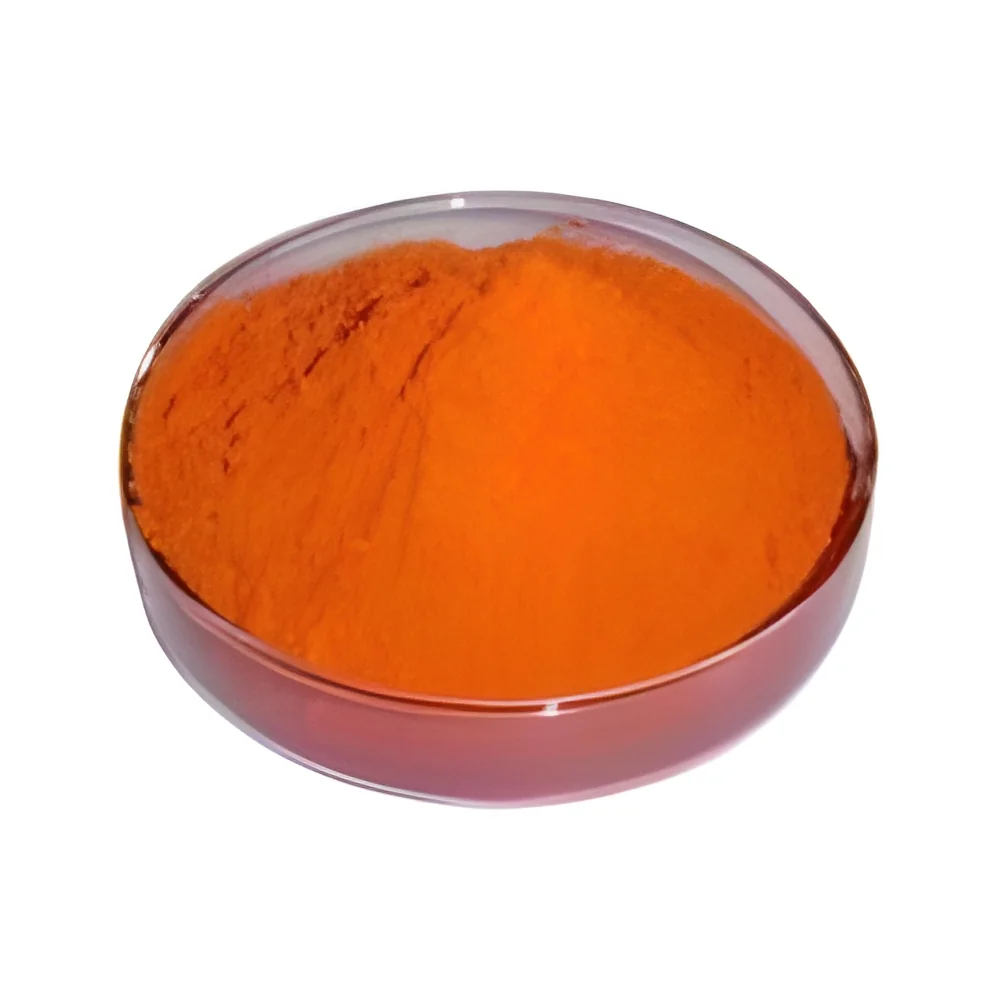
 India
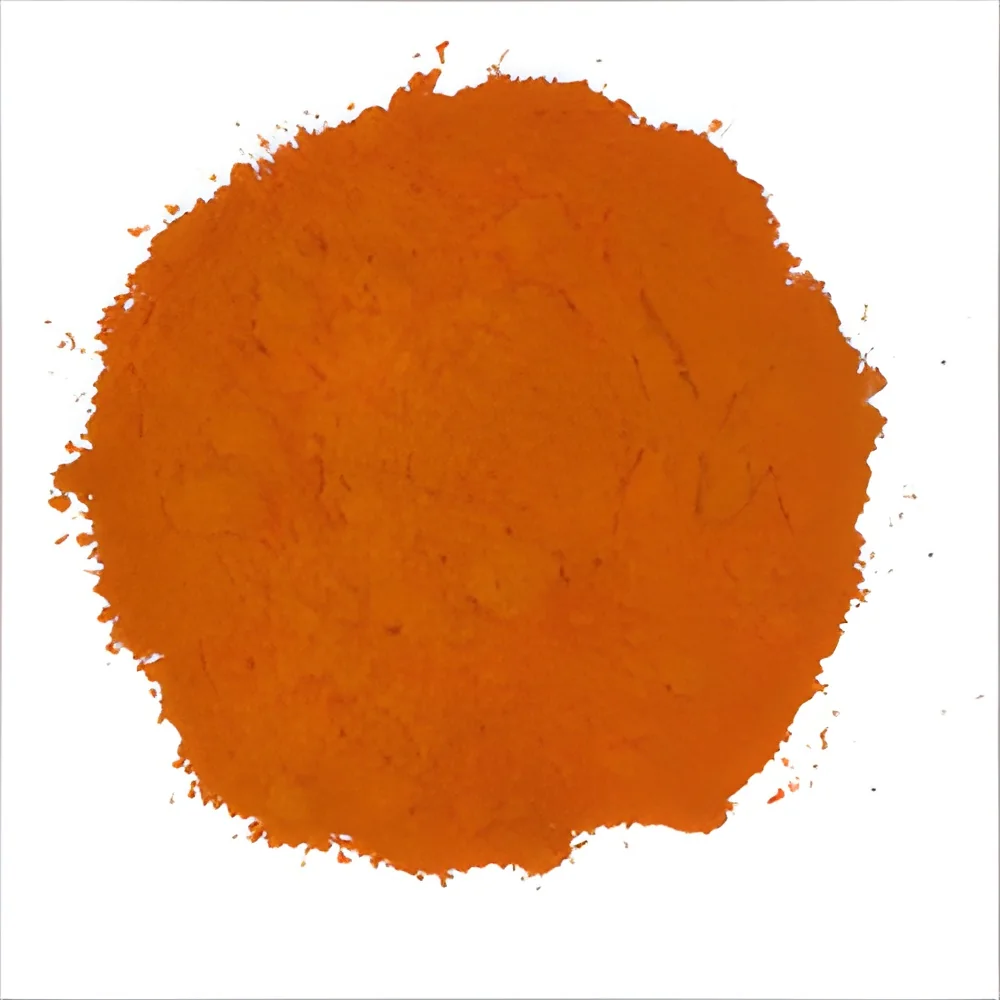
 India
 India
 India
 India

 India
 India
 India
 India

Frequently Asked Questions
What are Direct Dyes?
Direct Dyes are a class of dyes that can be applied directly to fabrics without the need for a mordant. They are water-soluble and are commonly used for dyeing cotton, rayon, and other cellulosic fibers. Direct Dyes provide bright colors and are valued for their ease of use in textile applications.
What are the different types of Direct Dyes?
There are several types of Direct Dyes, including basic direct dyes, metal complex dyes, and pre-metallized dyes. Each type varies in terms of colorfastness and application methods. The choice of dye type often depends on the specific fabric being dyed and the desired outcome.
How do I choose the right Direct Dyes?
When choosing Direct Dyes, consider the type of fabric, the desired color intensity, and the end-use of the dyed material. It is also important to check for compatibility with dyeing processes and any required finishing treatments. Consulting with suppliers or manufacturers can provide additional insights into the best options for your needs.
What are the standard specifications for Direct Dyes?
Standard specifications for Direct Dyes typically include characteristics such as color strength, solubility, and pH levels. Additionally, the dyes should conform to regulations regarding safety and environmental impact. Suppliers often provide technical data sheets that outline these specifications.
What is the price range for Direct Dyes?
The price of Direct Dyes can vary widely based on factors such as dye type, quality, and supplier. Generally, prices can range from INR 200 to INR 1,500 per kilogram. Bulk purchases may offer cost savings, so it is advisable to inquire about pricing when sourcing.
What quality standards apply to Direct Dyes?
Quality standards for Direct Dyes often include compliance with international regulations such as REACH and GOTS. These standards ensure that the dyes are safe for use and environmentally friendly. Manufacturers should provide certifications to validate their products meet these quality benchmarks.
Where can I find Direct Dyes suppliers in India?
Direct Dyes suppliers in India can be found through various B2B marketplaces, trade shows, and industry directories. Online platforms like Pepagora.com offer listings of manufacturers and suppliers specializing in Direct Dyes. It is advisable to compare multiple suppliers to ensure competitive pricing and quality.
Can Direct Dyes be customized?
Yes, many manufacturers offer customization options for Direct Dyes, allowing clients to specify colors, formulations, and concentrations. Customization may be subject to minimum order quantities and lead times. It is best to discuss specific requirements directly with suppliers.
What is the typical minimum order quantity for Direct Dyes?
The typical minimum order quantity (MOQ) for Direct Dyes can vary by supplier but is generally around 25 to 50 kilograms. Smaller quantities may be available for testing purposes, but standard orders often require higher MOQs. Always check with the supplier for their specific policies.
What is the typical lead time for Direct Dyes?
The lead time for Direct Dyes can vary based on the supplier, order volume, and customization requirements. Generally, lead times can range from 1 to 4 weeks from the date of order confirmation. It is advisable to confirm lead times with the supplier during the ordering process.
Why Businesses Trust Pepagora
Thousands of companies trust Pepagora to source smarter and sell faster
Expand Your Sales Globally

Source Smarter,Grow Faster
