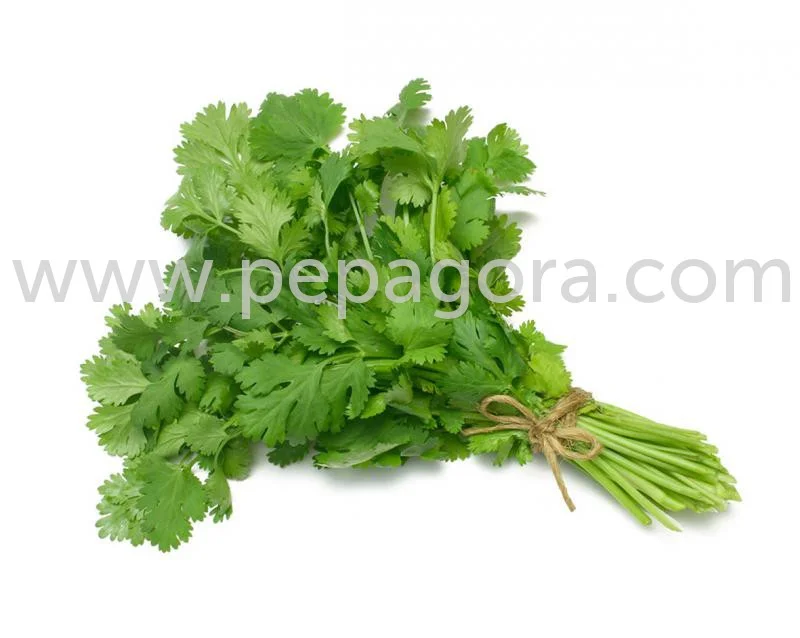
What are Coriander Leaves?
Coriander leaves, also known as cilantro, are the fresh green foliage of the Coriandrum sativum plant. They are widely recognized for their distinctive aroma and flavor, which can enhance a variety of dishes. These leaves are a staple in many culinary traditions, particularly in Asian, Middle Eastern, and Latin American cuisines. Coriander leaves are typically harvested when the plant is still young, ensuring maximum freshness and flavor.
In business applications, coriander leaves are utilized in various industries, including food production, culinary arts, and herbal medicine. They serve as a key ingredient in sauces, salads, and garnishes, contributing both taste and visual appeal. Moreover, the leaves are often included in health supplements due to their nutritional properties. The market for coriander leaves has been steadily growing, driven by increased demand in both domestic and international markets.
Key Features and Specifications
Coriander leaves come with several important features and specifications that buyers should consider. These attributes ensure that the product meets industry standards and customer expectations.
Key specifications include:
1. Freshness
- Leaves are typically harvested and packaged within 24 hours.
- Ideal for use within 7 days of harvest to ensure optimal flavor.
2. Aroma
- Characteristic strong, citrus-like fragrance.
- Essential for enhancing the sensory experience in culinary applications.
3. Size and Appearance
- Leaves are bright green, with a soft texture.
- Uniform size, typically measuring 2-5 cm in length.
4. Nutritional Content
- Rich in vitamins A, C, and K.
- Contains antioxidants beneficial for health.
5. Packaging
- Available in bulk or retail-friendly packaging.
- Vacuum-sealed options to maintain freshness.
6. Shelf Life
- Best consumed fresh, with a typical shelf life of 5-7 days when refrigerated.
7. Compliance
- Adheres to food safety standards, including CE certification.
Coriander leaves provide a unique combination of flavor and nutritional benefits, making them a valuable ingredient in many products.
Common Applications and Use Cases
Coriander leaves serve various industries due to their versatile nature.
1. Food and Beverage Industry: Coriander leaves are widely used in restaurants and food processing for flavoring dishes such as curries, soups, and salads.
2. Culinary Arts: Professional chefs often incorporate coriander leaves in their creations, enhancing the culinary experience through their unique aroma and taste.
3. Herbal Medicine: These leaves are used in health supplements for their nutritional properties and potential health benefits.
4. Catering Services: Event caterers utilize coriander leaves to garnish dishes, adding visual appeal and enhancing flavor profiles.
5. Export Market: There is a growing demand for fresh coriander leaves in international markets, particularly in regions where they are not locally grown.
Product Variants and Subcategories
Coriander leaves are available in various forms, catering to different customer needs.
Fresh Coriander Leaves: These are the most common form, harvested and sold shortly after picking. They offer the best flavor and aroma, ideal for culinary use.
Dried Coriander Leaves: Also known as coriander powder, this variant is made by drying and grinding the leaves. While it has a different flavor profile, it is convenient for long-term storage and use.
Frozen Coriander Leaves: This option preserves the freshness and flavor of the leaves for extended periods. They can be used directly in cooking without thawing.
Benefits and Advantages
Coriander leaves offer numerous benefits that make them a preferred choice for various applications.
1. Nutritional Value: Rich in vitamins and antioxidants, coriander leaves contribute to a healthy diet.
2. Flavor Enhancement: These leaves provide a distinctive taste that can elevate the quality of many dishes.
3. Versatility: Coriander leaves can be used in a wide range of cuisines and applications, from fresh salads to cooked dishes.
4. Convenience: Available in fresh, dried, and frozen forms, making them easy to incorporate into recipes.
5. Health Benefits: Known for their potential anti-inflammatory and digestive properties, coriander leaves can support overall health.
6. Sustainability: Sourced from sustainable farms, coriander leaves have a lower environmental impact compared to many other crops.
Buying Guide for B2B Buyers
When sourcing coriander leaves, businesses should consider several key factors to ensure they receive high-quality products.
1. Quality Assessment: Evaluate the freshness and appearance of the leaves. Look for bright green color and uniform size to ensure quality.
2. Supplier Verification: Vet suppliers to confirm their credibility and reliability. Check for certifications and customer reviews.
3. Pricing and MOQ: Understand the pricing structure and minimum order quantities. Negotiate terms that suit your business needs.
4. Delivery and Lead Times: Discuss logistics to ensure timely delivery based on your production schedule.
5. Compliance Requirements: Be aware of any regulatory standards that apply to the sourcing of coriander leaves, including food safety certifications.
Compliance and Certifications
Coriander leaves must meet various compliance and certification standards to ensure their safety and quality in the market.
Relevant quality standards include ISO 9001, which ensures consistent quality management systems. HACCP (Hazard Analysis Critical Control Point) is crucial for identifying potential food safety hazards. Additionally, Good Distribution Practice (GDP) ensures that products are stored and transported under optimal conditions.
Industry certifications such as CE signify compliance with health, safety, and environmental protection standards. Testing requirements typically involve verifying pesticide residues and microbial content to maintain safety.
In regional contexts, buyers must consider compliance with local food safety regulations which may vary from one country to another, ensuring that the product meets all necessary legal requirements.
Why Source Coriander Leaves from Pepagora?
Pepagora provides a trusted platform for sourcing coriander leaves, offering several key advantages for B2B buyers.
Verified Supplier Network: Pepagora connects buyers with a network of verified suppliers. This ensures that you are dealing with reputable sources who maintain high standards of quality.
Streamlined RFQ Process: The request for quotation process is simplified, allowing buyers to easily compare options and make informed decisions quickly.
Trade Assurance and Support: Buyers benefit from trade assurance programs that protect their purchases, ensuring satisfaction with their transactions.
Regional Coverage: Pepagora offers extensive regional coverage, facilitating access to suppliers in India, the GCC, and Southeast Asia, ensuring that businesses can find the best sources for their needs.

 IN
IN