What are Chemical Resistant Piping Systems?
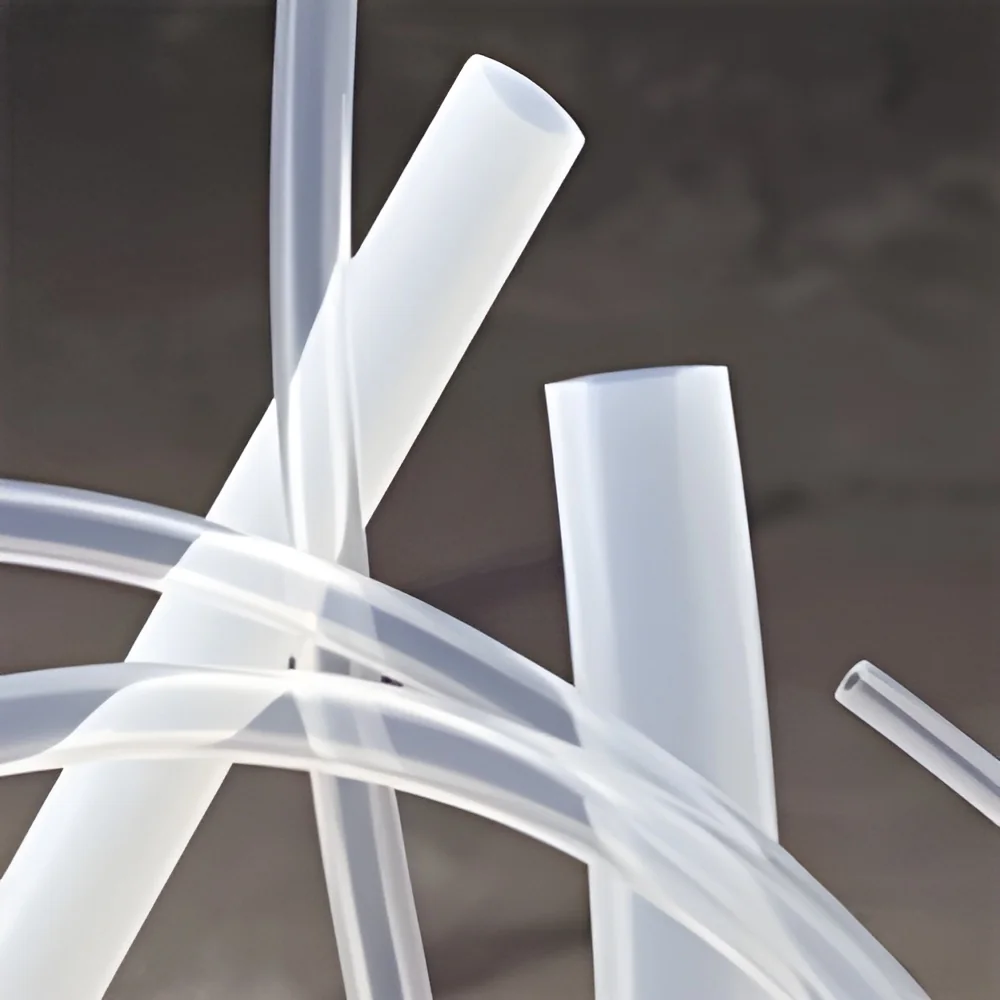
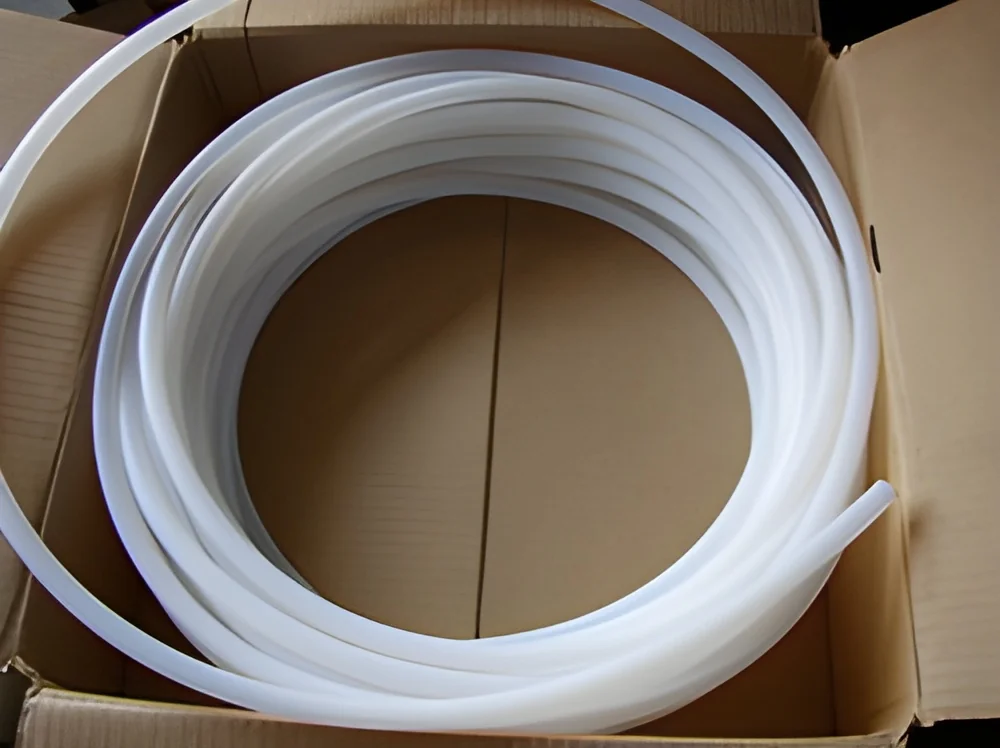
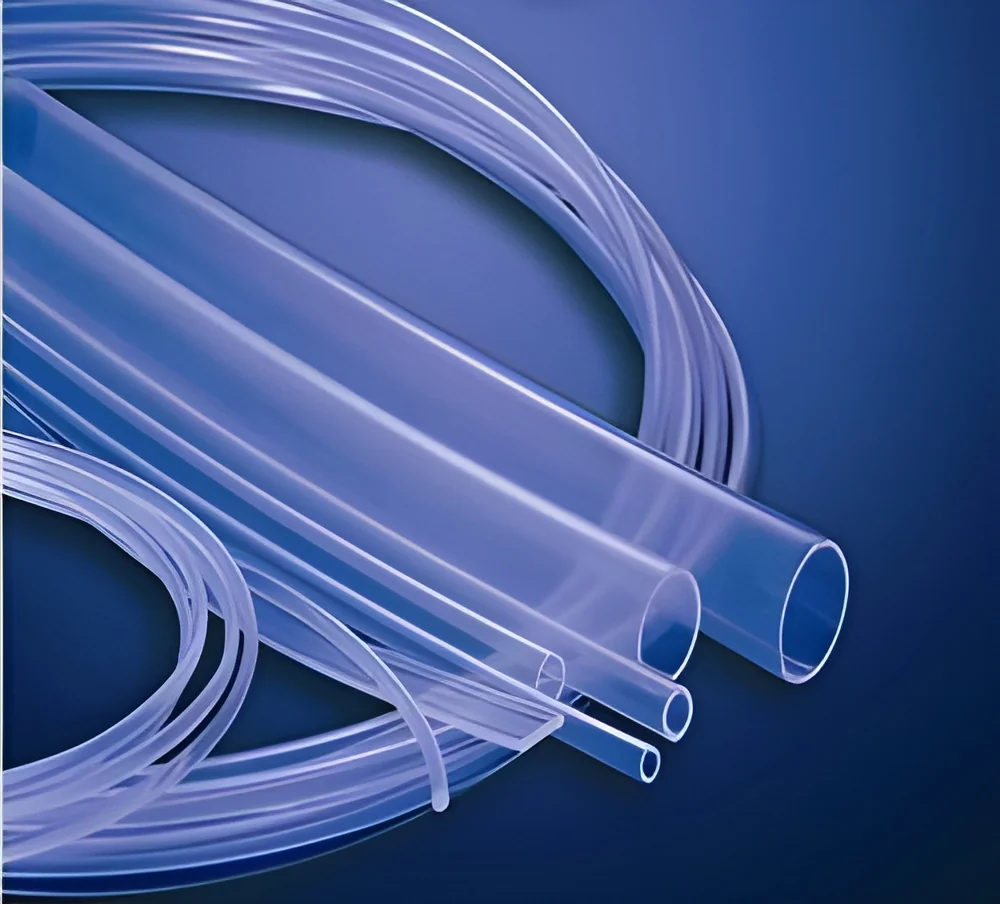
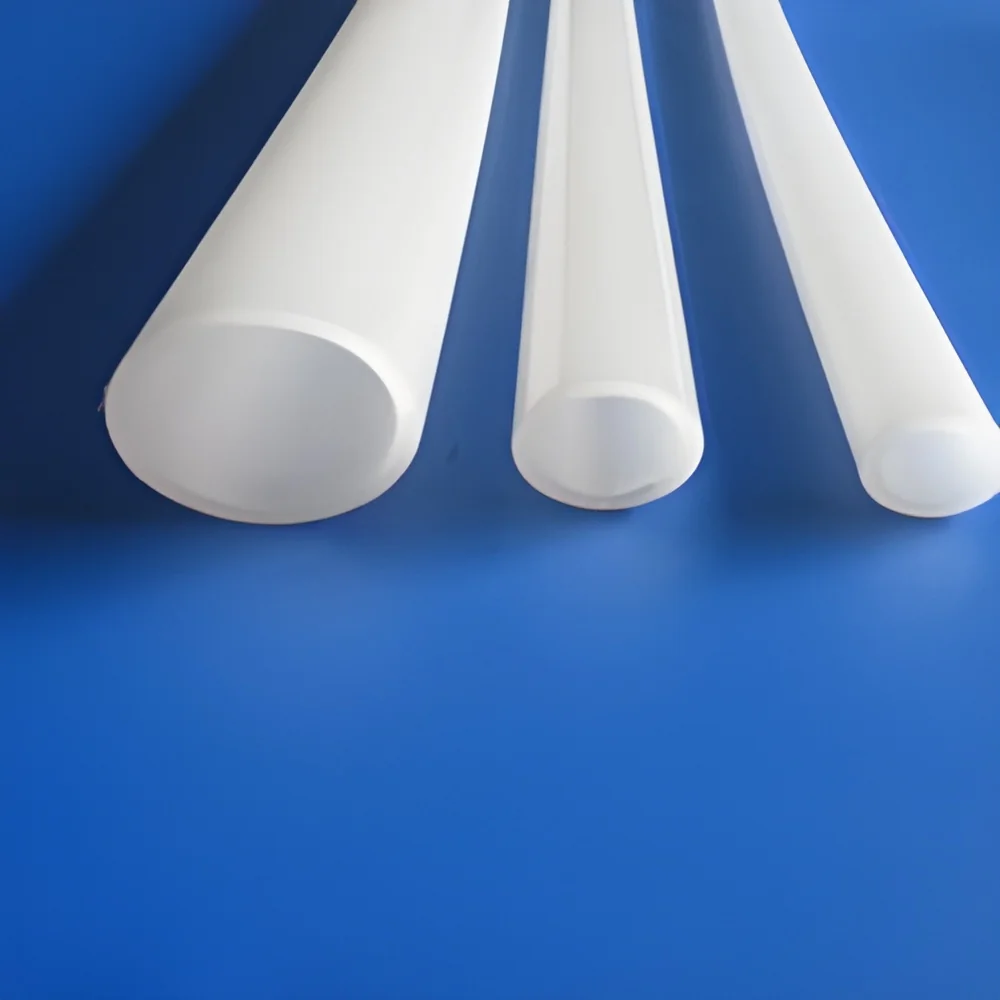
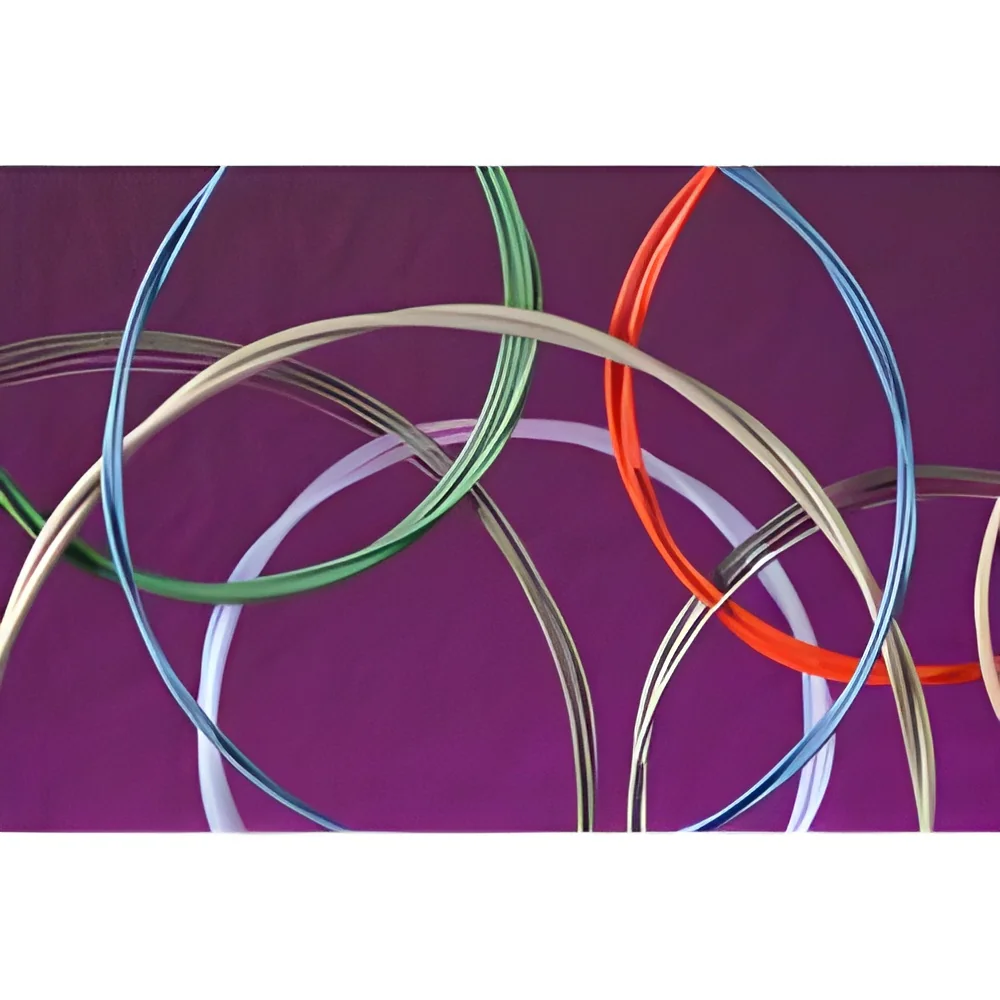
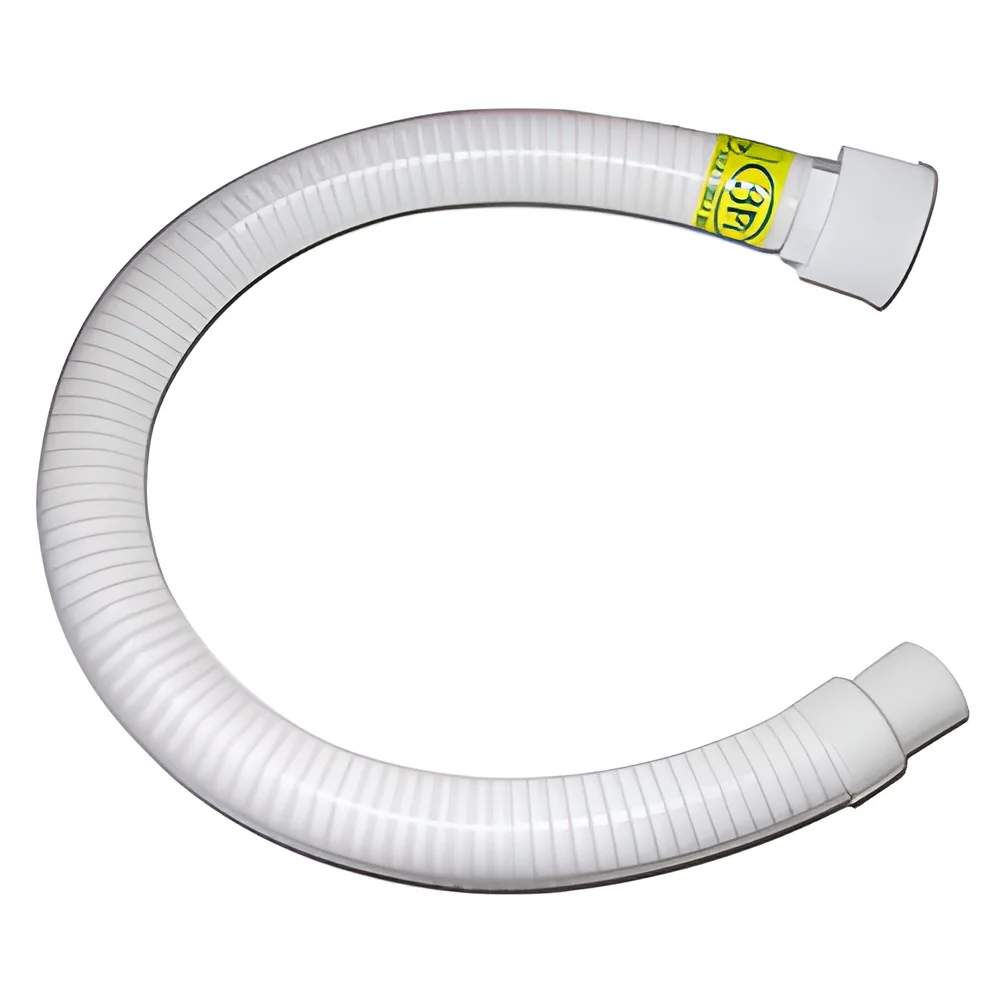
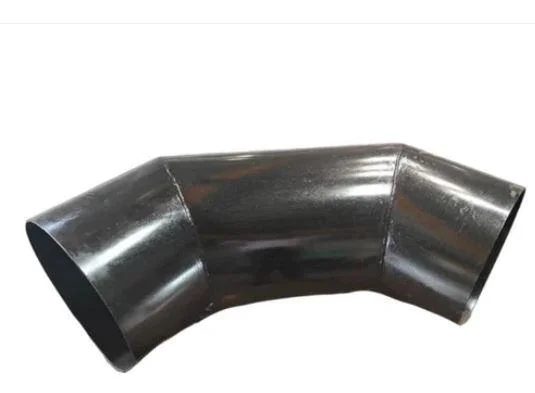
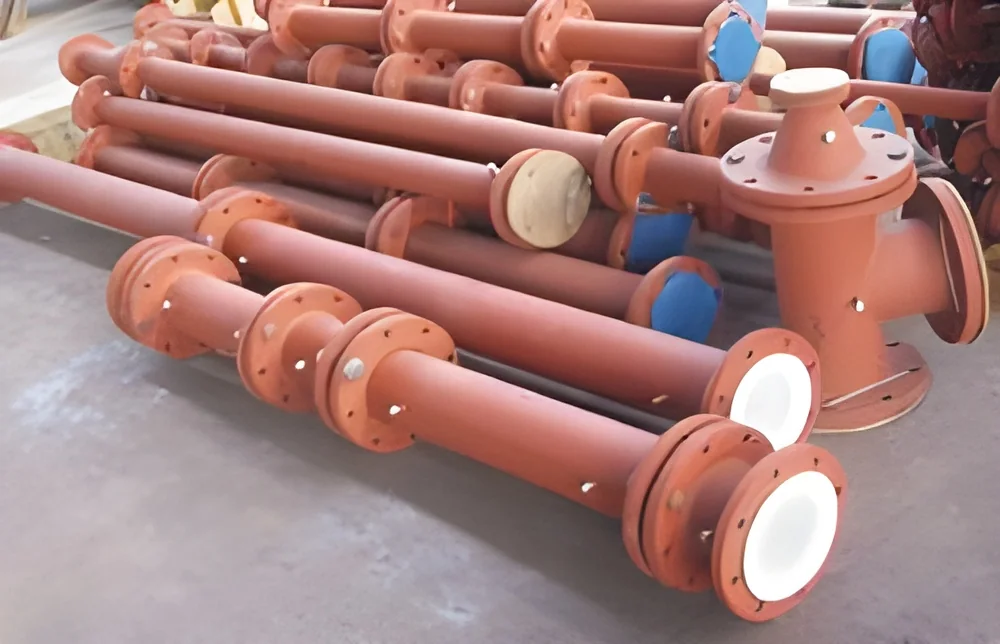
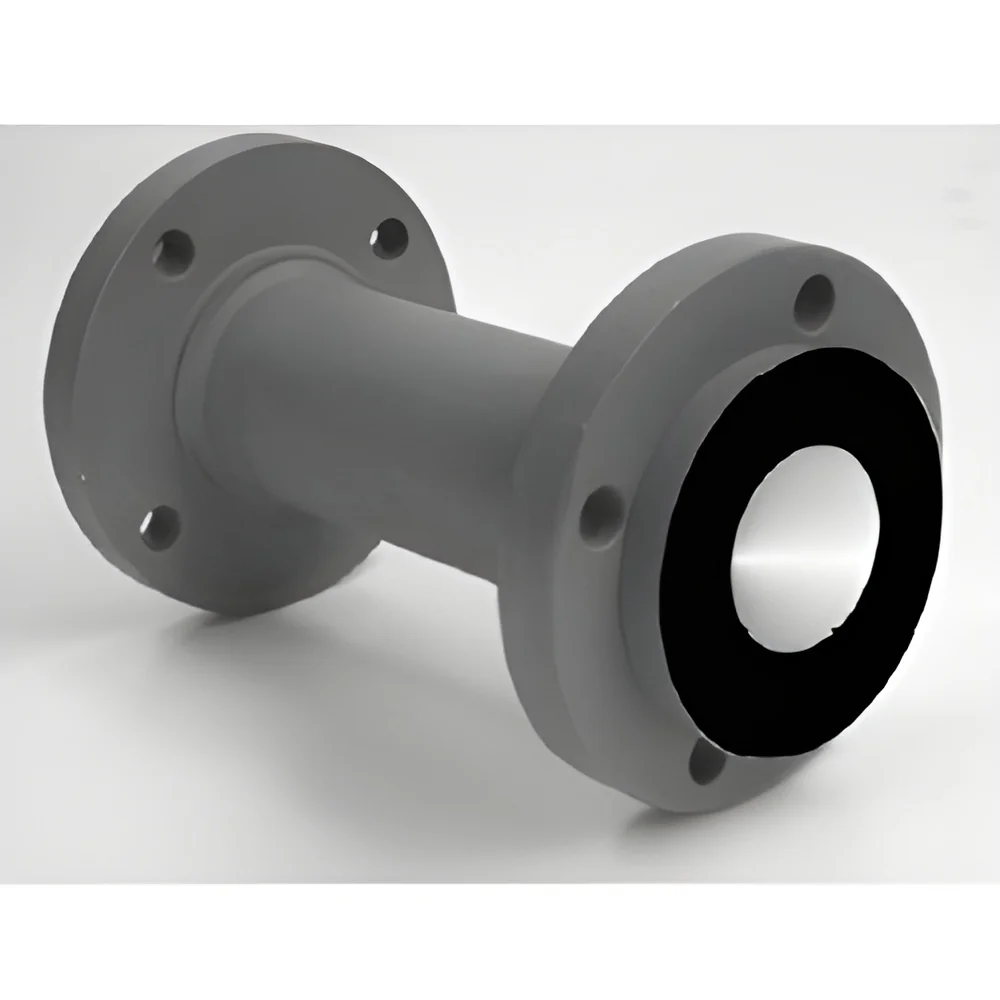
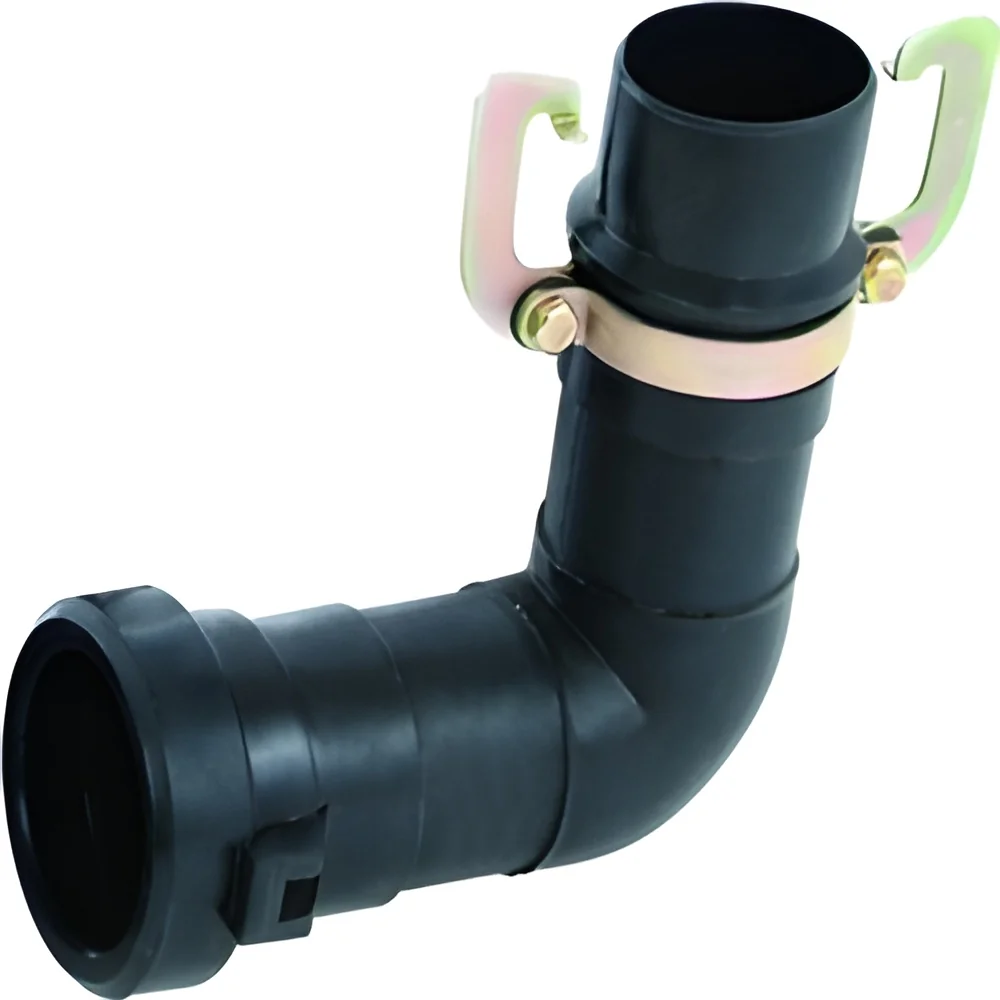
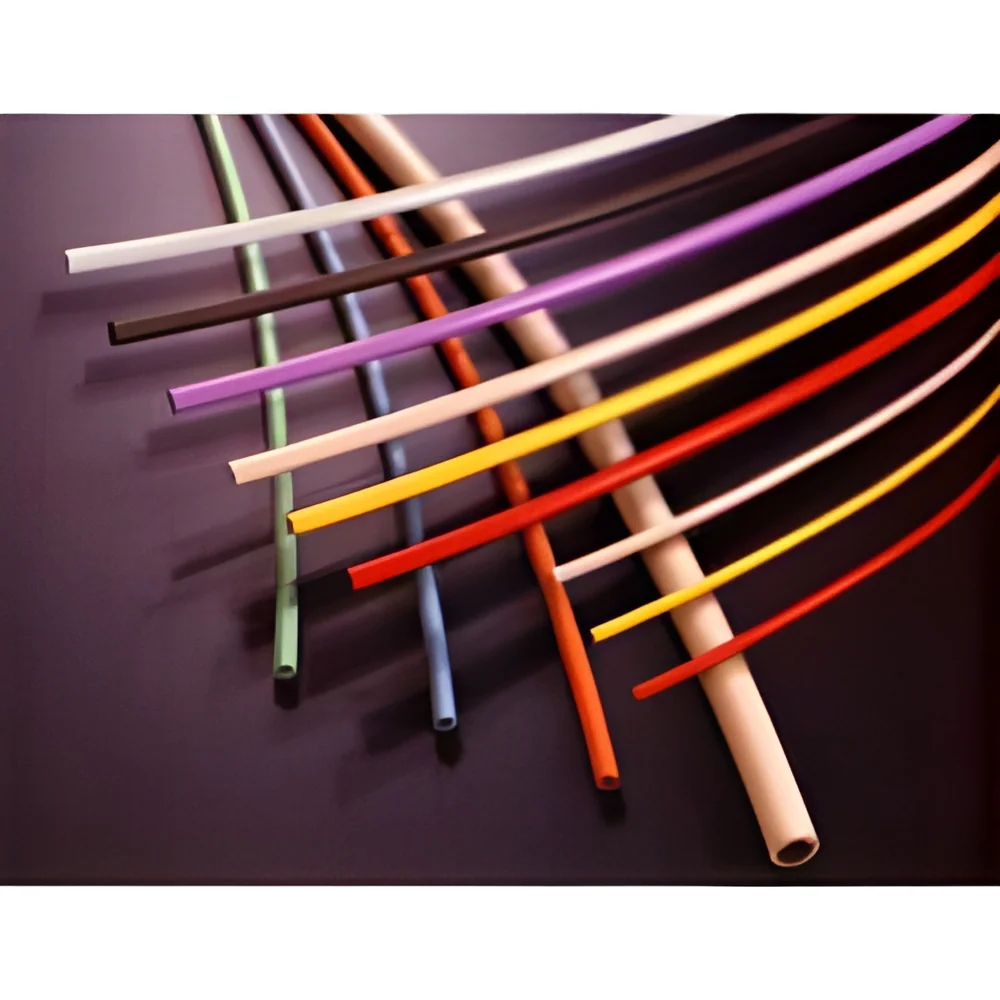
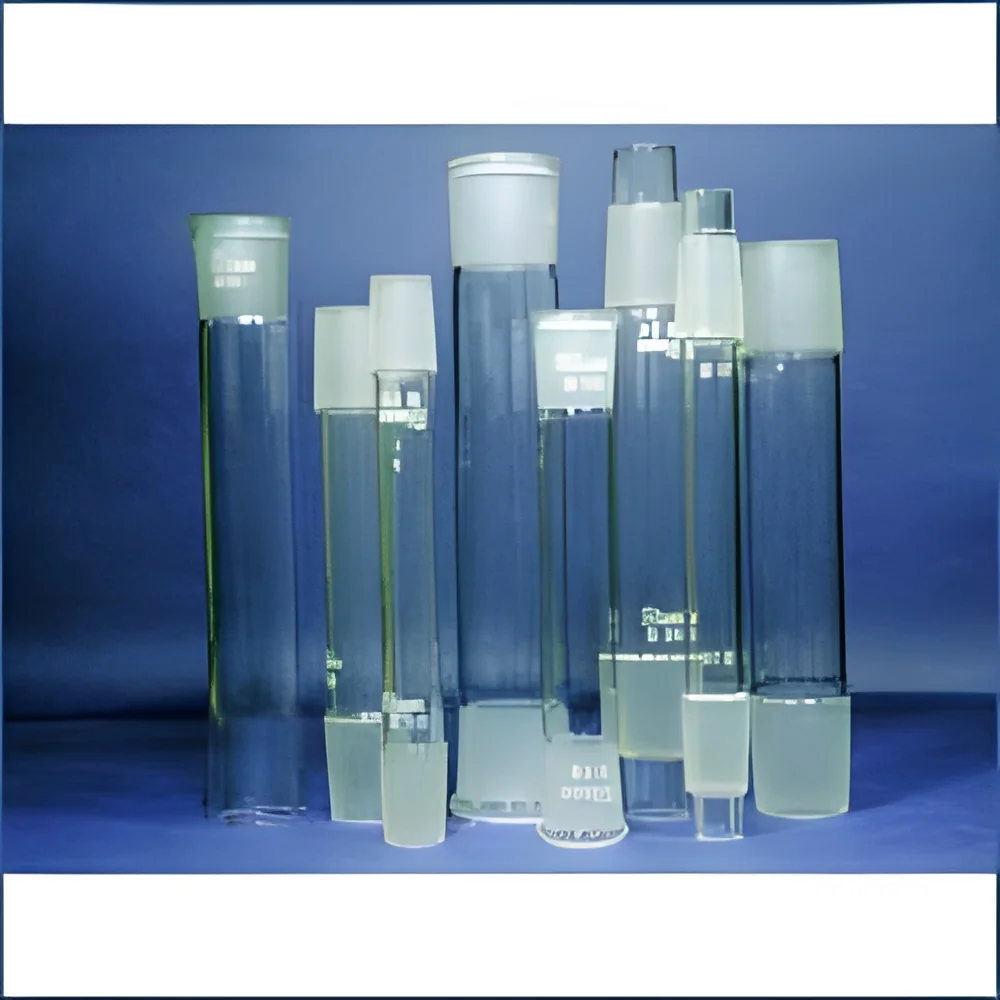
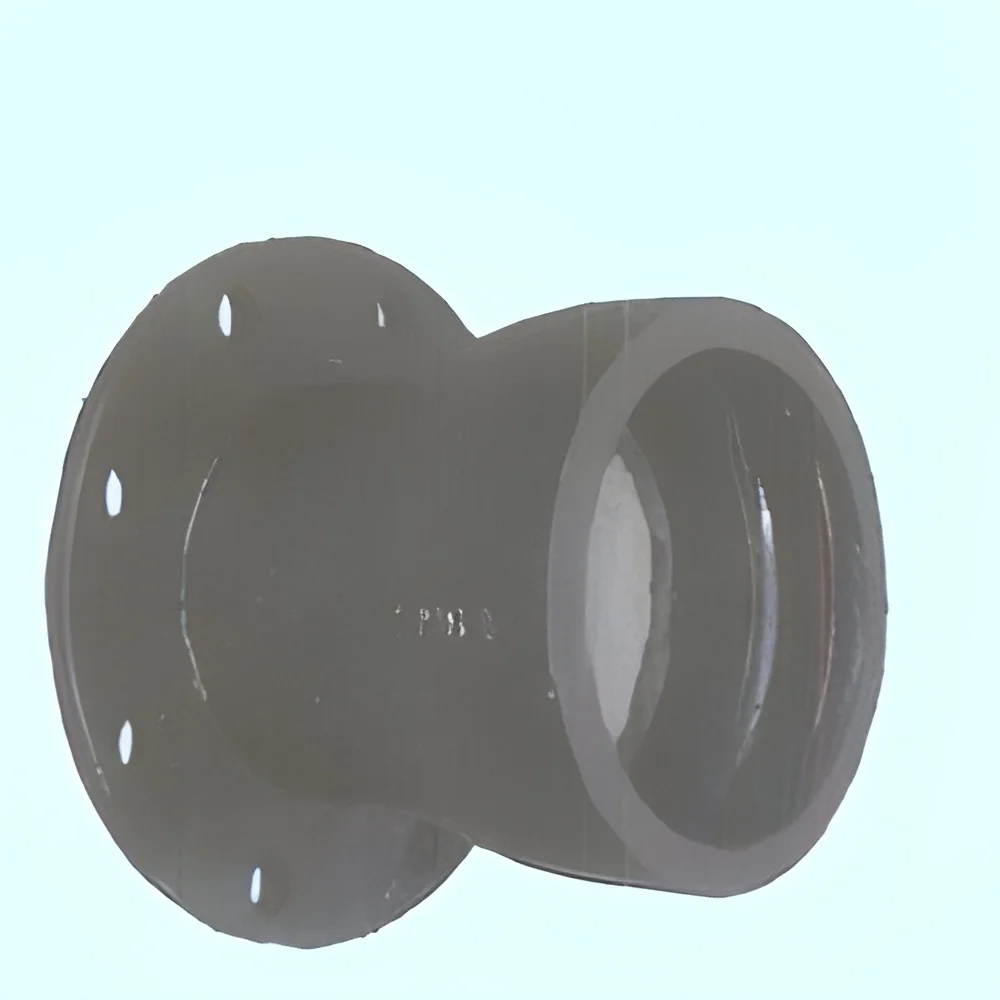
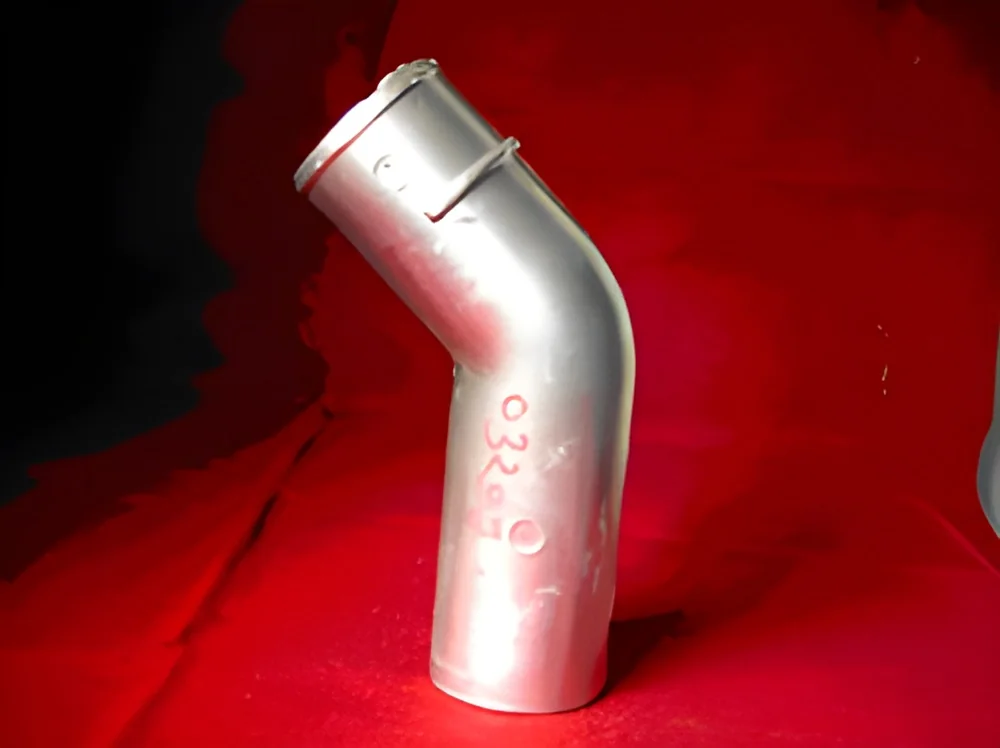
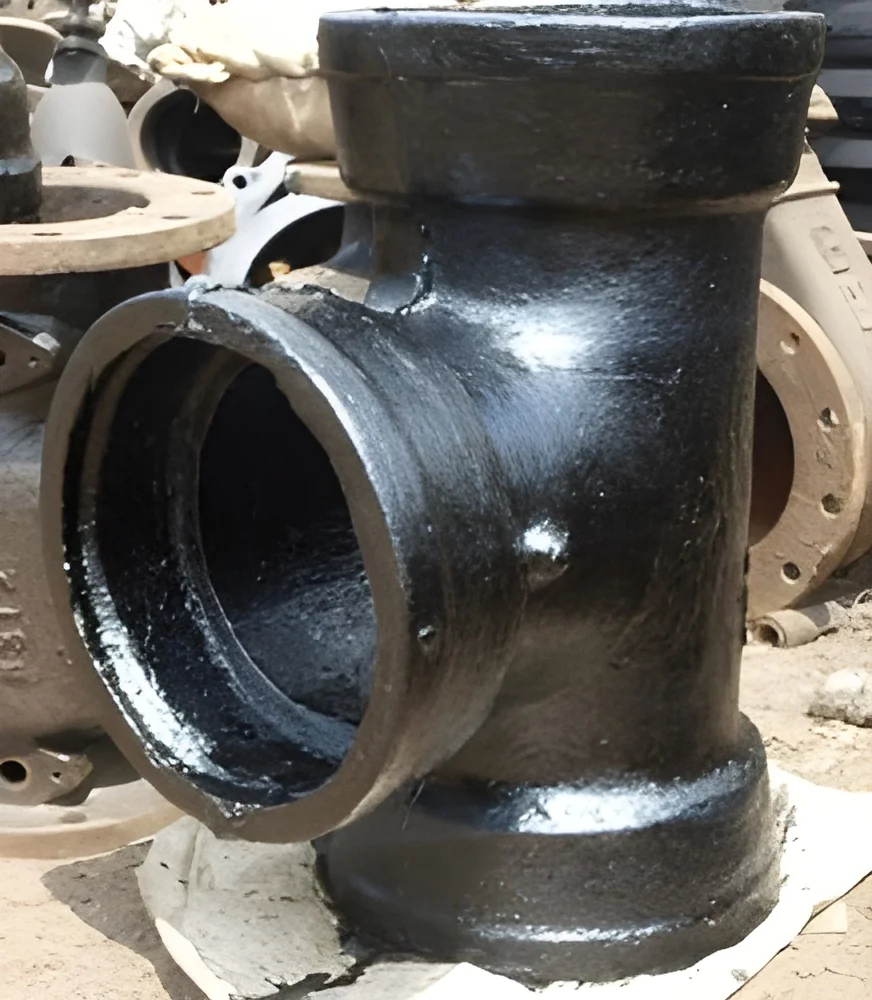
Chemical Resistant Piping Systems are specially designed piping solutions that can withstand exposure to a variety of aggressive chemicals without degrading or losing functionality. These systems are essential for safely transporting corrosive substances in various industrial environments. Constructed from materials that resist chemical reactions, these piping systems ensure the integrity of the transportation process and protect both the environment and personnel.
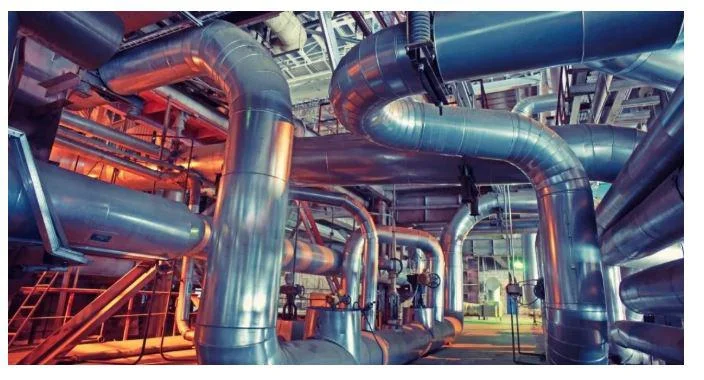
These systems are commonly used in industries such as chemical manufacturing, pharmaceuticals, petrochemicals, and food processing. Their ability to maintain performance under extreme conditions makes them vital for applications where traditional piping materials would fail. Chemical Resistant Piping Systems are also crucial for maintaining compliance with safety regulations and ensuring operational efficiency.
In today's market, the demand for Chemical Resistant Piping Systems continues to grow as industries increasingly focus on safety and environmental impact. Companies are seeking durable solutions that minimize risk and downtime. As such, these systems are a key component in modern industrial infrastructure, reflecting a commitment to safety and sustainability.
Key Features and Specifications
Chemical Resistant Piping Systems come equipped with various features and specifications that set them apart from standard piping systems. The materials used in their construction often include high-performance plastics and specialized alloys that enhance their durability and resistance properties.
Key specifications include:
1. Material Composition
- Typically made from high-density polyethylene (HDPE), polypropylene (PP), or fluoropolymer materials.
- Offers superior resistance to a wide range of chemicals and temperatures.
2. Pressure Rating
- Rated to handle specific pressure levels depending on the application, commonly ranging from 150 psi to 300 psi.
- Ensures reliability and safety during operation.
3. Temperature Tolerance
- Designed to function effectively within a specific temperature range, typically from -40°C to 120°C.
- Maintains structural integrity under varying thermal conditions.
4. Pipe Diameter
- Available in various diameters, commonly ranging from 1 inch to 10 inches.
- Provides flexibility for different industrial needs.
5. Jointing Systems
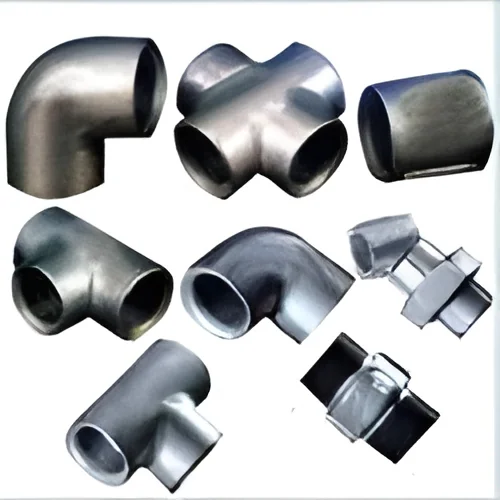
- Utilizes fusion welding, adhesive bonding, or mechanical fittings for secure connections.
- Ensures leak-proof performance and ease of installation.
6. Compliance Standards
- Meets industry-specific standards such as CE certification.
- Ensures adherence to safety regulations and quality assurance.
7. Lifespan
- Expected lifespan ranges from 20 to 50 years, depending on material and environmental conditions.
- Reduces the need for frequent replacements, minimizing operational costs.
8. Customization Options
- Can be customized to meet specific application requirements.
- Offers tailored solutions for unique industrial challenges.
In summary, Chemical Resistant Piping Systems are engineered with high-quality materials and advanced specifications to ensure reliable performance in demanding environments.
Common Applications and Use Cases
Chemical Resistant Piping Systems serve a wide array of industries, each with unique applications that highlight their importance.
1. Chemical Manufacturing: These systems transport raw materials and finished products in processes involving hazardous chemicals, ensuring safety and efficiency.
2. Pharmaceuticals: Used for transferring active ingredients and solvents, these systems maintain purity and prevent contamination.
3. Petrochemicals: Essential for the transfer of crude oil and refined products, they withstand harsh chemical exposure and high pressures.
4. Food Processing: Employed in transporting food-grade chemicals, ensuring compliance with health and safety regulations.
5. Water Treatment: Used to convey chemicals for water purification processes, maintaining the integrity of both the piping and the water.
6. Electronics Manufacturing: Critical in the transport of chemicals used in semiconductor manufacturing, where precision and reliability are paramount.
7. Mining: Utilized in the conveyance of corrosive substances used in mineral extraction processes, ensuring safety in challenging environments.
Product Variants and Subcategories
Chemical Resistant Piping Systems come in various configurations to meet different industrial needs.
Variant 1: HDPE Piping Systems
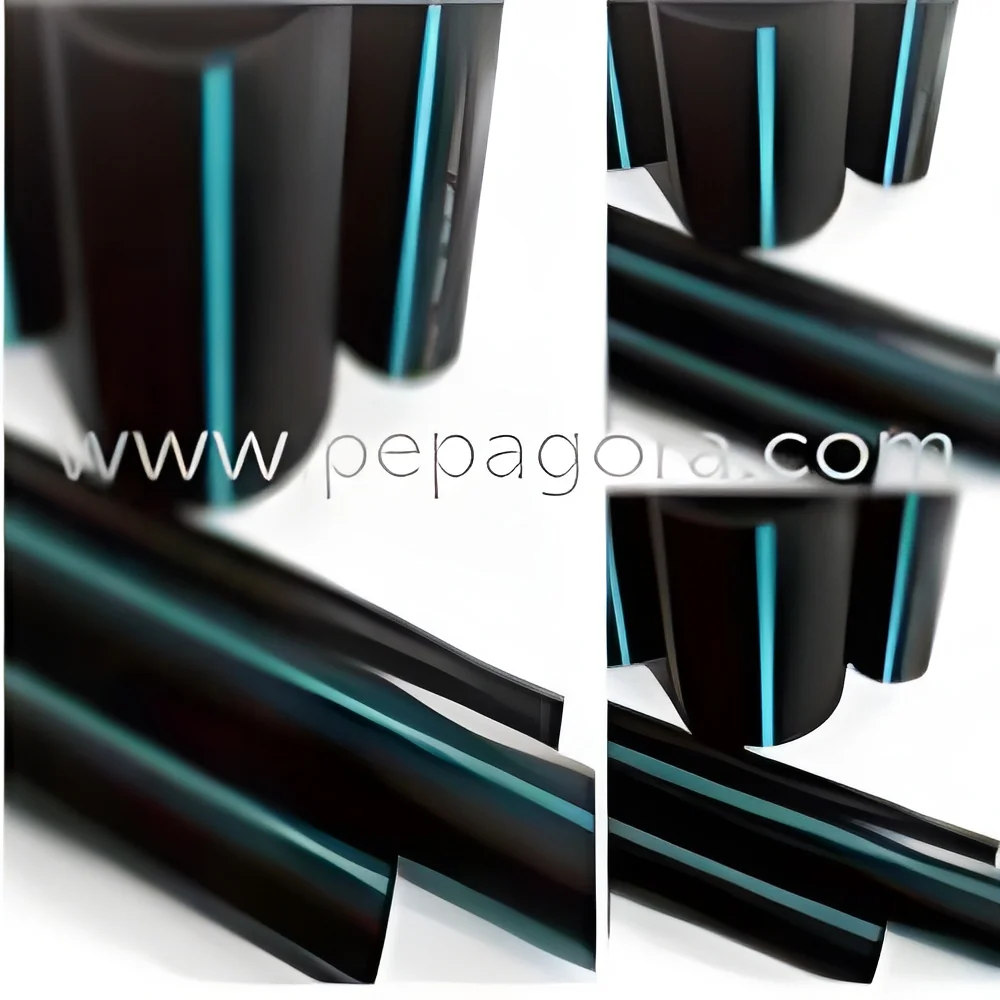
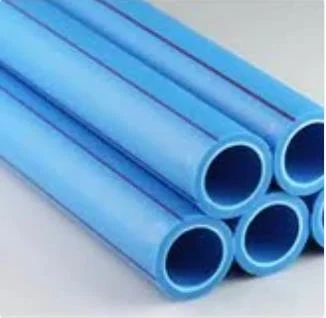
These systems are made from high-density polyethylene, providing excellent chemical resistance and flexibility. They are often used in chemical processing and water transfer applications due to their lightweight and durable nature.
Variant 2: Fluoropolymer Piping Systems
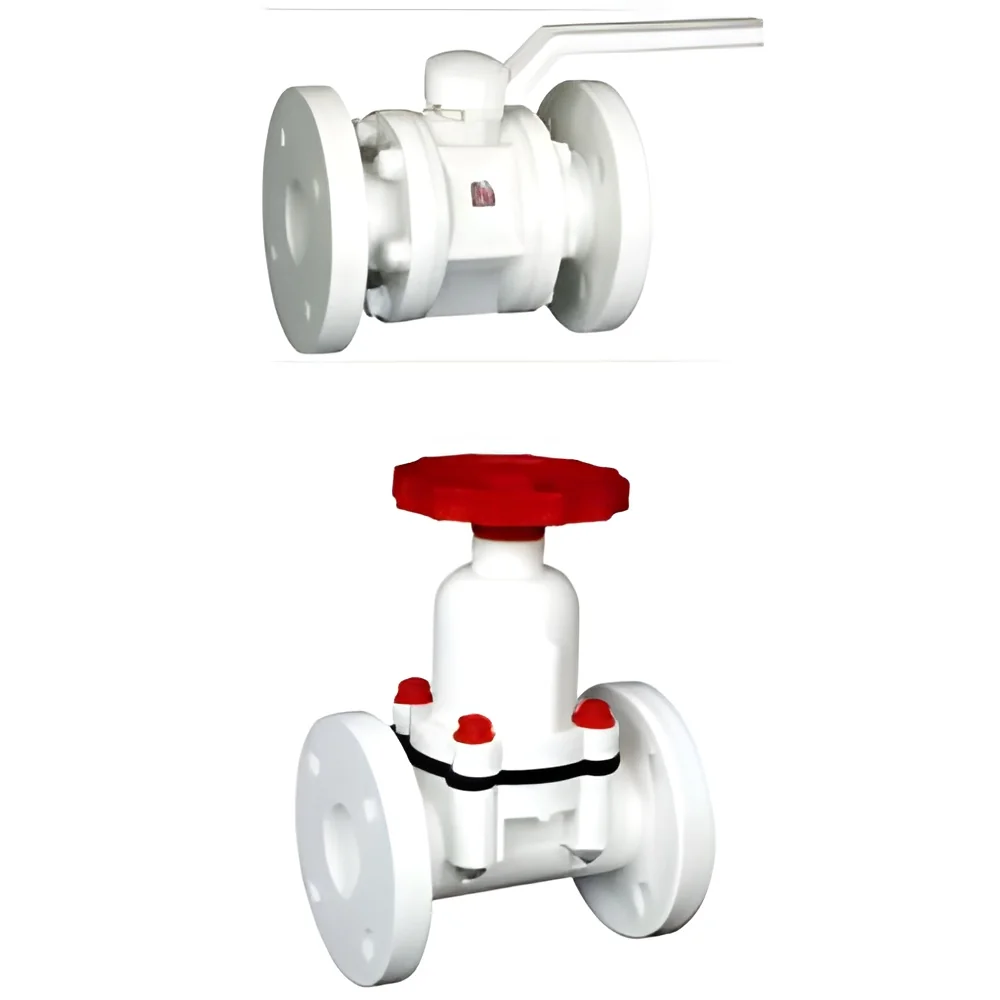
Known for their exceptional chemical inertness, fluoropolymer systems are ideal for transporting harsh chemicals in pharmaceuticals and food processing. Their smooth interior surfaces reduce friction and enhance flow rates.
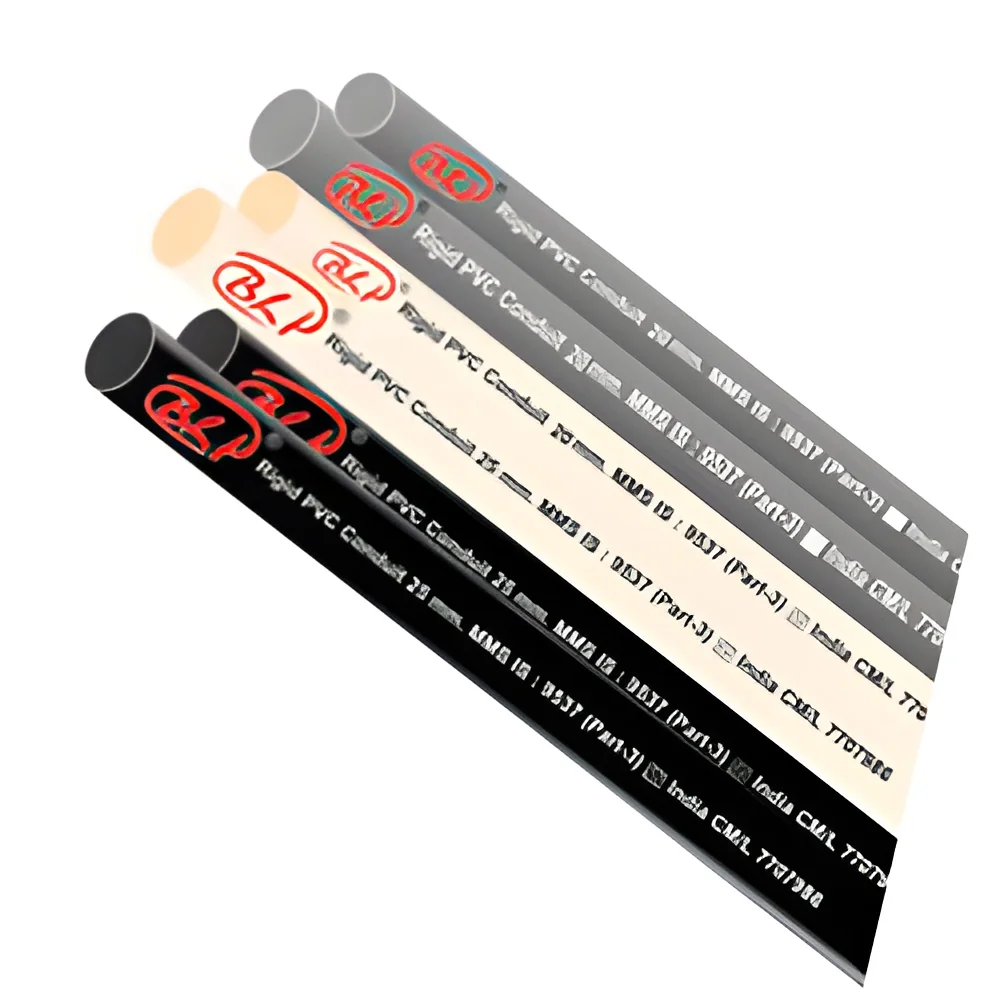
Variant 3: PVC Piping Systems
Polyvinyl chloride pipes offer a cost-effective solution for lower-pressure applications. They are commonly used in wastewater management and chemical drainage due to their chemical resistance and ease of installation.
Benefits and Advantages
Investing in Chemical Resistant Piping Systems brings several advantages to businesses.
1. Enhanced Safety: Reduces the risk of leaks and environmental contamination, ensuring a safer workplace.
2. Cost-Effective: Long lifespan and reduced maintenance needs lead to lower total cost of ownership.
3. High Chemical Resistance: Capable of handling a wide range of aggressive chemicals without degrading.
4. Customizable Solutions: Tailored options to fit specific operational requirements and challenges.
5. Compliance with Regulations: Meets necessary industry standards, ensuring operational legality and safety.
6. Improved Efficiency: Designed for optimal flow characteristics, enhancing overall system performance.
Buying Guide for B2B Buyers
When sourcing Chemical Resistant Piping Systems, several factors should be considered to ensure the best choice for your business needs.
1. Quality Assessment: Always evaluate the quality of materials and construction methods. Look for certifications that verify adherence to industry standards.
2. Supplier Verification: Conduct background checks on suppliers to ensure reliability. Seek references and review their track record in delivering quality products.
3. Pricing and MOQ: Understand the pricing structure and minimum order quantities. Compare offers from multiple suppliers to find the best deal.
4. Delivery and Lead Times: Clarify delivery schedules and lead times to align with your project timelines. Ensure the supplier can meet your operational demands.
5. Compliance Requirements: Be aware of regulatory standards that apply to your industry. Ensure that the products you choose meet these compliance requirements.
Compliance and Certifications
Chemical Resistant Piping Systems are subject to several quality standards and certifications that ensure their reliability and safety.
ISO 9001 is a widely recognized standard that signifies a commitment to quality management systems. Manufacturers who comply with this standard demonstrate their ability to consistently provide products that meet customer and regulatory requirements.
CE certification indicates that the piping systems meet European safety standards. This certification is crucial for companies looking to operate within European markets.
Safety and testing requirements are essential in ensuring that the piping systems can withstand the conditions they will face in real-world applications. Regular testing for chemical resistance, pressure ratings, and temperature limits helps guarantee product performance.
Additionally, regional compliance considerations may vary based on local regulations. It is vital for buyers to understand these requirements to ensure that their chosen systems are compliant with the laws governing their operations.
Why Source Chemical Resistant Piping Systems from Pepagora?
Pepagora is a trusted platform for sourcing Chemical Resistant Piping Systems, offering several key advantages to B2B buyers.
Verified Supplier Network: Pepagora connects buyers with a network of verified suppliers. This ensures that businesses can source high-quality products from reputable manufacturers with proven track records.
Streamlined RFQ Process: The platform simplifies the process of requesting quotes, allowing buyers to obtain competitive pricing quickly. This efficiency helps businesses make informed purchasing decisions.
Trade Assurance and Support: Pepagora provides buyer protection through trade assurance, ensuring that transactions are secure. Additionally, dedicated support teams are available to assist buyers throughout the sourcing process.
Regional Coverage: With a strong presence in India, the GCC, and Southeast Asia, Pepagora offers extensive geographic reach. This allows businesses to access a diverse range of suppliers and products tailored to their regional needs.
In summary, Pepagora is an ideal partner for businesses looking for reliable Chemical Resistant Piping Systems, ensuring quality, efficiency, and compliance in their sourcing efforts.

 IN
IN