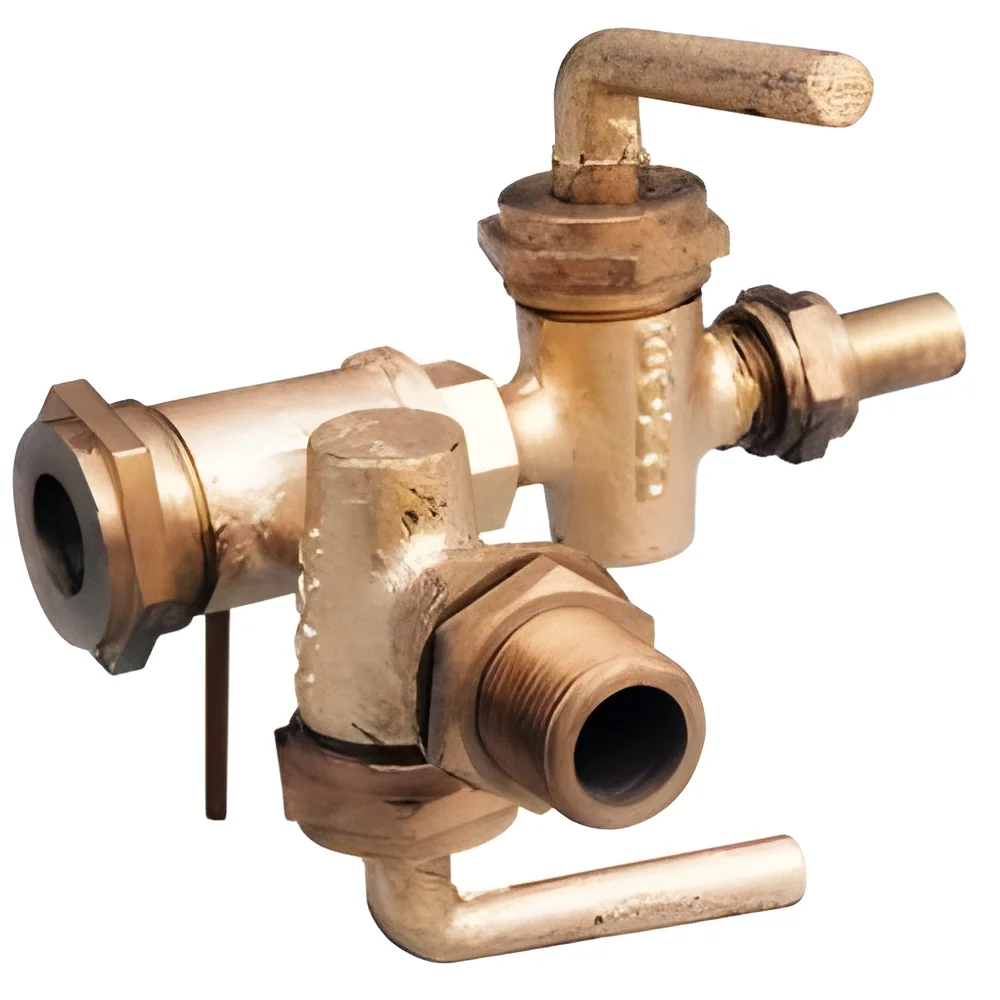
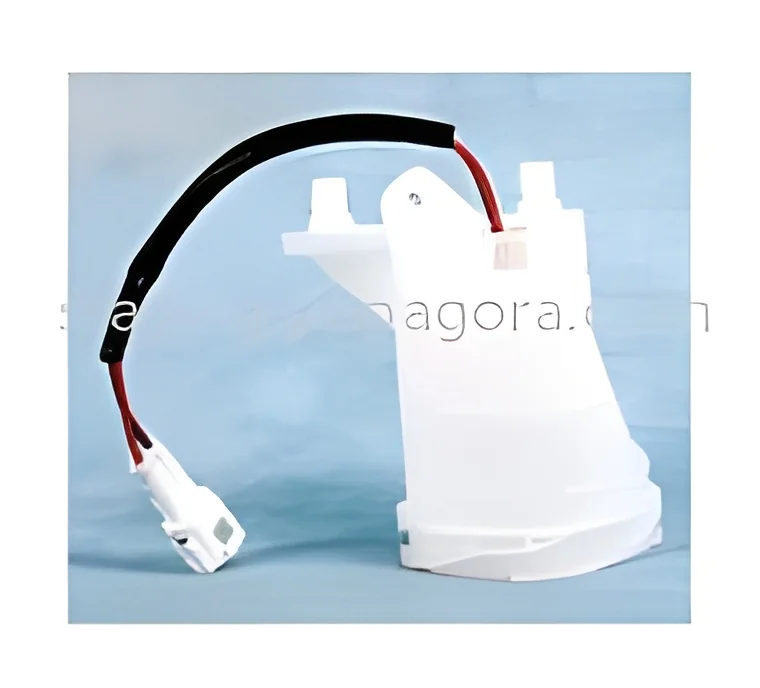
What are Tank Level Indicators & Gauges?
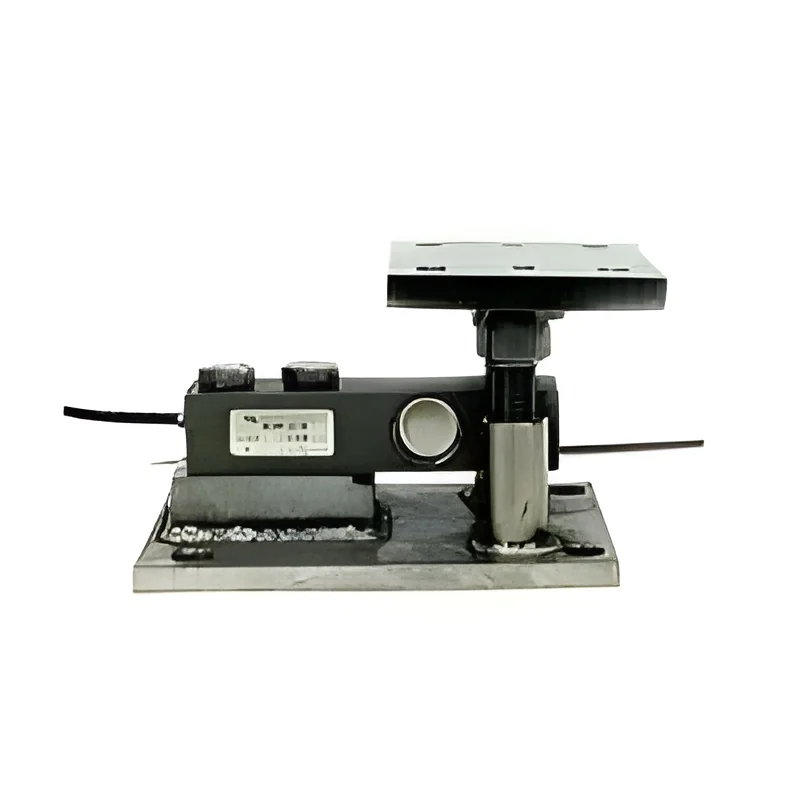
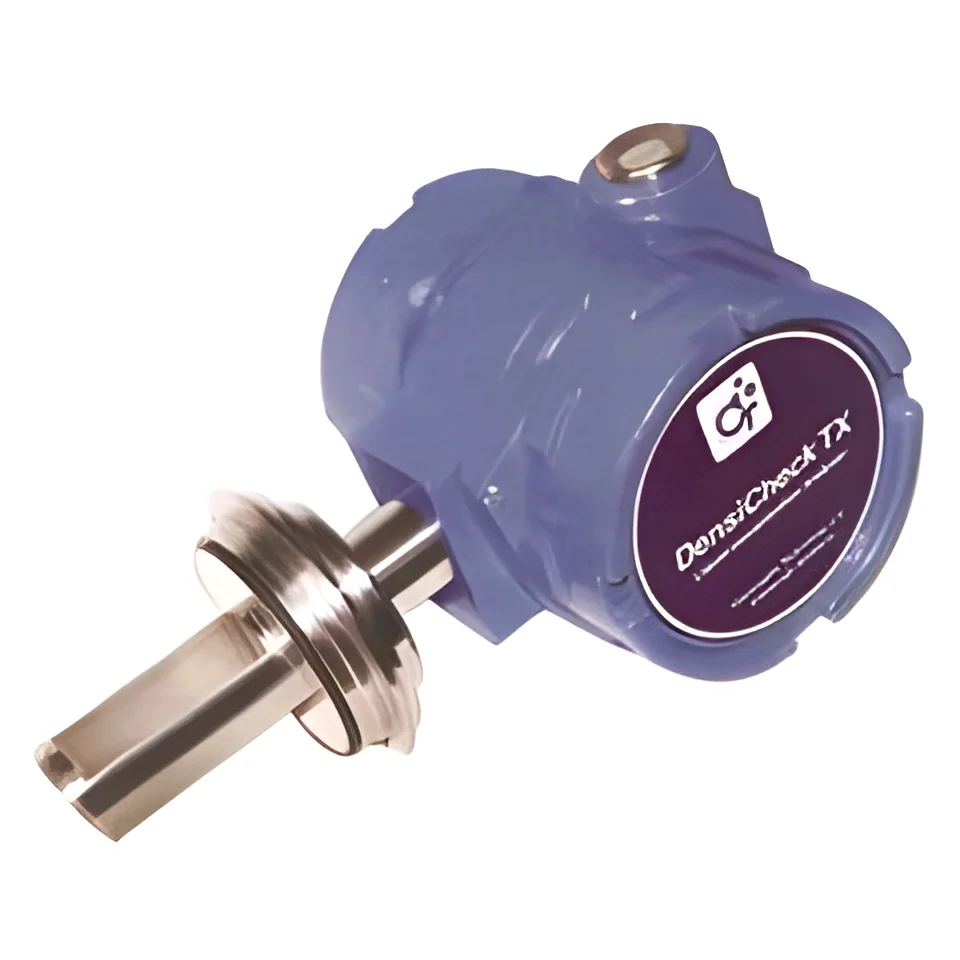
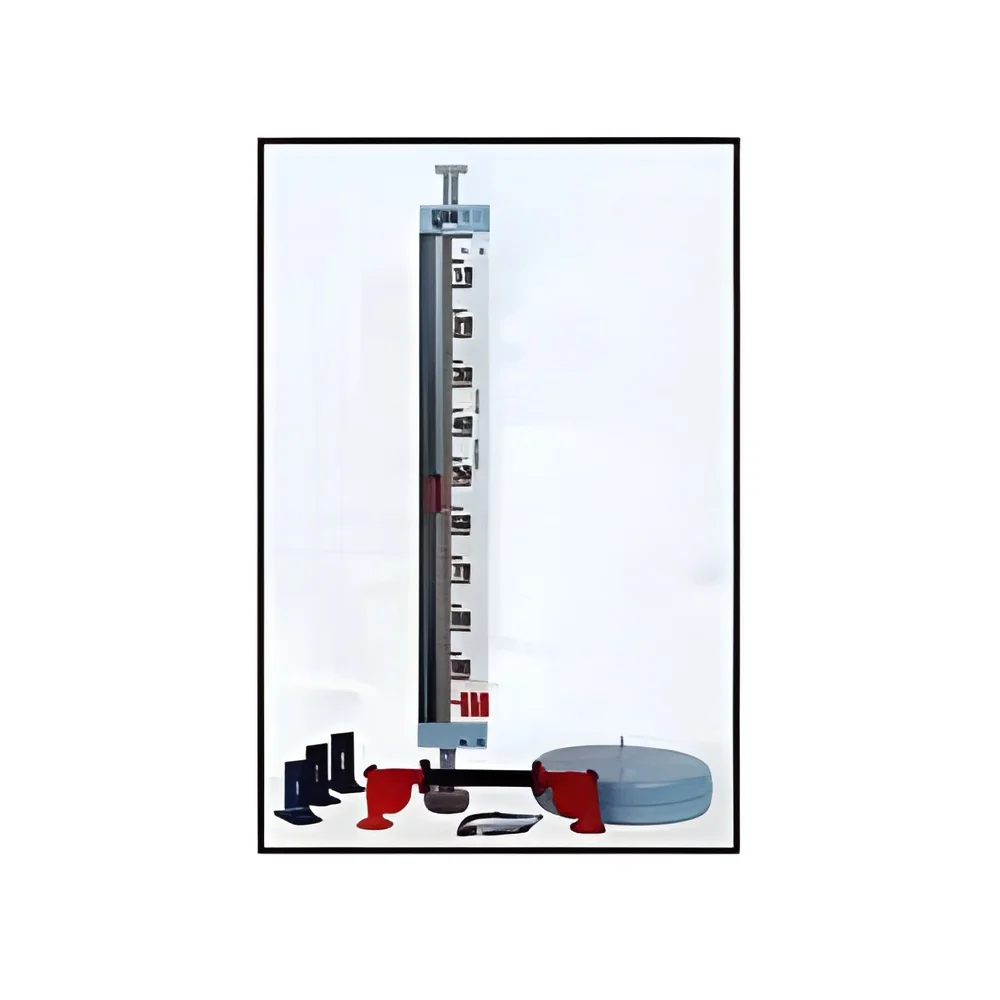
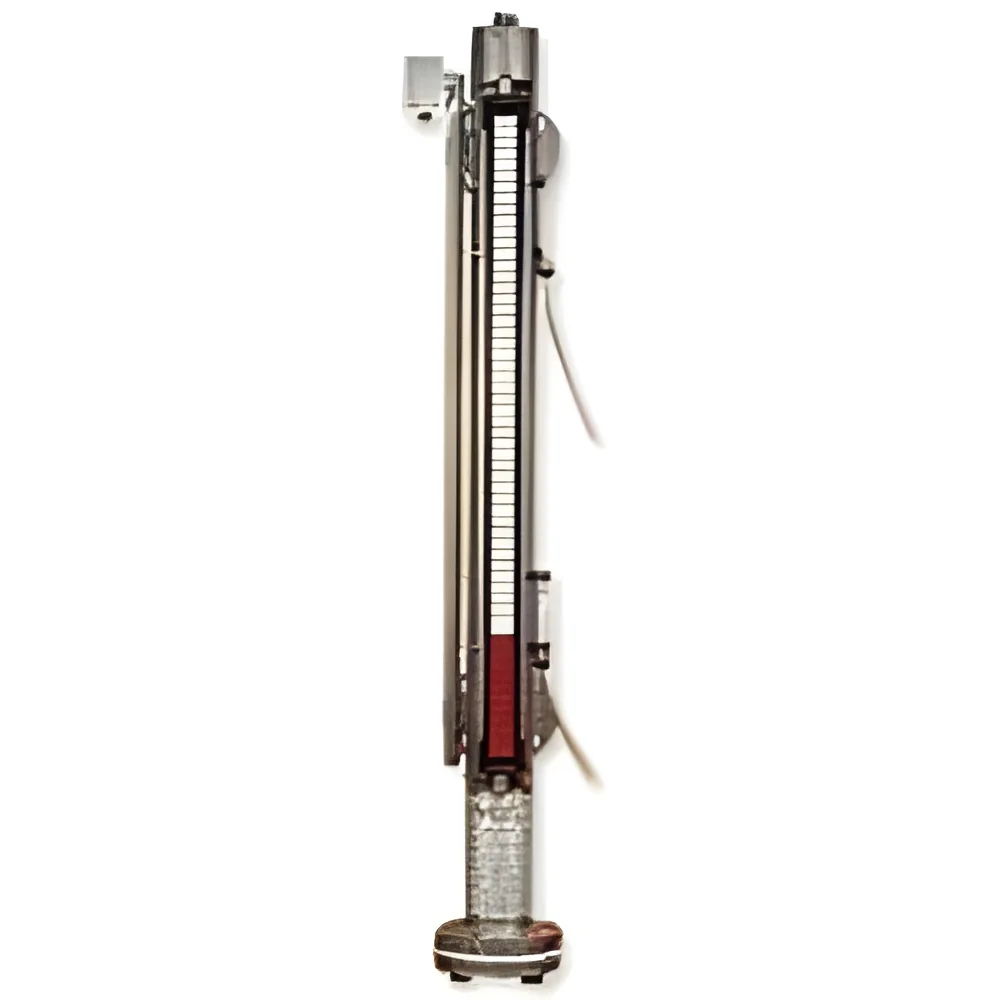
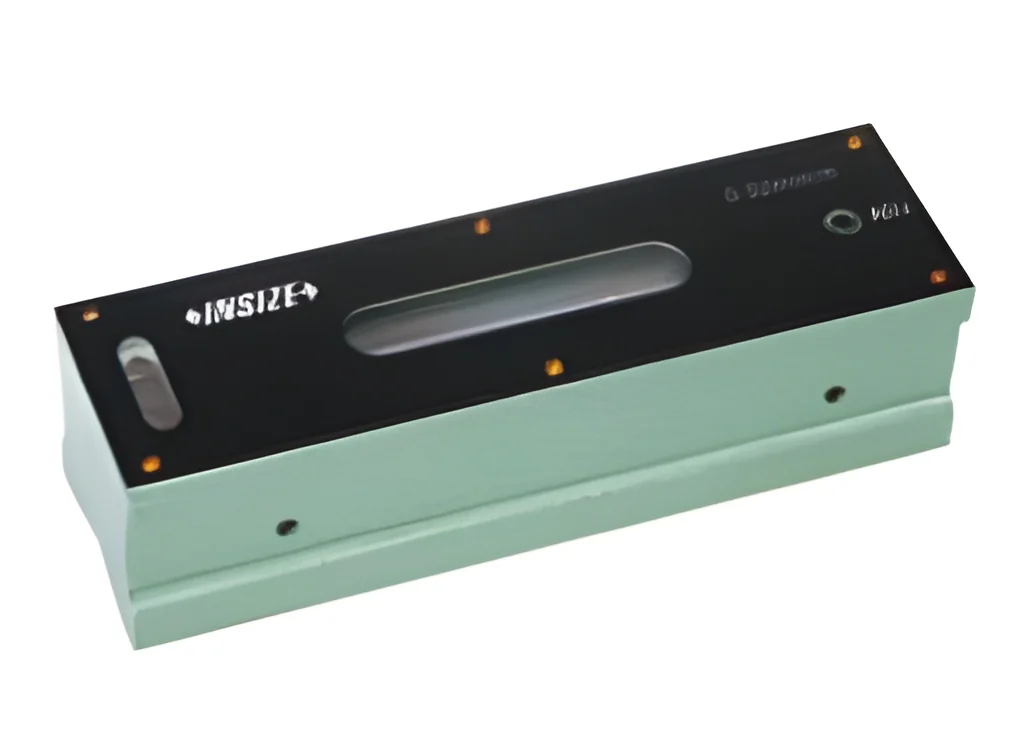
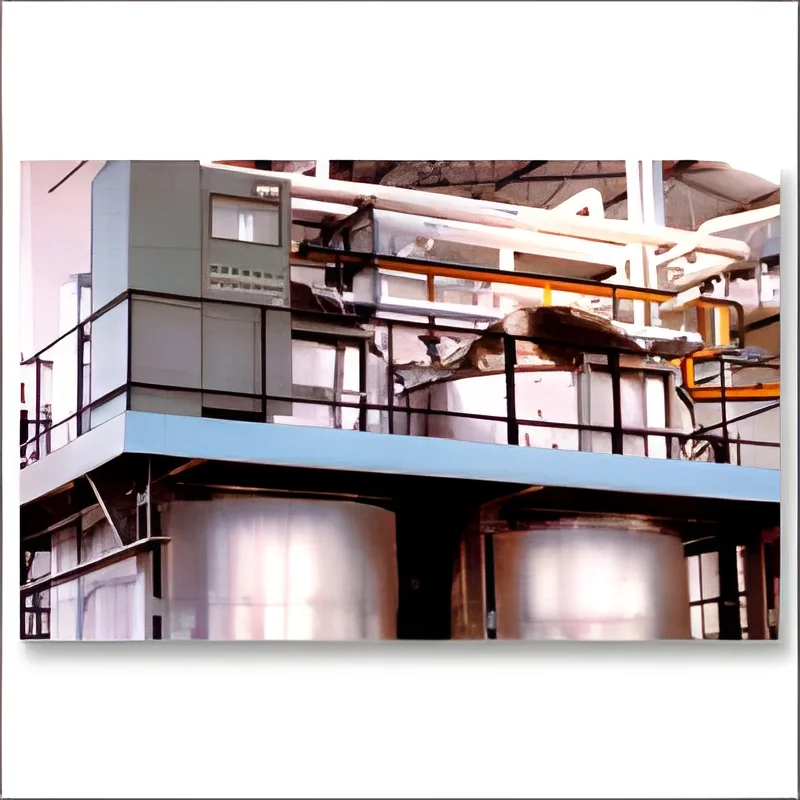
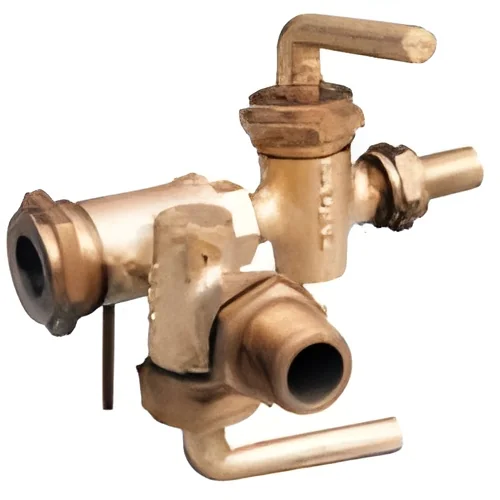
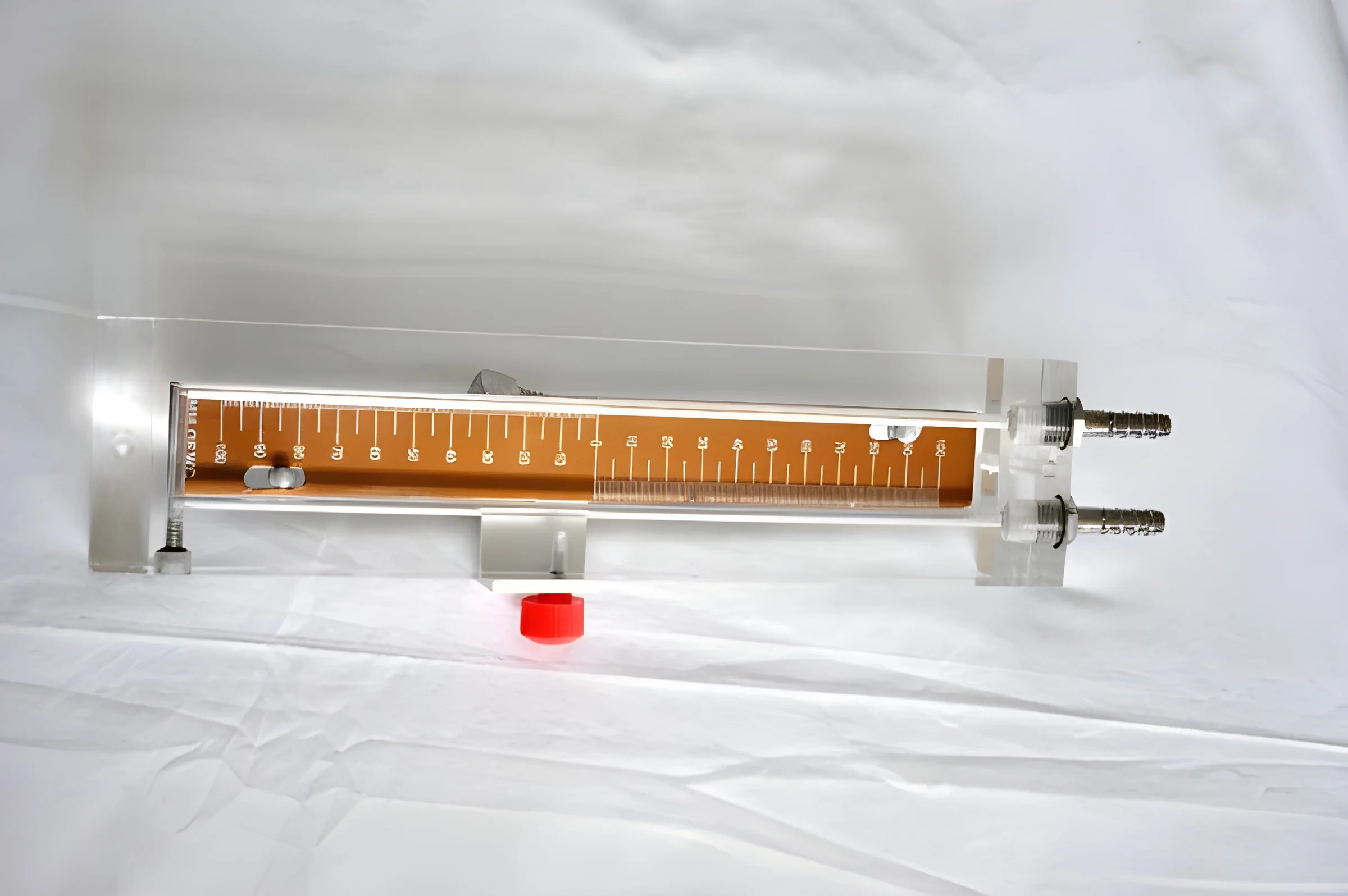
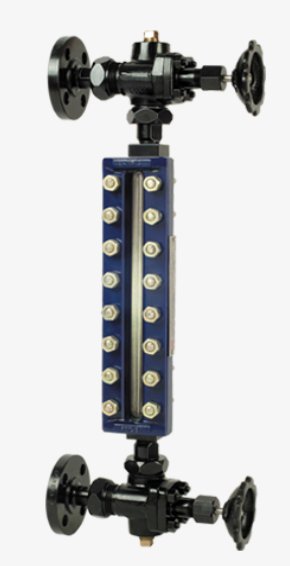
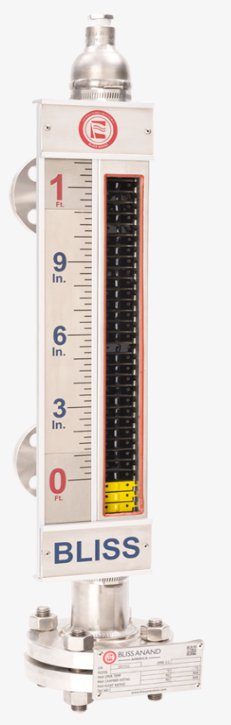
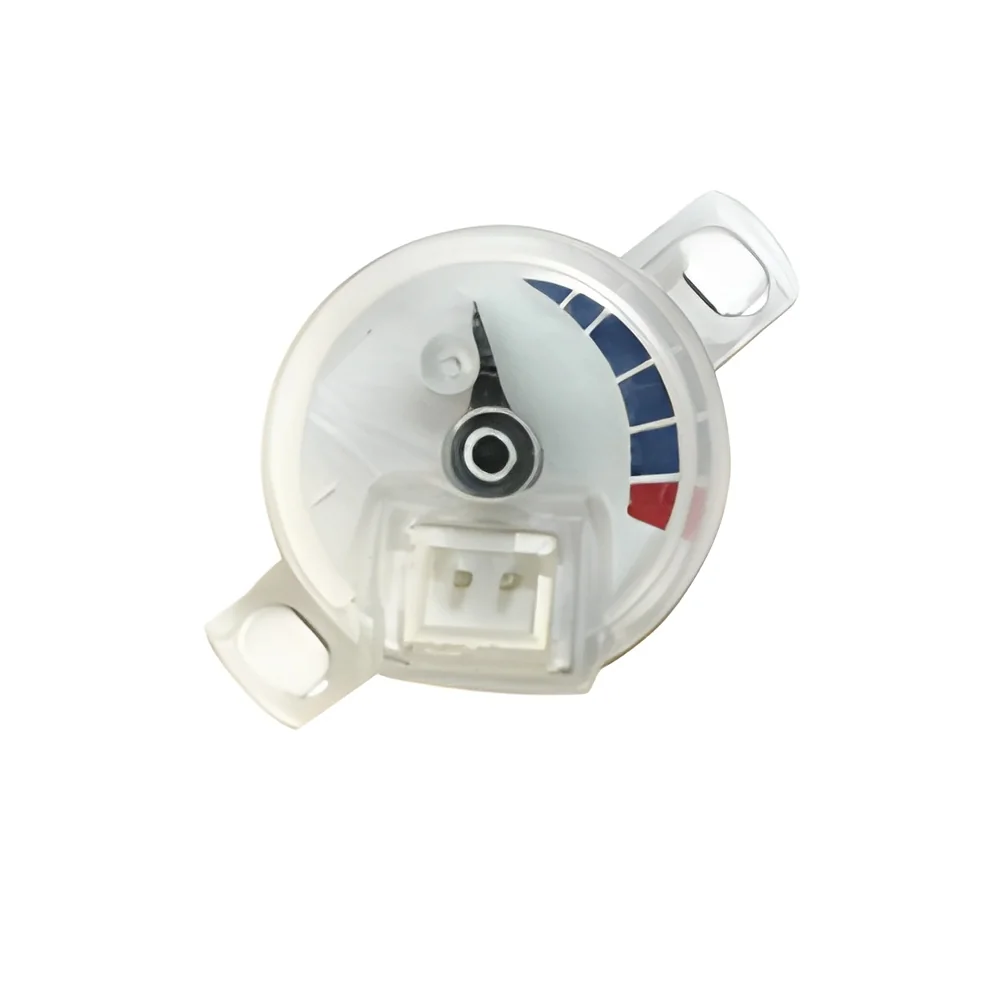
Tank level indicators and gauges are devices designed to measure and display the level of liquid within a tank or container. They provide critical data regarding the volume of contents, ensuring that operators can monitor and manage resources effectively. These instruments can utilize various technologies, including mechanical, electronic, and ultrasonic methods, to deliver accurate readings.
The primary applications of tank level indicators and gauges span several industries, including oil and gas, chemical processing, water treatment, and food and beverage manufacturing. They play a crucial role in inventory management, process control, and safety monitoring. By providing real-time data, these devices help businesses maintain operational efficiency and prevent costly overflows or shortages.
In the current market context, the demand for tank level indicators and gauges is increasing as industries become more automated and data-driven. Companies are seeking reliable solutions to improve their monitoring systems and enhance overall productivity. This trend is further supported by the growing focus on environmental sustainability and regulatory compliance, which require precise monitoring of liquid levels.
Key Features and Specifications
Tank level indicators and gauges come equipped with a variety of features that enhance their functionality and usability. These features are designed to meet the diverse needs of industries and ensure accurate liquid measurement.
Key specifications include:
1. Measurement Type
- Determines whether the gauge is mechanical, electronic, or ultrasonic.
- Each type has unique operational principles and applications.
2. Range of Measurement
- Indicates the maximum and minimum levels that can be measured.
- Typical ranges may vary from a few centimeters to several meters.
3. Accuracy
- Refers to the precision of the measurements.
- Generally expressed as a percentage, with high-accuracy models offering less than 1% deviation.
4. Power Supply
- Specifies the power requirements for electronic models.
- Options may include battery-operated, AC, or solar-powered units.
5. Display Type
- Describes how measurements are presented to the user.
- Common options include analog dials, digital screens, or remote monitoring capabilities.
6. Environmental Ratings
- Indicates the equipment's suitability for different environments.
- Ratings may include IP (Ingress Protection) for water and dust resistance.
7. Communication Protocols
- Outlines how data is transmitted to control systems.
- Options may include wired connections, wireless technologies, or integration with existing systems.
8. Material Construction
- Details the materials used in the gauge's construction.
- Common materials include stainless steel, plastics, and composites, chosen for durability and compatibility with various liquids.
In summary, understanding the key features and specifications of tank level indicators and gauges is essential for selecting the right product for your needs.
Common Applications and Use Cases
Tank level indicators and gauges find utility across various sectors, each with specific requirements and applications.
1. Oil and Gas: In this industry, these devices are essential for monitoring the levels of crude oil and refined products in tanks, ensuring safe operations and efficient resource management.
2. Chemical Processing: Chemical plants utilize tank level indicators to manage the storage of hazardous and non-hazardous materials, minimizing risks and ensuring compliance with safety regulations.
3. Water Treatment: These gauges help monitor water levels in treatment facilities, allowing for efficient operations and timely responses to changes in water quality or volume.
4. Food and Beverage: In this sector, accurate level monitoring ensures that production processes are maintained without interruptions, helping to meet stringent health and safety standards.
5. Agriculture: Farmers use tank level indicators for monitoring fertilizers and pesticides stored in tanks, allowing for precise application and reduced waste.
6. Pharmaceuticals: In pharmaceutical manufacturing, these devices ensure that active ingredients are stored at the correct levels, supporting quality control and regulatory compliance.
7. HVAC Systems: Tank level gauges are used in heating and cooling systems to monitor fluid levels, helping to maintain system efficiency and prevent failures.
Product Variants and Subcategories
Tank level indicators and gauges come in various forms, each designed to meet specific operational needs and environments.
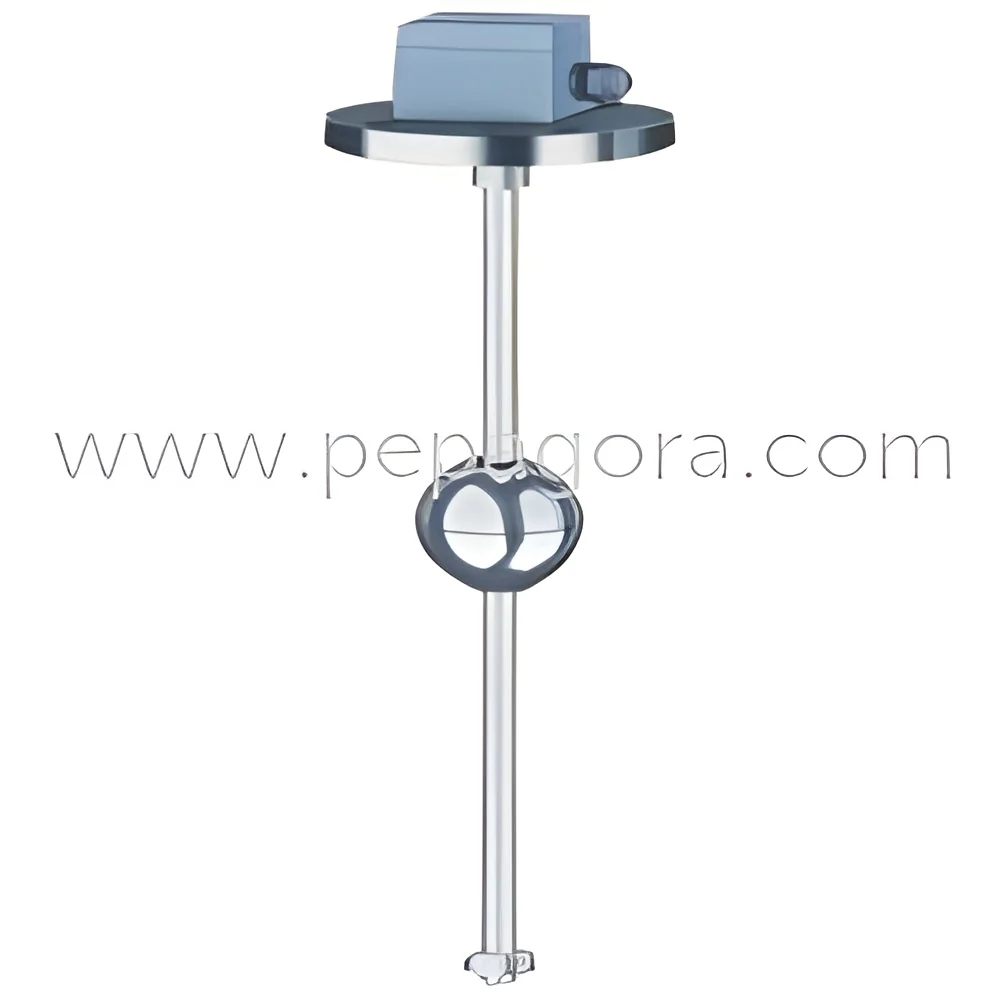
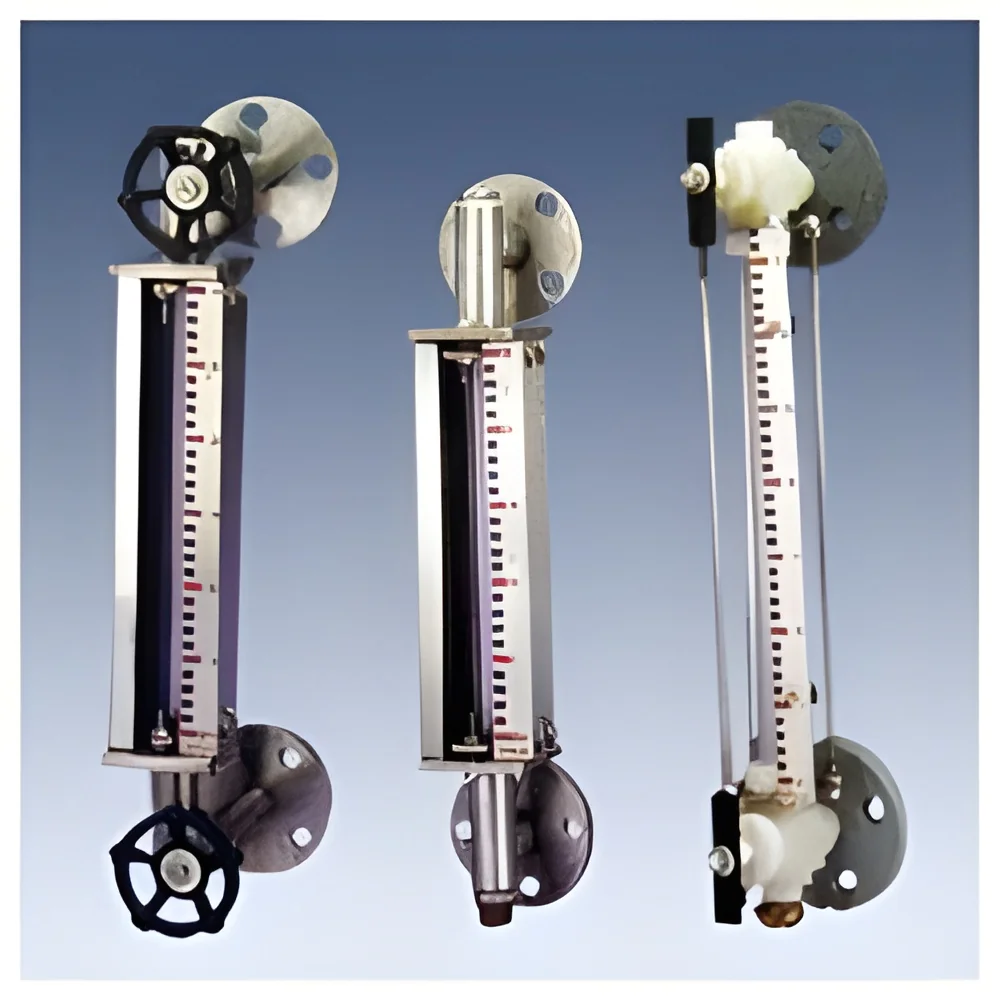
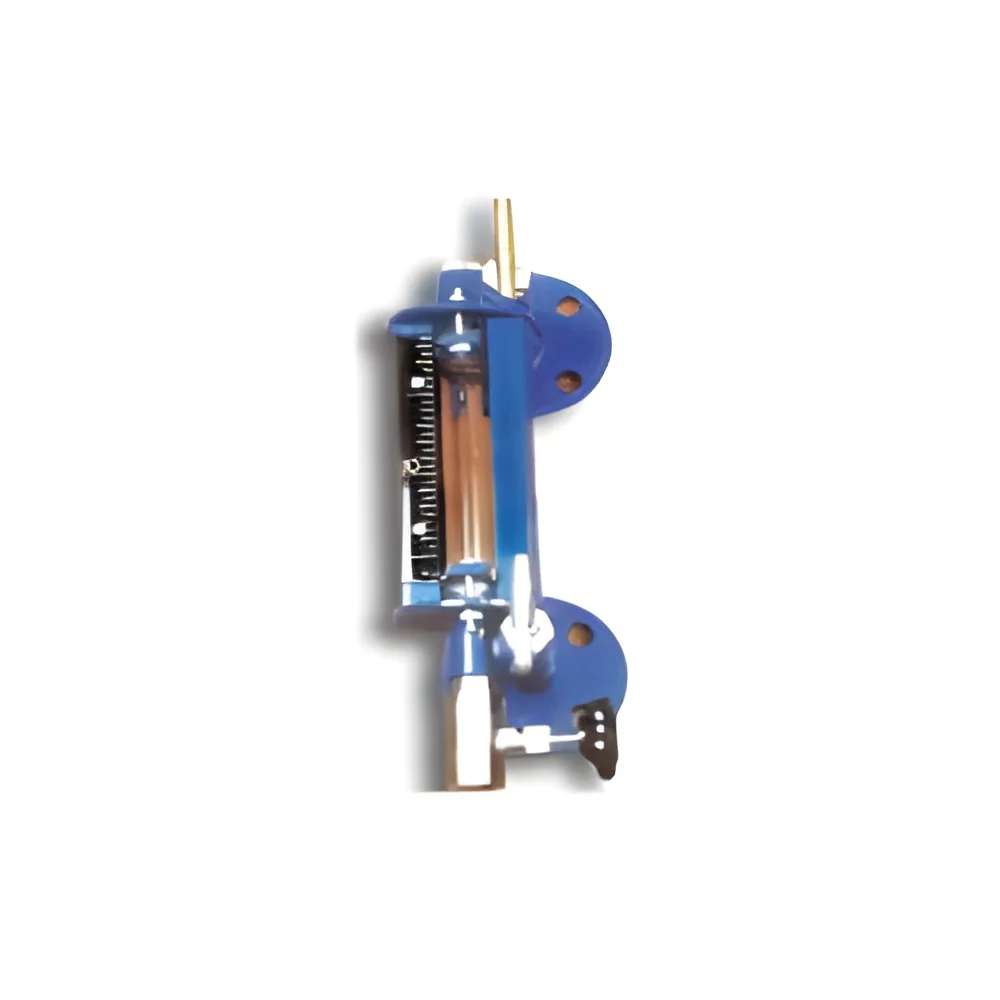
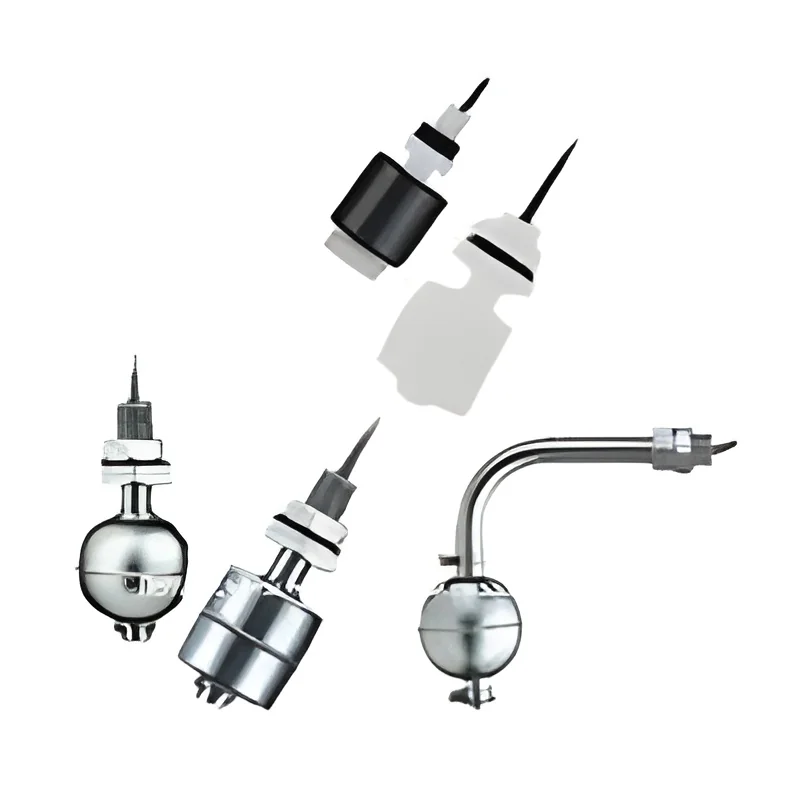
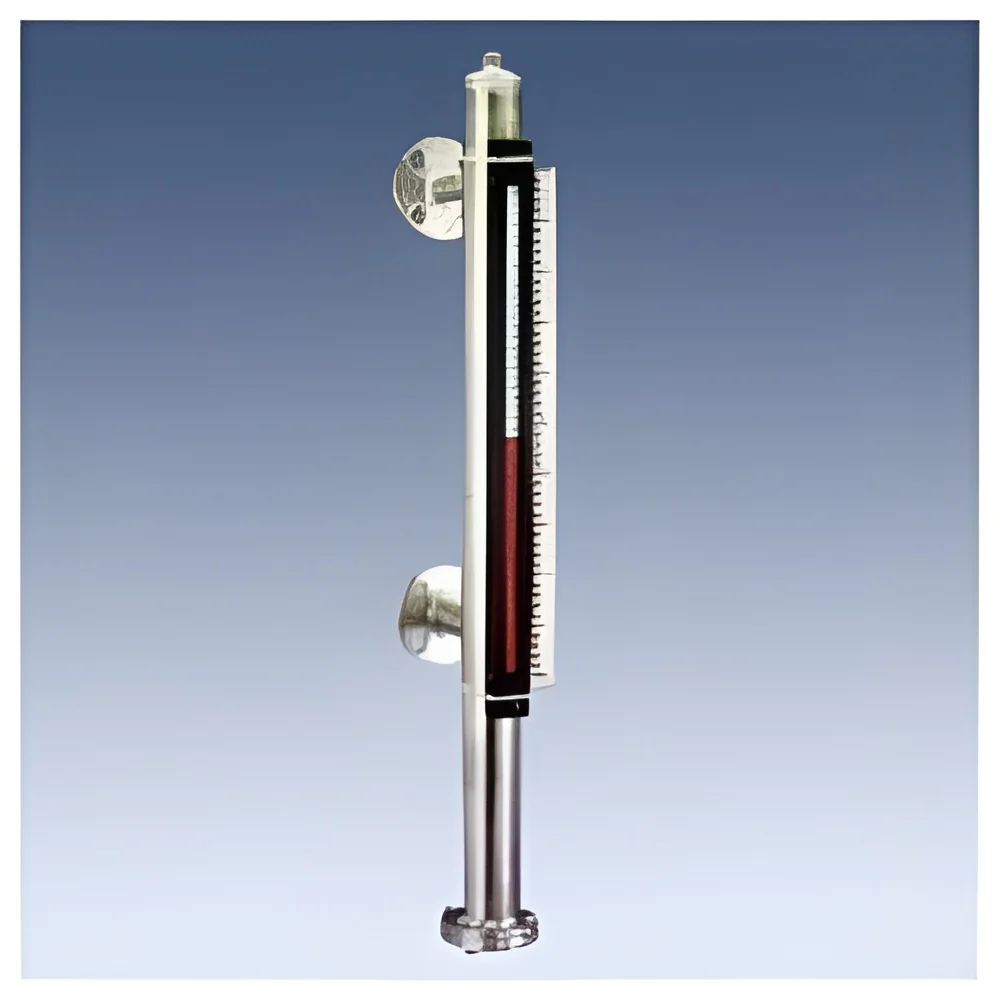
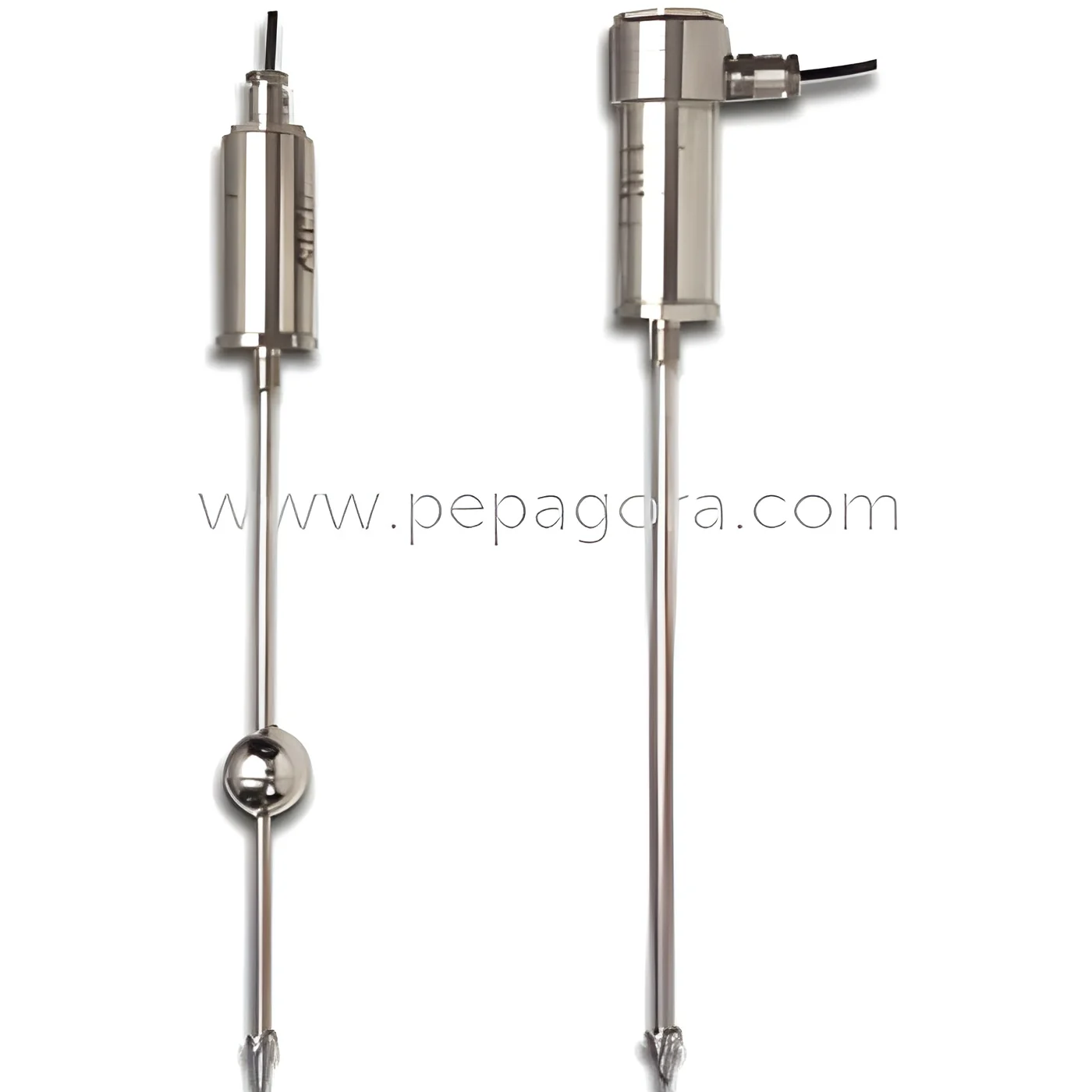
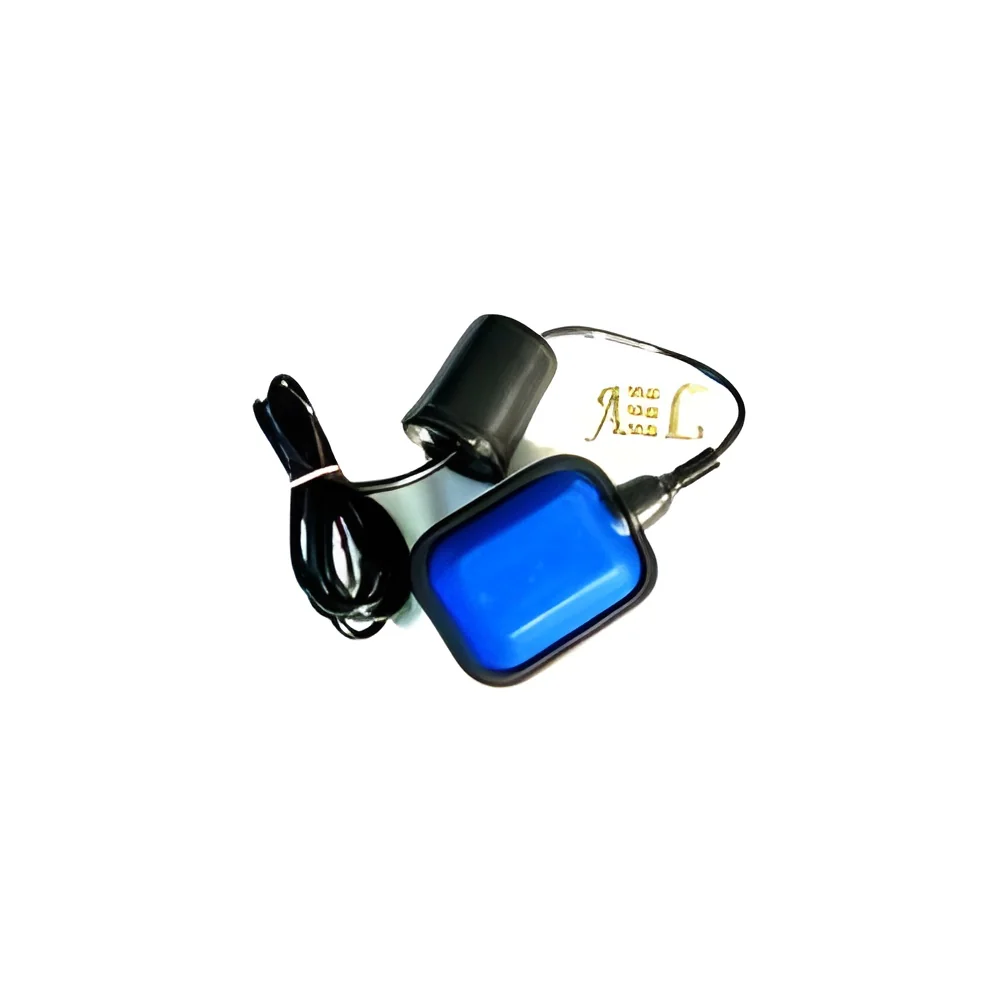
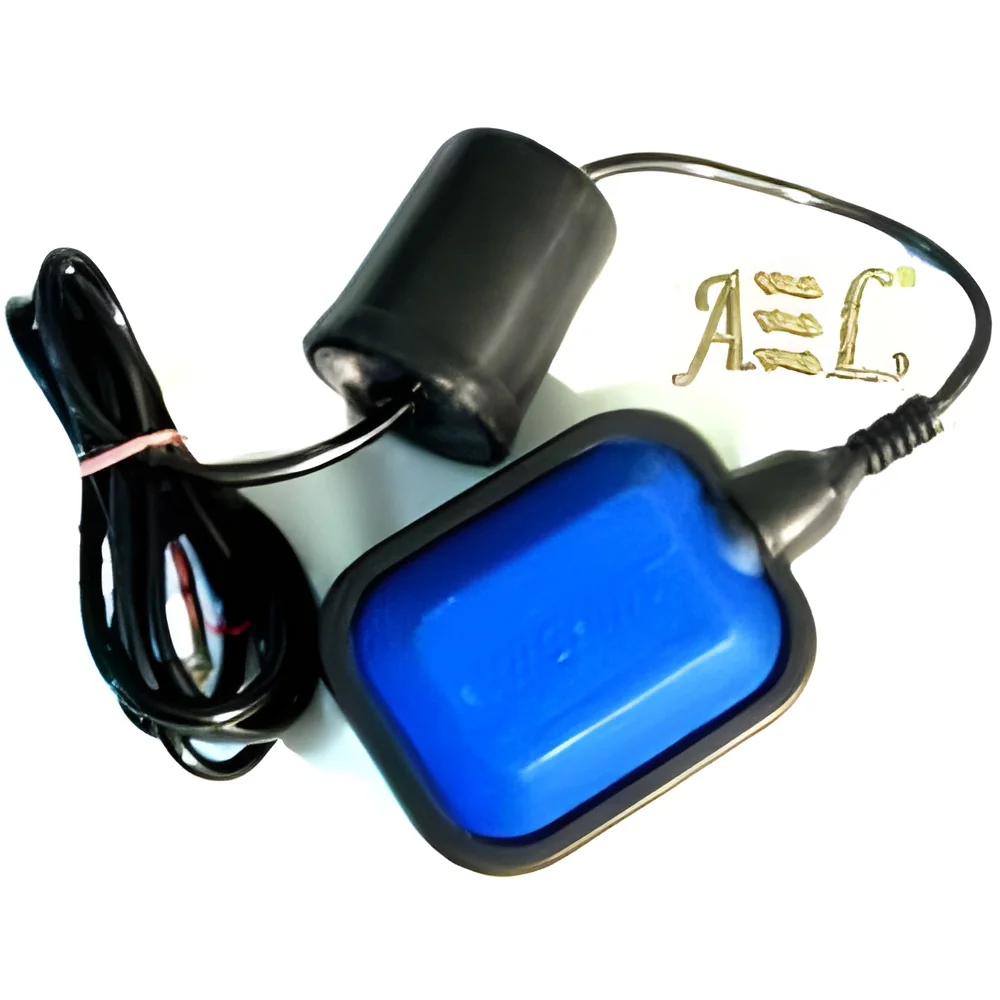
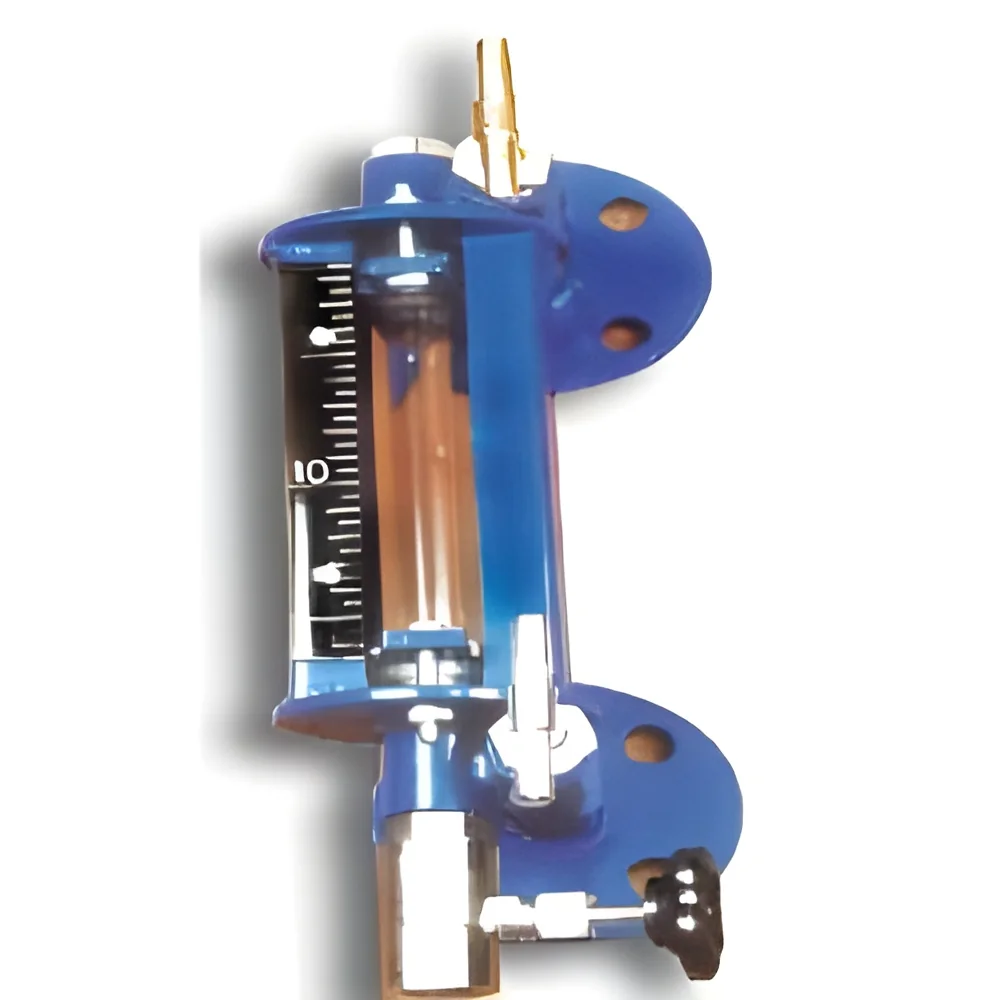
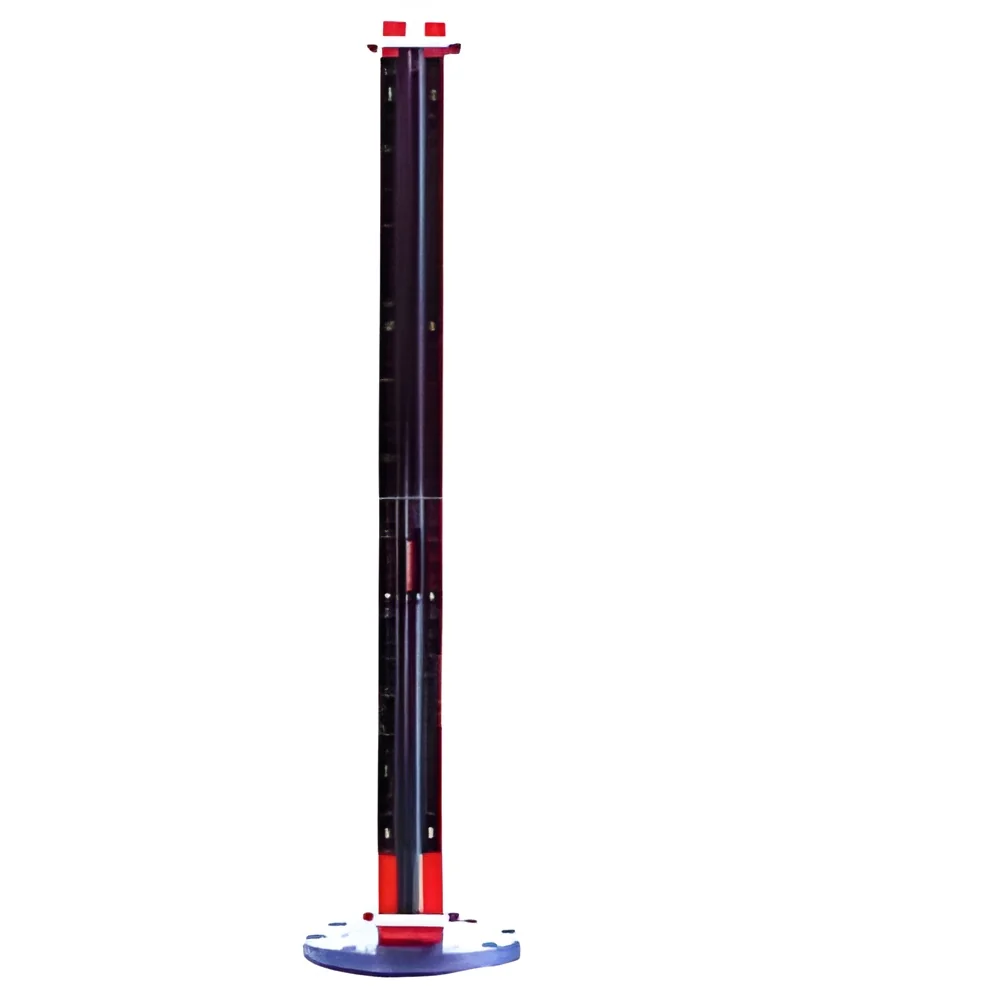
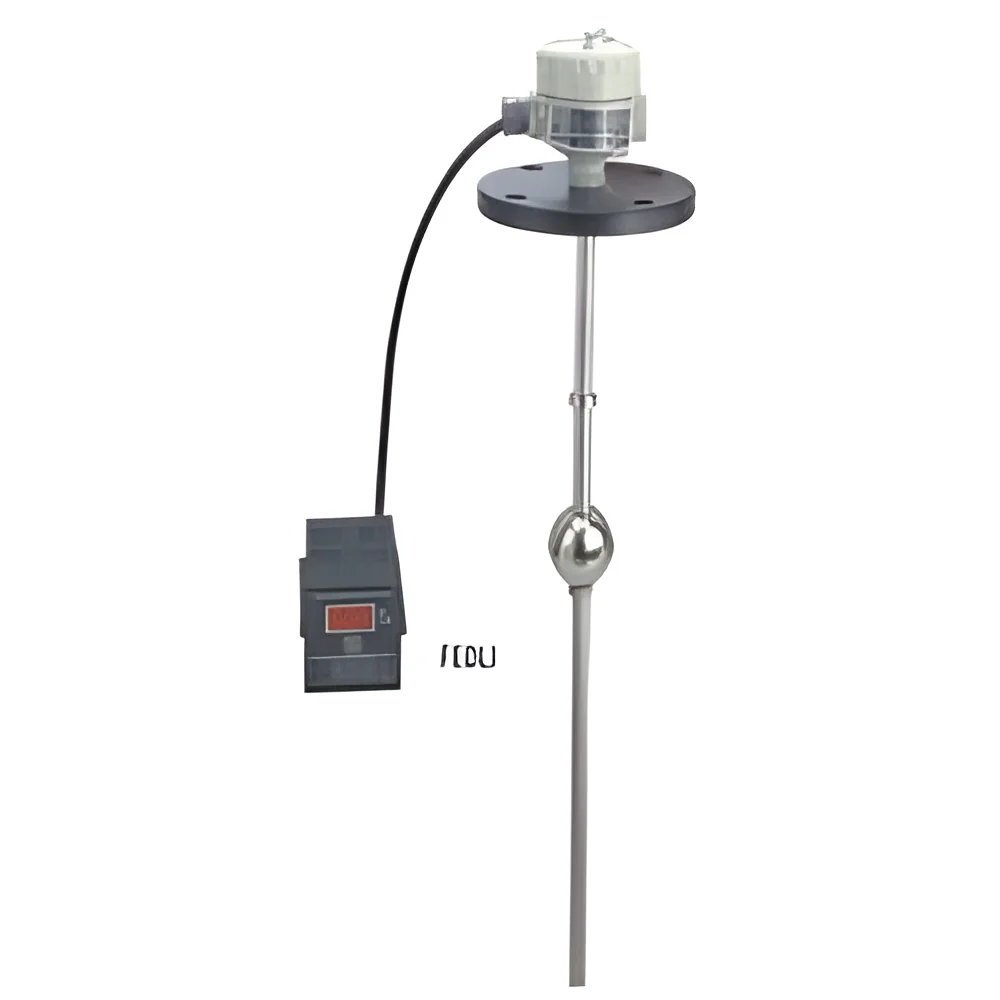
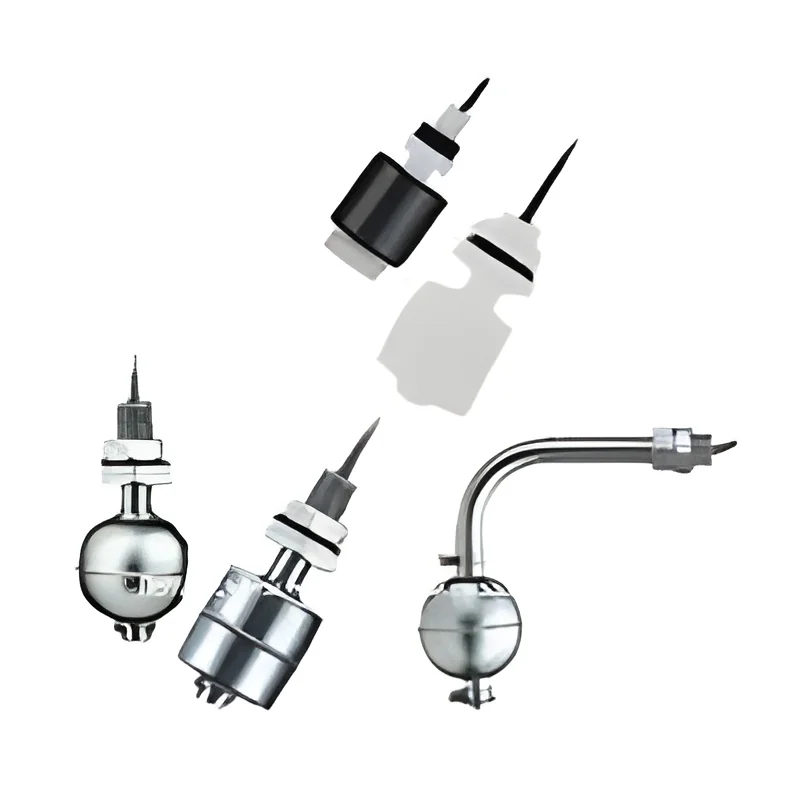
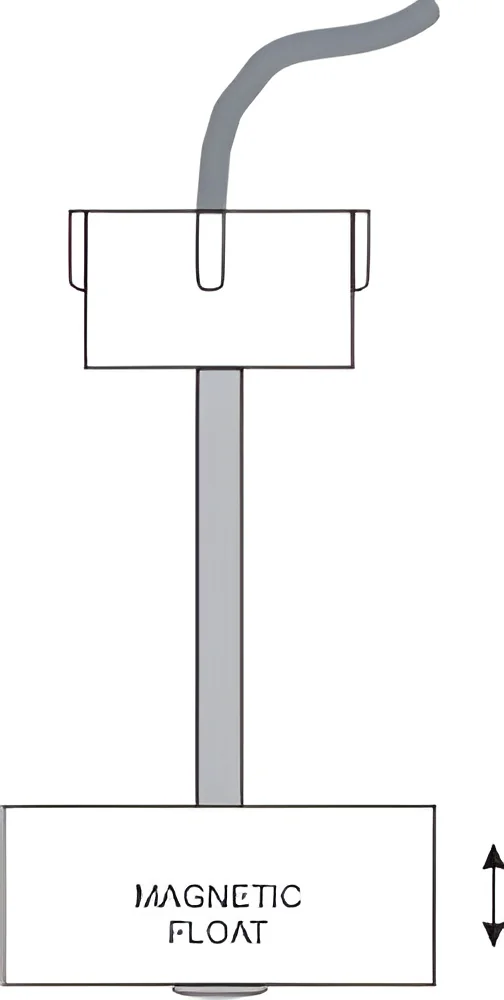
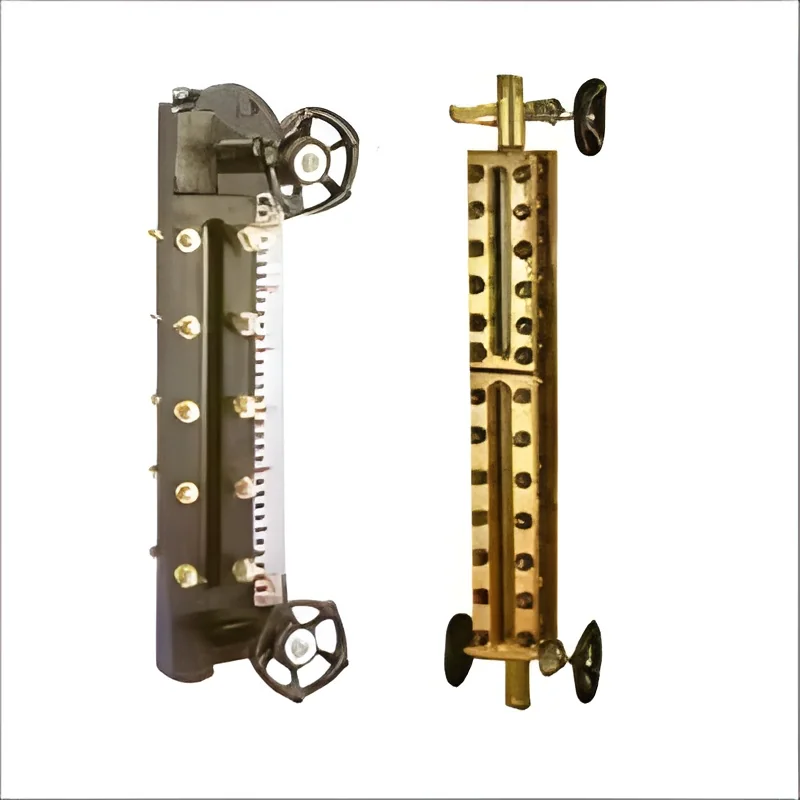
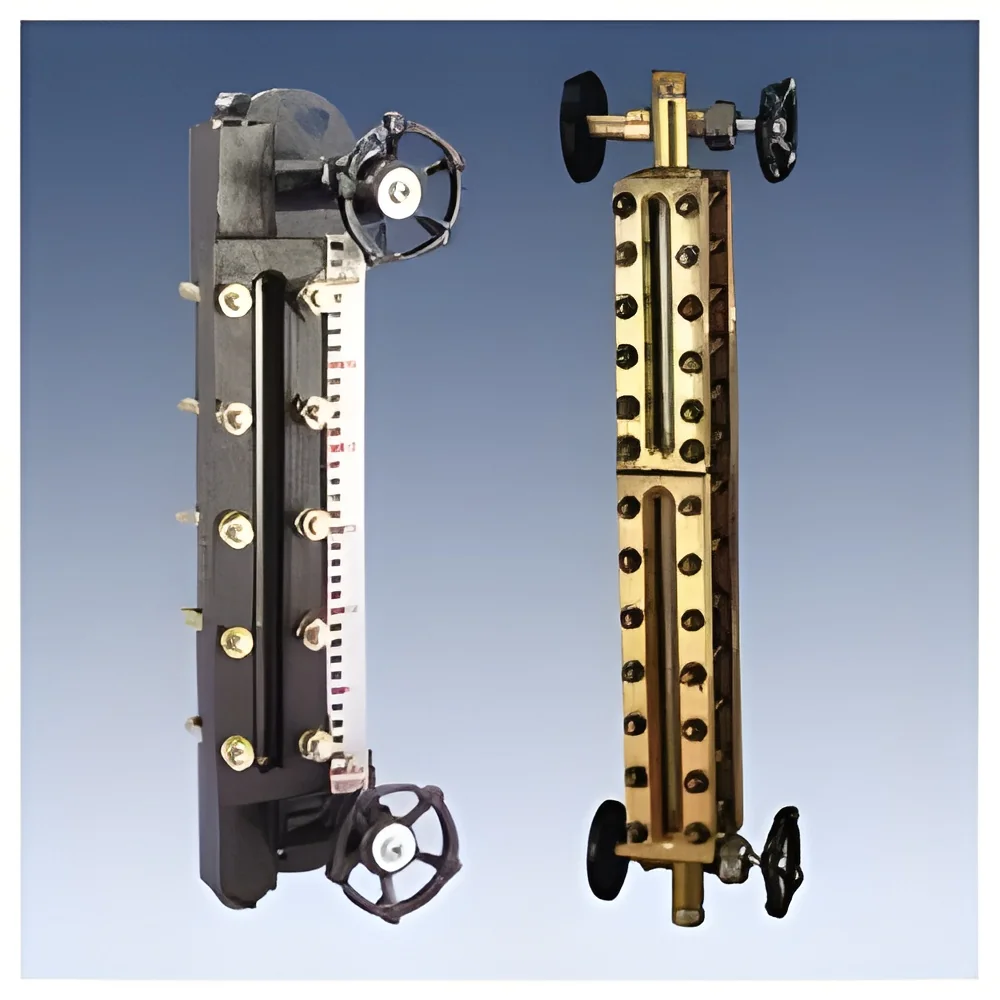
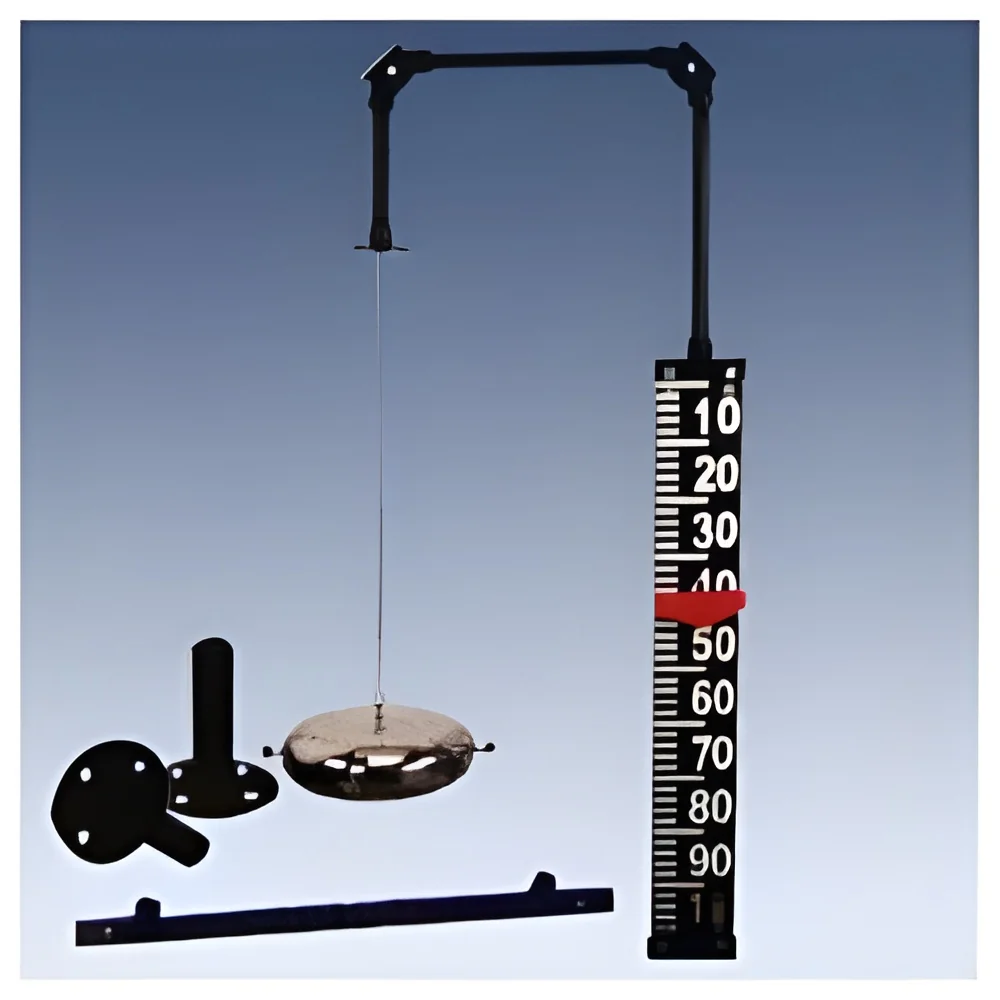
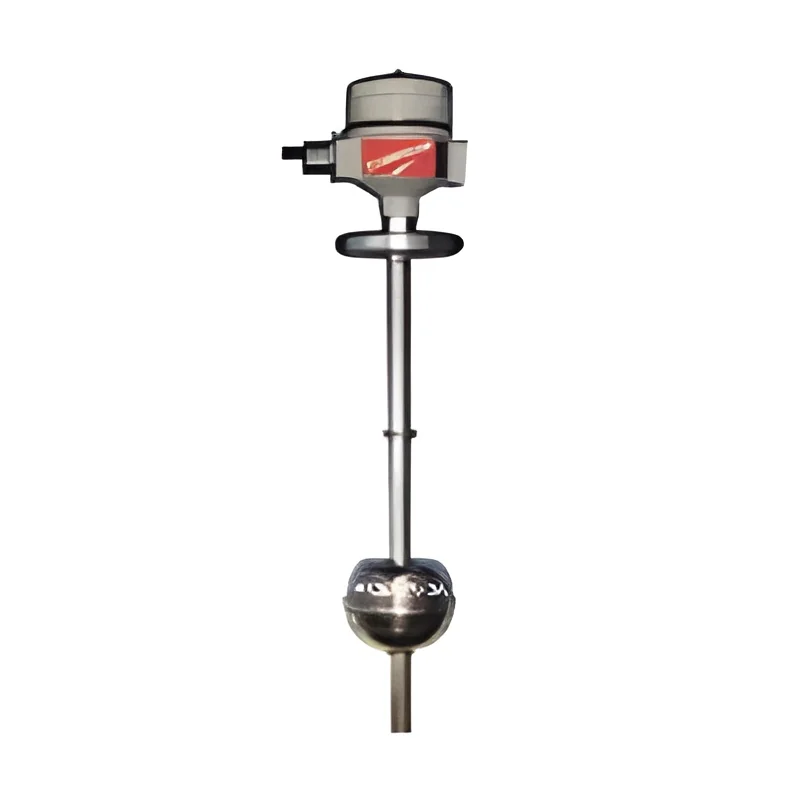
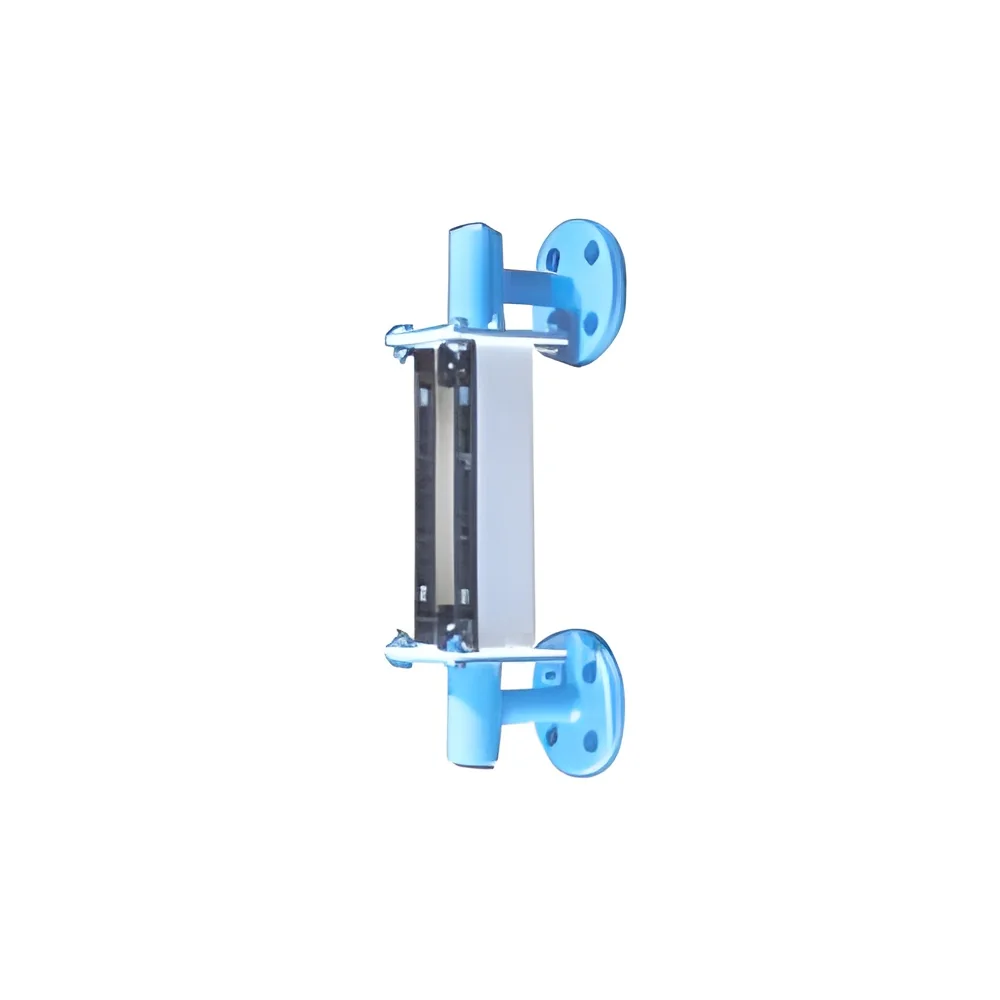
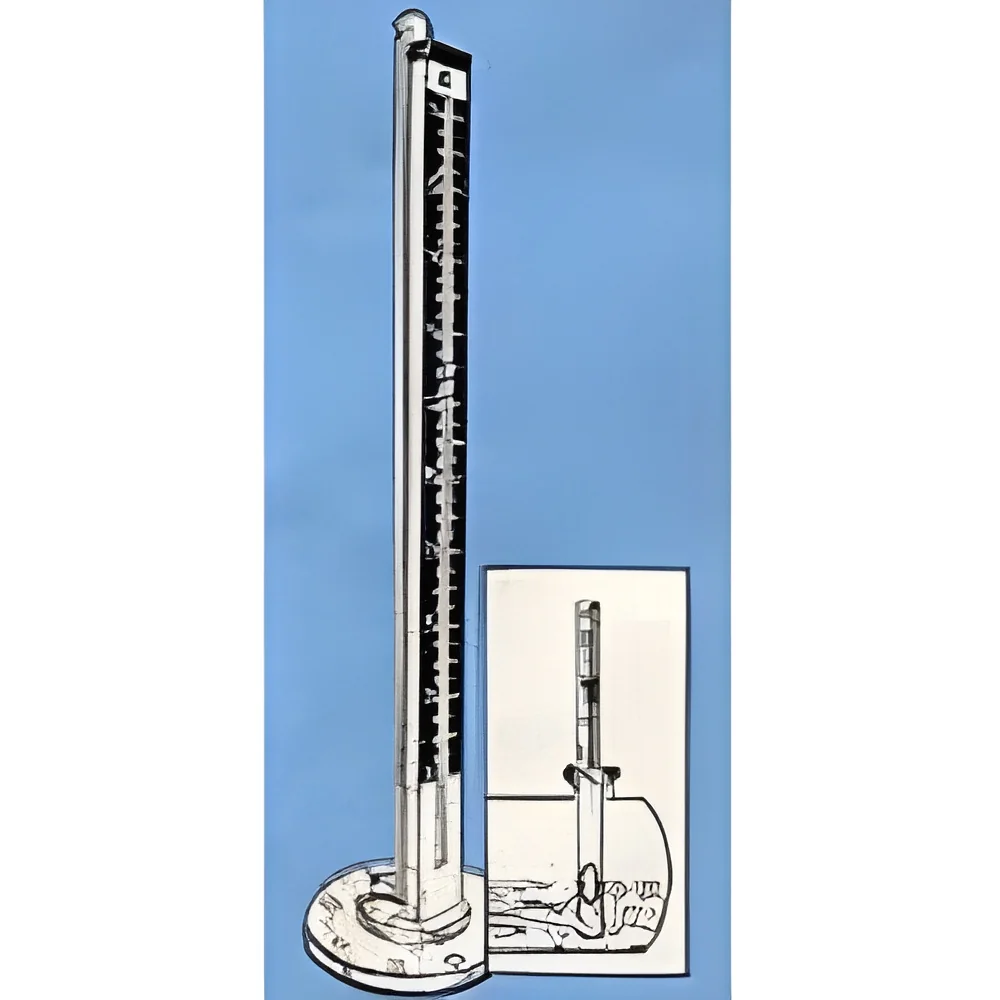
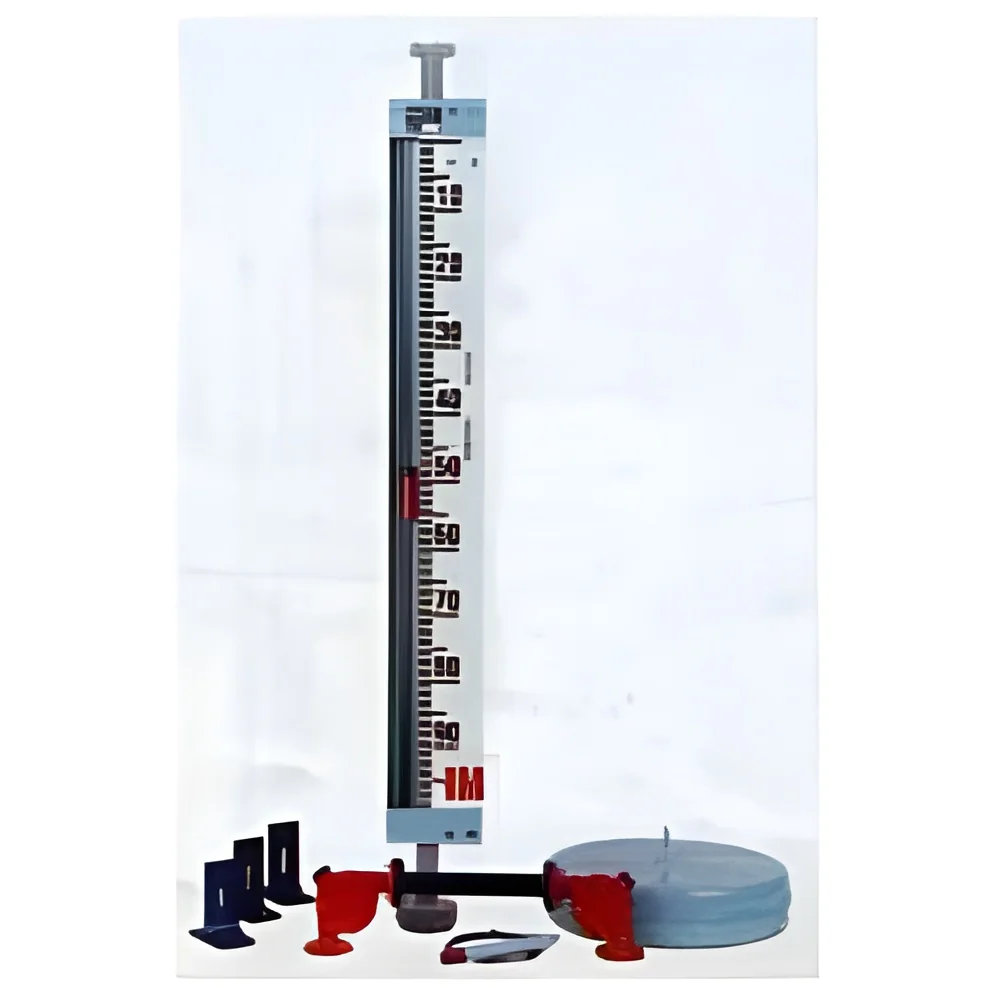
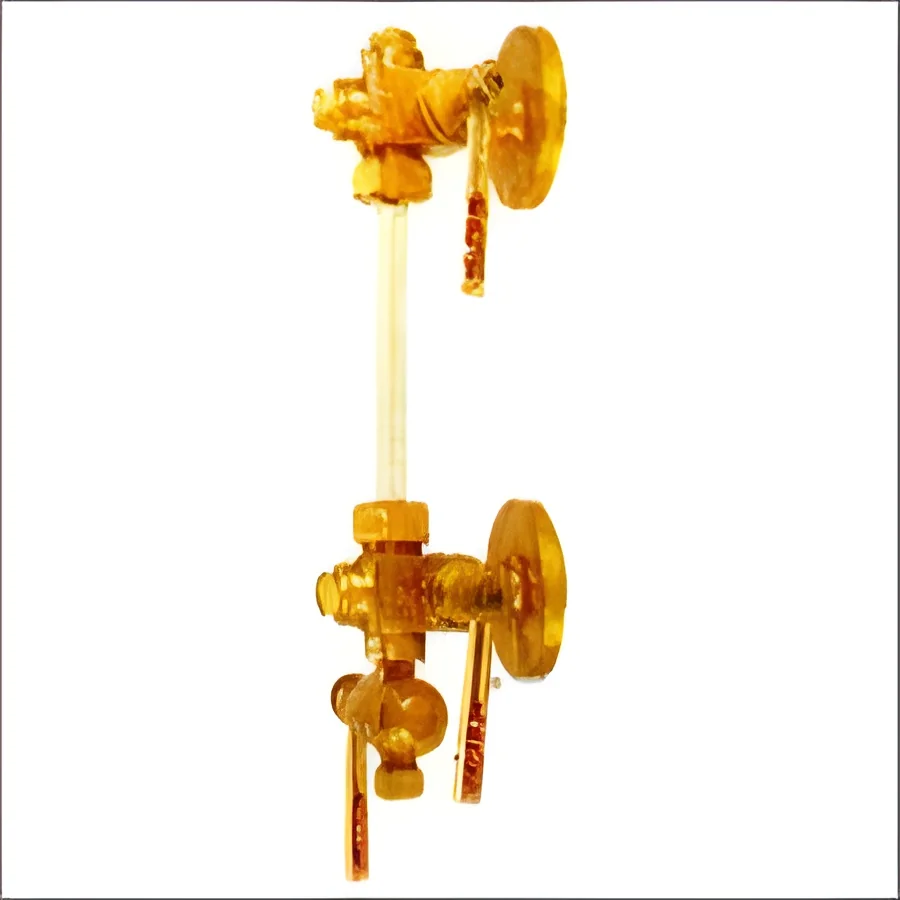
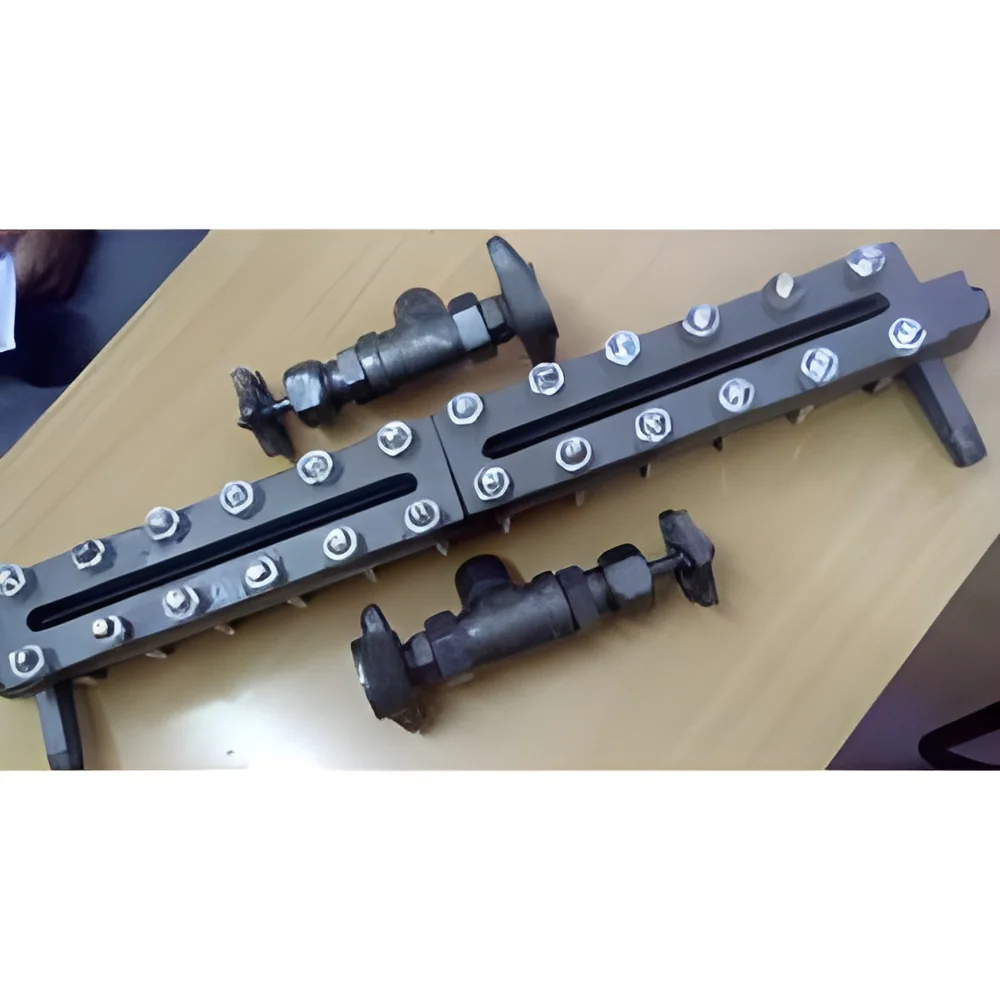
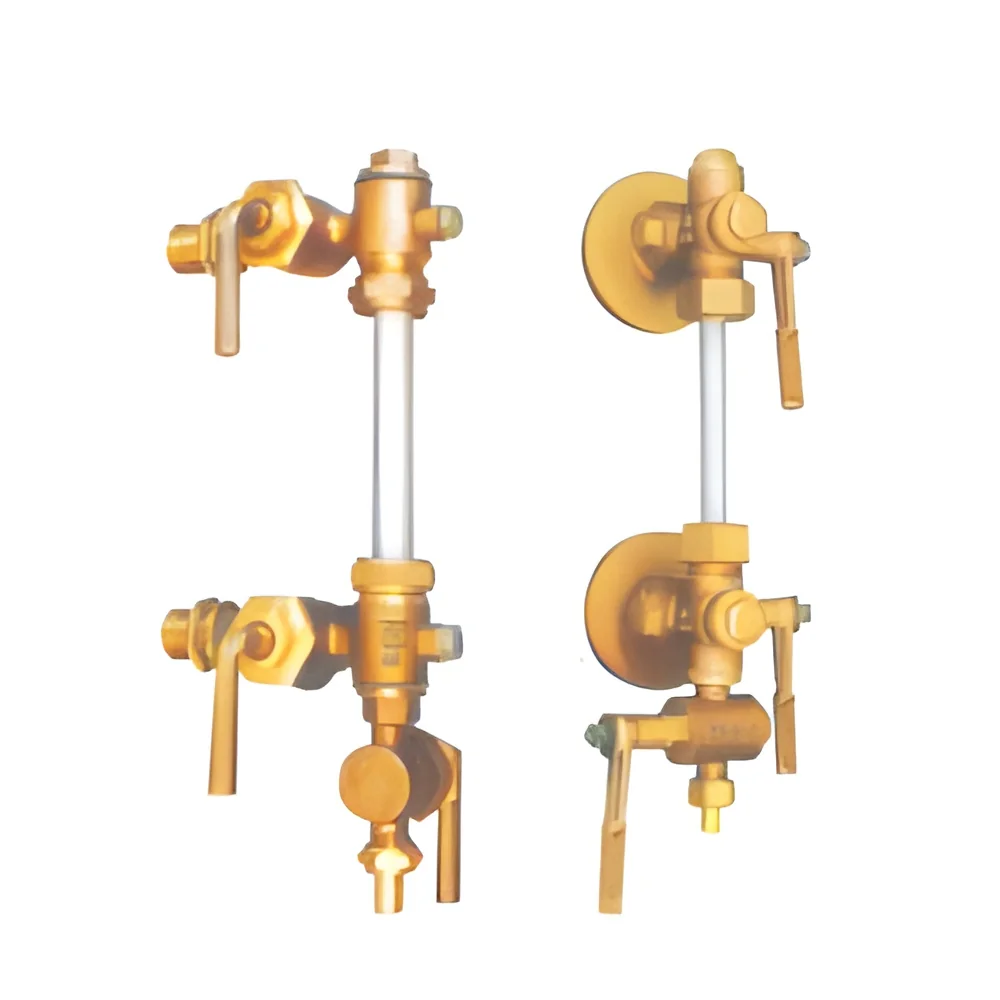
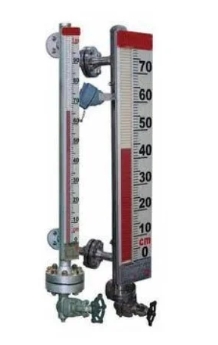
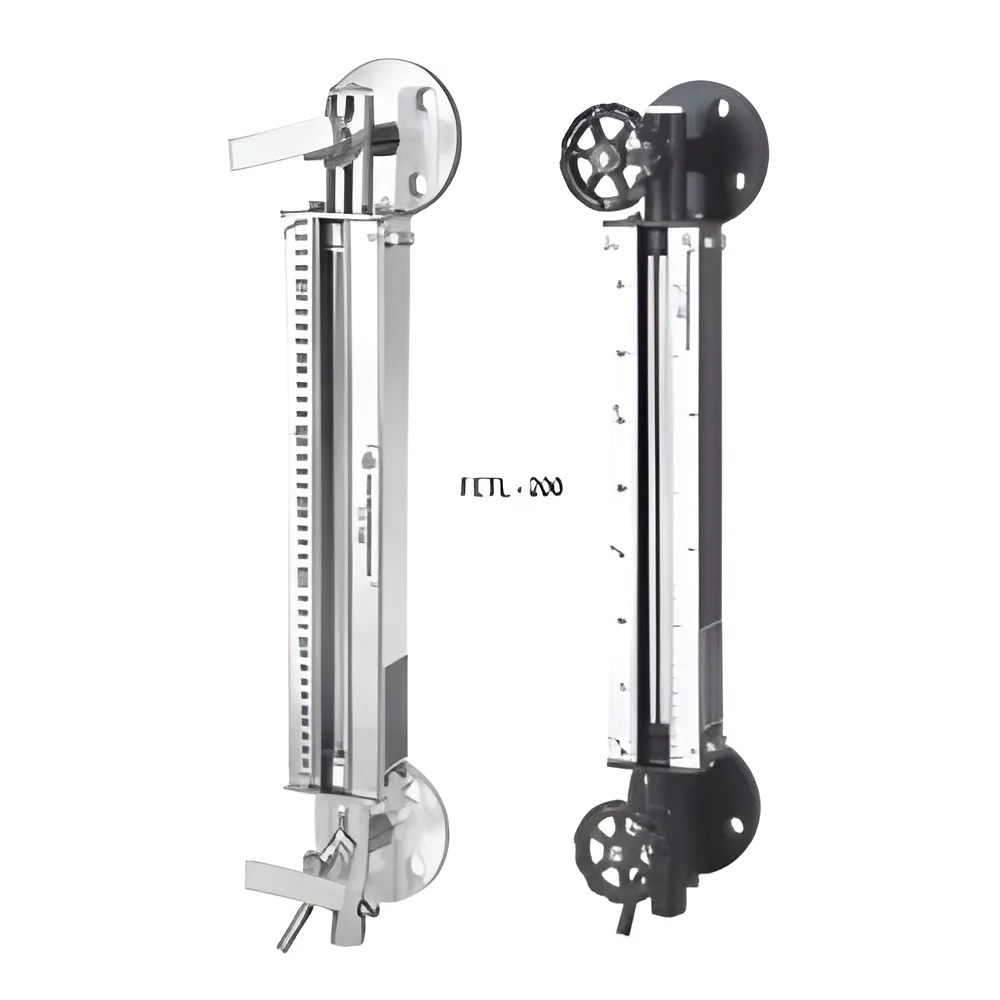
Mechanical Level Gauges: These gauges utilize float mechanisms to provide a visual indication of liquid levels. They are often used in simple applications where accuracy is less critical.
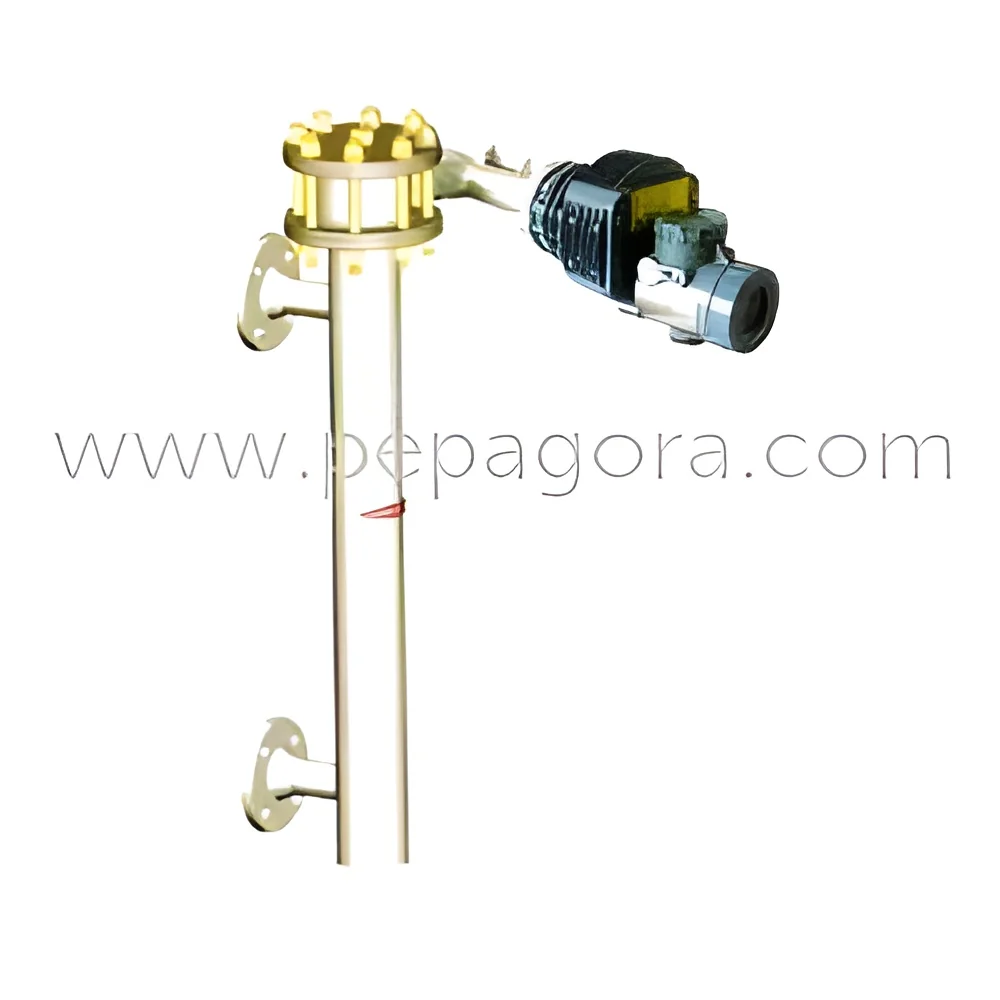
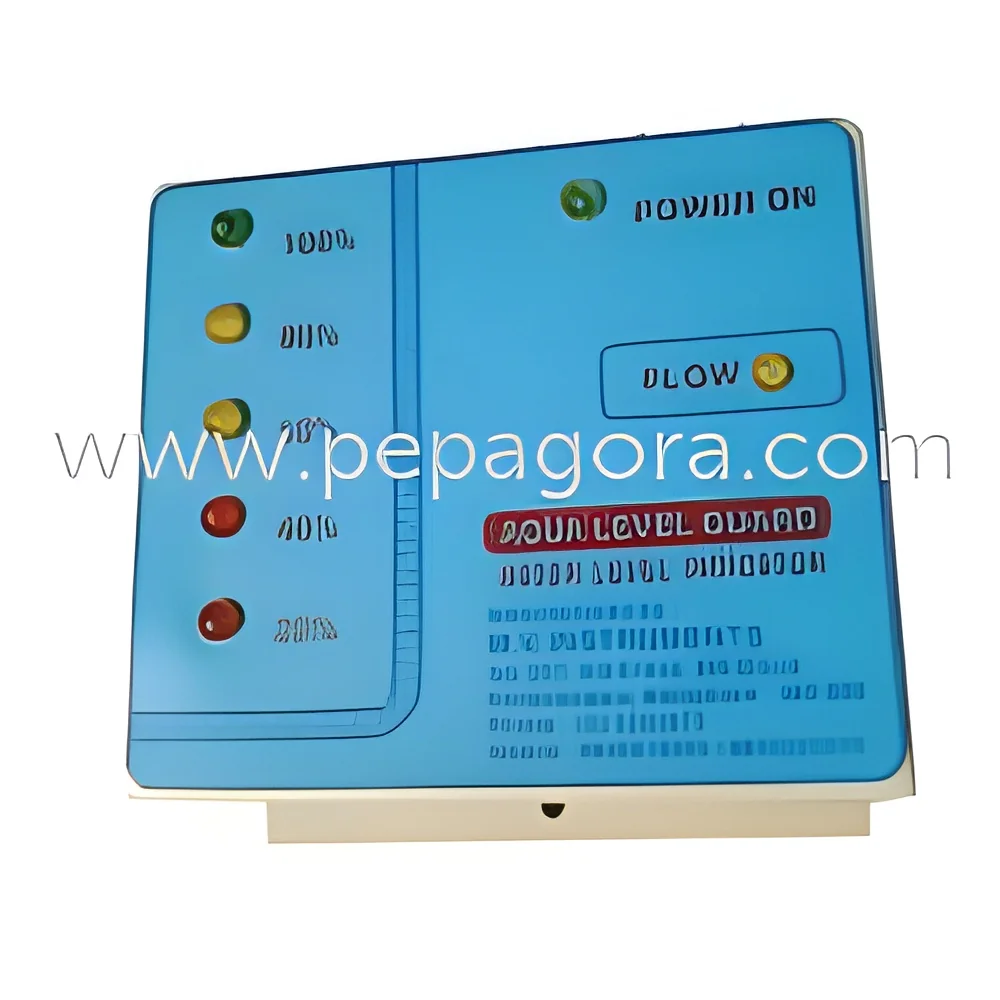
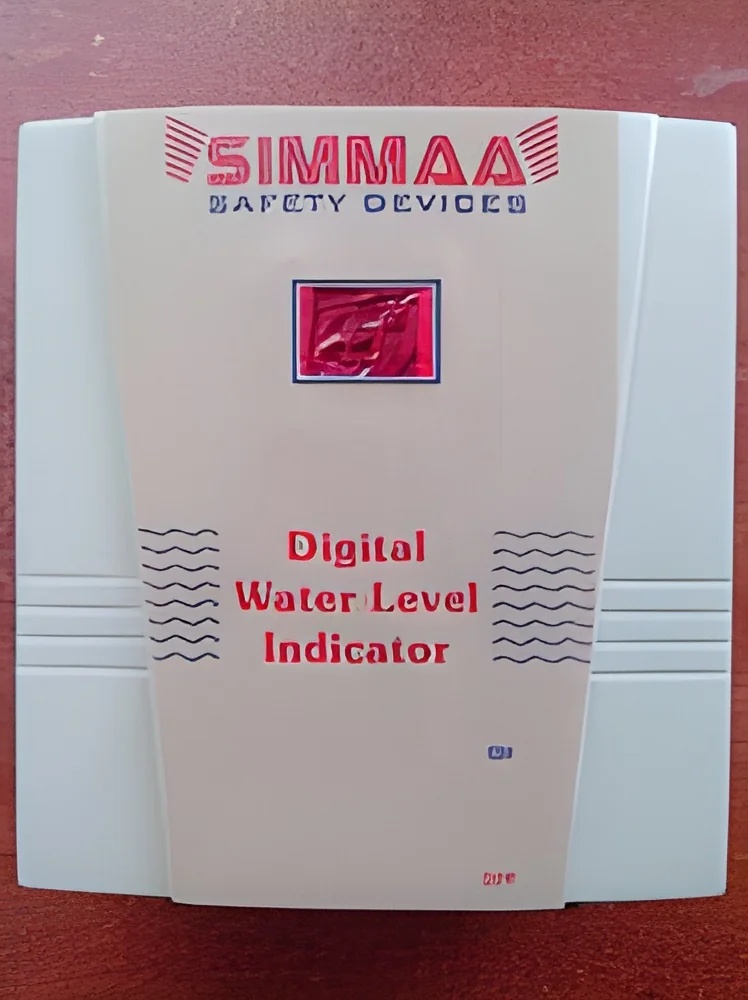
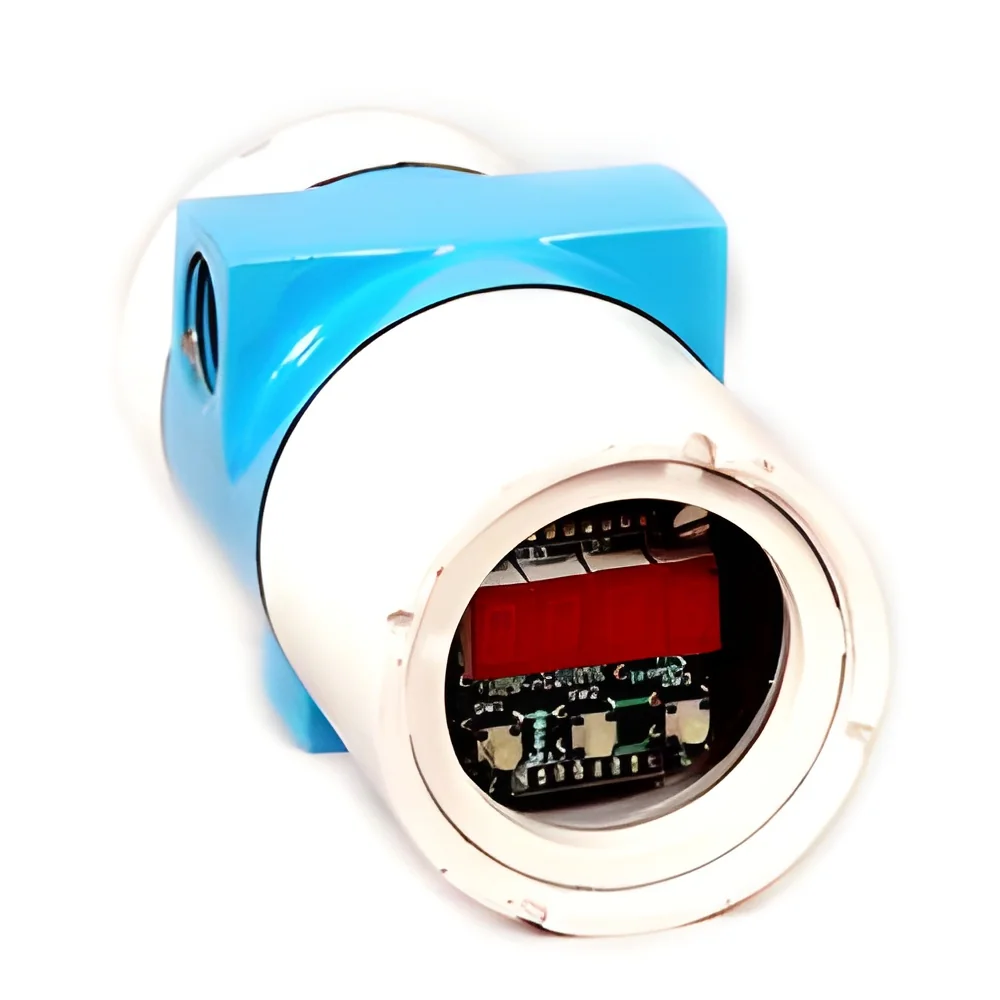
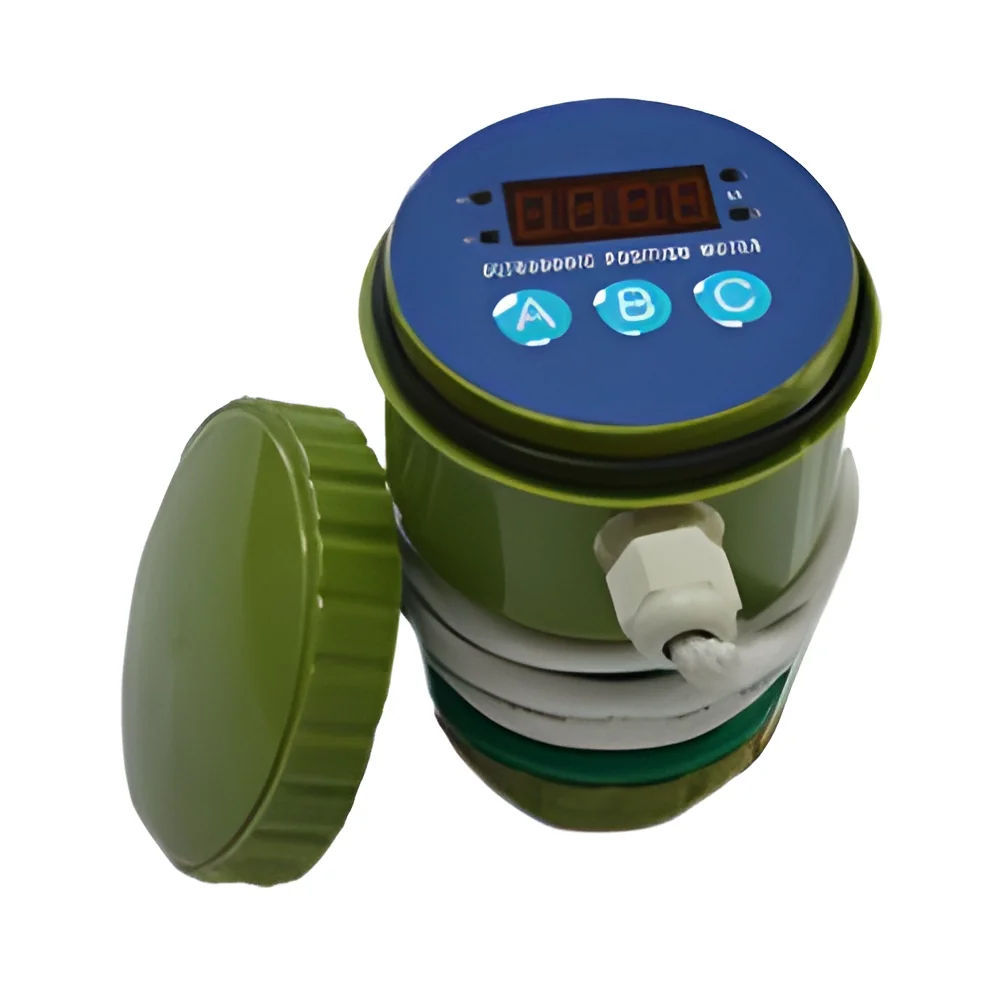
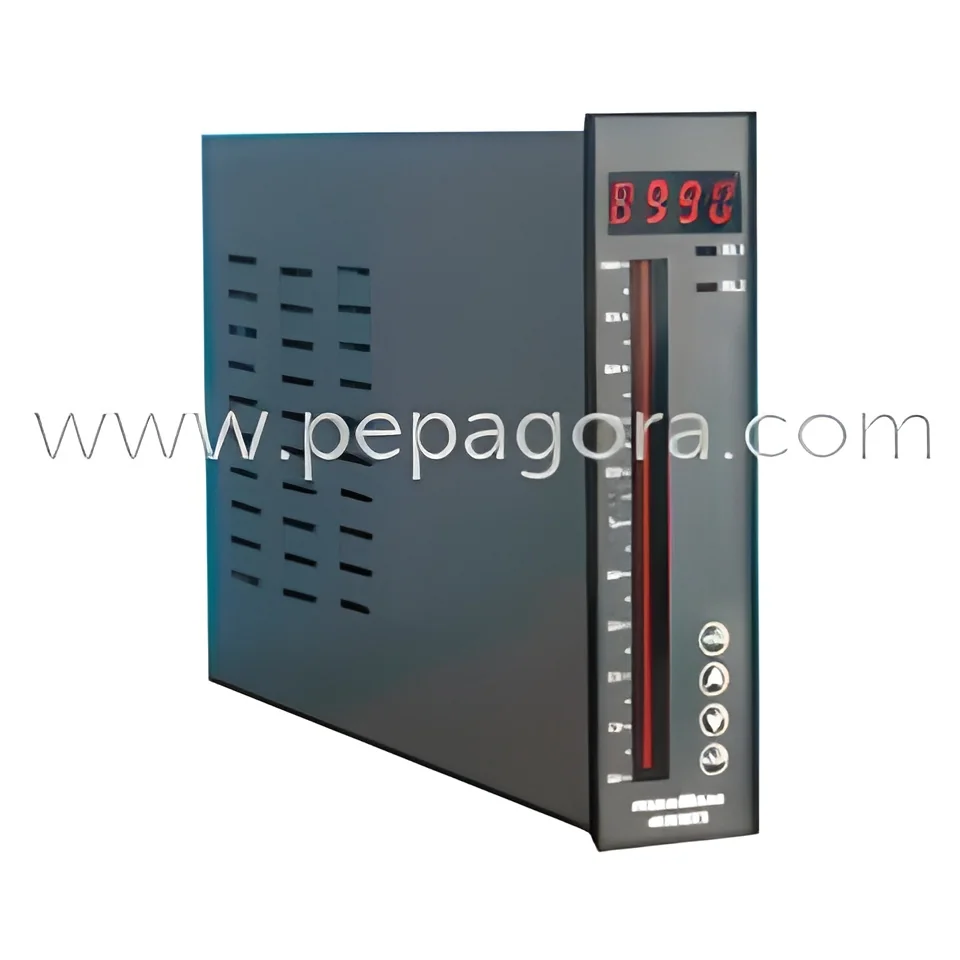
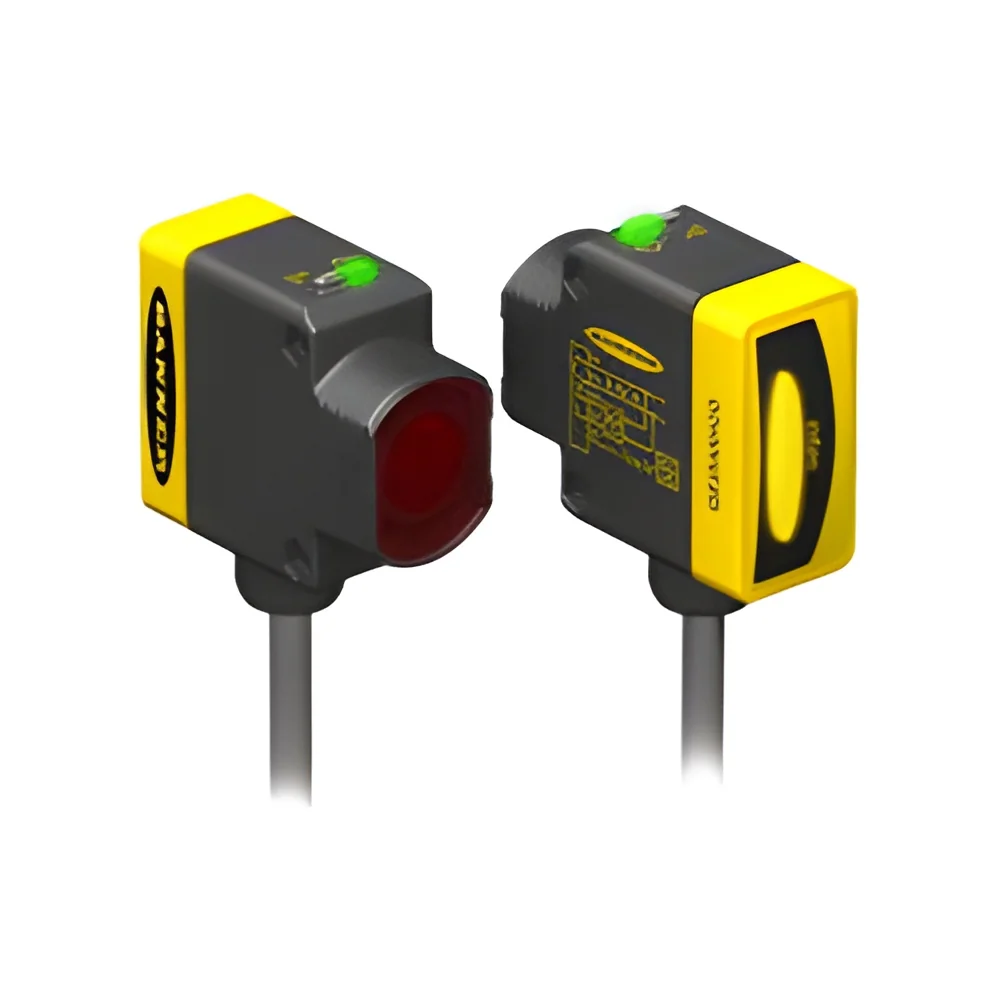
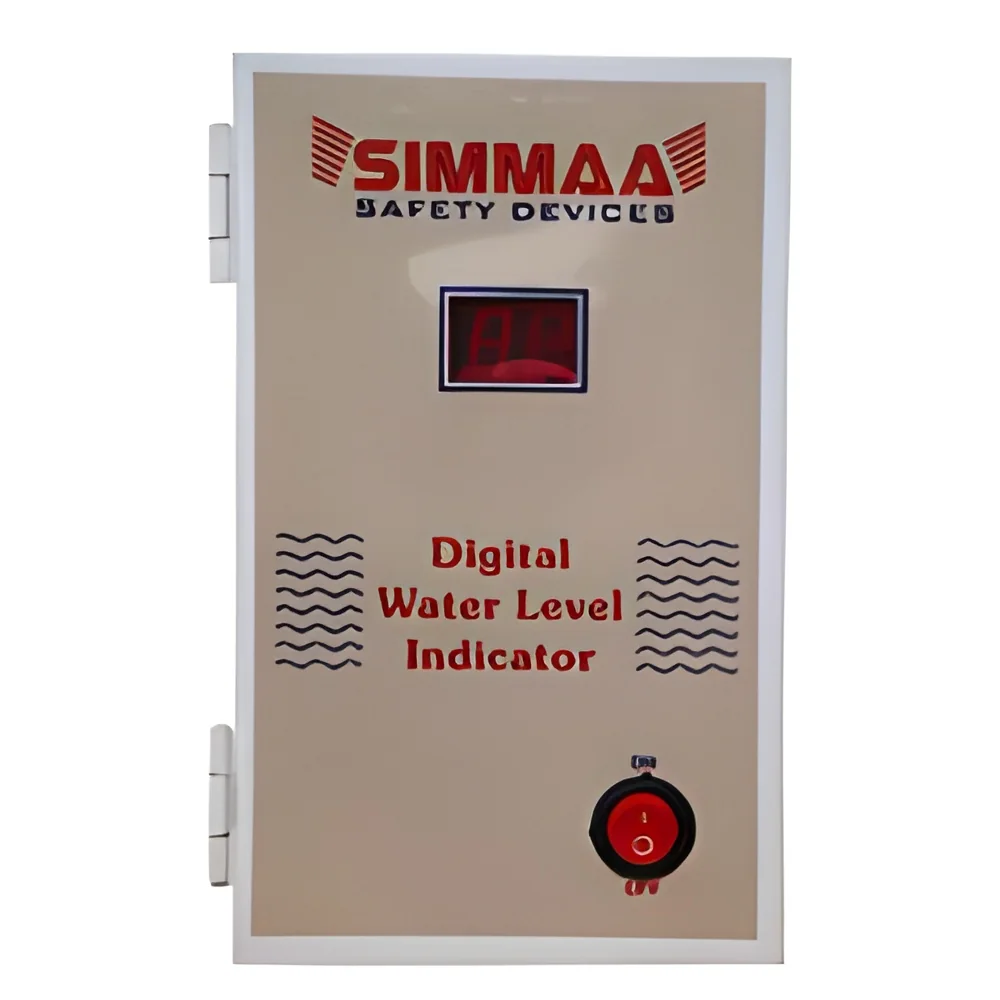
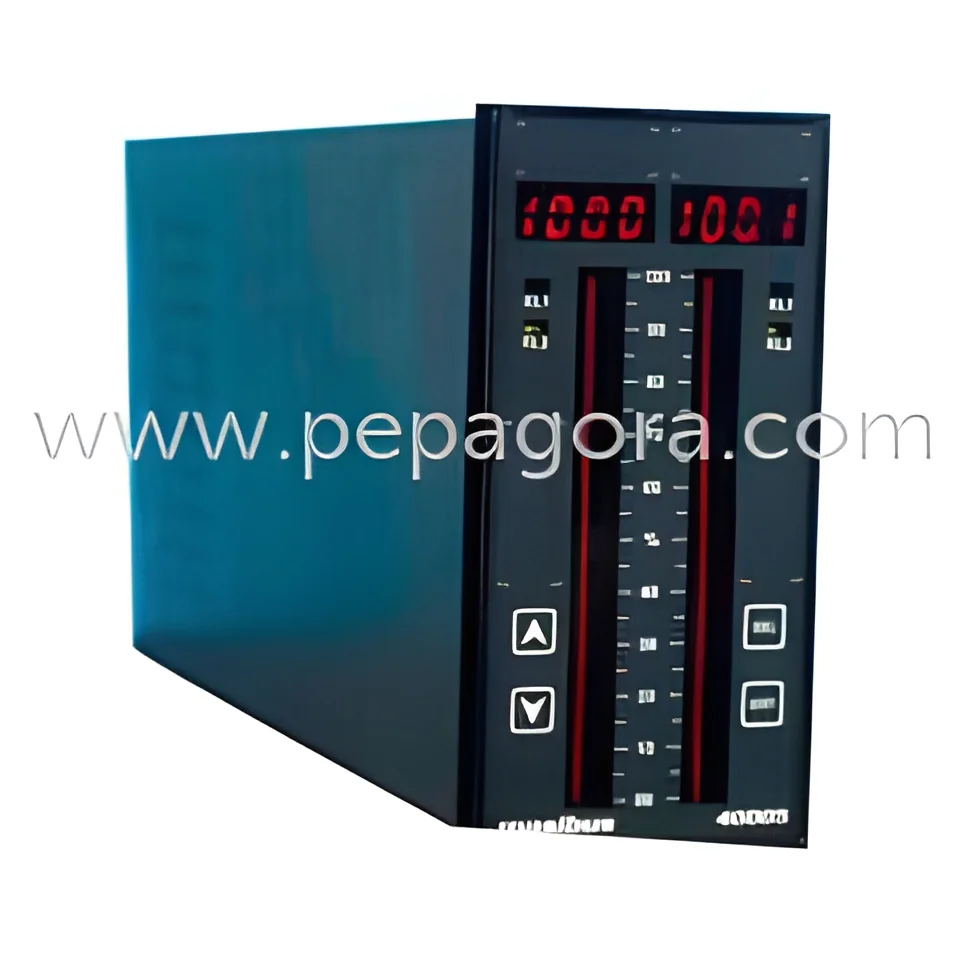
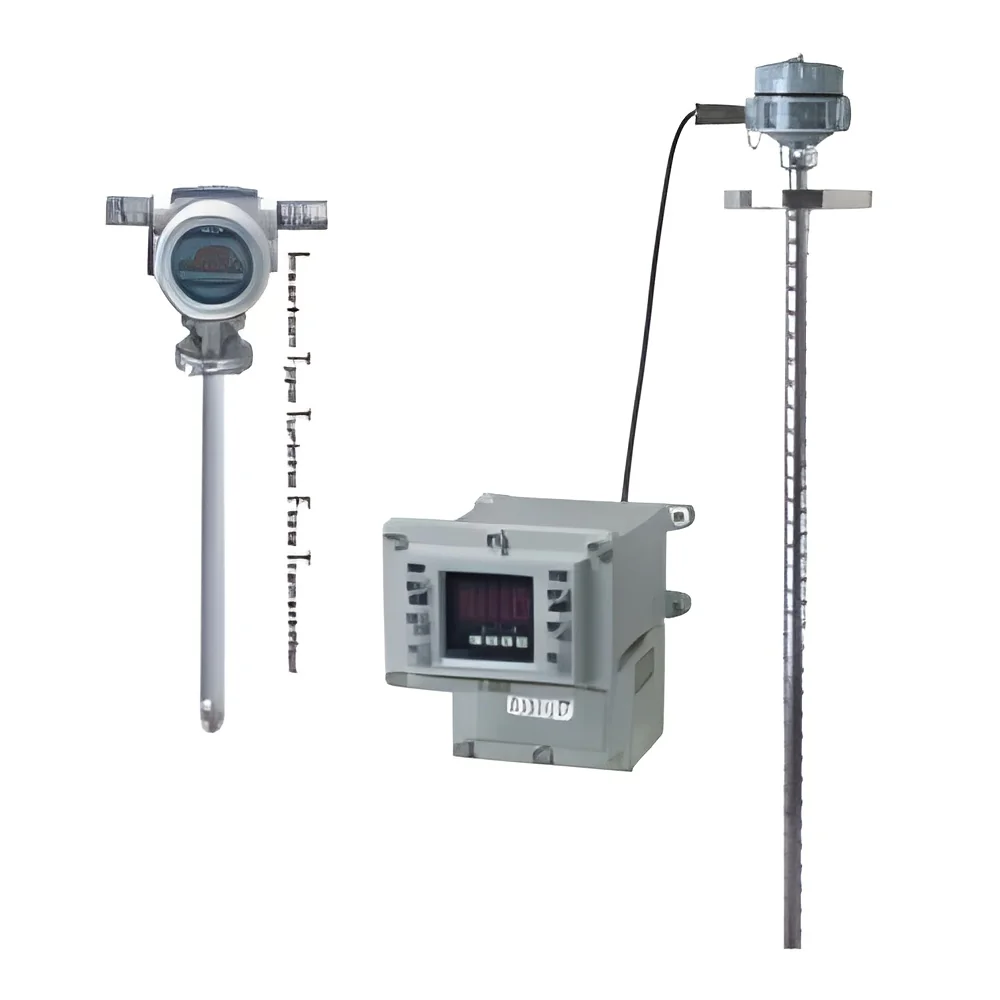
Electronic Level Gauges: These devices use sensors and digital displays to provide precise readings. They are suitable for complex systems requiring advanced monitoring and control.
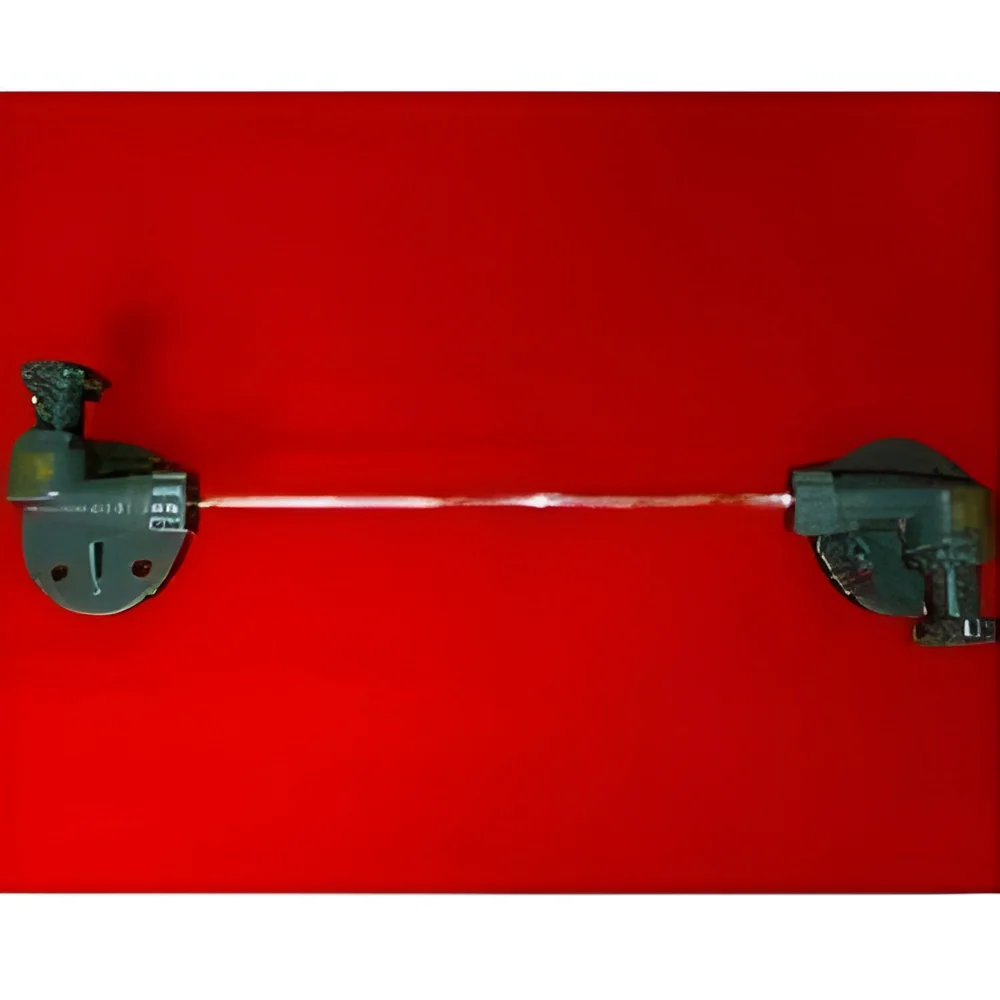
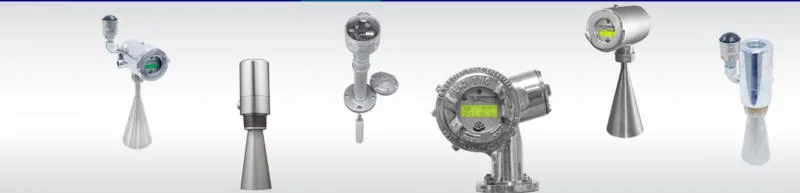
Ultrasonic Level Sensors: This variant uses sound waves to measure liquid levels without direct contact. They are ideal for applications involving corrosive or hazardous materials.
Capacitance Level Sensors: These sensors measure changes in capacitance caused by liquid levels. They are commonly used in applications involving bulk solids or liquids.
Benefits and Advantages
Choosing tank level indicators and gauges offers several advantages to businesses in various industries.
1. Enhanced Accuracy: These devices provide precise level measurements, reducing the likelihood of errors in inventory management and process control.
2. Improved Safety: By continuously monitoring liquid levels, companies can prevent overflows and spills, minimizing risks to personnel and the environment.
3. Operational Efficiency: Real-time data allows for timely decision-making and adjustments, leading to smoother operations and reduced downtime.
4. Regulatory Compliance: Accurate monitoring helps businesses meet industry standards and regulations, avoiding potential fines and legal issues.
5. Cost Savings: By optimizing resource management and preventing waste, these devices can lead to significant cost reductions over time.
6. Versatility: Tank level indicators and gauges can be adapted for use in various industries and applications, making them a valuable investment.
Buying Guide for B2B Buyers
When sourcing tank level indicators and gauges, several key factors should be considered to ensure the right selection for your business needs.
1. Quality Assessment: Evaluate the quality of materials and manufacturing processes. Look for products that meet industry standards and have favorable reviews from other users.
2. Supplier Verification: Vet suppliers to ensure they have a proven track record of reliability and customer service. Check for certifications and customer testimonials.
3. Pricing and MOQ: Understand the cost structure and minimum order quantities. This will help in budgeting and ensure you are getting value for your investment.
4. Delivery and Lead Times: Discuss logistics with suppliers to understand delivery timelines. Ensure that lead times align with your operational needs to avoid disruptions.
5. Compliance Requirements: Be aware of any regulatory requirements specific to your industry. Ensure that the products you choose meet these standards to avoid compliance issues.
Compliance and Certifications
Tank level indicators and gauges must meet various compliance and certification standards to ensure safety and reliability.
ISO 9001: This standard outlines the requirements for a quality management system and is critical for manufacturers to demonstrate their commitment to quality.
CE Certification: This certification indicates that the product meets European safety and environmental requirements. It is essential for market access in the European Union.
Safety and Testing Requirements: Manufacturers must adhere to safety protocols and conduct rigorous testing to ensure the devices perform reliably under expected conditions.
Regional Compliance Considerations: Different regions may have specific compliance requirements. Buyers should consider local regulations when sourcing products to ensure compliance.
Why Source Tank Level Indicators & Gauges from Pepagora?
Pepagora provides a trusted platform for sourcing tank level indicators and gauges, offering several key advantages for buyers.
Verified Supplier Network: Pepagora ensures that all suppliers are thoroughly vetted, providing buyers with confidence in the quality and reliability of products.
Streamlined RFQ Process: The platform simplifies the request for quotation process, allowing buyers to receive competitive pricing and terms from multiple suppliers quickly.
Trade Assurance and Support: Pepagora offers buyer protection services, ensuring that transactions are secure and that buyers receive support throughout the purchasing process.
Regional Coverage: With a strong presence in India, the GCC, and Southeast Asia, Pepagora connects buyers with local and international suppliers, facilitating efficient sourcing and logistics.

 IN
IN