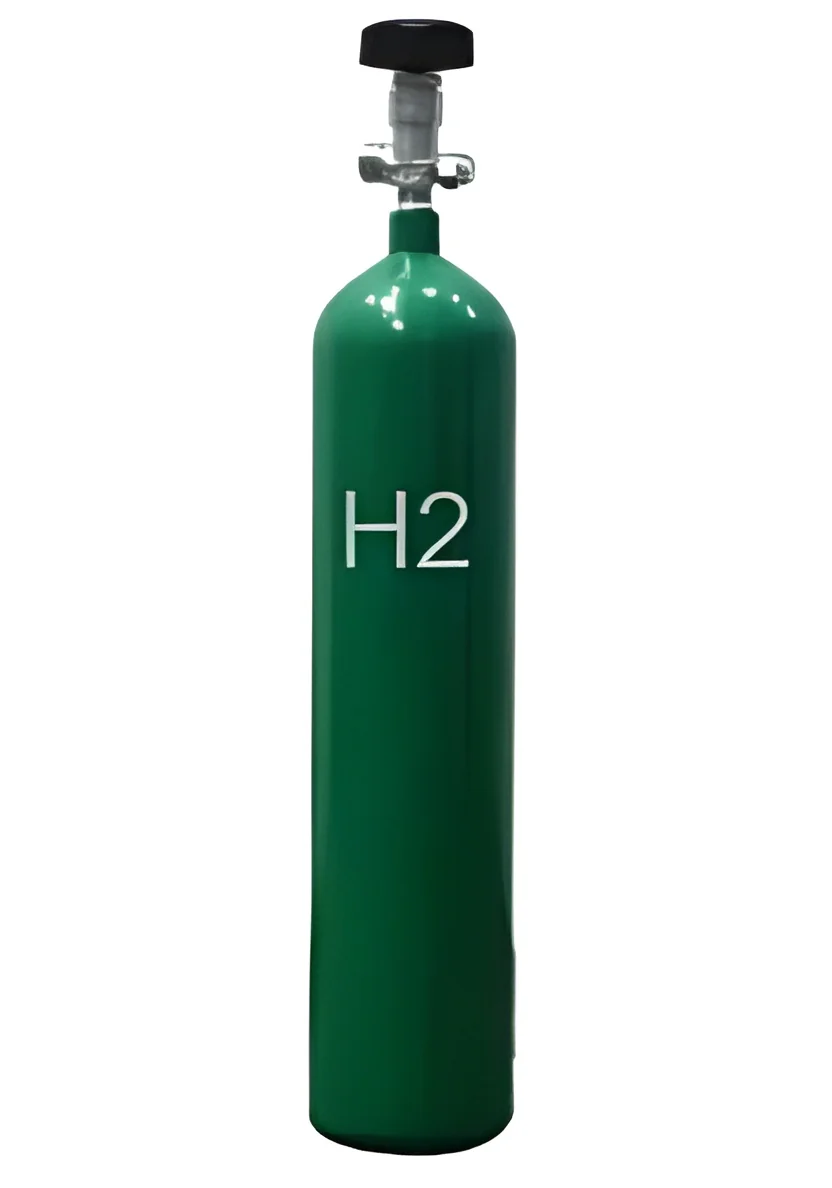
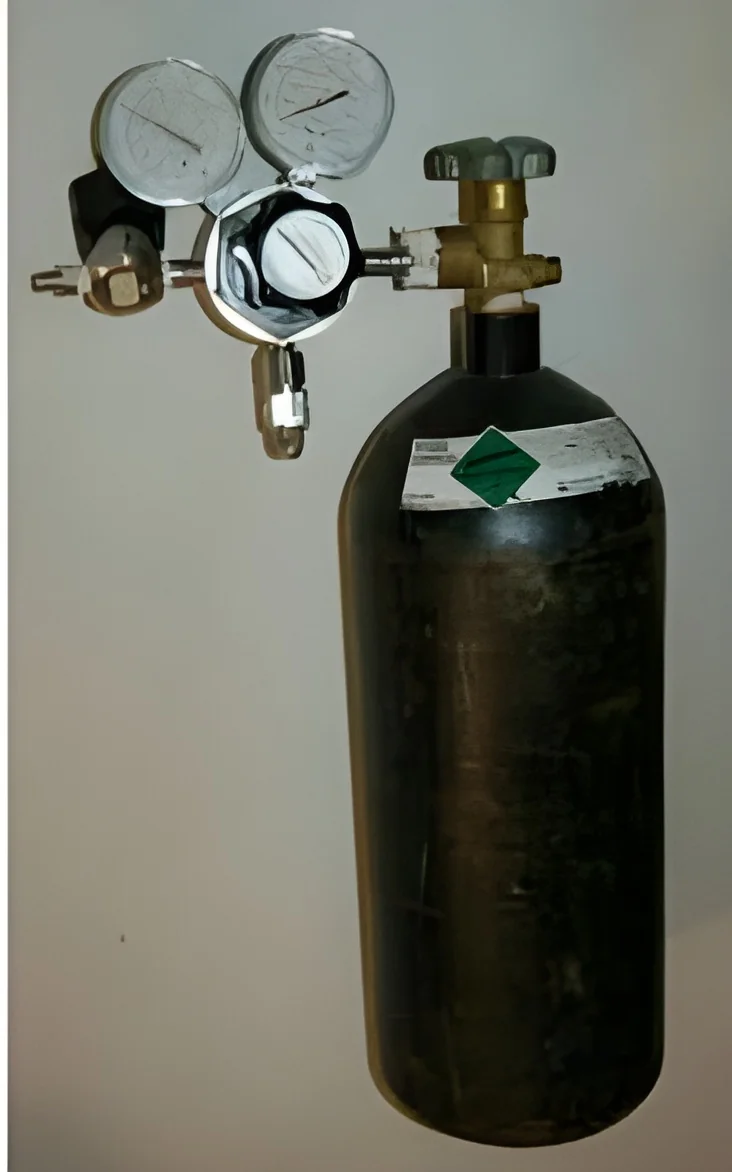
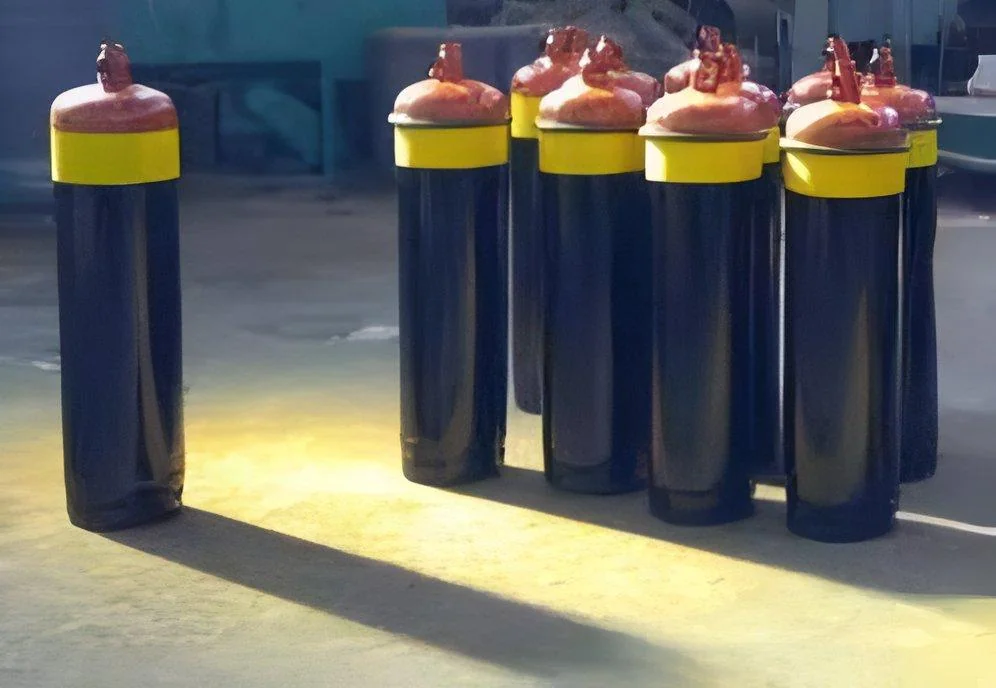
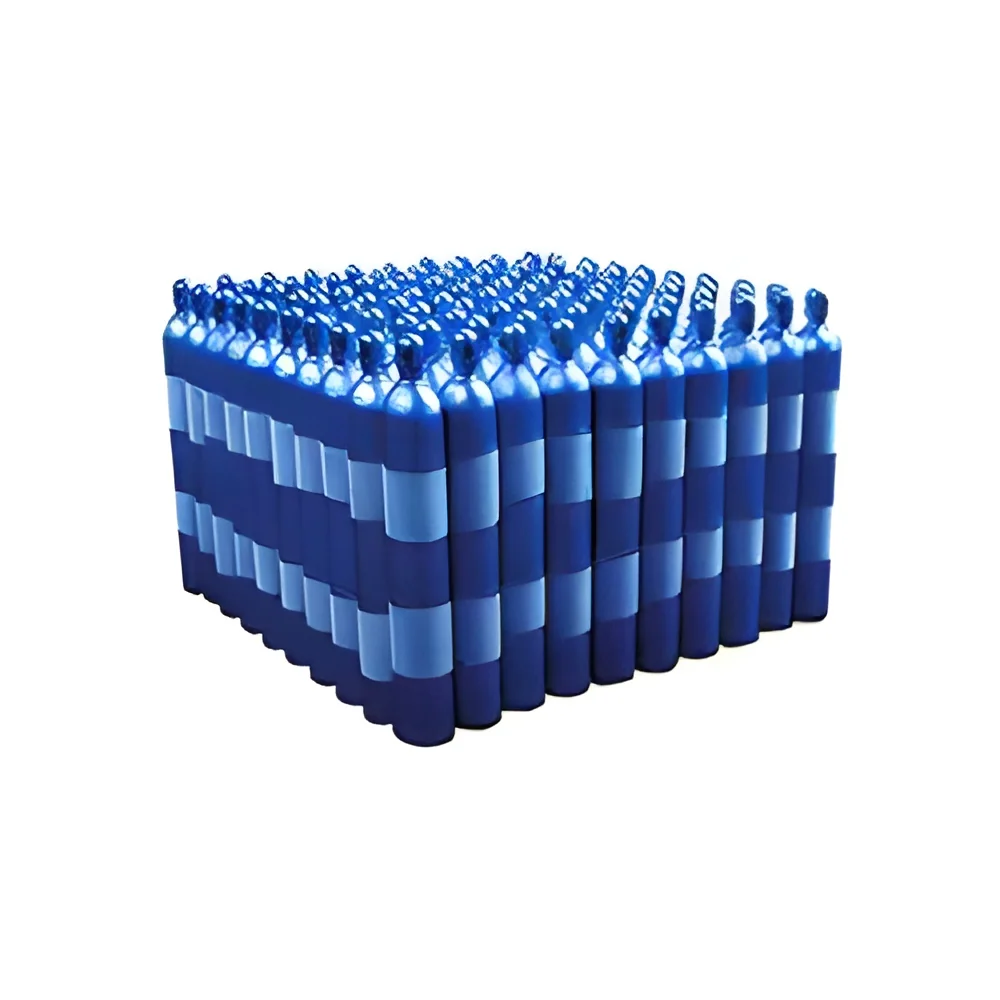
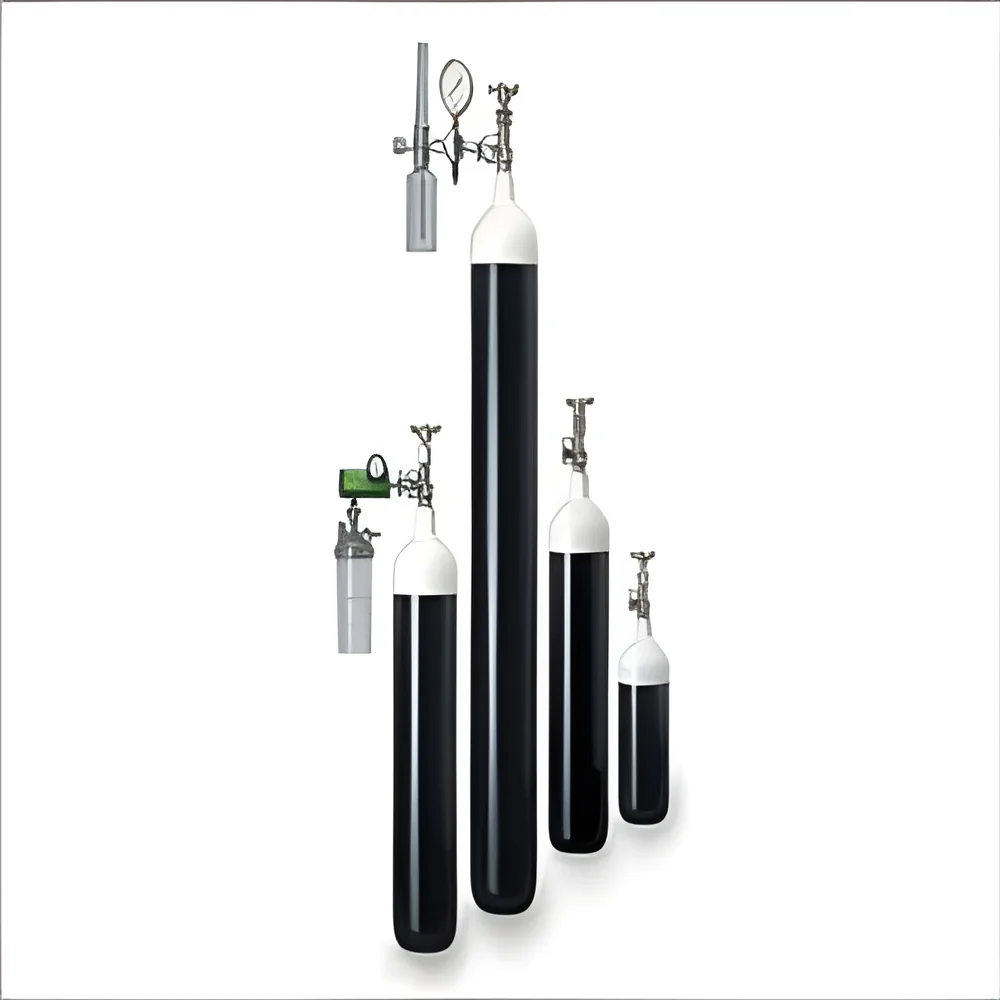
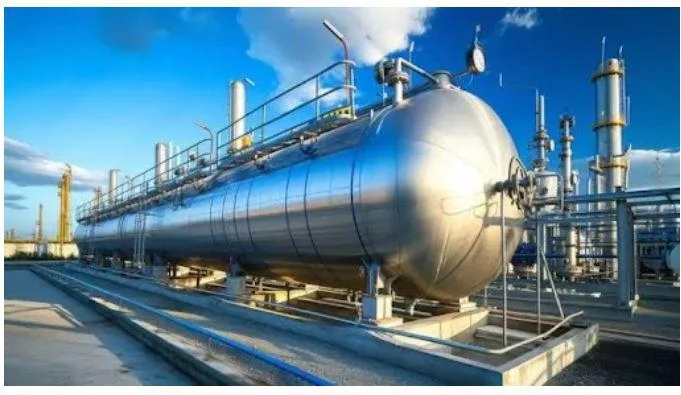
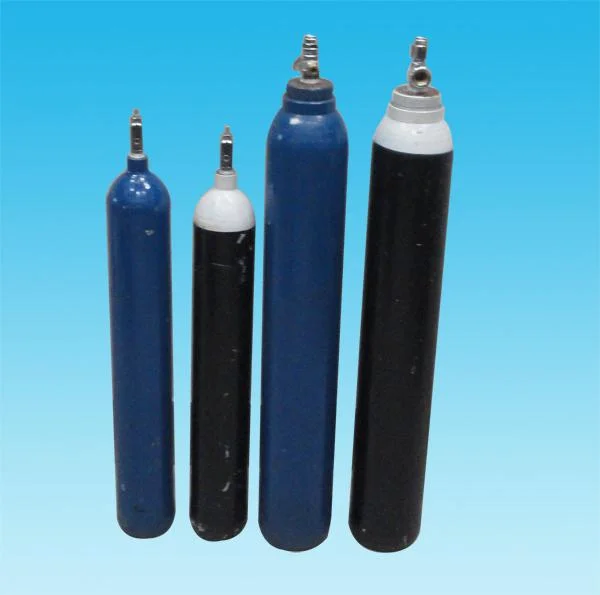
What are Gas Cylinders & Bottles?
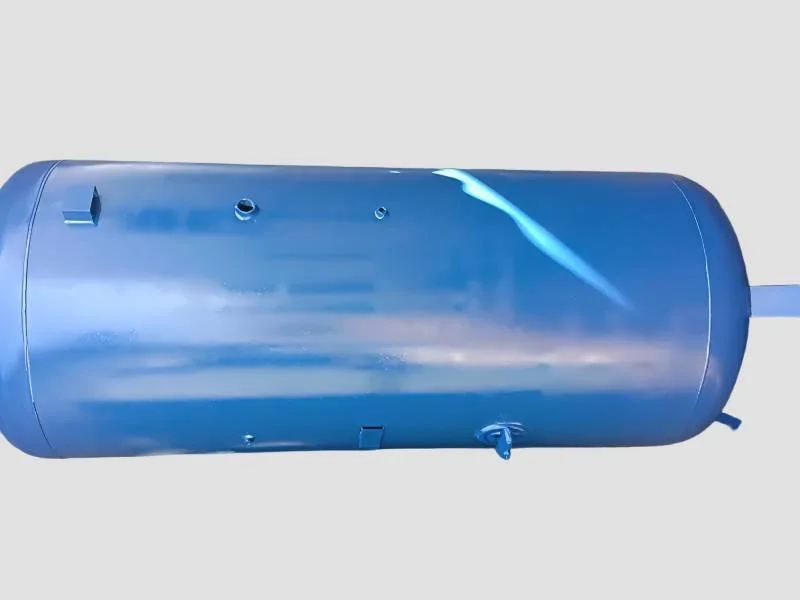
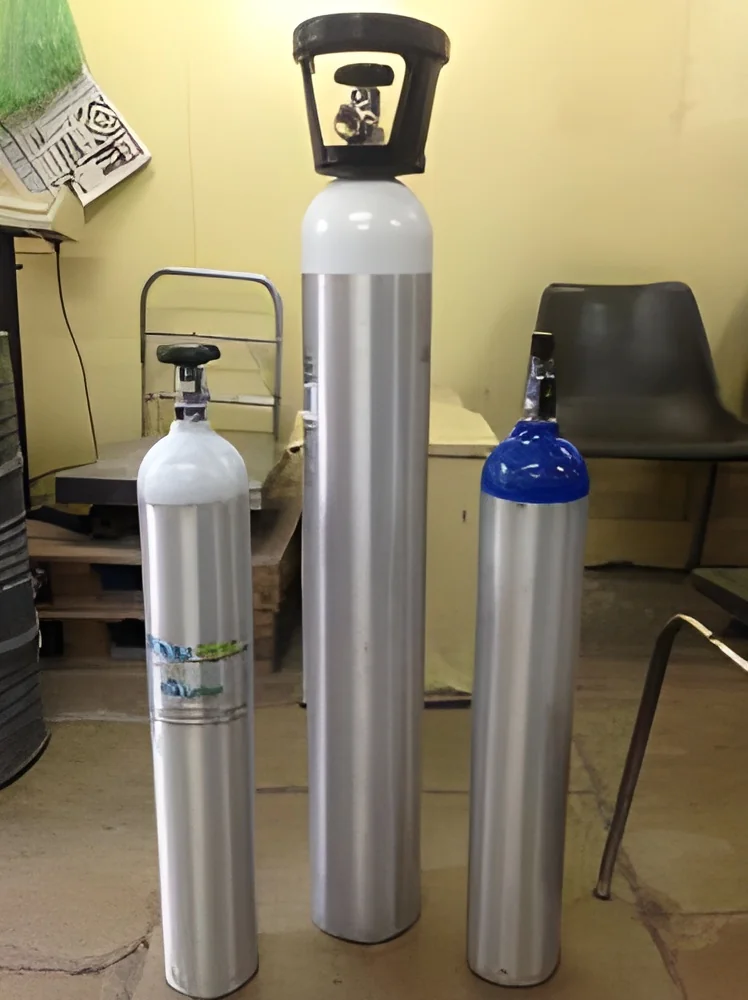
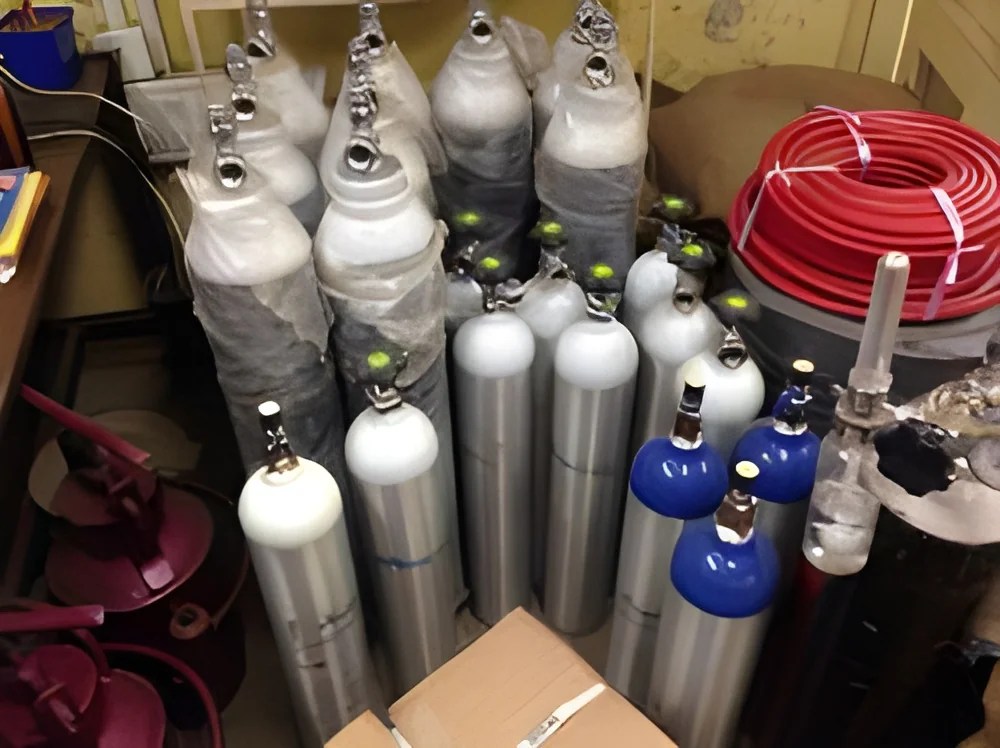
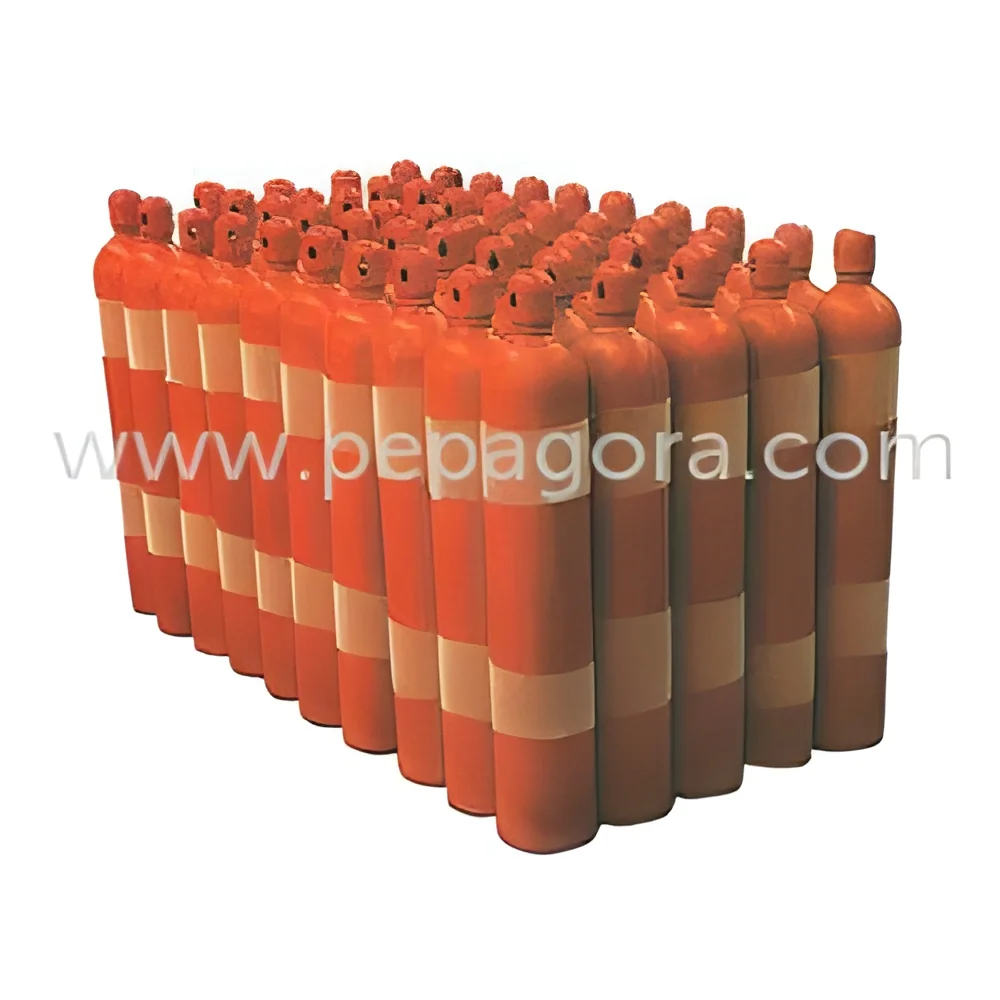
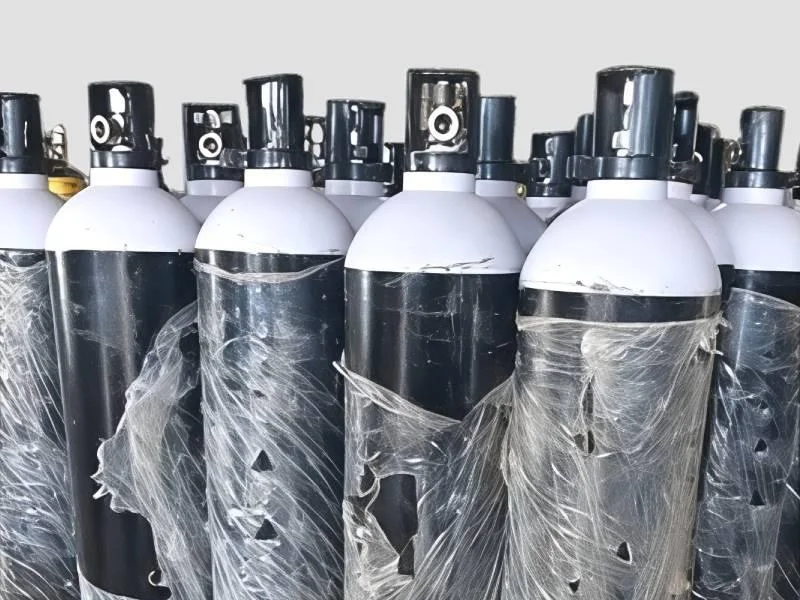
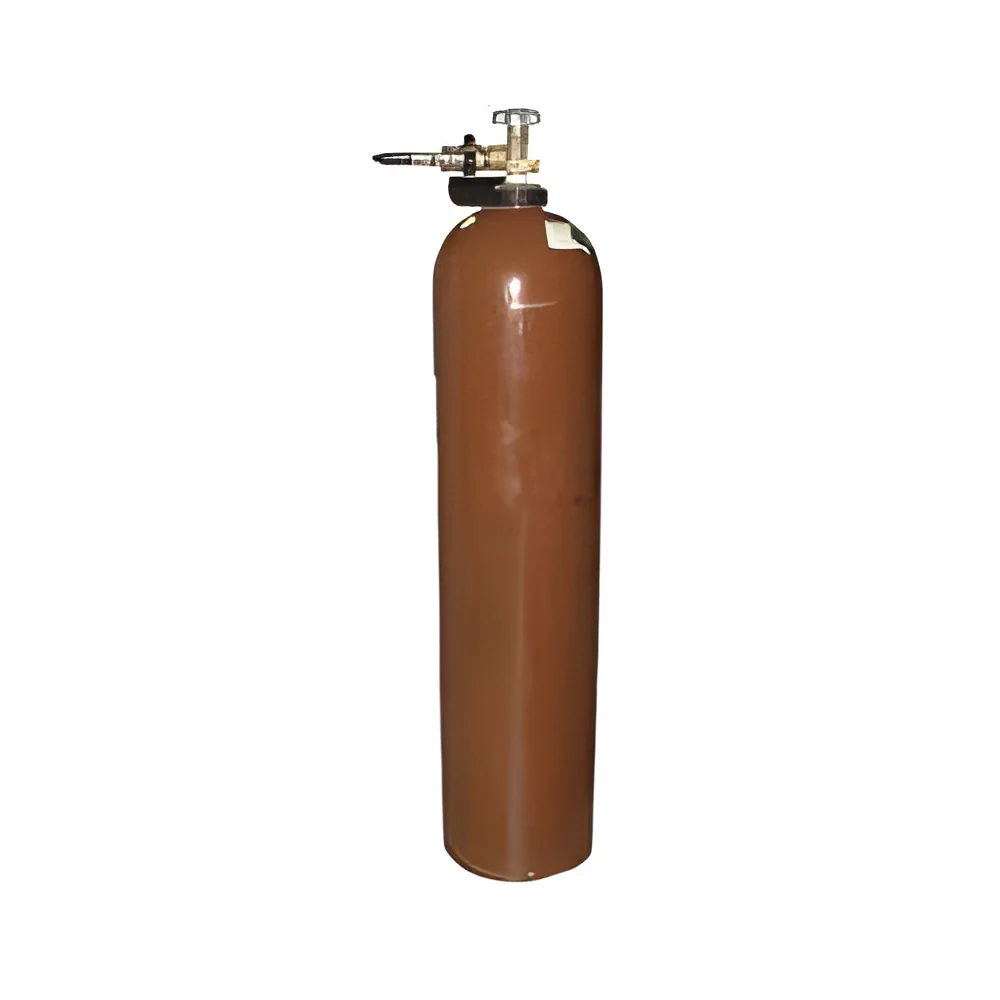
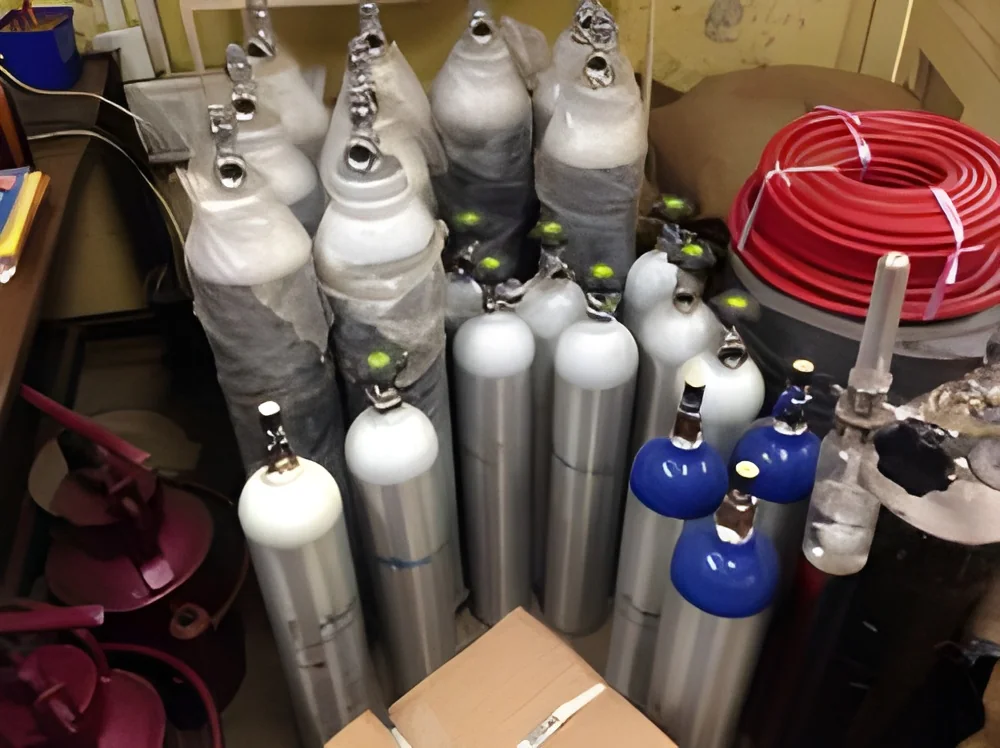
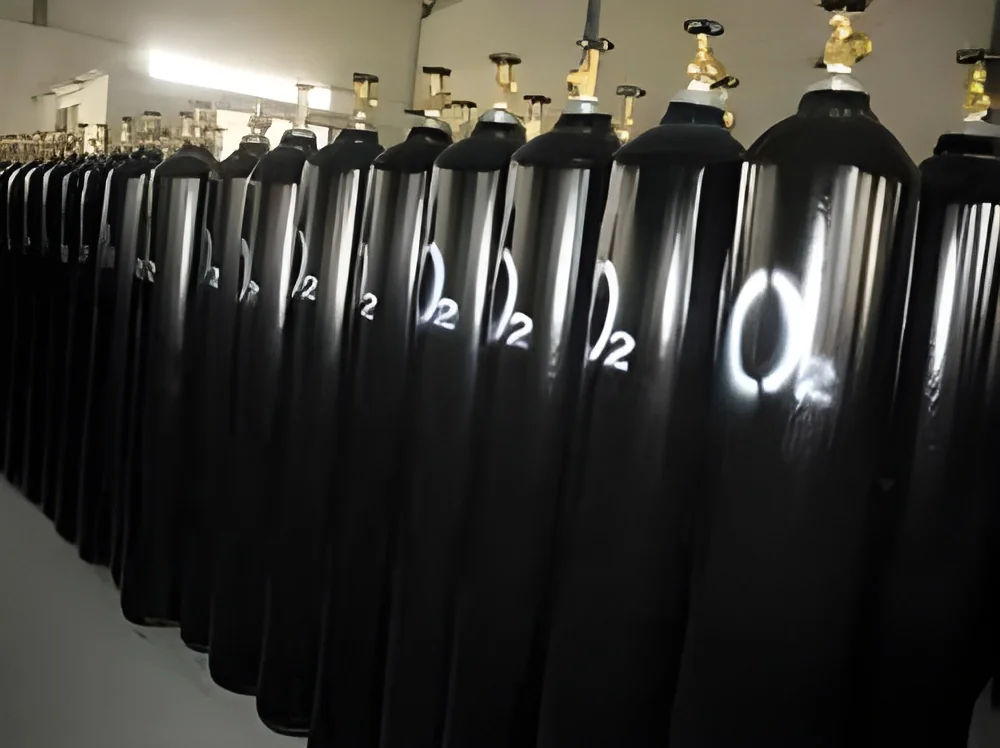
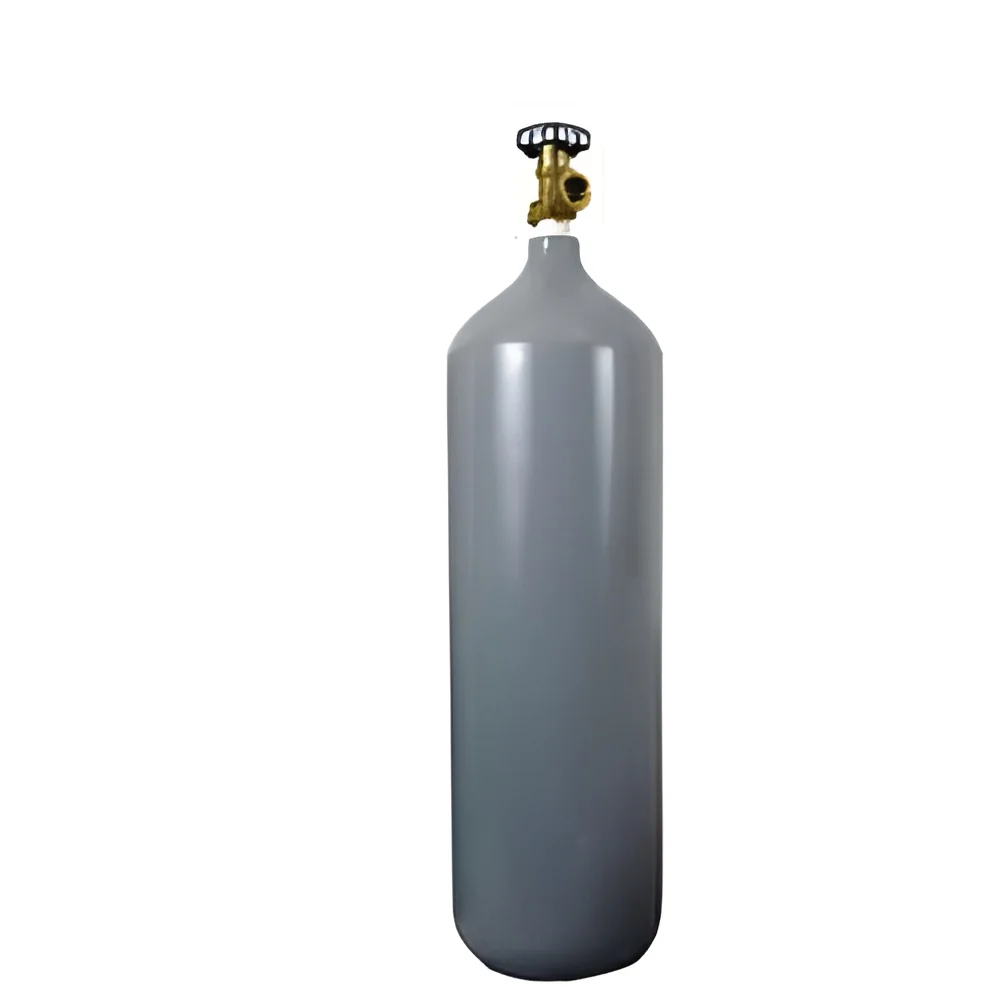
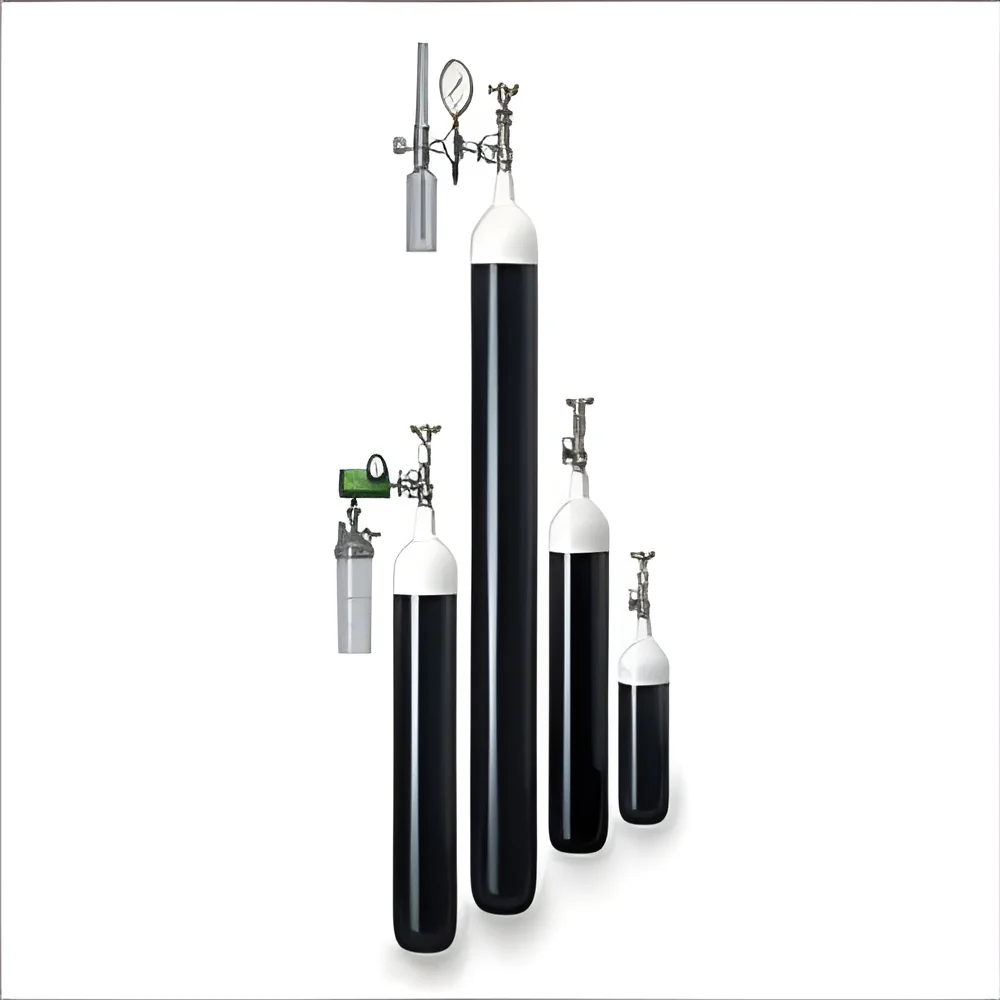
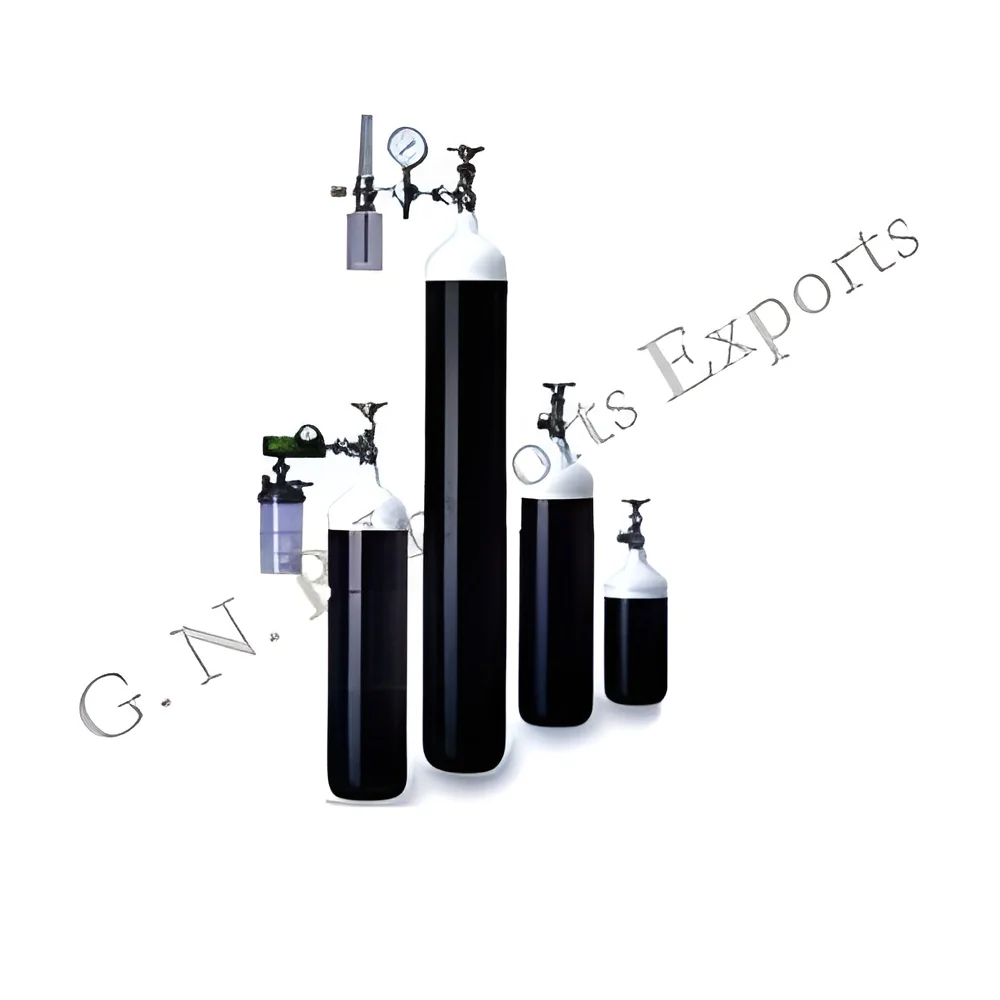
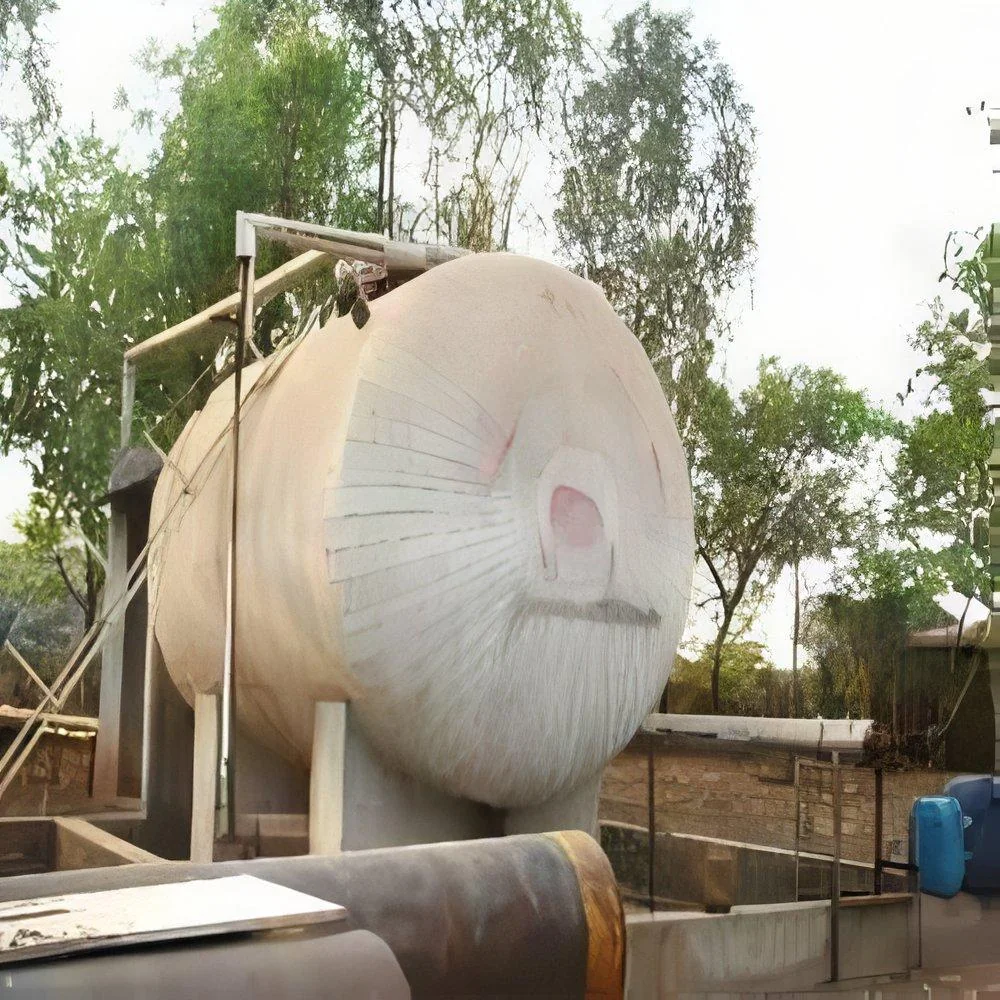
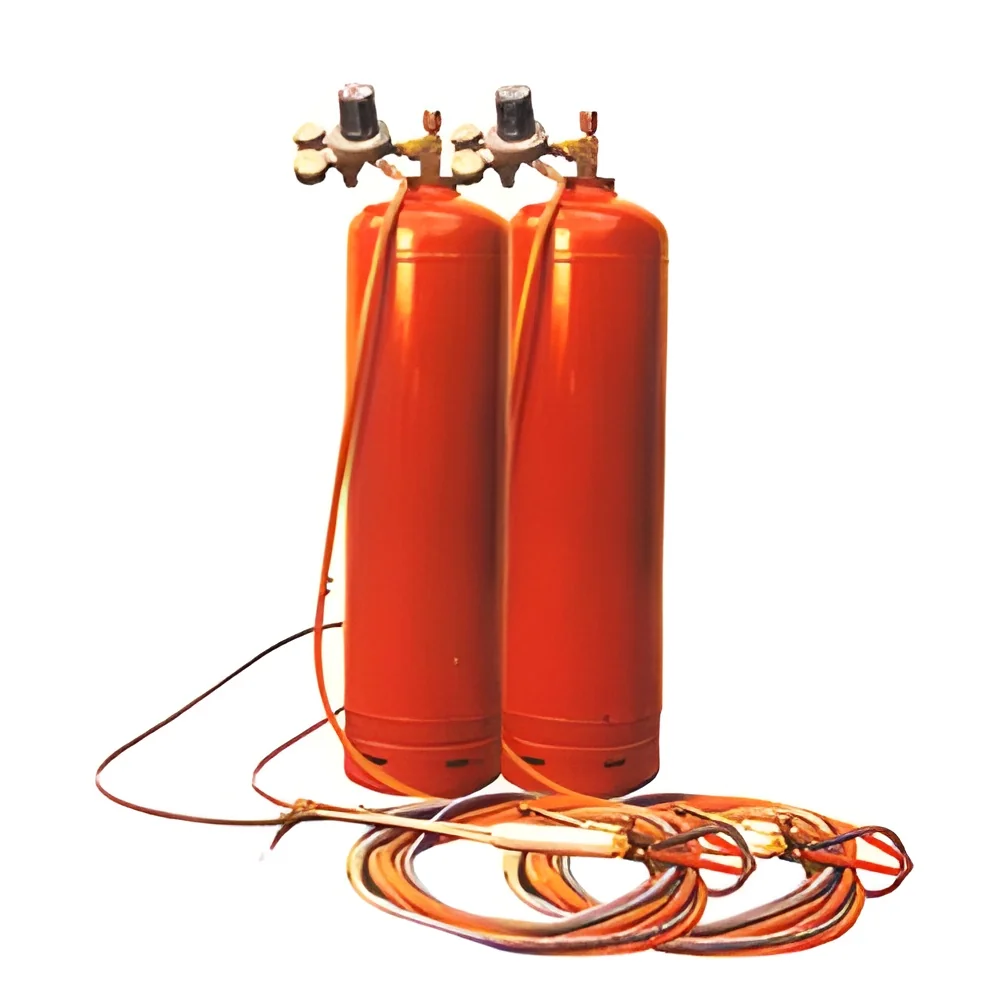
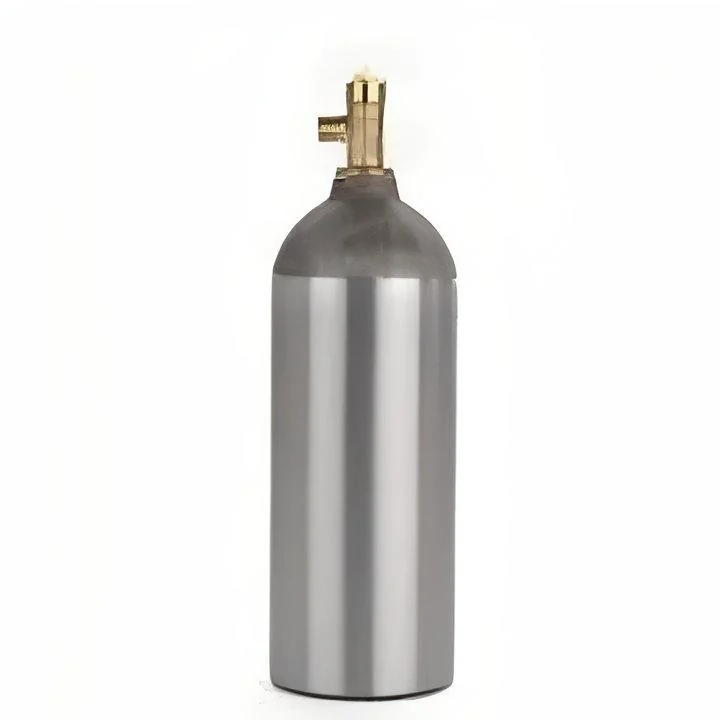
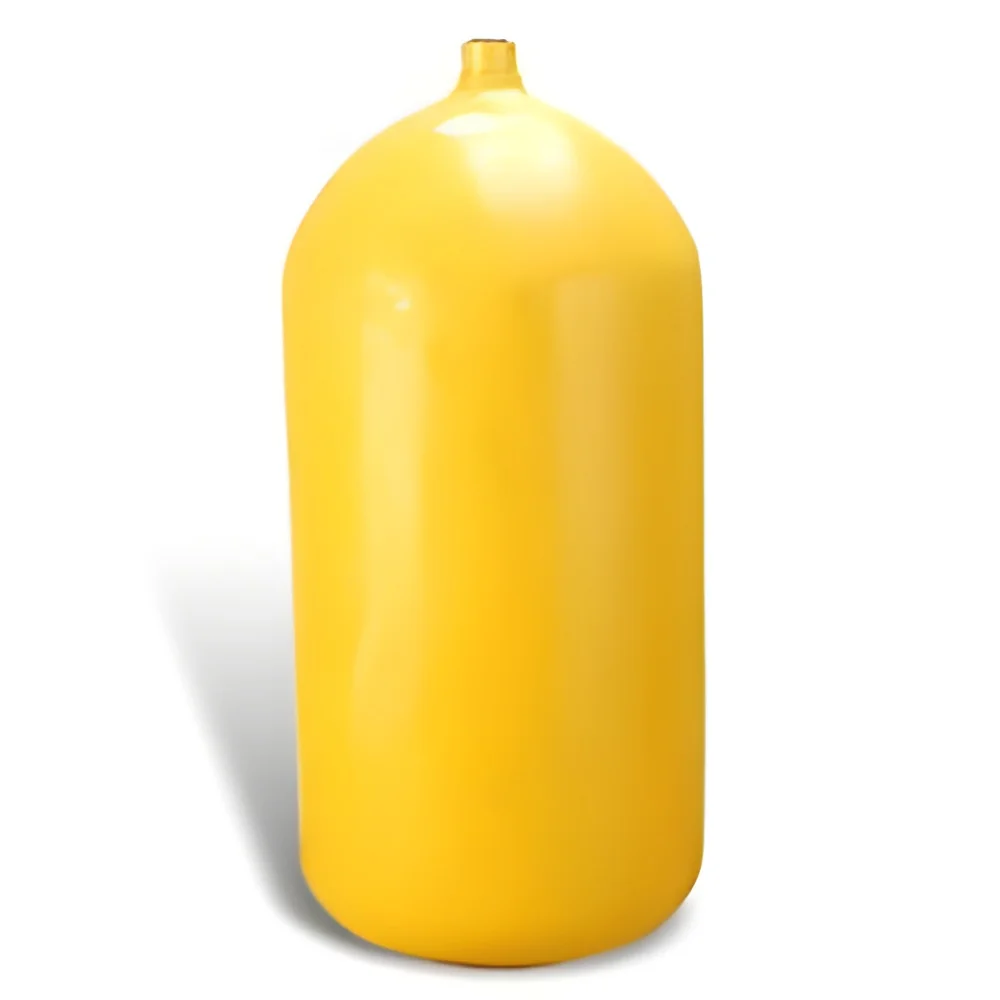
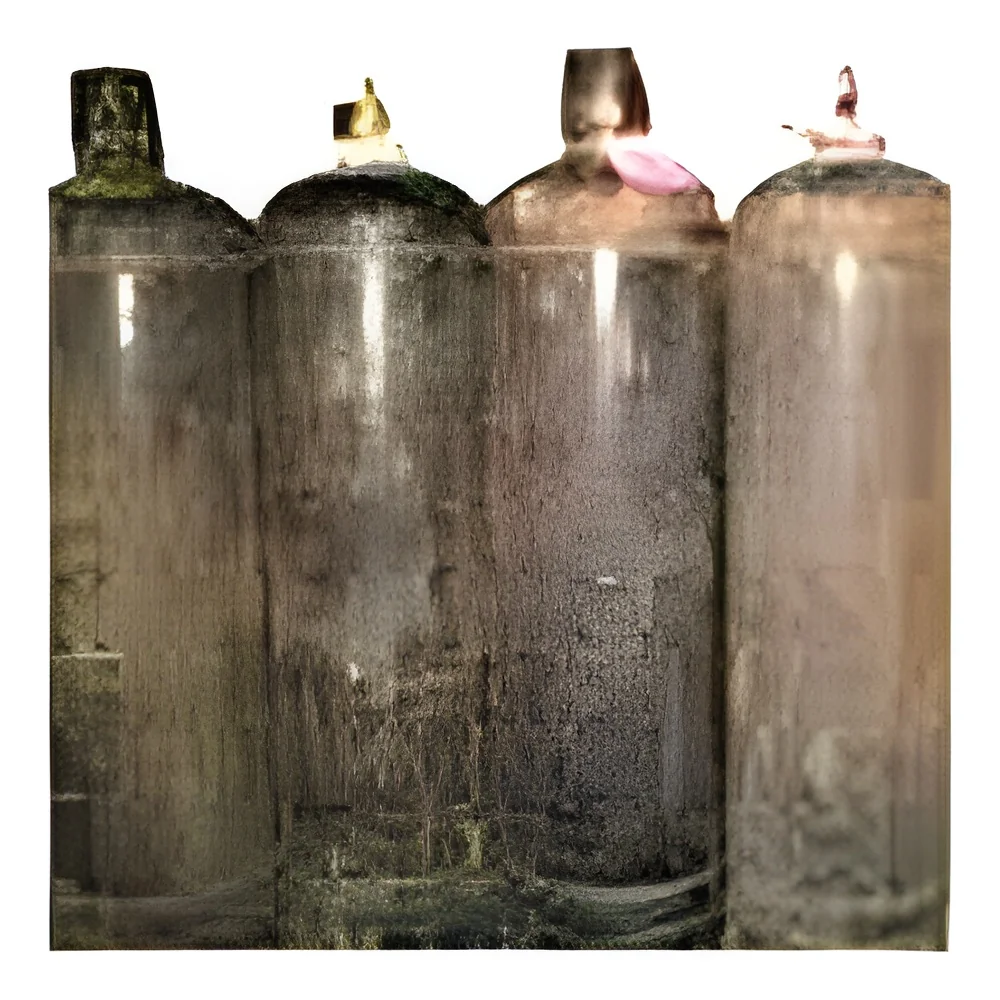
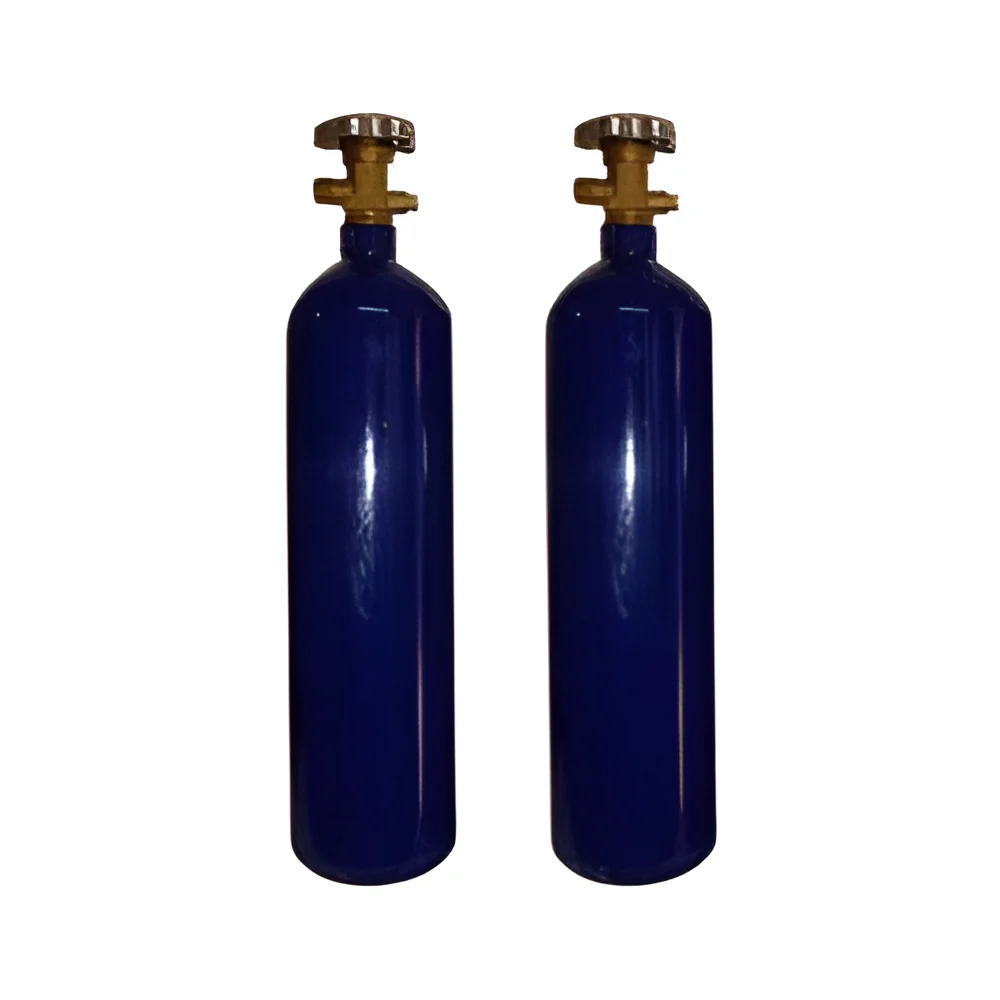
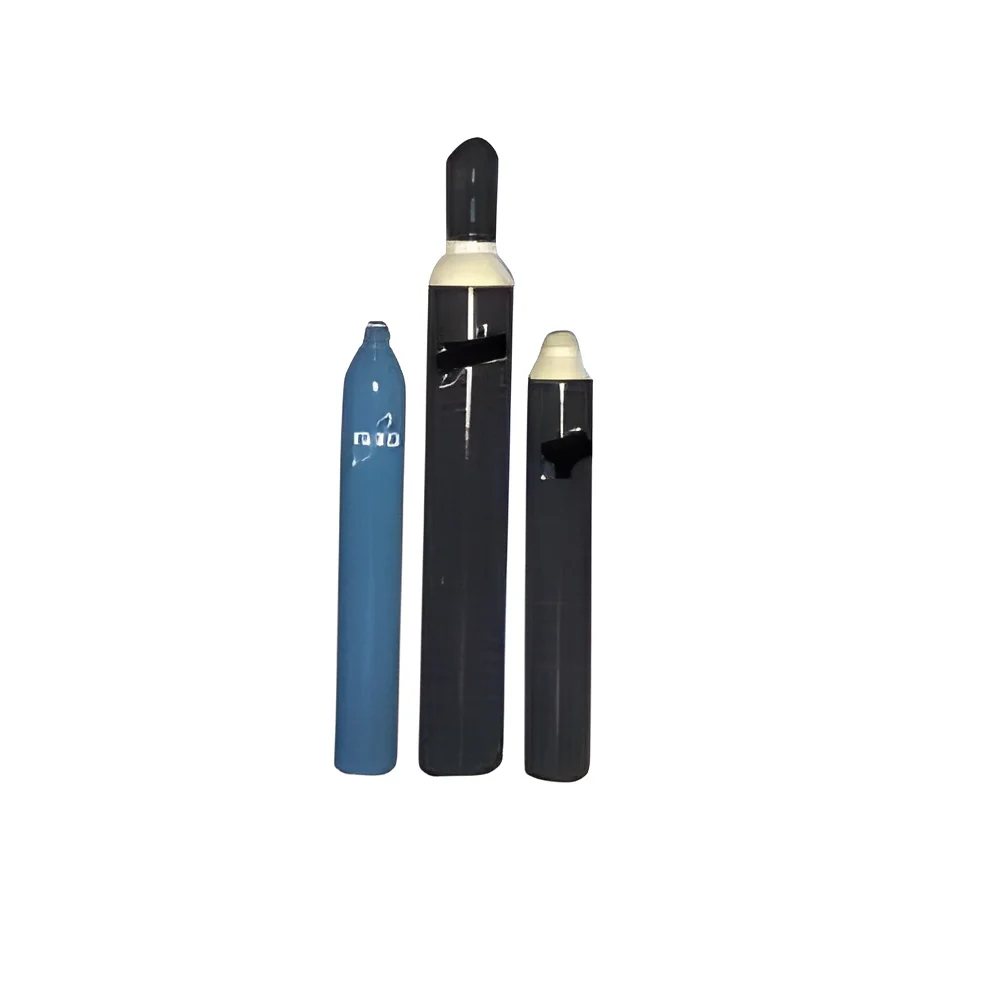
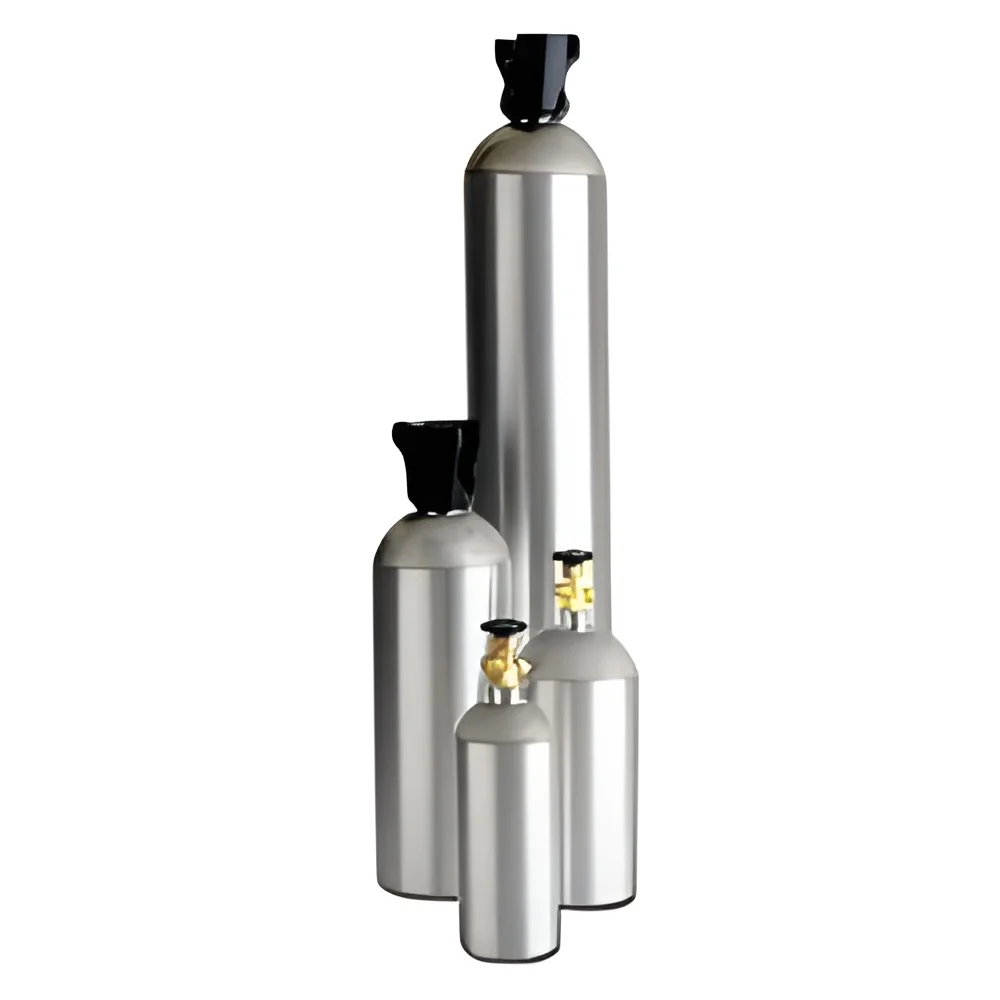
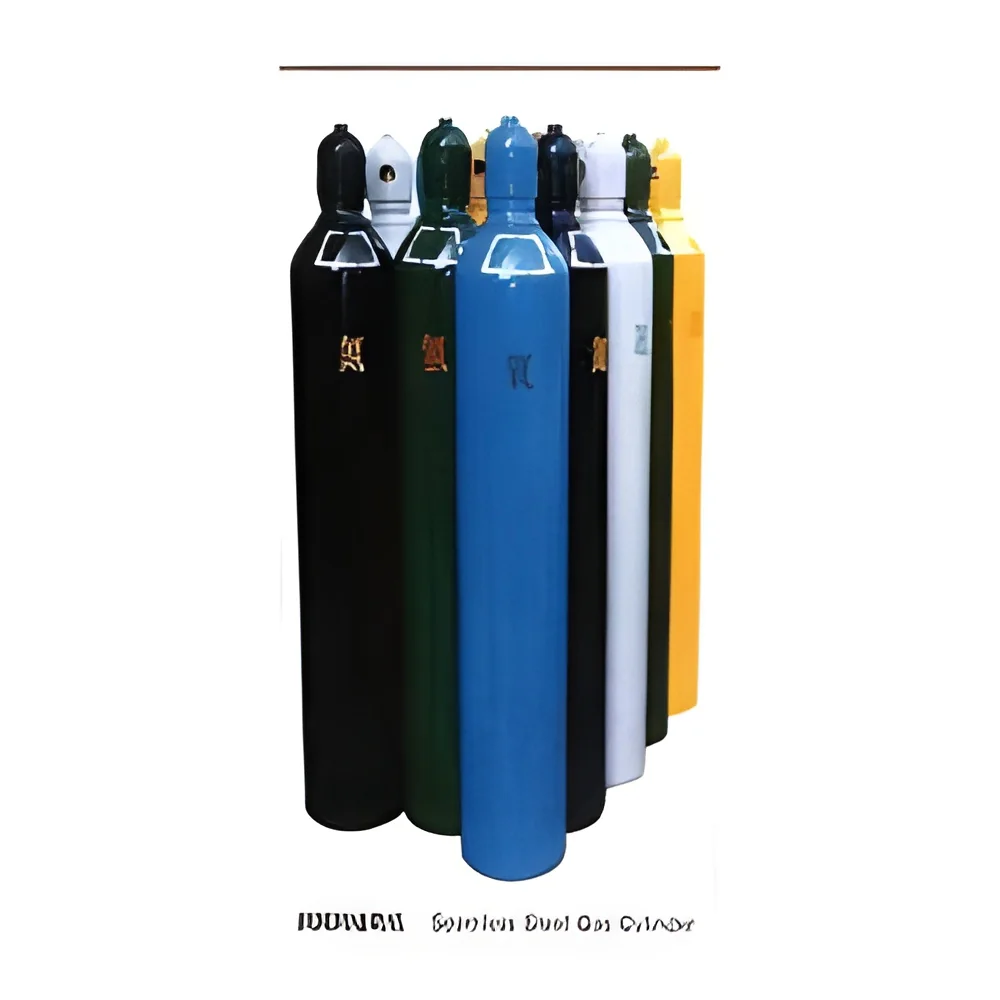
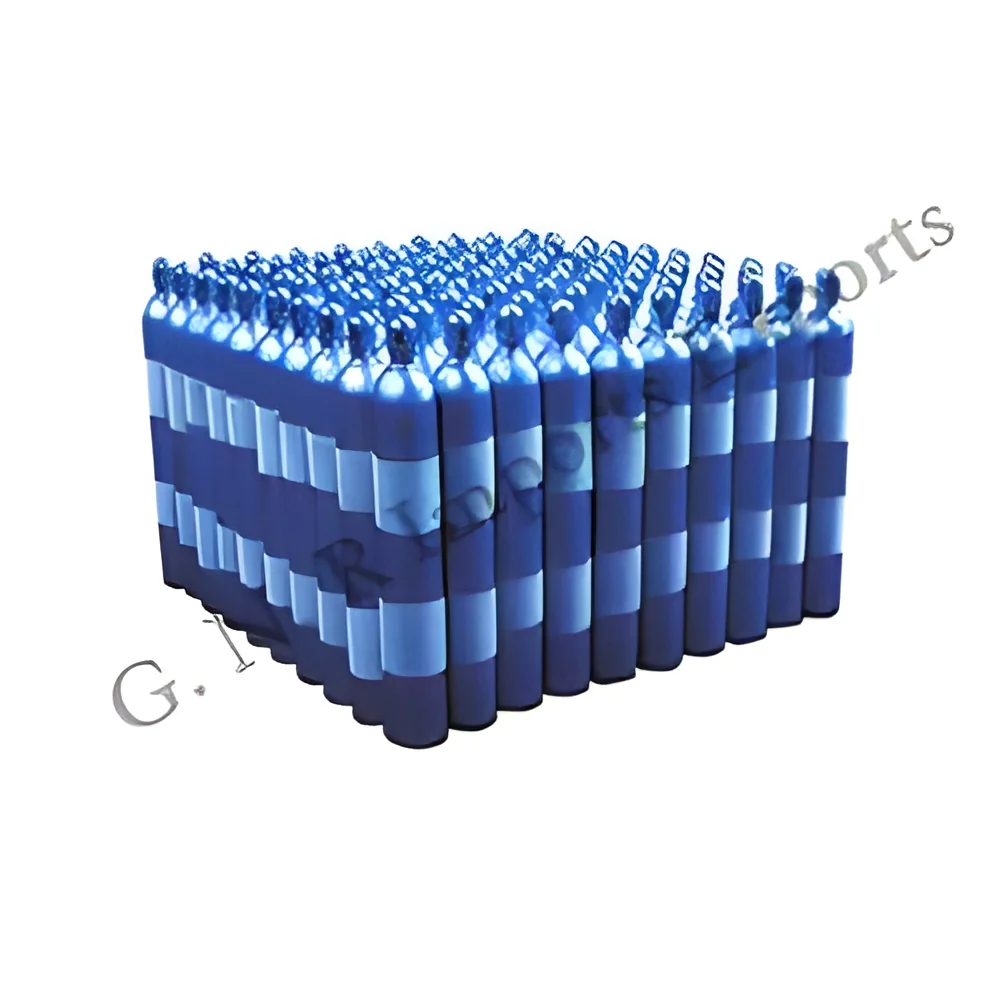
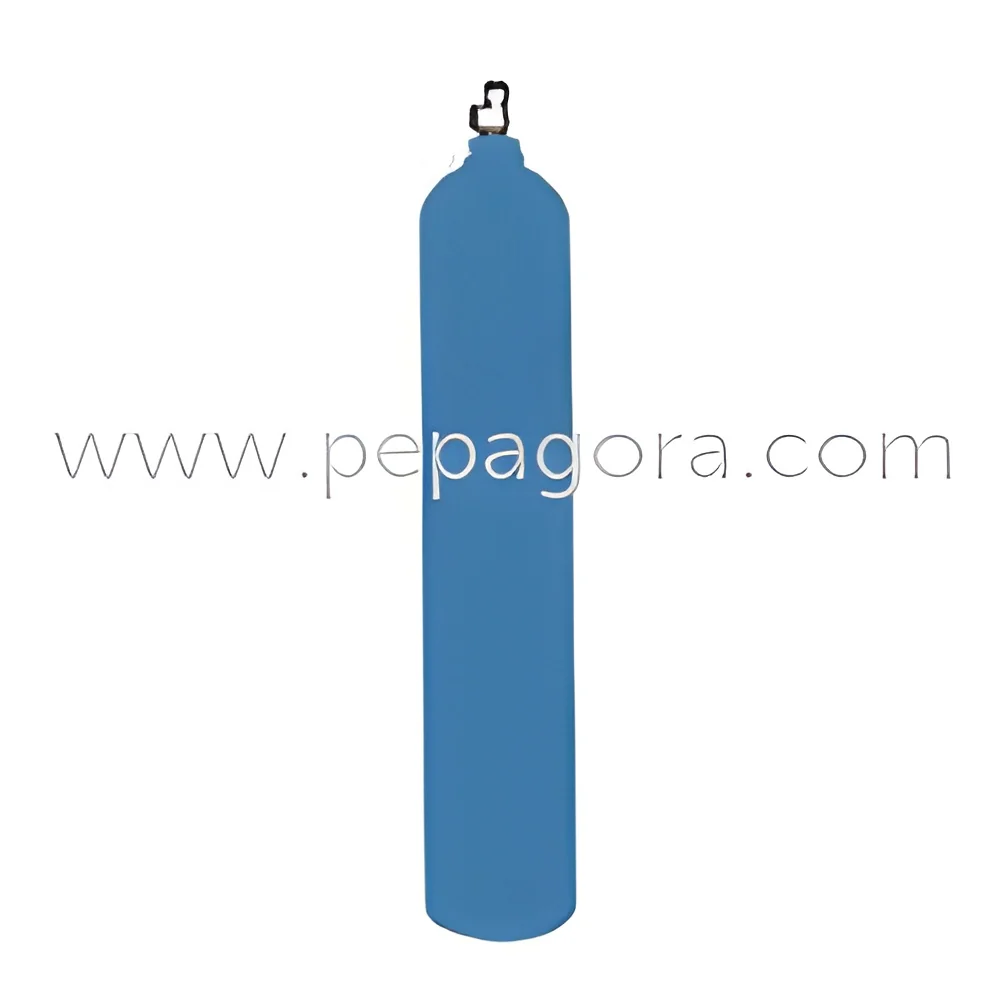
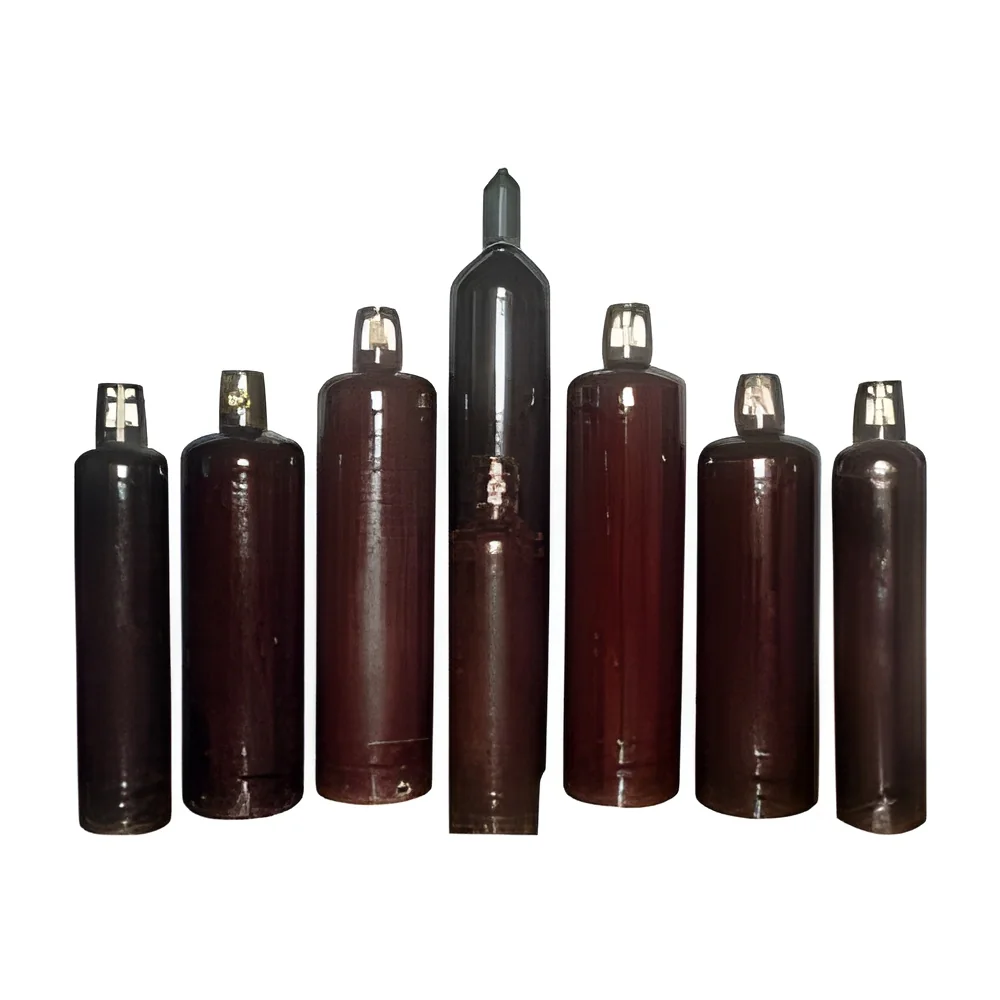
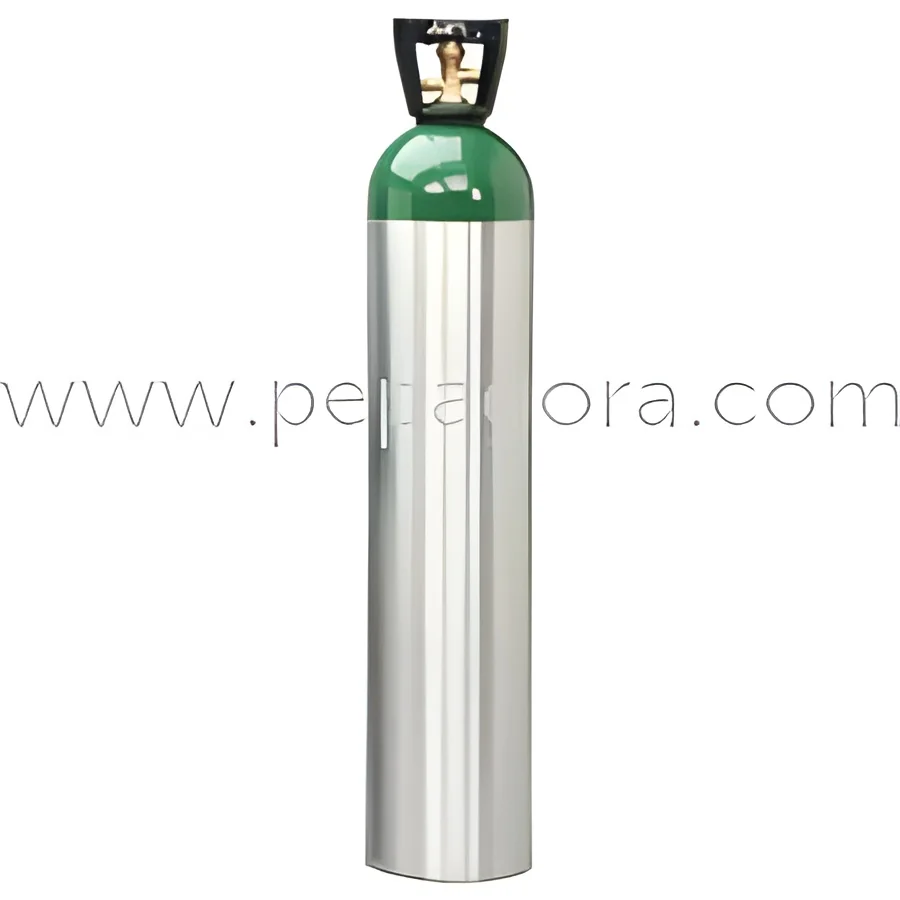
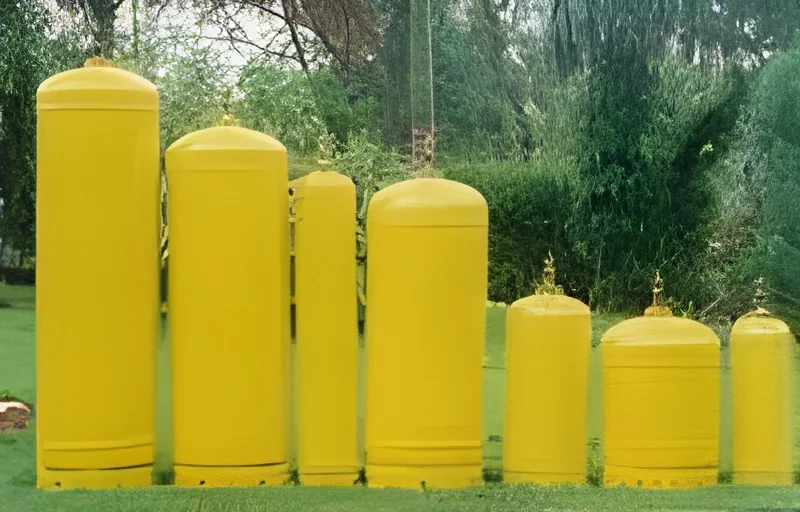
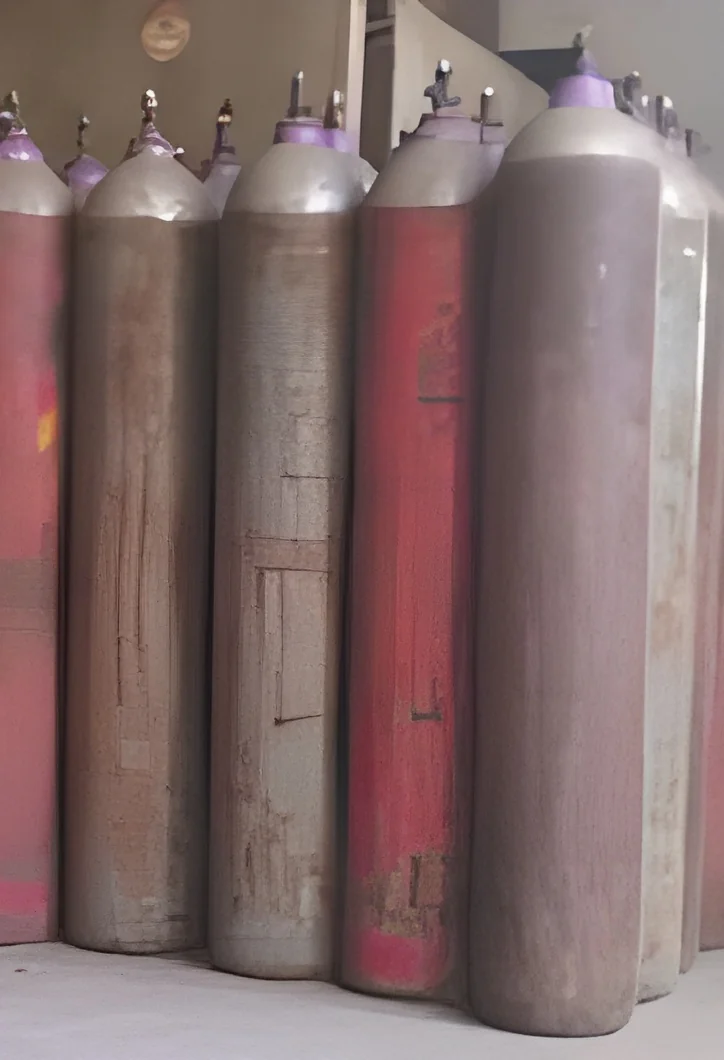
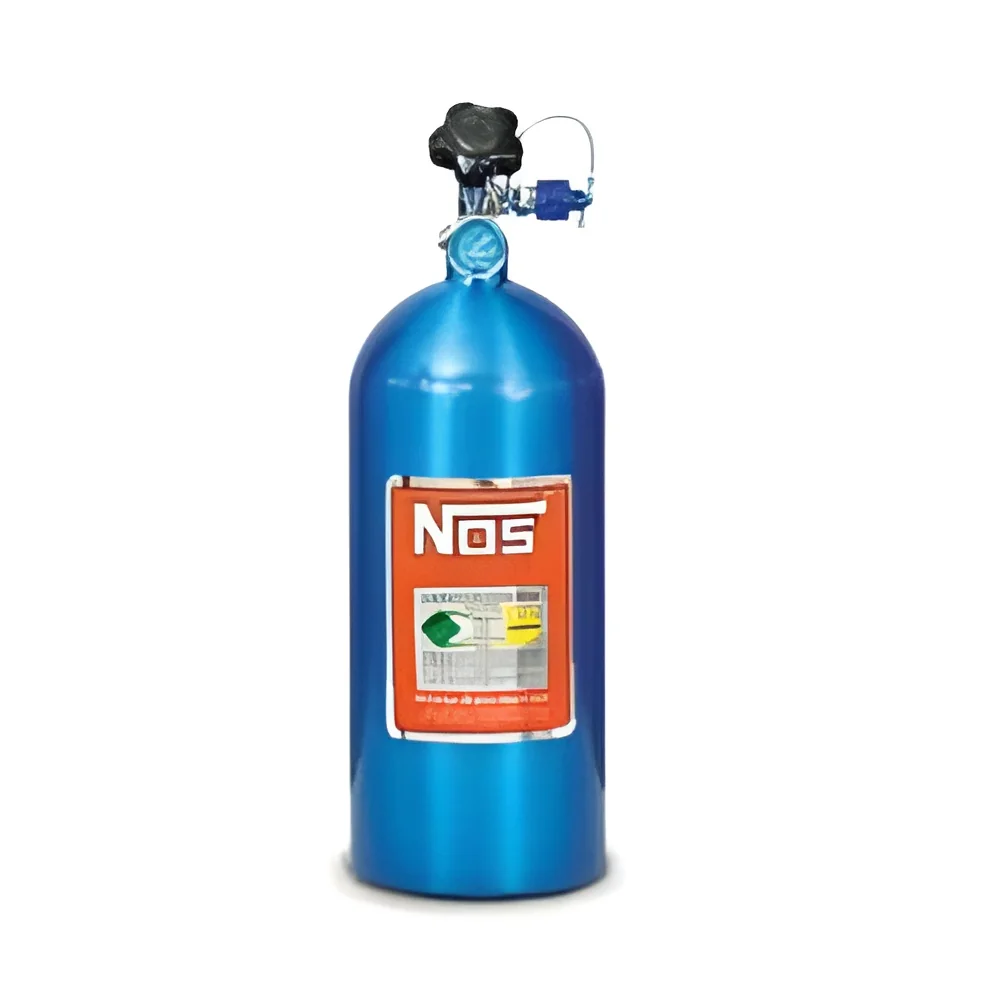
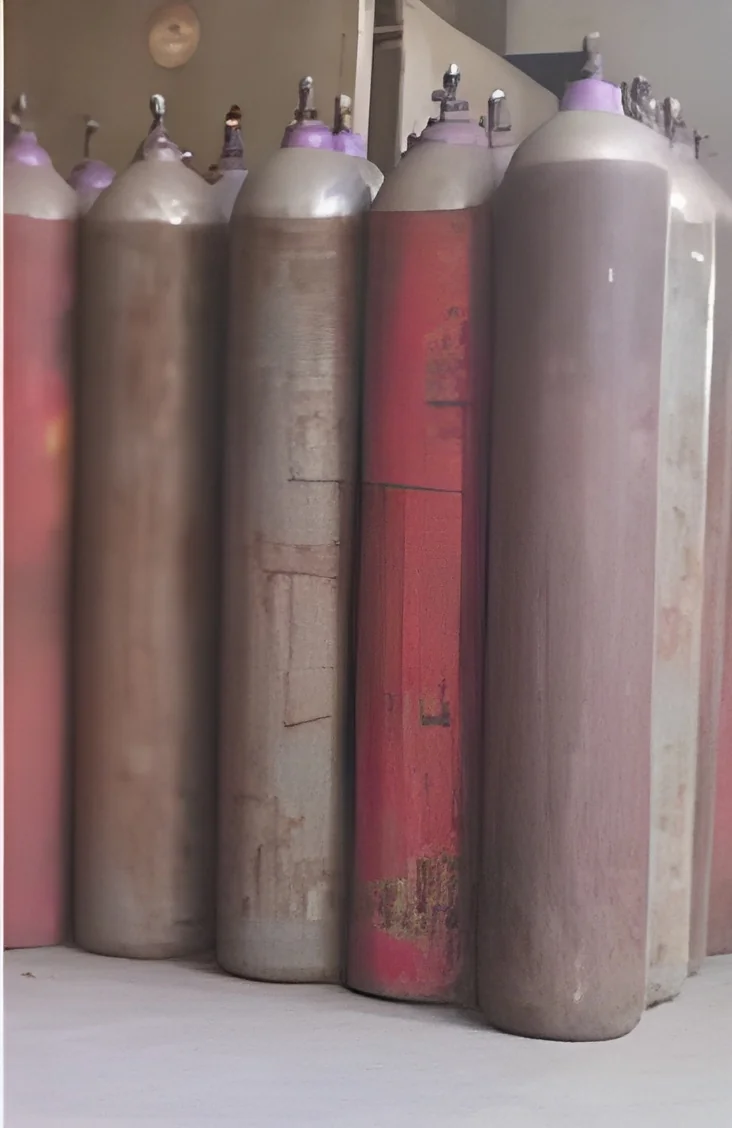
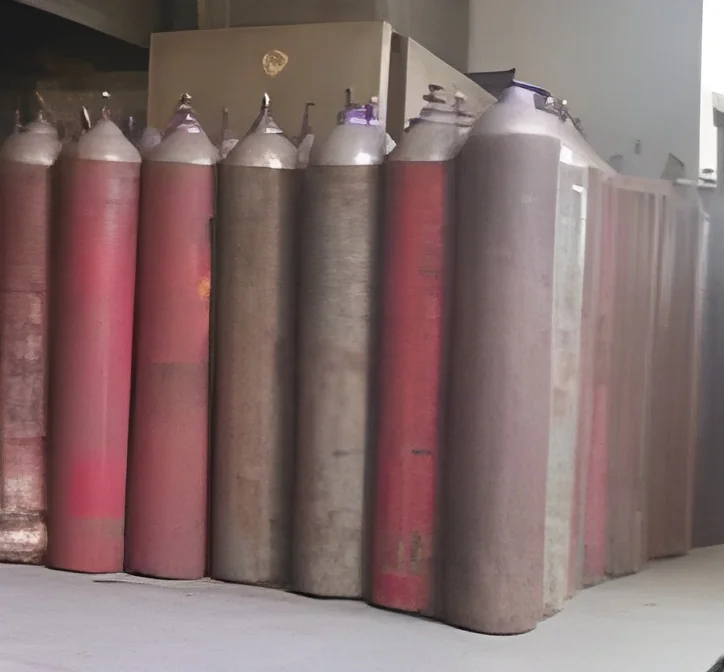
Gas cylinders and bottles are containers designed to store and transport gases at high pressure. Typically made from steel or aluminum, these cylinders are engineered to safely contain gases such as oxygen, nitrogen, carbon dioxide, and various industrial gases. Their design adheres to strict safety regulations to prevent leaks and ruptures, ensuring that they can withstand the demands of various applications.
In industrial settings, gas cylinders and bottles are widely used for welding, cutting, medical applications, and in laboratories. Businesses rely on these containers for various processes, including manufacturing, food processing, and chemical production. The ability to safely store and deliver gases makes them essential in many sectors, highlighting their importance in the global market.
Key Features and Specifications
Gas cylinders and bottles come with various features and specifications that cater to specific needs. Understanding these specifications is crucial for businesses looking to invest in these products.
Key specifications include:
1. Material Type
- Most commonly made from steel or aluminum.
- Provides durability and resistance to corrosion.
2. Pressure Rating
- Rated for various pressures, typically between 1500 to 3000 psi.
- Ensures safe storage of gases under high pressure.
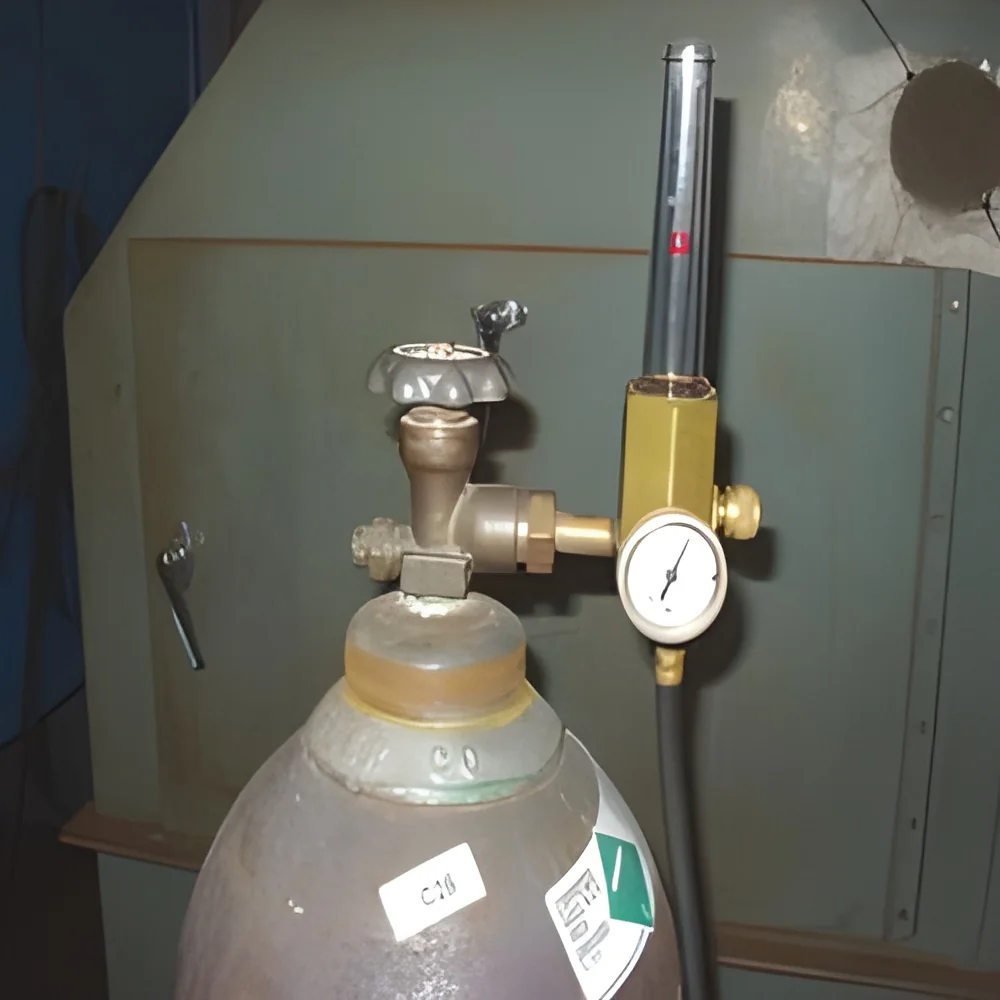
3. Valve Type
- Equipped with different valve types depending on gas type, such as CGA or DIN.
- Facilitates safe and efficient gas dispensing.
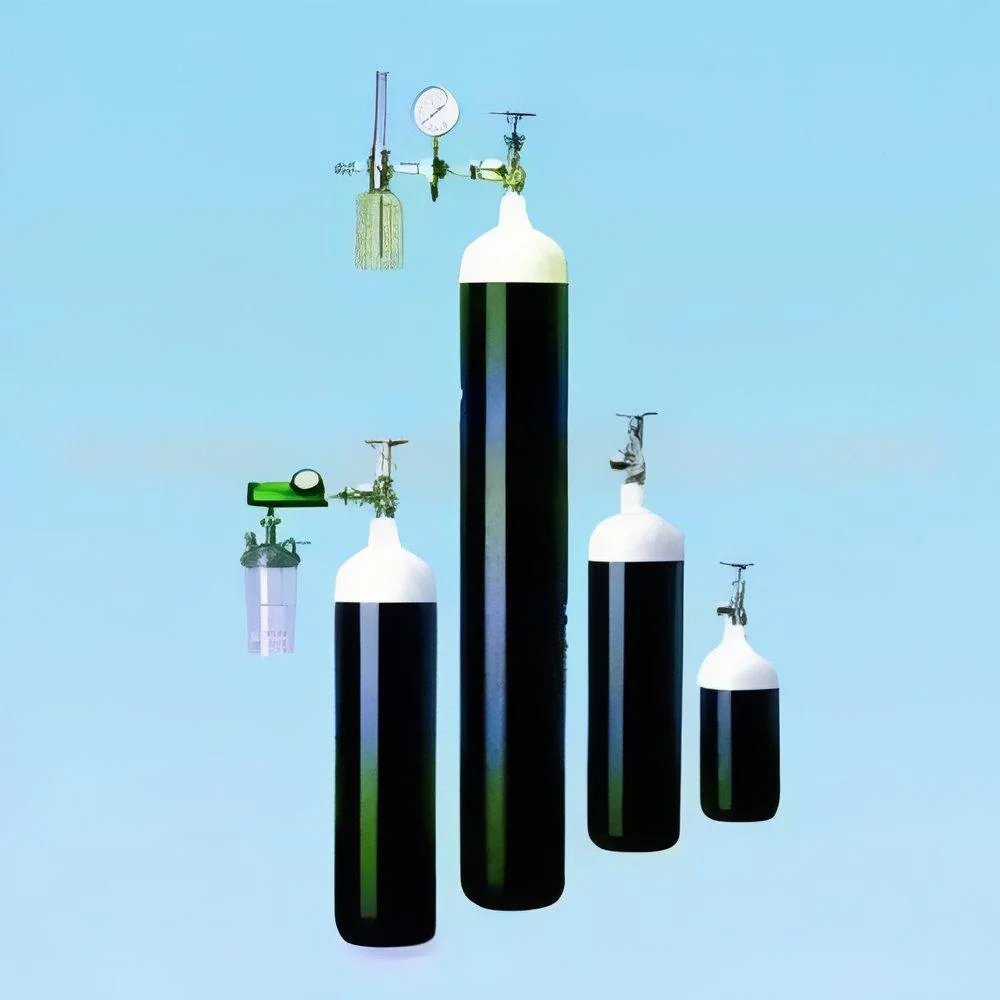
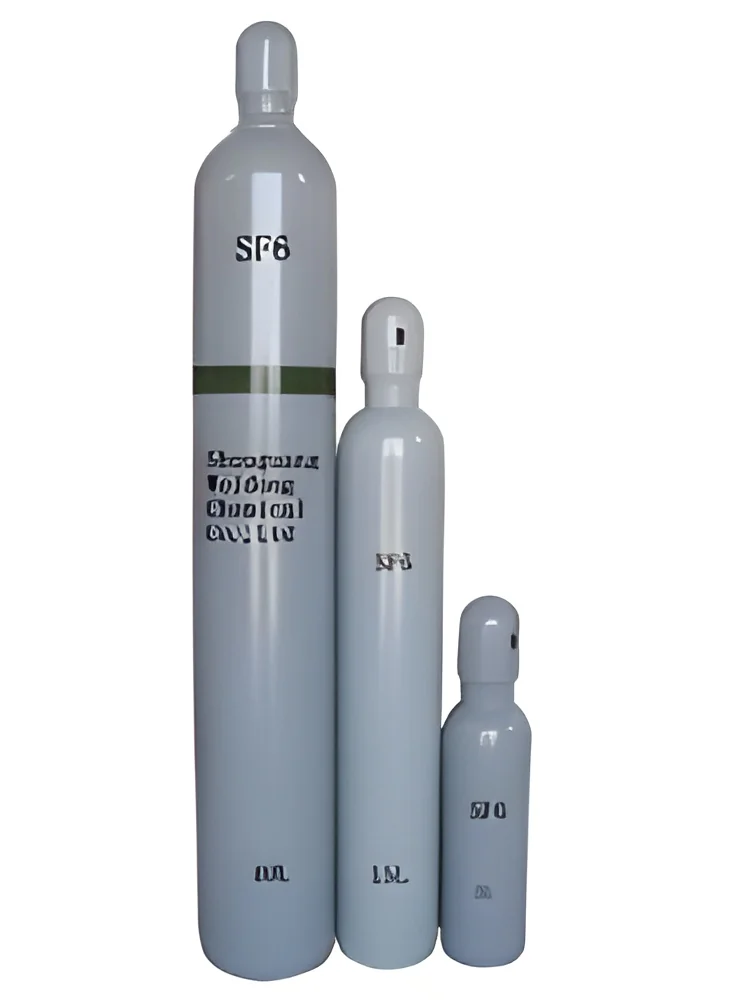
4. Capacity
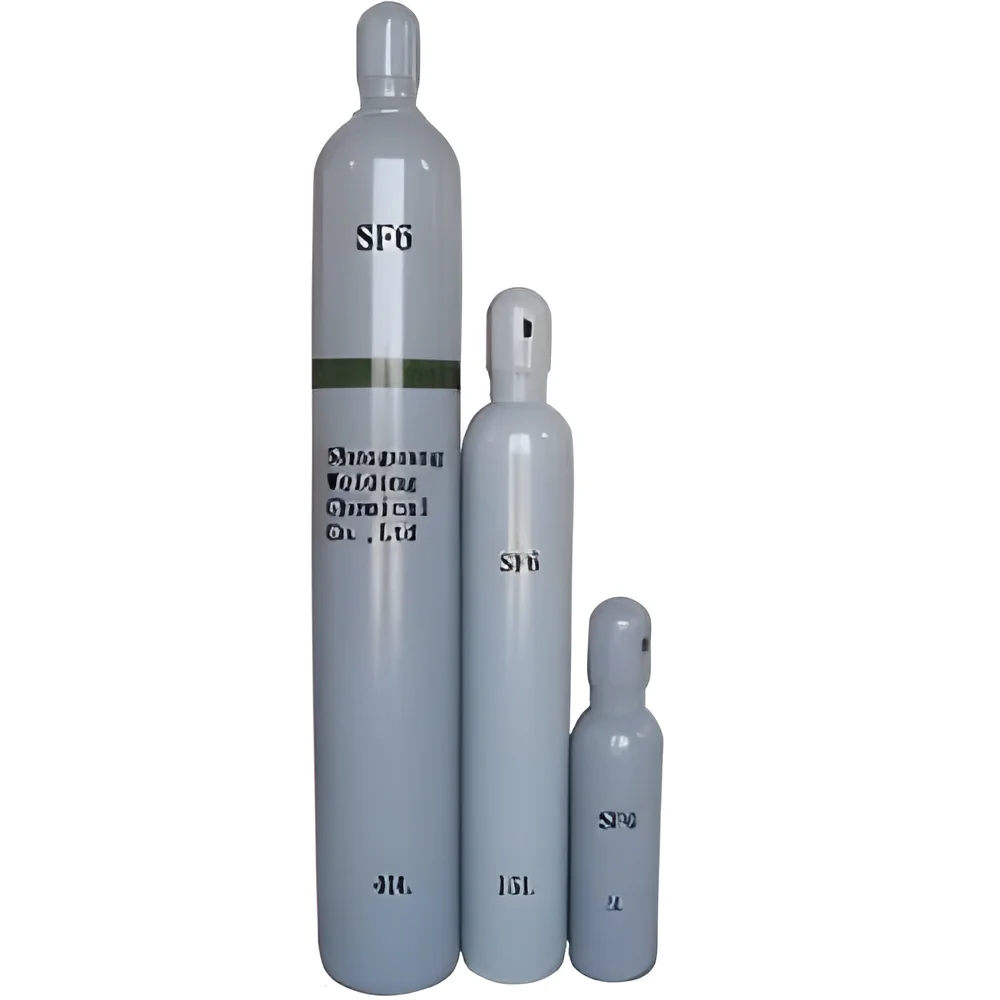
- Available in various sizes, typically ranging from 1 to 100 liters.
- Allows for flexibility depending on user requirements.
5. Weight
- Varies based on material and capacity, normally between 5 to 50 kg.
- Important for handling and transport considerations.
6. Certification
- Must comply with industry standards like CE certification for safety.
- Ensures product reliability and safety for users.
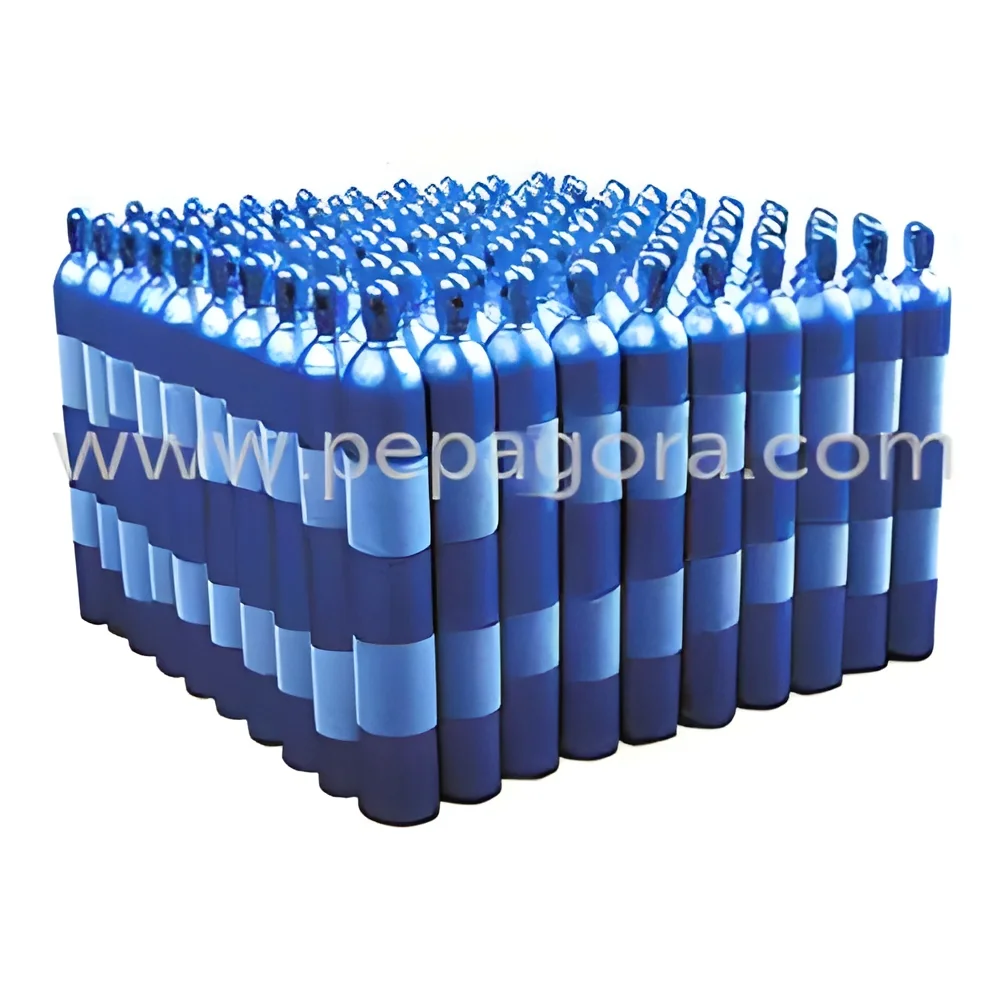
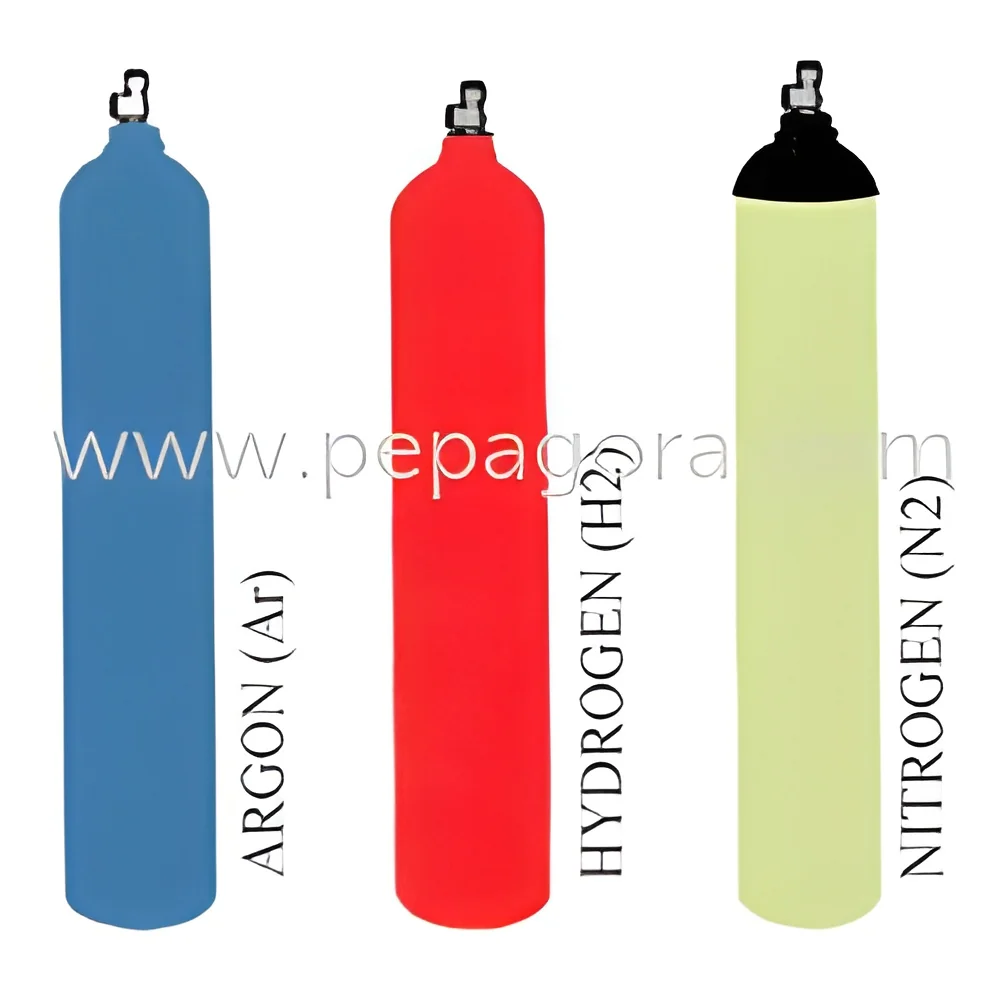
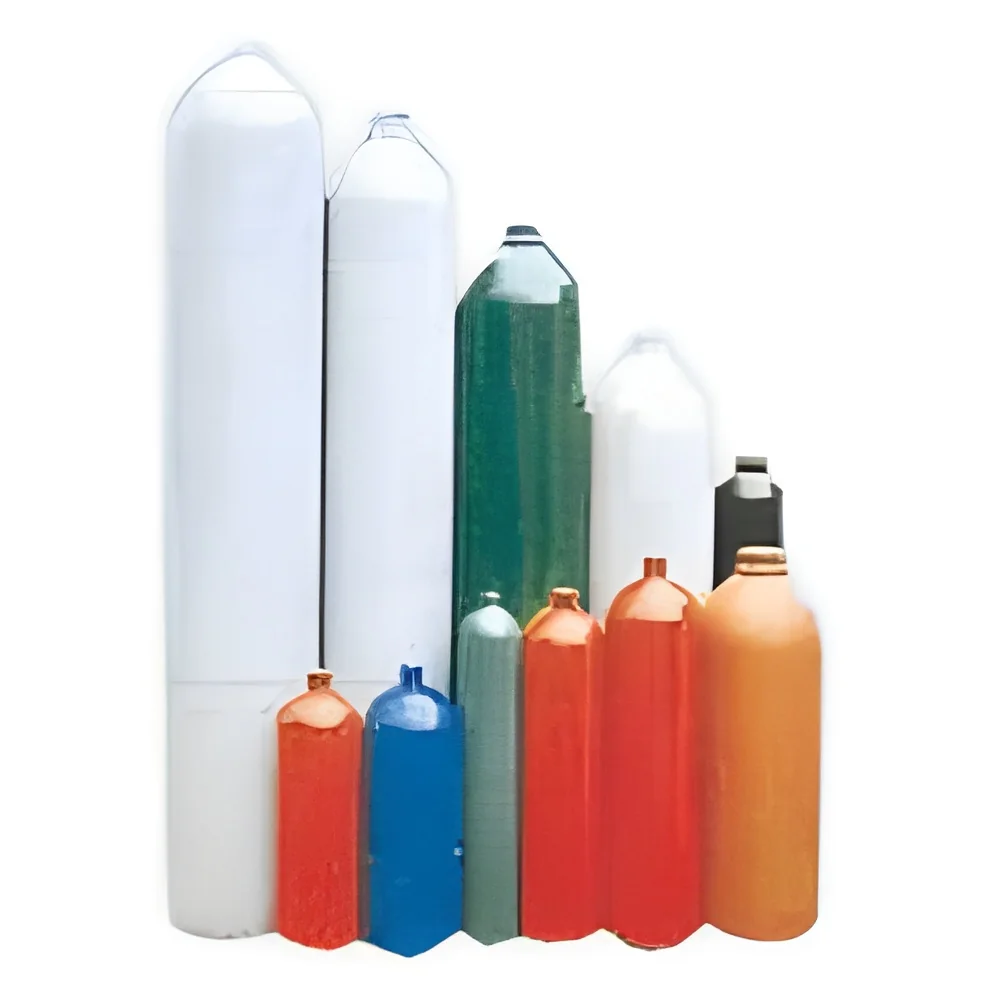
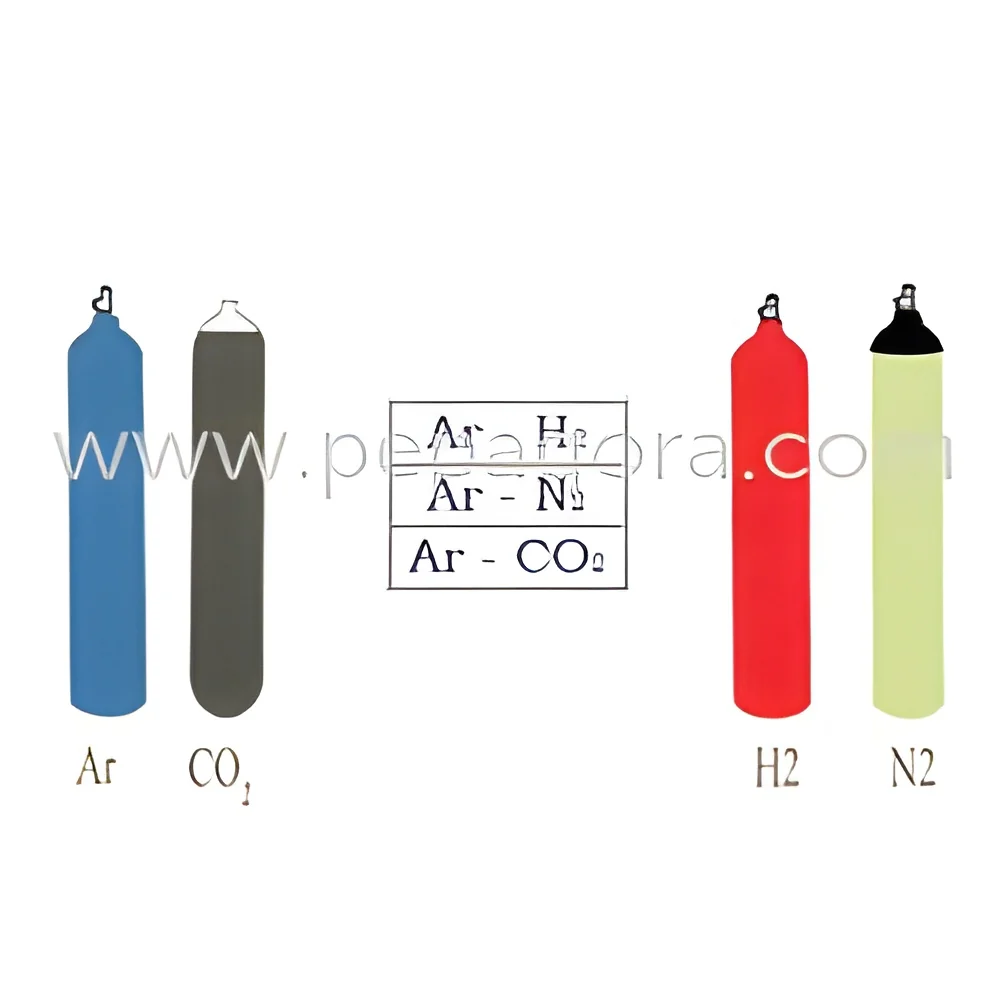
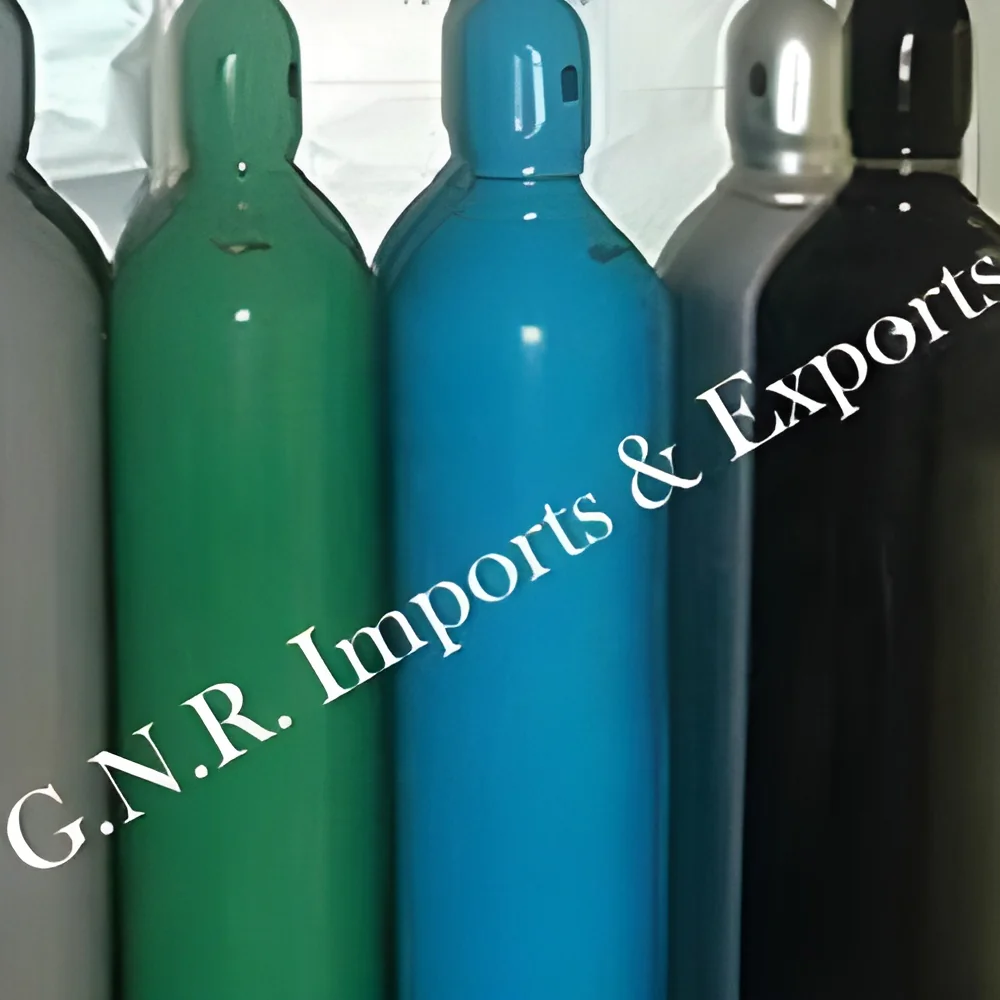
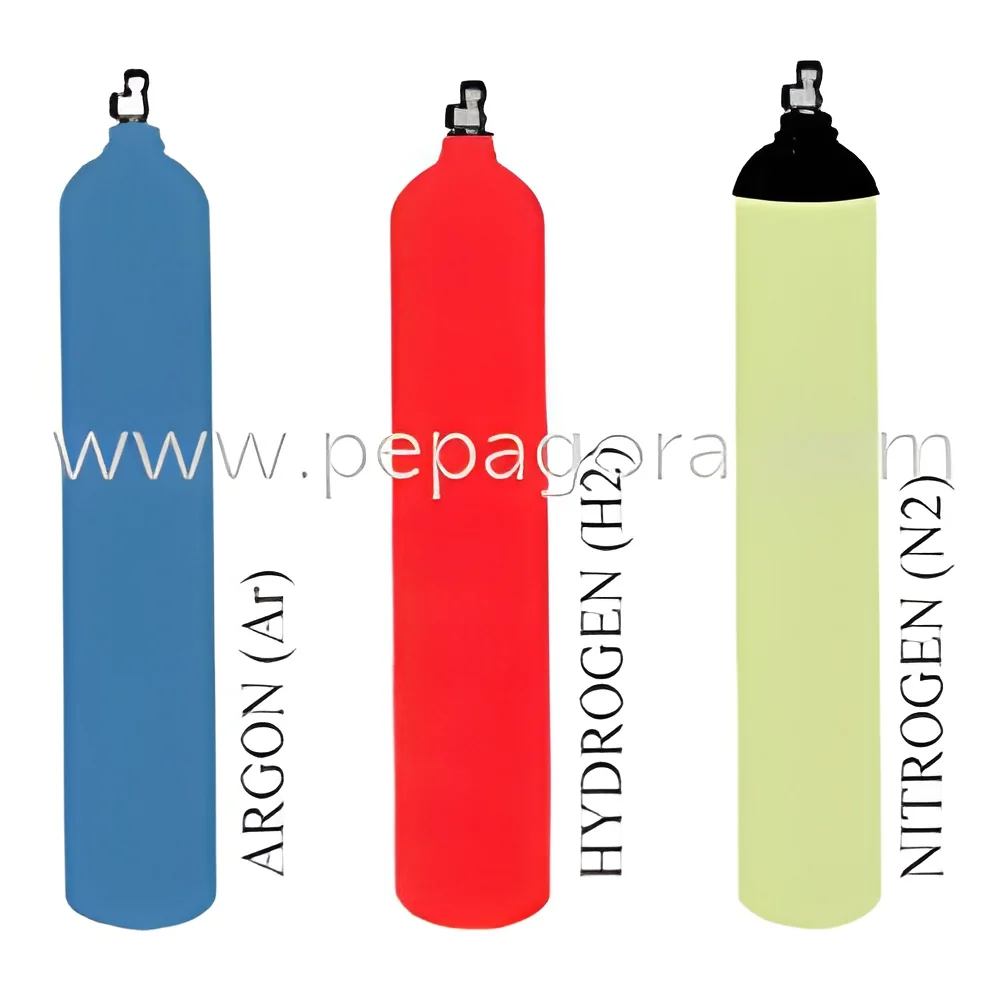
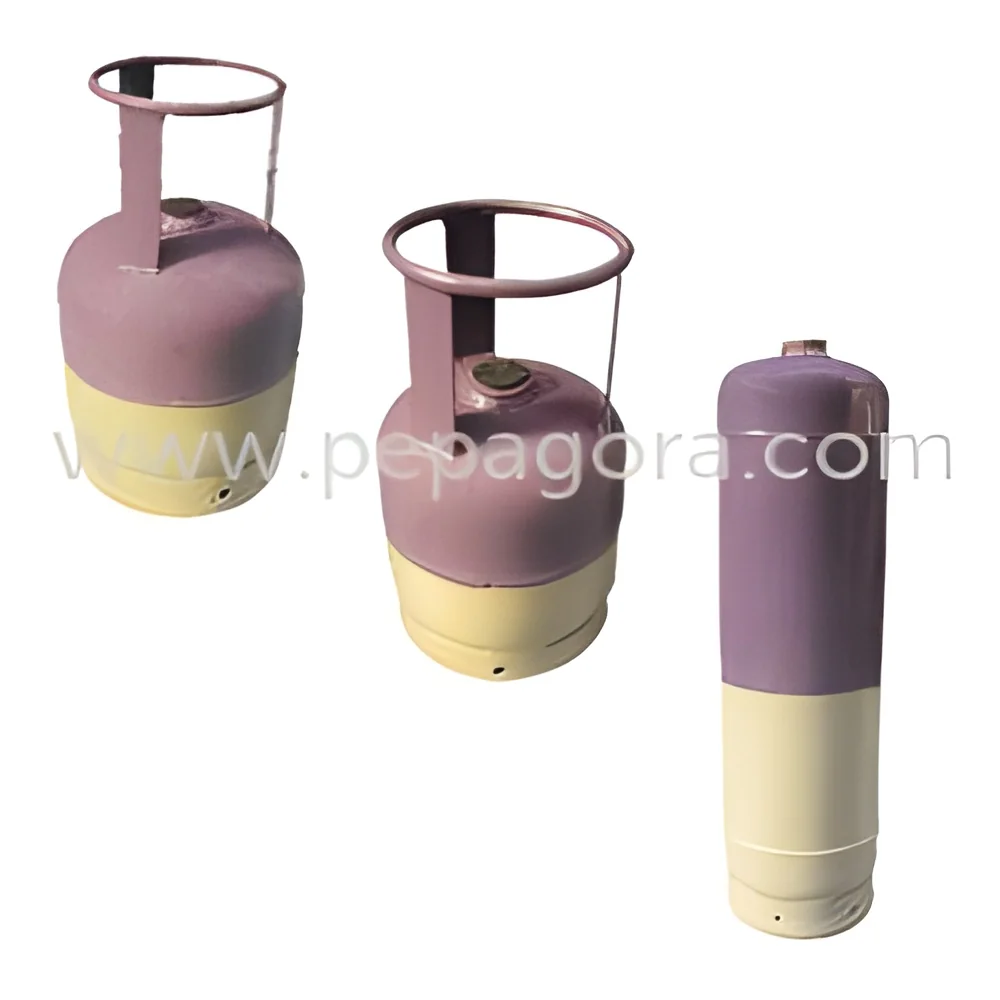
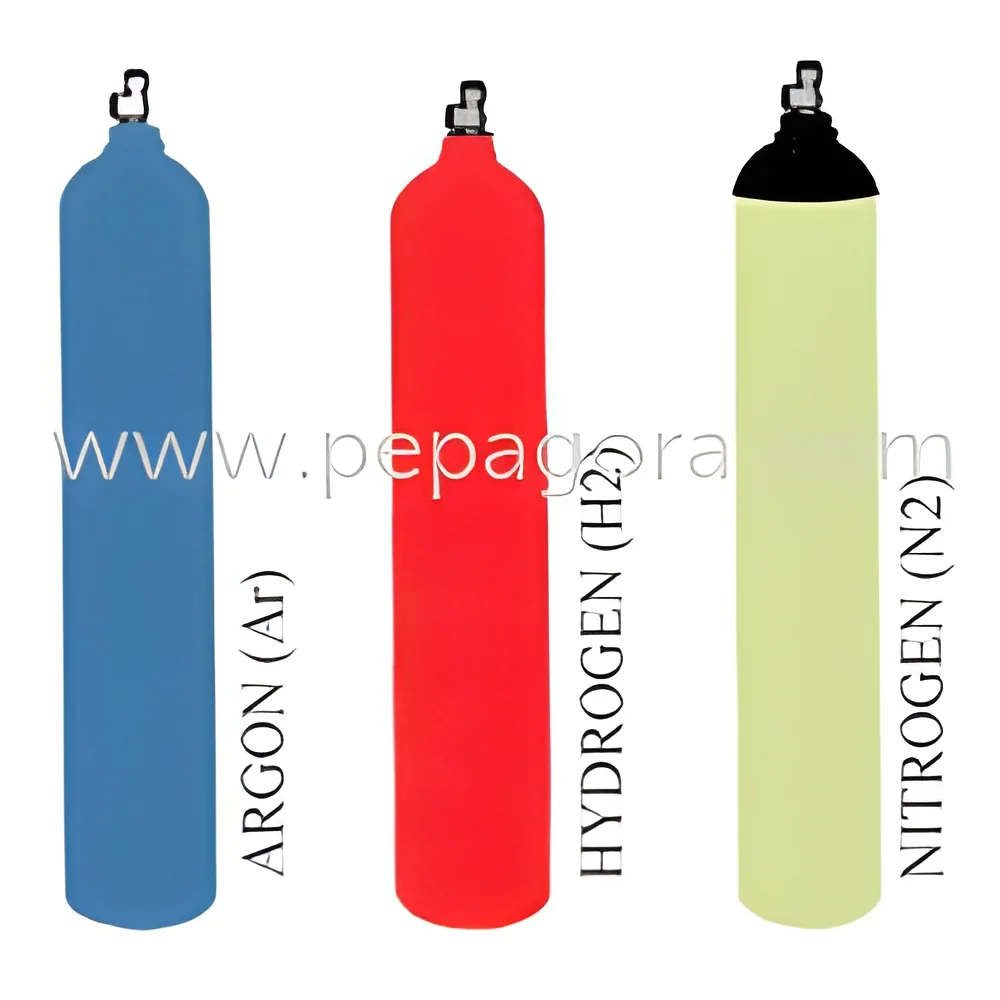
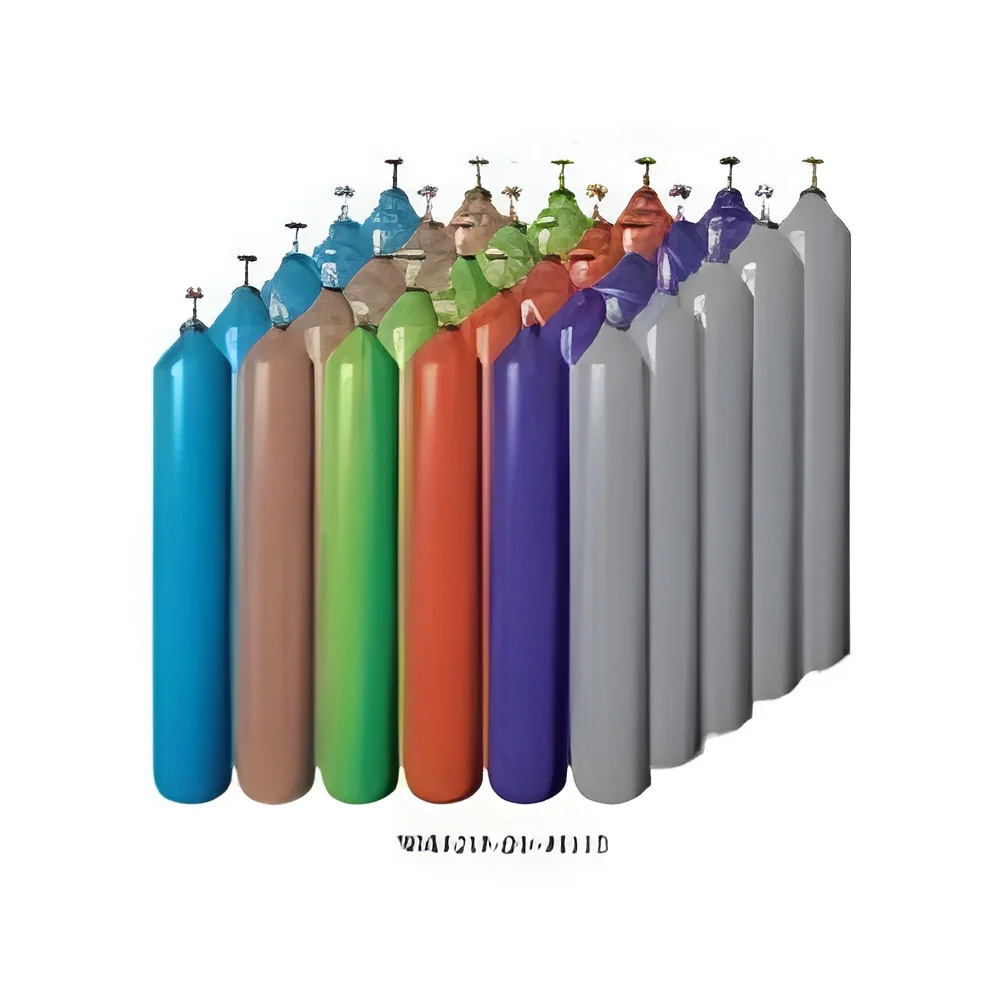
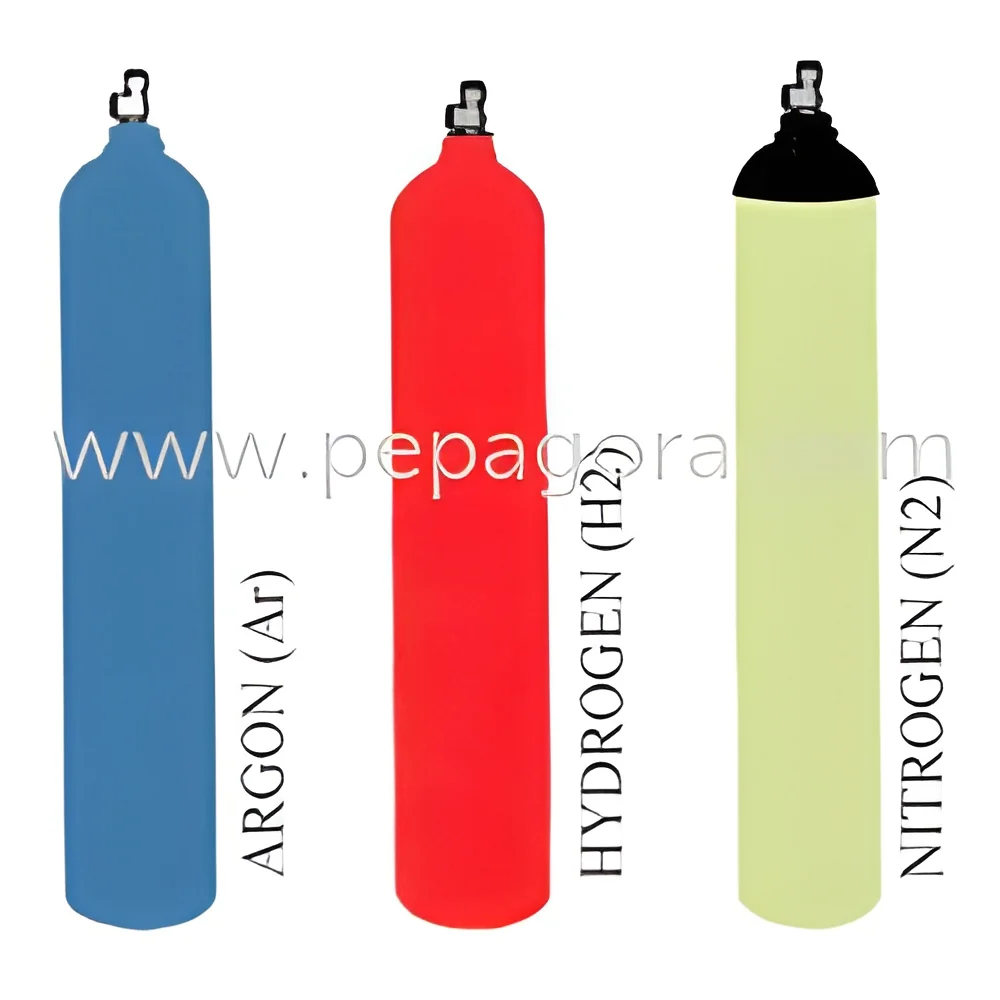
7. Color Coding
- Different gases are color-coded for quick identification.
- Enhances safety during handling and use.
8. Reusability
- Designed for multiple uses, leading to cost-effectiveness.
- Suitable for refill and recycling applications.
In summary, understanding the key features and specifications is essential for selecting the right gas cylinders and bottles for specific applications.
Common Applications and Use Cases
Gas cylinders and bottles serve a variety of industries, each with unique applications.
1. Medical Industry: Used for storing oxygen and other medical gases, essential for patient care in hospitals and clinics.
2. Welding and Fabrication: Provide gases like acetylene and argon for welding processes, critical for metal fabrication industries.
3. Food and Beverage: Employed for carbonation in soft drinks and for preserving food, ensuring freshness and safety.
4. Chemical Manufacturing: Used for storing reactive gases necessary in production processes, ensuring safe handling and transport.
5. Laboratory Research: Serve as gas sources for experiments and testing, providing controlled environments for scientific research.
6. Fire Safety: Contain gases used in fire suppression systems, critical for safety in commercial buildings and industrial sites.
7. Agriculture: Used for crop protection and soil enhancement, playing an important role in modern farming techniques.
Product Variants and Subcategories
Gas cylinders and bottles come in various forms to meet different needs in the market.
Standard Cylinders: These are the most common type and are used across multiple industries, including medical and industrial applications. They are designed for durability and safe gas storage.
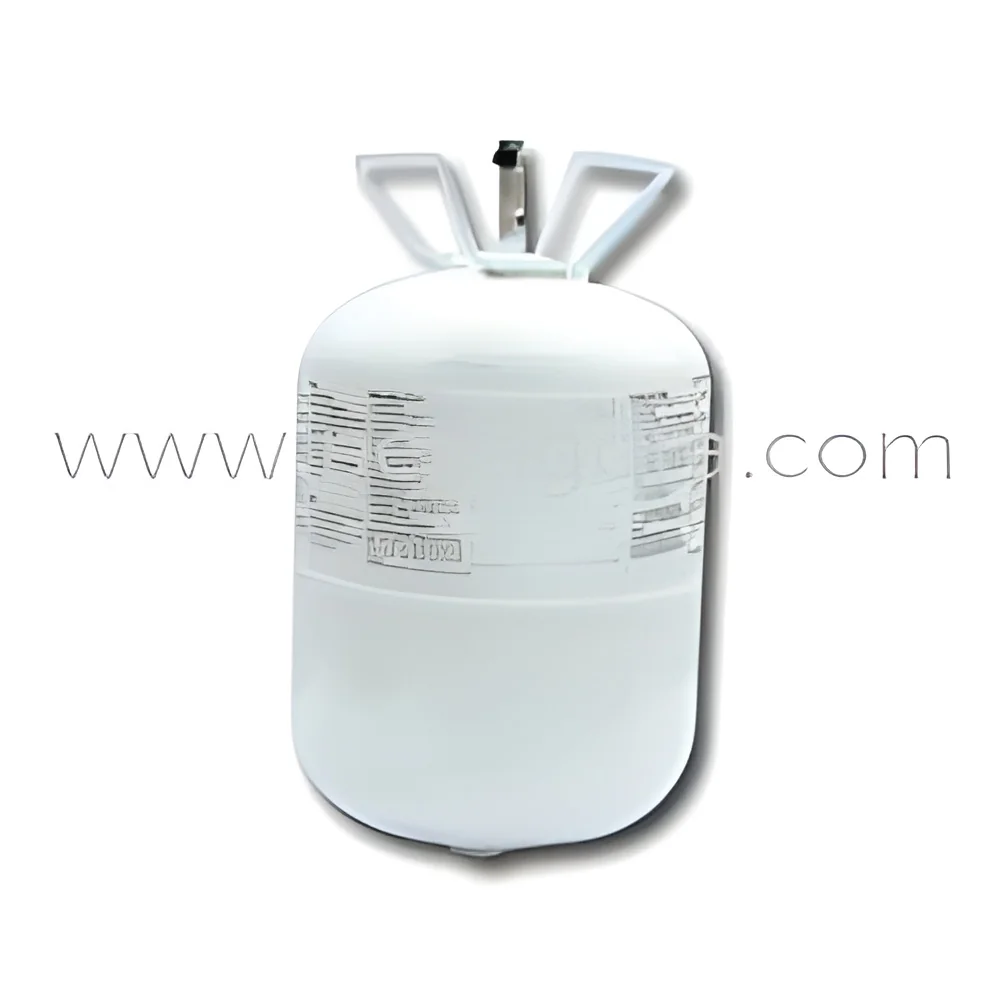
Specialty Cylinders: These are tailored for specific gases like helium or hydrogen, featuring unique materials and designs to accommodate the properties of these gases.
Composite Cylinders: Made from lightweight materials, these cylinders are ideal for applications where portability is essential, such as in medical emergency services.
Mini Cylinders: Smaller in size and capacity, these are used for tasks requiring less gas, such as in laboratories or small-scale welding operations.
Benefits and Advantages
Investing in quality gas cylinders and bottles comes with several advantages for businesses.
1. Safety: High-quality cylinders minimize the risk of leaks and ruptures, ensuring a safer working environment.
2. Durability: Robust construction materials extend the lifespan of gas containers, reducing replacement costs.
3. Versatility: Available in various sizes and types, these cylinders can cater to diverse industry needs.
4. Cost-Effectiveness: Reusable cylinders provide significant savings over time compared to single-use alternatives.
5. Compliance: Certified products meet industry standards, ensuring businesses remain compliant with safety regulations.
6. Easy Handling: Many cylinders are designed for easy transport and user-friendly operation, enhancing workplace efficiency.
Buying Guide for B2B Buyers
When sourcing gas cylinders and bottles, several key factors should be considered to ensure a successful purchase.
1. Quality Assessment: Evaluate the materials and manufacturing processes to ensure durability and safety. Look for products that meet international quality standards.
2. Supplier Verification: Vet potential suppliers by checking their track records, certifications, and customer reviews to ensure reliability and product quality.
3. Pricing and MOQ: Compare pricing across different suppliers and understand minimum order quantities to align with budget and needs.
4. Delivery and Lead Times: Assess logistics capabilities to ensure timely delivery, especially for critical applications where downtime can be costly.
5. Compliance Requirements: Ensure that the products meet all necessary regulatory requirements and industry certifications to avoid legal complications.
Compliance and Certifications
Gas cylinders and bottles must adhere to stringent quality standards to ensure safety and reliability in various applications. Key standards include ISO 9001, which dictates quality management systems, and HACCP, which focuses on food safety. Additionally, compliance with the CE certification indicates that products meet European safety requirements.
Safety and testing requirements are paramount, with regular inspections and tests conducted to validate the integrity of gas cylinders. Regional compliance may vary, necessitating awareness of local regulations and standards. Understanding these certifications helps businesses choose the right products and maintain safety in their operations.
Why Source Gas Cylinders & Bottles from Pepagora?
Pepagora offers a reliable platform for sourcing gas cylinders and bottles, ensuring that B2B buyers can find trusted suppliers.
Verified Supplier Network: Pepagora connects buyers with a network of verified suppliers, ensuring that products meet industry standards and quality expectations.
Streamlined RFQ Process: The platform simplifies the quotation process, allowing buyers to request and receive multiple quotes efficiently, saving time and effort.
Trade Assurance and Support: Pepagora provides buyer protection through trade assurance, ensuring that transactions are secure and reliable.
Regional Coverage: With a strong presence in regions like India, the GCC, and Southeast Asia, Pepagora serves a wide geographic area, making it easier for businesses to source products regardless of location.

 IN
IN