What are Underground Chemical Tanks?
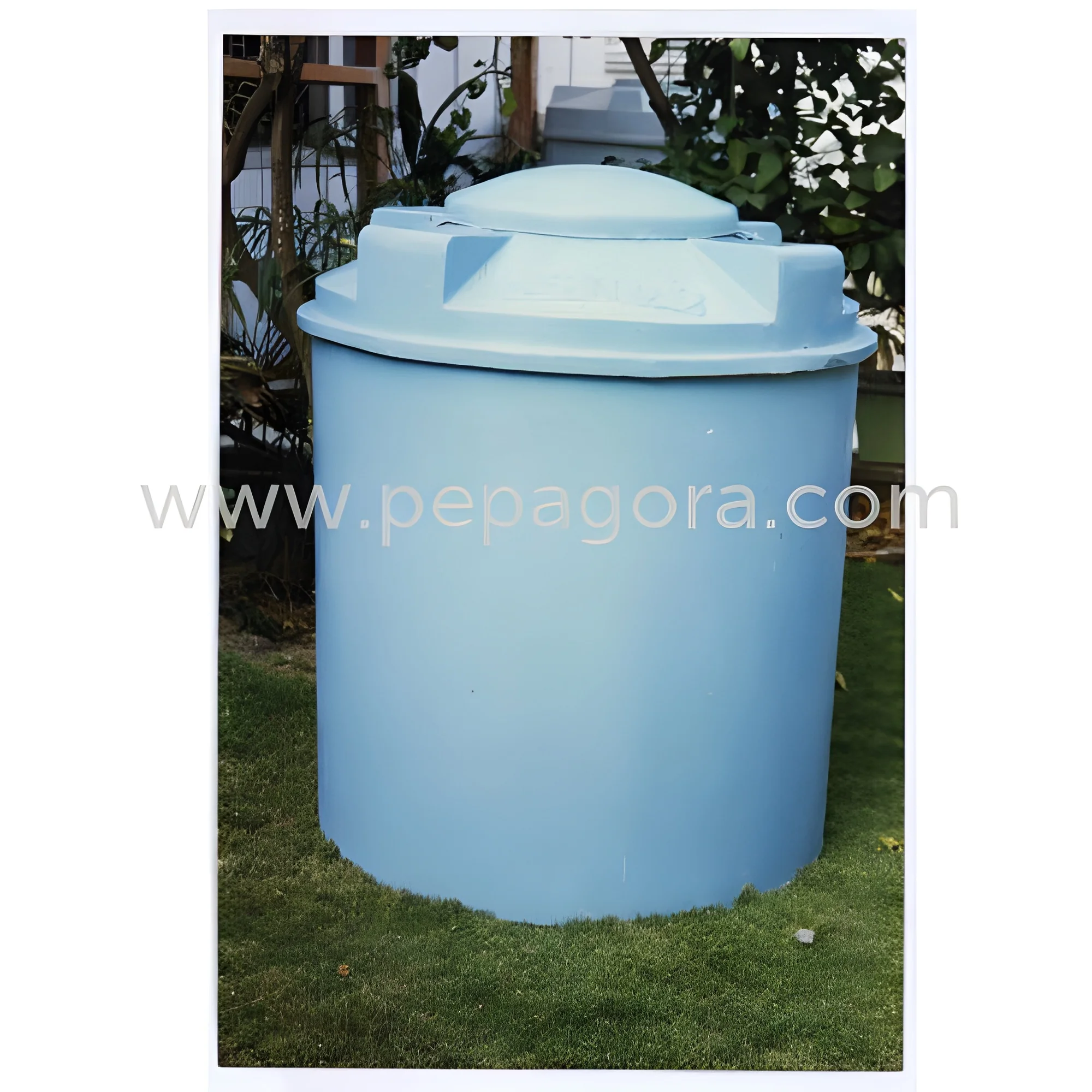
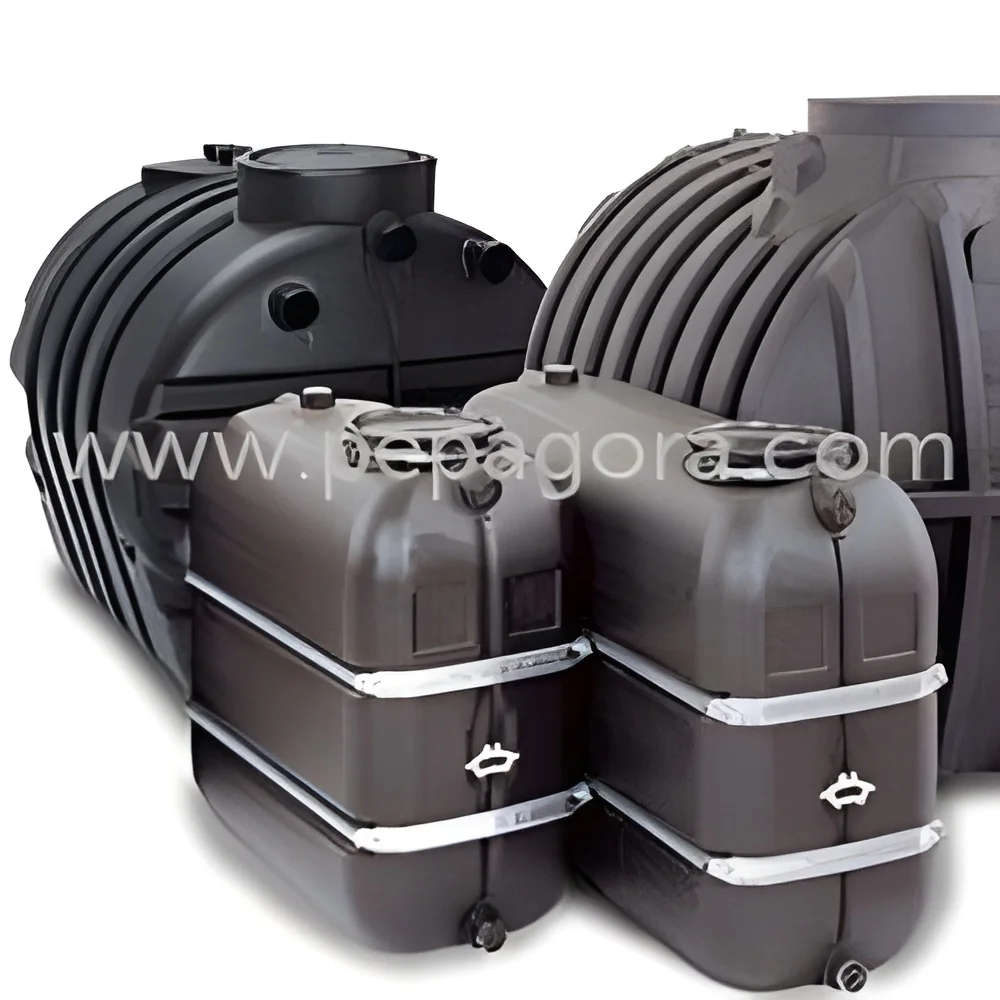
Underground chemical tanks are specialized storage solutions designed to hold various chemicals below the ground's surface. These tanks are constructed from robust materials to withstand environmental conditions and potential chemical reactions. They are typically installed underground to protect the stored substances from external elements and to minimize risks associated with spills or leaks.
Primarily, underground chemical tanks are used in industries such as agriculture, manufacturing, and waste management. Their applications range from storing hazardous materials to non-hazardous liquids, ensuring that chemicals are safely contained and easily accessible when needed. Businesses utilize these tanks to comply with environmental regulations and to enhance operational efficiency.
The relevance of underground chemical tanks in today's market is increasing due to growing environmental concerns and stricter regulations surrounding chemical storage. As industries strive to adopt sustainable practices, the demand for reliable and compliant storage solutions continues to rise, positioning these tanks as essential assets for many businesses.
Key Features and Specifications
Underground chemical tanks come with various features and specifications designed to ensure safety, durability, and compliance with regulatory standards. These specifications are critical for businesses to assess when selecting a suitable tank for their needs.
Key specifications include:
1. Material Composition
- Usually made from fiberglass, polyethylene, or steel
- Resistant to corrosion and chemical reactions
2. Capacity
- Available in various sizes ranging from a few hundred gallons to several thousand gallons
- Custom sizing options may be available depending on the supplier
3. Installation Depth
- Typically buried at a depth of 3 to 10 feet
- Depth depends on local regulations and site conditions
4. Safety Features
- Equipped with secondary containment systems to prevent leaks
- Some models may include monitoring systems to detect leaks or overflows
5. Compliance Standards
- Must meet local and national regulations for hazardous materials storage
- Compliance with environmental standards is essential for operation
6. Temperature Resistance
- Designed to operate within specific temperature ranges
- Insulation options may be available for extreme conditions
7. Accessibility
- Fitted with manholes or access ports for routine inspections and maintenance
- Easy access is crucial for compliance and safety checks
8. Certification
- Many tanks are certified by relevant authorities, such as CE marking
- Certification ensures adherence to safety and environmental standards
In summary, understanding these key features and specifications is vital for businesses when selecting underground chemical tanks that meet their operational needs and comply with regulatory standards.
Common Applications and Use Cases
Underground chemical tanks find applications in various industries, showcasing their versatility and importance in chemical storage.
1. Agriculture: These tanks are often used for storing pesticides, fertilizers, and other agricultural chemicals, ensuring safe and efficient access for farming operations.
2. Manufacturing: In manufacturing facilities, underground tanks store raw materials and chemicals used in production processes, enhancing safety and organization.
3. Waste Management: Waste disposal companies utilize underground chemical tanks for storing hazardous waste materials, ensuring compliance with regulations and minimizing environmental risks.
4. Oil and Gas: These tanks are critical for the safe storage of fuels and lubricants, playing a key role in the oil and gas industry.
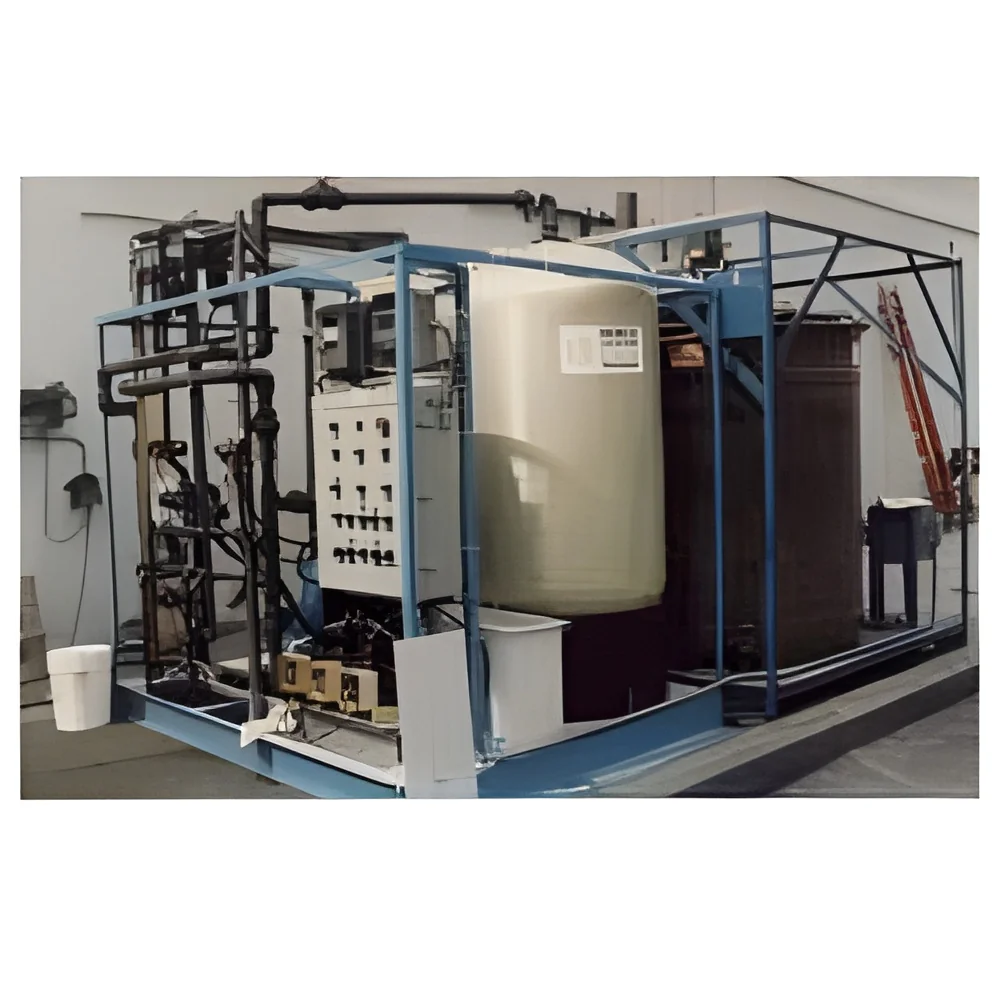
5. Water Treatment: Underground tanks are used in water treatment plants for storing chemicals used in the purification process, ensuring a reliable supply for effective treatment.
6. Automotive: In the automotive sector, underground tanks store various fluids such as oil and coolant, supporting maintenance and repair operations.
7. Pharmaceutical: These tanks are used to store chemicals in pharmaceutical manufacturing, enabling adherence to stringent safety and quality standards.
Product Variants and Subcategories
Underground chemical tanks come in a variety of configurations to meet different business needs and applications.
Fiberglass Underground Tanks
Fiberglass tanks are lightweight and resistant to corrosion. They are ideal for storing a wide range of chemicals, making them suitable for industries like agriculture and wastewater treatment.
Steel Underground Tanks
Steel tanks offer enhanced durability and are often used for storing fuels and hazardous materials. They are designed to withstand extreme conditions and provide a robust solution for many industrial applications.
Polyethylene Underground Tanks
Polyethylene tanks are known for their resistance to chemicals and UV radiation. They are often used in agricultural settings for storing fertilizers and pesticides due to their lightweight properties and ease of installation.
Concrete Underground Tanks
Concrete tanks provide a durable and secure solution for larger storage needs. They are commonly used in the oil and gas industry for bulk storage applications.
Benefits and Advantages
Choosing underground chemical tanks offers numerous benefits for businesses looking to enhance their chemical storage solutions.
1. Enhanced Safety: Underground tanks minimize the risk of chemical spills and leaks, protecting the environment and ensuring compliance with safety regulations.
2. Space Efficiency: By utilizing underground storage, businesses free up valuable above-ground space for other operations or infrastructure.
3. Environmental Compliance: These tanks help businesses meet environmental regulations regarding chemical storage, reducing the risk of fines and penalties.
4. Durability: Constructed from robust materials, underground tanks are designed to withstand harsh conditions and provide long-lasting performance.
5. Reduced Risk of Contamination: Storing chemicals underground minimizes the risk of contamination from environmental factors, ensuring product integrity.
6. Cost-Effective: Long-term use and lower maintenance costs make underground tanks a cost-effective solution for chemical storage.
Buying Guide for B2B Buyers
When sourcing underground chemical tanks, businesses should consider several critical factors to ensure they make informed purchasing decisions.
1. Quality Assessment: Evaluate the quality of materials and construction standards. Tanks should meet relevant safety and environmental regulations to ensure effectiveness.
2. Supplier Verification: Conduct thorough research on potential suppliers, checking for certifications and customer reviews. A verified supplier ensures reliability and quality assurance.
3. Pricing and MOQ: Understand the pricing structure and any minimum order quantities. This helps in budgeting and planning for future needs.
4. Delivery and Lead Times: Assess the logistics involved in the delivery of tanks. Knowing lead times is essential for planning installation and operations.
5. Compliance Requirements: Familiarize yourself with local regulations regarding chemical storage. Ensure the tanks comply with all necessary environmental and safety guidelines.
Compliance and Certifications
Underground chemical tanks must adhere to various quality standards and certifications to ensure safety and compliance in their operation.
ISO 9001 is a widely recognized standard that demonstrates a commitment to quality management systems. Manufacturers of underground tanks should ideally be certified to this standard to ensure consistent quality and reliability.
The CE mark indicates compliance with European safety standards. Tanks that carry this certification assure buyers of their adherence to essential safety and environmental regulations.
Safety and testing requirements are critical for underground tanks, as they must withstand various stress tests to ensure they can handle the chemicals stored within them. Regular inspections and testing are essential for maintaining compliance.
Regional compliance considerations vary based on local regulations and environmental laws. Businesses must ensure that their selected tanks meet these specific requirements to avoid potential legal issues.
Why Source Underground Chemical Tanks from Pepagora?
Pepagora is a trusted platform for sourcing underground chemical tanks, offering several key advantages to B2B buyers.
Verified Supplier Network: Pepagora connects buyers with a network of verified suppliers, ensuring that all products meet high standards of quality and compliance. This reduces the risk associated with sourcing.
Streamlined RFQ Process: The platform features a user-friendly request for quotation system that simplifies the procurement process. Buyers can easily compare offers and make informed decisions.
Trade Assurance and Support: Pepagora provides trade assurance, protecting buyers throughout the purchasing process. This includes support for any issues that may arise post-purchase.
Regional Coverage: With operations extending across India, the GCC, and Southeast Asia, Pepagora offers a broad reach for buyers seeking underground chemical tanks, ensuring access to local suppliers and services.

 IN
IN