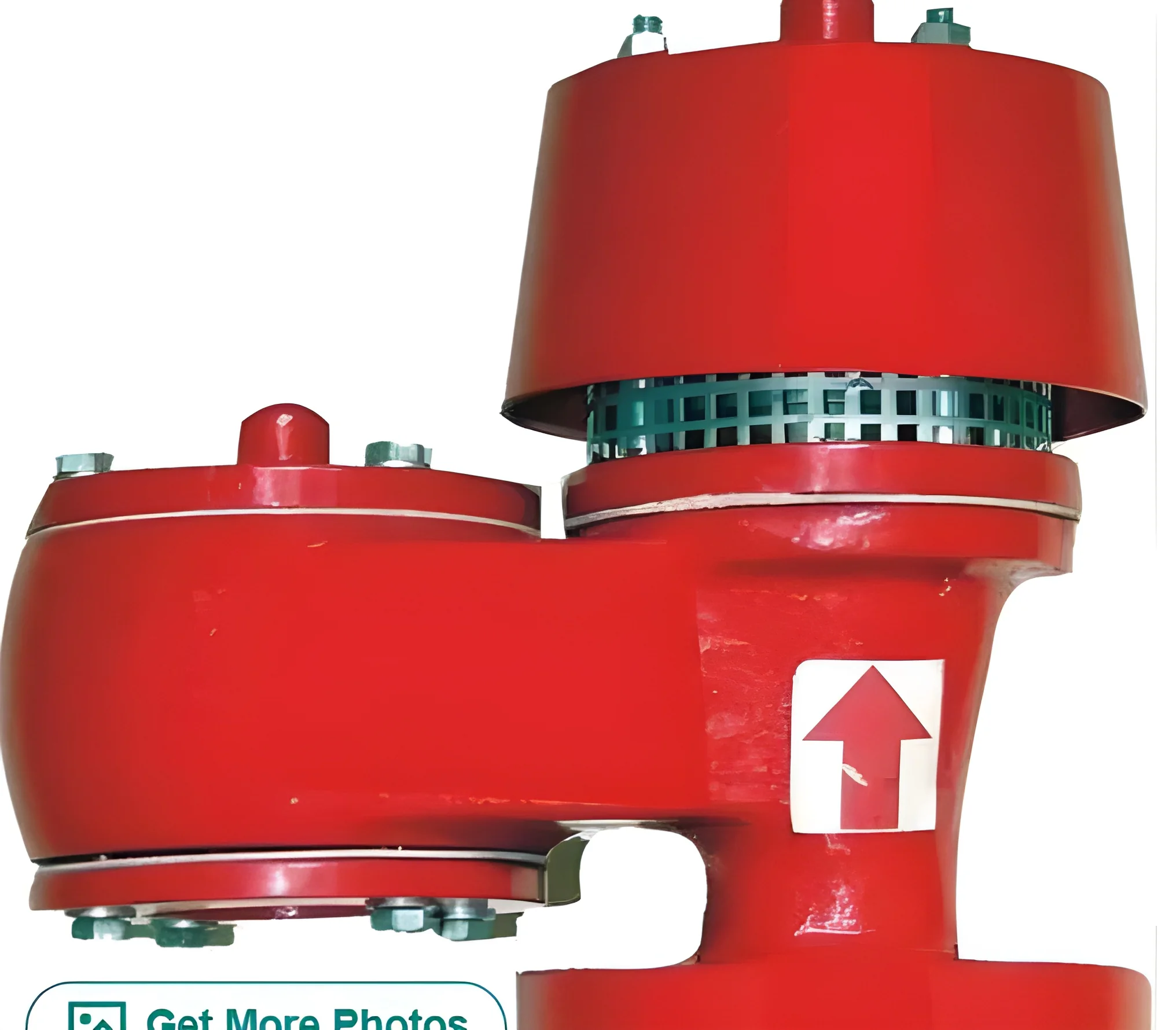
𝗪𝗵𝗮𝘁 𝗮𝗿𝗲 𝗙𝗹𝗮𝗺𝗲 𝗔𝗿𝗿𝗲𝘀𝘁𝗼𝗿𝘀 𝗳𝗼𝗿 𝗖𝗵𝗲𝗺𝗶𝗰𝗮𝗹 𝗧𝗮𝗻𝗸𝘀?
Flame arrestors for chemical tanks are safety devices designed to prevent the propagation of flame or explosion within storage vessels containing volatile substances. They work by allowing gas or vapor to pass through while effectively blocking any flames from entering the tank. This is crucial in maintaining safety in environments where flammable materials are stored, as it minimizes the risk of catastrophic incidents.
These flame arrestors are commonly utilized in various sectors, including chemical, petrochemical, and oil industries. Their primary function is to provide an additional layer of protection against fire hazards, ensuring compliance with safety regulations. In the context of growing industrial risks and stringent safety norms, flame arrestors have become an essential component in the design and operation of chemical storage facilities. Their relevance in preventing accidents cannot be overstated, as they serve as a line of defense against potential explosions.
𝗞𝗲𝘆 𝗙𝗲𝗮𝘁𝘂𝗿𝗲𝘀 𝗮𝗻𝗱 𝗦𝗽𝗲𝗰𝗶𝗳𝗶𝗰𝗮𝘁𝗶𝗼𝗻𝘀
Flame arrestors for chemical tanks come with various features and specifications that ensure their effectiveness and reliability in hazardous environments. These specifications are critical for ensuring that the products meet the safety standards required by regulatory bodies.
Key specifications include:
1. Flame Arrestor Type
- Varies based on the mechanism (e.g., passive or active)
- Designed to handle specific chemical properties
2. Operating Pressure
- Typically ranges from atmospheric pressure to several bar
- Ensures compatibility with tank design
3. Material Construction
- Often made from stainless steel or aluminum
- Resistant to corrosion and chemical attack
4. Size and Dimensions
- Available in various sizes to fit different tank openings
- Custom sizes may also be available upon request
5. Flow Capacity
- Measured in cubic meters per hour
- Determines the volume of vapor that can safely pass through
6. Temperature Rating
- Designed to withstand high operational temperatures
- Specific ratings depend on the materials used
7. Certification Standards
- Compliance with CE and other relevant standards
- Ensures product reliability and safety in hazardous environments
8. Maintenance Requirements
- Regular inspection and cleaning are advised
- Maintenance schedules depend on usage and environmental factors
In summary, understanding the key features and specifications of flame arrestors is vital for ensuring the safety and efficiency of chemical tanks. Buyers should prioritize these specifications when selecting appropriate devices for their applications.
𝗖𝗼𝗺𝗺𝗼𝗻 𝗔𝗽𝗽𝗹𝗶𝗰𝗮𝘁𝗶𝗼𝗻𝘀 𝗮𝗻𝗱 𝗨𝘀𝗲 𝗖𝗮𝘀𝗲𝘀
Flame arrestors serve a wide range of industries, each with specific applications that highlight their importance in safety protocols.
1. Chemical Manufacturing: Flame arrestors are essential in chemical plants where flammable vapors are generated during production. They help contain fires that could arise from volatile substances.
2. Petrochemical Industry: In this sector, flame arrestors are used in storage tanks for gasoline, diesel, and other fuels. They provide critical protection against potential explosions during storage and handling.
3. Oil and Gas: Flame arrestors are vital in oil refineries and gas processing plants, where they mitigate the risks associated with flammable vapors and gases.
4. Pharmaceuticals: The pharmaceutical industry often deals with volatile chemicals in production. Flame arrestors ensure that any accidental ignition does not lead to wider fire incidents.
5. Food and Beverage: Certain processes in the food industry involve alcohol and other flammable substances. Flame arrestors are used to enhance safety during storage and processing.
6. Waste Management: In waste treatment facilities, flame arrestors help manage the risks associated with the storage of volatile organic compounds.
7. Mining: Flame arrestors are important in mining operations where flammable gases may be present. They help maintain safety in enclosed areas.
𝗣𝗿𝗼𝗱𝘂𝗰𝘁 𝗩𝗮𝗿𝗶𝗮𝗻𝘁𝘀 𝗮𝗻𝗱 𝗦𝘂𝗯𝗰𝗮𝘁𝗲𝗴𝗼𝗿𝗶𝗲𝘀
Flame arrestors for chemical tanks come in various configurations to meet specific operational needs.
Standard Flame Arrestors: These are the most common type, designed for a wide range of chemical processes. They offer reliable protection against flames and are available in different sizes and materials to suit various tank designs.
High-Pressure Flame Arrestors: Designed for applications that involve higher pressures, these arrestors are engineered to withstand extreme conditions. They are commonly used in petrochemical facilities where pressure fluctuations are frequent.
Low-Temperature Flame Arrestors: Suitable for environments with lower operating temperatures, these variants ensure safety in cold storage applications. They are vital for industries that handle substances sensitive to temperature variations.
𝗕𝗲𝗻𝗲𝗳𝗶𝘁𝘀 𝗮𝗻𝗱 𝗔𝗱𝘃𝗮𝗻𝘁𝗮𝗴𝗲𝘀
Flame arrestors offer numerous benefits that enhance safety and operational efficiency in chemical storage environments.
1. Enhanced Safety: The primary advantage of flame arrestors is their ability to prevent the spread of flames, significantly reducing the risk of explosions and fire damage.
2. Compliance with Regulations: Using flame arrestors helps organizations meet industry safety standards and regulations, minimizing liability and potential penalties.
3. Cost-Effectiveness: By preventing catastrophic incidents, flame arrestors can save businesses from significant losses associated with damage and downtime.
4. Versatility: These devices can be used across various industries and applications, making them a flexible safety solution for many organizations.
5. Reliability: High-quality flame arrestors are designed for durability and effectiveness, ensuring long-term performance in hazardous environments.
6. Easy Installation: Flame arrestors can be easily integrated into existing tank systems, allowing for quick upgrades to safety protocols without extensive modifications.
𝗕𝘂𝘆𝗶𝗻𝗴 𝗚𝘂𝗶𝗱𝗲 𝗳𝗼𝗿 𝗕𝟮𝗕 𝗕𝘂𝘆𝗲𝗿𝘀
When sourcing flame arrestors for chemical tanks, it is essential to consider several key factors to ensure the best fit for your needs.
1. Quality Assessment: Evaluate the quality of flame arrestors by examining materials and construction methods. Look for products that meet international safety standards to ensure reliability.
2. Supplier Verification: Vet suppliers thoroughly to confirm their reputation and reliability. Check for customer reviews, certifications, and industry experience to ensure you partner with a trustworthy provider.
3. Pricing and MOQ: Understand the pricing structure and minimum order quantities (MOQ) from potential suppliers. Compare prices while ensuring you do not compromise on quality.
4. Delivery and Lead Times: Discuss lead times with suppliers to ensure they can meet your project deadlines. Timely delivery is crucial for maintaining operational schedules.
5. Compliance Requirements: Familiarize yourself with regulatory requirements specific to your industry and region. Ensure that the flame arrestors comply with these regulations to avoid legal issues.
𝗖𝗼𝗺𝗽𝗹𝗶𝗮𝗻𝗰𝗲 𝗮𝗻𝗱 𝗖𝗲𝗿𝘁𝗶𝗳𝗶𝗰𝗮𝘁𝗶𝗼𝗻𝘀
Flame arrestors for chemical tanks must adhere to stringent quality standards and certifications to ensure safe operation.
ISO 9001 is a key quality management standard that ensures manufacturers maintain high-quality production processes. Compliance with ISO standards indicates that the product has undergone rigorous quality assessments.
The CE mark signifies that the flame arrestor meets European safety, health, and environmental protection requirements. This certification is crucial for products sold in European markets.
Safety and testing requirements vary by region but often include tests for operational pressure, temperature resistance, and material integrity. It is vital for manufacturers to conduct these tests to ensure product reliability.
Understanding regional compliance requirements is also essential, as different countries may have specific regulations governing the use of flame arrestors. Buyers should verify that the products they source comply with local laws to ensure safe and legal operations.
𝗪𝗵𝘆 𝗦𝗼𝘂𝗿𝗰𝗲 𝗙𝗹𝗮𝗺𝗲 𝗔𝗿𝗿𝗲𝘀𝘁𝗼𝗿𝘀 𝗳𝗼𝗿 𝗖𝗵𝗲𝗺𝗶𝗰𝗮𝗹 𝗧𝗮𝗻𝗸𝘀 𝗳𝗿𝗼𝗺 𝗣𝗲𝗽𝗮𝗴𝗼𝗿𝗮?
Pepagora provides a trusted platform for sourcing flame arrestors for chemical tanks, offering several advantages to B2B buyers.
Verified Supplier Network: Pepagora connects buyers with a network of verified suppliers. This network ensures that buyers can access high-quality products from reputable manufacturers, reducing the risk of sourcing inferior items.
Streamlined RFQ Process: The Request for Quotation (RFQ) process on Pepagora is designed to be user-friendly. Buyers can easily compare quotes from multiple suppliers, saving time and allowing for informed purchasing decisions.
Trade Assurance and Support: Pepagora offers trade assurance, providing buyers with protection throughout the purchasing process. This support includes assistance with disputes or issues that may arise, ensuring a smooth transaction.
Regional Coverage: With a strong presence in India, the GCC, and Southeast Asia, Pepagora enables buyers to source flame arrestors from a wide geographic area. This regional coverage ensures that buyers can find suitable suppliers regardless of their location.

 IN
IN