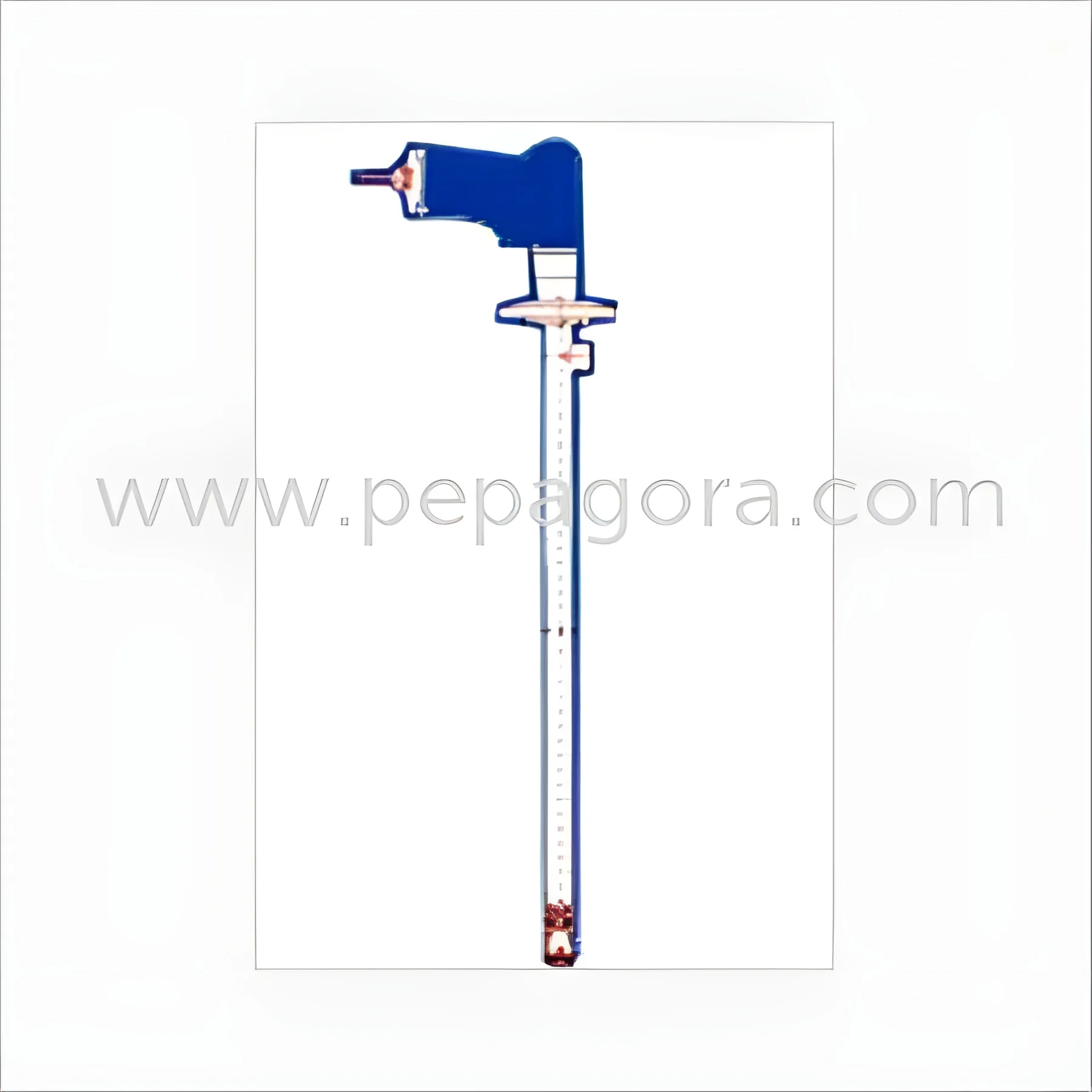
What are Drum Pumps & Rotary Pumps?
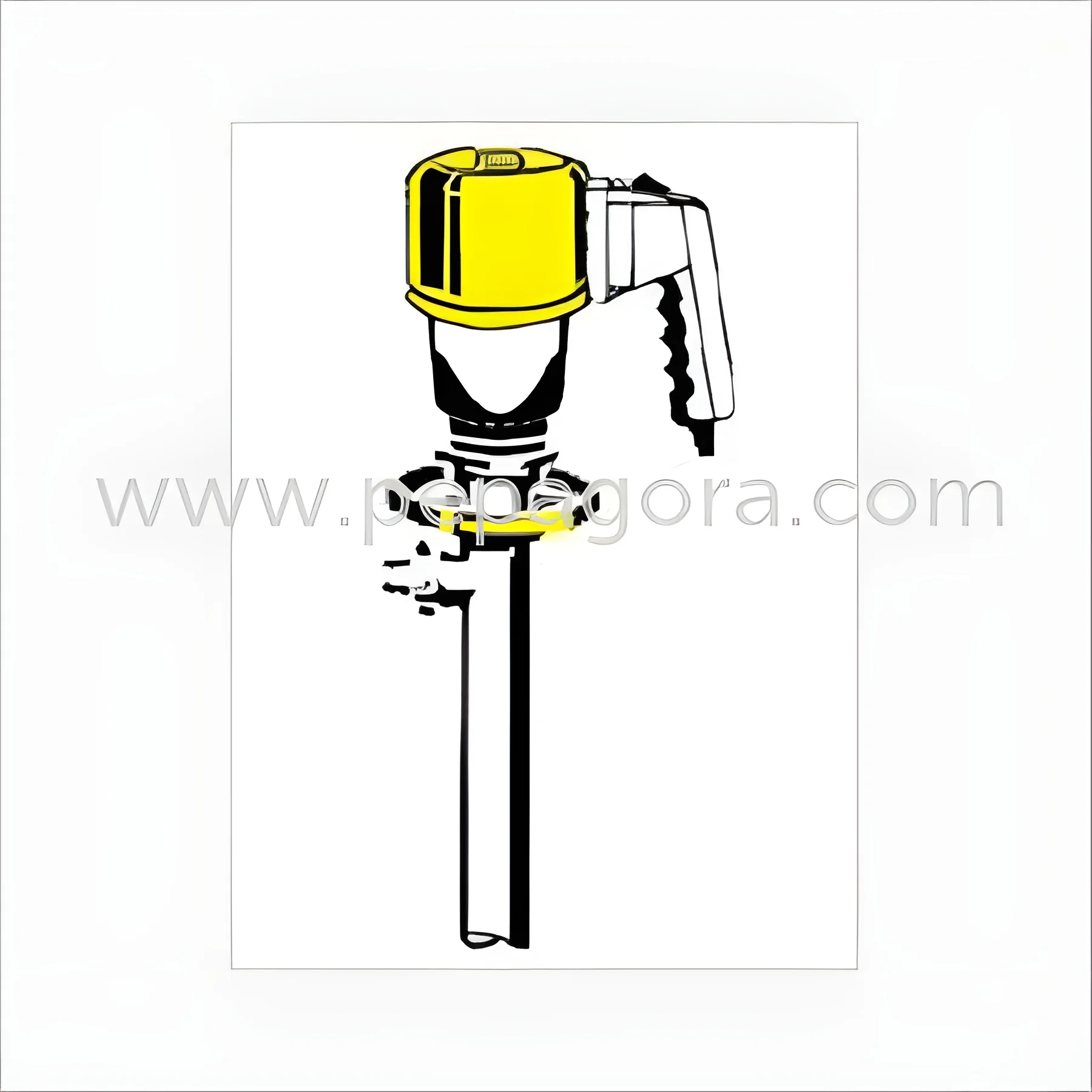
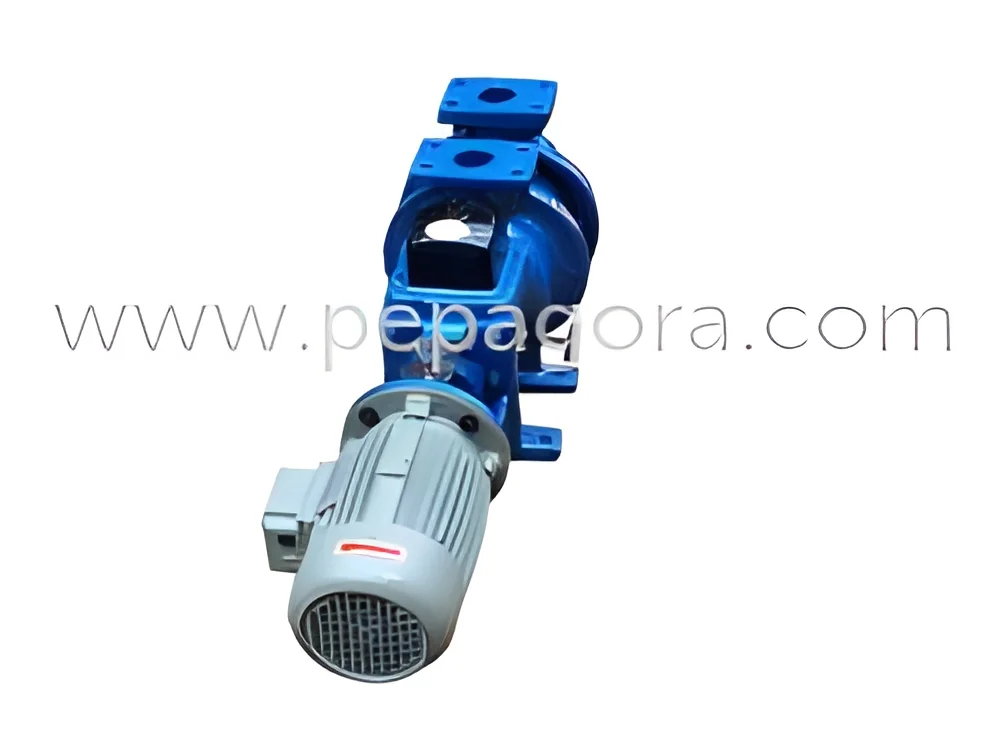
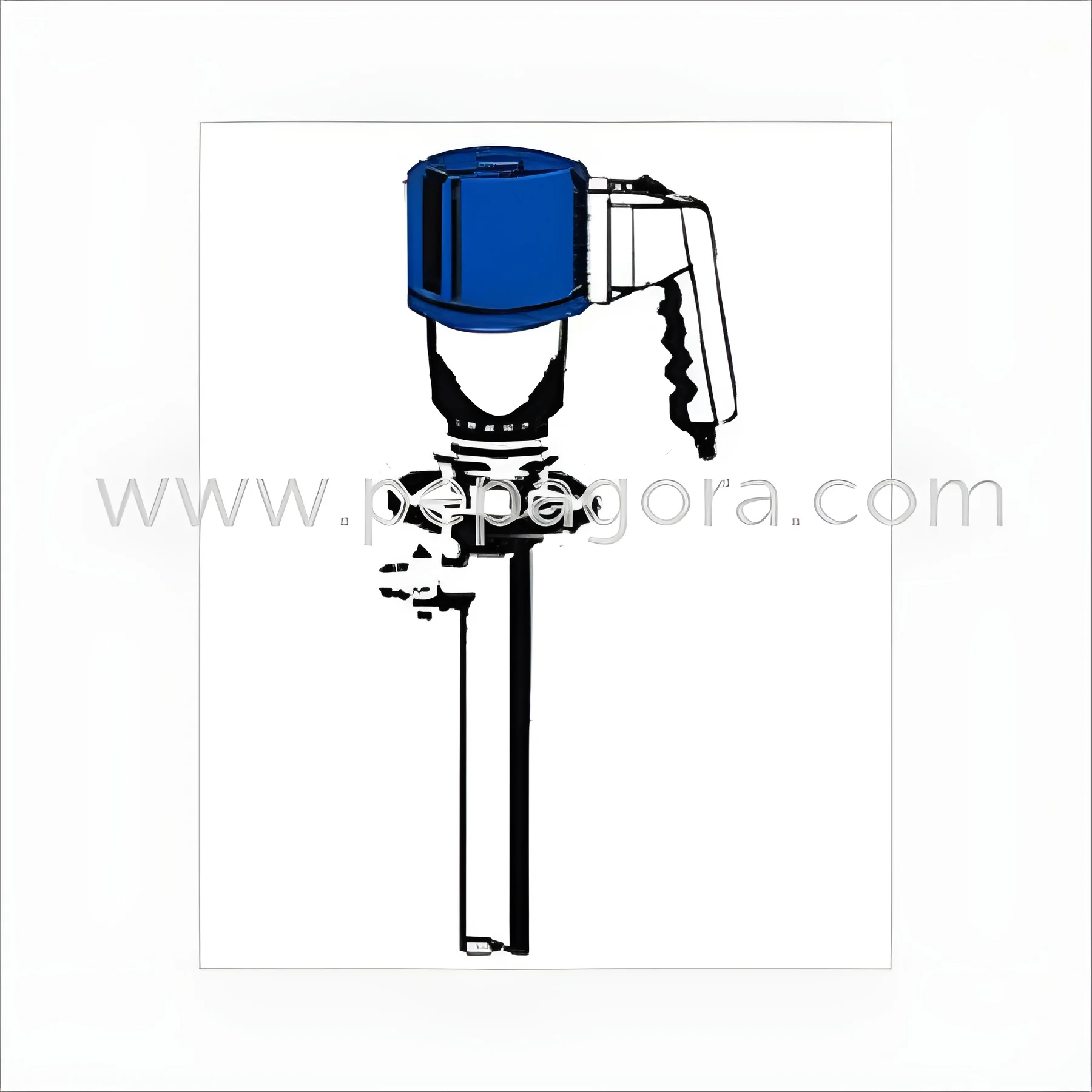
Drum pumps and rotary pumps are essential tools for transferring liquids from one container to another. Drum pumps are specifically designed for use with drums or barrels, providing a convenient method for moving fluids in various industrial applications. Rotary pumps, on the other hand, utilize rotational motion to move fluids through the pump, making them ideal for continuous flow applications. Both types of pumps are essential in industries where precise fluid handling is crucial.
These pumps are widely employed in sectors such as chemical processing, food and beverage manufacturing, pharmaceuticals, and wastewater management. Businesses use drum pumps for tasks such as transferring chemicals or oils, while rotary pumps are often utilized for applications requiring a steady flow of liquids. The versatility of these pumps makes them valuable assets in maintaining operational efficiency across various industries.
As industries evolve, the demand for efficient and reliable fluid transfer solutions continues to grow. The market for drum pumps and rotary pumps is expected to expand, driven by advancements in technology and the increasing need for automation in fluid handling processes. Understanding the features, specifications, and applications of these pumps is critical for businesses seeking to optimize their operations.
Key Features and Specifications
Drum pumps and rotary pumps come with a variety of features that enhance their functionality and efficiency. When selecting a pump, it is important to consider the specifications that best meet your operational needs.
Key specifications include:
1. Flow Rate
- This indicates the volume of fluid the pump can transfer in a given time period.
- Typical flow rates range from a few liters per minute to several hundred liters per minute.
2. Maximum Pressure
- The maximum pressure the pump can handle without risk of damage.
- This can vary significantly depending on the pump design, typically from 1 bar to 10 bar.
3. Material Construction
- Pumps can be made from various materials, including stainless steel, plastic, or composite materials.
- The choice of material affects durability and compatibility with different liquids.
4. Motor Type
- Pumps may be equipped with electric, pneumatic, or manual drive systems.
- The motor type influences operational efficiency and maintenance requirements.
5. Temperature Range
- The operating temperature range of the pump, which can determine its suitability for specific applications.
- Many pumps are designed to handle temperatures between -20°C to 100°C.
6. Port Size
- The size of the inlet and outlet ports can affect the installation and fluid transfer process.
- Common port sizes range from 1 inch to 3 inches.
7. Certification
- Many pumps meet industry standards such as CE certification, ensuring compliance with safety and performance regulations.
8. Accessories
- Additional components like hoses, nozzles, and couplings may be included for enhanced usability.
In summary, understanding the key features and specifications of drum pumps and rotary pumps can help businesses select the right equipment for their fluid handling needs.
Common Applications and Use Cases
Drum pumps and rotary pumps serve a wide range of industries, each with specific application needs.
1. Chemical Processing: These pumps are used to transfer acids, solvents, and other hazardous materials safely and efficiently.
2. Food and Beverage: Drum pumps are employed to handle oils, syrups, and other liquids while maintaining hygiene standards.
3. Pharmaceuticals: Rotary pumps are crucial for transferring sensitive liquids, ensuring precise dosing and contamination control.
4. Oil and Gas: These pumps facilitate the transfer of crude oil, lubricants, and additives in various operational settings.
5. Water Treatment: Pumps are used in wastewater management systems to move sludge and other liquids during treatment processes.
6. Agriculture: Drum pumps help in the application of fertilizers and pesticides, ensuring accurate mixing and distribution.
7. Automotive: These pumps are often used for transferring fuel and lubricants in automotive maintenance and service operations.
By understanding the various applications, businesses can better leverage drum pumps and rotary pumps to enhance their operational efficiency.
Product Variants and Subcategories
Drum pumps and rotary pumps come in various designs tailored to meet specific operational requirements. The diversity of these products allows businesses to choose options that best fit their needs.
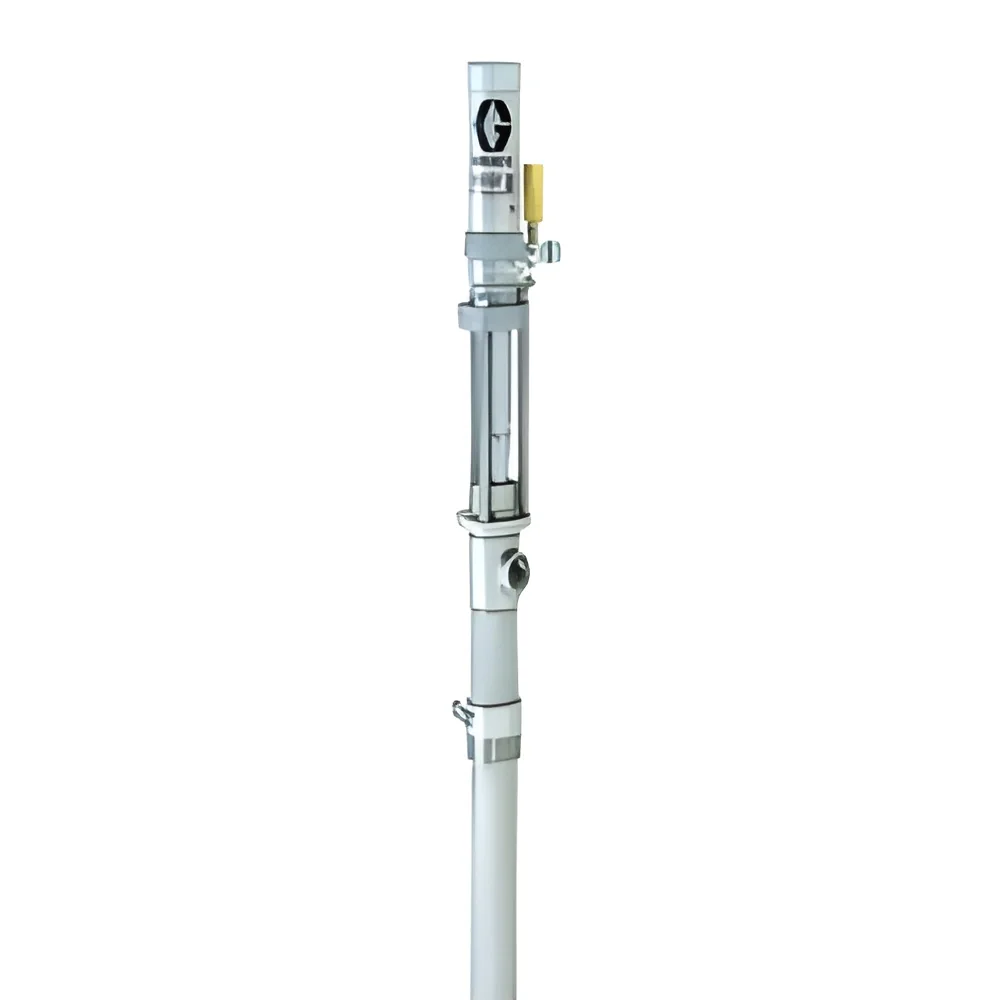
Manual Drum Pumps: These are hand-operated and ideal for smaller volumes. They are easy to use and require no external power source.
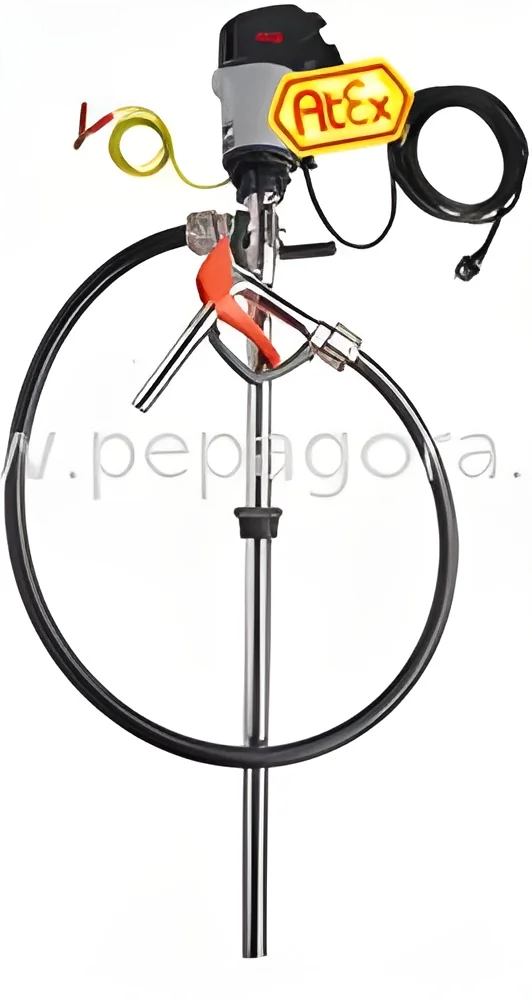
Electric Drum Pumps: Designed for higher efficiency, these pumps use electric motors to facilitate fluid transfer, making them suitable for continuous operations.
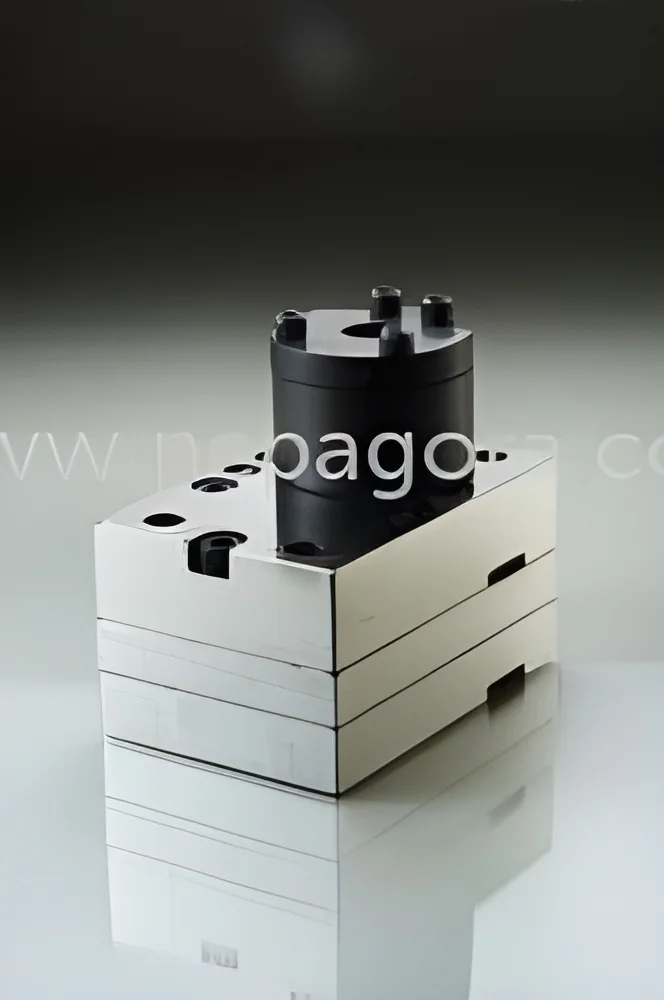
Rotary Gear Pumps: These pumps use gears to create a vacuum and move fluid. They are effective for transferring viscous liquids and can handle high-pressure applications.
Diaphragm Pumps: Known for their ability to handle corrosive and abrasive fluids, diaphragm pumps provide a reliable option for various industrial applications.
Peristaltic Pumps: These pumps work by compressing a hose to move fluids, making them suitable for sterile applications in the pharmaceutical and food industries.
Benefits and Advantages
Investing in drum pumps and rotary pumps offers numerous advantages for businesses seeking efficient fluid handling solutions.
1. Efficiency: These pumps provide fast and reliable fluid transfer, reducing downtime and improving productivity.
2. Versatility: With various designs and materials available, these pumps can handle a wide range of liquids, including corrosive and viscous substances.
3. Safety: Many models are designed to minimize leaks and spills, enhancing workplace safety when handling hazardous materials.
4. Cost-Effective: The durability and efficiency of these pumps often lead to lower operational costs over time.
5. Easy Maintenance: Most pumps are designed for simple maintenance, allowing businesses to minimize disruptions to their operations.
6. Precision: Many pumps offer accurate flow control, making them ideal for applications requiring precise measurements.
A well-chosen pump can significantly impact a business's operational efficiency and safety.
Buying Guide for B2B Buyers
When sourcing drum pumps and rotary pumps, businesses should consider several key factors to ensure the best selection for their needs.
1. Quality Assessment: It is essential to evaluate the quality of the pumps based on manufacturer reputation, material integrity, and performance reviews. High-quality pumps generally offer better longevity and reliability.
2. Supplier Verification: Vetting suppliers is crucial to ensure they meet industry standards. Look for certifications and customer feedback to assess their credibility.
3. Pricing and MOQ: Understand the pricing structure and minimum order quantities (MOQ) to align with your budget and operational needs. Compare prices across multiple suppliers to find the best value.
4. Delivery and Lead Times: Consider logistics, including delivery times and shipping costs. Efficient supply chain management can prevent delays in production.
5. Compliance Requirements: Ensure that the pumps meet necessary regulatory standards for your industry. This may include safety certifications and environmental regulations.
By paying attention to these factors, businesses can make informed purchasing decisions that align with their operational goals.
Compliance and Certifications
Compliance and certifications are critical aspects of selecting drum pumps and rotary pumps. These factors ensure that the products meet industry standards for safety, quality, and performance.
Many pumps adhere to ISO 9001 standards, which focus on quality management systems. This certification indicates that the manufacturer has established a consistent quality framework.
Additionally, businesses should look for CE certification, which signifies compliance with European safety and health standards. This certification is particularly important for companies operating in or exporting to Europe.
Safety and testing requirements also play a significant role in pump selection. Manufacturers should conduct thorough testing to ensure their products can withstand operational stresses and meet safety regulations.
Regional compliance considerations may vary, so businesses should be aware of local regulations governing fluid handling equipment. Failing to comply with these standards can lead to legal repercussions and operational disruptions.
Why Source Drum Pumps & Rotary Pumps from Pepagora?
Pepagora stands out as a trusted platform for sourcing drum pumps and rotary pumps, offering several key advantages to B2B buyers.
Verified Supplier Network: Pepagora provides access to a network of verified suppliers, ensuring that businesses can source high-quality pumps from reputable manufacturers. This verification process protects buyers from unreliable products and suppliers.
Streamlined RFQ Process: The request for quotation (RFQ) process on Pepagora is designed to be efficient and user-friendly. Buyers can quickly submit their requirements and receive competitive quotes from multiple suppliers, saving time and effort.
Trade Assurance and Support: Pepagora offers trade assurance programs that provide buyers with protection and support throughout the purchasing process. This includes assistance with disputes and ensuring compliance with agreed terms.
Regional Coverage: Pepagora’s geographic reach encompasses major markets, including India, GCC, and Southeast Asia. This wide coverage allows businesses to find local suppliers and streamline their logistics, ensuring timely delivery and reduced costs.
By choosing Pepagora, businesses can enhance their sourcing experience for drum pumps and rotary pumps, ensuring quality, efficiency, and reliability in their operations.

 IN
IN