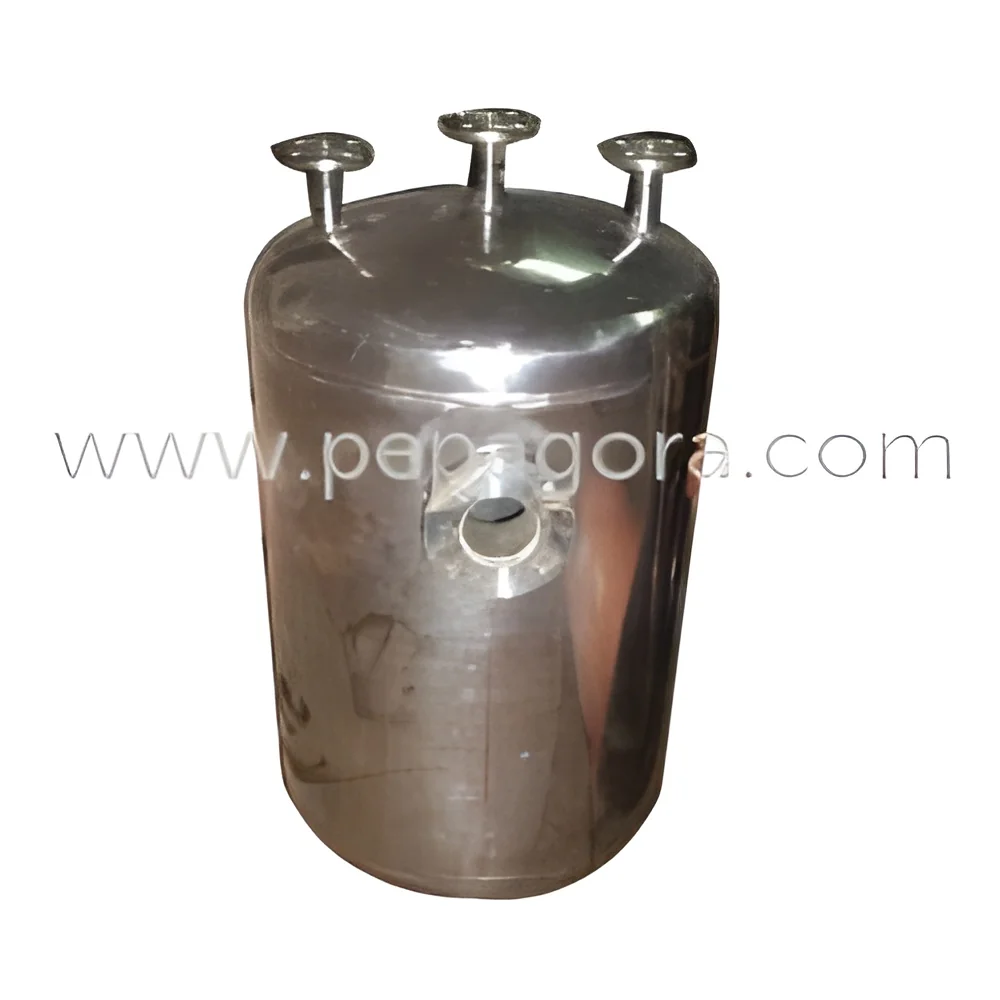
What are Chemical Dosing Tanks?
Chemical dosing tanks are specialized containers designed to store and dispense precise amounts of chemicals used in various industrial processes. These tanks are engineered to handle a wide range of chemicals, including corrosive substances, and are typically made from durable materials that can withstand harsh environments. The primary function of a chemical dosing tank is to ensure accurate and controlled delivery of chemicals to treatment systems, production lines, or other applications requiring chemical dosage.
Chemical dosing tanks find utility in numerous sectors, including water treatment, pharmaceuticals, food and beverage, and industrial manufacturing. In water treatment facilities, for instance, these tanks are used to add disinfectants, coagulants, or pH adjusters to the water supply. In the pharmaceutical industry, they ensure that active ingredients are delivered in the correct concentrations. The versatility of chemical dosing tanks makes them an integral component in many industrial operations, contributing to efficiency and safety.
The market for chemical dosing tanks is expanding as industries increasingly emphasize automation and precision in their processes. With the growing focus on environmental compliance and safety regulations, the demand for reliable chemical dosing solutions is expected to rise. This trend drives innovation in tank design and technology, ensuring that businesses can meet operational requirements while adhering to strict standards.
Key Features and Specifications
Chemical dosing tanks come equipped with various features designed to enhance their functionality and reliability. These specifications are essential for ensuring that the tanks meet the diverse needs of different industries.
Key specifications include:
1. Material of Construction
- Typically made from polyethylene, polypropylene, or stainless steel
- Resistant to corrosion and suitable for various chemical types
2. Capacity
- Available in sizes ranging from 50 liters to over 10,000 liters
- Custom sizes may be available to meet specific requirements
3. Level Monitoring
- Equipped with sensors or gauges for real-time monitoring
- Helps in maintaining optimal chemical levels
4. Inlet and Outlet Configurations
- Various fitting options to accommodate different piping systems
- Designed for easy integration into existing setups
5. Safety Features
- Includes spill containment measures and overfill protection
- Complies with industry safety standards
6. Temperature Resistance
- Designed to operate within a specific temperature range
- Important for maintaining chemical stability
7. Compatibility with Accessories
- Can be fitted with pumps, mixers, or agitation systems
- Enhances the effectiveness of the dosing process
8. Certification
- Often certified to meet regulatory standards like CE
- Ensures compliance with safety and quality criteria
In summary, understanding the key features and specifications of chemical dosing tanks is crucial for businesses seeking to implement or upgrade their chemical handling systems.
Common Applications and Use Cases
Chemical dosing tanks are versatile and can be utilized across various industries, each with its specific applications.
1. Water Treatment: These tanks are used to add chemicals such as chlorine or coagulants for water purification processes, ensuring safe drinking water and efficient wastewater treatment.
2. Pharmaceuticals: In the pharmaceutical sector, dosing tanks ensure precise delivery of active ingredients in drug formulations, thereby maintaining product consistency and efficacy.
3. Food and Beverage: Chemical dosing tanks play a vital role in food processing, often used for dosing sanitizers, preservatives, or flavoring agents to maintain product quality and safety.
4. Agriculture: In agriculture, these tanks are utilized for the precise application of fertilizers and pesticides, enhancing crop yield while minimizing environmental impact.
5. Chemical Manufacturing: Chemical dosing tanks are integral to the manufacturing process, facilitating the accurate mixing of raw materials and ensuring quality control.
6. Oil and Gas: They are used for dosing additives in drilling fluids and other applications, contributing to efficiency and safety in extraction processes.
7. Textile Industry: In textile processing, these tanks are employed to add dyes and chemicals during the dyeing and finishing stages, ensuring color consistency and quality.
Product Variants and Subcategories
Chemical dosing tanks offer a range of variants to cater to specific industrial needs. Each variant is designed with unique features to enhance functionality.
Vertical Dosing Tanks
These tanks are designed for space efficiency, offering a smaller footprint while maximizing storage capacity. They are ideal for applications where floor space is limited.
Horizontal Dosing Tanks
Horizontal tanks are suited for larger volumes and are often used when gravity-fed dosing is required. They provide easy access for maintenance and monitoring.
Skid-Mounted Dosing Tanks
This variant includes tanks mounted on a skid, allowing for easy transportation and installation. They are commonly used in temporary setups or where mobility is essential.
Benefits and Advantages
Chemical dosing tanks provide numerous benefits that enhance operational efficiency and safety.
1. Precision in Chemical Delivery: These tanks ensure that chemicals are dispensed accurately, reducing waste and improving process control.
2. Enhanced Safety: With built-in safety features such as spill containment and overfill protection, chemical dosing tanks help minimize risks associated with chemical handling.
3. Versatility: Suitable for a wide range of chemicals and industries, these tanks can be adapted to meet various operational needs.
4. Improved Compliance: Many chemical dosing tanks are designed to meet industry regulations, helping businesses stay compliant with safety and environmental standards.
5. Durable Construction: Made from robust materials, these tanks are built to withstand harsh conditions, ensuring longevity and reliability.
6. Easy Integration: The design of chemical dosing tanks allows for seamless integration into existing systems, minimizing disruption during installation.
Buying Guide for B2B Buyers
When sourcing chemical dosing tanks, certain factors should be considered to ensure a suitable choice for your operations.
1. Quality Assessment: Look for tanks made from high-quality materials that comply with industry standards. Assessing the manufacturing process can provide insights into the tank's durability and reliability.
2. Supplier Verification: Ensure that the supplier has a proven track record and positive customer feedback. Request references and verify their capabilities to meet your requirements.
3. Pricing and MOQ: Understand the pricing structure, including any minimum order quantities. Compare quotes from different suppliers to ensure competitive pricing.
4. Delivery and Lead Times: Discuss logistics with suppliers to ensure timely delivery. Consider lead times when planning your operations to avoid disruptions.
5. Compliance Requirements: Make sure the tanks meet necessary regulatory standards for your industry. This includes certifications such as CE and any local compliance needs.
Compliance and Certifications
Compliance and certifications are critical aspects of chemical dosing tanks, ensuring they meet industry safety and quality standards. Many tanks comply with ISO 9001, which outlines quality management systems, indicating that the manufacturing processes are controlled and effective.
Additionally, HACCP (Hazard Analysis and Critical Control Points) compliance is essential in industries like food and beverage, ensuring that safety measures are implemented throughout the production process. CE certification is also important, particularly in the European market, signifying that the product meets EU safety, health, and environmental protection standards.
Safety and testing requirements may include regular inspections and certifications from recognized bodies to ensure that the tanks operate safely under specified conditions. Furthermore, regional compliance considerations may vary, so it is essential to be aware of local regulations that could impact the use of chemical dosing tanks in specific areas.
Why Source Chemical Dosing Tanks from Pepagora?
Pepagora provides a trusted platform for sourcing chemical dosing tanks, offering several key advantages to B2B buyers.
One of the main benefits of using Pepagora is its verified supplier network. Each supplier is thoroughly vetted to ensure reliability and quality, giving buyers confidence in their purchasing decisions. This network enables businesses to connect with reputable manufacturers and suppliers who are committed to delivering high-quality products.
The streamlined RFQ (Request for Quotation) process simplifies the procurement journey. Buyers can easily submit their requirements and receive competitive quotes from multiple suppliers, allowing them to compare options and select the best fit for their needs.
Trade assurance and support are also significant advantages of sourcing through Pepagora. This feature provides buyers with added protection during transactions, ensuring that their investments are secure and that they receive the products as expected.
Finally, Pepagora offers regional coverage, making it an ideal choice for businesses in India, the GCC, and Southeast Asia. This geographic reach ensures that buyers can find local suppliers who understand the market dynamics and can provide timely support and services.

 IN
IN