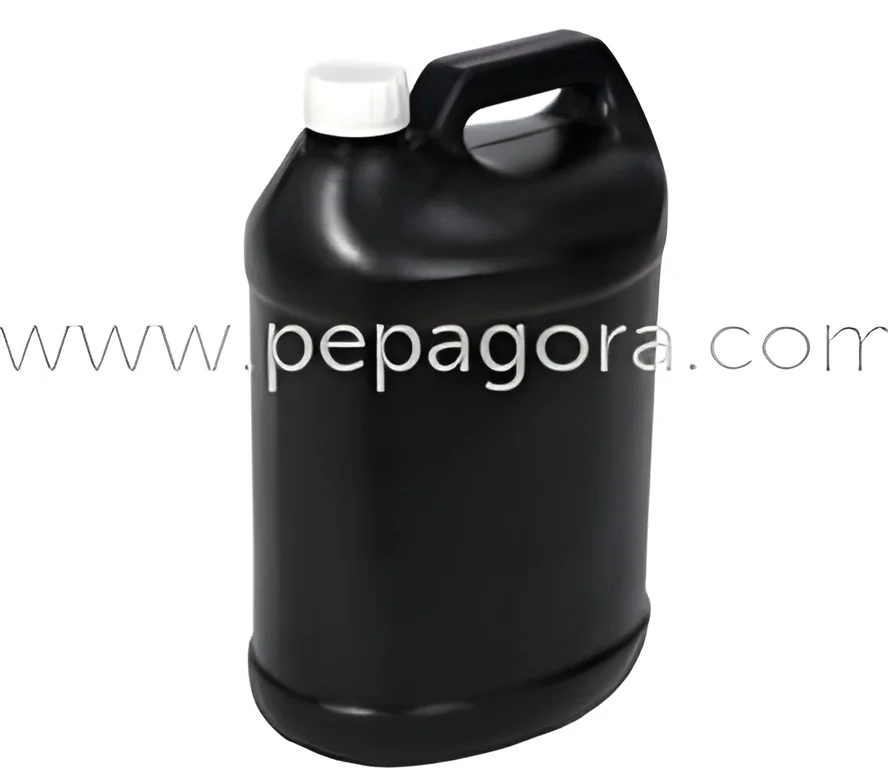
What are Chemical Carboys & Jerry Cans?
Chemical carboys and jerry cans are containers designed for the storage and transportation of various liquids, particularly chemicals. Carboys are typically large, rigid containers made from glass or plastic, often equipped with a neck for easy pouring. Jerry cans are smaller, usually made of metal or high-density polyethylene, and feature a spout for controlled pouring. Both types are essential for industries that handle hazardous materials, ensuring safe and efficient management of liquids.
These containers are widely used in laboratories, manufacturing sites, and chemical processing facilities. They serve several purposes, including the storage of solvents, acids, and other chemical substances. Their design enables safe handling, minimizing the risk of leaks or spills. As industries across the globe continue to expand, the demand for reliable chemical storage solutions like carboys and jerry cans remains critical for operational efficiency and safety.
In the context of the market, chemical carboys and jerry cans are vital components for businesses in various sectors. Their importance is underscored by increasing regulatory standards for chemical safety and environmental protection. As companies seek to enhance safety protocols, the relevance of these containers continues to grow.
Key Features and Specifications
Chemical carboys and jerry cans come with a range of features that cater to specific industrial needs. These features ensure that the containers can handle various chemicals while maintaining safety and usability.
Key specifications include:
1. Material Type
- Carboys are typically made of glass or high-density polyethylene.
- Jerry cans are often constructed from metal or plastic.
2. Capacity
- Carboys generally range from 1 liter to 30 liters.
- Jerry cans typically hold 5 to 20 liters.
3. Design Features
- Carboys often have wide necks for easy filling and pouring.
- Jerry cans feature a spout and a handle for convenient transport.
4. Closure Types
- Carboys may have screw caps or cork stoppers.
- Jerry cans usually come with a secure cap to prevent spills.
5. Color Options
- Carboys can be transparent or opaque.
- Jerry cans often come in various colors for easy identification.
6. Safety Features
- Many containers are designed with resistance to UV light and impact.
- Some have built-in pressure relief valves for safety.
7. Certification
- Many products meet industry safety standards and certifications such as CE.
In summary, the choice of material, capacity, and design features all contribute to the effectiveness of chemical carboys and jerry cans in various applications.
Common Applications and Use Cases
Chemical carboys and jerry cans find applications across multiple industries, serving crucial roles in chemical management.
1. Pharmaceuticals: These containers are used for storing and transporting various chemicals and solvents used in drug manufacturing.
2. Laboratories: Carboys are essential for storing reagents and solutions, ensuring easy access and safe handling.
3. Agriculture: Jerry cans are widely used for storing pesticides and fertilizers, allowing farmers to manage chemicals safely.
4. Food and Beverage: These containers are utilized for storing food-grade chemicals and additives, complying with safety standards.
5. Chemical Manufacturing: Both carboys and jerry cans are integral for transporting raw materials and finished products within chemical plants.
6. Water Treatment: Carboys are often used to store chemicals essential for water purification processes.
7. Oil and Gas: Jerry cans are used for transporting fuels and lubricants, ensuring safe handling in the field.
Product Variants and Subcategories
Chemical carboys and jerry cans come in various forms to meet specific user needs, providing flexibility and functionality.
Standard Chemical Carboys: These are typically large containers used for laboratory applications. They are designed for safe storage and transport of a variety of liquids and are available in different materials like glass and plastic.
High-Density Jerry Cans: These cans are built for robustness and are ideal for field use. They are designed with features that prevent leaks and ensure easy pouring, making them suitable for both industrial and agricultural applications.
Benefits and Advantages
Chemical carboys and jerry cans offer significant advantages that enhance operational efficiency and safety.
1. Durability: These containers are built to withstand harsh chemicals and environmental conditions, ensuring long-term use.
2. Safety: Designed to minimize spills and leaks, they help in maintaining a safe working environment.
3. Versatility: Available in various sizes and materials, they can accommodate a wide range of liquids.
4. Ease of Use: Features like handles and spouts make them user-friendly, facilitating easy transport and pouring.
5. Cost-Effectiveness: Their reusability and durability lead to lower long-term costs for businesses.
6. Compliance: Many products meet industry standards, ensuring regulatory compliance and safety in chemical handling.
Buying Guide for B2B Buyers
When sourcing chemical carboys and jerry cans, it is essential to consider several factors to ensure the right choice for your business.
1. Quality Assessment: Evaluate the materials used in the construction of the containers. High-quality materials ensure durability and safety during use.
2. Supplier Verification: Vet potential suppliers to ensure they have a reliable reputation and meet industry standards. This can involve reviewing certifications and customer feedback.
3. Pricing and MOQ: Assess pricing structures and minimum order quantities to find a supplier that fits your budget and needs.
4. Delivery and Lead Times: Consider logistics, including shipping times and costs, to ensure timely delivery of your products.
5. Compliance Requirements: Ensure that the containers meet relevant regulatory standards to avoid potential legal issues and ensure safety during use.
Compliance and Certifications
Chemical carboys and jerry cans must adhere to various quality and safety standards to ensure they are suitable for industrial applications. Key standards include ISO 9001, which focuses on quality management systems, ensuring that products meet customer and regulatory requirements.
Additionally, the Hazard Analysis and Critical Control Points (HACCP) and Good Distribution Practice (GDP) standards are relevant in industries that handle food-grade chemicals, ensuring safety throughout the supply chain.
Many manufacturers also pursue CE certification, which indicates compliance with European health, safety, and environmental protection standards. It is crucial for buyers to ensure that products meet these certifications to guarantee safety and reliability.
Regional compliance considerations are also important, as regulations can vary by country. Buyers should verify that the products they source comply with local regulations to ensure smooth operations and avoid any legal complications.
Why Source Chemical Carboys & Jerry Cans from Pepagora?
Pepagora provides a trusted platform for sourcing chemical carboys and jerry cans, offering several key advantages to B2B buyers.
Verified Supplier Network: Pepagora has established a network of verified suppliers who are committed to quality and reliability. This helps buyers find trustworthy sources for their chemical storage needs.
Streamlined RFQ Process: The request for quotation process on Pepagora is designed to be efficient, allowing buyers to quickly receive and compare quotes from multiple suppliers, saving time and effort.
Trade Assurance and Support: Pepagora offers trade assurance, providing buyers with protection against risks associated with purchasing. Their support team is available to assist with any inquiries or issues that may arise during the sourcing process.
Regional Coverage: With a strong presence in India, the GCC, and Southeast Asia, Pepagora ensures that buyers have access to a wide range of products and suppliers, facilitating smooth transactions across regions. This broad coverage enhances the ability of businesses to find suitable products tailored to their specific requirements.

 IN
IN