What are Chemical Transfer Hoses?
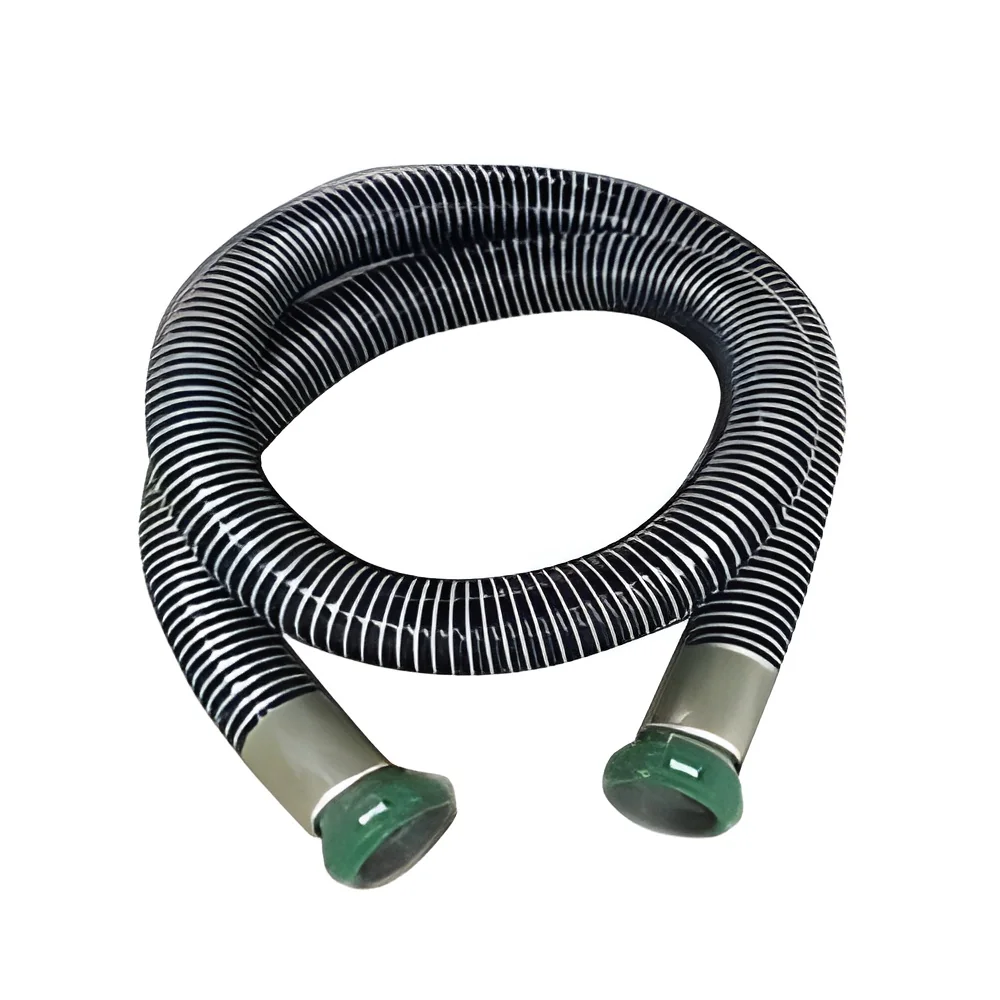
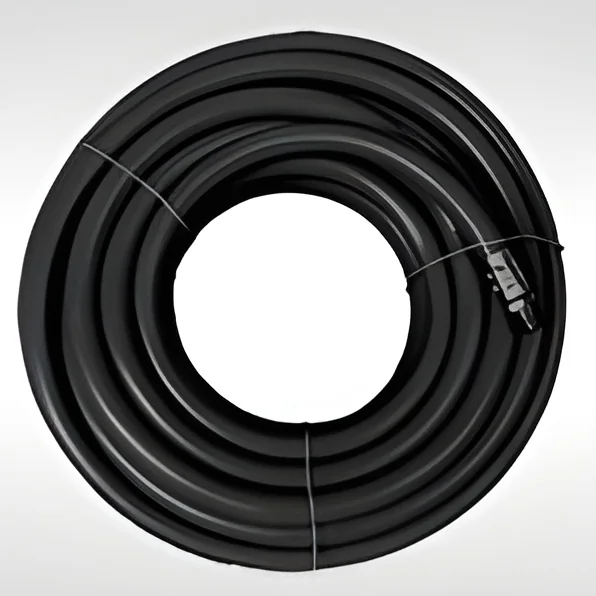
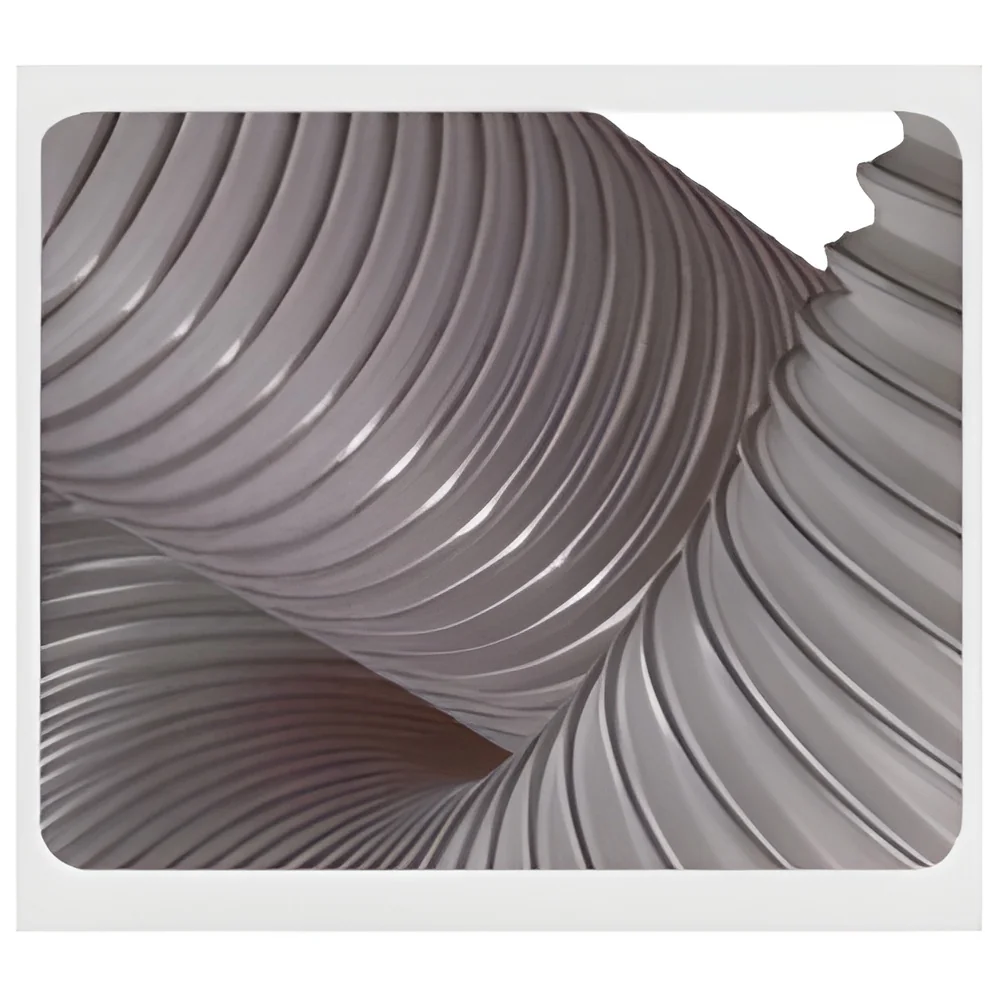
Chemical transfer hoses are specialized hoses designed for the safe transfer of various chemicals in industrial applications. These hoses are constructed from materials that resist corrosion and degradation caused by aggressive substances, making them vital for maintaining operational safety. The design typically includes reinforced layers to handle high pressures and ensure durability during use.
These hoses are primarily used in industries such as chemical processing, pharmaceuticals, and food and beverage manufacturing. Their applications include transferring acids, solvents, and other hazardous materials between tanks, trucks, and processing equipment. The importance of chemical transfer hoses in these sectors cannot be overstated, as they facilitate efficient workflows while minimizing the risk of leaks and spills.
In the current market, the demand for chemical transfer hoses is driven by increasing regulations on chemical handling and a growing emphasis on safety standards. As industries evolve, the need for reliable and efficient chemical transfer systems continues to rise, solidifying the relevance of these hoses in industrial operations.
Key Features and Specifications
Chemical transfer hoses come with a variety of features that enhance their functionality and safety. Understanding these specifications is crucial for selecting the right hose for specific applications.
Key specifications include:
1. Material Composition
- Typically constructed from rubber or thermoplastic
- Designed to resist chemical corrosion and temperature fluctuations
2. Pressure Rating
- Can handle pressures ranging from low to high, depending on the application
- Common ratings are between 150 PSI to over 300 PSI
3. Temperature Range
- Suitable for use in temperatures from -20°C to 100°C
- Specialized variants can withstand higher or lower extremes
4. Inner Diameter
- Available in various diameters to accommodate different flow rates
- Common sizes range from 1 inch to 4 inches
5. Length Options
- Offered in standard lengths, with custom lengths available upon request
- Typical lengths range from 25 feet to 100 feet
6. Compliance and Certification
- Must meet industry standards such as CE certification
- Compliance with local regulations is essential for safe use
7. Reinforcement Layers
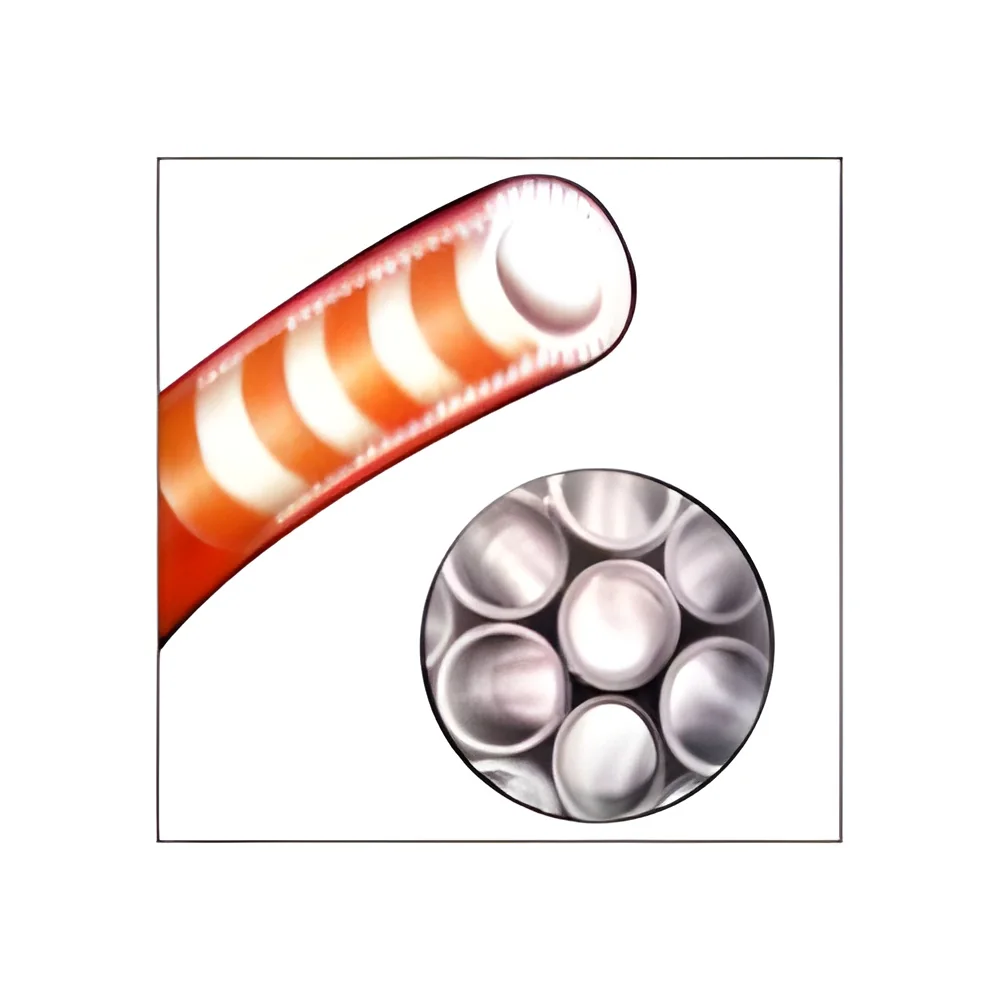
- Often include multiple layers for added strength
- Provides protection against kinking and crushing
8. Compatibility
- Compatibility with a wide range of chemicals is critical
- Specific hoses designed for acids, solvents, or food-grade applications
In summary, the features and specifications of chemical transfer hoses are designed to ensure safety, efficiency, and reliability in chemical handling processes.
Common Applications and Use Cases
Chemical transfer hoses are versatile products serving various industries. Their unique construction makes them suitable for specific applications.
1. Chemical Processing: Used to transfer hazardous chemicals between storage tanks and production equipment, ensuring safe handling and regulatory compliance.
2. Pharmaceuticals: Essential for moving active ingredients and solvents during drug manufacturing, where purity and safety are paramount.
3. Food and Beverage: Specialized hoses are used in food processing to transfer ingredients and cleaning chemicals without contamination.
4. Oil and Gas: Utilized for transporting various fluids, including crude oil and chemicals, while maintaining structural integrity under pressure.
5. Agriculture: Used in the application of fertilizers and pesticides, ensuring efficient delivery while minimizing exposure risks.
6. Water Treatment: Involved in moving chemicals for water purification processes, requiring materials that resist corrosion and maintain water quality.
7. Manufacturing: Employed in various manufacturing processes to facilitate the safe transfer of materials, enhancing operational efficiency.
Product Variants and Subcategories
Chemical transfer hoses come in various variants, each designed to meet specific needs within industrial settings.
Acid Resistant Hoses
These hoses are designed to safely transport strong acids and corrosive chemicals. They are constructed from specialized materials that can withstand harsh environments, ensuring minimal risk of leaks and damage.
Food Grade Hoses
These hoses comply with health regulations for transferring food products and cleaning agents. They are made from materials that do not leach harmful substances, maintaining the integrity of food products.
High-Pressure Hoses
Designed for applications requiring the transfer of chemicals at high pressures. These hoses feature reinforced construction and are suitable for demanding industrial environments.
Steam Hoses
Specifically engineered for the transfer of high-temperature steam, these hoses are constructed to handle extreme conditions while preventing leaks and ensuring safety.
Benefits and Advantages
Chemical transfer hoses offer numerous benefits that enhance their value in industrial applications.
1. Safety Assurance: Designed to minimize the risk of leaks and spills, ensuring a safer working environment.
2. Chemical Compatibility: Built to handle a wide range of chemicals, providing flexibility in various applications.
3. Durability: Reinforced construction enhances resistance to wear, pressure, and environmental factors, ensuring long-lasting performance.
4. Regulatory Compliance: Meeting industry standards and regulations helps businesses maintain compliance and avoid penalties.
5. Cost-Effectiveness: Reduced risk of leaks and spills leads to lower maintenance costs and fewer interruptions in operations.
6. Customization Options: Many suppliers offer customization to meet specific requirements, allowing businesses to tailor hoses to their needs.
Buying Guide for B2B Buyers
When sourcing chemical transfer hoses, several factors should be considered to ensure the right choice.
1. Quality Assessment: Evaluate the quality of materials used in the hoses. Look for certifications and compliance with industry standards to guarantee safety and performance.
2. Supplier Verification: Research potential suppliers to ensure they have a proven track record. Check references and reviews to confirm reliability and service quality.
3. Pricing and MOQ: Understand the pricing structure and minimum order quantities. Consider how these factors align with your budget and project requirements.
4. Delivery and Lead Times: Confirm delivery schedules and lead times to avoid disruptions in your supply chain. Ensure suppliers can meet your timeline.
5. Compliance Requirements: Be aware of the regulatory requirements for your industry. Ensure the hoses meet all necessary safety and quality standards.
Compliance and Certifications
Compliance with industry standards is essential when selecting chemical transfer hoses. Various quality standards apply, including ISO 9001, which ensures that manufacturers adhere to quality management systems. Other industry-specific certifications, such as CE marking, indicate that the products comply with European safety and health regulations.
Safety and testing requirements are critical for ensuring that chemical transfer hoses can withstand the pressures and chemical exposures they will face in real-world applications. Manufacturers should provide documentation supporting the safety and quality of their hoses.
Additionally, regional compliance considerations may vary based on local regulations. It is crucial for buyers to understand these requirements to ensure their operations remain compliant and safe.
Why Source Chemical Transfer Hoses from Pepagora?
Pepagora offers a trusted platform for sourcing chemical transfer hoses, providing several key advantages to B2B buyers.
Verified Supplier Network: Pepagora has established a network of verified suppliers, ensuring that buyers can access high-quality products from reputable manufacturers. This reduces the risk of purchasing substandard hoses.
Streamlined RFQ Process: The Request for Quotation (RFQ) process is designed to be efficient, allowing buyers to quickly obtain quotes from multiple suppliers. This simplifies the purchasing process and saves time.
Trade Assurance and Support: Pepagora provides trade assurance, offering buyer protection and support throughout the purchasing journey. This builds confidence in transactions and fosters long-term relationships.
Regional Coverage: With a focus on markets including India, the GCC, and Southeast Asia, Pepagora ensures that buyers have access to local suppliers, facilitating faster deliveries and better service. This regional presence enhances the overall sourcing experience for businesses looking for chemical transfer hoses.

 IN
IN