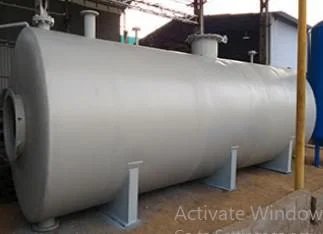
What are Hazardous Chemical Waste Containers?
Hazardous chemical waste containers are specialized receptacles designed to safely store and manage hazardous waste generated from industrial processes, laboratories, and healthcare facilities. These containers are built to withstand the corrosive nature of hazardous materials and are engineered to prevent leaks, spills, and contamination. They come in various sizes and designs to cater to different waste types, ensuring compliance with environmental regulations.
Primarily, these containers are used to collect, store, and transport hazardous waste materials such as chemicals, solvents, and biomedical waste. Their applications span across various industries, including manufacturing, pharmaceuticals, and healthcare. Businesses must manage these materials responsibly to protect both human health and the environment, making the use of hazardous chemical waste containers essential in waste management protocols.
In the current market, the relevance of hazardous chemical waste containers is increasingly pronounced due to stringent regulatory frameworks and a growing emphasis on sustainability. Industries are under pressure to minimize their environmental footprint, and proper waste management is a critical component of compliance. Therefore, investing in high-quality containers is a priority for businesses aiming to adhere to safety standards while effectively managing hazardous materials.
Key Features and Specifications
Hazardous chemical waste containers come with several features that enhance their safety and usability. Understanding these specifications is crucial for businesses looking to select the right containers for their needs.
Key specifications include:
1. Material Composition
- Made from durable materials such as high-density polyethylene or steel.
- Resistant to corrosion and chemical reactions.
2. Capacity Options
- Available in various sizes, typically ranging from 5 gallons to 55 gallons.
- Suitable for different volumes of waste generation.
3. Closure Mechanism
- Equipped with secure, leak-proof lids to prevent accidental spillage.
- Options for locking mechanisms to enhance security.
4. Labeling Compliance
- Containers come with pre-printed hazard labels for clear identification.
- Custom labeling options available for specific waste types.
5. Handling Features
- Designed with ergonomic handles for easy transport.
- Some models include wheels for mobility.
6. Color Coding
- Often color-coded to signify different types of hazardous waste.
- Helps in quick identification and sorting.
7. Compatibility
- Suitable for various hazardous materials, including liquids, solids, and sharps.
- Adheres to regulatory requirements for hazardous waste storage.
8. Disposal Options
- Designed for compatibility with waste disposal services.
- Can be used for incineration or landfill processes as per regulations.
In summary, understanding the features and specifications of hazardous chemical waste containers is essential for businesses to ensure effective waste management and compliance with safety standards.
Common Applications and Use Cases
Hazardous chemical waste containers serve a broad array of industries, each with specific applications tailored to their waste management needs.
1. Manufacturing: In manufacturing settings, these containers are used to collect waste chemicals, solvents, and oils generated during production processes. Proper storage helps minimize risks associated with chemical exposure.
2. Pharmaceuticals: The pharmaceutical industry utilizes these containers for disposing of expired or unused drugs and chemicals. Compliance with health regulations is critical in this sector.
3. Healthcare: Hospitals and clinics rely on hazardous waste containers for the safe disposal of biomedical waste, including sharps and infectious materials. These containers help protect healthcare workers and the public.
4. Laboratories: Research and development labs generate significant hazardous waste. Containers are essential for managing chemicals safely until they can be disposed of properly.
5. Automotive: The automotive industry uses these containers to store waste fluids and chemicals, such as oil and battery acid, ensuring safe handling and disposal.
6. Agriculture: Agricultural facilities often deal with chemical pesticides and fertilizers. Proper waste containment is crucial to prevent environmental contamination.
7. Construction: Construction sites generate hazardous waste, including asbestos and paints. Specialized containers help manage these materials safely.
Product Variants and Subcategories
Hazardous chemical waste containers come in various configurations to meet specific industry requirements.
Drum Containers: These are cylindrical containers, typically made of metal or plastic, designed for bulk storage of hazardous liquids. They are ideal for industries that generate large quantities of waste.
Bin Containers: Bin containers are larger rectangular containers used for solid waste collection. They are often used in laboratories and manufacturing facilities for bulk solid waste disposal.
Pail Containers: Smaller in size, pail containers are suitable for limited quantities of hazardous materials. They are commonly used in smaller operations or for specific tasks requiring less waste.
Safety Cans: These containers are designed for flammable liquids, featuring built-in flame arresters and venting systems to prevent ignition. They are essential in environments where flammable substances are handled.
Benefits and Advantages
Investing in hazardous chemical waste containers offers numerous advantages that enhance safety and compliance.
1. Safety Assurance: These containers are designed to minimize the risk of leaks and spills, protecting both workers and the environment.
2. Regulatory Compliance: Using certified containers ensures adherence to environmental regulations, reducing the risk of fines and legal issues.
3. Improved Waste Management: Proper containers make it easier to segregate and manage hazardous waste effectively, streamlining disposal processes.
4. Cost-Effectiveness: Investing in durable containers reduces the need for frequent replacements, leading to long-term savings.
5. Enhanced Organization: Clearly labeled containers help maintain an organized waste management system, improving overall operational efficiency.
6. Environmental Protection: By ensuring safe disposal, these containers help mitigate environmental risks associated with hazardous waste.
Buying Guide for B2B Buyers
When sourcing hazardous chemical waste containers, it is crucial for businesses to consider several key factors.
1. Quality Assessment: Look for containers made from high-quality materials that meet safety and durability standards. Verify that they are designed for the specific types of hazardous waste you will be handling.
2. Supplier Verification: Vet potential suppliers by checking their certifications and customer reviews. A reliable supplier should demonstrate a strong track record in providing compliant products.
3. Pricing and MOQ: Understand the pricing structure and minimum order quantities (MOQ) required by suppliers. Compare prices while ensuring that quality is not compromised.
4. Delivery and Lead Times: Confirm the supplier’s ability to meet your delivery requirements. Timely delivery is essential for maintaining operational continuity.
5. Compliance Requirements: Ensure that the containers you choose comply with local and international regulations regarding hazardous waste management.
Compliance and Certifications
Hazardous chemical waste containers must adhere to various quality standards and certifications to ensure safety and regulatory compliance. ISO 9001 is a widely recognized quality management standard that ensures consistent quality in manufacturing processes. Compliance with HACCP (Hazard Analysis and Critical Control Points) guidelines is essential for industries dealing with food safety and pharmaceuticals.
CE certification indicates that the product meets European safety standards, which is crucial for businesses operating in or exporting to Europe. Safety and testing requirements may include assessments for leak resistance and chemical compatibility. Additionally, regional compliance considerations are important, as different areas may have specific regulations governing hazardous waste management.
Why Source Hazardous Chemical Waste Containers from Pepagora?
Pepagora offers a trusted platform for sourcing hazardous chemical waste containers, providing several key advantages that cater to B2B buyers' needs.
Verified Supplier Network: Pepagora partners with a network of verified suppliers who meet stringent quality and compliance standards. This ensures that buyers can access reliable products without the risk of substandard options.
Streamlined RFQ Process: The platform features a streamlined request-for-quotation (RFQ) process, allowing buyers to receive competitive quotes from multiple suppliers quickly and efficiently.
Trade Assurance and Support: Pepagora provides trade assurance, offering protection for buyers throughout the procurement process. This support helps mitigate risks associated with purchasing hazardous materials.
Regional Coverage: With a broad geographic reach across India, the GCC, and Southeast Asia, Pepagora ensures that businesses in these regions can easily access the containers they need for effective hazardous waste management.

 IN
IN