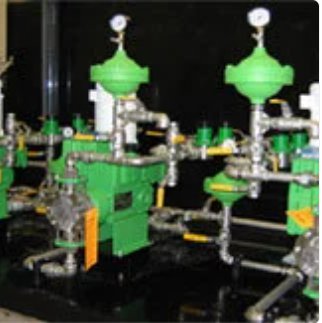
What are Chemical Injection Systems?
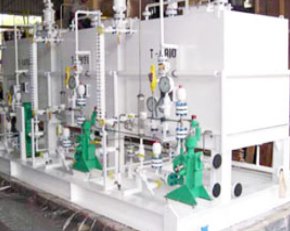
Chemical Injection Systems are specialized setups designed to deliver precise amounts of chemicals into various processes or systems. These systems play a crucial role in various industries by ensuring that the correct dose of chemicals is injected at the right time, optimizing performance and safety. The systems can be automated or manually operated, depending on the application and requirements of the process.
These systems find primary applications in sectors such as oil and gas, water treatment, and chemical processing. In the oil and gas industry, they are used to inject chemicals that prevent corrosion or hydrate formation in pipelines. In water treatment, these systems inject disinfectants and coagulants to ensure water safety. The relevance of Chemical Injection Systems in these industries underscores their importance in maintaining operational efficiency and compliance with regulatory standards.
Key Features and Specifications
Chemical Injection Systems come equipped with several essential features that enhance their functionality and effectiveness. Understanding these features is critical for businesses aiming to select the right system for their needs.
Key specifications include:
1. Flow Rate
- The capacity of the system to deliver chemicals, typically measured in liters per hour (L/h) or gallons per minute (GPM).
2. Pressure Rating
- The maximum operating pressure the system can withstand, usually expressed in psi or bar.
3. Chemical Compatibility
- The range of chemicals that the system can safely handle, ensuring that the materials used are resistant to corrosion and degradation.
4. Control Options
- Type of control system, which can be manual, electronic, or programmable to suit specific operational needs.
5. Power Supply
- Electrical requirements, such as voltage and phase, that the system operates on.
6. Installation Requirements
- Specifications regarding the dimensions and space needed for proper installation.
7. Maintenance Needs
- Information on the frequency and type of maintenance required to ensure optimal operation.
8. Safety Features
- Built-in safety measures to prevent leaks or accidents, including pressure relief valves and alarms.
Understanding these specifications helps businesses make informed decisions based on their operational needs and compliance requirements.
Common Applications and Use Cases
Chemical Injection Systems serve various industries by providing tailored solutions for specific chemical injection needs.
1. Oil and Gas: These systems are crucial for injecting anti-corrosive agents and hydrate inhibitors into pipelines, ensuring the integrity and safety of oil transport.
2. Water Treatment: In municipal and industrial water treatment facilities, these systems inject disinfectants like chlorine and coagulants to purify water and meet health standards.
3. Chemical Processing: In manufacturing environments, Chemical Injection Systems are used to add catalysts or other chemicals to enhance product quality and process efficiency.
4. Agriculture: These systems help in injecting fertilizers and pesticides into irrigation systems, promoting efficient nutrient delivery and pest control.
5. Food and Beverage: In this sector, systems are utilized for injecting preservatives and flavoring agents, ensuring product safety and enhancing taste.
6. Pharmaceuticals: Chemical Injection Systems ensure precise dosing of active ingredients in drug manufacturing, contributing to product efficacy and safety.
Product Variants and Subcategories
Chemical Injection Systems are available in various configurations to meet diverse operational needs.
Electromagnetic Injection Systems
These systems utilize electromagnetic pumps for precise chemical delivery, making them suitable for applications requiring high accuracy and reliability. They are often used in water treatment and chemical processing.
Diaphragm Injection Systems
Designed for handling aggressive chemicals, diaphragm systems provide consistent flow rates and are ideal for oil and gas applications where chemical integrity is vital.
Positive Displacement Injection Systems
These systems offer accurate dosing and are commonly used in food processing and pharmaceuticals, where precise measurement is crucial for compliance and quality assurance.
Benefits and Advantages
Chemical Injection Systems offer several key benefits that enhance operational efficiency and safety.
1. Precision Dosing: These systems ensure accurate chemical delivery, reducing waste and improving process efficiency.
2. Enhanced Safety: With built-in safety features, these systems minimize the risk of leaks and accidental exposure to hazardous chemicals.
3. Automation Capabilities: Automated systems reduce the need for manual intervention, lowering labor costs and increasing operational consistency.
4. Regulatory Compliance: By enabling precise chemical dosing, these systems help businesses meet industry regulations and safety standards.
5. Improved Product Quality: Consistent chemical injection contributes to better product quality and reliability across various applications.
6. Versatility: Chemical Injection Systems can be customized for different chemicals and processes, making them adaptable to various industry needs.
Buying Guide for B2B Buyers
When sourcing Chemical Injection Systems, businesses should consider several critical factors to ensure they select the right system.
1. Quality Assessment: Evaluate the materials and manufacturing processes to ensure durability and reliability. Look for systems that meet industry standards and have proven performance records.
2. Supplier Verification: Conduct thorough research to verify suppliers' credentials, including their experience and customer feedback. A reliable supplier will enhance the buying experience.
3. Pricing and MOQ: Analyze pricing structures and minimum order quantities to ensure they align with your budget and operational needs. Consider total cost of ownership, including maintenance and operational costs.
4. Delivery and Lead Times: Confirm supplier delivery capabilities and lead times to ensure timely implementation in your operations, especially if you have project deadlines.
5. Compliance Requirements: Understand the regulatory landscape related to chemical injection in your industry. Ensure the systems comply with local and international standards.
Compliance and Certifications
Chemical Injection Systems must adhere to various industry standards to ensure safety and performance.
Relevant quality standards such as ISO 9001 help ensure that manufacturing processes meet quality management requirements. Compliance with HACCP standards is crucial for systems used in food and beverage applications, ensuring that food production processes are safe.
Industry certifications like CE indicate that products meet European safety, health, and environmental protection standards. Compliance with these certifications is essential for international trade and acceptance in various markets.
Furthermore, safety and testing requirements should be meticulously followed to guarantee that the systems can operate safely under specified conditions. Regional compliance considerations may vary, so it is vital to understand local regulations governing chemical handling and injection.
Why Source Chemical Injection Systems from Pepagora?
Pepagora provides a trusted platform for sourcing Chemical Injection Systems with several key advantages.
Verified Supplier Network: Our platform features a network of verified suppliers, ensuring that businesses can access reliable and high-quality Chemical Injection Systems. This verification process helps mitigate risks associated with sourcing.
Streamlined RFQ Process: Pepagora simplifies the request for quotation process, making it easy for buyers to obtain competitive pricing and terms. This efficiency saves time and ensures better purchasing decisions.
Trade Assurance and Support: We offer trade assurance to protect buyers throughout the purchasing process. This support includes assistance with order tracking and resolving any issues that may arise.
Regional Coverage: Pepagora has a strong presence in regions such as India, the GCC, and Southeast Asia, facilitating access to a diverse range of suppliers and products. Our regional expertise helps businesses navigate local markets effectively.

 IN
IN