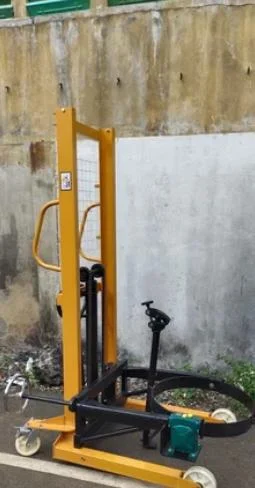
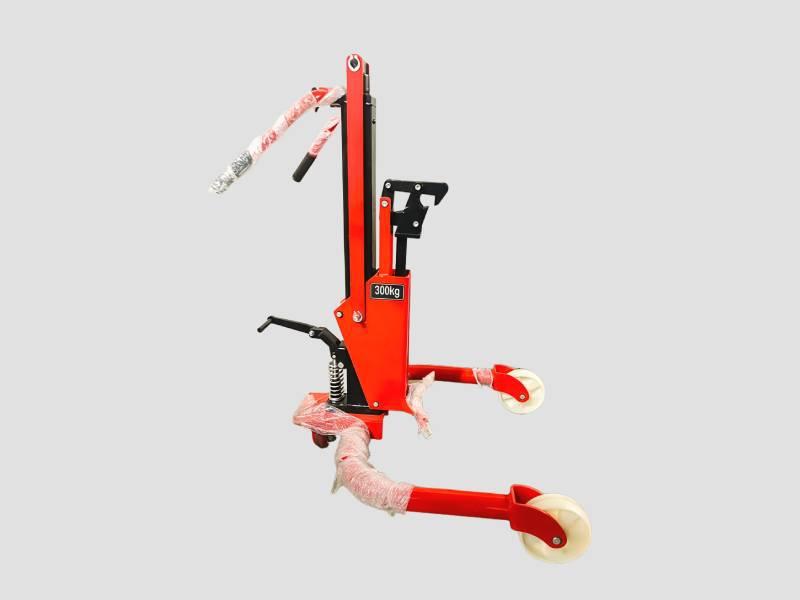
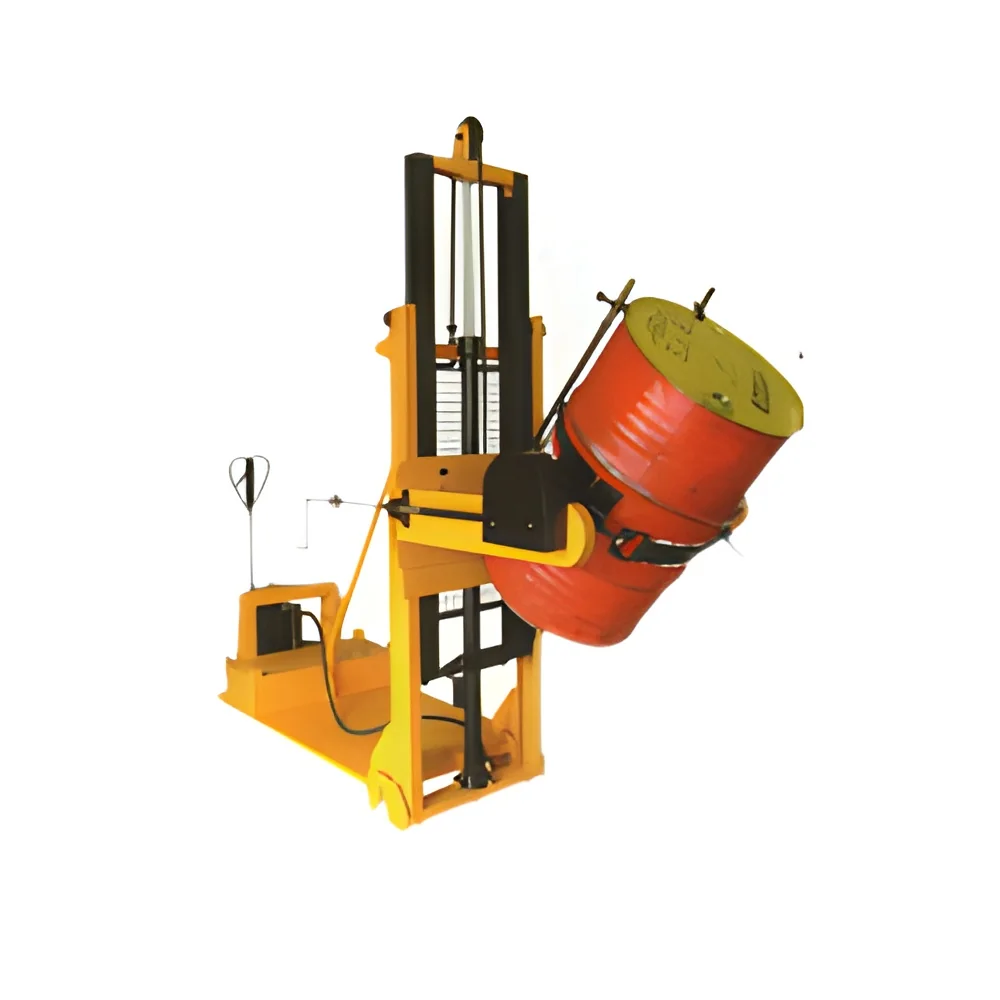
What are Drum Handling Equipment?
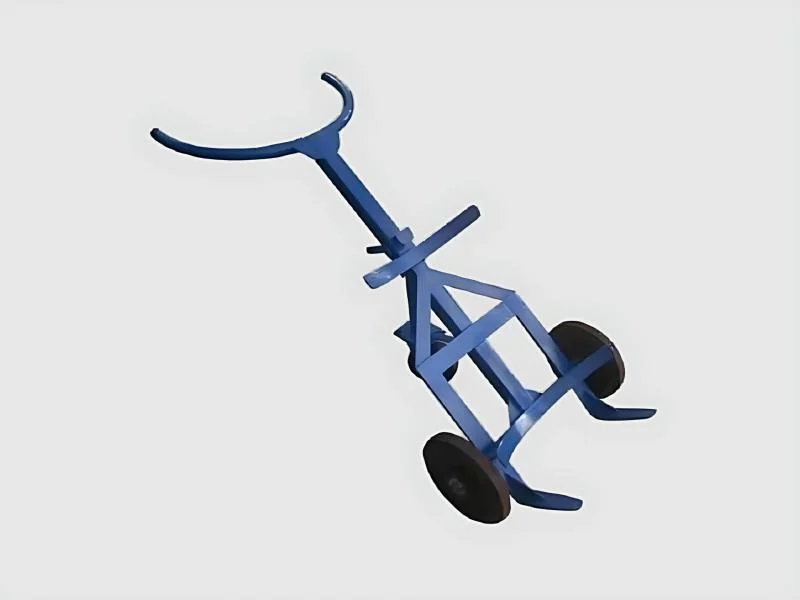
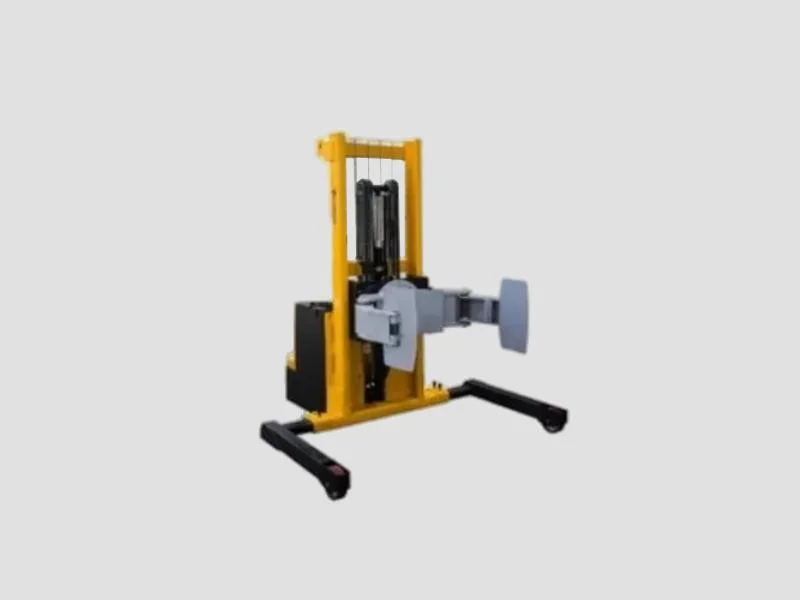
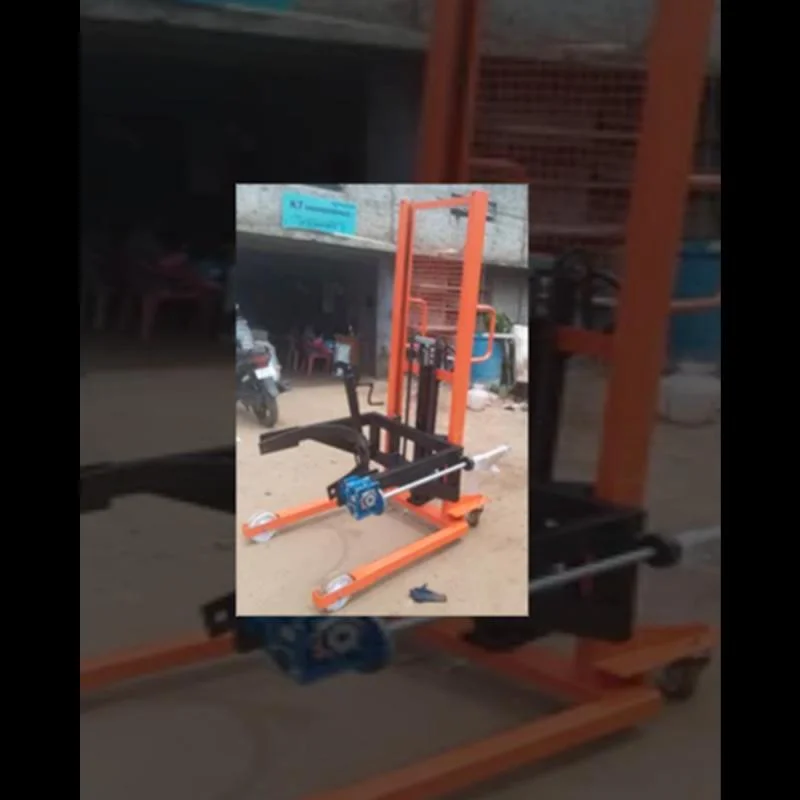
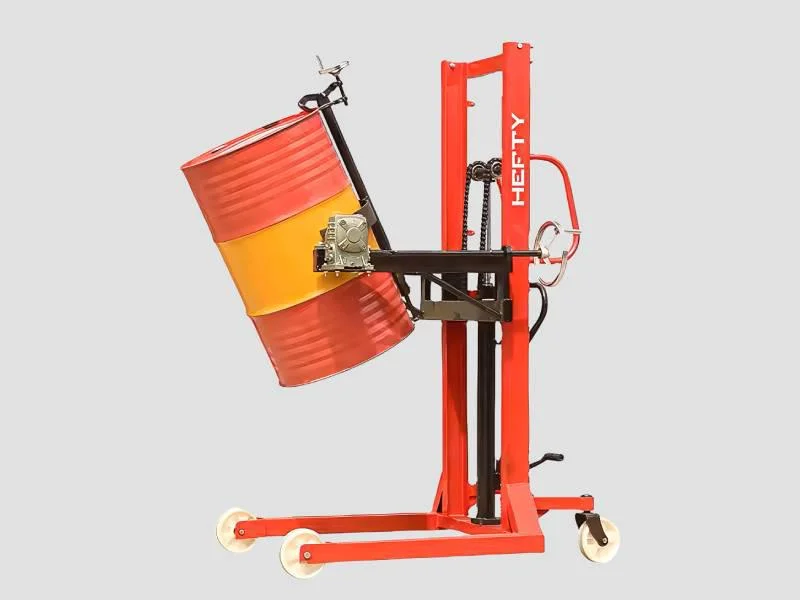
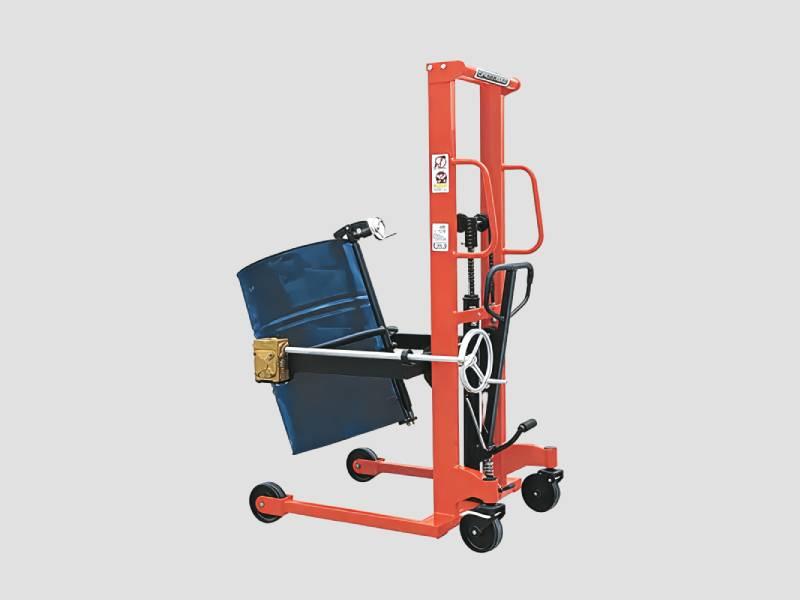
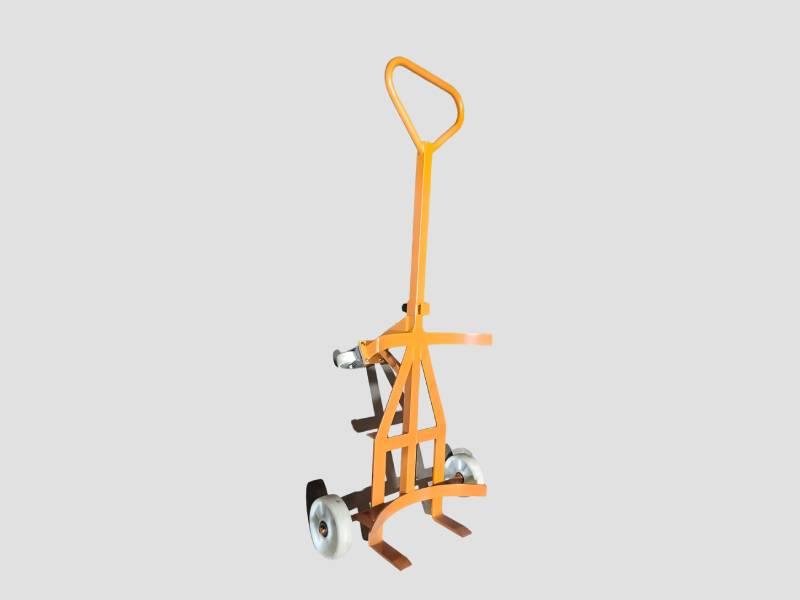
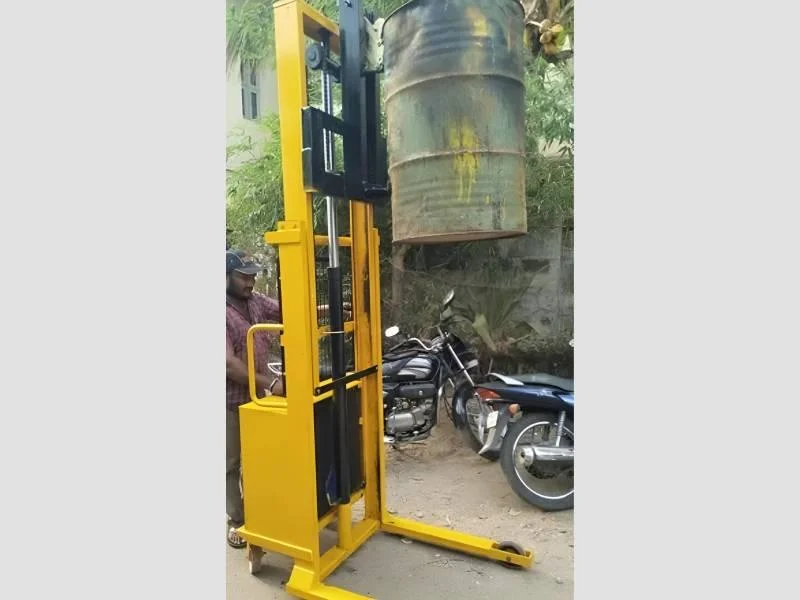
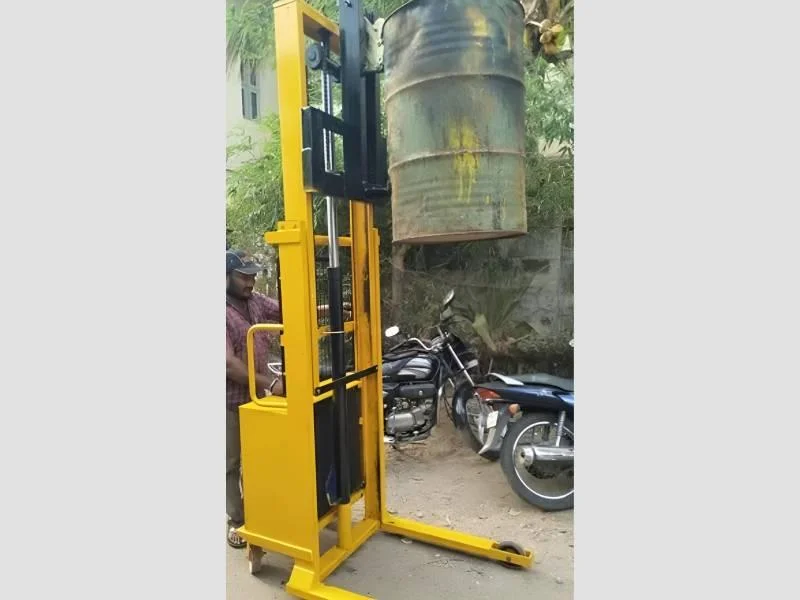
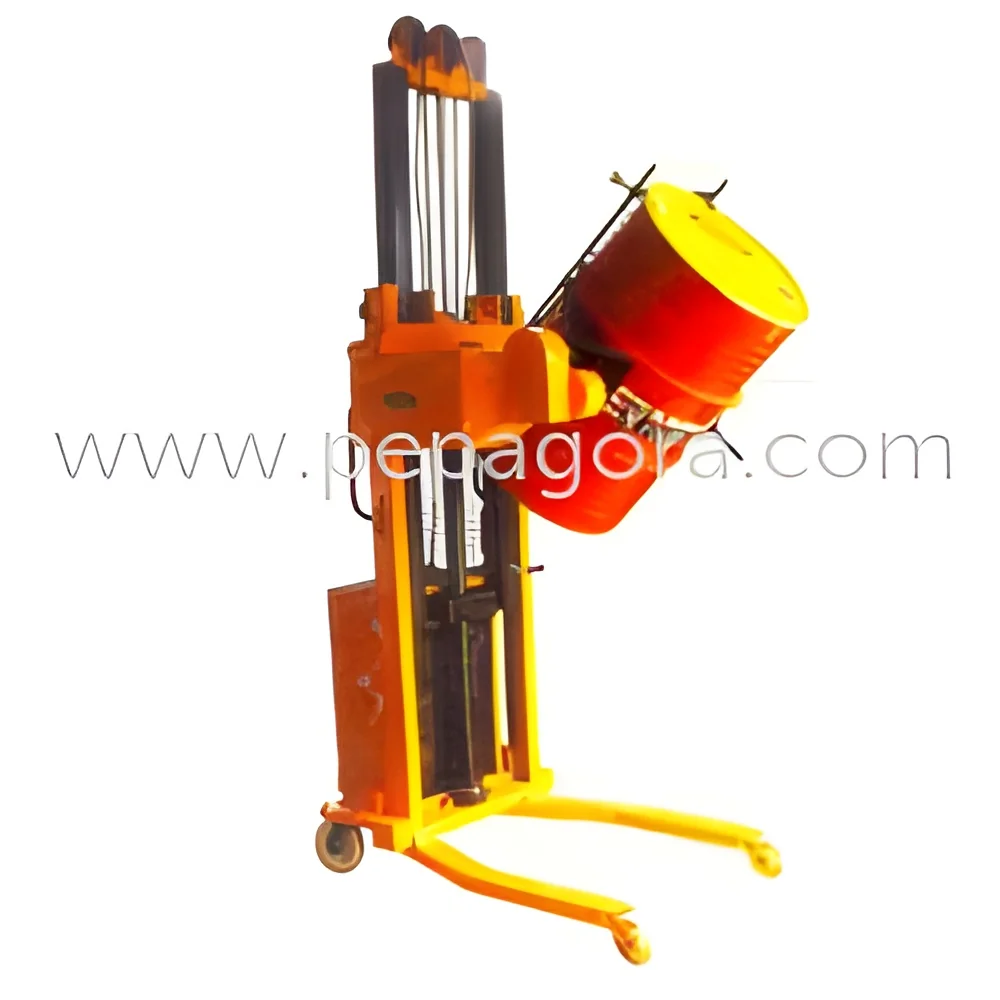
Drum handling equipment refers to a variety of machines and tools designed specifically to lift, move, and store drums, which are commonly used in industries for the transportation of liquids, chemicals, and other materials. This equipment can include devices such as drum lifters, drum rollers, and drum trolleys. These tools are engineered to enhance safety and efficiency in handling heavy and potentially hazardous materials, thereby reducing the risk of spills and injuries associated with manual handling.
Primarily, drum handling equipment is utilized in industries such as manufacturing, warehousing, chemical processing, and construction. These industries require efficient and safe methods for managing heavy drums filled with various substances. The automation of drum handling processes not only speeds up operations but also ensures compliance with safety regulations. As businesses increasingly prioritize safety and efficiency, the demand for such equipment has grown significantly, making it a crucial component in modern industrial operations.
The relevance of drum handling equipment spans across multiple sectors. Companies are continuously seeking innovative solutions to optimize their operational workflow. As industries evolve, the importance of reliable drum handling equipment becomes more pronounced, thereby influencing market trends and driving advancements in technology and design.
Key Features and Specifications
Drum handling equipment comes with a variety of features and specifications tailored to meet industry demands. These features enhance functionality, safety, and ease of use. Understanding these specifications is vital for businesses looking to invest in reliable equipment.
Key specifications include:
1. Load Capacity
- Refers to the maximum weight the equipment can safely handle.
- Typical ranges can vary from 200 to 2,000 pounds depending on the model.
2. Material Construction
- Indicates the materials used in the equipment’s construction.
- Common materials include steel and aluminum for durability and strength.
3. Mobility Features
- Details the mobility options available, such as wheels or casters.
- Equipment can be equipped with swivel wheels for better maneuverability.
4. Ergonomic Design
- Focuses on user comfort and reducing strain during operation.
- Features such as adjustable heights and easy-grip handles are common.
5. Safety Features
- Includes safety mechanisms like locking brakes or overload protection.
- Designed to minimize the risk of accidents during operation.
6. Size and Dimensions
- Specifies the overall size of the equipment.
- Important for ensuring the equipment fits within operational spaces.
7. Compliance Standards
- Refers to adherence to industry standards such as CE certification.
- Ensures that the equipment meets safety and quality benchmarks.
In summary, selecting the right drum handling equipment requires a careful evaluation of its features and specifications. Understanding these elements can lead to improved operational efficiency and enhanced workplace safety.
Common Applications and Use Cases
Drum handling equipment serves a wide range of industries, each with specific applications that highlight the versatility of this equipment.
1. Manufacturing: In manufacturing plants, drum handling equipment is used to transport raw materials and chemicals from storage to production areas, ensuring a smooth workflow.
2. Chemical Processing: In chemical plants, this equipment is critical for moving hazardous materials safely, minimizing spill risks, and ensuring compliance with safety regulations.
3. Food and Beverage: In the food industry, drum handling equipment is used for moving bulk ingredients, ensuring that processes remain efficient and hygienic.
4. Oil and Gas: Equipment is used to manage large drums of oil and petrochemicals, facilitating safe handling and storage.
5. Construction: In construction sites, drum handling equipment aids in transporting materials like concrete or paint, making it easier to manage large quantities.
6. Pharmaceuticals: Drum handling is essential for moving sensitive materials while maintaining compliance with regulatory standards.
7. Warehousing: In warehouses, this equipment improves logistics by facilitating the easy movement and storage of drums, enhancing operational efficiency.
Product Variants and Subcategories
Drum handling equipment offers a diverse range of variants designed for different operational needs.
Drum Lifters
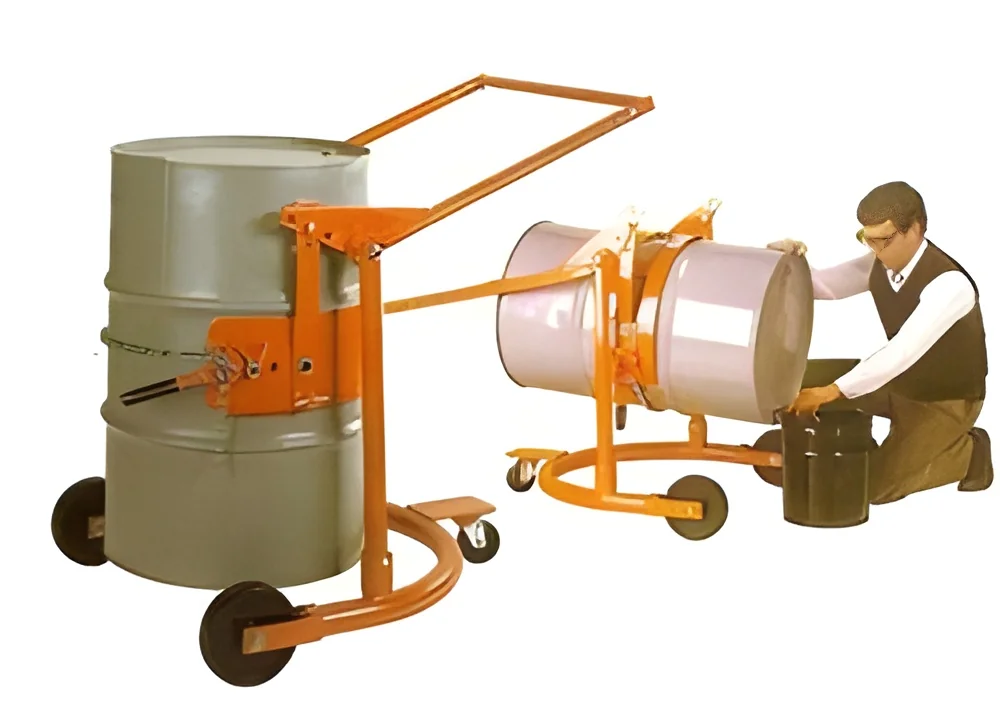
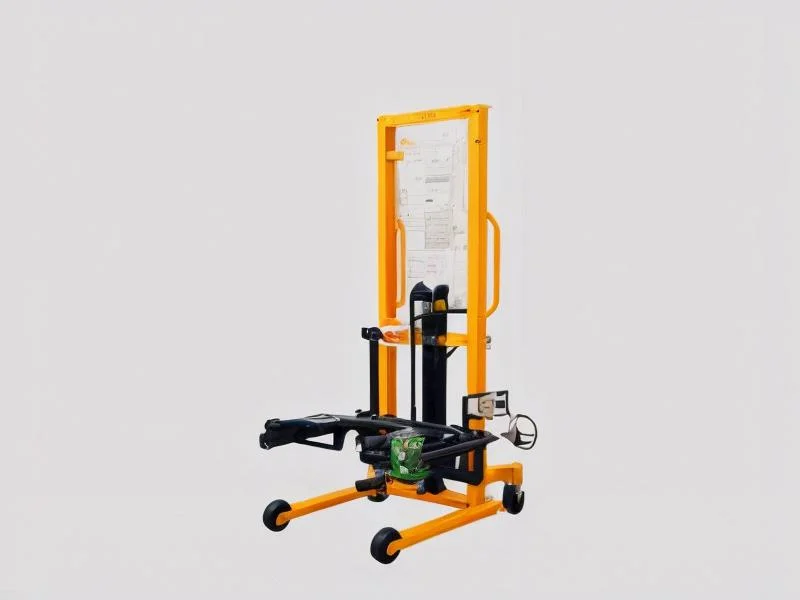
Drum lifters are designed to safely lift and move drums of various sizes. Featuring hydraulic or mechanical lifting mechanisms, they are ideal for use in warehouses and manufacturing facilities.
Drum Rollers
Drum rollers facilitate the movement of drums across flat surfaces. They minimize manual handling and are especially useful in environments where drums need to be rolled from one location to another.
Drum Trolleys
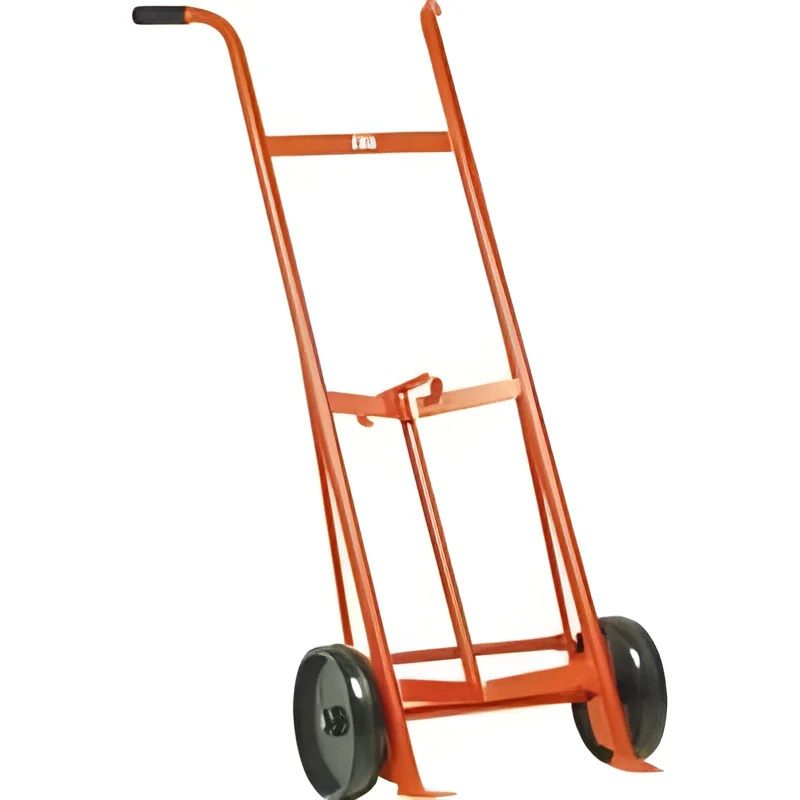
Drum trolleys provide mobility for transporting drums over short distances. Equipped with wheels and sturdy frames, they ensure ease of movement and reduce the risk of injury.
Forklift Attachments
These attachments allow forklifts to safely lift and transport drums. They are designed for industrial settings where forklifts are already in use, enhancing productivity.
Benefits and Advantages
Investing in drum handling equipment provides numerous benefits that can significantly enhance operational efficiency.
1. Enhanced Safety: By minimizing manual handling, drum handling equipment reduces the risk of workplace injuries associated with lifting heavy drums.
2. Increased Efficiency: Automating the drum handling process speeds up operations, allowing workers to focus on more critical tasks.
3. Improved Ergonomics: Equipment designed with ergonomics in mind reduces strain on workers, promoting better workplace health.
4. Cost Savings: Efficient drum handling can lead to reduced labor costs and lower risk of material loss due to spills or accidents.
5. Versatile Applications: Drum handling equipment can be used in various industries, making it a versatile investment for many businesses.
6. Compliance Assurance: Using certified equipment helps businesses meet regulatory requirements, enhancing safety and quality assurance.
Buying Guide for B2B Buyers
When sourcing drum handling equipment, it is essential to consider several critical factors to ensure a wise investment.
1. Quality Assessment: Evaluate the quality of materials and construction. Look for equipment that meets industry standards and has a reputation for durability.
2. Supplier Verification: Vet suppliers by checking their credentials and past customer reviews. Reliable suppliers should provide transparency regarding their manufacturing processes.
3. Pricing and MOQ: Understand the pricing structure and any minimum order quantities (MOQ) that may apply. This helps in budgeting and planning purchases effectively.
4. Delivery and Lead Times: Consider the logistics involved, including delivery timelines and shipping options. Ensure that the supplier can meet your operational deadlines.
5. Compliance Requirements: Check for compliance with relevant safety and quality standards that are applicable in your industry. This is crucial for legal and operational reasons.
Compliance and Certifications
Drum handling equipment must adhere to various compliance and certification standards to ensure safety and quality.
Relevant quality standards such as ISO 9001 ensure that manufacturers maintain high-quality processes in production. This standard is widely recognized and signifies reliability in equipment production.
The CE certification is crucial for drum handling equipment sold in the European market. It indicates that the equipment meets necessary safety and health requirements set by the European Union.
Safety and testing requirements are vital for ensuring that the equipment can withstand operational stresses and potential hazards. Regular testing and compliance with industry standards help in maintaining equipment integrity.
Regional compliance considerations may also vary based on local regulations and industry-specific requirements. Businesses need to stay informed about these regulations to avoid potential penalties and ensure safe operations.
Why Source Drum Handling Equipment from Pepagora?
Pepagora provides a trusted platform for sourcing drum handling equipment with several key advantages that benefit B2B buyers.
Verified Supplier Network: Pepagora ensures that all suppliers in its network are vetted for quality and reliability. This verification process gives buyers confidence in their sourcing decisions.
Streamlined RFQ Process: The platform offers a simplified Request for Quotation (RFQ) process, allowing buyers to easily request and compare quotes from multiple suppliers. This efficiency saves time and facilitates better decision-making.
Trade Assurance and Support: Pepagora provides trade assurance, protecting buyers against potential risks in their transactions. This support includes assistance with disputes and guidance throughout the purchasing process.
Regional Coverage: With a focus on markets in India, the Gulf Cooperation Council (GCC), and Southeast Asia, Pepagora’s extensive regional reach ensures that buyers can access a variety of suppliers that meet their specific needs. This geographic diversity enhances the availability of options for businesses looking to source drum handling equipment.

 IN
IN