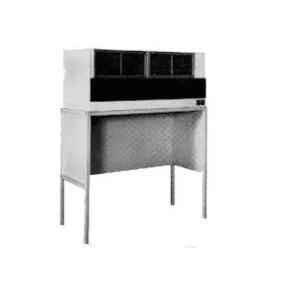
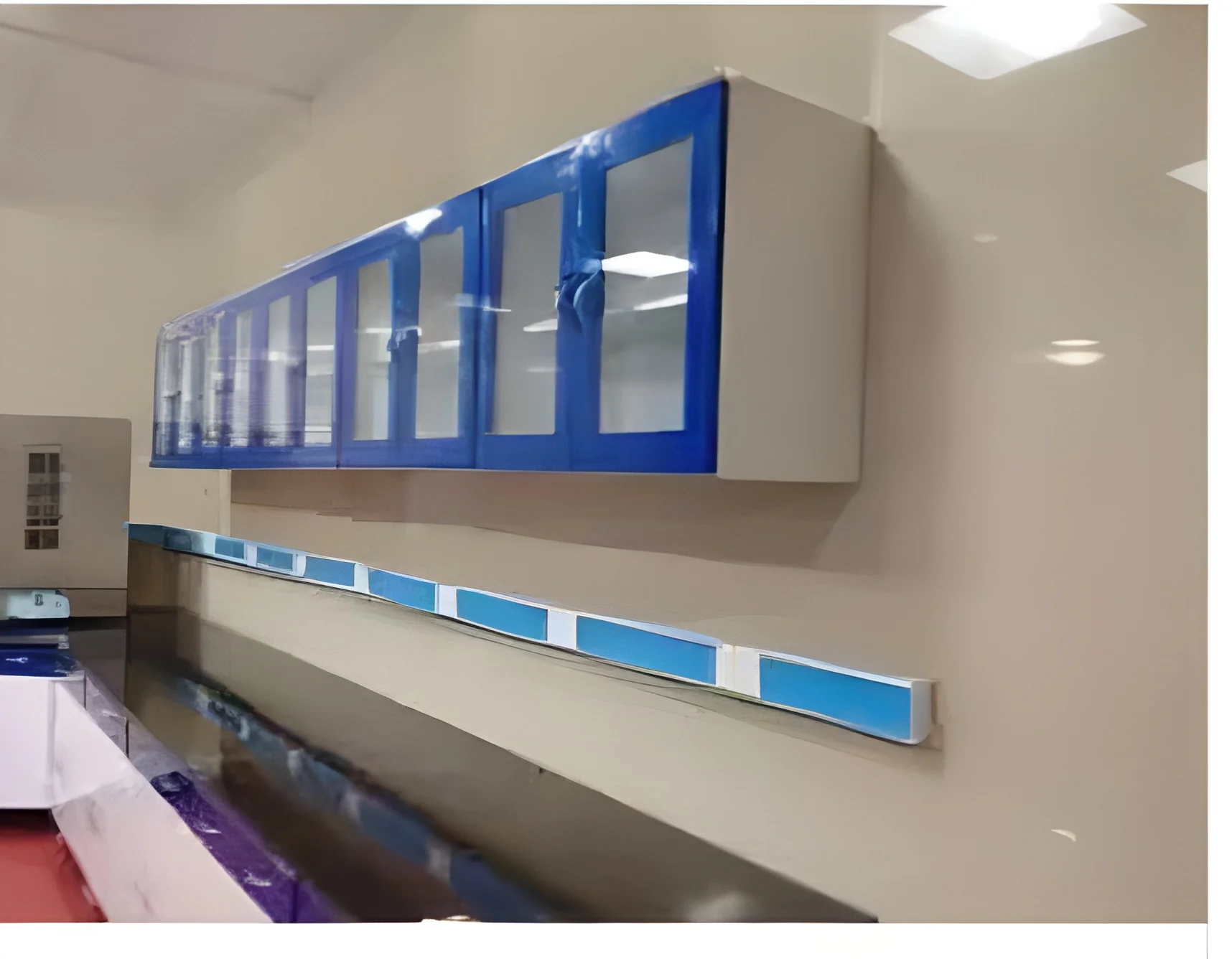
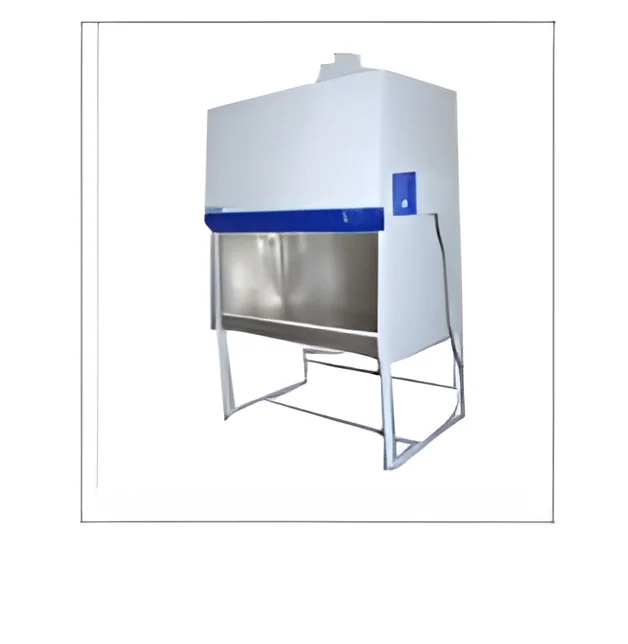
What are Chemical Safety Cabinets?
Chemical safety cabinets are specialized storage units designed to safely contain flammable, corrosive, or hazardous materials. They are constructed from materials that can withstand chemical exposure and provide necessary protection against fire and spills. These cabinets are an essential part of compliance with safety regulations in various industries, ensuring that hazardous substances are stored securely and access is restricted.
The primary uses of chemical safety cabinets include protecting employees and the environment from potential chemical hazards. They are commonly utilized in laboratories, manufacturing facilities, and research institutions where hazardous materials are handled. By providing a safe storage solution, these cabinets help prevent accidents, spills, and exposure to harmful substances, thus maintaining workplace safety and regulatory compliance.
In the current market, chemical safety cabinets are relevant across multiple industries, including pharmaceuticals, chemicals, and education. As workplace safety regulations become more stringent, the demand for these cabinets has increased, driving advancements in design and functionality. Companies are now focusing on features that enhance safety and usability, making chemical safety cabinets a crucial investment for organizations that handle hazardous materials.
Key Features and Specifications
Chemical safety cabinets come equipped with several key features designed to enhance safety and functionality. When selecting a cabinet, it is essential to consider specific specifications that meet industry standards and your particular needs.
Key specifications include:
1. Construction Material
- Typically made from steel, providing durability and resistance to corrosion.
- Often coated with a chemical-resistant finish.
2. Capacity
- Available in various sizes to accommodate different quantities of chemicals.
- Common capacities range from small (10 gallons) to large (60 gallons or more).
3. Ventilation System
- Features built-in ventilation to prevent the buildup of hazardous fumes.
- May include adjustable exhaust systems for enhanced air circulation.
4. Door Type
- Options for manual or automatic closing doors to secure contents.
- Some models feature double doors for larger storage needs.
5. Shelving
- Adjustable shelving to optimize space and organization.
- Shelves are typically made of chemical-resistant materials.
6. Locking Mechanism
- Equipped with secure locking systems to prevent unauthorized access.
- Some models feature keyless entry for convenience.
7. Compliance Standards
- Many cabinets are designed to meet industry standards such as OSHA and NFPA.
- Certifications like CE indicate compliance with European safety regulations.
8. Color-Coding
- Available in various colors to signify specific chemical storage categories.
- Helps in easy identification and compliance with safety protocols.
In summary, selecting a chemical safety cabinet involves assessing the features and specifications that align with safety requirements and operational needs.
Common Applications and Use Cases
Chemical safety cabinets serve a broad range of industries, each with unique applications that highlight the importance of secure chemical storage.
1. Pharmaceuticals: In pharmaceutical companies, these cabinets are used to store active ingredients and solvents safely. This helps in maintaining compliance with regulatory standards and ensuring the safety of laboratory personnel.
2. Chemical Manufacturing: Chemical manufacturers rely on safety cabinets to store raw materials and finished products. This minimizes risks associated with spills and exposure to hazardous chemicals during production processes.
3. Educational Institutions: Laboratories in schools and universities utilize chemical safety cabinets to protect students and staff from hazardous materials during experiments. These cabinets ensure safe handling and storage of various chemicals.
4. Research Facilities: Research institutions use chemical safety cabinets for the secure storage of volatile substances, protecting sensitive experiments from contamination and ensuring researcher safety.
5. Automotive Industry: In automotive manufacturing and repair shops, chemical safety cabinets store paints, solvents, and cleaning agents. This practice mitigates risks associated with flammable materials.
6. Food and Beverage: In food manufacturing, chemical safety cabinets are used to store cleaning agents and other chemicals, ensuring they do not contaminate food products.
7. Oil and Gas: The oil and gas industry uses these cabinets to store hazardous materials safely on-site, minimizing risks associated with flammable and toxic substances.
Product Variants and Subcategories
Chemical safety cabinets come in a variety of designs to accommodate specific storage needs. Each variant is tailored to meet particular industry requirements.
Flammable Liquid Storage Cabinets: These cabinets are specifically designed to store flammable liquids safely. They are equipped with features like self-closing doors and venting systems to minimize fire risks.
Corrosive Materials Cabinets: Designed for storing acids and other corrosive substances, these cabinets are made from materials that resist corrosion. They often include secondary containment features to handle spills.
Hazardous Waste Cabinets: These cabinets are intended for temporary storage of hazardous waste materials before proper disposal. They provide secure containment to prevent leaks and exposure.
In summary, the diversity of chemical safety cabinets allows businesses to select options that best fit their specific chemical storage and safety needs.
Benefits and Advantages
Investing in chemical safety cabinets offers numerous benefits for businesses that handle hazardous materials. These advantages not only enhance workplace safety but also contribute to regulatory compliance.
1. Enhanced Safety: Chemical safety cabinets significantly reduce the risk of chemical spills and exposure, creating a safer work environment for employees.
2. Regulatory Compliance: By utilizing these cabinets, businesses can meet various safety regulations and standards, ensuring compliance with local and international laws.
3. Improved Organization: The structured design of safety cabinets allows for better organization of chemicals, reducing the time spent searching for materials and enhancing operational efficiency.
4. Fire Prevention: Many cabinets are designed to resist fire, providing a critical layer of protection against potential fire hazards associated with flammable materials.
5. Environmental Protection: Properly storing chemicals in safety cabinets helps prevent environmental contamination from spills and leaks, thereby protecting surrounding ecosystems.
6. Employee Training: The presence of chemical safety cabinets encourages training and awareness regarding safe chemical handling practices, fostering a culture of safety in the workplace.
Buying Guide for B2B Buyers
When sourcing chemical safety cabinets, businesses must consider several key factors to ensure they select the right products for their needs.
1. Quality Assessment: Evaluate the quality of materials and construction. Look for cabinets that meet recognized safety standards and have a proven track record of reliability.
2. Supplier Verification: It is essential to vet suppliers for their reputation and reliability. Check for certifications and customer reviews to ensure they provide high-quality products.
3. Pricing and MOQ: Understand the pricing structure and minimum order quantities. Compare costs among various suppliers to ensure you are getting the best value for your investment.
4. Delivery and Lead Times: Inquire about delivery options and lead times. Timely delivery is crucial for operations that rely on these cabinets for compliance and safety.
5. Compliance Requirements: Ensure that the cabinets meet all relevant compliance standards specific to your industry. This may include local regulations as well as international certifications.
Compliance and Certifications
Chemical safety cabinets must adhere to various quality standards and compliance regulations to ensure they meet safety and operational requirements. Common standards include ISO 9001, which focuses on quality management systems, and HACCP, which is crucial for food safety.
In addition to quality standards, many cabinets carry industry certifications such as CE, indicating compliance with European safety regulations. These certifications ensure that products have been tested and meet stringent safety requirements.
Safety and testing requirements are critical, as they confirm that the cabinets can withstand the rigors of chemical storage and handling. This includes assessments for fire resistance, structural integrity, and chemical compatibility.
Regional compliance considerations may vary, and businesses must ensure that their selected cabinets conform to local regulations regarding hazardous materials storage. This ensures that companies remain compliant and avoid potential penalties.
Why Source Chemical Safety Cabinets from Pepagora?
Pepagora provides a trusted platform for sourcing chemical safety cabinets, offering several key advantages that set it apart from competitors.
Verified Supplier Network: Pepagora has established a network of verified suppliers who adhere to strict quality standards. This network ensures that buyers can confidently procure cabinets that meet their needs.
Streamlined RFQ Process: The platform features a streamlined request for quotation (RFQ) process, making it easy for buyers to request pricing and product information from multiple suppliers efficiently. This saves time and simplifies the procurement process.
Trade Assurance and Support: Buyers benefit from trade assurance policies that protect their purchases. This level of support provides peace of mind, knowing that their investments are safeguarded.
Regional Coverage: Pepagora has a strong geographic reach, covering regions like India, the Gulf Cooperation Council (GCC), and Southeast Asia. This allows businesses in various locations to access quality chemical safety cabinets and support tailored to their regional needs.

 IN
IN