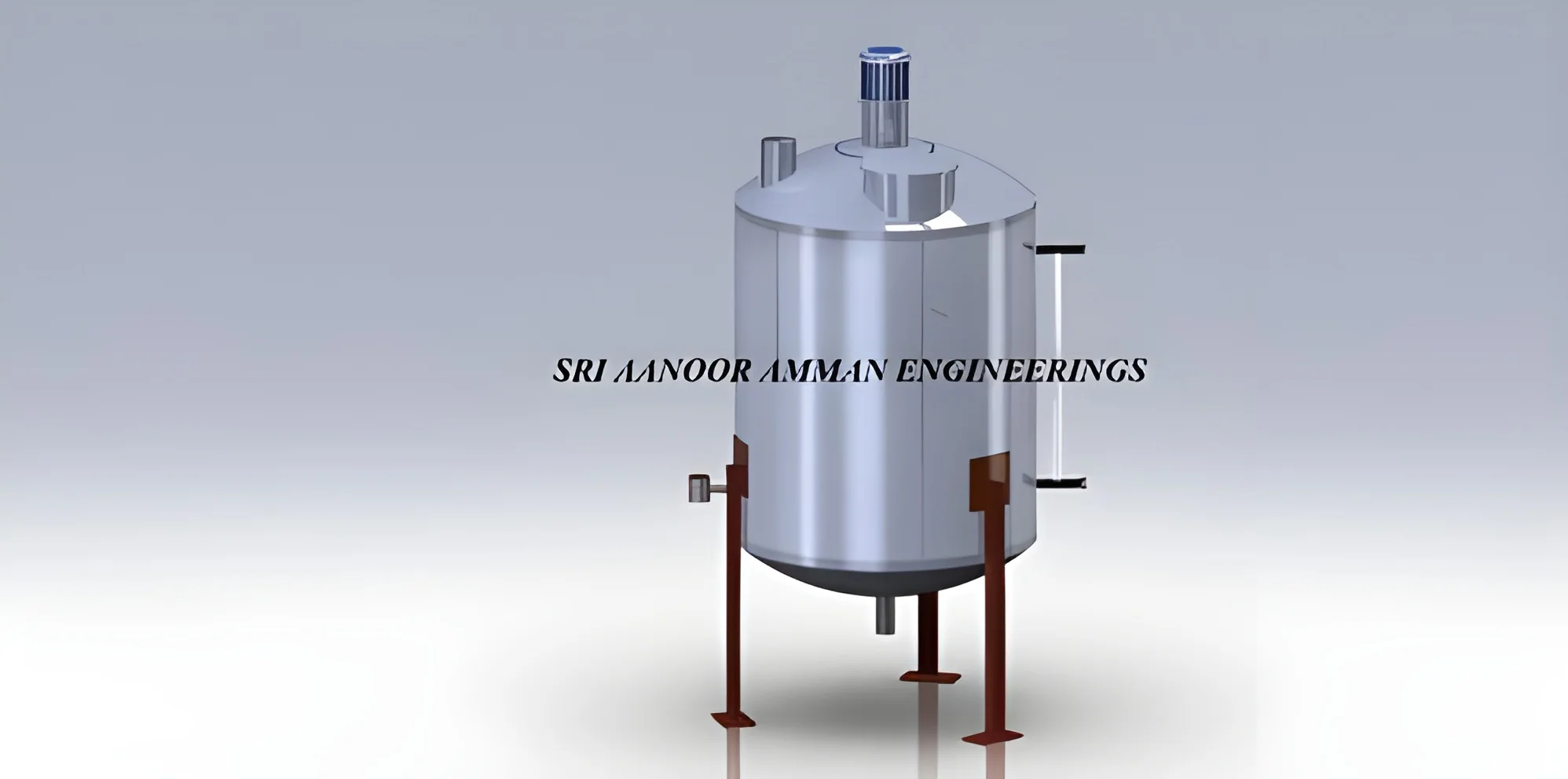
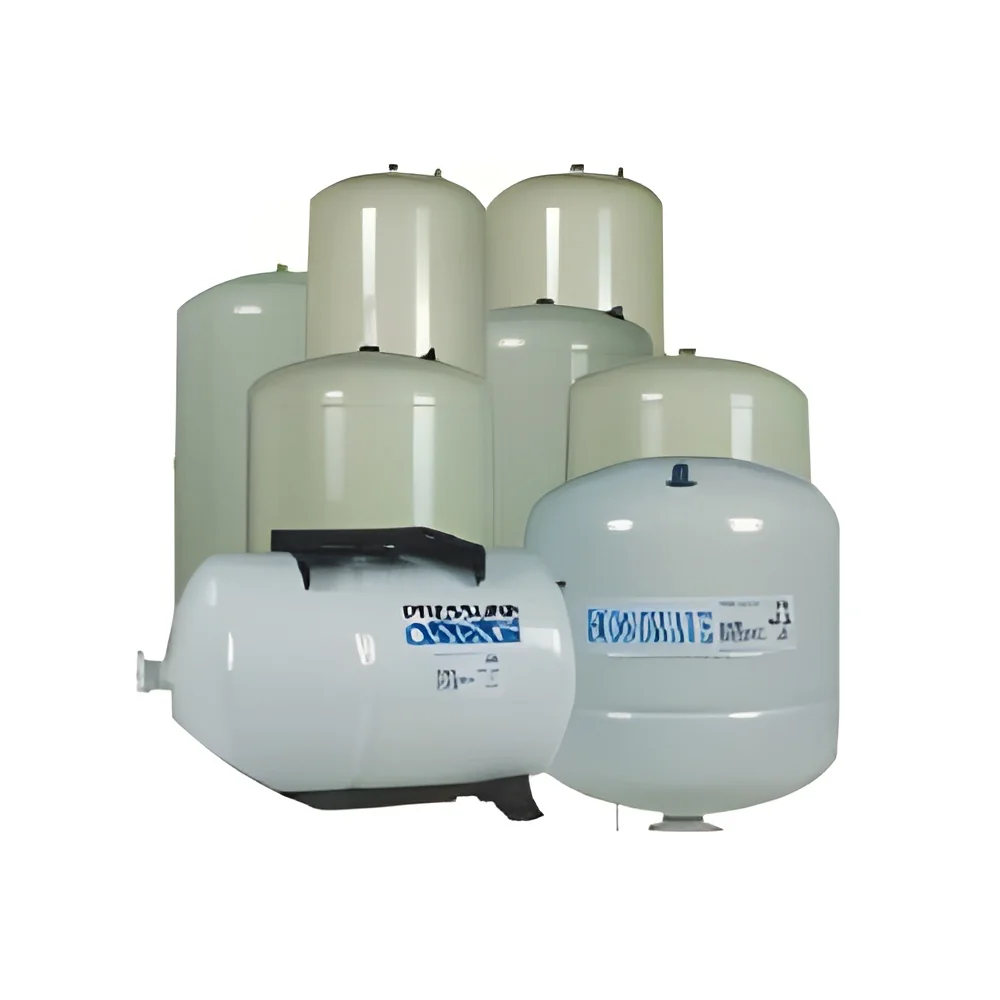
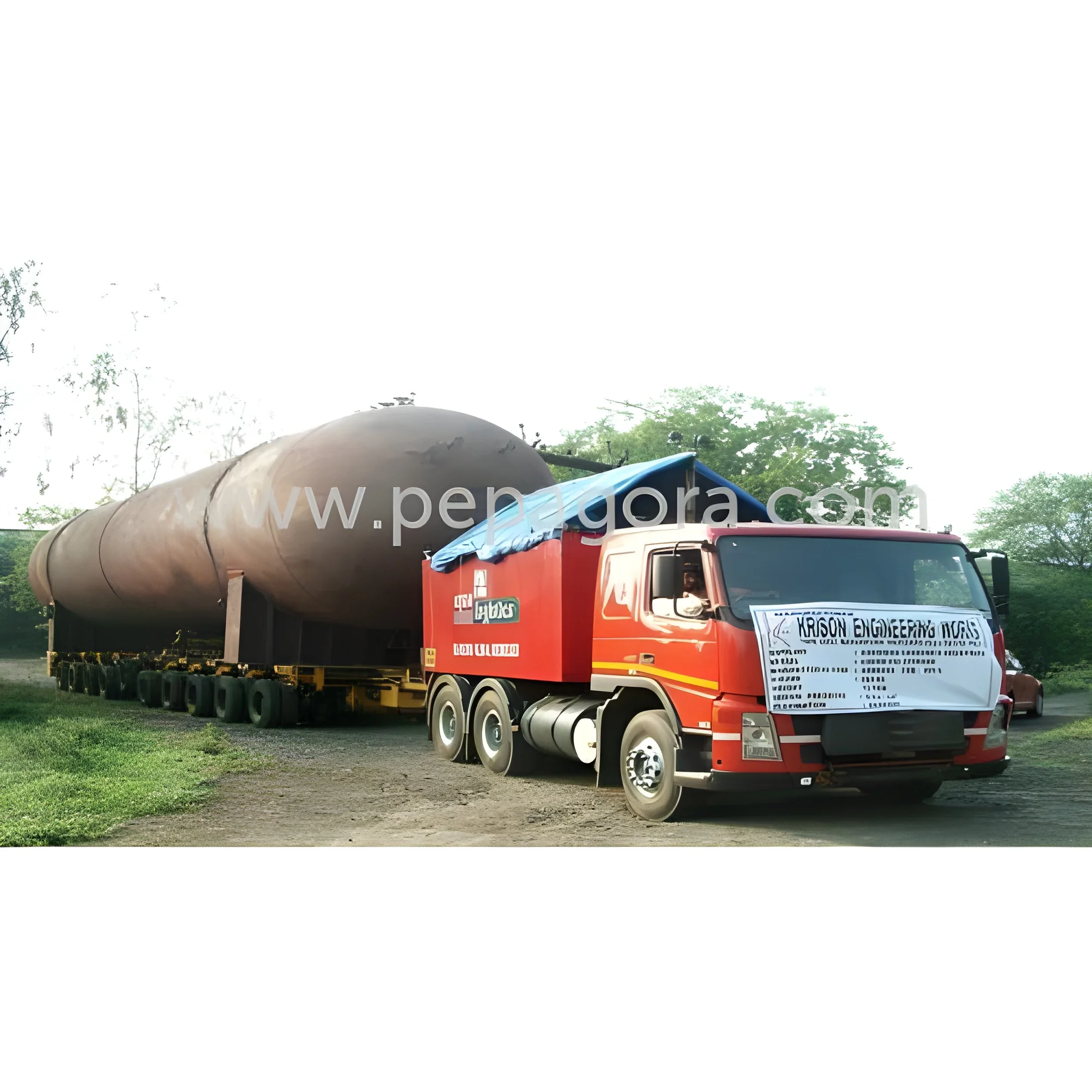
What are Corrosion Resistant Tanks?
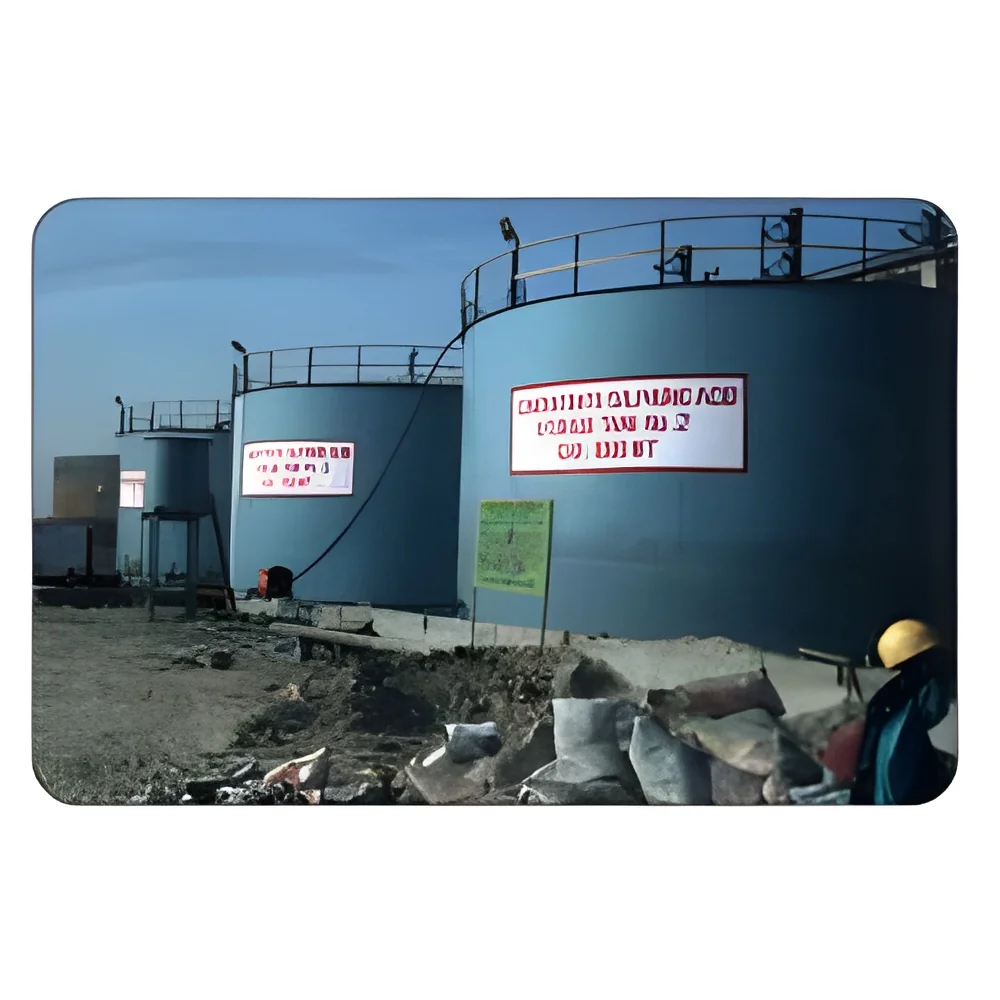
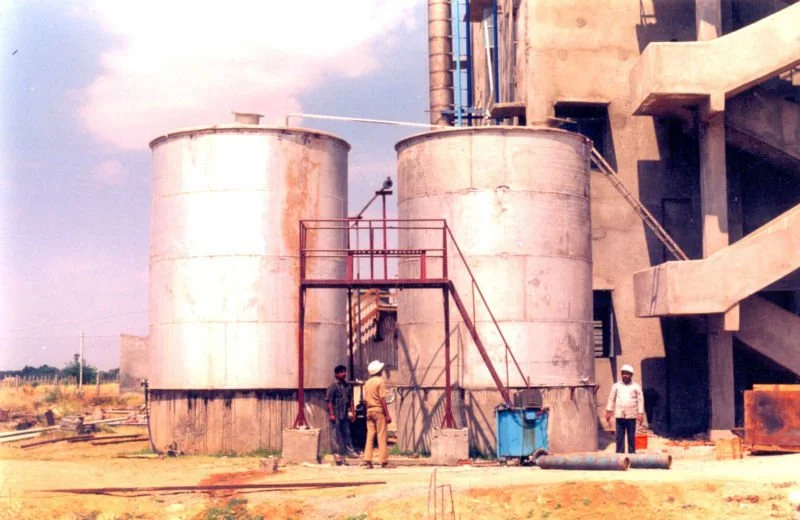
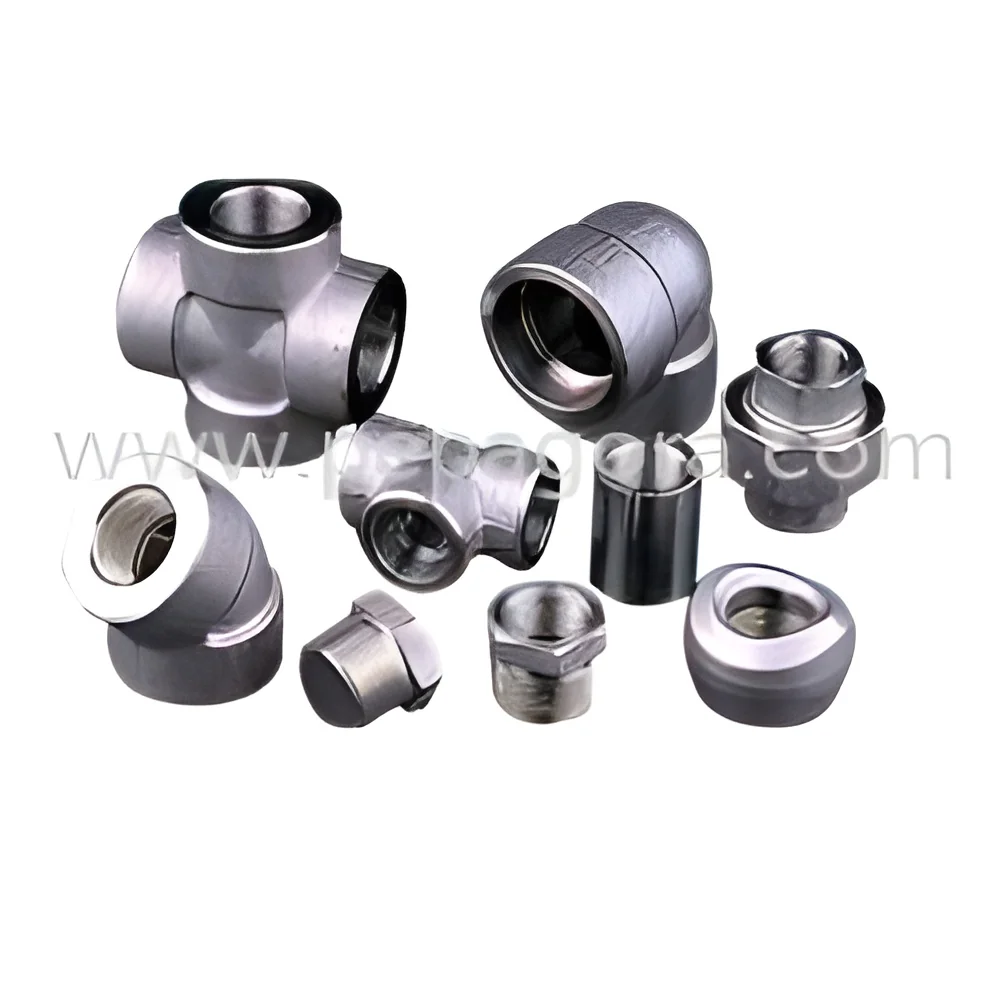
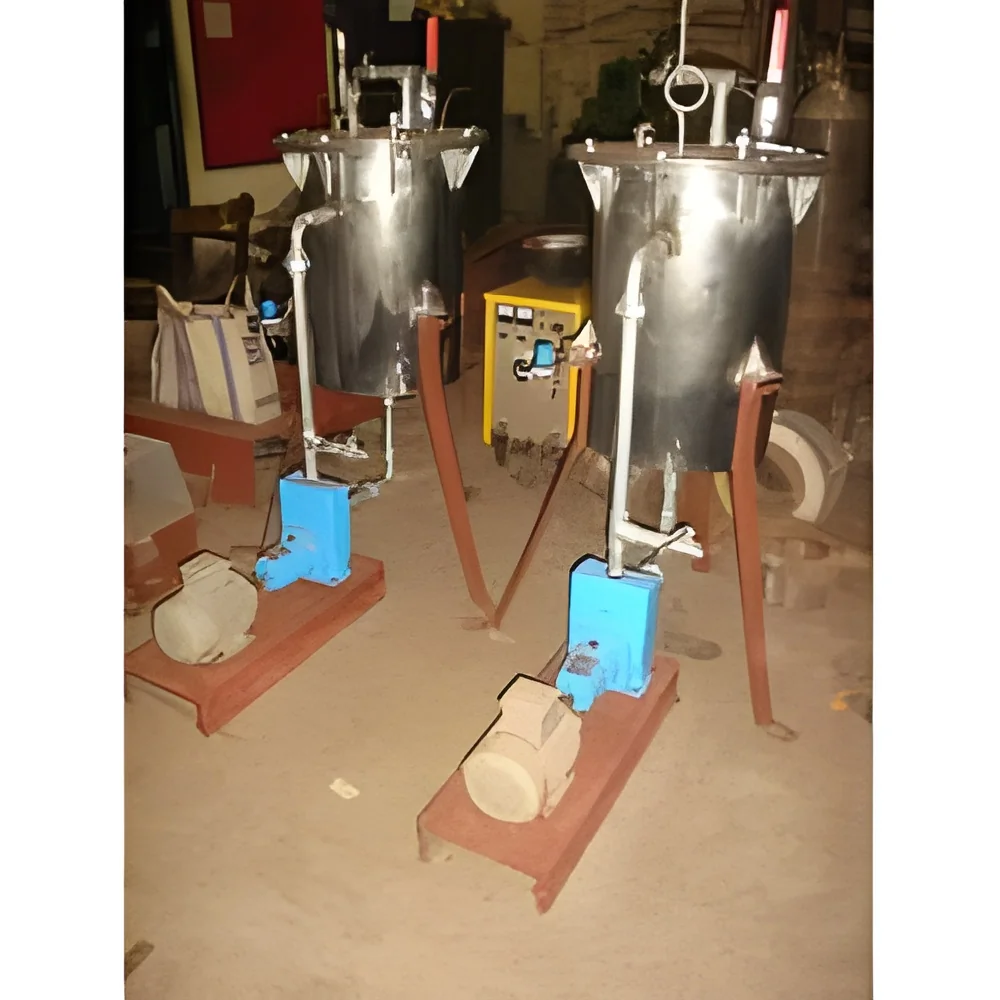
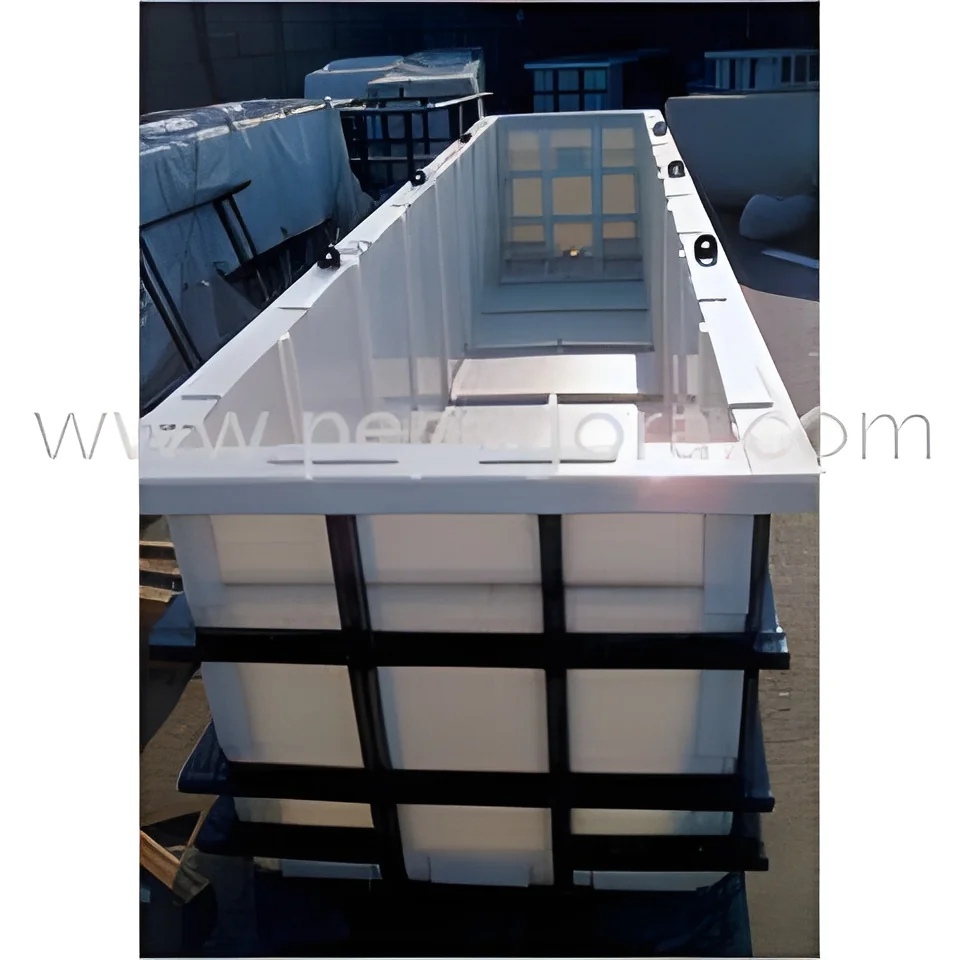
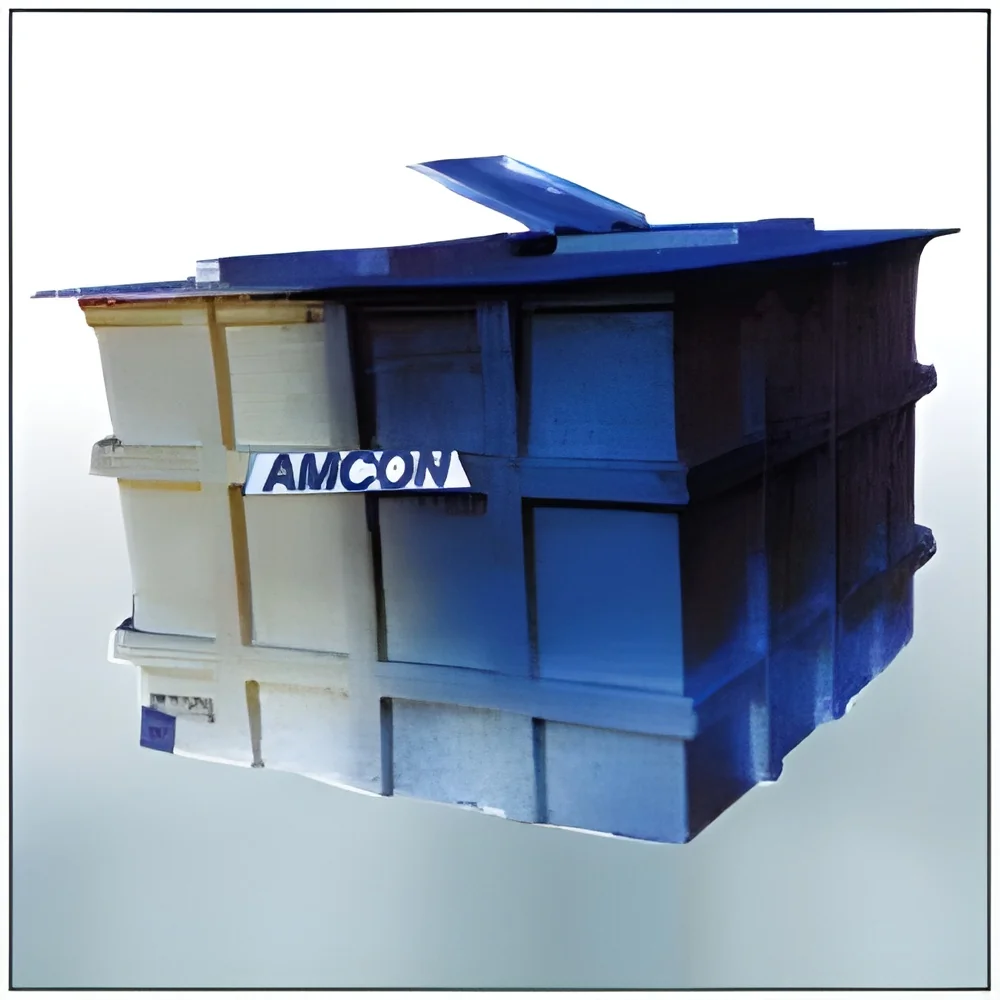
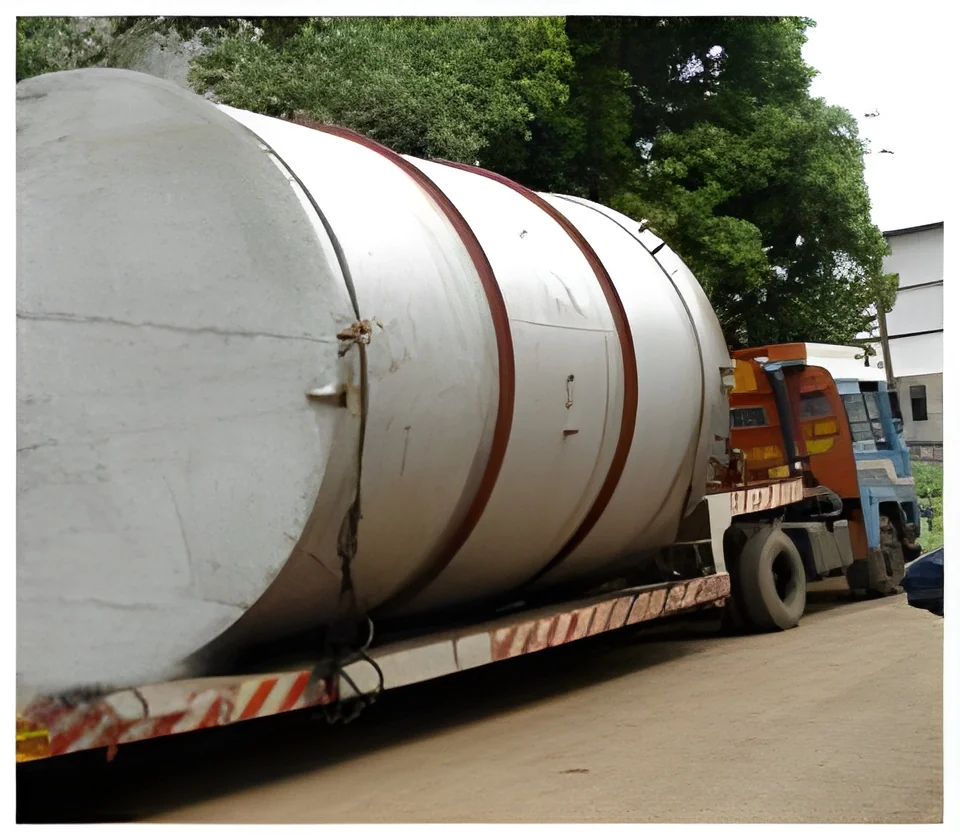
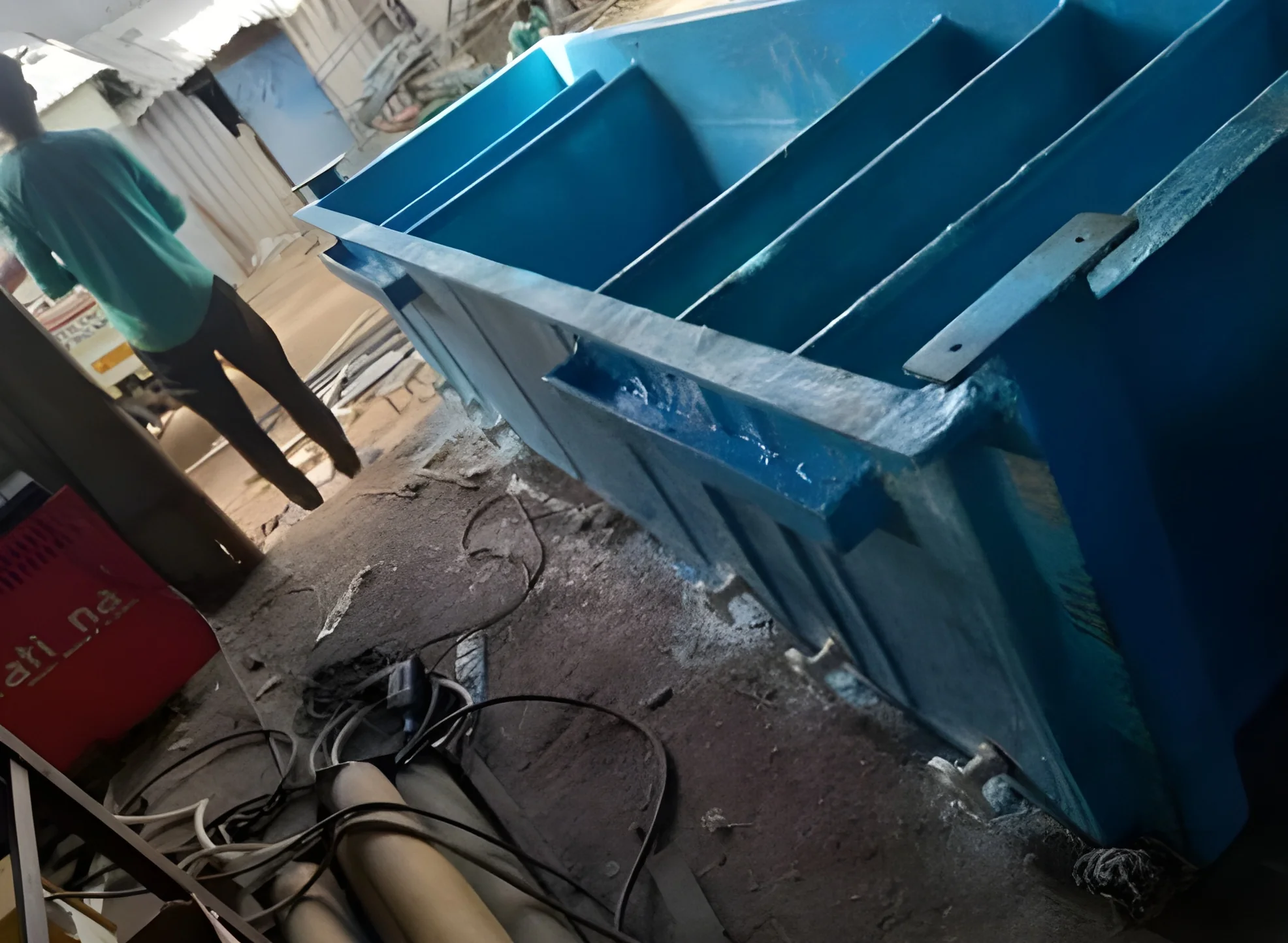
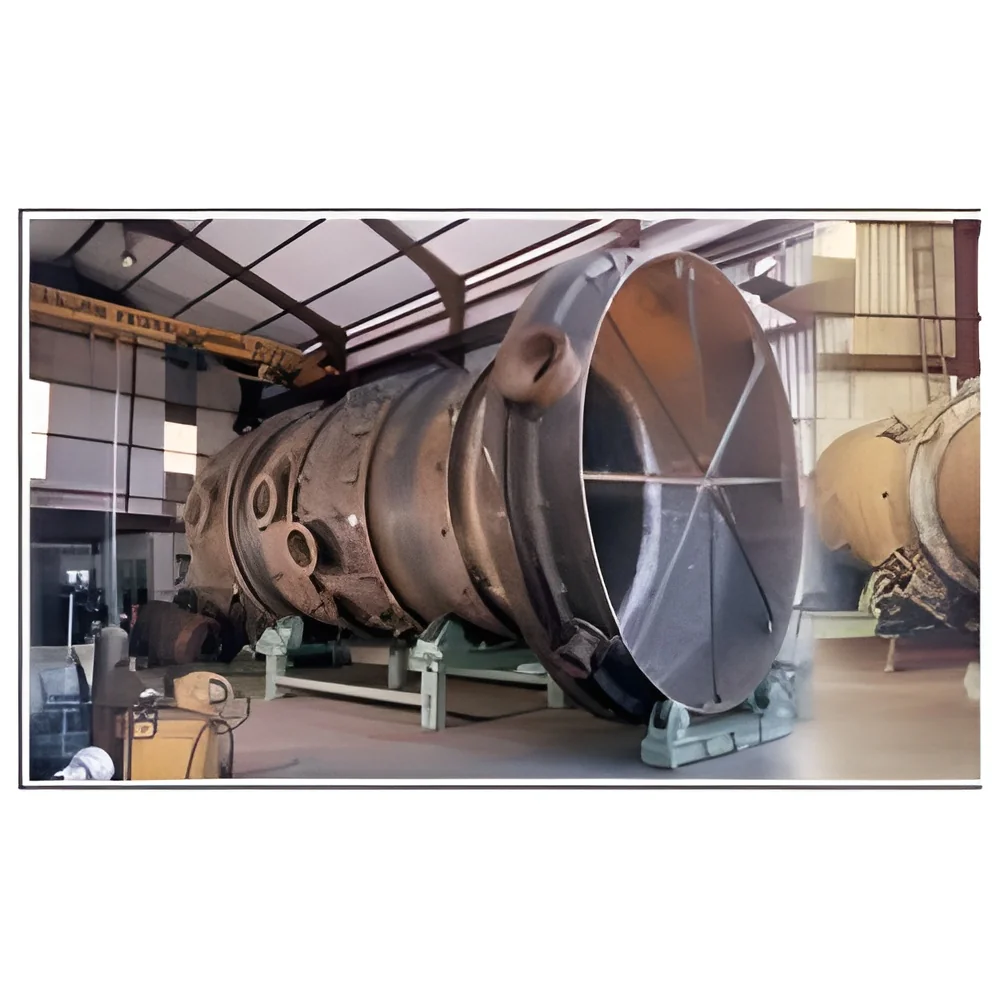
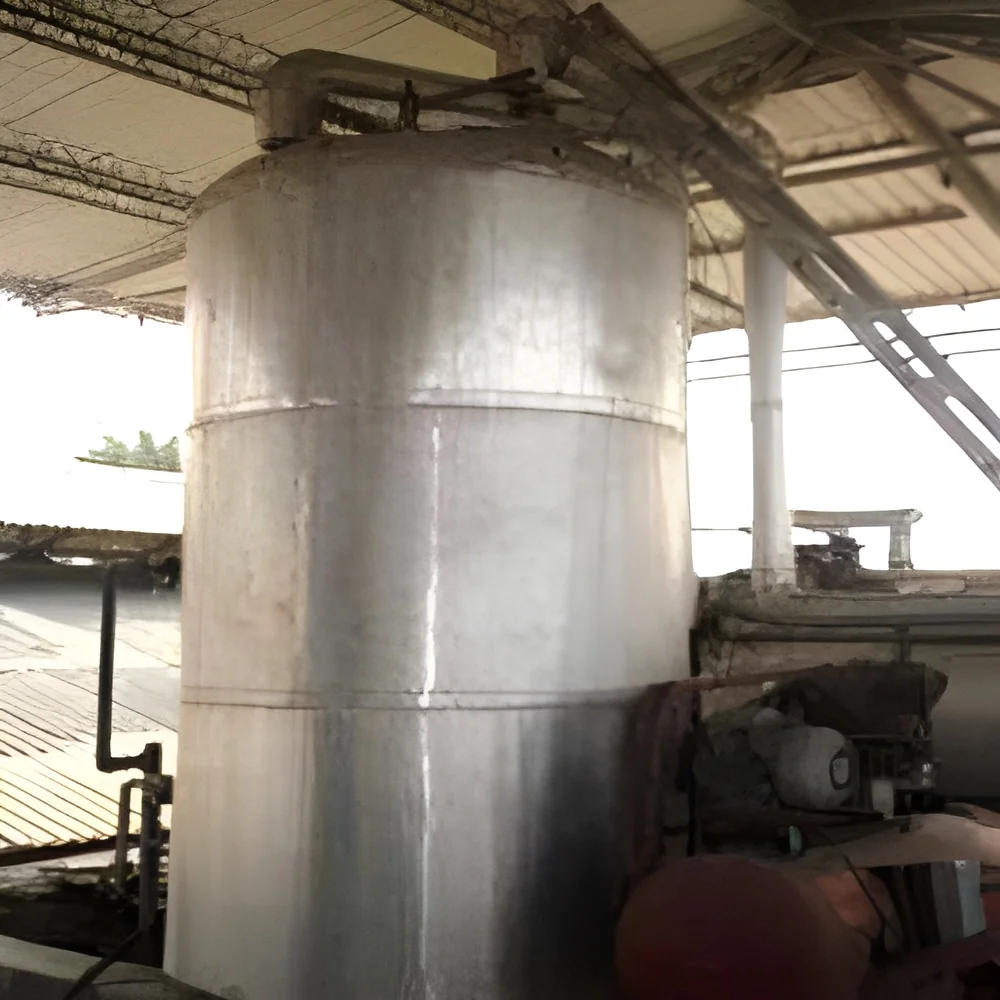
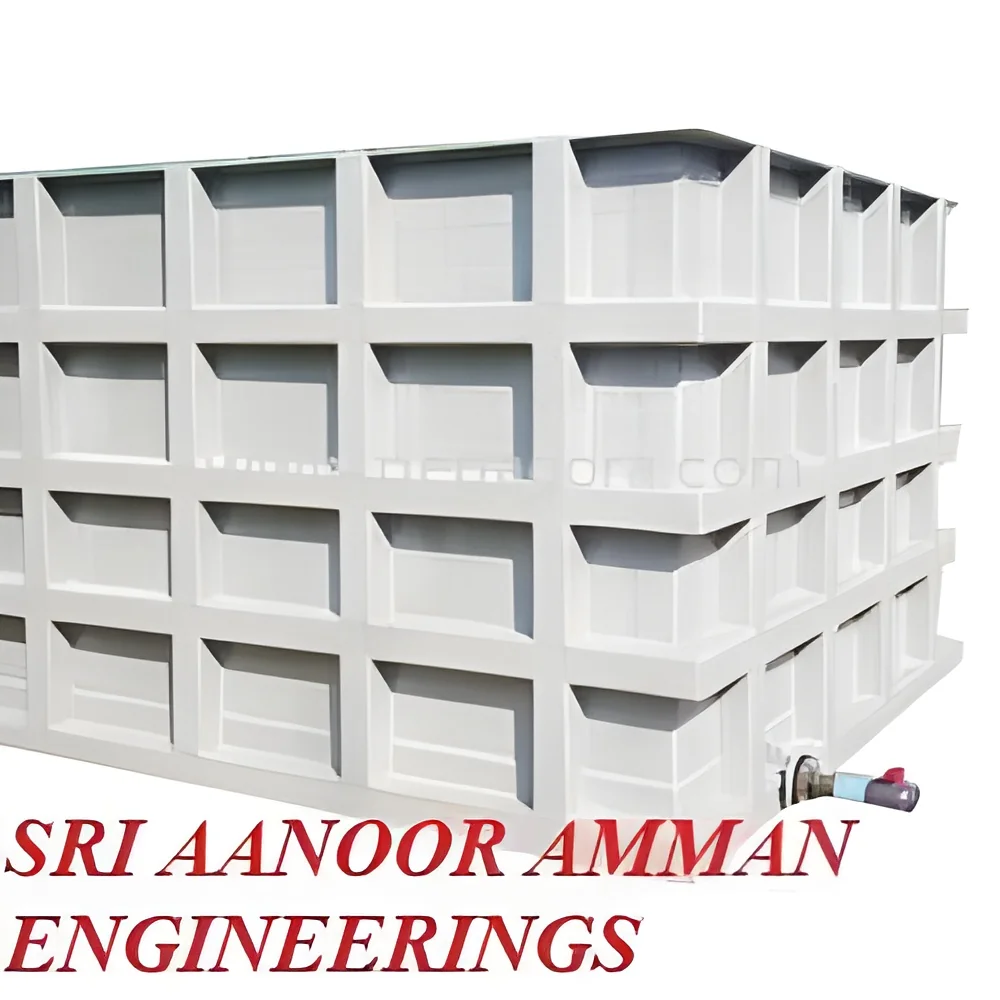
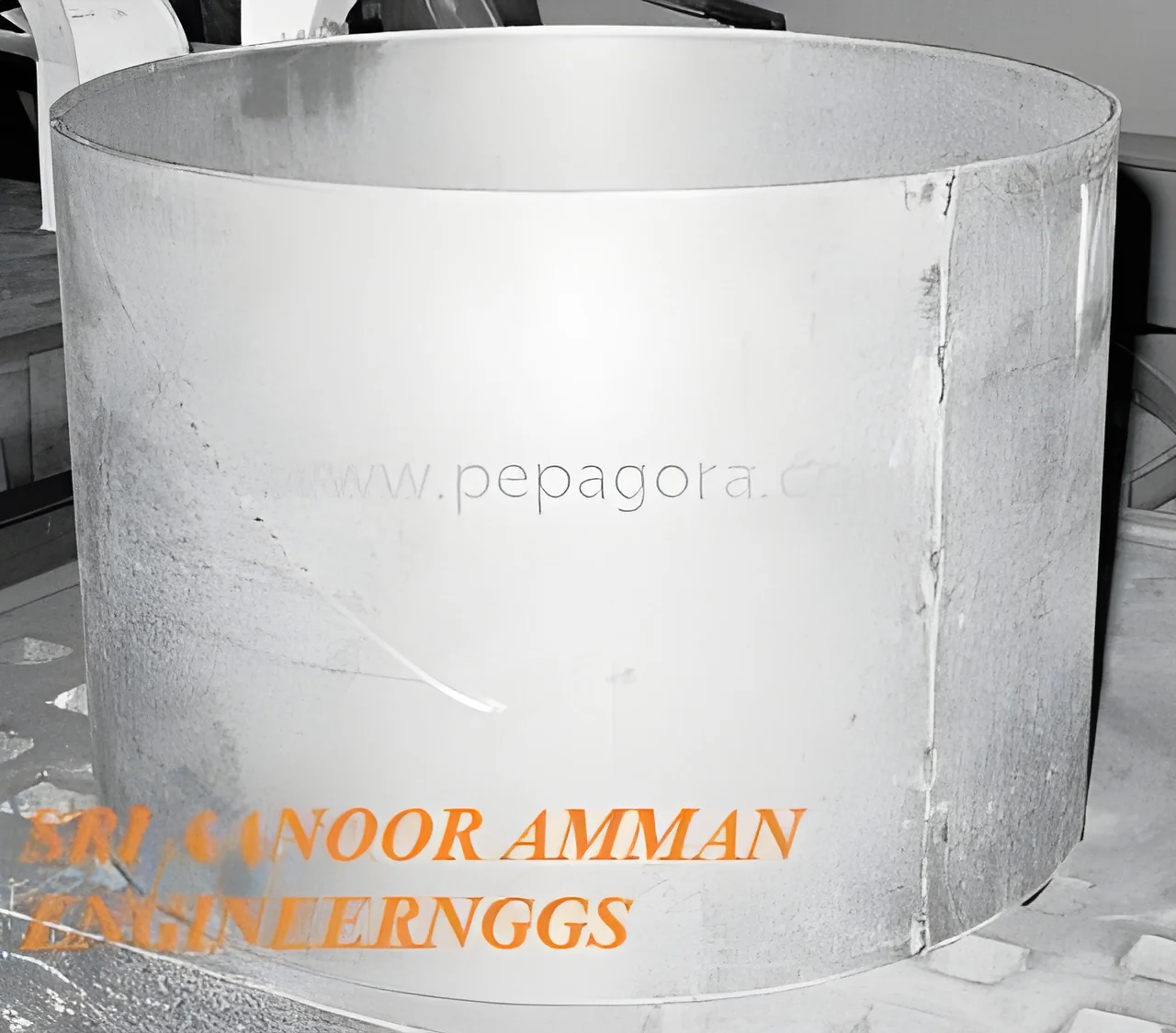
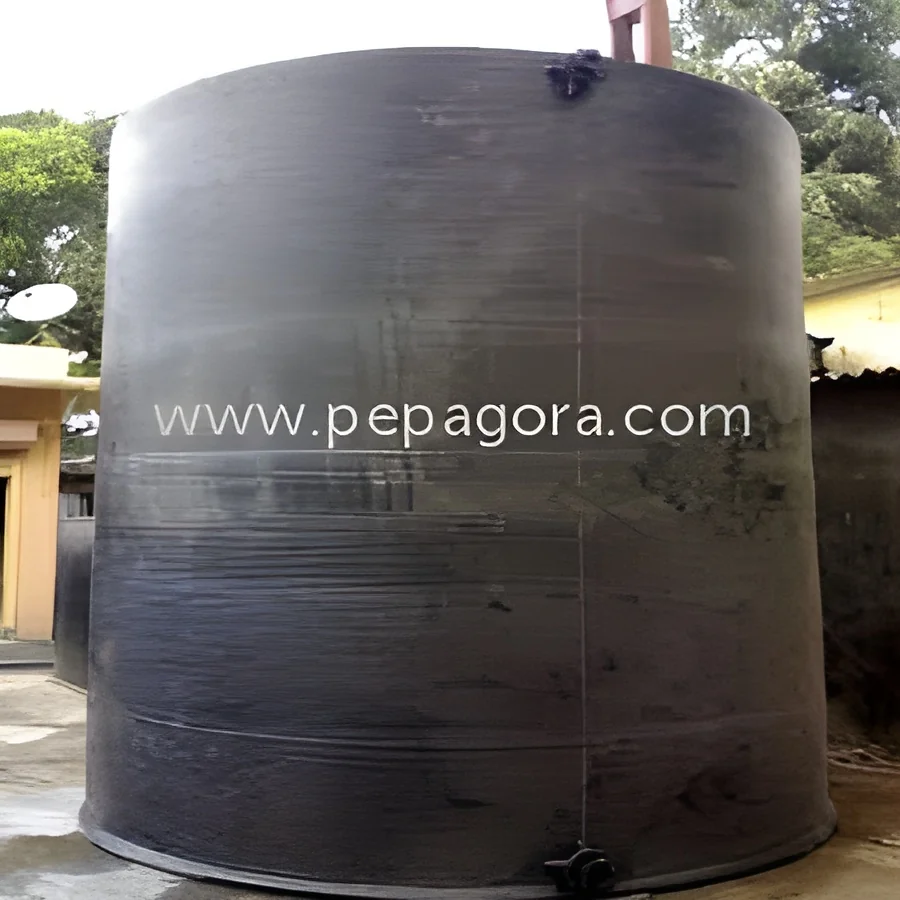
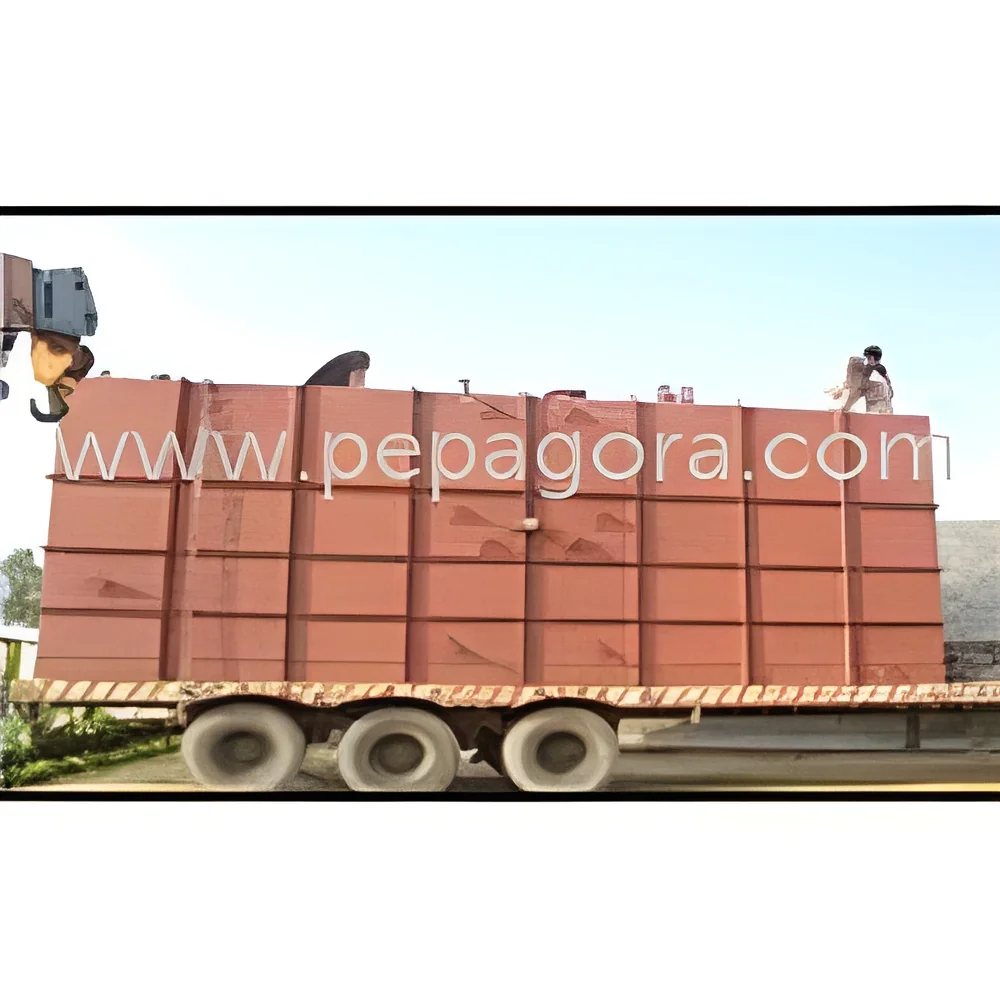
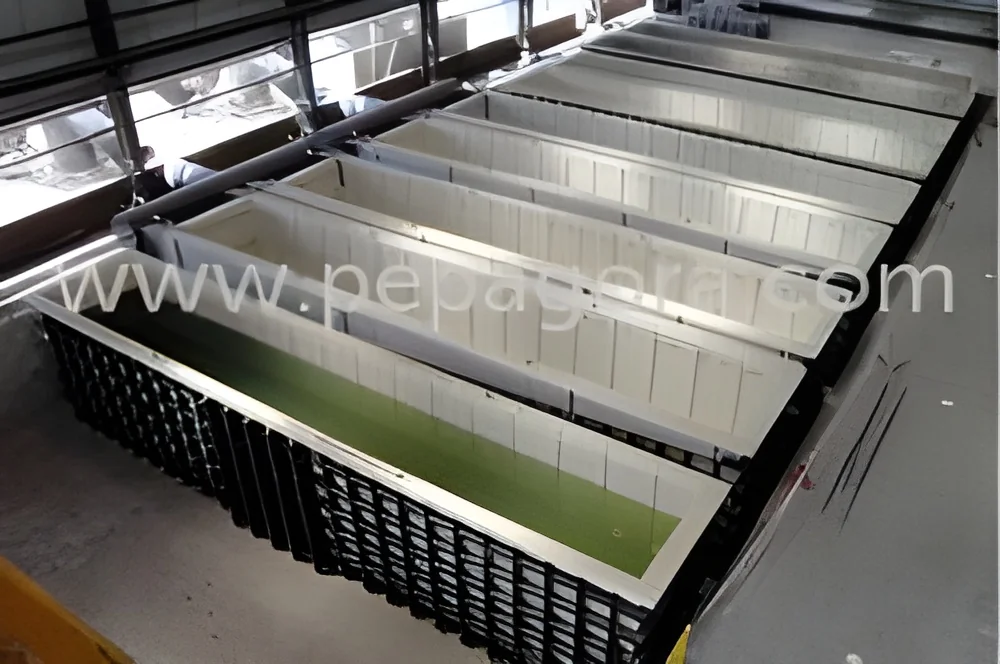
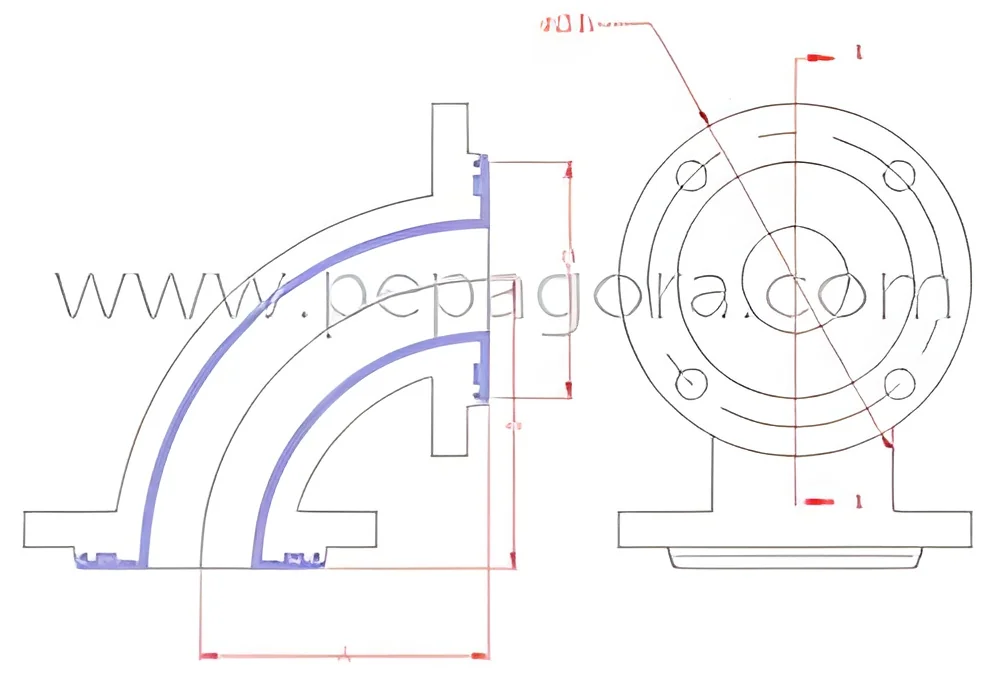
Corrosion resistant tanks are specialized storage solutions designed to withstand corrosive environments and protect their contents from degradation. These tanks are typically constructed from materials that resist chemical reactions, thus ensuring longevity and reliability. The design of corrosion resistant tanks allows them to handle a wide range of substances, including acids, bases, and other harsh chemicals.
These tanks find extensive use in various industries, such as chemical processing, oil and gas, and wastewater treatment. Businesses rely on corrosion resistant tanks to safely store and transport substances that might otherwise corrode standard materials. The demand for these tanks is significant in sectors where material integrity and safety are critical, making them a vital component of modern industrial operations.
As industries continue to evolve, the relevance of corrosion resistant tanks grows. With increasing regulations and the need for sustainable practices, businesses are turning to these tanks to enhance safety and efficiency in their operations. The market for corrosion resistant tanks is projected to expand, driven by industrial growth and the need for reliable storage solutions.
Key Features and Specifications
Corrosion resistant tanks come equipped with several key features that enhance their performance and safety. These specifications ensure that the tanks meet the diverse needs of various industries while providing durability and reliability.
Key specifications include:
1. Material Composition
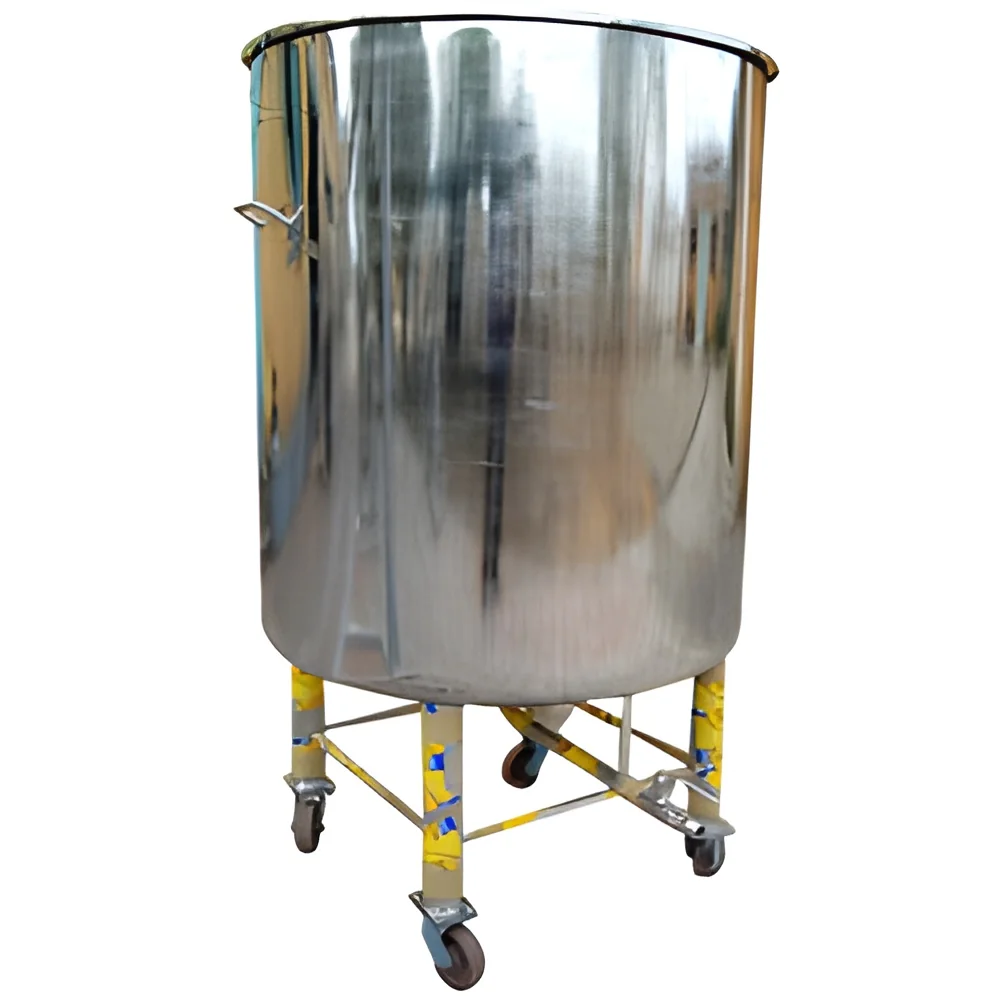
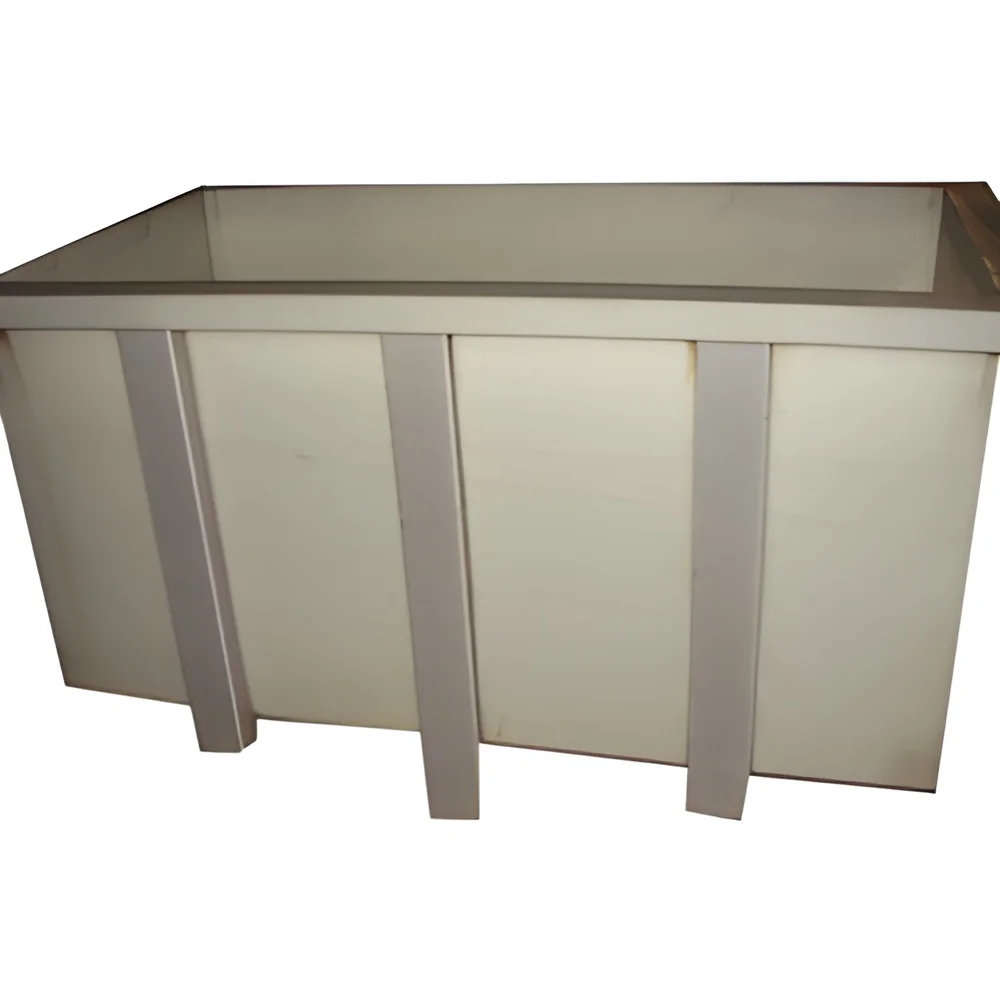
- Tanks are typically made from high-density polyethylene (HDPE), fiberglass, or stainless steel.
- These materials offer excellent resistance to a range of chemicals.
2. Capacity Range
- Available in various sizes, from small tanks of a few gallons to large tanks holding thousands of gallons.
- Flexibility in capacity allows for customization based on specific operational needs.
3. Temperature Resistance
- Designed to function effectively across a wide temperature range.
- Able to withstand extreme temperatures, which is essential for specific applications.
4. Customization Options
- Tanks can be tailored to meet unique specifications, including size, shape, and additional features.
- Customization enhances versatility for different industrial applications.
5. Installation Type
- Options for above-ground or underground installation.
- The installation type can affect accessibility and environmental considerations.
6. Maintenance Requirements
- Low maintenance needs due to resistant materials.
- Routine checks recommended to ensure longevity and safety.
7. Safety Features
- Equipped with features like overflow protection and level monitoring.
- These features enhance operational safety and compliance with industry regulations.
8. Compliance Standards
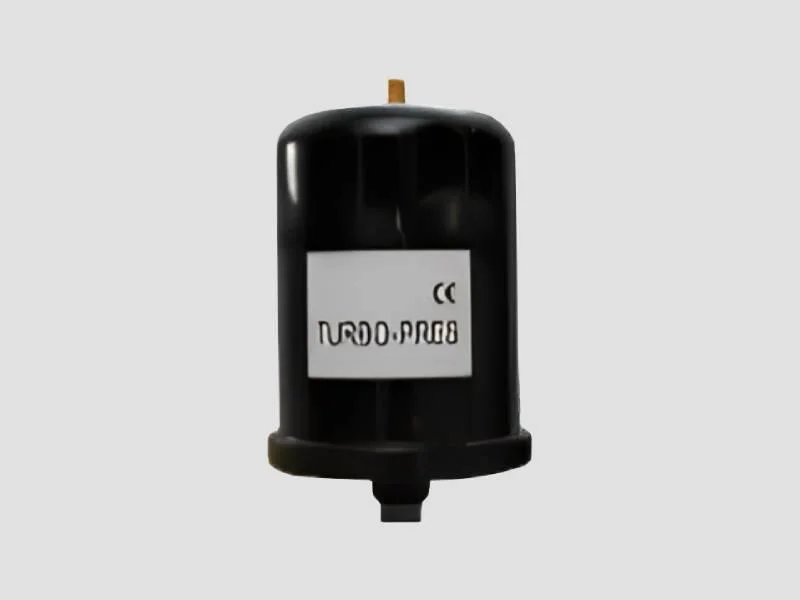
- Many tanks comply with industry standards such as CE certification.
- Compliance ensures safety and reliability in various applications.
These specifications collectively contribute to the effectiveness and reliability of corrosion resistant tanks in industrial settings.
Common Applications and Use Cases
Corrosion resistant tanks serve a wide array of industries, providing essential storage solutions for various applications.
1. Chemical Processing: These tanks are used to store and handle hazardous chemicals, ensuring safety in environments where corrosive substances are prevalent.
2. Oil and Gas: In the oil and gas sector, corrosion resistant tanks are critical for storing fuels and other chemicals that can cause degradation to standard storage solutions.
3. Wastewater Treatment: These tanks play a vital role in the treatment of wastewater, safely holding corrosive agents used in the purification process.
4. Agriculture: Used for storing fertilizers and pesticides, these tanks help manage harsh chemicals essential for modern farming practices.
5. Pharmaceuticals: Corrosion resistant tanks ensure the safe storage of active pharmaceutical ingredients, which may be sensitive to corrosion.
6. Food and Beverage: In food processing, these tanks are utilized to store acids and other cleaning agents safely, maintaining hygiene and safety standards.
7. Mining: Tanks are used in the mining industry to hold chemicals used in ore processing, where corrosion resistance is crucial to ensure operational efficiency.
Product Variants and Subcategories
Corrosion resistant tanks can be diverse in their design and functionality, catering to specific requirements across industries.
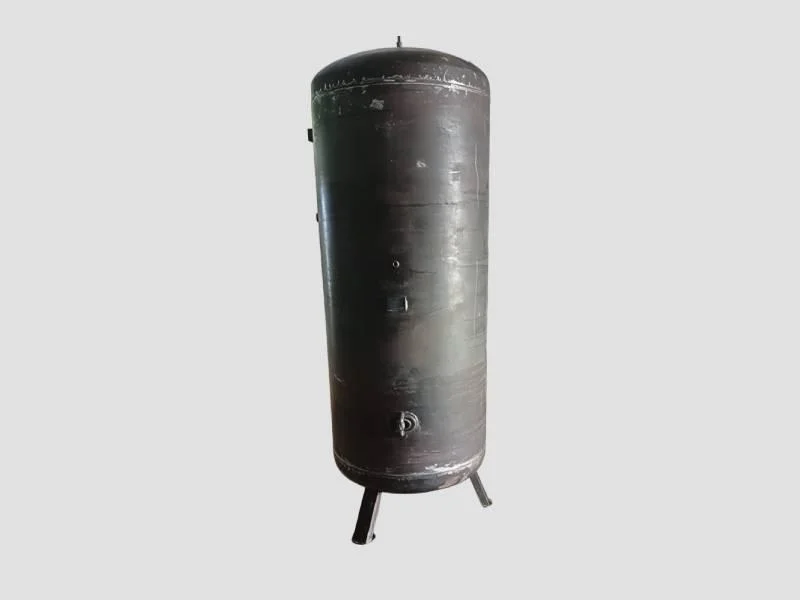
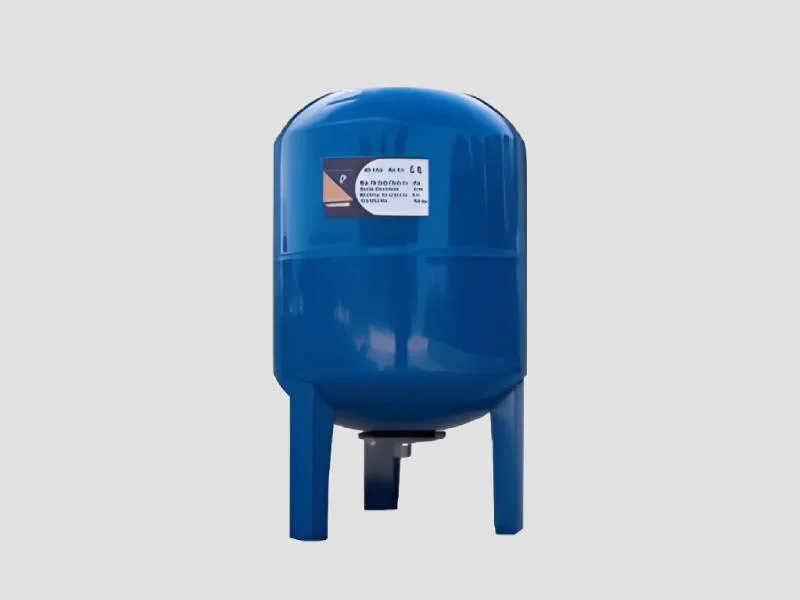
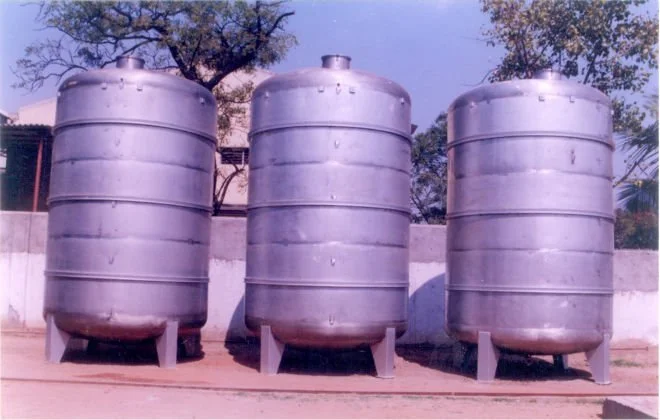
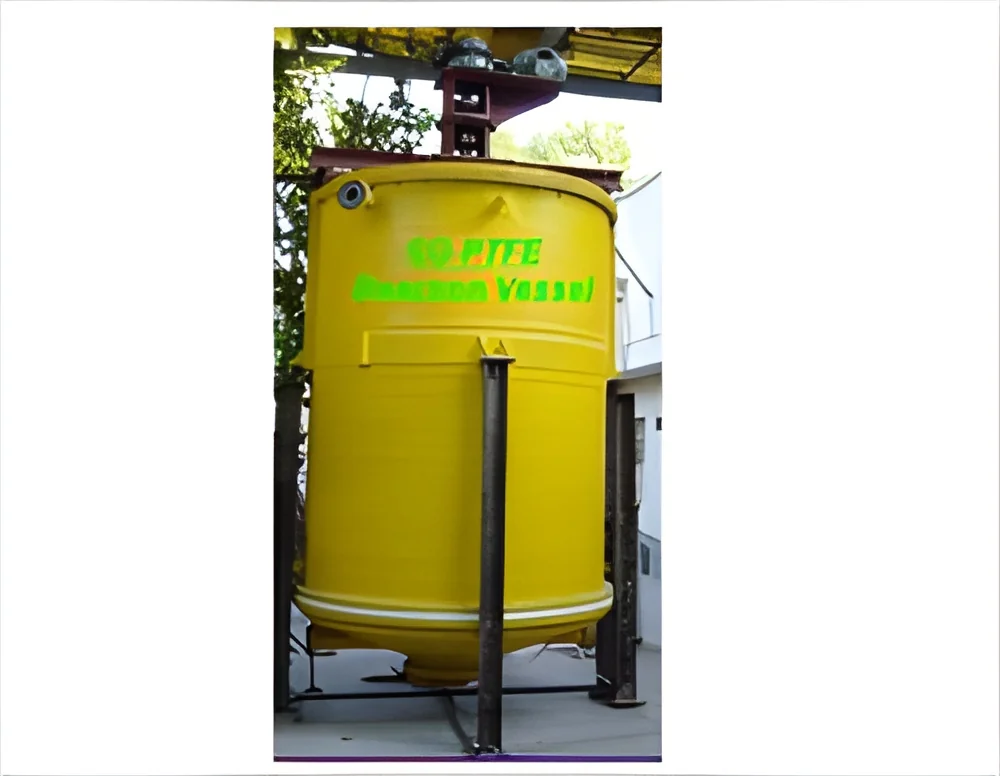
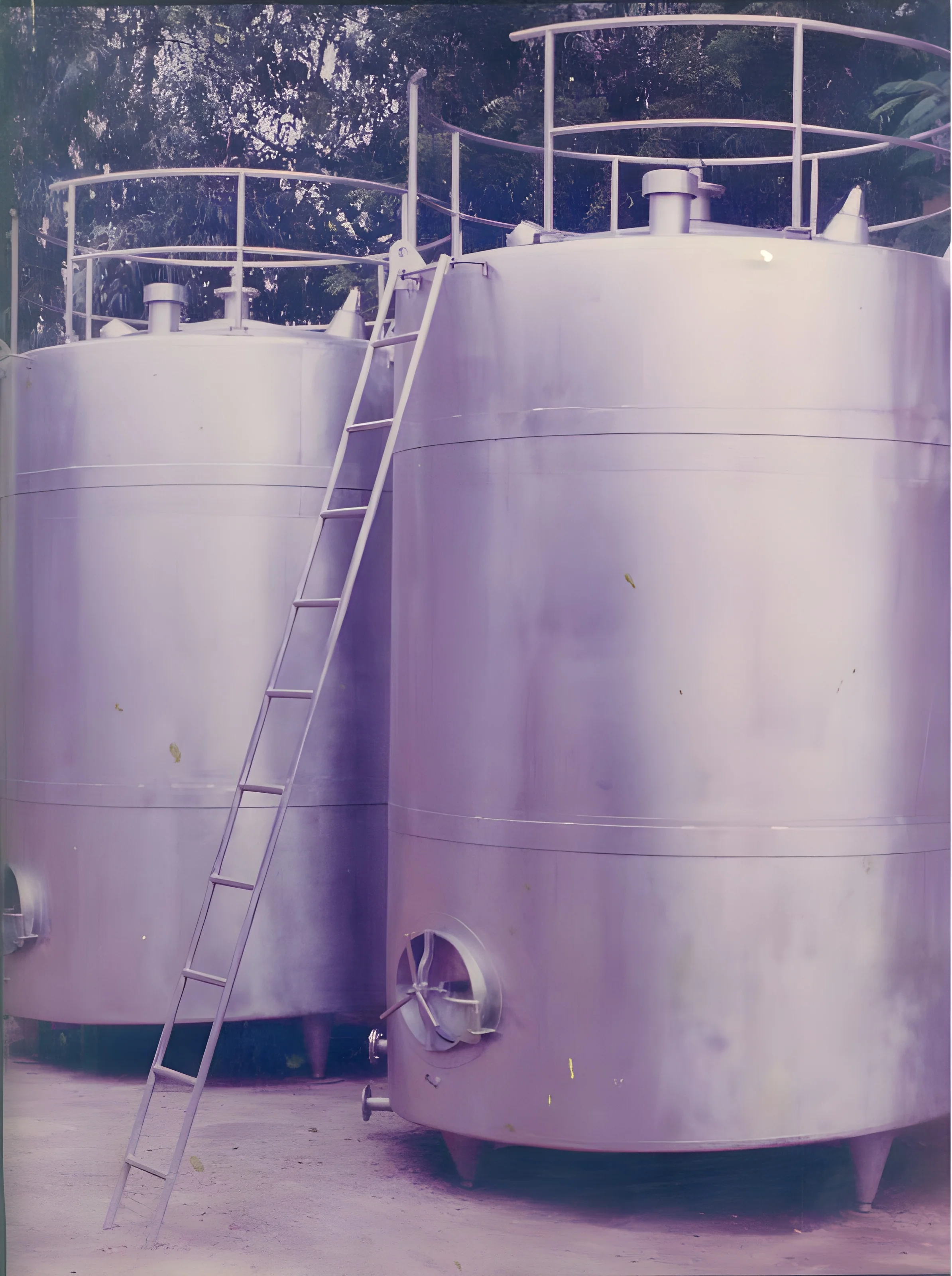
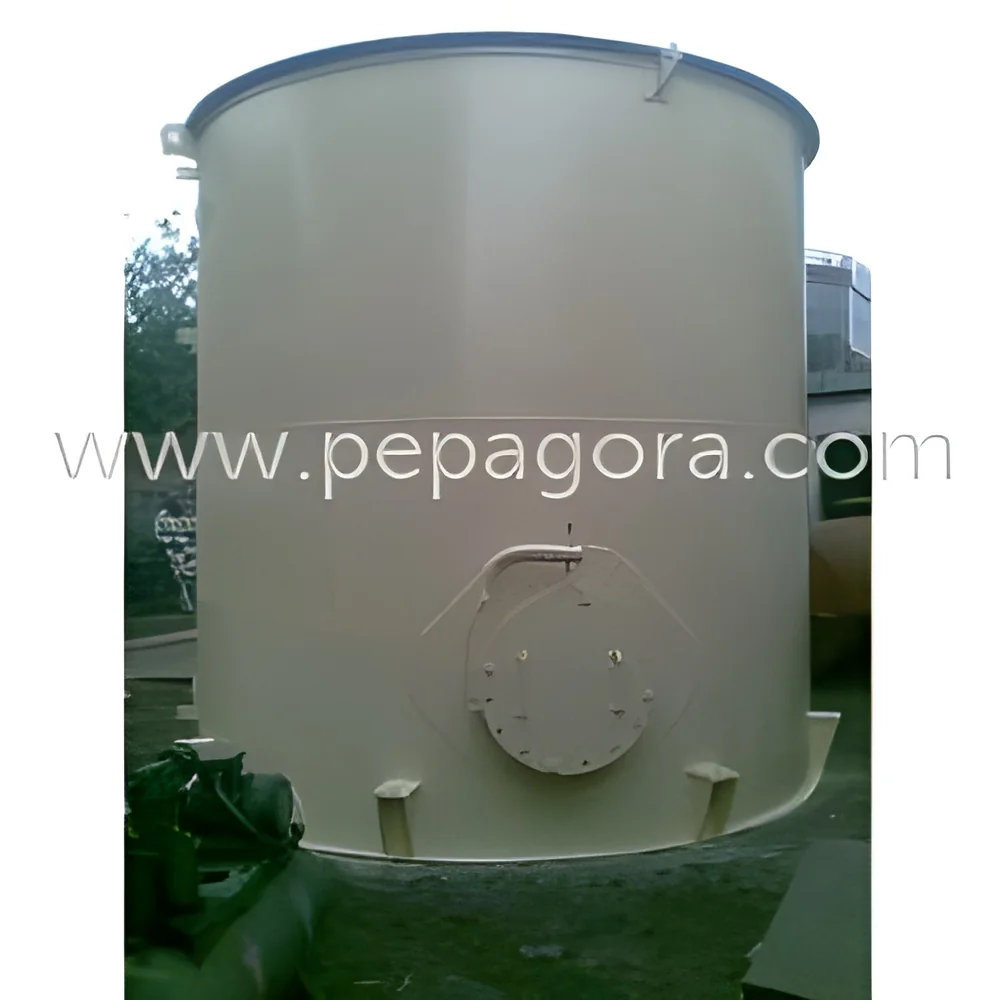
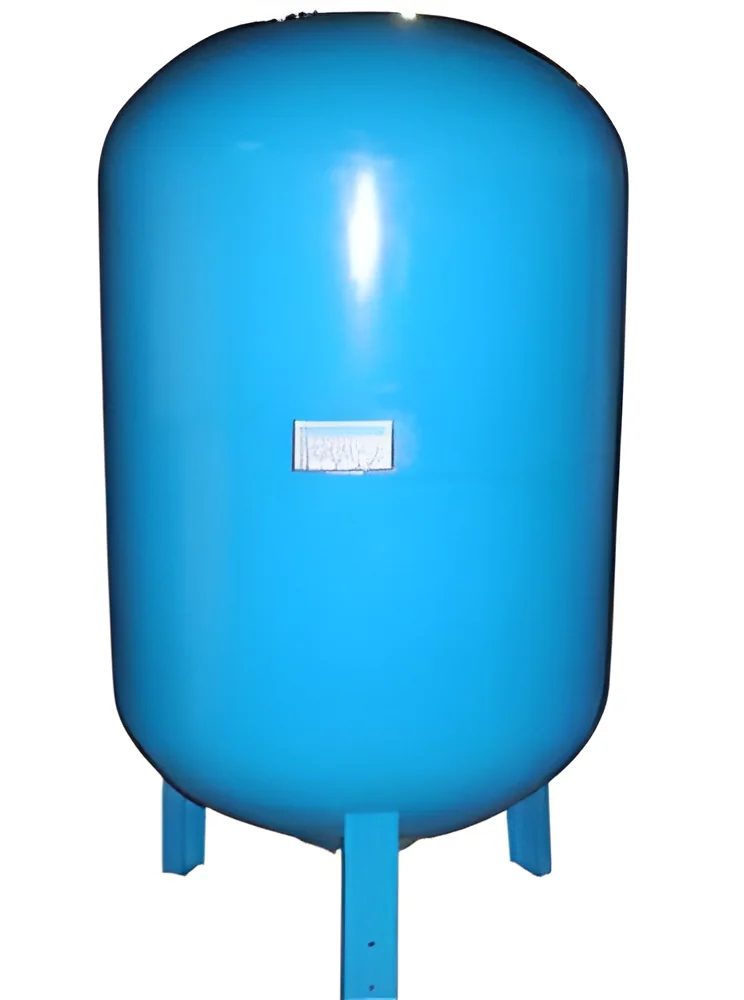
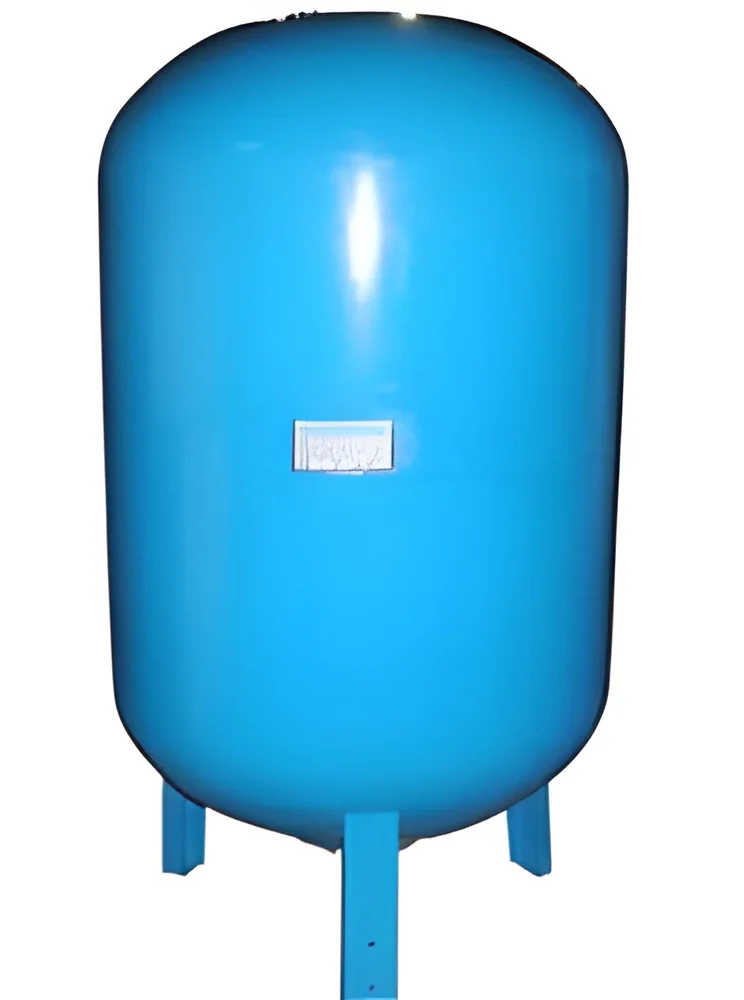
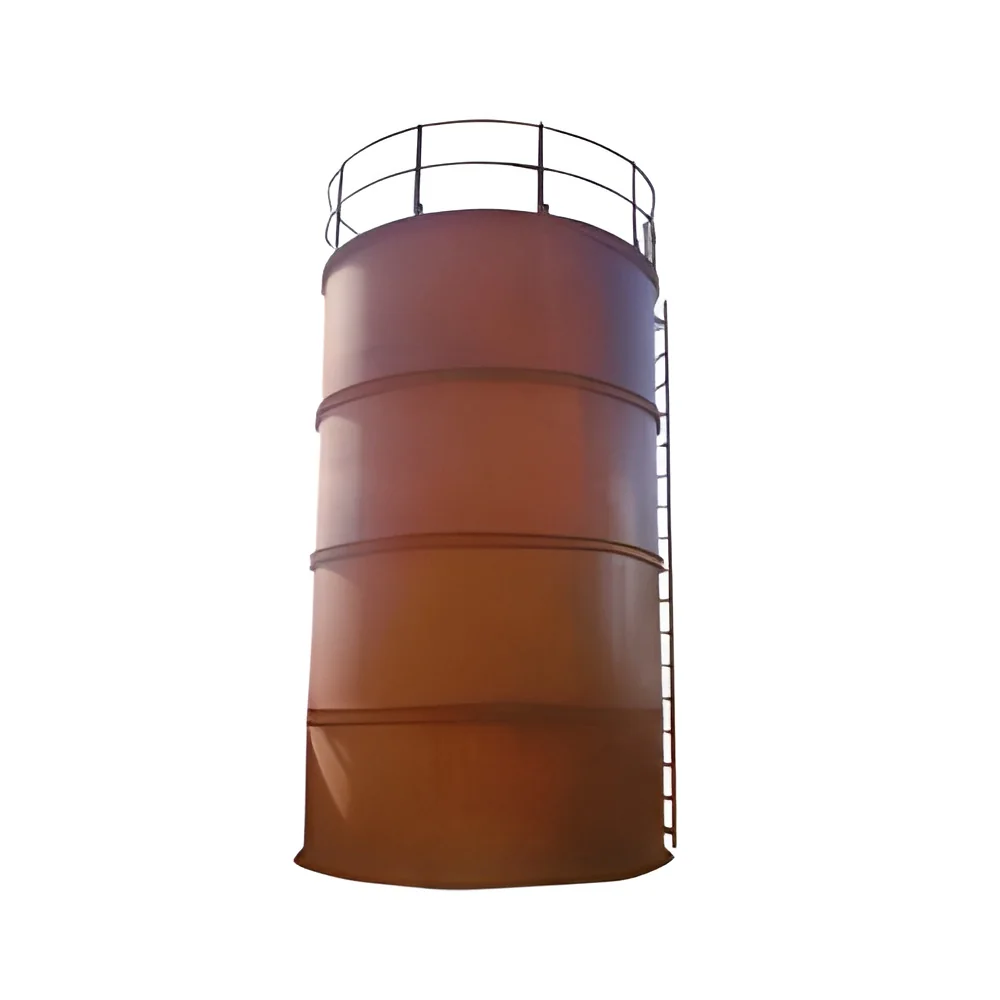
Vertical Tanks
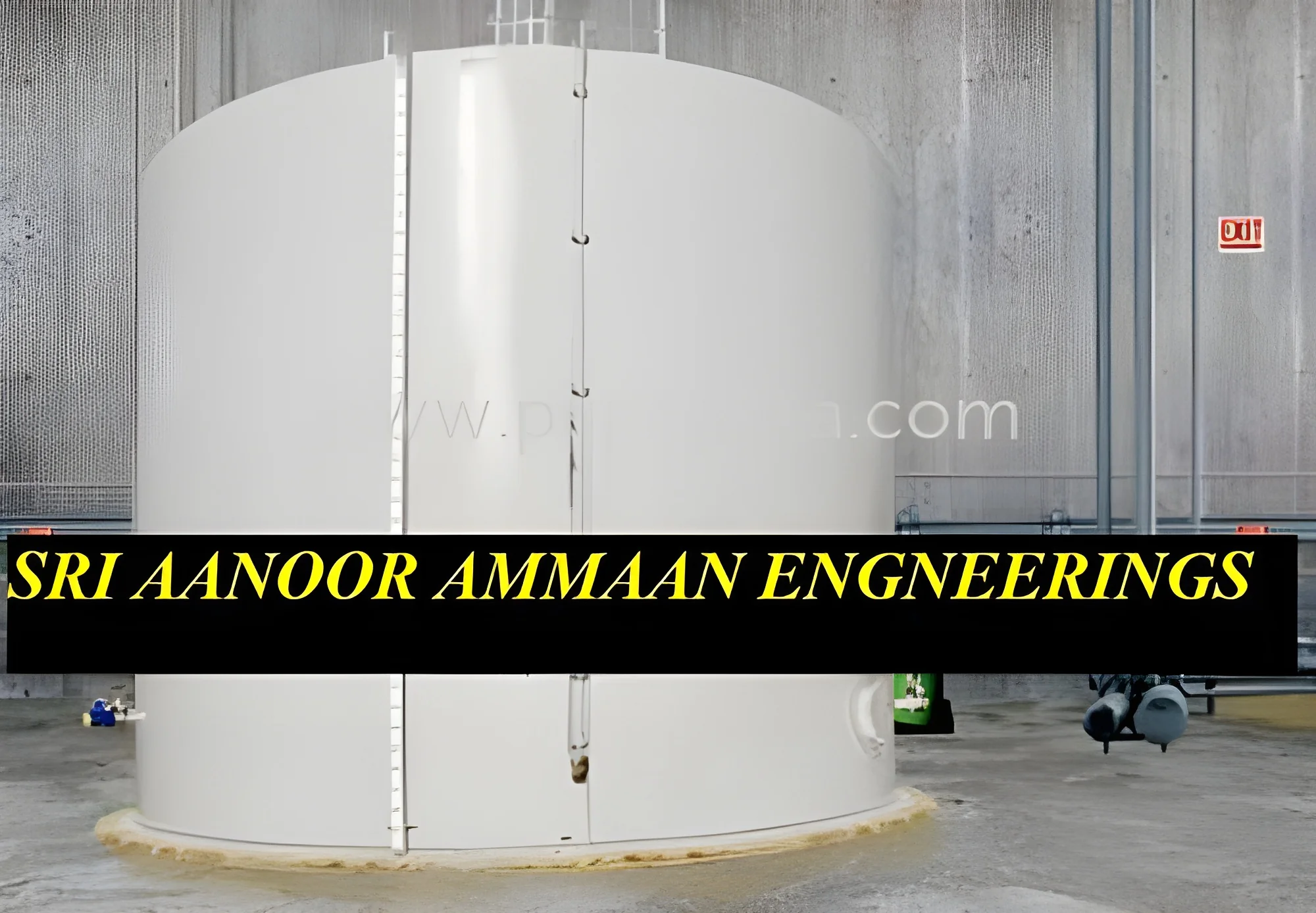
Vertical tanks are designed for space efficiency, allowing for a smaller footprint while providing significant storage capacity. They are ideal for applications where floor space is limited.
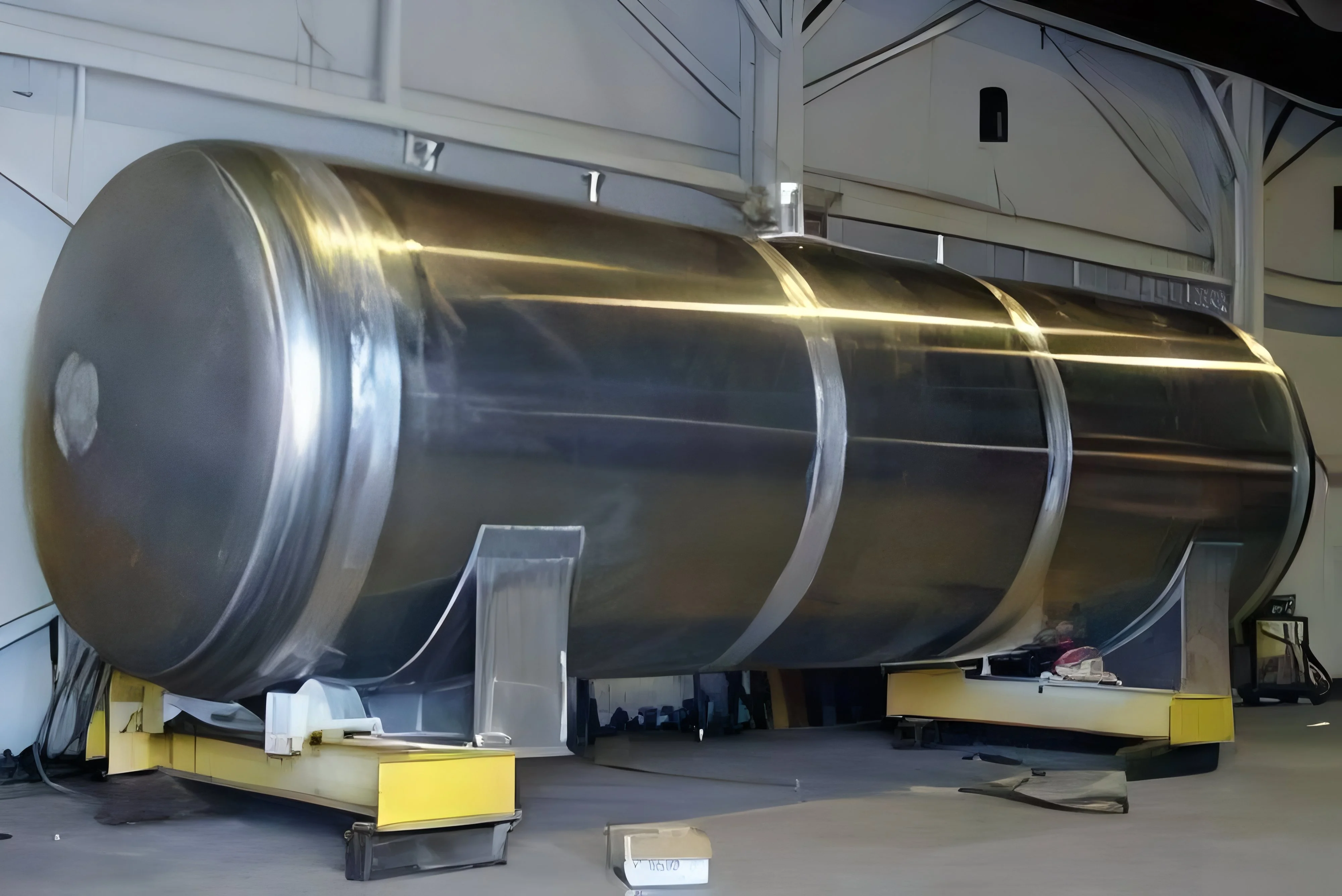
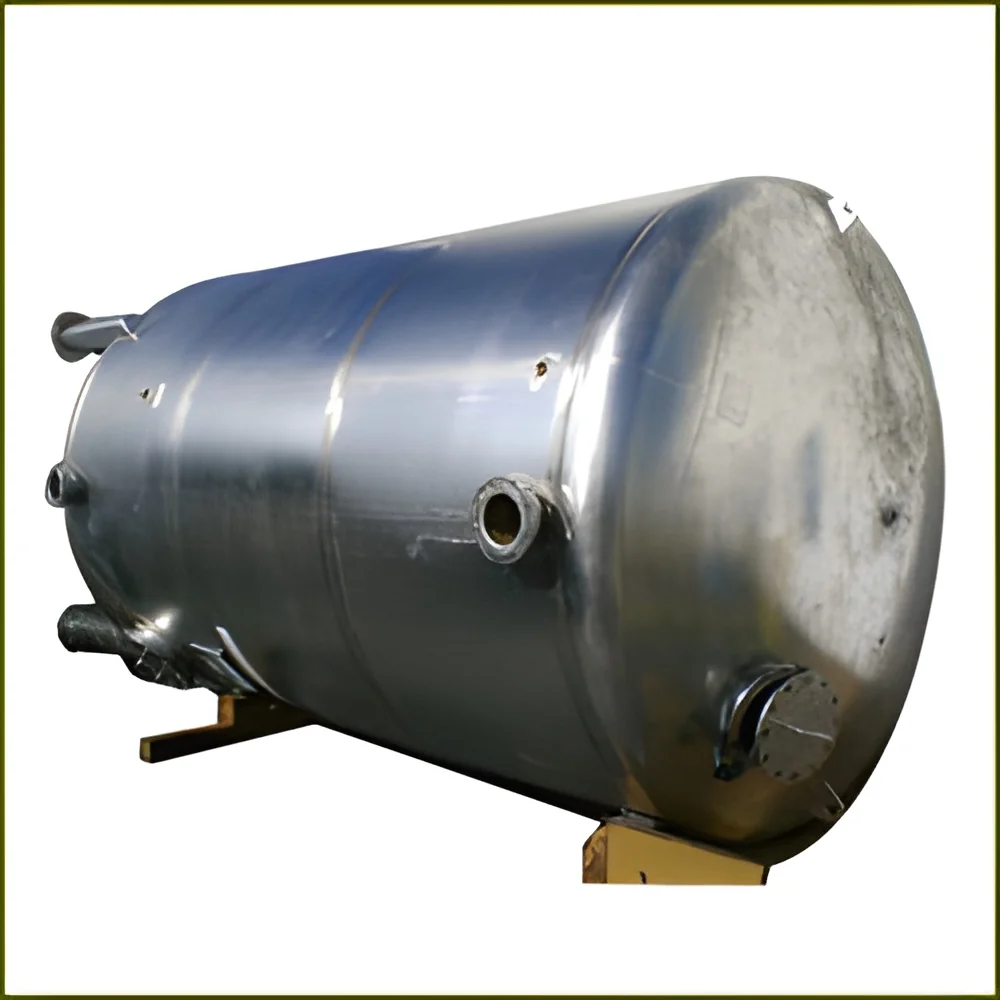
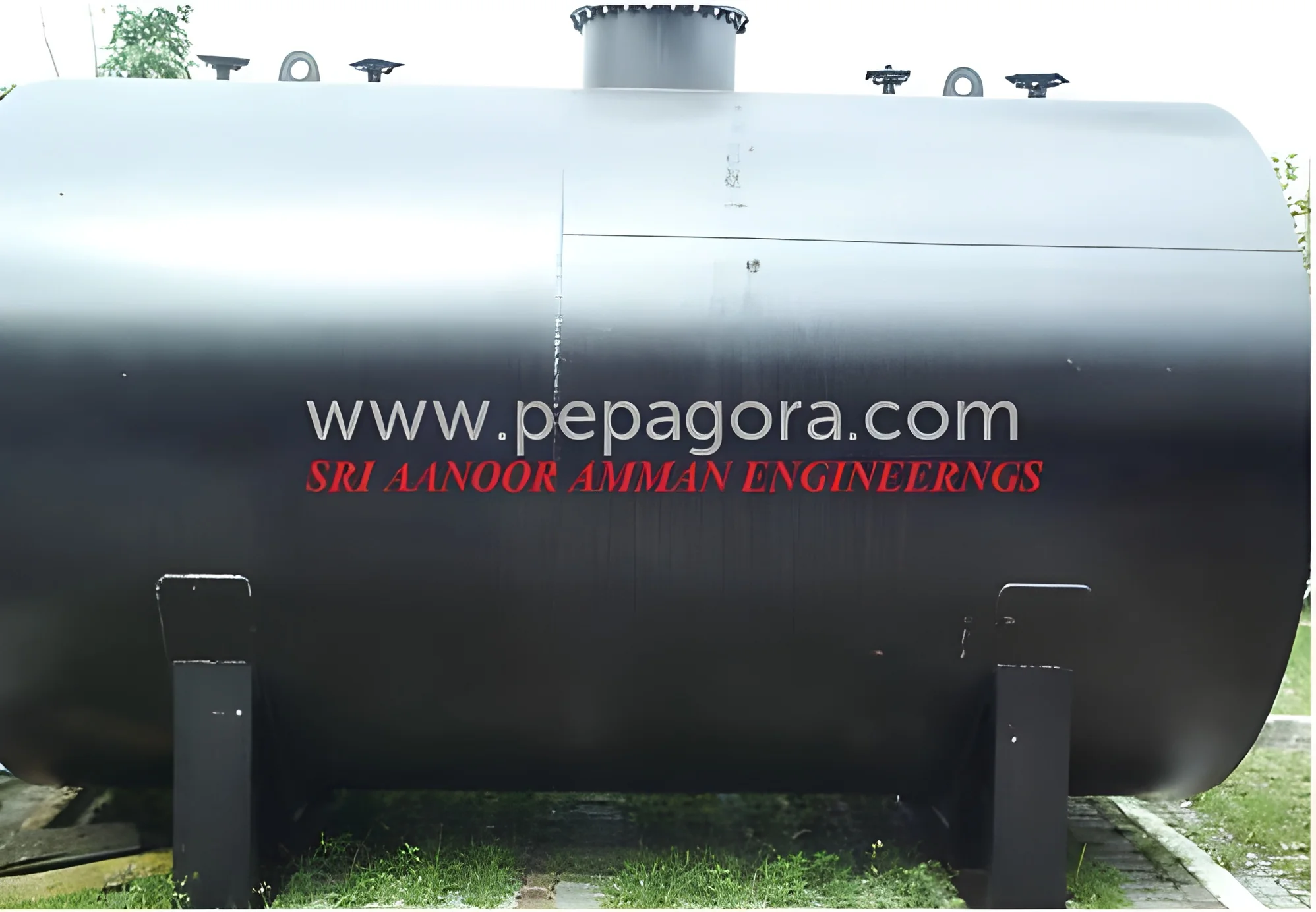
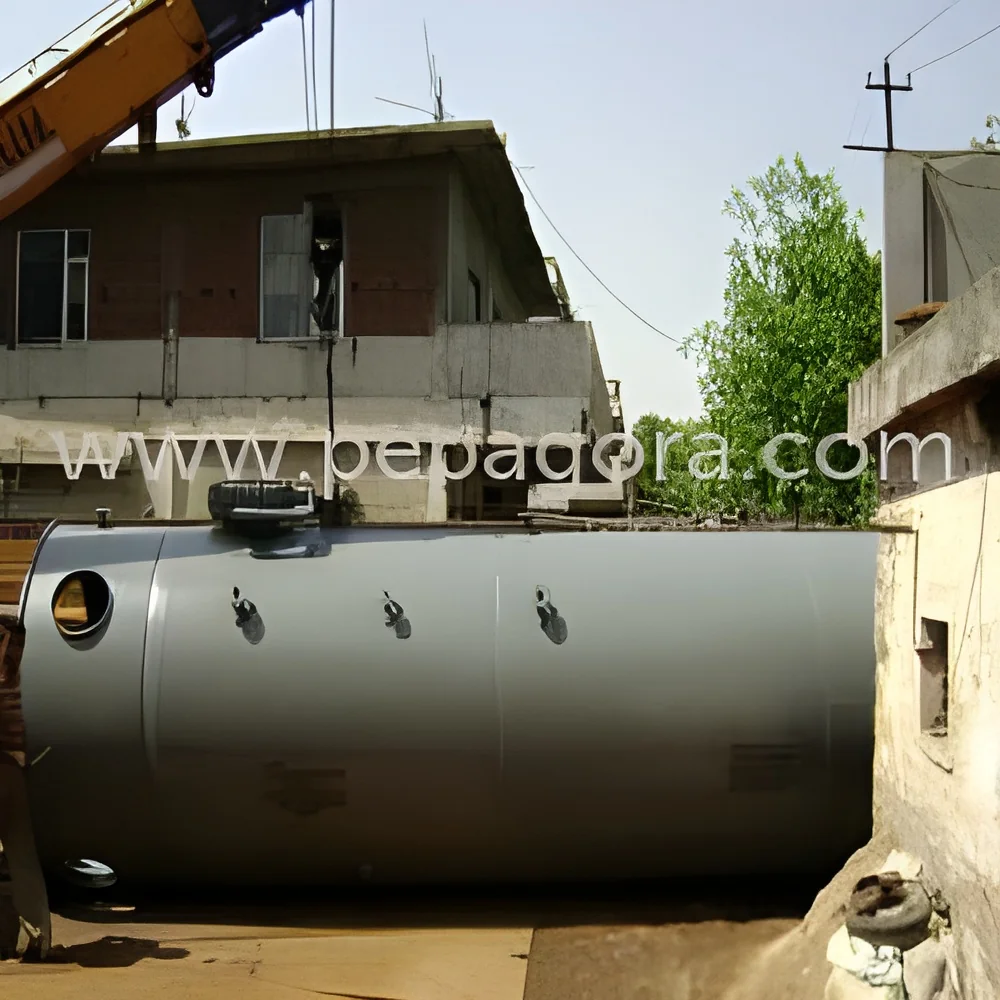
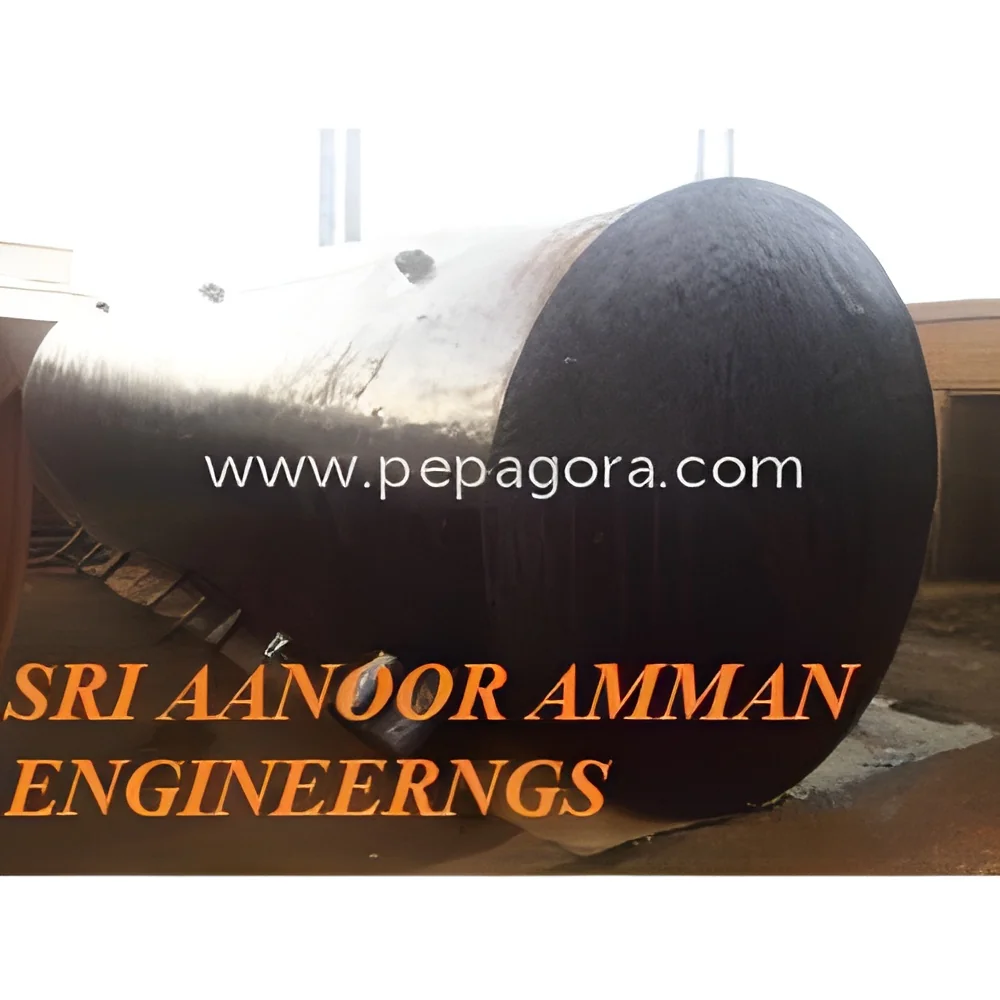
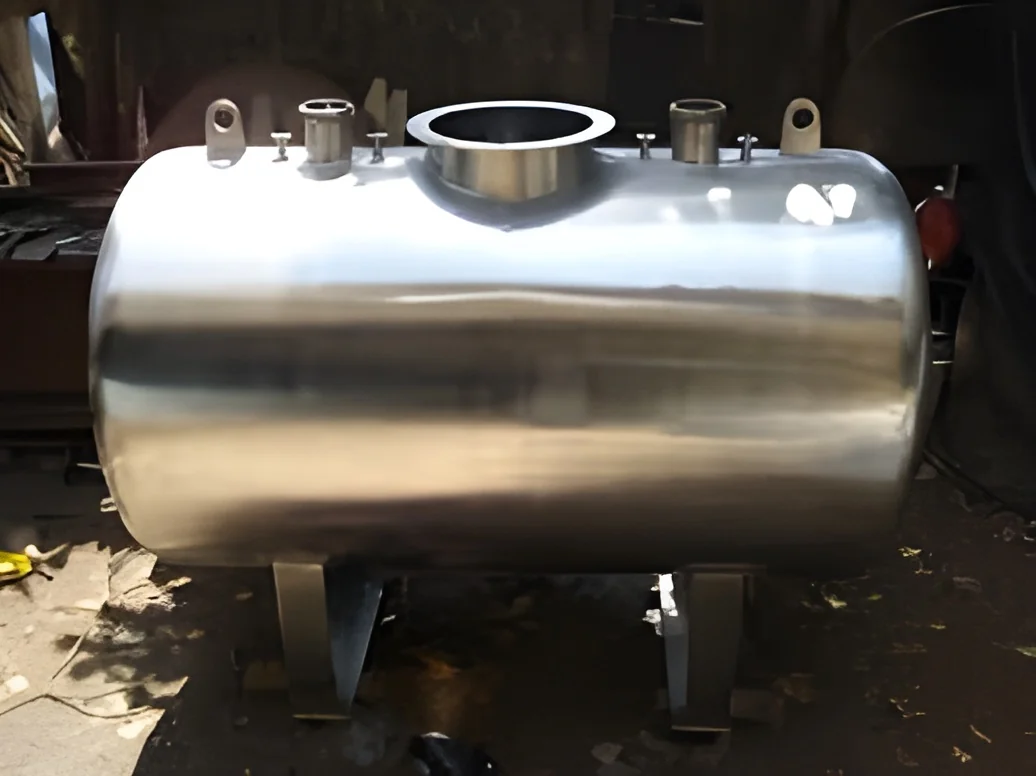
Horizontal Tanks
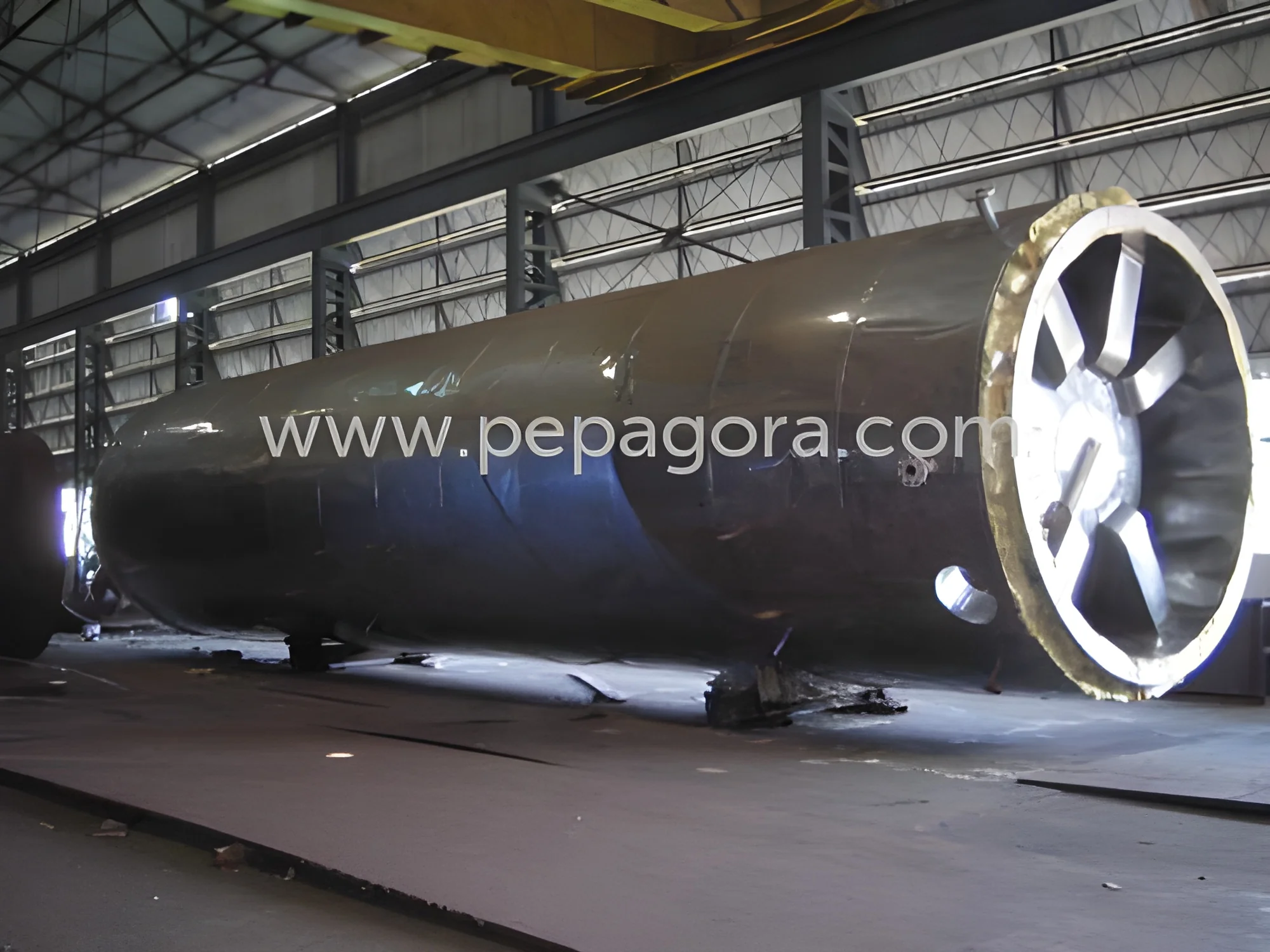
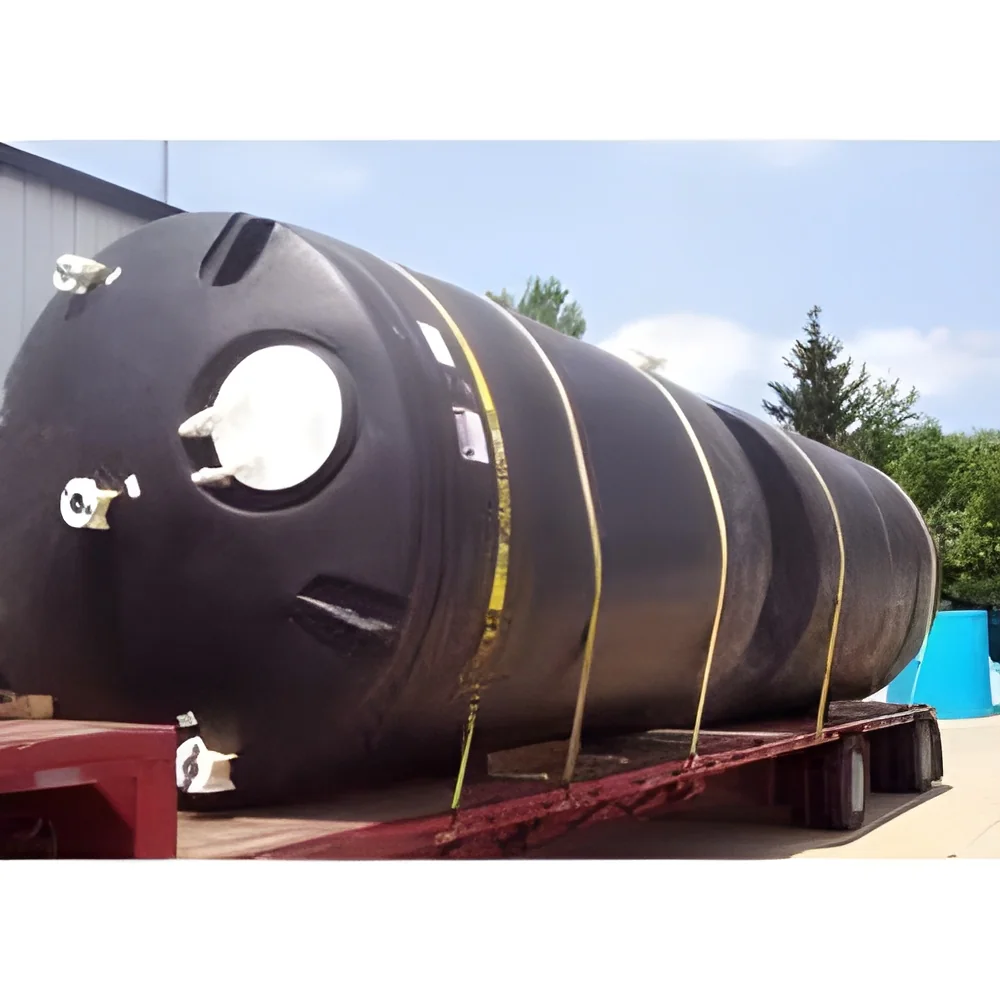
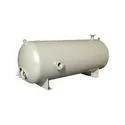
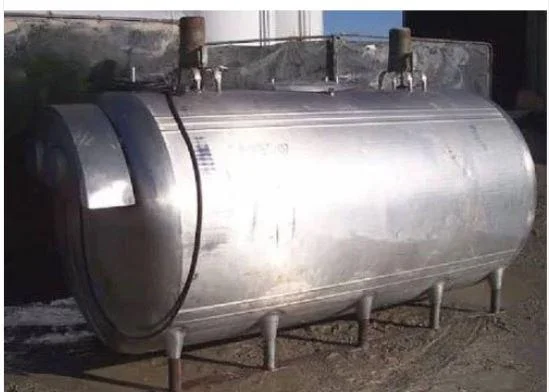
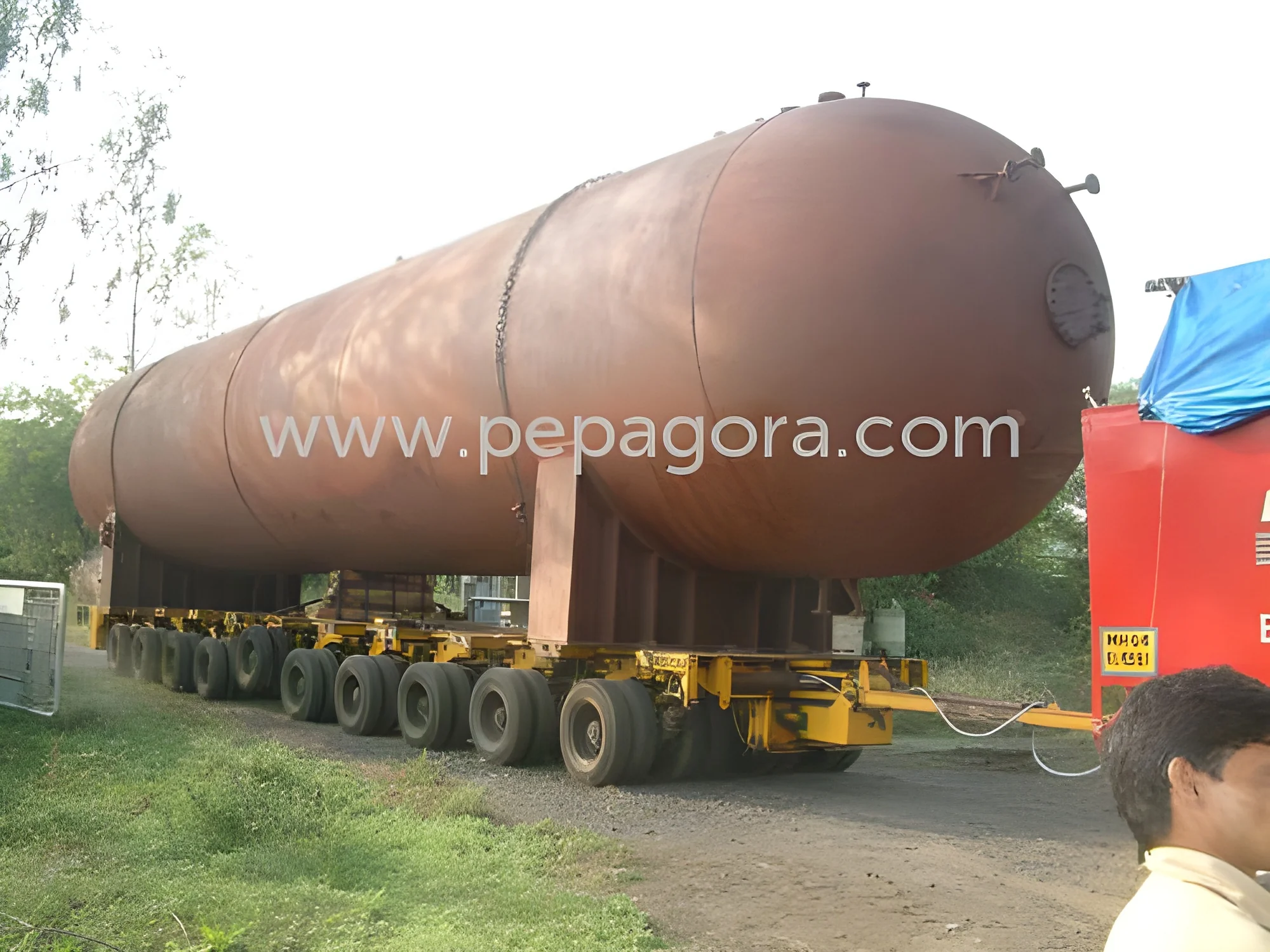
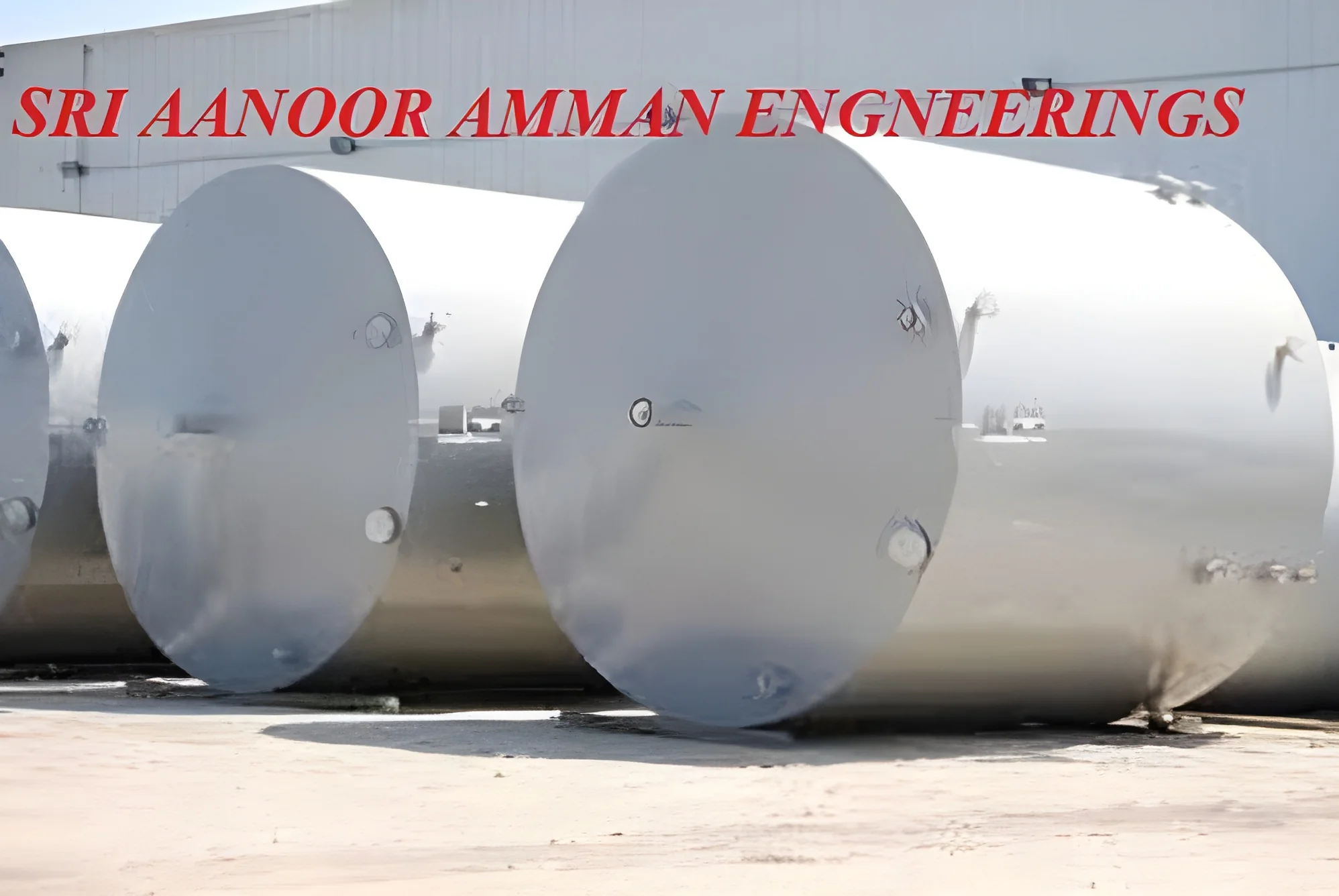
Horizontal tanks offer a lower profile and are suitable for transporting larger volumes of liquid. These tanks are often used in agricultural and industrial settings, where stability and ease of access are priorities.
Double-Walled Tanks
Double-walled tanks feature an additional layer of protection, minimizing the risk of leaks and spills. These tanks are particularly useful in environments where environmental safety is a concern.
Custom Tanks
Custom tanks are tailored to meet specific operational needs, including unique dimensions and material specifications. This flexibility makes them suitable for specialized applications across various sectors.
Benefits and Advantages
Investing in corrosion resistant tanks provides numerous advantages for businesses seeking reliable storage solutions.
1. Enhanced Durability: These tanks are built to withstand harsh environments, reducing the frequency of replacements and repairs.
2. Improved Safety: Corrosion resistant tanks minimize the risk of leaks and spills, ensuring safer operations and compliance with environmental regulations.
3. Cost Efficiency: While the initial investment may be higher, the long lifespan and low maintenance needs lead to long-term savings.
4. Versatile Applications: The ability to handle a wide range of chemicals makes these tanks suitable for various industries, enhancing operational flexibility.
5. Customization Potential: Businesses can tailor tanks to specific needs, ensuring optimal performance in diverse applications.
6. Compliance Assurance: Many corrosion resistant tanks meet industry certifications, providing peace of mind regarding safety and regulatory compliance.
Buying Guide for B2B Buyers
When sourcing corrosion resistant tanks, it is essential to consider various factors to ensure the right choice for your business needs.
1. Quality Assessment: Evaluate the materials used in tank construction and ensure they meet industry standards for durability and safety.
2. Supplier Verification: Vet potential suppliers by checking their reputation, certifications, and customer reviews to ensure reliability.
3. Pricing and MOQ: Consider the cost of tanks and any minimum order quantities required by suppliers, balancing budget constraints with quality needs.
4. Delivery and Lead Times: Assess logistics capabilities and typical lead times to ensure timely delivery for your operational requirements.
5. Compliance Requirements: Verify that the tanks comply with relevant regulations and industry standards to avoid legal and safety issues.
Compliance and Certifications
Corrosion resistant tanks are subject to various quality standards and certifications that ensure their safety and reliability in industrial applications.
ISO 9001 is a widely recognized standard that outlines quality management principles. Manufacturers of corrosion resistant tanks often adhere to this standard to ensure consistent quality in production processes.
Additionally, the CE marking indicates that a product meets European safety, health, and environmental protection standards. This certification is crucial for businesses operating within or exporting to Europe.
Safety and testing requirements are also paramount. Tanks must undergo rigorous testing to verify their performance under various conditions. This includes assessments for leak resistance and structural integrity.
Finally, regional compliance considerations must be taken into account. Different regions may have specific regulations governing the use and installation of corrosion resistant tanks. It is essential to be aware of these regulations to ensure compliance and avoid potential penalties.
Why Source Corrosion Resistant Tanks from Pepagora?
Pepagora provides a trusted platform for sourcing corrosion resistant tanks, offering several key advantages for B2B buyers.
Verified Supplier Network: Pepagora connects buyers with a network of verified suppliers, ensuring that only reputable manufacturers are involved. This helps businesses find quality products with confidence.
Streamlined RFQ Process: The request for quotation (RFQ) process is designed to be efficient, allowing buyers to receive multiple quotes from various suppliers quickly. This simplifies the decision-making process and saves valuable time.
Trade Assurance and Support: With trade assurance features, Pepagora offers buyer protection and support throughout the purchasing journey. This includes assistance with any issues that may arise after the purchase.
Regional Coverage: Pepagora's geographic reach spans India, GCC, and Southeast Asia, providing businesses with access to a broad market of suppliers. This regional coverage enhances sourcing opportunities and ensures local support for buyers.

 IN
IN