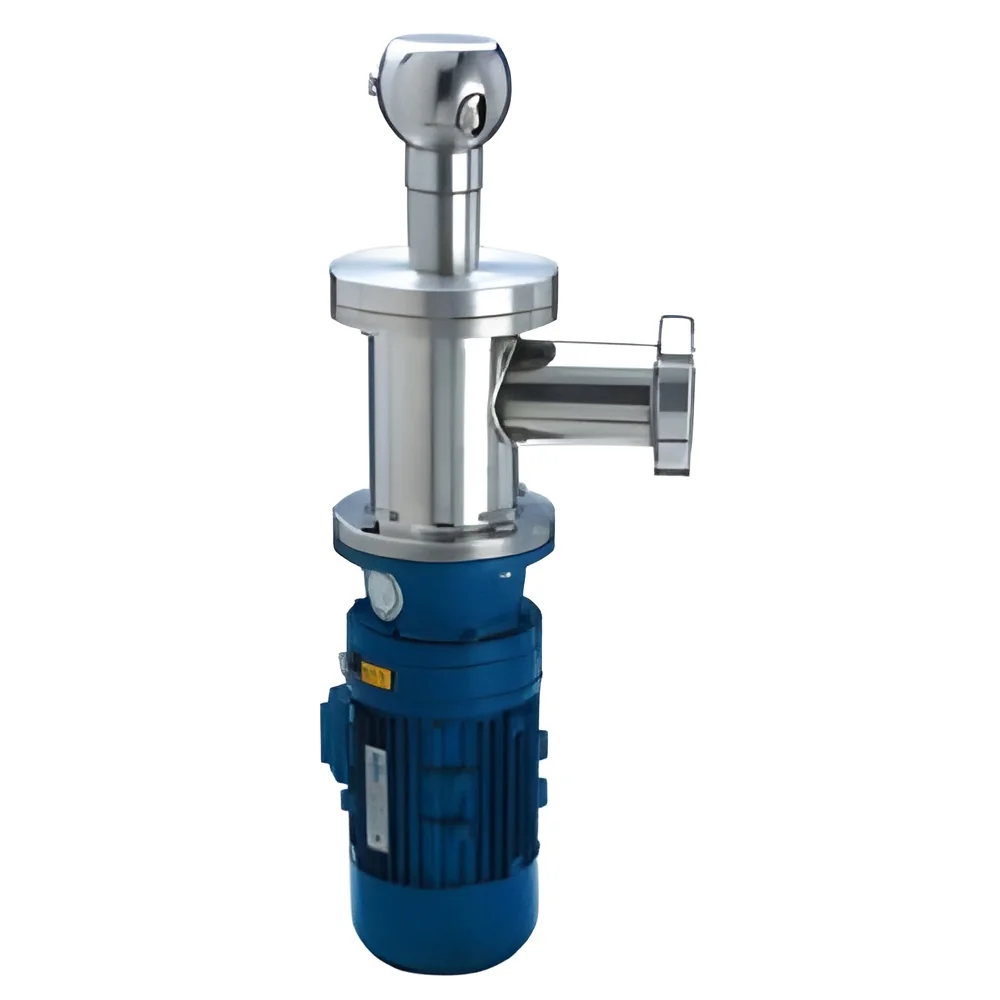
What are Tank Cleaning Equipment?
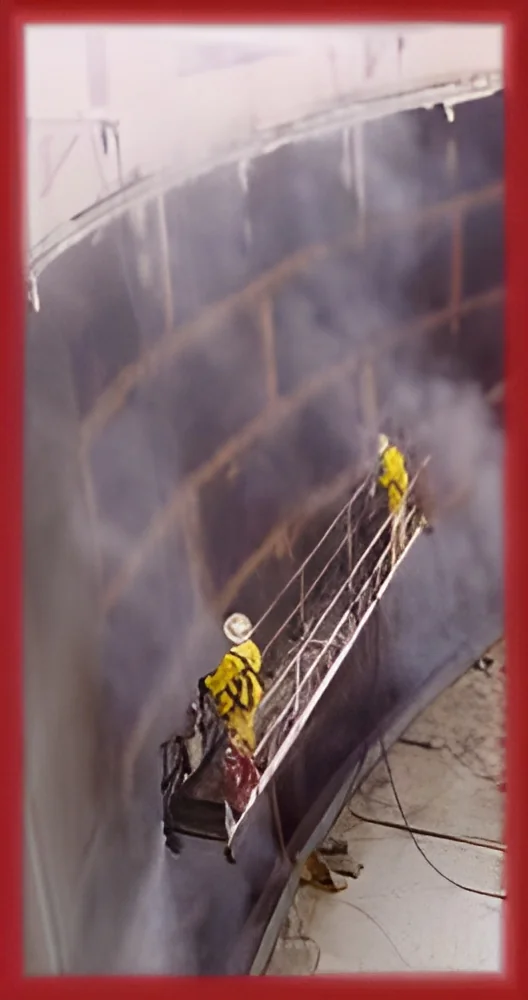
Tank cleaning equipment refers to specialized tools and machinery designed to clean and maintain various types of tanks, including storage tanks, mixing tanks, and transport tanks. This equipment is essential in industries where tanks are used to store liquids, chemicals, or food products. The primary function of tank cleaning equipment is to remove residues, contaminants, and build-up, ensuring that tanks are safe for use and comply with health and safety regulations.
The primary uses of tank cleaning equipment span multiple industries, including food and beverage, pharmaceuticals, and chemicals. In these sectors, maintaining clean tanks is crucial for product quality, safety, and regulatory compliance. Businesses often employ automated tank cleaning systems to enhance efficiency and reduce labor costs. As industries grow more stringent in their cleanliness standards, the demand for effective tank cleaning solutions continues to rise, making this equipment vital for operational success.
In today's market, tank cleaning equipment is relevant not only for its cleaning capabilities but also for its role in promoting sustainability. Many manufacturers are developing advanced systems that use less water and energy, aligning with global sustainability goals. This industry context highlights the importance of investing in reliable tank cleaning solutions to meet both operational and environmental standards.
Key Features and Specifications
Tank cleaning equipment is characterized by several key features and specifications that enhance its effectiveness and usability. These features ensure that businesses can select the right equipment for their specific cleaning needs.
Key specifications include:
1. Cleaning Method
- Various methods such as high-pressure washing, foam cleaning, and steam cleaning
- Selection depends on the type of residue and tank material
2. Flow Rate
- Measurement of the volume of cleaning solution delivered per minute
- Common ranges vary from 5 to 50 liters per minute
3. Pressure Rating
- The maximum pressure at which the equipment operates
- Typically ranges from 100 to 300 bar
4. Automation Level
- Options for manual, semi-automated, or fully automated systems
- Automation reduces labor intensity and enhances consistency
5. Material of Construction
- Common materials include stainless steel, plastic, and specialized alloys
- Choice depends on chemical compatibility and durability
6. Safety Features
- Includes pressure relief valves, emergency shut-off switches, and user-friendly controls
- Essential for operator safety and equipment longevity
7. Portability
- Options for stationary or mobile units
- Mobile units allow for cleaning in multiple locations
8. Compliance Standards
- Equipment must meet industry-specific regulations like CE marking
- Ensures adherence to safety and operational guidelines
In summary, understanding the key features and specifications of tank cleaning equipment is crucial for selecting the right solution for your business needs. The right equipment can enhance cleaning efficiency, safety, and compliance with industry standards.
Common Applications and Use Cases
Tank cleaning equipment serves various industries with specific applications tailored to their unique needs.
1. Food and Beverage: In this industry, tank cleaning equipment is used to ensure that storage tanks for liquids such as juices, milks, and oils are free from contaminants. Regular cleaning prevents spoilage and maintains product quality.
2. Pharmaceuticals: Tank cleanliness is crucial in the pharmaceutical sector to prevent contamination of sensitive drugs. Specialized cleaning equipment is used to maintain sterile environments in production tanks.
3. Chemical Manufacturing: Tanks used for storing and mixing chemicals often require thorough cleaning to prevent cross-contamination between batches. Efficient cleaning equipment helps in maintaining safety and product integrity.
4. Oil and Gas: In this sector, tank cleaning equipment is used to remove sludge and residues from storage tanks, enhancing safety and compliance with environmental regulations.
5. Water Treatment: Tank cleaning solutions are essential in water treatment facilities to maintain the cleanliness of storage and processing tanks, ensuring safe drinking water for communities.
6. Agriculture: Tanks used for fertilizers and pesticides need regular cleaning to prevent chemical residues that may harm crops. Effective cleaning ensures safe application and environmental compliance.
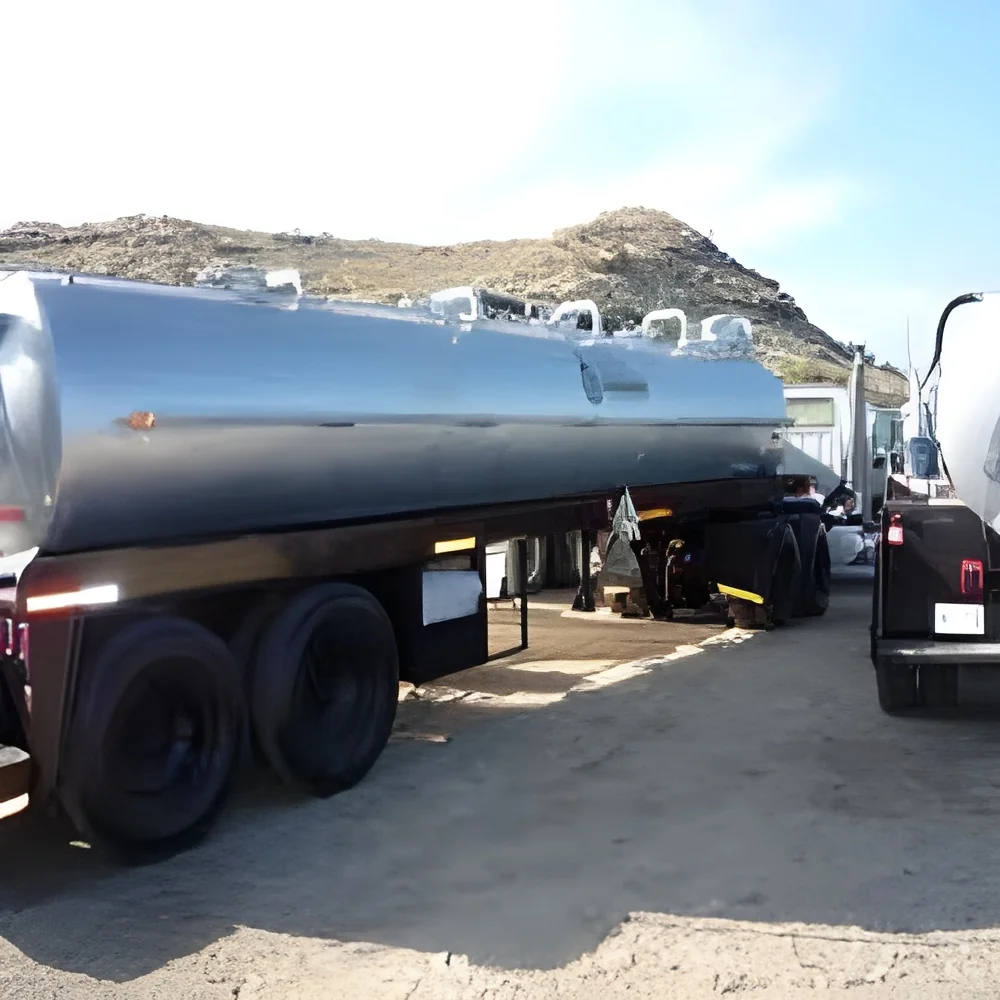
7. Transportation: Cleaning equipment is also applied in the transport industry for cleaning tankers that carry various liquids, ensuring no contamination occurs between different loads.
Product Variants and Subcategories
Tank cleaning equipment is diverse, offering various variants to cater to different cleaning needs and environments.
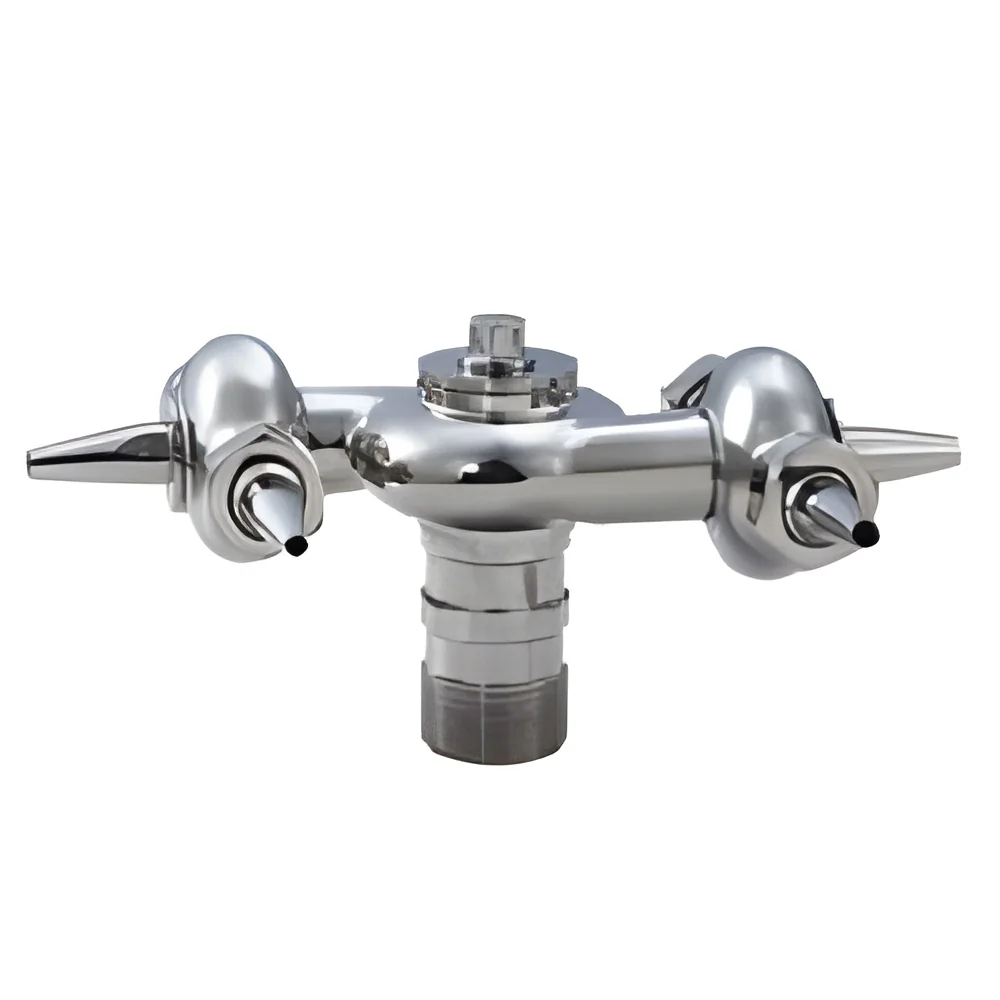
Automated Tank Cleaning Systems: These systems utilize advanced technology to automatically clean tanks without the need for manual intervention. They save time and labor while ensuring thorough cleaning.
High-Pressure Washers: Designed for tough cleaning jobs, these washers use high-pressure water jets to remove stubborn residues and contaminants. They are ideal for industries dealing with heavy-duty applications.
Foam Cleaning Systems: These systems apply cleaning foam to tank surfaces, allowing for effective cleaning of residues. They are commonly used in the food and beverage industry for hygiene purposes.
Portable Tank Washers: These compact devices are designed for mobility, allowing operators to clean tanks in different locations. They are particularly useful in industries that require frequent relocations of cleaning equipment.
Benefits and Advantages
Investing in tank cleaning equipment offers numerous benefits that enhance operational efficiency and safety.
1. Improved Hygiene: Effective cleaning reduces the risk of contamination and ensures compliance with health regulations, especially in food and pharmaceutical sectors.
2. Increased Efficiency: Automated systems can significantly reduce cleaning time and labor costs, allowing for faster turnaround between batches.
3. Enhanced Safety: Modern tank cleaning equipment comes with safety features that protect operators and reduce the risk of accidents during cleaning operations.
4. Quality Assurance: Regular cleaning helps maintain product quality by preventing spoilage and ensuring that tanks do not harbor harmful residues.
5. Environmental Compliance: Advanced cleaning technologies often use less water and energy, helping businesses meet sustainability goals and adhere to environmental regulations.
6. Versatility: Tank cleaning equipment can be used across various industries, making it a valuable asset for businesses with diverse operations.
Buying Guide for B2B Buyers
When sourcing tank cleaning equipment, there are several factors to consider to ensure you make an informed purchase.
1. Quality Assessment: Evaluate the quality of the equipment by reviewing materials, construction, and performance ratings. Look for certifications that indicate compliance with industry standards.
2. Supplier Verification: Vet potential suppliers by checking their reputation, customer reviews, and experience in the industry. A reliable supplier should have a proven track record of delivering quality products.
3. Pricing and MOQ: Understand the price range for different types of tank cleaning equipment and inquire about minimum order quantities. This information helps in budgeting and planning your purchase.
4. Delivery and Lead Times: Discuss logistics with suppliers to determine expected delivery times and ensure they align with your operational needs. Timely delivery is crucial for maintaining production schedules.
5. Compliance Requirements: Ensure that the equipment meets relevant regulatory standards for your industry. Compliance is essential for avoiding fines and ensuring safe operations.
Compliance and Certifications
Tank cleaning equipment must adhere to various quality standards and certifications to ensure safety and effectiveness.
Relevant quality standards include ISO 9001, which focuses on quality management systems, and HACCP, which emphasizes food safety and hygiene protocols. Following these standards helps businesses maintain high-quality operations.
Industry certifications, such as CE marking, indicate that the equipment meets European safety and health requirements. This certification is crucial for businesses operating in regions where compliance with safety regulations is mandatory.
Safety and testing requirements are also essential, as they ensure that equipment operates efficiently under specified conditions. Regular testing helps identify potential issues before they become critical.
Regional compliance considerations may vary, so businesses should be aware of local regulations governing tank cleaning practices. Understanding these requirements helps ensure that operations remain compliant and safe.
Why Source Tank Cleaning Equipment from Pepagora?
Pepagora provides a trusted platform for sourcing tank cleaning equipment, offering several key advantages for B2B buyers.
Verified Supplier Network: Pepagora connects buyers with a network of verified suppliers, ensuring that businesses can source quality products from reputable manufacturers. This verification process reduces the risk of purchasing substandard equipment.
Streamlined RFQ Process: The platform offers a simplified request for quotation (RFQ) process, allowing buyers to compare multiple suppliers and receive competitive pricing. This efficiency helps businesses make informed purchasing decisions quickly.
Trade Assurance and Support: Pepagora offers trade assurance to protect buyers throughout the purchasing process. This support includes assistance with negotiations and post-purchase queries, ensuring a smooth experience.
Regional Coverage: With a geographic reach that includes India, the GCC, and Southeast Asia, Pepagora provides access to a wide range of suppliers and products. This regional focus makes it easier for buyers to find solutions that meet their specific needs.

 IN
IN