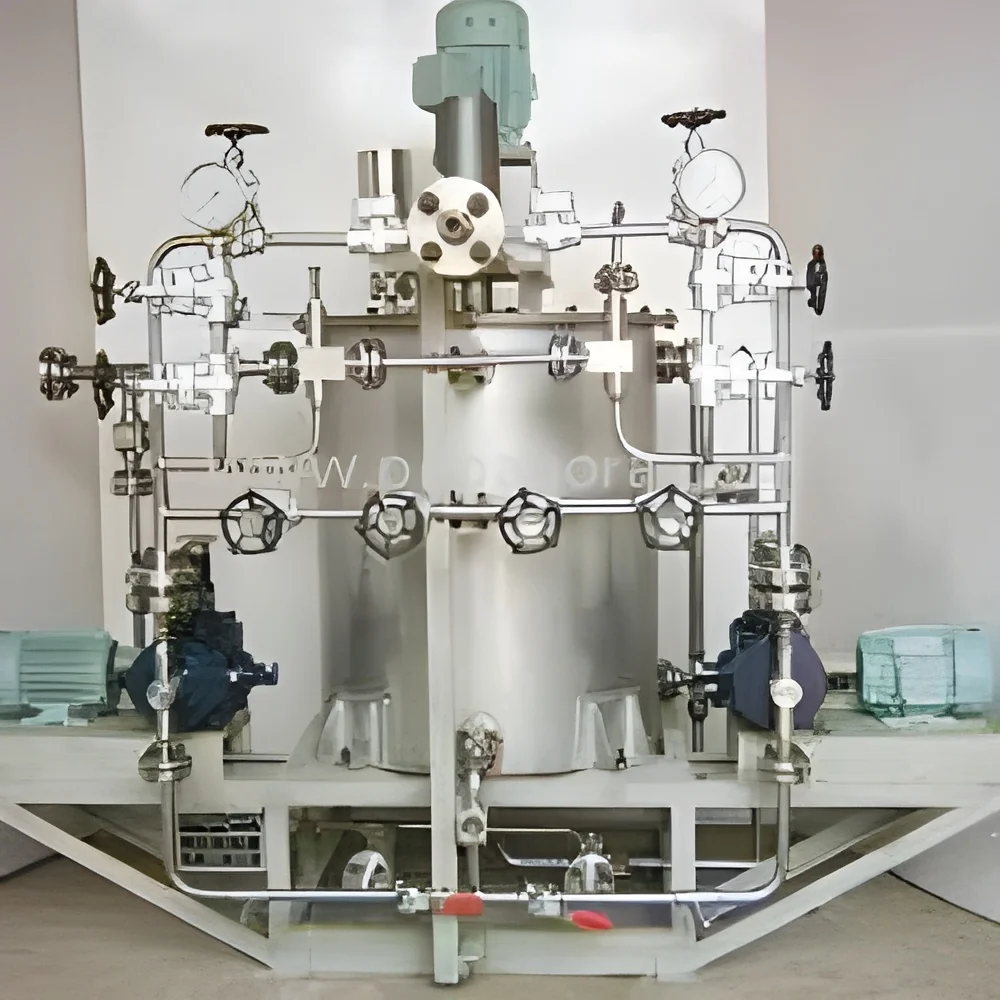
What are Chemical Dispensing Systems?
Chemical Dispensing Systems are advanced solutions designed to accurately mix, store, and dispense a wide range of chemicals in industrial and commercial settings. These systems are engineered to ensure precise measurement and controlled delivery, which is crucial for applications requiring consistency and safety. By automating the dispensing process, these systems reduce human error, enhance operational efficiency, and promote safer handling of hazardous materials.
The primary uses of Chemical Dispensing Systems span numerous industries, including manufacturing, cleaning, pharmaceuticals, and food processing. They are integral in processes where precise chemical ratios are necessary, such as in the mixing of cleaning agents or in the formulation of pharmaceuticals. The ability to dispense chemicals accurately and safely makes these systems essential for maintaining quality standards and regulatory compliance in various applications.
In the current market context, the demand for Chemical Dispensing Systems is growing. Industries are increasingly focusing on automation and safety, leading to a shift towards more sophisticated dispensing technologies. This trend is driven by the need for efficiency and the reduction of waste in chemical handling processes. As companies seek to optimize their operations, the relevance of Chemical Dispensing Systems continues to rise.
Key Features and Specifications
Chemical Dispensing Systems are characterized by several key features that enhance their functionality and performance. Understanding these specifications can help businesses select the right system for their needs.
Key specifications include:
1. Precision Dispensing
- Ensures accurate measurement of chemicals
- Typically ranges from milliliters to liters depending on the system
2. Automation Capabilities
- Offers programmable controls for automated dispensing
- Reduces labor costs and human error
3. Material Compatibility
- Designed to handle a variety of chemicals including acids, bases, and solvents
- Constructed from durable materials such as stainless steel and high-grade plastics
4. Safety Features
- Includes spill containment measures and emergency shut-off systems
- Meets safety standards to protect operators
5. Connectivity Options
- Capable of integrating with existing manufacturing systems
- Supports remote monitoring and control through IoT capabilities
6. Capacity
- Varies widely based on application, from small portable units to larger industrial systems
- Can handle multiple chemicals simultaneously in some models
7. Maintenance Requirements
- Low maintenance systems designed for easy cleaning and upkeep
- Some models feature self-diagnostic tools for monitoring performance
8. Compliance Standards
- Complies with relevant safety and quality certifications
- Designed to meet industry-specific regulations
These features contribute to the overall efficiency and reliability of Chemical Dispensing Systems, making them a vital investment for businesses.
Common Applications and Use Cases
Chemical Dispensing Systems find applications across a wide range of industries, each with unique requirements.
1. Manufacturing: In manufacturing settings, these systems are used to dispense chemicals for processes such as coating, cleaning, and surface preparation. Accurate chemical ratios are crucial for product quality.
2. Cleaning: The cleaning industry utilizes Chemical Dispensing Systems to mix and dispense cleaning agents in precise concentrations, ensuring effective cleaning while minimizing waste.
3. Food Processing: In food processing plants, these systems are employed for dispensing food-safe chemicals used in sanitation processes, ensuring compliance with health regulations.
4. Pharmaceuticals: The pharmaceutical sector relies on these systems for the accurate mixing and dispensing of ingredients in drug formulation, where precision is critical for efficacy and safety.
5. Agriculture: Agricultural applications involve the dispensing of fertilizers and pesticides, where controlled delivery is essential for environmental safety and crop yield.
6. Water Treatment: In water treatment facilities, Chemical Dispensing Systems are used to add chemicals that purify water, ensuring safe drinking supplies.
7. Automotive: The automotive industry uses these systems for dispensing chemicals in manufacturing processes, including paint and coatings.
Product Variants and Subcategories
Chemical Dispensing Systems come in various configurations to meet diverse operational needs.
Portable Chemical Dispensing Systems
These compact units are designed for flexibility and ease of use in different locations. They are ideal for smaller operations and can handle a variety of chemicals, making them suitable for maintenance and repair tasks.
Industrial Chemical Dispensing Systems
Larger, more robust systems designed for high-volume operations in manufacturing environments. They offer advanced features such as automated controls and integration with existing production lines.
Customizable Chemical Dispensing Solutions
These systems can be tailored to specific applications based on unique business requirements. They provide options for additional features such as custom-sized tanks and specialized dispensing nozzles.
Benefits and Advantages
Investing in Chemical Dispensing Systems offers numerous benefits for businesses.
1. Enhanced Accuracy: These systems provide precise measurements, reducing the risk of errors in chemical mixing and application.
2. Increased Efficiency: Automation leads to faster dispensing processes, allowing businesses to optimize production rates and reduce downtime.
3. Improved Safety: Advanced safety features minimize the risk of spills and exposure to hazardous chemicals, protecting workers and facilities.
4. Reduced Waste: By ensuring accurate dispensing, these systems help minimize chemical waste, leading to cost savings and environmental benefits.
5. Simplified Compliance: Chemical Dispensing Systems often meet industry regulations, making it easier for businesses to maintain compliance with safety and quality standards.
6. Versatility: Suitable for multiple industries, these systems can adapt to various applications, providing flexibility for businesses.
Buying Guide for B2B Buyers
When sourcing Chemical Dispensing Systems, several factors should be considered to ensure a successful purchase.
1. Quality Assessment: Evaluate the quality of materials and construction to ensure durability and reliability. Look for systems that meet recognized industry standards.
2. Supplier Verification: Vet suppliers by checking their certifications, customer reviews, and track records. Choose suppliers with a proven history in the industry.
3. Pricing and MOQ: Compare prices across different suppliers and assess the minimum order quantity to find the best deal that fits your budget and needs.
4. Delivery and Lead Times: Consider the supplier's ability to meet your timeline. Prompt delivery is crucial for maintaining production schedules.
5. Compliance Requirements: Ensure the systems comply with local and international regulations relevant to your industry, which can affect safety and operational standards.
Compliance and Certifications
Chemical Dispensing Systems must adhere to various compliance and certification standards to ensure safety and quality.
ISO 9001: This standard outlines the requirements for a quality management system. Compliance indicates a supplier’s commitment to quality and customer satisfaction.
HACCP: The Hazard Analysis Critical Control Point certification is essential for food-related applications, ensuring that systems meet safety and hygiene standards.
CE Certification: This certification indicates that a product meets European Union safety, health, and environmental protection standards. It is crucial for systems sold in the EU market.
Safety and testing requirements are also paramount, as they ensure that the systems are reliable and safe for use in hazardous environments. Regional compliance considerations must be taken into account, as different regions may have specific regulations governing the use of chemical handling and dispensing systems.
Why Source Chemical Dispensing Systems from Pepagora?
Pepagora provides a trusted platform for sourcing Chemical Dispensing Systems, offering several key advantages for B2B buyers.
Verified Supplier Network: Pepagora connects buyers with a vetted network of suppliers, ensuring that they can source high-quality systems from reputable manufacturers. This verification process helps mitigate risks associated with sourcing.
Streamlined RFQ Process: The platform facilitates a simplified Request for Quotation process, allowing buyers to easily compare offers from multiple suppliers. This efficiency helps businesses make informed purchasing decisions quickly.
Trade Assurance and Support: Pepagora offers trade assurance, providing buyers with protection during transactions. This support includes assistance with logistics and dispute resolution, ensuring a smooth purchasing experience.
Regional Coverage: With a strong presence in India, the GCC, and Southeast Asia, Pepagora offers extensive regional coverage, making it easier for businesses across these areas to find and source the Chemical Dispensing Systems they need. This geographic reach enhances accessibility and convenience for buyers.

 IN
IN