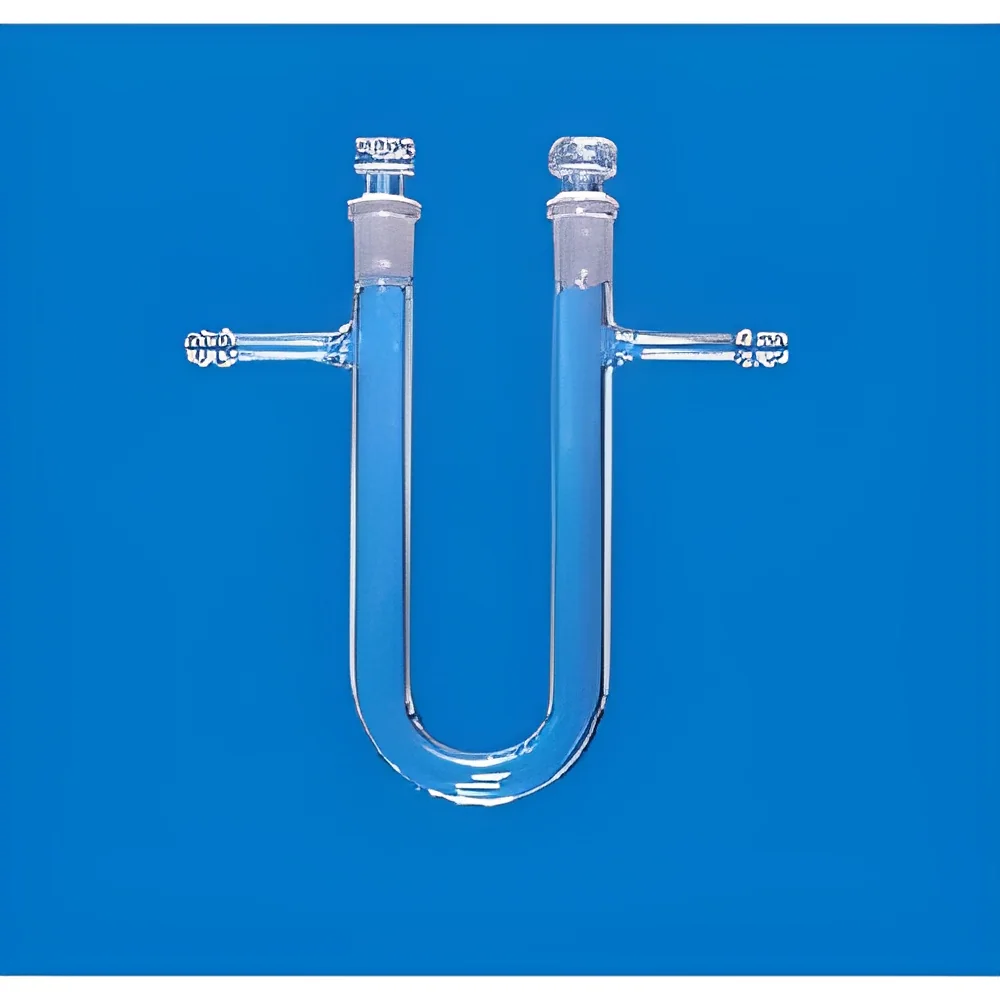
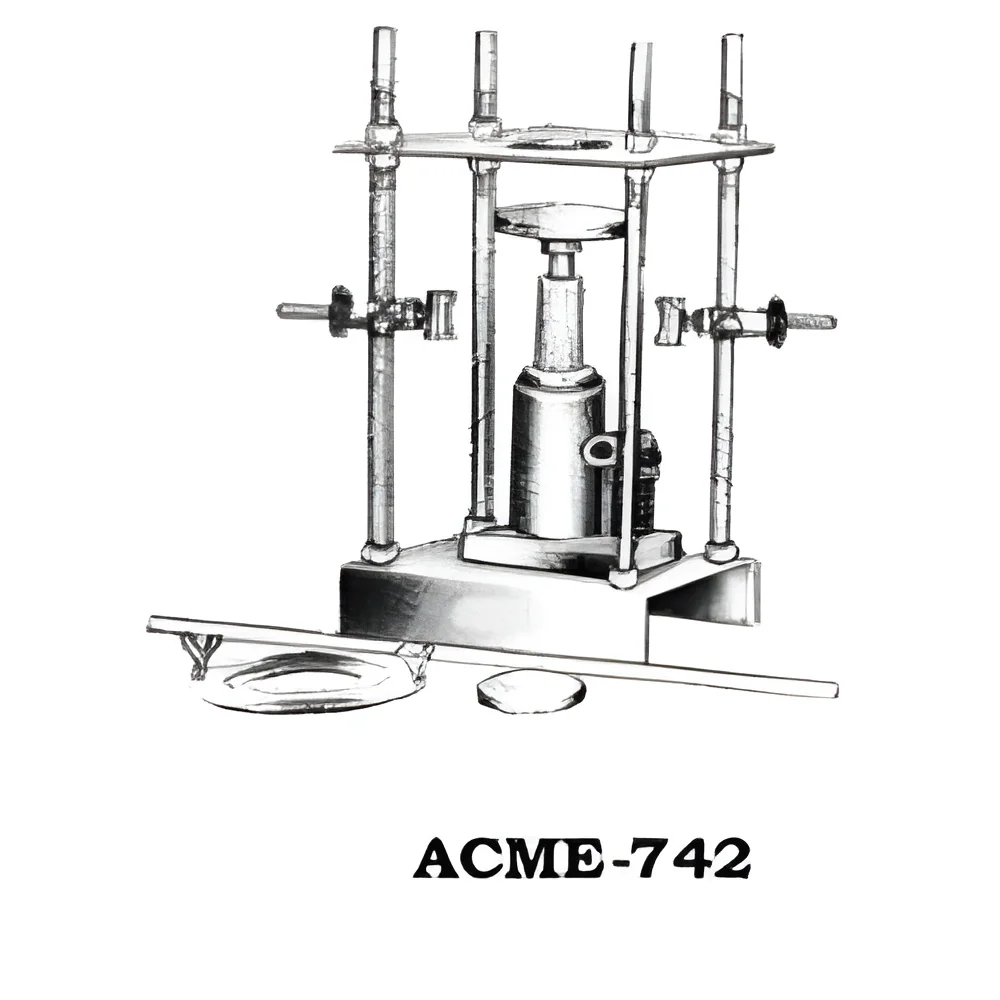
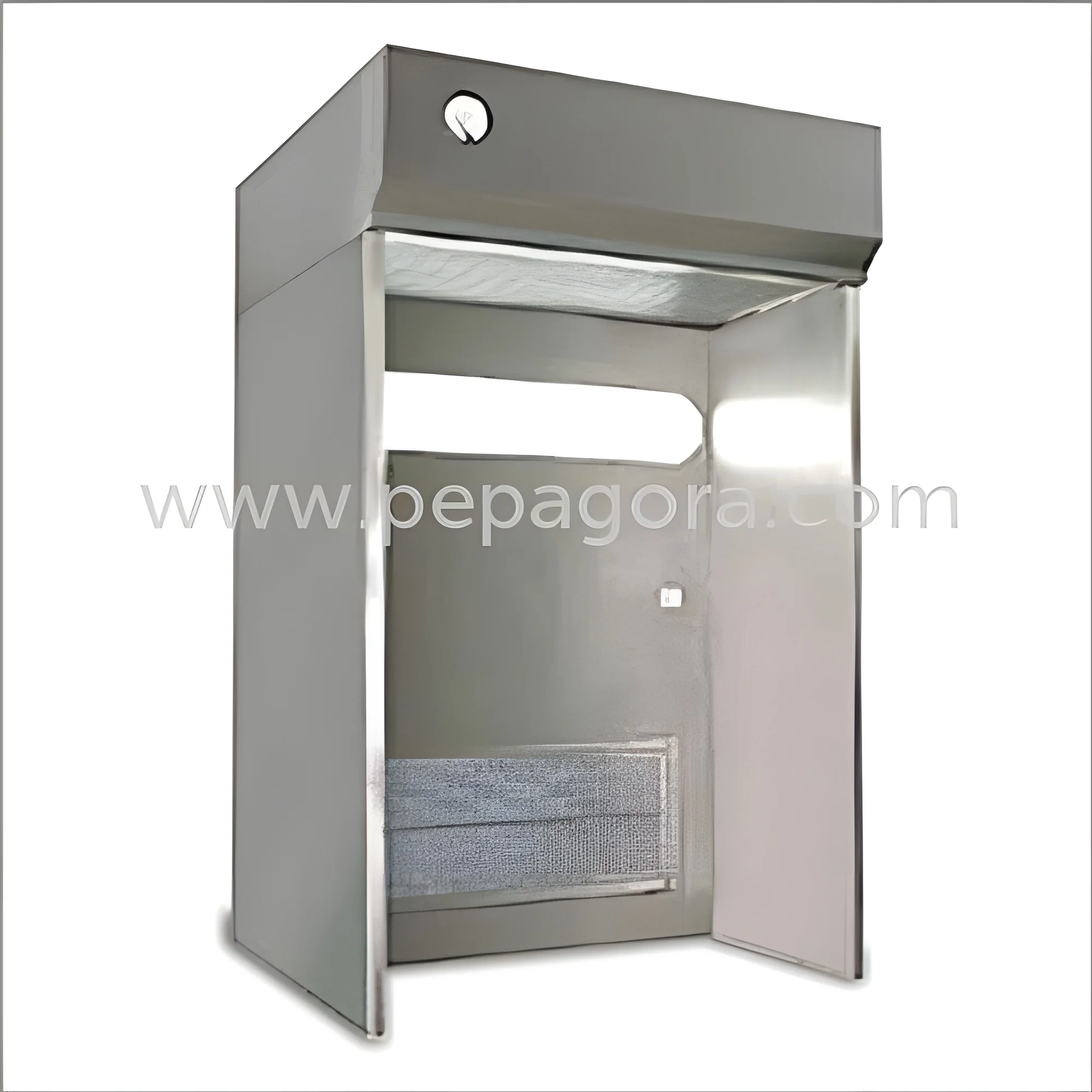
What are Chemical Sampling Systems?
Chemical Sampling Systems are specialized setups designed for the systematic collection of chemical samples from various environments. These systems ensure that samples are representative of the source they are drawn from, allowing for accurate analysis and testing. They typically consist of components such as sampling containers, pumps, and tubing, all engineered to maintain the integrity of the sample during collection and transport.
The primary uses of Chemical Sampling Systems span across multiple industries including pharmaceuticals, petrochemicals, food and beverage, and environmental monitoring. Businesses utilize these systems for quality control, compliance with safety regulations, and research purposes. By providing reliable and accurate sampling methods, these systems play a crucial role in ensuring product safety and regulatory adherence.
In the current market context, the relevance of Chemical Sampling Systems has grown due to increasing regulatory requirements and the need for high-quality data in industrial processes. As industries become more regulated, the demand for precise sampling methods has surged, positioning these systems as essential tools in maintaining operational standards and enhancing product quality.
Key Features and Specifications
Chemical Sampling Systems come equipped with a range of features that cater to diverse industrial needs. Understanding these key specifications is vital in selecting the right system for your application.
Key specifications include:
1. Sample Integrity
- Ensures that samples are collected without contamination.
- Maintains the original state of the sample.
2. Compatibility with Chemicals
- Designed to handle various chemical types without degrading.
- Suitable for aggressive and corrosive substances.
3. Flow Rate Control
- Adjustable flow rates to meet specific sampling requirements.
- Precision in sample volume collection.
4. Construction Material
- Made from durable, chemical-resistant materials.
- Common materials include stainless steel and high-grade plastics.
5. Monitoring Features
- Optional sensors for real-time monitoring of sample conditions.
- Data logging capabilities for compliance audits.
6. Ease of Use
- User-friendly interfaces for operation and maintenance.
- Quick setup and calibration procedures.
7. Portability
- Lightweight designs for easy transportation.
- Suitable for field applications.
8. Regulatory Compliance
- Adheres to industry standards and regulations.
- Certified for use in specific applications as required.
These features collectively enhance the effectiveness and reliability of Chemical Sampling Systems, making them a critical investment for businesses.
Common Applications and Use Cases
Chemical Sampling Systems are utilized across various industries due to their versatility and reliability.
1. Pharmaceutical Industry: These systems are vital for collecting samples from production lines to ensure adherence to quality standards. They help in monitoring active pharmaceutical ingredients during manufacturing.
2. Petrochemical Industry: Chemical Sampling Systems are used to sample crude oil and refined products. This ensures quality control measures are met and assists in environmental compliance.
3. Food and Beverage Industry: They are employed to collect samples of liquids and solids for testing safety and quality. This is crucial for meeting health regulations.
4. Environmental Monitoring: Chemical Sampling Systems are essential for collecting water and soil samples in environmental studies. They help in assessing contamination levels and compliance with environmental regulations.
5. Chemical Manufacturing: These systems facilitate the sampling of chemicals during production processes, ensuring product consistency and quality.
6. Water Treatment Facilities: Used for sampling treated and untreated water to monitor chemical levels and ensure safe drinking water.
7. Mining Industry: Chemical Sampling Systems are essential for collecting samples from ore processing to analyze mineral content and purity.
Product Variants and Subcategories
Chemical Sampling Systems are available in diverse configurations to meet specific industry needs.
Portable Sampling Systems
These systems are designed for field use, allowing easy transport and operation in various locations. They typically feature lightweight materials and battery-operated pumps for convenience.
Fixed Installation Systems
These systems are permanently installed in industrial settings, designed for continuous sampling. They are often integrated into existing production lines and provide real-time data collection.
Automated Sampling Systems
Equipped with automation technology, these systems reduce manual intervention. They can be programmed for specific sampling schedules and provide consistent sample quality.
Benefits and Advantages
Investing in Chemical Sampling Systems offers numerous benefits that enhance operational efficiency and compliance.
1. Enhanced Sample Quality: These systems minimize contamination risks, ensuring that samples accurately represent the source.
2. Regulatory Compliance: They help businesses meet stringent quality and safety regulations, reducing the risk of non-compliance penalties.
3. Increased Efficiency: Automated and user-friendly designs streamline the sampling process, saving time and labor costs.
4. Versatile Applications: Chemical Sampling Systems are adaptable to various industries, making them a valuable asset across multiple sectors.
5. Data Accuracy: Reliable sampling methods lead to precise data, essential for quality control and research.
6. Long-Term Cost Savings: Investing in high-quality sampling systems reduces the need for frequent replacements and maintenance.
Buying Guide for B2B Buyers
When sourcing Chemical Sampling Systems, consider the following factors to ensure a suitable purchase.
1. Quality Assessment: Evaluate the materials and construction of the sampling system. Look for certifications indicating compliance with industry standards.
2. Supplier Verification: Research potential suppliers to verify their reputation and reliability. Consider their experience in the industry and customer feedback.
3. Pricing and MOQ: Understand the cost structure, including minimum order quantities. Compare prices across different suppliers to ensure competitive rates.
4. Delivery and Lead Times: Inquire about delivery timelines and logistics. Ensure that the supplier can meet your project deadlines.
5. Compliance Requirements: Confirm that the systems comply with relevant safety and environmental regulations applicable to your industry.
Compliance and Certifications
Chemical Sampling Systems must adhere to several quality standards to ensure safety and effectiveness. Common standards include ISO 9001, which focuses on quality management systems. Compliance with HACCP (Hazard Analysis Critical Control Point) is essential in food and beverage applications to ensure food safety.
Additionally, many systems carry CE certification, indicating compliance with European safety and health regulations. This certification is crucial for products sold in European markets.
Safety and testing requirements vary by application, but manufacturers often conduct rigorous testing to ensure reliability and performance. Companies should also consider regional compliance requirements based on their operational locations, which may impose additional standards and regulations.
Why Source Chemical Sampling Systems from Pepagora?
Pepagora is a trusted platform for sourcing Chemical Sampling Systems, providing several key advantages for B2B buyers.
Verified Supplier Network: Pepagora has established a rigorous supplier verification process, ensuring that only reputable manufacturers are listed. This gives buyers confidence in the quality and reliability of their purchases.
Streamlined RFQ Process: The platform offers a straightforward Request for Quotation (RFQ) process, allowing buyers to quickly receive competitive offers from multiple suppliers. This efficiency saves time and helps in making informed decisions.
Trade Assurance and Support: Pepagora provides buyer protection through trade assurance policies. This ensures that transactions are secure and that buyers receive the products as promised.
Regional Coverage: With a wide geographic reach, including India, GCC, and Southeast Asia, Pepagora connects buyers with local suppliers, facilitating easier logistics and communication. This broad coverage helps businesses find the right solutions tailored to their specific needs.

 IN
IN