𝗪𝗵𝗮𝘁 𝗮𝗿𝗲 𝗖𝗵𝗲𝗺𝗶𝗰𝗮𝗹 𝗦𝘁𝗼𝗿𝗮𝗴𝗲 & 𝗛𝗮𝗻𝗱𝗹𝗶𝗻𝗴 𝗘𝗾𝘂𝗶𝗽𝗺𝗲𝗻𝘁?
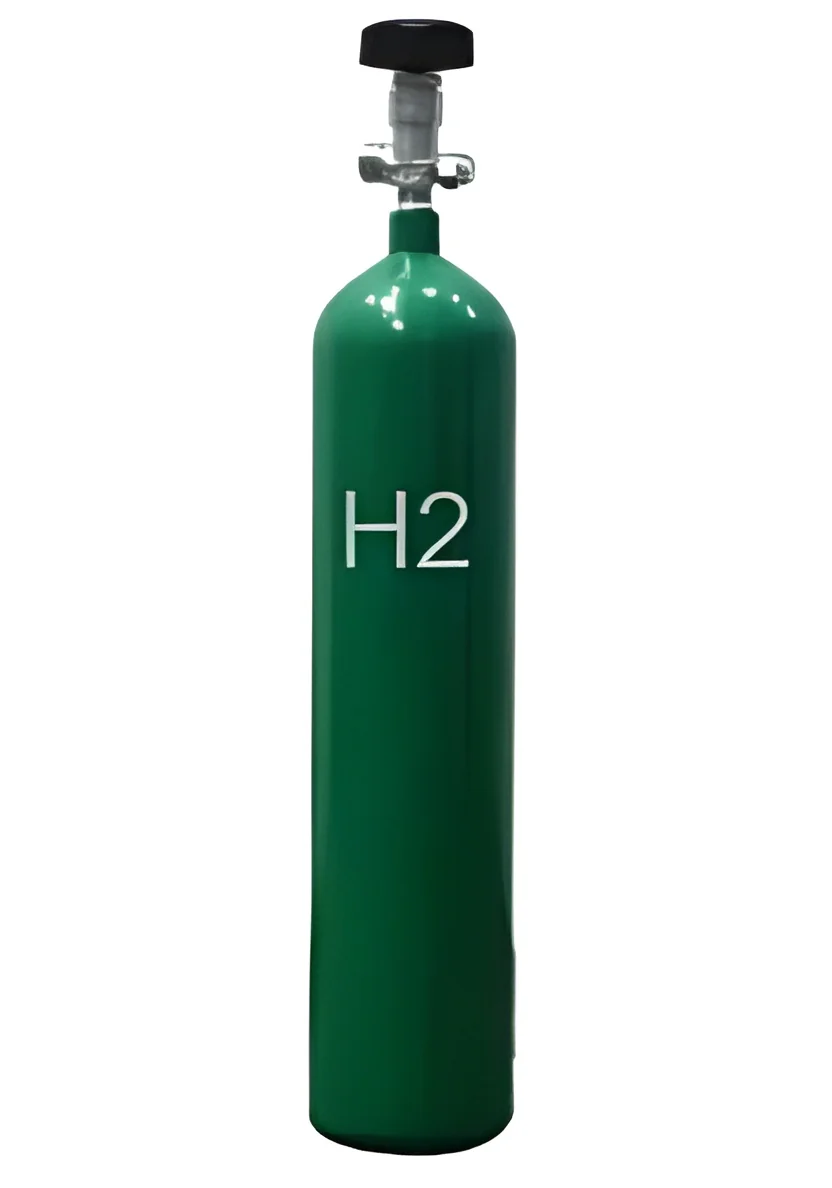
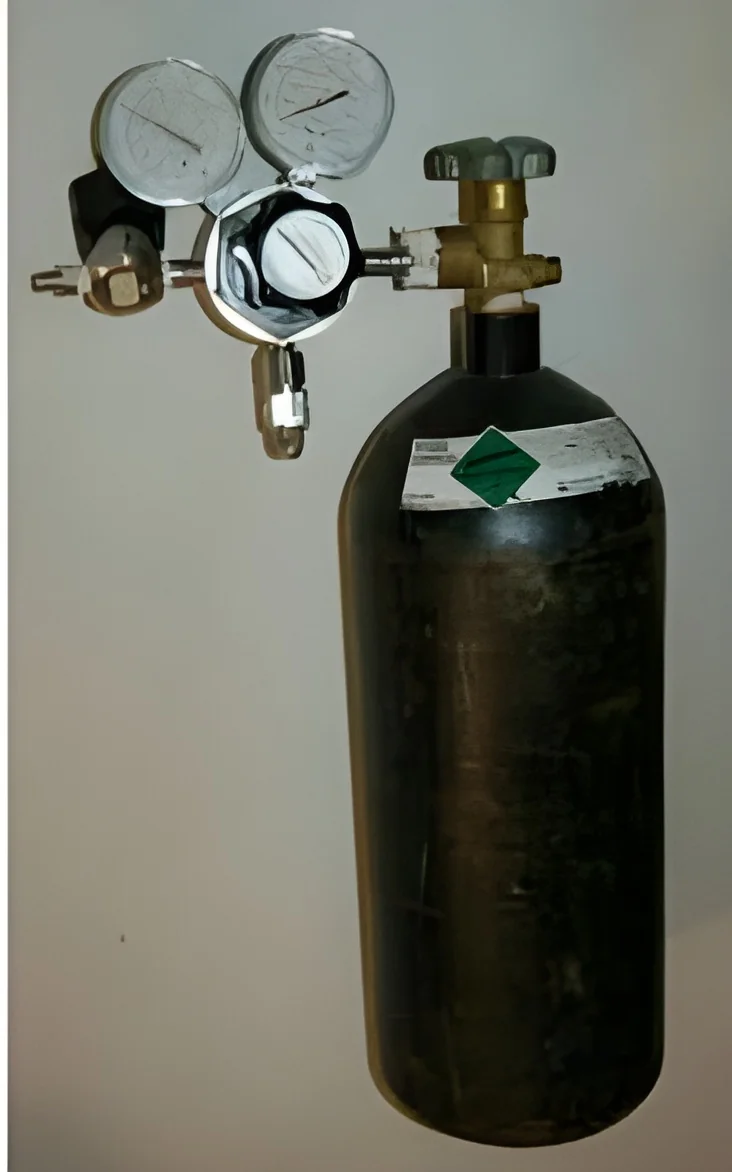
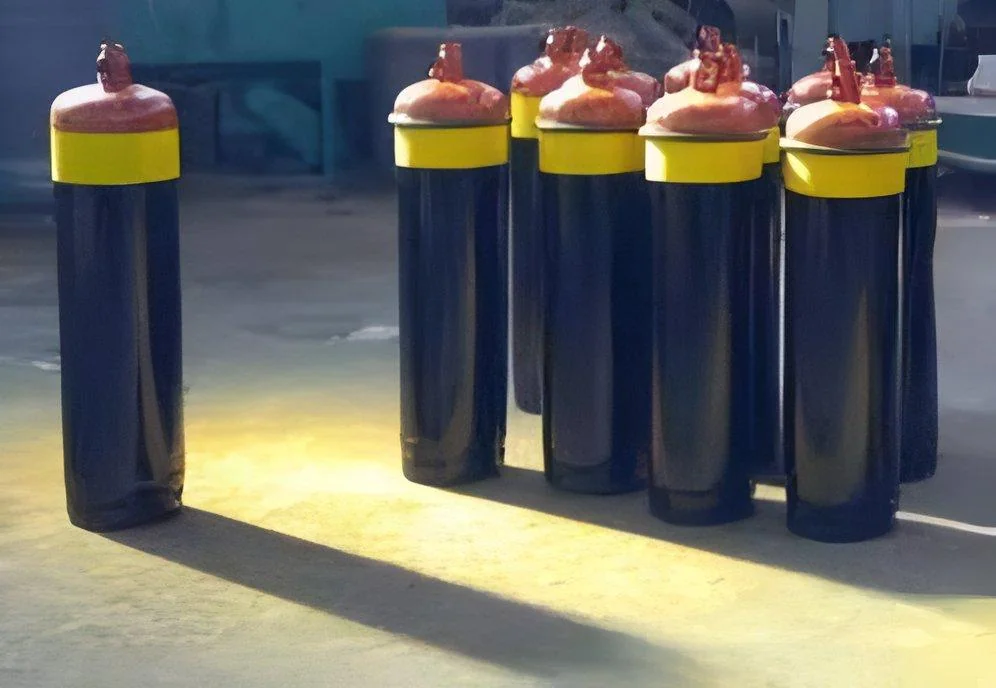
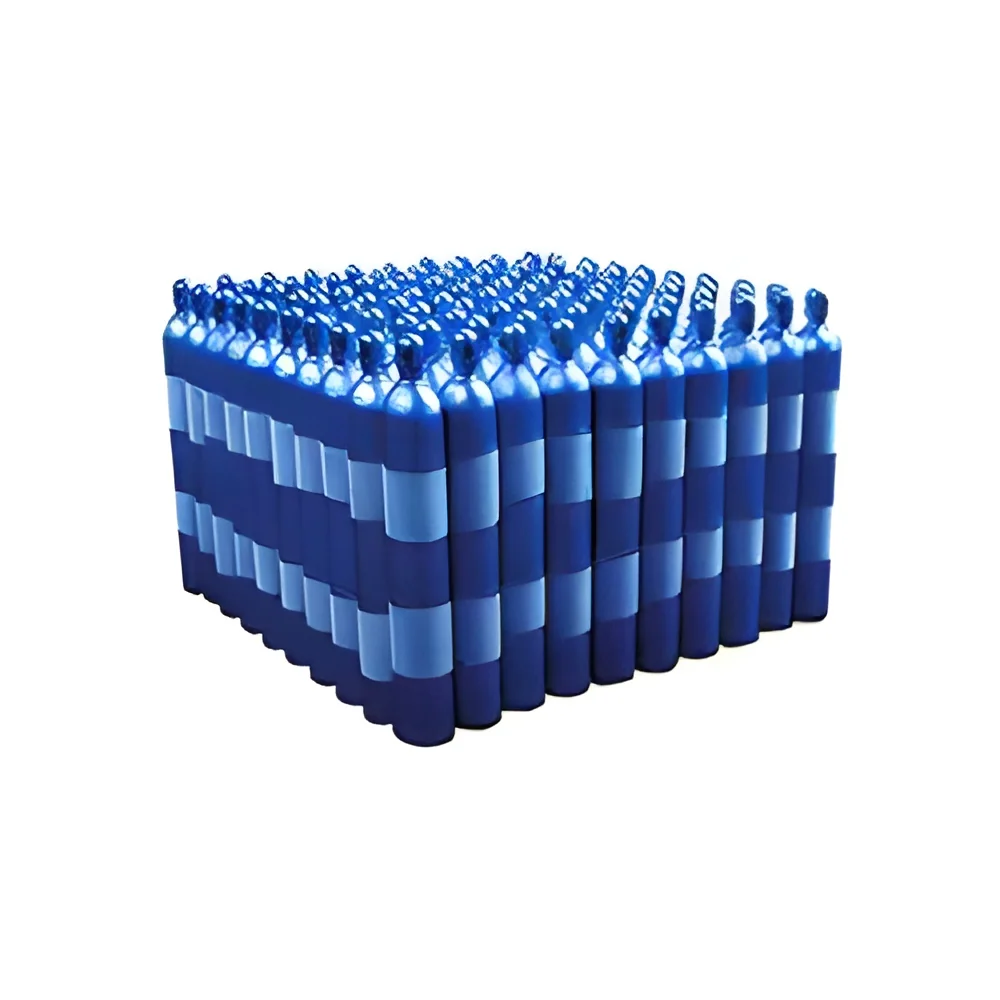
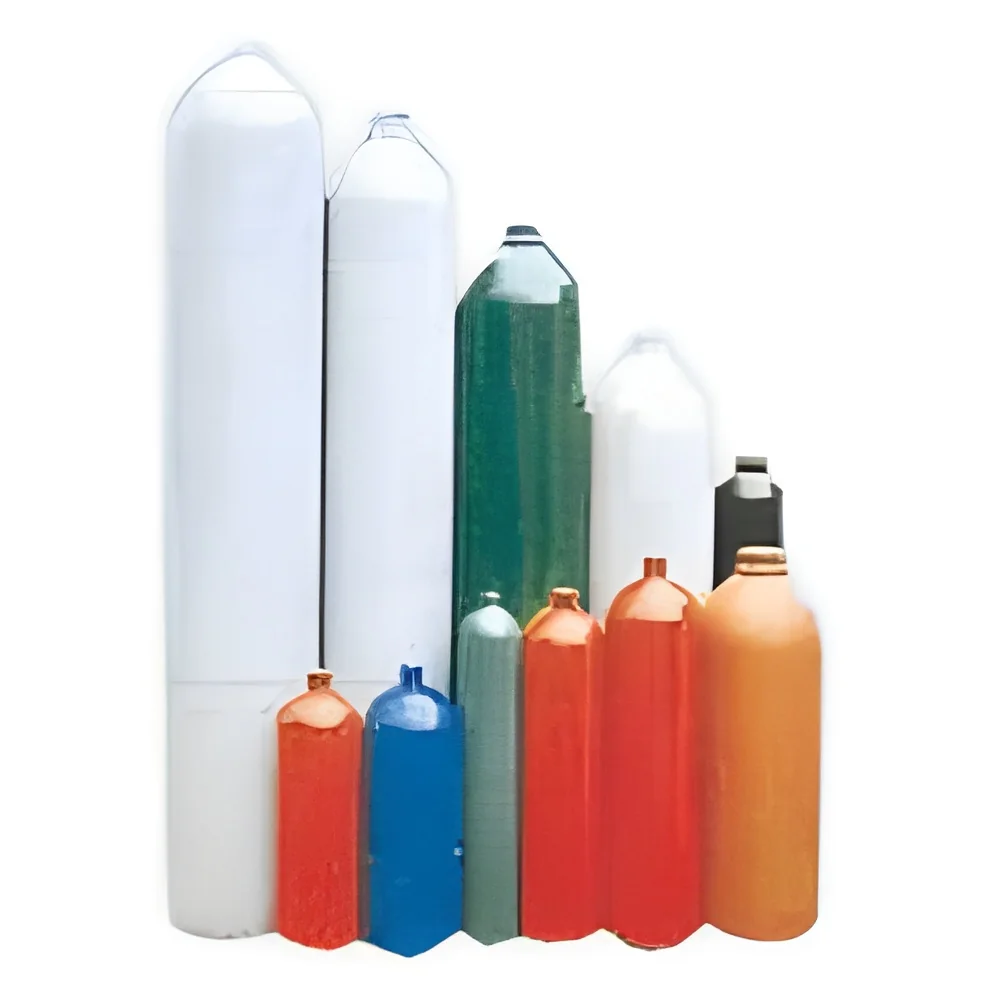
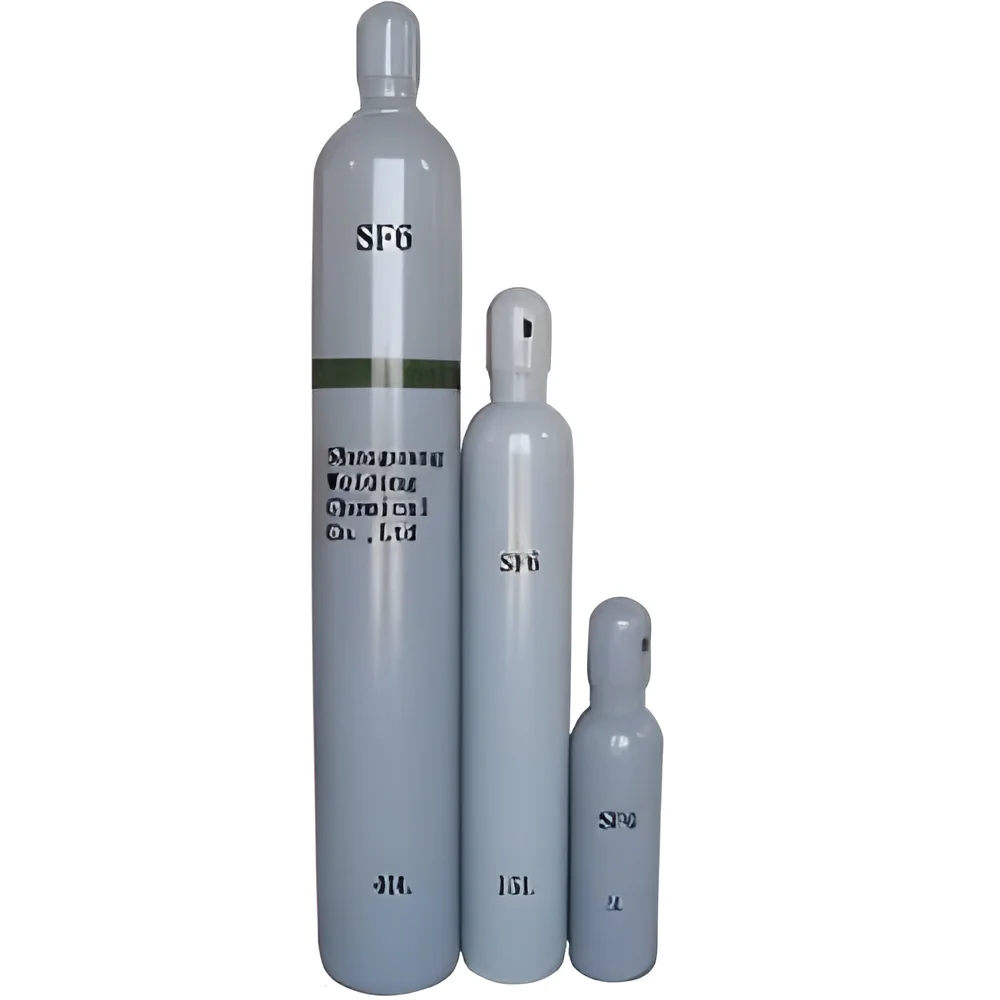
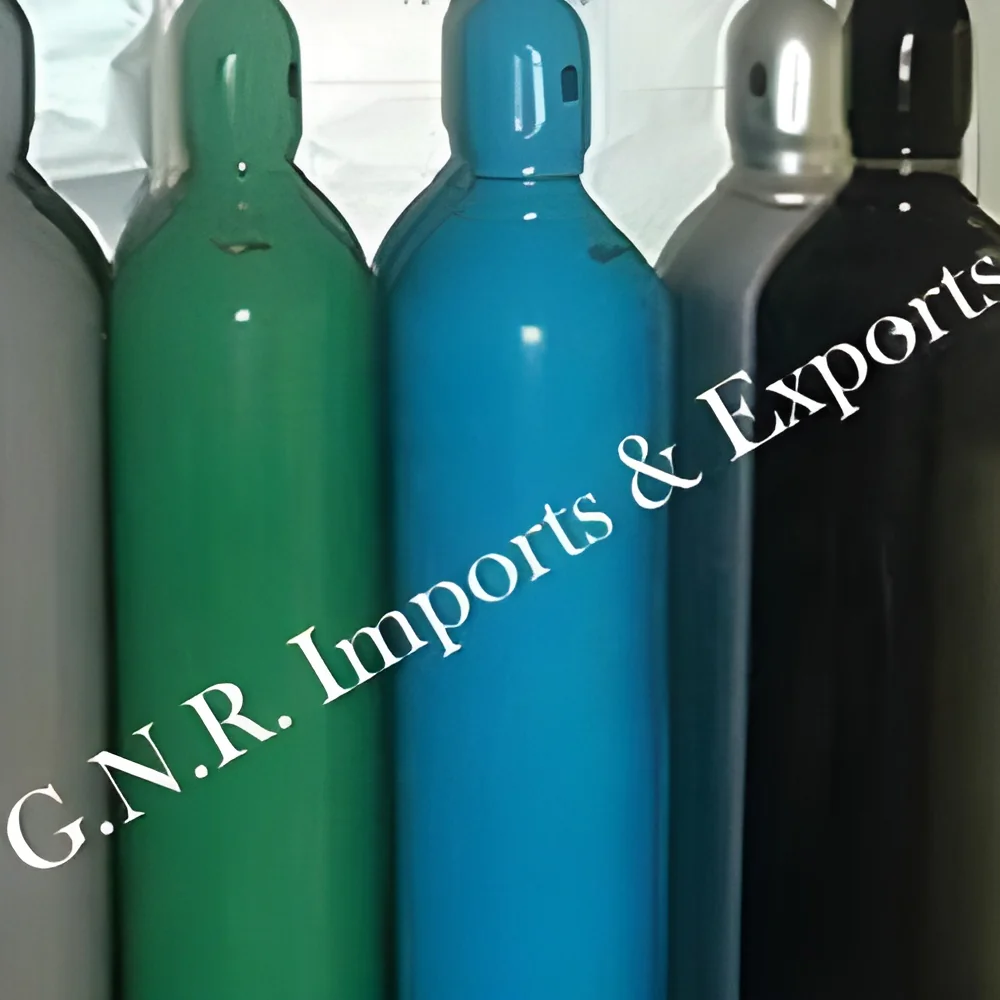
Chemical storage and handling equipment refers to specialized containers, systems, and tools designed to safely store and manage chemicals in various industrial settings. These products help prevent leaks, spills, and exposure to hazardous substances while ensuring compliance with safety regulations. The equipment can include tanks, drums, spill containment systems, and handling tools tailored for specific types of chemicals.
These products are essential for businesses in sectors such as manufacturing, pharmaceuticals, agriculture, and food processing. They are used to store raw materials, intermediate products, and finished goods that involve chemicals. Proper storage and handling are crucial for minimizing risks associated with chemical exposure, maintaining product quality, and ensuring a safe working environment.
The relevance of chemical storage and handling equipment has grown significantly due to stringent regulations and increasing awareness of workplace safety. Industries are mandated to follow specific guidelines to protect workers and the environment, making these products indispensable.
𝗞𝗲𝘆 𝗙𝗲𝗮𝘁𝘂𝗿𝗲𝘀 𝗮𝗻𝗱 𝗦𝗽𝗲𝗰𝗶𝗳𝗶𝗰𝗮𝘁𝗶𝗼𝗻𝘀
Chemical storage and handling equipment come with various features designed to enhance safety, efficiency, and compliance. Understanding these specifications is essential for selecting the right equipment.
Key specifications include:
1. Material Composition
- Typically made from corrosion-resistant materials such as polyethylene or stainless steel.
- Ensures durability and longevity in harsh chemical environments.
2. Capacity
- Available in various sizes, from small drums to large tanks.
- Capacity ranges can vary widely depending on the type of equipment.
3. Temperature Range
- Designed to withstand a wide range of temperatures.
- Ideal temperature specifications vary by specific equipment type.
4. Safety Features
- May include pressure relief valves, emergency shut-offs, and spill containment.
- Enhances safety during the storage and handling of hazardous materials.
5. Compliance Standards
- Must meet industry-specific regulations and standards.
- Examples include CE certifications for safety and quality assurance.
6. Monitoring Capabilities
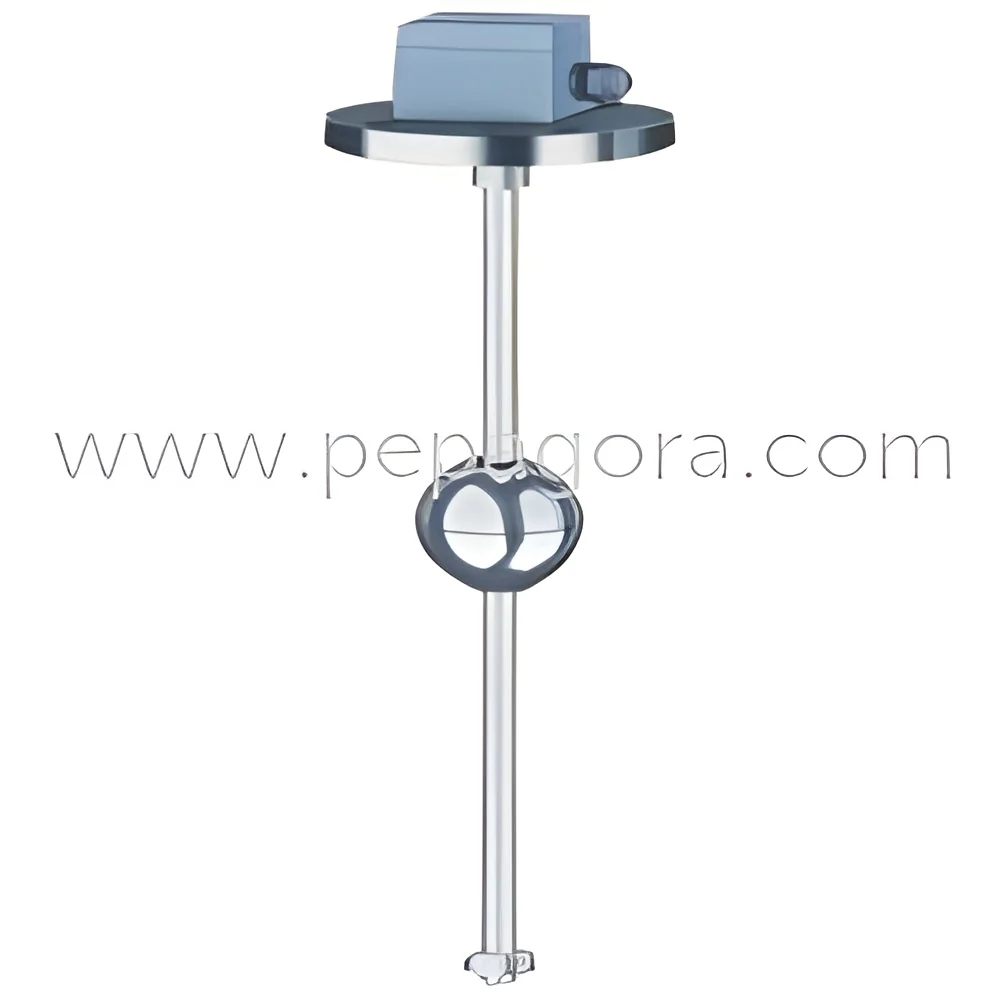
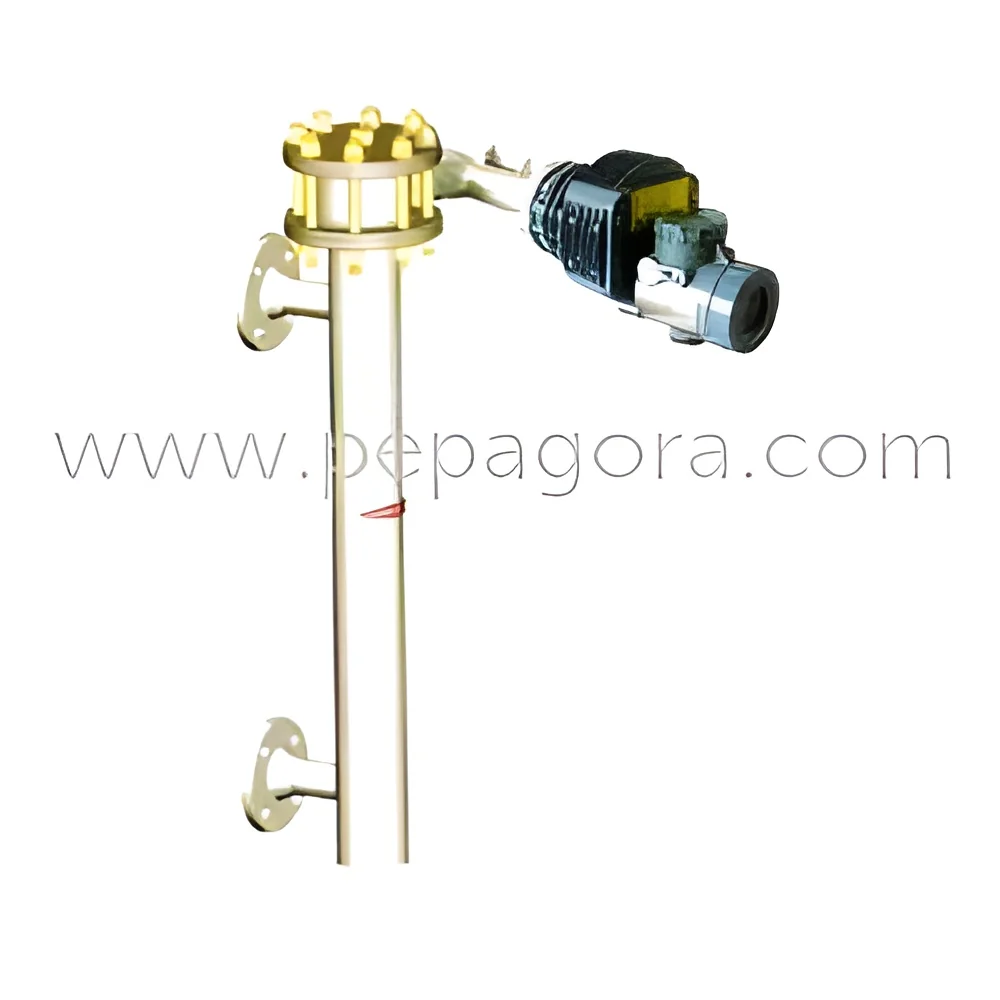
- Some units can integrate with monitoring systems for temperature and pressure.
- Helps prevent incidents by providing real-time data.
7. Mobility
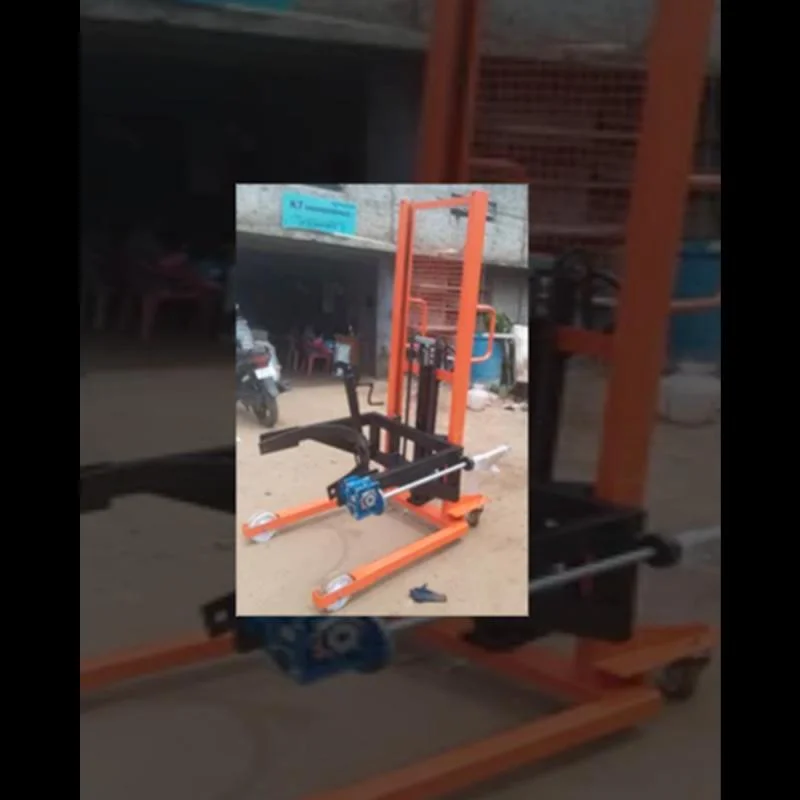
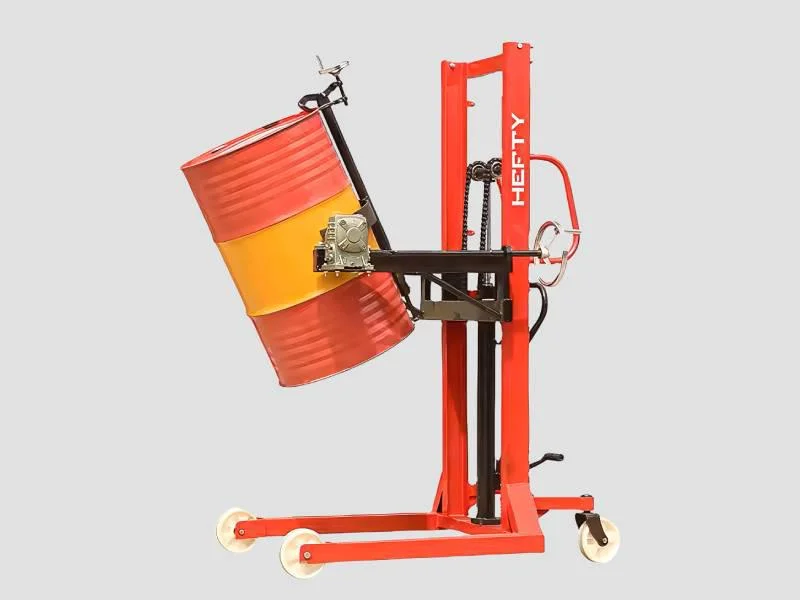
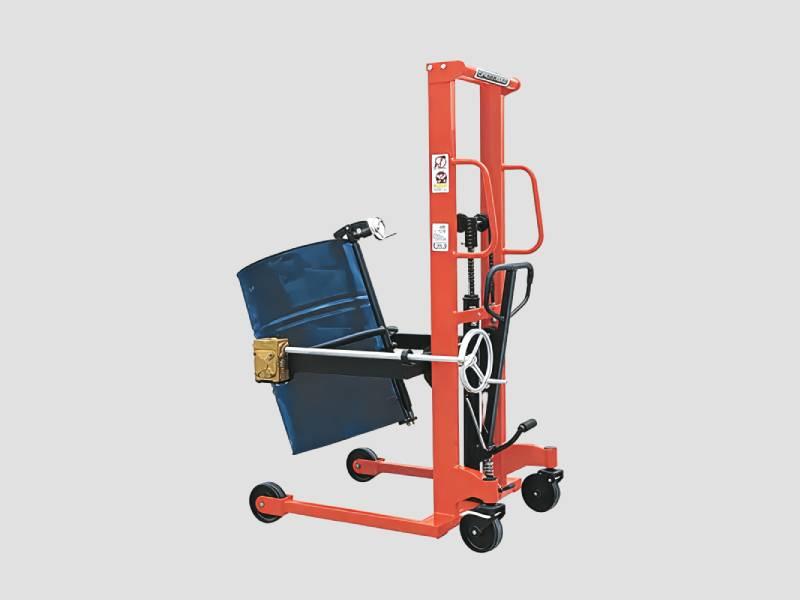
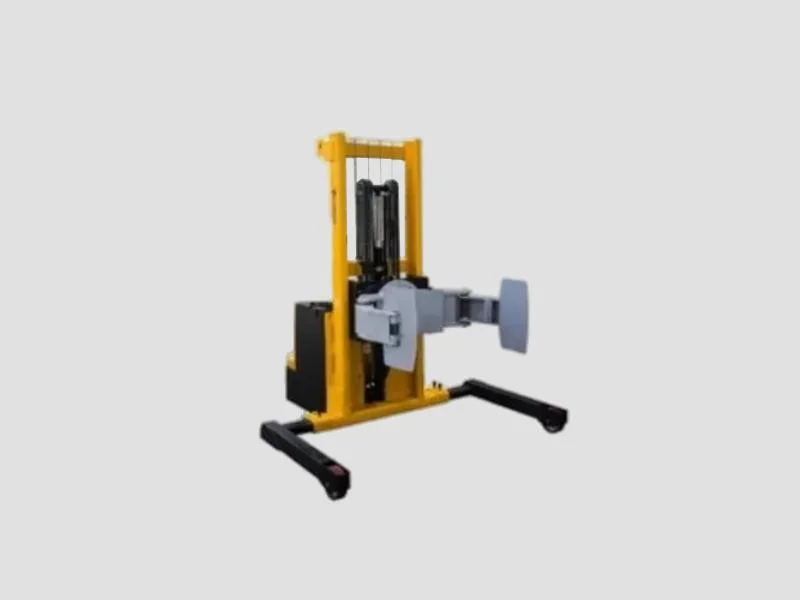
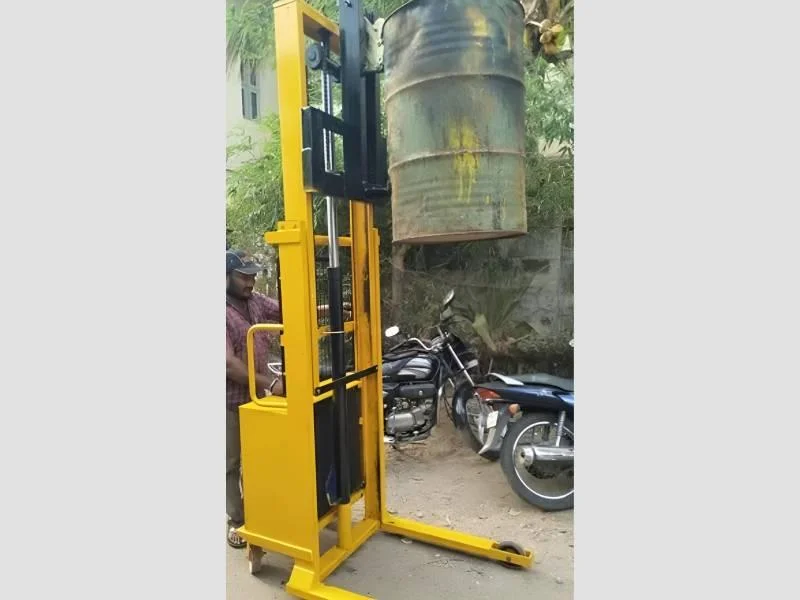
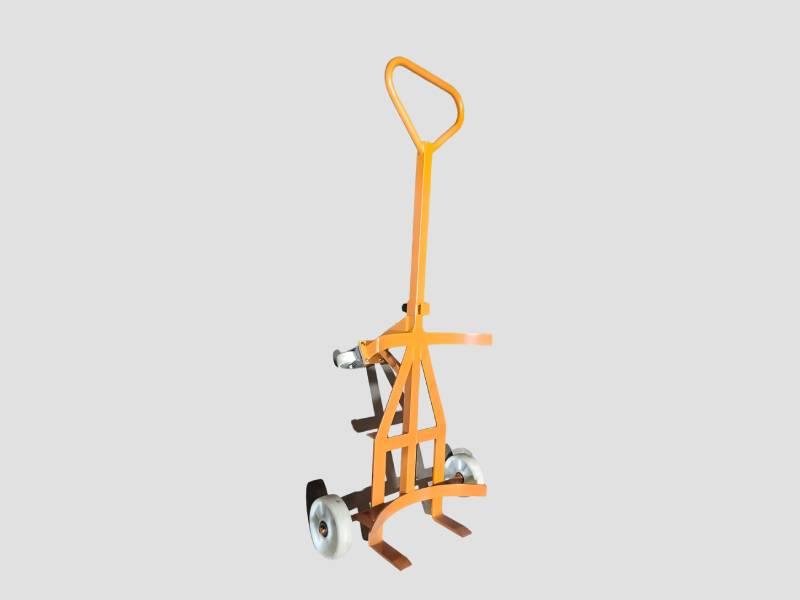
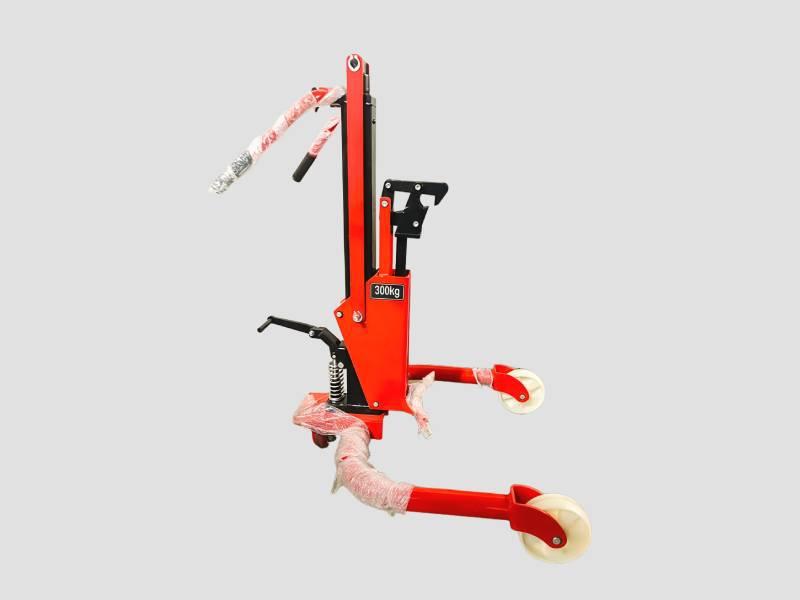
- Equipment may be equipped with wheels or hoists for easy transport.
- Increases efficiency in chemical handling processes.
In summary, selecting equipment that meets these specifications is crucial for ensuring safety and regulatory compliance.
𝗖𝗼𝗺𝗺𝗼𝗻 𝗔𝗽𝗽𝗹𝗶𝗰𝗮𝘁𝗶𝗼𝗻𝘀 𝗮𝗻𝗱 𝗨𝘀𝗲 𝗖𝗮𝘀𝗲𝘀
Chemical storage and handling equipment is utilized across numerous industries, each with specific applications.
1. Manufacturing: Used to store raw materials and chemicals necessary for production processes, ensuring they are kept in optimal conditions to maintain quality.
2. Pharmaceuticals: Critical for storing active pharmaceutical ingredients and intermediates, adhering to stringent safety and compliance standards.
3. Agriculture: Utilized for storing fertilizers and pesticides safely, preventing contamination and ensuring effective application.
4. Food Processing: Important for storing food additives and cleaning agents, maintaining product safety and quality.
5. Oil and Gas: Essential for safely handling and storing chemicals used in drilling and refining processes, reducing the risk of spills and leaks.
6. Water Treatment: Employed for storing chemicals used in water purification processes, ensuring safe handling and application.
7. Paint and Coatings: Used for storing solvents and chemicals necessary for paint formulations, protecting them from environmental factors.
𝗣𝗿𝗼𝗱𝘂𝗰𝘁 𝗩𝗮𝗿𝗶𝗮𝗻𝘁𝘀 𝗮𝗻𝗱 𝗦𝘂𝗯𝗰𝗮𝘁𝗲𝗴𝗼𝗿𝗶𝗲𝘀
Chemical storage and handling equipment encompasses a variety of product types to meet different needs in various sectors.
Tanks
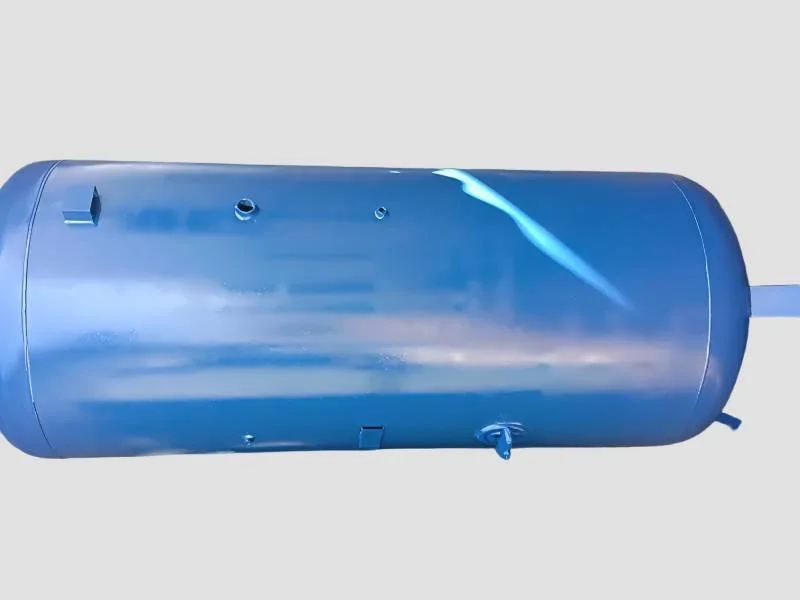
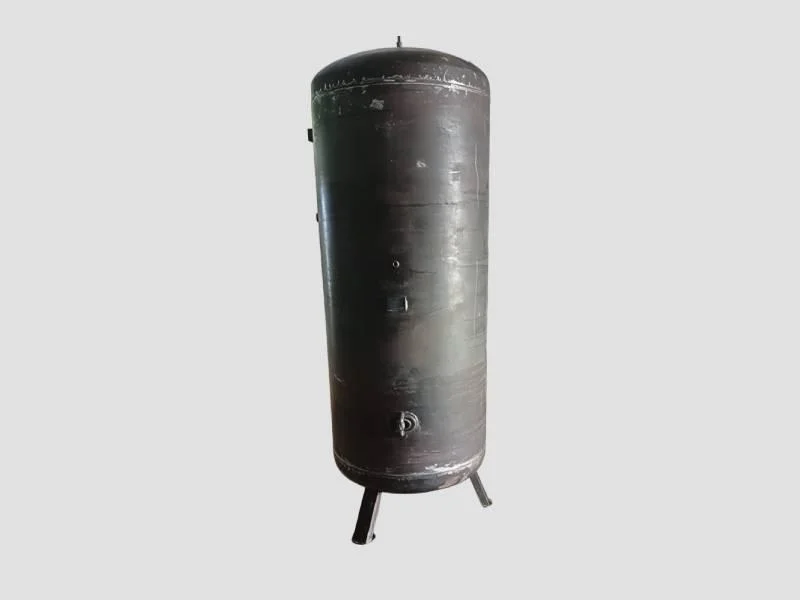
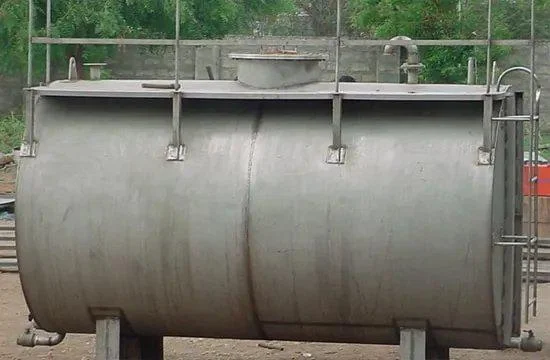
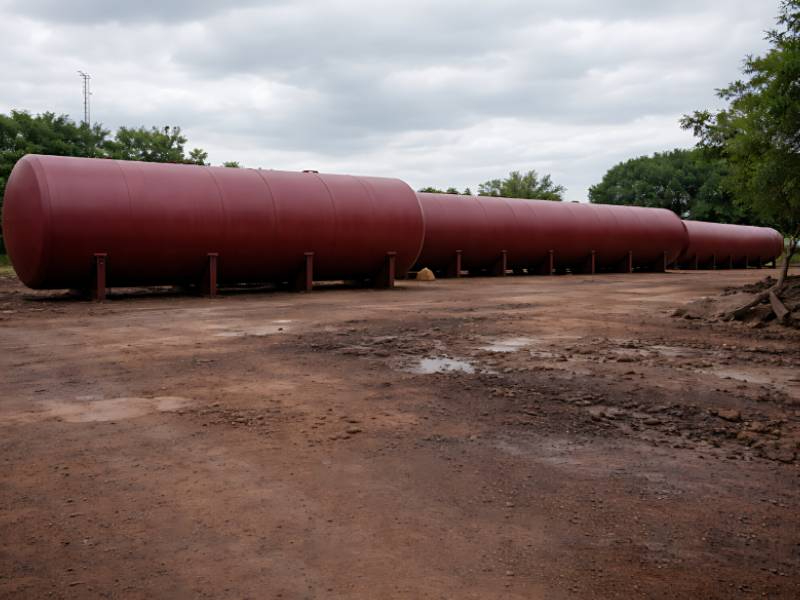
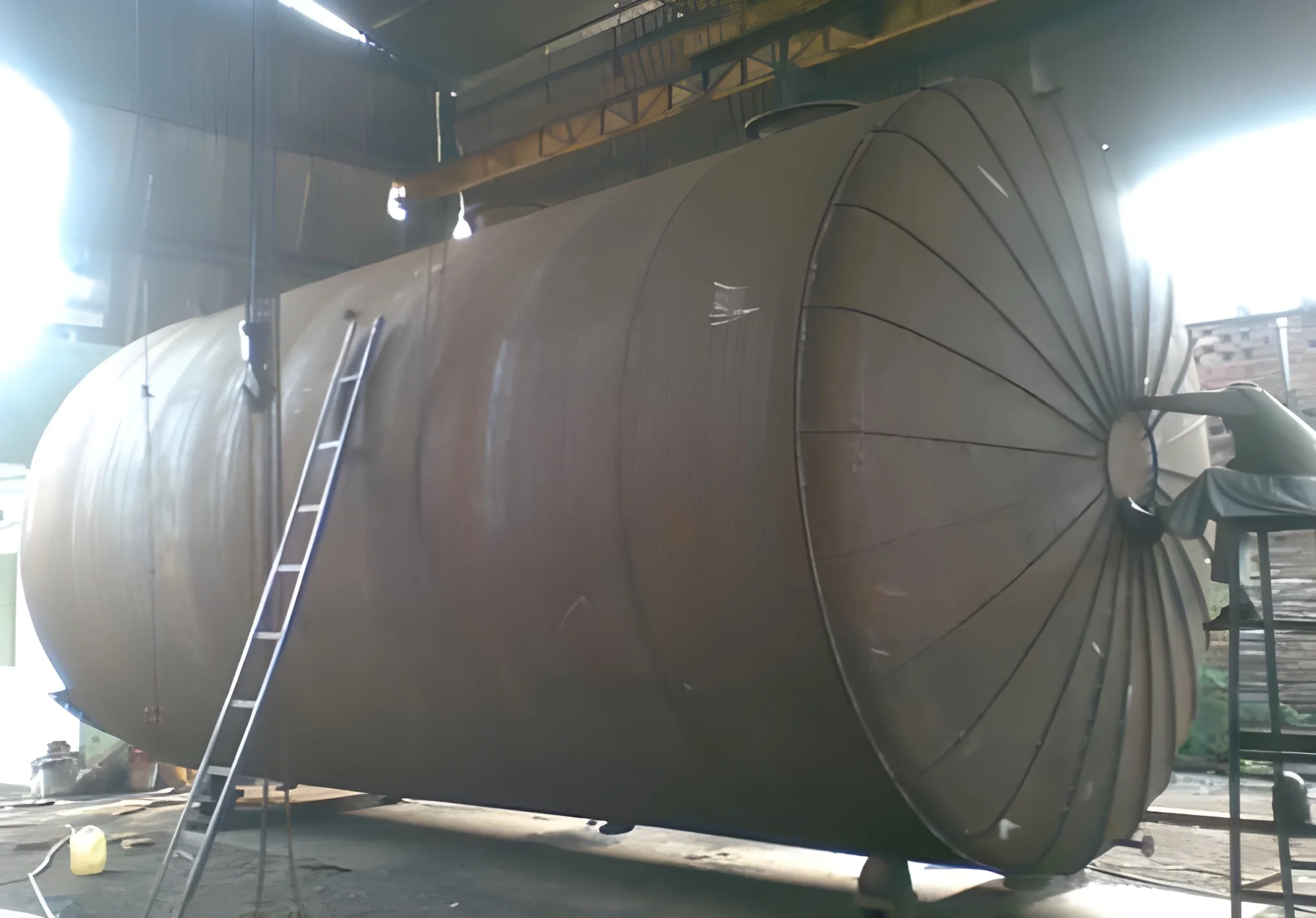
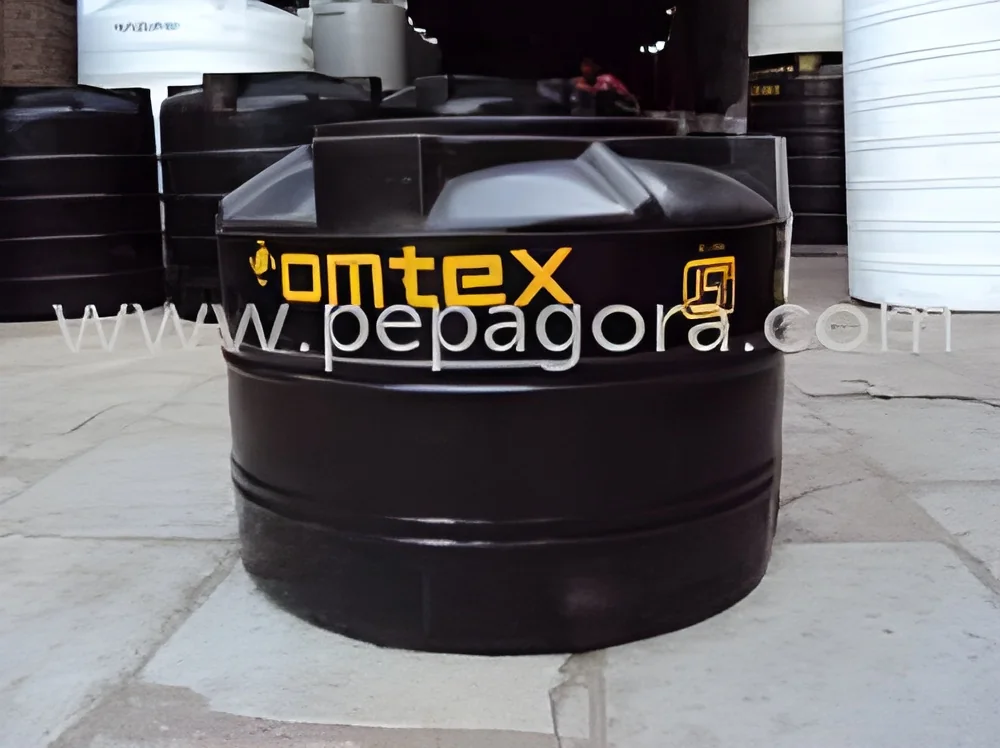
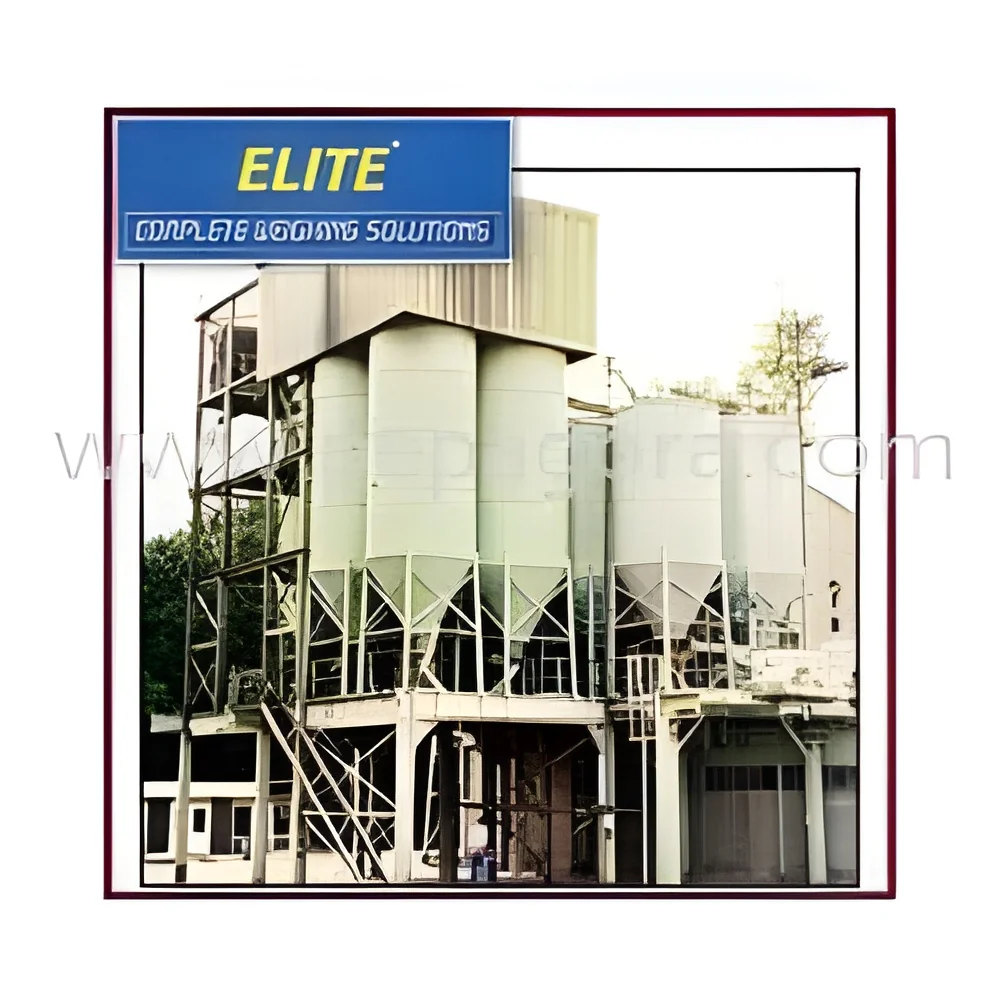
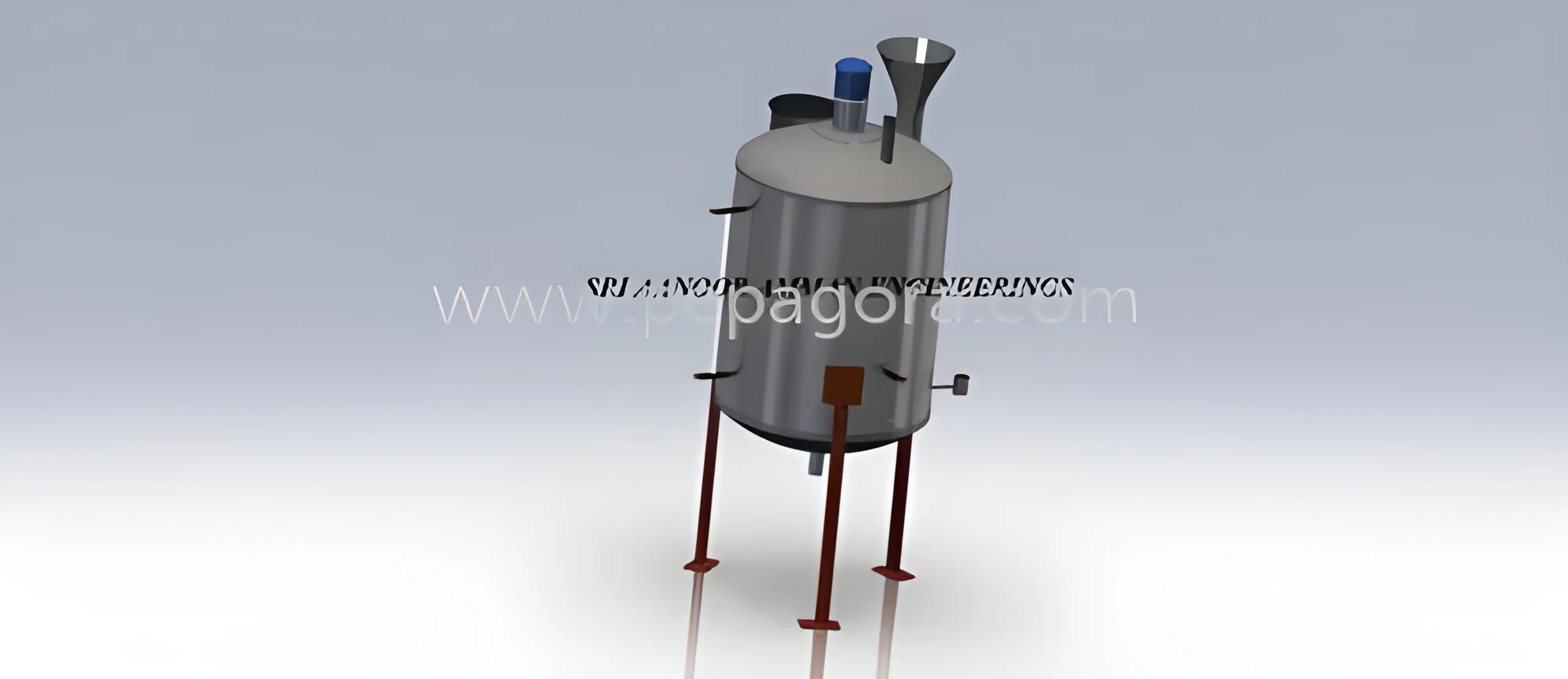
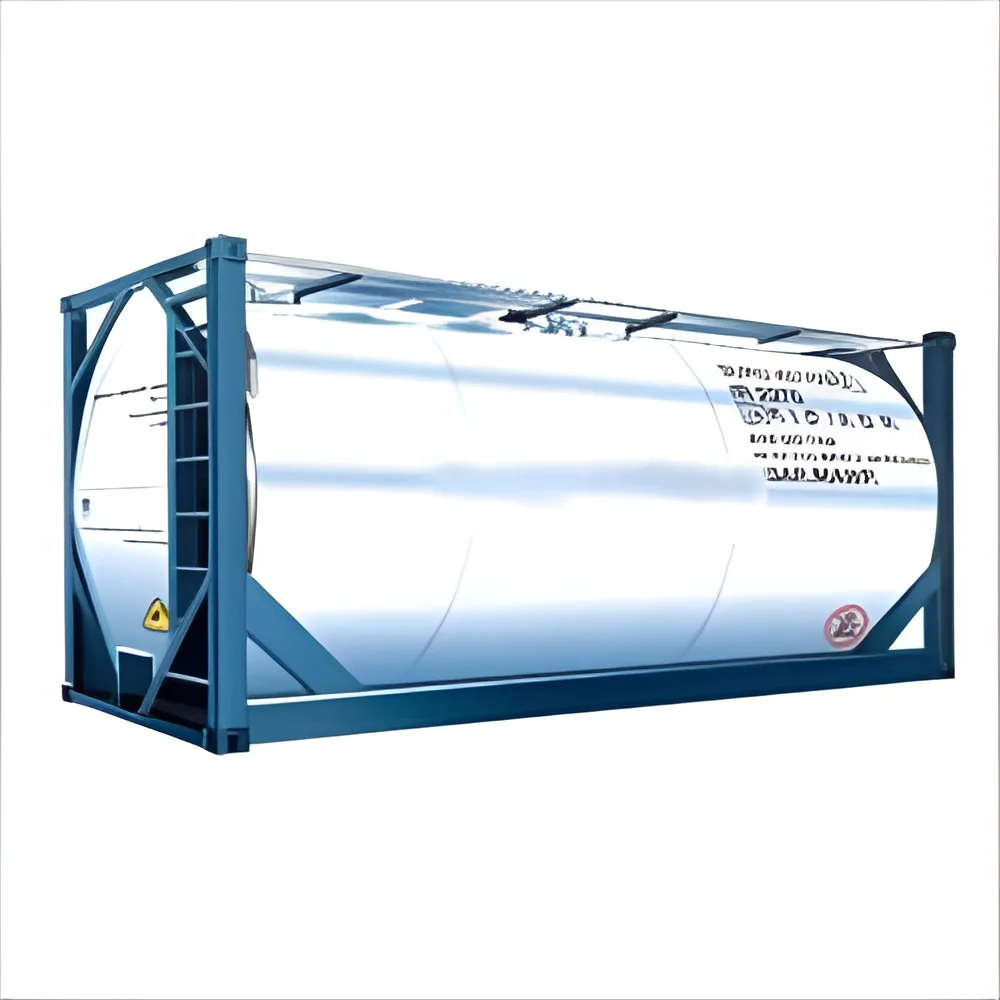
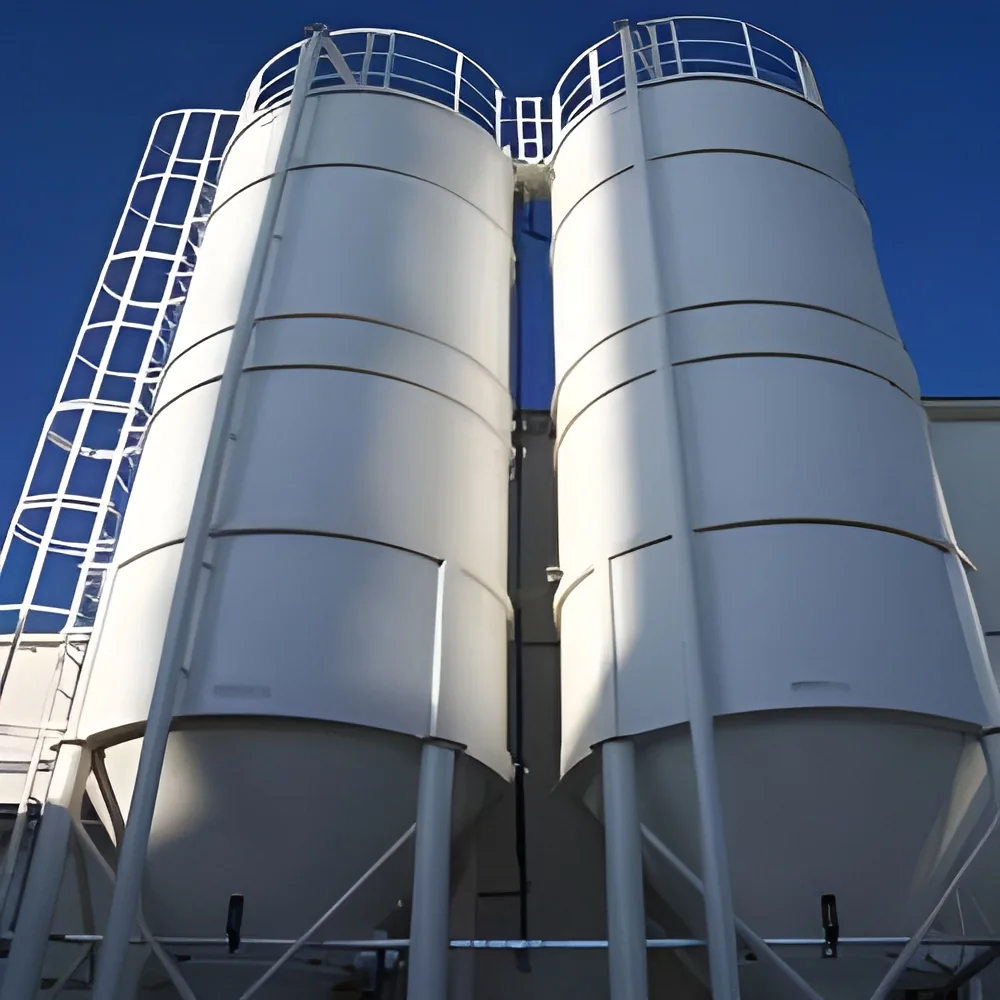
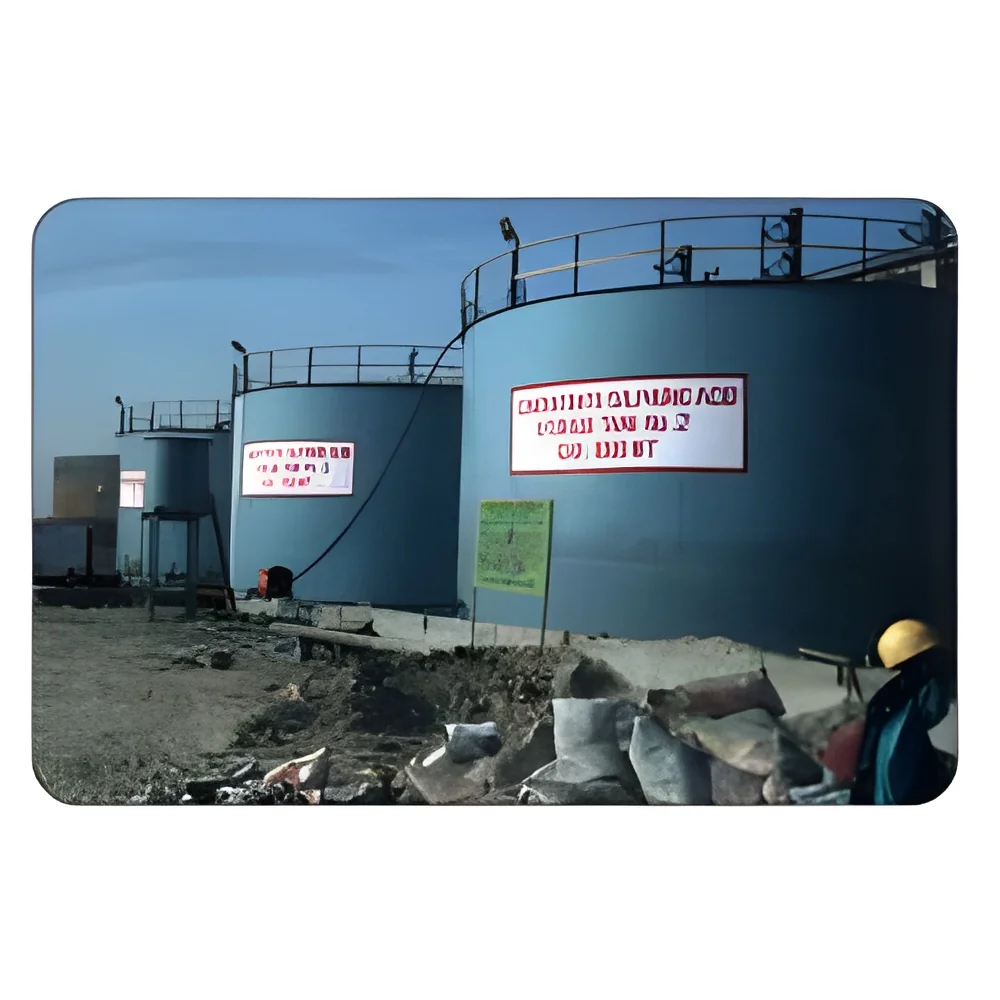
These are large containers designed for bulk storage of liquids. They may be above-ground or underground and are built to handle specific chemical properties.
Drums
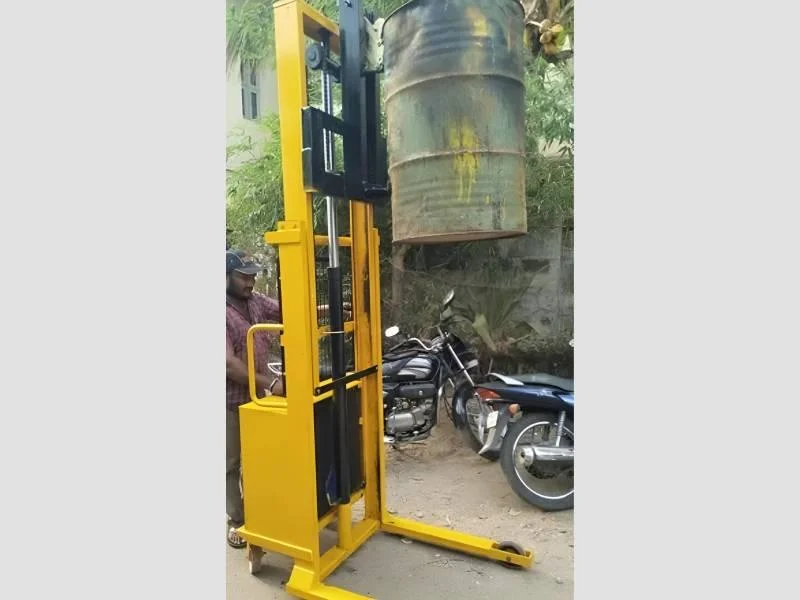
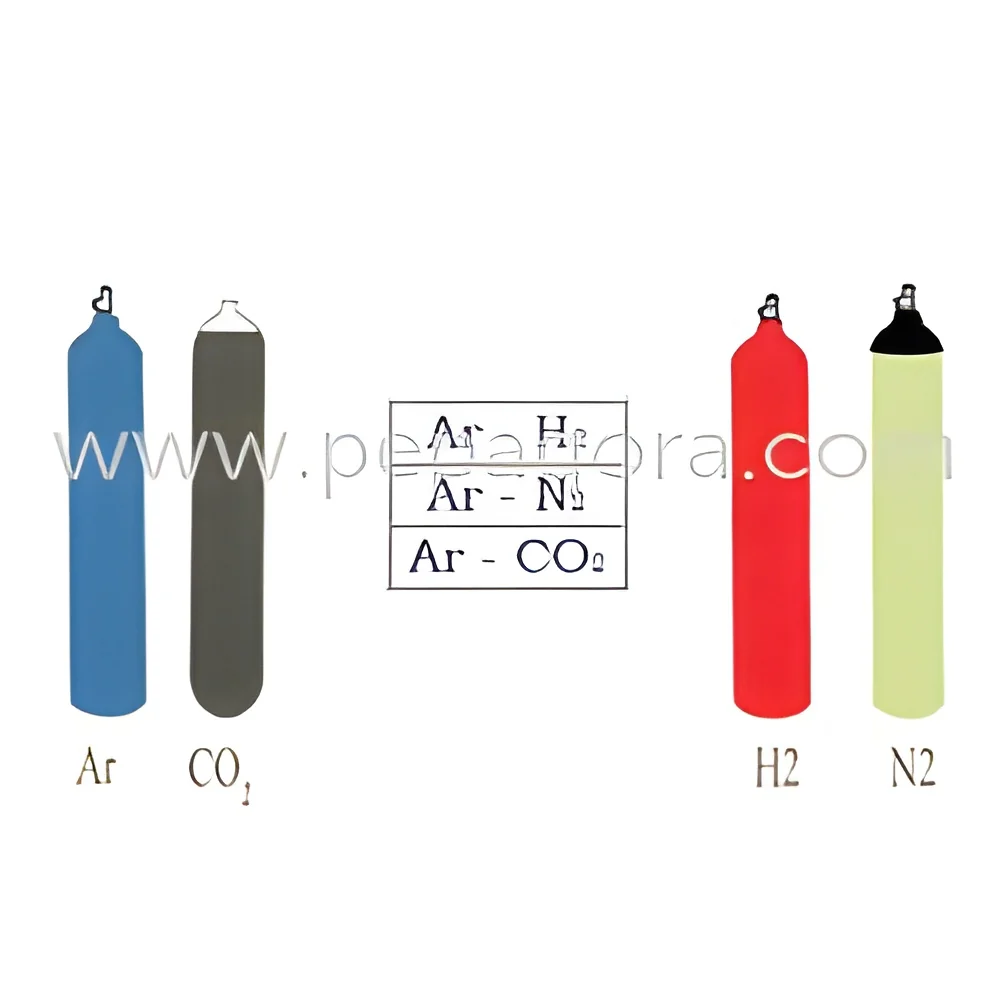
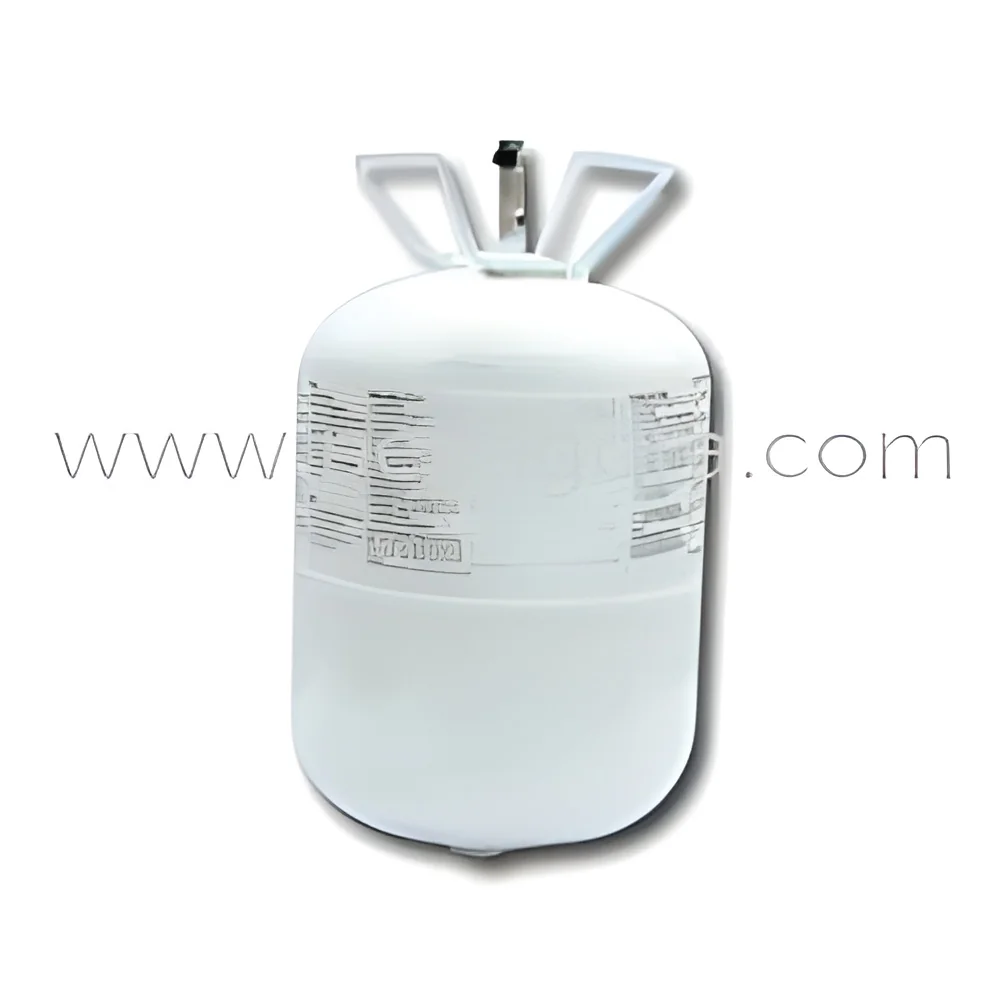
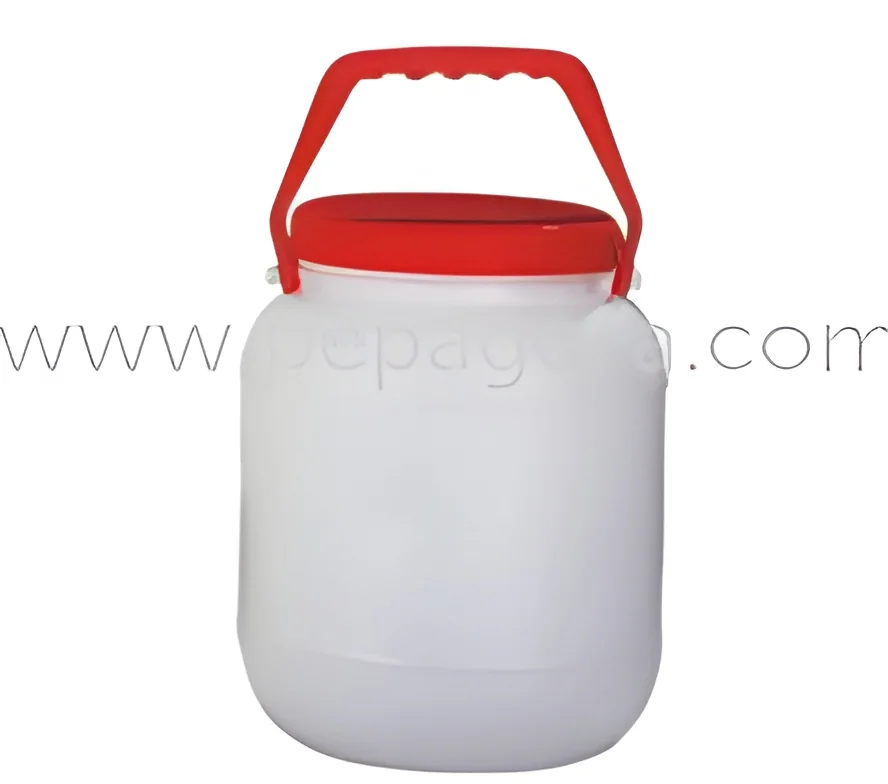
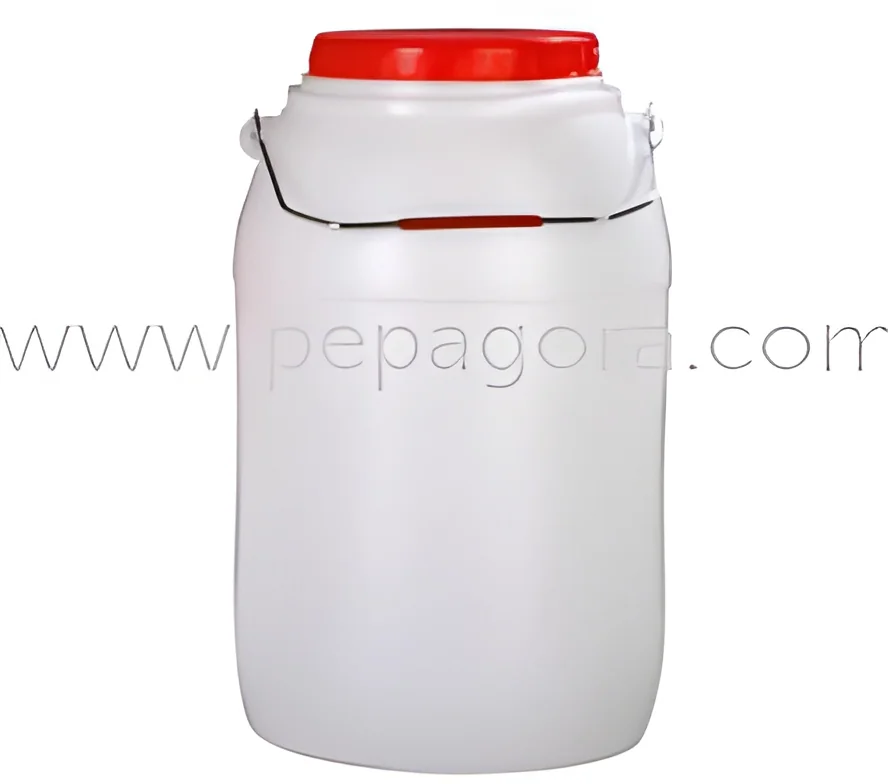
Typically cylindrical containers used for storing smaller quantities of chemicals. They can be made from various materials and are often used for transport.
Spill Containment Systems
These include trays and barriers designed to capture spills and prevent contamination. They are essential for maintaining safety in environments where chemicals are handled frequently.
Safety Cabinets
Specialized cabinets designed to store hazardous materials safely. They are built to resist fire and contain spills, ensuring compliance with safety regulations.
𝗕𝗲𝗻𝗲𝗳𝗶𝘁𝘀 𝗮𝗻𝗱 𝗔𝗱𝘃𝗮𝗻𝘁𝗮𝗴𝗲𝘀
Investing in chemical storage and handling equipment provides numerous advantages for businesses.
1. Enhanced Safety: Equipment is designed with safety features that minimize the risk of spills and exposure, protecting workers and the environment.
2. Regulatory Compliance: Helps businesses meet stringent regulatory requirements, avoiding fines and legal issues associated with improper handling.
3. Improved Efficiency: Streamlined storage and handling processes allow for quicker access to chemicals, improving overall productivity.
4. Cost Savings: Reduces potential losses from spills, leaks, and regulatory fines, contributing to overall cost efficiency.
5. Environmental Protection: Proper storage minimizes the risk of environmental contamination, promoting sustainability and corporate responsibility.
6. Quality Assurance: Maintaining optimal conditions for chemical storage ensures product quality and safety, leading to better end products.
𝗕𝘂𝘆𝗶𝗻𝗴 𝗚𝘂𝗶𝗱𝗲 𝗳𝗼𝗿 𝗕𝟮𝗕 𝗕𝘂𝘆𝗲𝗿𝘀
When sourcing chemical storage and handling equipment, buyers should consider several key factors to ensure the right fit for their needs.
1. Quality Assessment: Evaluate the materials and construction of equipment to ensure it meets industry standards. Look for certifications that validate quality claims.
2. Supplier Verification: Vet suppliers by checking references, certifications, and their track record in the industry. This helps ensure reliability and quality in sourcing.
3. Pricing and MOQ: Understand the cost implications and minimum order quantities. This will help in budgeting and planning for future needs.
4. Delivery and Lead Times: Confirm logistics and expected delivery times to avoid disruptions in operations. Timely delivery is crucial in maintaining supply chain continuity.
5. Compliance Requirements: Ensure that the equipment meets all relevant regulations and safety standards. This is critical for avoiding legal issues and ensuring safety.
𝗖𝗼𝗺𝗽𝗹𝗶𝗮𝗻𝗰𝗲 𝗮𝗻𝗱 𝗖𝗲𝗿𝘁𝗶𝗳𝗶𝗰𝗮𝘁𝗶𝗼𝗻𝘀
Chemical storage and handling equipment must adhere to various compliance standards to ensure safety and reliability.
Relevant quality standards such as ISO 9001 and HACCP play crucial roles in ensuring that equipment meets safety and quality criteria. These standards focus on process quality and hazard analysis, respectively, ensuring that the equipment is manufactured and maintained to high standards.
Industry certifications, including the CE mark, indicate compliance with European safety standards. This certification ensures that the equipment has been tested and meets the necessary safety requirements for use in various environments.
Safety and testing requirements are also critical, particularly for equipment used to store hazardous materials. Equipment must undergo rigorous testing to ensure it can withstand extreme conditions and safely contain chemicals.
Regional compliance considerations may vary, with different countries having specific regulations governing chemical storage. Understanding these regulations is essential for ensuring that equipment is compliant in the intended market.
𝗪𝗵𝘆 𝗦𝗼𝘂𝗿𝗰𝗲 𝗖𝗵𝗲𝗺𝗶𝗰𝗮𝗹 𝗦𝘁𝗼𝗿𝗮𝗴𝗲 & 𝗛𝗮𝗻𝗱𝗹𝗶𝗻𝗴 𝗘𝗾𝘂𝗶𝗽𝗺𝗲𝗻𝘁 𝗳𝗿𝗼𝗺 𝗣𝗲𝗽𝗮𝗴𝗼𝗿𝗮?
Pepagora offers a trusted platform for sourcing chemical storage and handling equipment, providing several key advantages for B2B buyers.
Verified Supplier Network: Pepagora connects buyers with a network of verified suppliers, ensuring that all products meet high-quality standards and compliance requirements. This network helps reduce the risk associated with sourcing from unverified vendors.
Streamlined RFQ Process: The request for quotation process on Pepagora is designed to be straightforward and efficient. This allows buyers to quickly receive competitive pricing and product options tailored to their needs.
Trade Assurance and Support: Pepagora offers trade assurance to protect buyers throughout the purchasing process. This includes support for any issues that may arise, ensuring a smooth transaction.
Regional Coverage: With a strong presence in India, the GCC, and Southeast Asia, Pepagora provides extensive regional coverage. This geographic reach facilitates easier access to suppliers and products, making it simpler for businesses to find the right equipment for their needs.

 IN
IN