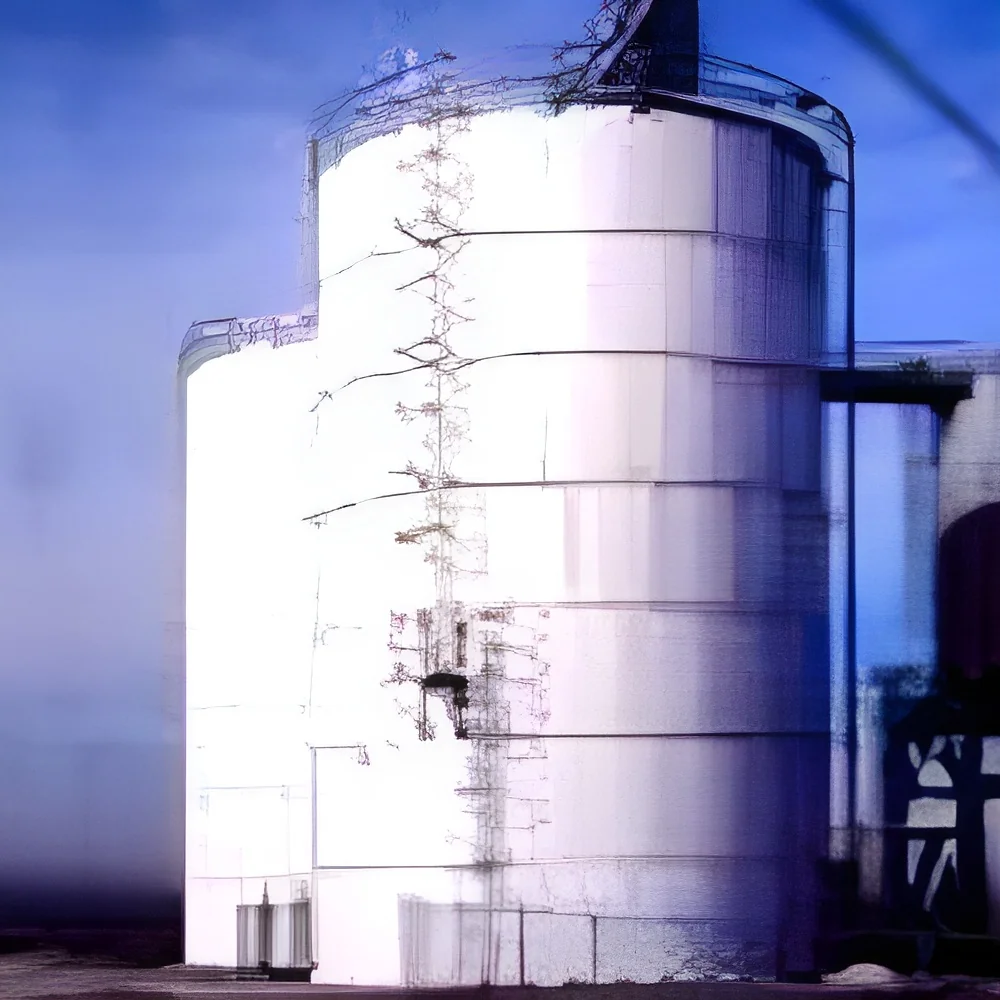
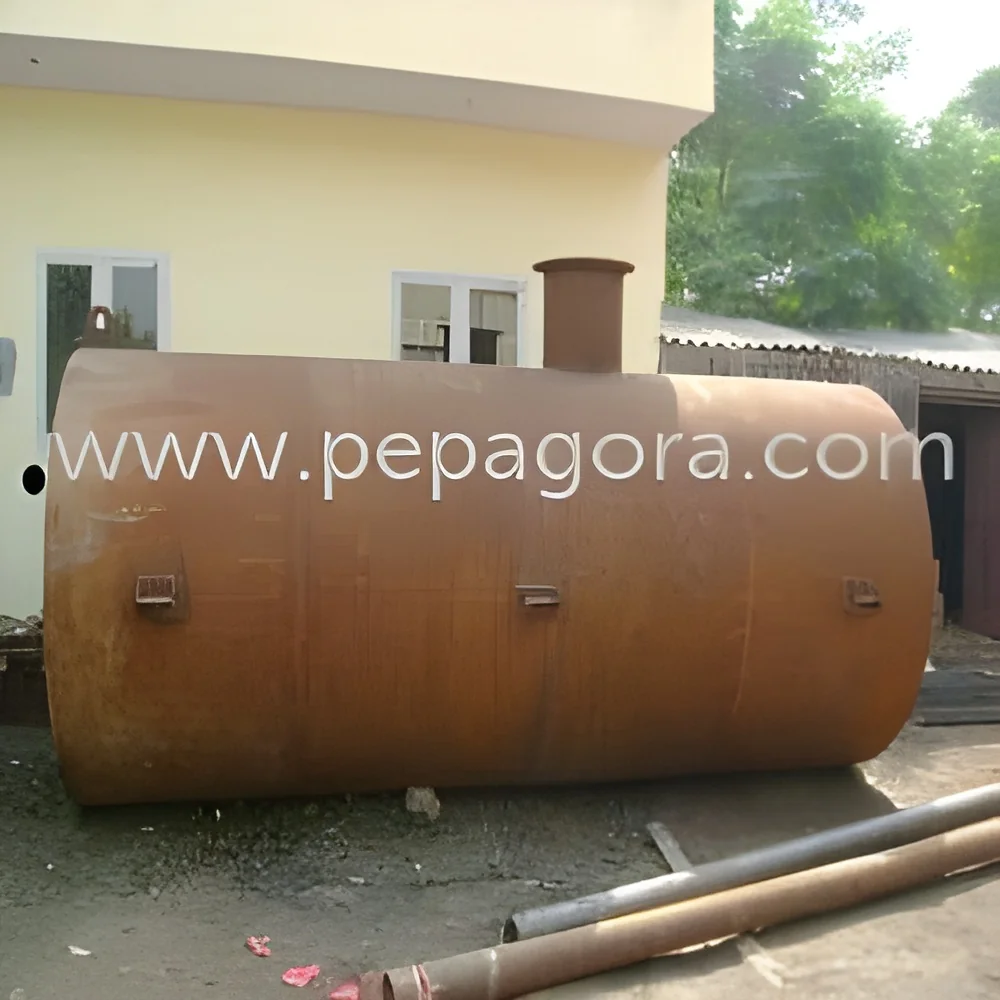
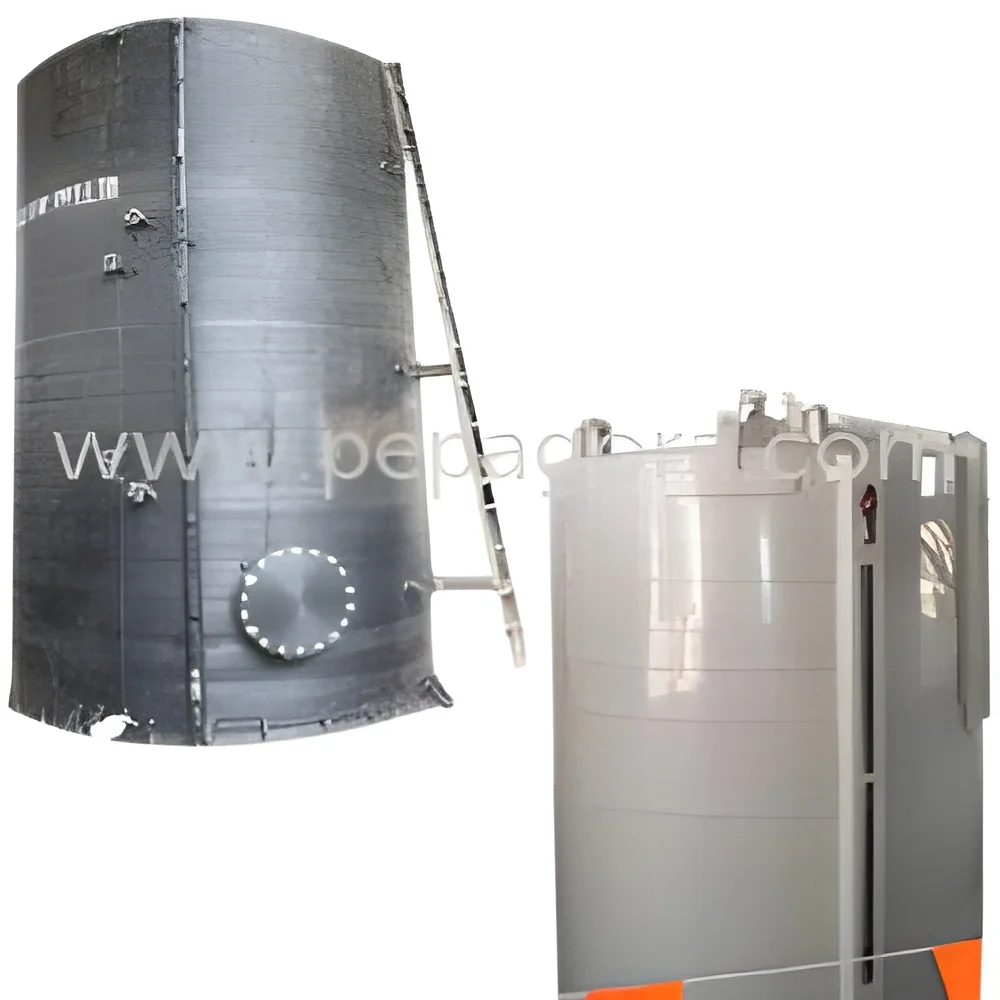
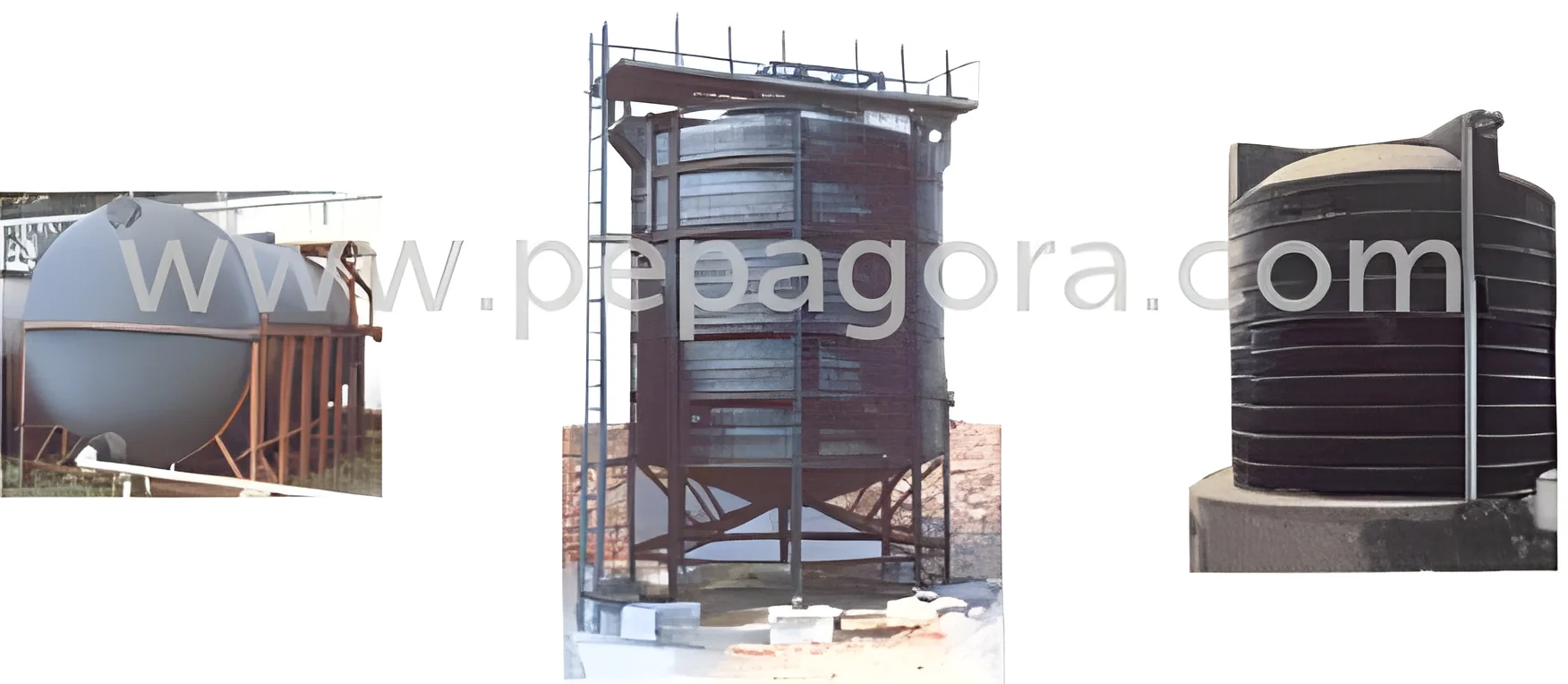
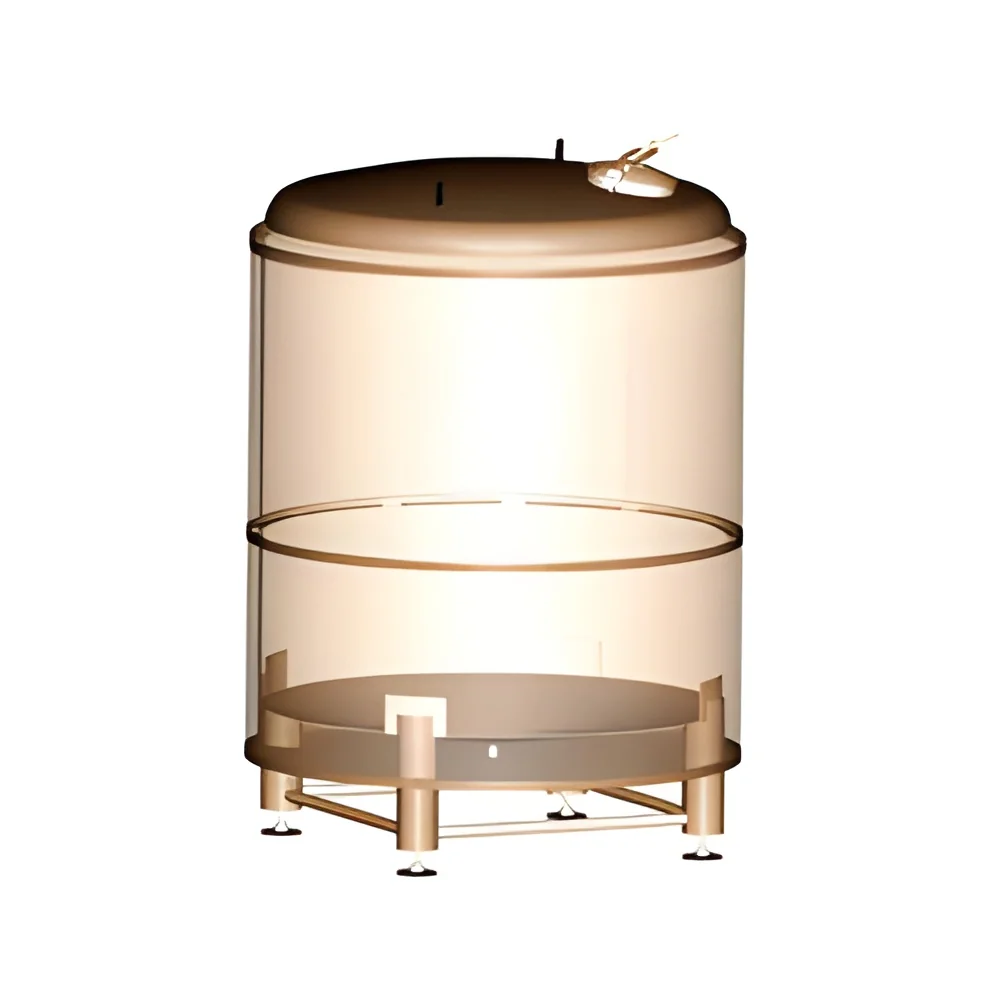
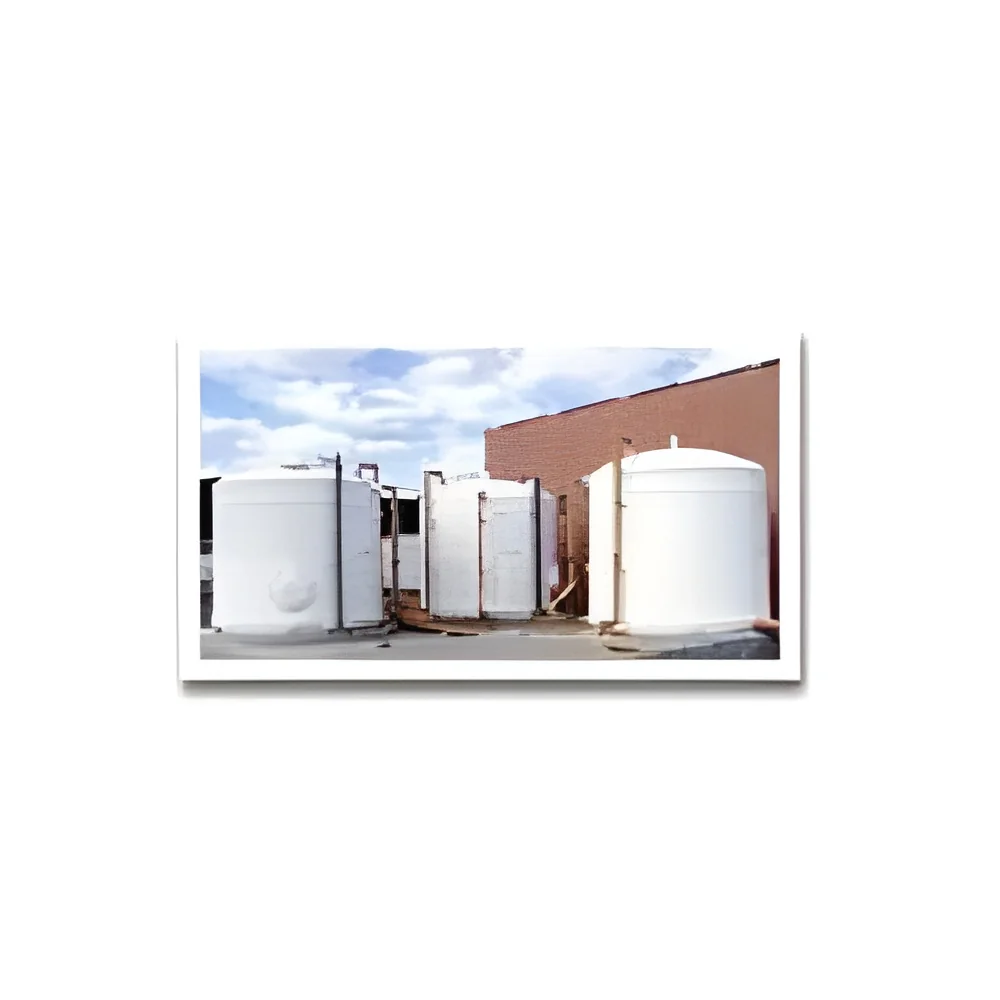
What are Chemical Storage Tanks (HDPE, FRP, SS)?
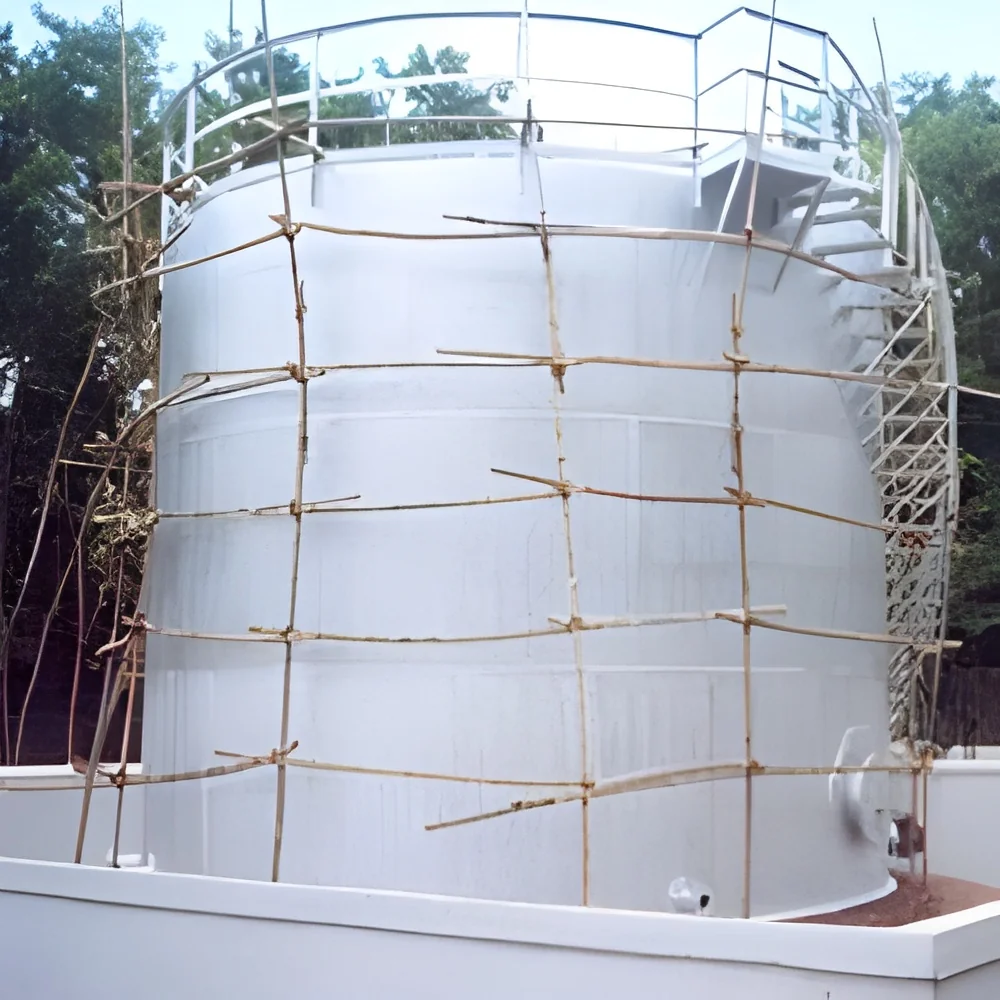
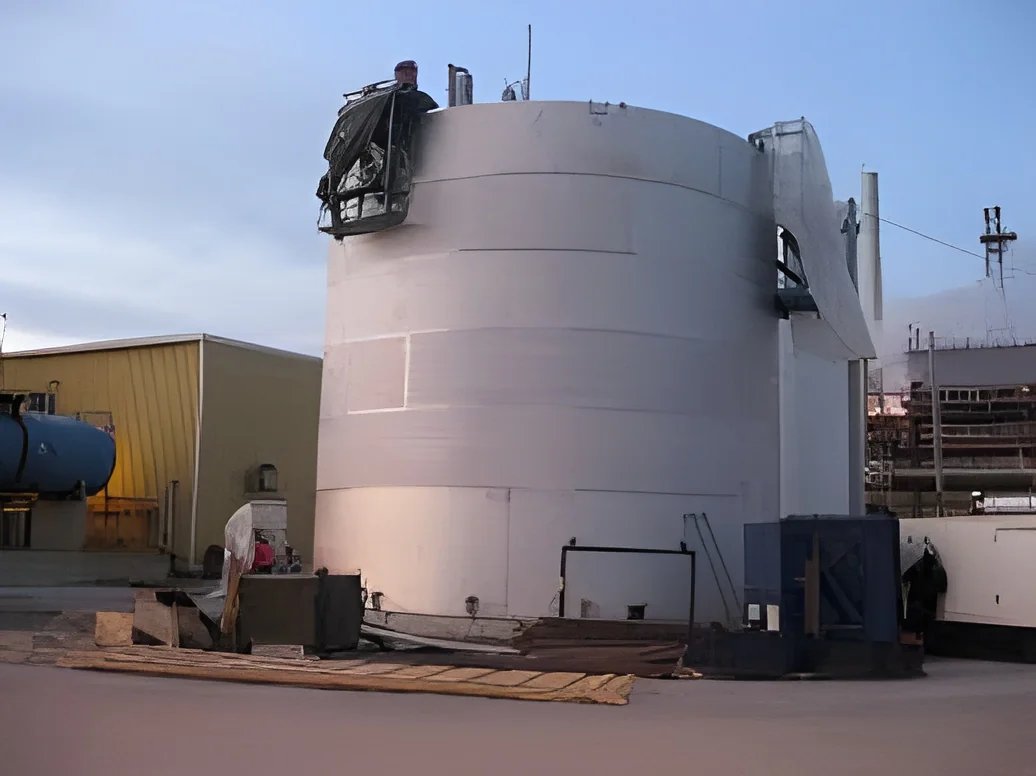
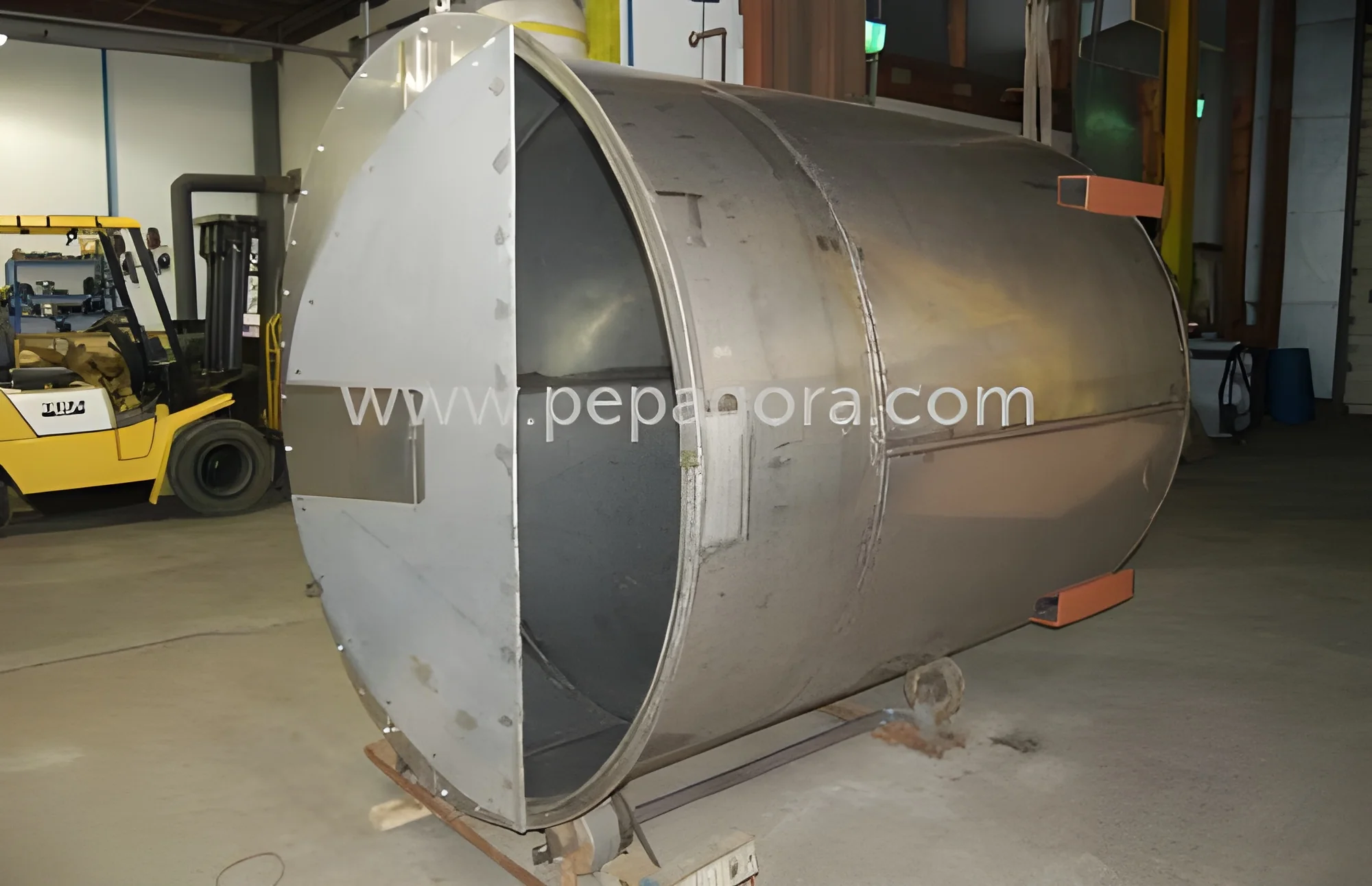
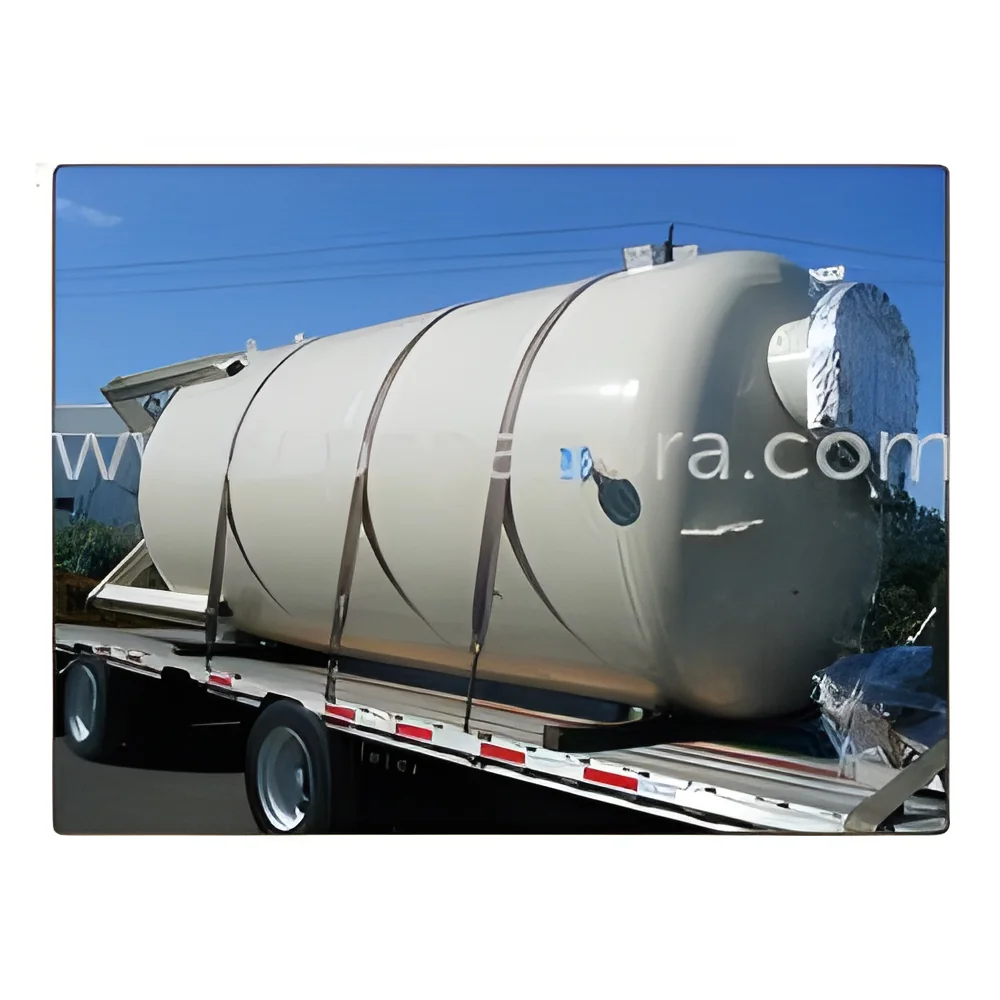
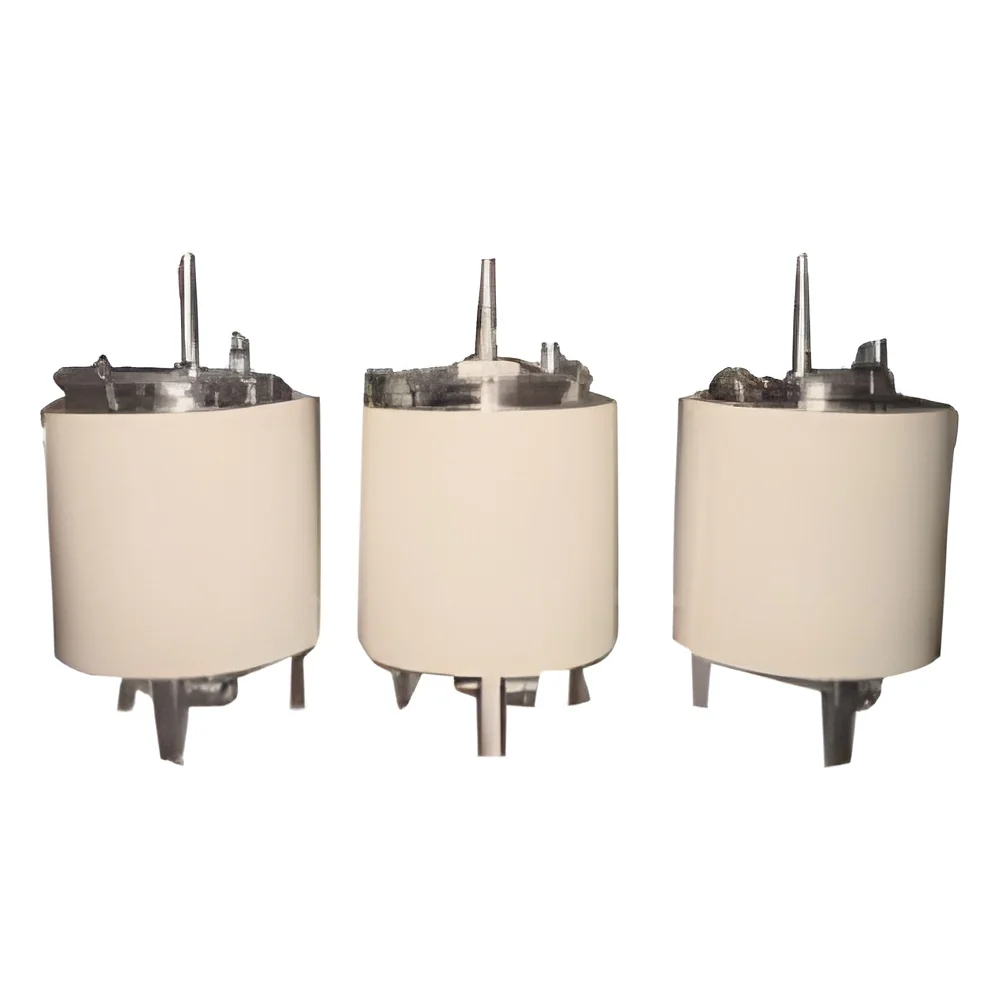
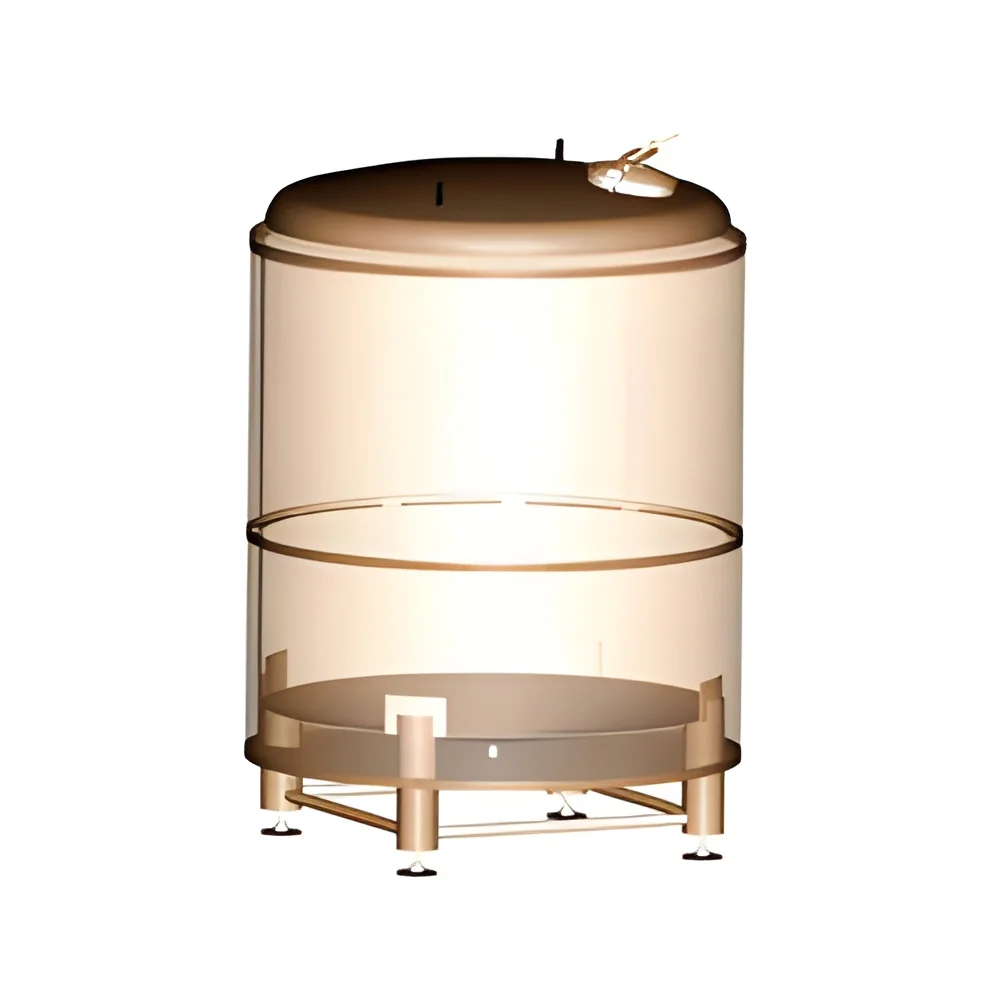
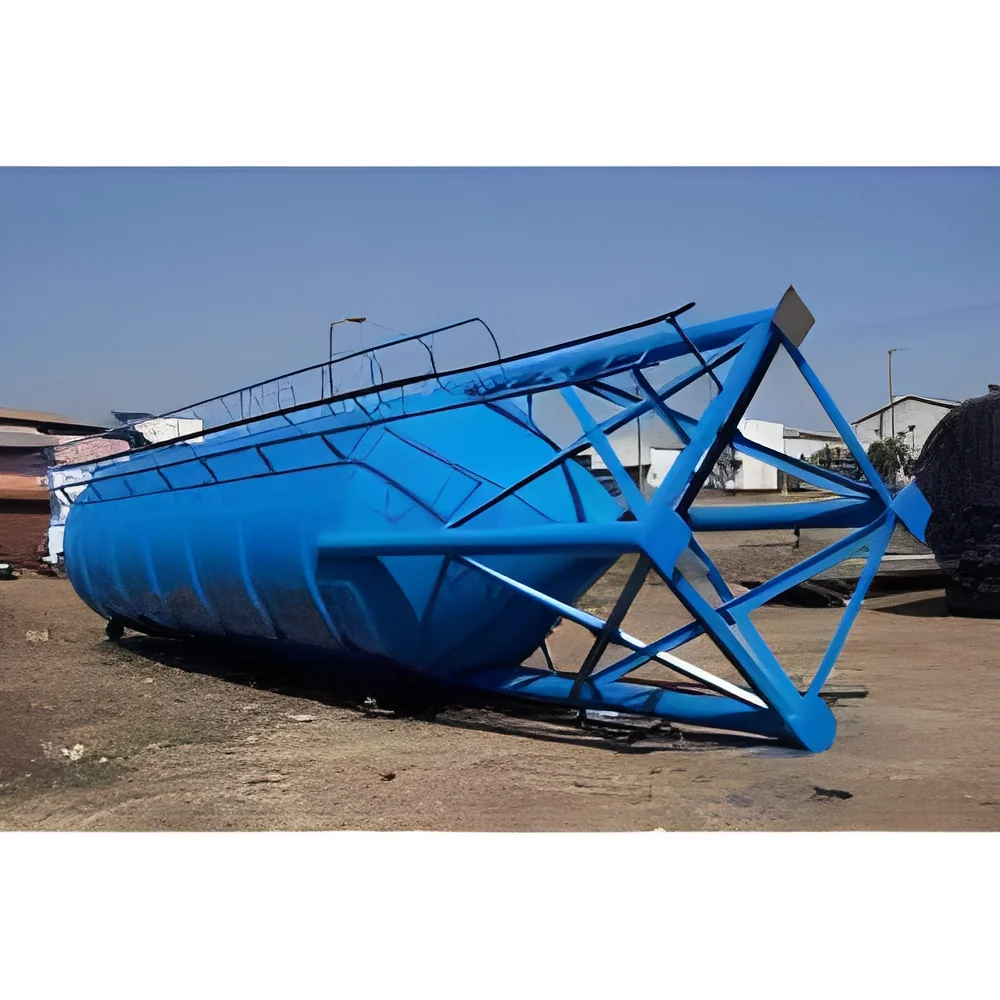
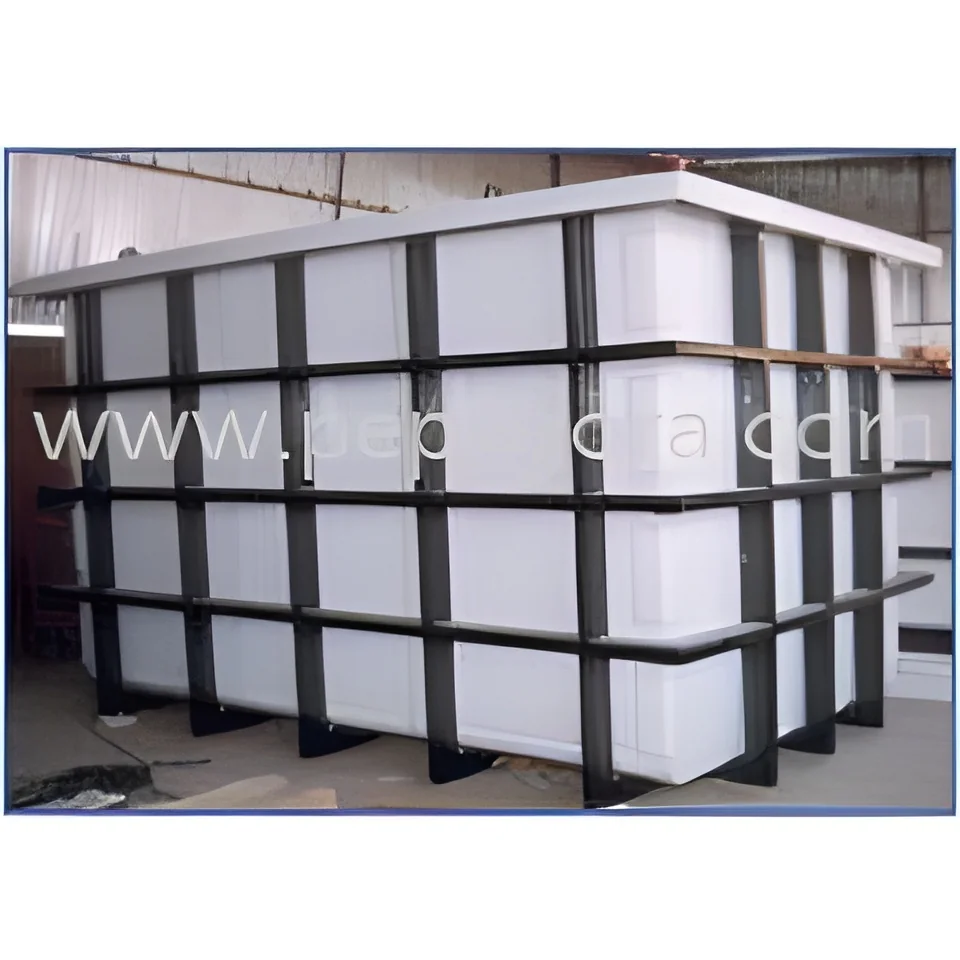
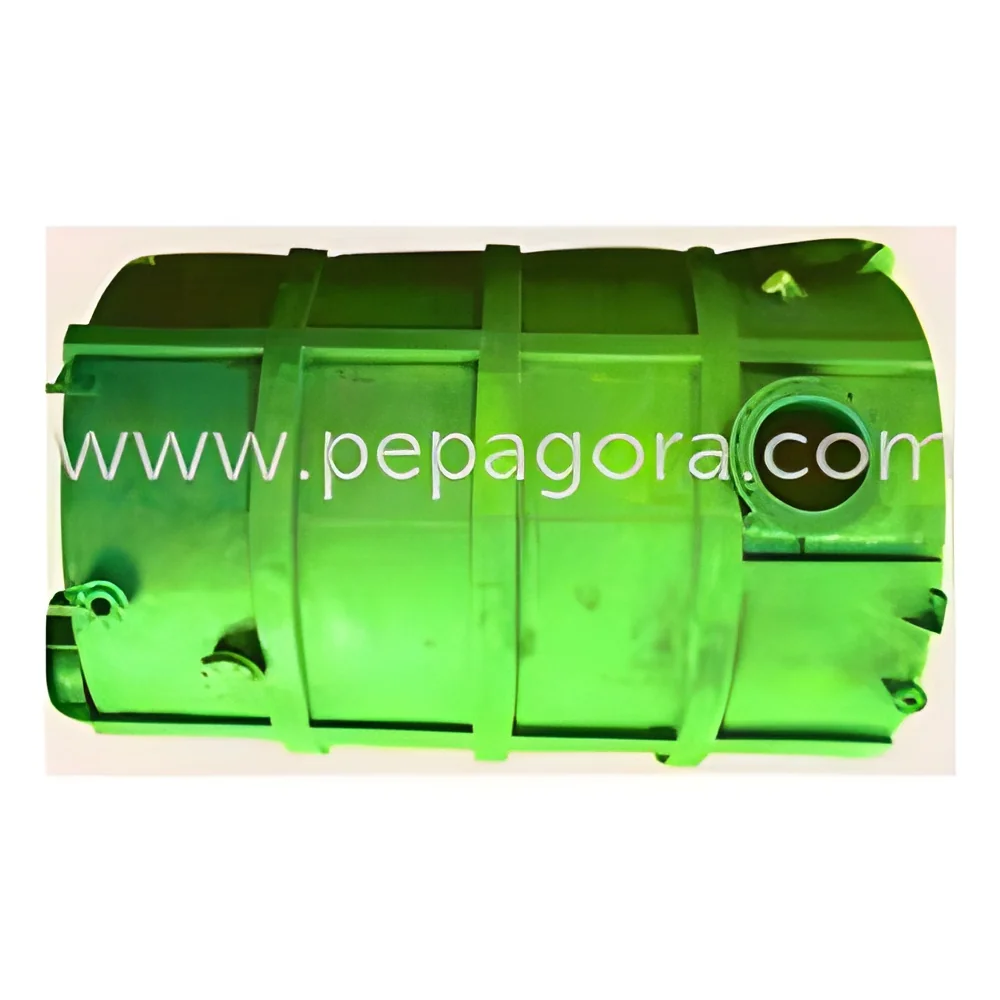
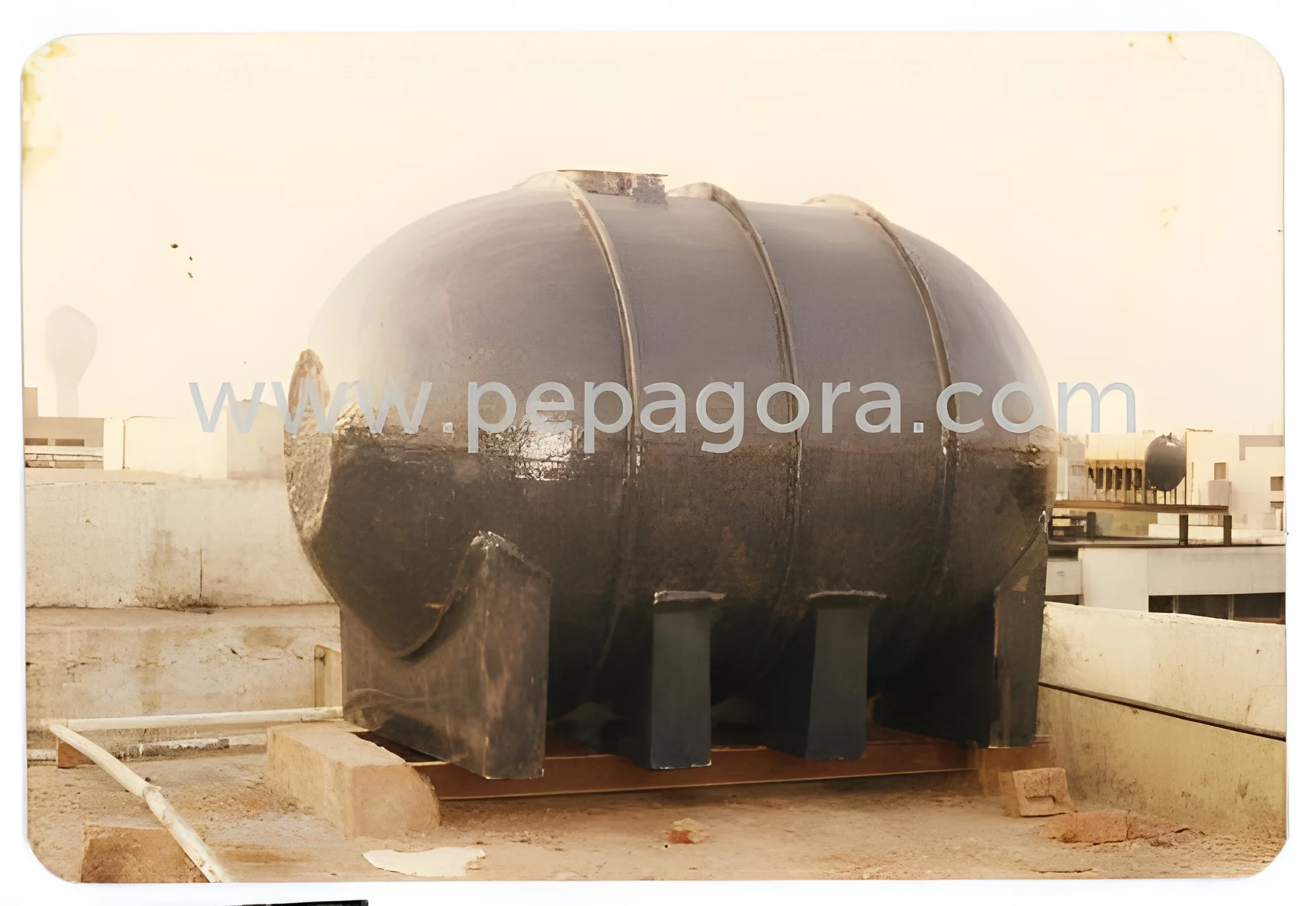
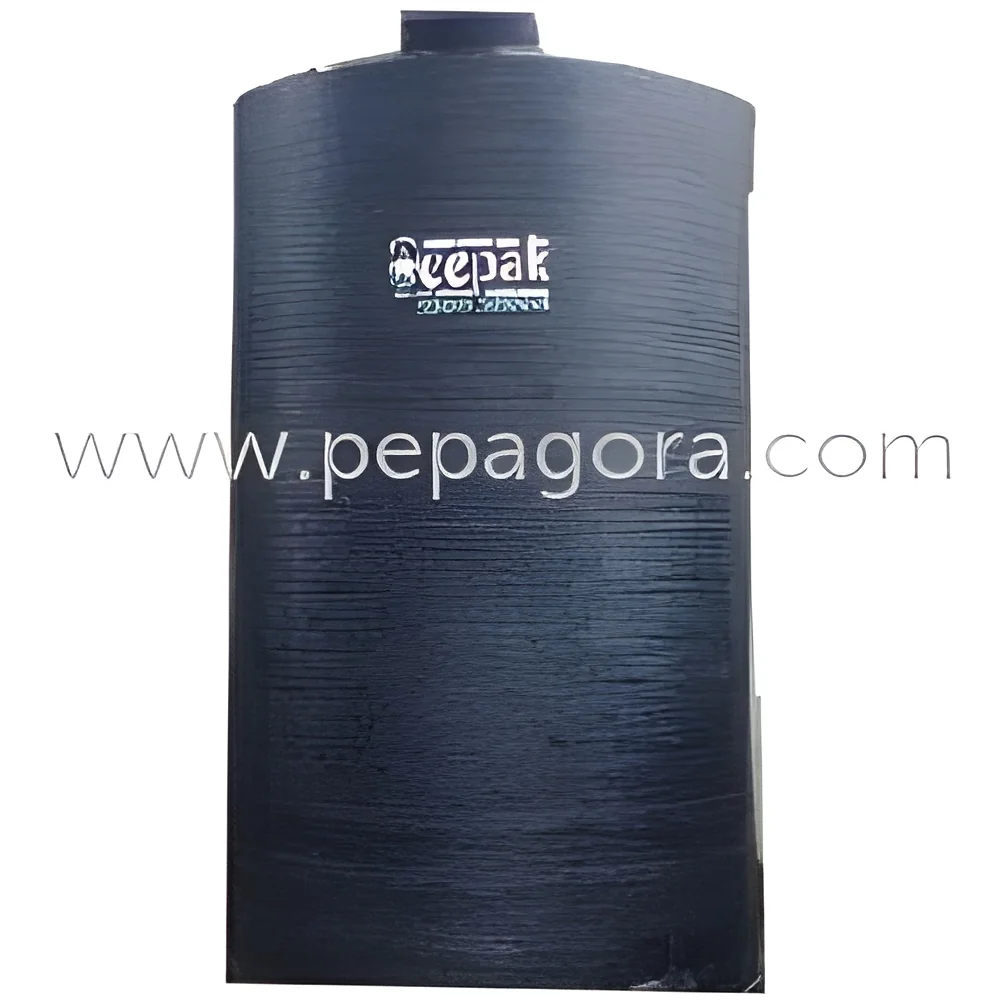
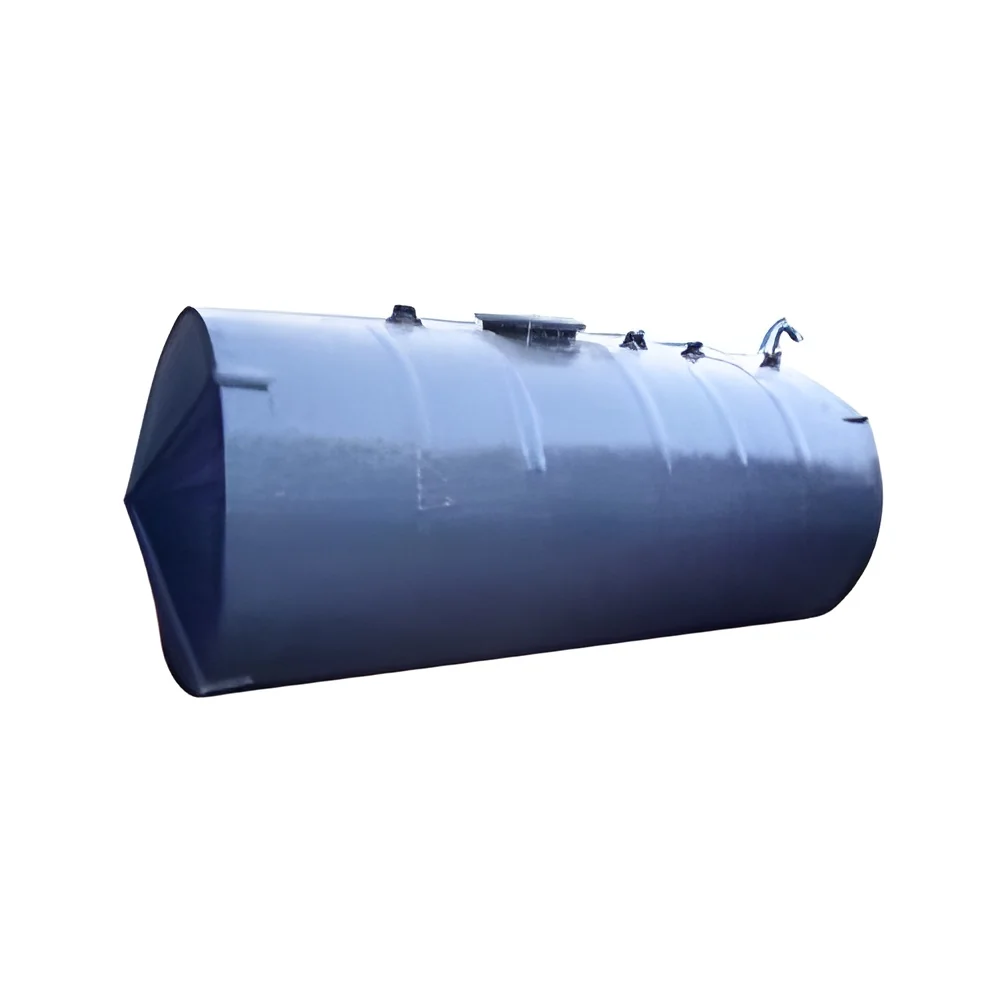
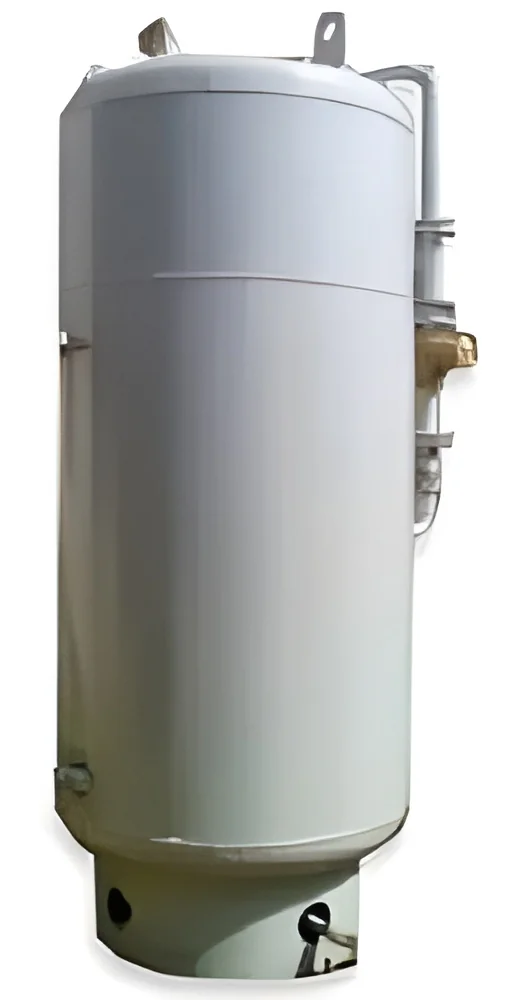
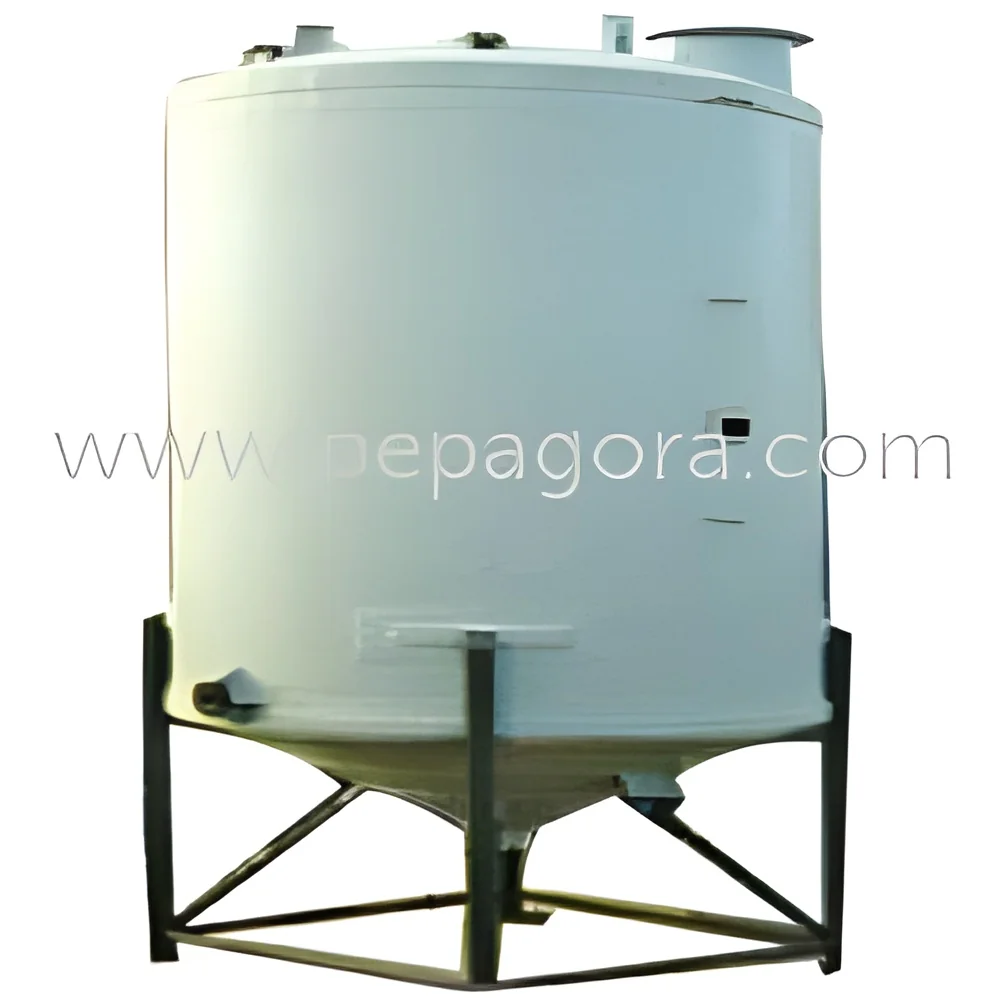
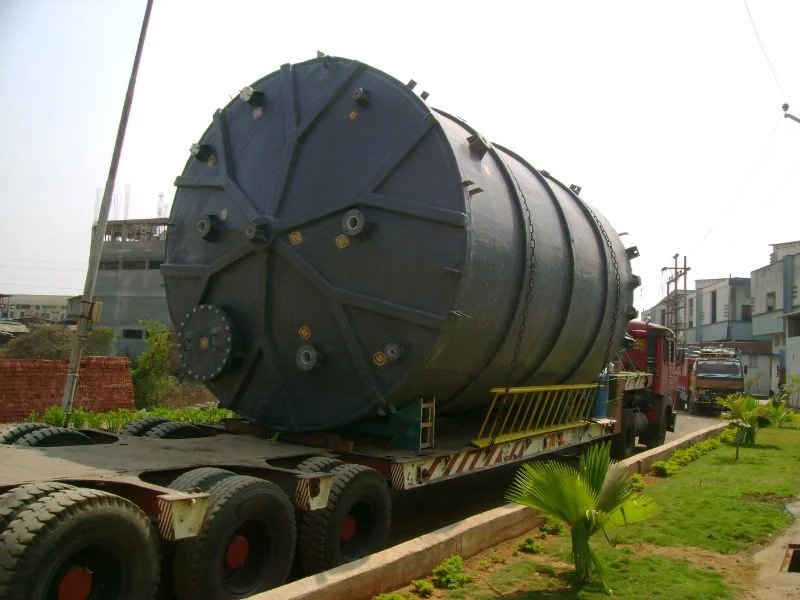
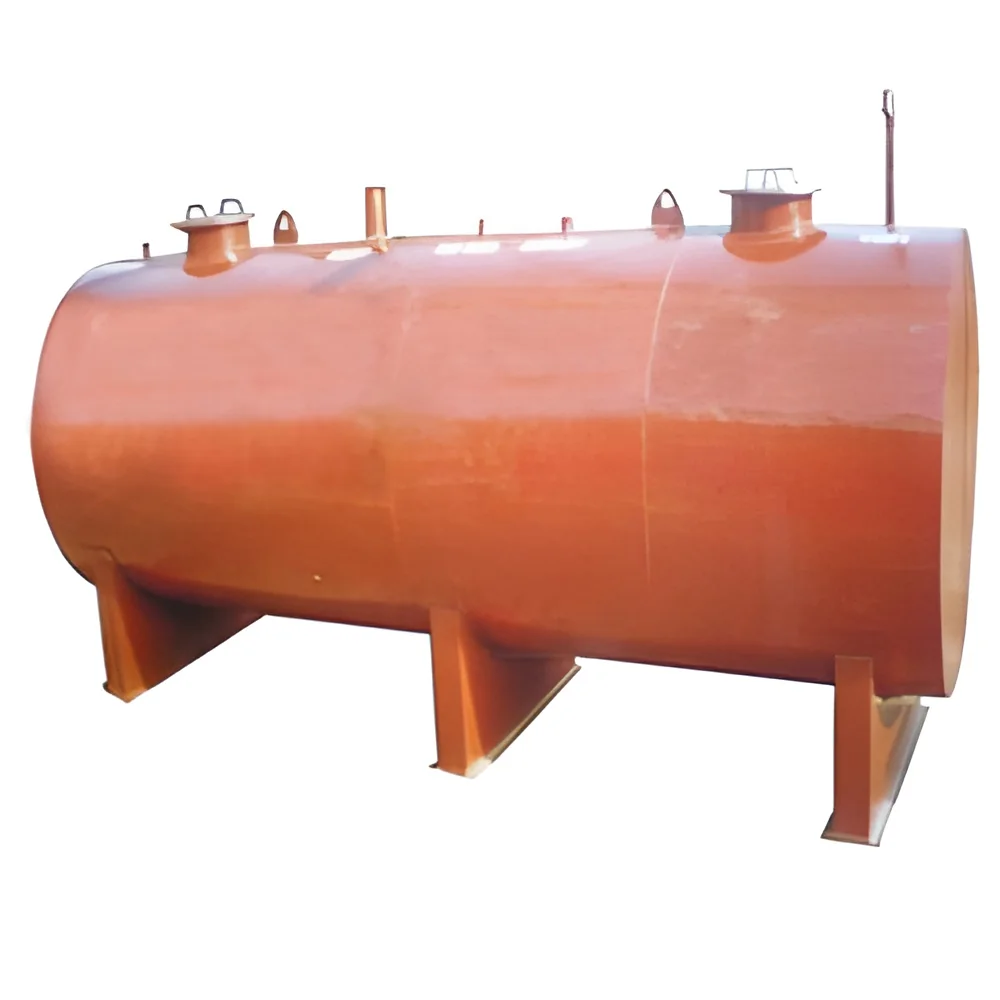
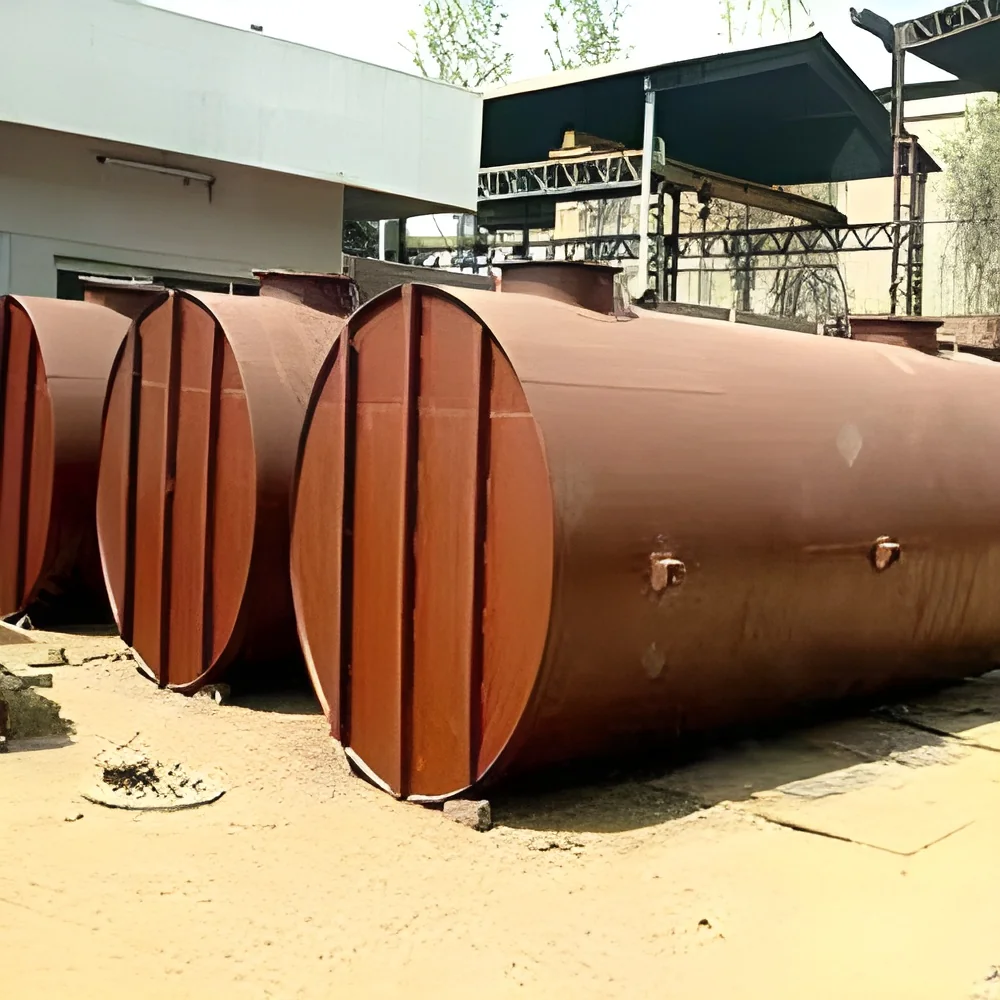
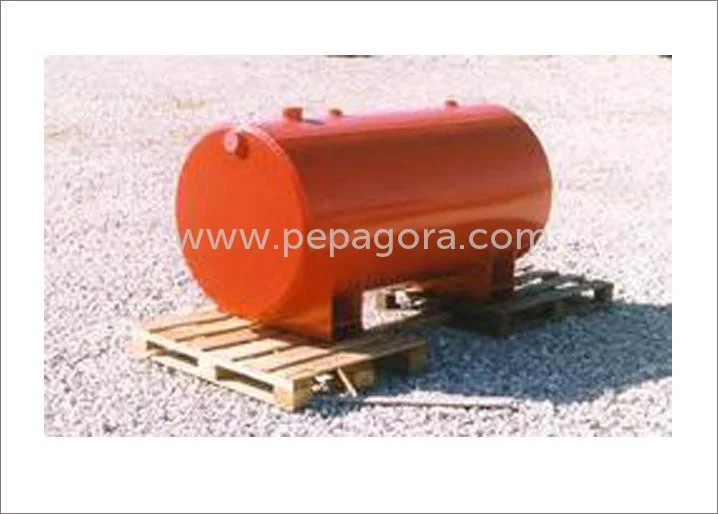
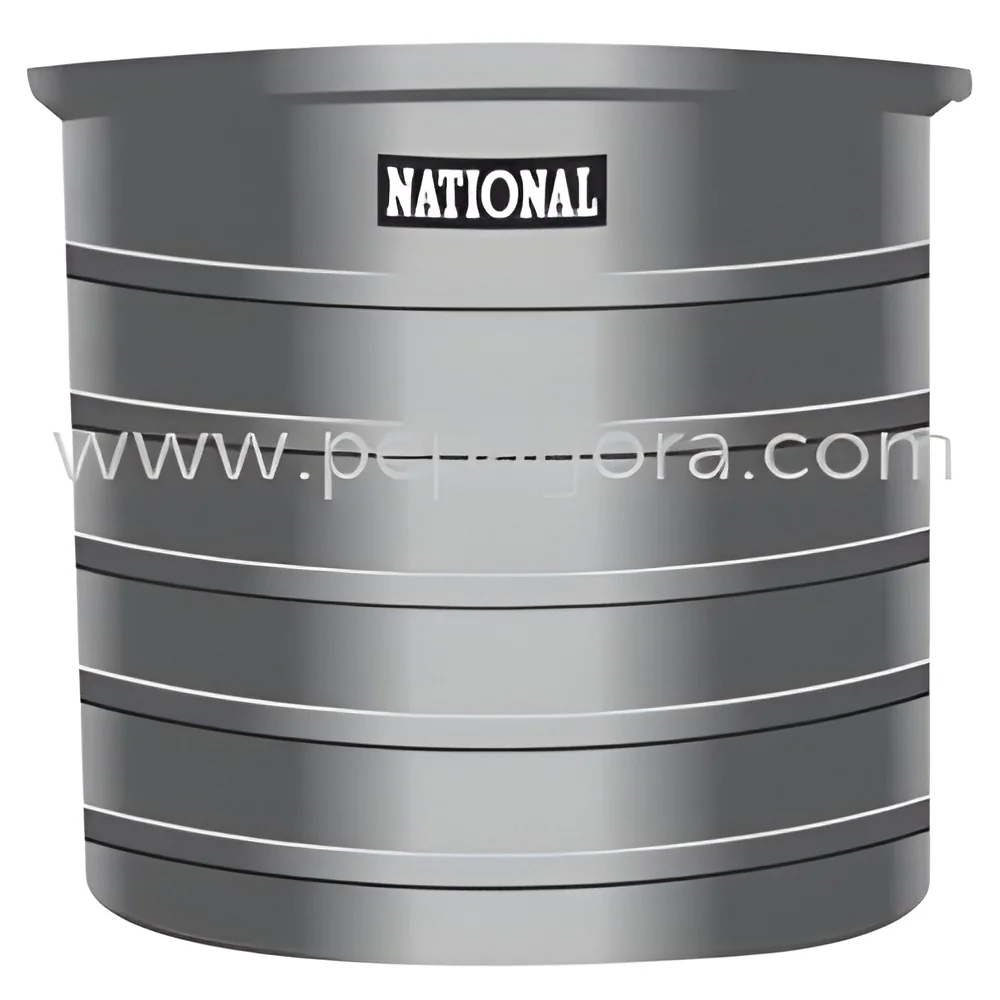
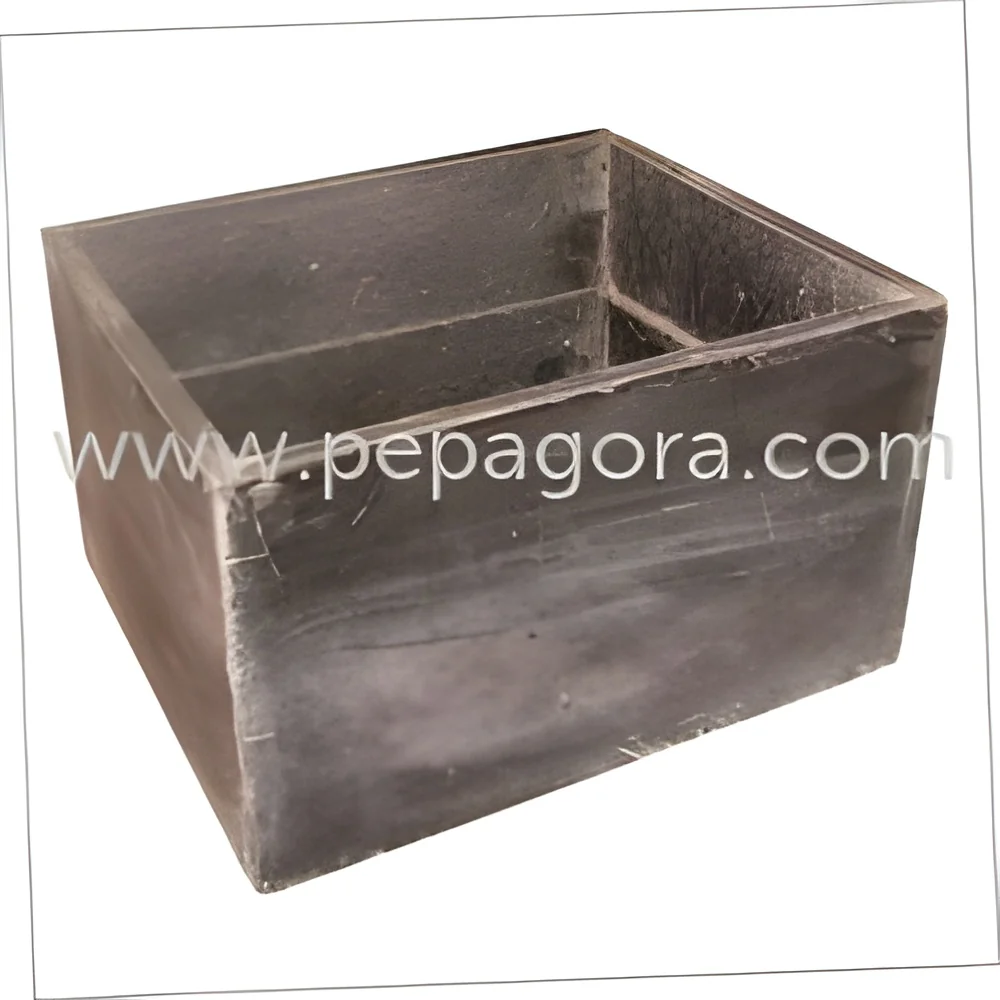
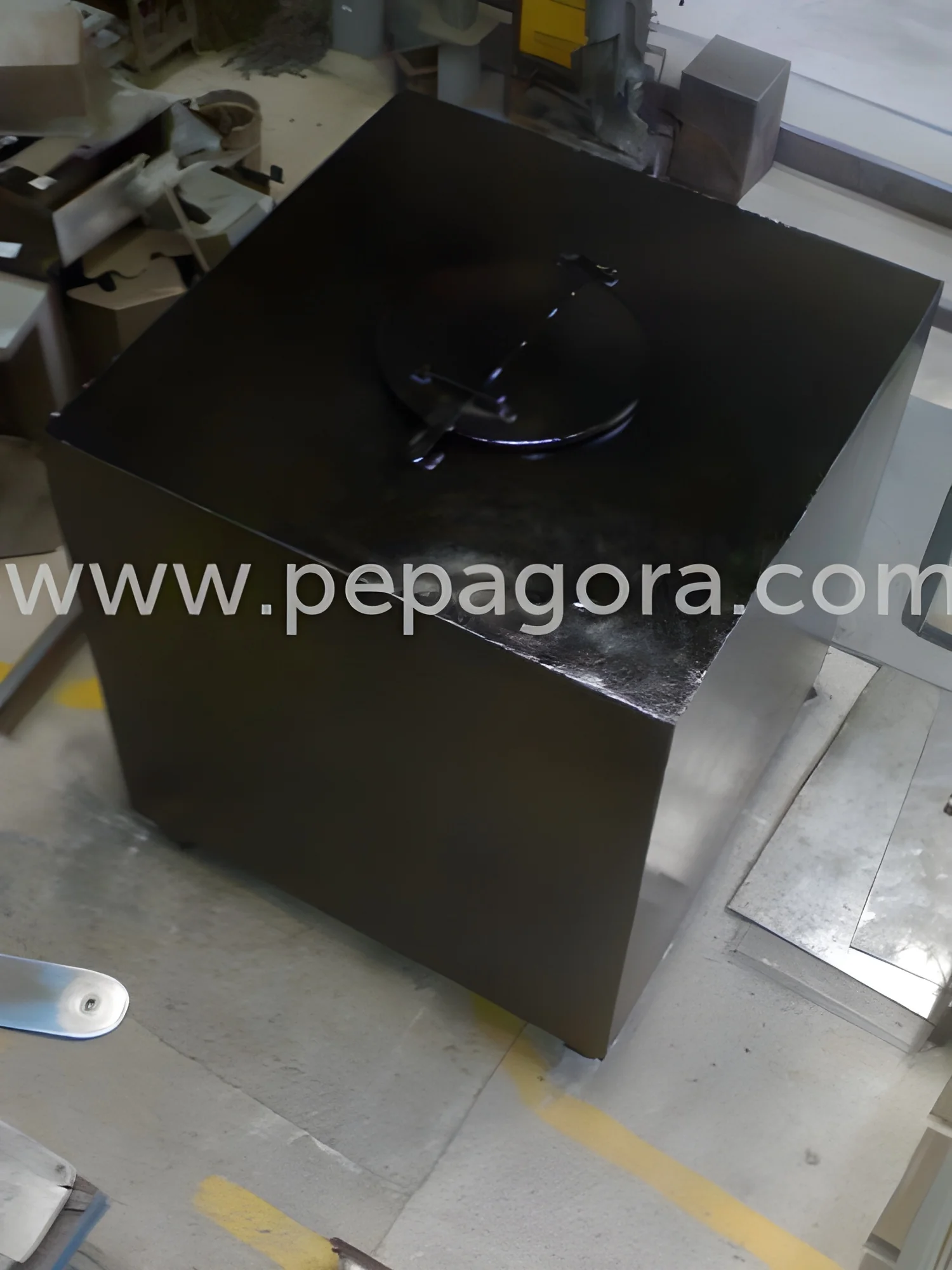
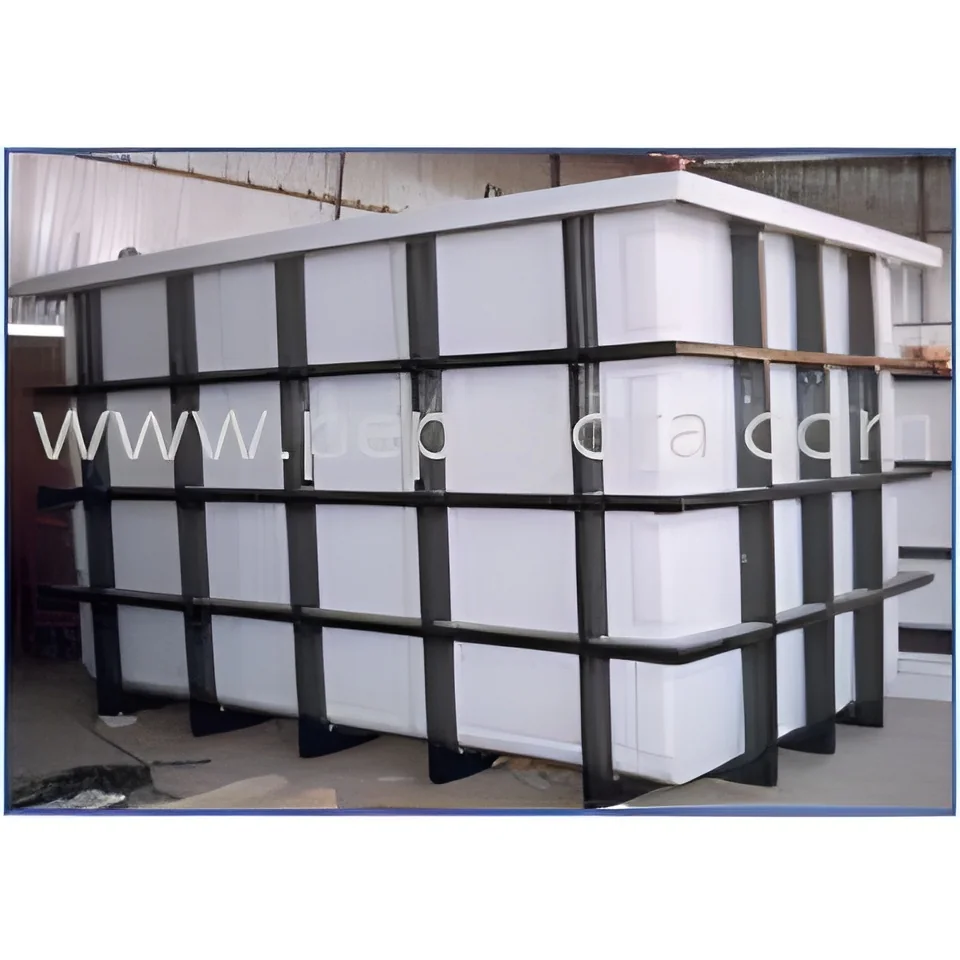
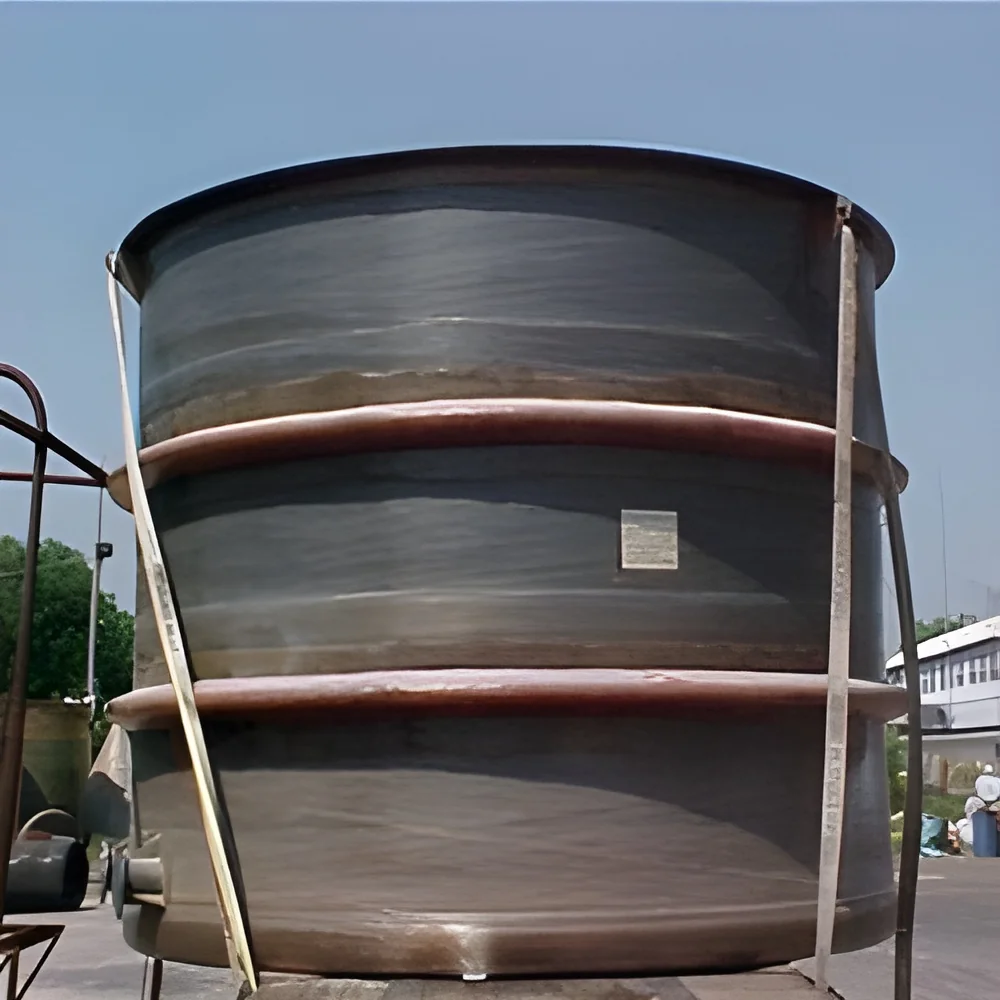
Chemical storage tanks are specialized containers used for storing various chemicals safely and efficiently. These tanks can be constructed from different materials, including High-Density Polyethylene (HDPE), Fiberglass Reinforced Plastic (FRP), and Stainless Steel (SS). Each material offers distinct benefits, making these tanks suitable for a wide range of chemicals and applications. The design and construction of these tanks ensure resistance to corrosion and degradation, which is critical for maintaining the integrity of the stored substances.
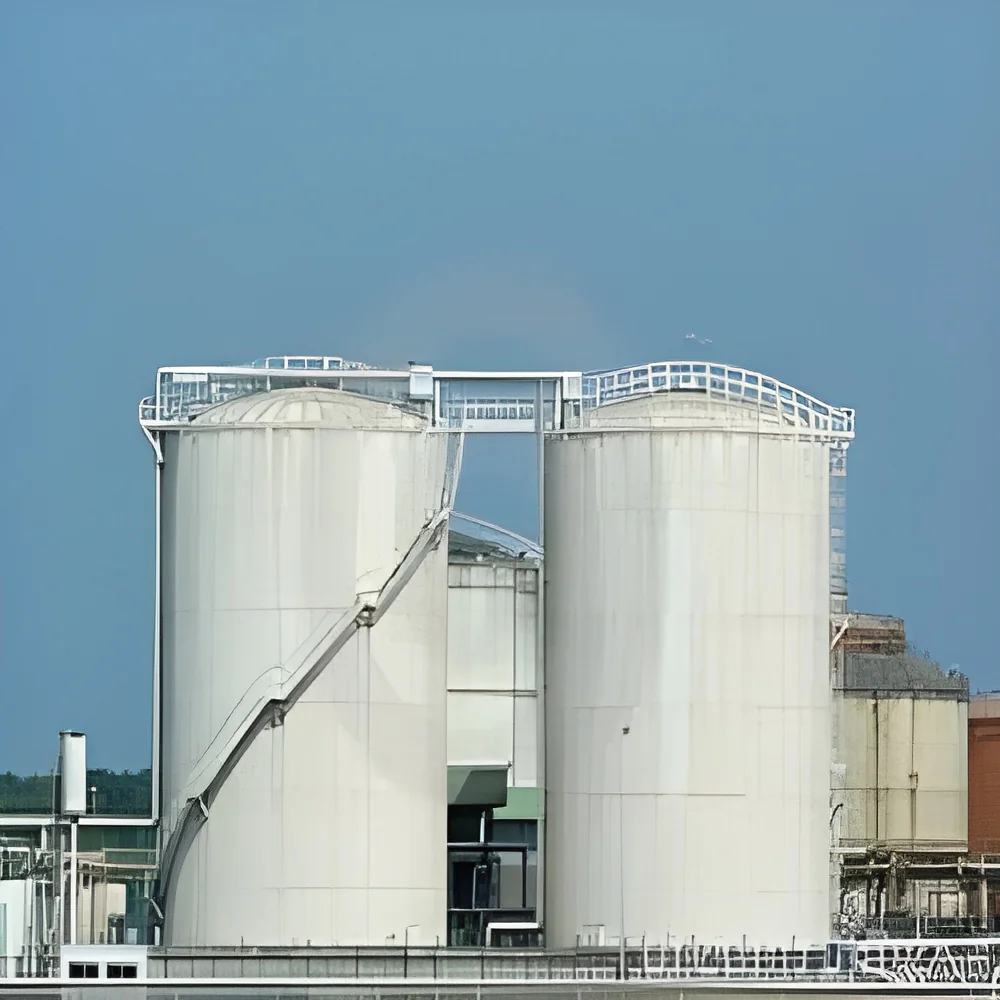
These tanks find primary use in several industries such as chemicals, pharmaceuticals, food and beverage, and water treatment. They play a vital role in the safe handling of hazardous materials and contribute to the overall efficiency of production processes. Given the increasing demand for safe chemical storage solutions, the market for these tanks is expanding, driven by regulations and a growing awareness of safety practices in industrial operations.
𝗞𝗲𝘆 𝗙𝗲𝗮𝘁𝘂𝗿𝗲𝘀 𝗮𝗻𝗱 𝗦𝗽𝗲𝗰𝗶𝗳𝗶𝗰𝗮𝘁𝗶𝗼𝗻𝘀
Chemical storage tanks are designed to meet stringent safety and performance standards. Their specifications vary based on material and intended use. Here are some key features and specifications:
1. Material Type
- Options include HDPE, FRP, and SS
- Each material offers unique advantages in terms of chemical compatibility and durability
2. Capacity
- Available in various sizes ranging from small units of a few liters to large tanks exceeding thousands of liters
- Custom capacities can be provided based on specific requirements
3. Temperature Resistance
- Designed to withstand varying temperature ranges depending on material type
- Essential for maintaining chemical stability during storage
4. Corrosion Resistance
- HDPE and FRP are resistant to most chemicals, while SS offers high durability and strength
- Critical for preventing leaks and ensuring long-term storage reliability
5. Compliance Standards
- Tanks may adhere to specific industry standards such as ISO 9001 and CE certifications
- Ensures safety and performance in operation
6. Customization Options
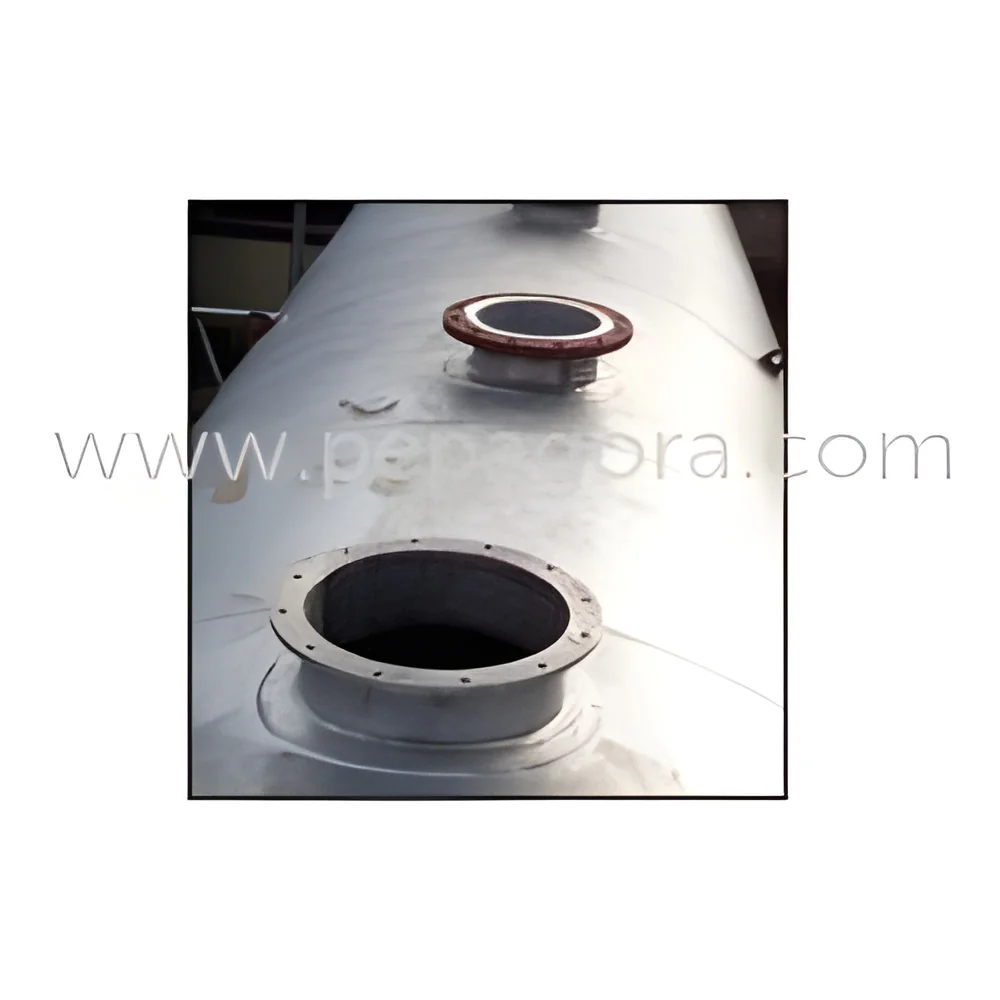
- Ability to customize tank features, such as size, fittings, and coatings for specific chemical storage needs
- Enhances flexibility for different applications
7. Safety Features
- Many tanks are equipped with safety features like pressure relief valves and level indicators
- Improves operational safety and monitoring
These specifications help buyers choose the right tank for their specific chemical storage needs.
𝗖𝗼𝗺𝗺𝗼𝗻 𝗔𝗽𝗽𝗹𝗶𝗰𝗮𝘁𝗶𝗼𝗻𝘀 𝗮𝗻𝗱 𝗨𝘀𝗲 𝗖𝗮𝘀𝗲𝘀
Chemical storage tanks serve a variety of industries and applications.
1. Chemical Manufacturing: These tanks are essential for storing raw materials, intermediates, and finished products. Their resistance to corrosion ensures safe storage of reactive chemicals.
2. Pharmaceuticals: In the pharmaceutical sector, chemical storage tanks hold active ingredients and solvents. Compliance with safety standards is crucial to maintain product integrity.
3. Food and Beverage: These tanks are used for storing food-grade chemicals and ingredients. They must meet specific health regulations to ensure safety.
4. Water Treatment: Tanks are utilized for storing treatment chemicals such as chlorine or coagulants, necessary for water purification processes.
5. Agriculture: In agricultural applications, these tanks store fertilizers and pesticides, enabling efficient distribution and use.
6. Oil and Gas: Chemical storage tanks are vital for holding various chemicals used in drilling and refining processes.
7. Waste Management: Tanks are used to store hazardous waste materials securely, ensuring they do not leak or contaminate the environment.
𝗣𝗿𝗼𝗱𝘂𝗰𝘁 𝗩𝗮𝗿𝗶𝗮𝗻𝘁𝘀 𝗮𝗻𝗱 𝗦𝘂𝗯𝗰𝗮𝘁𝗲𝗴𝗼𝗿𝗶𝗲𝘀
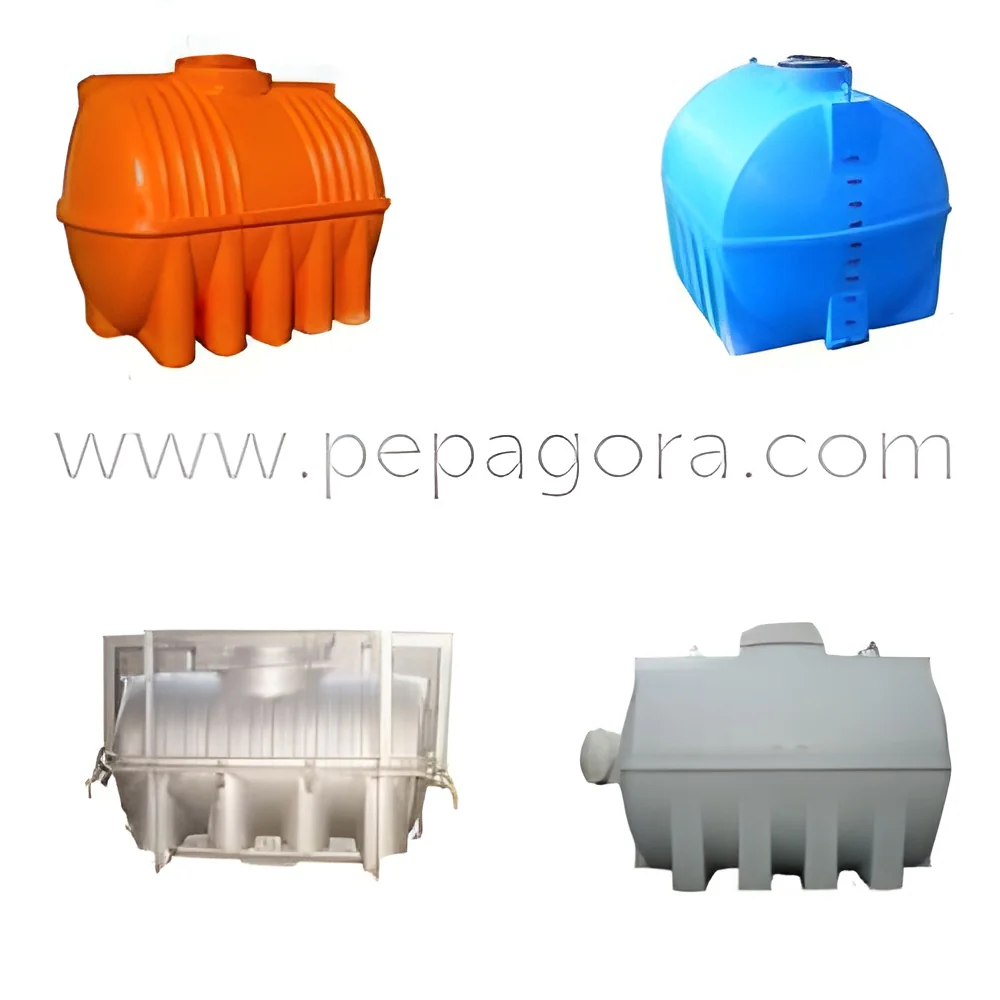
Chemical storage tanks come in several variants, each designed to cater to specific needs and applications.
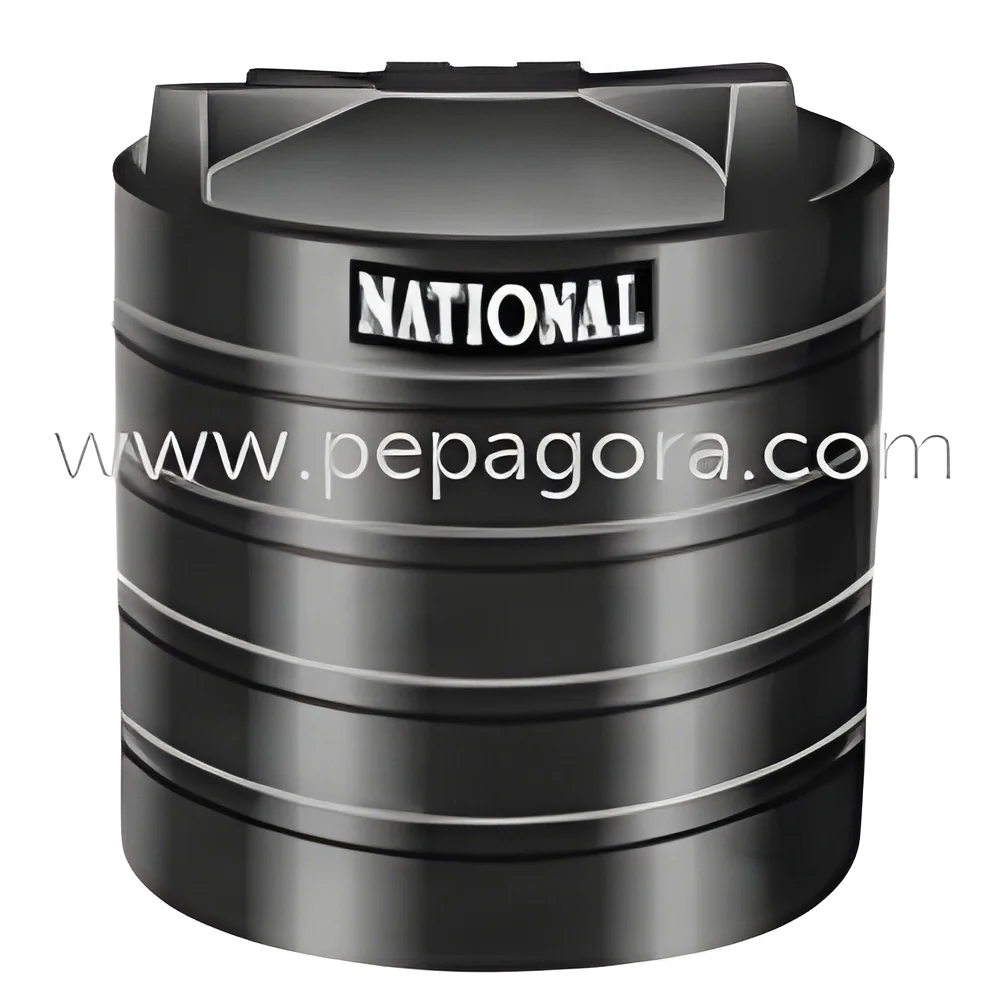
HDPE Tanks
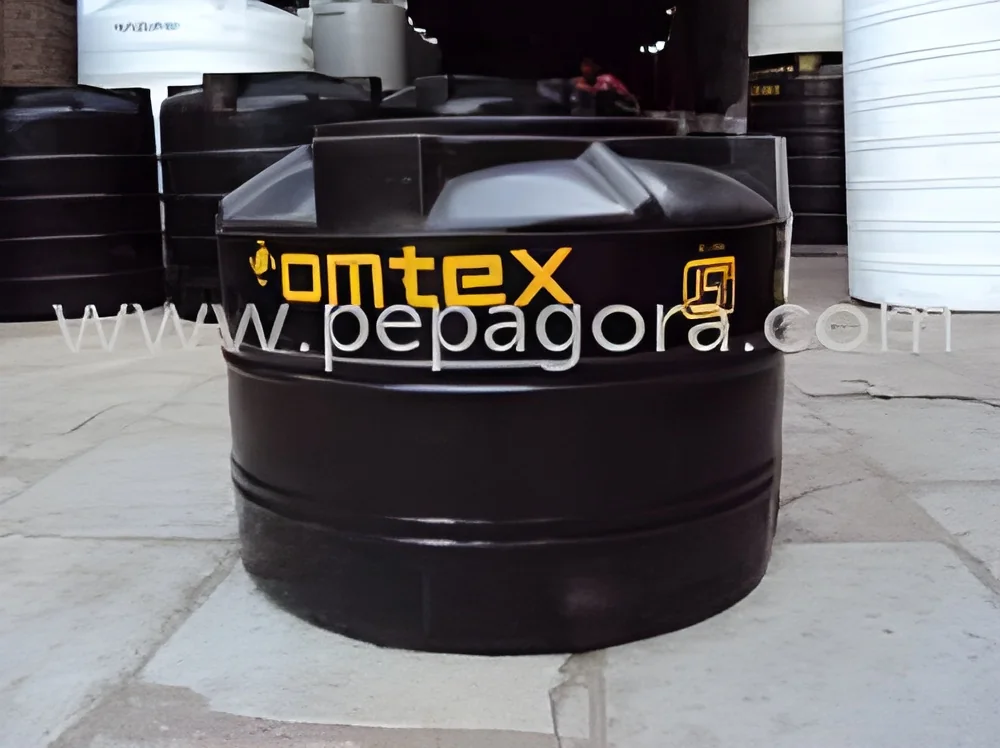
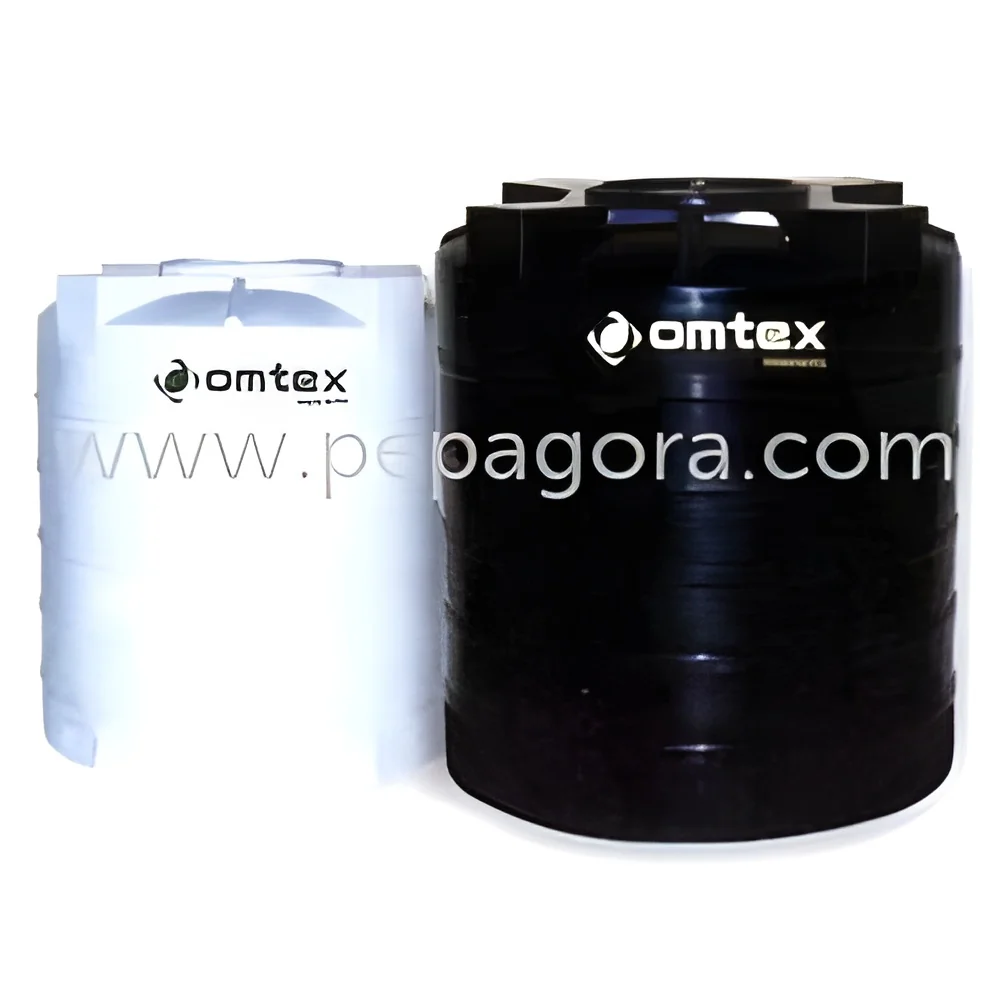
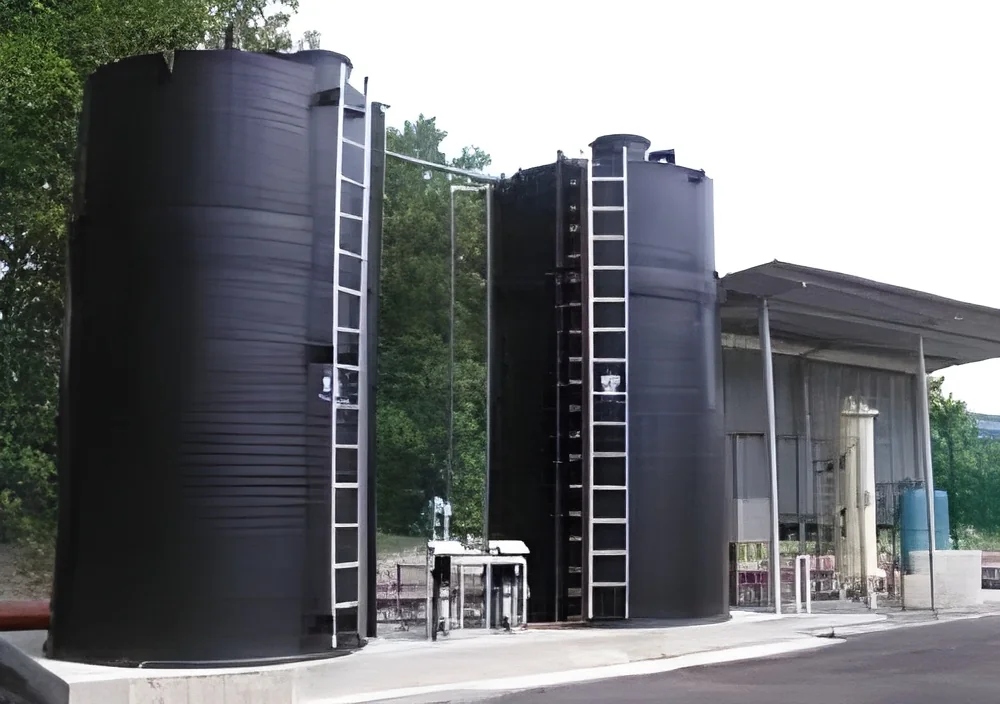
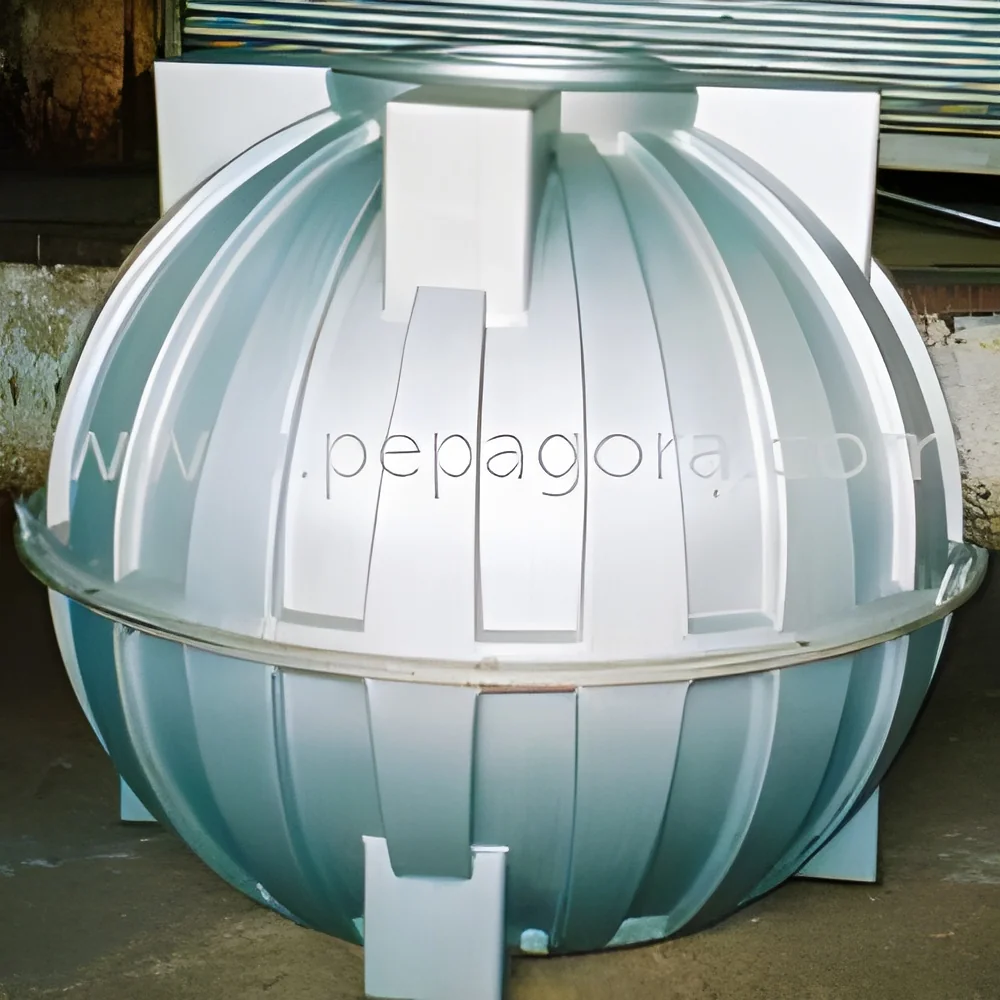
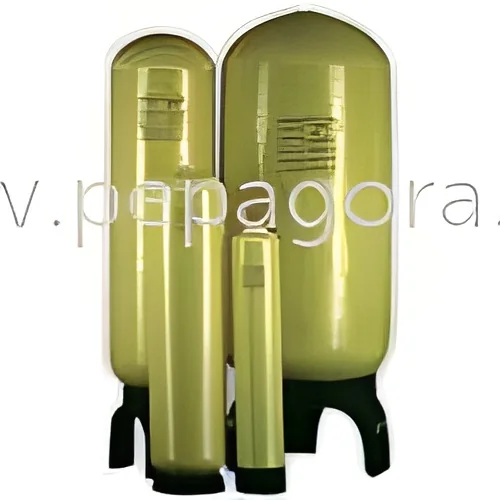
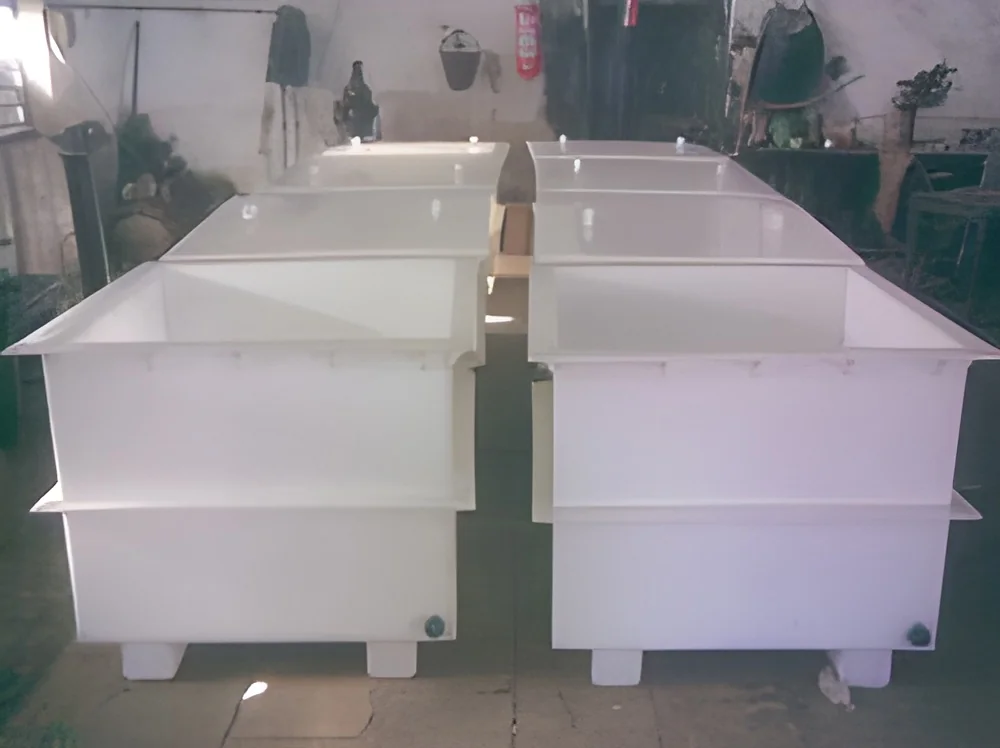
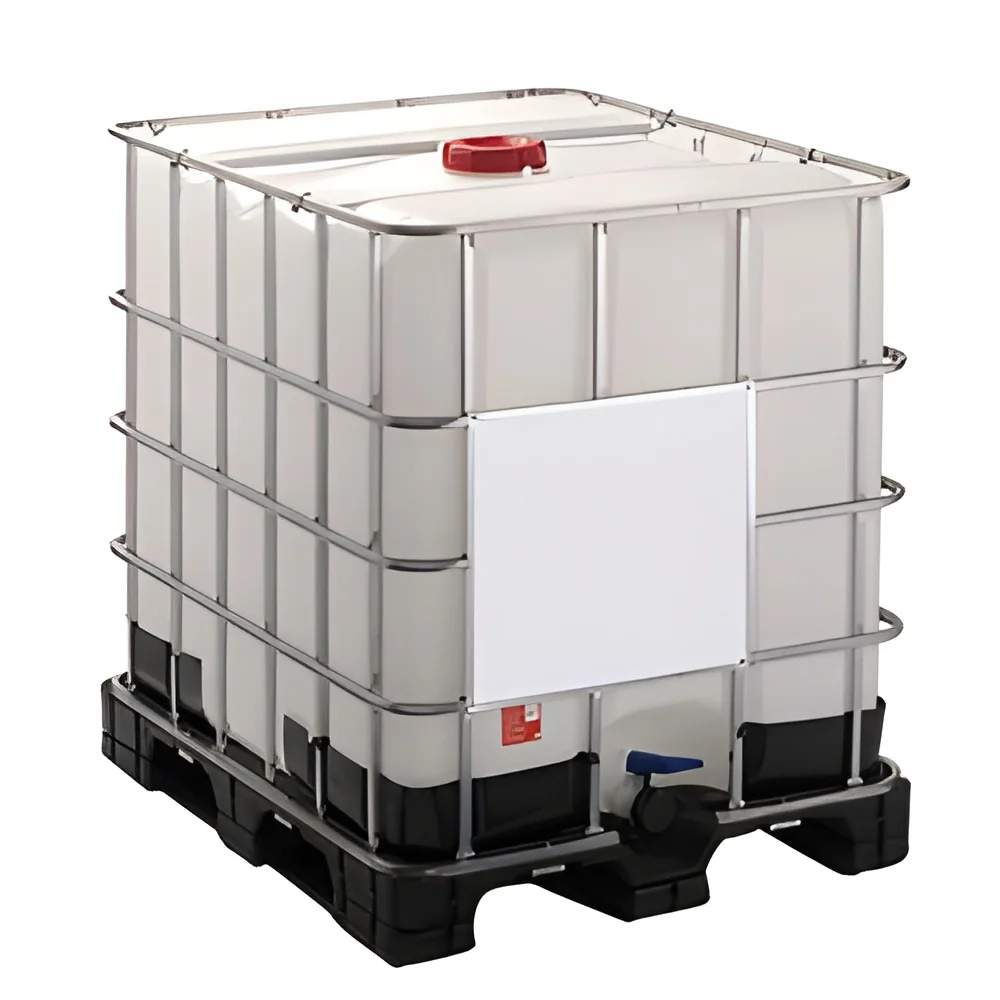
HDPE tanks are lightweight, corrosion-resistant, and suitable for a wide range of chemicals. They are commonly used for storing agricultural chemicals and potable water.
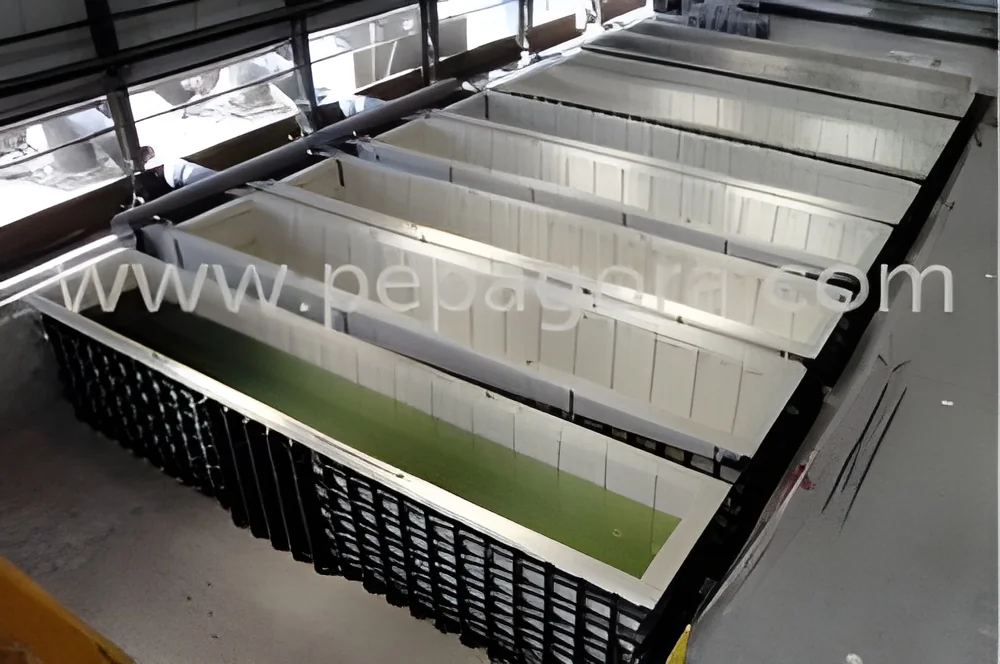
FRP Tanks
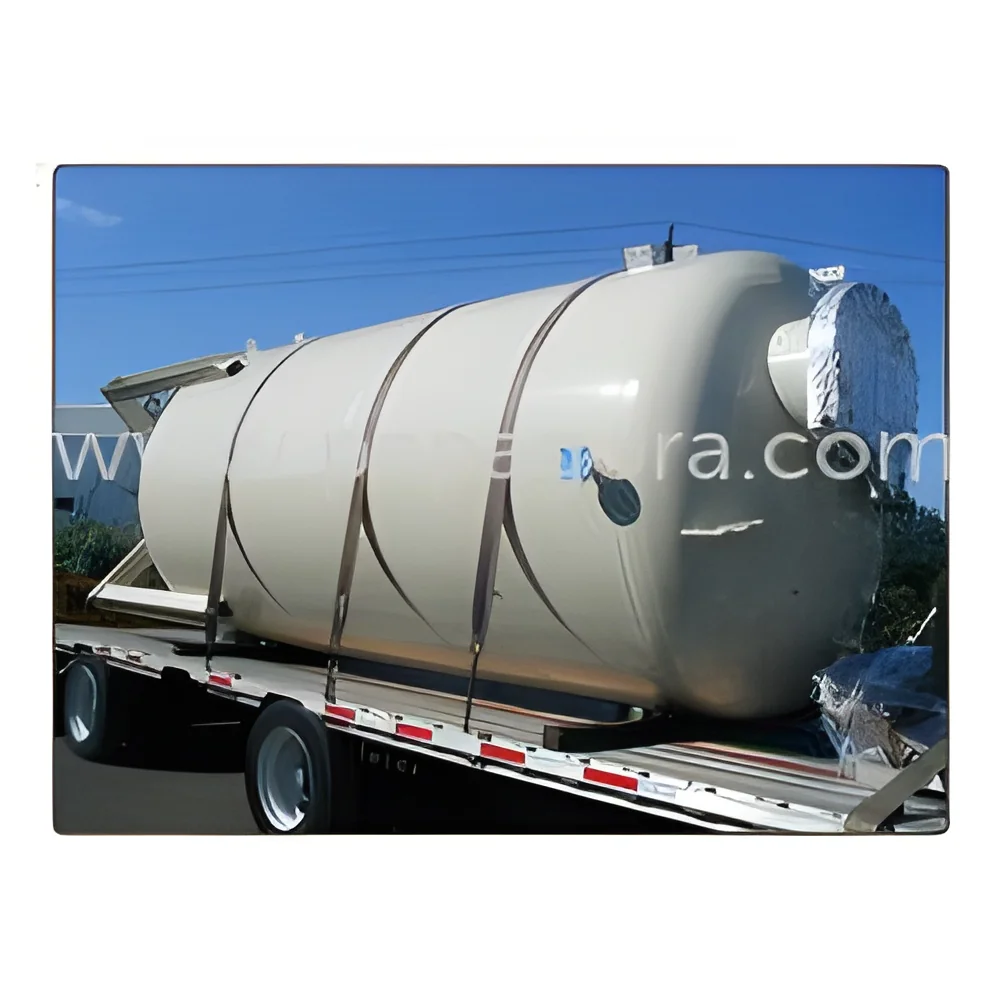
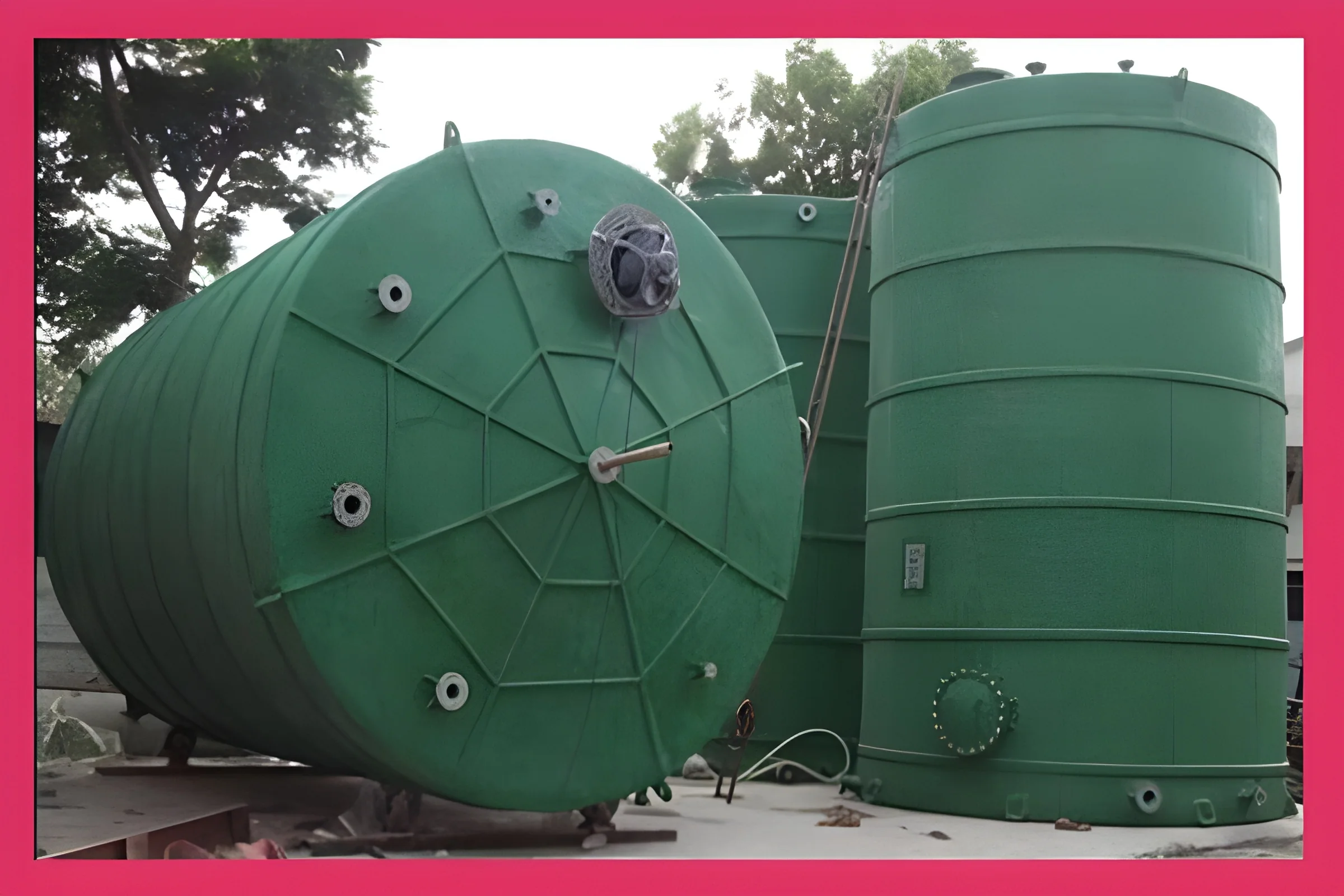
FRP tanks provide excellent chemical resistance and are ideal for storing aggressive chemicals. Their lightweight structure makes them easy to transport and install.
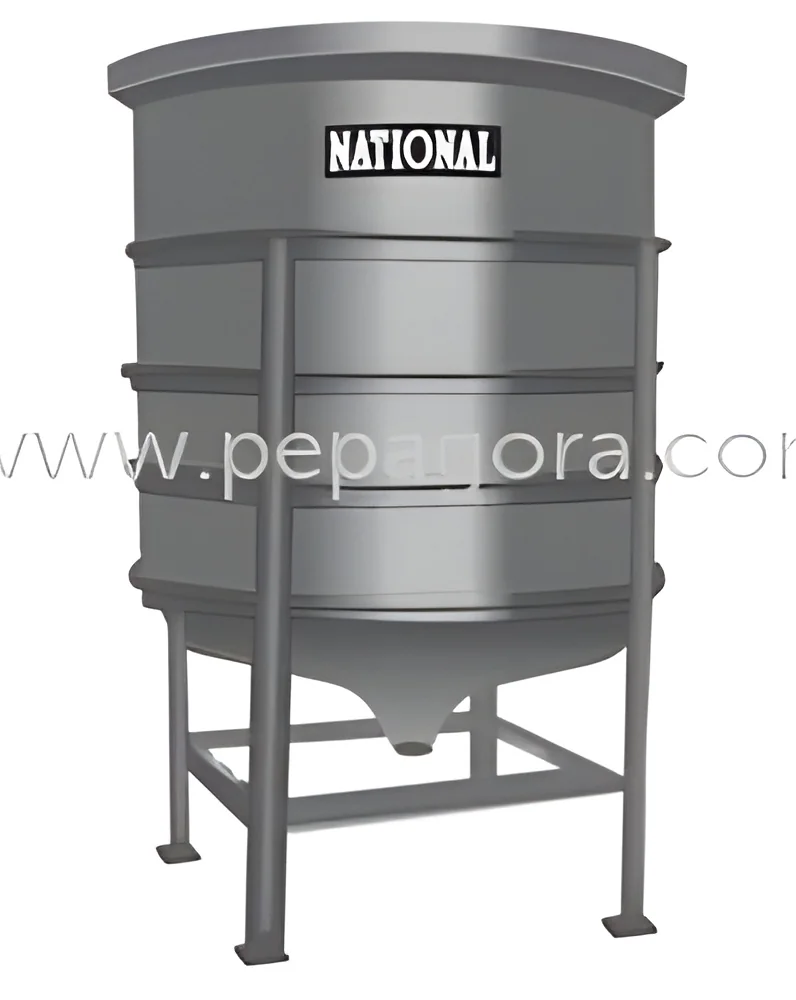
Stainless Steel Tanks
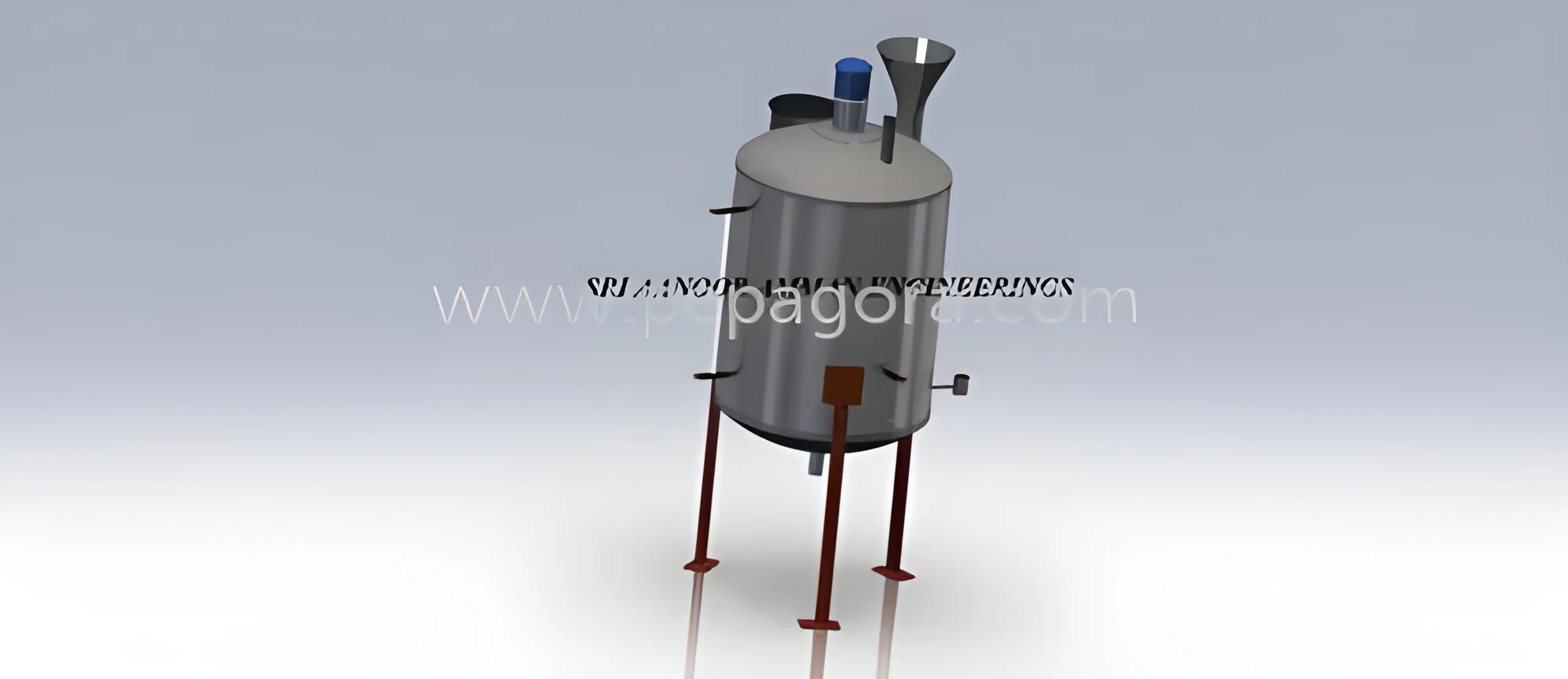
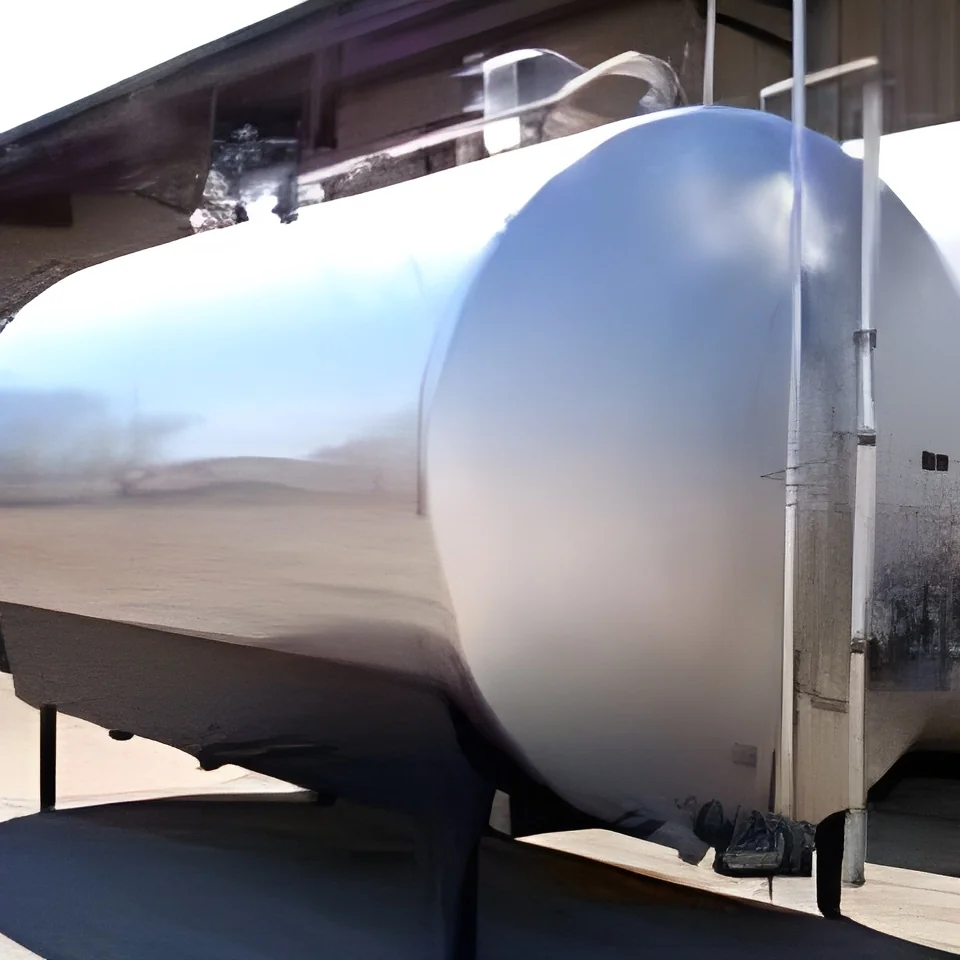
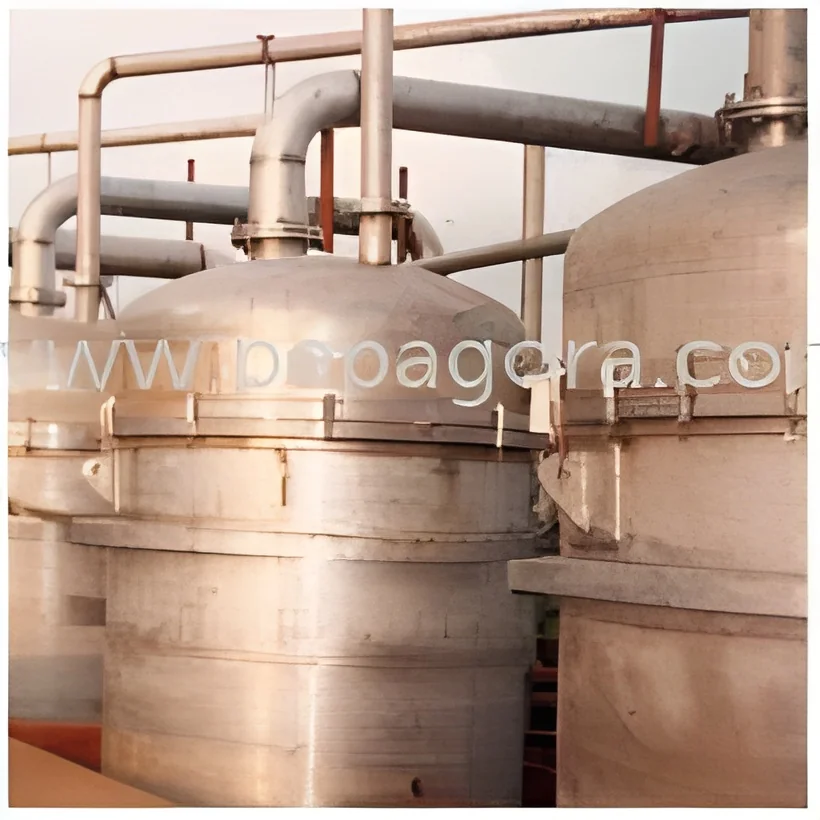
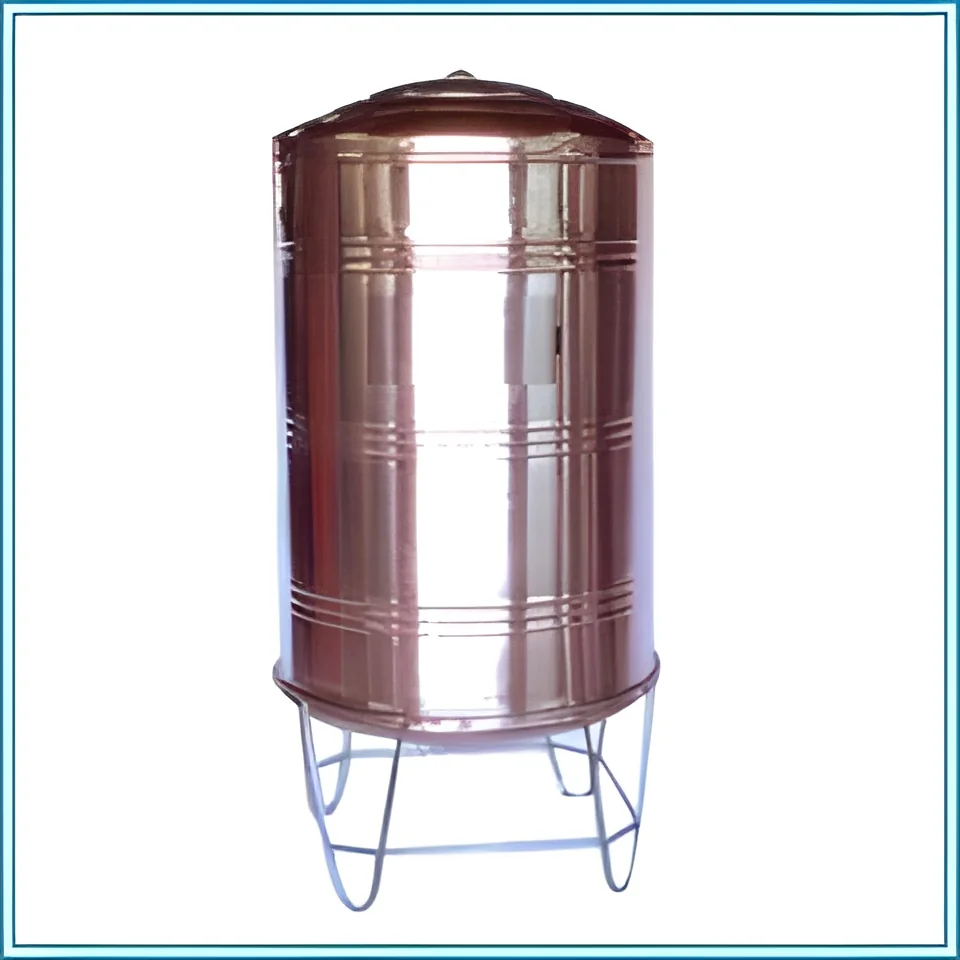
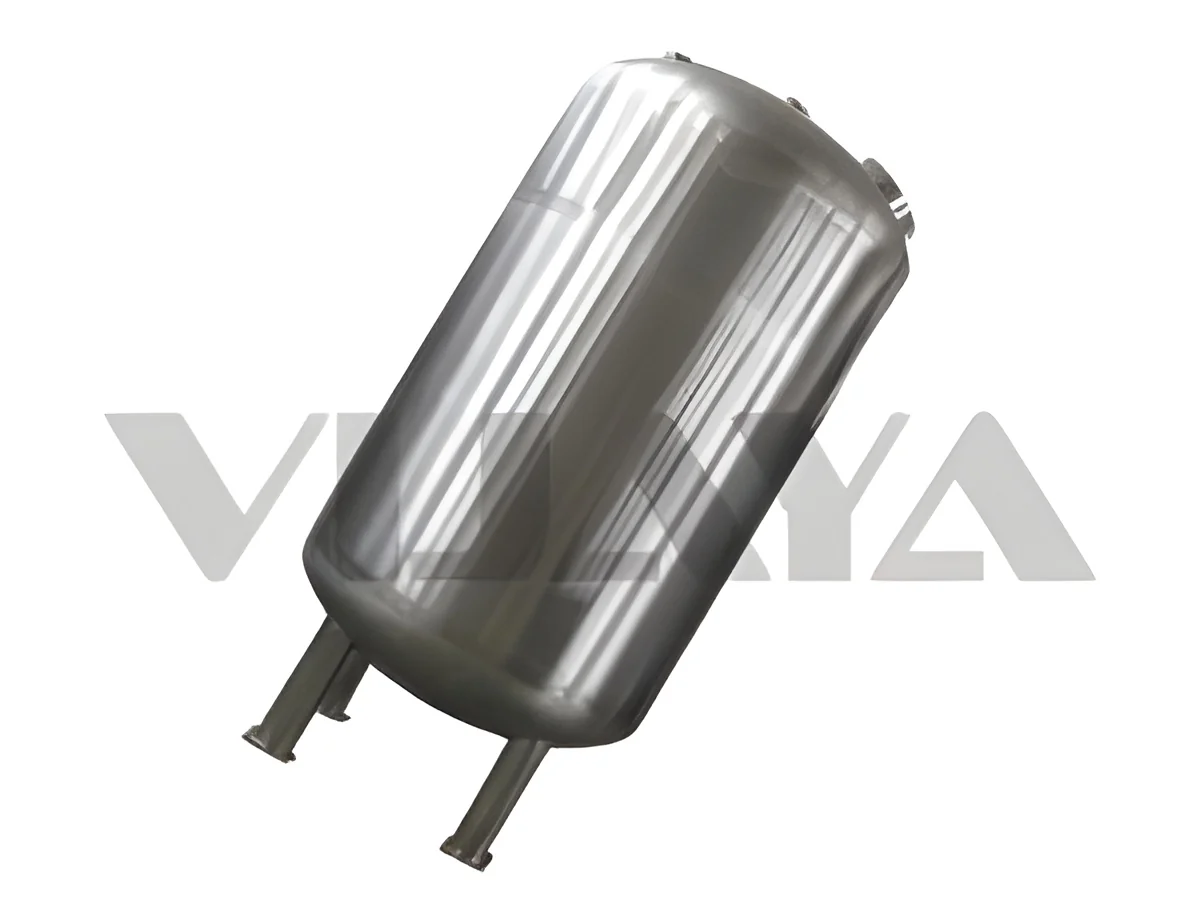
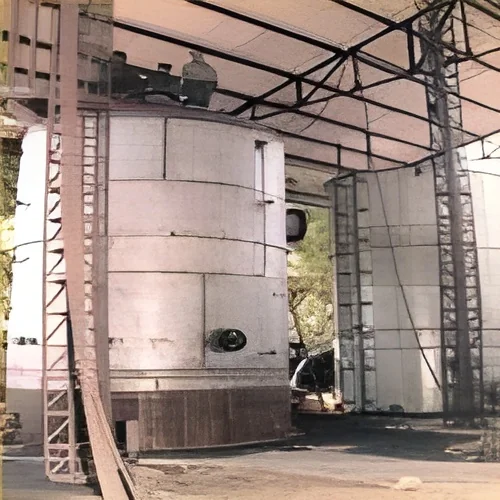
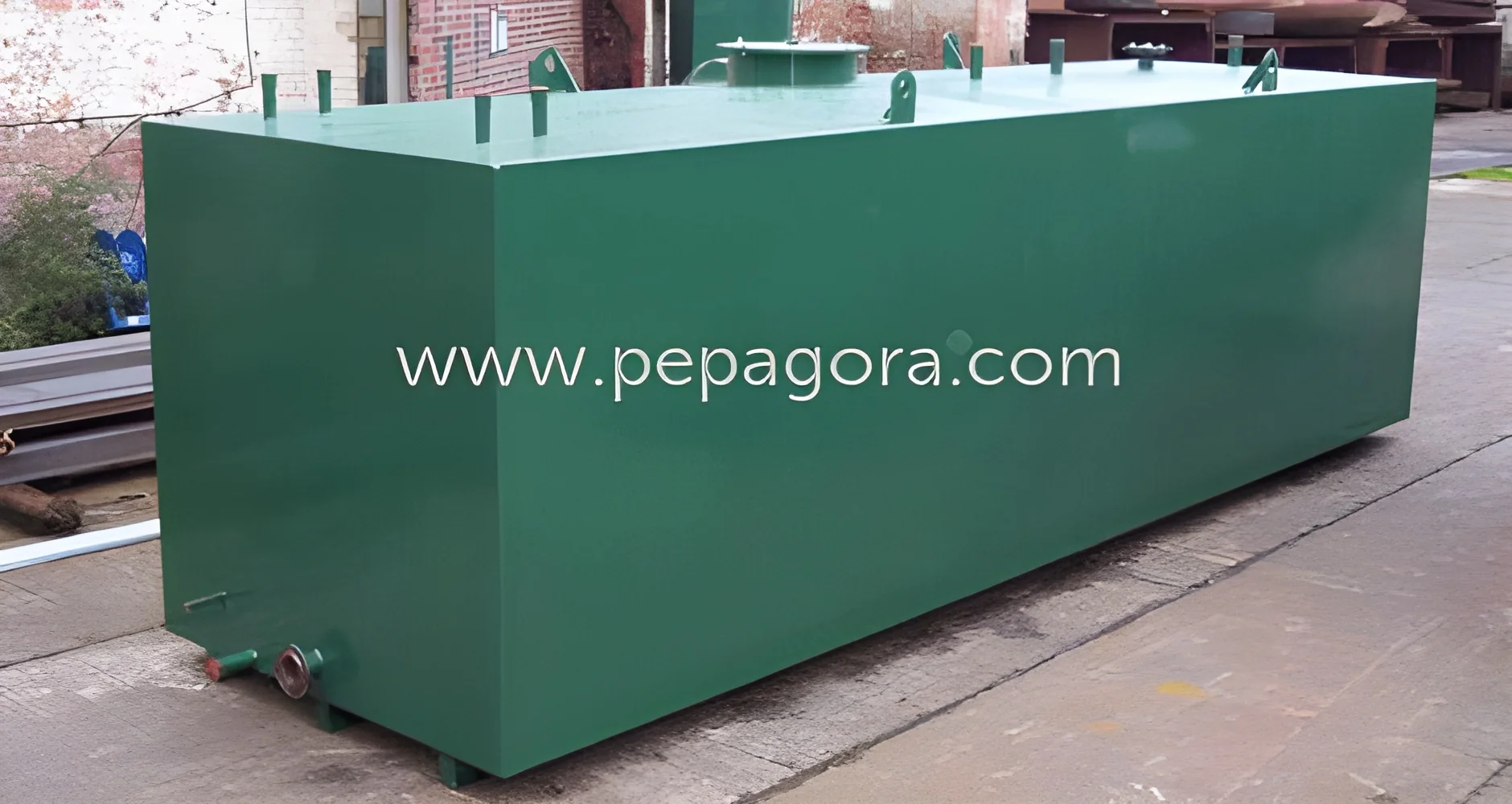
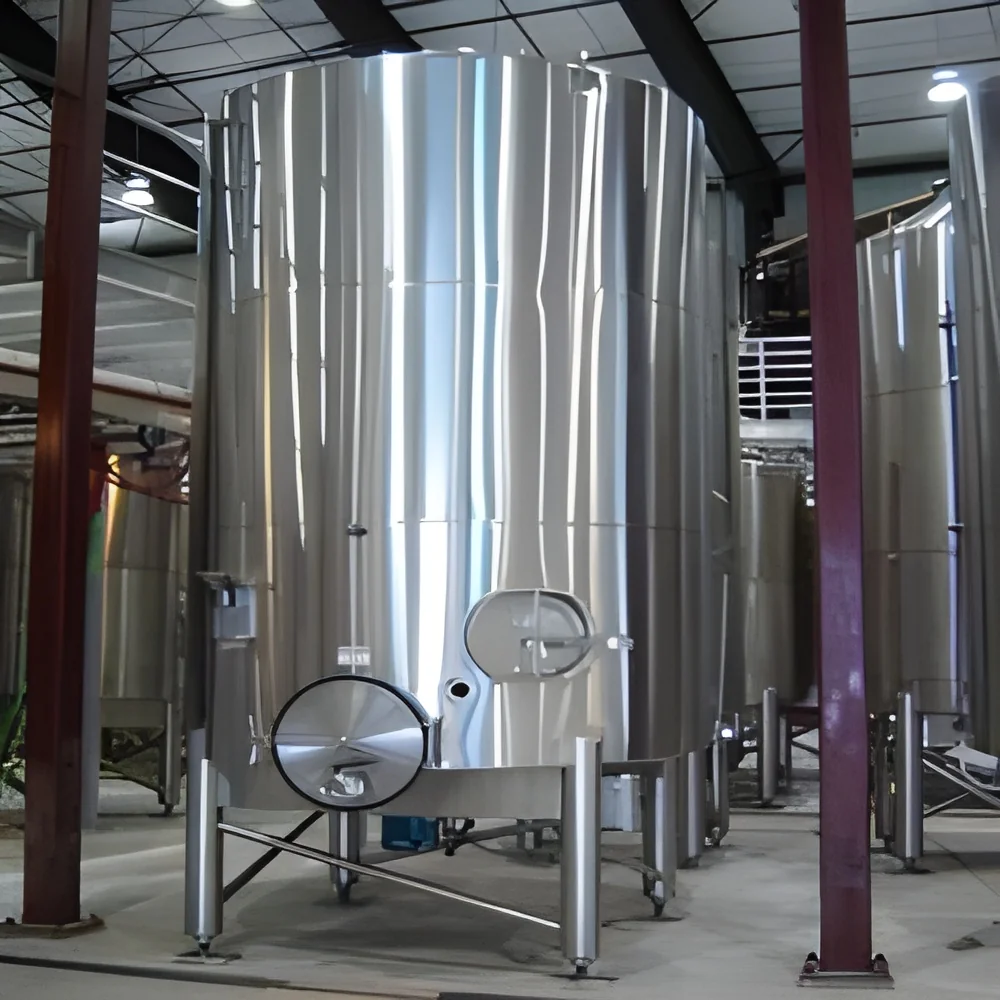
Stainless steel tanks are robust and durable, making them suitable for high-temperature and high-pressure applications. They are commonly used in the food and beverage industry due to their hygienic properties.
𝗕𝗲𝗻𝗲𝗳𝗶𝘁𝘀 𝗮𝗻𝗱 𝗔𝗱𝘃𝗮𝗻𝘁𝗮𝗴𝗲𝘀
Chemical storage tanks offer numerous advantages for industries that require safe and efficient chemical handling.
1. Enhanced Safety: These tanks are designed to minimize the risk of leaks and spills, ensuring a safer working environment.
2. Corrosion Resistance: The materials used in these tanks resist corrosion, prolonging their lifespan and reducing maintenance costs.
3. Regulatory Compliance: Many tanks meet industry-specific regulations, helping businesses avoid legal issues related to chemical storage.
4. Customization: The ability to customize tanks allows businesses to tailor solutions to their specific operational needs.
5. Cost-Effectiveness: Investing in durable and reliable chemical storage tanks can lead to long-term savings by reducing the risk of accidents and product loss.
6. Versatility: Available in various designs and capacities, these tanks can accommodate a wide range of chemicals and applications.
𝗕𝘂𝘆𝗶𝗻𝗴 𝗚𝘂𝗶𝗱𝗲 𝗳𝗼𝗿 𝗕𝟮𝗕 𝗕𝘂𝘆𝗲𝗿𝘀
When sourcing Chemical Storage Tanks (HDPE, FRP, SS), it is crucial for B2B buyers to consider several key factors.
1. Quality Assessment: Ensure that the tanks meet industry standards and are constructed from high-quality materials. Look for certifications that verify their performance and safety.
2. Supplier Verification: Vet suppliers thoroughly by checking their reputation, customer reviews, and track record. A reliable supplier can provide ongoing support and service.
3. Pricing and MOQ: Consider the pricing structure and minimum order quantities. Compare offers from multiple suppliers to ensure competitive pricing without compromising quality.
4. Delivery and Lead Times: Discuss delivery schedules and lead times with suppliers to ensure that tanks are available when needed. Timely delivery is critical for operational efficiency.
5. Compliance Requirements: Understand the regulatory requirements specific to your industry. Ensure that the tanks comply with local and international standards.
𝗖𝗼𝗺𝗽𝗹𝗶𝗮𝗻𝗰𝗲 𝗮𝗻𝗱 𝗖𝗲𝗿𝘁𝗶𝗳𝗶𝗰𝗮𝘁𝗶𝗼𝗻𝘀
Chemical storage tanks must adhere to various quality standards and certifications to ensure safety and reliability.
ISO 9001 is a widely recognized standard that ensures quality management systems are in place for manufacturing processes. This certification indicates that the supplier follows best practices in producing chemical storage tanks.
CE certification is also essential for ensuring that products meet European safety and performance standards. This certification is particularly important for businesses operating in or exporting to Europe.
Safety and testing requirements are critical in the production of chemical storage tanks. Regular testing for leaks, structural integrity, and chemical compatibility is necessary to maintain safety standards.
Regional compliance considerations may vary based on local regulations. It is vital for businesses to be aware of these regulations to avoid penalties and ensure safe operations.
Why Source Chemical Storage Tanks (HDPE, FRP, SS) from Pepagora?
Pepagora offers a reliable platform for sourcing Chemical Storage Tanks (HDPE, FRP, SS) with several advantages for B2B buyers.
Verified Supplier Network: Pepagora connects buyers with verified suppliers who have undergone thorough vetting. This ensures that buyers can access high-quality products and services.
Streamlined RFQ Process: The Request for Quotation (RFQ) process on Pepagora is designed to be efficient and user-friendly. Buyers can easily submit their requirements and receive competitive quotes from multiple suppliers.
Trade Assurance and Support: Pepagora provides trade assurance, protecting buyers throughout the purchasing process. Dedicated support ensures that any issues are addressed promptly.
Regional Coverage: With a strong presence in India, the GCC, and Southeast Asia, Pepagora offers a wide geographic reach. This allows buyers to find local suppliers while benefiting from a broad network of options.