
 IN
Centralized Dust Extraction Systems
8 products available
What are Centralized Dust Extraction Systems?
Centralized dust extraction systems are engineered solutions designed to collect and filter dust and other airborne contaminants from industrial environments. These systems typically consist of a network of ducting, dust collection units, and fans that work together to efficiently remove dust particles from the air. By maintaining a cleaner atmosphere, these systems help to improve air quality and worker safety in various industrial settings.
These systems are primarily used in manufacturing facilities, woodworking shops, metalworking industries, and other environments where dust generation is prevalent. They are essential in processes such as sanding, grinding, and cutting, where fine particles can pose health risks to workers. The implementation of centralized dust extraction systems not only ensures compliance with health and safety regulations but also enhances the overall efficiency of industrial operations.
In today's market, the relevance of centralized dust extraction systems is growing as businesses increasingly prioritize worker safety and environmental compliance. With the rise of stringent regulations regarding air quality and waste management, these systems have become indispensable in ensuring that industries meet legal standards while promoting a healthier work environment. As companies look to streamline operations and reduce costs associated with dust-related issues, the demand for effective dust extraction solutions continues to expand.
Key Features and Specifications
Centralized dust extraction systems come equipped with various features designed to optimize dust collection and improve operational efficiency. These features can vary significantly depending on the model and manufacturer.
Key specifications include:
1. Airflow Capacity
- Typically measured in cubic feet per minute (CFM), this specification indicates the volume of air that can be moved through the system, influencing its effectiveness in dust collection.
2. Filtration Efficiency
- This refers to the percentage of dust particles that the system can capture. High-efficiency particulate air (HEPA) filters are commonly used to ensure that even the smallest particles are removed.
3. Ducting Configuration
- The layout and design of ducting can affect airflow and dust collection efficiency. Systems may offer flexible or rigid ducting options based on the specific requirements of the facility.
4. Noise Levels
- Measured in decibels (dB), this specification indicates the operational noise of the system. Quieter models are preferable in environments where noise reduction is essential.
5. Power Consumption
- This metric indicates the energy efficiency of the system, allowing businesses to assess operating costs over time.
6. Maintenance Requirements
- Systems may differ in terms of how frequently they require maintenance, which can impact long-term operational costs.
7. Control Systems
- Advanced systems may offer automated controls for monitoring and managing airflow and dust collection, enhancing user convenience.
8. Build Quality
- The materials used in construction can influence durability and longevity, with options available in various grades to suit different industrial applications.
In summary, understanding the key features and specifications of centralized dust extraction systems is crucial for selecting the right solution for your facility's needs.
Common Applications and Use Cases
Centralized dust extraction systems are versatile and can be found in a wide range of industrial environments.
1. Manufacturing: In manufacturing facilities, these systems are vital for collecting dust generated from processes such as machining, grinding, and assembly, ensuring compliance with safety standards.
2. Woodworking: Woodworking shops utilize centralized dust extraction systems to manage wood dust produced during cutting and sanding, protecting workers from respiratory issues and improving visibility.
3. Metalworking: In metalworking industries, these systems help to manage fine metal shavings and dust, which can be hazardous and create potential fire risks.
4. Pharmaceutical: Pharmaceutical manufacturing environments use dust extraction systems to maintain strict cleanliness standards, ensuring that airborne contaminants do not compromise product quality.
5. Food Processing: In food processing plants, these systems are employed to collect dust and particles from various processes, adhering to hygiene regulations and enhancing worker safety.
6. Textile: Textile manufacturing facilities utilize these systems to control dust generated from fibers and fabrics, reducing health risks for workers and improving air quality.
7. Automotive: In automotive assembly plants, centralized dust extraction systems help manage dust from sanding and painting, maintaining a clean environment essential for quality control.
Product Variants and Subcategories
Centralized dust extraction systems come in various configurations to meet different operational needs.
Compact Models: These are designed for smaller facilities or operations where space is limited. They maintain high efficiency while taking up minimal floor space.
High-Performance Models: Suitable for larger industrial applications, these systems offer enhanced airflow capacity and filtration efficiency, making them ideal for environments with high dust generation.
Mobile Units: These portable systems can be moved as needed throughout the facility, providing flexible dust collection solutions for multiple workstations.
Benefits and Advantages
Investing in centralized dust extraction systems offers numerous advantages for businesses.
1. Improved Air Quality: These systems significantly enhance indoor air quality, contributing to a healthier work environment and reducing the risk of respiratory illnesses among employees.
2. Regulatory Compliance: Utilizing centralized dust extraction systems helps businesses meet local and international regulations regarding air quality and worker safety, avoiding potential fines and legal issues.
3. Increased Productivity: By minimizing dust accumulation, these systems can improve visibility and reduce downtime due to cleaning, thereby enhancing overall operational efficiency.
4. Cost Savings: Effective dust management can lead to reduced equipment wear and tear, lower maintenance costs, and decreased energy consumption, ultimately resulting in significant savings.
5. Enhanced Safety: By removing hazardous dust particles from the air, these systems reduce the risk of fire and explosion, ensuring a safer workplace.
6. Customization Options: Many manufacturers offer tailor-made solutions to fit specific operational needs, allowing businesses to optimize their dust extraction capabilities.
Buying Guide for B2B Buyers
When sourcing centralized dust extraction systems, it is essential to consider several key factors to ensure you make an informed decision.
1. Quality Assessment: Look for systems that adhere to recognized quality standards to ensure reliability and performance. Research manufacturer reputations and customer reviews before making a purchase.
2. Supplier Verification: Vet potential suppliers thoroughly. Check their credentials, certifications, and customer service records to ensure they are reputable and reliable.
3. Pricing and MOQ: Understand the pricing structure of the systems and inquire about minimum order quantities (MOQ). This will help you budget effectively and ensure you receive the best value for your investment.
4. Delivery and Lead Times: Clarify delivery timelines with suppliers to ensure you can meet your operational deadlines. Consider logistics and potential delays that could impact your operations.
5. Compliance Requirements: Ensure that the systems you are considering comply with relevant industry regulations and standards. This is crucial for avoiding legal issues and ensuring worker safety.
Compliance and Certifications
Centralized dust extraction systems must adhere to various quality standards and certifications to ensure safety and efficiency.
ISO 9001 is a widely recognized quality management standard that ensures manufacturers maintain consistent quality in their processes and products. Compliance with this standard is essential for reliability.
CE certification indicates that a product meets European safety, health, and environmental protection standards. Systems with this certification can be marketed within the European Economic Area, ensuring they meet essential safety requirements.
Additionally, safety and testing requirements may vary by region and industry, necessitating compliance with local regulations. Businesses should be aware of these requirements to ensure their systems are suitable for their operational environments.
Regional compliance considerations may include specific environmental regulations that vary by country. Understanding these nuances is vital for businesses looking to operate in different markets.
Why Source Centralized Dust Extraction Systems from Pepagora?
Pepagora offers a trusted platform for businesses seeking centralized dust extraction systems, providing several key advantages.
Verified Supplier Network: Pepagora connects buyers with a network of verified suppliers, ensuring that businesses can source high-quality equipment with confidence. Each supplier undergoes a stringent vetting process to ensure reliability.
Streamlined RFQ Process: The platform simplifies the request for quotation (RFQ) process, allowing buyers to easily compare options and receive competitive pricing from multiple suppliers, thus saving time and resources.
Trade Assurance and Support: Pepagora provides trade assurance, protecting buyers from potential issues related to order fulfillment and quality. Additionally, customer support is readily available to assist with any inquiries.
Regional Coverage: With a focus on markets in India, the GCC, and Southeast Asia, Pepagora provides extensive regional coverage, making it easier for businesses to find suitable suppliers in their geographic areas. This local knowledge enhances the sourcing experience and fosters successful transactions.

 India
 India

 India
 India

Frequently Asked Questions
What are Centralized Dust Extraction Systems?
Centralized Dust Extraction Systems are industrial setups designed to collect and manage dust and airborne particles generated from various manufacturing processes. These systems utilize a network of ducts and suction devices to transport dust to a central collection point, ensuring a cleaner and safer working environment.
What are the different types of Centralized Dust Extraction Systems?
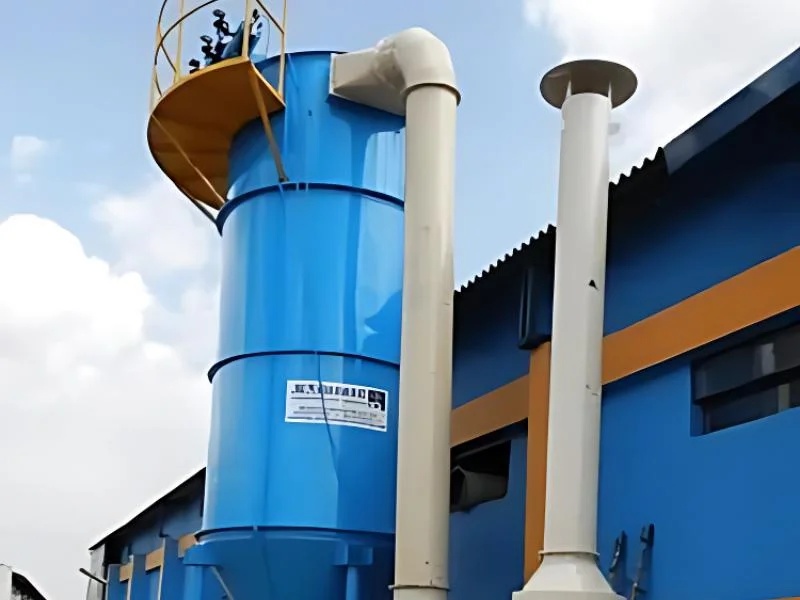
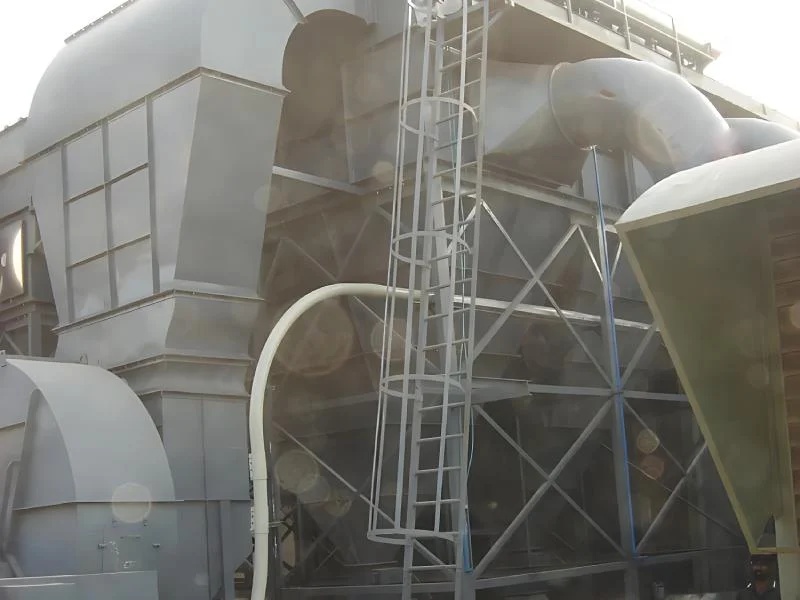
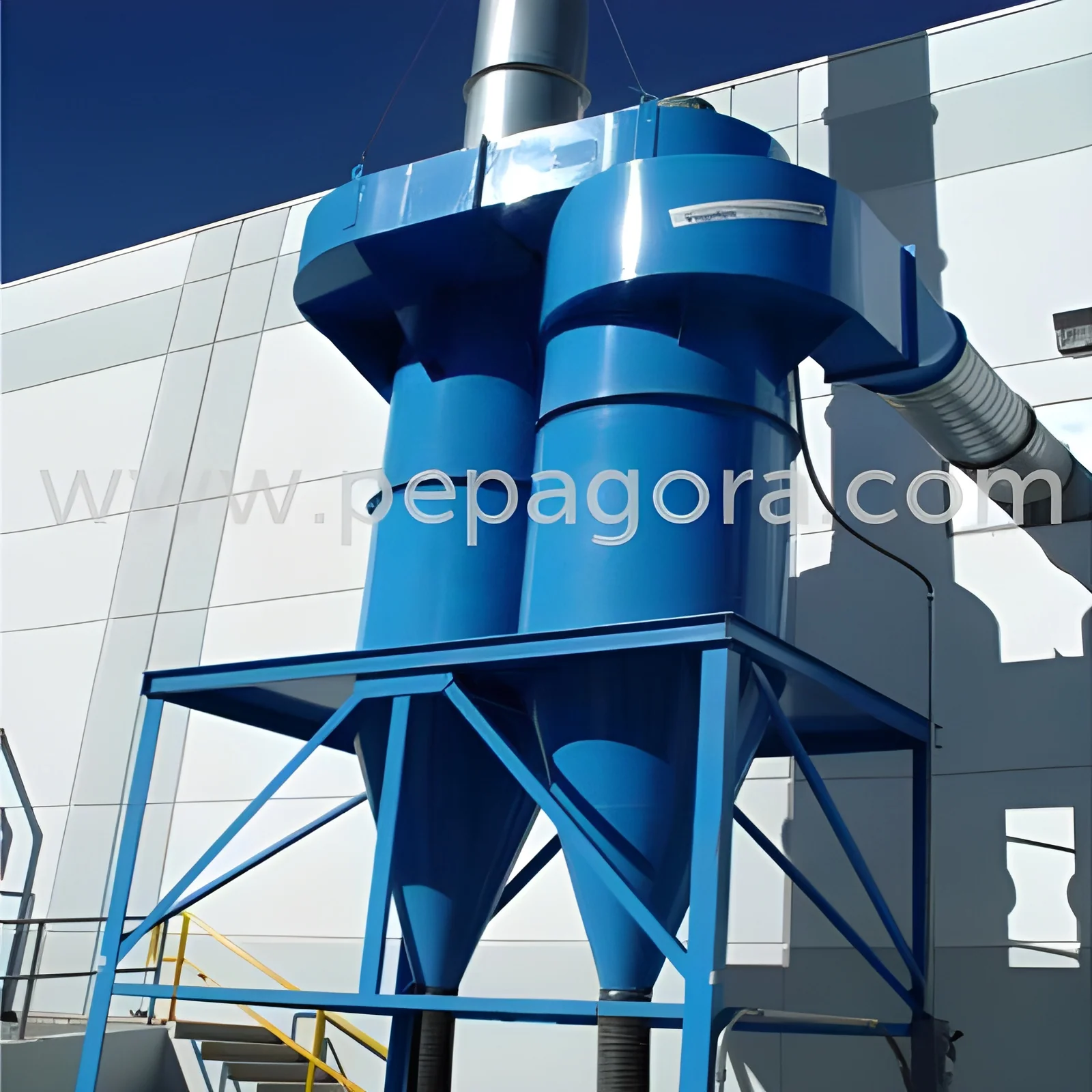
There are several types of Centralized Dust Extraction Systems, including baghouse filters, cartridge filters, and cyclone separators. Each type operates on different principles and is suited for specific applications, allowing businesses to choose a solution that meets their dust control needs.
How do I choose the right Centralized Dust Extraction Systems?
To choose the right Centralized Dust Extraction System, consider factors such as the type and volume of dust generated, the layout of your facility, and any specific regulatory requirements. Consulting with manufacturers or suppliers can also help in selecting a system that fits your operational needs.
What are the standard specifications for Centralized Dust Extraction Systems?
Standard specifications for Centralized Dust Extraction Systems may include airflow capacity, filtration efficiency, noise levels, and dimensions. It's important to review these specifications to ensure the system meets the requirements of your application and complies with industry standards.
What is the price range for Centralized Dust Extraction Systems?
The price range for Centralized Dust Extraction Systems can vary widely based on factors such as system size, complexity, and features. Generally, prices can start from a few thousand Indian Rupees for smaller systems to several lakhs for larger, more advanced setups.
What quality standards apply to Centralized Dust Extraction Systems?
Centralized Dust Extraction Systems must comply with various quality standards, including ISO certifications and local safety regulations. These standards ensure that systems are designed and manufactured to operate efficiently while minimizing environmental impact and ensuring worker safety.
Where can I find Centralized Dust Extraction Systems suppliers in India?
You can find suppliers of Centralized Dust Extraction Systems in India through B2B marketplaces like Pepagora.com, industry trade shows, and manufacturer directories. It's advisable to compare multiple suppliers to find the best options for quality and pricing.
Can Centralized Dust Extraction Systems be customized?
Yes, many manufacturers offer customization options for Centralized Dust Extraction Systems to better suit specific operational requirements. This can include adjustments in size, filtration type, and additional features tailored to the unique needs of the business.
What is the typical minimum order quantity for Centralized Dust Extraction Systems?
The typical minimum order quantity (MOQ) for Centralized Dust Extraction Systems can vary by manufacturer but often starts at one unit for customized systems. For bulk orders or standard models, suppliers may have different MOQs, so it's essential to check with individual suppliers.
What is the typical lead time for Centralized Dust Extraction Systems?
The lead time for Centralized Dust Extraction Systems typically ranges from a few weeks to a couple of months, depending on the complexity of the system and the manufacturer’s production schedule. It's advisable to confirm lead times with suppliers when placing an order.
Why Businesses Trust Pepagora
Thousands of companies trust Pepagora to source smarter and sell faster
Expand Your Sales Globally

Source Smarter,Grow Faster
