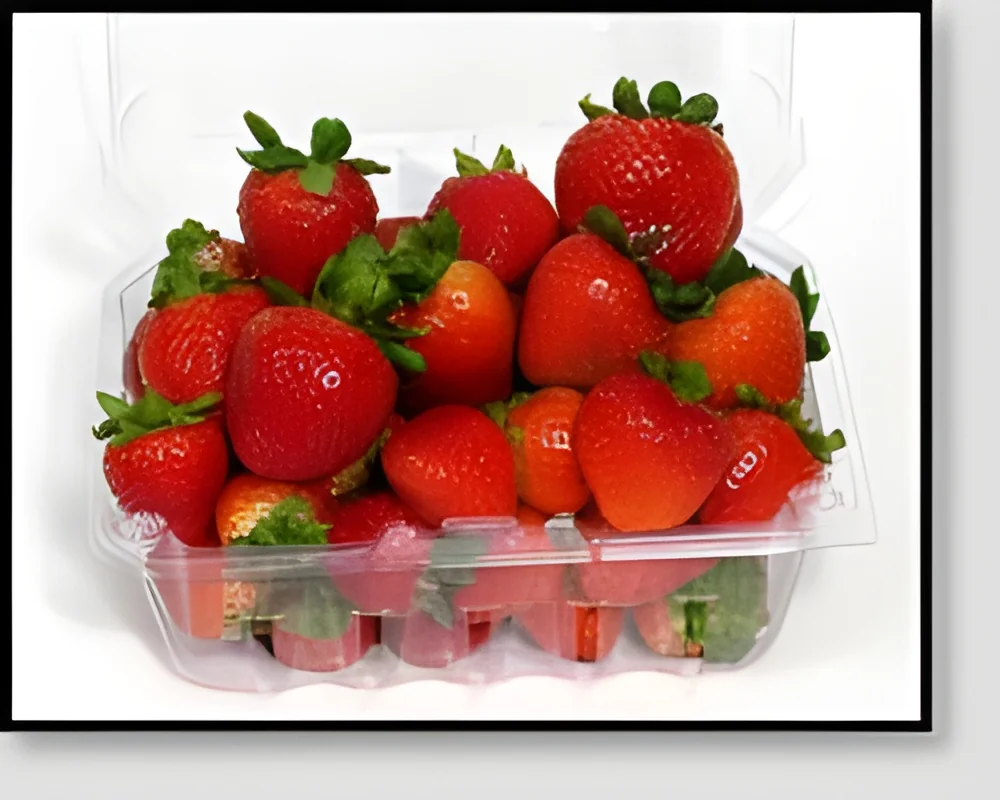
What are Blueberries & Raspberries?
Blueberries and raspberries are popular berries known for their sweet flavors and nutritional benefits. Blueberries are small, round, and blue-purple in color, while raspberries are typically red, though they can also be found in black, purple, and golden varieties. Both fruits belong to the genus Rubus and are cultivated for their delicious taste, vibrant color, and high antioxidant content. They are commonly enjoyed fresh, frozen, or processed into jams, juices, and other food products.
In the business context, blueberries and raspberries are widely used in various industries, including food and beverage, nutraceuticals, and cosmetics. They are valued for their versatility and health benefits, making them a staple in many products. Blueberries are often highlighted in health food markets due to their high levels of vitamins and antioxidants, while raspberries are prized for their unique flavor and culinary applications. The global demand for these berries continues to rise, driven by consumer interest in health and wellness.
The market for blueberries and raspberries is robust, with significant growth attributed to increasing health awareness among consumers. As more people seek natural and nutritious food options, the production and distribution of these berries have expanded globally. Businesses that source and supply blueberries and raspberries must stay informed about market trends and consumer preferences to remain competitive.
Key Features and Specifications
Blueberries and raspberries boast several key features that make them desirable for various applications. Their nutritional profiles, flavor profiles, and versatility in food processing are some of the reasons they are sought after in the market.
Key specifications include:
1. Nutritional Content
- Rich in vitamins C and K
- High in dietary fiber and antioxidants
2. Flavor Profile
- Blueberries: Sweet with a hint of tartness
- Raspberries: Tart and juicy with sweet undertones
3. Harvesting Season
- Blueberries: Typically harvested from June to August
- Raspberries: Harvested from June to September
4. Shelf Life
- Fresh blueberries: 1-2 weeks under proper refrigeration
- Fresh raspberries: 3-5 days under proper refrigeration
5. Packaging Options
- Available in bulk, pints, and frozen formats
- Eco-friendly packaging options are increasingly popular
6. Color Variations
- Blueberries: Uniform blue-purple color
- Raspberries: Available in red, black, purple, and golden varieties
7. Source Regions
- Blueberries: Grown primarily in North America, Europe, and South America
- Raspberries: Cultivated in North America, Europe, and parts of Asia
8. Processing Methods
- Can be freeze-dried, pureed, or made into concentrates for various applications
Overall, the combination of flavor, nutrition, and versatility makes blueberries and raspberries valuable products in the market.
Common Applications and Use Cases
Blueberries and raspberries are utilized across several industries, each capitalizing on their unique properties.
1. Food and Beverage Industry: These berries are often used in smoothies, desserts, and breakfast foods. Their vibrant colors and flavors enhance both taste and presentation.
2. Nutraceuticals: Blueberries and raspberries are included in dietary supplements due to their antioxidant properties, which are linked to various health benefits.
3. Cosmetics: Extracts from these berries are utilized in skincare products for their nourishing and antioxidant qualities, appealing to health-conscious consumers.
4. Confectionery: These fruits are commonly used in candies and snacks, adding natural sweetness and flavor.
5. Frozen Foods: The berries are often frozen for use in off-season products, maintaining their nutritional value and flavor.
6. Sauces and Jams: Blueberries and raspberries are popular ingredients in sauces, jams, and jellies, providing natural sweetness and flavor.
7. Bakery Products: These berries are frequently added to muffins, cakes, and pastries, enhancing flavor and nutrition.
Product Variants and Subcategories
The diversity of blueberries and raspberries allows for various product offerings, catering to different market needs.
Fresh Blueberries
Fresh blueberries are a popular choice for consumers seeking nutritious snacks. They are often sold in pints and are prized for their sweet taste and health benefits.
Frozen Blueberries
Frozen blueberries maintain their nutritional value and are ideal for year-round use in smoothies, baked goods, and sauces. They are often available in bulk for food manufacturers.
Fresh Raspberries
Fresh raspberries are highly sought after for their unique flavor and versatility in culinary applications. They are typically sold in clamshell packaging to ensure freshness.
Frozen Raspberries
Frozen raspberries are used in various food products, including desserts and beverages. Their vibrant color and taste make them an appealing ingredient for food manufacturers.
Benefits and Advantages
Sourcing blueberries and raspberries offers several advantages to businesses in the food and beverage sector.
1. Nutritional Value: Both berries are rich in vitamins, minerals, and antioxidants, making them appealing to health-conscious consumers.
2. Versatility: Blueberries and raspberries can be used in a wide range of products, from fresh snacks to processed foods, allowing for diverse applications.
3. Flavor Profile: The unique and appealing flavors of these berries enhance the taste of numerous products, making them desirable for food manufacturers.
4. Market Demand: The growing trend towards natural and healthy foods ensures a steady demand for blueberries and raspberries in various industries.
5. Seasonal Availability: With multiple harvest seasons, businesses can plan for fresh and frozen options to meet consumer needs throughout the year.
6. Consumer Appeal: The vibrant colors and flavors of blueberries and raspberries attract consumers, enhancing product marketing and sales potential.
Buying Guide for B2B Buyers
When sourcing blueberries and raspberries, it is essential for B2B buyers to consider several factors to ensure quality and reliability.
1. Quality Assessment: Buyers should evaluate the freshness, size, and color of blueberries and raspberries. Berries should be firm, plump, and free from blemishes or mold.
2. Supplier Verification: It is crucial to vet suppliers for their credibility and reliability. Look for suppliers with a good reputation and positive reviews in the industry.
3. Pricing and MOQ: Understand the pricing structure and minimum order quantities (MOQ) from suppliers. Compare prices to ensure competitive sourcing.
4. Delivery and Lead Times: Ensure that suppliers can meet delivery schedules and lead times, especially for perishable goods like berries.
5. Compliance Requirements: Be aware of any regulatory requirements related to food safety and quality standards that must be met when sourcing blueberries and raspberries.
Compliance and Certifications
Compliance with quality standards is vital in the sourcing of blueberries and raspberries. Relevant standards include ISO 9001, which ensures consistent quality management systems, and HACCP, which focuses on food safety through hazard analysis and critical control points.
Additionally, industry certifications such as CE ensure that products meet European health, safety, and environmental protection standards. Buyers should also consider safety and testing requirements applicable to food products, ensuring that only safe and compliant goods are sourced.
Regional compliance considerations may vary based on local regulations and market requirements. Understanding these standards is crucial for businesses operating in different regions to ensure compliance and maintain product integrity.
Why Source Blueberries & Raspberries from Pepagora?
Pepagora serves as a trusted platform for sourcing blueberries and raspberries, offering several key advantages to buyers.
Verified Supplier Network: Pepagora connects buyers with a network of verified suppliers, ensuring that only reputable vendors are considered for sourcing. This verification process helps mitigate risks associated with quality and reliability.
Streamlined RFQ Process: The platform facilitates a streamlined Request for Quotation (RFQ) process, allowing buyers to easily request quotes from multiple suppliers. This efficiency enables buyers to compare offers and make informed decisions.
Trade Assurance and Support: Pepagora provides trade assurance and support to buyers, protecting their purchases and ensuring a smooth transaction process. This service builds trust and confidence in sourcing decisions.
Regional Coverage: With a focus on regions such as India, the GCC, and Southeast Asia, Pepagora offers extensive geographic reach. This ensures that buyers can find local suppliers that meet their specific needs while benefiting from competitive pricing and timely delivery.

 IN
IN
 India
India