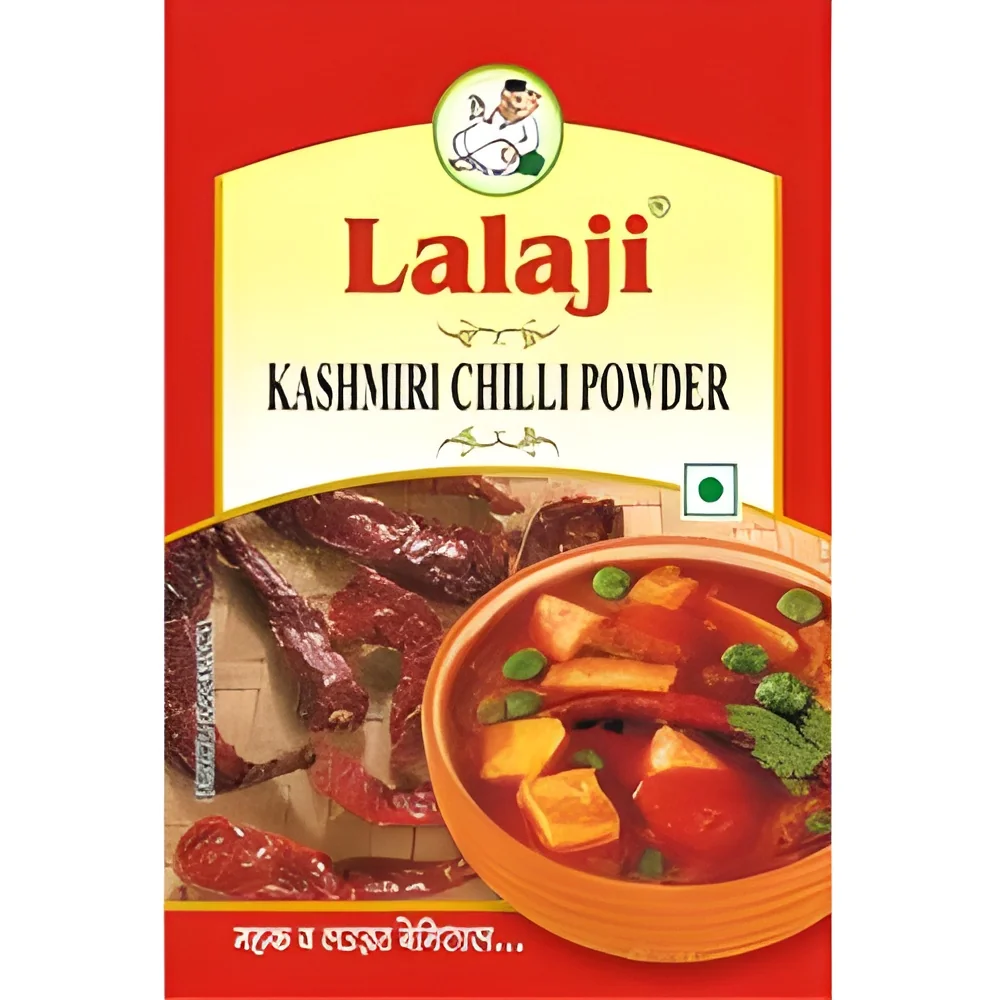
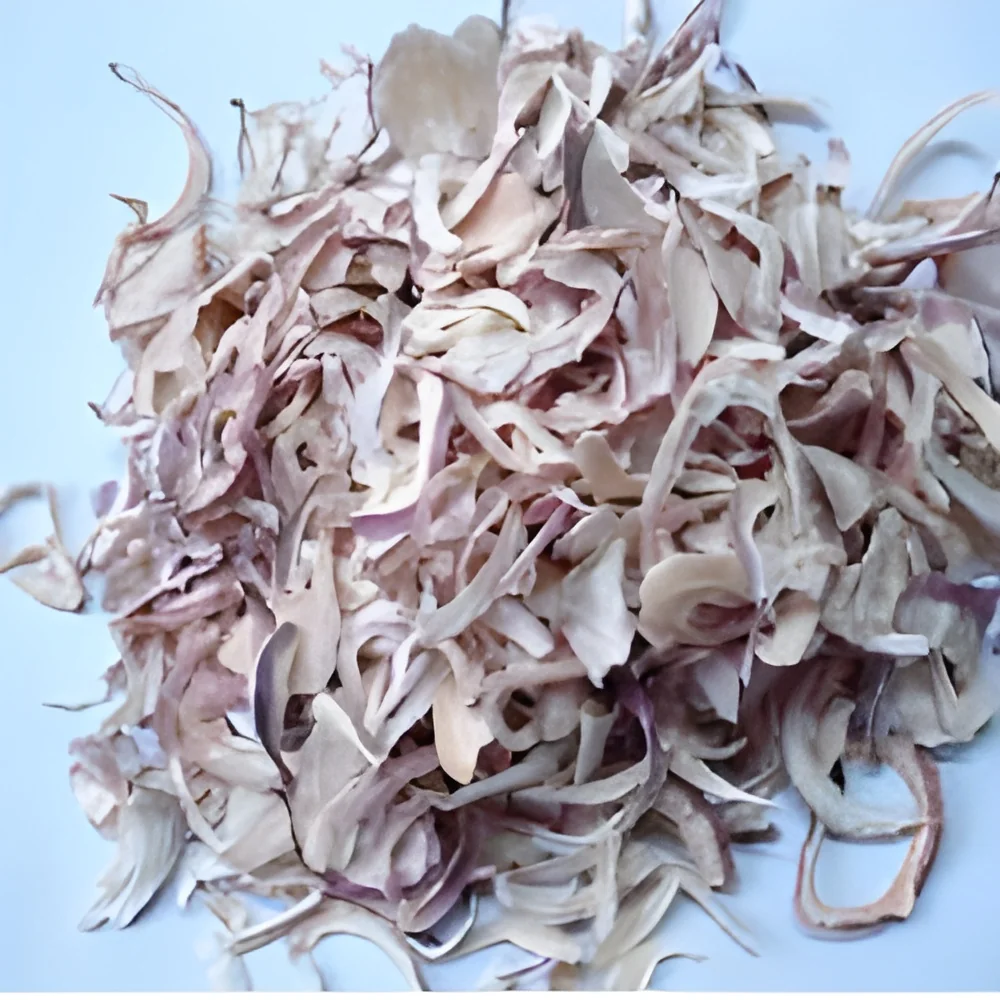
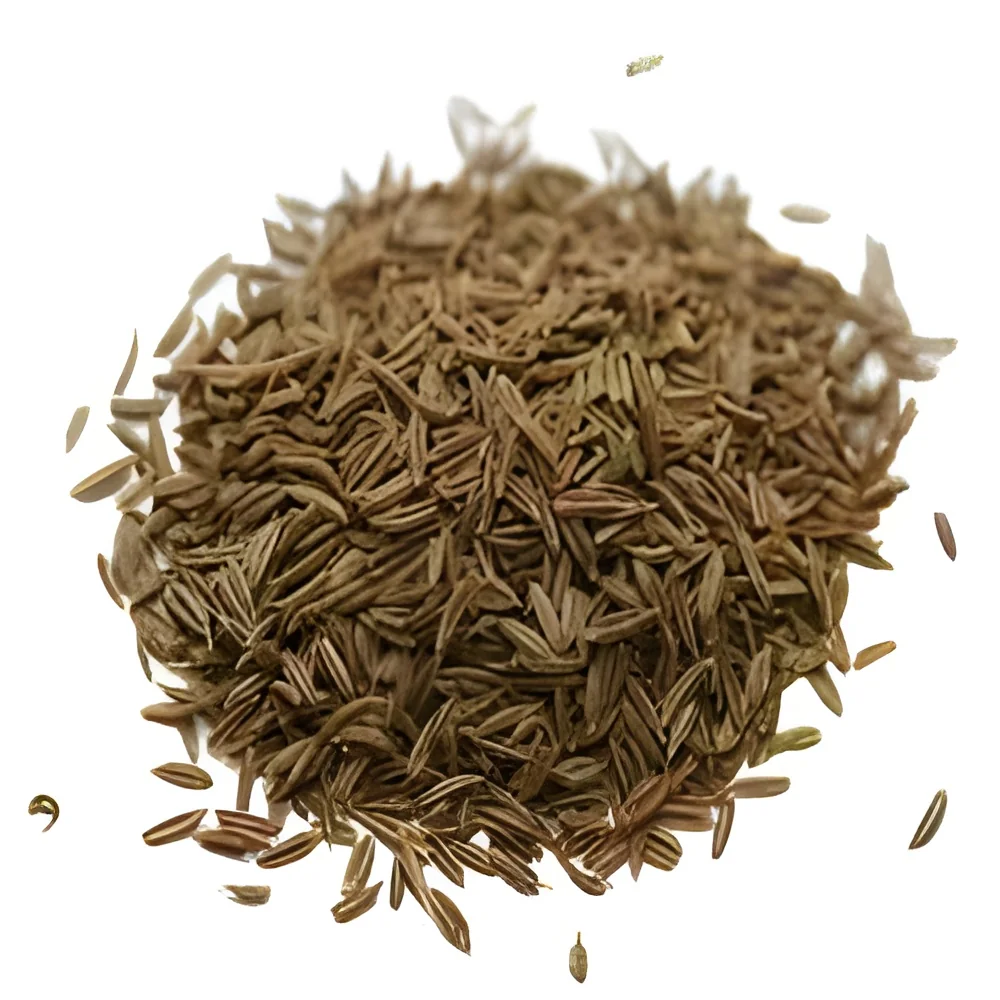
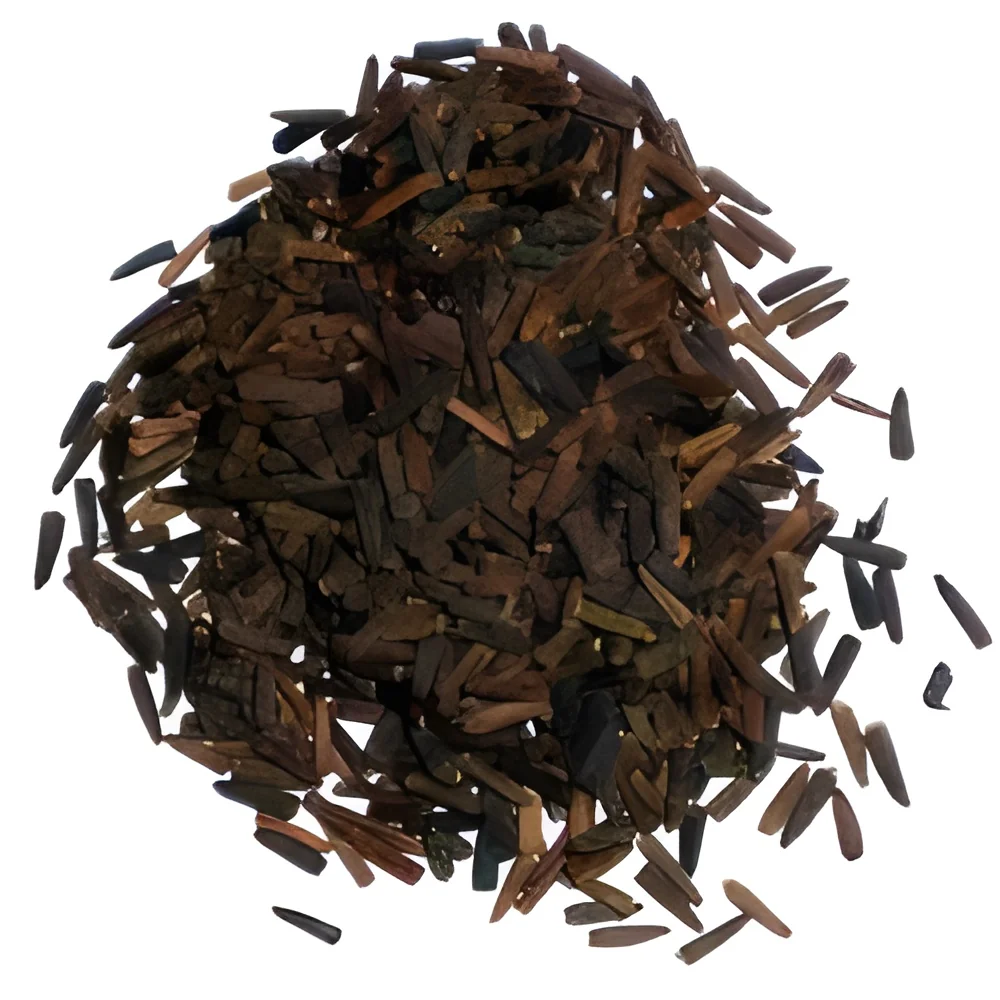
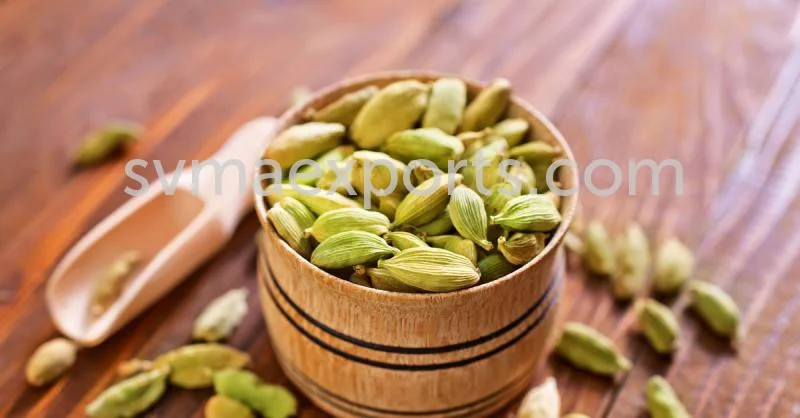
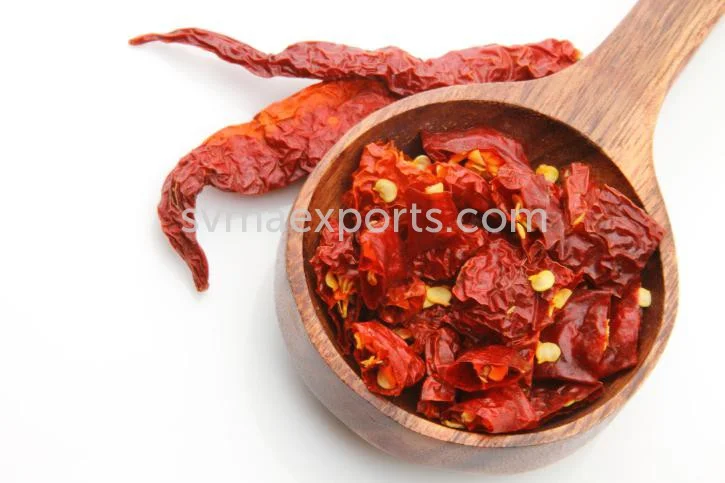
𝗪𝗵𝗮𝘁 𝗮𝗿𝗲 𝗦𝗽𝗶𝗰𝗲𝘀 & 𝗛𝗲𝗿𝗯𝘀?
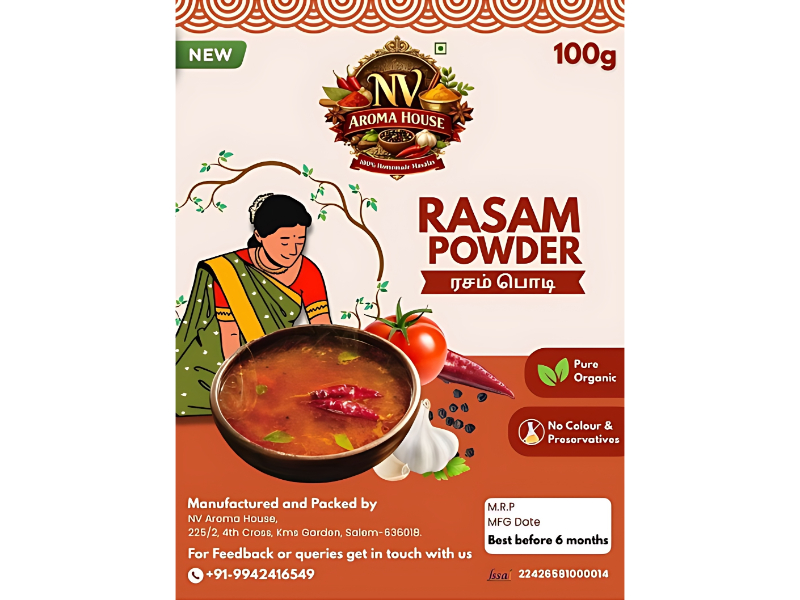
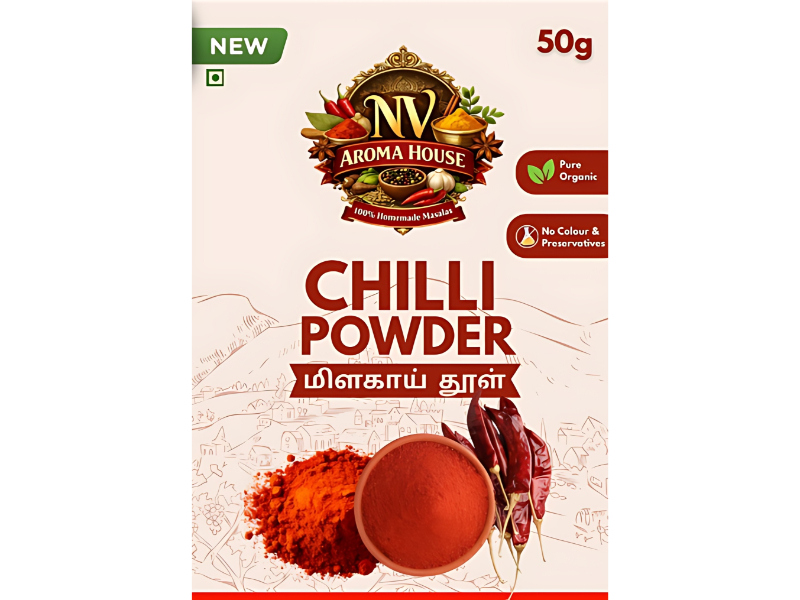
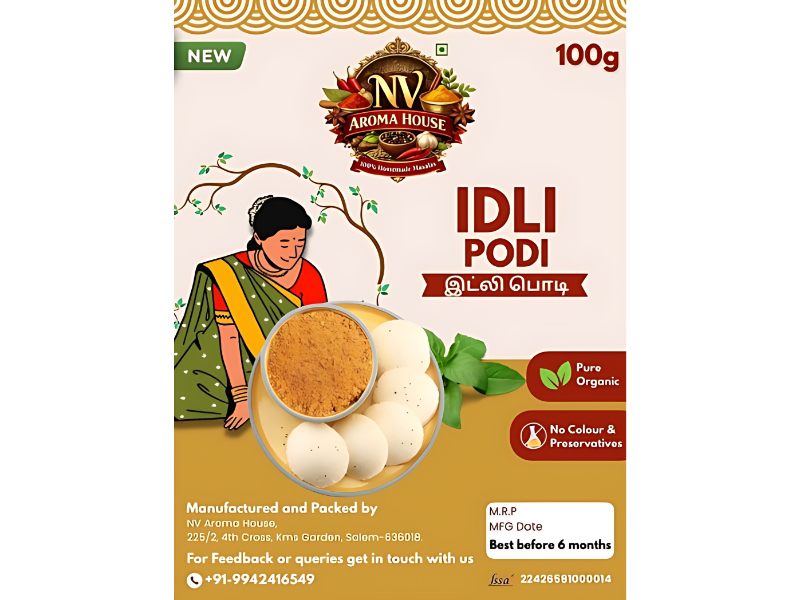
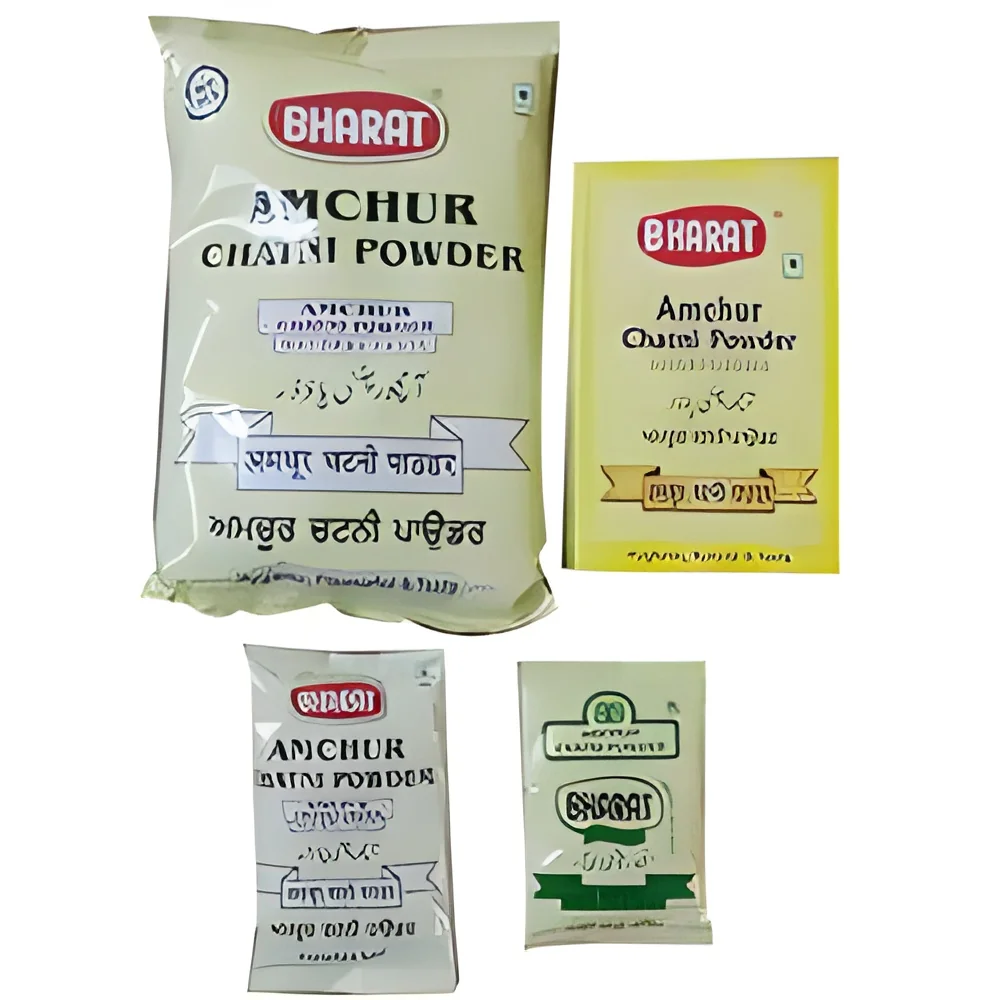
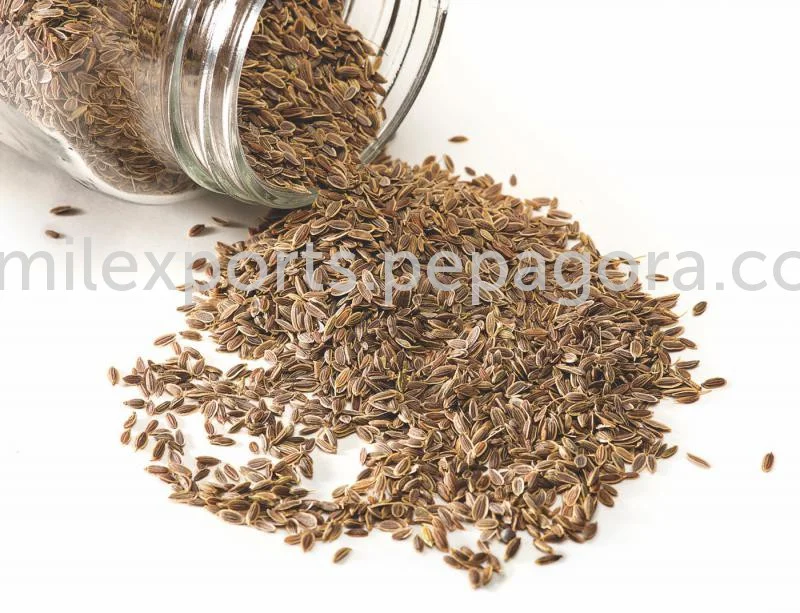
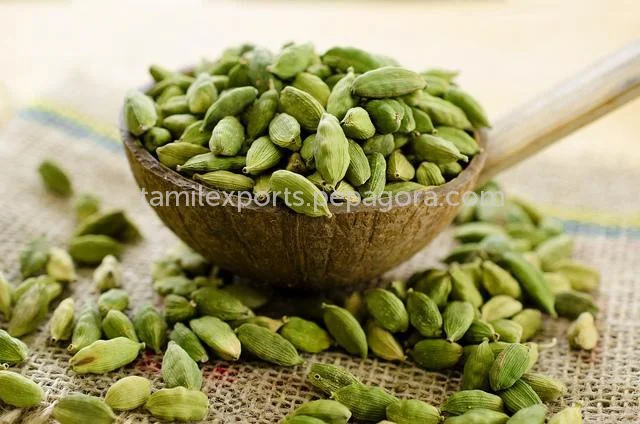
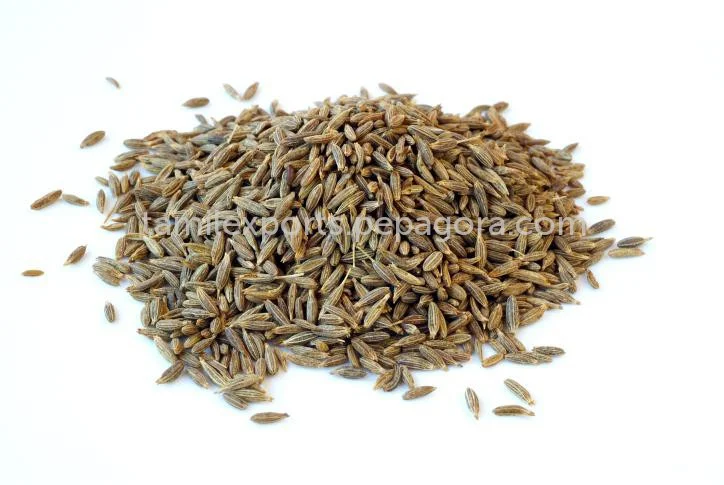
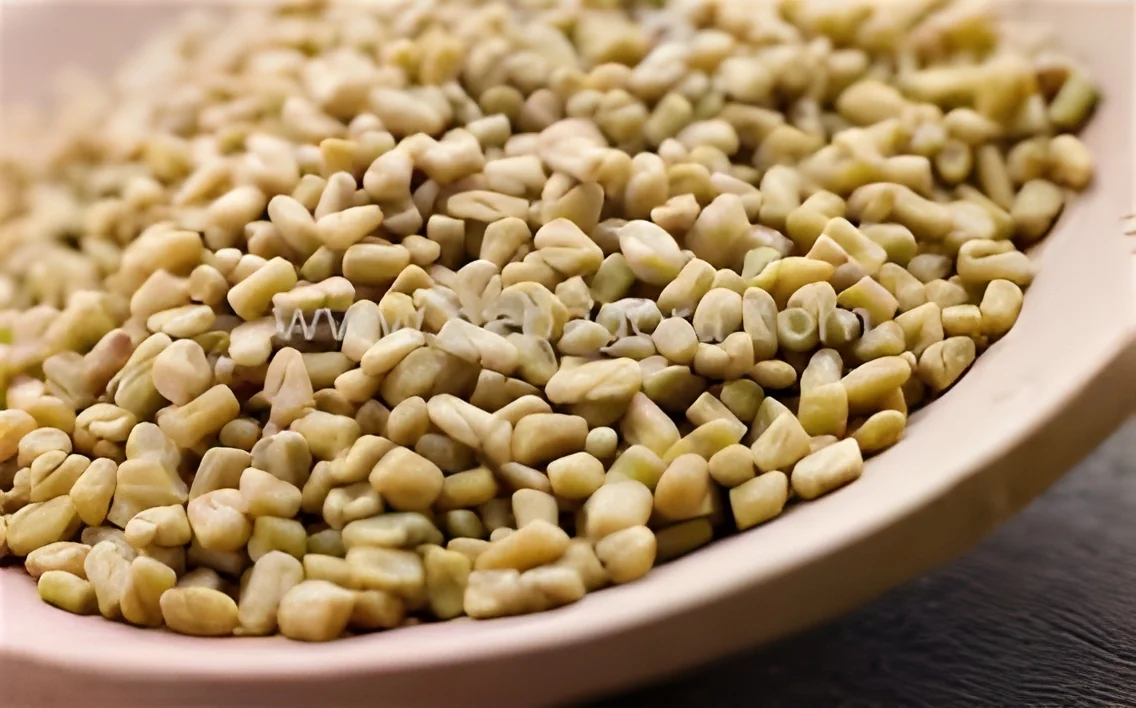
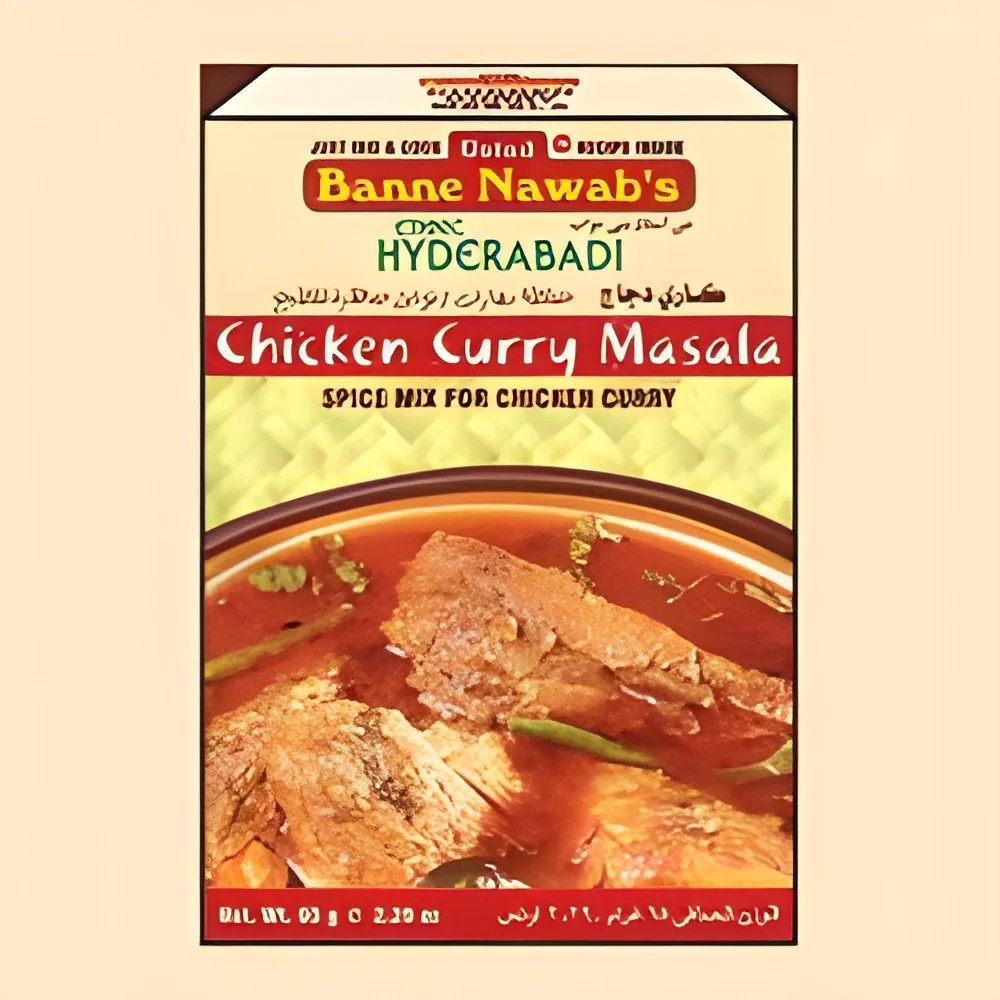
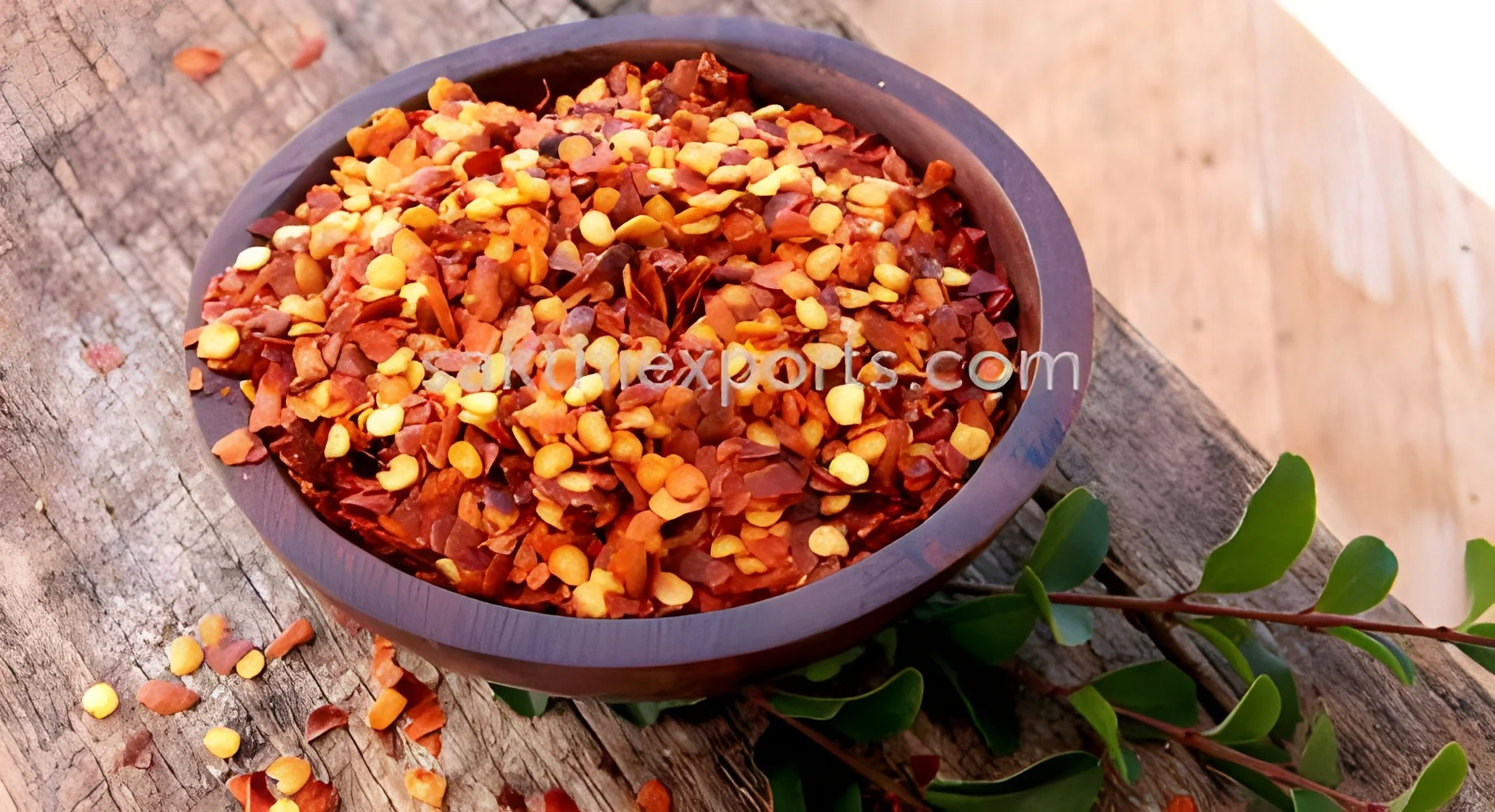
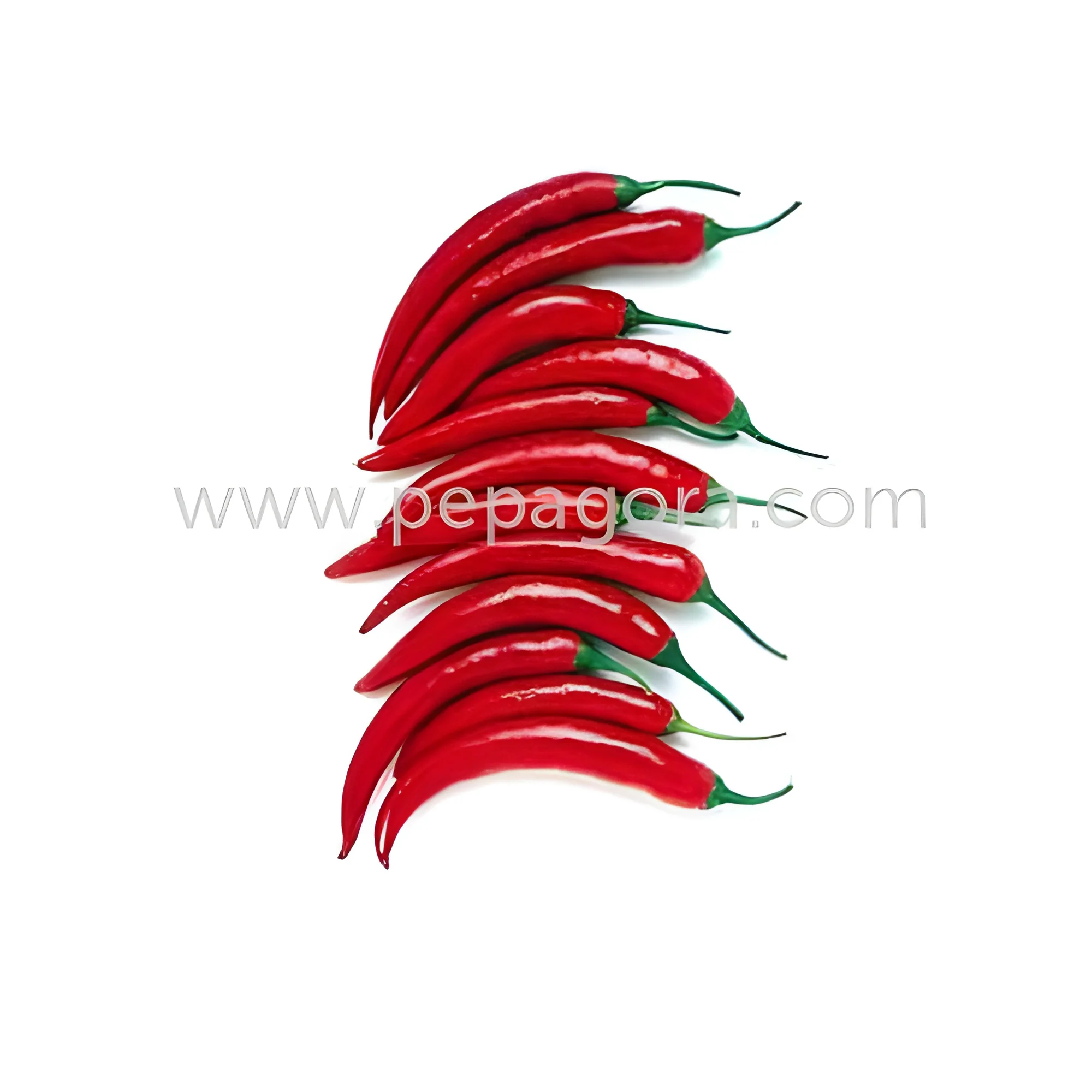
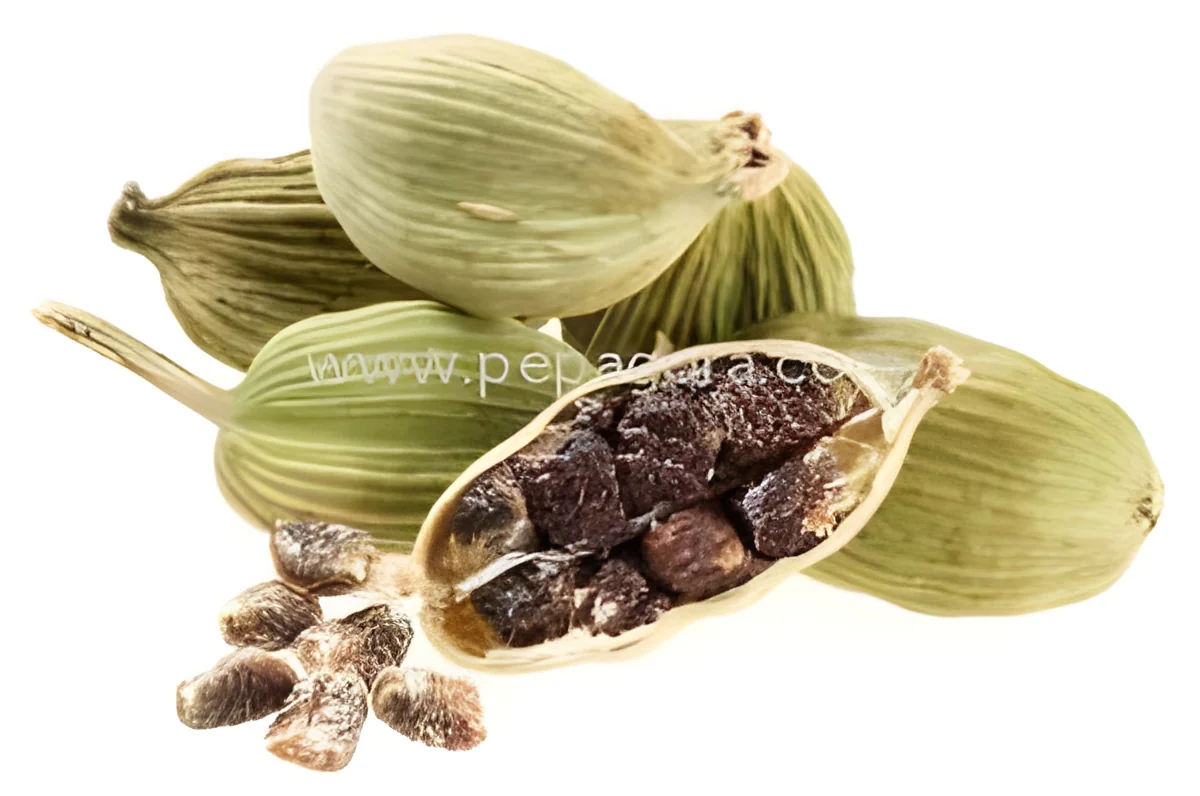
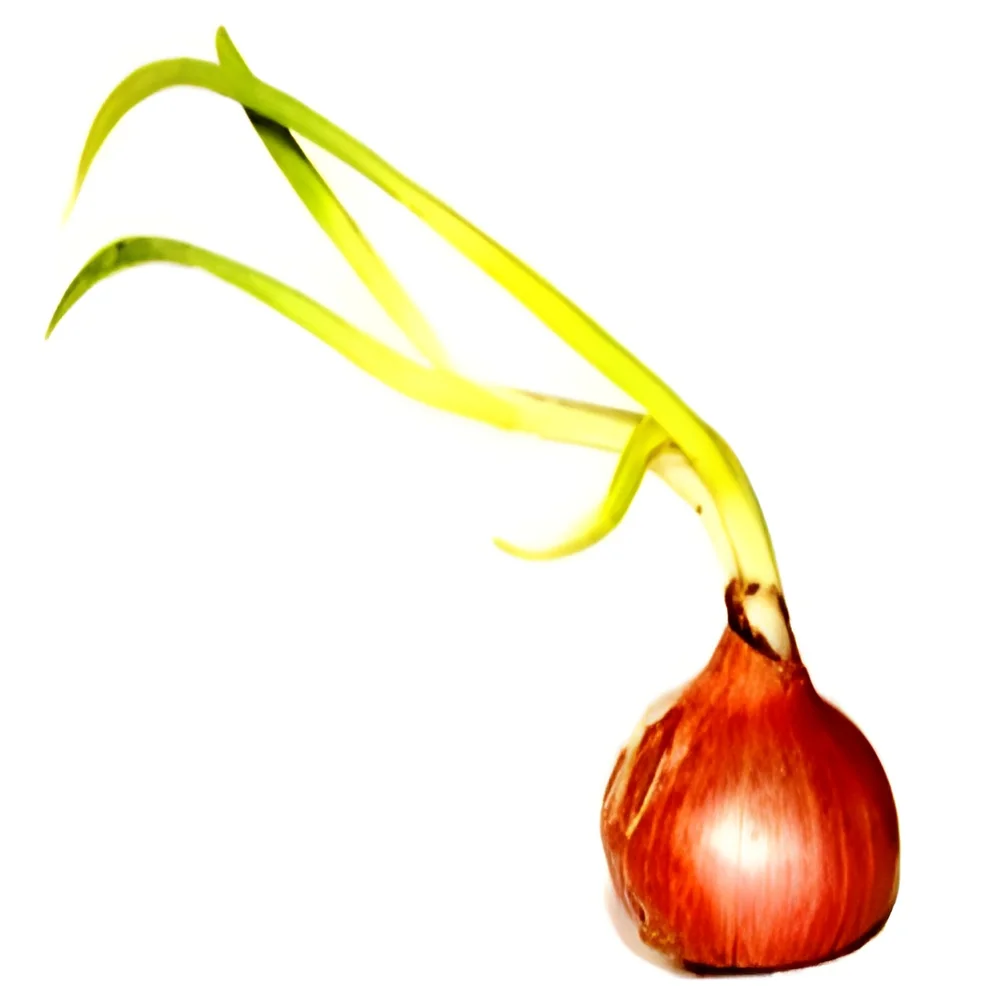
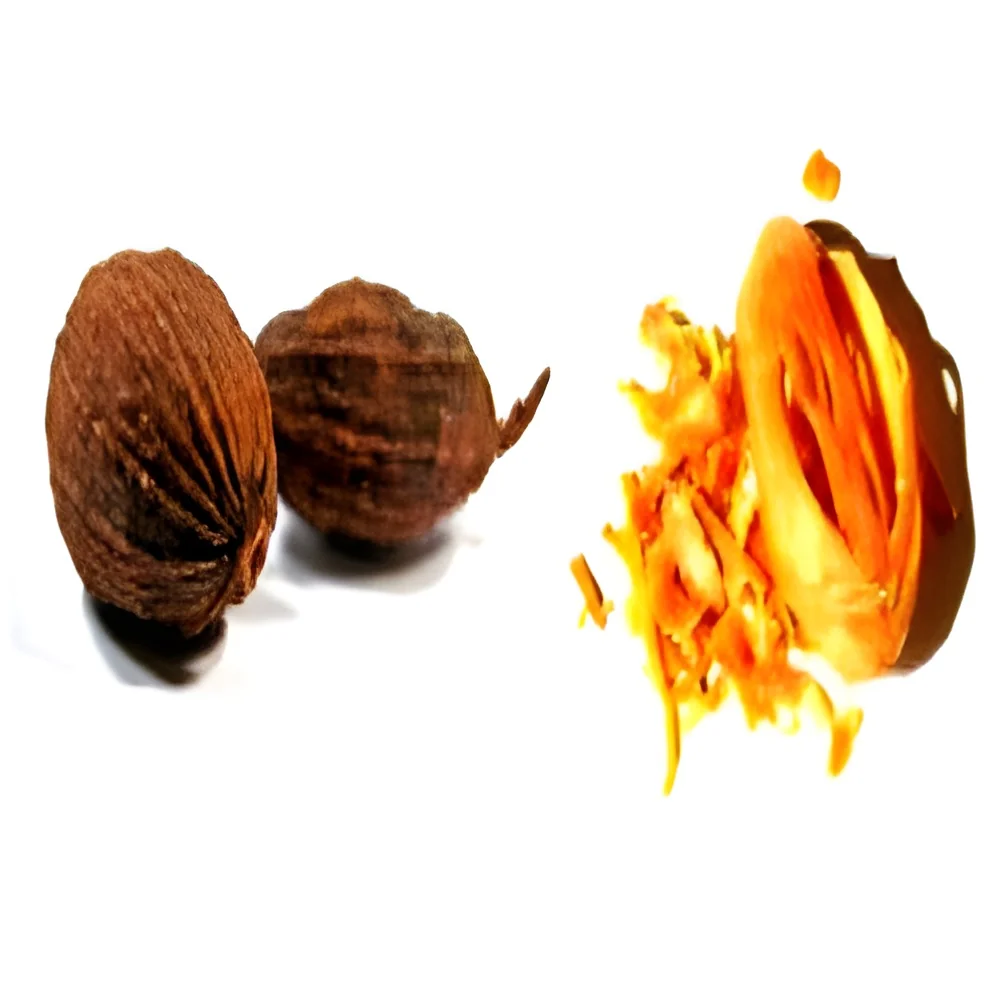
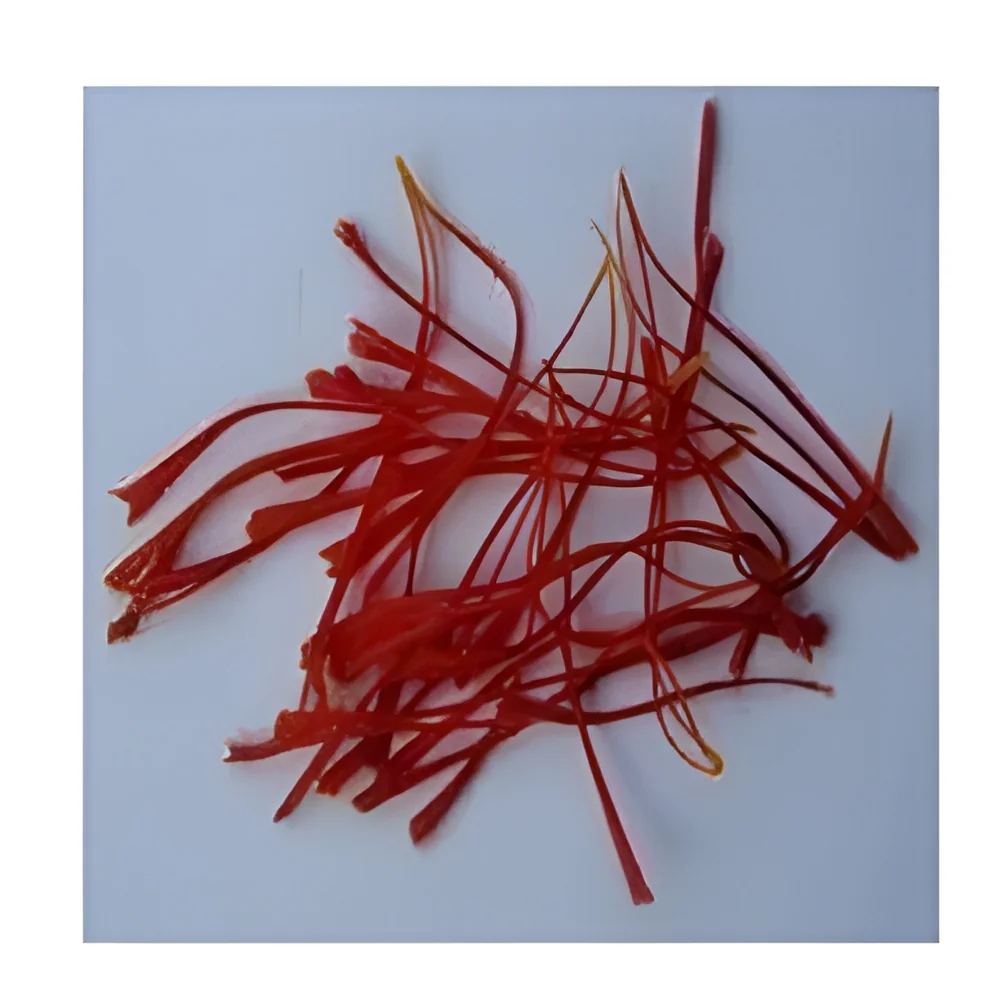
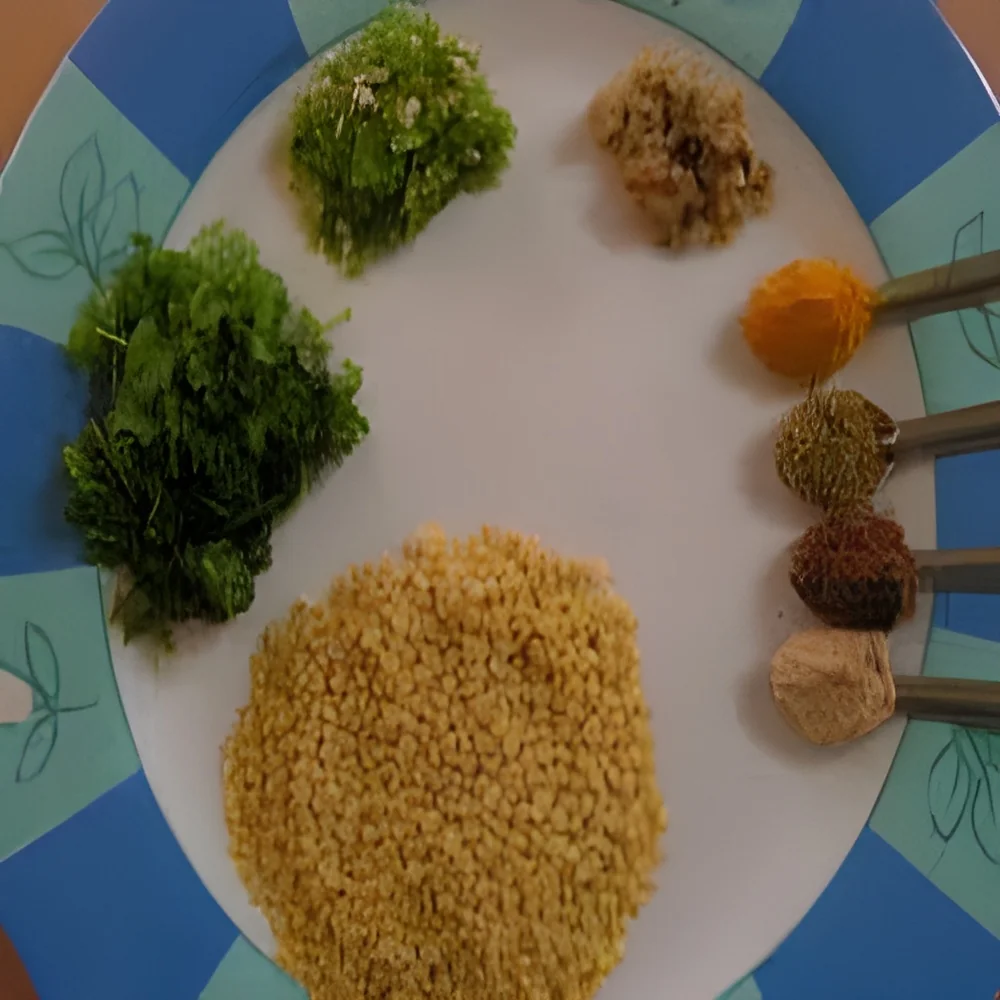
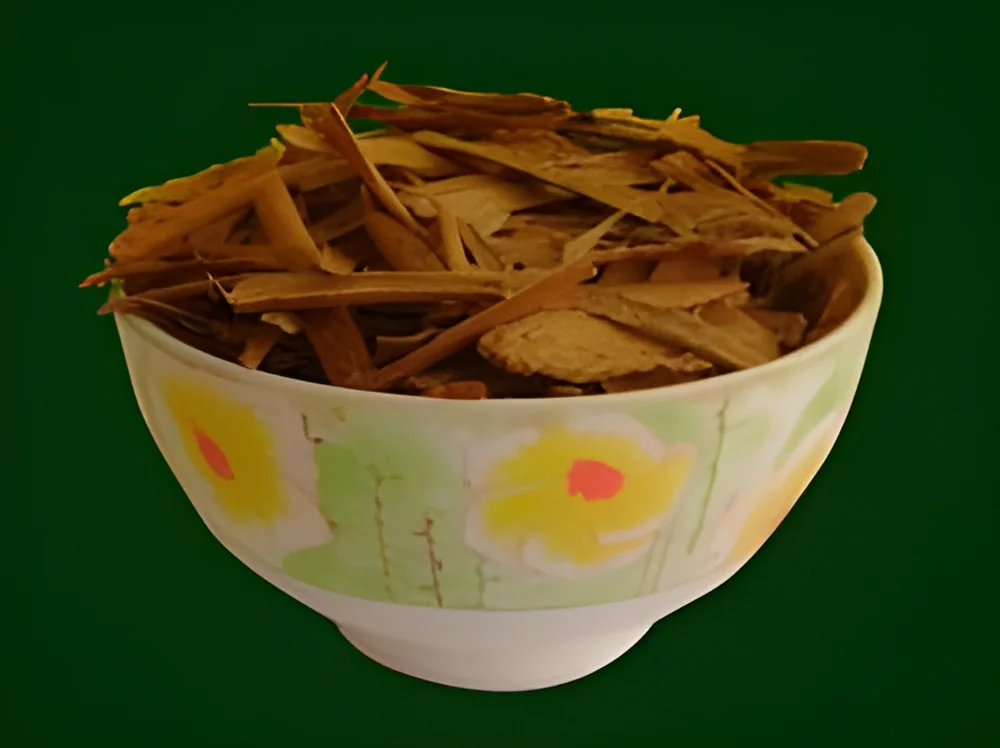
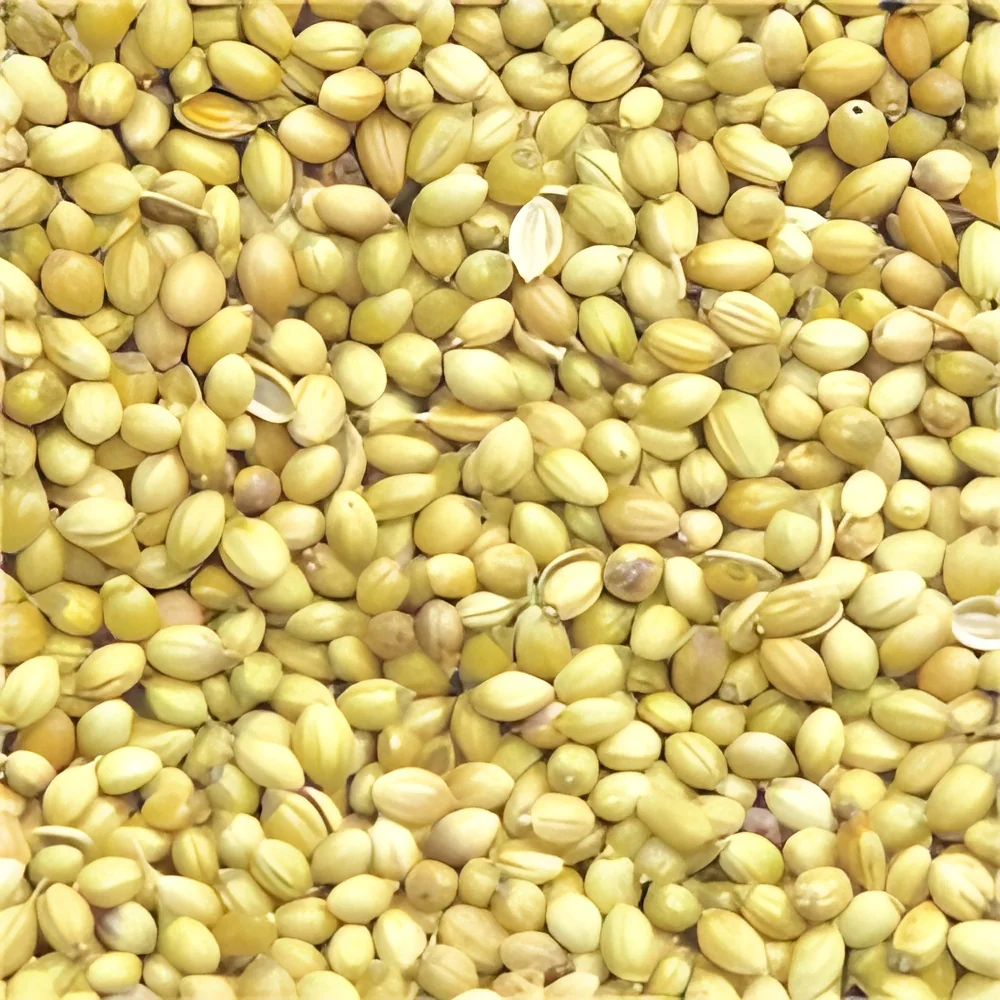
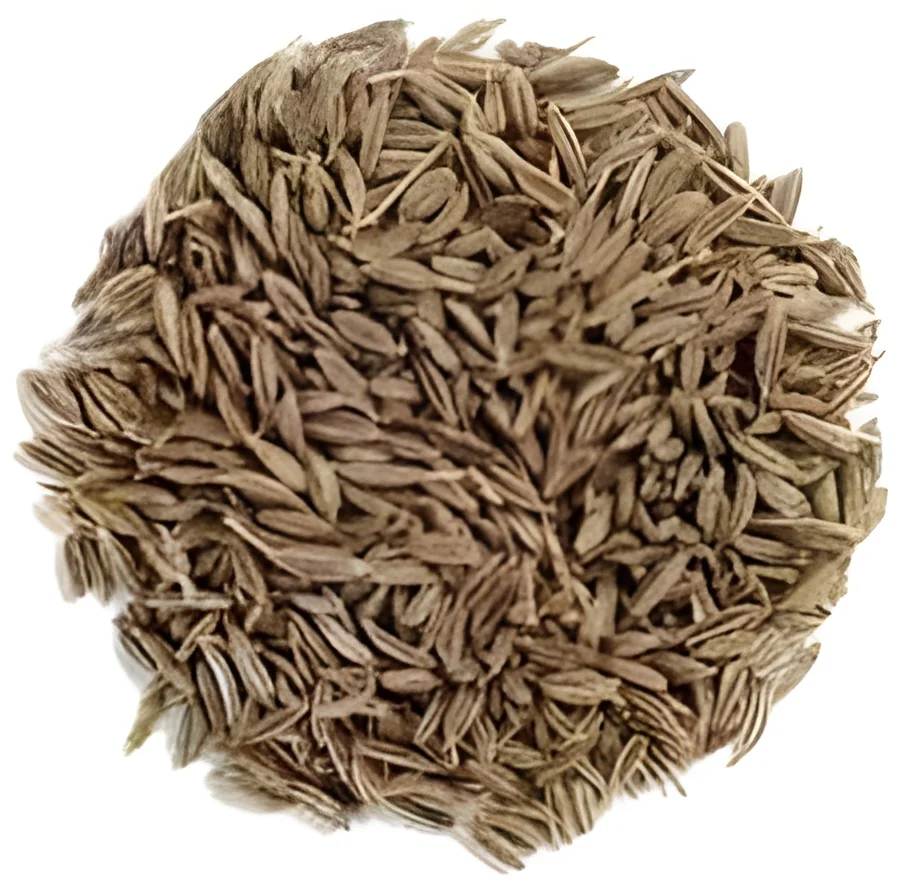
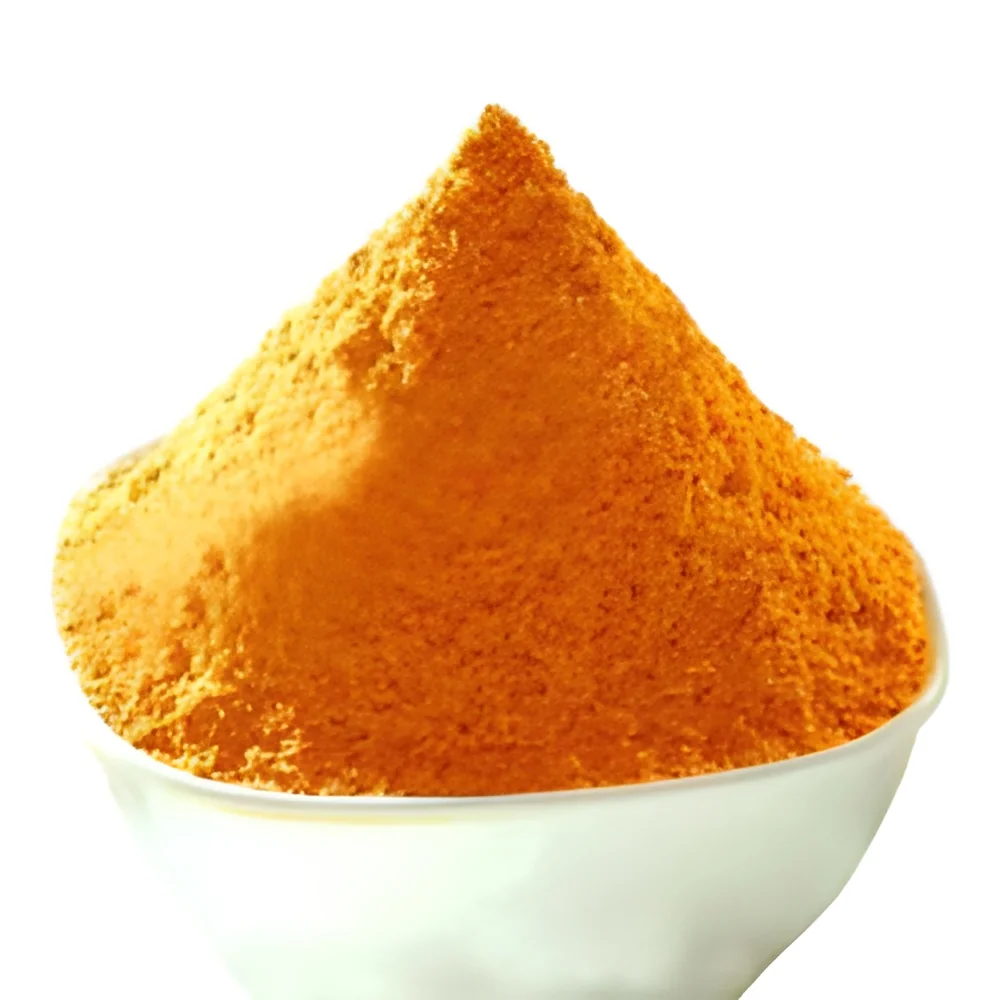
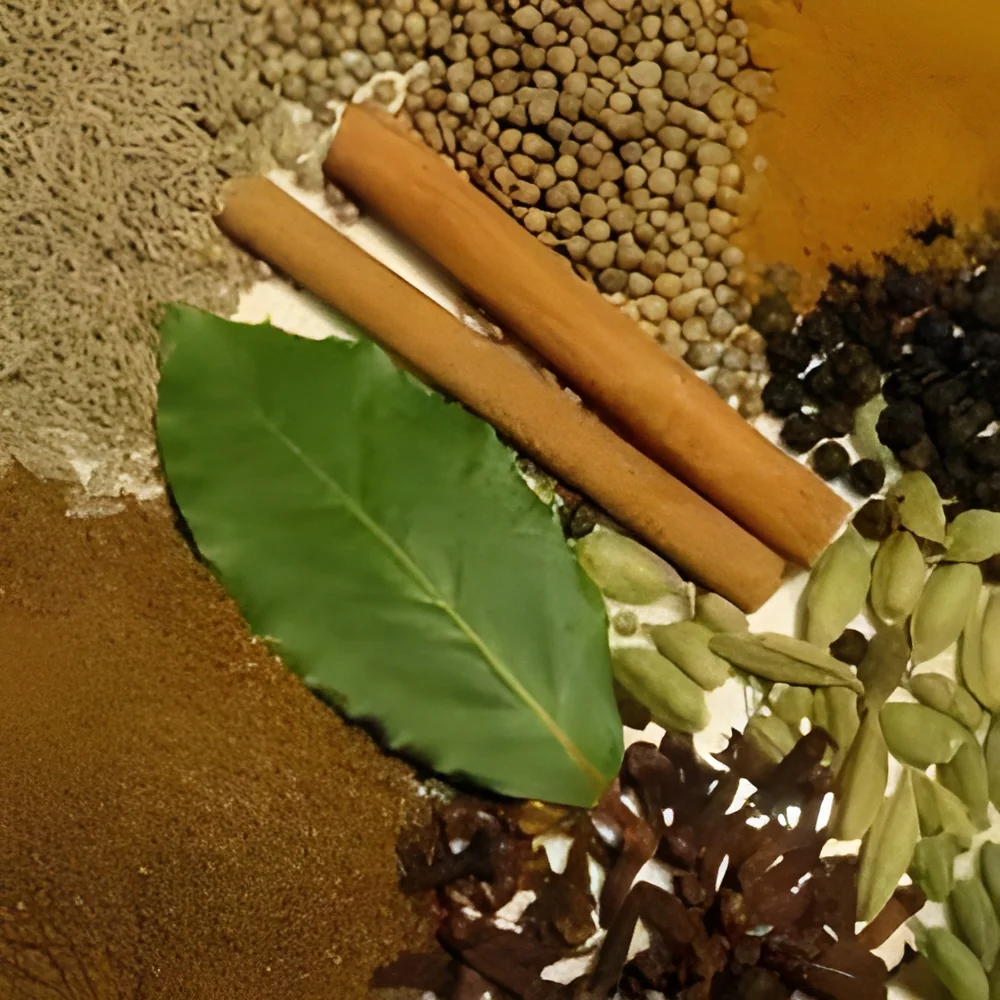
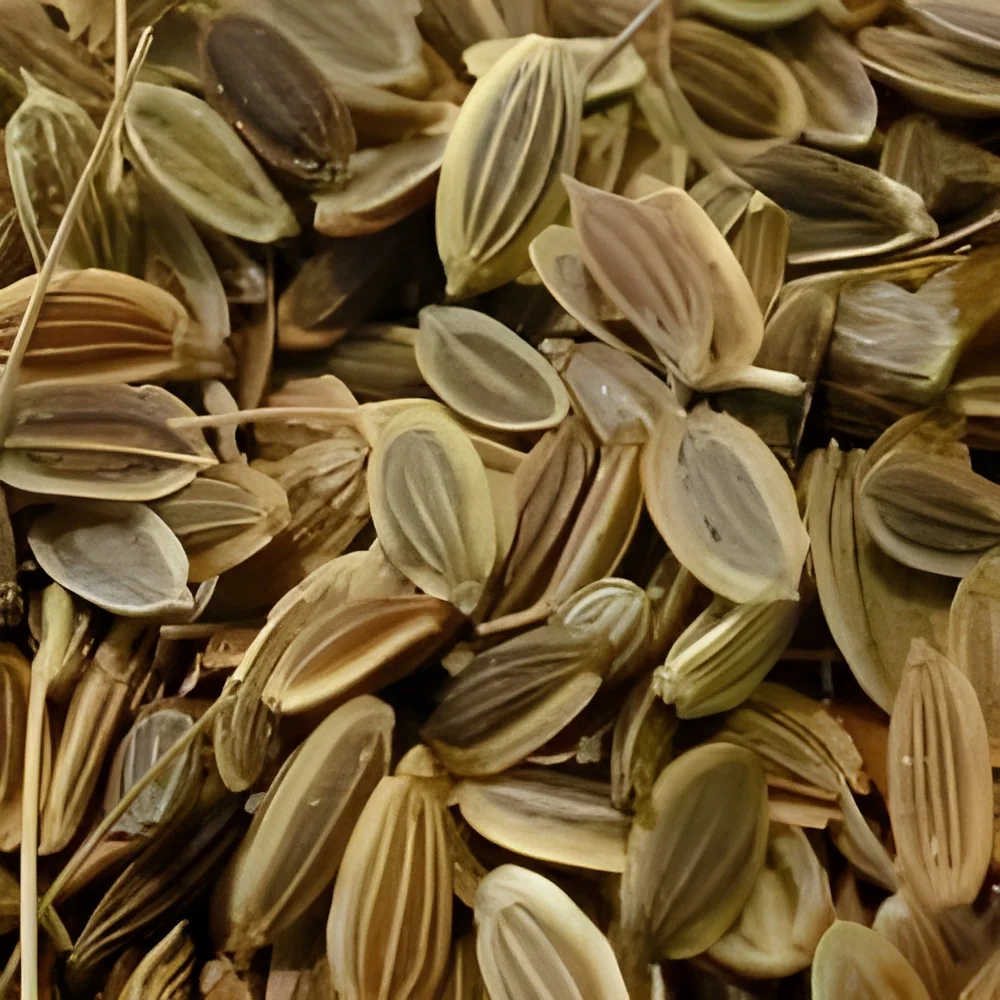
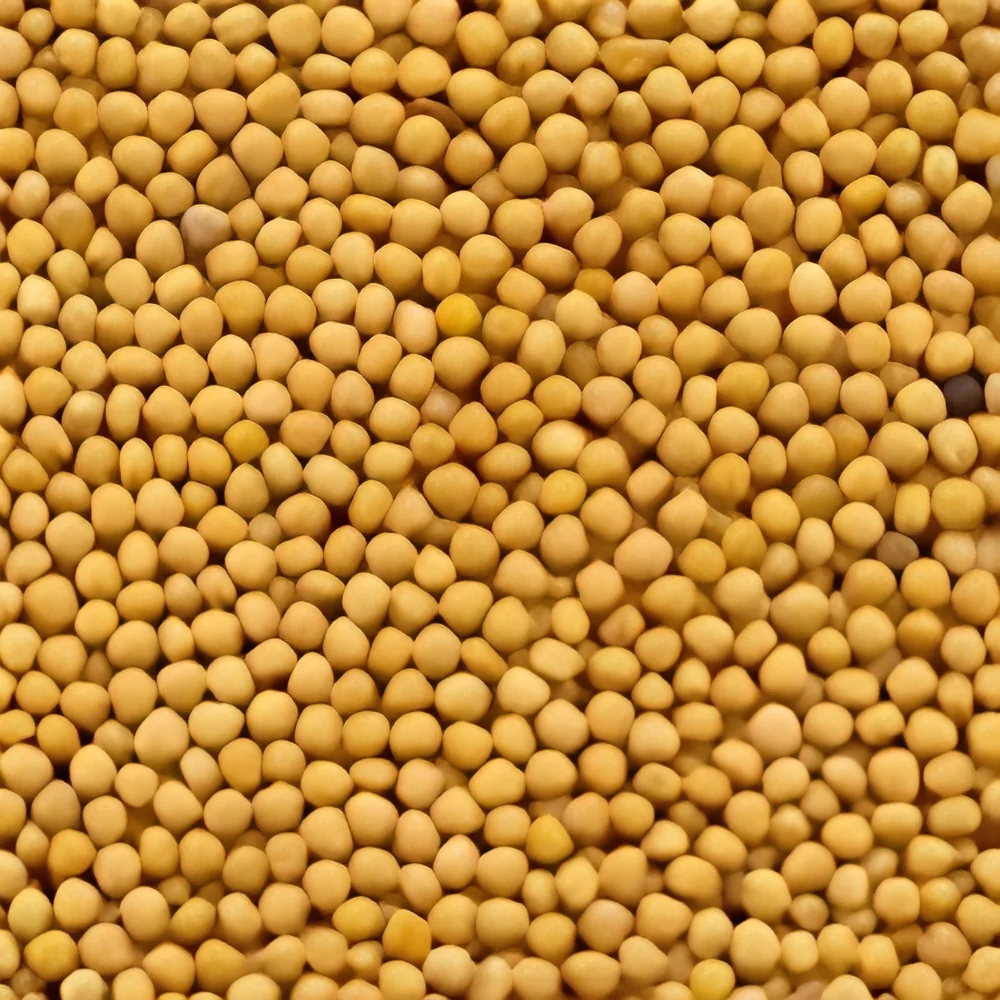
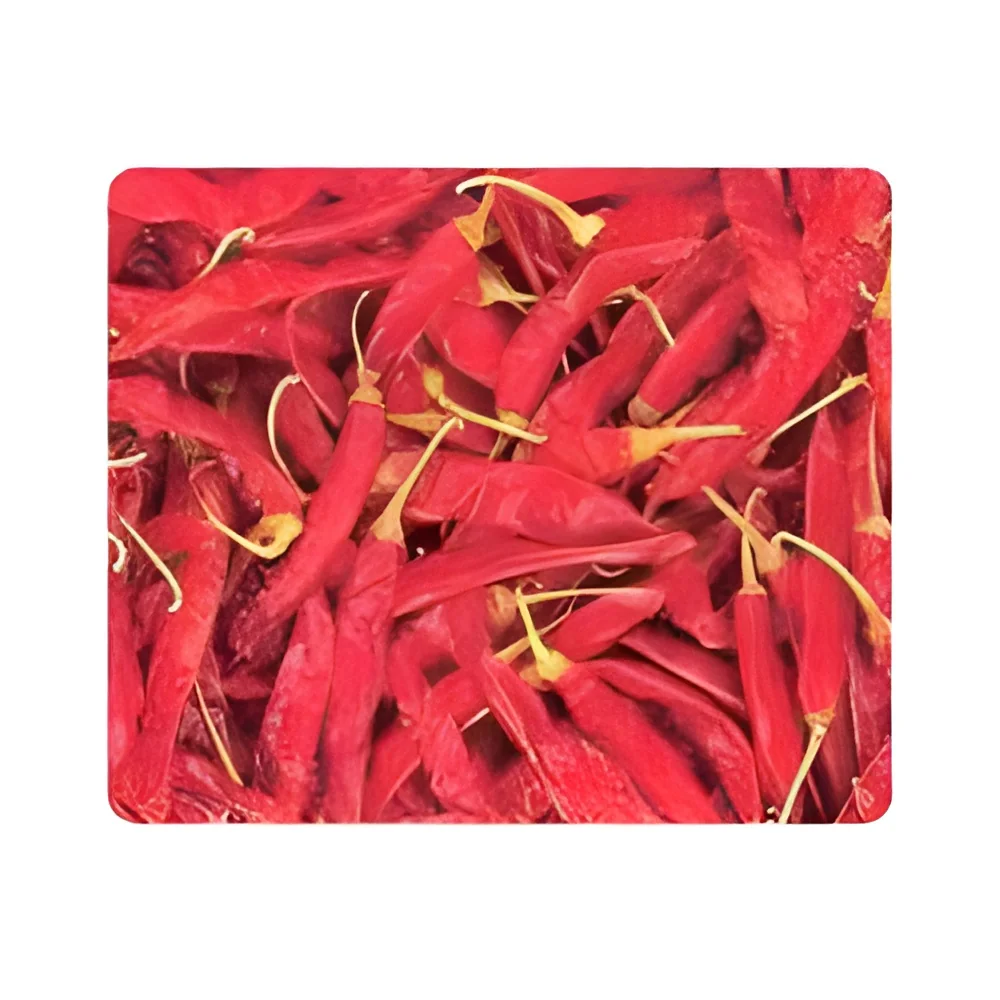
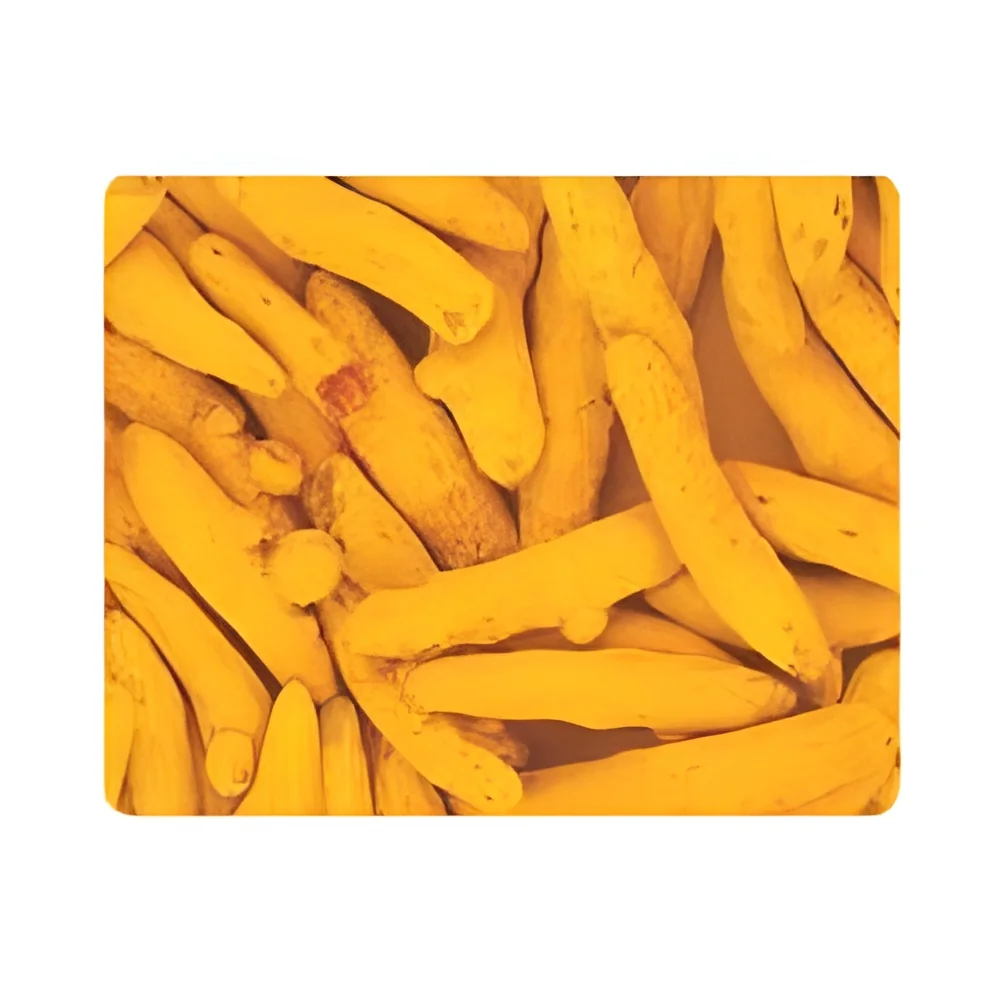
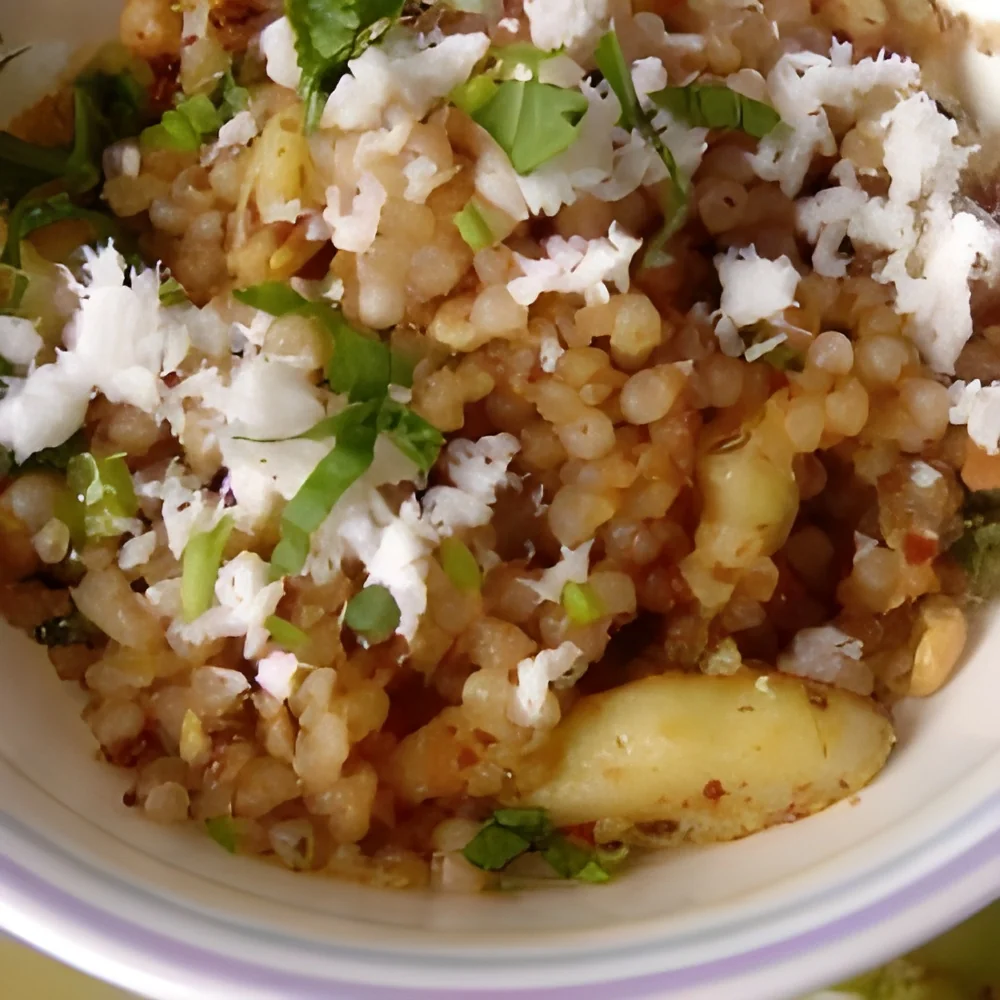
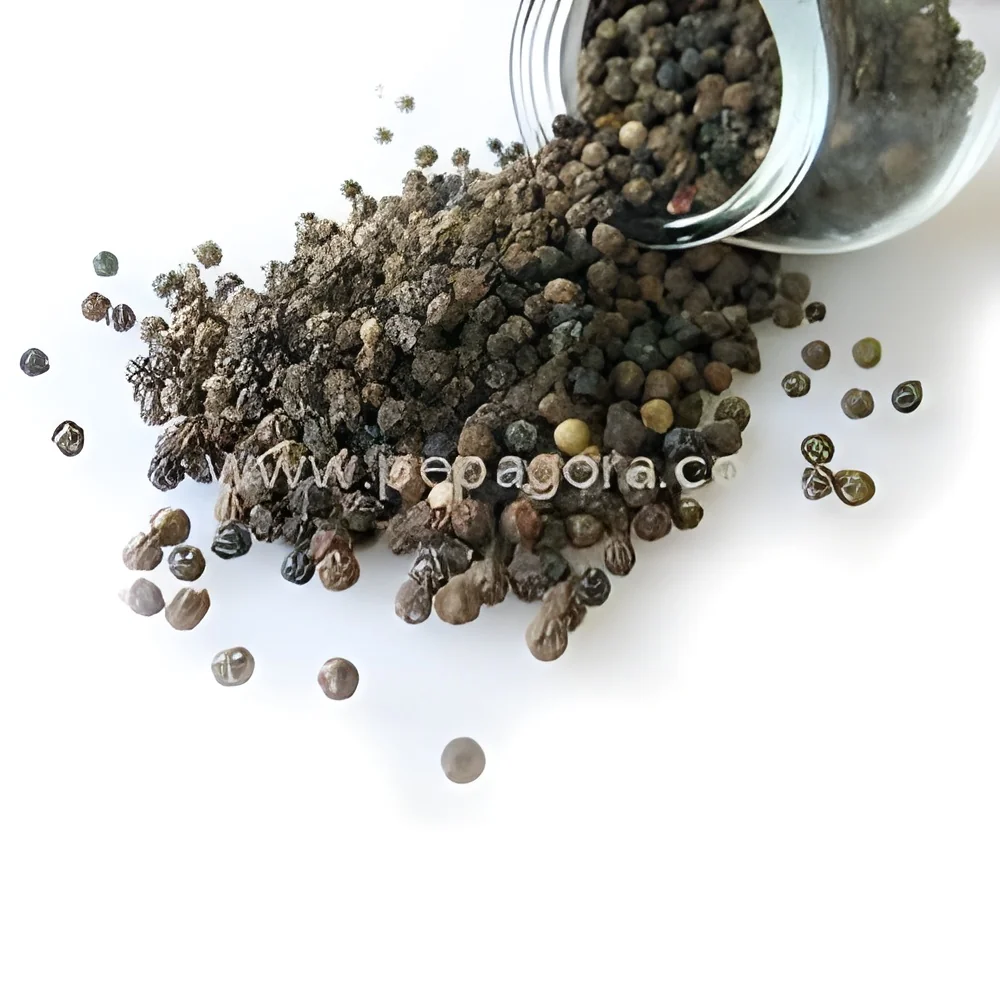
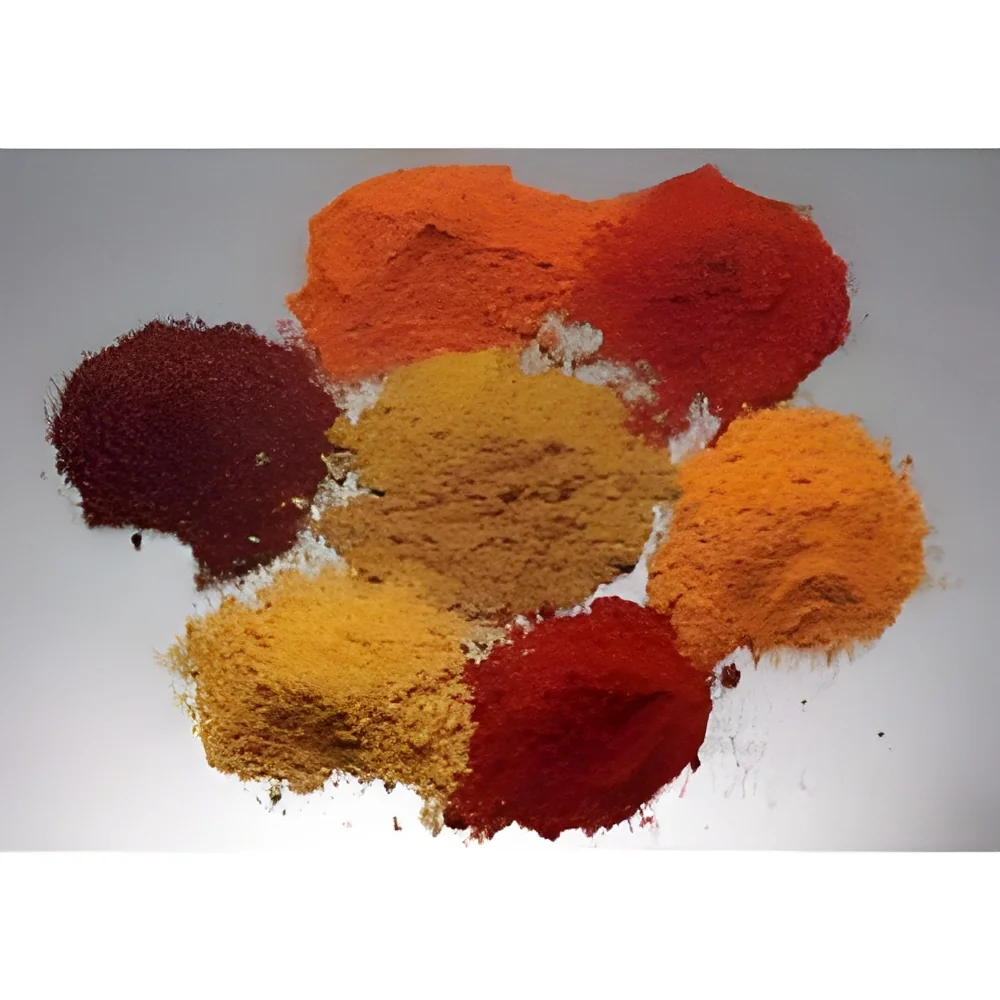
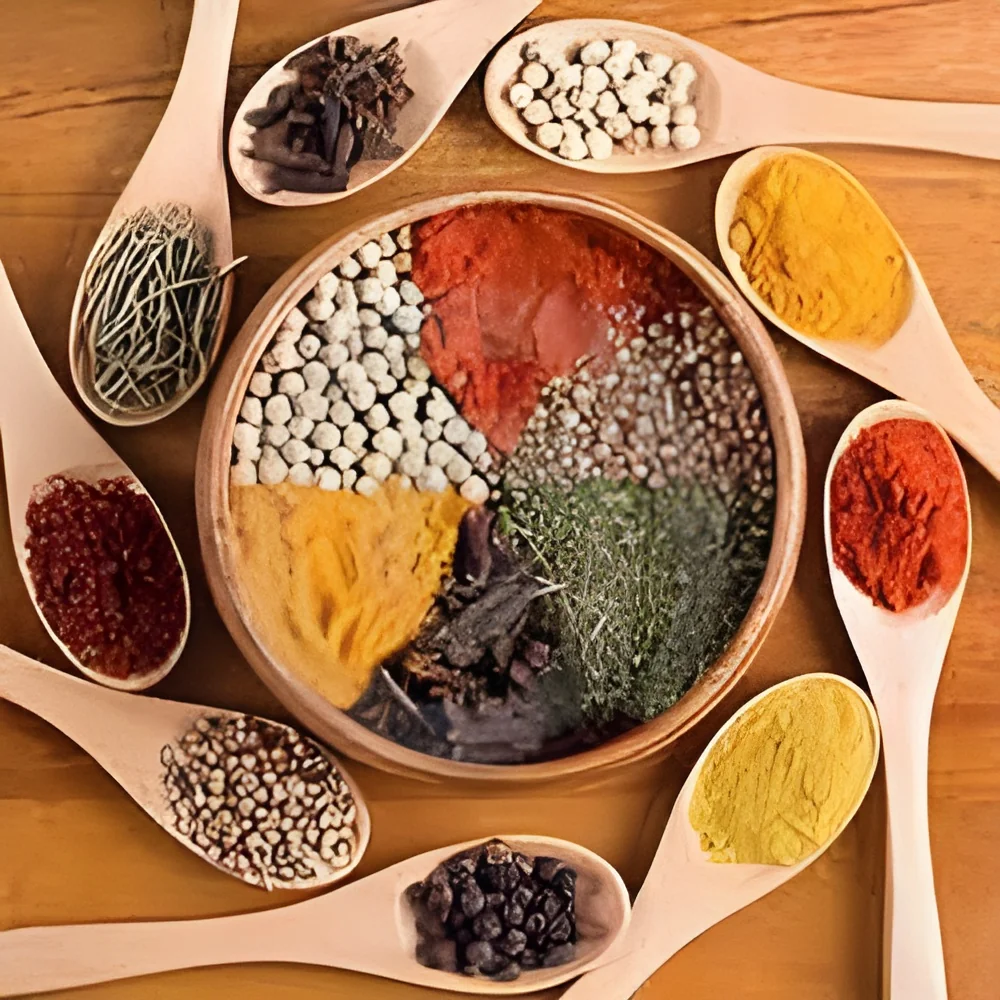
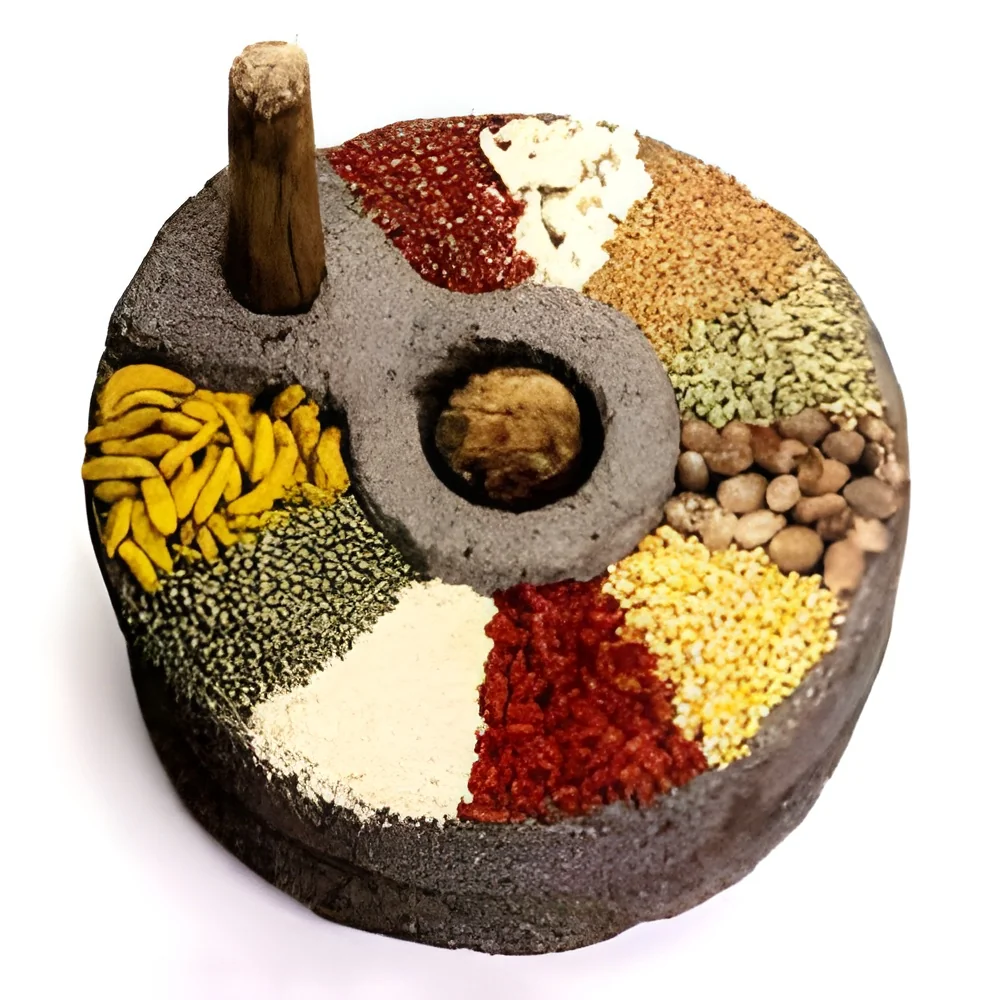
Spices and herbs are plant-derived substances that enhance the flavor, color, and aroma of food. Spices are typically derived from seeds, fruits, roots, or bark, while herbs are usually the leafy green parts of plants. Both are used in various culinary applications to add depth and complexity to dishes, making them essential ingredients in kitchens worldwide.
In the business context, spices and herbs are critical components in the food and beverage industry. They are used not only for flavoring but also for preserving food and enhancing nutritional value. Additionally, they have applications in the pharmaceutical and cosmetic industries, where they contribute to product formulations due to their natural properties.
The global market for spices and herbs is expanding, driven by increasing consumer interest in diverse cuisines and natural ingredients. Companies are focusing on sourcing high-quality spices and herbs to meet the growing demand for organic and health-oriented products. This trend underscores the importance of quality and compliance in sourcing these ingredients.
𝗞𝗲𝘆 𝗙𝗲𝗮𝘁𝘂𝗿𝗲𝘀 𝗮𝗻𝗱 𝗦𝗽𝗲𝗰𝗶𝗳𝗶𝗰𝗮𝘁𝗶𝗼𝗻𝘀
Spices and herbs come with a variety of features and specifications that can affect their application and effectiveness. Understanding these specifications is vital for businesses looking to source these products.
Key specifications include:
1. Quality Assessment
- Spices and herbs should meet specific quality standards to ensure freshness and potency.
- Parameters include color, aroma, and taste profile.
2. Packaging Options
- Available in bulk or retail packaging to suit different business needs.
- Must be sealed properly to maintain freshness and prevent contamination.
3. Origin and Sourcing
- The geographical source can influence flavor and quality.
- Regional specialties often carry unique characteristics.
4. Shelf Life
- Spices and herbs have varying shelf lives based on their type and storage conditions.
- Proper humidity and temperature control are essential for longevity.
5. Compliance Certifications
- Products should comply with regional and international safety standards.
- Certifications like CE ensure product reliability.
6. Flavor Profiles
- Different spices and herbs offer distinct flavor profiles, which can be categorized into sweet, savory, spicy, or herbal.
- Businesses can select based on culinary needs.
7. Nutritional Content
- Some spices and herbs provide health benefits, including antioxidants, vitamins, and minerals.
- Nutritional analysis can guide effective use in health-focused products.
8. Customization Options
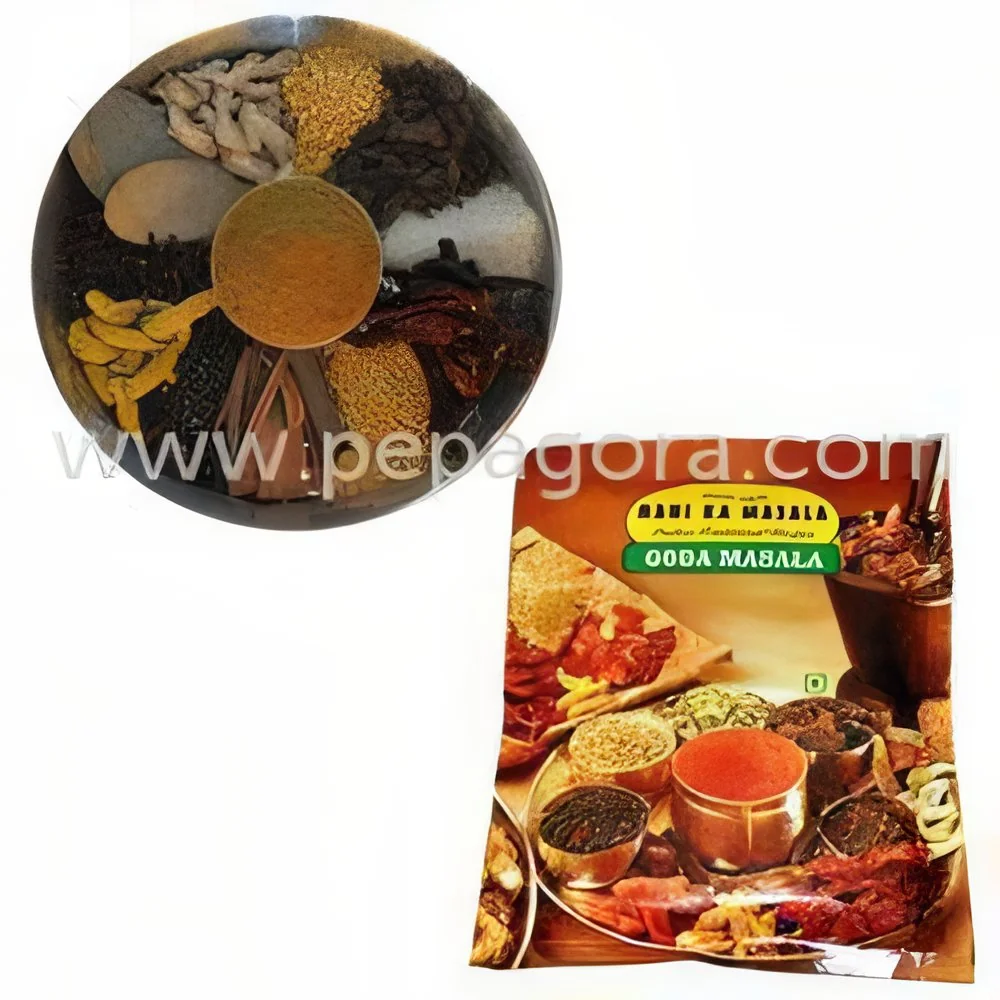
- Businesses may require specific blends or formulations.
- Suppliers should be able to accommodate customization requests.
In summary, understanding the specifications of spices and herbs can help businesses make informed sourcing decisions and enhance their product offerings.
𝗖𝗼𝗺𝗺𝗼𝗻 𝗔𝗽𝗽𝗹𝗶𝗰𝗮𝘁𝗶𝗼𝗻𝘀 𝗮𝗻𝗱 𝗨𝘀𝗲 𝗖𝗮𝘀𝗲𝘀
Spices and herbs are versatile ingredients with applications across various industries.
1. Food and Beverage: Used extensively in restaurants and food production for flavor enhancement and preservation.
2. Pharmaceuticals: Incorporated into formulations for their medicinal properties, such as anti-inflammatory and antioxidant effects.
3. Cosmetics: Employed in beauty products for their natural scent and skin benefits, including anti-aging properties.
4. Catering Services: Essential for chefs to create distinctive flavors in catered events and large-scale food services.
5. Nutraceuticals: Used in health supplements to provide natural flavor and health benefits.
6. Agriculture: Certain herbs are used in organic farming as natural pesticides or repellents.
7. Hospitality Industry: Spices and herbs enhance the dining experience in hotels and resorts, attracting guests with unique culinary offerings.
𝗣𝗿𝗼𝗱𝘂𝗰𝘁 𝗩𝗮𝗿𝗶𝗮𝗻𝘁𝘀 𝗮𝗻𝗱 𝗦𝘂𝗯𝗰𝗮𝘁𝗲𝗴𝗼𝗿𝗶𝗲𝘀
Spices and herbs come in various forms, each offering distinct characteristics and uses.
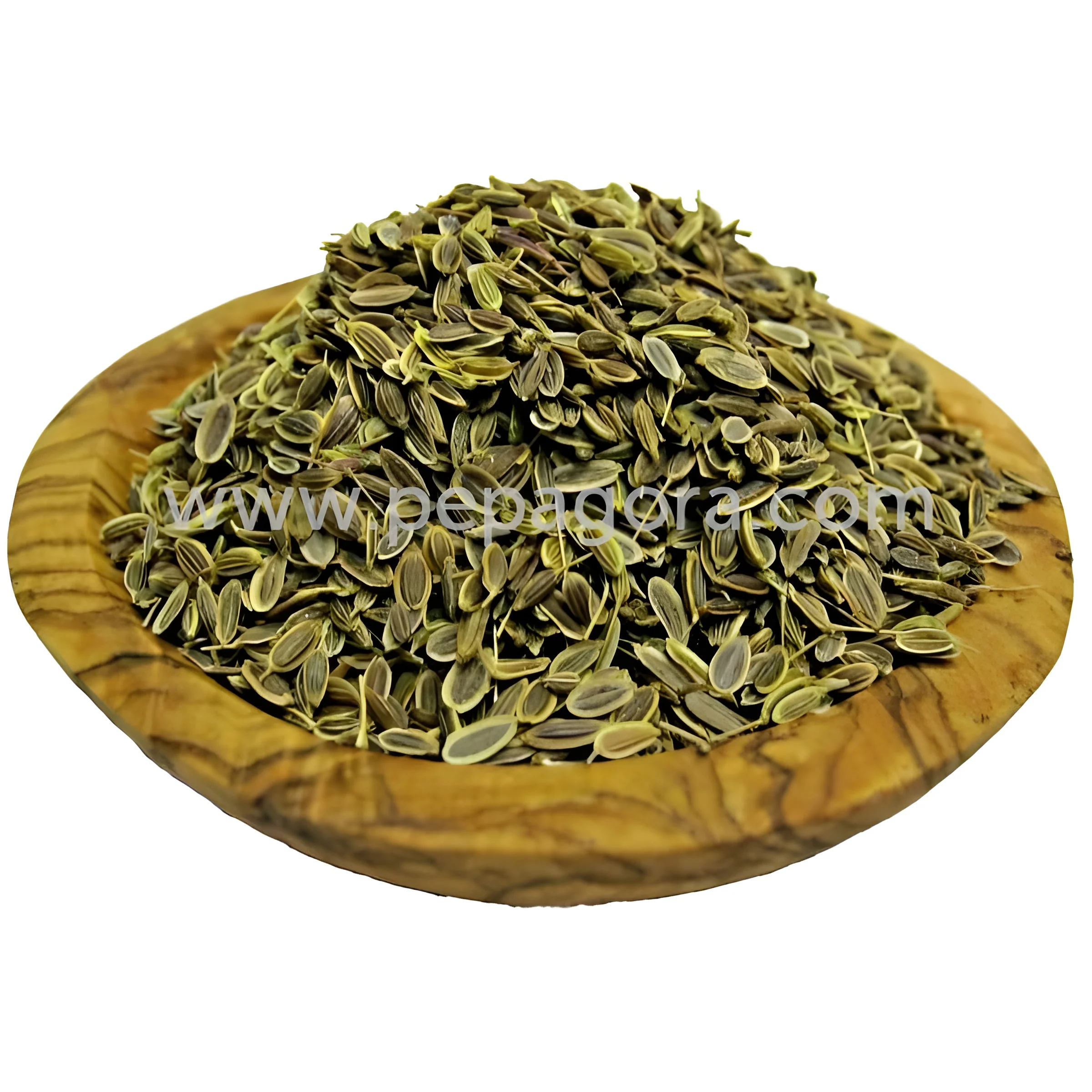
Whole Spices
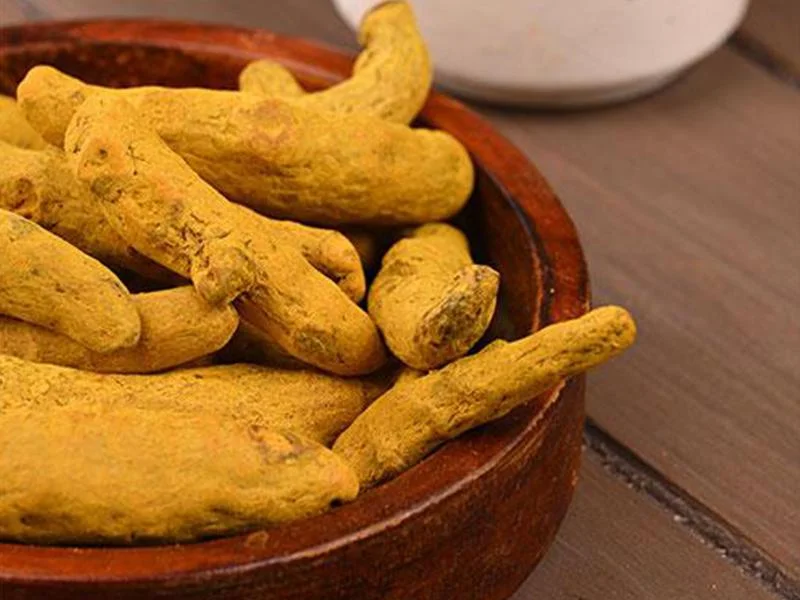
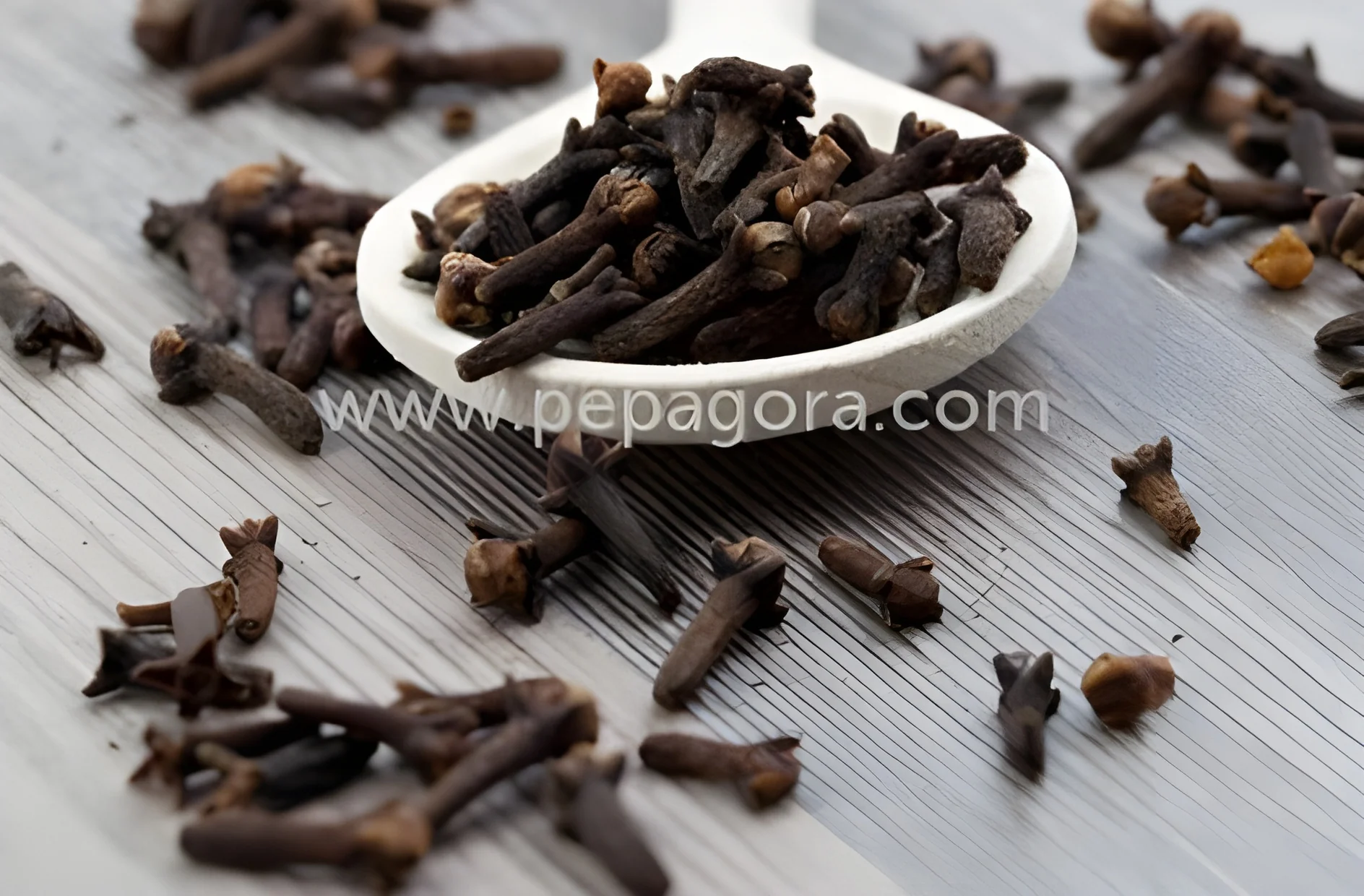
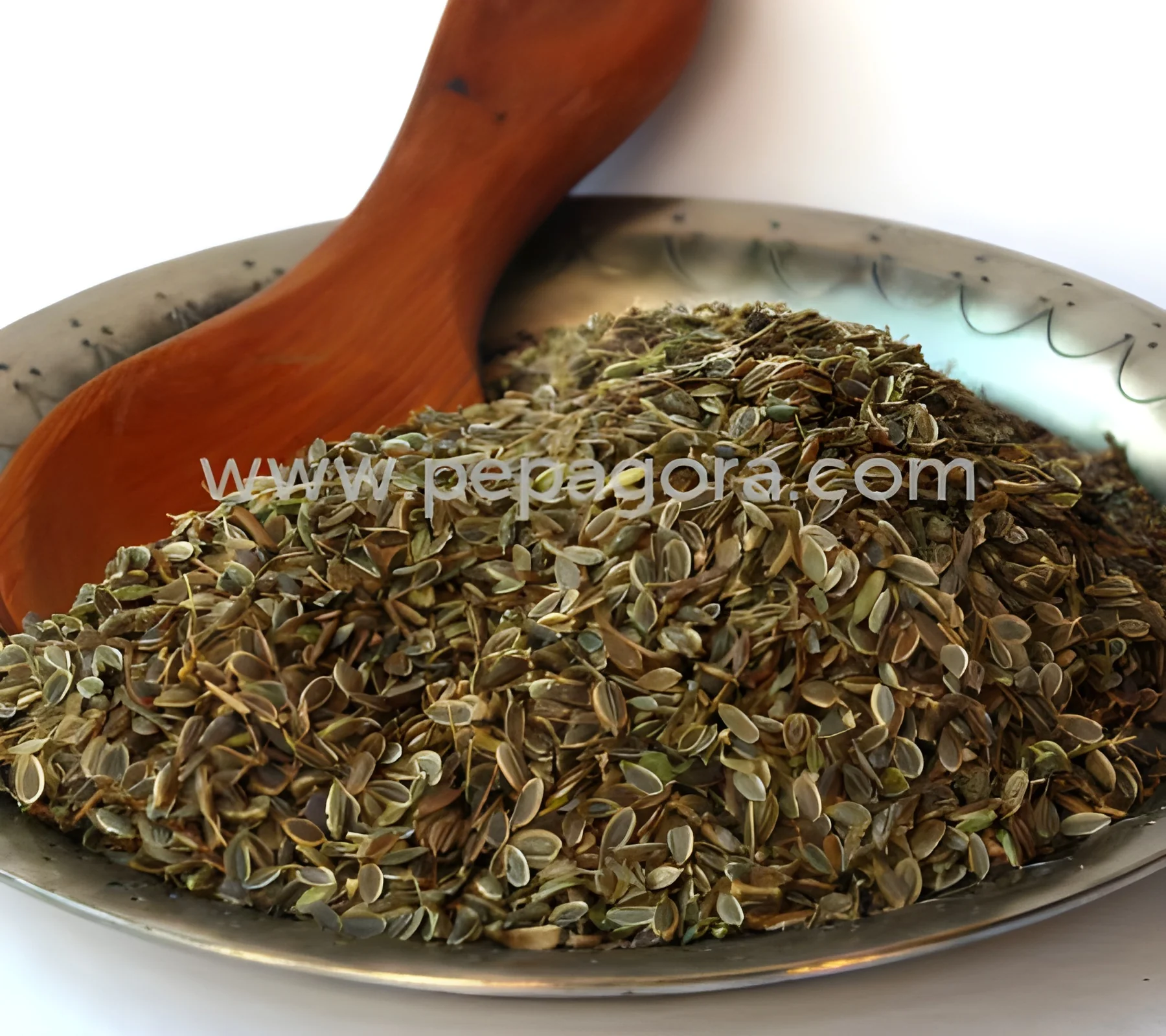
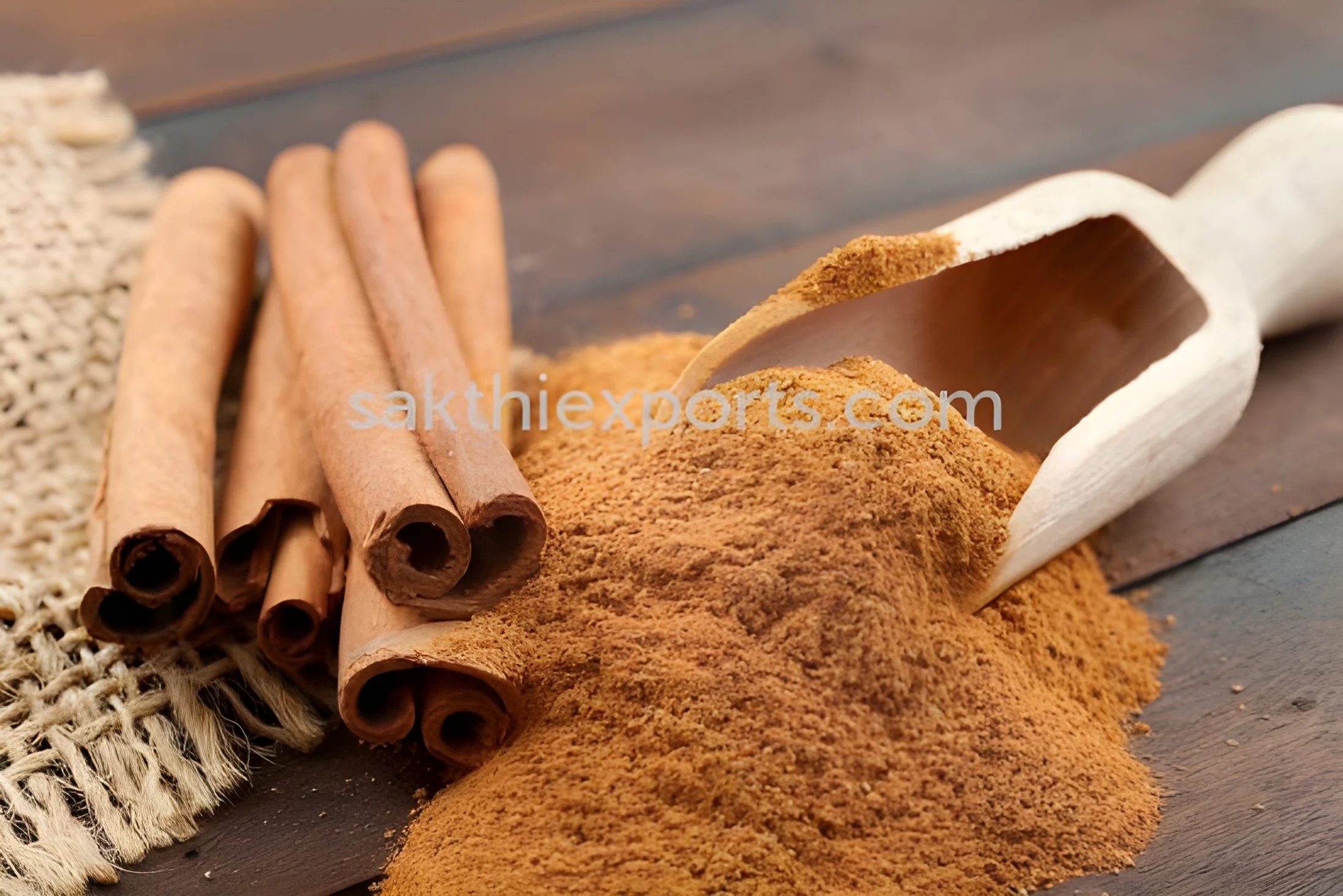
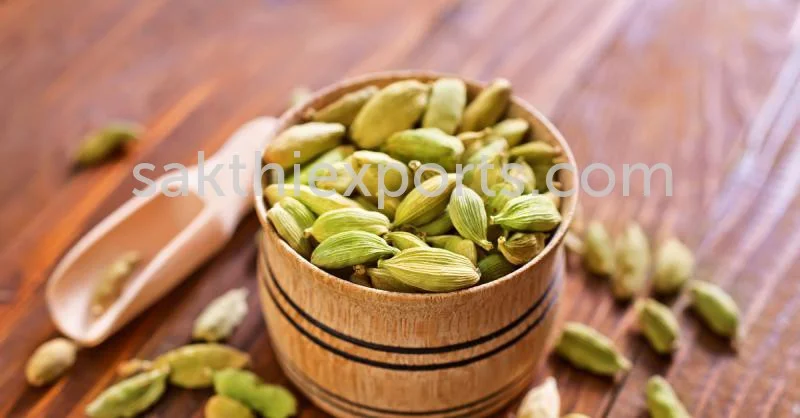
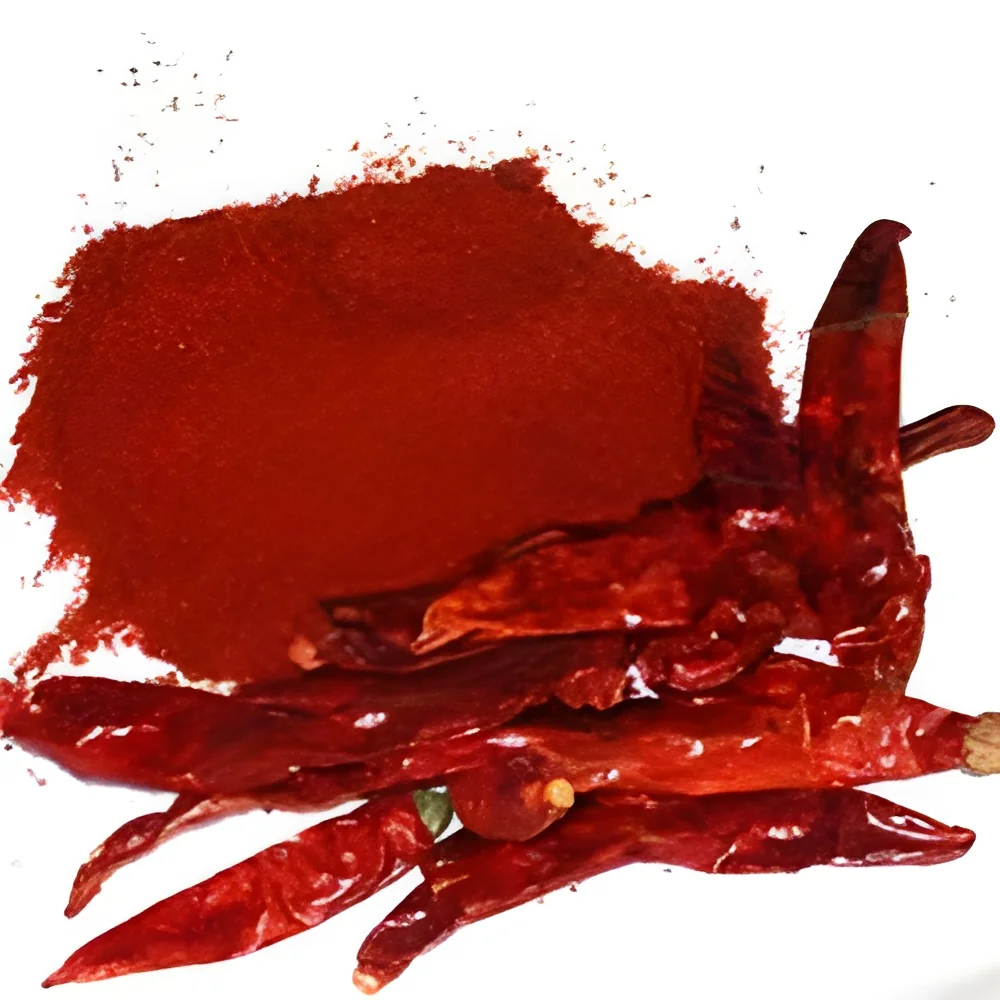
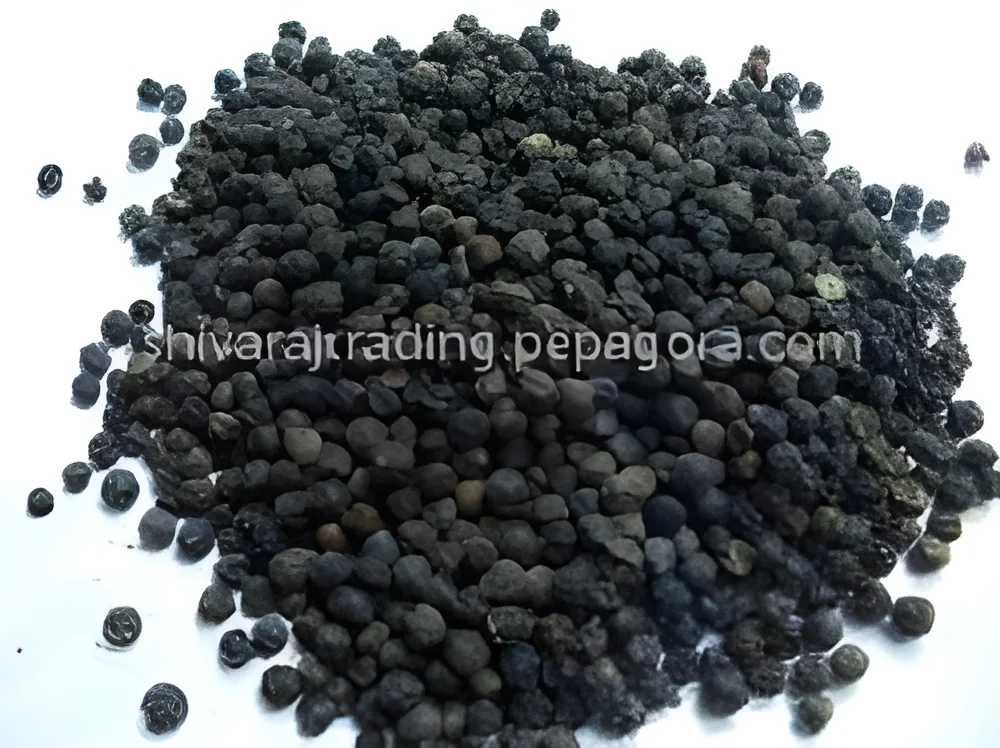
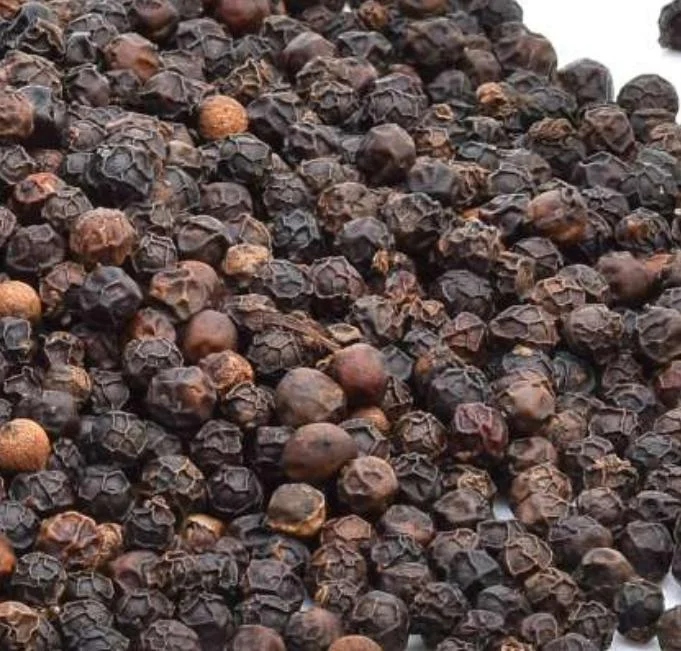
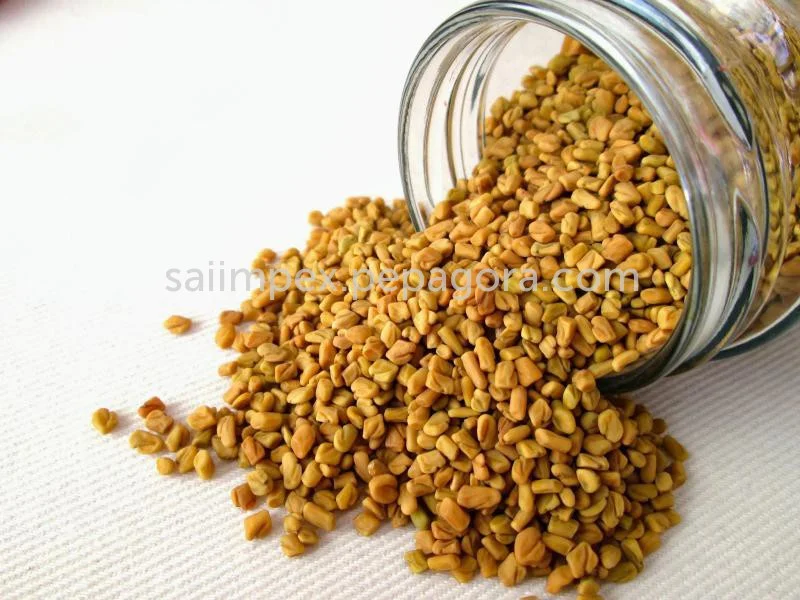
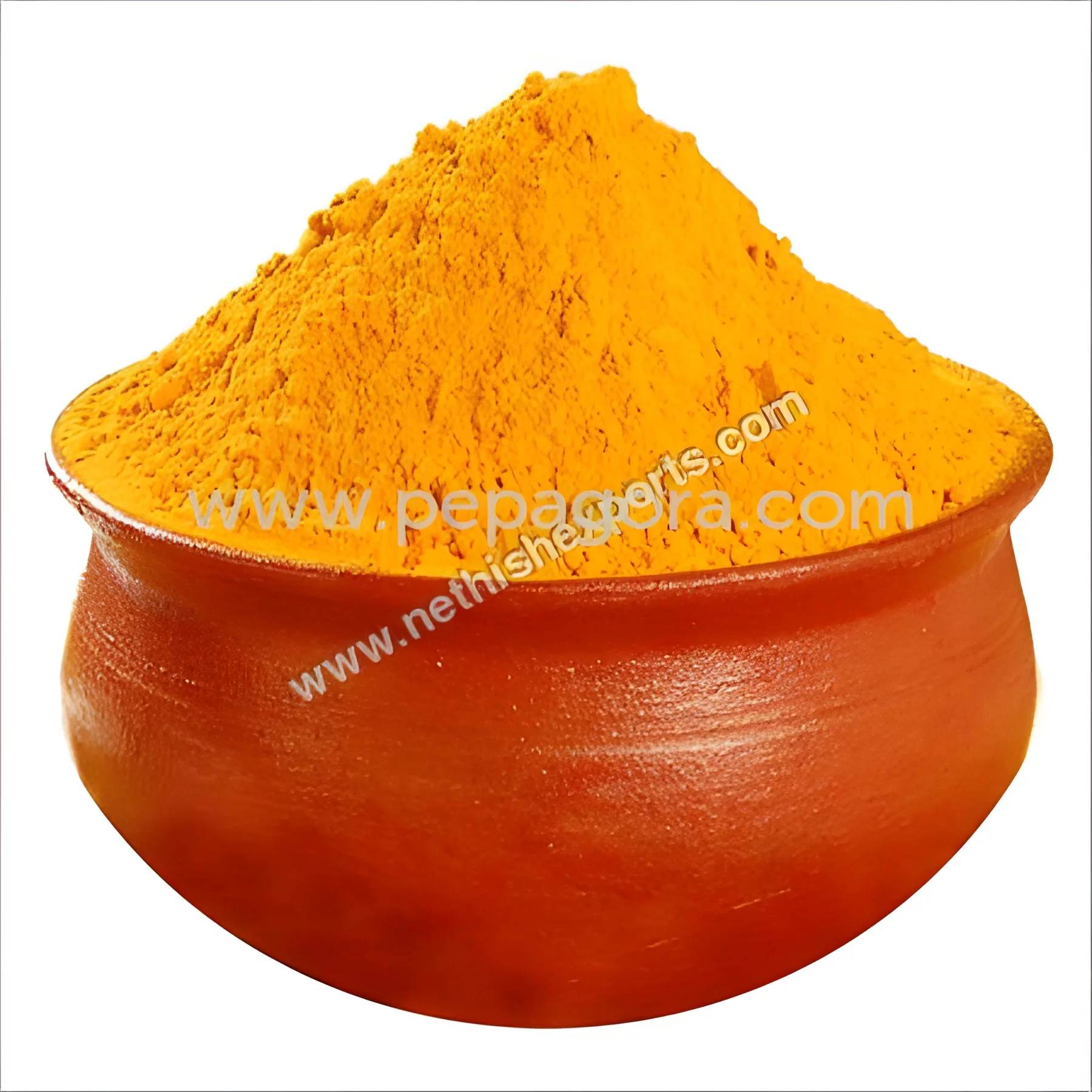
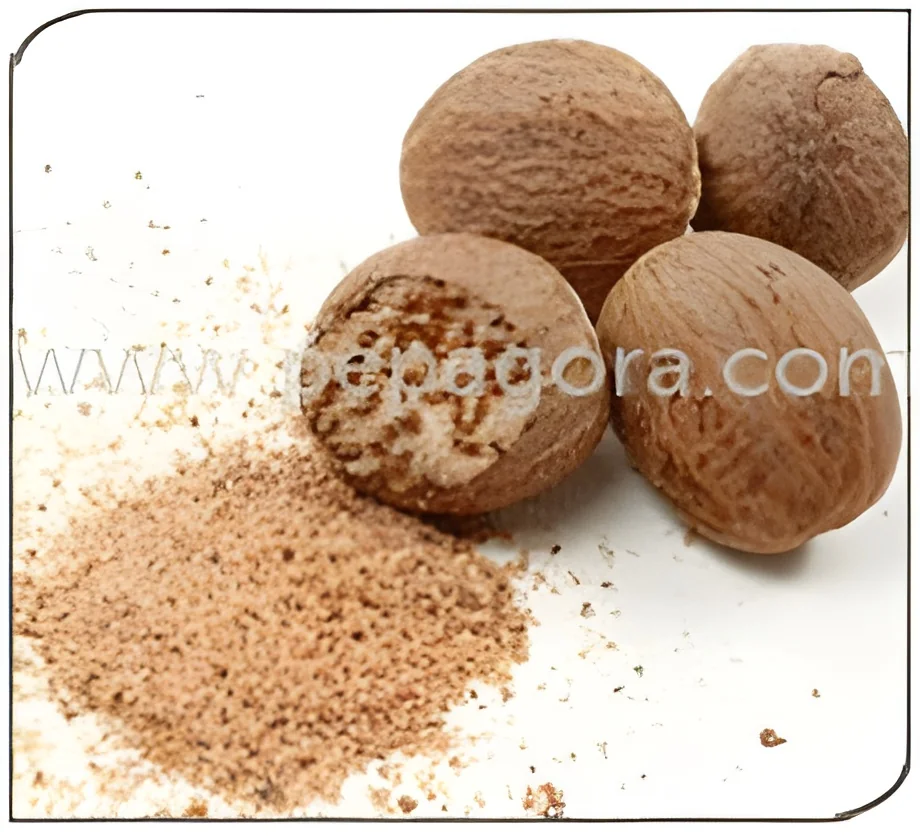
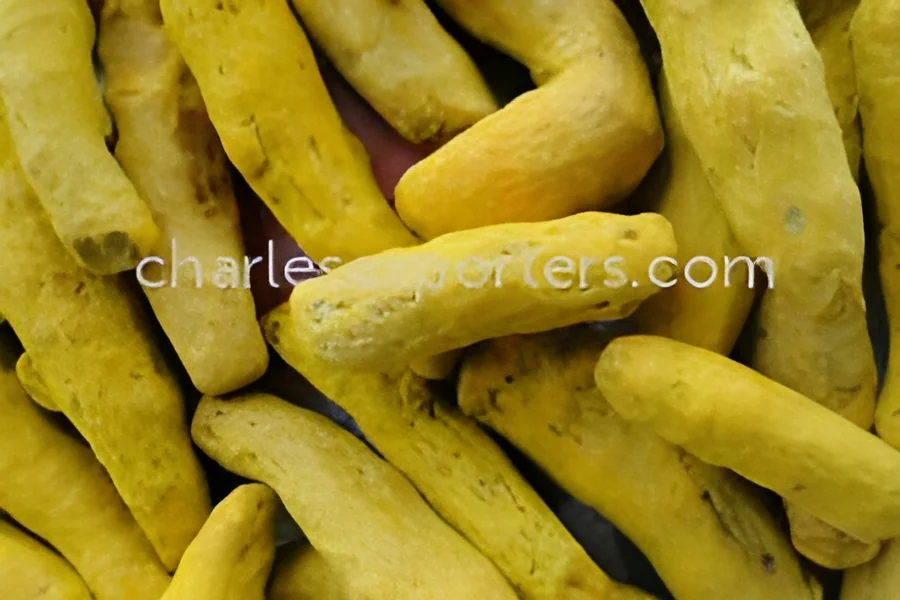
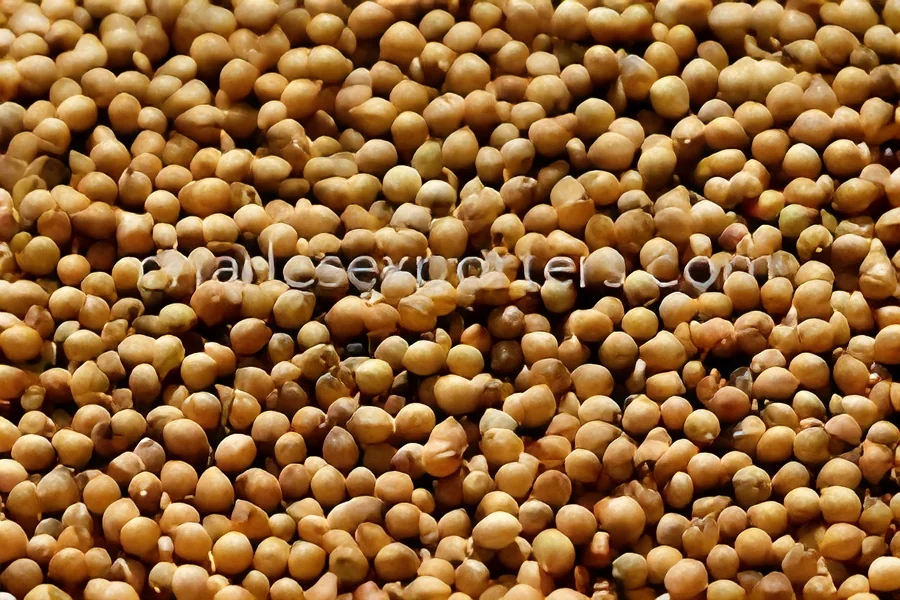
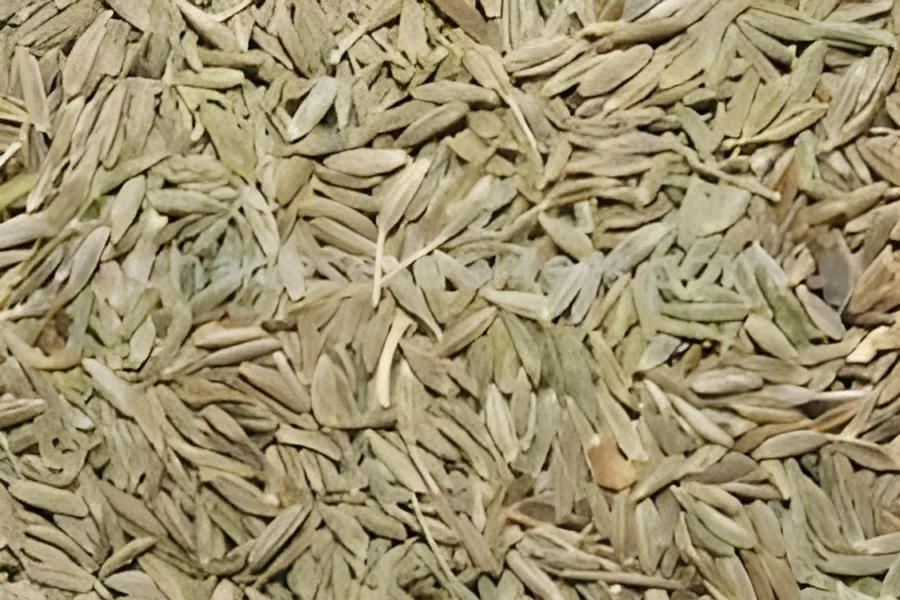
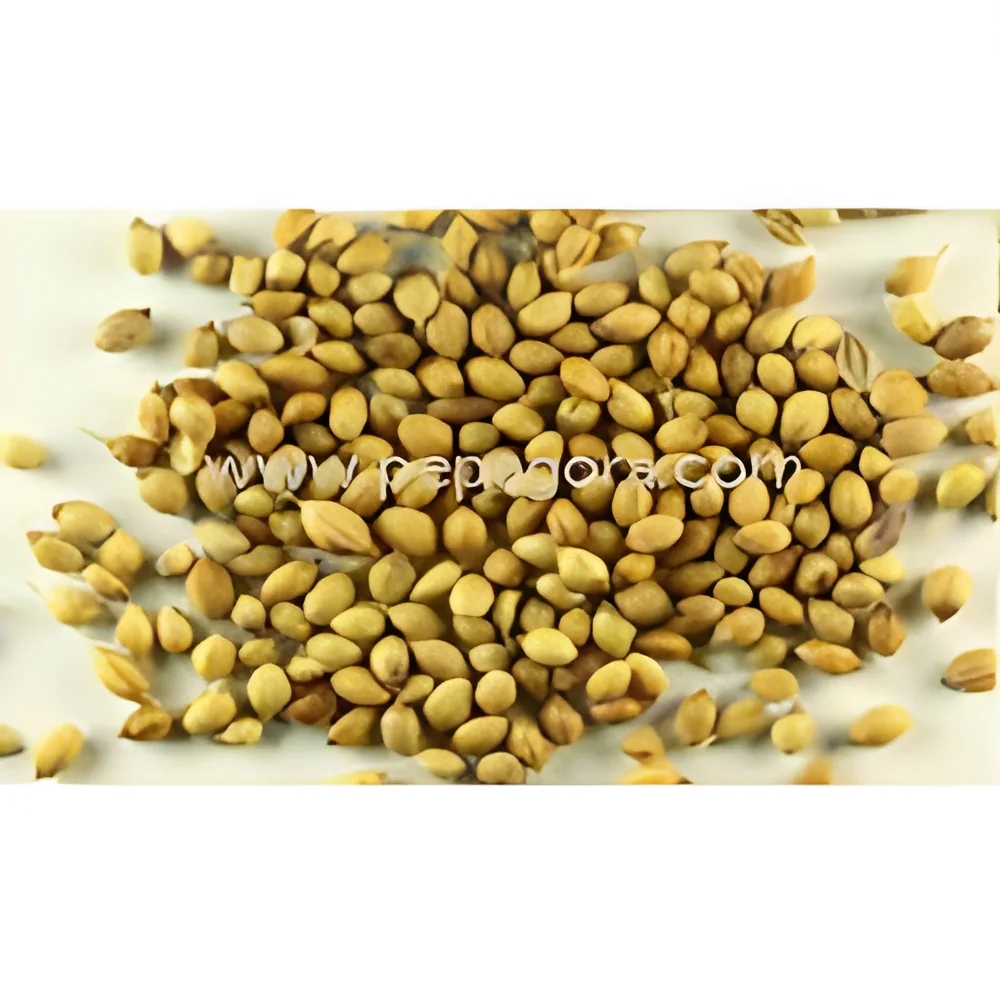
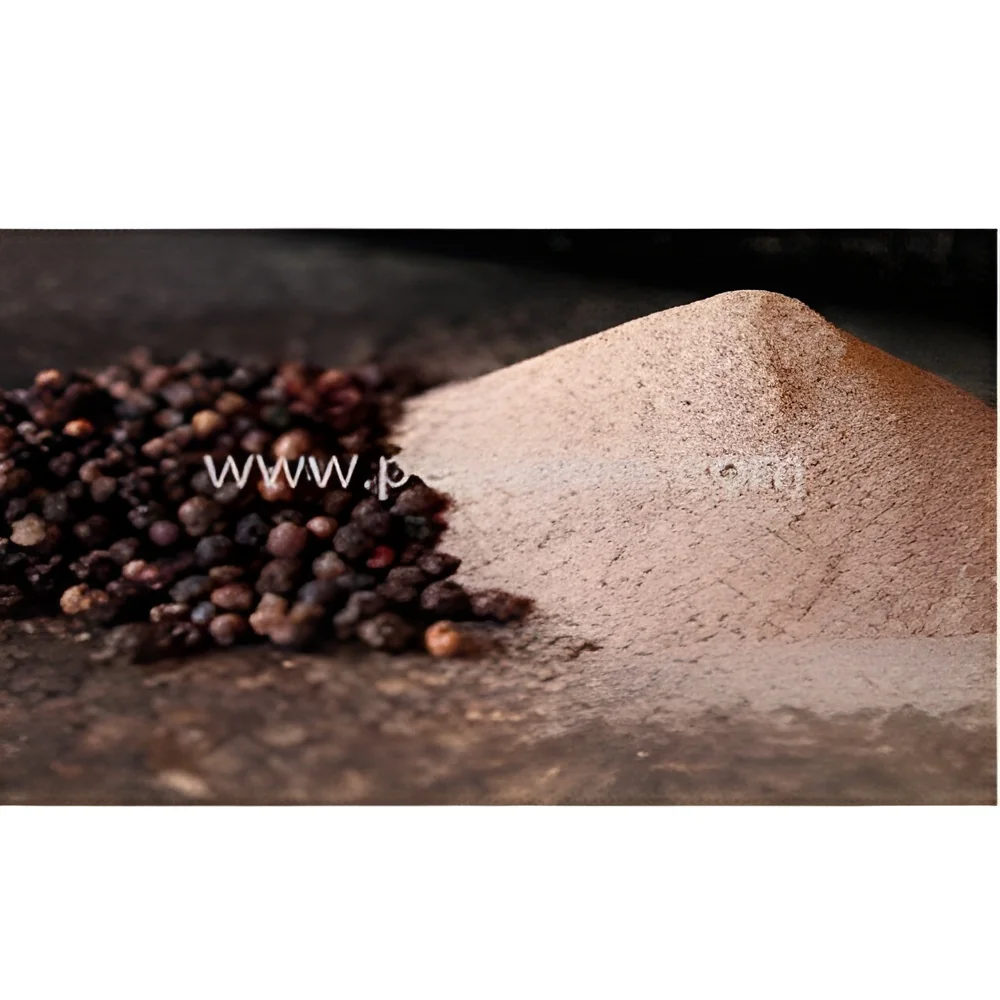
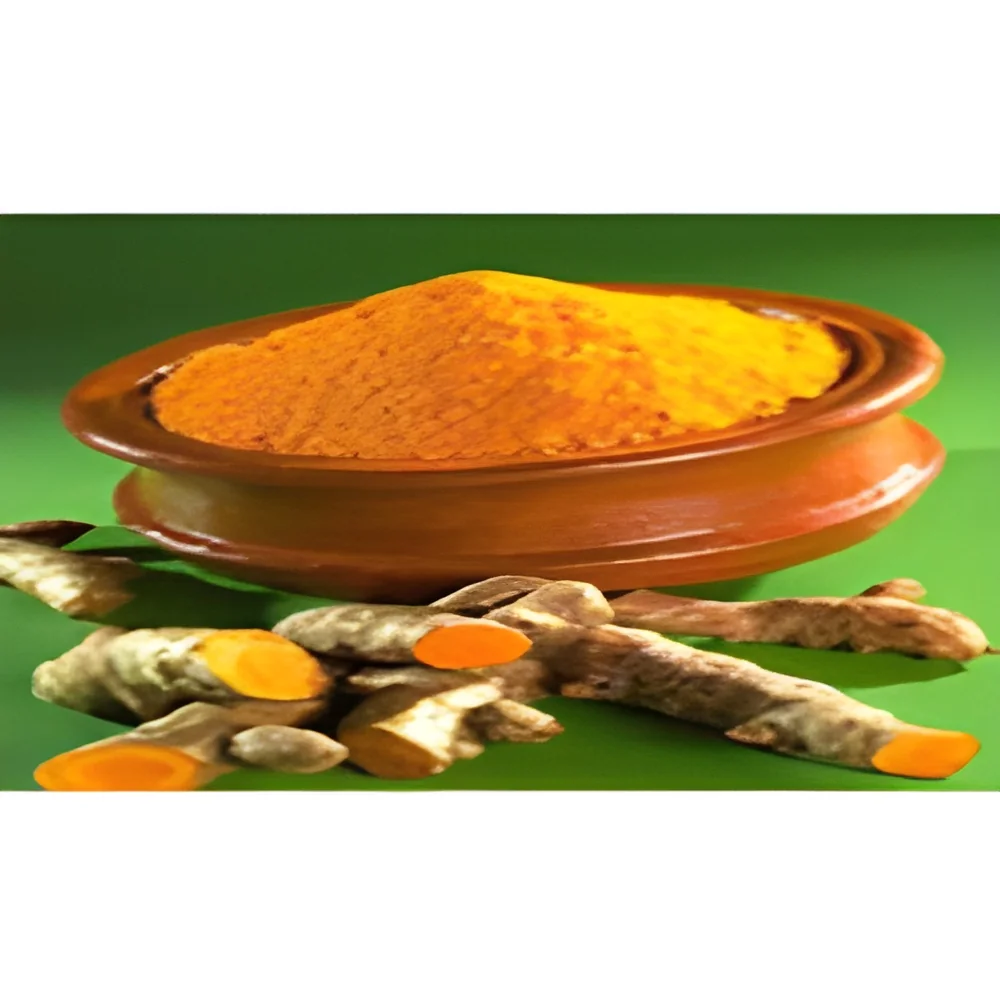
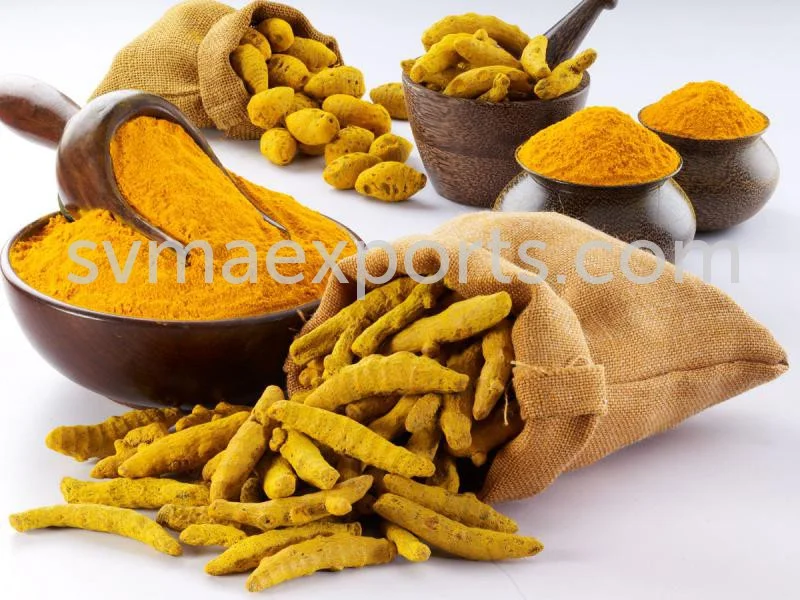
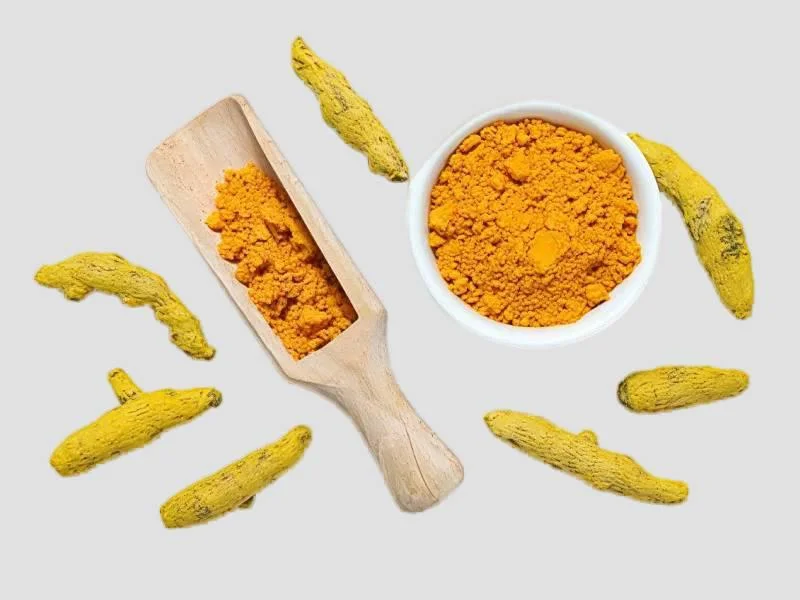
These spices are unprocessed and retain their natural oils and flavor. They are often preferred for their longer shelf life and potency. Whole spices can be ground as needed to release their full flavor.
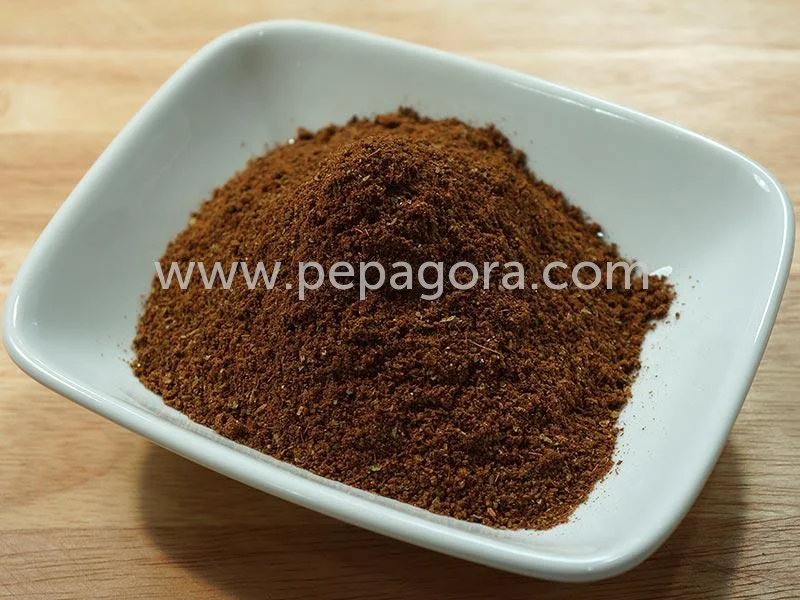
Ground Spices
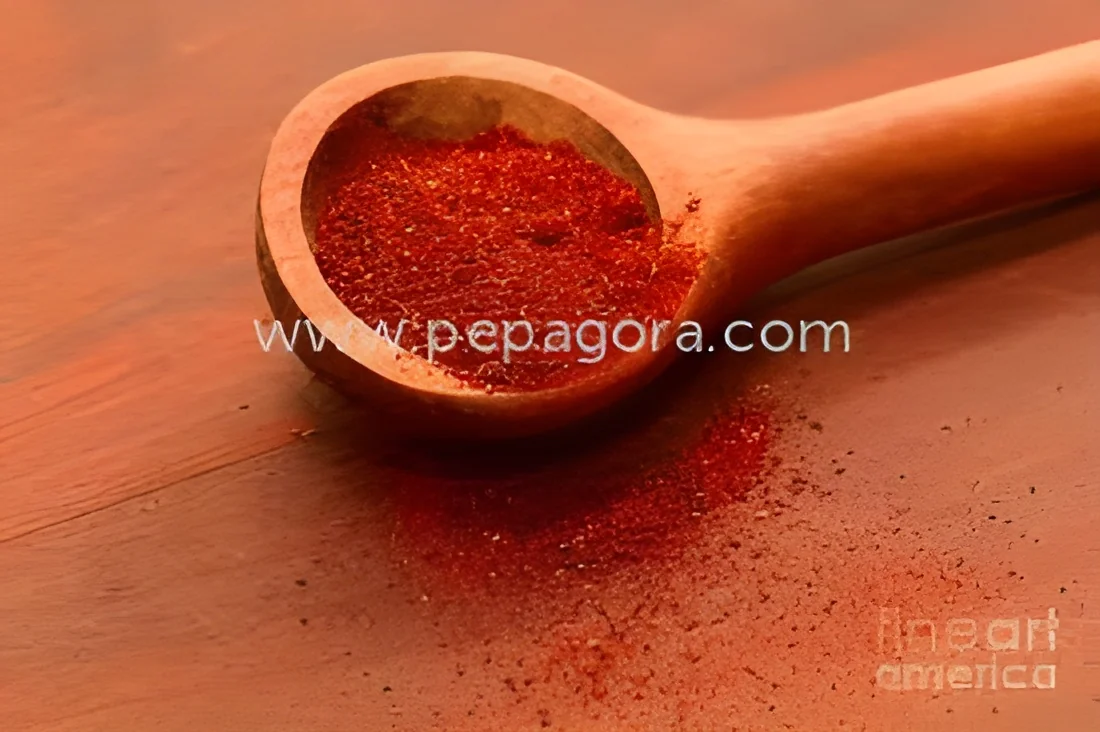
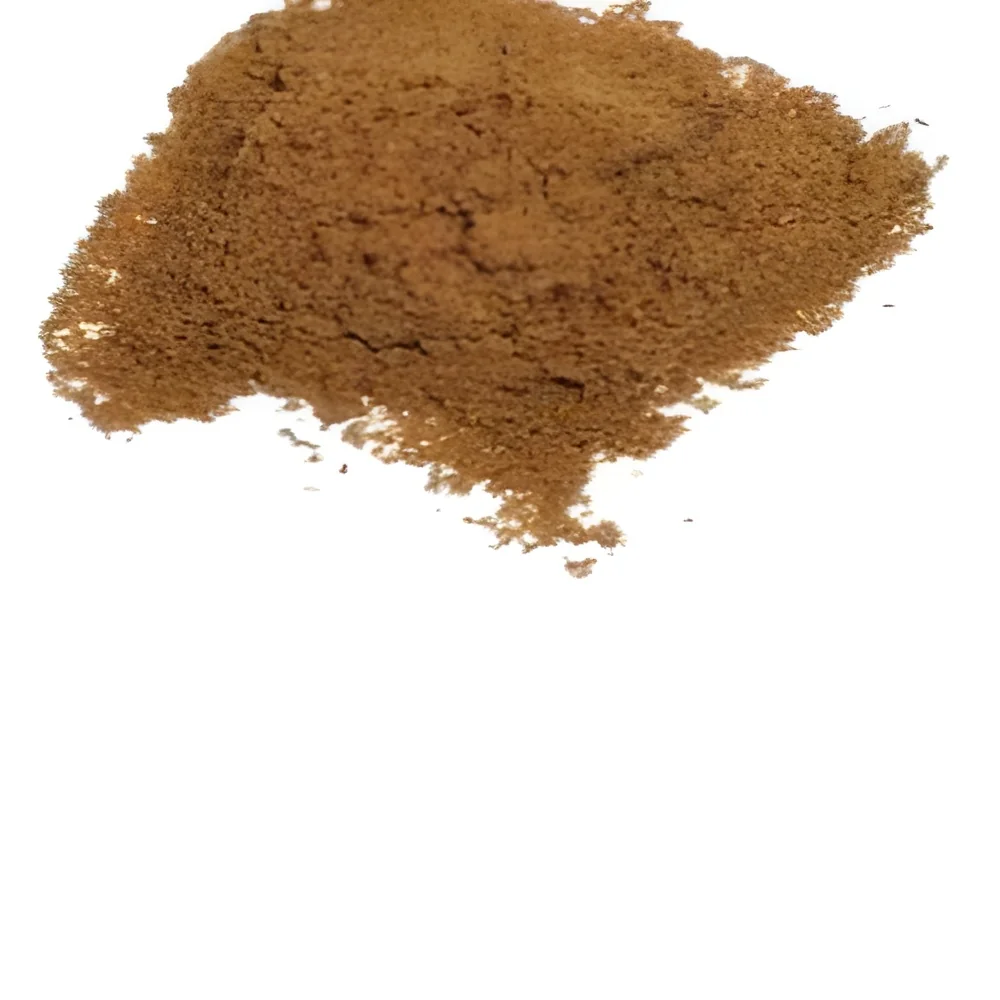
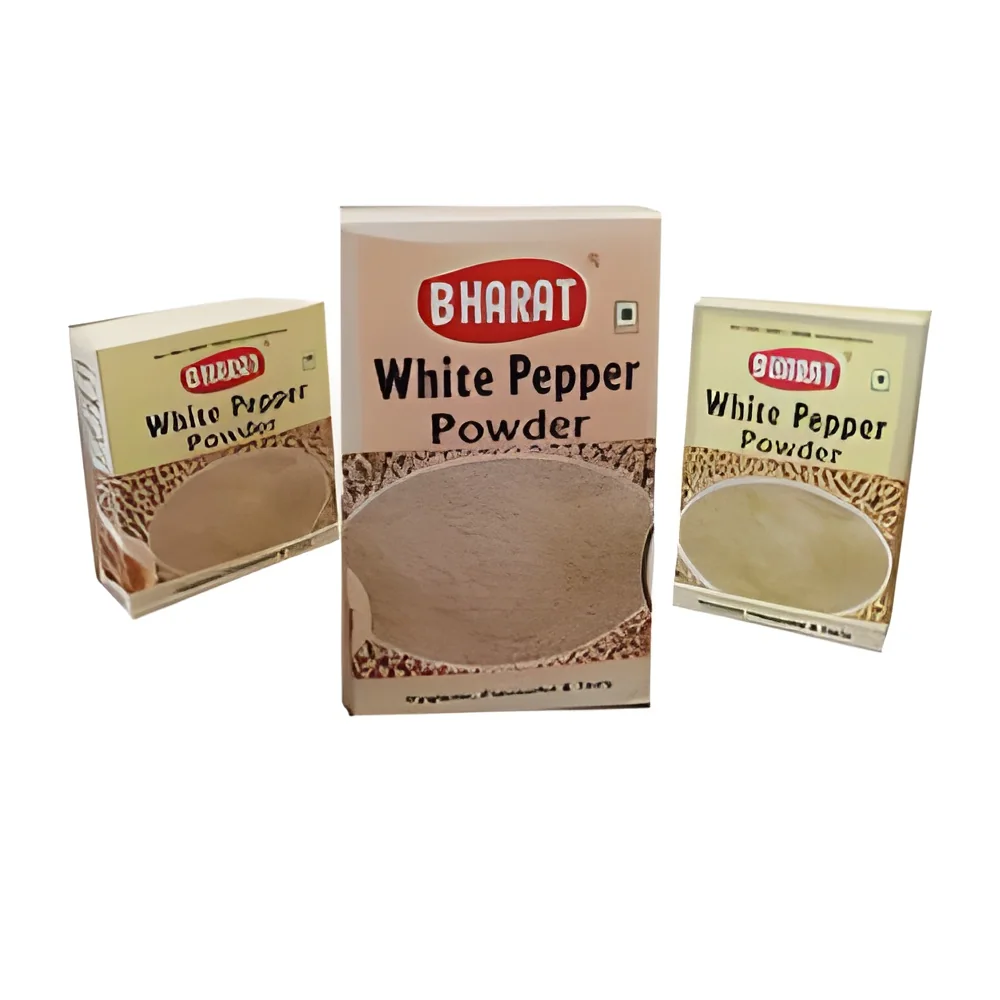
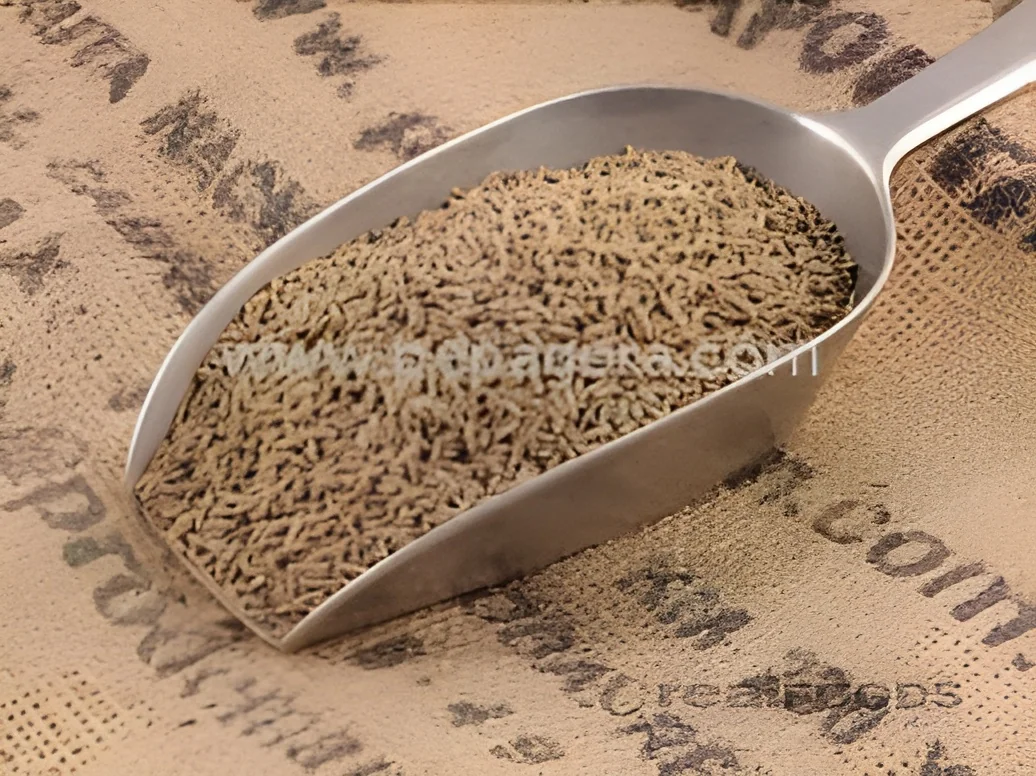
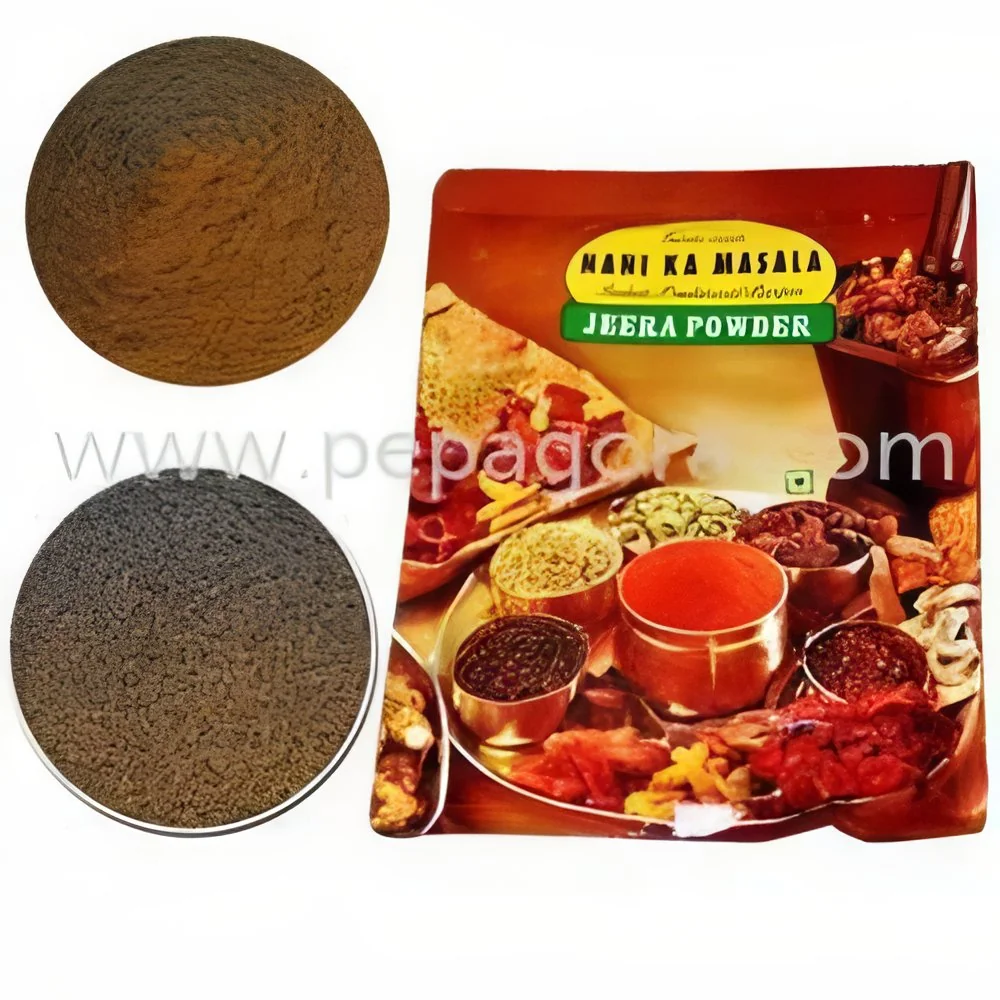
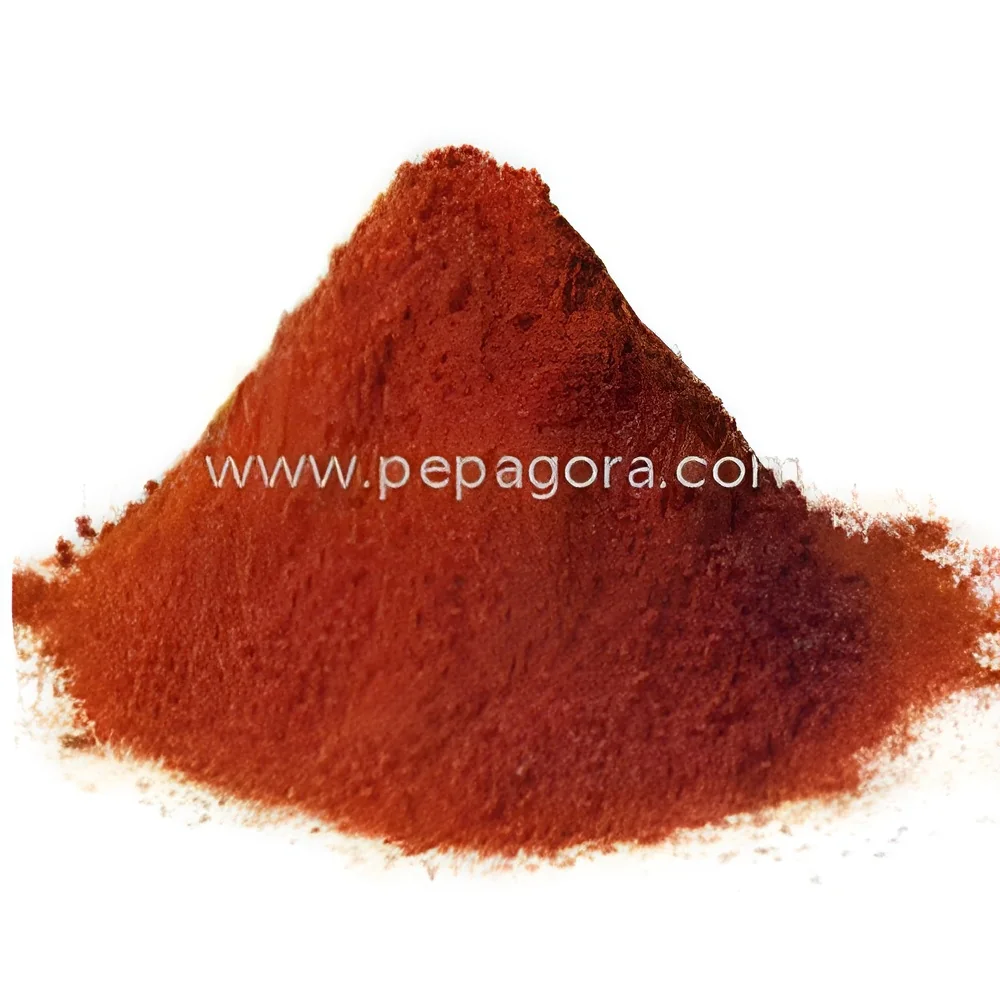
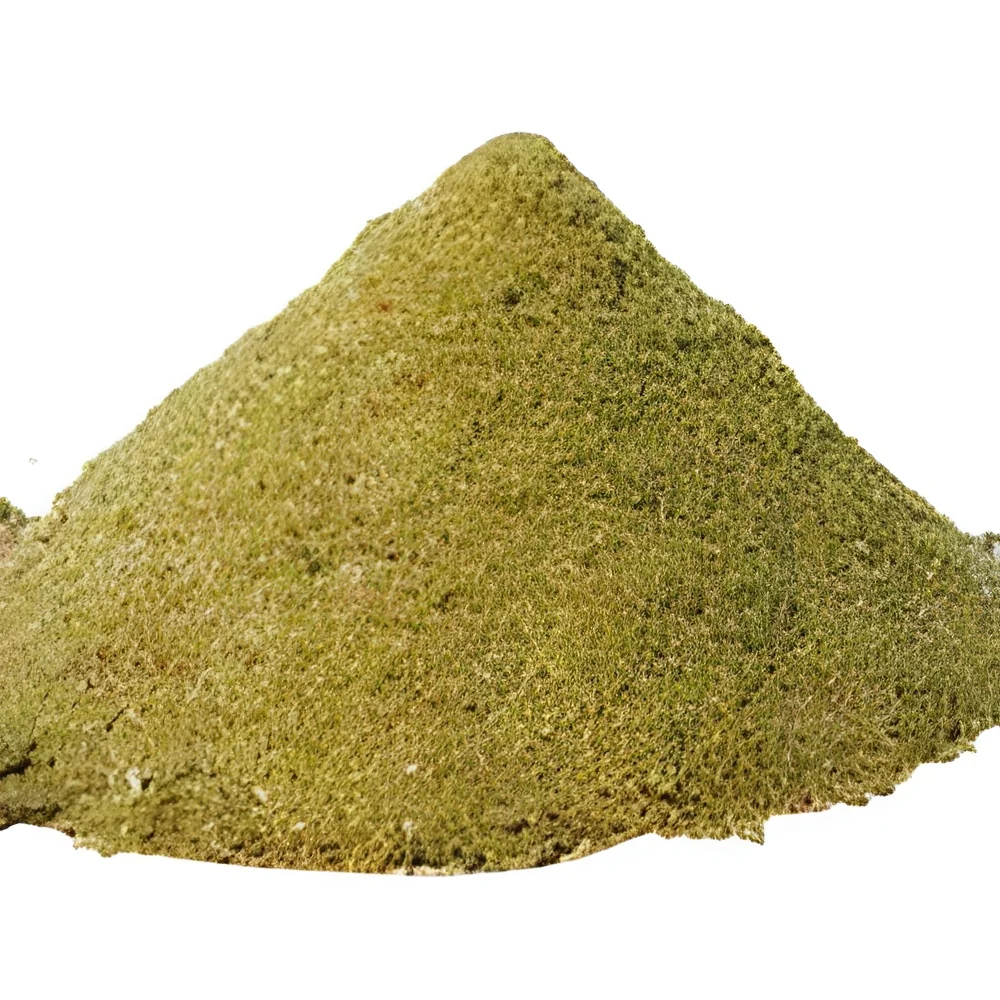
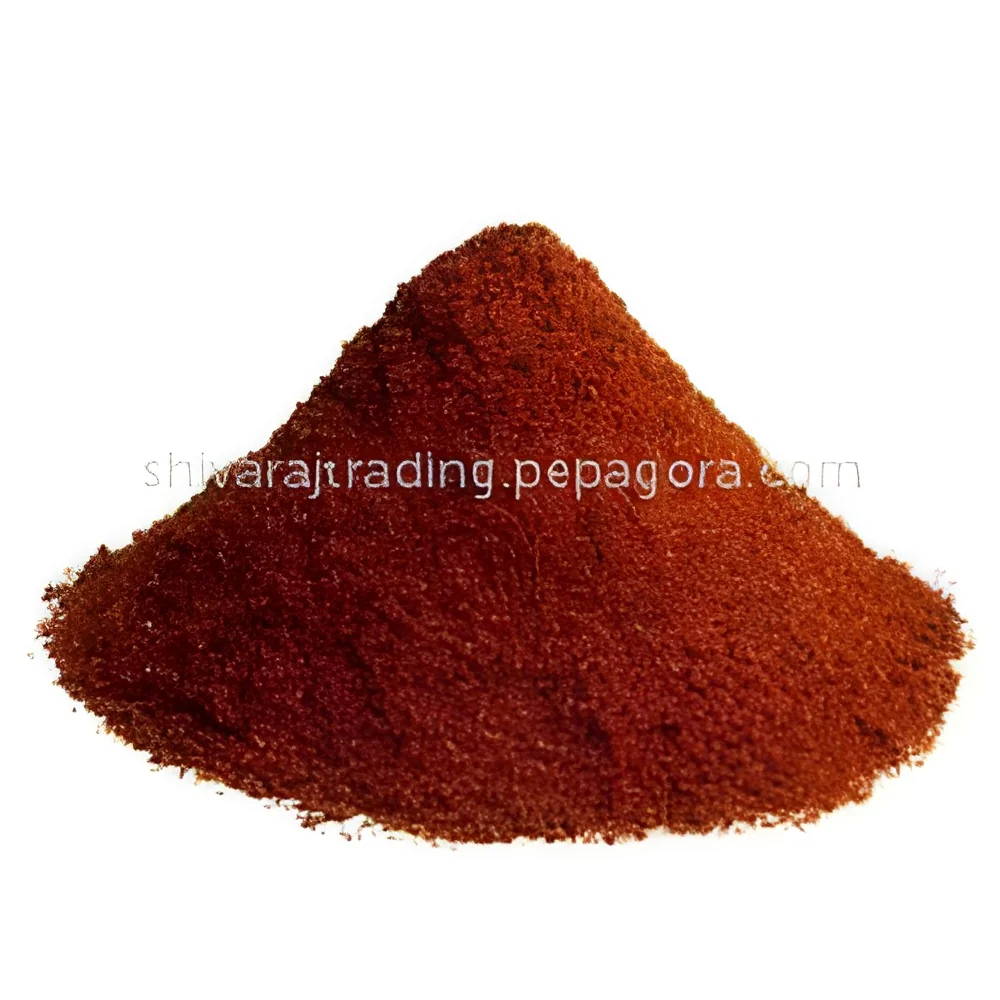
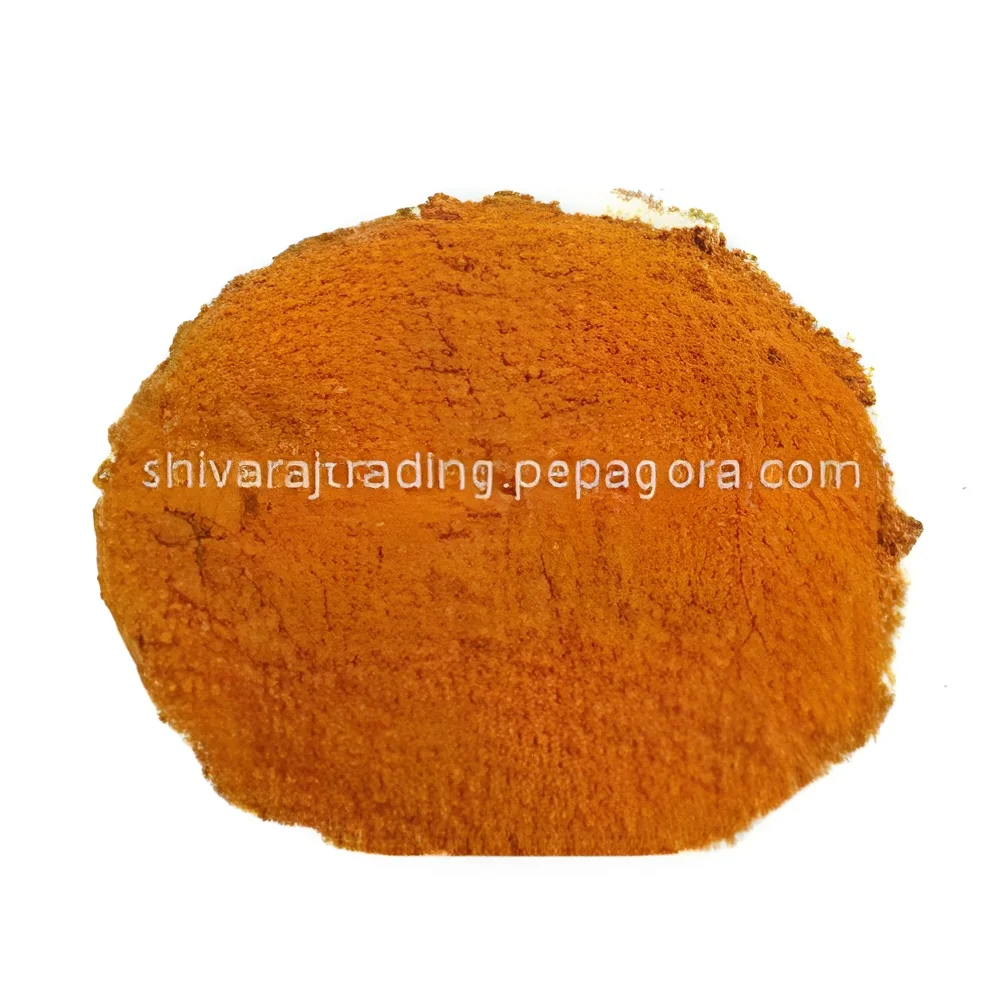
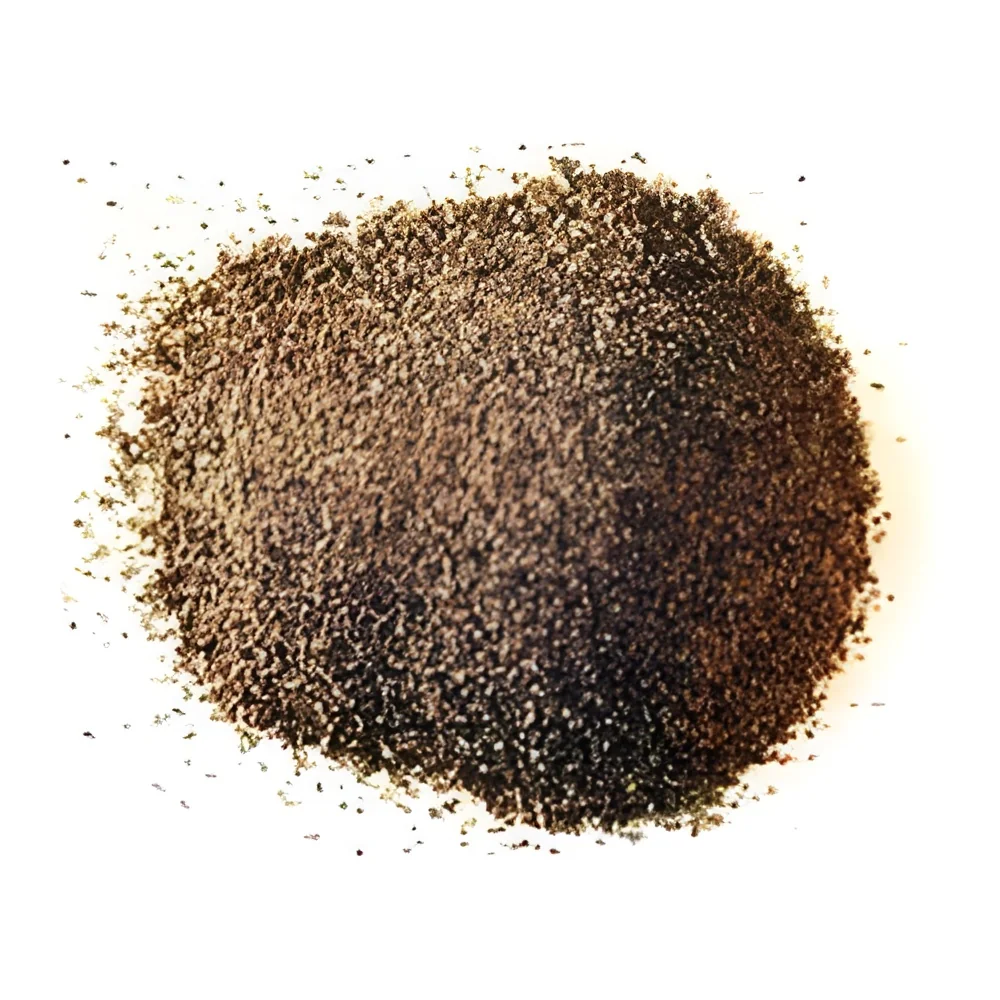
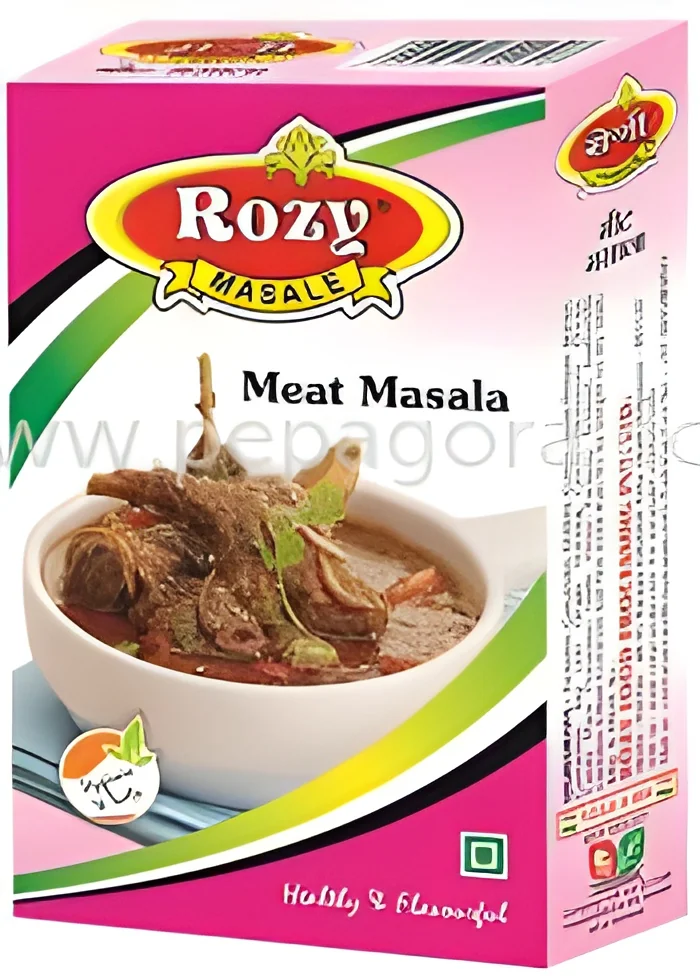
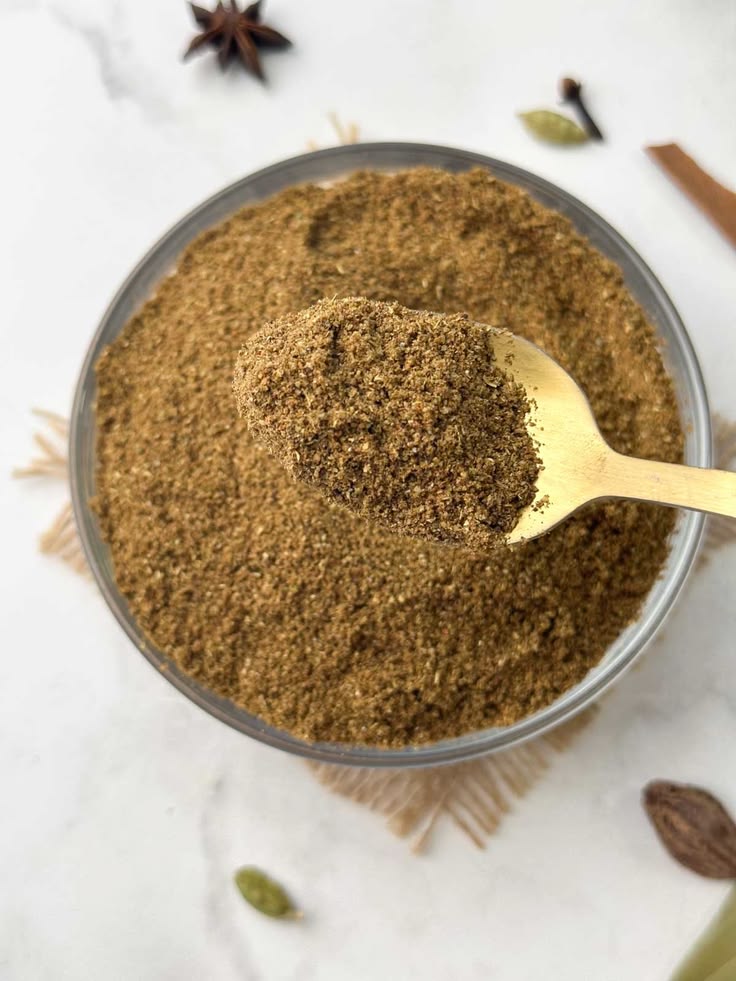
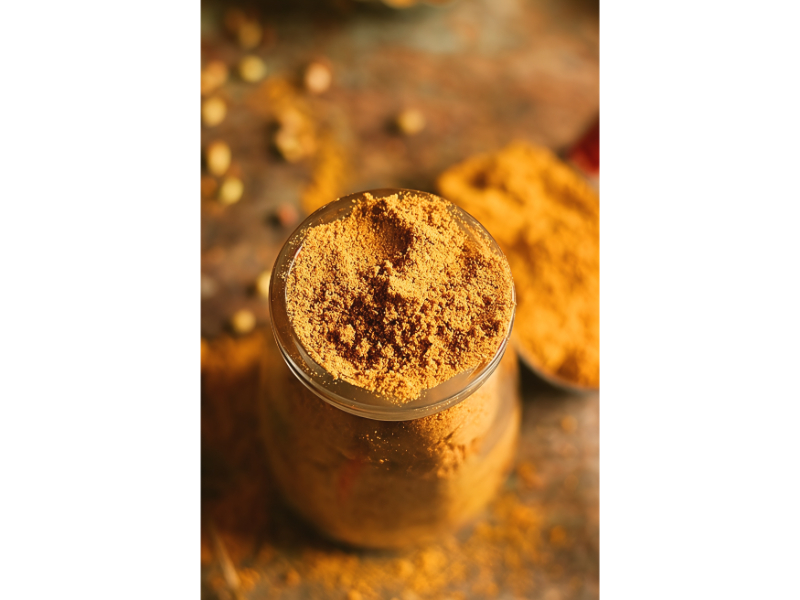
These are finely powdered forms of spices, ready for immediate use in cooking. Ground spices are convenient but have a shorter shelf life than whole spices due to the oxidation of oils.
Dried Herbs
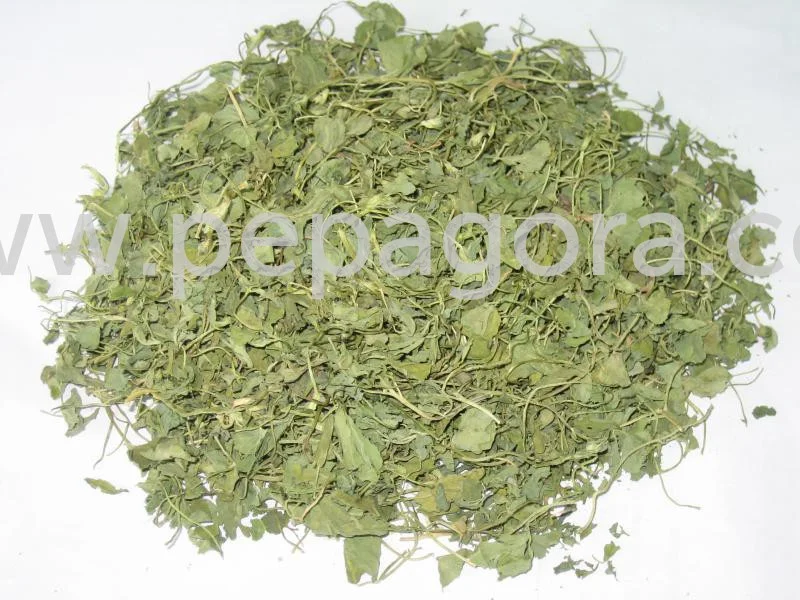
Dried herbs are typically used in cooking and seasoning, providing concentrated flavor. They are convenient and have a long shelf life, making them suitable for commercial use.
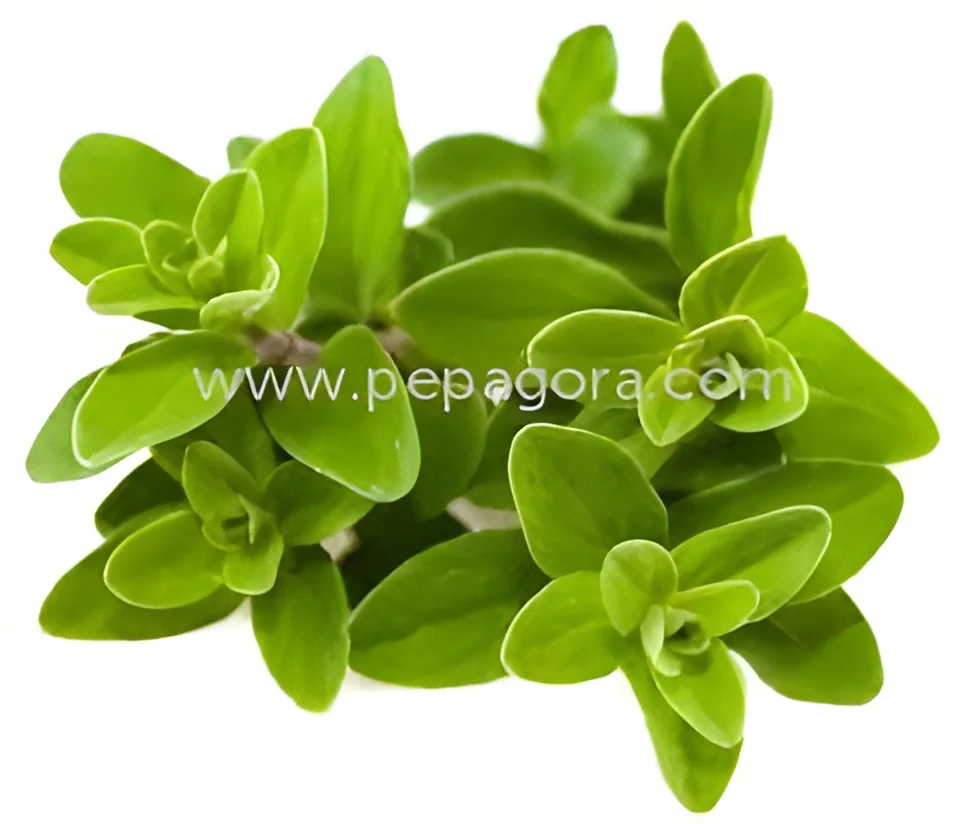
Fresh Herbs
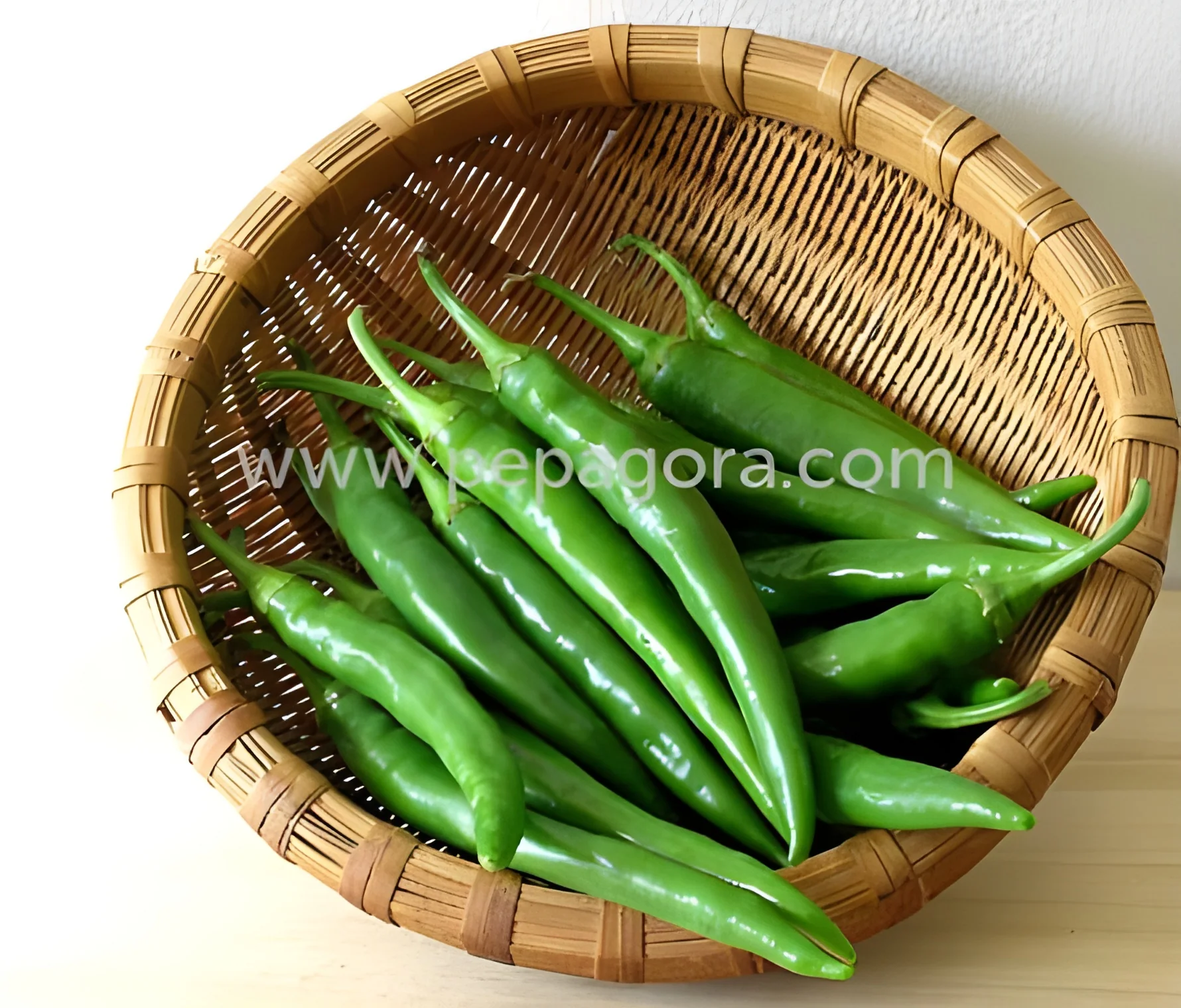
Fresh herbs are often used in gourmet cooking and for garnishing dishes. They offer a vibrant flavor and aroma, appealing to high-end culinary applications.
𝗕𝗲𝗻𝗲𝗳𝗶𝘁𝘀 𝗮𝗻𝗱 𝗔𝗱𝘃𝗮𝗻𝘁𝗮𝗴𝗲𝘀
Sourcing spices and herbs offers numerous benefits for businesses in various sectors.
1. Flavor Enhancement: Spices and herbs significantly improve the taste of food products, making them more appealing to consumers.
2. Health Benefits: Many spices and herbs possess natural health benefits, which can be marketed to health-conscious consumers.
3. Versatility: They can be used across multiple industries, from food production to cosmetics, enhancing business opportunities.
4. Natural Ingredients: With the rise of clean-label products, spices and herbs appeal to consumers looking for natural alternatives to artificial flavorings.
5. Competitive Edge: Unique spice blends can differentiate products in the market, providing a competitive advantage.
6. Sustainability: Sourcing organic spices and herbs aligns with environmentally friendly practices, appealing to eco-conscious consumers.
𝗕𝘂𝘆𝗶𝗻𝗴 𝗚𝘂𝗶𝗱𝗲 𝗳𝗼𝗿 𝗕𝟮𝗕 𝗕𝘂𝘆𝗲𝗿𝘀
When sourcing spices and herbs, businesses should consider several critical factors to ensure quality and compliance.
1. Quality Assessment: Evaluate the freshness and potency of spices and herbs based on color, aroma, and taste. This will ensure that the products meet your culinary standards.
2. Supplier Verification: Vet suppliers to ensure they adhere to quality standards and have a good reputation in the market. Reliable suppliers will provide consistent quality.
3. Pricing and MOQ: Understand the pricing structures and minimum order quantities (MOQ) before committing to a supplier. This can influence your overall purchasing costs.
4. Delivery and Lead Times: Consider logistics and delivery schedules. Timely delivery is crucial for maintaining inventory levels and meeting production timelines.
5. Compliance Requirements: Ensure that the products comply with relevant regulations and safety standards in your region. This reduces the risk of legal issues or product recalls.
𝗖𝗼𝗺𝗽𝗹𝗶𝗮𝗻𝗰𝗲 𝗮𝗻𝗱 𝗖𝗲𝗿𝘁𝗶𝗳𝗶𝗰𝗮𝘁𝗶𝗼𝗻𝘀
Compliance and certifications are vital in the spices and herbs industry to ensure product safety and quality.
Spices and herbs may be held to relevant quality standards such as ISO 9001, which ensures that suppliers maintain consistent quality management practices. These certifications are crucial for businesses looking to assure customers of product reliability.
Additionally, adherence to HACCP (Hazard Analysis Critical Control Point) standards helps identify and control potential health hazards throughout the production process. This is particularly important in the food industry.
The CE certification indicates compliance with European health, safety, and environmental protection standards, assuring businesses that the spices and herbs meet necessary regulatory requirements.
Moreover, businesses must consider regional compliance laws, which can vary significantly. Understanding these requirements is essential for successful sourcing and distribution.
𝗪𝗵𝘆 𝗦𝗼𝘂𝗿𝗰𝗲 𝗦𝗽𝗶𝗰𝗲𝘀 & 𝗛𝗲𝗿𝗯𝘀 𝗳𝗿𝗼𝗺 𝗣𝗲𝗽𝗮𝗴𝗼𝗿𝗮?
Pepagora offers a trusted platform for sourcing spices and herbs, presenting several key advantages for businesses.
Verified Supplier Network: Pepagora connects buyers with a network of verified suppliers, ensuring that all products meet stringent quality and safety standards. This reduces the risk of sourcing subpar ingredients.
Streamlined RFQ Process: The platform simplifies the request for quotation (RFQ) process, allowing businesses to easily compare pricing and terms from multiple suppliers. This efficiency saves time and enhances decision-making.
Trade Assurance and Support: Pepagora provides trade assurance, offering buyers protection throughout the purchasing process. This includes support for any disputes or issues that may arise.
Regional Coverage: With a strong presence in India, the Gulf Cooperation Council (GCC), and Southeast Asia, Pepagora facilitates access to a diverse range of spices and herbs, allowing businesses to explore regional specialties and expand their product offerings.

 IN
IN



 India
India