What are Herbal Tea Blends?
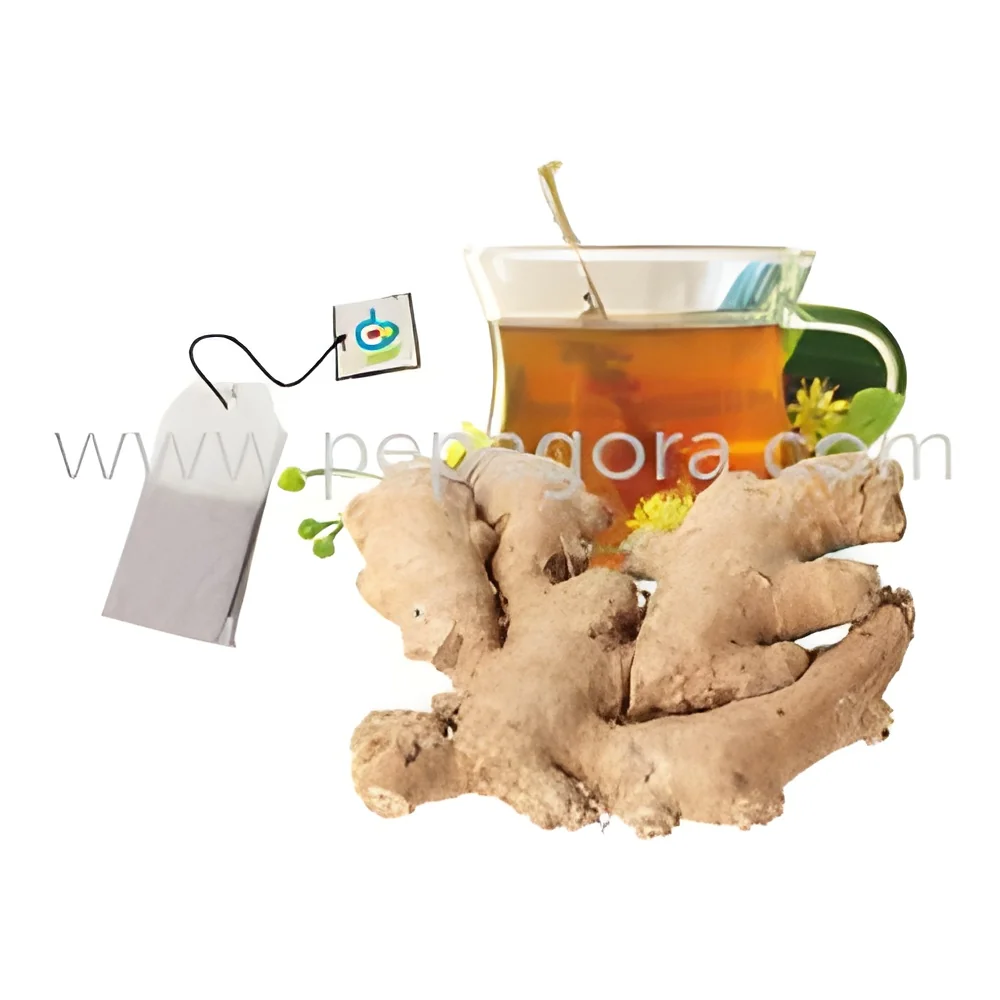
Herbal tea blends are combinations of various herbs, flowers, and spices that are infused in hot water to create flavorful and aromatic beverages. Unlike traditional teas derived from the Camellia sinensis plant, herbal teas are typically caffeine-free and can offer a range of health benefits depending on the ingredients used. These blends can include a wide array of components, allowing for diverse flavors and potential therapeutic effects.
In the business context, herbal tea blends find applications in the food and beverage industry, wellness sectors, and even in hospitality settings. Companies often use these blends to create unique offerings that cater to health-conscious consumers or to enhance their product lines with specialty items. The growing trend towards natural and organic products has also boosted the demand for herbal tea blends, making them a relevant choice for businesses looking to tap into this expanding market.
The herbal tea industry is experiencing notable growth, driven by increasing consumer awareness regarding health and wellness. Market research indicates that herbal teas are becoming increasingly popular due to their perceived health benefits, including relaxing, digestive, and immune-boosting properties. This relevance in the market positions herbal tea blends as a valuable product for businesses aiming to meet consumer demands.
Key Features and Specifications
Herbal tea blends come with distinct features and specifications that make them appealing to both consumers and businesses. Understanding these characteristics can help buyers make informed decisions.
Key specifications include:
1. Ingredient Composition
- A diverse mix of herbs and botanicals
- Can include chamomile, peppermint, hibiscus, and more
2. Flavor Profiles
- Range of taste experiences from sweet to earthy
- Customizable to suit different consumer preferences
3. Packaging Options
- Available in bulk, tea bags, or loose leaf
- Options for eco-friendly and sustainable packaging
4. Shelf Life
- Generally ranges from 12 to 24 months
- Proper storage can extend freshness
5. Brewing Instructions
- Recommended steeping times and temperatures
- Guidelines for optimal flavor extraction
6. Caffeine Content
- Typically caffeine-free, making them suitable for all consumers
- Some blends may contain added caffeine from specific ingredients
7. Nutritional Information
- Varies by blend but typically low in calories
- Potential health benefits associated with specific herbs
Herbal tea blends offer a unique combination of flavors, health benefits, and versatility that make them attractive to consumers and businesses alike.
Common Applications and Use Cases
Herbal tea blends are versatile and can be utilized across various industries.
1. Food and Beverage Industry: Restaurants and cafes often feature herbal tea blends on their menus, providing customers with refreshing, caffeine-free alternatives to traditional beverages.
2. Wellness and Health Products: Many health-focused brands incorporate herbal tea blends into their product lines, promoting their health benefits such as relaxation, digestion, and immunity support.
3. Hospitality Sector: Hotels and resorts use herbal tea blends as part of their beverage offerings, enhancing guest experiences with unique flavors and health-conscious options.
4. Retail and E-commerce: Online platforms and health food stores sell herbal tea blends, catering to consumers looking for convenient and healthy beverage options.
5. Gift and Specialty Items: Herbal tea blends are popular as gift items, often packaged in aesthetically pleasing containers to attract consumers seeking thoughtful gifts.
6. Events and Catering: Herbal tea blends are increasingly used for events, providing a unique beverage option for guests and enhancing the overall experience.
Product Variants and Subcategories
Herbal tea blends come in various forms and flavors, allowing businesses to cater to diverse consumer preferences.
Relaxation Blend
This variant typically includes calming herbs like chamomile and lavender. It is designed to promote relaxation and is often marketed to consumers seeking stress relief.
Digestive Blend
This blend often features ingredients like peppermint and ginger. It is tailored for those looking to support digestive health and can be marketed as a post-meal beverage.
Immunity Blend
Typically rich in antioxidants, this variant includes ingredients such as echinacea and elderberry. It is targeted towards health-conscious consumers seeking to boost their immune systems.
Energy Blend
Incorporating natural stimulants like ginseng or yerba mate, this blend is aimed at consumers looking for an energy boost without caffeine.
Benefits and Advantages
Herbal tea blends offer numerous benefits for both consumers and businesses.
Key benefits include:
1. Health Benefits: Many herbal tea blends are rich in antioxidants and can support wellness, making them appealing to health-focused consumers.
2. Flavor Variety: The wide range of flavor profiles allows businesses to differentiate their offerings and cater to diverse tastes.
3. Caffeine-Free Options: Herbal tea blends provide a caffeine-free alternative, appealing to consumers who avoid caffeine for health reasons.
4. Versatile Applications: These blends can be used in various settings, from cafes to wellness products, enhancing their marketability.
5. Customization Potential: Businesses can create unique blends tailored to specific consumer preferences, allowing for brand differentiation.
6. Sustainable Sourcing: Many herbal teas can be sourced sustainably, appealing to environmentally conscious consumers and businesses.
Buying Guide for B2B Buyers
When sourcing herbal tea blends, there are several important factors to consider.
1. Quality Assessment: Buyers should evaluate the quality of the herbs used in the blends. This includes checking for freshness, sourcing practices, and certifications.
2. Supplier Verification: It is essential to vet suppliers to ensure they meet industry standards and can provide reliable products. This may involve checking references and certifications.
3. Pricing and MOQ: Understanding the pricing structure and minimum order quantities is crucial for budgeting and ensuring product availability.
4. Delivery and Lead Times: Buyers should consider logistics, including delivery times and shipping costs, to ensure timely receipt of products.
5. Compliance Requirements: Regulatory compliance is vital, particularly concerning food safety standards and labeling requirements. Buyers should confirm that suppliers meet all necessary regulations.
Compliance and Certifications
Herbal tea blends are subject to various quality standards and certifications that ensure product safety and reliability. Key standards include ISO 9001, which specifies requirements for a quality management system, and HACCP, which focuses on food safety. Compliance with Good Distribution Practices (GDP) is also important to ensure that products are stored and transported safely.
In addition, industry certifications such as CE may be relevant depending on the specific ingredients used in herbal blends. Buyers should also be aware of safety and testing requirements that may apply to herbal products, such as allergen testing and contaminant analysis. Regional compliance considerations are crucial as regulations can vary significantly by location, making it essential for businesses to stay informed about local standards.
Why Source Herbal Tea Blends from Pepagora?
Pepagora offers a trusted platform for sourcing herbal tea blends, providing several key advantages for B2B buyers.
Verified Supplier Network: Pepagora connects buyers with verified suppliers, ensuring that businesses can source high-quality herbal tea blends with confidence. This network helps mitigate risks associated with sourcing.
Streamlined RFQ Process: The request for quotation (RFQ) process is designed to be efficient, allowing buyers to easily compare options and make informed decisions quickly.
Trade Assurance and Support: Buyers benefit from trade assurance that protects their purchases, providing a layer of security when sourcing products. Dedicated support is also available to assist with any inquiries.
Regional Coverage: Pepagora has a strong presence in key markets including India, the GCC, and Southeast Asia. This geographic reach allows businesses to tap into diverse sourcing options and meet varying consumer demands effectively.

 IN
IN