
 IN
Sambar & Rasam Powder
37 products available
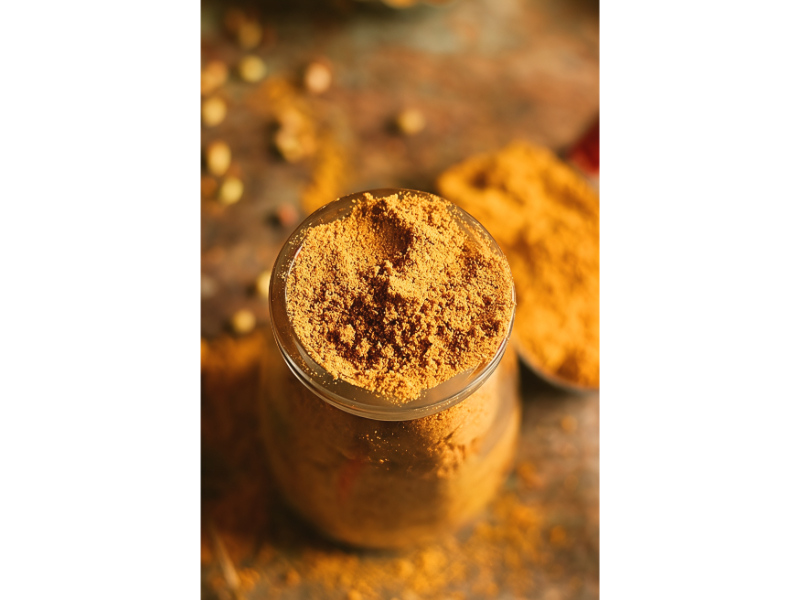
What are Sambar & Rasam Powder?
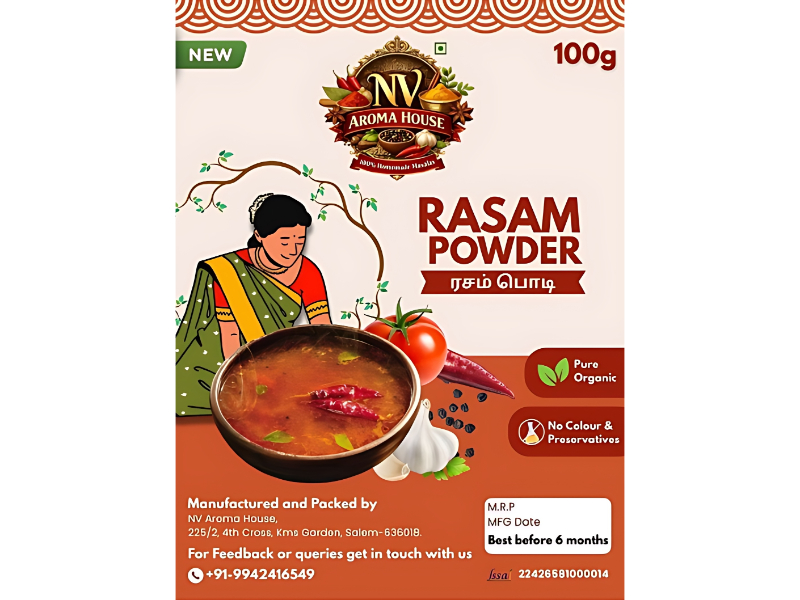
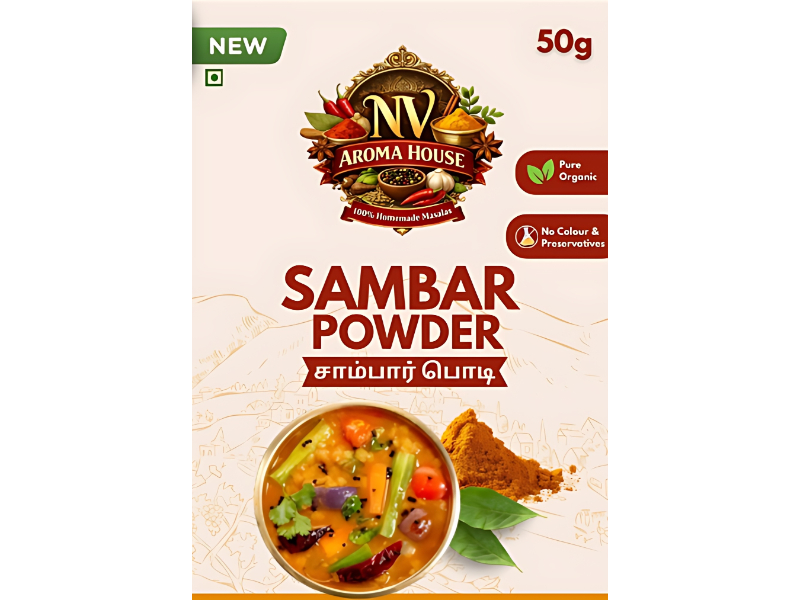
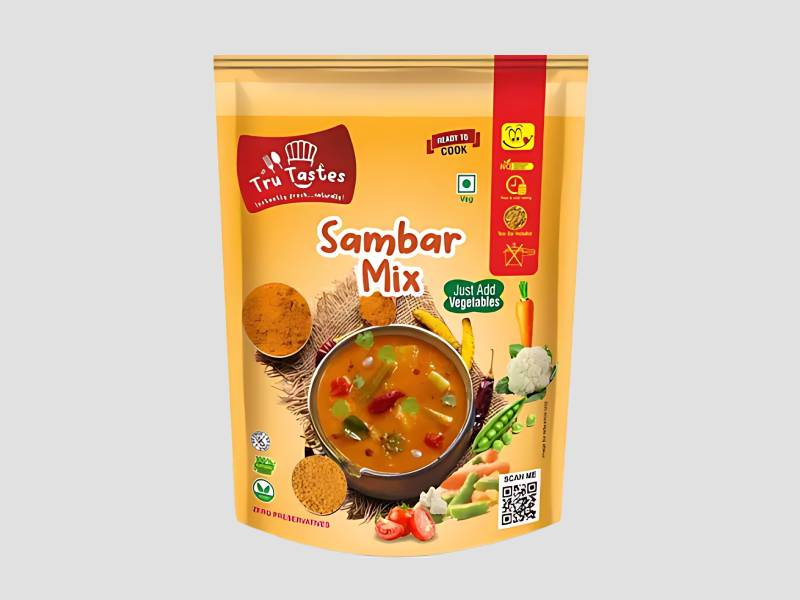
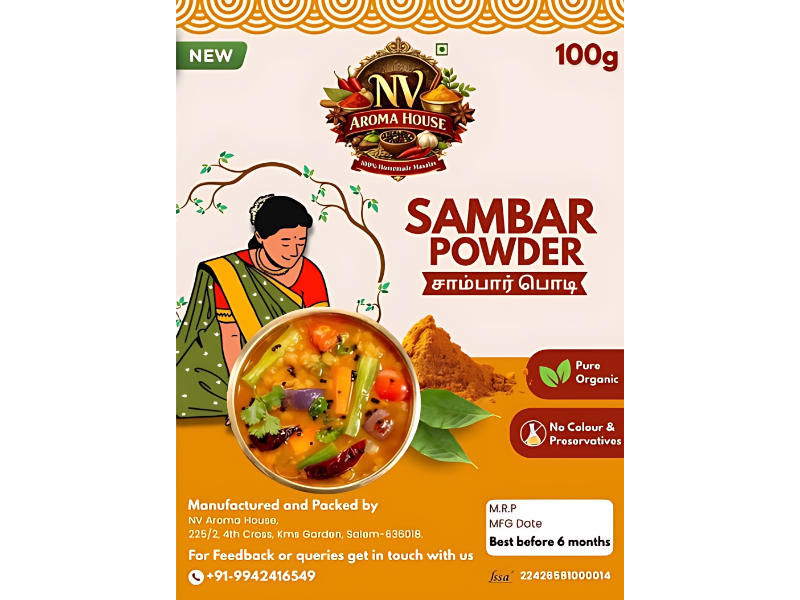
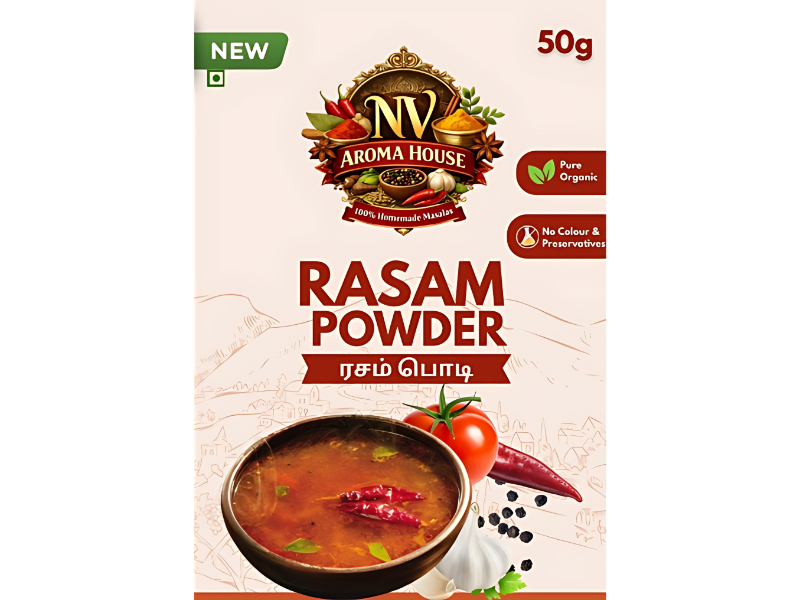
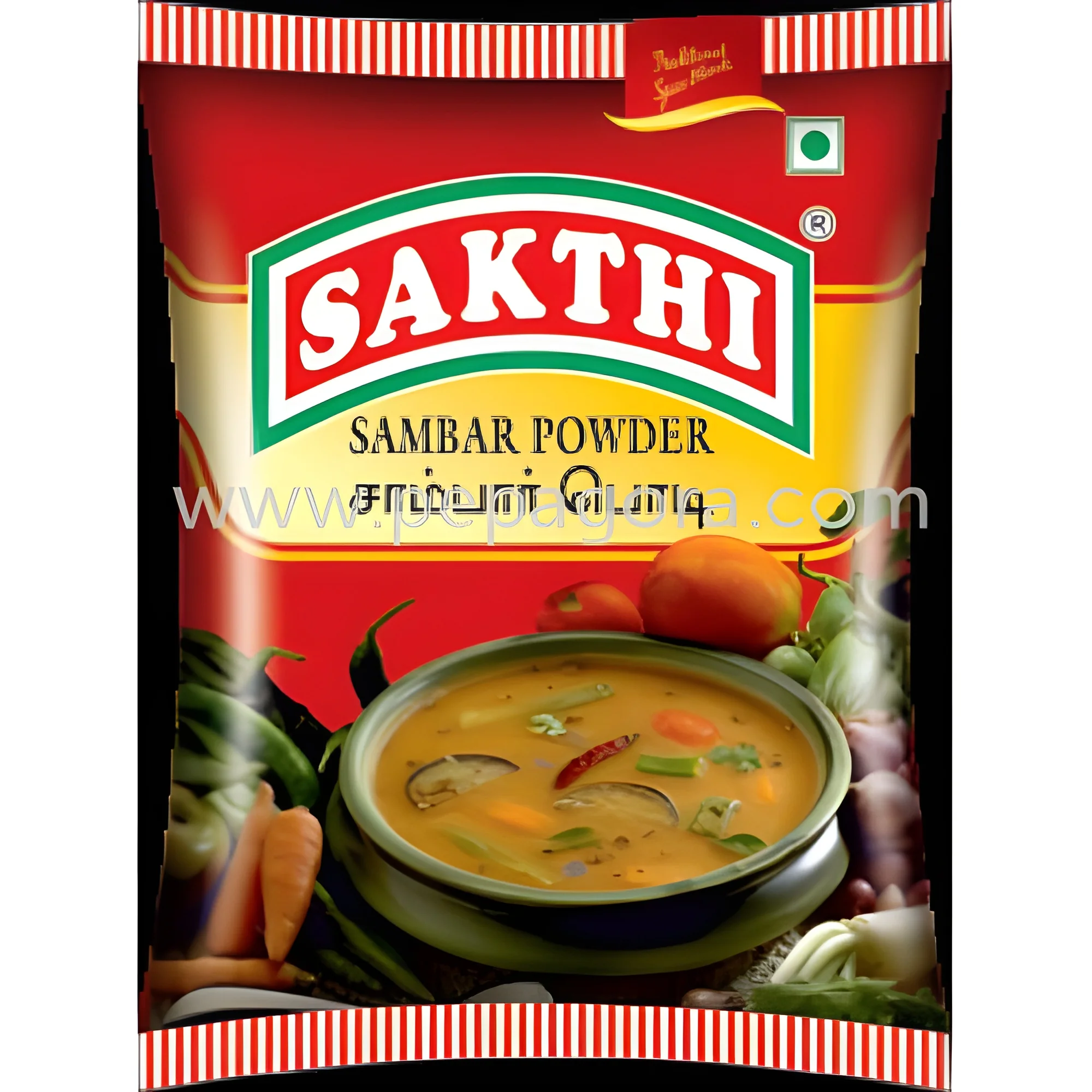
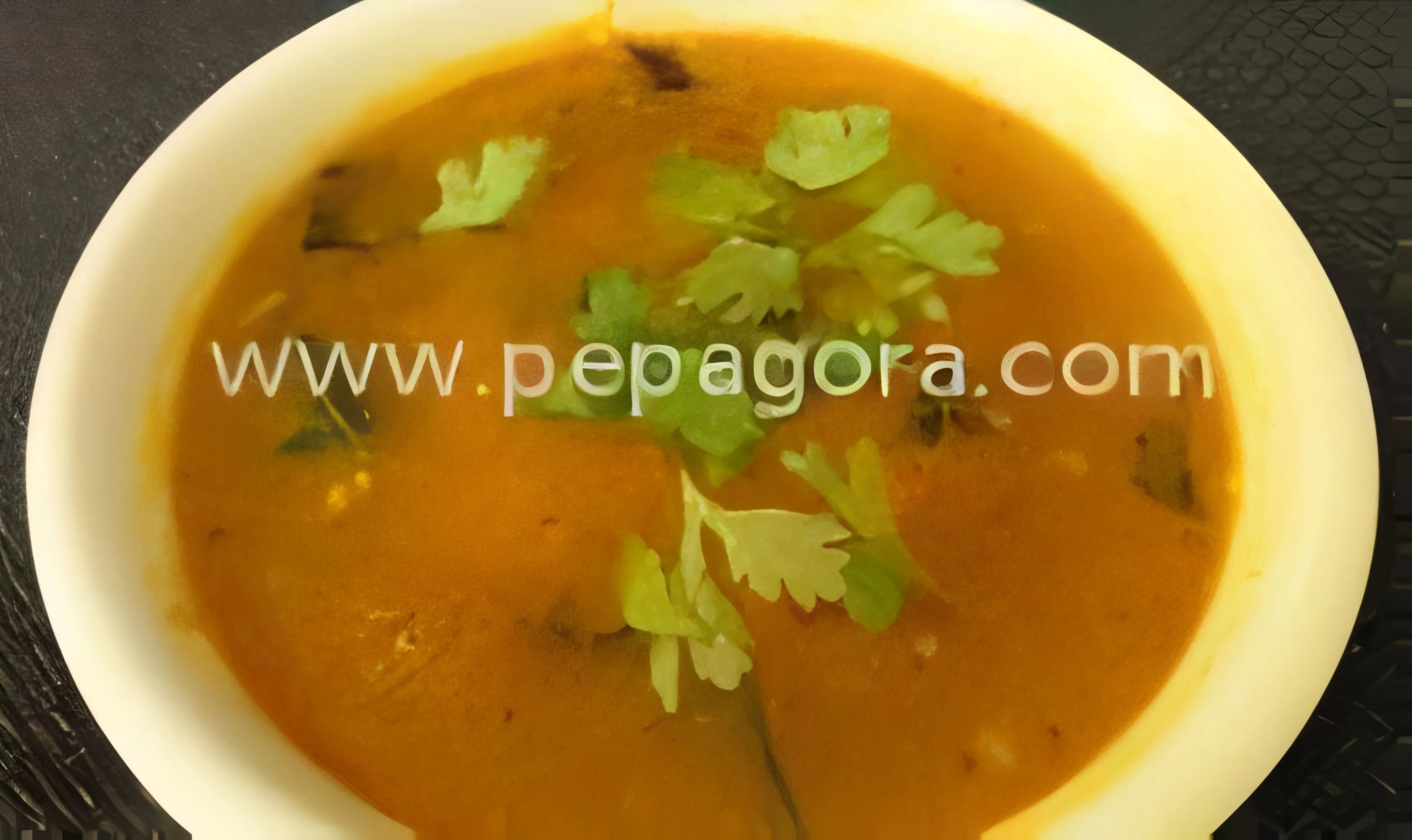
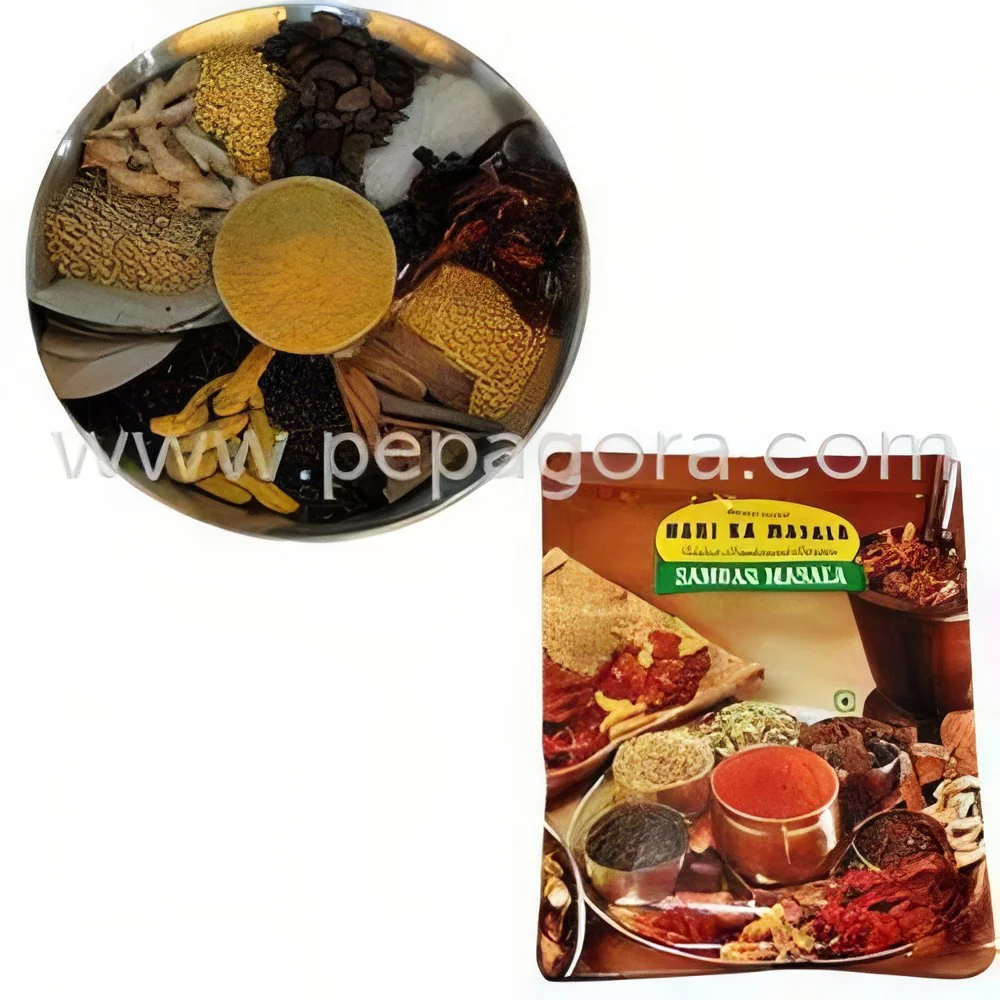
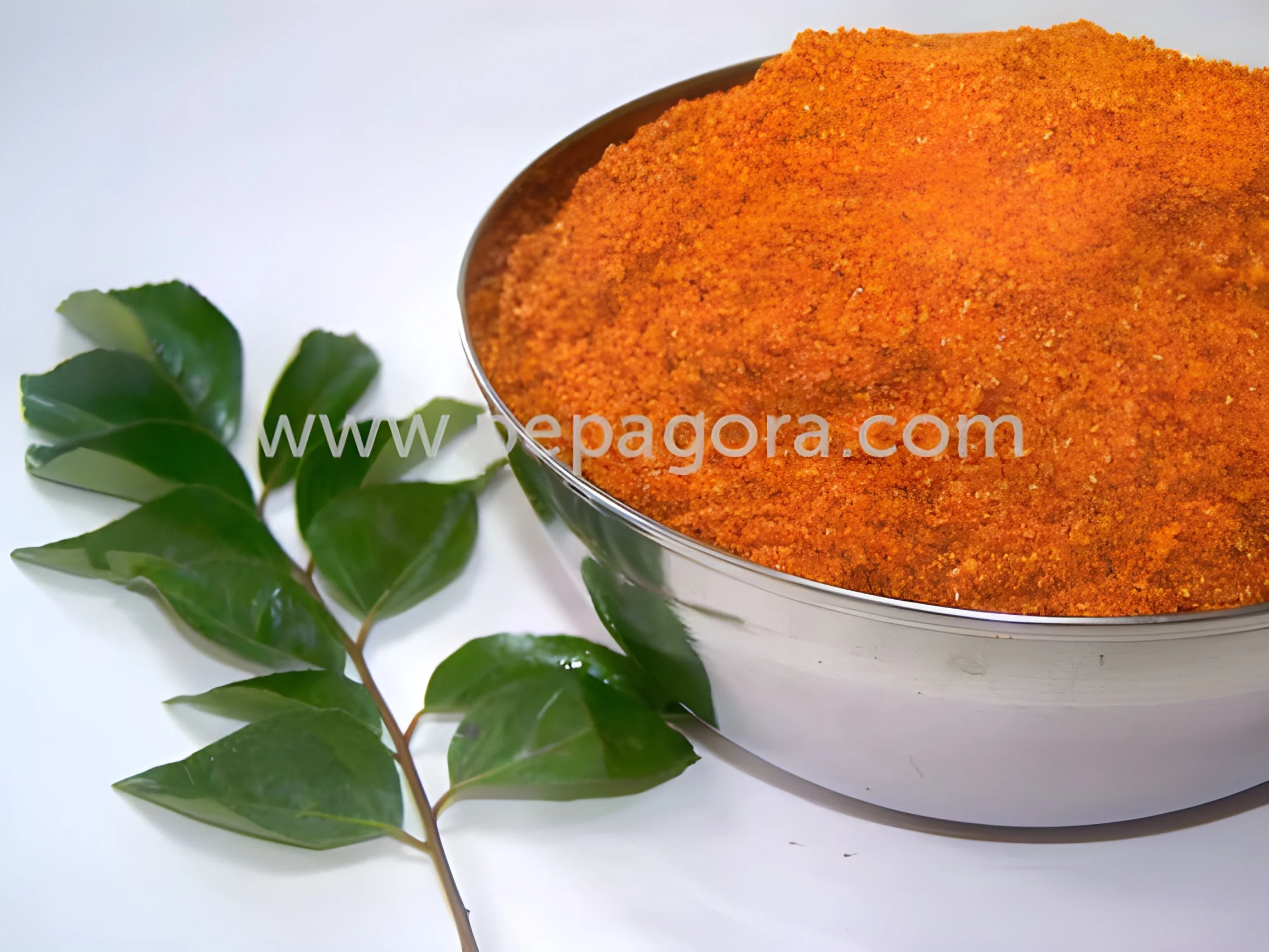
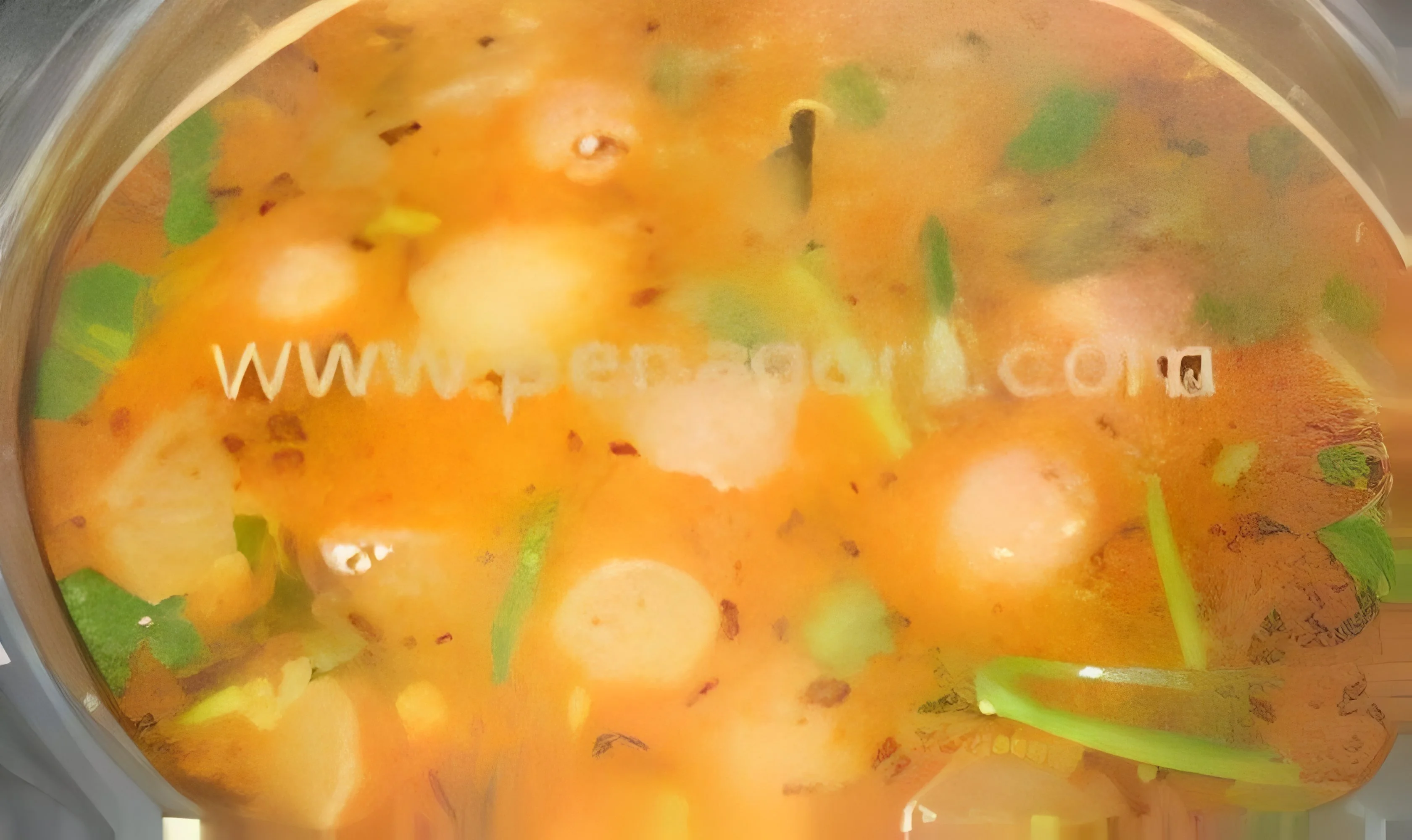
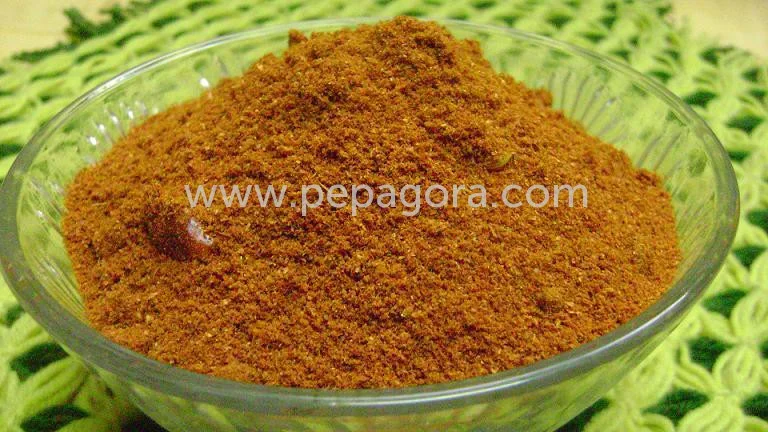
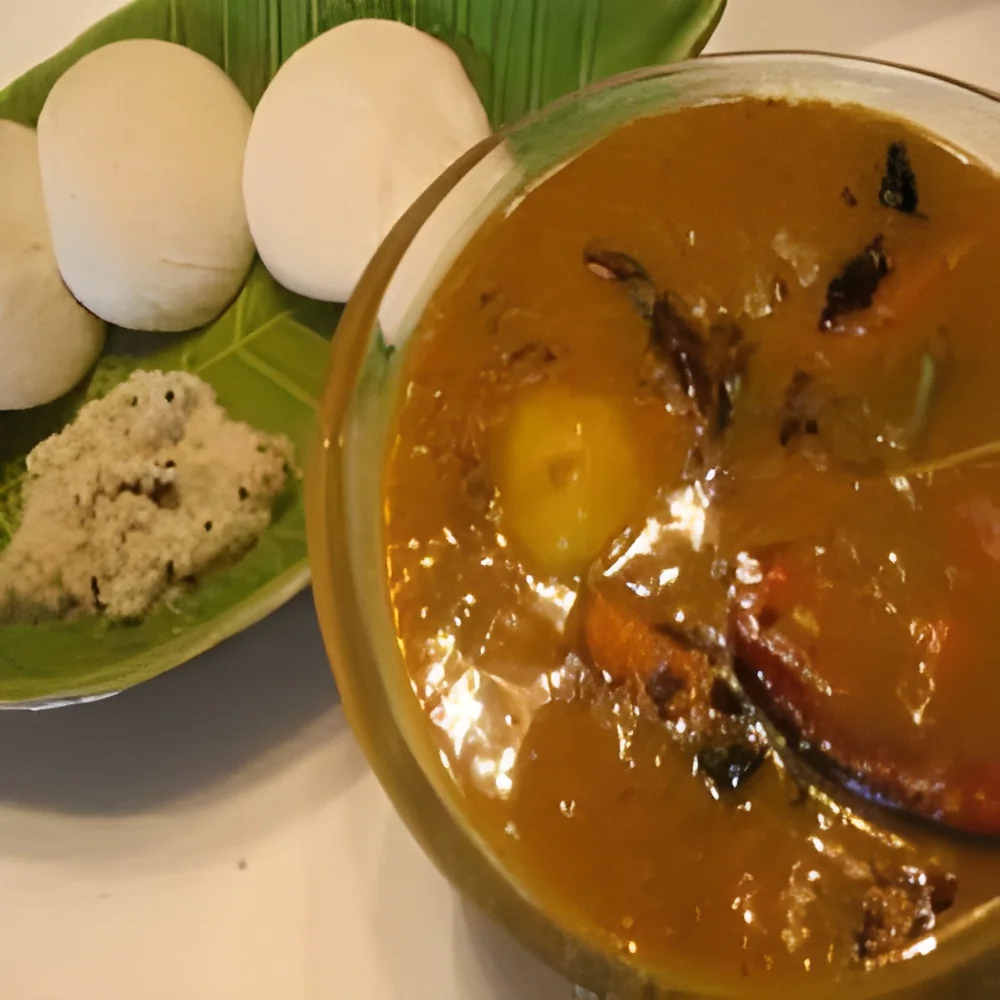
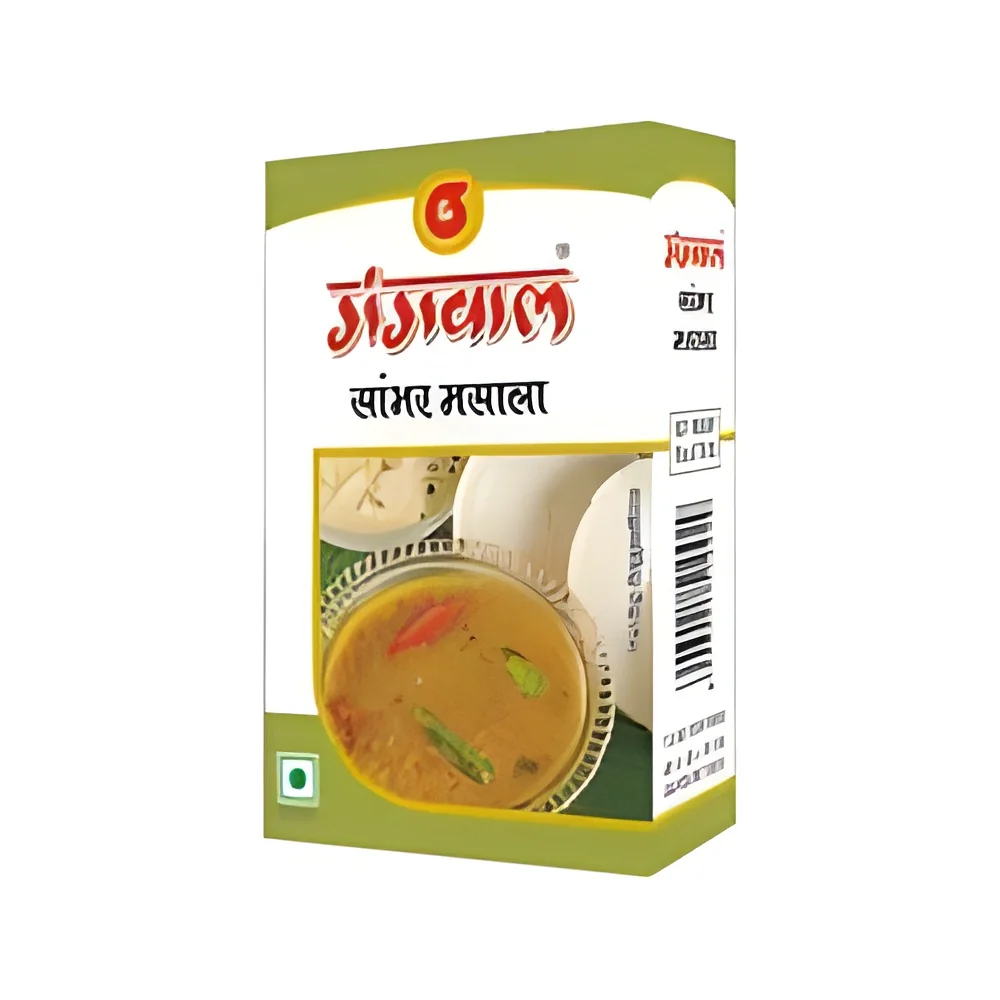
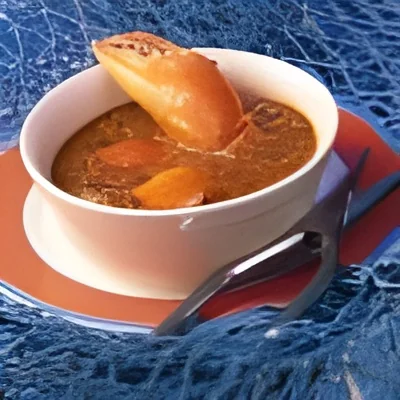
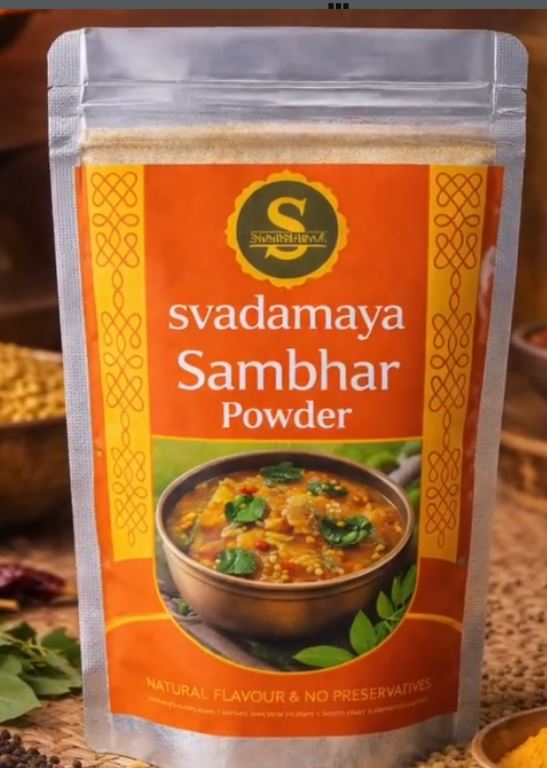
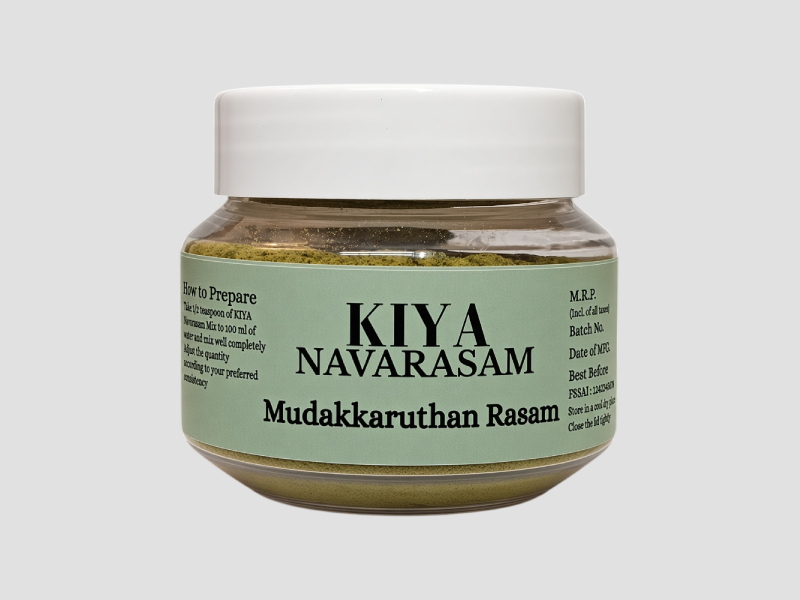
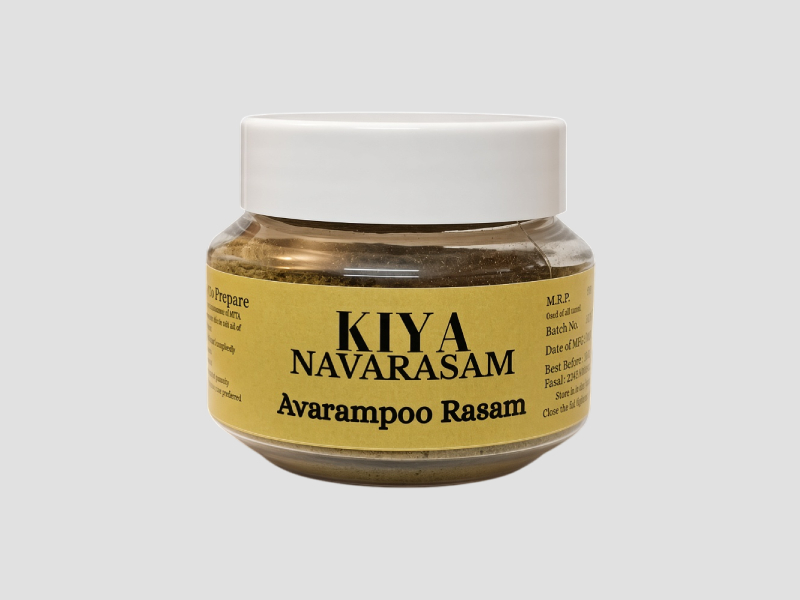
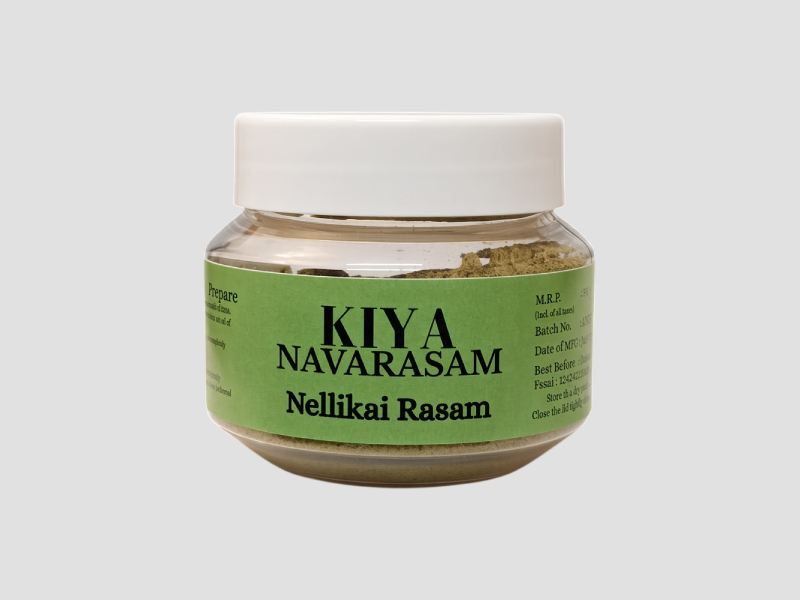
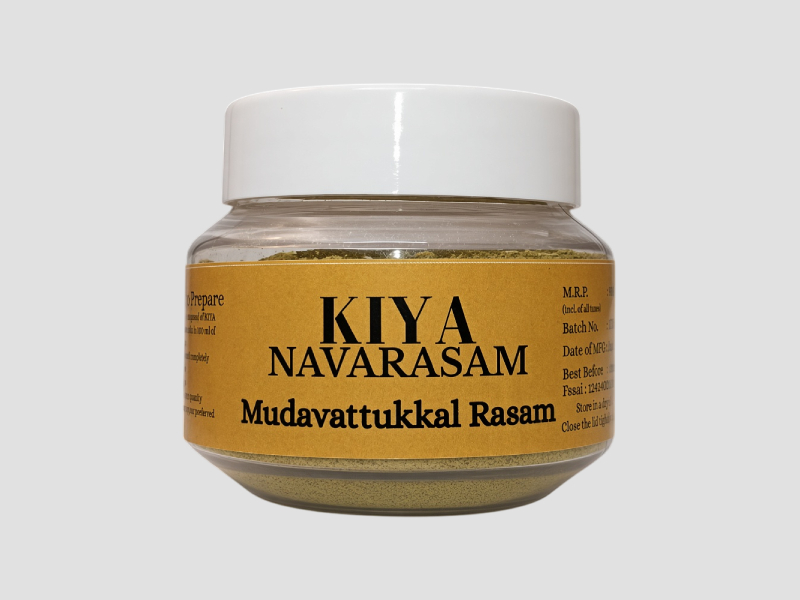
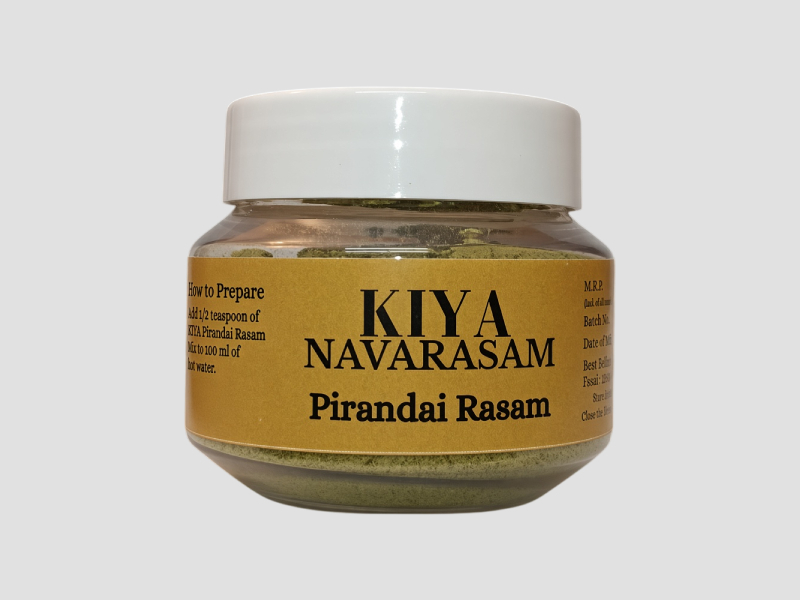
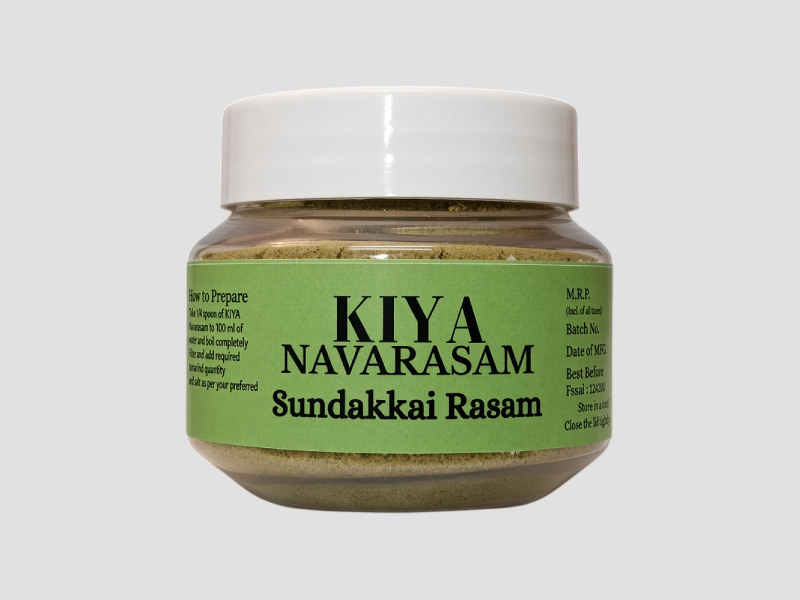
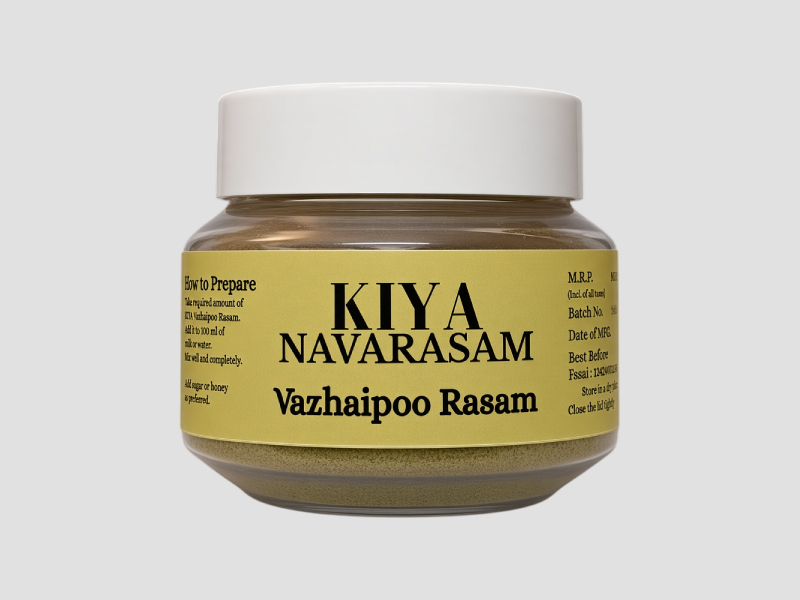
Sambar and Rasam powders are blended spices commonly used in South Indian cuisine. These powders are essential for preparing Sambar, a lentil-based vegetable stew, and Rasam, a spiced soup that typically accompanies rice. Both powders contain a mix of various spices, herbs, and lentils, carefully balanced to deliver rich flavors and aromas.
These powders are primarily used in the food industry, particularly by restaurants, catering services, and food manufacturers. They provide a convenient way to replicate traditional tastes without needing to source each ingredient separately. As demand for authentic Indian cuisine rises globally, Sambar and Rasam powders are gaining popularity in international markets, making them relevant for importers and distributors.
The market for Sambar and Rasam powders is expanding, driven by the growing interest in ethnic foods. Businesses are increasingly recognizing the value of these products, not just for their flavor but also for their potential to attract diverse customer bases. The availability of ready-to-use spice blends aligns with the convenience trend in food preparation, further solidifying their place in the industry.
Key Features and Specifications
Sambar and Rasam powders come with several distinguishing features that cater to both culinary and business needs. These products are designed to maintain flavor integrity while ensuring product consistency. The specifications guide buyers in selecting the right products for their applications.
Key specifications include:
1. Flavor Profile
- Balanced blend of spices
- Typical notes include tangy, spicy, and savory
2. Packaging Options
- Available in bulk bags or retail packaging
- Custom packaging solutions can be offered based on client needs
3. Shelf Life
- Generally ranges from 12 to 24 months when stored properly
- Requires cool and dry storage conditions
4. Ingredient Sourcing
- Sourced from high-quality, natural ingredients
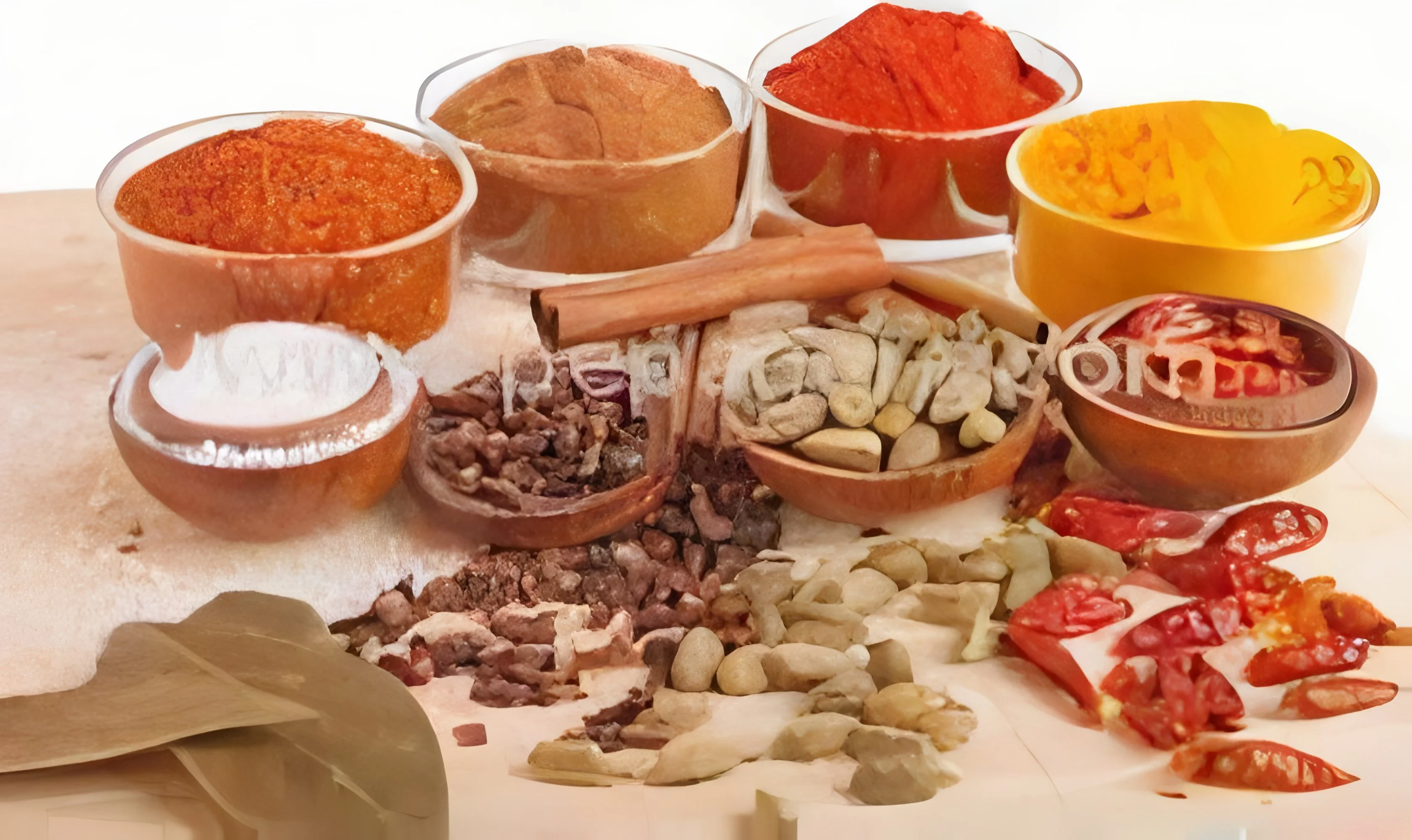
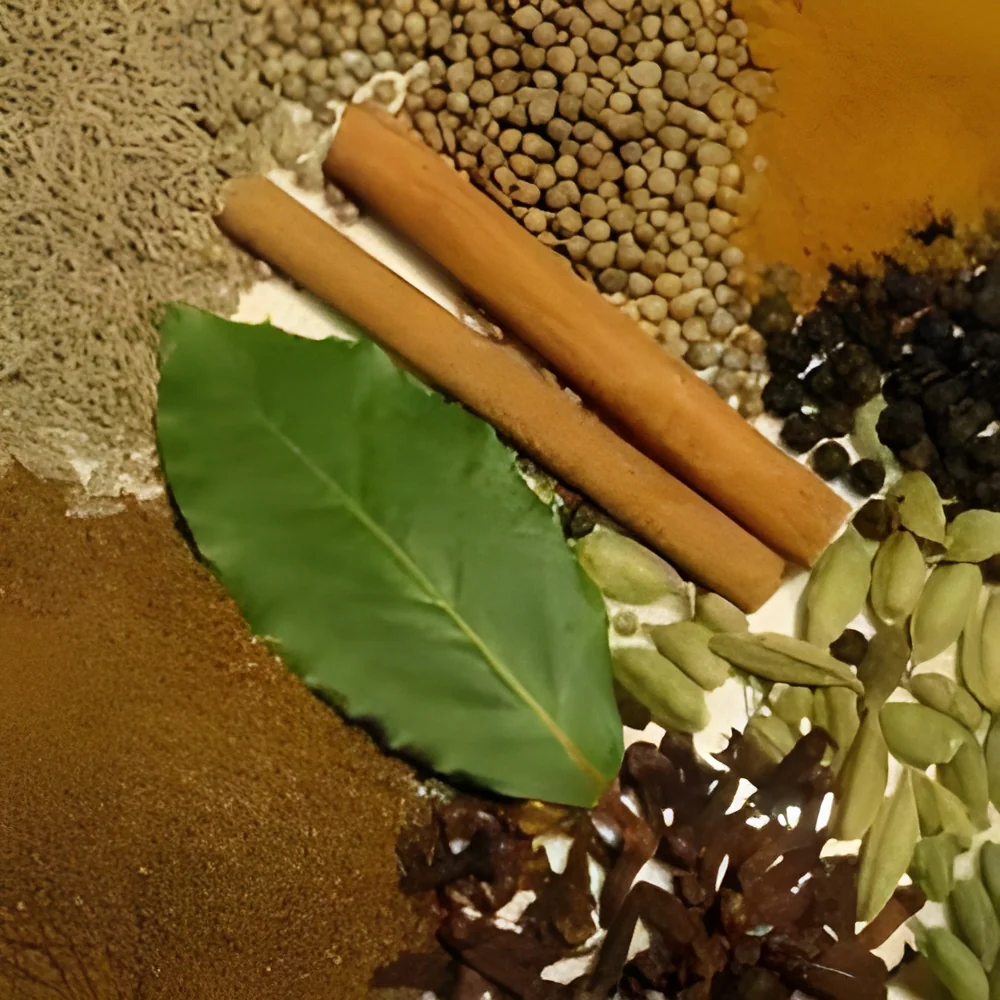
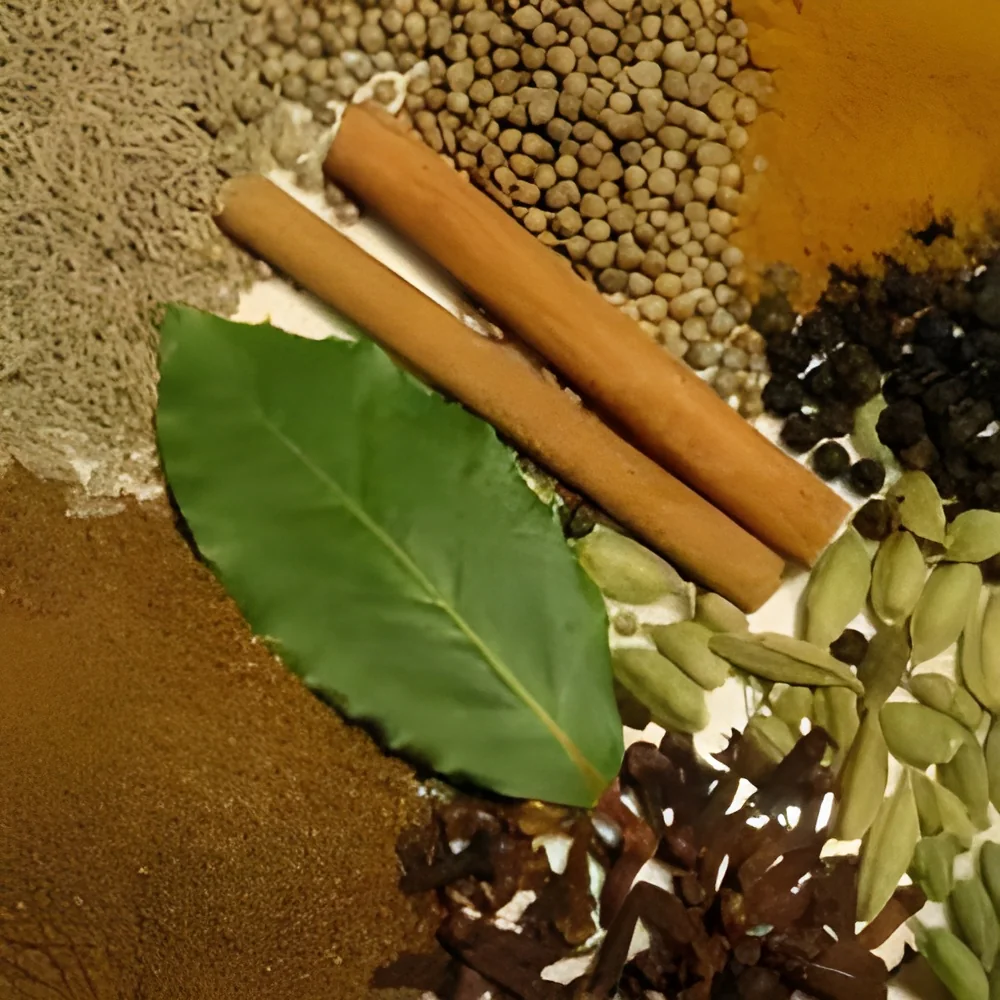
- Often contains lentils, turmeric, cumin, coriander, and tamarind
5. Spice Level
- Varieties available to suit different palates
- Can range from mild to hot based on market demand
6. Certification
- CE certified for quality assurance
- Adherence to food safety standards
7. Customization
- Options for customized spice blends based on client specifications
- Ability to adjust ratios of ingredients for unique flavor profiles
In summary, understanding these features and specifications helps businesses make informed decisions when sourcing Sambar and Rasam powders.
Common Applications and Use Cases
Sambar and Rasam powders serve multiple industries, emphasizing their versatility and market relevance.
1. Restaurant Industry: Many South Indian restaurants use these powders to create authentic dishes, ensuring consistency and flavor in their menu offerings.
2. Catering Services: Catering companies utilize Sambar and Rasam powders to prepare large quantities of traditional dishes for events, maintaining quality across servings.
3. Food Manufacturing: Manufacturers of ready-to-eat meals incorporate these powders to enhance the flavor profile of their products, appealing to consumers looking for authentic tastes.
4. Spice Blending Companies: These companies often include Sambar and Rasam powders in their product lines, catering to the growing demand for ethnic flavors.
5. Export Market: Businesses engaged in importing and exporting foods leverage these powders to meet international demand for Indian cuisine.
6. Retail Grocery: Supermarkets and specialty stores stock these powders to cater to consumers interested in cooking authentic Indian meals at home.
7. Online Food Retail: E-commerce platforms are increasingly offering these spice blends, tapping into the growing trend of online grocery shopping.
Product Variants and Subcategories
Sambar and Rasam powders come in various forms to cater to different consumer preferences and culinary needs. The diversity in product variants allows businesses to select options that align with their target market.
Traditional Sambar Powder
This variant features a classic blend of spices and lentils, ideal for making authentic Sambar. It captures the traditional taste of South Indian cuisine, making it a preferred choice for restaurants and home cooks alike.
Spicy Rasam Powder
This variant is designed for those who enjoy a stronger flavor profile. It has an increased spice level, making it perfect for creating a zesty and invigorating Rasam. Ideal for consumers who prefer a kick in their dishes.
Organic Sambar Powder
This type is made with certified organic ingredients, appealing to health-conscious consumers. It offers the same rich flavors while being free from synthetic additives and preservatives, thus attracting a niche market.
No additional variants are specified.
Benefits and Advantages
Sambar and Rasam powders offer numerous advantages, making them a valuable addition to any culinary operation.
Key benefits include:
1. Authentic Flavor: These powders provide genuine South Indian taste, allowing businesses to serve traditional dishes without extensive preparation.
2. Time-Saving: Using pre-blended spices reduces preparation time, enabling chefs to focus on other aspects of meal preparation.
3. Consistency: The uniformity of flavor across batches ensures that customers receive the same quality every time they order.
4. Versatility: These powders can be used in various dishes, expanding menu options and catering to diverse customer preferences.
5. Cost-Effectiveness: Purchasing these spices in bulk can lower costs for businesses, particularly those in the food service sector.
6. Health Benefits: Many spices used in these powders are known for their health benefits, appealing to increasingly health-conscious consumers.
Buying Guide for B2B Buyers
When sourcing Sambar and Rasam powders, it is essential for businesses to consider several factors to ensure they make informed purchasing decisions.
1. Quality Assessment: Buyers should evaluate the quality of the spices used, looking for natural and high-grade ingredients. Samples can be requested to assess flavor and aroma.
2. Supplier Verification: It is crucial to verify suppliers' credibility by checking their certifications and customer reviews. Building a relationship with reliable suppliers can ensure consistent product quality.
3. Pricing and MOQ: Understanding the pricing structure and minimum order quantities (MOQ) is vital. Buyers should compare quotes from multiple suppliers to secure the best deals.
4. Delivery and Lead Times: Logistics play a significant role in sourcing. Buyers must ensure that suppliers can meet their delivery schedules and understand lead times for order fulfillment.
5. Compliance Requirements: Adhering to food safety regulations is essential. Buyers should confirm that products comply with relevant standards and certifications to avoid regulatory issues.
Compliance and Certifications
Compliance and certifications are crucial elements in the sourcing of Sambar and Rasam powders. These products must meet specific quality standards to ensure safety and reliability.
Relevant quality standards include ISO 9001, which focuses on maintaining quality management systems. This certification ensures that suppliers adhere to consistent quality in their manufacturing processes.
HACCP (Hazard Analysis and Critical Control Points) is another essential standard that helps in identifying and managing food safety risks. This certification assures buyers that the products have been produced with care, minimizing the risk of contamination.
Additionally, CE certification indicates that the product meets European health, safety, and environmental protection standards. This certification is particularly relevant for businesses looking to export these powders.
Companies must also consider regional compliance requirements, which may vary by market. Understanding these standards is vital for maintaining product integrity and meeting customer expectations.
Why Source Sambar & Rasam Powder from Pepagora?
Pepagora provides a trusted platform for sourcing Sambar and Rasam powders, offering several key advantages that enhance the purchasing experience.
Verified Supplier Network: Pepagora connects buyers with a network of verified suppliers. This ensures that businesses can source high-quality products from reputable manufacturers, reducing the risk of substandard goods.
Streamlined RFQ Process: The quotation system simplifies the procurement process. Buyers can submit requests for quotes and receive competitive pricing, making it easier to compare options and select the best suppliers.
Trade Assurance and Support: Pepagora offers trade assurance to protect buyers throughout the purchasing process. This includes support in case of any discrepancies or issues, ensuring peace of mind.
Regional Coverage: With a strong presence in India, the GCC, and Southeast Asia, Pepagora facilitates access to a wide market. This geographical reach enables businesses to tap into diverse customer bases and expand their operations effectively.



Frequently Asked Questions
What are Sambar & Rasam Powder?
Sambar & Rasam Powder are spice blends commonly used in South Indian cuisine. Sambar Powder is primarily used to make Sambar, a lentil-based vegetable stew, while Rasam Powder is used for preparing Rasam, a tangy soup. Both powders enhance the flavor and aroma of dishes, making them essential ingredients in many households.
What are the different types of Sambar & Rasam Powder?
There are various types of Sambar & Rasam Powder, which may vary based on regional recipes and personal preferences. Common varieties include Andhra-style Sambar Powder, Tamil Nadu-style Sambar Powder, and various Rasam Powders that may include different spices and herbs. Each type has its unique flavor profile, allowing for diverse culinary applications.
How do I choose the right Sambar & Rasam Powder?
To choose the right Sambar & Rasam Powder, consider the flavor profile you desire and the specific dishes you plan to prepare. Look for powders that contain high-quality, fresh spices and herbs. It's also beneficial to check for any additional ingredients, such as preservatives, if you prefer a more natural option.
What are the standard specifications for Sambar & Rasam Powder?
Standard specifications for Sambar & Rasam Powder typically include the type and quality of spices used, moisture content, and shelf life. The powders should be free from contaminants and adhere to food safety standards. Packaging specifications may also define the size and material to ensure product freshness.
What is the price range for Sambar & Rasam Powder?
The price range for Sambar & Rasam Powder can vary significantly based on the brand, quality, and packaging size. Generally, you can expect prices to range from INR 100 to INR 500 per kilogram. Bulk purchases may offer cost advantages, so it’s advisable to compare prices from different suppliers.
What quality standards apply to Sambar & Rasam Powder?
Quality standards for Sambar & Rasam Powder are governed by food safety regulations, which may include checks for purity, freshness, and the absence of harmful additives. Manufacturers often comply with standards set by organizations such as FSSAI in India. Regular testing for spice quality and contamination is also crucial.
Where can I find Sambar & Rasam Powder suppliers in India?
You can find Sambar & Rasam Powder suppliers in India through various online B2B marketplaces, local grocery stores, and spice manufacturers. Websites like Pepagora.com provide a platform to connect with reliable suppliers and manufacturers. It’s advisable to review supplier ratings and product samples before making a purchase.
Can Sambar & Rasam Powder be customized?
Yes, many manufacturers offer customization options for Sambar & Rasam Powder to meet specific taste preferences or dietary requirements. You can request unique blends or packaging solutions based on your needs. It’s essential to discuss customization options with suppliers to ensure your requirements are met.
What is the typical minimum order quantity for Sambar & Rasam Powder?
The typical minimum order quantity (MOQ) for Sambar & Rasam Powder varies by supplier but generally ranges from 1 kg to 25 kg. Some suppliers may offer lower MOQs for sample orders. It's advisable to confirm the MOQ with your chosen supplier before placing an order.
What is the typical lead time for Sambar & Rasam Powder?
The typical lead time for Sambar & Rasam Powder can vary depending on the supplier and order quantity. Generally, it ranges from 7 to 15 days for standard orders. For customized orders, the lead time may be longer, so it’s best to discuss timelines with your supplier at the time of ordering.
Why Businesses Trust Pepagora
Thousands of companies trust Pepagora to source smarter and sell faster
Expand Your Sales Globally

Source Smarter,Grow Faster
