What are Export Grade Spices?
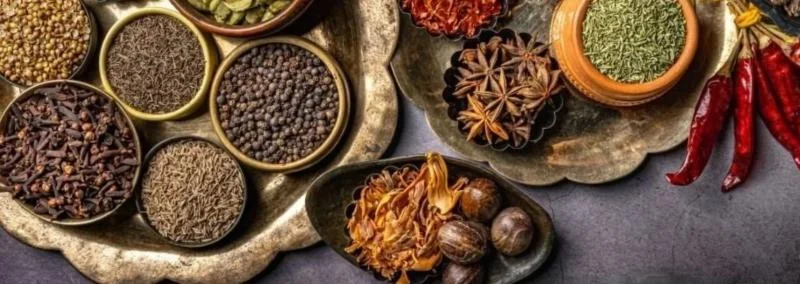
Export Grade Spices refer to premium quality spices that meet stringent international standards for quality and safety. These spices are sourced from various regions known for their rich agricultural practices and are processed to ensure they retain their natural flavors, colors, and aromas. The classification into "export grade" indicates that these spices have undergone rigorous testing to ensure they meet both quality and safety requirements necessary for international trade.
These spices find extensive use across various industries, including food processing, pharmaceuticals, and cosmetics. In the food sector, they are essential for enhancing flavor profiles and preserving food products. In the pharmaceutical industry, certain spices are used for their health benefits, while in cosmetics, they serve as natural ingredients in formulations. The demand for export grade spices is on the rise globally, driven by an increasing consumer preference for natural and organic products.
With the global spice market growing, export grade spices play a vital role in the supply chain. Countries known for spice production are focusing on meeting global quality standards to remain competitive. This makes the sourcing of export grade spices not just a matter of preference but a necessity for businesses looking to succeed in the international market.
Key Features and Specifications
Export Grade Spices come with a set of key features and specifications that ensure their quality and usability in various applications. These specifications are critical for businesses when selecting the right spices for their needs.
Key specifications include:
1. Purity Level
- Minimum purity level of 95%
- Ensures high concentration of the spice without contamination
2. Moisture Content
- Maximum moisture content of 12%
- Prevents spoilage and maintains shelf life
3. Particle Size
- Standardized particle size ranging from 80 to 100 mesh
- Ensures consistency in application, especially in food processing
4. Color Quality
- Vibrant, natural colors with no artificial additives
- Maintains visual appeal in food products
5. Aroma Profile
- Strong, natural aromatic qualities
- Enhances flavor and appeal in culinary applications
6. Residue Levels
- Compliance with maximum residue limits for pesticides
- Ensures safety and adherence to health regulations
7. Packaging Standards
- Packaged in food-grade materials
- Protects against contamination and extends shelf life
8. Import and Export Compliance
- Adherence to international trade regulations
- Ensures smooth logistics and customs clearance
These specifications collectively assure buyers of the quality and reliability of export grade spices.
Common Applications and Use Cases
Export Grade Spices are utilized across a variety of industries, each with its specific applications that highlight the versatility of these products.
1. Food Processing: In this industry, export grade spices are used as flavoring agents in sauces, snacks, and ready-to-eat meals. Their high quality enhances the overall taste and aroma of food products.
2. Pharmaceuticals: Certain spices are incorporated into health supplements and natural remedies due to their medicinal properties. They are valued for their antioxidant and anti-inflammatory benefits.
3. Cosmetics: Export grade spices are used in skincare and beauty products. For example, turmeric is popular for its skin benefits, while cinnamon is used for its fragrance.
4. Catering and Hospitality: Restaurants and catering services rely on these spices to create signature dishes, ensuring consistency in flavor and quality for their clientele.
5. Organic Products: The rise of organic food trends has increased the demand for export grade spices that meet organic certification standards, appealing to health-conscious consumers.
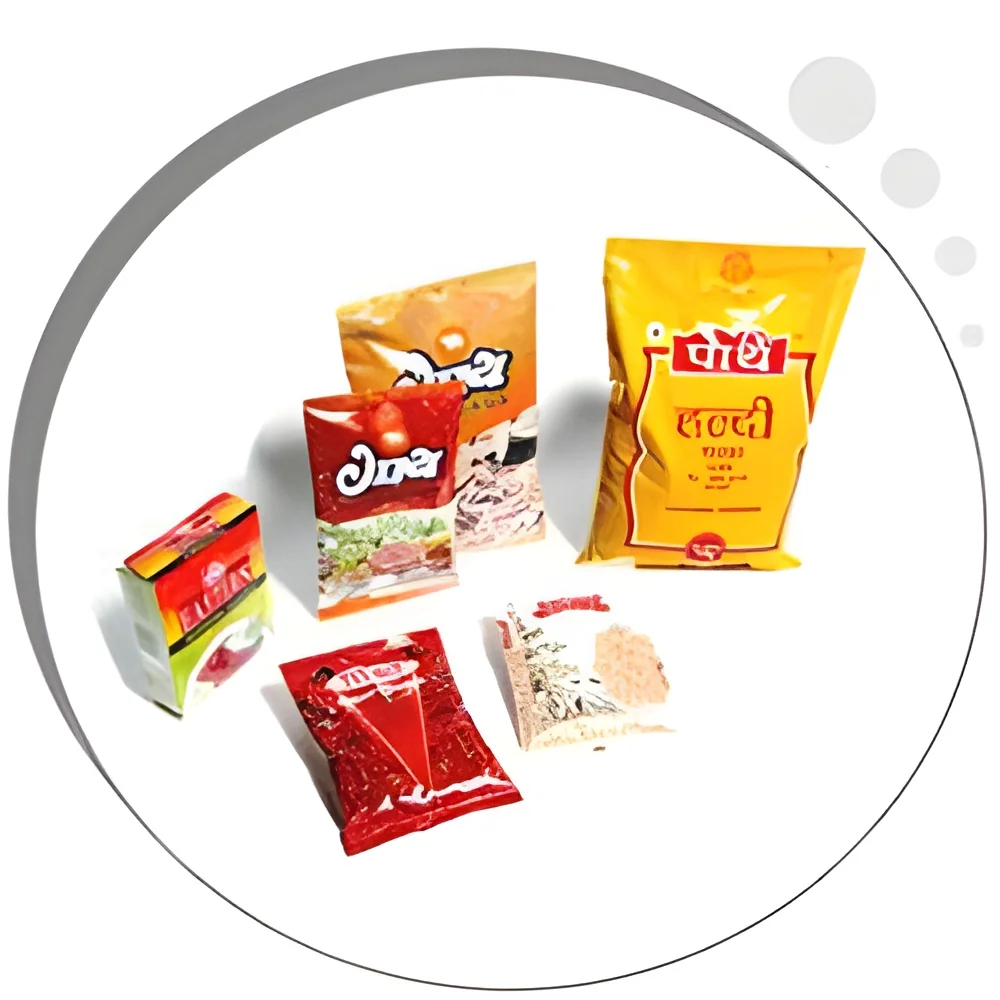
6. Retail: Spices are packaged for retail sale, allowing consumers to access high-quality options for home cooking and gourmet experiences.
7. Export Markets: Countries importing spices require high-quality products that comply with safety regulations, making export grade spices essential for international trade.
Product Variants and Subcategories
Export Grade Spices offer a diverse range of variants to cater to specific market needs. This diversity allows businesses to select the right spices based on their applications and customer preferences.
Gourmet Spice Blends
These blends combine various spices to create unique flavor profiles. They are often used in high-end culinary applications and are favored by chefs for their convenience and flavor complexity.
Single Origin Spices
Sourced from specific regions, these spices highlight unique flavors and characteristics tied to their geographical origin. They are popular among customers seeking authenticity in their culinary experiences.
Organic Spices
These spices are certified organic, appealing to health-conscious consumers and businesses. They are grown without synthetic pesticides or fertilizers, ensuring a natural product.
Ground and Whole Spices
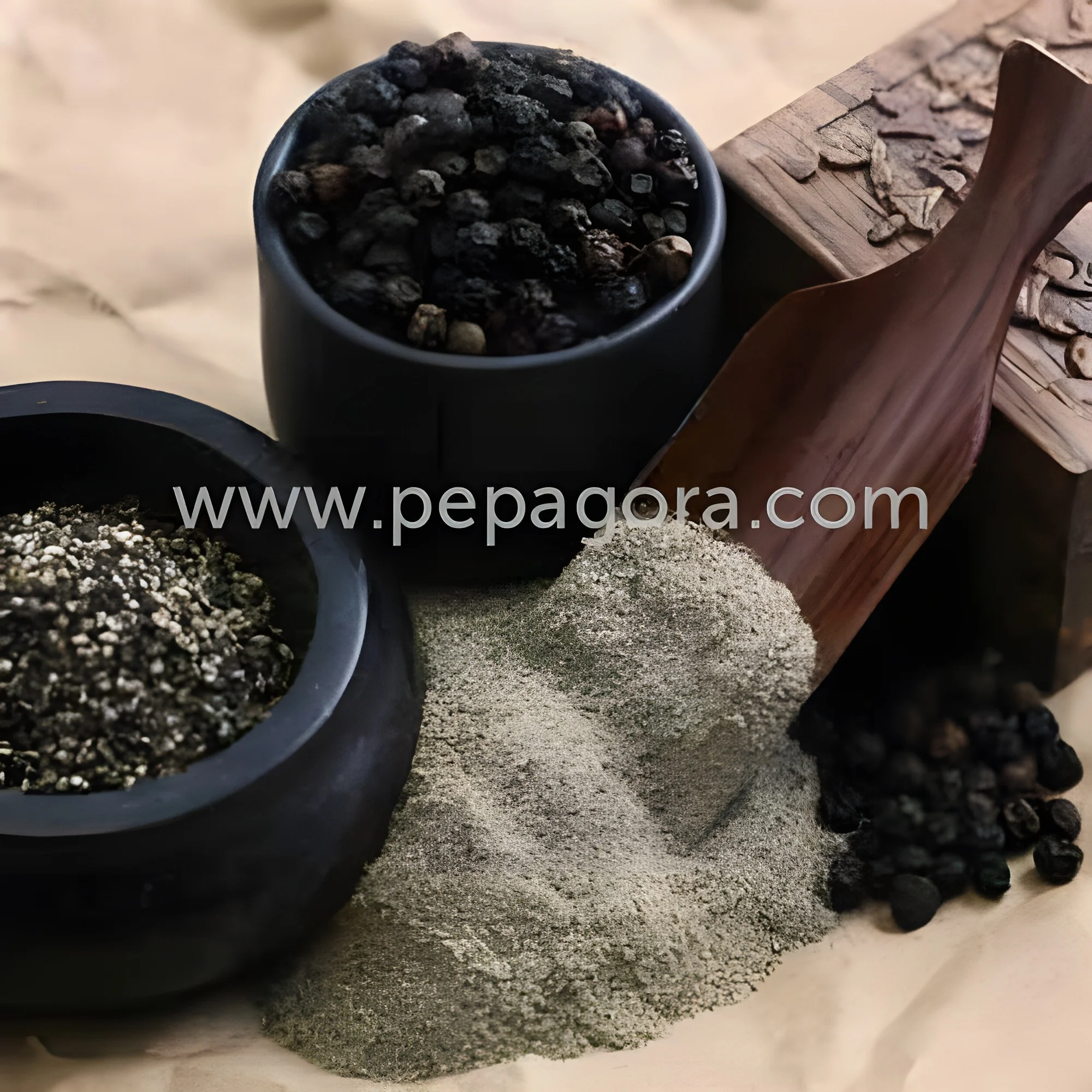
Export grade spices are available in both ground and whole forms, allowing businesses to choose based on their processing needs and flavor requirements. Whole spices often provide longer shelf life and flavor retention.
Benefits and Advantages
Sourcing Export Grade Spices offers numerous advantages for businesses looking to enhance their product offerings.
Key benefits include:
1. Consistent Quality: Export grade spices provide a reliable quality standard that businesses can trust for their applications.
2. Enhanced Flavor: These spices improve the taste and aroma of food products, contributing to customer satisfaction and brand loyalty.
3. Health Benefits: Many spices offer additional health benefits, making them a valuable addition to health-focused products in the food and pharmaceutical industries.
4. Compliance Assurance: Export grade spices adhere to international quality standards, ensuring compliance with regulations in target markets.
5. Supply Chain Efficiency: Reliable sourcing of high-quality spices simplifies procurement processes and improves overall supply chain efficiency.
6. Market Competitiveness: Offering export grade spices can give businesses a competitive edge in the marketplace, attracting quality-conscious consumers.
Buying Guide for B2B Buyers
When sourcing Export Grade Spices, businesses should consider several critical factors to ensure they make informed decisions.
1. Quality Assessment: Evaluate the purity, moisture content, and aroma of spices. Request samples for testing to confirm quality before placing bulk orders.
2. Supplier Verification: Vet suppliers thoroughly, checking their certifications, industry reputation, and customer reviews to ensure reliability and quality control.
3. Pricing and MOQ: Understand the pricing structure, including minimum order quantities (MOQ). This will help in budgeting and managing inventory effectively.
4. Delivery and Lead Times: Discuss logistics and expected lead times to ensure a smooth supply chain process. Timely delivery is crucial for maintaining production schedules.
5. Compliance Requirements: Be aware of regional compliance regulations that may impact the importation and use of spices in your products. Ensure suppliers can meet these requirements.
Compliance and Certifications
Export Grade Spices are subject to various quality standards and industry certifications that ensure their safety and quality. One of the primary standards is ISO 9001, which focuses on quality management systems. This certification guarantees that suppliers maintain consistent quality in their products.
HACCP (Hazard Analysis Critical Control Point) is another important certification, especially in food processing. It helps identify potential hazards in the supply chain and establishes critical control points to minimize risks.
Additionally, compliance with Good Distribution Practices (GDP) ensures that spices are stored and transported under appropriate conditions to maintain their quality.
CE certification may also apply, particularly if spices are part of a product that requires compliance with European standards. Businesses must also consider regional compliance requirements, which can vary significantly and may require specific testing or documentation.
Why Source Export Grade Spices from Pepagora?
Pepagora is a trusted platform for sourcing Export Grade Spices, offering several key advantages that benefit B2B buyers.
Verified Supplier Network: Pepagora connects businesses with a wide range of verified suppliers. This network ensures that buyers can source spices from reputable sources, minimizing risks associated with quality and compliance.
Streamlined RFQ Process: The platform features a streamlined Request for Quotation (RFQ) process, making it easy for buyers to obtain competitive pricing and terms from multiple suppliers.
Trade Assurance and Support: Buyers benefit from trade assurance, providing protection against potential issues during transactions. Pepagora offers support to ensure a smooth sourcing experience.
Regional Coverage: With a focus on key regions like India, the GCC, and Southeast Asia, Pepagora provides extensive geographic reach. This allows businesses to tap into diverse spice markets and secure the best products for their needs.

 IN
IN