
 IN
Turmeric Powder
65 products available
What are Turmeric Powder?
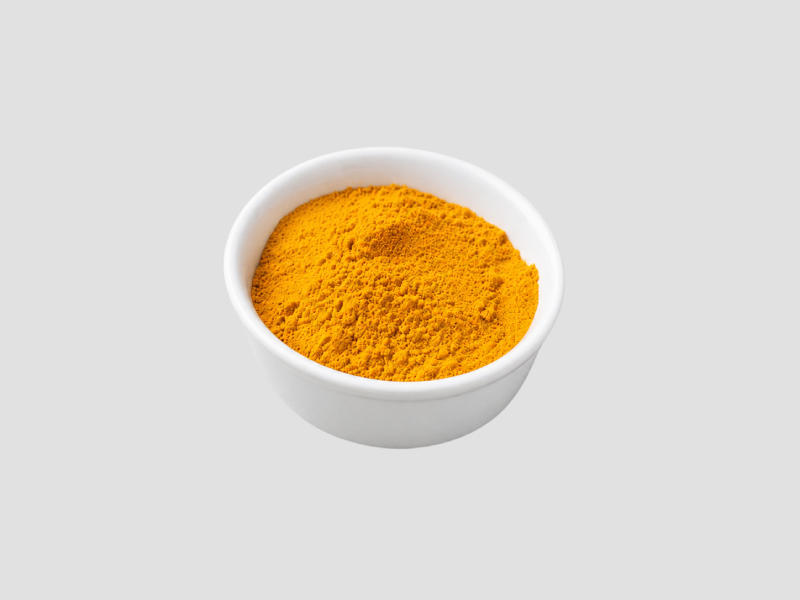
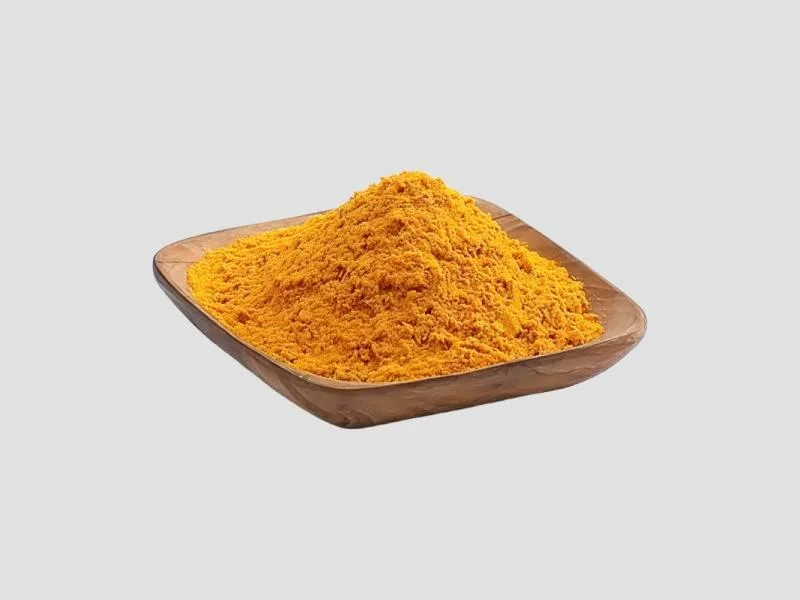
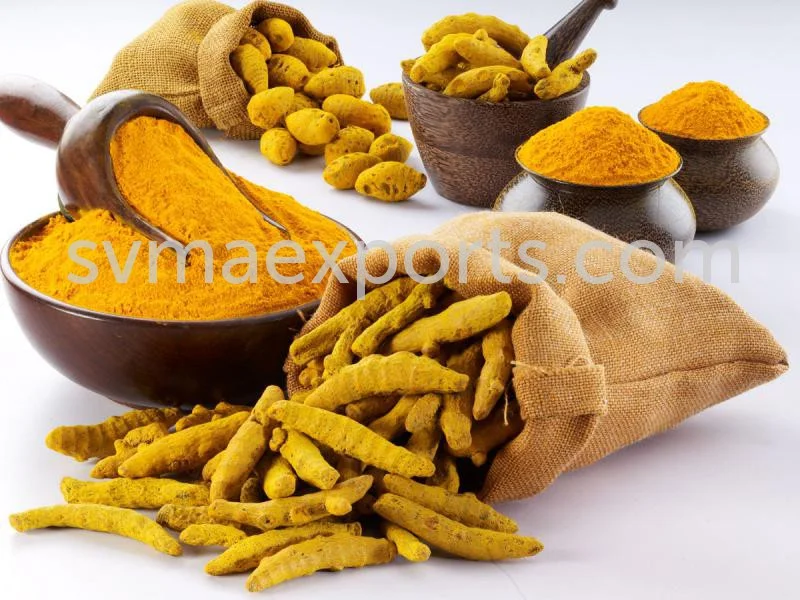
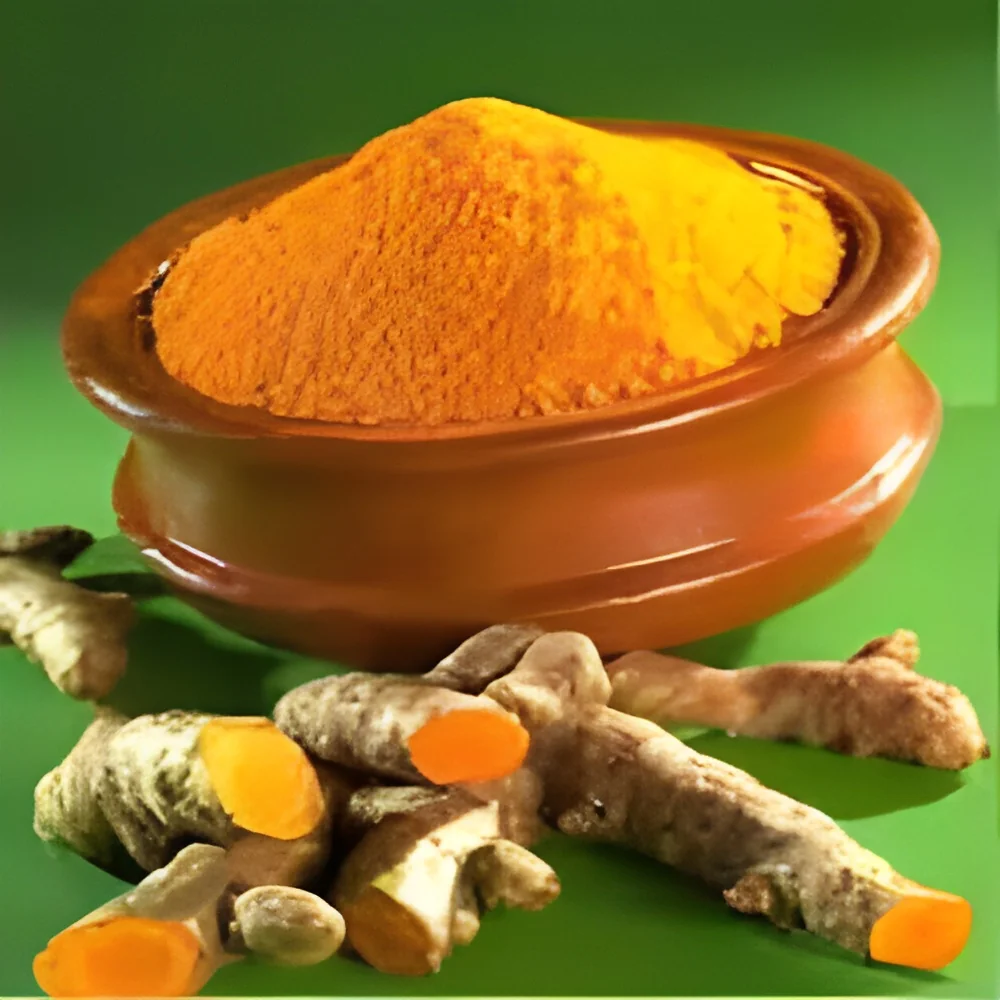
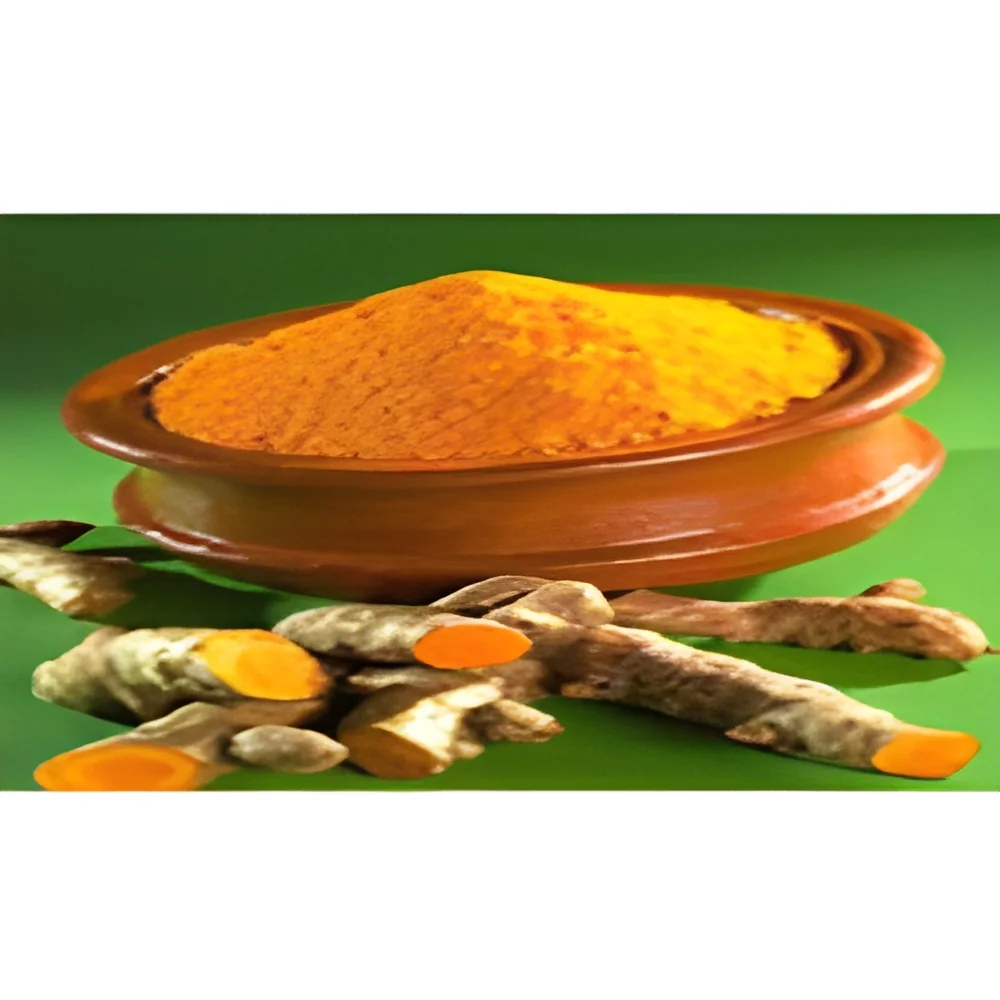
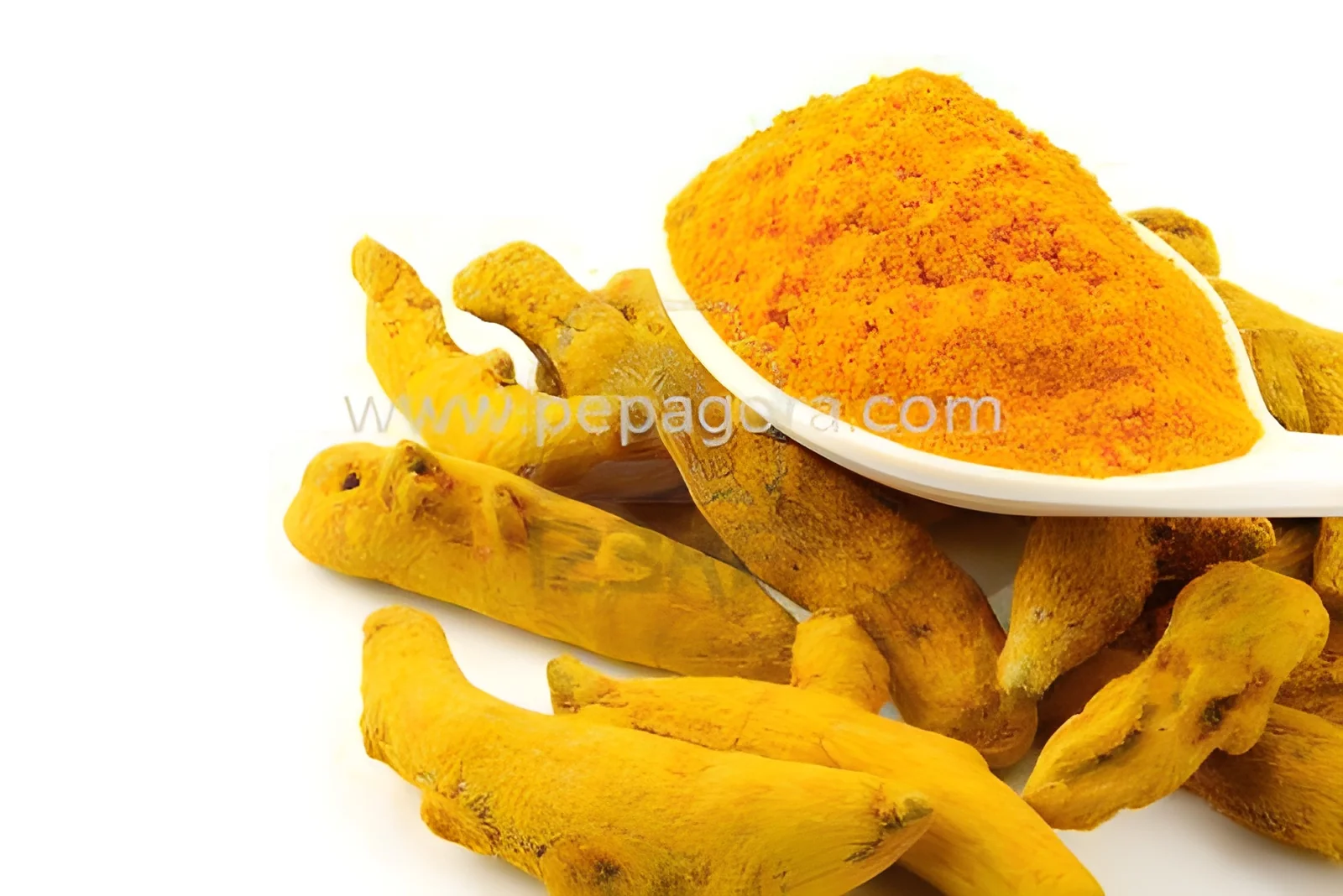
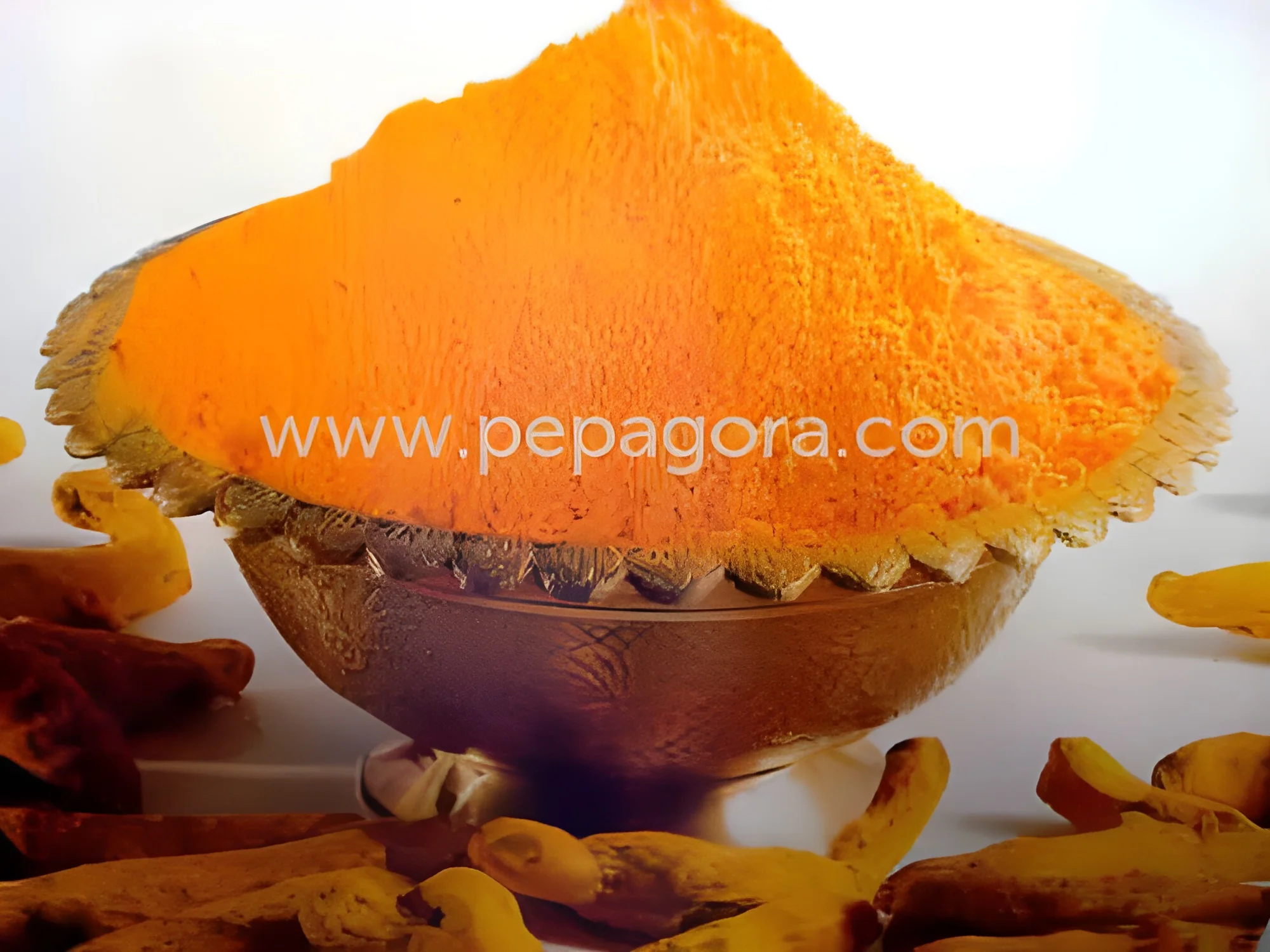
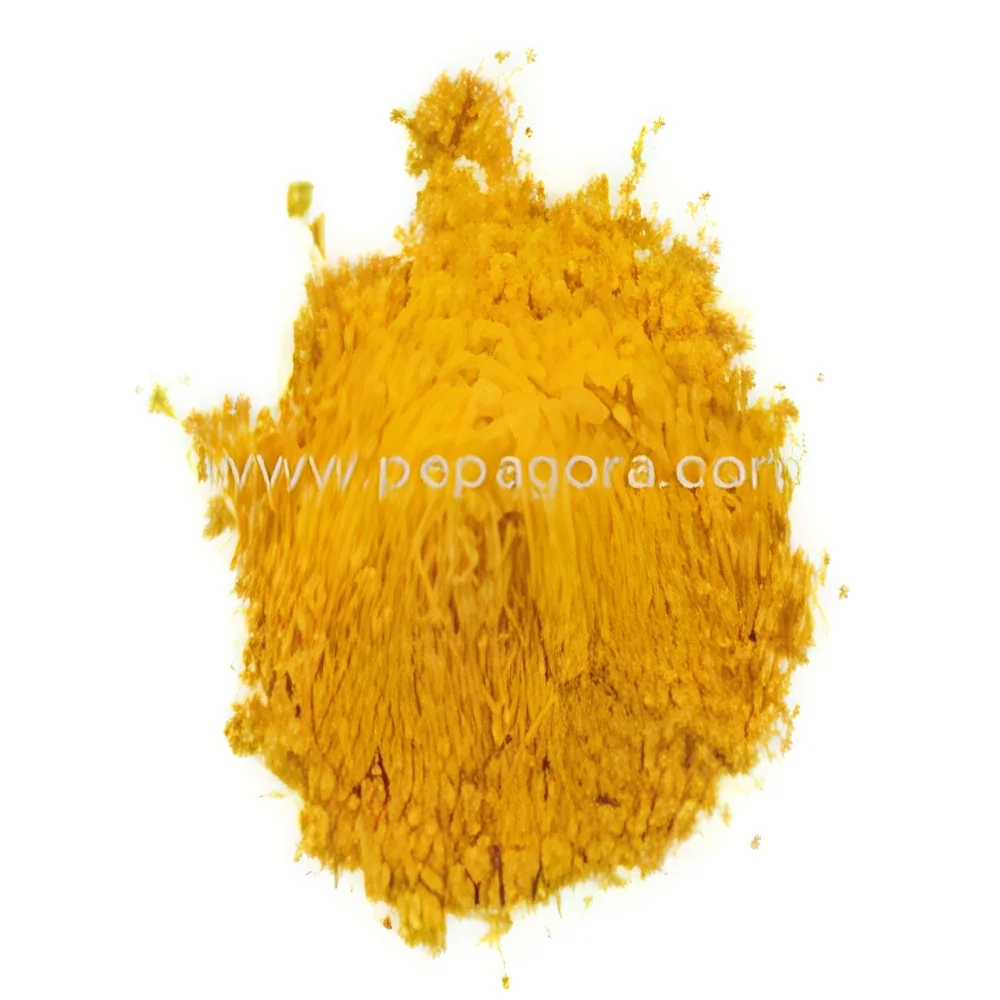
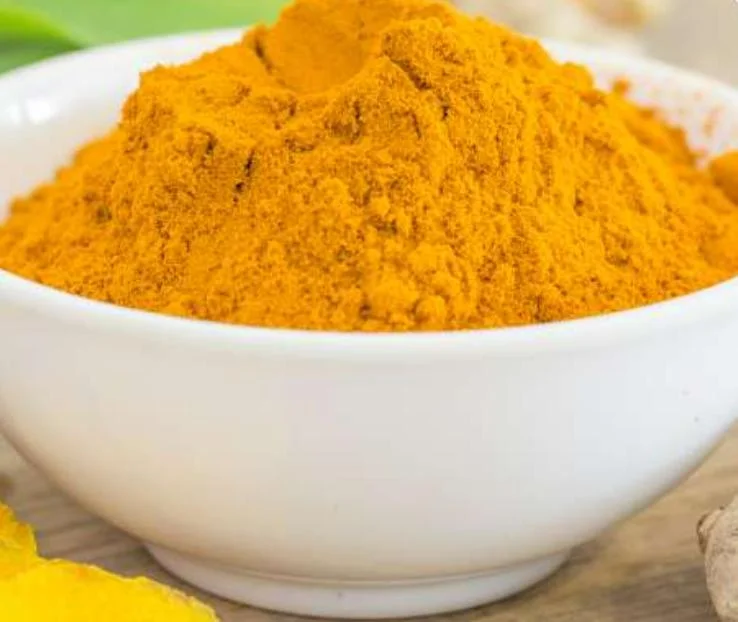
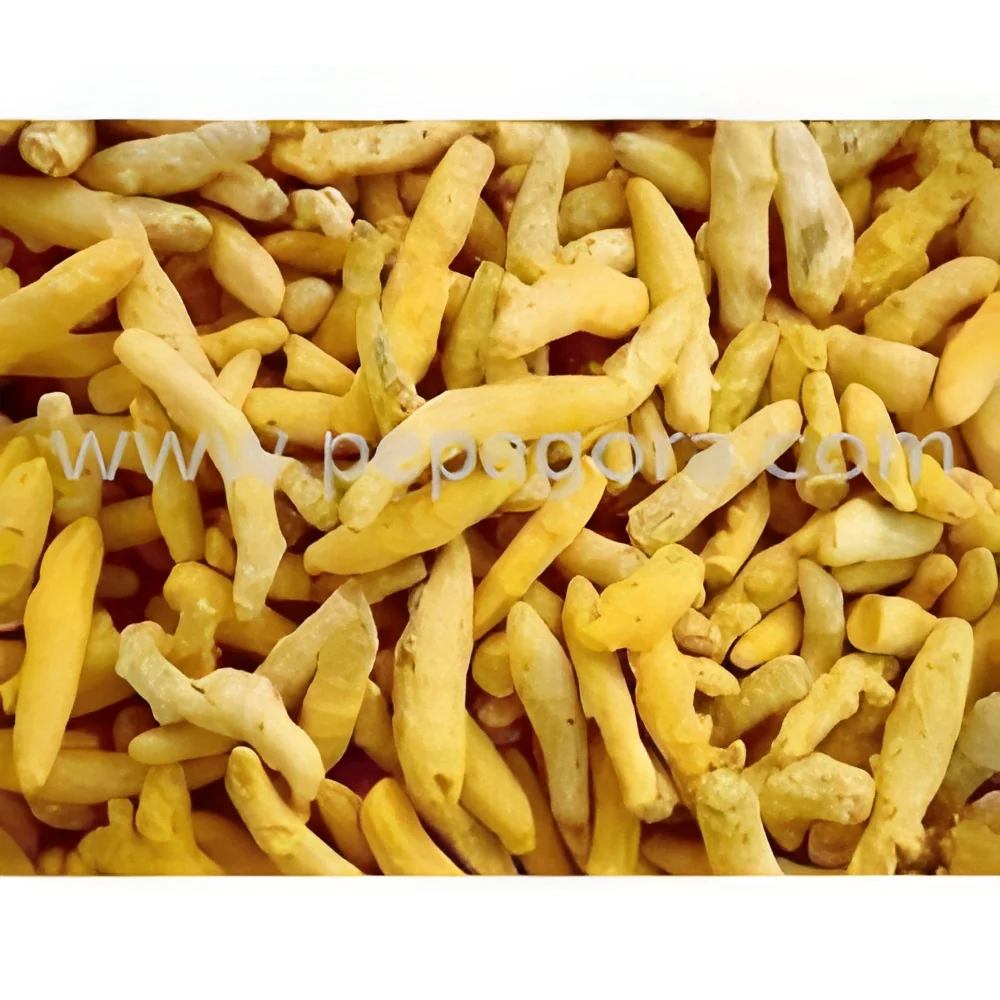
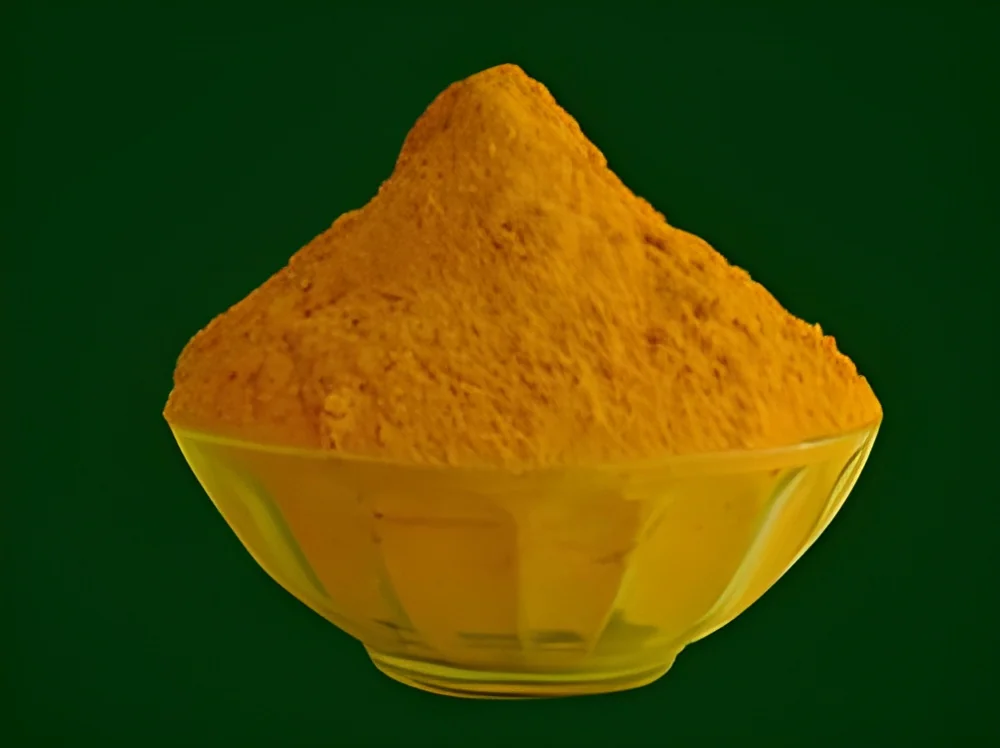
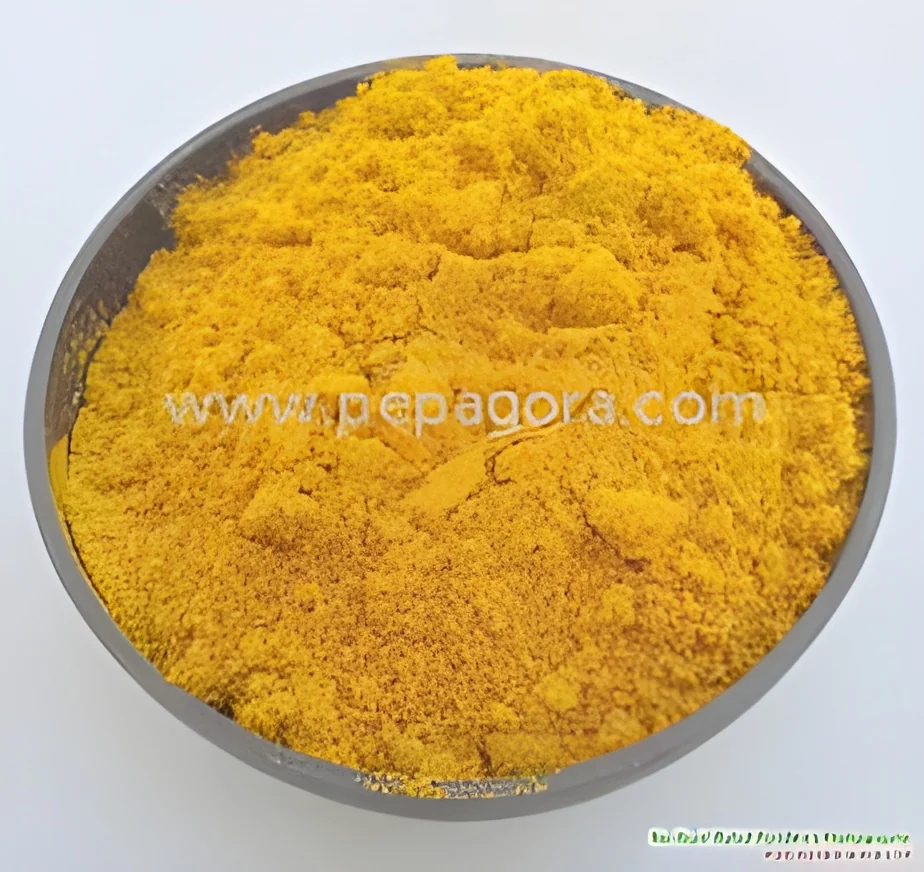
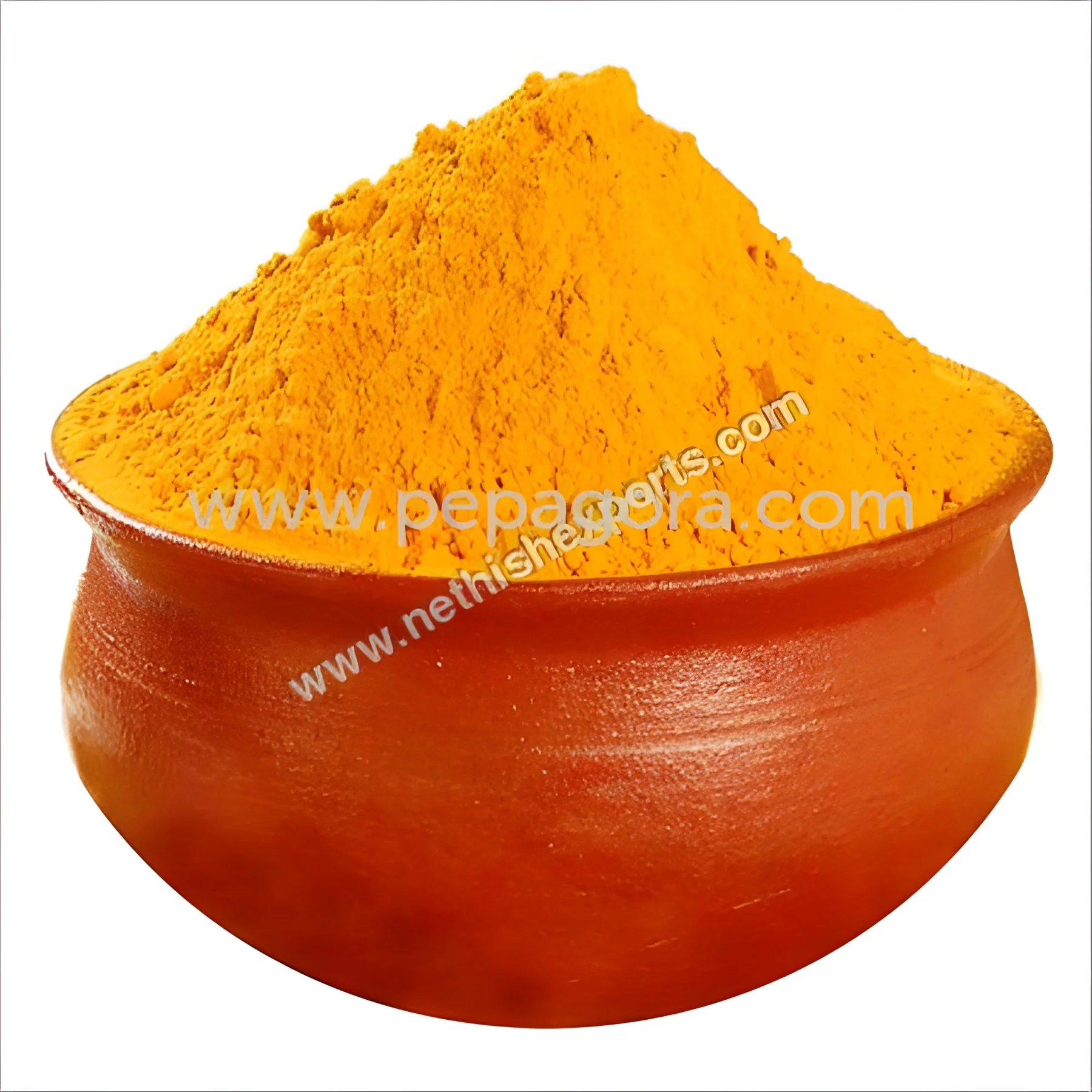
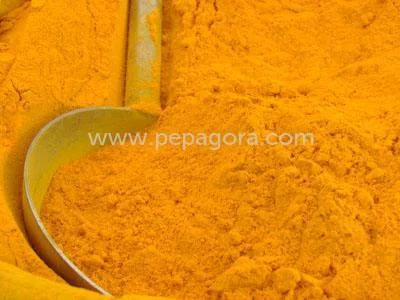
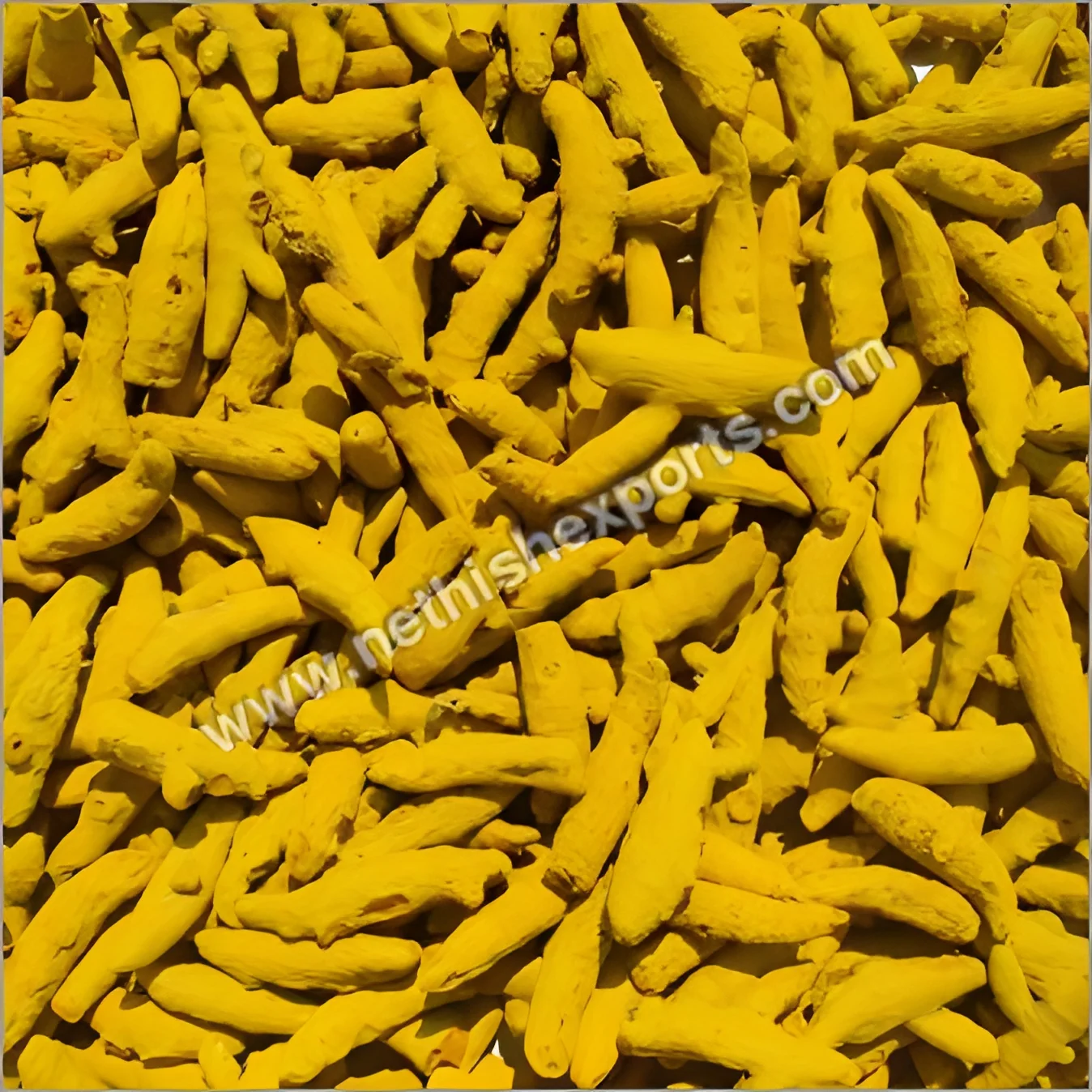
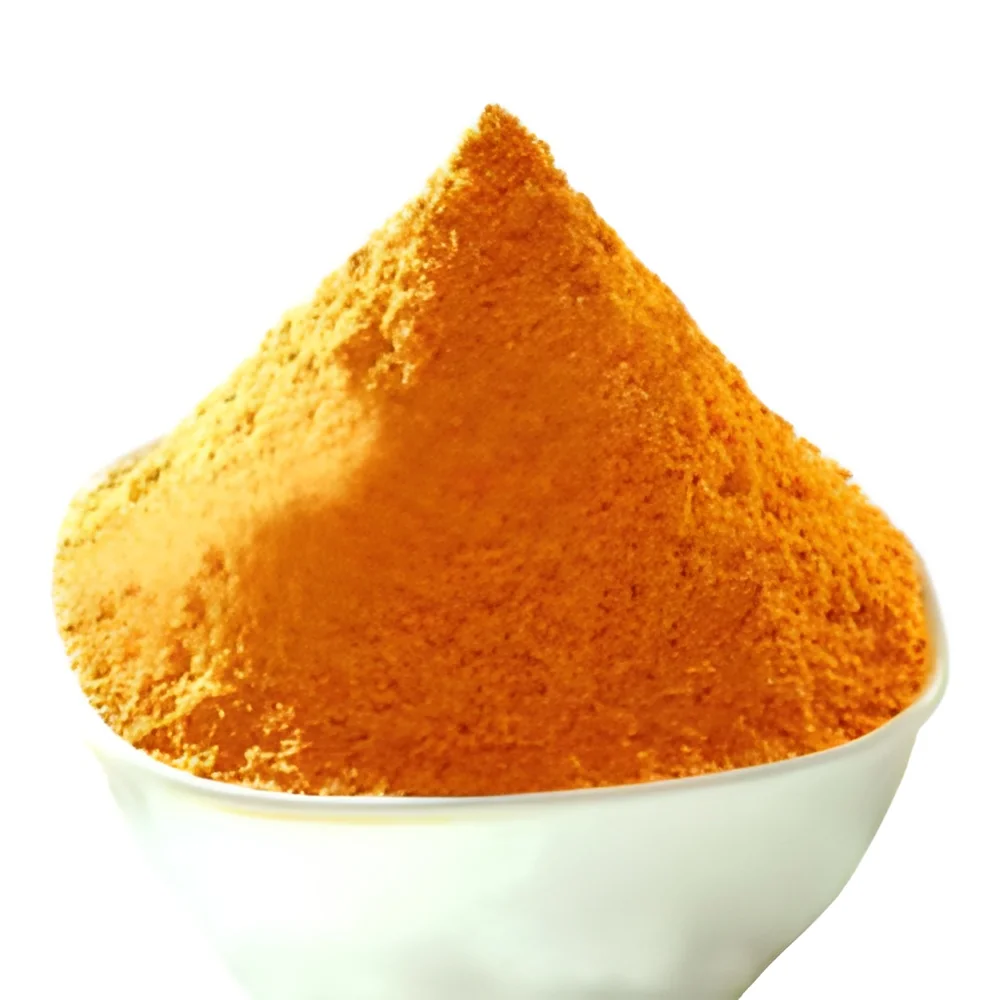
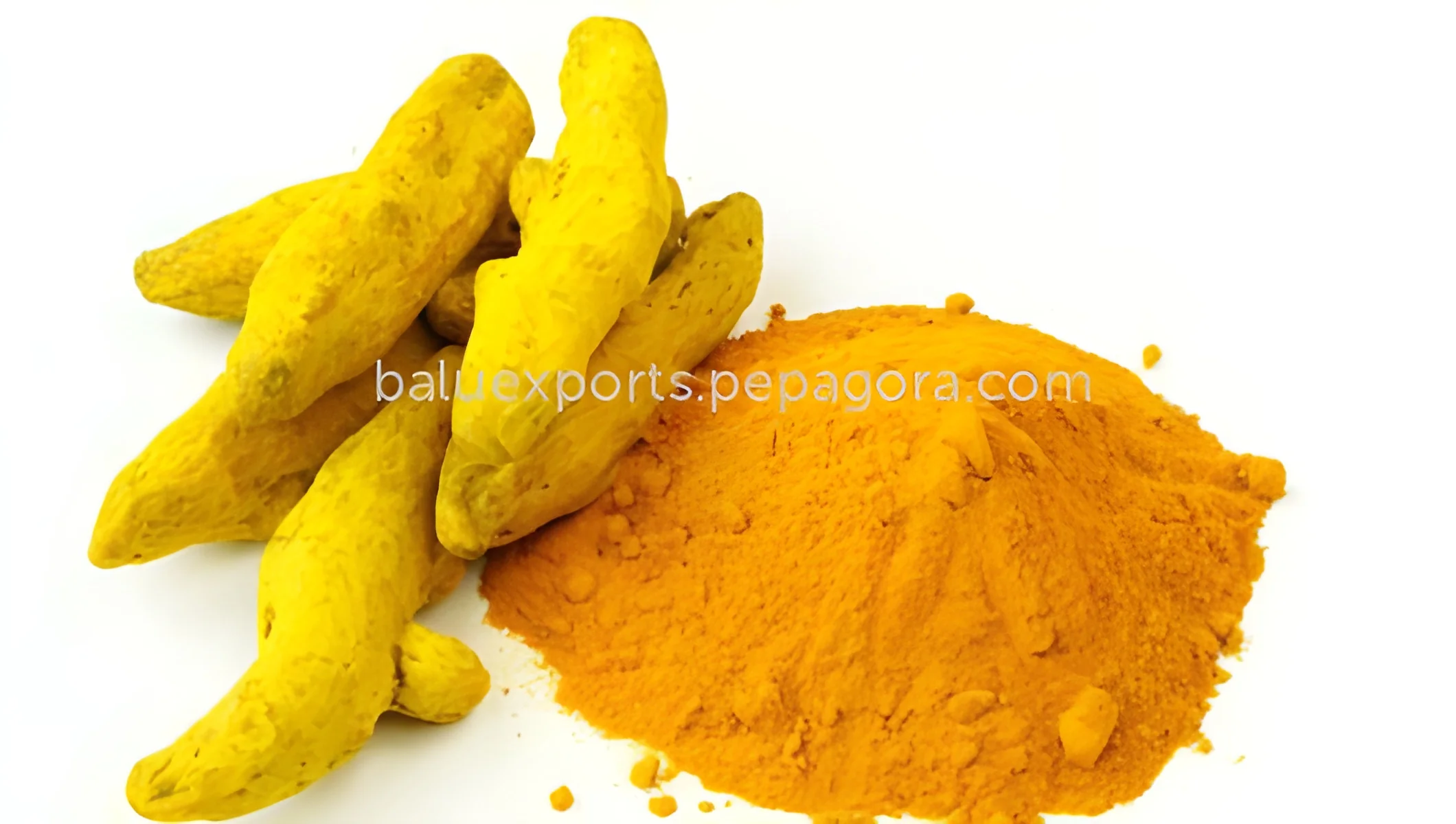
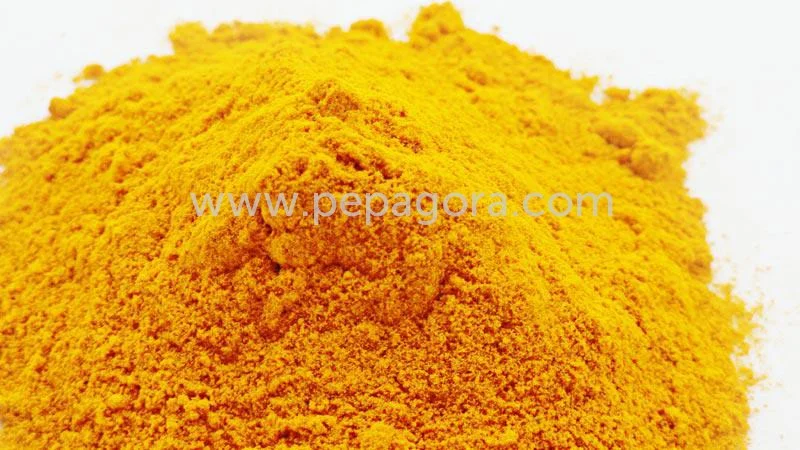
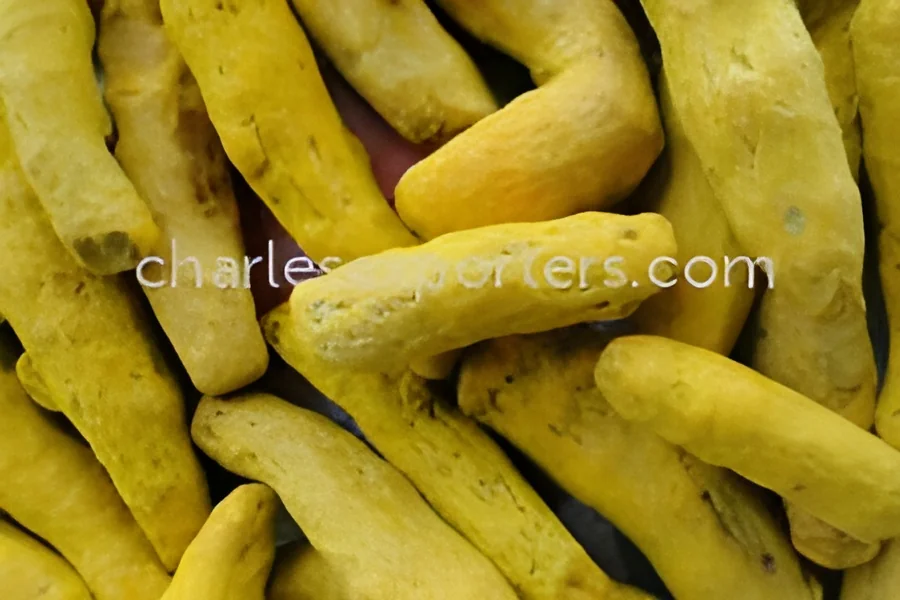
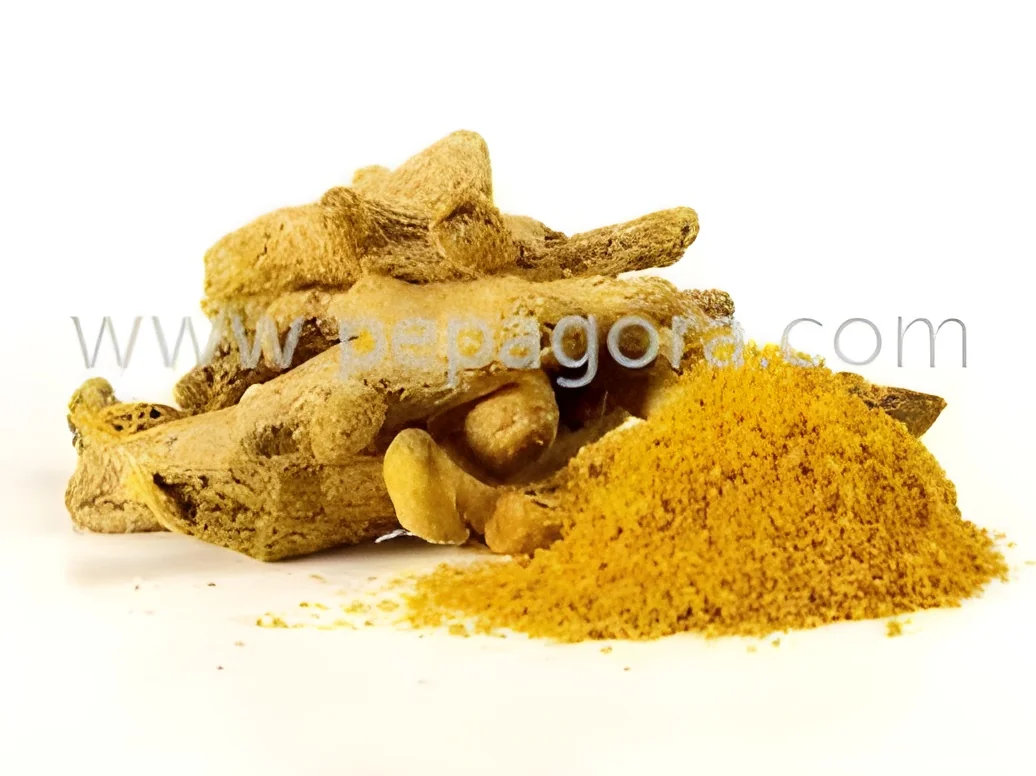
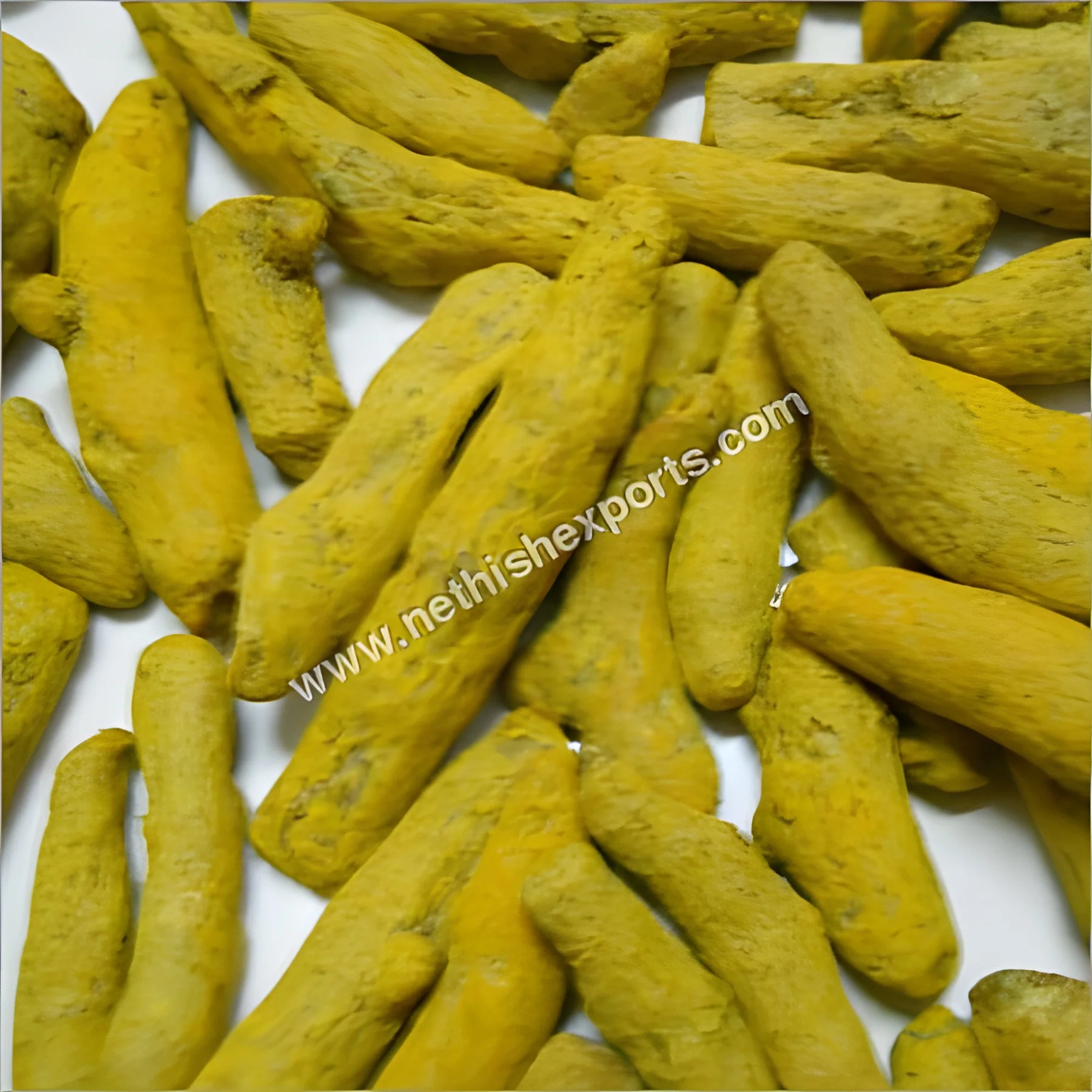
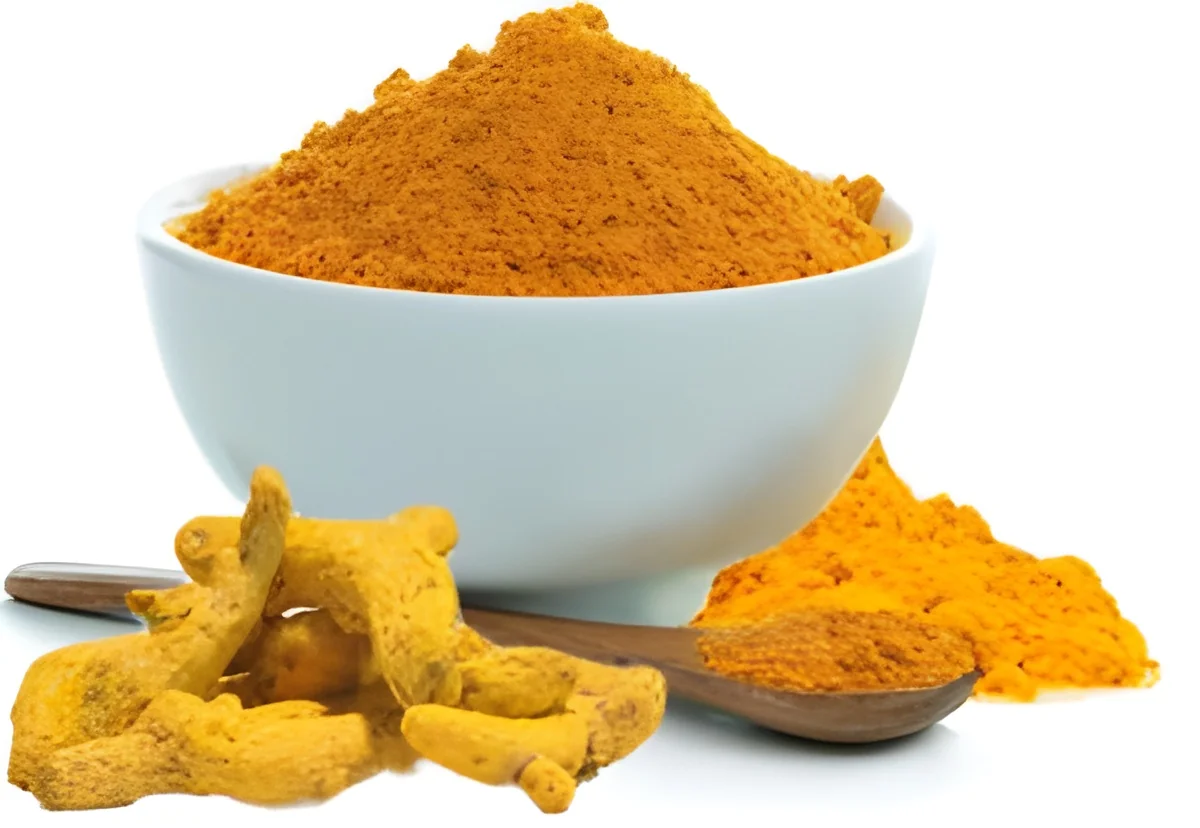
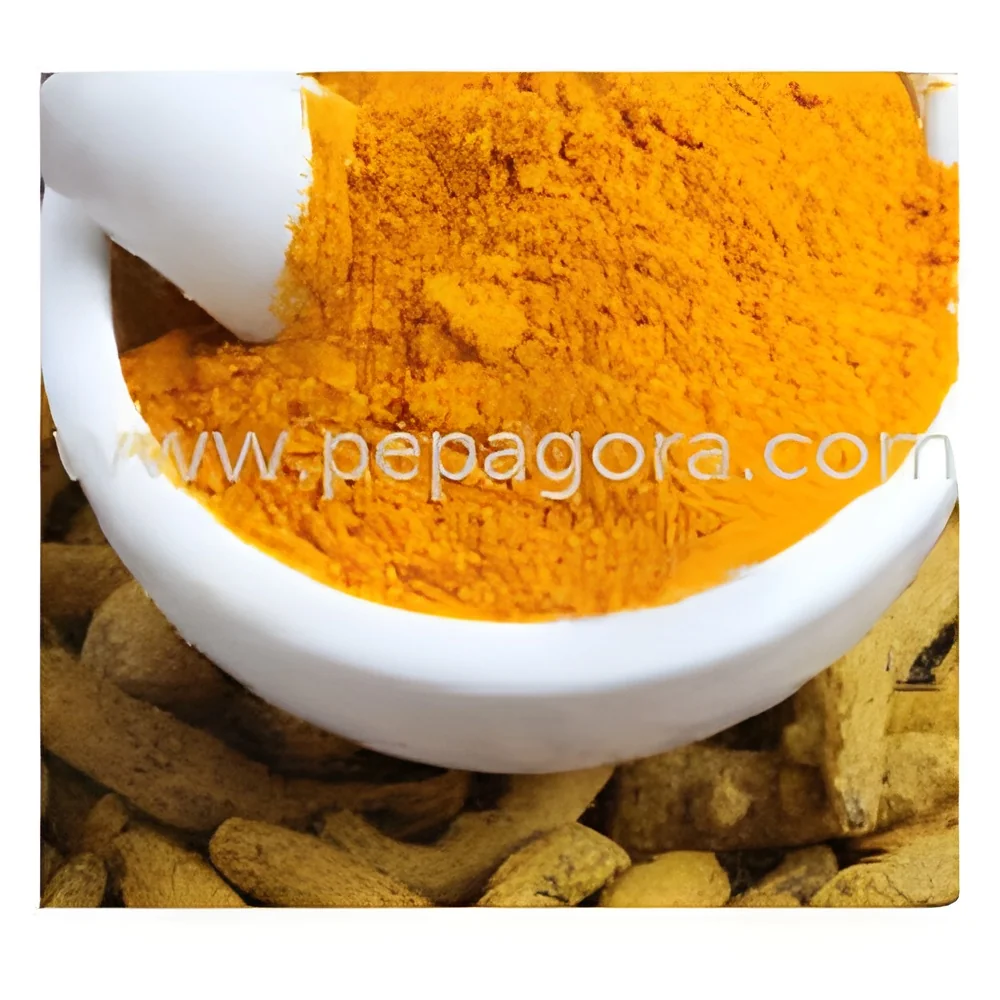
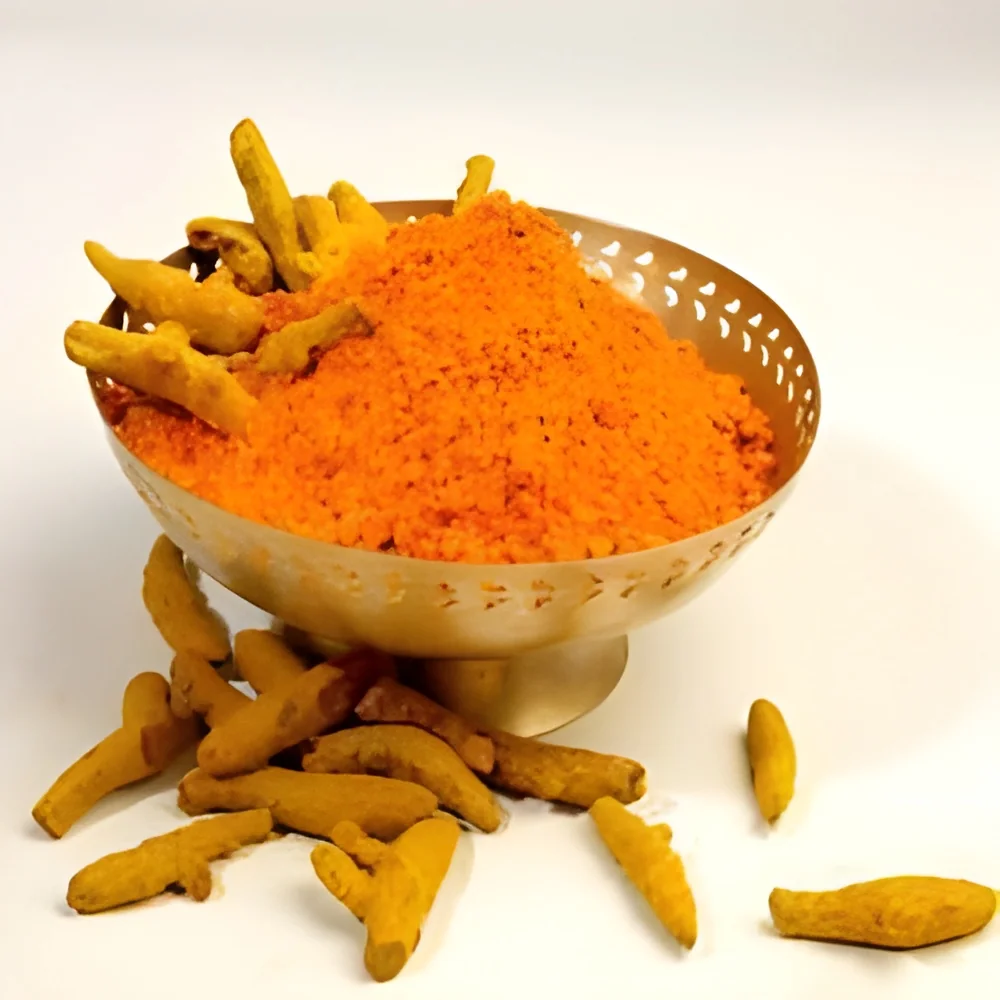
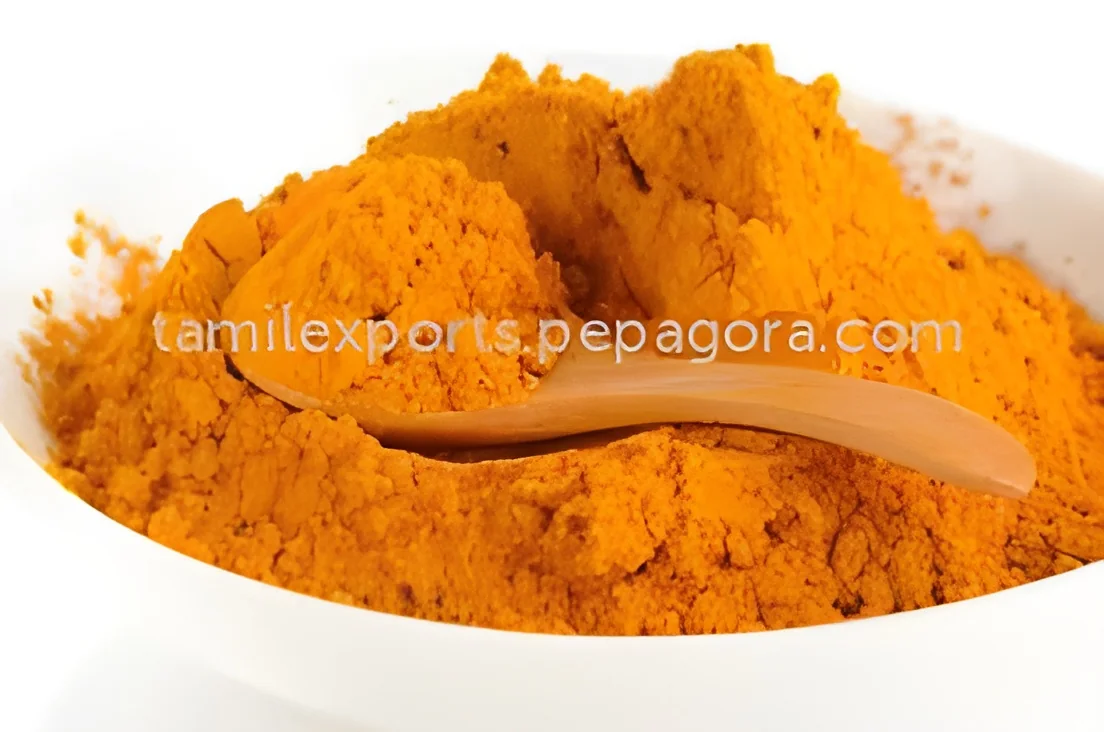
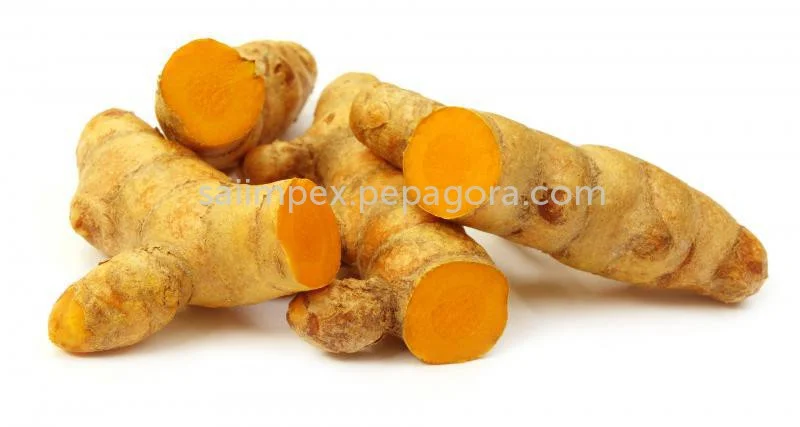
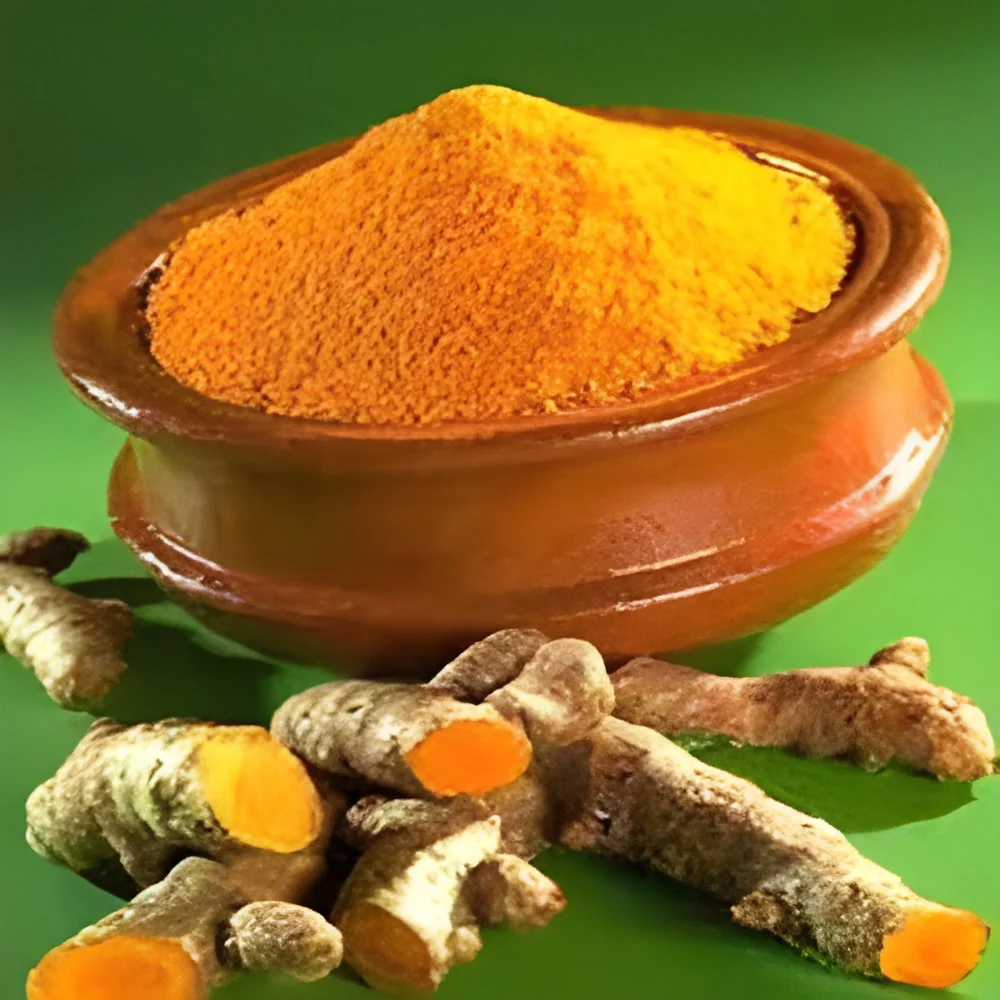
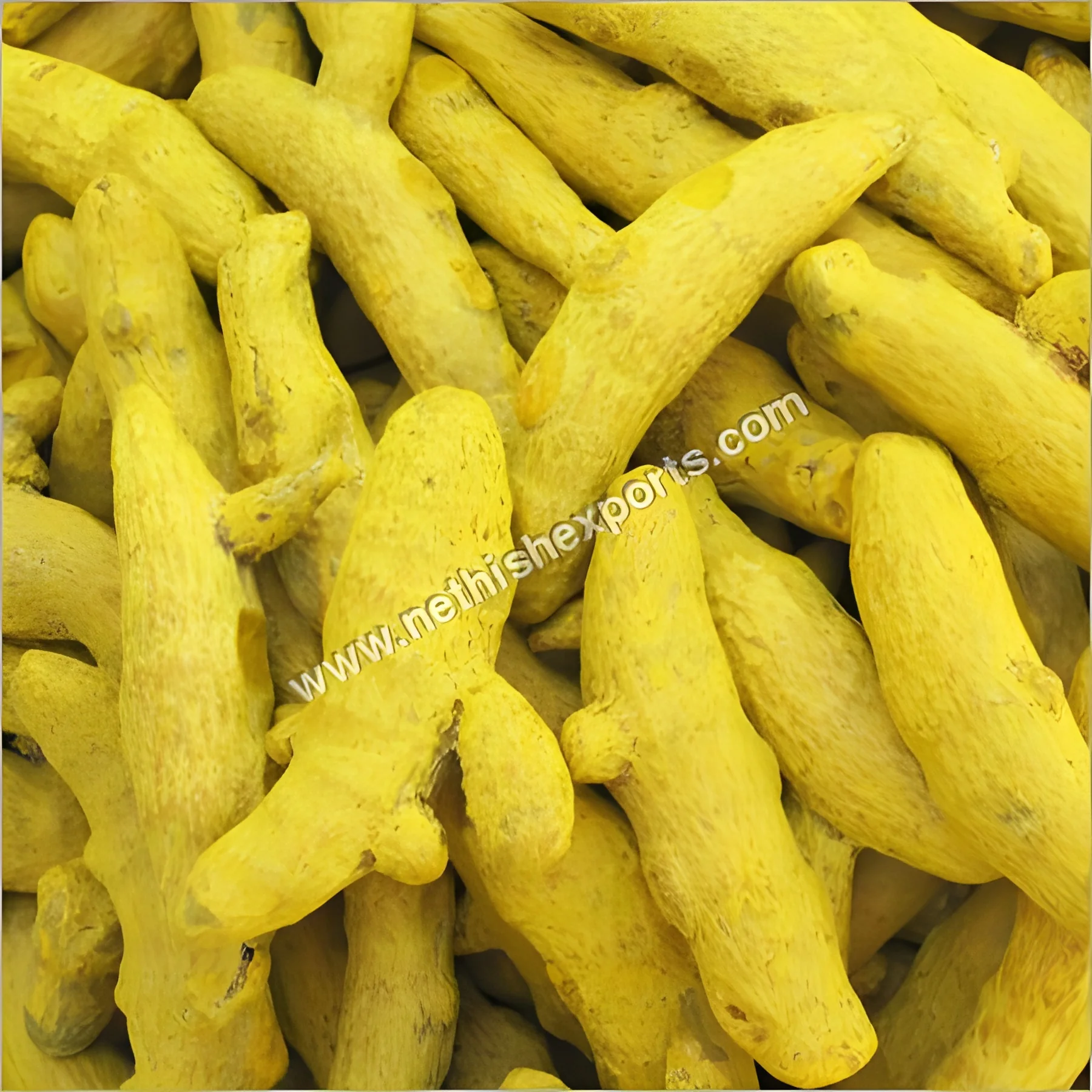
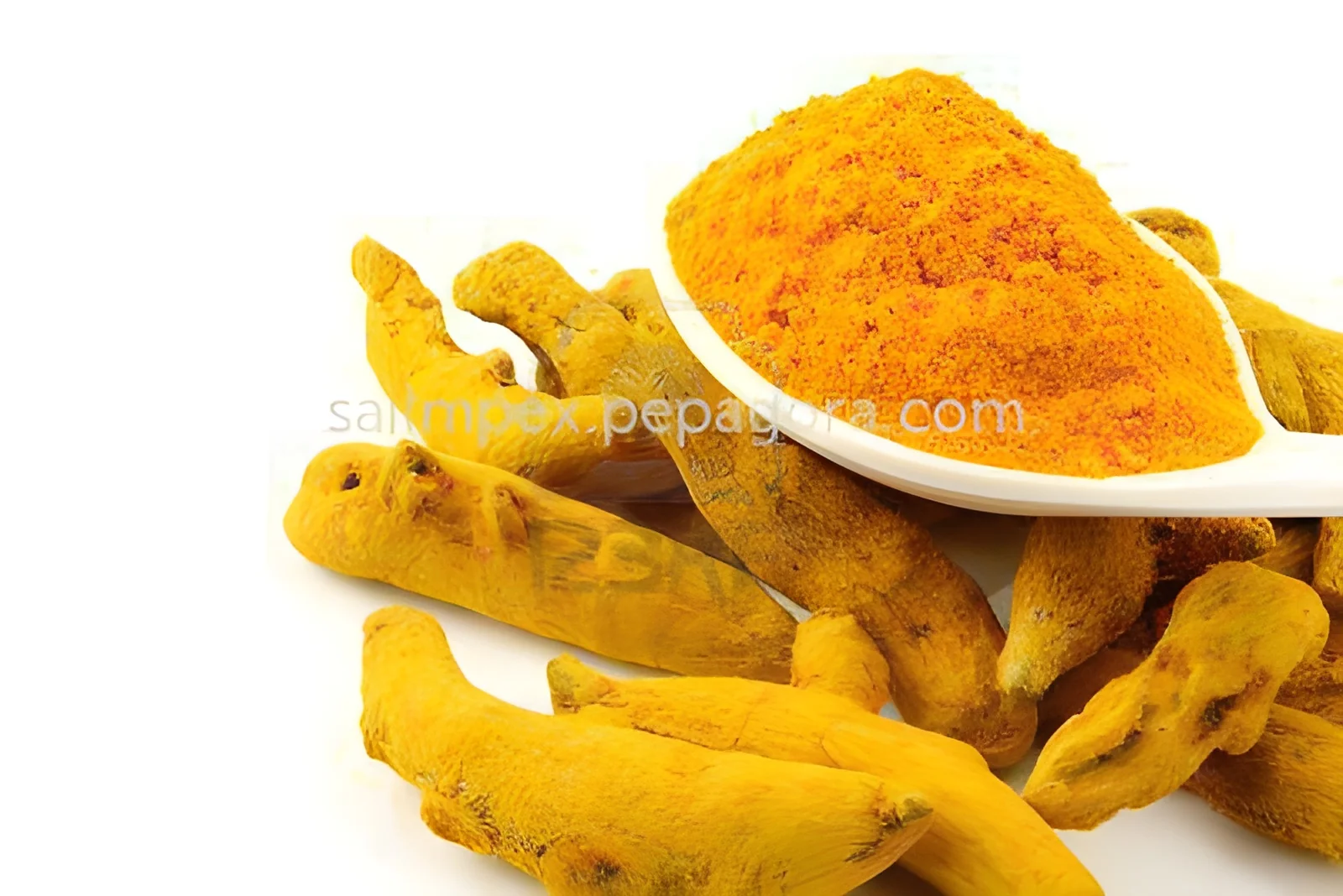
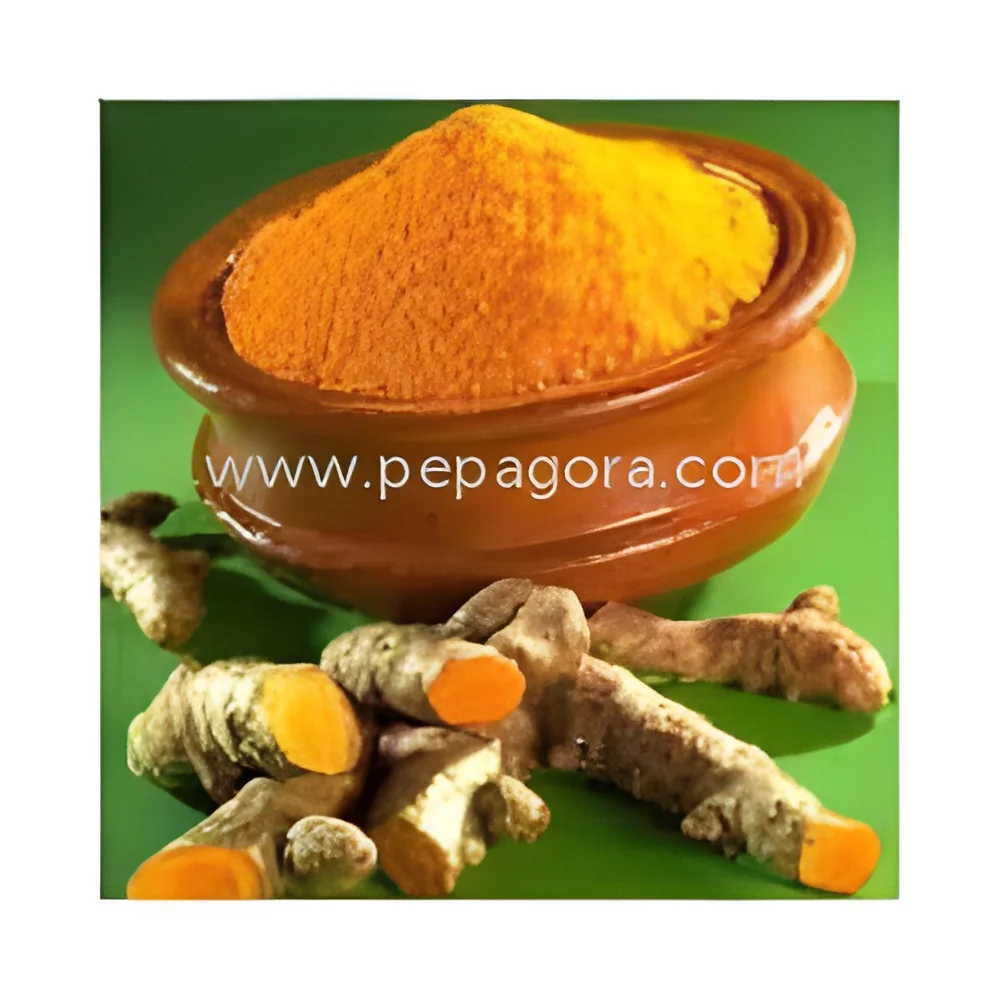
Turmeric powder is a bright yellow spice derived from the rhizome of the Curcuma longa plant. It is well known for its active compound, curcumin, which is celebrated for its potential health benefits and vibrant color. The powder is created by boiling the rhizomes, drying them, and then grinding them into a fine texture. This versatile spice has been used for centuries in traditional medicine, cooking, and as a dye.
In the business realm, turmeric powder is primarily used in the food industry as a flavoring agent and colorant in various dishes. It is also widely utilized in the pharmaceutical and cosmetic industries due to its anti-inflammatory and antioxidant properties. The demand for turmeric powder has grown significantly, driven by rising consumer interest in health and wellness products. As a result, it has become an important commodity in global markets, with applications extending to health supplements and natural remedies.
Key Features and Specifications
Turmeric powder offers several key features that make it a valuable ingredient across various industries. Understanding its specifications is essential for businesses looking to incorporate it into their products.
Key specifications include:
1. Color Quality
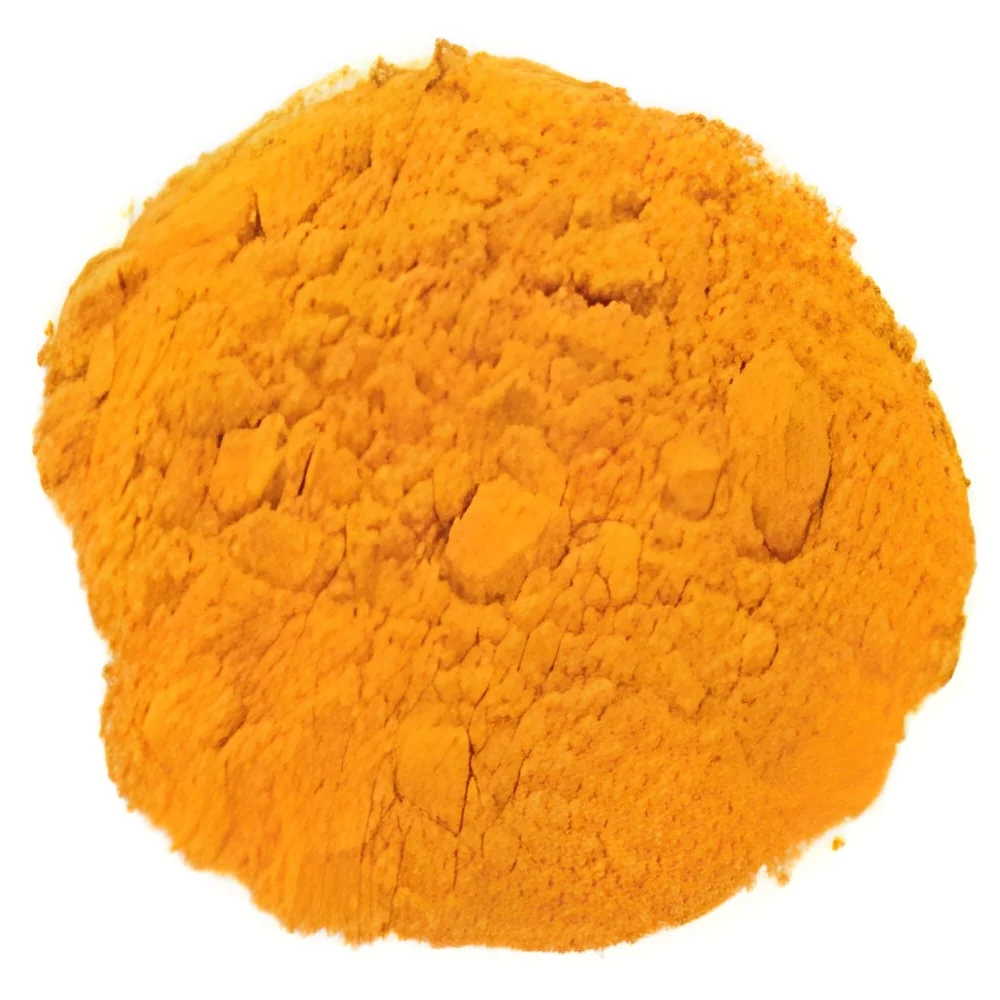
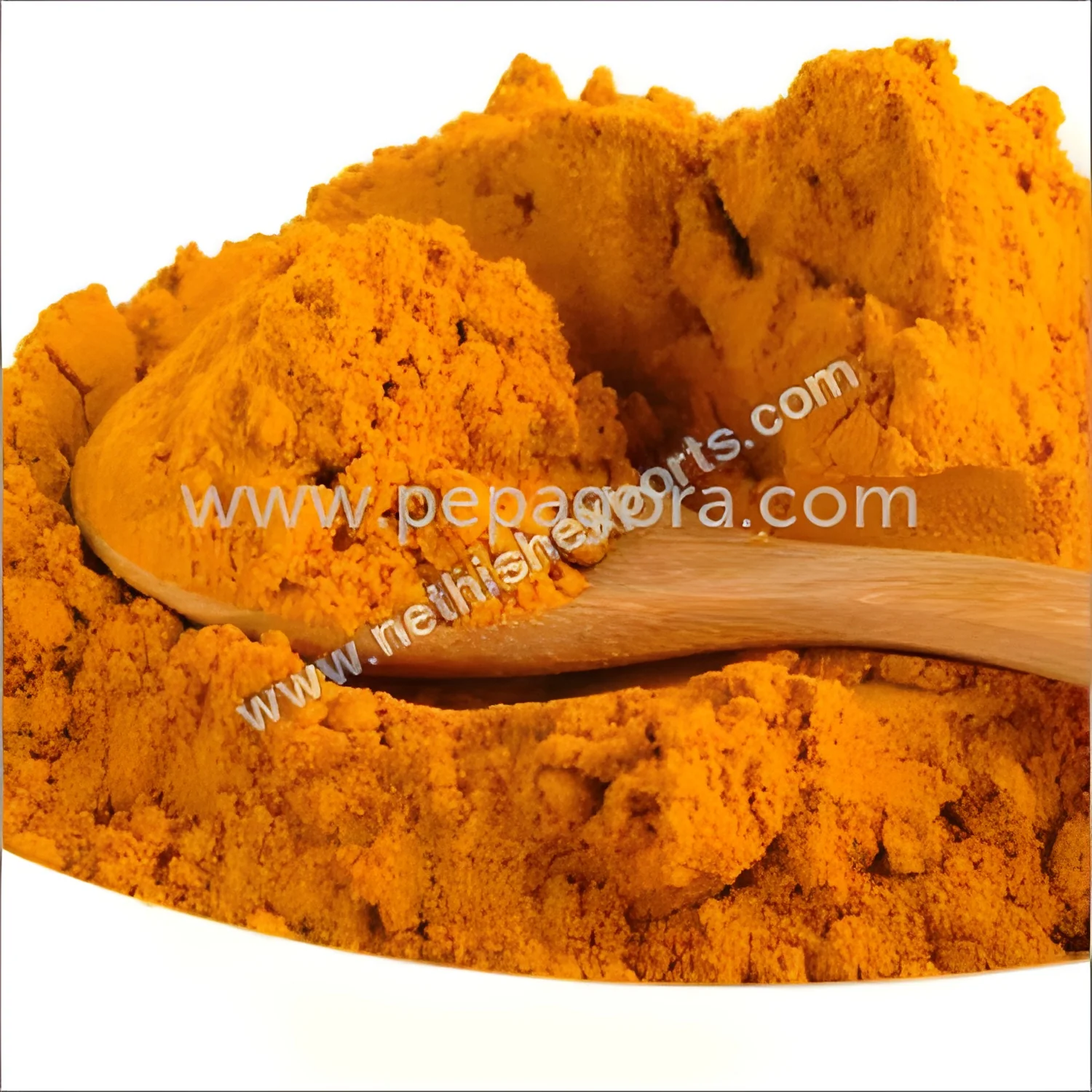
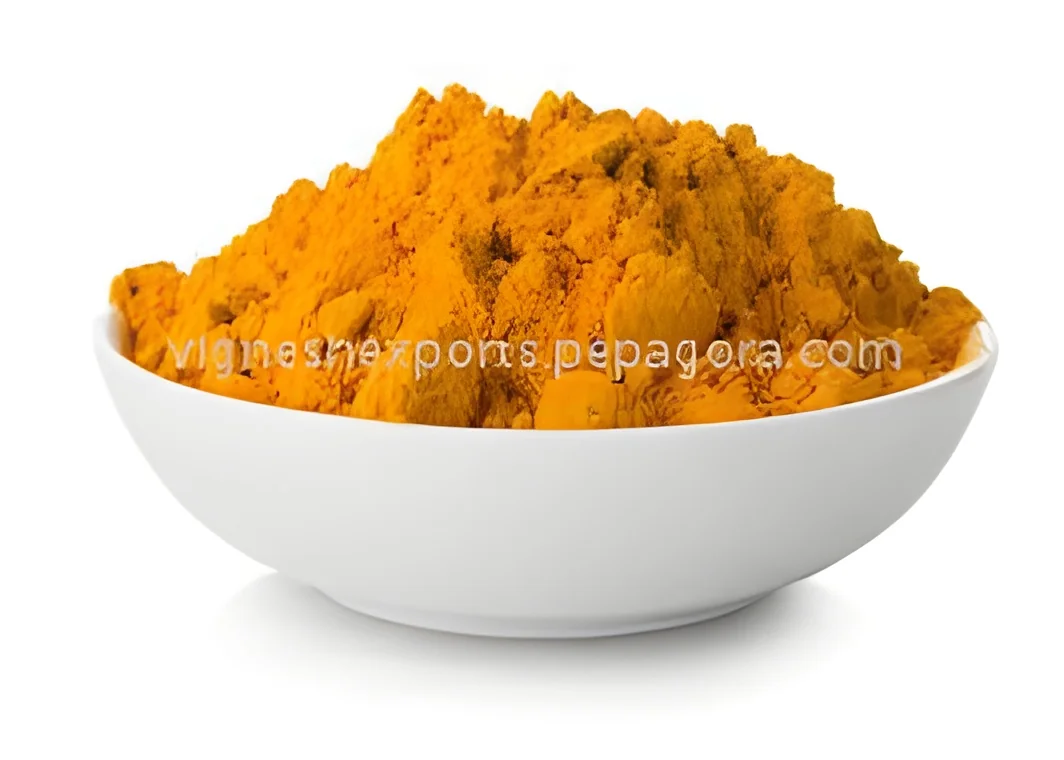
- Bright yellow color indicating high curcumin content
- Color intensity is crucial for culinary applications
2. Particle Size
- Fine powder consistency for optimal mixing
- Typically ranges from 60 to 100 mesh
3. Curcumin Content
- Standard curcumin content of 2-5% for culinary uses
- Higher concentrations available for supplements
4. Moisture Content
- Optimal moisture levels below 10%
- Affects shelf life and quality of the powder
5. Flavor Profile
- Distinctively earthy and slightly bitter taste
- Enhances flavor in various dishes
6. Shelf Life
- Average shelf life of 1-2 years under proper storage conditions
- Requires cool, dry storage to maintain quality
7. Certifications
- Compliance with food safety standards
- CE certification for international trade
8. Packaging Options
- Available in bulk or retail packaging
- Varied packaging sizes to suit different business needs
In summary, turmeric powder is characterized by its vibrant color, fine texture, and beneficial properties, making it a sought-after ingredient in multiple sectors.
Common Applications and Use Cases
Turmeric powder serves a diverse array of industries due to its unique properties.
1. Food Industry: Turmeric is commonly used as a spice in cooking, particularly in curry dishes, sauces, and marinades. Its natural color enhances the visual appeal of foods.
2. Pharmaceutical Industry: The anti-inflammatory and antioxidant properties of turmeric make it a popular ingredient in health supplements and herbal remedies aimed at boosting overall health.
3. Cosmetic Industry: Turmeric is incorporated into skincare products for its potential benefits in reducing inflammation and improving skin health. It is often found in face masks and creams.
4. Nutraceuticals: Companies use turmeric powder in dietary supplements and functional foods targeting health-conscious consumers seeking natural wellness solutions.
5. Textile Industry: Turmeric is utilized as a natural dye, providing a vibrant yellow hue to fabrics, making it a sustainable alternative to synthetic dyes.
6. Animal Feed: Turmeric is added to animal feed for its health benefits, including improved digestion and anti-inflammatory effects in livestock.
7. Natural Remedies: Turmeric powder is commonly used in home remedies for various ailments, including digestive issues and skin conditions.
Product Variants and Subcategories
Turmeric powder comes in various forms to cater to different market needs, although specific subcategories are not available.
Organic Turmeric Powder
This variant is sourced from organically grown turmeric plants, ensuring no synthetic pesticides or fertilizers are used. It appeals to health-conscious consumers and businesses looking for natural ingredients.
Curcumin Extract
This variant contains a higher concentration of curcumin, often used in supplements. It is processed to enhance its health benefits and is marketed for its anti-inflammatory properties.
Standard Turmeric Powder
This is the most common form, used in cooking and food manufacturing. It provides the essential flavor and color without the higher curcumin concentration.
Benefits and Advantages
Turmeric powder offers numerous benefits that make it an attractive choice for businesses across different sectors.
1. Health Benefits: The active compound curcumin is known for its anti-inflammatory and antioxidant effects, promoting overall wellness.
2. Versatility: Turmeric powder can be used in various applications, from culinary to medicinal, making it a multifunctional ingredient.
3. Natural Colorant: It serves as a safe and natural coloring agent, enhancing the visual appeal of food products without synthetic additives.
4. Cost-Effective: Due to its wide availability, turmeric powder presents an economical option for manufacturers and food producers.
5. Growing Demand: Increasing consumer awareness about health and wellness drives the market demand for turmeric powder, making it a worthwhile investment.
6. Sustainable Sourcing: Turmeric is a renewable resource, and sourcing from certified suppliers ensures ethical and sustainable practices.
Buying Guide for B2B Buyers
When sourcing turmeric powder, businesses should consider several key factors to ensure they make informed purchasing decisions.
1. Quality Assessment: It is essential to evaluate the quality of turmeric powder through laboratory testing. Look for curcumin content, moisture levels, and particle size to ensure the product meets industry standards.
2. Supplier Verification: Vet suppliers thoroughly by checking their certifications, customer reviews, and production practices. This step is crucial to ensure reliable sourcing.
3. Pricing and MOQ: Understand the pricing structure and minimum order quantities (MOQs) offered by suppliers. Negotiate terms that align with your business needs.
4. Delivery and Lead Times: Confirm delivery schedules and lead times to avoid disruptions in your supply chain. Ensure that suppliers can meet your timeline requirements.
5. Compliance Requirements: Familiarize yourself with regulatory compliance for turmeric powder in your region, including food safety standards and labeling requirements.
Compliance and Certifications
Turmeric powder must adhere to specific quality standards to ensure safety and efficacy in its applications. Relevant quality standards include ISO 9001, which focuses on quality management systems, ensuring consistent product quality and customer satisfaction. HACCP (Hazard Analysis Critical Control Point) standards are also crucial in food safety, helping to identify and manage potential hazards in the production process.
Industry certifications, such as CE certification, indicate that the product meets European safety, health, and environmental protection standards. These certifications are vital for businesses looking to expand their market reach.
Safety and testing requirements for turmeric powder include assessments for contaminants and microbiological testing to ensure that the product is safe for consumption. Additionally, regional compliance considerations vary, and businesses should be aware of local regulations that may apply to turmeric powder sourcing and distribution.
Why Source Turmeric Powder from Pepagora?
Pepagora offers a reliable platform for sourcing turmeric powder, providing several advantages that facilitate a smooth purchasing experience.
Verified Supplier Network: Pepagora features a network of verified suppliers, ensuring that businesses can source high-quality turmeric powder from trusted manufacturers. This verification process enhances buyer confidence.
Streamlined RFQ Process: The request for quotation (RFQ) system on Pepagora simplifies the procurement process. Buyers can easily request quotes from multiple suppliers, allowing for competitive pricing and better decision-making.
Trade Assurance and Support: Buyers benefit from trade assurance programs that protect their purchases. Pepagora offers dedicated support to assist with any issues that may arise during the sourcing process.
Regional Coverage: Pepagora's geographic reach spans India, the Gulf Cooperation Council (GCC) countries, and Southeast Asia. This broad coverage allows businesses to access diverse suppliers and meet their specific sourcing needs efficiently.


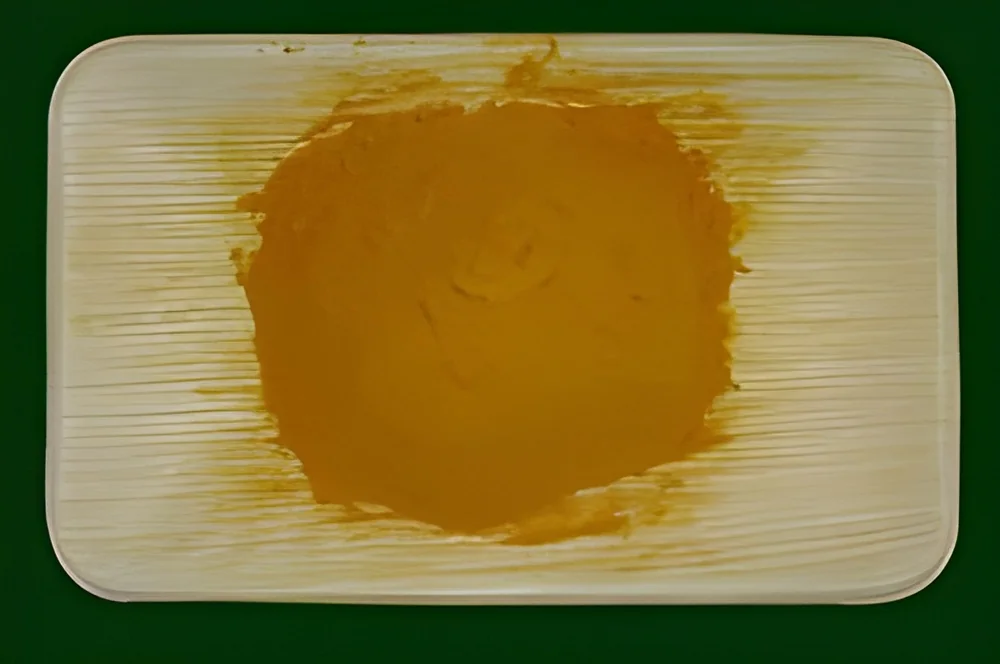
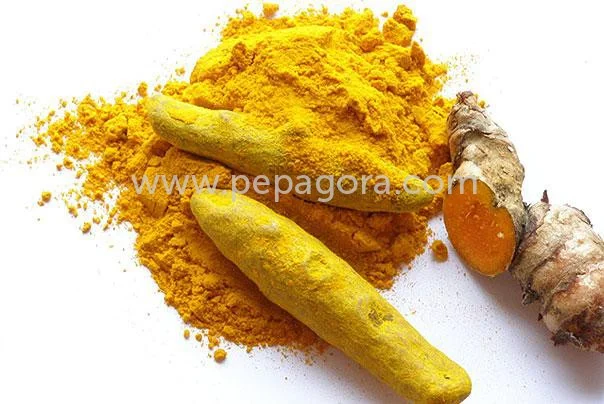
Organic Turmeric Root Powder 100% Pure Solvent Extracted
In Stock
Min. order :1 ton

Raja Exports
India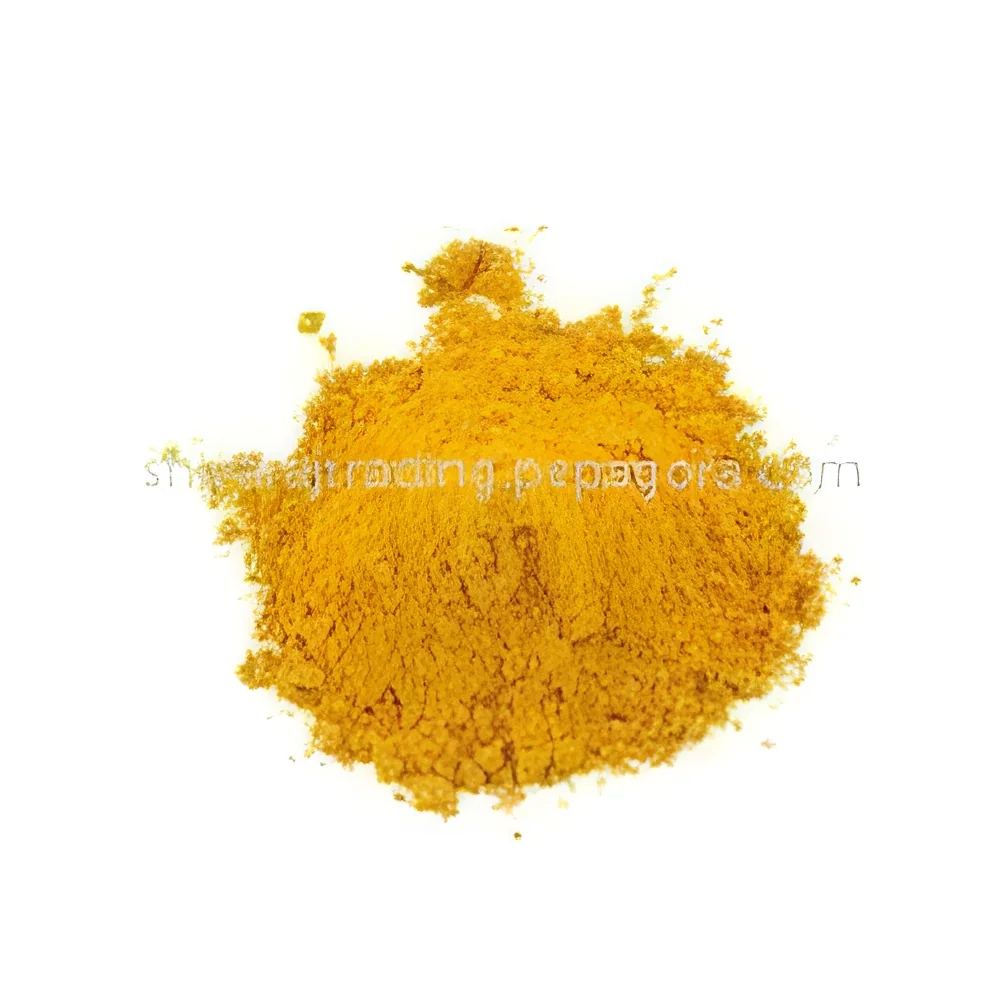
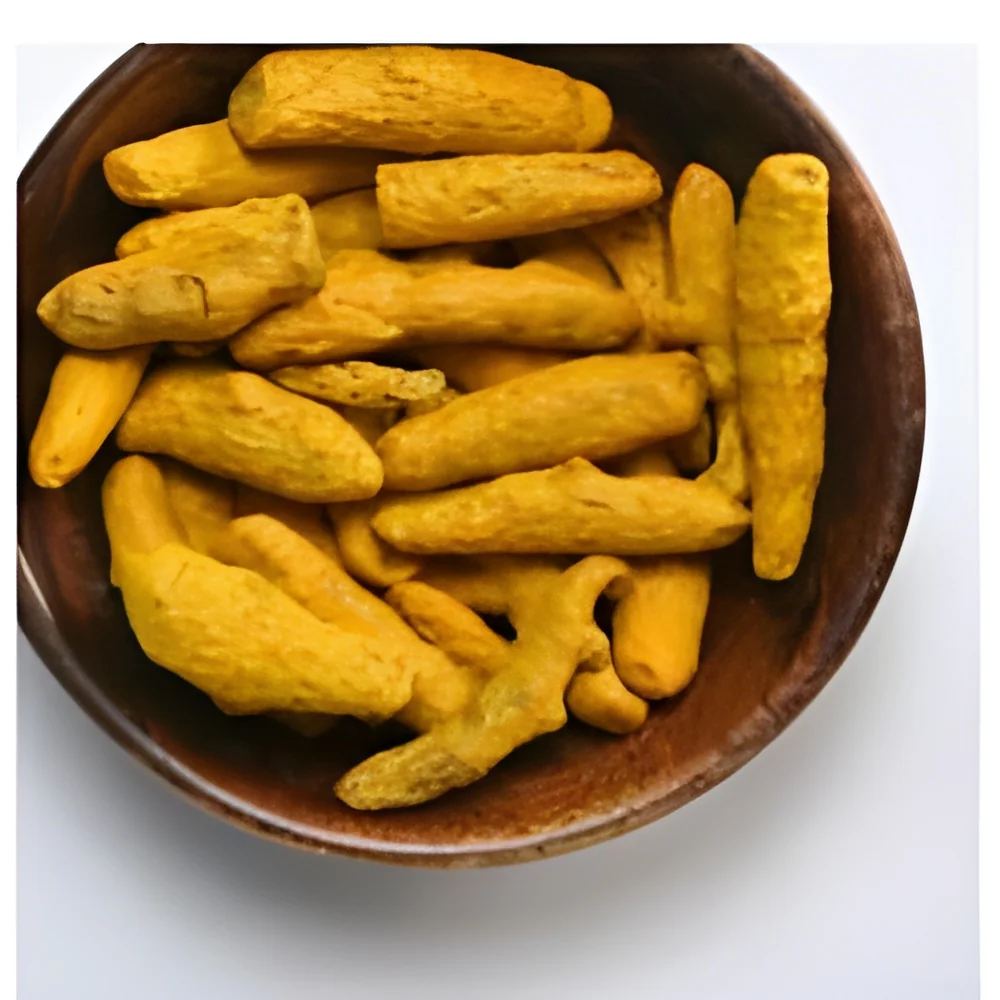
Raw Turmeric For Food Pharma Cosmetic Industries Bulk
In Stock
Min. order :1 unit
Anshul Traders
India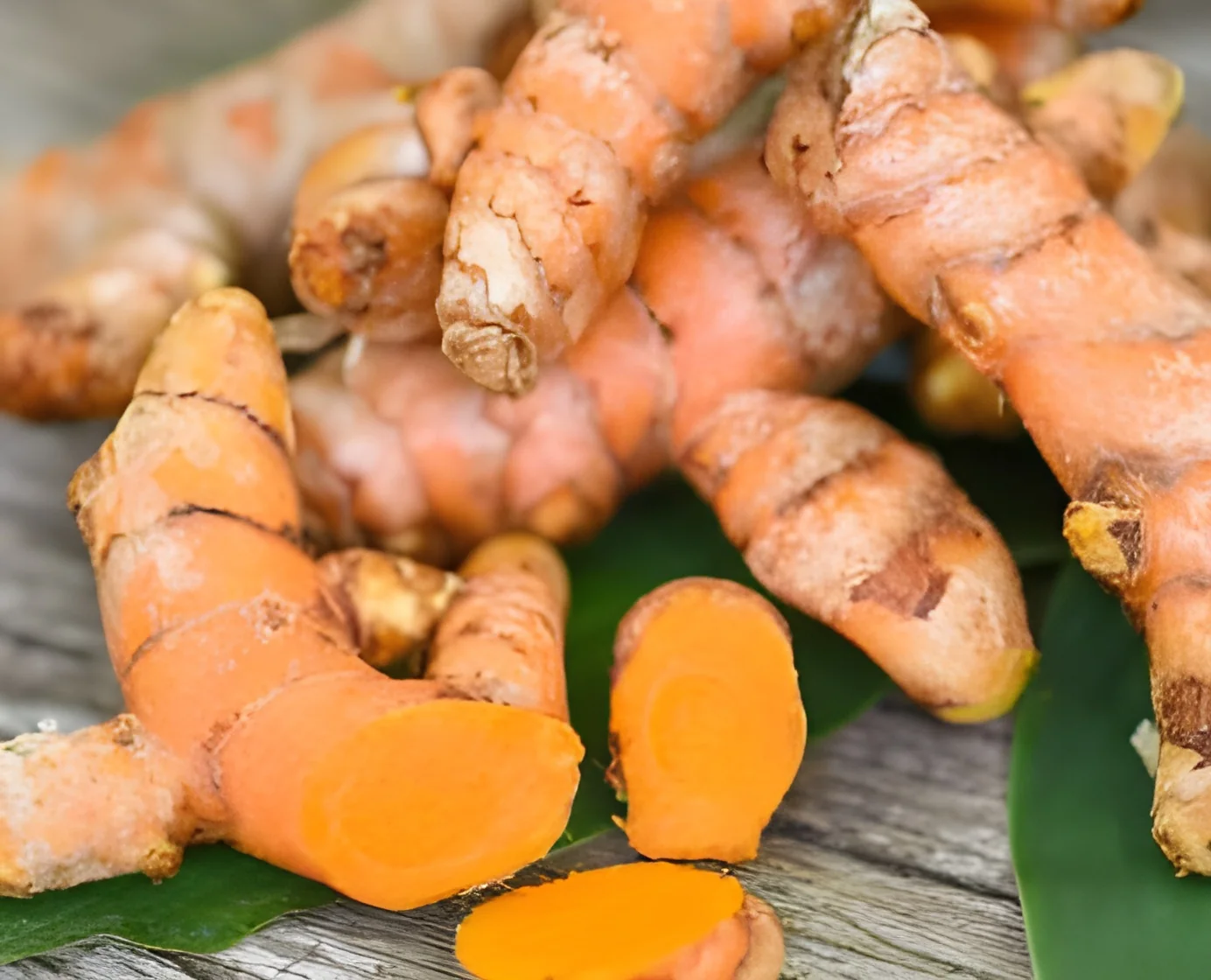


Frequently Asked Questions
What are Turmeric Powder?
<p>Turmeric Powder is a bright yellow spice made from the root of the Curcuma longa plant. It is commonly used in cooking, particularly in Indian cuisine, and is known for its anti-inflammatory and antioxidant properties.</p>
What are the different types of Turmeric Powder?
<p>There are several types of Turmeric Powder, including regular Turmeric Powder, organic Turmeric Powder, and specialty blends that may contain additional spices. The primary distinction is often between conventionally grown and organically certified turmeric.</p>
How do I choose the right Turmeric Powder?
<p>When selecting Turmeric Powder, consider factors such as purity, color, and aroma. Look for high-quality products that are free from additives and contaminants to ensure the best flavor and health benefits.</p>
What are the standard specifications for Turmeric Powder?
<p>Standard specifications for Turmeric Powder typically include a bright yellow color, a specific curcumin content, and moisture levels below 10%. Additionally, it should be free from foreign matter and have a typical particle size for optimal use in various applications.</p>
What is the price range for Turmeric Powder?
<p>The price of Turmeric Powder can vary based on quality, sourcing, and packaging, typically ranging from INR 100 to INR 500 per kilogram. Bulk purchases may result in discounts, making it more economical for businesses.</p>
What quality standards apply to Turmeric Powder?
<p>Turmeric Powder must meet various quality standards, including those set by the Food Safety and Standards Authority of India (FSSAI) and international food safety regulations. These standards ensure the product is safe for consumption and meets specified quality parameters.</p>
Where can I find Turmeric Powder suppliers in India?
<p>You can find Turmeric Powder suppliers in India through online B2B marketplaces like Pepagora, trade fairs, and local agricultural cooperatives. Researching and comparing multiple suppliers can help you find the best options for your business needs.</p>
Can Turmeric Powder be customized?
<p>Yes, Turmeric Powder can often be customized in terms of packaging, blending with other spices, or specific formulations to meet customer requirements. It's advisable to discuss your specific needs with suppliers to explore available options.</p>
What is the typical minimum order quantity for Turmeric Powder?
<p>The typical minimum order quantity (MOQ) for Turmeric Powder can vary widely among suppliers, usually ranging from 25 kg to 500 kg. It's important to confirm the MOQ with your chosen supplier based on your purchasing needs.</p>
What is the typical lead time for Turmeric Powder?
<p>The typical lead time for Turmeric Powder orders generally ranges from 1 to 4 weeks, depending on the supplier's inventory, order size, and shipping logistics. It is advisable to confirm lead times when placing an order to ensure timely delivery.</p>
Why Businesses Trust Pepagora
Thousands of companies trust Pepagora to source smarter and sell faster
Expand Your Sales Globally

Source Smarter,Grow Faster
