What are Organic Whole Spices?
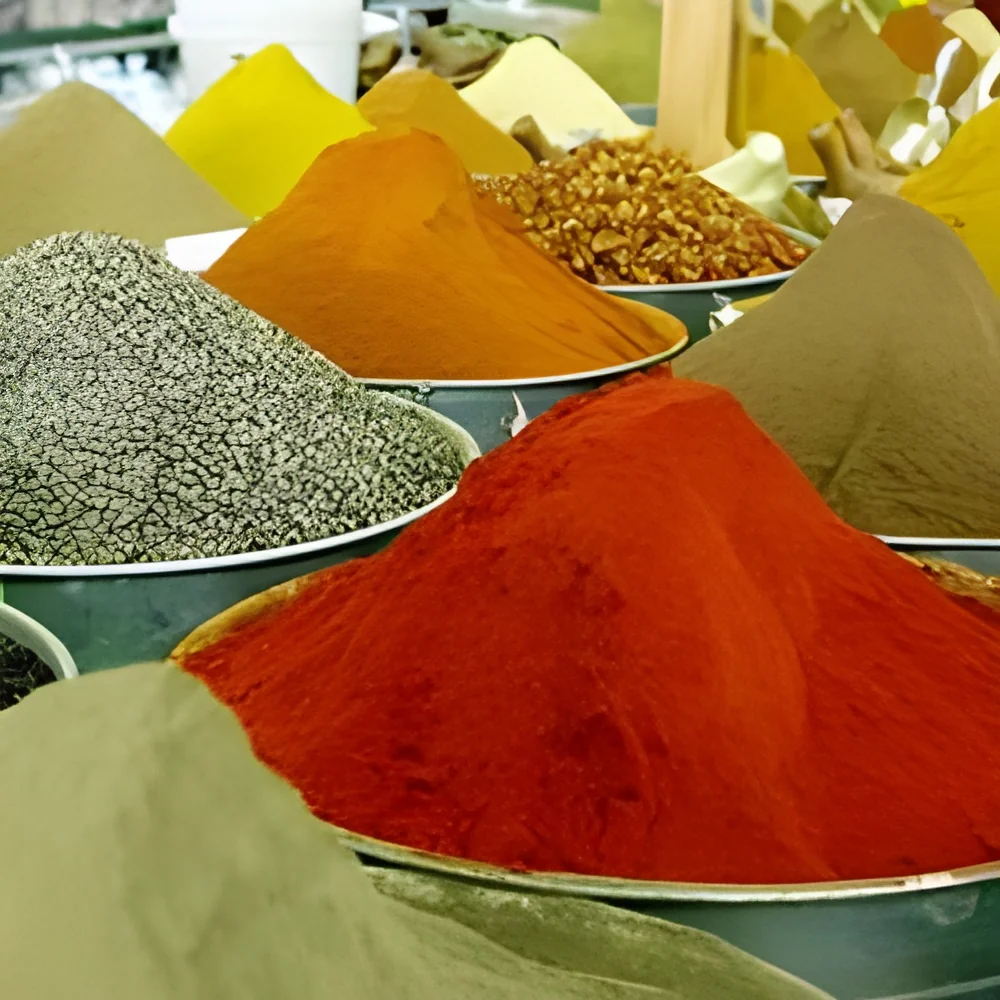
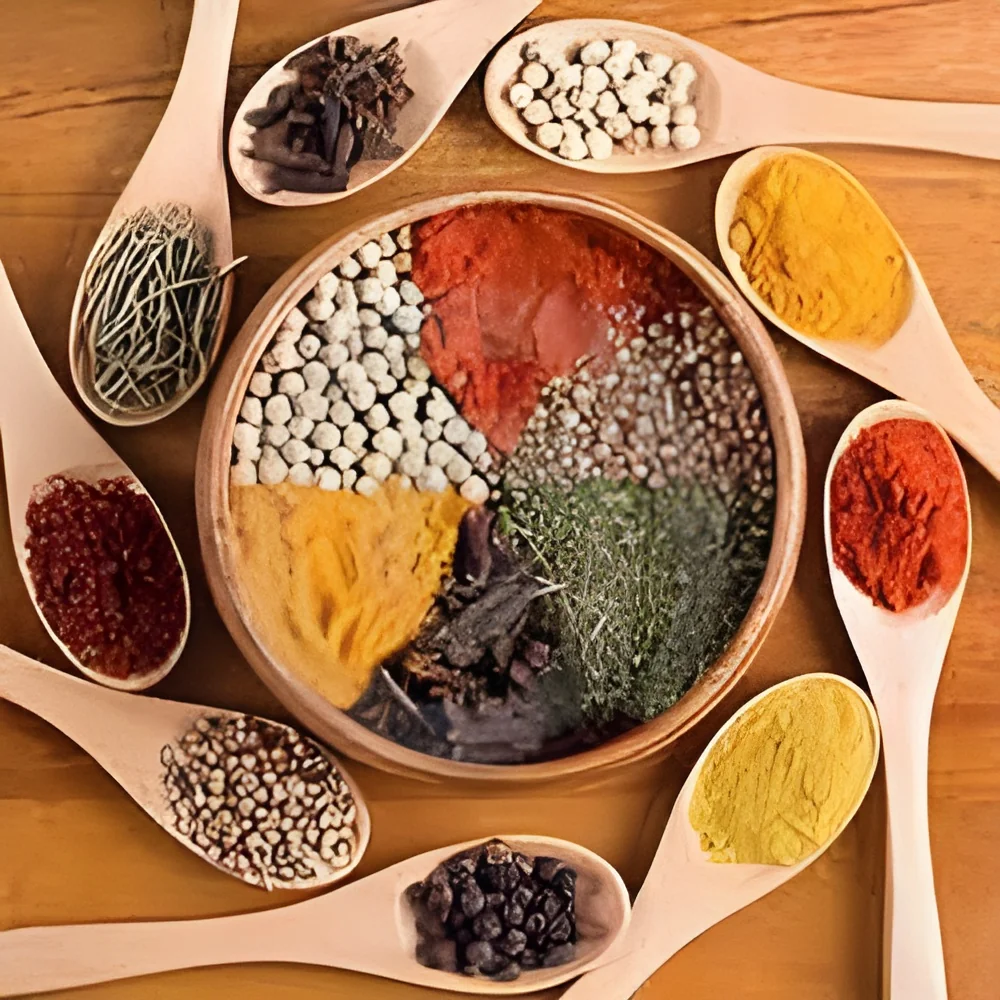
Organic whole spices are natural flavoring agents derived from plants that are cultivated without the use of synthetic fertilizers, pesticides, or herbicides. These spices retain their complete structure, offering a robust flavor profile and a higher concentration of essential oils compared to ground spices. Whole spices are known for their longer shelf life and ability to release their flavors gradually when used in cooking.
These spices are widely used in various culinary applications, including seasoning, flavoring, and preserving food. They are crucial in the food processing industry, catering to restaurants, catering services, and packaged food manufacturers. Additionally, organic whole spices are gaining traction in health-conscious markets due to their natural properties, which offer numerous health benefits. The demand for organic products is on the rise, making these spices increasingly relevant in the current market landscape.
Key Features and Specifications
Organic whole spices are characterized by several essential features that enhance their appeal to businesses. These features include their natural origin, which guarantees the absence of harmful chemicals, and the intense flavors they offer due to minimal processing.
Key specifications include:
1. Quality Standards
- Certified organic by recognized bodies
- Compliance with food safety regulations
2. Flavor Profile
- Rich and aromatic with strong essential oil content
- Varied flavor notes depending on spice type
3. Shelf Life
- Generally longer shelf life compared to ground spices
- Can last up to several years when stored properly
4. Packaging Options
- Available in bulk or retail packaging
- Eco-friendly packaging options are often provided
5. Sourcing Origin
- Sourced from certified organic farms
- Geographical diversity in sourcing enhances flavor variations
6. Moisture Content
- Maintained at optimal levels to ensure freshness
- Typically ranges between 8-12%
7. Color and Appearance
- Vibrant colors reflecting natural state
- Whole spices maintain their visual appeal over time
In summary, organic whole spices stand out due to their quality, flavor, and health benefits, making them a valuable addition to any food-related business.
Common Applications and Use Cases
Organic whole spices serve a multitude of industries, each utilizing their unique properties for various applications.
1. Food Processing: Used in the production of sauces, marinades, and ready-to-eat meals, enhancing flavor and aroma.
2. Culinary Arts: Essential in restaurants and catering services for seasoning dishes and developing signature flavors.
3. Health and Wellness: Incorporated in natural remedies and supplements, promoting health benefits associated with specific spices.
4. Organic Retail: Sold in health food stores and organic markets, catering to consumers seeking natural and organic options.
5. Beverage Industry: Utilized in crafting herbal teas and flavored drinks, leveraging the aromatic qualities of spices.
6. Cosmetics: Used for their natural fragrance and beneficial properties in skincare products.
7. Home Cooking: Popular among home chefs and food enthusiasts for enhancing flavors in everyday cooking.
Product Variants and Subcategories
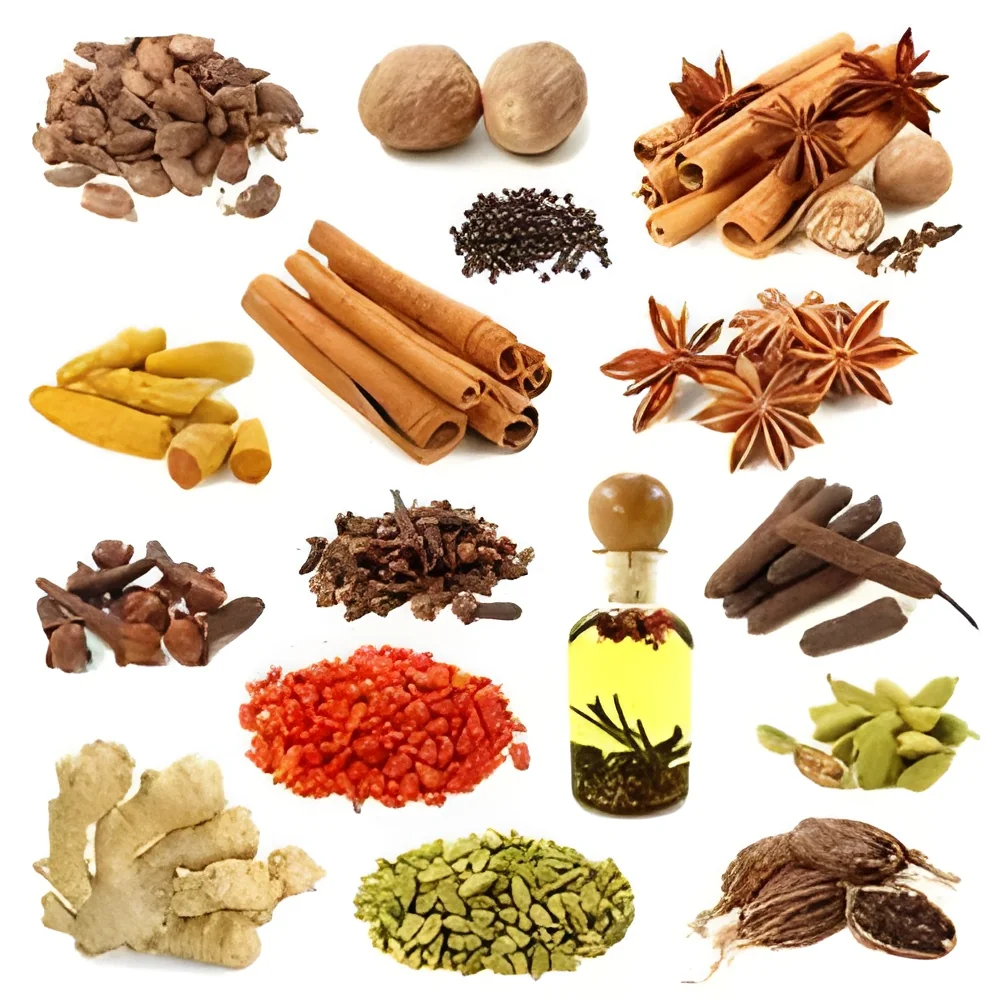
The diversity of organic whole spices allows for a wide range of variants, each offering unique characteristics.
Cinnamon Sticks
Cinnamon sticks are prized for their sweet and warm flavor. They are often used in baking, cooking, and beverages, providing a comforting aroma and taste.
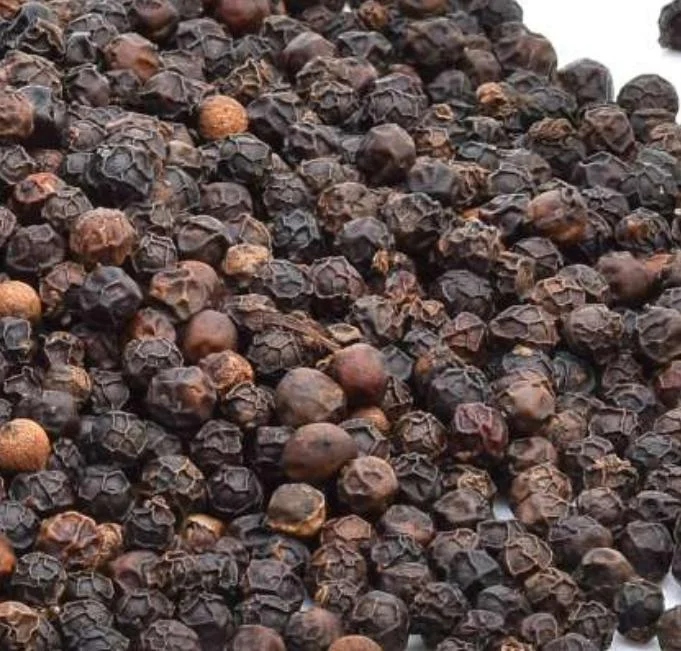
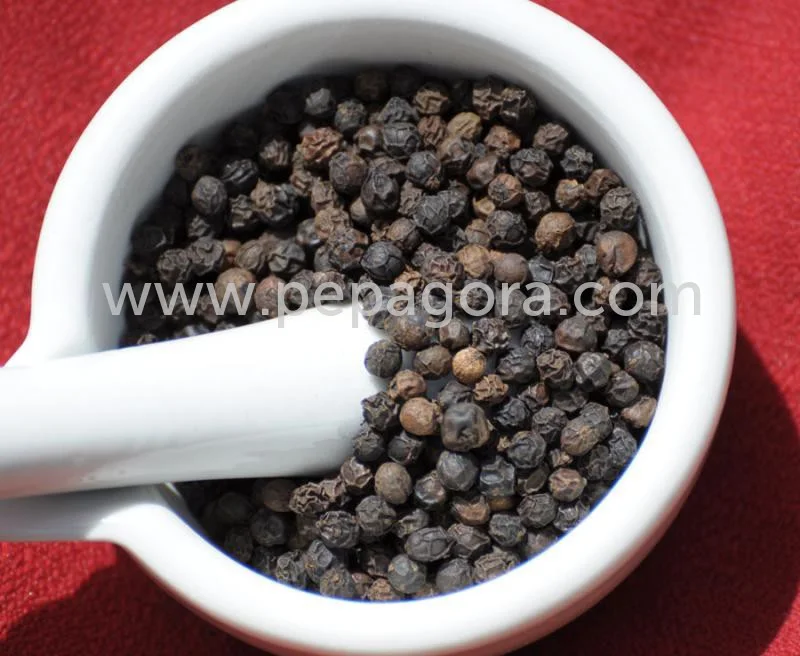
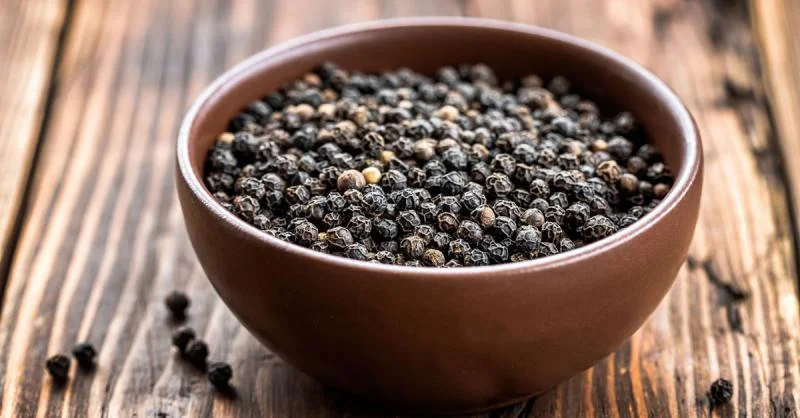
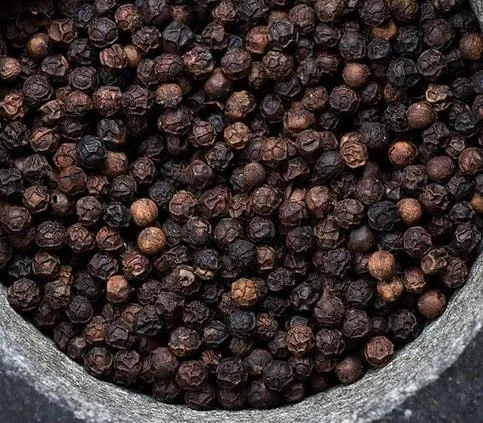
Black Peppercorns
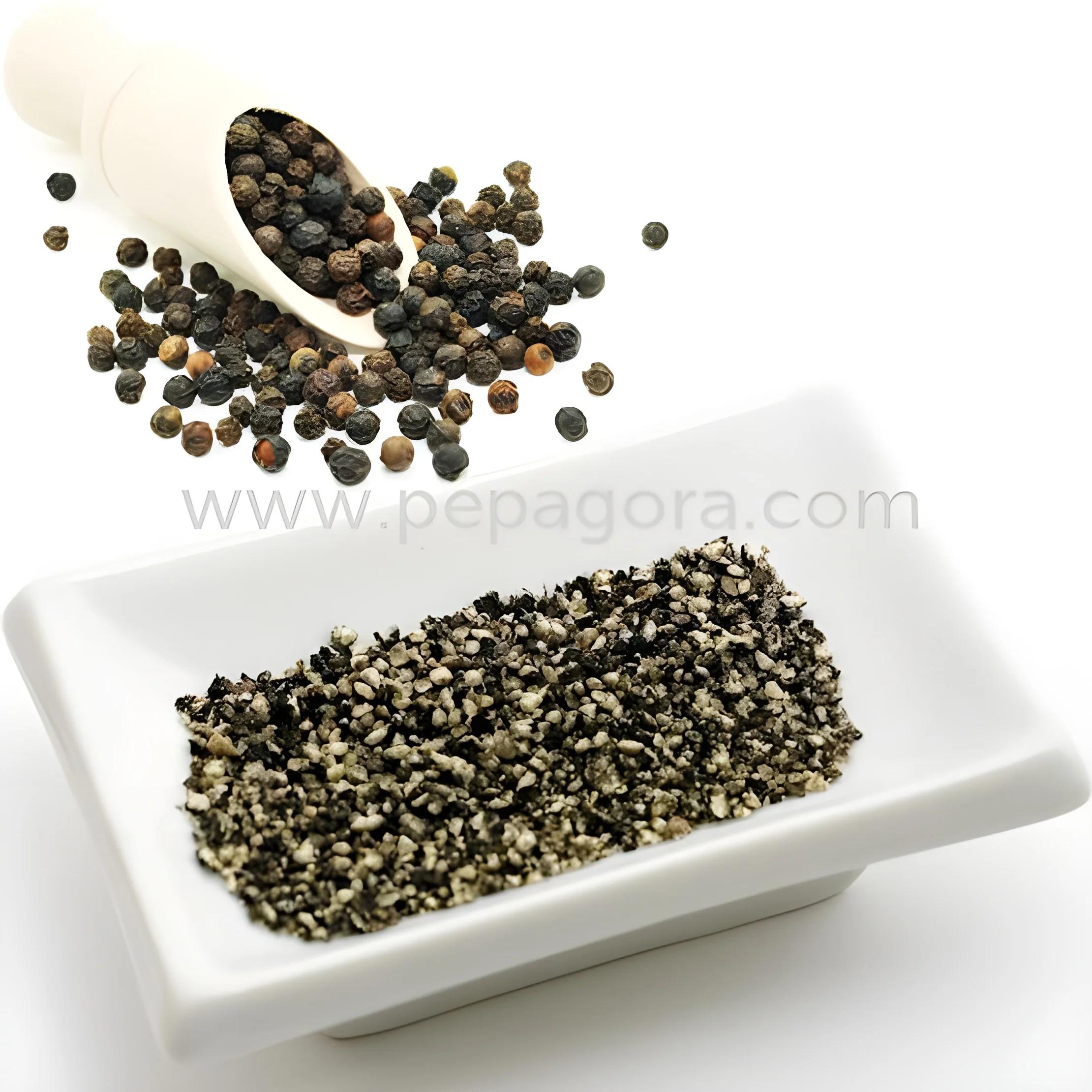
Known for their pungency, black peppercorns are a staple in kitchens worldwide. They are used to enhance savory dishes and are also valued for their health benefits.
Cloves
Cloves are aromatic flower buds that provide a strong, sweet flavor. They are commonly used in spice blends, marinades, and desserts.
Cumin Seeds
Cumin seeds add an earthy, warm flavor to dishes and are essential in various cuisines. They are often used in spice mixes and can be toasted for enhanced flavor.
Benefits and Advantages
Organic whole spices offer numerous benefits to businesses and consumers alike.
1. Enhanced Flavor: They provide a robust and authentic taste that is often superior to processed spices.
2. Health Benefits: Many organic spices are known for their medicinal properties, contributing to overall health and wellness.
3. Longer Shelf Life: Whole spices maintain their potency longer than ground spices, reducing waste.
4. Chemical-Free: Sourced from organic farms, they are free from harmful chemicals and additives.
5. Versatility: Suitable for various culinary applications, from cooking to baking and beverage preparation.
6. Sustainable Sourcing: Often sourced from sustainable farms, supporting eco-friendly practices.
Buying Guide for B2B Buyers
When sourcing organic whole spices, it is crucial for buyers to consider several key factors to ensure quality and reliability.
1. Quality Assessment: Look for certifications from recognized organic bodies. Ensure that the spices meet food safety standards and have undergone proper quality control.
2. Supplier Verification: Vet suppliers thoroughly by checking their certifications, reviews, and track record in the industry. Engage in discussions to understand their sourcing practices.
3. Pricing and MOQ: Evaluate pricing structures and minimum order quantities to align with your budget and inventory needs. Compare offers from multiple suppliers to secure the best deal.
4. Delivery and Lead Times: Confirm the delivery timelines and logistics capabilities of the supplier. Understand their ability to meet your scheduling needs.
5. Compliance Requirements: Ensure that the products meet local and international regulatory requirements for organic food products. Familiarize yourself with specific compliance standards relevant to your market.
Compliance and Certifications
Organic whole spices must adhere to various compliance standards that ensure their quality and safety. Common quality standards include ISO 9001, which outlines requirements for a quality management system, and HACCP, focusing on food safety management. Compliance with Good Distribution Practices (GDP) is also essential for maintaining product integrity during transportation.
Industry certifications such as CE play a crucial role in establishing trust with buyers. These certifications indicate that the products meet essential safety and quality requirements.
Safety and testing requirements are vital to ensure that the spices are free from contaminants and safe for consumption. Regular testing for microbial contamination and pesticide residues is necessary for compliance.
Regional compliance considerations may vary, making it essential for suppliers to be aware of local regulations regarding organic certification and food safety.
Why Source Organic Whole Spices from Pepagora?
Pepagora provides a trusted platform for sourcing organic whole spices, offering several key advantages for B2B buyers.
Verified Supplier Network: Pepagora features a network of verified suppliers committed to quality and compliance. This ensures that buyers access only the best organic products.
Streamlined RFQ Process: The request for quotation process is designed to be straightforward and efficient, allowing buyers to obtain quotes quickly and compare offerings from different suppliers.
Trade Assurance and Support: Buyers are protected through trade assurance measures, ensuring that their transactions are secure and that they receive the products as promised.
Regional Coverage: Pepagora has a broad geographic reach, serving markets in India, the GCC, and Southeast Asia. This extensive coverage allows buyers to connect with local suppliers while accessing a diverse range of organic whole spices.

 IN
IN