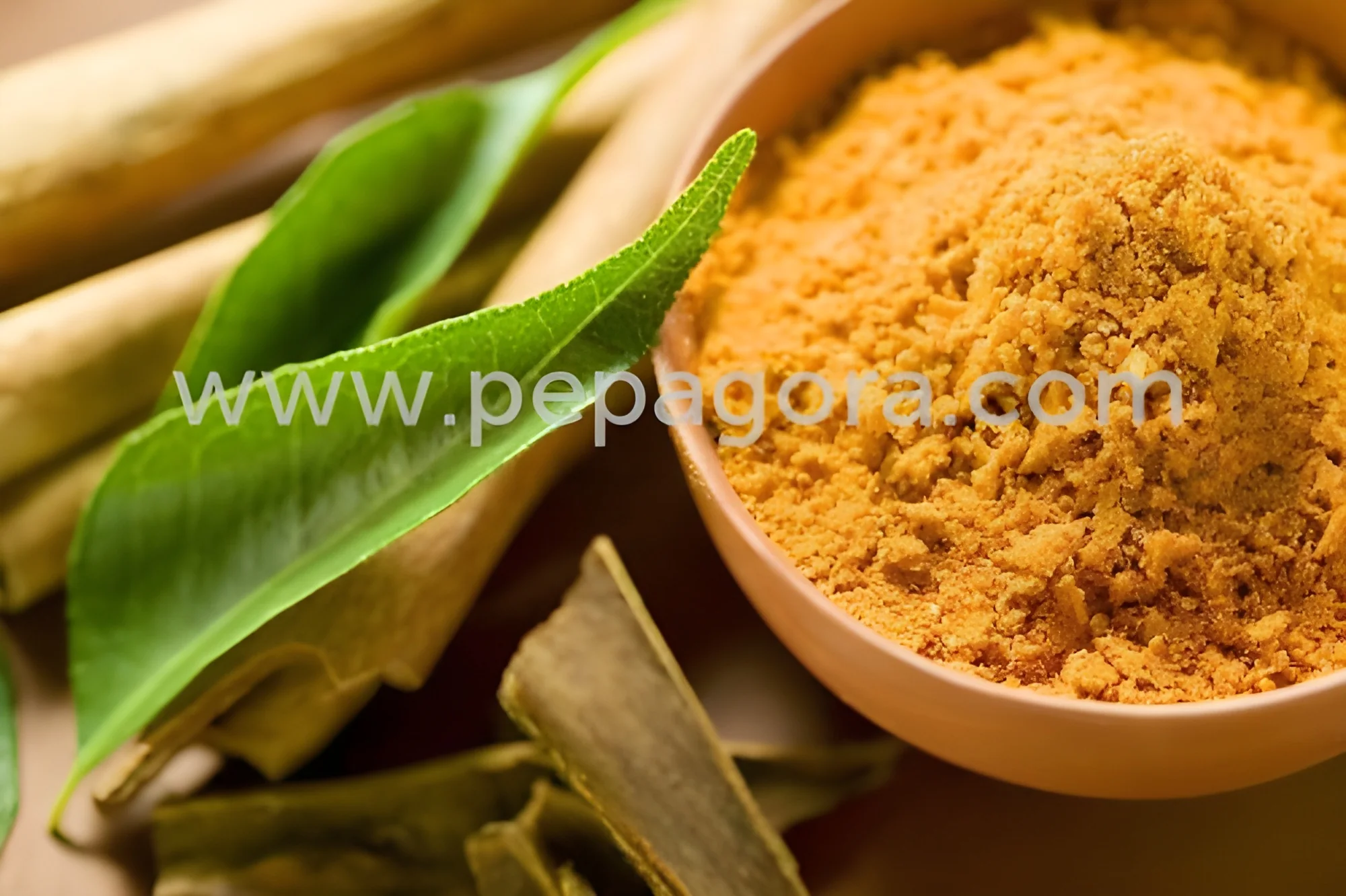
What are Curry Leaves?
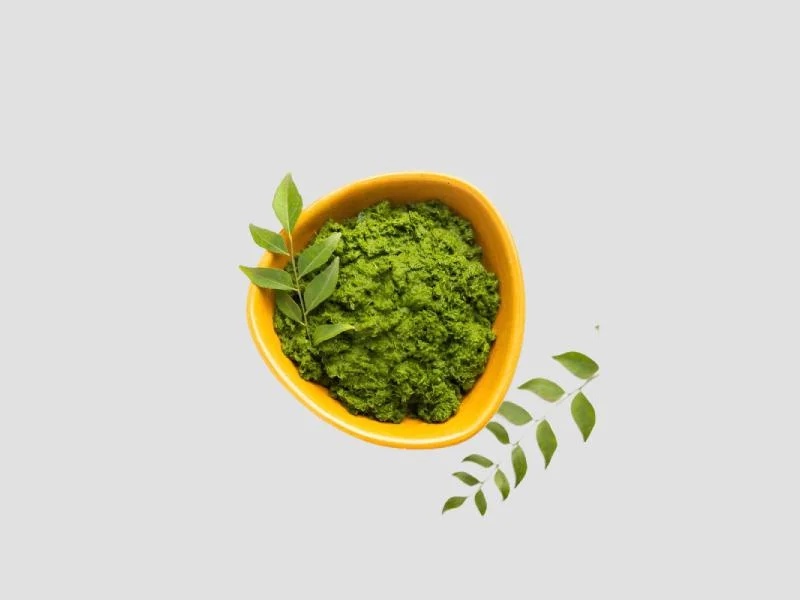
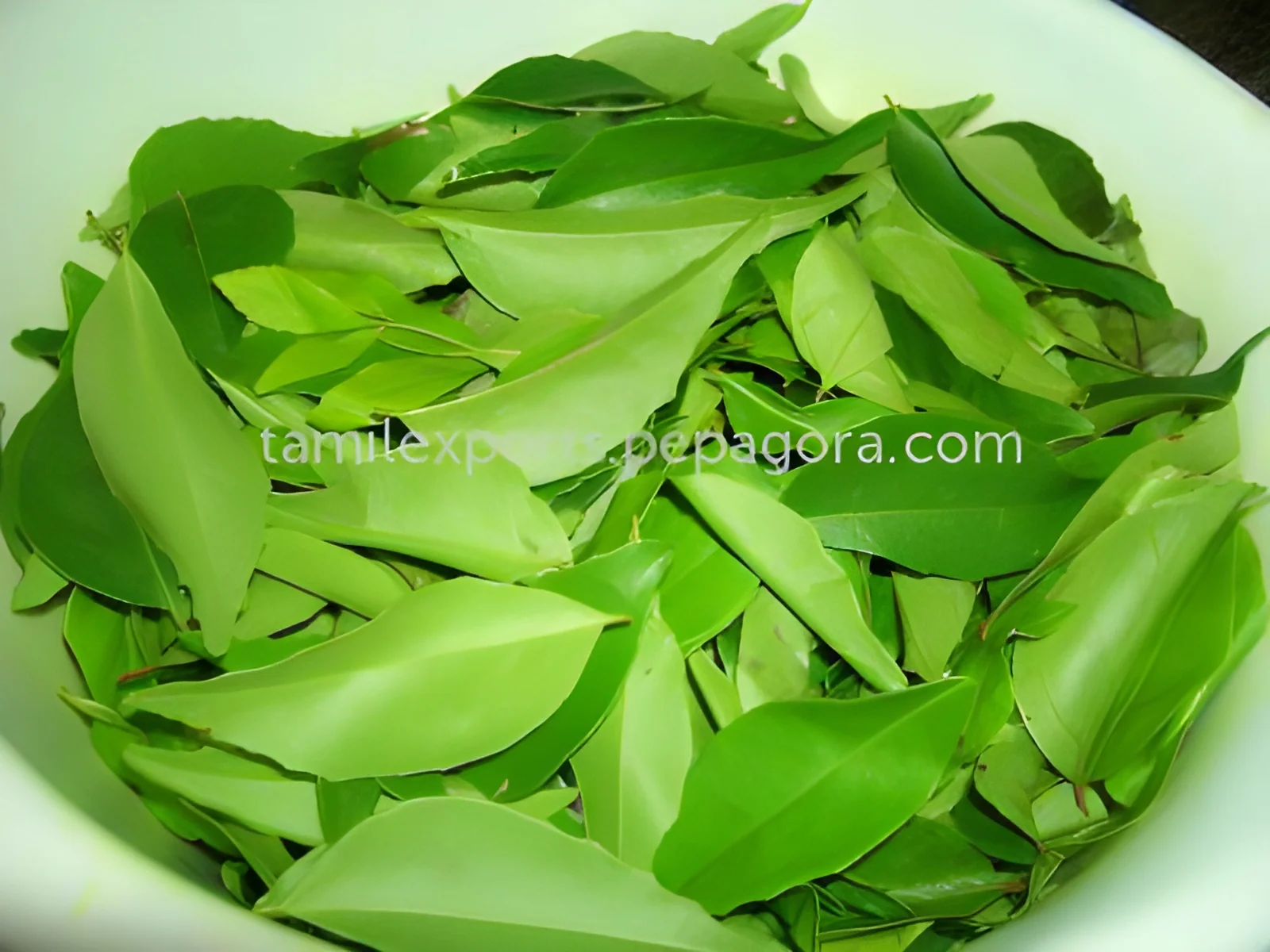
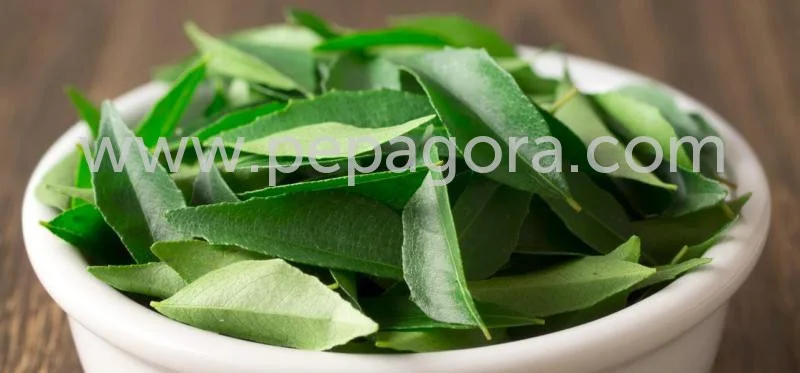
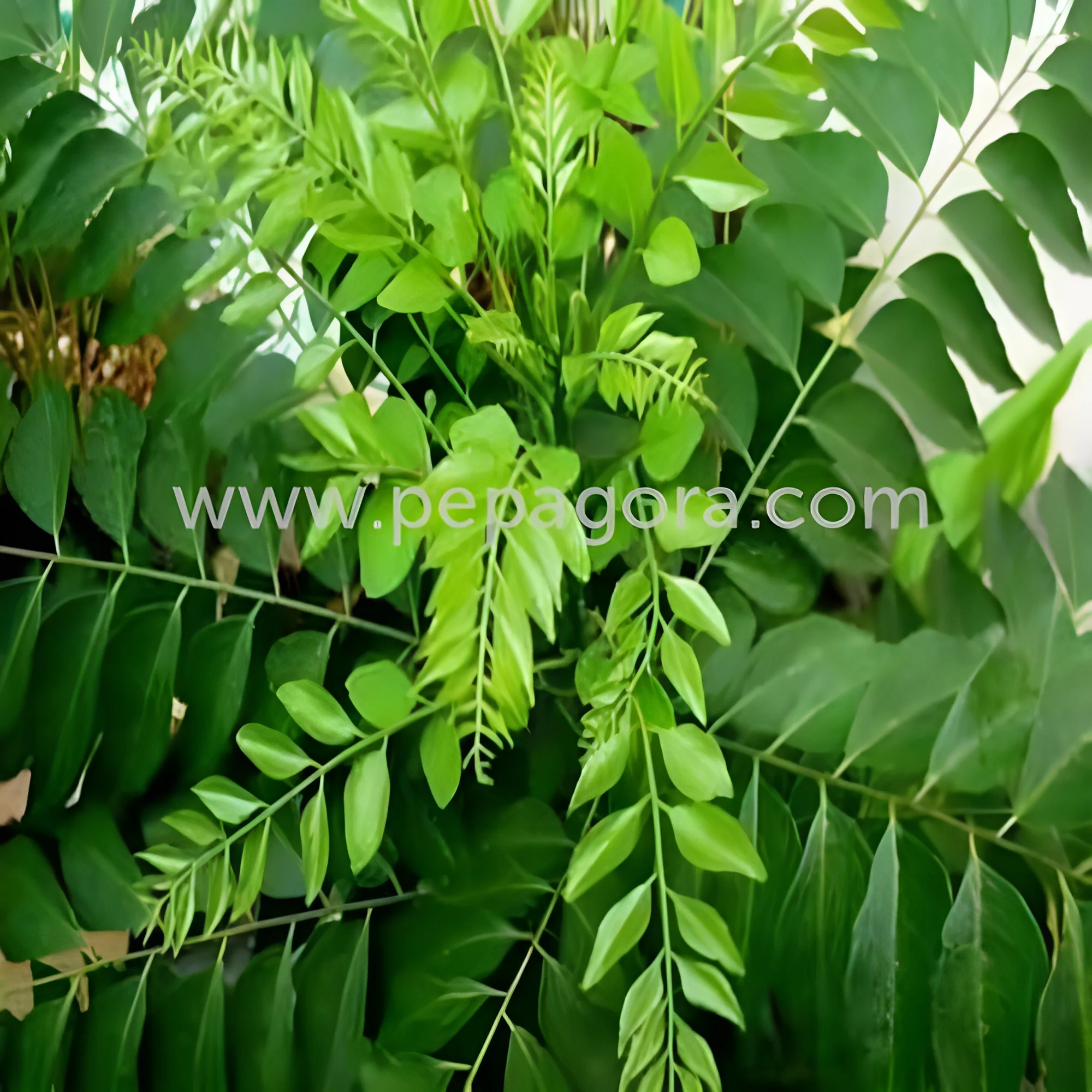
Curry leaves are aromatic leaves derived from the curry tree, scientifically known as Murraya koenigii. These leaves are native to the Indian subcontinent and are widely recognized for their distinctive flavor and fragrance. They are an essential ingredient in many South Asian dishes, adding a unique taste to curries, soups, and stews. The leaves are usually small, shiny, and dark green, making them easily identifiable.
In the business context, curry leaves are not just a culinary staple; they also have significant applications in the food industry, herbal medicine, and cosmetic formulations. Their popularity in various cuisines has led to a growing demand in global markets. Industries such as food processing, herbal supplements, and natural cosmetics utilize curry leaves for their flavor, nutritional value, and potential health benefits. The increasing focus on natural and organic products has further boosted the market for curry leaves.
Key Features and Specifications
Curry leaves possess several key features that make them valuable for various applications. They are rich in essential oils, vitamins, and minerals, contributing to their aroma and health benefits. The leaves can be used fresh, dried, or powdered, making them versatile for different culinary uses.
Key specifications include:
1. Aroma
- Fresh curry leaves have a strong, aromatic scent that enhances the flavor of dishes.
- The intensity can vary based on the plant's growing conditions.
2. Nutritional Content
- Curry leaves are high in vitamins A, B, C, and calcium.
- They also contain antioxidants and essential oils beneficial for health.
3. Shelf Life
- Fresh curry leaves typically last for about 1-2 weeks under refrigeration.
- Dried leaves can last up to a year if stored properly.
4. Color
- Fresh leaves are dark green and glossy.
- Dried leaves turn brown but retain their flavor.
5. Size
- Individual leaves are usually 2 to 4 inches long.
- Leaves grow in clusters along the stem.
6. Packaging
- Commonly packaged in airtight containers to preserve freshness.
- Available in bulk for commercial buyers.
7. Moisture Content
- Ideal moisture content for dried leaves is typically below 10%.
- Excess moisture can lead to mold growth.
8. Origin
- Sourced primarily from India, but also grown in other tropical regions.
Curry leaves are an essential ingredient in many culinary applications due to their unique characteristics and health benefits.
Common Applications and Use Cases
Curry leaves serve multiple industries, each benefiting from their unique properties.
1. Food Industry: Curry leaves are commonly used in cooking to enhance flavors in curries, sauces, and soups. Their aromatic quality makes them a favorite in Indian and Southeast Asian cuisines.
2. Herbal Medicine: The leaves are valued for their medicinal properties, often used in traditional remedies for digestive issues and diabetes management.
3. Cosmetic Industry: Curry leaves are incorporated into natural beauty products due to their antioxidant properties. They can be found in hair oils and skin creams.
4. Essential Oils: The extraction of essential oils from curry leaves is utilized in aromatherapy and as a natural flavoring agent in food products.
5. Nutraceuticals: Curry leaves are included in dietary supplements for their health benefits, such as anti-inflammatory and antioxidant effects.
6. Agriculture: Used as a natural pesticide due to their insect-repellent properties, curry leaves can help protect crops.
7. Culinary Education: In culinary schools, they are taught as a key ingredient in flavor development and traditional cooking techniques.
Product Variants and Subcategories
Curry leaves offer diversity in their forms, catering to different applications and preferences.
Fresh Curry Leaves: These are the most commonly used form, prized for their flavor and aroma. They are typically sold in bunches and are ideal for cooking.
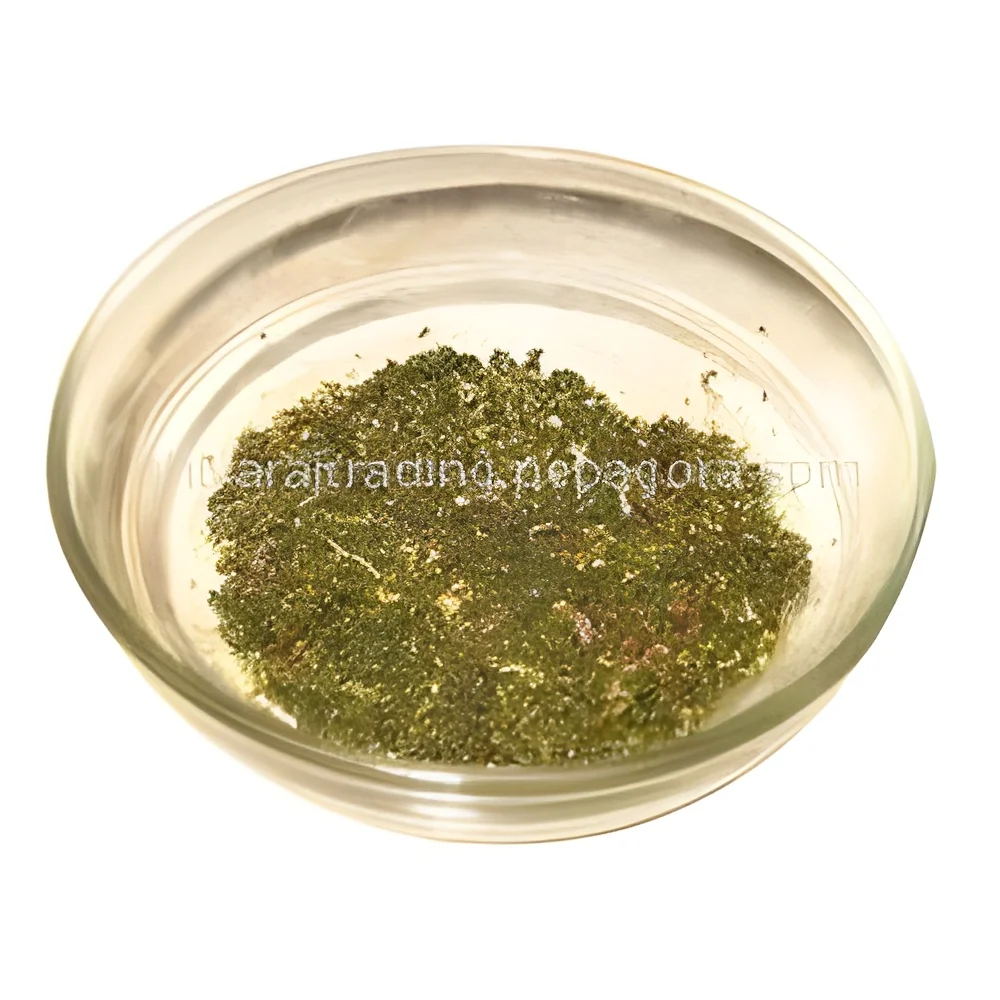
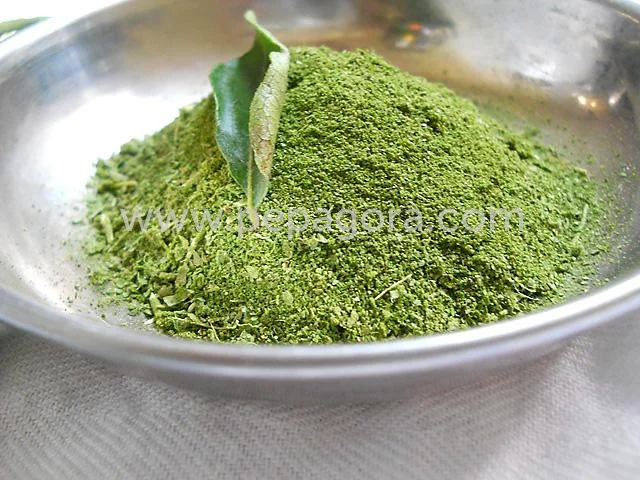
Dried Curry Leaves: Dried leaves offer convenience and a longer shelf life. They retain much of the flavor and can be used in various dishes, particularly in powdered form.
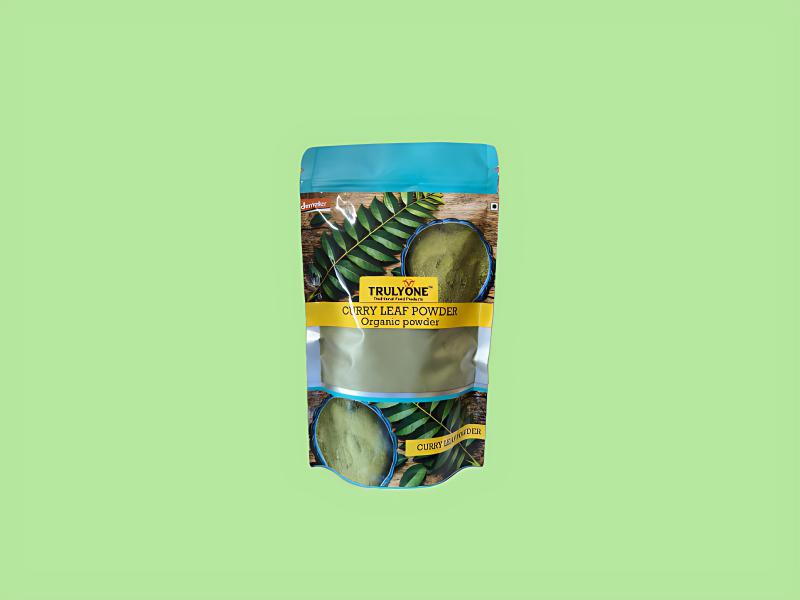
Curry Leaf Powder: This finely ground version is often used as a seasoning or supplement. It is easy to incorporate into recipes and offers a concentrated flavor.
Frozen Curry Leaves: These retain freshness and flavor for extended periods and are convenient for bulk buyers.
Benefits and Advantages
Curry leaves provide several advantages that enhance their appeal in B2B transactions.
1. Flavor Enhancement: They add a distinctive taste and aroma to dishes, making them a sought-after ingredient in culinary applications.
2. Health Benefits: Rich in nutrients, curry leaves may promote digestive health and provide antioxidant properties, adding value to food products.
3. Versatility: Available in fresh, dried, and powdered forms, curry leaves can be used in various culinary and medicinal applications.
4. Natural Insect Repellent: Their use in agriculture as a natural pesticide can help reduce chemical usage, appealing to environmentally conscious businesses.
5. Cost-Effectiveness: The long shelf life of dried and powdered forms offers economic advantages for storage and usage in production.
6. Growing Demand: With the rise in popularity of natural ingredients, sourcing curry leaves can meet the needs of health-conscious consumers.
Buying Guide for B2B Buyers
When sourcing curry leaves, businesses should consider several important factors.
1. Quality Assessment: Ensure that the curry leaves meet high-quality standards, including aroma, color, and moisture content. Conduct sensory evaluations to confirm their freshness.
2. Supplier Verification: Vet suppliers to ensure they comply with industry standards and regulations. Look for certifications that indicate reliability and quality assurance.
3. Pricing and MOQ: Evaluate market prices and minimum order quantities. Competitive pricing can help maintain profitability while meeting demand.
4. Delivery and Lead Times: Assess logistics to ensure timely delivery of fresh or dried leaves. Understand the lead times to plan production schedules effectively.
5. Compliance Requirements: Be aware of any regional compliance and regulation requirements for food safety and quality. This can vary by country and market.
Compliance and Certifications
Curry leaves must adhere to various quality standards and certifications to ensure they meet market expectations.
ISO 9001: This standard outlines requirements for a quality management system, ensuring consistent quality in the production and supply of curry leaves.
HACCP: Hazard Analysis and Critical Control Points is crucial for food safety, ensuring that curry leaves are produced and handled in a way that minimizes risks.
CE Certification: This certification indicates compliance with European health, safety, and environmental protection standards, particularly for products entering the European market.
Safety Testing: Regular testing for contaminants and pesticide residues is essential to meet safety standards.
Regional Compliance: Different regions may have specific regulations governing the production and sale of curry leaves. Ensuring compliance with these regulations is vital for market entry.
Why Source Curry Leaves from Pepagora?
Pepagora provides a trusted platform for sourcing curry leaves, offering several key advantages to B2B buyers.
Verified Supplier Network: Pepagora connects buyers with a network of verified suppliers, ensuring reliability and quality throughout the sourcing process. This minimizes risks associated with supplier selection.
Streamlined RFQ Process: The Request for Quotation (RFQ) system simplifies the procurement process, allowing buyers to easily obtain quotes from multiple suppliers, making it easier to compare options.
Trade Assurance and Support: Pepagora offers trade assurance to protect buyers' investments, providing support in case of disputes or issues with suppliers.
Regional Coverage: With a strong presence in India, the Gulf Cooperation Council (GCC), and Southeast Asia, Pepagora ensures broad geographic coverage, making it easier for businesses to source curry leaves where they operate.

 IN
IN