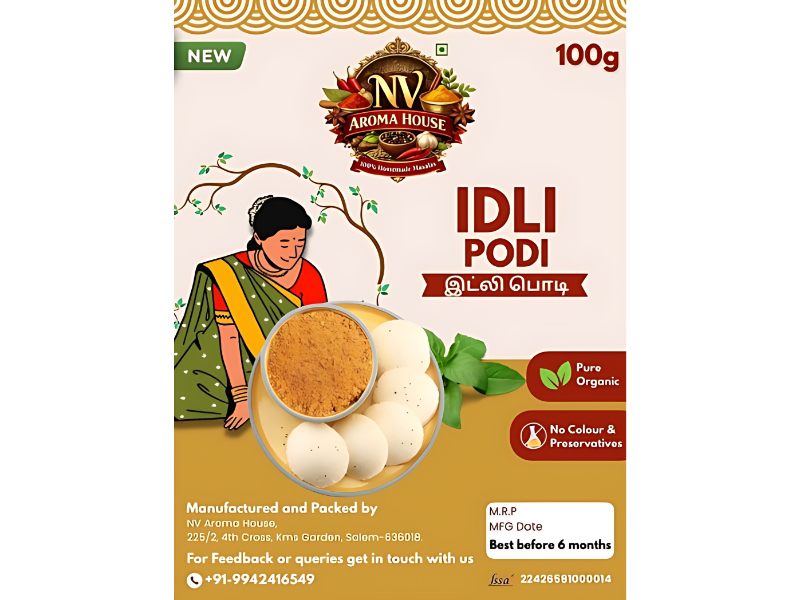
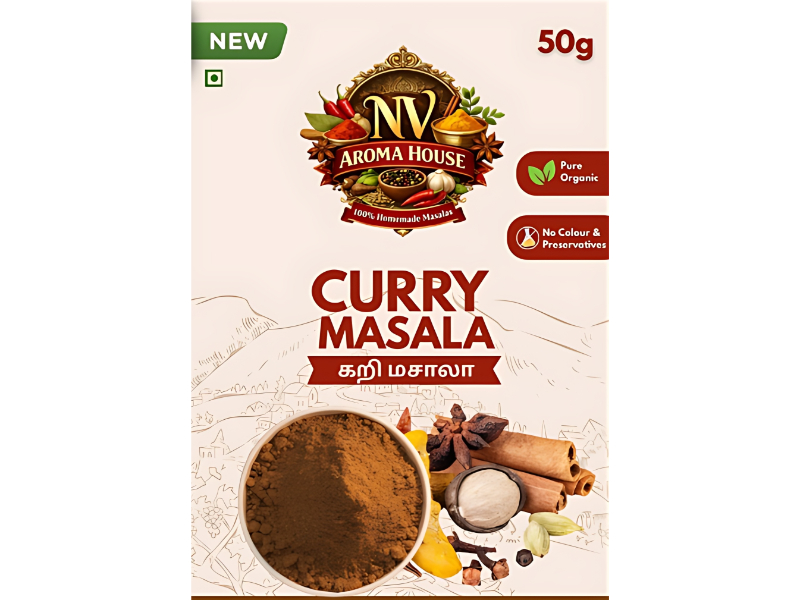
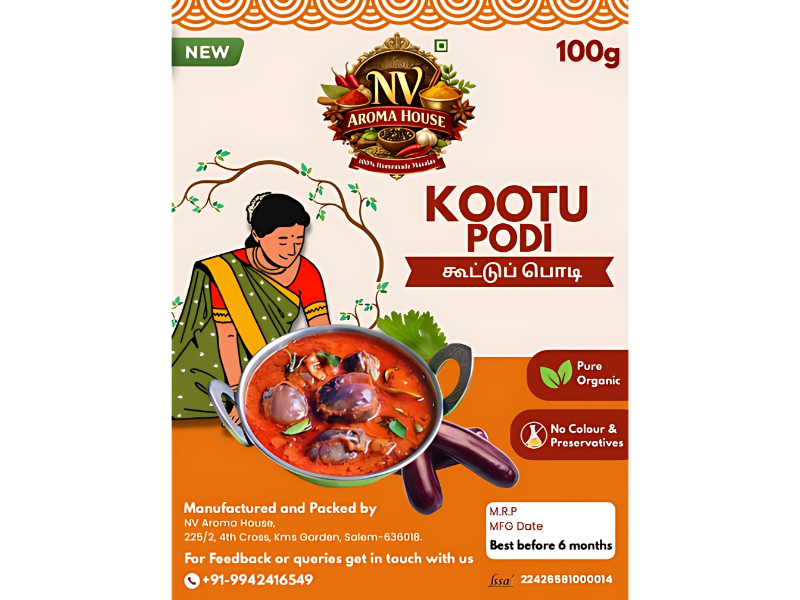
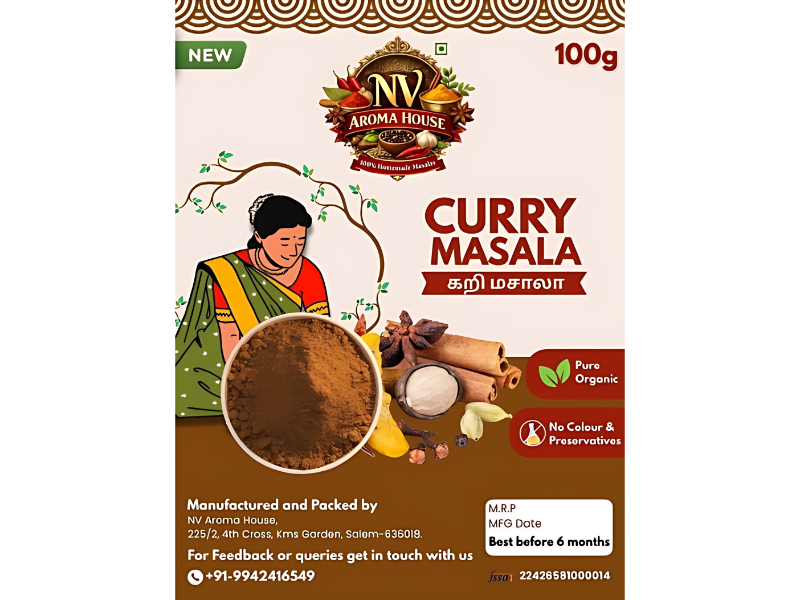
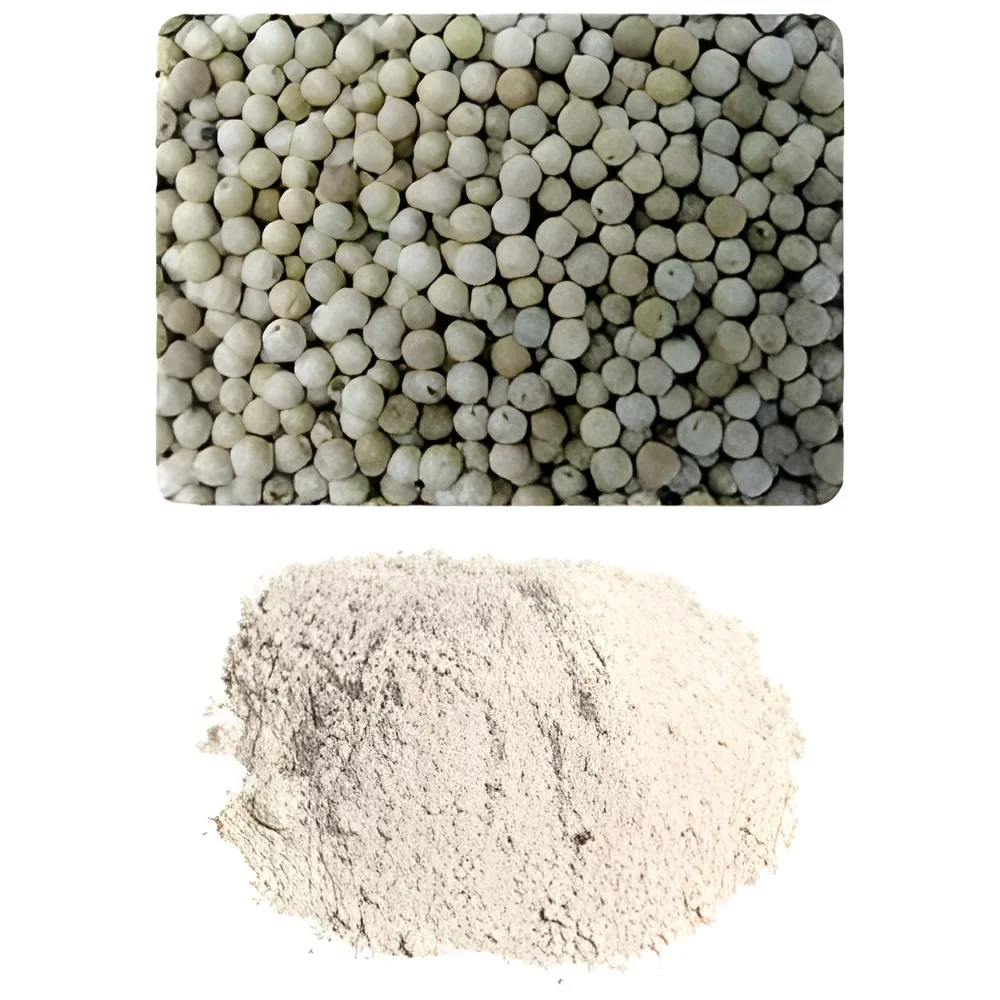
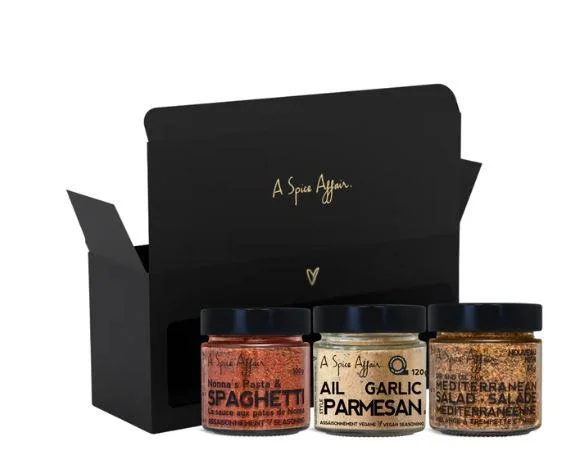
What are Other Spices & Herbs?
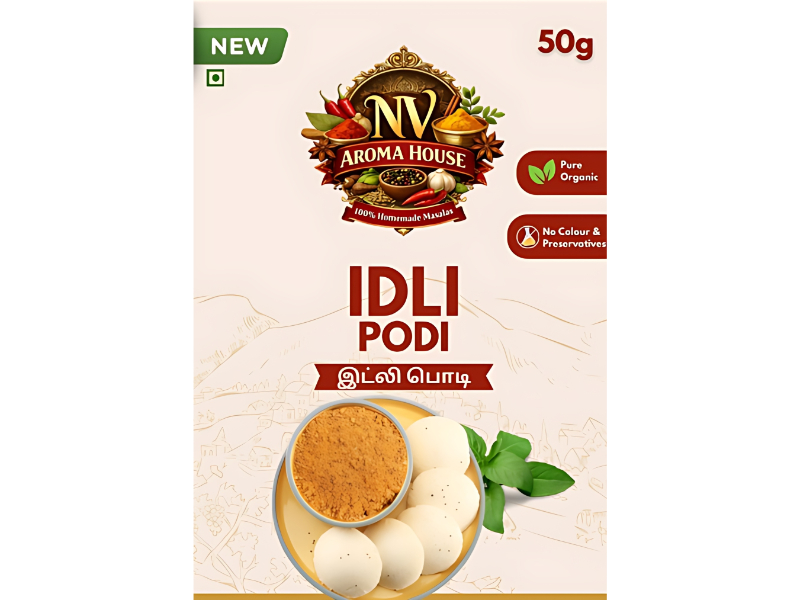
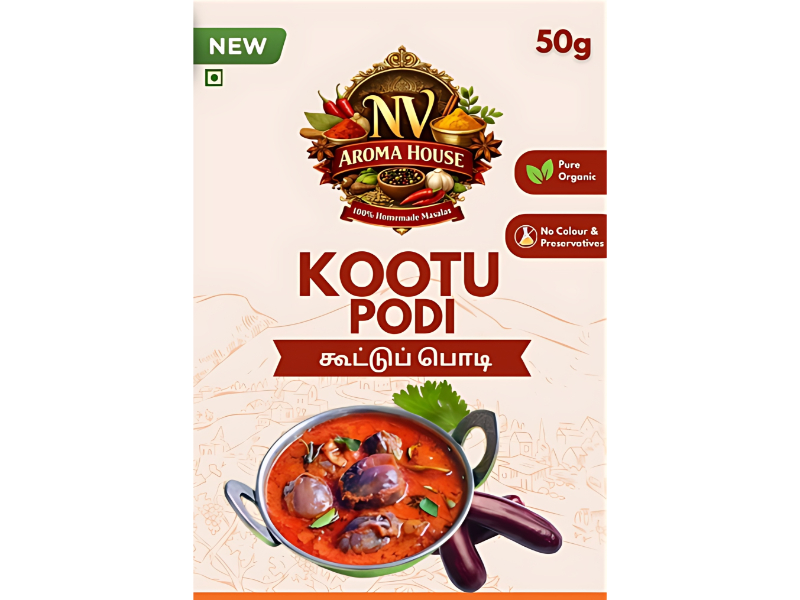
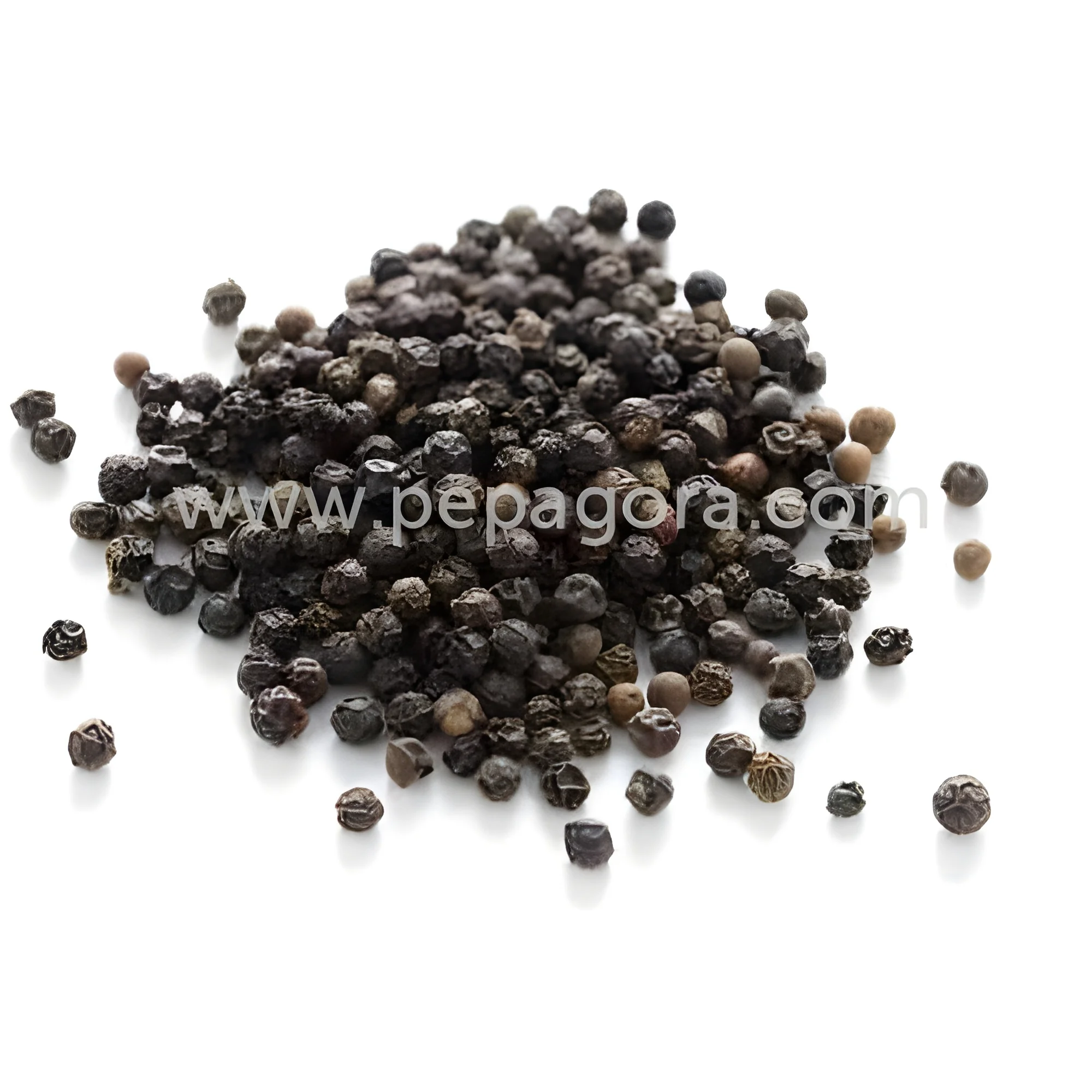
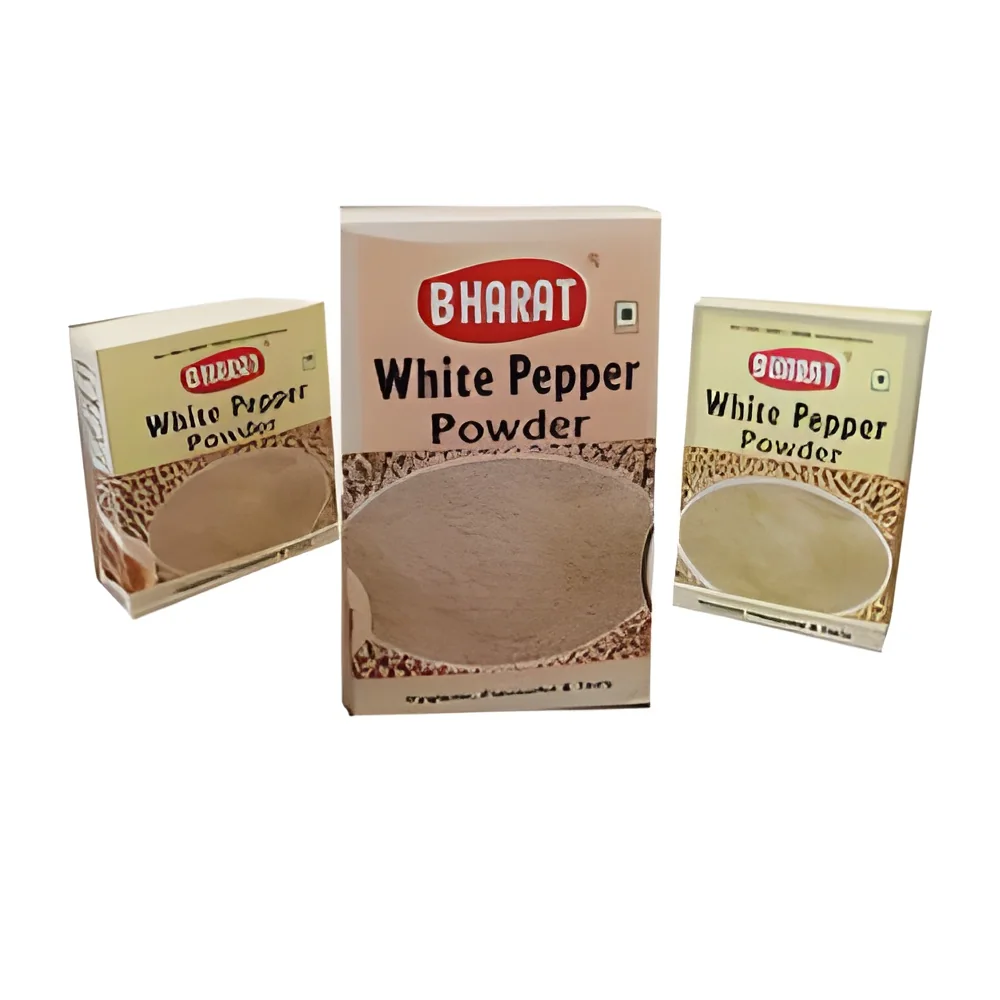
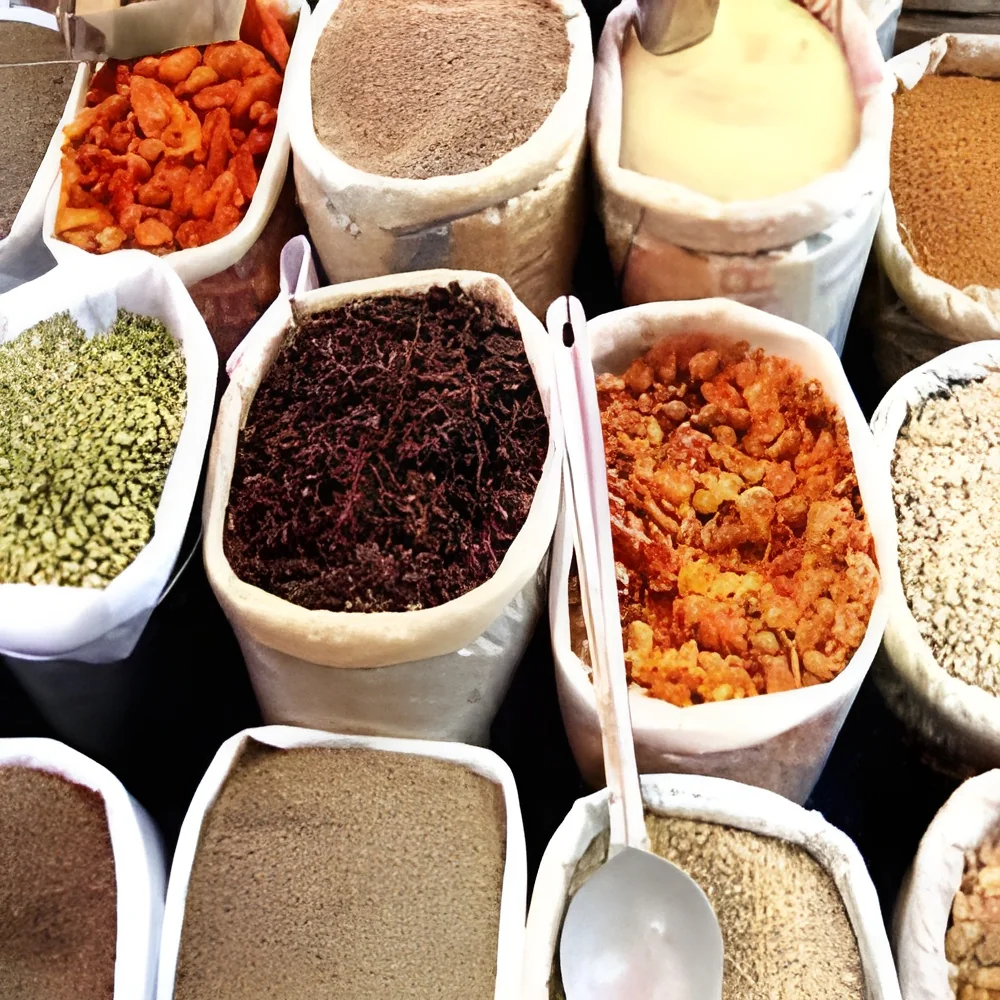
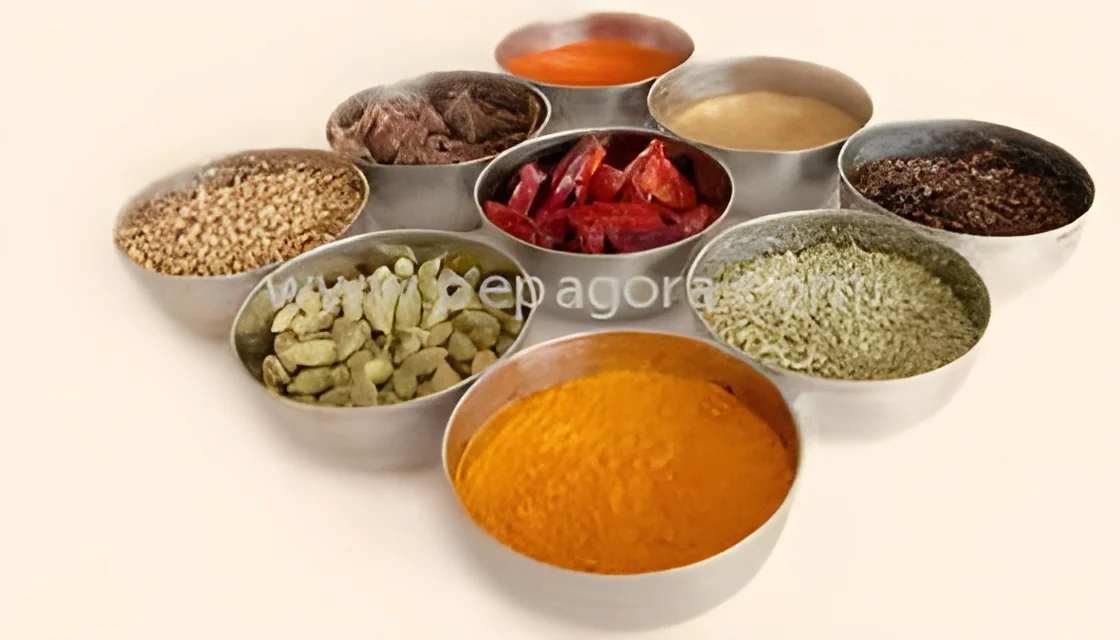
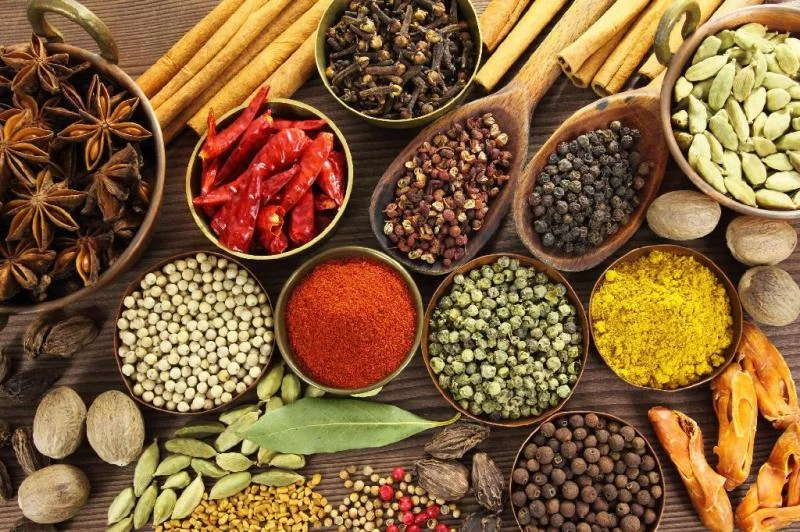
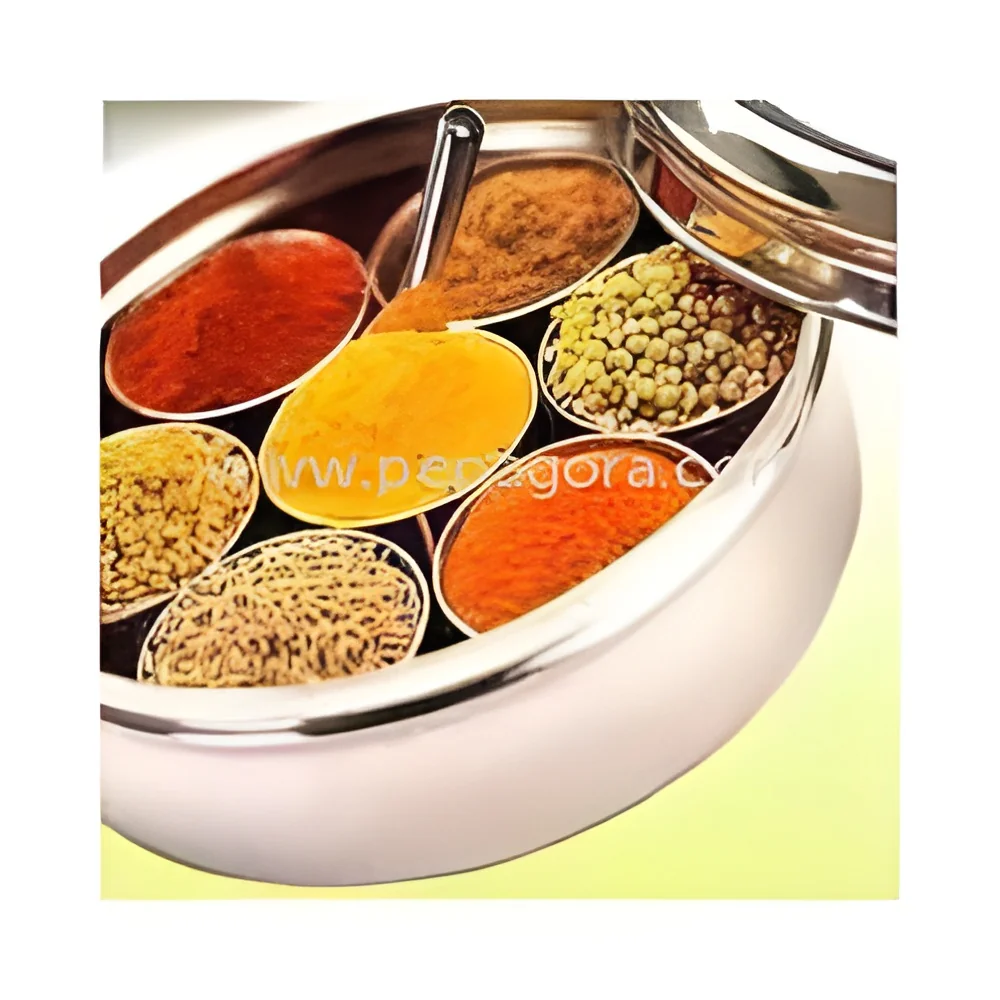
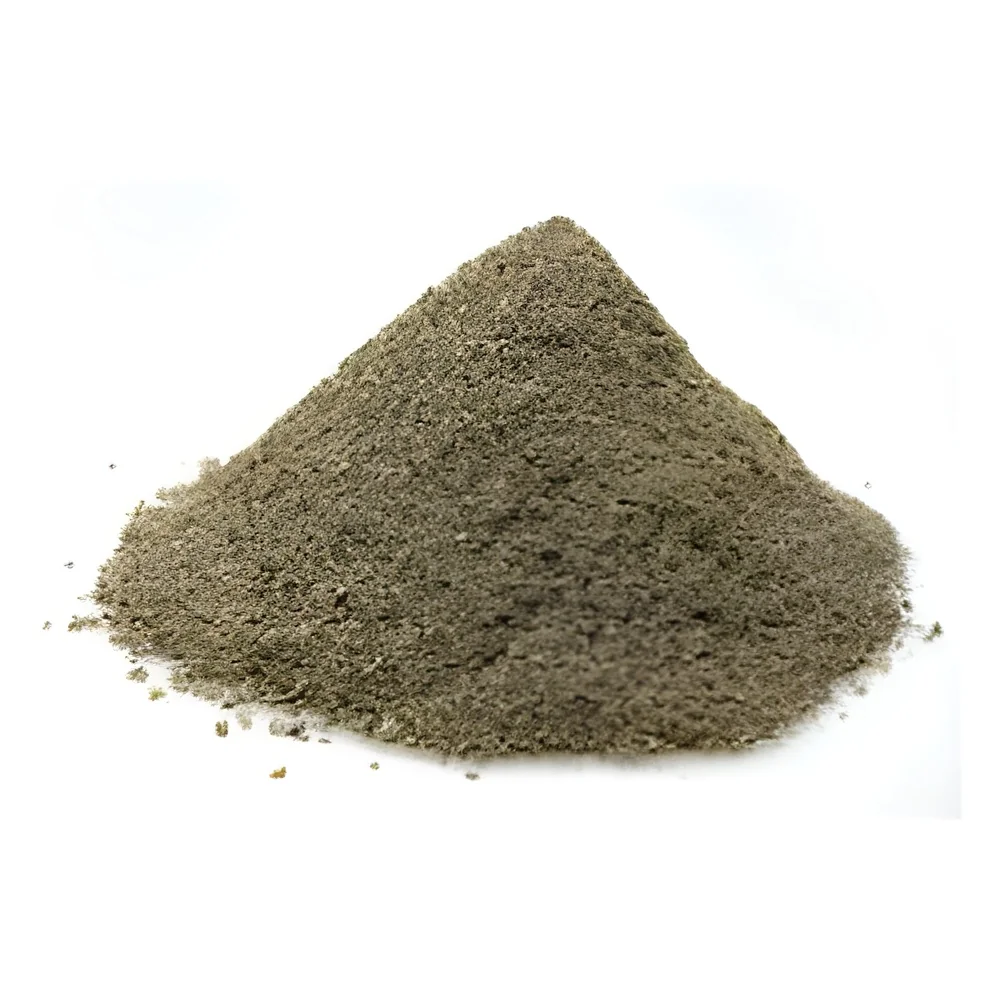
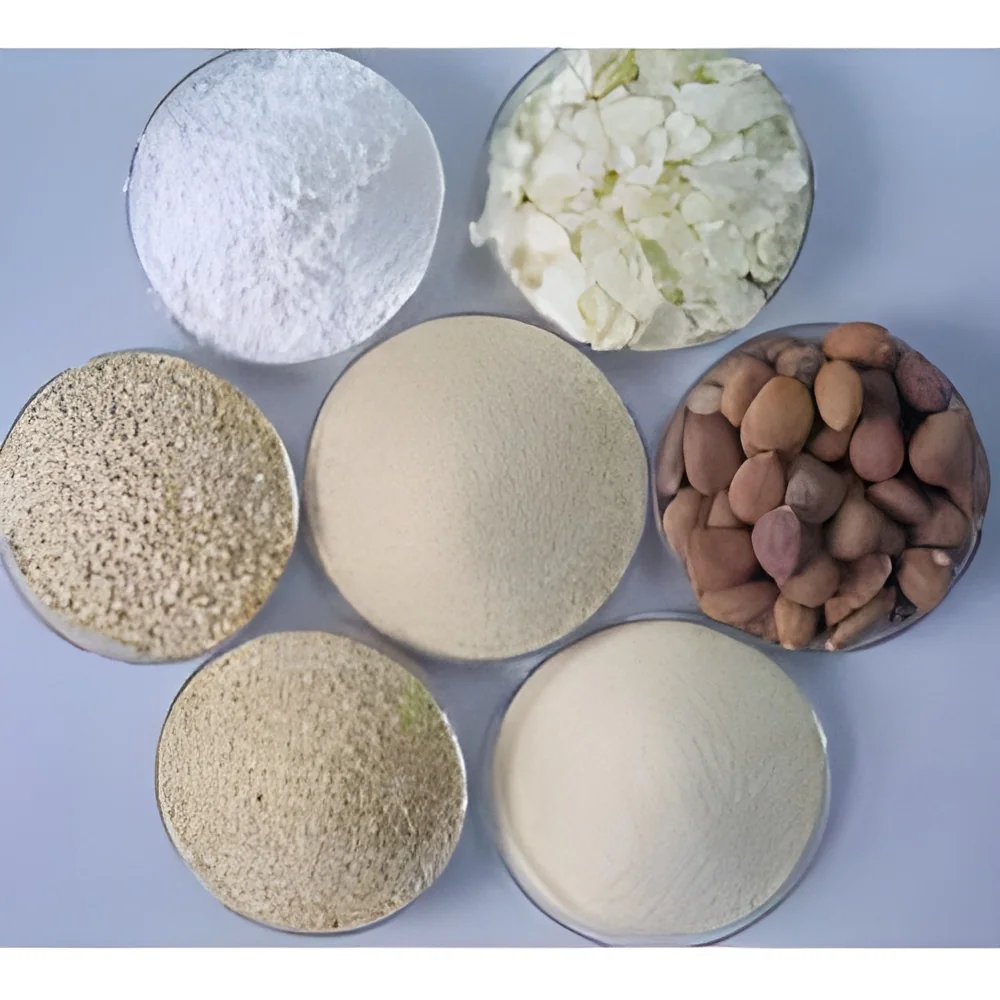
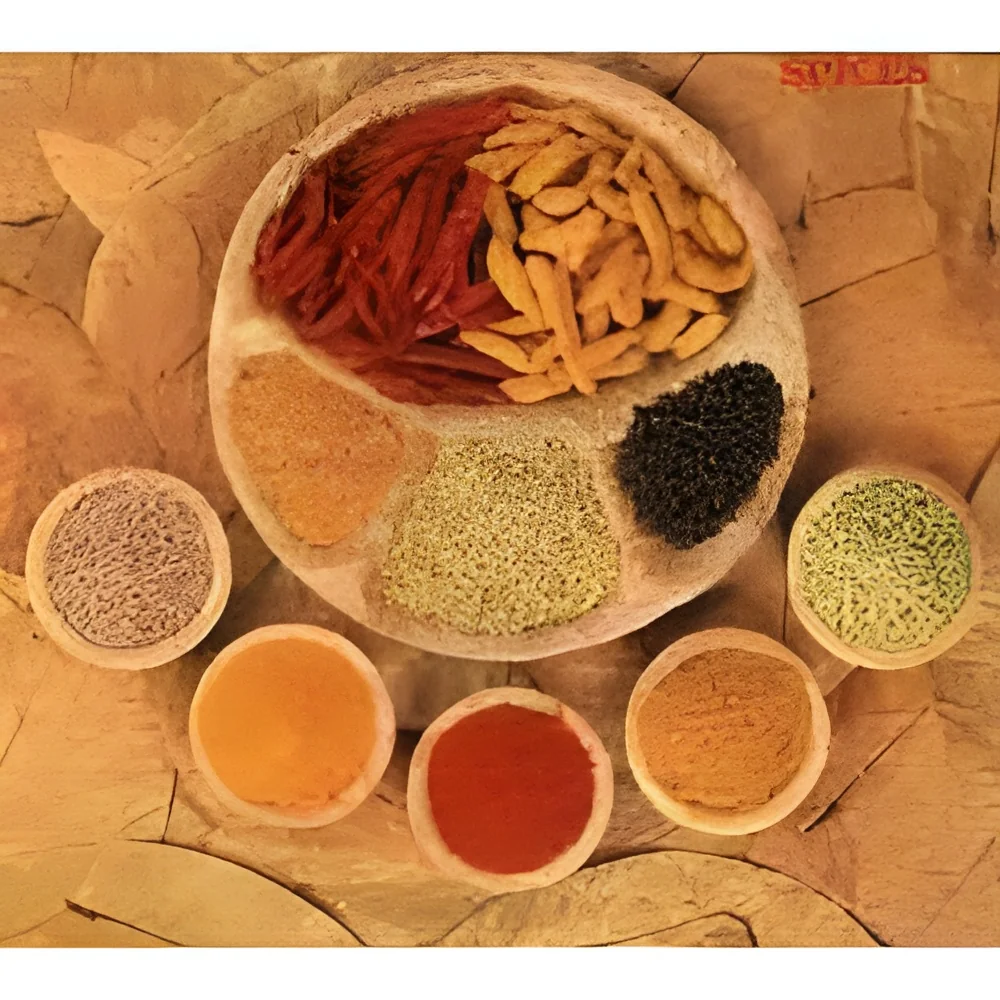
Other spices and herbs encompass a diverse range of plant-derived products used primarily for flavoring, coloring, and preserving food. These ingredients are extracted from various parts of plants, including seeds, roots, bark, and leaves. The versatility of these spices and herbs makes them essential in culinary applications, ranging from everyday cooking to gourmet dishes. They are available in both whole and ground forms and can be sourced from numerous regions worldwide.
In business applications, Other spices and herbs play a crucial role across various industries. The food and beverage sector utilizes these ingredients to enhance the sensory attributes of products, while the pharmaceutical industry may use them for their potential health benefits. Additionally, the cosmetics industry incorporates certain herbs for their aromatic and therapeutic properties. The market for Other spices and herbs continues to grow, driven by increasing consumer interest in natural and organic products.
The relevance of Other spices and herbs in the industry cannot be overstated. As businesses increasingly focus on flavor innovation and health trends, the demand for high-quality spices and herbs is expected to rise. Companies that offer these products must stay informed about market trends, sourcing practices, and regulatory standards to remain competitive.
Key Features and Specifications
When considering Other spices and herbs, several key features and specifications are essential for ensuring quality and effectiveness. These specifications guide buyers in selecting the right products for their needs.
Key specifications include:
1. Origin
- The geographical source of the spices and herbs can affect flavor, aroma, and quality.
- Sourcing from reputable regions ensures authenticity.
2. Form
- Spices and herbs can be found in various forms, including whole, ground, and powdered.
- The chosen form can influence application and shelf life.
3. Flavor Profile
- Each spice and herb has a unique flavor profile that can enhance specific dishes.
- Understanding flavor notes is crucial for culinary applications.
4. Shelf Life
- The longevity of spices and herbs varies, typically ranging from one to three years.
- Proper storage conditions can extend shelf life.
5. Packaging Options
- Spices and herbs are available in bulk, retail, and custom packaging.
- Packaging must preserve freshness and prevent contamination.
6. Certifications
- Products may carry certifications such as CE to ensure quality standards are met.
- Certification can enhance credibility and marketability.
7. Minimum Order Quantity (MOQ)
- Different suppliers may have varying MOQs, which can impact purchasing decisions.
- Knowing MOQ helps businesses plan their inventory.
8. Compliance with Standards
- Adherence to quality standards like ISO 9001 and HACCP is essential for food safety.
- Compliance ensures products meet industry regulations.
In summary, understanding the key features and specifications of Other spices and herbs is critical for making informed purchasing decisions. Buyers should assess these factors to ensure they select high-quality products that meet their specific needs.
Common Applications and Use Cases
Other spices and herbs are utilized across various industries, each with specific applications that enhance product offerings.
1. Food and Beverage: In this industry, spices and herbs are used to create flavors in sauces, marinades, and snacks. They are crucial in the production of processed foods and ready-to-eat meals.
2. Pharmaceuticals: Certain spices and herbs are recognized for their medicinal properties. They are used in herbal supplements and remedies, leveraging their natural health benefits.
3. Cosmetics: The cosmetics industry incorporates herbs for their aromatic qualities and potential skin benefits. They are found in skincare products, fragrances, and hair care formulations.
4. Agriculture: Some spices and herbs serve as natural pesticides or fertilizers, promoting sustainable agricultural practices. They contribute to organic farming initiatives.
5. Hospitality: Restaurants and catering services rely heavily on spices and herbs to enhance menu offerings. They play a vital role in creating distinctive culinary experiences.
6. Health and Wellness: With the rise of health-conscious consumers, many businesses incorporate spices and herbs into health products, promoting wellness through natural ingredients.
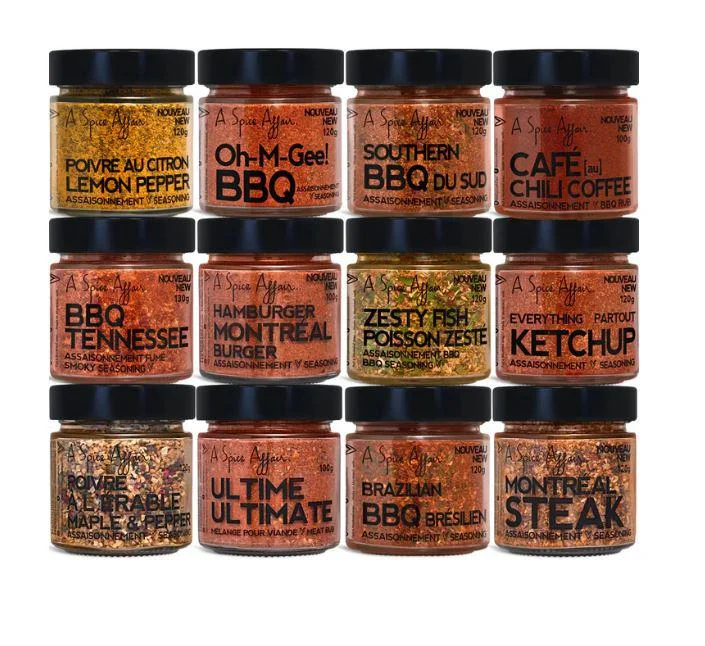
7. Specialty Retail: Specialty shops focus on selling unique spices and blends, catering to culinary enthusiasts. This market segment thrives on high-quality, artisanal products.
Product Variants and Subcategories
The diversity of Other spices and herbs allows for numerous product variants, each serving unique purposes in various applications.
Cumin
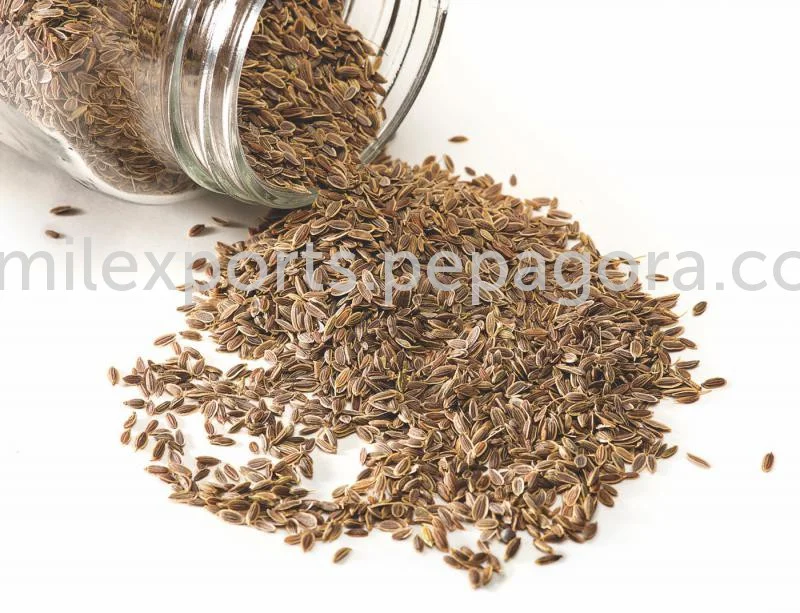
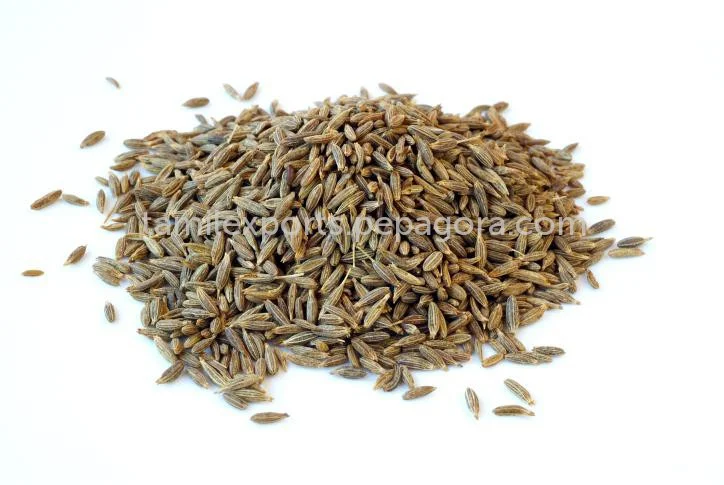
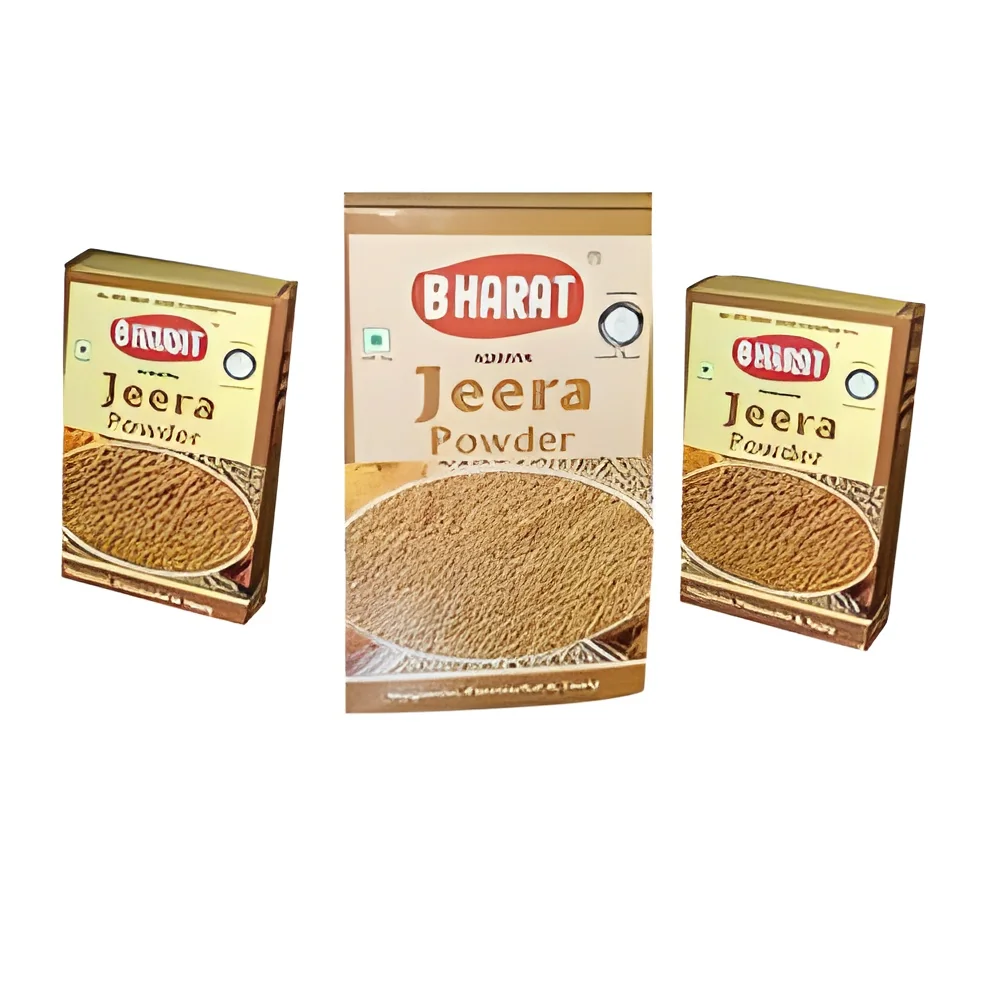
Cumin is a popular spice known for its warm, earthy flavor. It is widely used in Indian, Middle Eastern, and Mexican cuisines. Cumin can be found in whole seed form or ground into a powder, making it versatile for different culinary uses.
Thyme
Thyme is a fragrant herb used in cooking for its aromatic qualities. It is commonly found in Mediterranean dishes and is valued for its potential health benefits. Thyme can be used fresh or dried, with each form offering distinct flavor profiles.
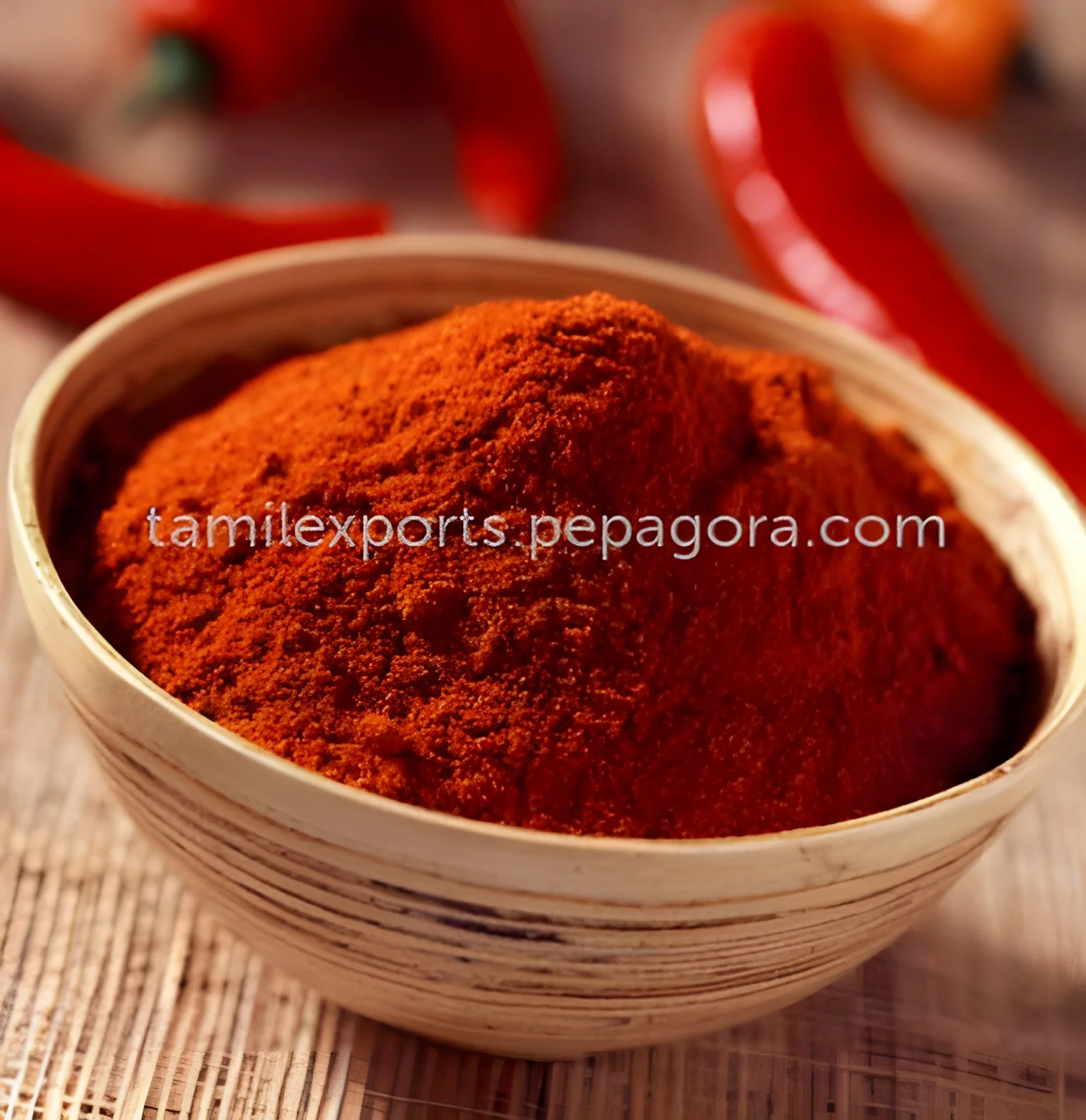
Paprika
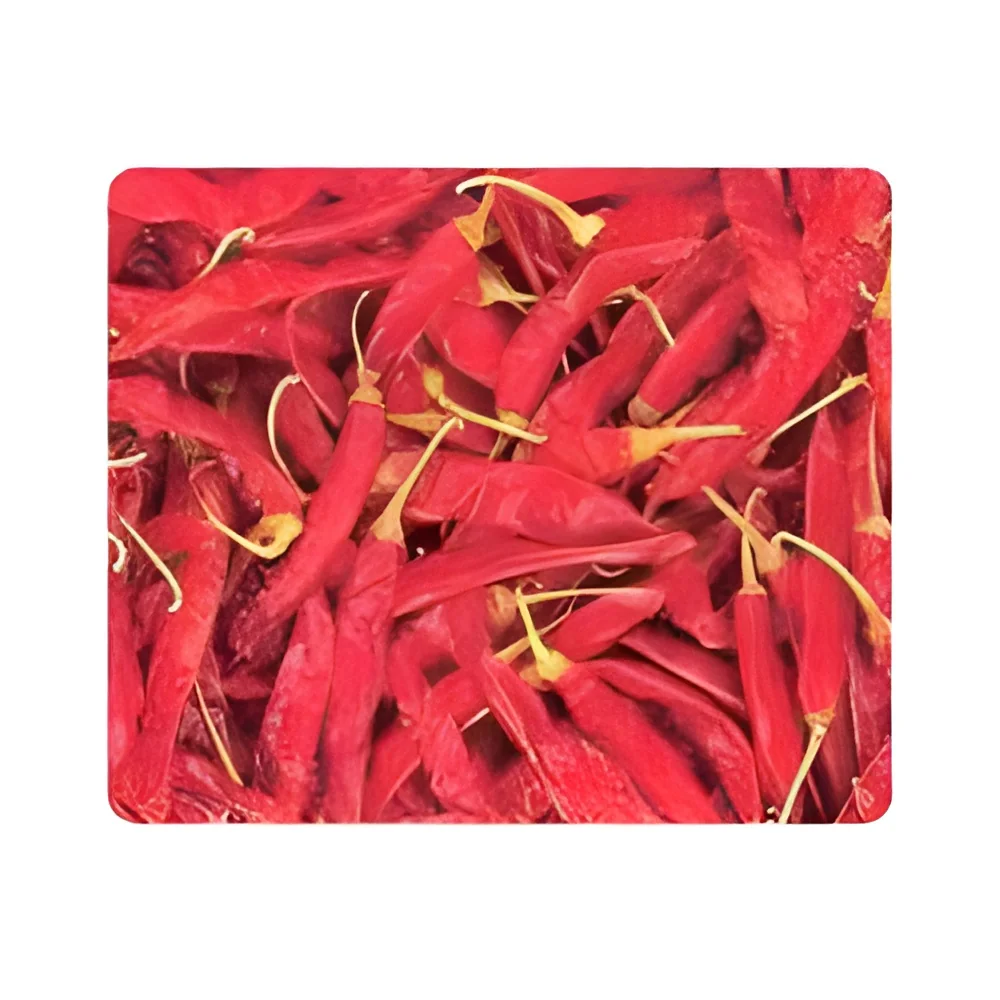
Paprika is a spice made from ground peppers, known for its vibrant color and mild to spicy flavor. It is frequently used in Hungarian cuisine and can be used to enhance color in dishes. Paprika is available in sweet, smoked, and hot varieties.
Oregano
Oregano is an essential herb in Italian and Greek cooking. Its robust flavor makes it ideal for sauces, marinades, and dressings. Available in both fresh and dried forms, oregano is a staple in many kitchens.
Benefits and Advantages
Sourcing Other spices and herbs offers several key benefits that can enhance product offerings and business operations.
1. Flavor Enhancement: High-quality spices and herbs significantly improve the taste of food products, making them more appealing to consumers.
2. Natural Ingredients: Many businesses are shifting toward natural ingredients. Spices and herbs fit this trend, offering a clean label that attracts health-conscious consumers.
3. Versatility: Spices and herbs can be used in various applications, from cooking to natural remedies, making them a valuable addition to any product line.
4. Competitive Edge: Unique spice blends can differentiate products in a crowded market, providing a competitive advantage.
5. Cost-Effectiveness: Many spices and herbs are relatively inexpensive compared to other flavoring agents, allowing businesses to enhance products without significantly increasing costs.
6. Consumer Demand: The growing interest in exotic flavors and health benefits drives the demand for spices and herbs, making them a profitable investment for businesses.
Buying Guide for B2B Buyers
When sourcing Other spices and herbs, it is essential for B2B buyers to consider various factors that influence their purchasing decisions.
1. Quality Assessment: Buyers should evaluate the quality of spices and herbs by checking for color, aroma, and flavor. High-quality products will exhibit vibrant colors and strong scents.
2. Supplier Verification: It is critical to vet suppliers to ensure they have a reputation for quality and reliability. Checking references and certifications can help in this process.
3. Pricing and MOQ: Understanding the price range and minimum order quantities is vital for budgeting and inventory management. Compare prices from different suppliers to find competitive options.
4. Delivery and Lead Times: Timely delivery is crucial for maintaining production schedules. Buyers should inquire about lead times and shipping options before placing orders.
5. Compliance Requirements: Ensure that the spices and herbs comply with relevant food safety and quality standards. This may include certifications that meet regulatory criteria in specific markets.
Compliance and Certifications
Compliance with quality standards and industry regulations is essential for sourcing Other spices and herbs.
Relevant quality standards include ISO 9001, which sets out criteria for quality management systems, ensuring consistent product quality. HACCP, a systematic approach to food safety, is crucial for preventing hazards in food processing. Additionally, Good Distribution Practices (GDP) ensure that products are stored and transported safely from suppliers to buyers.
Industry certifications, such as CE, indicate that products meet European health, safety, and environmental protection standards. These certifications enhance product credibility and can facilitate market access.
Safety and testing requirements are vital for ensuring that spices and herbs are free from contaminants and meet safety regulations. Regular testing can help in maintaining compliance and ensuring product integrity.
Regional compliance considerations vary by market, with different countries having specific regulations regarding food safety, labeling, and quality. Understanding these regional requirements is critical for businesses operating in international markets.
Why Source Other Spices & Herbs from Pepagora?
Pepagora offers a trusted platform for sourcing Other spices and herbs, providing numerous advantages for B2B buyers.
Verified Supplier Network: Pepagora connects buyers with a network of verified suppliers, ensuring that each supplier meets rigorous quality and reliability standards. This network helps buyers make informed decisions based on trust.
Streamlined RFQ Process: The platform simplifies the request for quotation (RFQ) process, allowing buyers to easily compare suppliers and obtain competitive pricing. This efficiency saves time and enhances procurement strategies.
Trade Assurance and Support: Pepagora provides trade assurance to protect buyers throughout the purchasing process. This assurance reduces risks and fosters confidence in transactions.
Regional Coverage: With a strong presence in India, the GCC, and Southeast Asia, Pepagora offers extensive geographic coverage. This reach allows buyers to access a diverse range of spices and herbs from multiple regions, enhancing their product offerings.

 IN
IN