Key Features and Specifications
Basil leaves, whether dried or fresh, come with specific features that cater to various business needs. Understanding these specifications is crucial for manufacturers, suppliers, and culinary professionals.
Key specifications include:
1. Flavor Profile
- Fresh basil has a sweet, slightly peppery flavor, while dried basil offers a more concentrated taste.
- Ideal for flavor enhancement in dishes.
2. Shelf Life
- Fresh basil typically lasts 5-7 days when stored properly.
- Dried basil can last up to 3 years if kept in airtight containers away from light.
3. Moisture Content
- Fresh basil contains approximately 90% moisture.
- Dried basil should have a moisture content of less than 10% to prevent spoilage.
4. Packaging Options
- Fresh basil is often packed in bunches or as loose leaves.
- Dried basil is available in bulk or pre-packaged containers.
5. Origin
- Sourced from various regions, including Asia, Europe, and North America.
- Organic and non-organic options available.
6. Certifications
- Often certified for organic production and compliance with food safety standards.
In summary, understanding these key features and specifications helps businesses select the right type of basil leaves for their specific applications, ensuring quality and satisfaction.
Common Applications and Use Cases
Basil leaves serve a wide range of industries, each utilizing their unique flavor and benefits.
1. Culinary Industry: Fresh basil is a staple in Italian cuisine, commonly used in dishes like pesto, caprese salad, and sauces. Dried basil is frequently added to marinades and spice blends.
2. Food Manufacturing: Food producers incorporate basil leaves into processed foods, such as ready-made sauces and seasonings, to enhance flavor and appeal.
3. Cosmetics Industry: Basil leaves are used in skincare products for their antioxidant properties, often incorporated into creams and lotions.
4. Herbal Medicine: Dried basil is utilized in herbal remedies for its potential health benefits, including digestive support and anti-inflammatory properties.
5. Restaurants and Catering: Chefs prefer fresh basil for garnishing and flavoring dishes, while dried basil is used in bulk for convenience in high-volume cooking.
6. Beverage Industry: Basil leaves are sometimes infused in beverages, providing a unique flavor profile for teas and cocktails.
7. Spice Trade: Both dried and fresh basil are traded globally, serving markets seeking authentic culinary herbs.
Product Variants and Subcategories
Basil leaves come in various forms, catering to different customer needs and preferences.
Fresh Basil
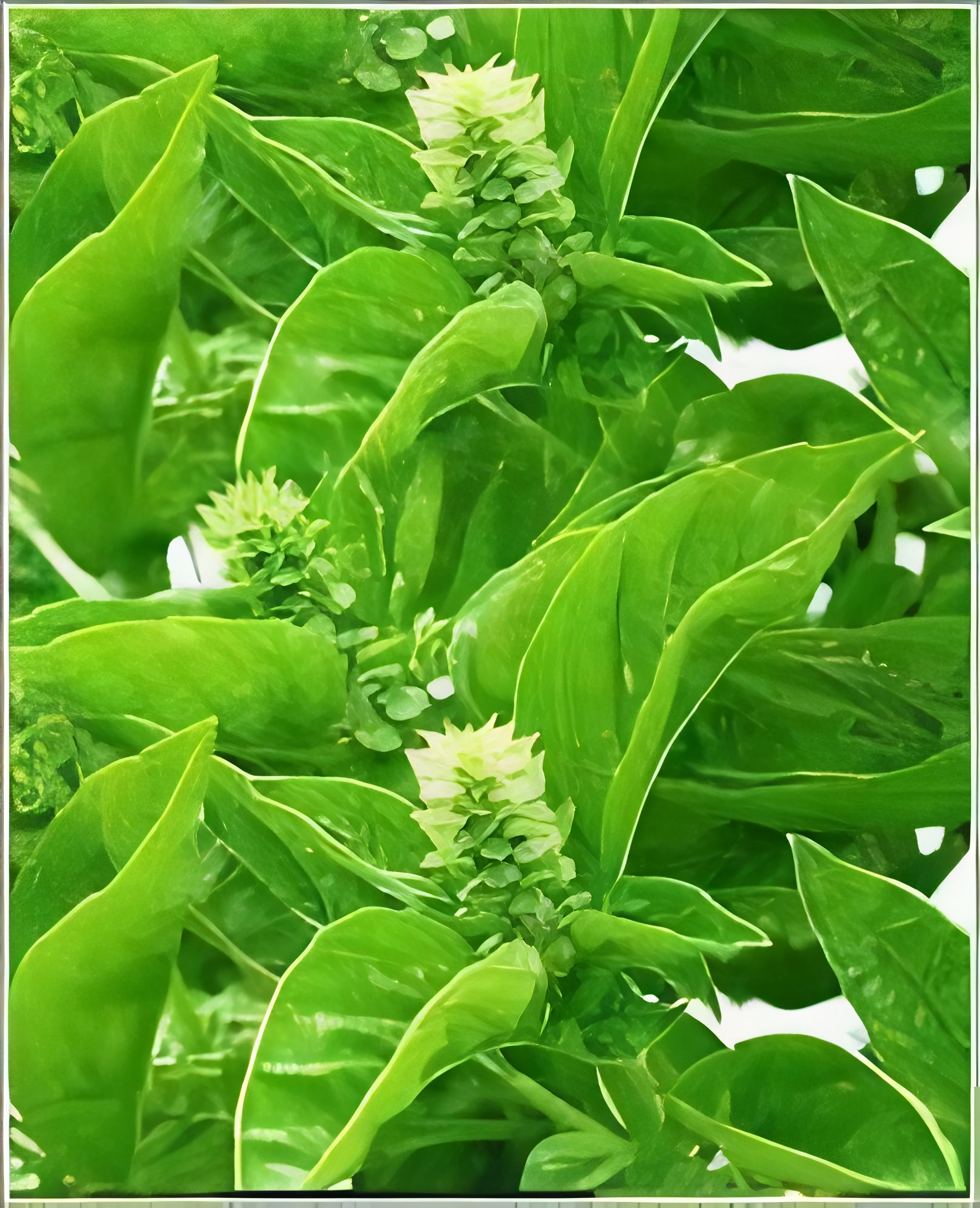
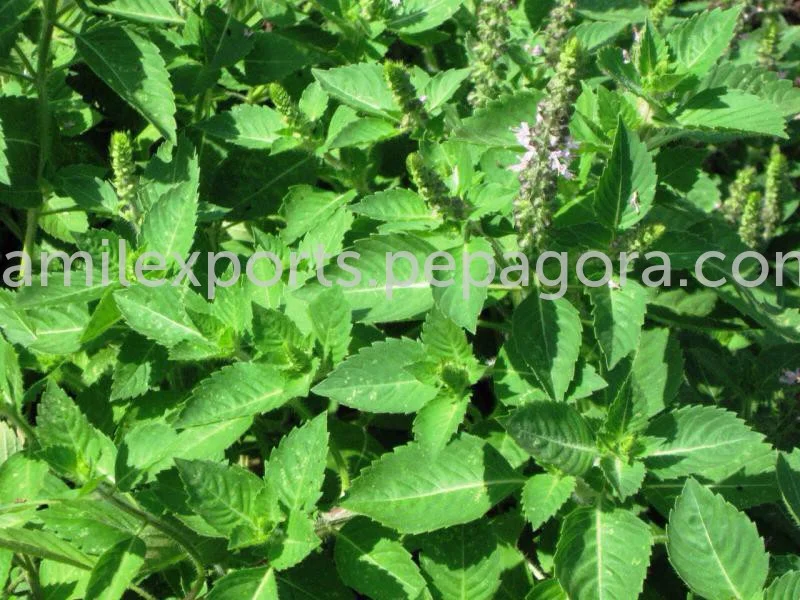
Fresh basil is characterized by its vibrant green color and aromatic scent. It is primarily used in cooking, garnishing, and salads. Chefs prefer fresh basil for its superior flavor and texture, making it a favorite in fine dining establishments.
Dried Basil
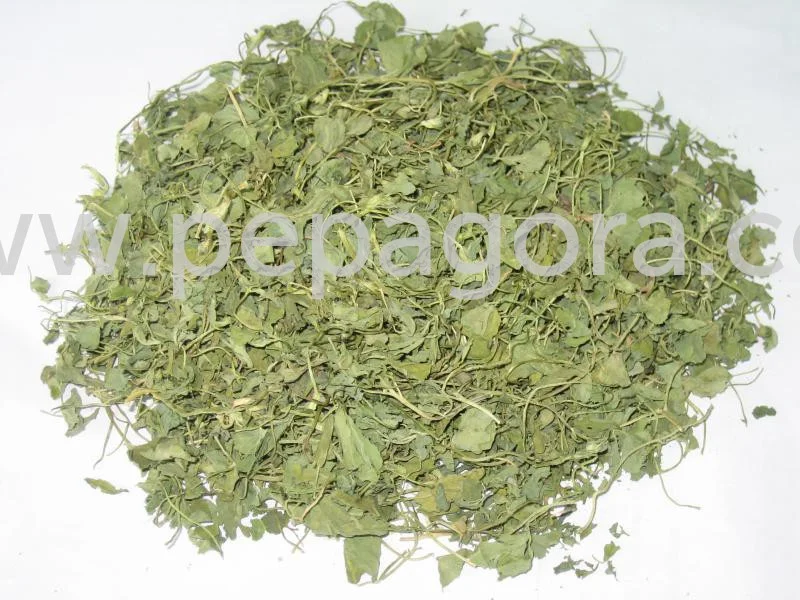
Dried basil offers convenience and longer shelf life. It is commonly used in food manufacturing and home cooking. The flavor is more concentrated, making it ideal for seasoning sauces, soups, and marinades.
Benefits and Advantages
Basil leaves provide numerous benefits that make them a valuable ingredient.
1. Flavor Enhancement: Fresh and dried basil significantly enhance the taste of dishes, making them more appealing to consumers.
2. Versatility: Basil can be used in various culinary applications, from sauces to salads and even beverages, catering to diverse consumer preferences.
3. Health Benefits: Basil leaves are rich in antioxidants and may have anti-inflammatory properties, contributing to overall wellness.
4. Long Shelf Life: Dried basil can be stored for extended periods, reducing waste and ensuring availability for food manufacturers.
5. Organic Options: The availability of organic basil appeals to health-conscious consumers looking for natural ingredients.
6. Global Sourcing: Basil leaves can be sourced from various regions, allowing businesses to choose suppliers based on quality and price.
Buying Guide for B2B Buyers
When sourcing basil leaves, it is essential for buyers to consider several factors to ensure they are making informed decisions.
1. Quality Assessment: Evaluate the freshness and aroma of basil leaves. For dried varieties, check for color and texture to ensure quality.
2. Supplier Verification: Vet suppliers for reliability and quality assurance. Look for certifications and customer reviews to gauge their credibility.
3. Pricing and MOQ: Understand the pricing structure and minimum order quantities (MOQ) to ensure that it aligns with budget and inventory needs.
4. Delivery and Lead Times: Consider logistics and delivery schedules to ensure timely supply, especially for perishable items like fresh basil.
5. Compliance Requirements: Familiarize yourself with regulatory standards for food safety and quality to ensure compliance with local and international regulations.
Compliance and Certifications
Basil leaves are subject to various compliance and certification requirements to ensure quality and safety standards are met.
Relevant quality standards include ISO 9001, which focuses on quality management systems, ensuring that suppliers maintain high production standards. HACCP (Hazard Analysis Critical Control Point) is essential for food safety, ensuring that products are safe for consumption.
Industry certifications such as CE indicate compliance with European standards, facilitating trade in international markets. Additionally, safety and testing requirements are critical to ensure that basil leaves are free from contaminants.
Regional compliance considerations may vary, necessitating a thorough understanding of local regulations governing food products. Buyers should ensure that their suppliers adhere to these standards for quality assurance.
Why Source Basil Leaves (Dried/Fresh) from Pepagora?
Pepagora offers a reliable platform for sourcing basil leaves, ensuring that businesses receive high-quality products with several advantages.
Verified Supplier Network: Pepagora provides access to a network of verified suppliers, allowing buyers to source basil leaves with confidence. Each supplier is vetted for quality and reliability, ensuring peace of mind.
Streamlined RFQ Process: The request for quotation (RFQ) process is user-friendly, enabling buyers to easily obtain quotes from multiple suppliers. This simplifies the sourcing process and helps ensure competitive pricing.
Trade Assurance and Support: Pepagora offers trade assurance, protecting buyers in their transactions. The platform provides support throughout the sourcing process, ensuring that any issues are addressed promptly.
Regional Coverage: With a strong presence in India, GCC, and Southeast Asia, Pepagora offers extensive geographic reach, connecting buyers with suppliers in key markets. This allows businesses to find the right basil leaves tailored to their specific needs.

 IN
IN