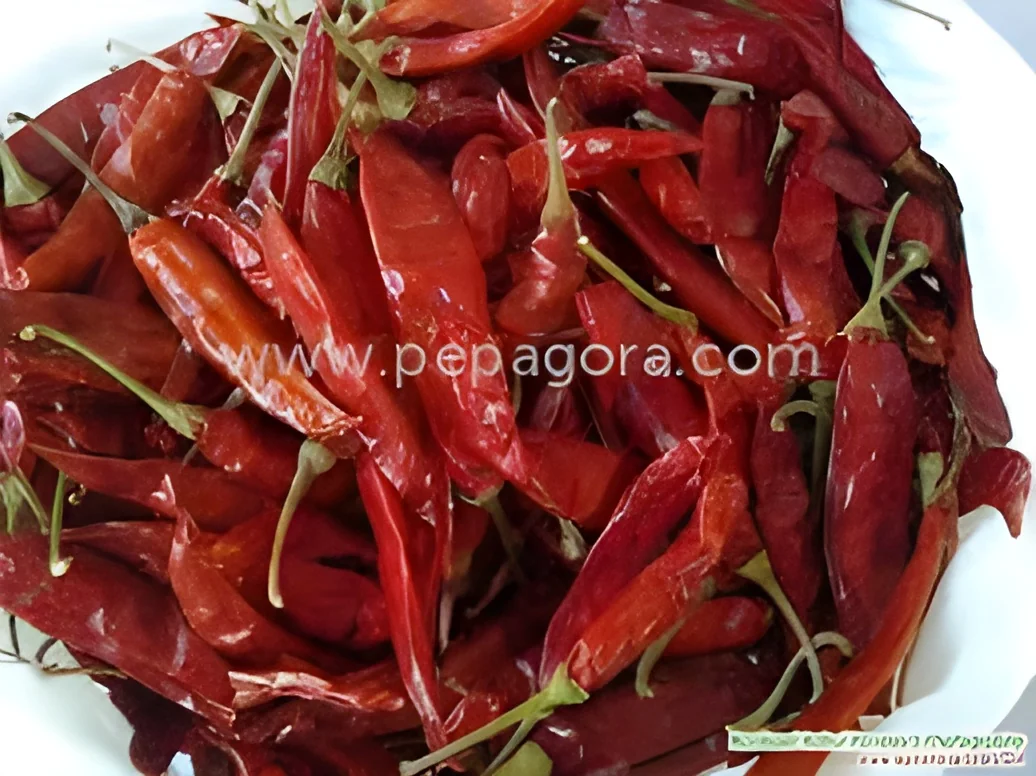
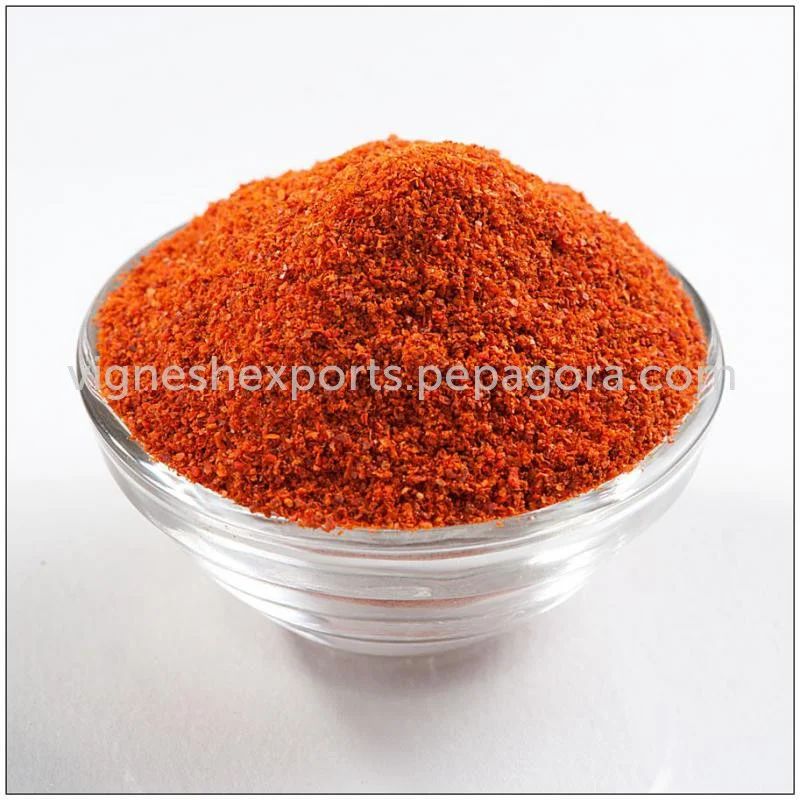
Key Features and Specifications
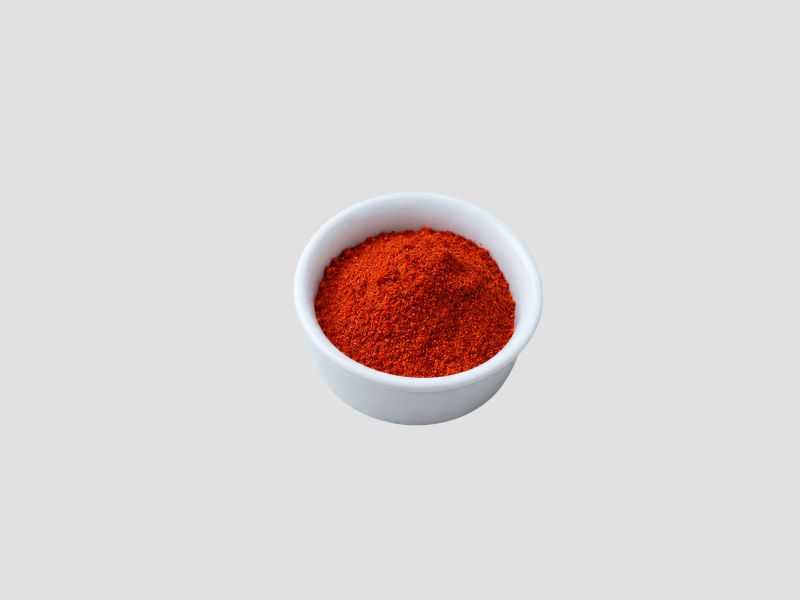
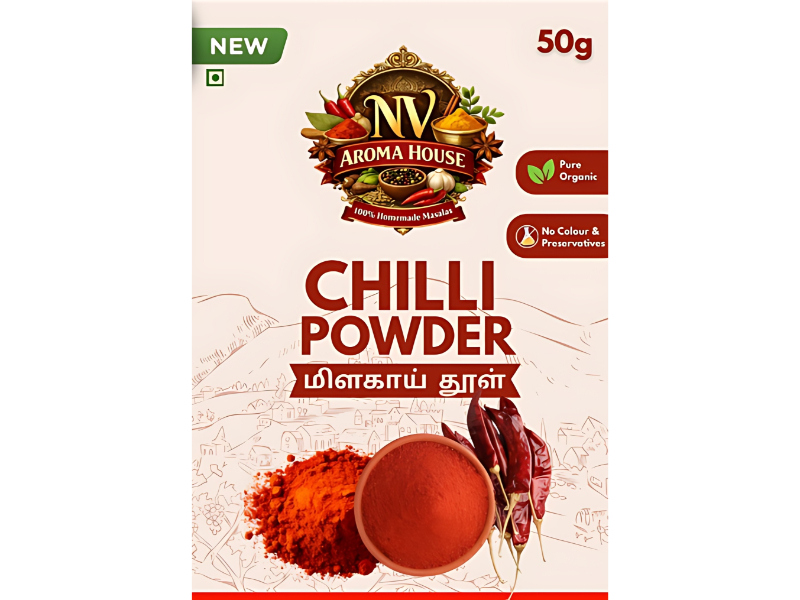
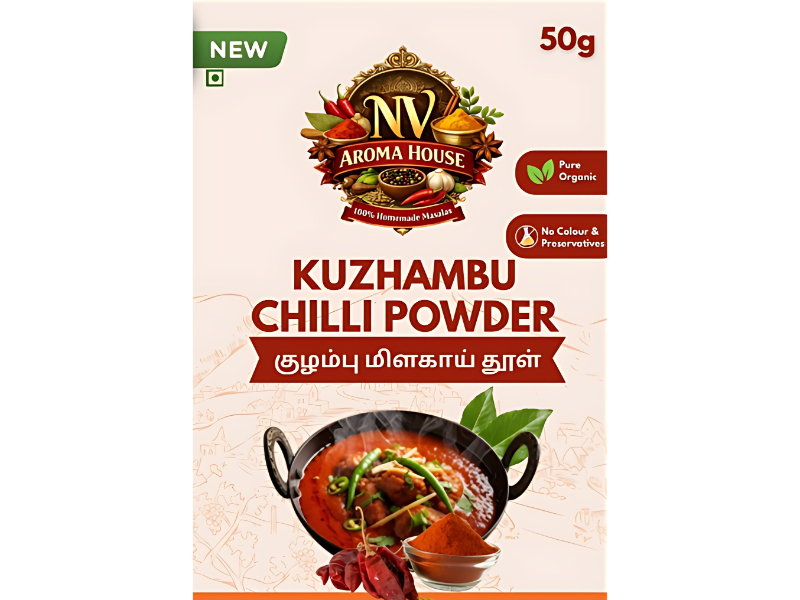
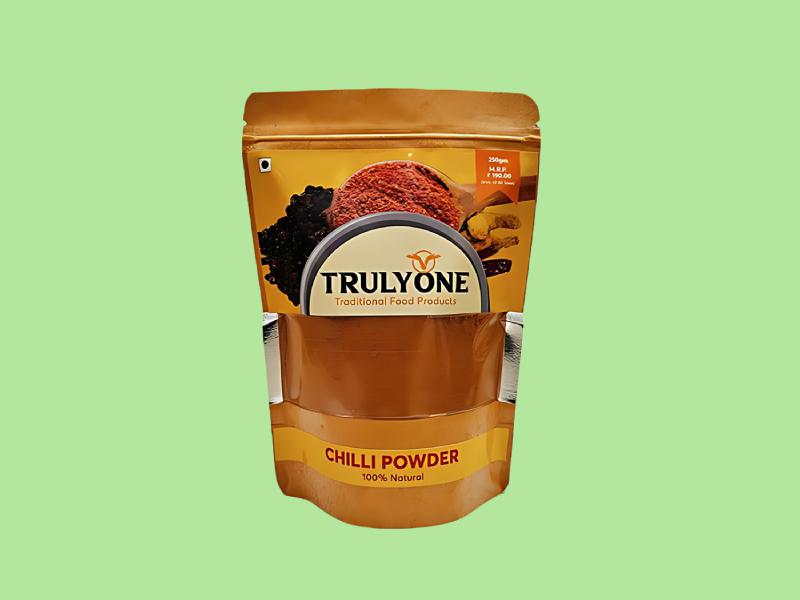
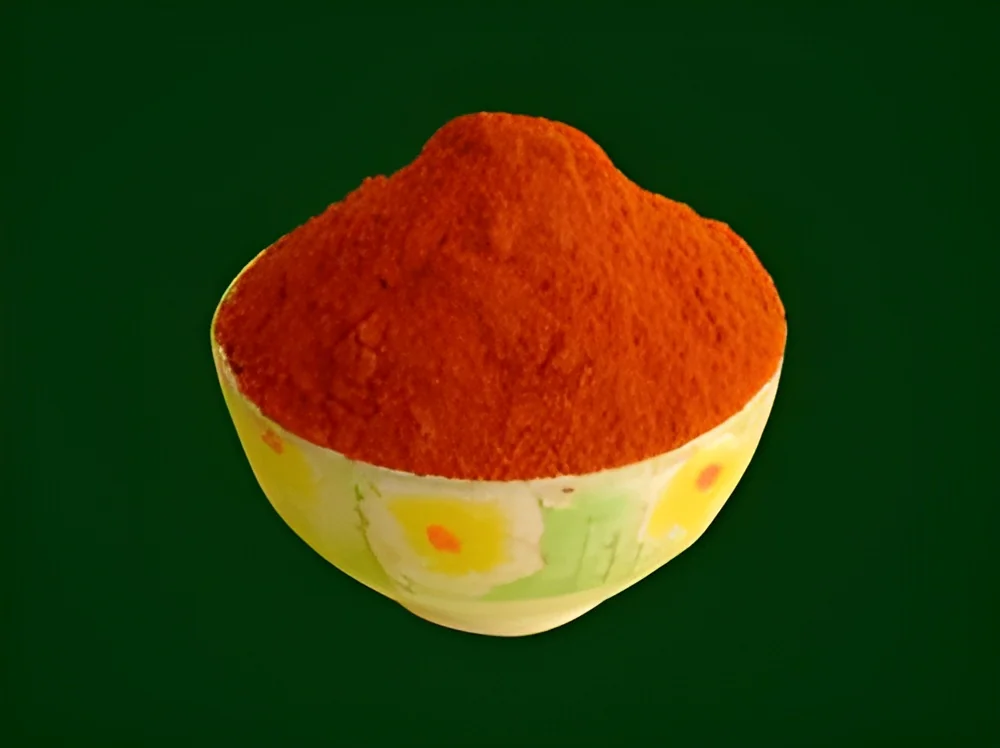
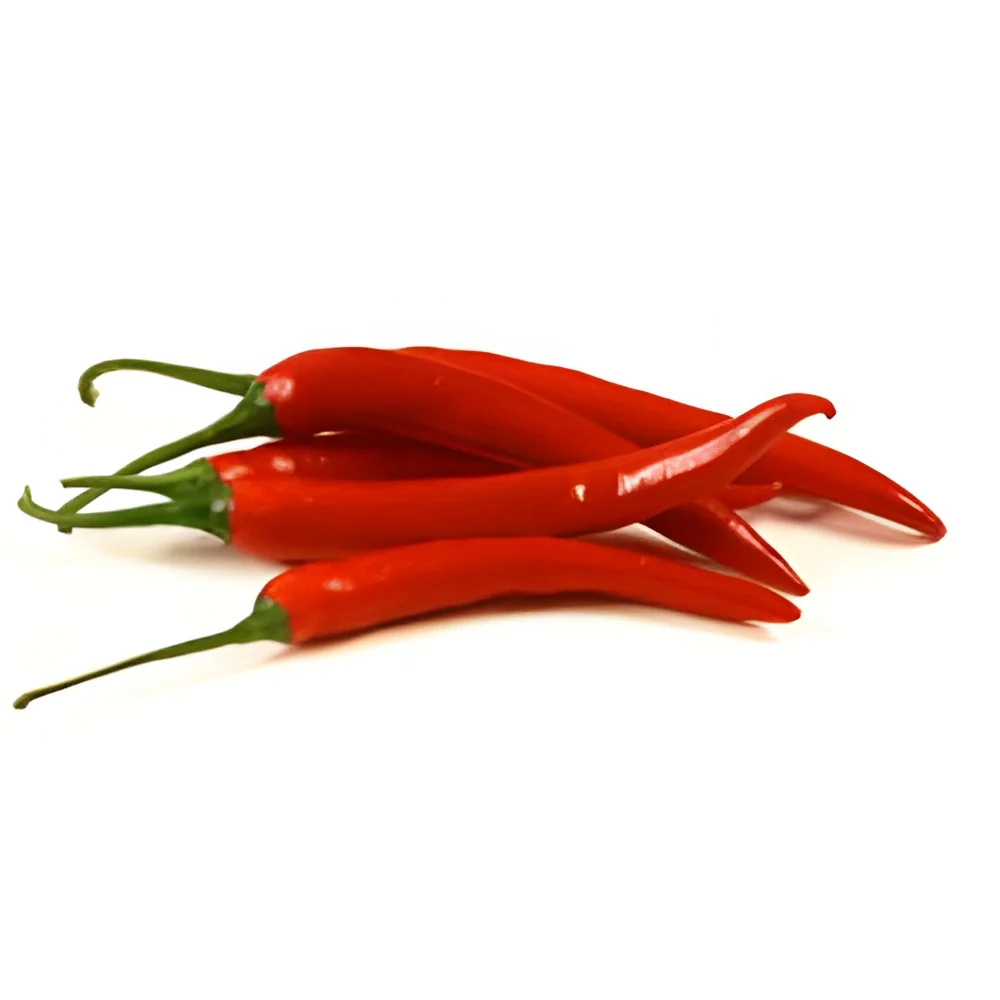
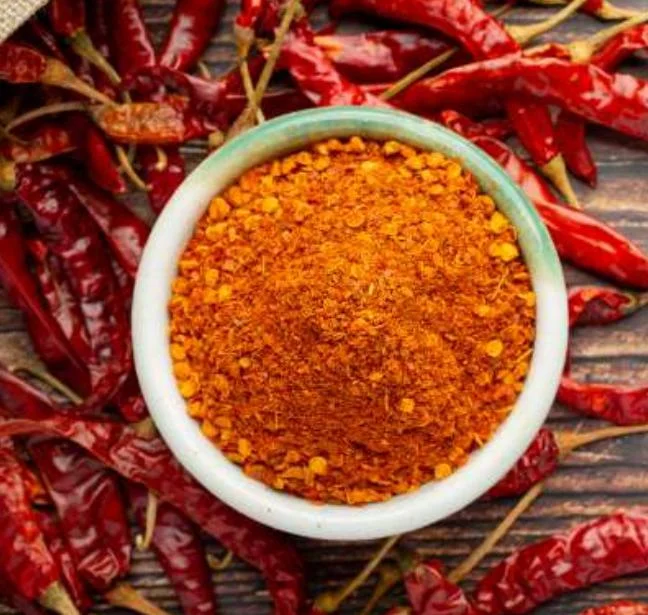
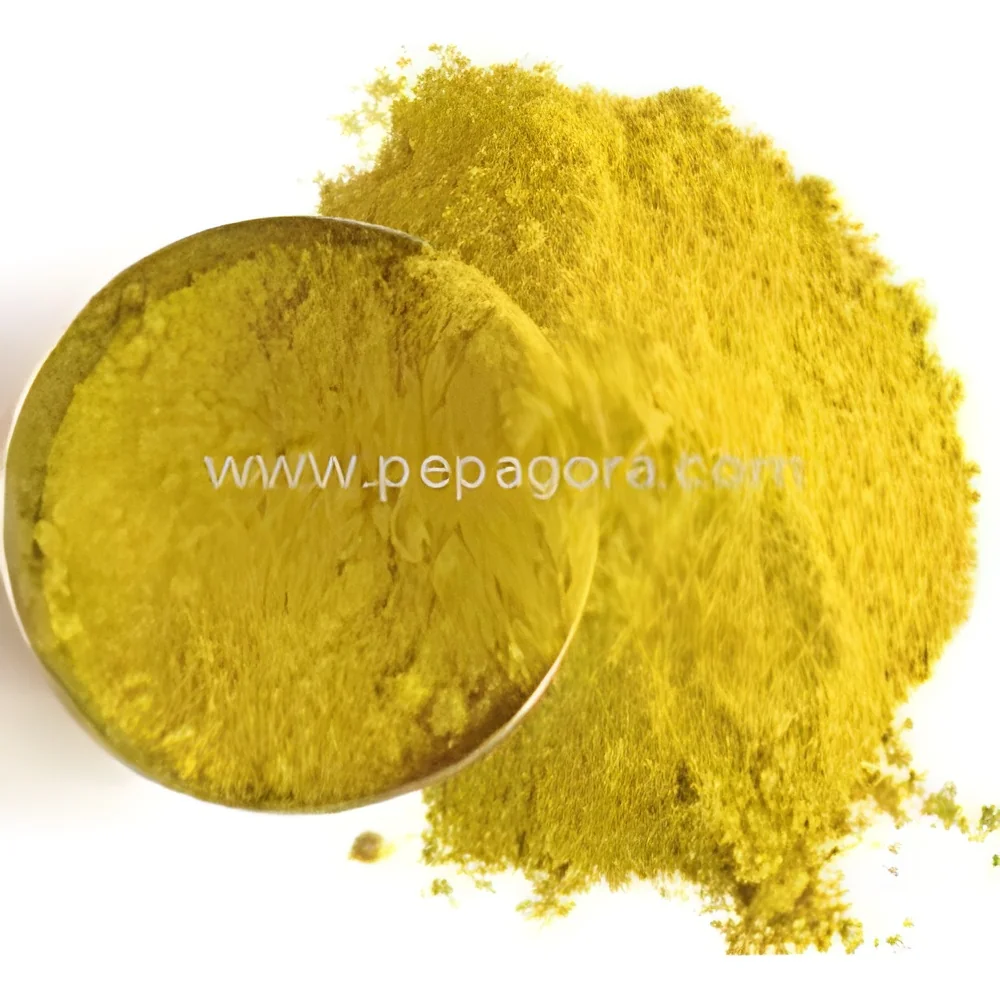
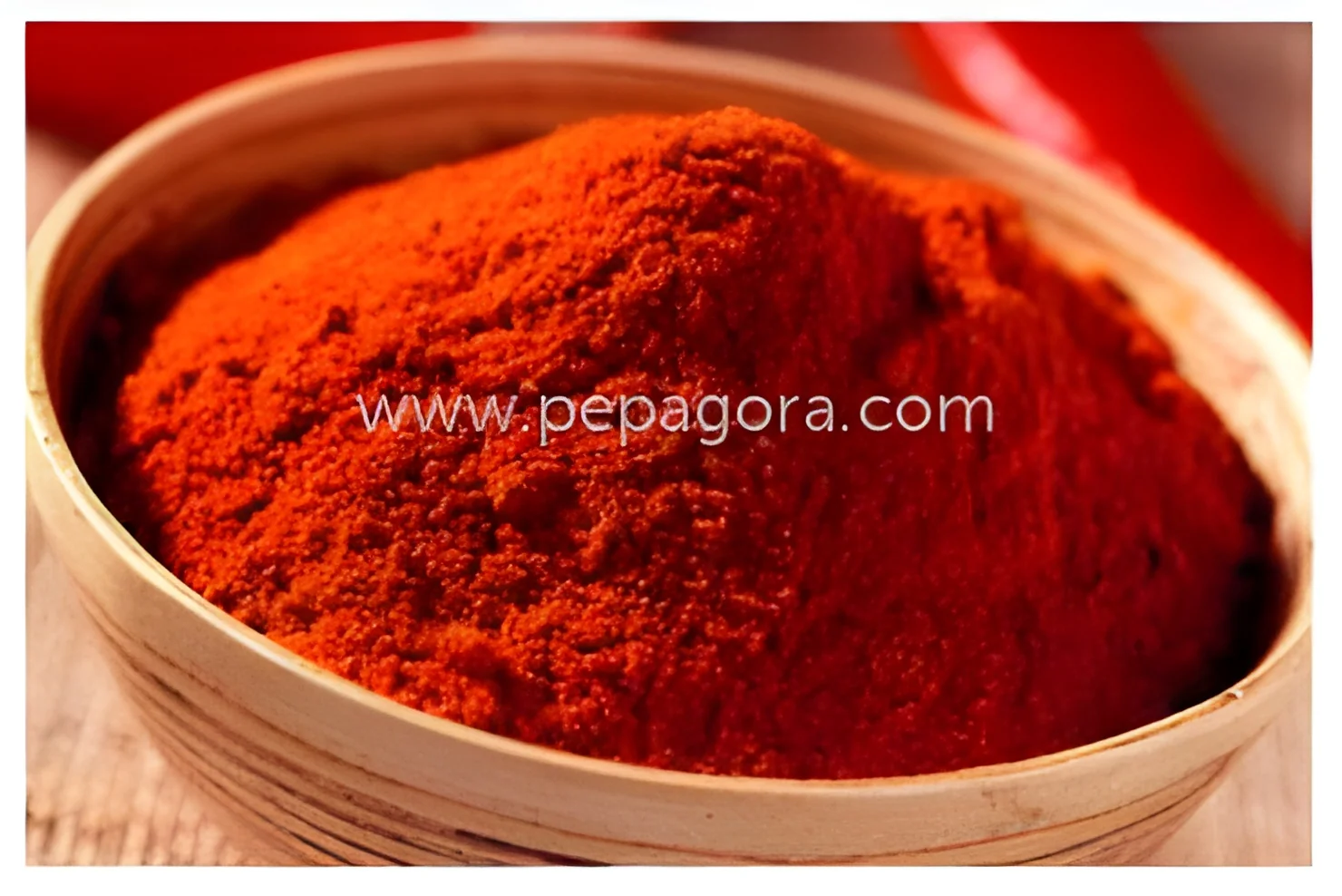
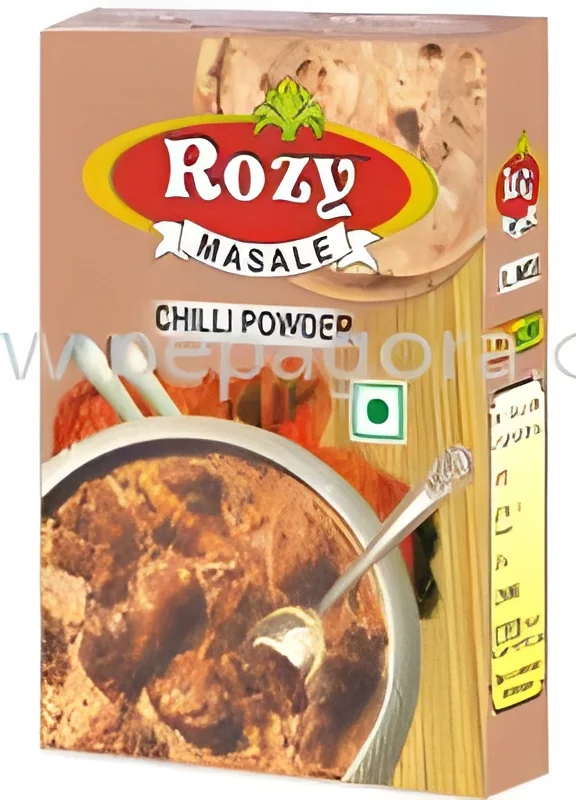
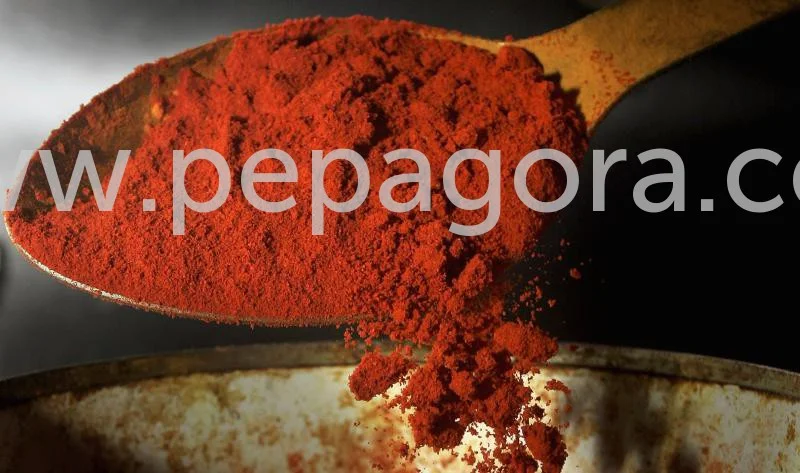
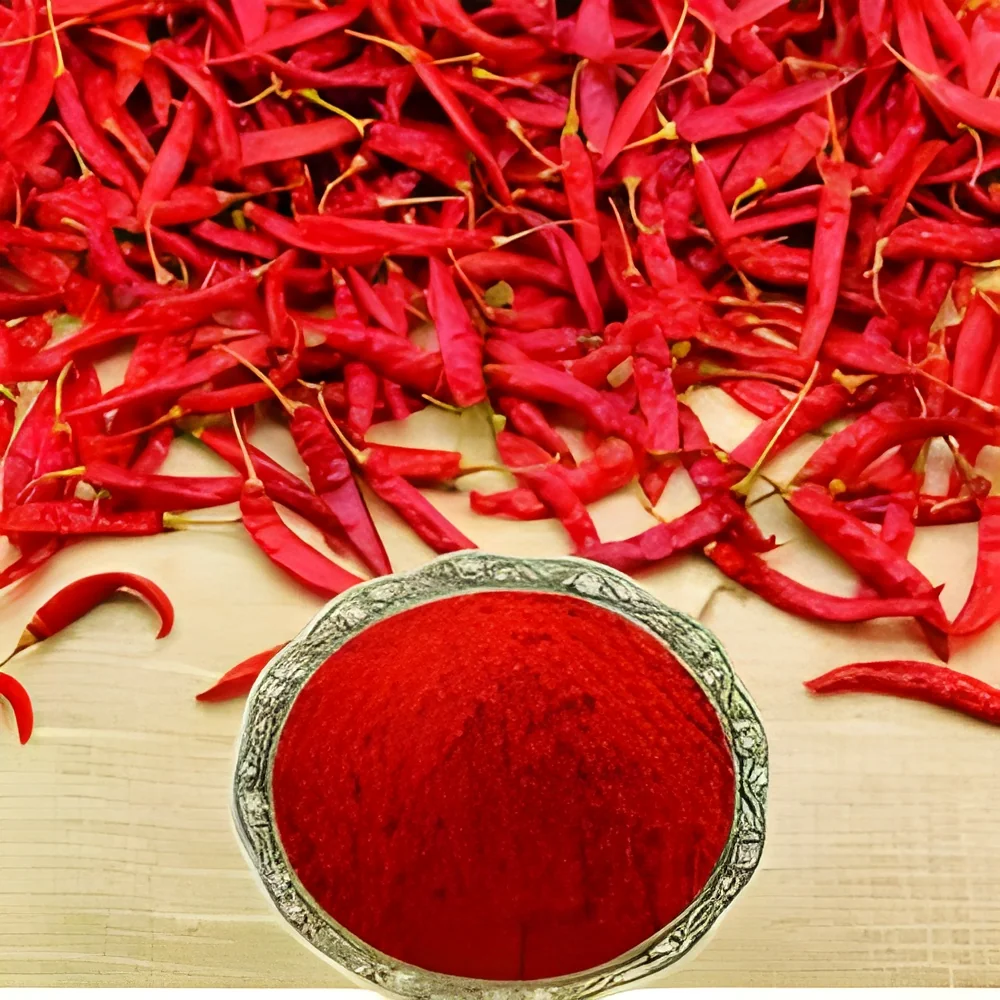
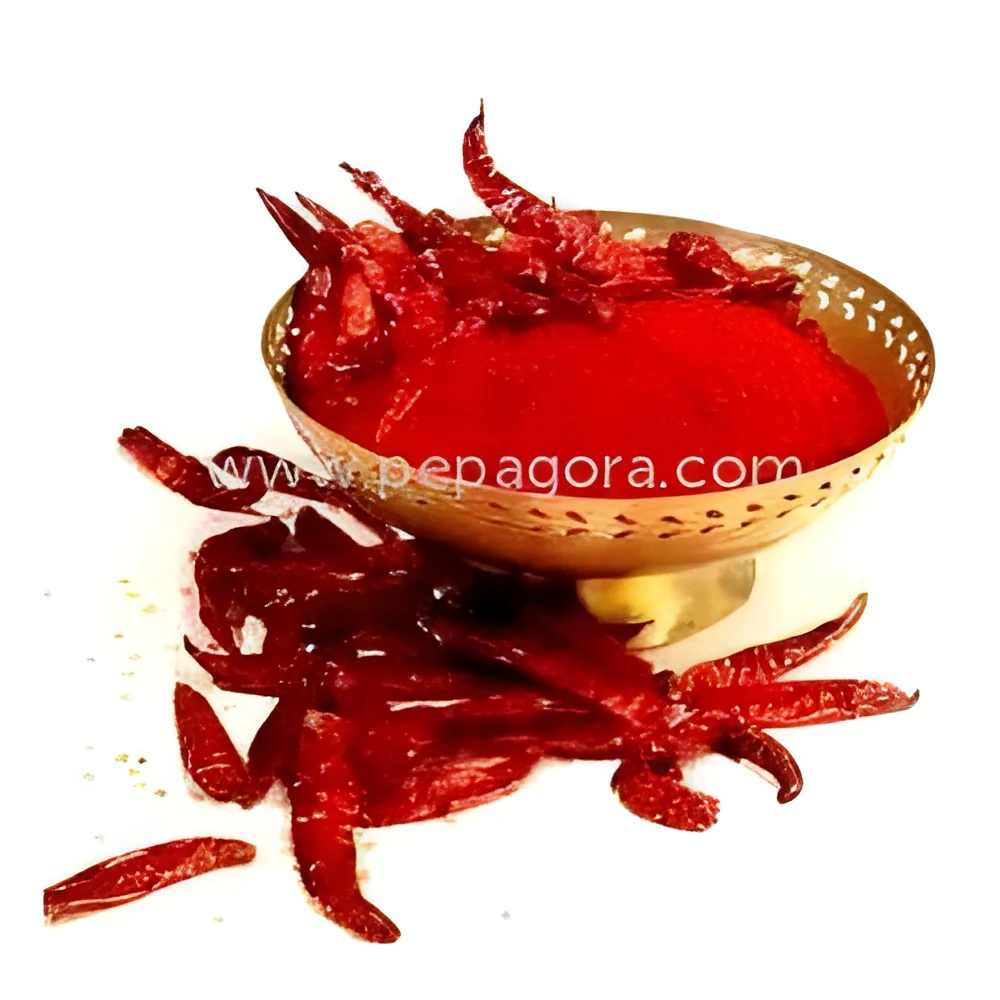
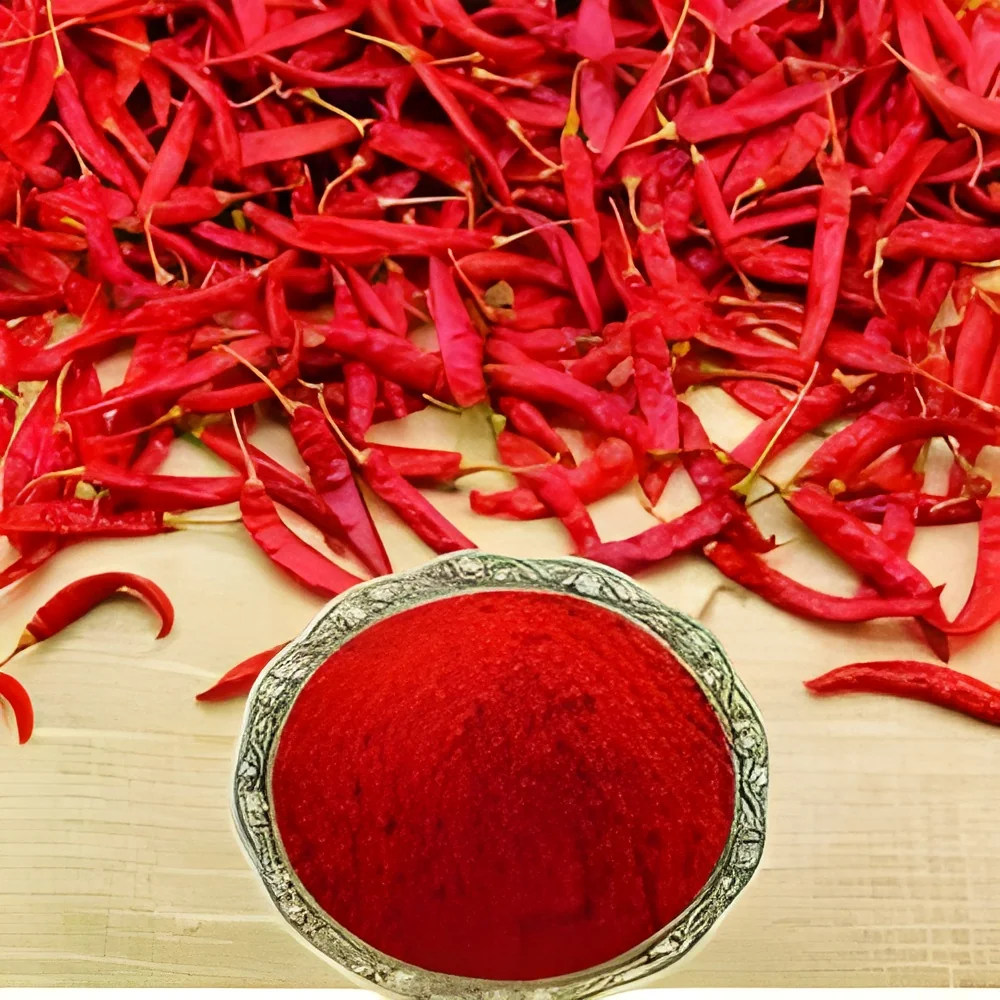
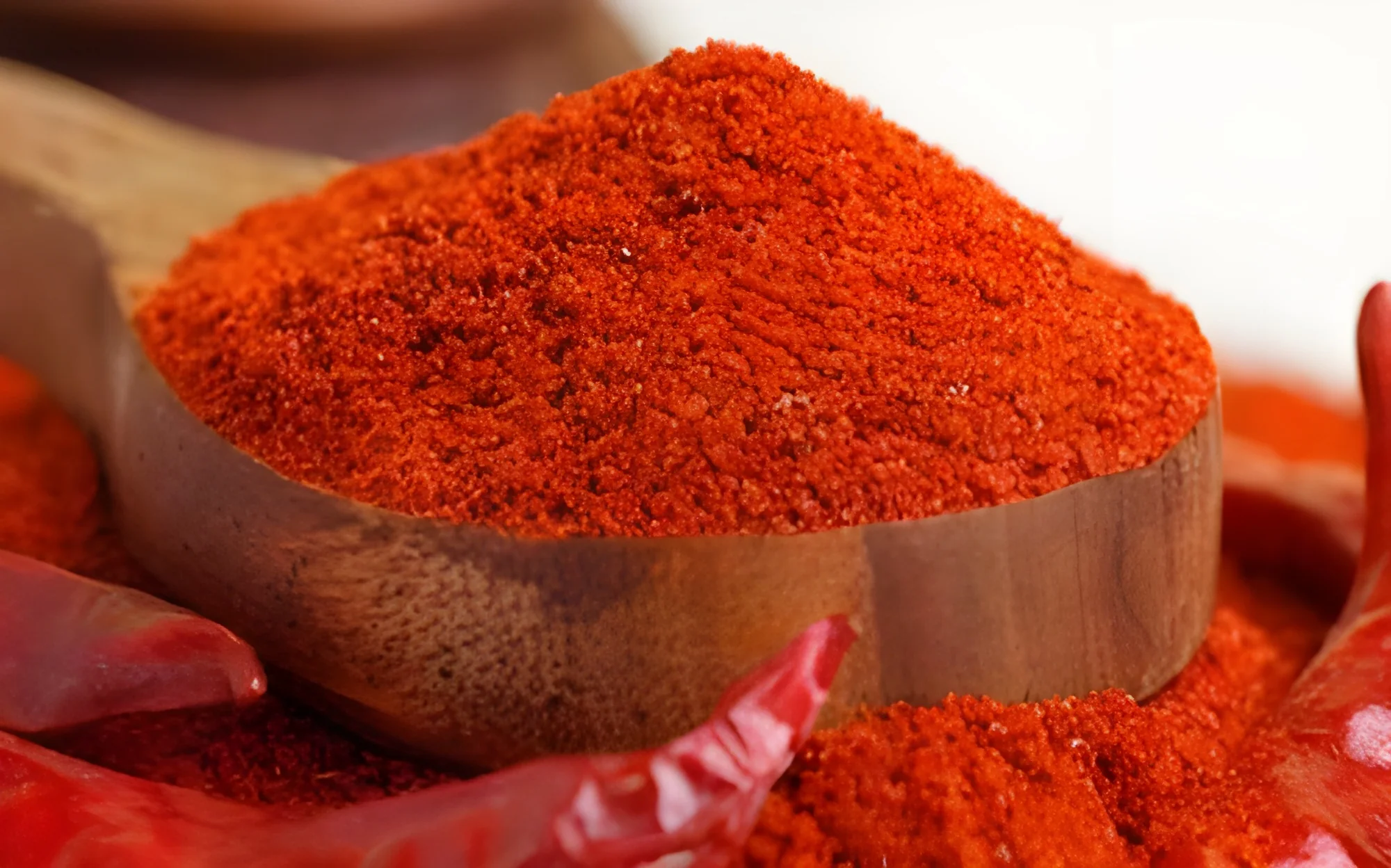
Chili Powder (Regular, Kashmiri) is characterized by its unique flavor profiles, color, and heat levels. When considering these products, it is essential to understand their specifications to ensure quality and suitability for various applications.
Key specifications include:
1. Flavor Profile
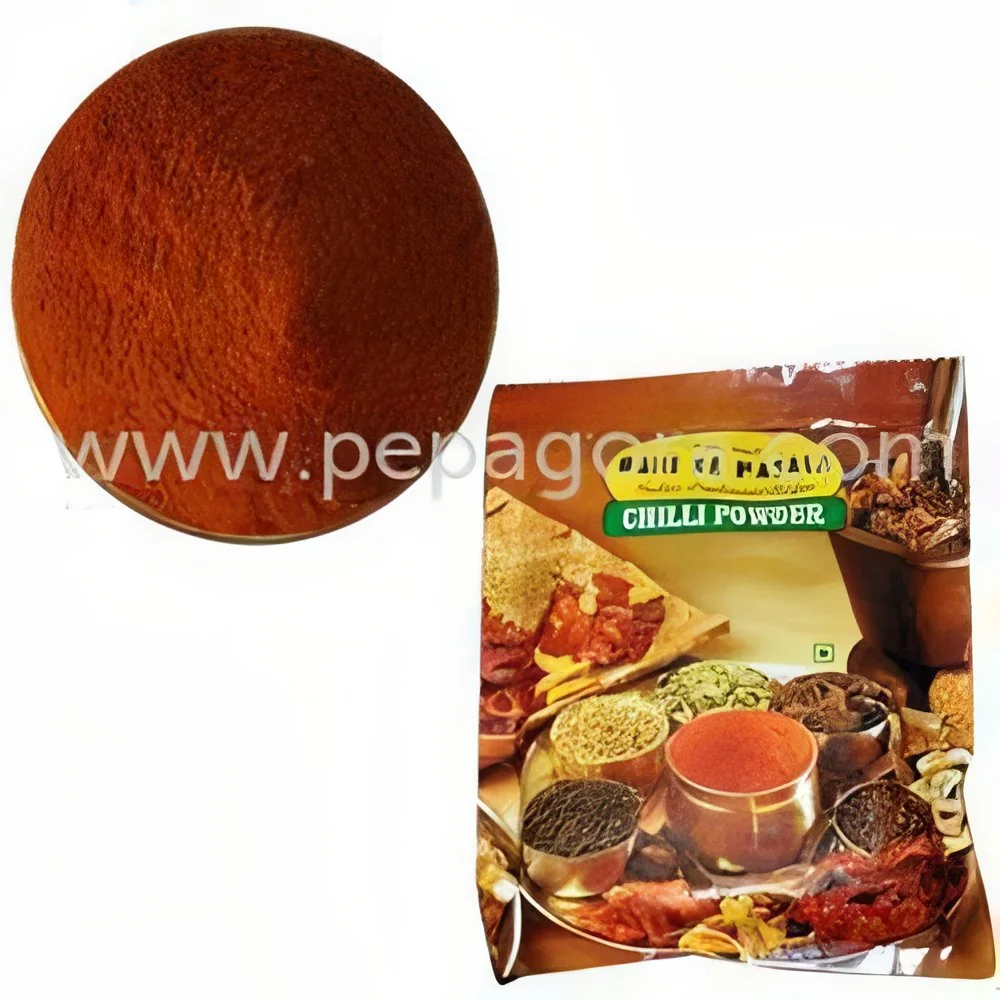
- Regular chili powder offers a balanced heat with a mix of spices.
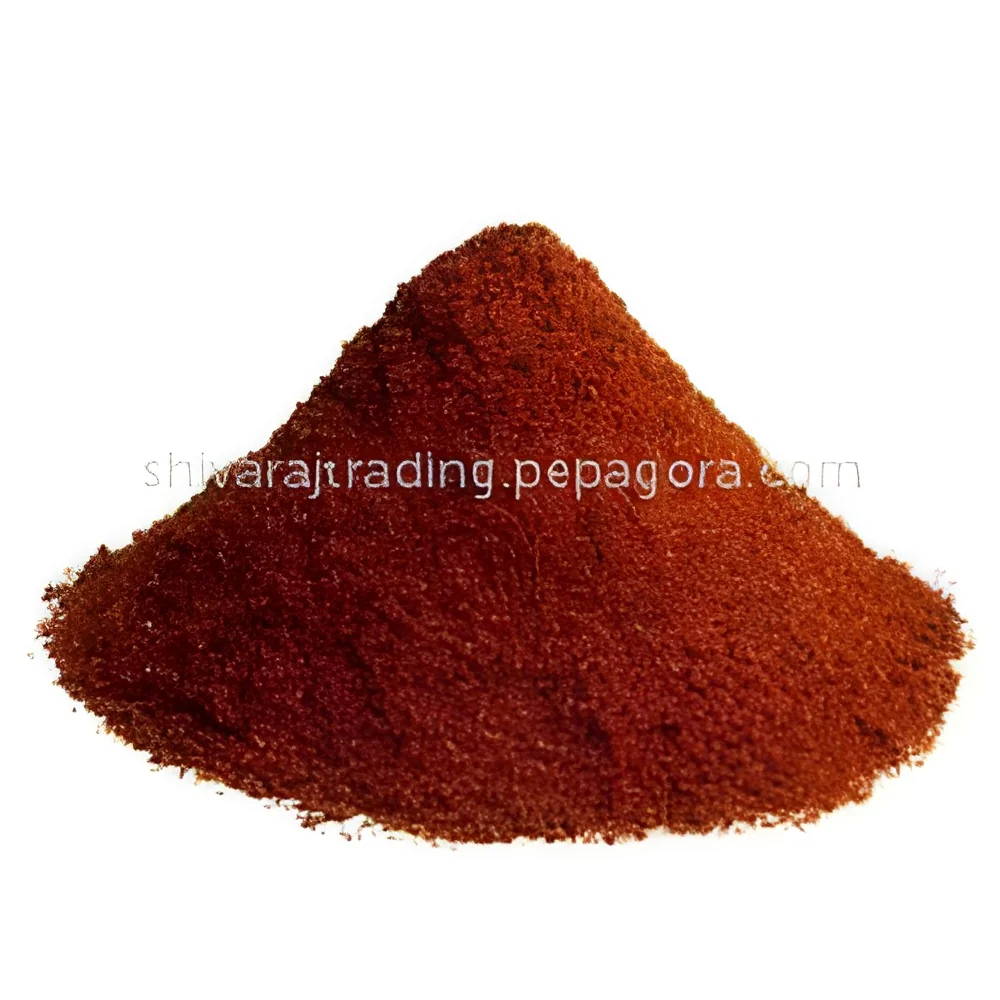
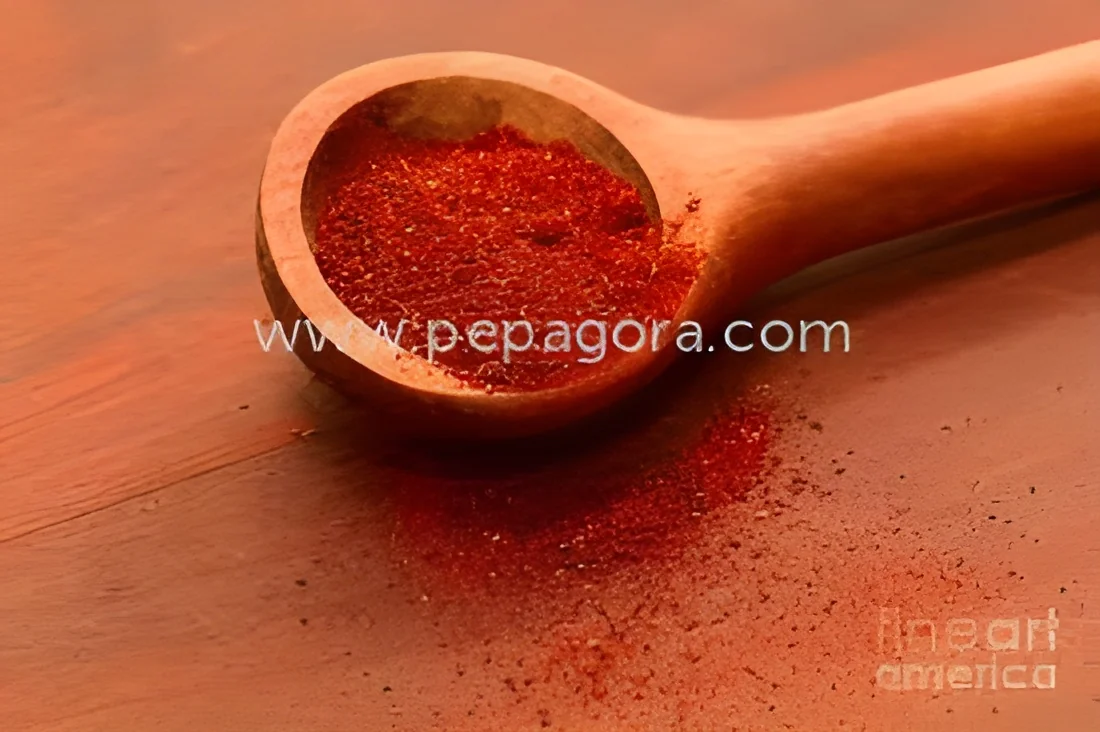
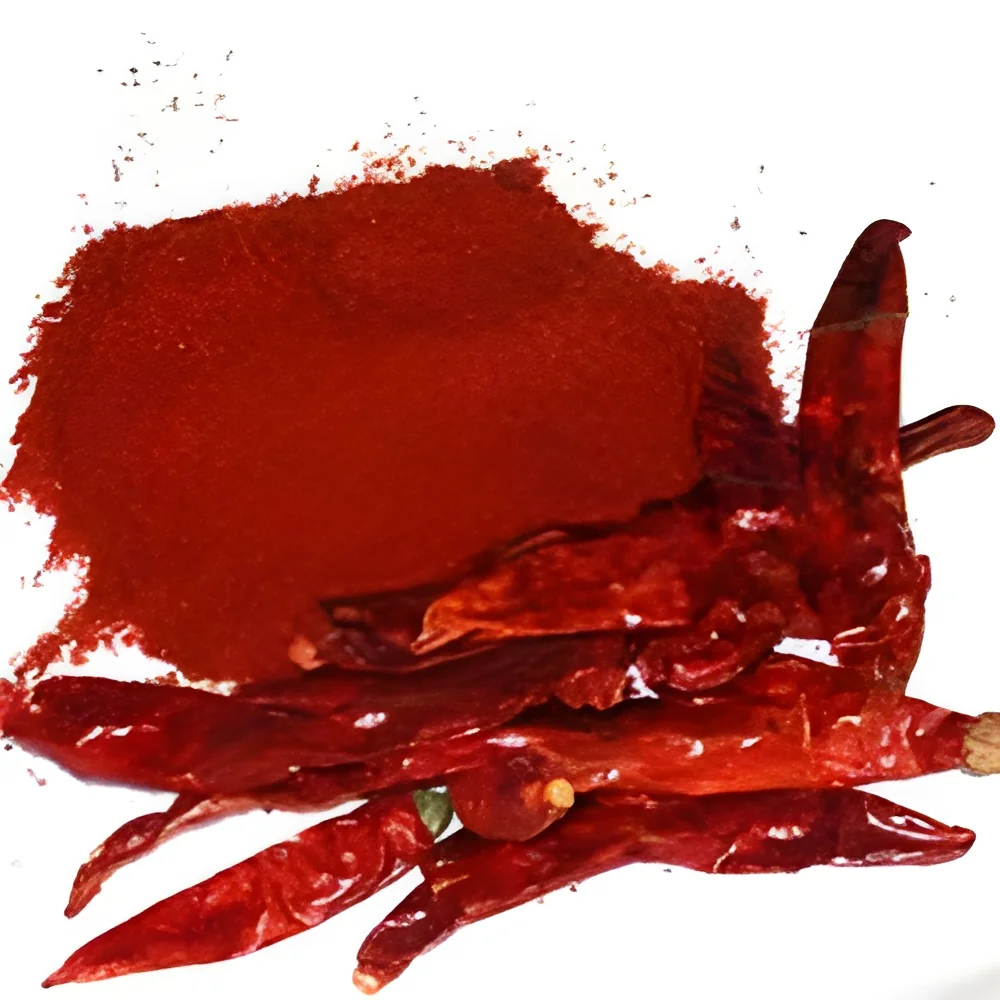
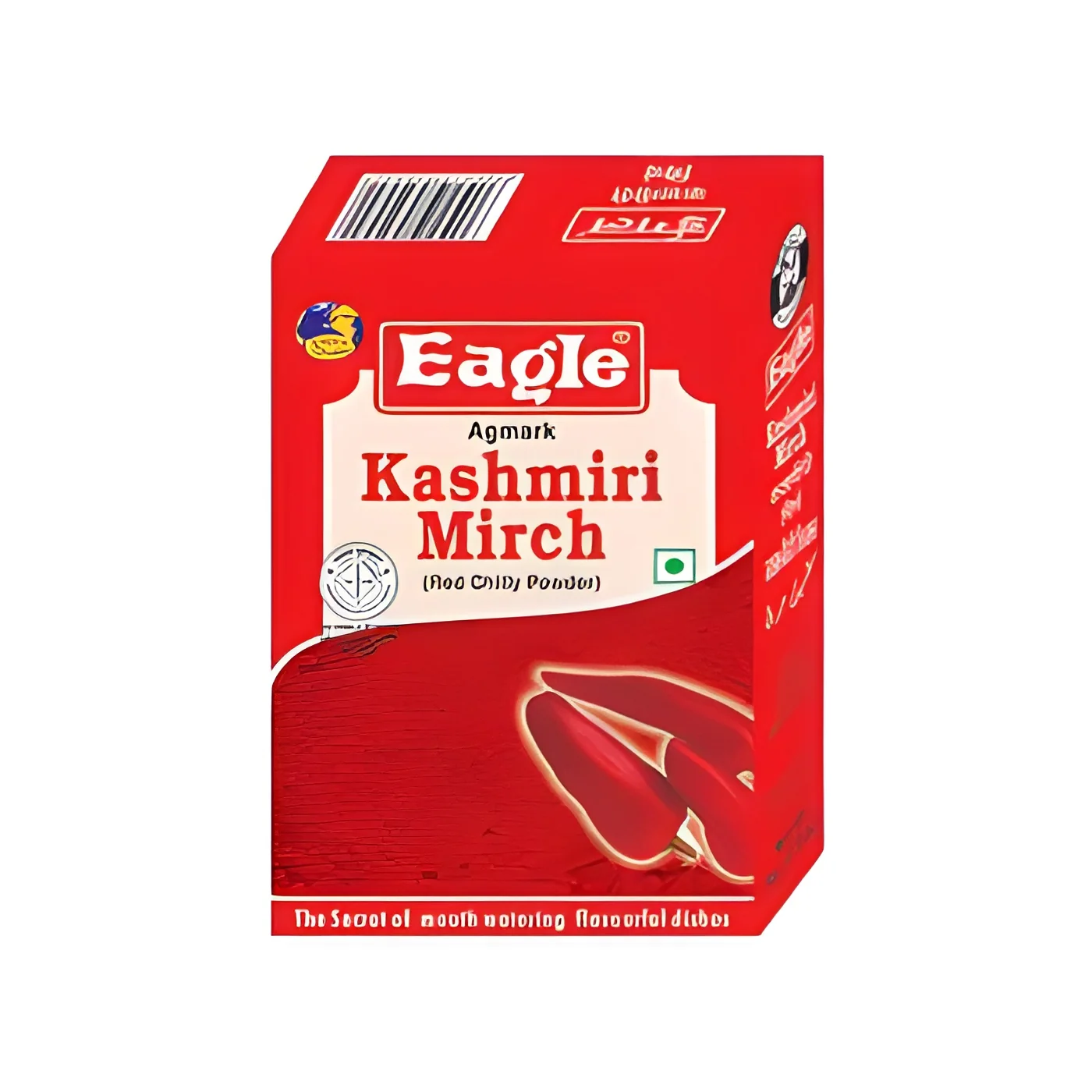
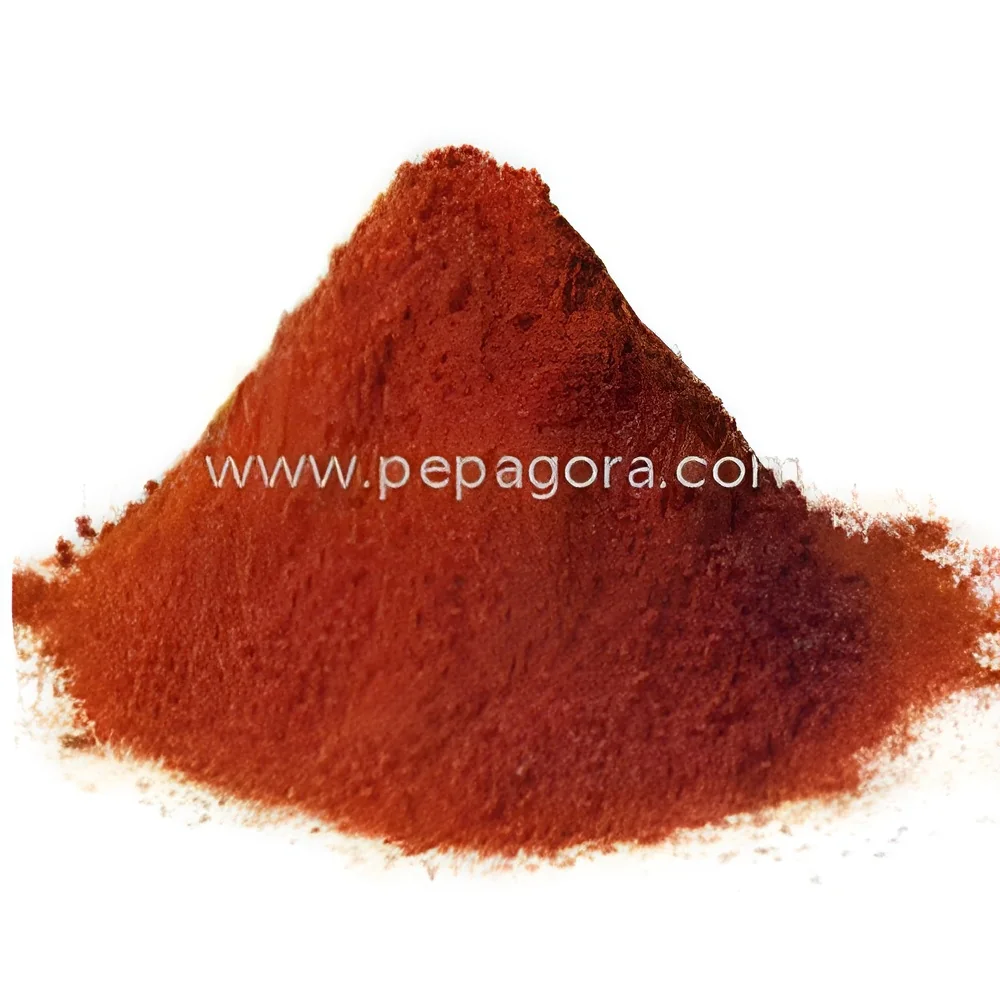
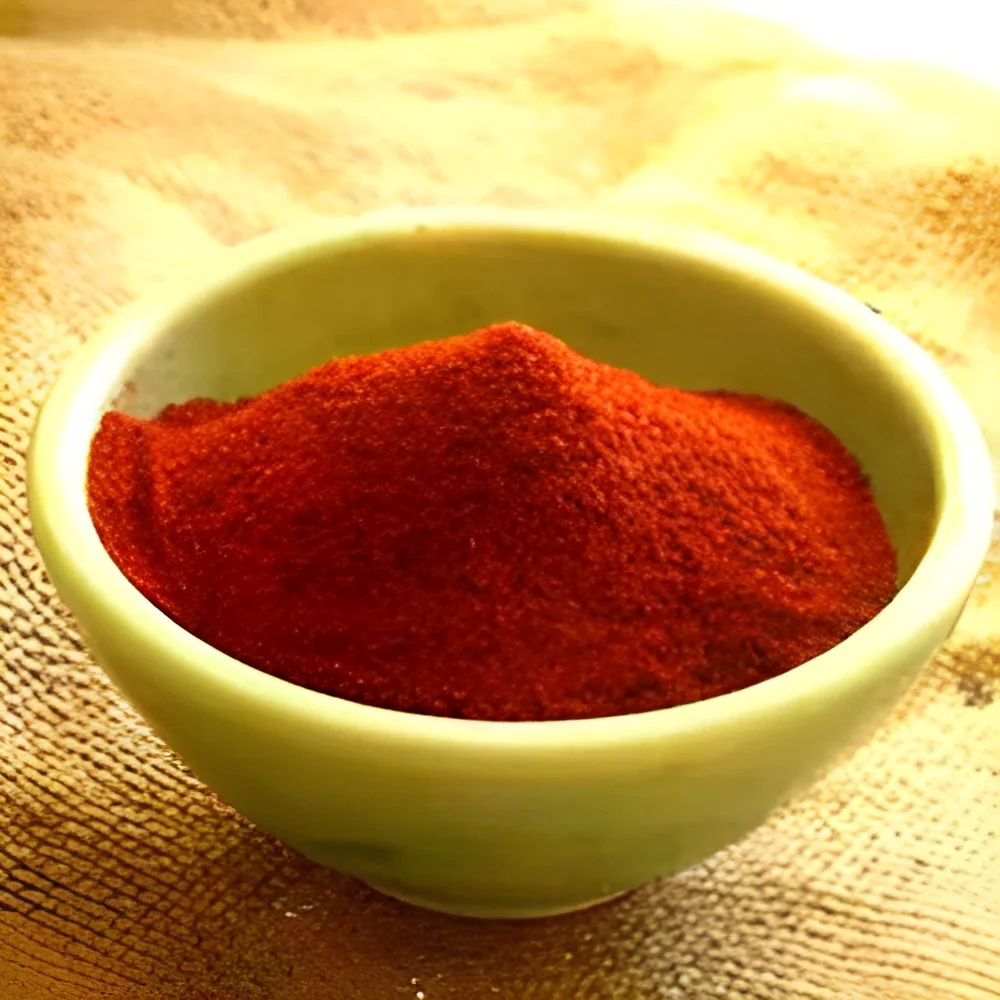
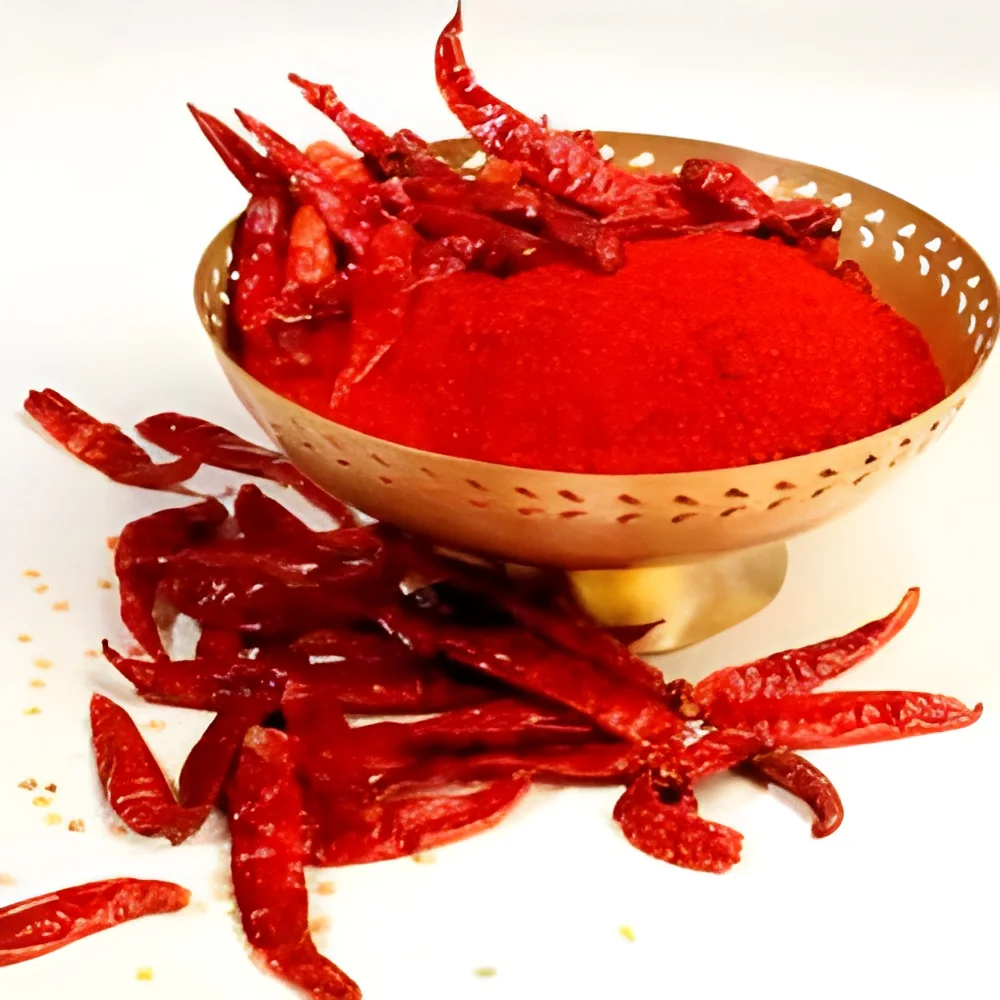
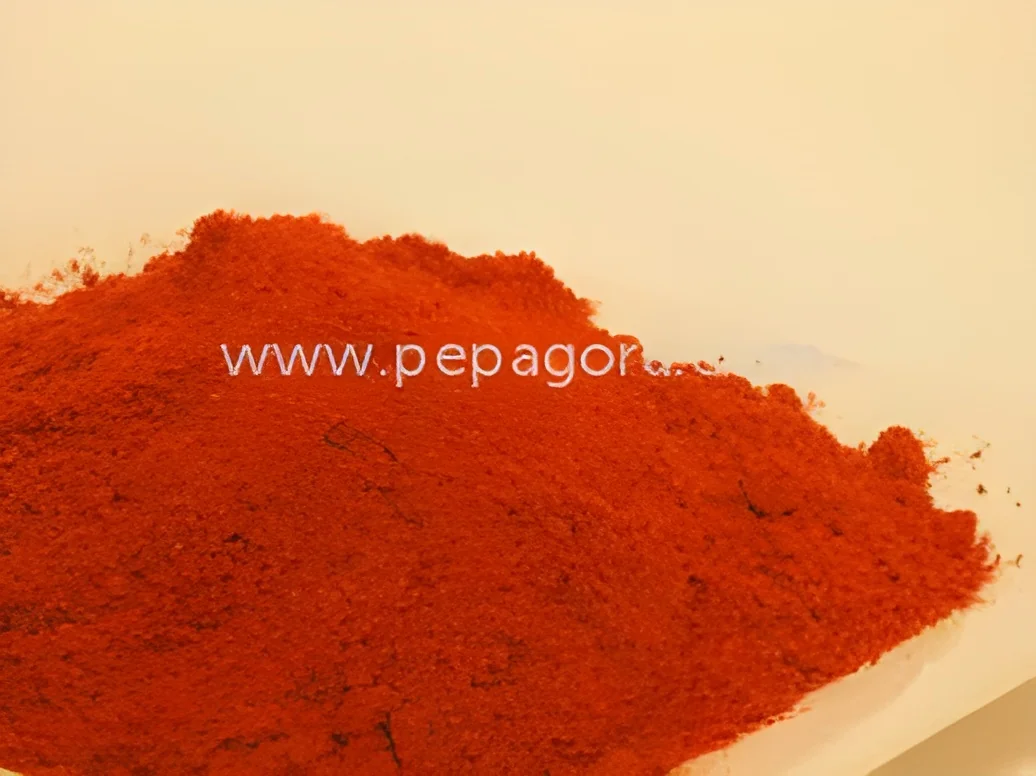
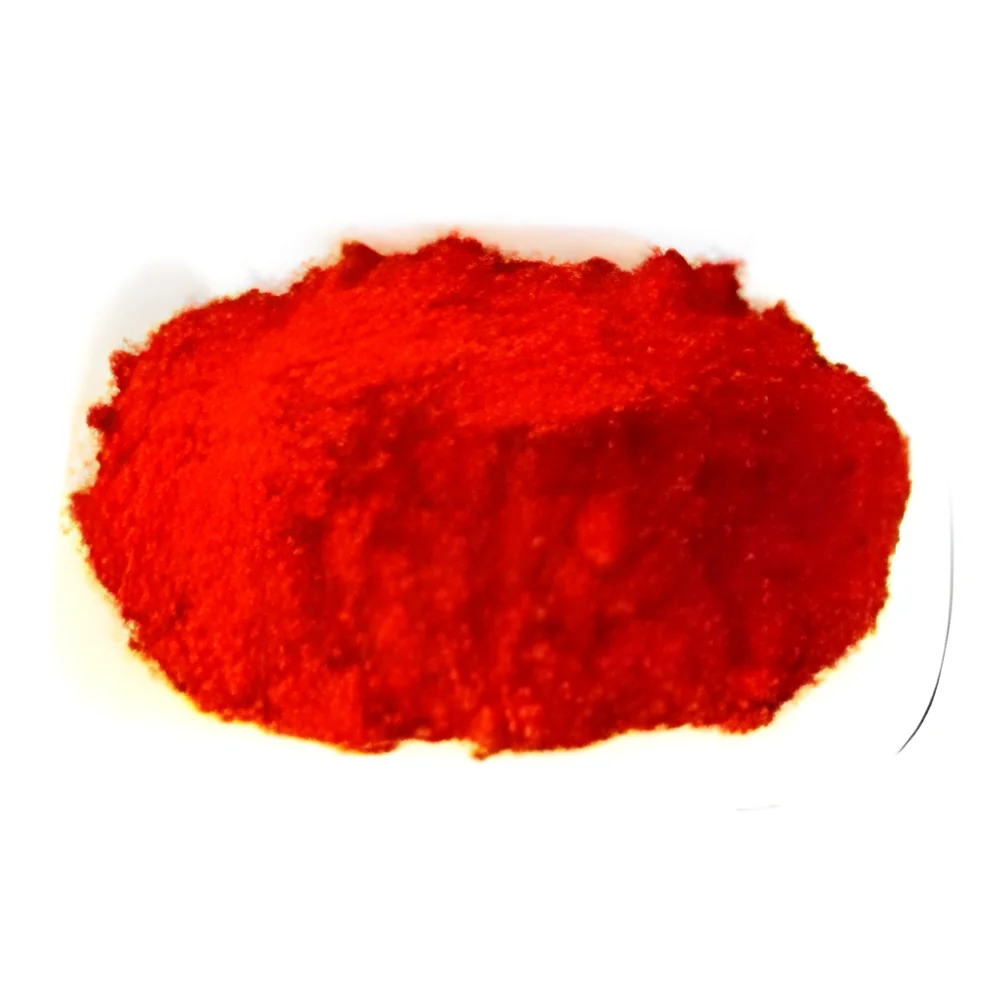
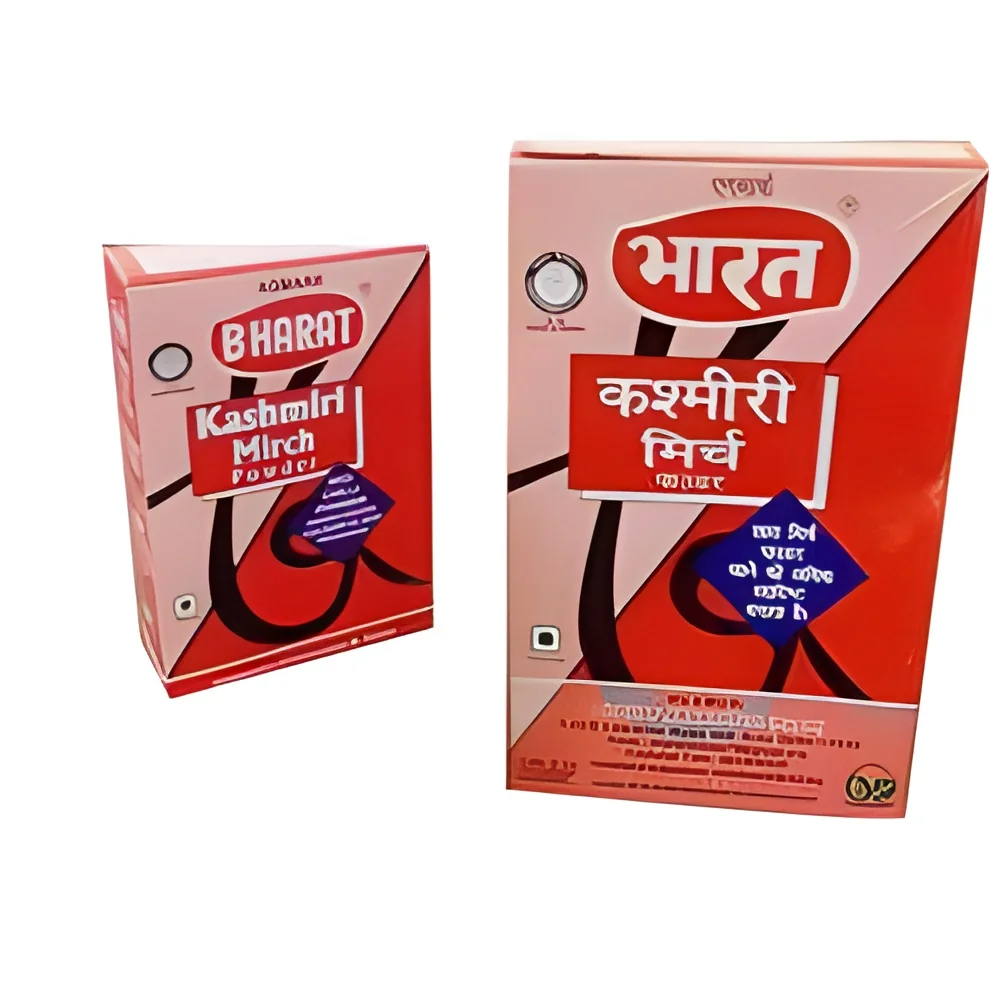
- Kashmiri chili powder is known for its mild flavor and vibrant color.
2. Color Intensity
- Regular chili powder varies in color depending on the blend.
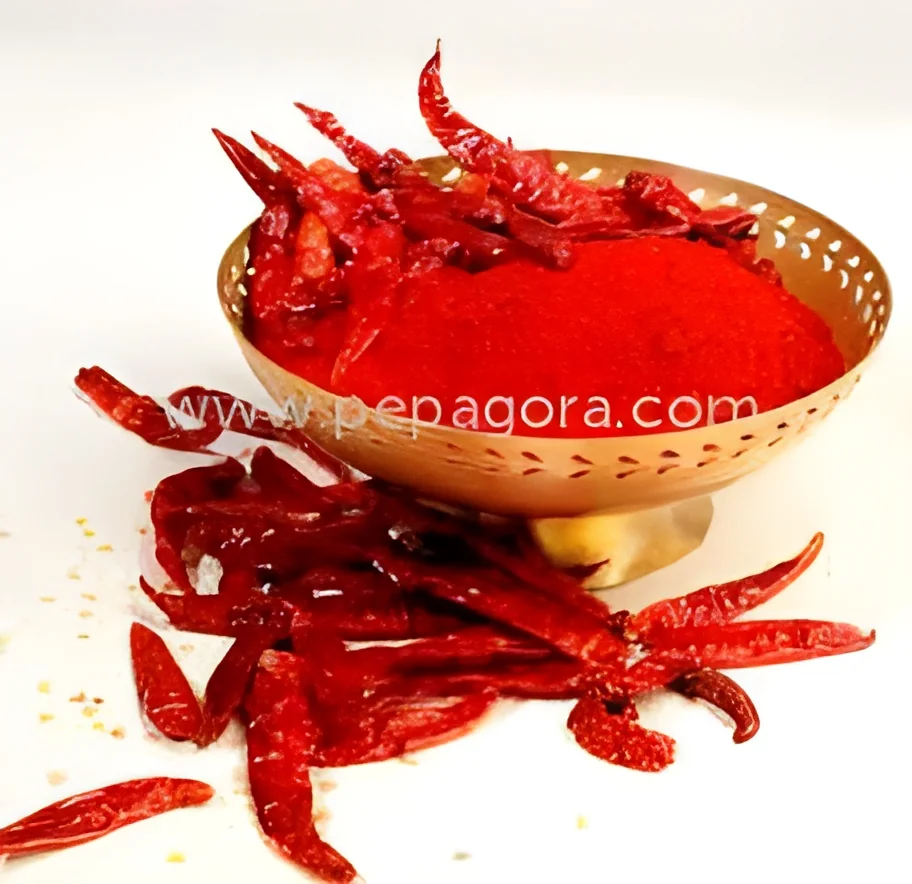
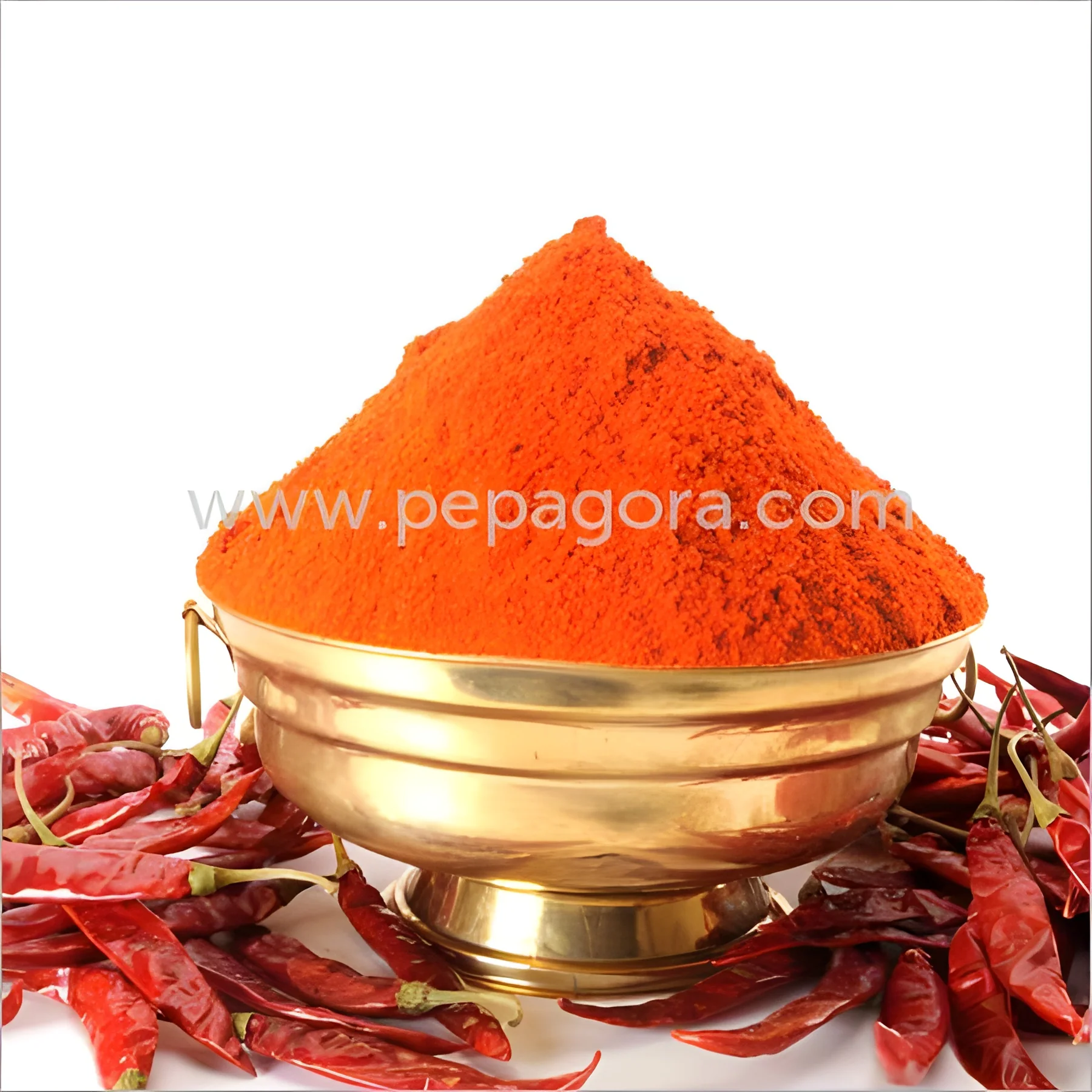
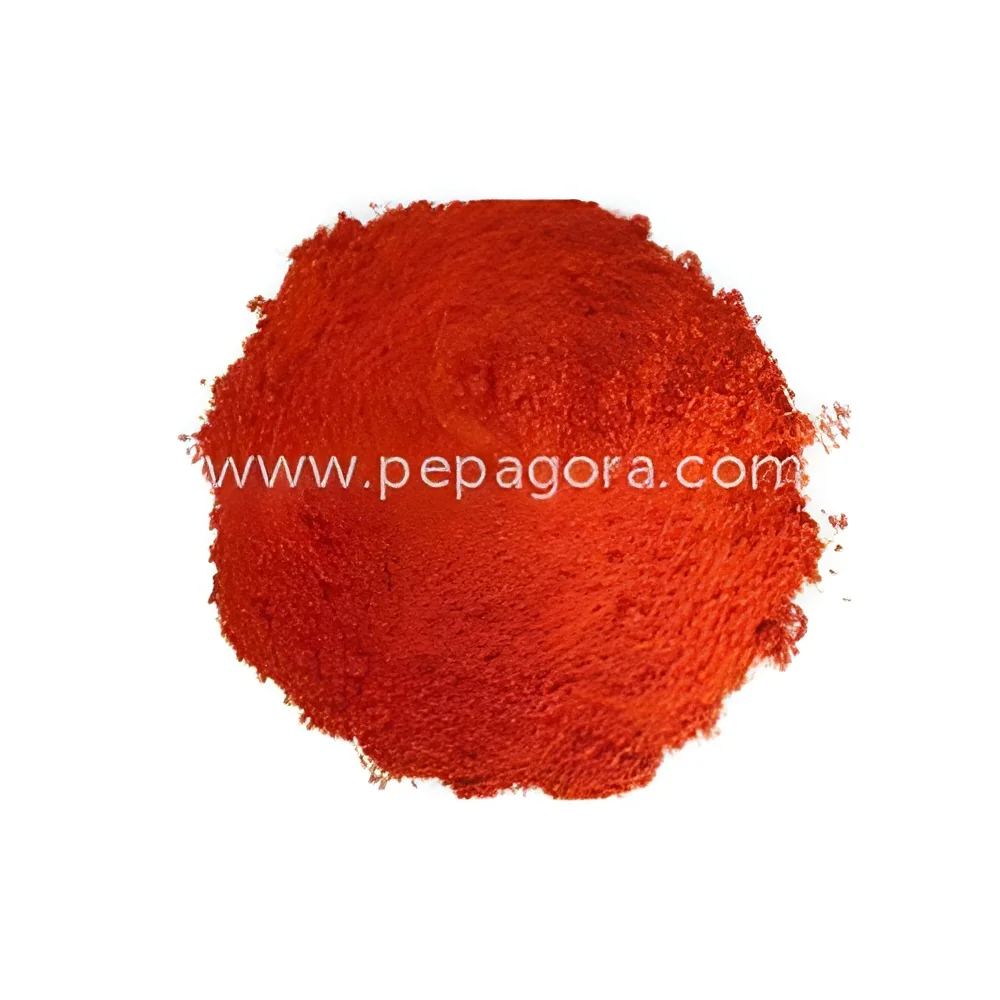
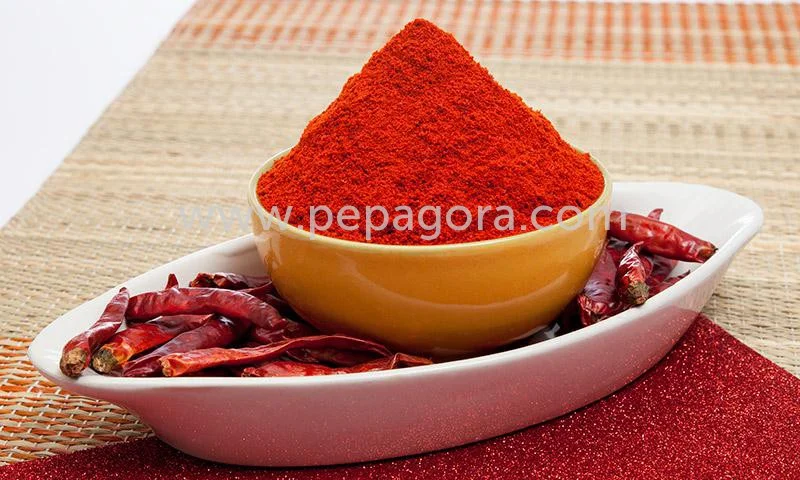
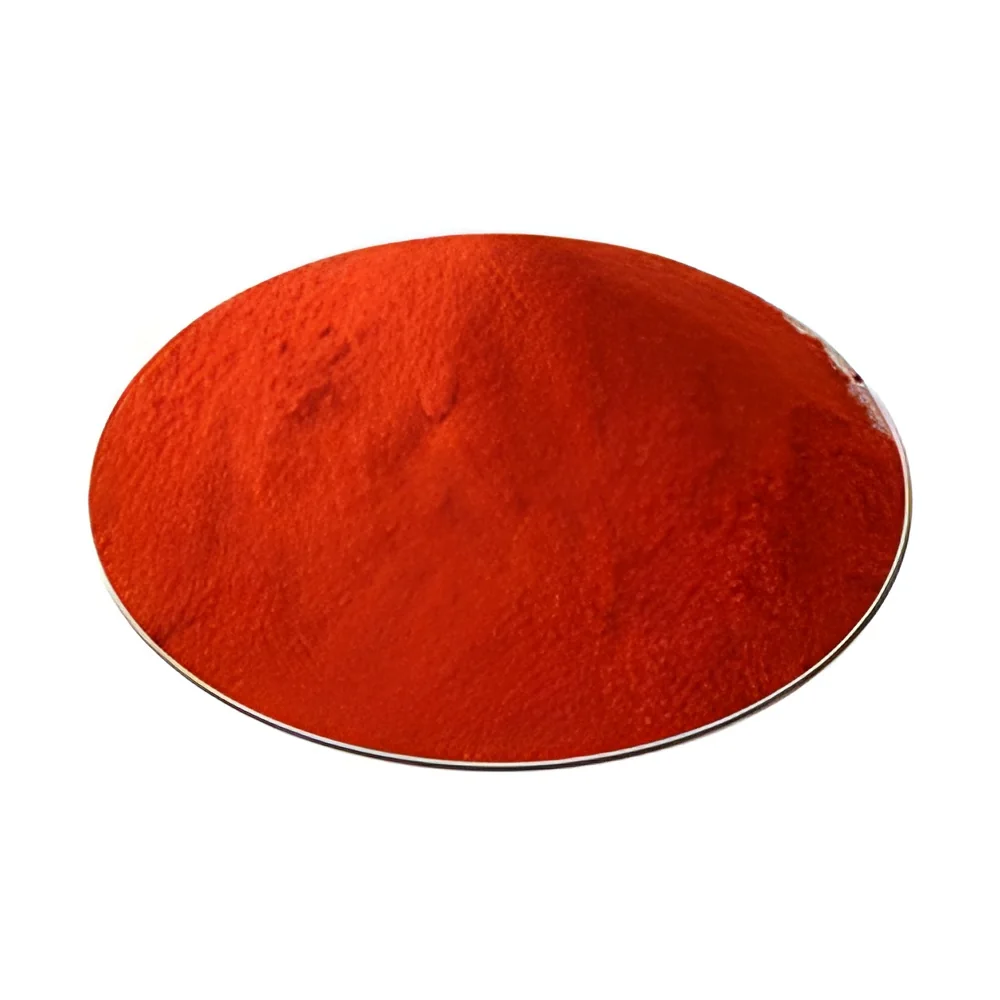
- Kashmiri chili powder is deep red, enhancing visual appeal in dishes.
3. Heat Level
- Regular chili powder typically ranges from mild to hot, depending on the blend.
- Kashmiri chili powder is generally mild, making it suitable for a wide audience.
4. Moisture Content
- Standard moisture levels should be maintained to prevent clumping.
- Ideal moisture content is typically around 10-12%.
5. Particle Size
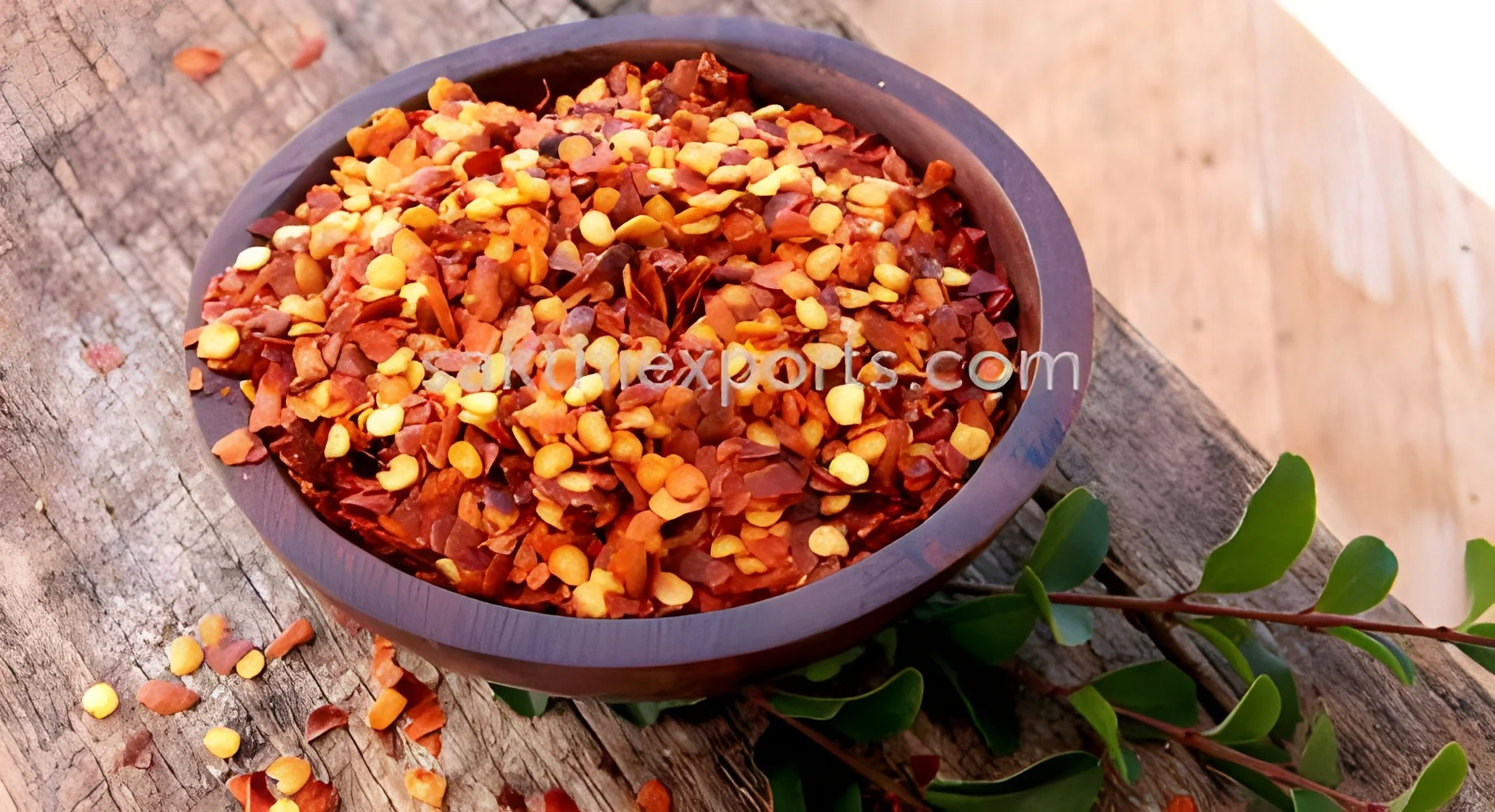
- Regular chili powder ranges in particle size to suit various uses.
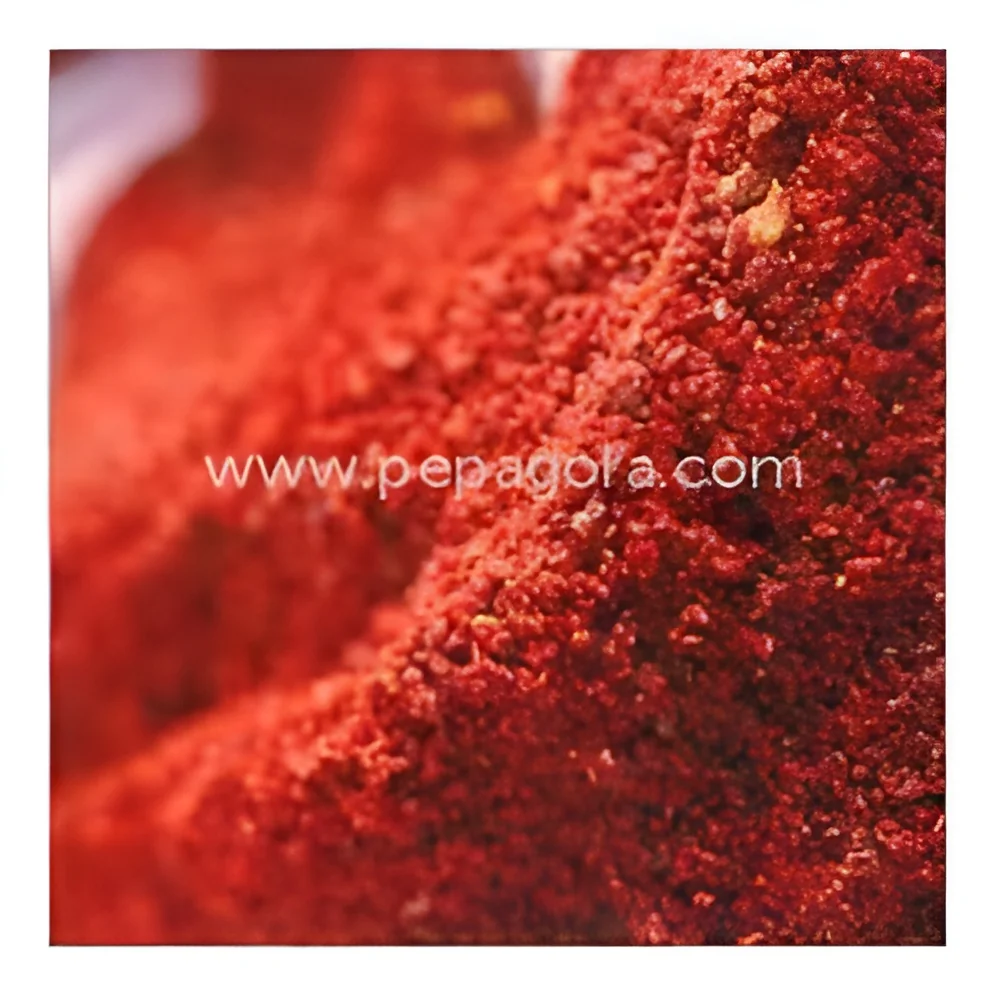
- Kashmiri chili powder is finely ground for smooth incorporation in recipes.
6. Shelf Life
- Properly stored chili powder can have a shelf life of up to 2-3 years.
- Packaging should protect against moisture and light.
In summary, understanding these specifications helps businesses select the right chili powder for their needs, ensuring quality and performance in culinary applications.
Common Applications and Use Cases
Chili Powder (Regular, Kashmiri) serves various industries due to its versatility and flavor enhancement properties.
1. Food Service: Restaurants and catering companies use chili powder to enhance flavor and add color to dishes, such as curries and sauces.
2. Food Processing: Manufacturers incorporate chili powder into packaged foods, snacks, and ready-to-eat meals for added flavor and appeal.
3. Retail: Supermarkets and specialty stores offer chili powder to consumers for home cooking, catering to diverse culinary preferences.
4. Spice Blending: Spice manufacturers use chili powder as a base ingredient in creating spice blends for various cuisines.
5. Sauces and Condiments: Chili powder is a key ingredient in sauces like ketchup, hot sauces, and marinades, providing a distinct taste.
6. Health and Nutrition: The health food industry utilizes chili powder for its potential health benefits, including metabolism boosting and antioxidant properties.
7. Export: Many countries import chili powder for use in their local cuisines, making it an integral part of international trade in spices.
Product Variants and Subcategories
Chili Powder (Regular, Kashmiri) is available in different variants, catering to diverse culinary needs and preferences.
Regular Chili Powder
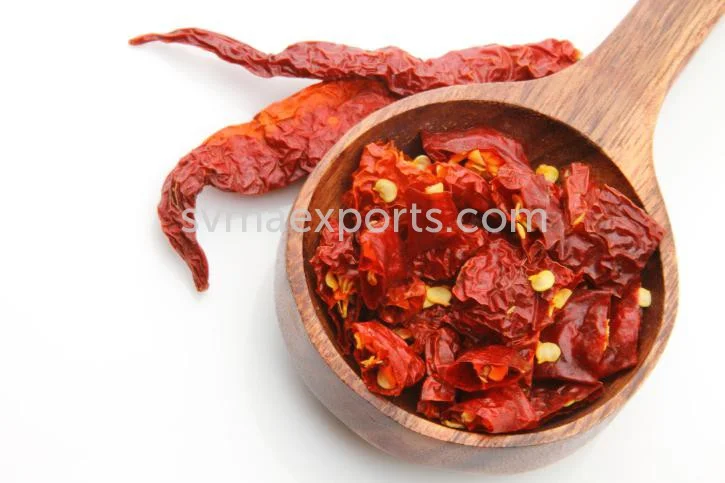
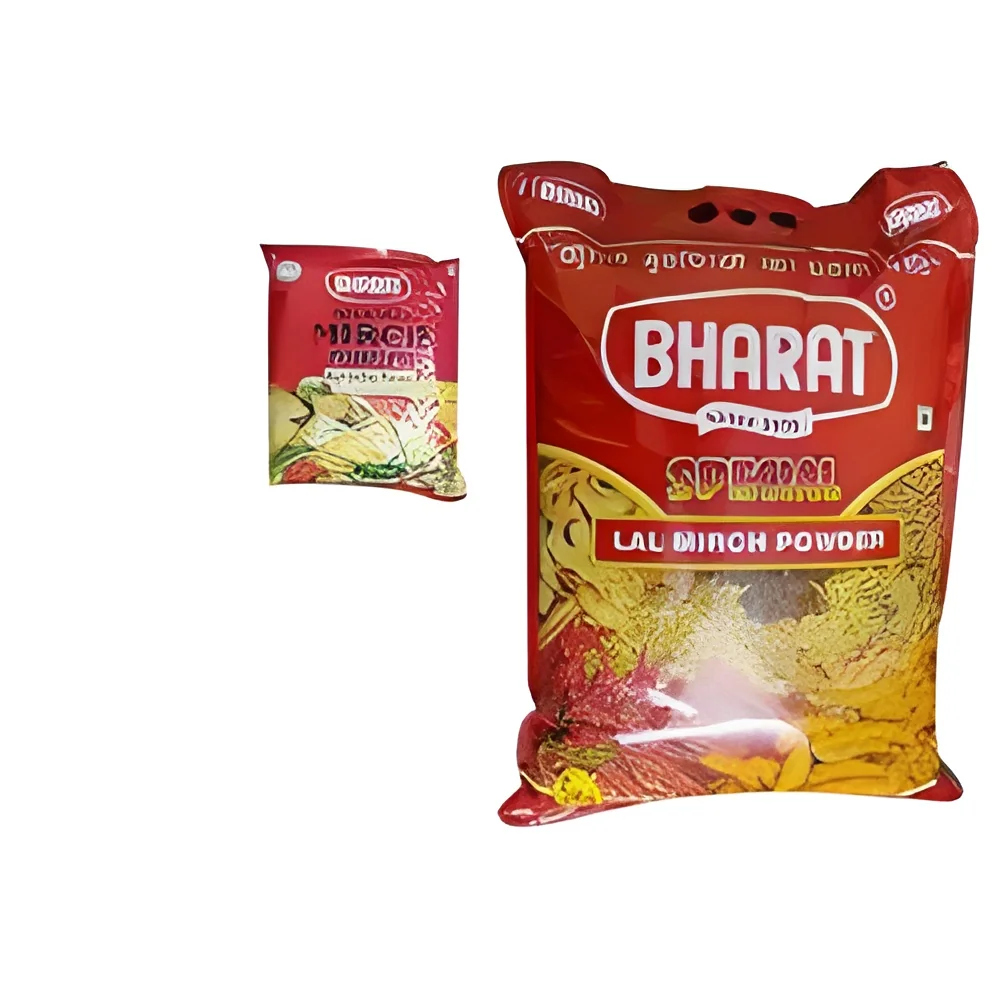
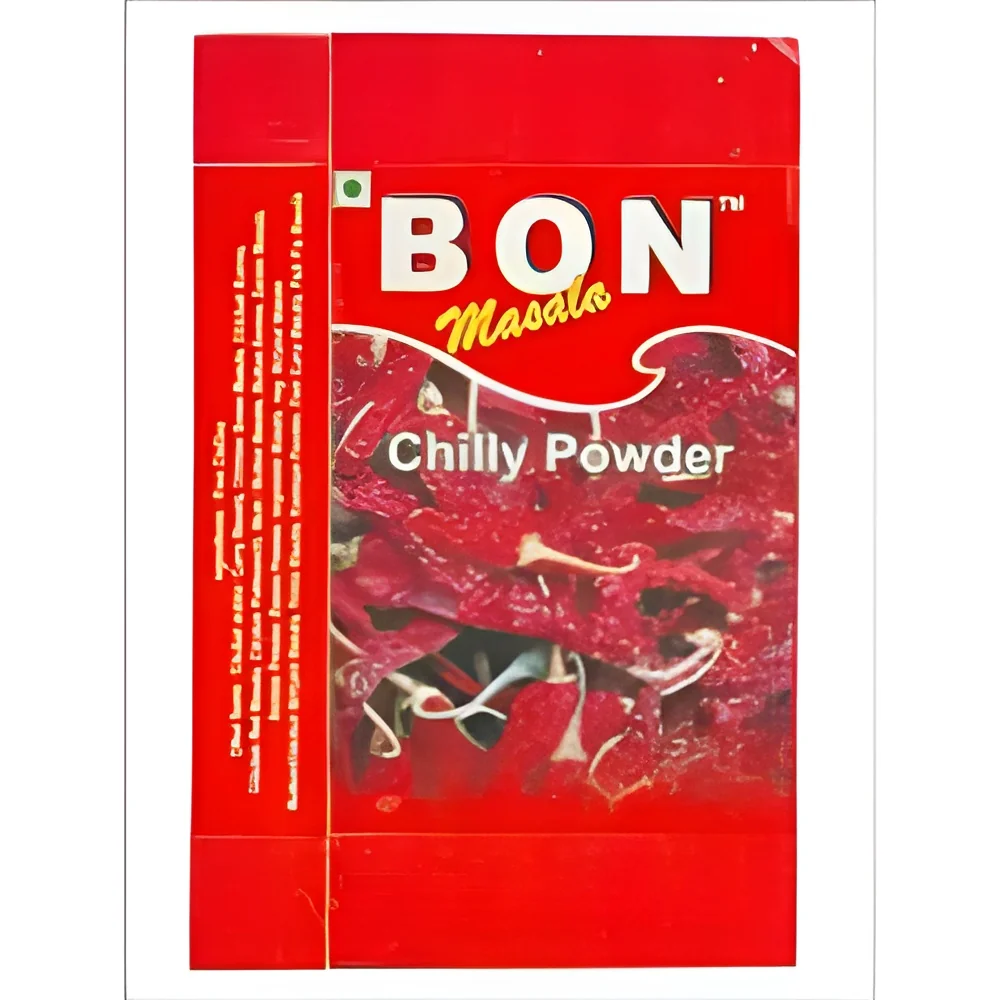
This variant is a blend of various chili peppers and spices, delivering a balanced heat and flavor. It is ideal for everyday cooking and can be used in a wide range of dishes, from soups to marinades.
Kashmiri Chili Powder
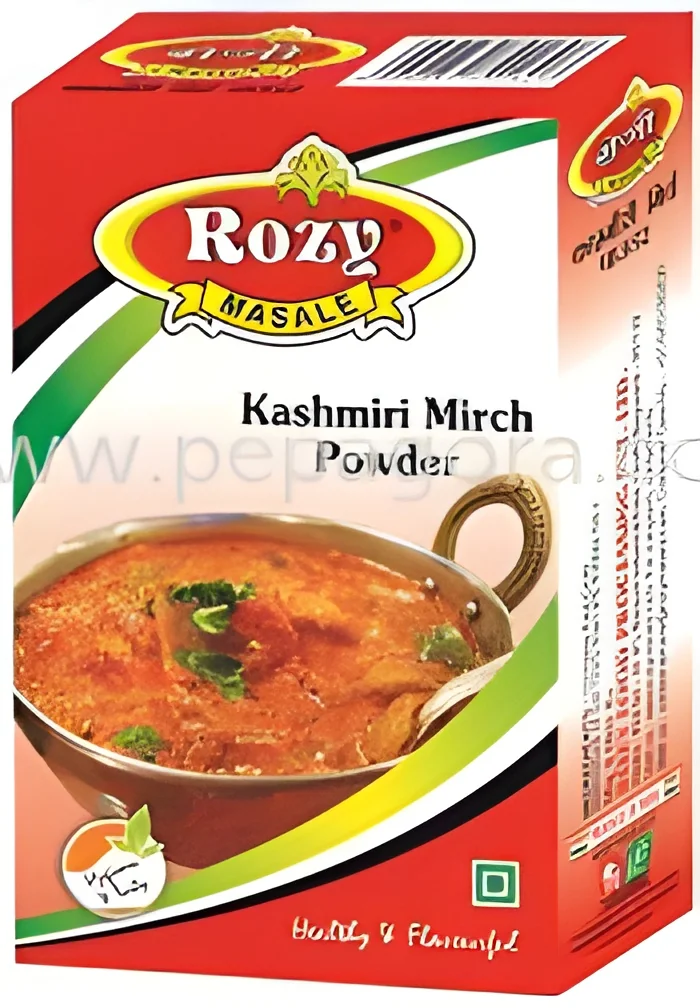
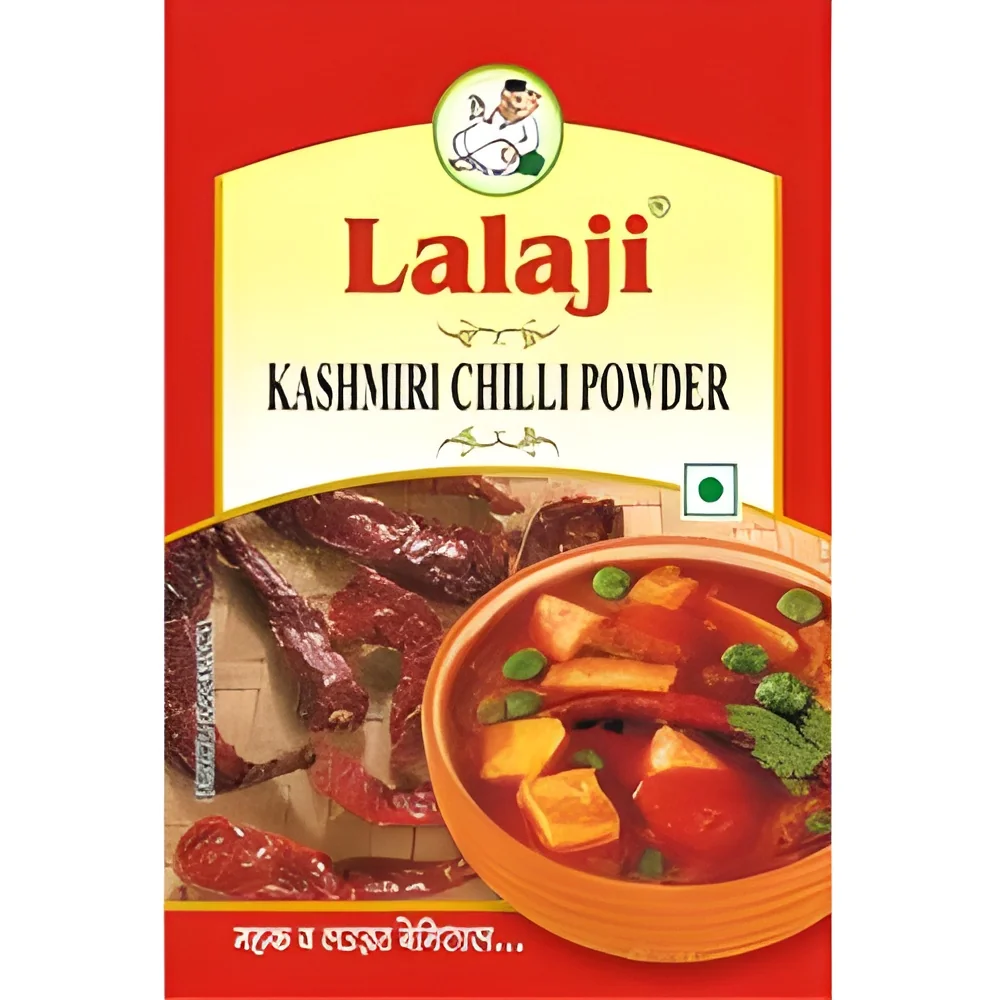
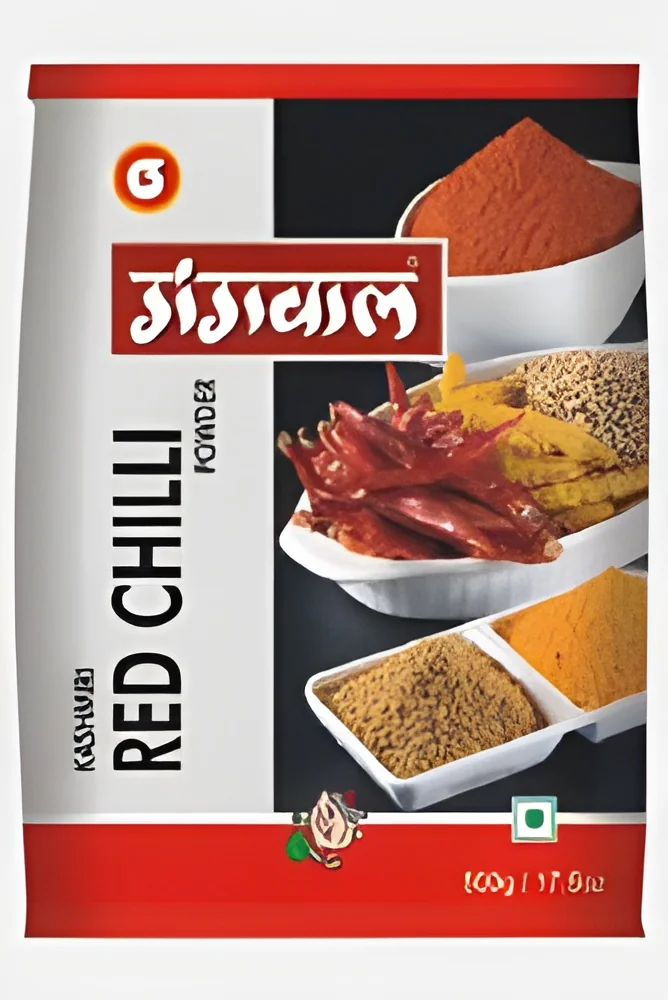
Known for its bright red color and mild flavor, this variant is particularly popular in Indian cuisine. It enhances the visual appeal of dishes while providing a subtle heat, making it perfect for curries and rice dishes.
Benefits and Advantages
Chili Powder (Regular, Kashmiri) offers numerous benefits that make it a valuable ingredient in culinary applications.
1. Versatile Flavor Enhancement: Both variants enhance the taste of various dishes, making them popular in diverse cuisines.
2. Visual Appeal: Kashmiri chili powder, with its rich color, adds aesthetic value to food presentations.
3. Customizable Heat Levels: Regular chili powder can be selected based on desired heat levels, catering to different palates.
4. Nutritional Benefits: Chili powders are rich in antioxidants and may have health benefits, such as boosting metabolism.
5. Convenience: Chili powder is easy to store and use, making it a practical choice for both home cooks and commercial kitchens.
6. Long Shelf Life: When stored properly, chili powder retains its flavor and quality for extended periods.
Buying Guide for B2B Buyers
When sourcing Chili Powder (Regular, Kashmiri), it is essential to consider several factors to ensure quality and reliability.
1. Quality Assessment: Look for suppliers that provide detailed information about their chili powder’s sourcing, processing, and quality control measures. Testing for purity and flavor is crucial.
2. Supplier Verification: Vet potential suppliers by checking their certifications, customer reviews, and industry reputation. Established suppliers are more likely to provide consistent quality.
3. Pricing and MOQ: Understand the pricing structure and minimum order quantities (MOQ) required by suppliers. Comparing prices across different suppliers can help in negotiating better deals.
4. Delivery and Lead Times: Verify the supplier’s ability to meet your delivery expectations. Consider lead times and logistics to ensure timely supply.
5. Compliance Requirements: Ensure that the chili powder complies with local and international food safety standards, including any necessary certifications.
Compliance and Certifications
Chili Powder (Regular, Kashmiri) is subject to various quality standards and certifications, ensuring safety and reliability.
Relevant quality standards include ISO 9001 for quality management systems, which guarantees that suppliers maintain high production standards. HACCP (Hazard Analysis and Critical Control Points) ensures that food safety is prioritized throughout the production process.
Industry certifications such as UL and CE demonstrate compliance with safety and quality regulations. These certifications provide assurance to B2B buyers regarding the safety and reliability of the product.
Safety and testing requirements may include microbiological testing and chemical analysis to ensure that the chili powder is free from contaminants. Regional compliance considerations may vary, so it is crucial for buyers to be aware of local regulations affecting food products.
Why Source Chili Powder (Regular, Kashmiri) from Pepagora?
Pepagora provides a trusted platform for sourcing Chili Powder (Regular, Kashmiri) with several key advantages.
Verified Supplier Network: Pepagora connects buyers with a network of verified suppliers, ensuring that all suppliers meet stringent quality standards. This reduces the risk associated with sourcing food ingredients.
Streamlined RFQ Process: The platform offers a straightforward Request for Quotation (RFQ) process, allowing buyers to quickly receive competitive quotes from multiple suppliers. This efficiency saves time and helps buyers make informed decisions.
Trade Assurance and Support: Pepagora offers trade assurance to protect buyers throughout the sourcing process. This includes support in resolving any disputes or issues that may arise, providing peace of mind.
Regional Coverage: With a strong presence in India, the GCC, and Southeast Asia, Pepagora enables buyers to access a wide range of suppliers and products. This geographic reach ensures that buyers can find the right chili powder for their specific needs and preferences.

 IN
IN