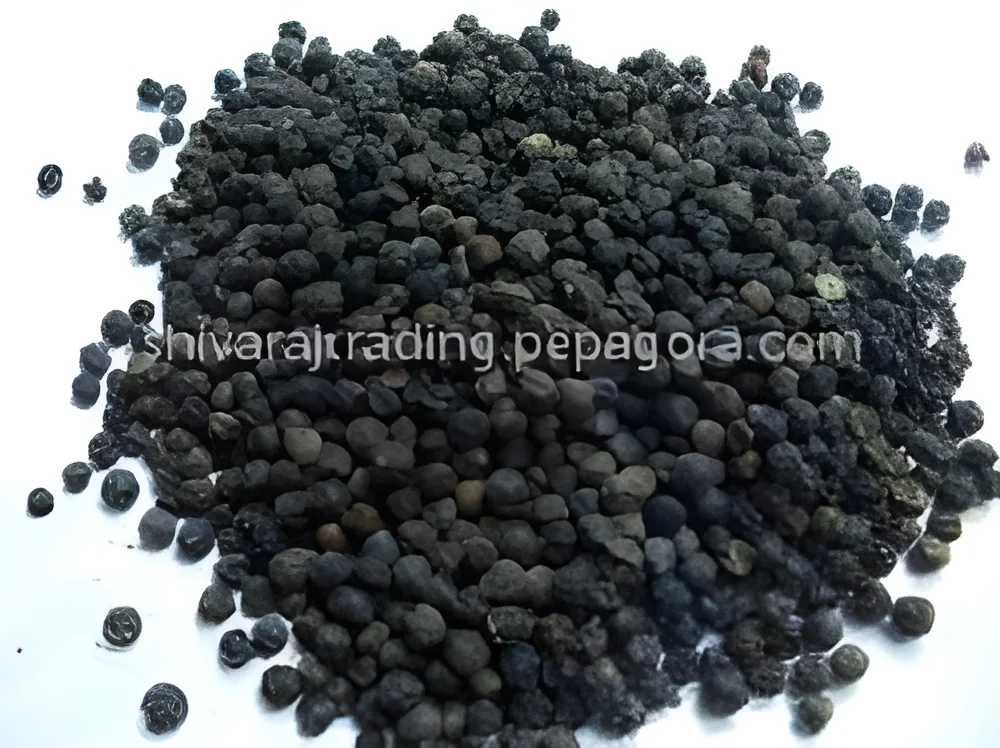
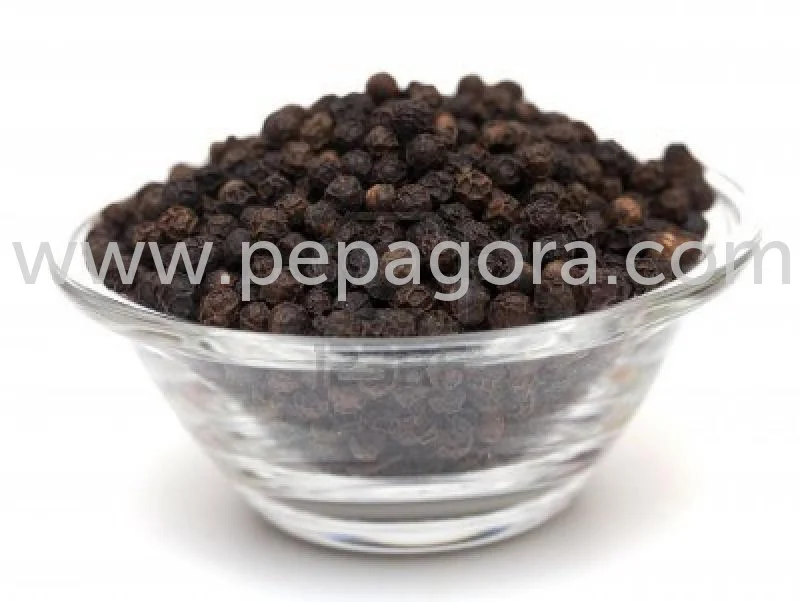
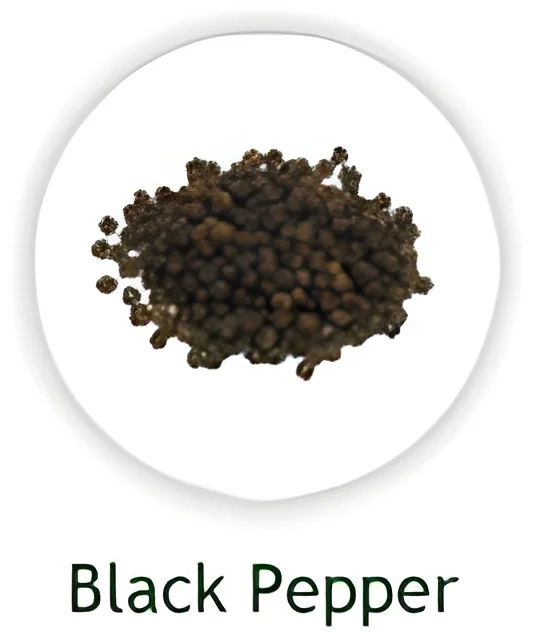
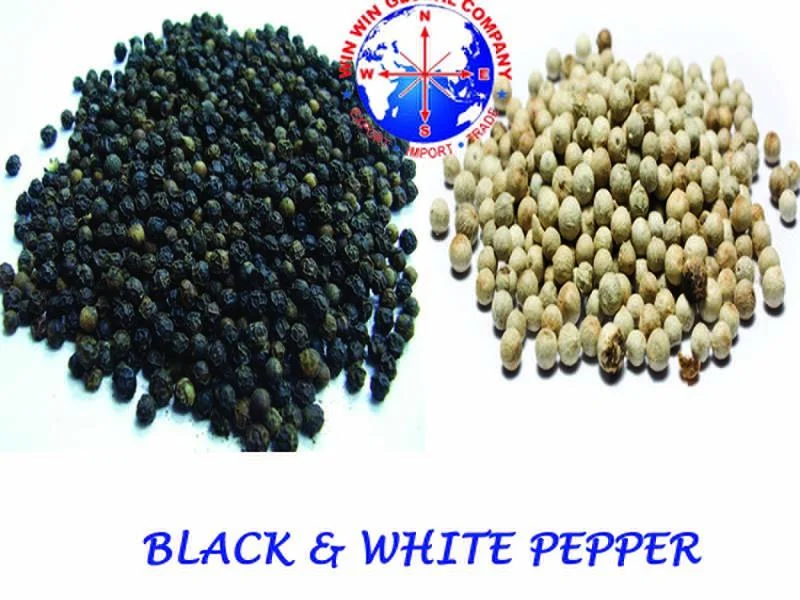
What are Black Pepper?
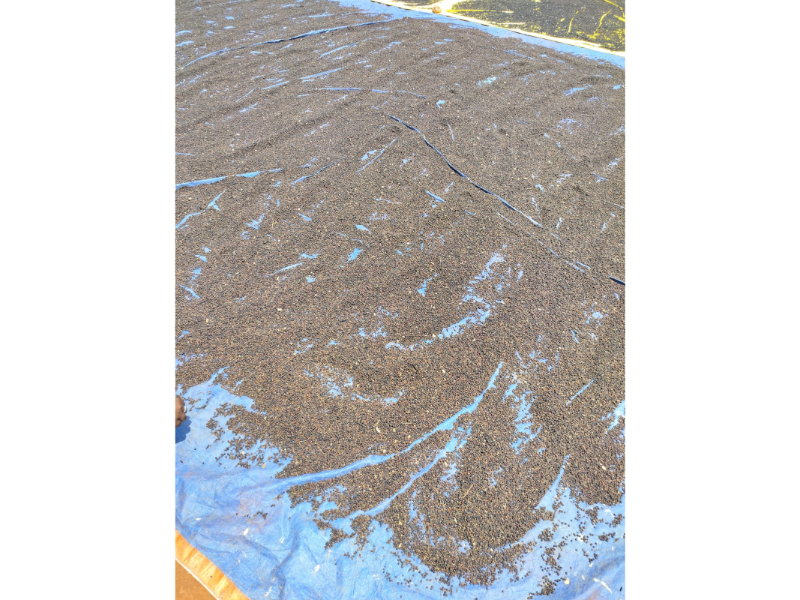
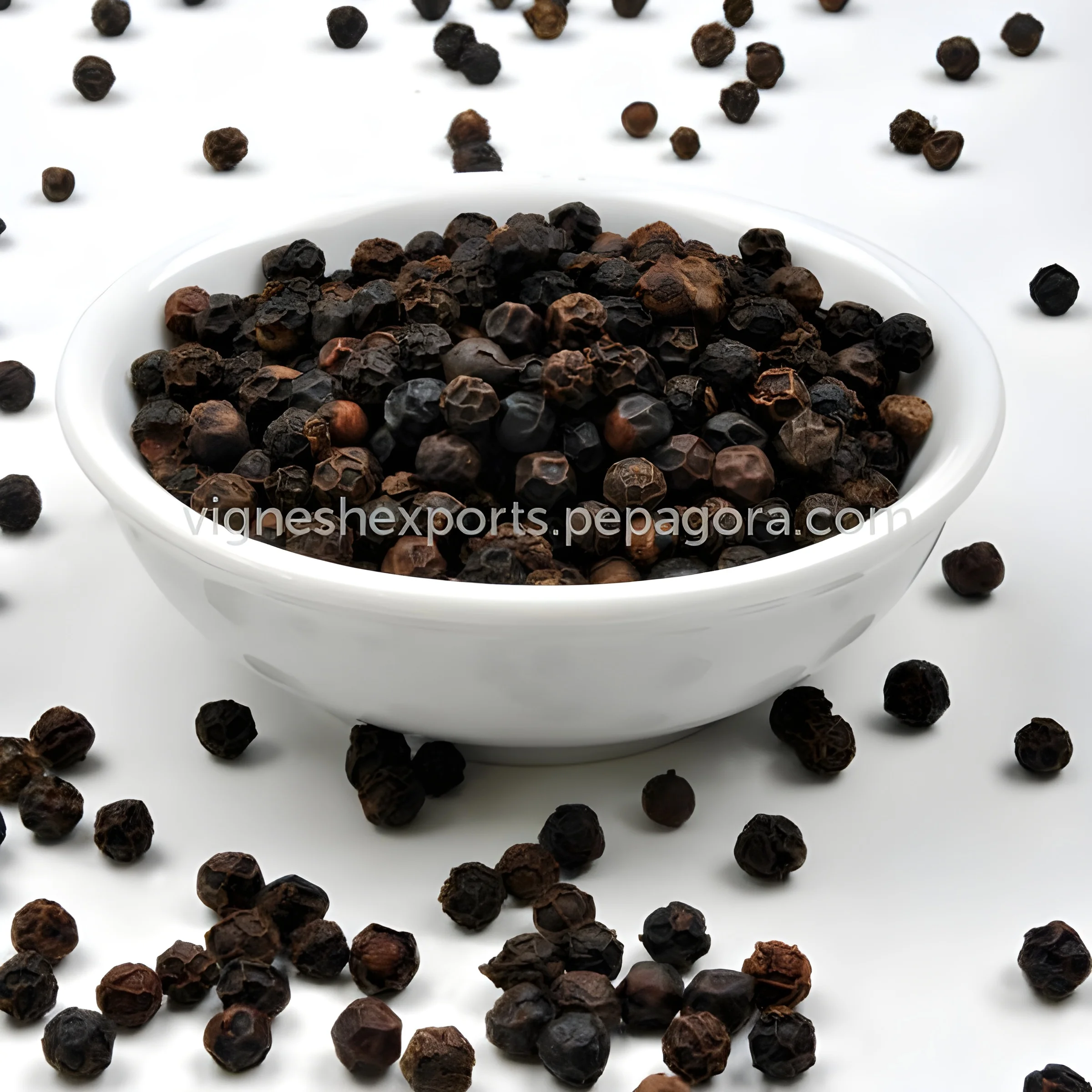
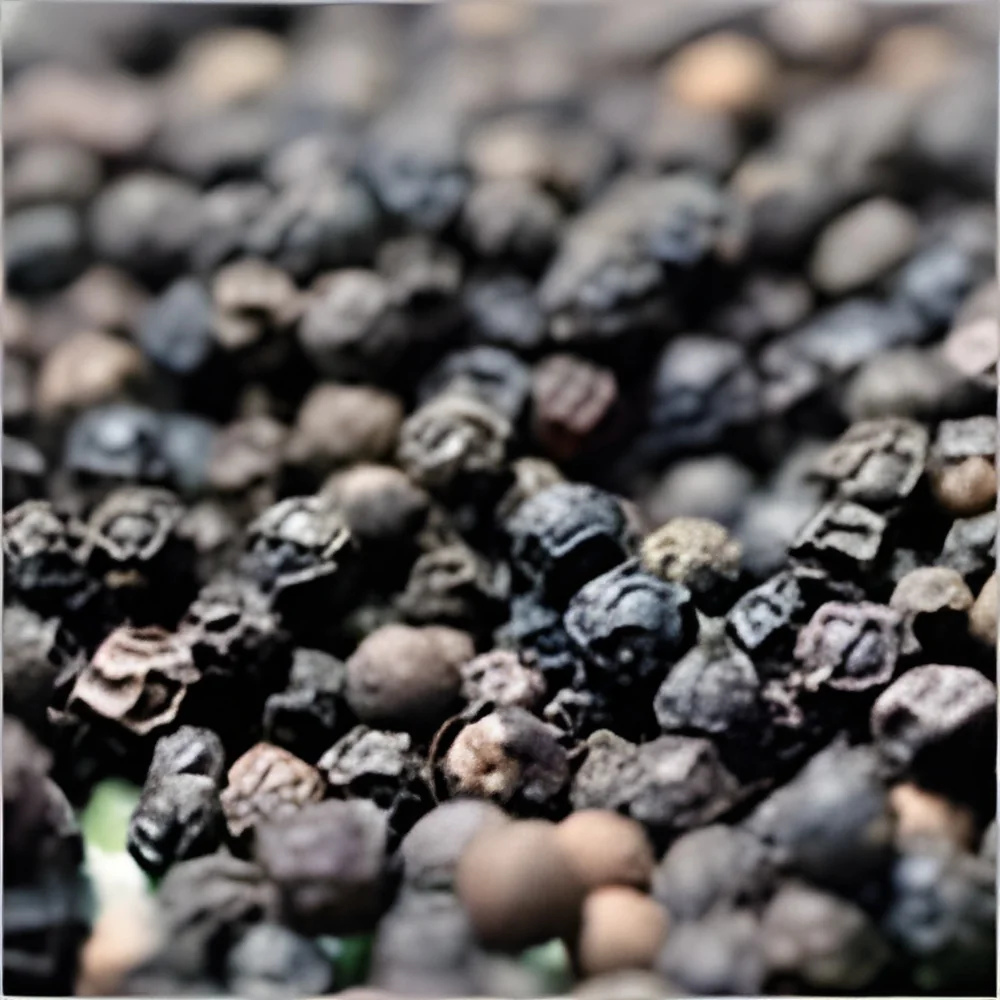
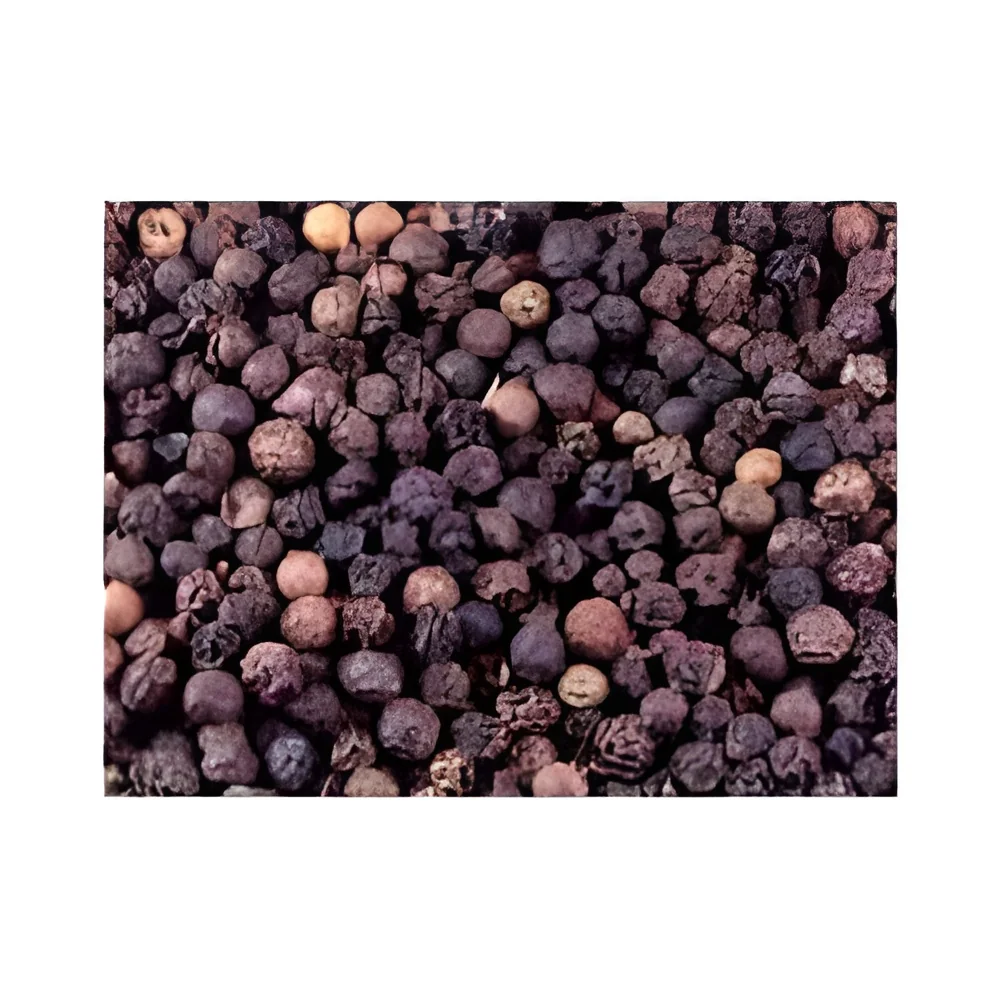
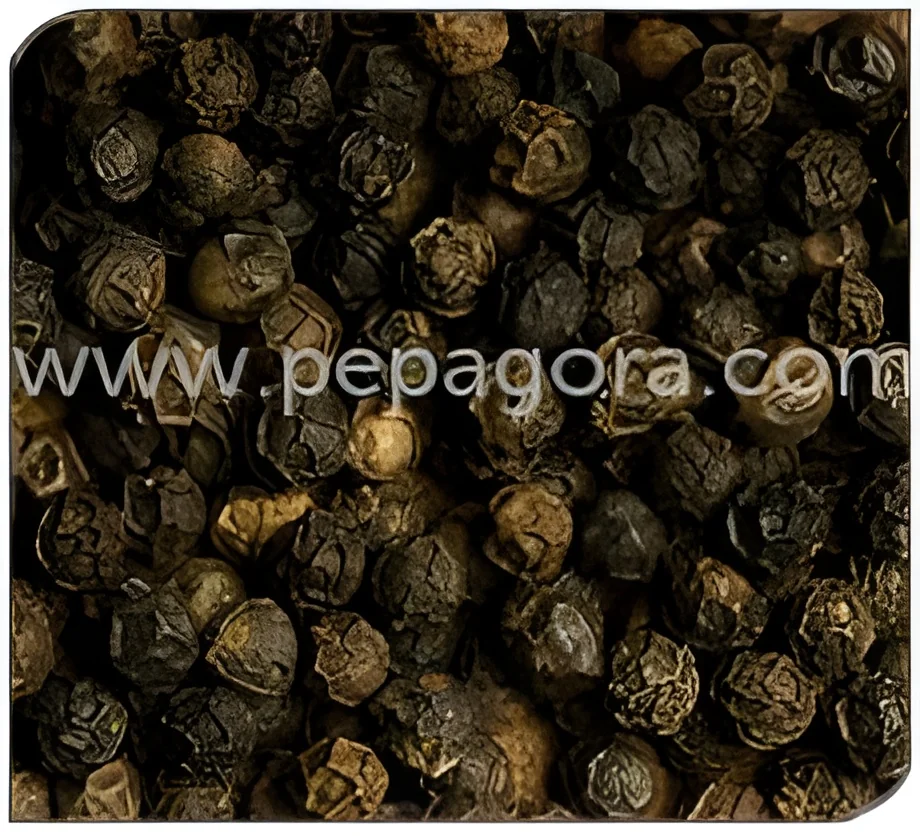
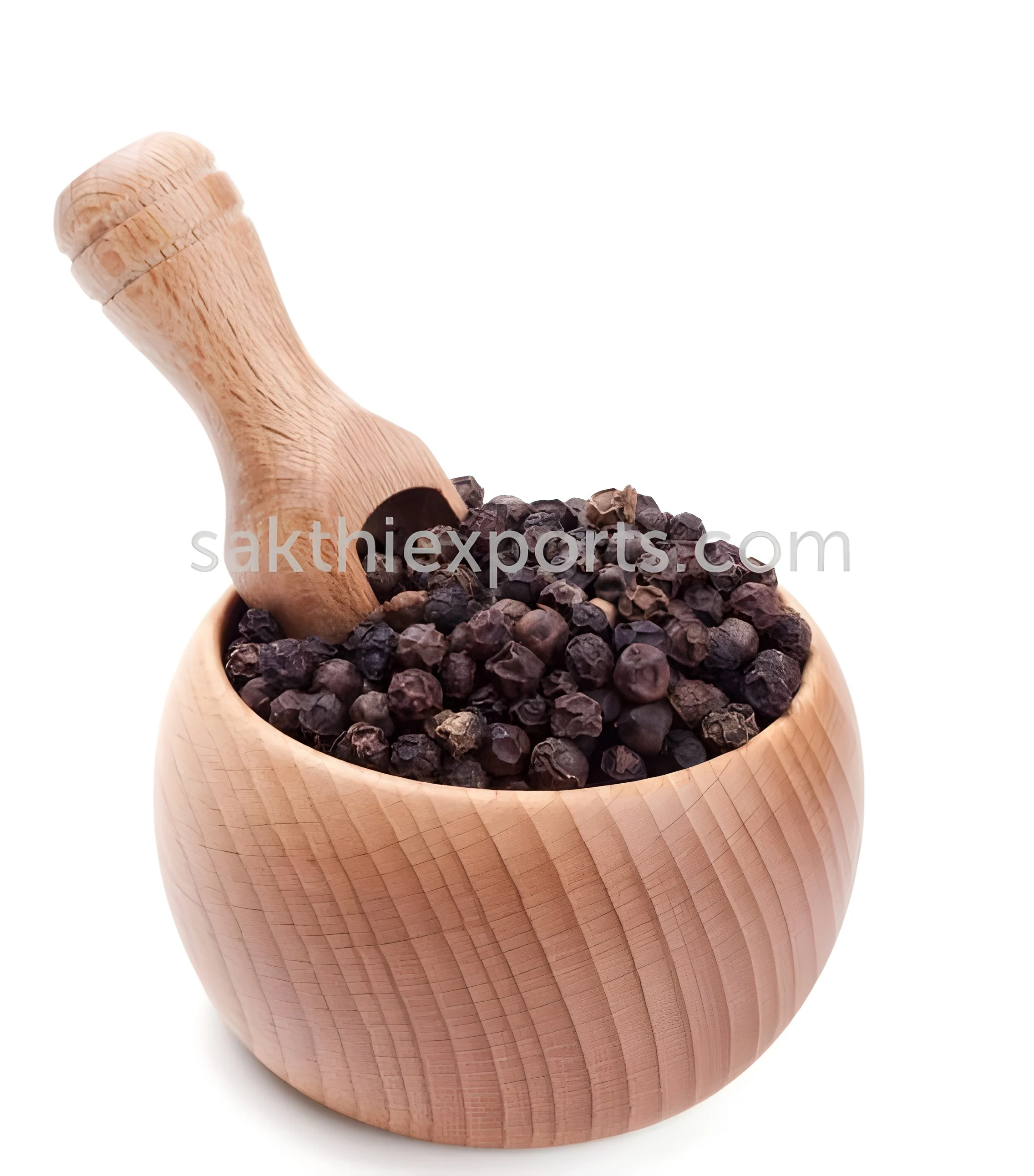
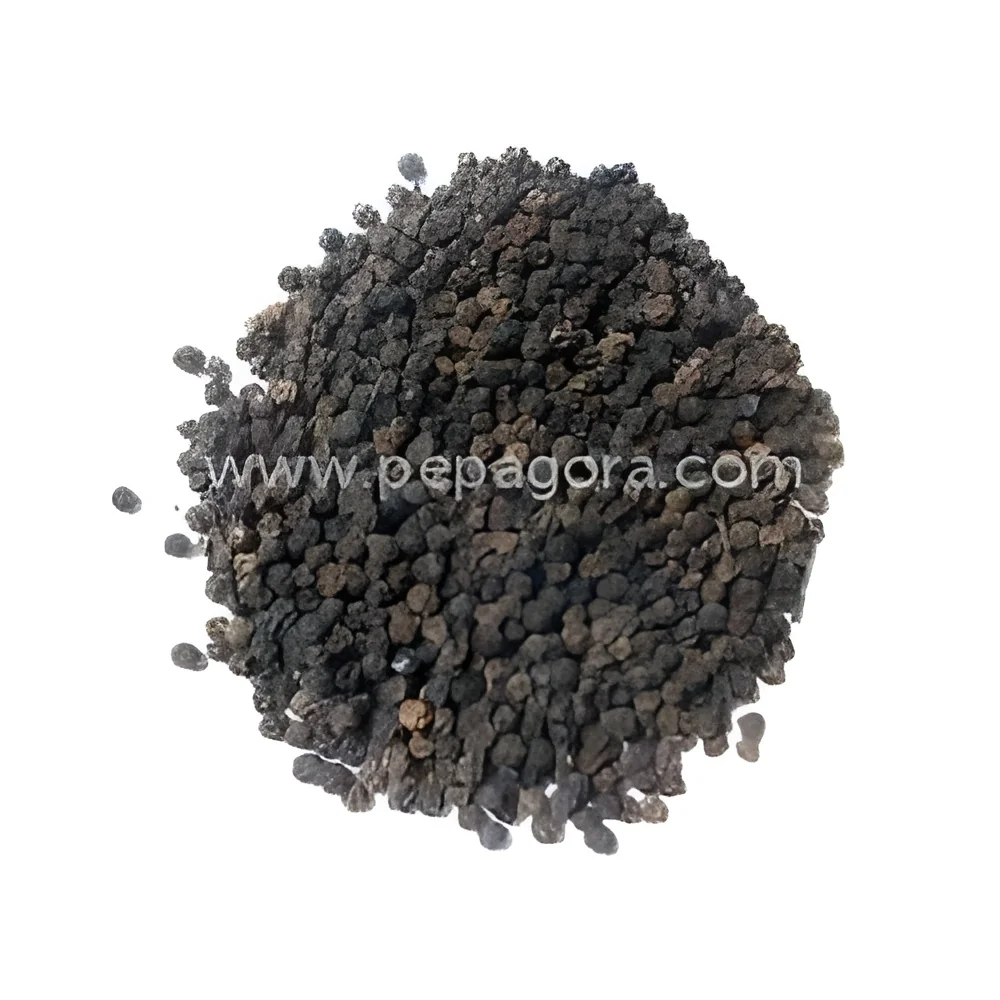
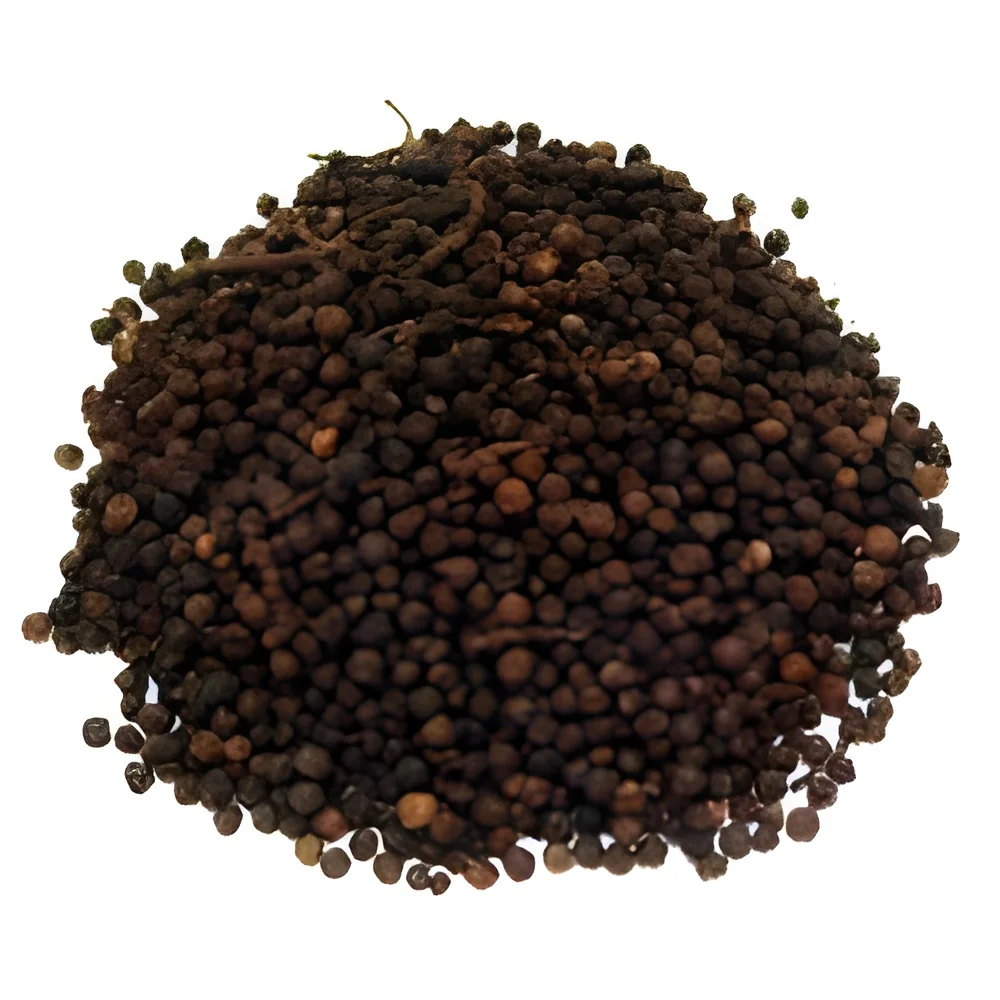
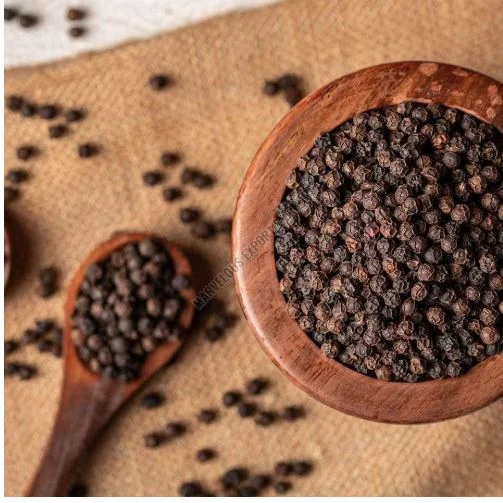
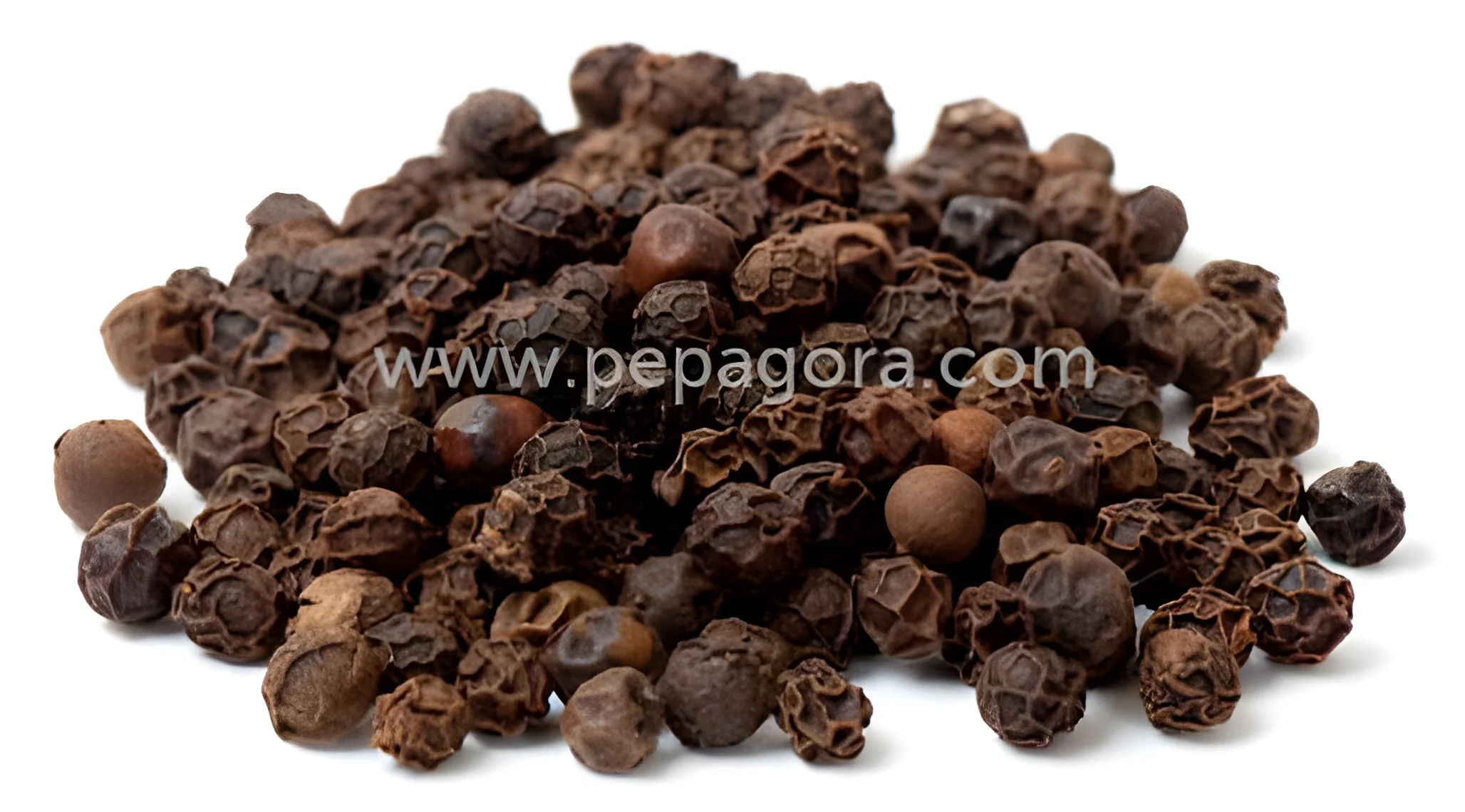
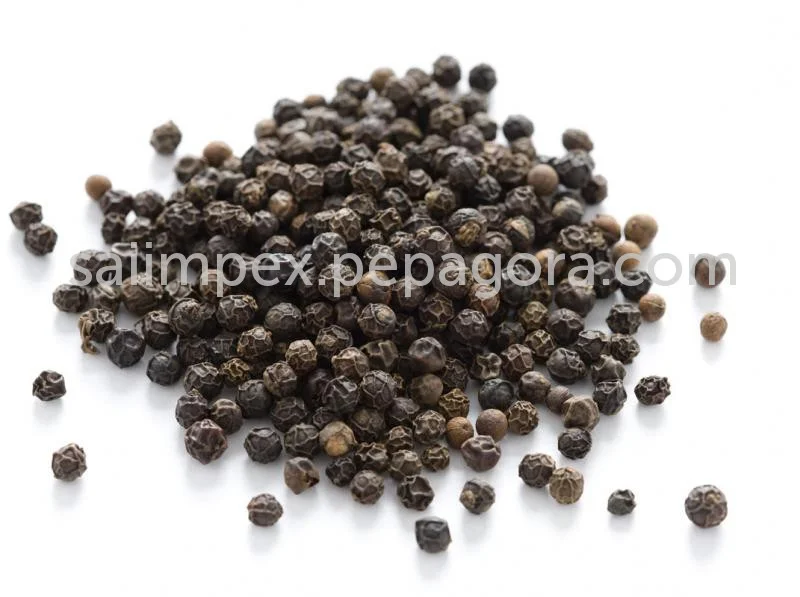
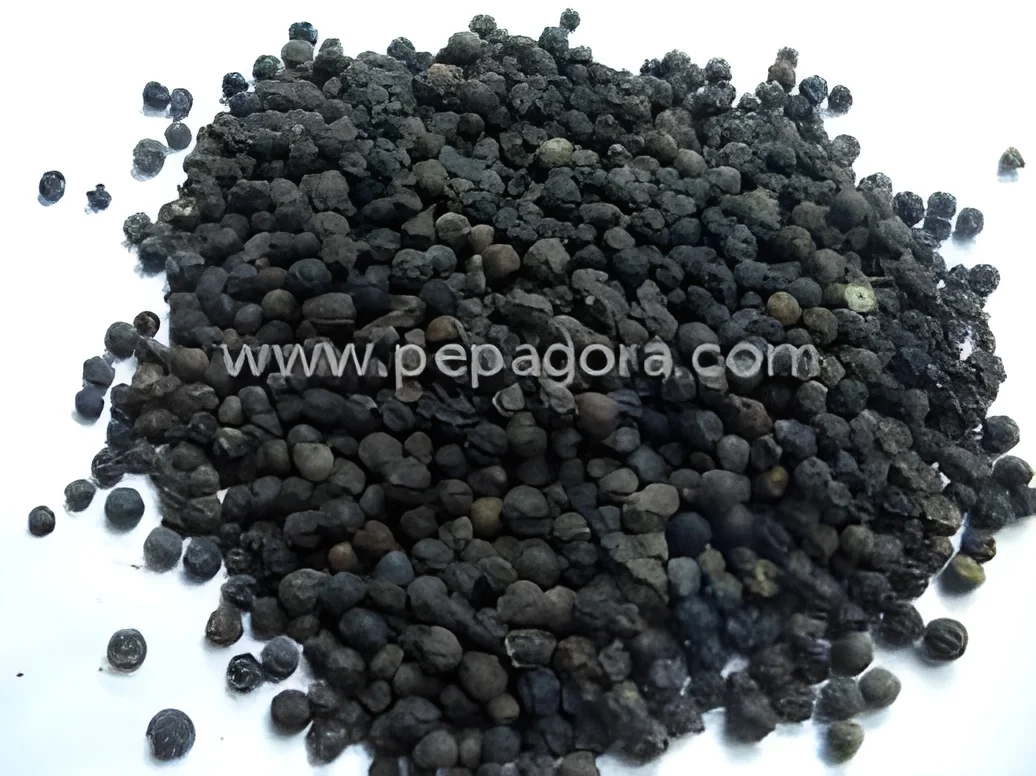
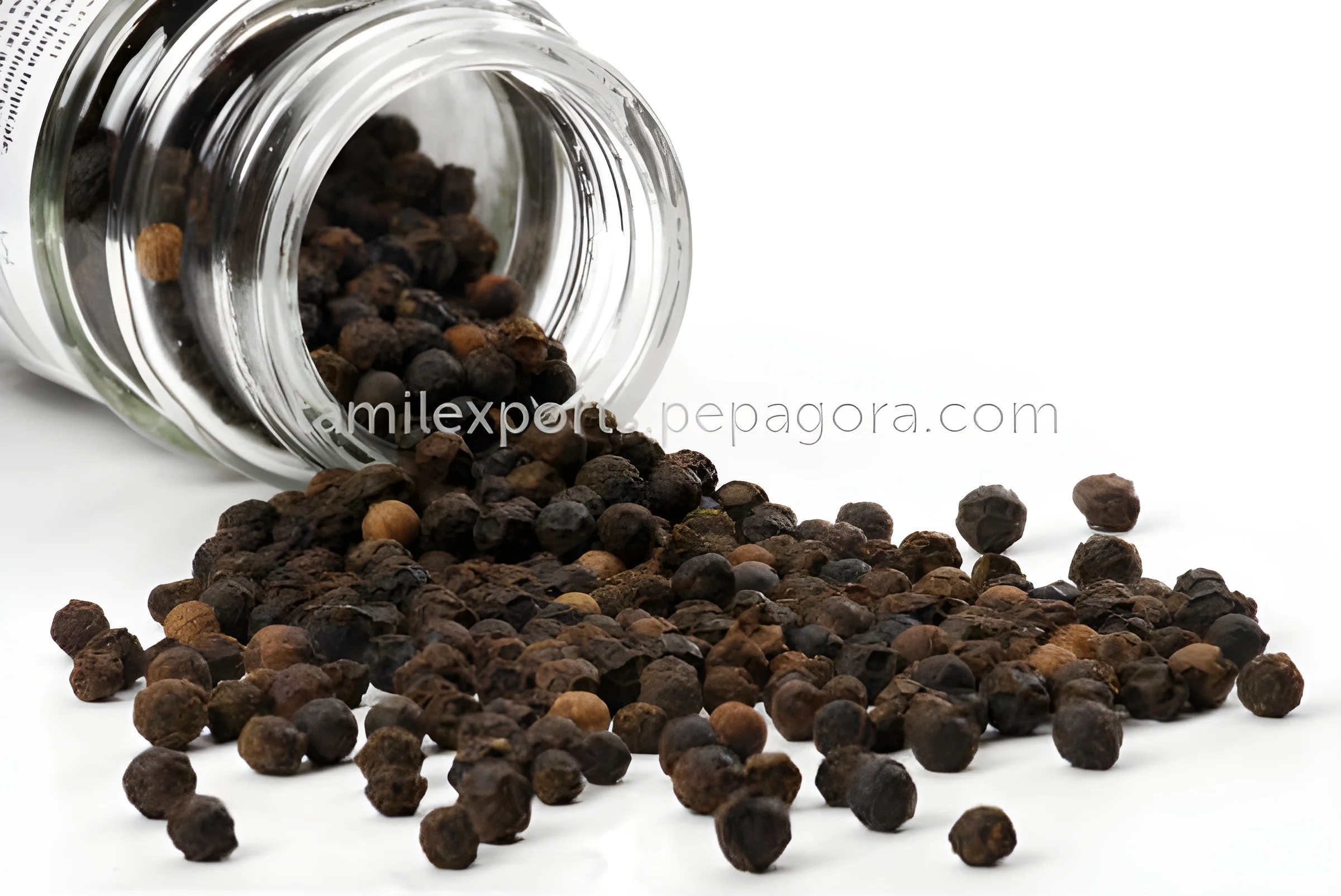
Black Pepper, scientifically known as Piper nigrum, is a flowering vine native to South India. It is extensively cultivated for its fruit, which is dried and used as a spice and seasoning. The dried fruit, commonly referred to as peppercorns, is known for its sharp, pungent flavor, making it one of the most popular spices worldwide. Black Pepper is harvested when the berries are still green and unripe, then cooked briefly in hot water and dried in the sun, resulting in the characteristic black outer layer.
In business applications, Black Pepper is widely used in the food and beverage industry, particularly in the production of a variety of culinary products, sauces, and seasonings. Beyond culinary uses, it finds applications in pharmaceuticals and the cosmetic industry due to its potential health benefits. The spice's demand continues to rise globally, driven by the increasing focus on flavorful and healthy cuisines, making it an important commodity in the spice market.
The relevance of Black Pepper extends into various sectors, as it serves as a staple ingredient in many cuisines around the world. It plays a significant role in enhancing flavors in food processing and contributes to the growth of spice trade across different regions. The current market for Black Pepper is dynamic, influenced by factors such as agricultural practices, import-export regulations, and consumer preferences.
Key Features and Specifications
Black Pepper is characterized by a range of features that define its quality and usability. Understanding these specifications is essential for businesses looking to source this product effectively.
Key specifications include:
1. Quality Grade
- Determined by the size, color, and aroma of the peppercorns.
- Common grades include Tellicherry, Malabar, and Sarawak, each with distinct flavor profiles.
2. Moisture Content
- Essential for maintaining the spice's shelf life and flavor.
- Typically ranges from 10% to 12% for optimal preservation.
3. Pungency Level
- Measured in Scoville Heat Units (SHU).
- Black Pepper usually has a pungency level between 30,000 to 50,000 SHU.
4. Color
- The color of the peppercorns can indicate quality and ripeness.
- High-quality Black Pepper is generally dark brown to black.
5. Size of Peppercorns
- Commonly measured in millimeters.
- High-quality Black Pepper has a uniform size, typically around 4-6 mm.
6. Origin
- Influences flavor and quality based on geographical growing conditions.
- Major producing countries include India, Vietnam, and Brazil.
7. Shelf Life
- Freshly ground Black Pepper has a shorter shelf life than whole peppercorns.
- Properly stored whole Black Pepper can last up to 3-4 years.
8. Packaging
- Usually packaged in bulk bags or retail containers.
- Packaging should ensure protection against moisture and contamination.
These specifications are critical for businesses looking to procure Black Pepper that meets their quality standards and usage requirements.
Common Applications and Use Cases
Black Pepper serves various industries and applications, providing flavor and health benefits.
1. Food and Beverage Industry: Black Pepper is a staple spice used in seasoning a wide range of dishes, sauces, and marinades, enhancing the overall flavor profile of food products.
2. Pharmaceuticals: Due to its potential health benefits, including antioxidant properties, Black Pepper is used in the production of dietary supplements and herbal medicines.
3. Cosmetics: The spice is incorporated in certain cosmetic products for its aromatic properties and potential skin benefits.
4. Food Processing: Black Pepper is commonly used in the formulation of processed foods, providing flavor enhancement and preservation.
5. Hospitality Industry: Restaurants and food service providers utilize Black Pepper to enhance the taste of their menu offerings, making it a vital ingredient in their kitchen.
6. Spice Trade: Black Pepper is a key commodity in the spice market, traded internationally and used as a benchmark for pricing other spices.
7. Home Cooking: Consumers use Black Pepper as a basic seasoning in everyday cooking, reflecting its importance in households around the globe.
Product Variants and Subcategories
Black Pepper comes in various forms and variants, catering to different market needs.
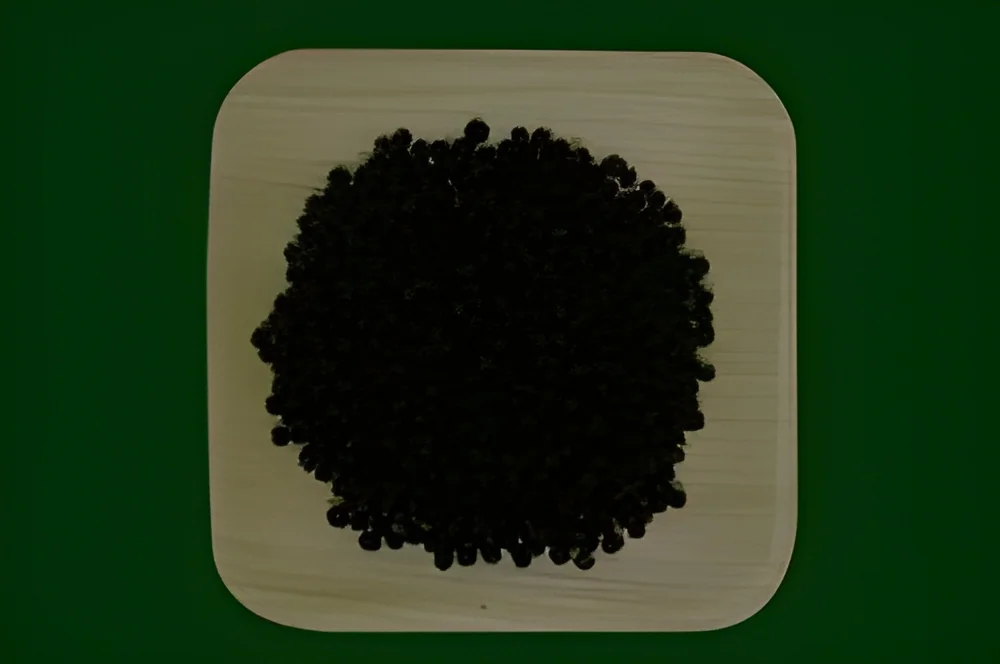
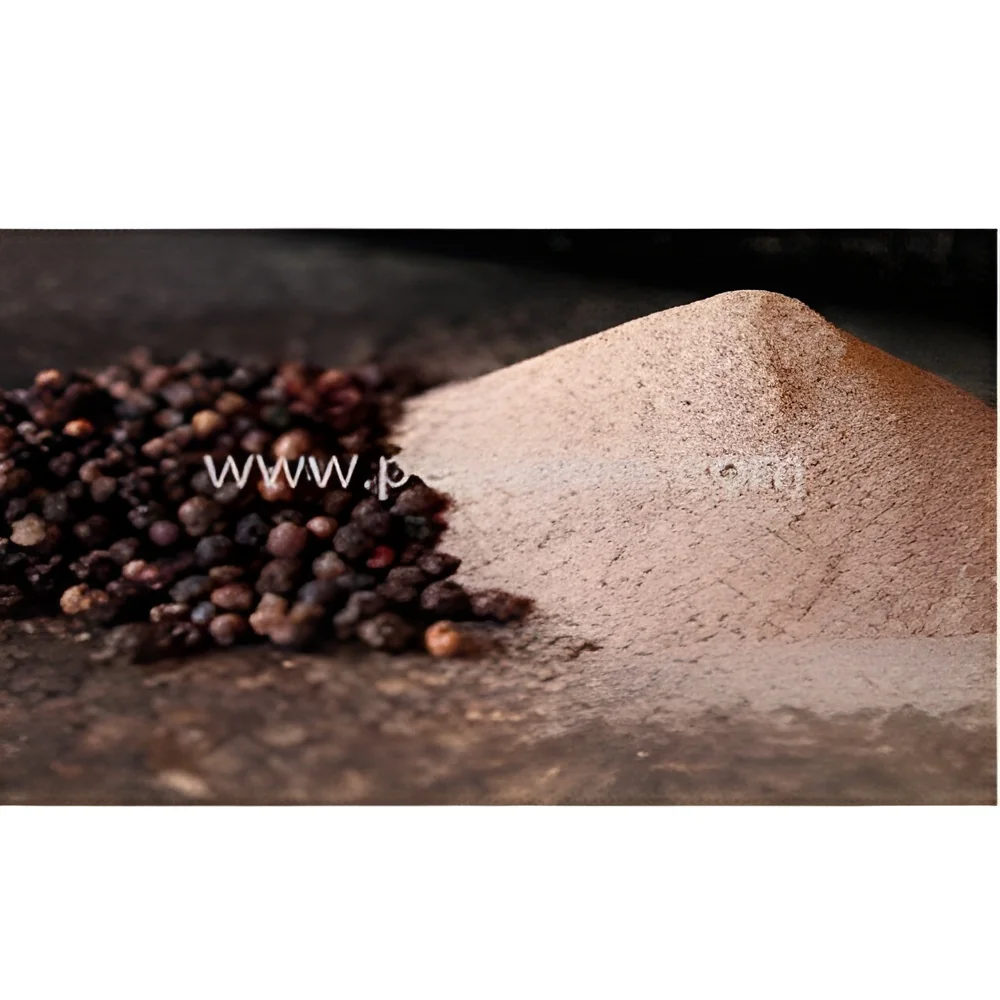
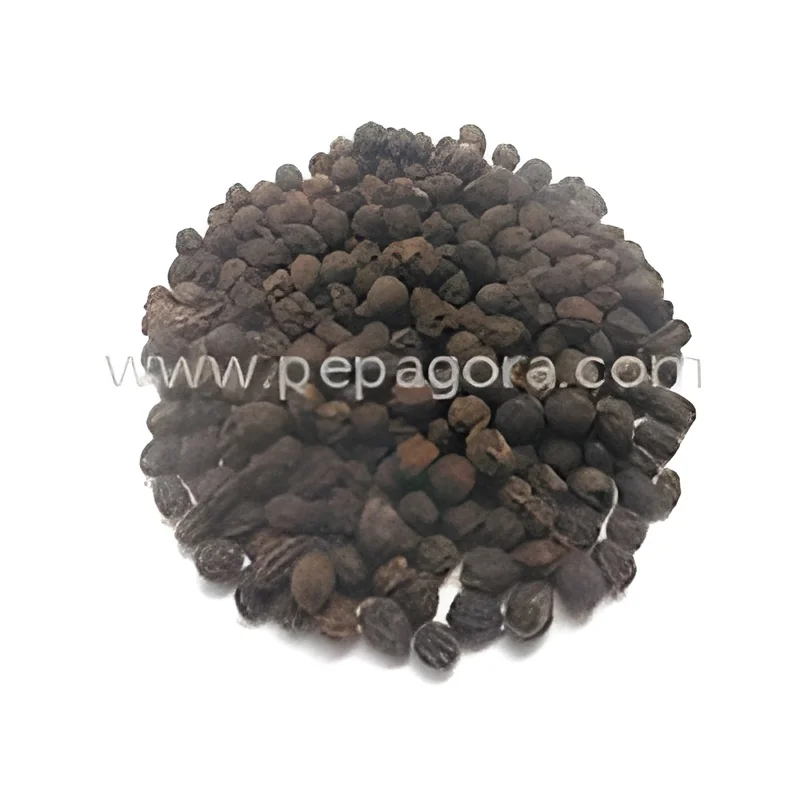
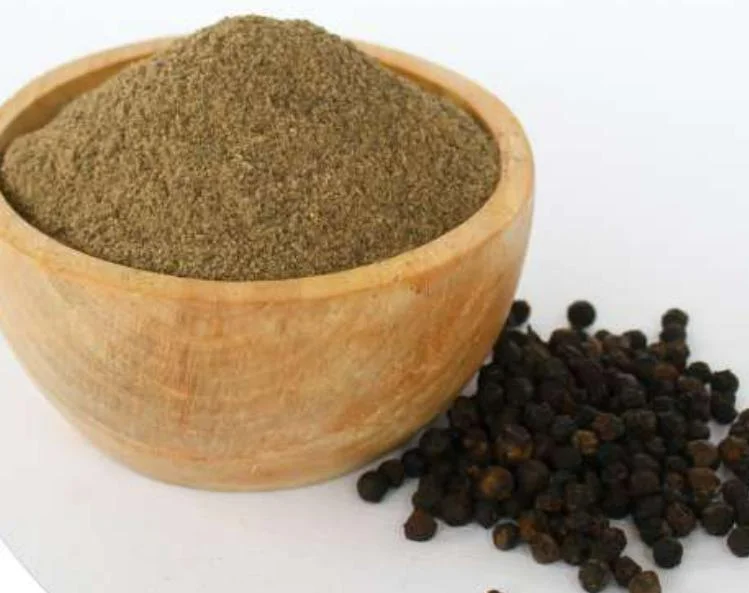
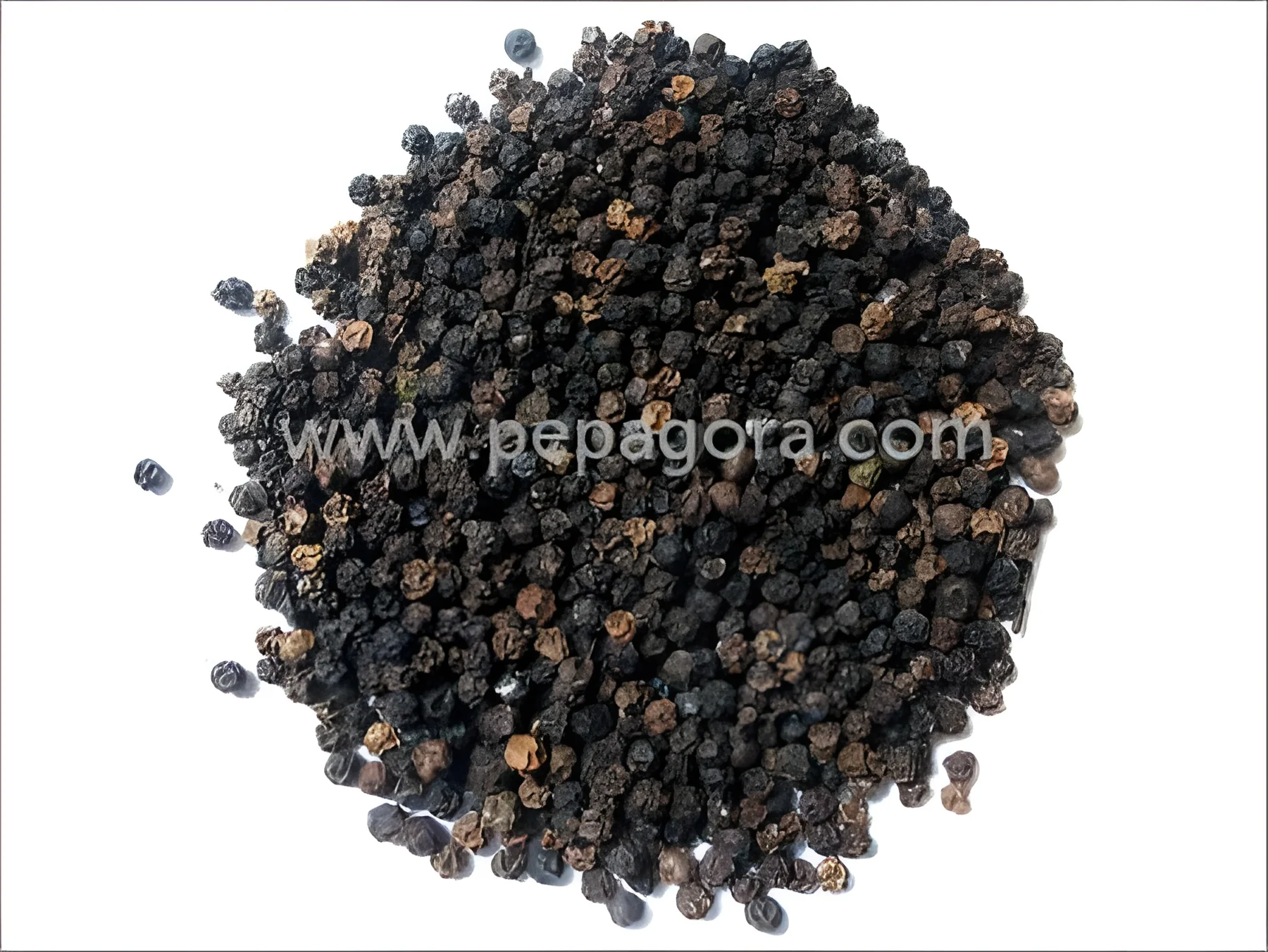
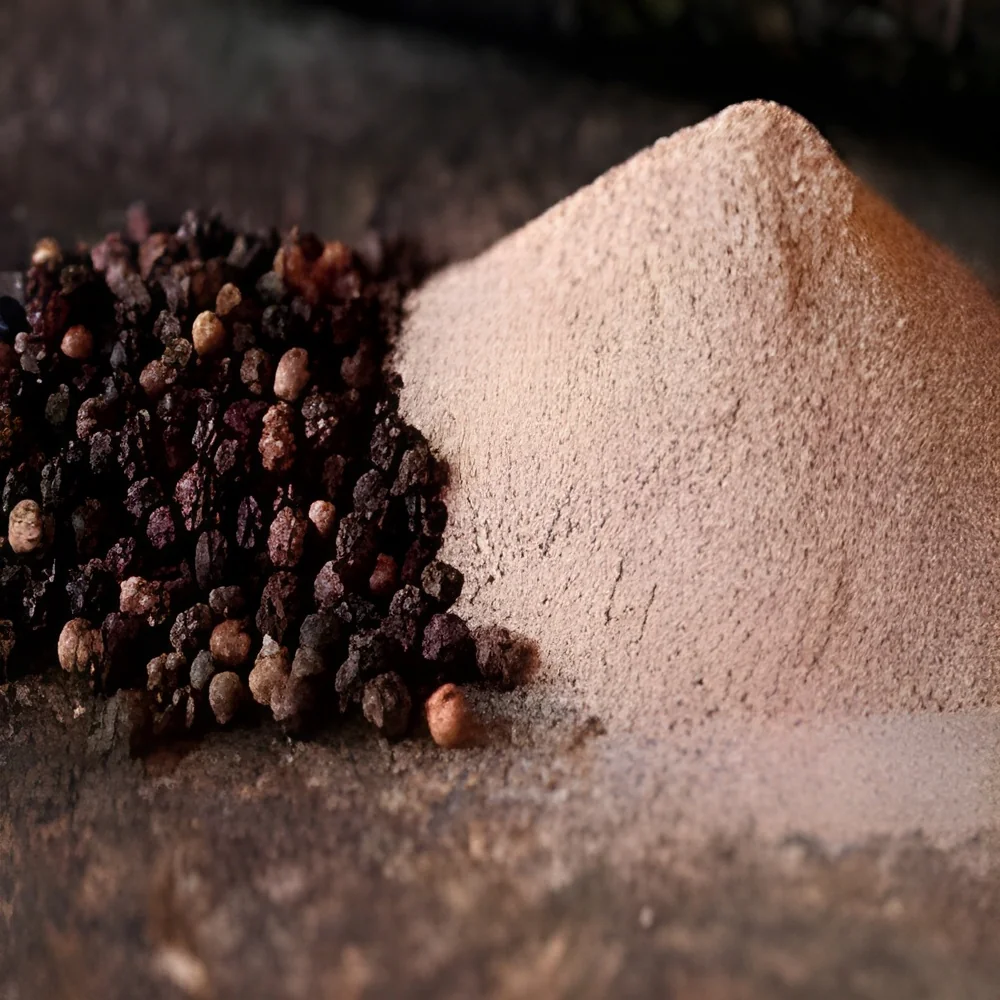
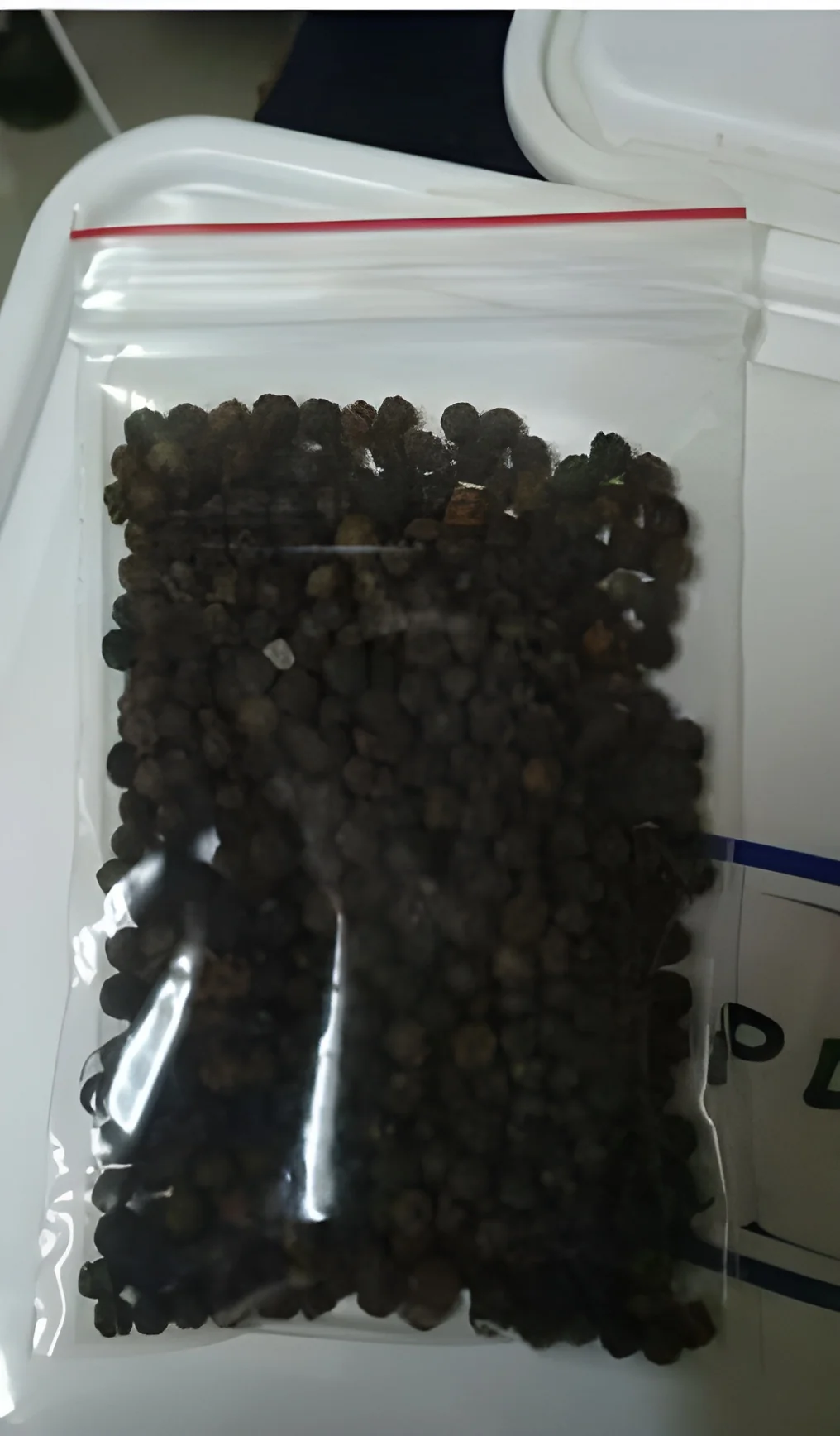
Whole Black Pepper: This variant consists of unprocessed peppercorns, offering robust flavor and aroma. It is preferred for grinding fresh to maximize flavor in culinary applications.
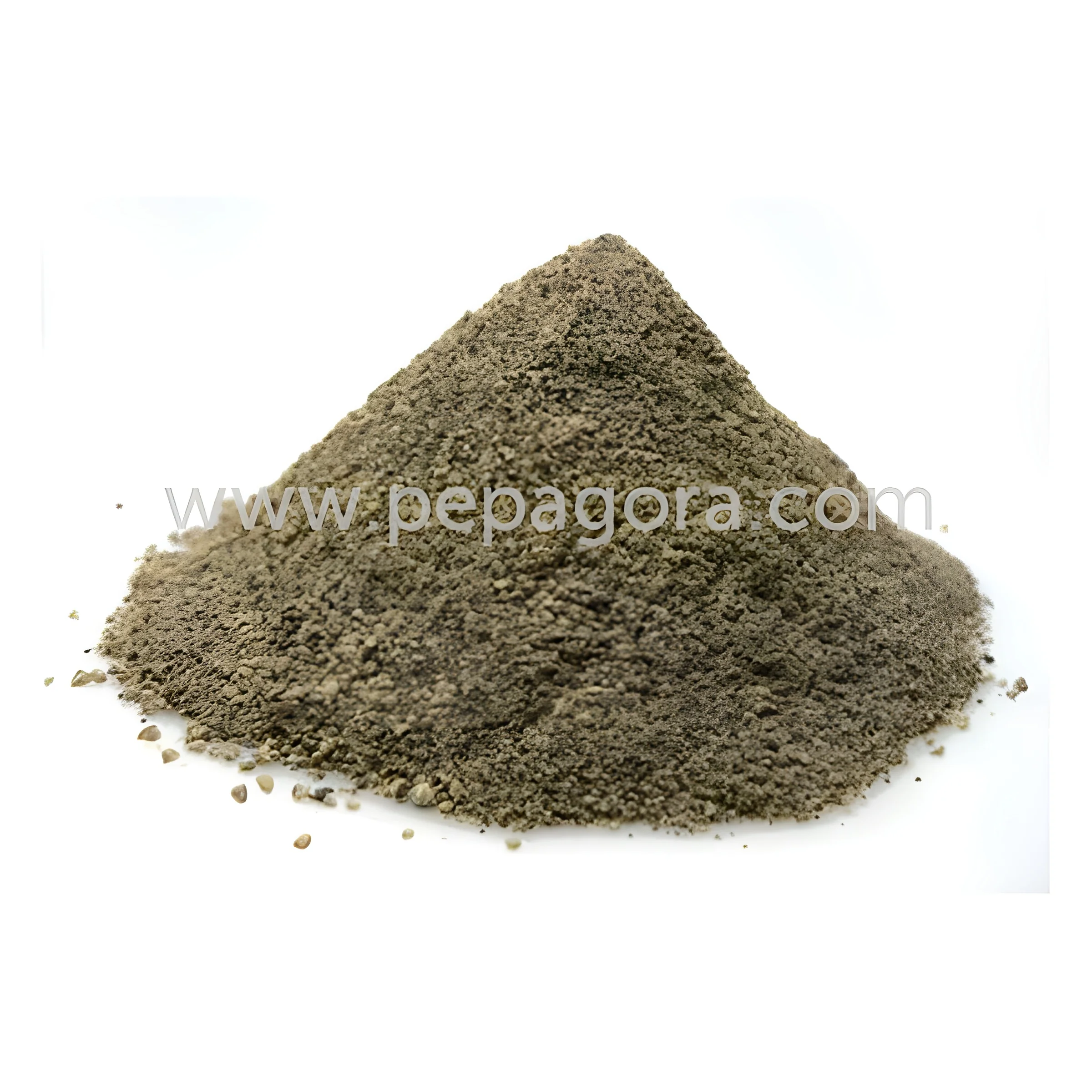
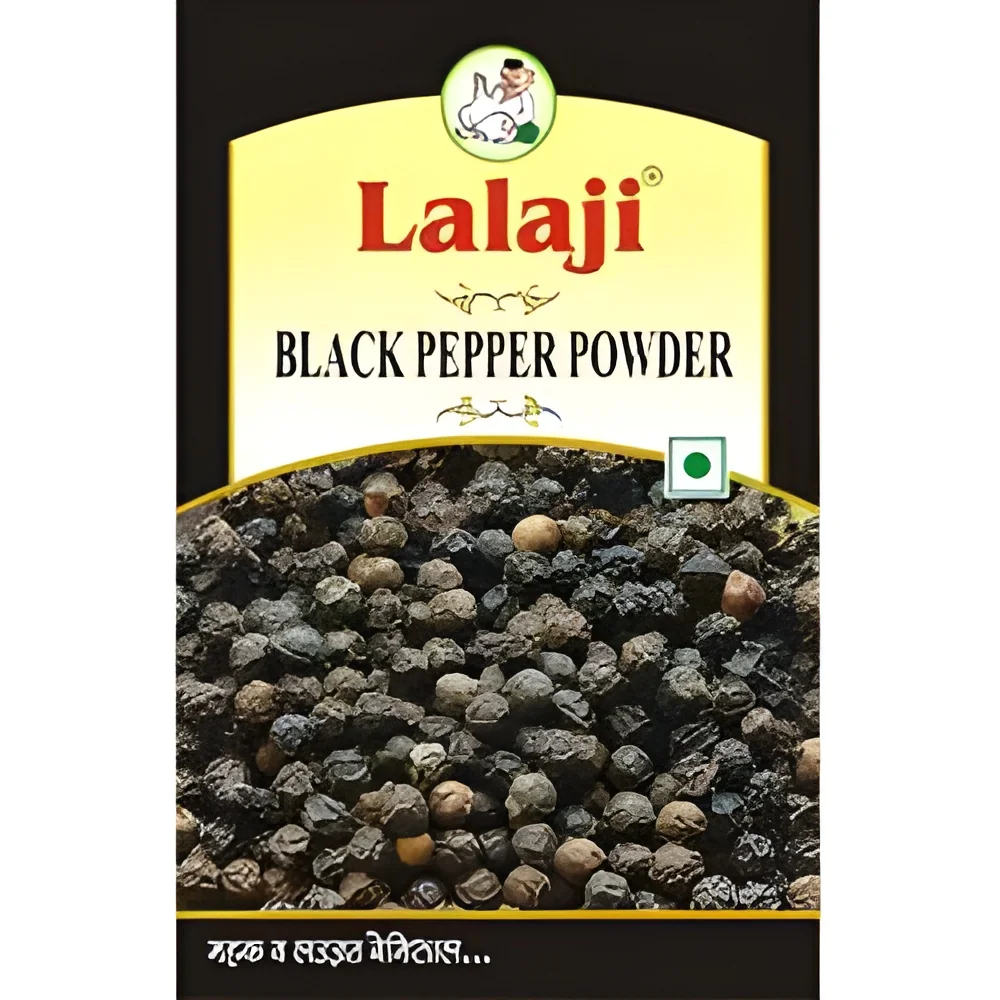
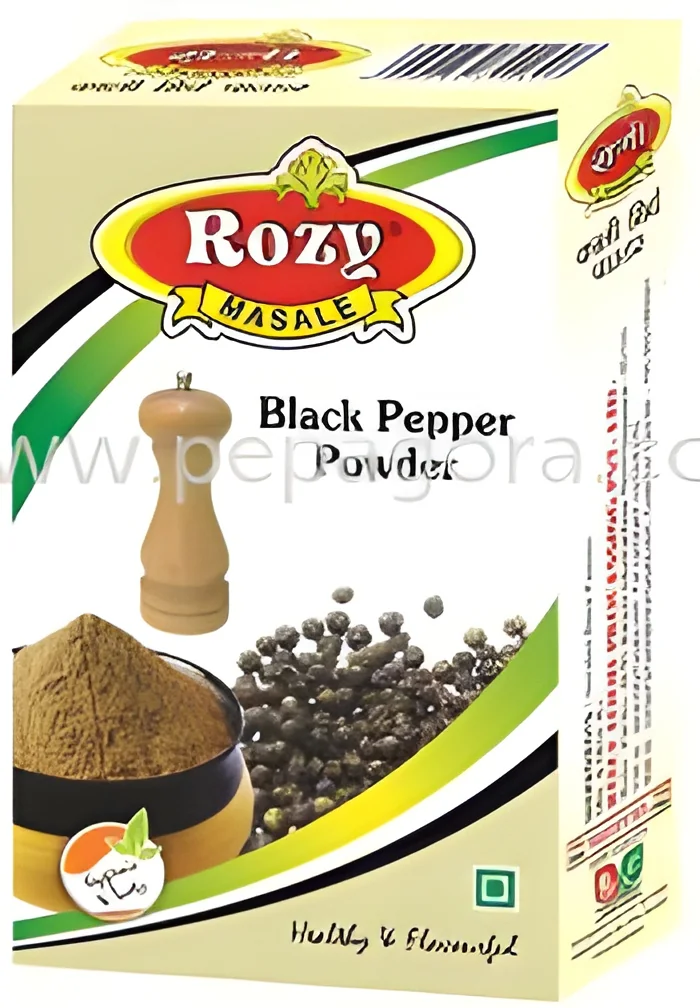
Ground Black Pepper: This is a finely powdered form of Black Pepper, commonly used for convenience in cooking and seasoning. It is ideal for quick use in recipes.
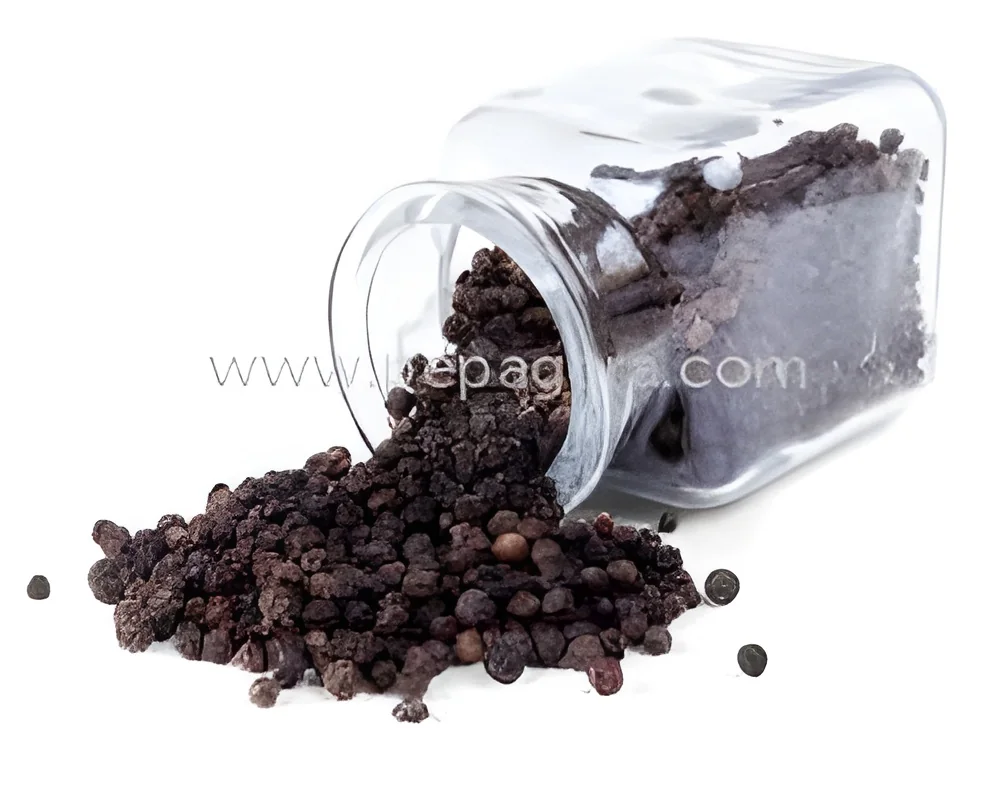
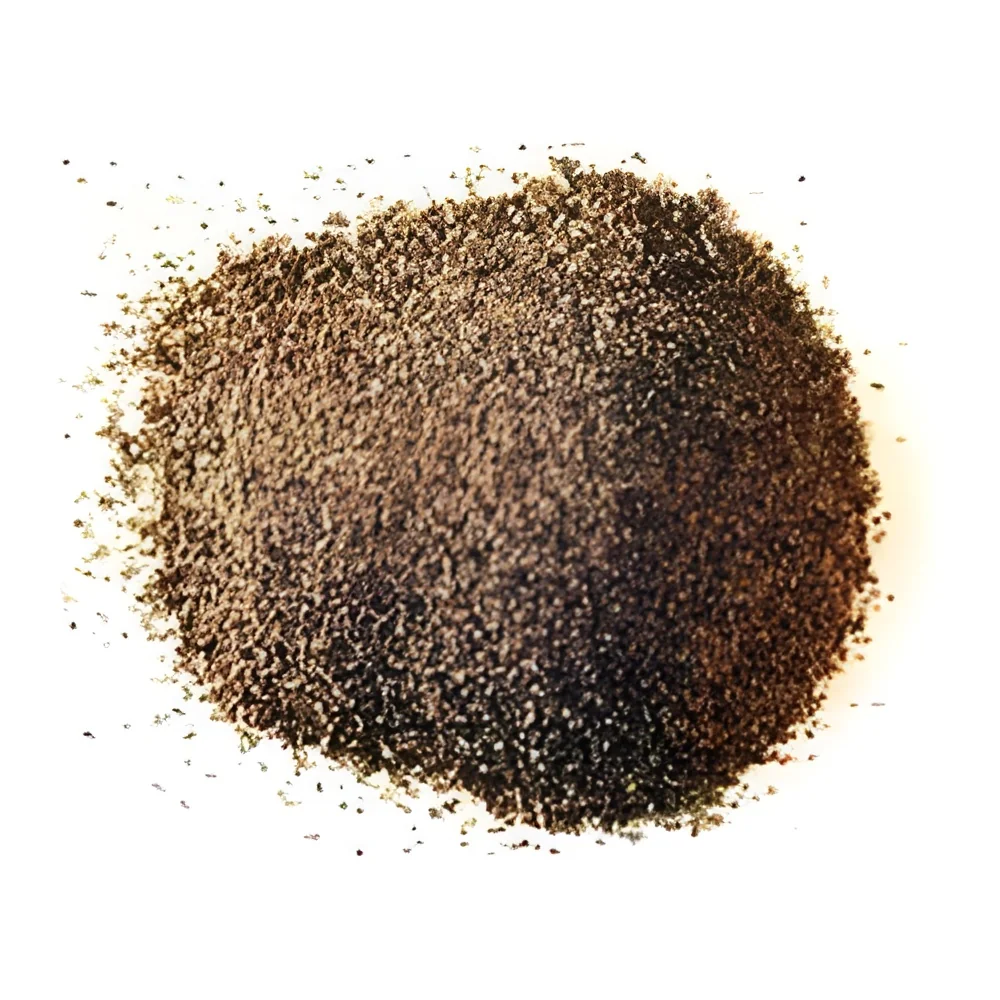
Cracked Black Pepper: This variant consists of coarsely ground peppercorns, providing a burst of flavor and texture. It is often used in meat dishes and salad toppings.
Organic Black Pepper: Sourced from farms that follow organic farming practices, this variant appeals to health-conscious consumers and businesses looking for chemical-free options.
Benefits and Advantages
Sourcing Black Pepper offers numerous advantages for businesses and culinary applications.
Key benefits include:
1. Flavor Enhancement: Black Pepper adds a distinct pungency and depth of flavor to dishes, making it a desirable ingredient in various cuisines.
2. Health Benefits: It is known for its antioxidant properties and potential health benefits, which can enhance the nutritional value of food products.
3. Versatility: Black Pepper can be used in a wide range of applications, from cooking to food processing, making it a multifunctional ingredient.
4. Market Demand: With global culinary trends favoring flavorful dishes, the demand for Black Pepper continues to grow, providing business opportunities.
5. Long Shelf Life: When stored properly, Black Pepper has a long shelf life, reducing waste and ensuring availability for various applications.
6. Cost-Effectiveness: As a widely available spice, Black Pepper is generally affordable, offering good value for businesses in the food industry.
Buying Guide for B2B Buyers
When sourcing Black Pepper, specific factors must be considered to ensure quality and reliability.
1. Quality Assessment: Evaluate the grade and specifications of Black Pepper based on size, color, and aroma to ensure it meets your business needs.
2. Supplier Verification: Vet suppliers for reliability, quality certifications, and track records in supplying Black Pepper to guarantee a consistent supply chain.
3. Pricing and MOQ: Consider the pricing structures and minimum order quantities (MOQ) offered by suppliers to align with your budget and inventory needs.
4. Delivery and Lead Times: Discuss logistics, including delivery schedules and lead times, to ensure timely availability of Black Pepper for production.
5. Compliance Requirements: Understand regulatory standards and certifications required for Black Pepper in your region to ensure compliance with safety and quality standards.
Compliance and Certifications
The sourcing of Black Pepper is governed by several quality standards and certifications to ensure safety and reliability.
Relevant quality standards include ISO 9001, which focuses on maintaining a quality management system, and HACCP, which ensures food safety through risk assessment and management. Compliance with Good Distribution Practice (GDP) is also essential for maintaining quality throughout the supply chain.
Industry certifications, such as CE marking, indicate that products meet European health and safety standards. This certification can enhance trust among buyers in global markets.
Additionally, safety and testing requirements are crucial to ensure that Black Pepper is free from contaminants and meets health regulations.
Regional compliance considerations may vary, so it is essential to stay informed about local regulations governing the import and sale of Black Pepper.
Why Source Black Pepper from Pepagora?
Pepagora provides a trusted platform for sourcing Black Pepper with several key advantages.
Verified Supplier Network: Pepagora has established a network of verified suppliers, ensuring that buyers can access high-quality Black Pepper from reliable sources. This verification process minimizes risks associated with sourcing.
Streamlined RFQ Process: The request for quotation (RFQ) process is designed to be efficient, allowing buyers to receive competitive quotes from multiple suppliers quickly. This feature simplifies the procurement process.
Trade Assurance and Support: Pepagora offers buyer protection through trade assurance. This support gives buyers confidence in their purchases, knowing that they are safeguarded against potential issues.
Regional Coverage: With a strong presence in key markets like India, GCC, and Southeast Asia, Pepagora provides extensive coverage, ensuring that businesses can source Black Pepper wherever they are located. This regional support enhances accessibility and convenience for buyers.

 IN
IN